It happens to everyone, a clog in one of your drains. Most people panic, and run straight to Google to find DIY solutions on how to unclog the drain. We’ve all heard the phrase, “you can’t trust everything you see on the internet,” and this is one of those times where you can’t trust what the internet says.
The main thing you’ll probably see is the drain cleaner, Drano. We urge you to not use Drano in your pipes for many reasons. Sure, it’ll get rid of the problem. But, it only fixes the problem temporarily, and when it comes to clogs, you want to get to the main issue sooner rather than later. The repairs that it could cause could be very expensive and avoided if Drano is not used.
So, what is Drano? According to Drano.com, “they contain ingredients chemicals that quickly dissolve hair, soap scum and gunk. You can use Drano® Clog Removers to unclog a kitchen sink, bathroom sink, shower or clogged bathtub, but DO NOT use them in toilets.” When pouring Drano in your drains, almost instantly you will see the issue go through a reaction.
That doesn’t seem like a problem, right?
Wrong!
Drano has corrosive abilities because of its strong ability to break down even the toughest clogs. Since it is corrosive, it can ruin PVC, eat at pipes or cause toilet bowls to crack (even though Drano has advertised it is NOT meant for toilets).
Since there is a build up of multiple things in your drain causing the clog, you can create a chemical reaction between the gunk in the drain and the chemicals from Drano. This can emit fumes that shouldn’t be inhaled, and if you were using a plunger with the assistance of Drano and it splashes you, it can burn your skin, eyes, or mouth. If you have tried any other remedies that involve chemicals before going to Drano, you can create a toxic chemical fume from combining those products.
Once Drano unclogs your mess, it can still contaminate water and continue to ruin your pipes without you knowing it. Drano is a temporary fix that usually will end up causing other issues in the long run.
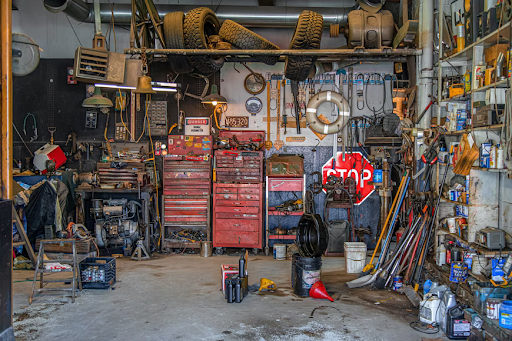
Most people think of a garage as nothing more than a storage area. But garages can be so much more! In fact, it doesn’t take much to make your garage an efficient workspace and pleasant place to spend time. It starts with clearing out the clutter, which you should do every year or two, and applying a coat of paint or giving the ceiling a fresh look. After that, all you need are some shelving units for tools and other supplies to keep them tidy but accessible. Pretty soon your garage will feel like an extension of your home – comfortable and convenient!
1 – PLACING STORAGE ON THE CEILING
Garages are rarely finished to the same standard as homes and it is sometimes difficult to find a surface where you can place shelves or storage units. This is not the case for those with high ceilings, however. If there’s extra space up there, consider placing storage on the ceiling of your garage. You can use a hook, and bracket system. These don’t have to be anything fancy just a few planks of wood or strips of metal will work. Hang them so they are about 6″ below the ceiling, but not touching it. This way you can store things on them without worrying about them getting wet or too dirty. You can attach the shelves yourself with screws, nails, or even magnets if you don’t want to put holes in the ceiling. Or, you can go for something a little more complicated. The choice is yours.
2 – CLEAR OUT THE CLUTTER
The next step to making your garage more functional – and habitable – is clearing out the clutter. Every time you open your garage door, your first instinct should be to clear it all away. So go through everything stored in here and get rid of what you don’t need or use anymore. If that isn’t motivation enough, remember that having a tidy space will make it much easier for you to find tools if you need them in a hurry. Every few months, sort all the supplies and equipment you have down there, checking for broken or dated tools. Toss things that are useless or in poor condition and take the rest to a local thrift shop or donate them to charity. You’ll be surprised by how much extra room you have!
3 – INVEST IN SOME GOOD SHELVING UNITS
In most homes, the garage is where everyone throws whatever they don’t want to deal with, from old toys and tools to boxes of who knows what. The trick to making this space work for you is taking a few minutes every so often to sort through the mess and store things in a place where you can easily find them. Shelving units are a great way to do this, as they’ll not only hold everything neatly, they’ll also allow you to see what you have. When choosing a set for your garage, look for one with rolling tracks that can hold a variety of different items. There are many affordable options available at your local home improvement store that you can build yourself or have assembled professionally, or you can hire a carpenter to do the job for you. The sky is really the limit when it comes to what you can use these for, and how you can customize your garage for comfort and functionality.
4 – PLUS IF YOU HAVE EXTRA LAWN EQUIPMENT…
Lawn equipment takes up a lot of space and it’s usually not stored in garages for long periods because it might get ruined by water, ice, snow, etc. If this problem sounds familiar (or if you want to utilize your garage while still enjoying some outdoor leisure), invest in an outdoor shed. These weather-tight structures are the best way to protect your lawn equipment from the elements.
5 – PAINTING CAN BRIGHTEN UP ANY SPACE
Why not think about giving your garage a fresh coat of paint or adding some stenciling on the ceiling. This is especially important if you don’t plan on having the space finished with drywall or wood paneling. Painting is an inexpensive way to spruce your garage and make it look like a brand new room!
6 – DON’T FORGET THE FLOOR!
Garages are typically made of concrete or asphalt, which can become very dirty and slippery over time. If you want your garage to be safe for all its users (including pets), consider investing in rubber floor mats that absorb moisture and help to keep the space clean.
7 – ADD SOME FINISHING TOUCHES
If you’re going to go through the trouble of making your garage more habitable, why not make it more pleasant? Many people choose to install ceiling fans in the ceilings. Not only do they keep the air circulating, but they also help to keep your appliances from overheating during the summer.
8 – CREATE A WORKBENCH FOR CONVENIENCE
If you do a lot of home improvement, installing a workbench will be useful. This doesn’t have to be complicated – just a couple of simple shelves will do. Not only will you have somewhere to place all your tools, but putting them within sight will make it much easier to find what you need.
9 – INSTALL WALL-MOUNTED CABINETS
Installing your storage off the ground and onto the walls is a great way to free up garage space. You can find specially designed cabinets and units that attach directly to your walls. If you have a lot of stuff to put away, installing these sorts of cabinets might be the best option. In addition to being space savers, they can look very stylish and modern.
Garages are often neglected in favor of the living space. But garages can be so much more! Your garage is a great place to store all your tools, supplies, and equipment that you may need for an outside project or just running errands. And it doesn’t have to look like clutter either–clearing out the clutter every year or two will make sure everything stays organized while being easy to find when needed.
The water heater is one of the most valuable electrical appliances in your home, especially in winters. It is true that it may not be visible to your naked eyes all the time, but the truth is it offers hot water every time you need it. In short, if it causes any of the small issues, it is like a significant disruption.
Especially in the winter season when all your household work depends on hot water, from washing hands to washing dishes or clothes. That’s why it becomes essential to understand some of the common issues of your water heater because it may stop working.
However, the reason to know about these issues is you can diagnose them correctly and, if not, can take appropriate action by calling the best water heater repair San Diego. So, let’s dive deep into the issues of water heaters and what you can do to fix them to get your hot water back: –
1.Not enough hot water is common, that water heater starts producing less hot water as they get older. But if you suddenly notice a significant loss in hot water while using it normally, then it’s a matter of concern. The reason for no hot water is a faulty thermostat.
So, test your thermostat, and after that, adjust the thermostat on the water heater. Now, wait for a few hours and then test the water temperature from any fixtures. If this doesn’t work, check for a leak around the water heater, asrepairing the water leak can decrease the hot water flow from the faucets.
Moreover, if this also doesn’t work, try flushing the water heater tank because sometimes mineral buildup can prevent flow. At last, if none of the above work it’s better to call top water heater repair services near you.
2.Water leaks
Perhaps a water leak is another common problem with water heaters you may face while using them. Any water heaters can start leaking eventually as water corrode the tank and can create microscopic cracks or fractures. But this reason is not always valid as there can be many other reasons for water heater leaks.
If the water is coming from the top of the water heater, then the water connections are loose. So, check cold water inlet pipes and also hot water pipes. Moreover, if the water is coming from the bottom, there can be an issue with condensation, which can be resolved by turning up the thermostat.
Lastly, suppose you notice that the water is spilling from the overflow pipe or the pressure relief valve. In that case, it is a sign of tank corrosion, and it indicates the replace andfix new water heater as soon as possible.
3.Tank takes more time to heat water.
If you are noticing that your water heater is taking ages to heat water, then there can be many problems with your water heater. First, the water heater thermostat may be set too low, which means your burner is not outputting enough energy to heat water quickly.
Secondly, there may be a problem with your gas connection like poor gas pressure, dirty vent flue, etc. Cleaning these parts of the water heater can solve the problem.
However, in many cases, if the water heater is taking enough time to heat water, then it is simply a problem for the water heater as it is not having the capacity to service your home.
4.Smelly hot water
Before you decide on this issue, make certain only your hot water smells or both cold and hot water is smelly. If only hot water is smelly, then indeed something is not good with your water heater. To resolve this, let the hot water run in a faucet for around 3 minutes; if it still smells, flush your water heater tank.
Apart from that, if it doesn’t resolve, your pilot light may have gone out. For this, turn off your gas valve and wait for a few minutes for the gas to dissipate. If you feel the strong odor of gas, then exit the building and call theprofessional plumber to do the work.
5.Water is too hot or too cold.
Do you notice inconsistent water temperature in your water heater? Do you feel that sometimes the water gets too hot and is too cold? Well, this is the sign of a faulty thermostat. For this, you have to replace your thermostat and get it cleaned to offer consistent hot water again.
If you replace the thermostat yourself, it is fine; otherwise, you must call the best water heater repair in San Diego to do the work.
6.Taps or knocking sounds
If you hear sounds of taps or knocks coming from the water heater, then there are chances of sediment buildup as it creates tiny tears in the metal, which causes leaks. This you can resolve by draining your hot water heater tank. If the problem persists, calling the top water heater repair service near you will be the best option as they know exactly the problem with the water heater.
Things to consider when replacing your water heater
Your family’s hot water usage in terms of the amount and frequency of baths, dishes, laundry, and showers
Most essentially, your budget
Contact your trusted plumbing professional to figure out the best unit according to the needs of your home
Any of the rebates or incentives you can get from the local power or water utility
Type of fuel you want in your water heater
The capacity of the water heater
The bottom line
These are some common issues that any water heater may face while working. These issues can be fixed easily at home, but if not, you are free to contact the best water heater repair in San Diego. But make sure you only call a professional plumber to resolve the water heater issues as they are skilled, experienced, and qualified to determine them accurately.
I hope you liked this post on common issues with your residential water heater!
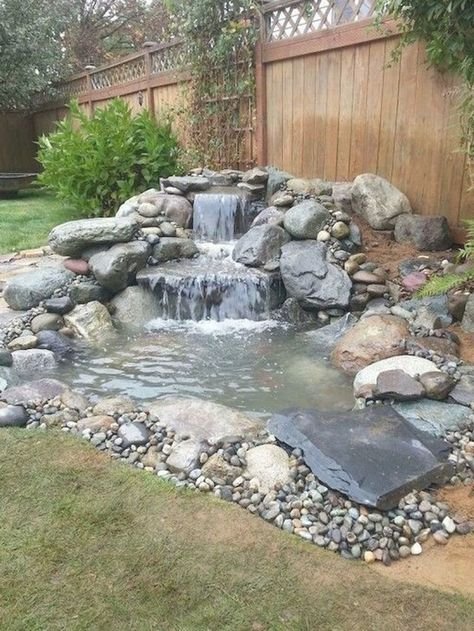
Are you wanting to spice up your backyard by adding a pond but don’t know where to start or what you would like the pond to look like? We’ve got you covered! We rounded up our favorite ideas to give you inspiration for a pond.
A beautiful touch is adding colorful flowers around the pond to make it even more of an eye catcher.
The pond doesn’t have to be huge, it could be small! Big or small, they’re all beautiful!
Raising the pond with wood makes it a beautiful eye catcher and takes it off of the ground.
Are you wanting to take it a step further and be more unique? Adding a stagger to let the waterfall hit makes a beautiful pond.
Another raised pond idea, these are gorgeous!
Adding a pond near the outdoor seating can add a relaxing vibe to the atmosphere.
A small, staggered waterfall pond. The lighting around it is beautiful and illuminates it perfectly.
Adding different heights around the pond makes it pop out more.
Adding a little bridge over the pond makes it pop and lets animals be able to cross the pond.
Adding the pond near a path is a good way to grab guest’s attention.
The raised wooden ponds are our favorite. They look very clean and definitely an eye-catcher.
This is our personal favorite. The pond in a shape of a boat, and surrounded with flowers. Beautiful!
There are multiple devices that you can use to stay healthy. In this area, one of the most popular options is a dehumidifier. These compact devices can be placed around the house, allowing you to control the amount of moisture in the air. But, are they worth the investment? Let’s take a closer look at this issue, evaluating the benefits that a dehumidifier might be able to provide.
PREVENT MOLD AND BACTERIAL GROWTH
One of the biggest reasons why people choose to install a dehumidifier is to prevent the growth of mold. These have a big impact on your health if you breathe the spores in. For example, mold spores have been known to become attached to the lungs, causing breathing difficulties. This is especially dangerous for people who have breathing problems. This will also reduce the odors that can accompany a mold infestation, like the stench of something rotting.
There are several reasons why mold and bacteria might grow inside your house. However, the biggest risk is a damp area. Too much moisture in the air could provide the perfect environment for the mold spores to land and grow. By using a dehumidifier, you’ll be able to better control the moisture content in the air. This will ensure that you don’t give the mold spores a chance to grow.
PROTECT YOUR HOUSEHOLD ITEMS
Another potential benefit of installing the dehumidifier is ensuring that you are protecting your household items. If the moisture levels are too high, you might notice that your property is starting to rust faster. This can cause jagged edges to develop, with the potential for you to scratch yourself when you touch them. It can also cause the item to start to lose structural integrity. As a result, you’ll need to replace rusted items.
It’s also possible that the high moisture content in the air could also start to its toll on electronic equipment. In some cases, it might be able to penetrate through the circuit board, causing potential problems. Using a dehumidifier will be able to prevent these problems. Because you won’t have to replace household items as frequently, you might be able to save yourself some money in the long term.
SAVE MONEY ON AIR CONDITIONING COSTS
While high-end dehumidifiers can represent a significant investment, they might also be a great way of saving you money. This is especially true when considering air conditioning costs. When the air conditioning systems are working in a highly humid environment, it needs to both heat or cool the air, while removing the moist air. By using a dehumidifier, your air conditioner won’t need to use as much electricity to create a pleasant environment in your home. As a result, you’ll be able to save a lot of money.
BREATHE MORE COMFORTABLY
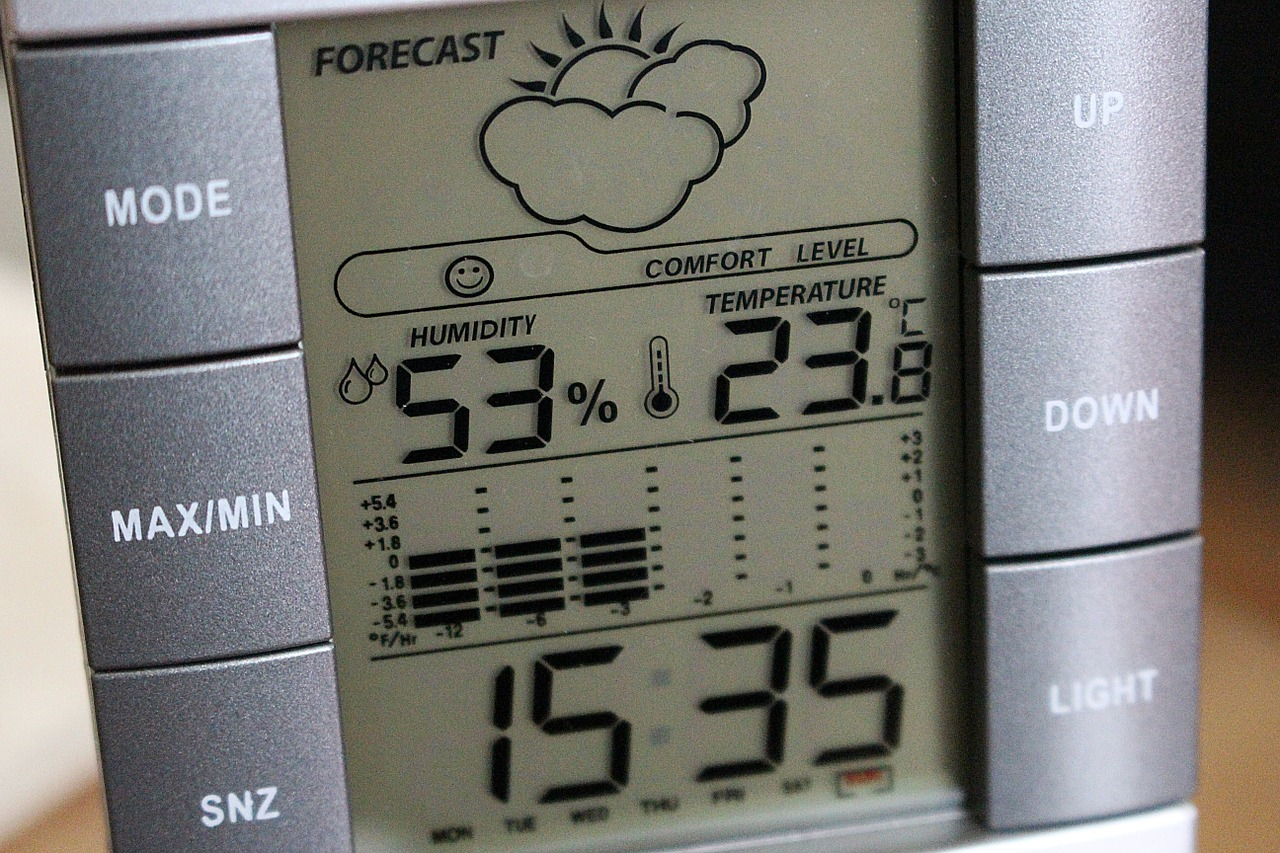
Controlling the moisture levels in the air will determine how easy it is for you to breathe. You need to have enough moisture to form a layer of mucus in the nose. However, if the air is too moist, it becomes dense, this makes it harder for you to breathe. When you have a dehumidifier, you’ll be able to monitor the moisture level in the area. When it starts to get too thick, it will be able to automatically switch on, and bring the moisture levels down again.
REDUCE SKIN IRRITATION
High humidity levels might also be linked to skin irritation. When the moisture levels get too high, it can cause you to produce more sweat and other natural oils. As a result, your pores become blocked. By keeping the moisture levels in check, you’ll be able to prevent this from occurring.
CONCLUSION
Hopefully, you now have a better idea of some of the reasons why people choose to get a dehumidifier for their homes. These can be a great way to protect your property from damage and improve your health. There are dozens of models for you to choose from, so you can find the one that’s best suited for you. To help you choose the right one, you can use these excellent dehumidifiers with pump review. So, pick a great dehumidifier today and take care of your home and health.
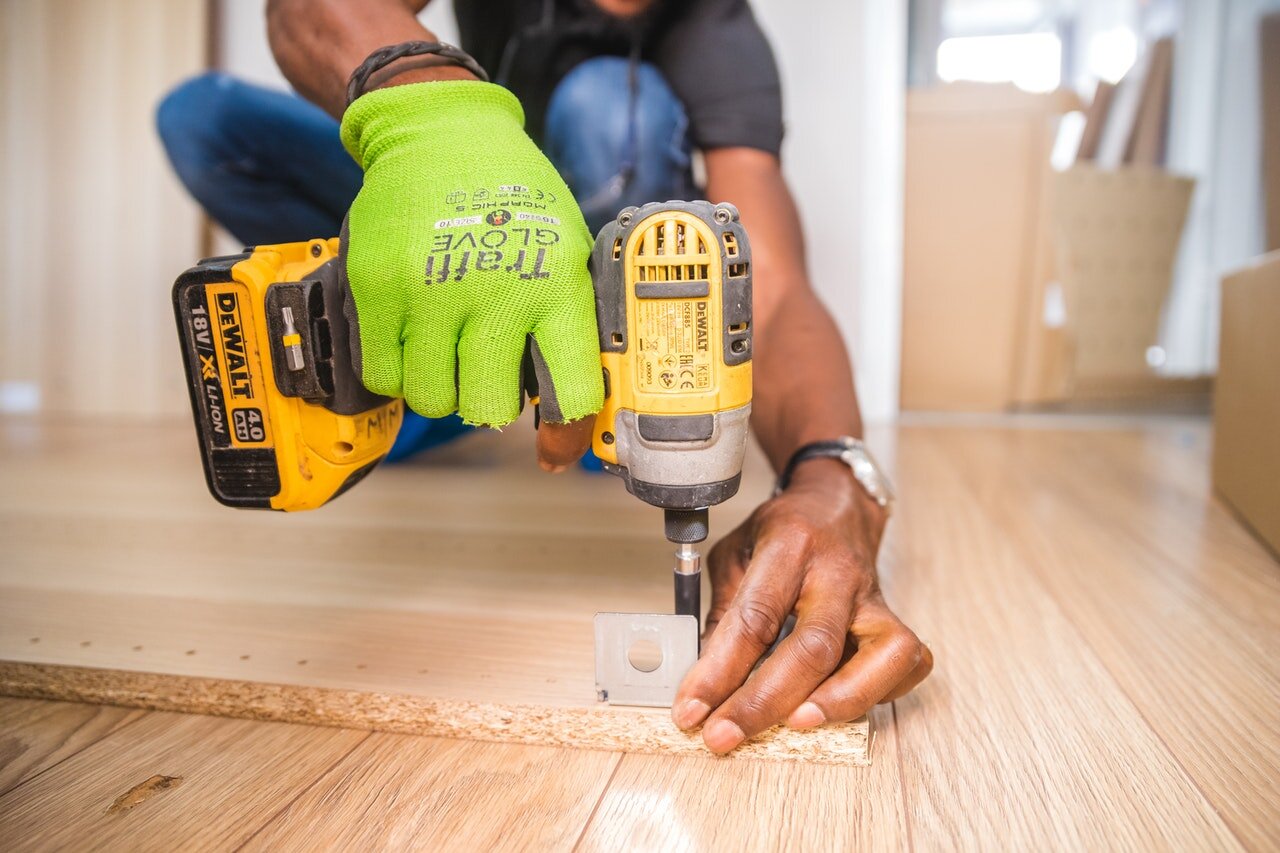
If you love nothing more to go over furniture catalogs and look at HGTV, you might want to consider turning your talent and passion for remodeling into a lucrative career. However, opening a thriving renovation business requires more than just good will and money! You need to find your niche, get permits and form various connections. So, before you step out on the market, here are a few things to know about starting your home reno business.
FIND YOUR SPECIALTY
Biting off more than you can chew will eventually land you various bad situations with clients. It’s always better to find your specialty field where you can deliver what you promise. Ask yourself how many things are you willing to take on yourself, how large your jobs will be and what type of renovations will you perform( period house reno, lux house reno, apartment renovation…)What can you actually offer to the market? While many contractors know how to do a lot of things, it doesn’t mean they should do all of them. Find something you truly excel in, something that separates you from the competition, and concentrate on putting that skill on the market.
FORM A BUSINESS
Before you start seeing clients, you must choose a particular business structure that will suit your needs. There are four main types of businesses: Sole proprietorship (ideal for solo workers or couples), general partnership (ideal for two people in business), Limited Liability Corporations (for one or several parties) and C Corporations (if you want to grow and go public). Learn more closely about each type, but be sure to choose the right one, since changing your business structure later can be hard.
GET LICENSES AND INSURANCE
Having all the necessary licenses and insurance is the key to successful business. You’ll need all required contractor’s licenses and necessary certificates for your special niche, as well as business licenses for the city.
Also, don’t start working until you’re insured. Good general liability insurance will come in handy if someone gets injured at the site or someone damages a piece of property. These are both required by law, especially worker compensation should they get hurt. It’s also good to have commercial property insurance that covers your property (equipment and furniture) and cyber insurance to protect all your sensitive customer data.
PURCHASE A VEHICLE
There’s no way you’ll be able to be a successful contractor without a truck. You don’t have to go super big, but a medium-size trick will help you haul lumber, brick, kitchen counters and even appliances. And you might be worried about the price, sure. Luckily, there are many affordable dealerships that have quality trucks for sale and offer great prices. You can even go used and choose from a wide variety of affordable trucks in great condition. And if you decide to sell your vehicle, you’ll surely get a good price, especially if you pick something used (their price depreciates less over the years).
ESTABLISH CONNECTIONS WITH SUPPLIERS
Your contact list should be full of reliable contractors. Having plenty of good people around can make or break a job and make a difference between a profit and a loss. Knowing your materials will arrive on time and that your order will be perfect is crucial to finishing your job on deadline or even ahead of it. A firm relationship with everyone from suppliers and vendors to subcontractors is very important. The finished product will carry your name, so don’t let it be dirtied by unreliable business partners.
PREPARE FOR THE SLOW PERIODS
The home remodeling industry is usually connected very closely to the real estate market and the local economy. But, living in an area with four distinct seasons can also leave a mark on your business. Usually, your summers will be more productive than your winters. This phenomenon is not so visible in places like Australia or Southern USA, but places with cold winters might notice it more. In general, winters are slower, because most people choose to direct money into holidays instead of renovations. But, you can ask customers with a tight budget whether they are willing to postpone their old house renovation until winter. Offer them better prices and you’ll stay busy during this uneventful period of the year.
Of course, you are expected to make a profit but don’t cut too many corners or you will end up with bad reviews and zero customers. All in all, as long as you offer reliable, affordable and effective services, your home renovation business will provide you with a steady income and plenty of customers looking to get a taste of your product.
About the author: Mike Johnston is an avid blogger and content writer with a focus in real estate, home improvement, and the construction industry.
Of all the disasters that could hit your property, water damage is perhaps the worst for so many reasons.
An inch of water flooding your home or place of business may not seem like much, but it can already set you back a few thousand dollars or even more.
Without prompt water damage restoration, that much water can already damage your floor as well as any furniture and appliances soaked in it. All that moisture can also cause mold to form inside your property. The dampness also makes the place an attractive environment for ants, rats, termites, cockroaches, and other critters that love moisture.
All that, however, doesn’t compare to the way water damage could weaken a building’s foundation. Water from rain, snow, or leaky plumbing saturates the soil around your property. Once the soil expands and shifts, it will put pressure on the foundation walls, and eventually cause cracks that compromise the entire structure.
You can prevent water damage from happening, but to do that, you need to know its most common causes. And it’s not just thunderstorms and other types of severe weather that cause water damage. Some of the most common causes of water damage are things that happen within your property. Here are some of them.
BLOCKED GUTTERS
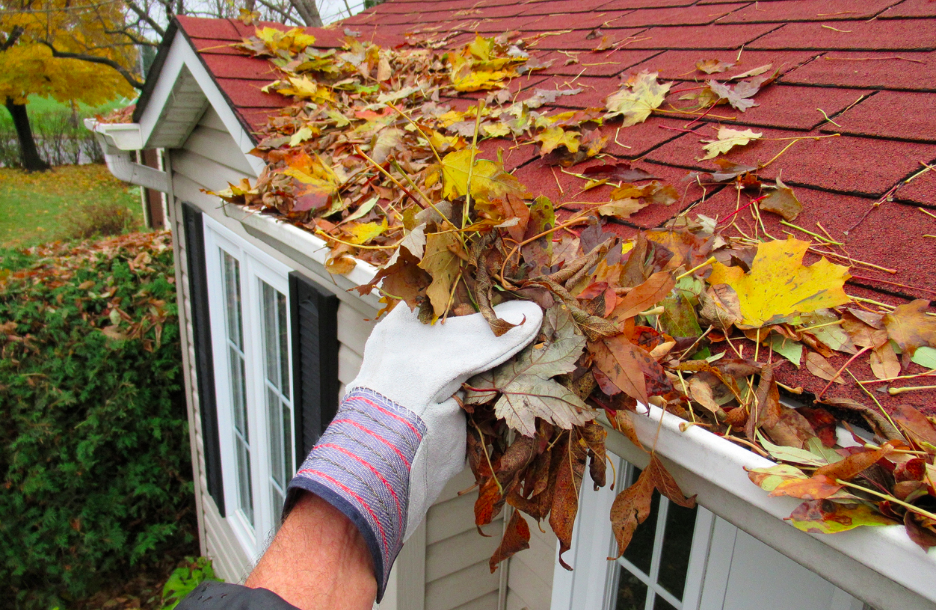
Leaves, branches, bird’s nests, and all kinds of debris can clog your gutter system, which is going to be a problem when it rains. Because all that debris prevents water from flowing away from your house through downspouts like it’s supposed to, rainwater will instead flow over the edges of your gutter and straight down the side of your property. Your ceiling and walls will be prone to water damage when that happens.
PLUMBING PROBLEMS
Loose pipes and broken plumbing are a prime source of water leaks that damage everything they touch over time. It would be even worse if the leaking pipes are inside a wall, especially if it took you a long time to notice the problem. By then, the water-damaged wall would already make for an ideal breeding ground for mold.
CLOGGED DRAINS AND TOILETS
One of the more disgusting causes of water damage is blocked drains and toilets. Grease buildup, hair, or any foreign object can clog drains and toilets and cause water to flow back up. When more than enough water flows back up your drains and toilets, your home could end up flooded with extremely filthy water that won’t just cause water damage, but also make you sick.
WATER HEATER LEAK
Old, poorly-maintained, and incorrectly-installed water heaters are prone to leaking, especially when the water pressure is high, out of loose drain valves and cracks in the tank.
FAULTY SPRINKLER SYSTEMS
Sprinkler systems are great when they arrest the spread of fire inside a building but can be quite damaging when they turn on for no reason at all. Malfunctioning sprinkler systems have been known to cause considerable water damage, especially when the affected area has furniture, appliances, and other stuff that aren’t supposed to get wet.
LEAKING WASHING MACHINES
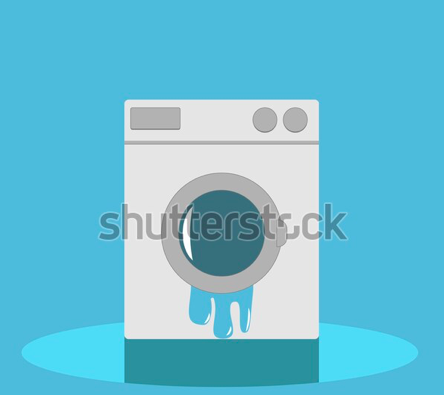
If your washing machine has a water supply line made of rubber or PVC, the constant water pressure will eventually wear it out and cause it to rupture, which will flood your laundry room fast. This won’t be a problem if your washing machine is fed by a braided stainless steel water supply line.
CONDENSATION FROM AC UNIT
When your AC unit is functioning properly, the condensation it produces drips down from its evaporator coil into a condensate pan then exits the unit through a condensate drain line or tube. However, when the drain pan is already damaged, or the condensate drain line is dirty, all that moisture will exit straight from your air conditioning unit into your property’s wall and floor and cause damage.
When you think about it, all the causes of water damage mentioned above are preventable ones. Your gutters, for example, won’t overflow as long as you clean them regularly. Drain screens can prevent hair and other objects from passing through. Regular AC maintenance will keep condensate drain lines clean.
Flooding caused by severe weather may be hard to prevent, especially if your property is in a flood-prone area, but a little effort on your part can help you avoid having to deal with water damage caused by things around the house or place of business.
The cost of living has gone up. Not to fear, tiny houses are the new way of life. Keeping the cute, up to date home style you want, with an affordable cost. Tiny houses can have all the essentials needed in a compact space. Not exactly ideal for families, but can make a wonder living area for people constantly on the go or just single person livers.
Most can be customizable with different types of furniture and crafted with ways to store and hide personal items. Most are designed to have hidden drawers and cabinets in the walls that can store things like, collapsible tables, beds and mattresses, and stowaway closets. Furniture is picked with the idea of storage in mind. So even through you want to maintain the minimalist lifestyle, you can also have a little clutter with the handy design of furniture. Luckliy with the small space that youre working with, saving money comes along with that.
Most tiny houses try and have solar panels included with them. Saving energy and power. Second with the small space and minimum of people living in it, bills will be more cost effective overall because of the small space that needs to be powered or heated.
You never have to stay in one place. Some tiny houses can be mobile. A trailer attactment and a truck can take out anywhere. Of course keep in mind you will need to make sure youre parked in a spot that will allow you to stay in one place.
Wipe down areas that are frequently touched or soaked with water. Such as sinks, fridges, toilets and floors. Sitting water can harbor bacteria harmful to your health. Frequently keeping them clean will prevent anything from building up.
Wipe down highly touched surfaces. Anything that gets constant hand contact. Doorknobs, cell phones, keyboards and handles areas that can easily spread germs. With the rise of sickness recently it is best to do it on a daily basis or practice.
Keeping food surfaces clean. Tables and counters should be cleaned and sanitized before and after food touches them. Raw meat, eggs and especially old stale food can get you sick if you’re not careful. Take precautions and use disinfectant or warm water and soap to keep these areas clean and to keep any harmful substances away from your body.
Taking out garbage. Trash bins can hold tons of disgusting things and leftover. Not only that but they can carry germs that can get you sick. Waste bins that carry used tissues and anything that could have bodily fluids on it should be taken out right away.
Also, with just 3 easy steps, Rain City Maids will help you clean your home. First, you need to book and select the date and time you would like your cleaning professional to show up. Next, the professional cleaners come over and clean your place for you. And lastly, just set back and relax and enjoy your sparkling clean home.
WASH. YOUR. HANDS. Your hands touch anything and everything. From food to putting on makeup. Anything going into your body or on and around your face should make you think twice about how clean your hands are before you tough anything. Washing your hands frequently will help prevent sickness and spreading dangerous germs and bacteria to neighboring surfaces and people.
In conclusion, currently with spreading illness it is best to keep n mind that you are responsible for how clean you are. Keep your surroundings to keep your house and home clean. It will minimize the risk of sickness and illness to those around you and for your own health.
Looking for ways to defend your basement against flooding?
If you live in a climate that suffers from heavy rainfall or snow or you’ve had water problems before, you need all the help you can get to prevent your basement from flooding and causing myriad issues for your home.
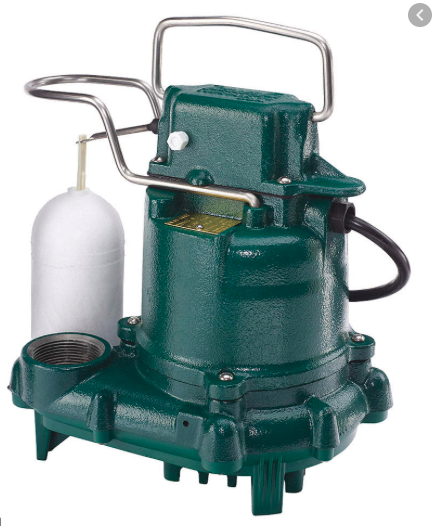
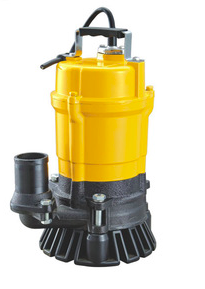
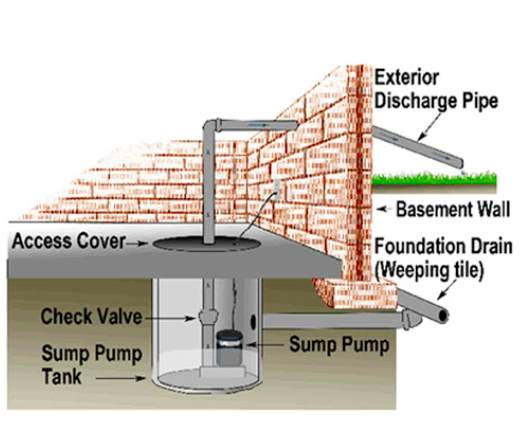
That’s where the sump pump comes into play. It’s a submersible device that’s installed in the lowest point of your home, such as your basement, and keeps the groundwater level from rising all the way up to your basement floor.
When it rains, the soil around your house gets oversaturated and the sump pit fills up with water. This activates the sump pump float switch that triggers the sump pump to drain the excess water into a dry well or a storm drain away from your house.
WHY YOU NEED TO INVEST IN A SUMP PUMP
Considering investing in a sump pump?
There’s no time to wait as the weather can be fairly unpredictable. It’s a small investment that will yield great benefits for your house in the years to come.
Here are some advantages that are worth mentioning:
Moisture leads to the growth of mold and mildew. Since sump pumps keep the groundwater and moisture levels in check, it significantly reduces the risk of fungus growth in your basement.
Moisture makes your house a termite magnet. A sump pump is just what you need to make sure your house stays protected against all kinds of pest infestations.
Standing water in your basement can create humidity and cause difficulty in breathing, especially for asthma patients. Installing a sump pump will allow you to keep the humidity levels under control and improve the indoor air quality of your home.
Electrical fires can occur due to flooding. Excessive water can cause the appliances in your basement to short-circuit. With a sump pump, you can prevent the water from ruining your appliances and reduce the risk of a household fire.
INSTALLING YOUR SUMP PUMP THE RIGHT WAY
There’s so much you need to know when it comes to installing a sump pump in your house, whether you’re doing it yourself or getting a professional to do it for you.
You may not know this but neither a homeowner’s policy nor your flood insurance will provide coverage for your sump pump failure. You’ll have to purchase targeted pump failure insurance coverage to minimize your losses.
Looking for ways to get the most out of your sump pump?
Sump Pump Advisor is here to save the day. It’s a one-stop solution where you can find answers to all the questions you may have about sump pump maintenance and picking out the right model for your home.
With a host of informational guides to choose from and comparison tables that narrow down your options for you, Sump Pump Advisor has everything you’re looking for and more.
So what are you waiting for?
Head over to our website and learn everything you need to know about sump pumps in just a few clicks!