DON’T LET THE DUCTS GO UNNOTICED THIS YEAR: HOME CLEANING TIPS

There is so much dust and debris that makes its way into our homes through the ducts in our vents. If you want quality air in your home, you might need to learn how to clean the ducts in your vents. Also, clean ducts reduce the chances of allergies getting triggered in the family. Cleaning ducts is not difficult. You will need a few items and an understanding of the HVAC system.

ITEMS YOU NEED WHEN GETTING READY TO CLEAN YOUR DUCTS

GLOVES

You will need gloves so that your hands remain protected when you are cleaning the ducts. Be sure to get heavy-duty gloves and a mask. If possible, get goggles to protect your eyes.

BUCKET

It might be necessary to get a bucket with a mop so that you can remove any dust and debris accumulated in your ducts. A wet mop will absorb much dust and ensure your ducts are thoroughly cleaned. Be careful not to damage the ducts with your mop.

VACUUM

Before using any mops, it is best to vacuum the ducts. The vacuum sucks much of the dust and dirt in the ducts. You can use your household vacuum hose. Point the nozzle towards the dusty duct areas and vacuum thoroughly. If your home vacuum is not strong enough, you can rent a commercial vacuum with a long hose.

BRUSH

Once you have vacuumed the ducts, you should clean them with a brush. You can use a small brush to remove any dust clinging to the wall of the ducts.

HOSE

You will need a long hose and an Air Blaster attachment. The attachment is used to spray water into the ducts and dislodge anything that has settled on the sides. Use this attachment when cleaning your ducts thoroughly after vacuuming or after using a mop.

POWER DRILL

Use it to remove screws from the vents. You could also use a screwdriver, but it will require a lot of energy and could take much time.

AIR DUSTER

Use an air duster or compressed air to dislodge dust in tight spots, particularly in areas hard to reach with a mop.

STEP BY STEP GUIDE TO CLEANING THE DUCTS

  1. Remove any screws that are holding the air duct covers.
  2. Make sure you cover your supply vents – It is important to cover these supply vents with paper towels. The vents that are not being cleaned or have already been cleaned are the ones to cover. The aim is to stop any dust from escaping into these open vents.
  3. check the thermostat and set it to “fan on” – Activating the fan allows you to move any dust in the vents. It will also loosen any dust stuck in the vents, making it easy for you to clean. Ensure the “heat and cool mode” is turned off as the fan turns on.
  4. Loosen the dust in the ducts – Gently knock the ducts to loosen any dust in the ductwork. You can use the handle of your brush to knock the duct. It will loosen any dust stuck on the sides of the ducts.
  5. Clean your supply registers – Use your brush to sweep out the dust from your supply registers. Then, use a vacuum to suck out the accumulated dust or debris. Take advantage of the vacuum hose to reach the furthest sections of the supply registers and vacuum thoroughly.
  6. Shut the fan and furnaces – Switch off the fan from the thermostat and power off the furnace using the service switch.
  7. Return the furnace filter.

Your ducts must be clean at this point. It will take a while before dust accumulates to excess levels. Also, you can conduct routine duct cleaning once or twice a month, especially during spring and summer. If you have read this and decided that this work is not for you, then you can look into services to help you. If you live near Canada, you can look for Toronto duct cleaning services and find a company to come clean them for you.

Regardless if you choose to clean them yourself, or get them taken care of by an outside company. Maintaining a clean air duct will help to keep dust and mites away from your home, and may even help lighten symptoms during allergy season. 

Guest Contributor: Hannah Boothe

7 TIPS TO REMODEL YOUR KITCHEN WHILE ON A BUDGET

 Kitchen remodeling may seem like an easy task, but it can be difficult if you don’t know where to start and if you are not prepared for it. Aside from the budget, you also have to know when to tell if you need to remodel something or not; otherwise, you might unnecessarily spend money on upgrading a part of the house that is still functioning well. 

Some home remodeling ideas can be costly, especially if you want to upgrade most parts, but if you’re tight on budget and want to remodel for a change, then there are also ways to do it the budget-friendly way.

When it comes to kitchen remodeling, you have to be smart and creative to make the best of it without spending much. You can get the design or function you want without buying a new appliance or new furniture. Sometimes all it takes is a simple repair and poof! You have a new and improved kitchen without spending a lot of money. If you’re here for that, then you’re in the right place.

Here are seven tips to remodel your kitchen while on a budget:

1. List Everything You Need

Remodeling is a costly task to do if you are not prepared. You’ll never be ready for the sudden costs if you do not plan it, so it’s always better to plan by listing everything you need to do. 

You can start by listing everything you need first. Decide which part of your kitchen you want to remodel, and list down the changes you want to do with it. Set a budget for every part of the kitchen you want to remodel so you would have a limit if you need to purchase something. 

After you’ve listed everything you need, you can start the process of remodeling.


2. Repaint Wooden Furniture With White

Nothing can defeat the color of bright white when it comes to retouching wooden furniture. No matter how outdated the wooden furniture is, as long as it still has a smooth surface, you can make it look new again with white paint. It will also be a good chance to change the ambiance of your kitchen if you’ve had other colors but white as your kitchen motif. White-colored wooden furniture can brighten your kitchen and give off a neat and relaxing mood. 

Aside from the purpose of retouching, old and rusty furniture can also look brand new with white paint. So if you want a new set of furniture but don’t want to spend a lot of money, use white paint to repaint old furniture so you won’t have to buy new ones. 


3. DIY Decorations

If your kitchen has been looking bland, add some DIY decorations. There are a lot of DIY decorations that are on the internet that you can easily search. Another easy one you can do is picture frames. You can make picture frames with some cardboard, paint, and resin. What makes them even more special is you can decorate them however you want, so get creative and start decorating.


4. Add More Greens

In the kitchen, when we say greens, the first thing that will come to people’s minds is vegetables. When it comes to remodeling and home decorations, we meant indoor plants. Having indoor plants can promote the quality of air inside your house. Some indoor plants, to some extent, also have health benefits. 

The kitchen is where most people cook, so expect that sometimes there are dishes that make your kitchen smell like someone puked in there. There are odor-neutralizing plants that help eliminate bad odors from food that smells when cooked. So if you want to have a fresh-smelling kitchen, add some indoor plants.


5. Replace The Cabinet Doors, But Leave The Cabinets

What’s the first thing that gets torn over time with cabinets? The doors. Cabinet doors are the ones that can get torn from too much use because it’s the only part of the kitchen cabinet that gets moved a lot. Most of the time, we change cabinets even when the body is still intact, so before doing this if ever you’re thinking of replacing your kitchen cabinets, check the body thoroughly. If it still looks okay and sturdy enough to store your kitchen items, then only replace the doors to save money. You can use several kitchen repair tools in doing this. You can even make your cabinet doors to design them how you want, making them look like you’ve just purchased a new kitchen cabinet.


6. Upgrade The Lighting With DIY Projects

It’s important to maintain the lights inside your kitchen because it’s where you prepare and cook food. The visibility must be 100% clear for you to work properly. When the light fixtures are already dim and dull, upgrade them with DIY kits. There are DIY kits for lights found online and even at a nearby hardware store, and you’ll find them more cheaper and convenient. 


7. Change The Walls With A New Paint Color or A Wallpaper

You can update the whole look of your kitchen by just changing how the walls look, so work on that. You can change the wall design by getting a new wallpaper, there are cheap wallpapers you can find on the internet. The fastest and cheapest way to upgrade the design of your kitchen walls is to repaint them with a color that you haven’t used before, so you’ll look at your kitchen in a new light. 

Conclusion

Kitchen remodeling is fun if you can save money while doing it, so make sure to be smart with your choices and decisions. There are so many ways you can remodel a part of your house without spending much, just remember to plan to avoid unnecessary purchases. It’s important to save money, especially in our time today when you can’t tell what will happen next. In everything you do, you have to work smarter, not harder.

Guest Contributor: Ksenija Meller

TOP 10 WALL CLOCK DECORATION IDEAS

Wall clocks are a widely overlooked essential in any home that can be functional as well as decorative. They encourage you to stay organized and on schedule at all times, whether you work from home or want to be able to glance up to see the time in the evening. 

Whatever style of decoration you choose, there are many ways that you can incorporate a wall clock into your home. These are the top ten wall clock decoration ideas that can complement your home’s themes or feature walls. 

DIY WHEEL CLOCK

Firstly, for the more crafty people who want to add their own spin to their wall clock, it could be worth making your own using materials that are available to you. Some people use old bicycle wheels, but you can use anything that you like. 

It could be fun to decorate your own clock face with numbers in your own writing, too. Depending on how skilled you are at DIY and technical work, it could be worth taking the mechanism from an old wall clock and fitting it onto your desired clock face. 

Other options include creating your own mechanical clock, which is a little more challenging. 

MAKE A STATEMENT

Another option that is certain to make an impact is to scale up your wall clock. Think about finding one that has an excessively large face so that you do not have to decorate the rest of the wall. Not only is this fun and unique, but it is functional as you will be able to read the time from further away. 

MULTIPLE TIME ZONES

Some people who have family, loved ones, or friends that live in other time zones feel more connected to them by displaying multiple clocks that have the same basic design in a line horizontally and changing them to show the time in different locations. You could also print or make your own tags to sit above each clock to say which country each clock is in time with.

SUBTLE SOPHISTICATION

Modern style usually features minimalism and stripping things back a little. If this is your style within the home, you could choose to add unadorned clock faces around the house which have simple backgrounds such as marbled surfaces or plain colors. 

NOT JUST TIME

Another functional and decorative idea that can give you more information than just the time is to find a clock which shows moon phases, expected weather patterns, and even estimated temperatures for the day. These can be seen with digital displays or following the format of traditional wall clocks. 

ABSTRACT CLOCKS

You can be bold with minimalism, and explore a huge selection of different shapes that simplistic clock faces demonstrate. You can find wall clocks that do not have a base per say, but that are fixed to the wall to create a minimalist finish to a room. 

DESIGNER BRANDS

For those who want to add a touch of luxury to their home while maintaining some level of functionality, you could find a wall clock that has been made by your favorite high-end brands. One of the most popular forms of this is a rolex wall clock, as it can be styled up or down depending on where it is hung in the home. 

GALLERY WALL

Another option to make your wall clock blend in with your decoration could be to create a gallery wall. Some people space their favorite pictures, artwork, and portraits and fit a wall clock within this. You could even find a wall clock that matches the color of your gallery wall, or even the color of the picture frames. 

VINTAGE FEEL

Cuckoo clocks are making a comeback, and they can be highly entertaining talking pieces in any home. If you want something that has a little more character and animation, you could search for a second hand cuckoo clock or even a grandfather clock to place against a wall in your home. 

FILL THE WALL WITH CLOCKS

Finally, you could decide that you want to collect different types of clocks and hang them in a pattern on the wall. Make a gallery wall entirely out of clocks for something a little different. The only downside to this is that you will have a lot of batteries to change if you install these clocks at the same time! 

SUMMARY

Wall clocks are decorative as well as functional, which is why there are so many different ways that people have added their own style to them. Think about how you want to add a touch of your own character to your decor, and what a wall clock can add to your home. 

Guest Contributor: Violette Butterworth

THINKING OF REMODELING? CHOOSE THESE SUSTAINABLE OPTIONS

Are you curious about sustainable options for remodeling your home? You’re not alone. More homeowners are beginning to realize the cost savings, quality, and environmental friendliness of choosing sustainable materials. One benefit of choosing a sustainable option is the increased value of your property. You will also reduce the amount of money you spend on your utilities. Below is a list of some viable options for remodeling your home

RECLAIMED WOOD

When carrying out your home remodeling project, you may need to replace your flooring or countertops. Instead of using the newest type of wood as your countertop and flooring material, you can use reclaimed wood. It is simply high-quality air-dried wood that reclaimed wood flooring companies have recycled. Such companies obtain it from old barns, retired ships, wine casts, and warehouses.

When you go for the option of reclaimed wood, you will play a part in conserving the environment. You will also get to enjoy its ageless beauty. On top of all this, you will not have to worry about replacing your flooring and countertops soon since this kind of wood is strong and durable.

VOC-FREE PAINT

Many homeowners use VOC paints during home remodeling projects. These paints usually contain volatile organic compounds. These compounds can be released into the air during paint application, polluting your indoor air. You may experience several unpleasant symptoms as a result of this. To ensure that this does not happen, you need to use VOC-free paints. Unlike VOC paints, VOC-free paints are not made using chemicals that pollute the environment. Therefore, you will not have to worry about indoor air pollution when you use them. You will also not have to worry about the dizzying chemical odor usually associated with paint. If you do not have any other option other than using VOC paint, look for a low VOC paint. However, you should ensure that your house is well-ventilated when applying this kind of paint.

FORMALDEHYDE-FREE CABINETS

According to the United States Environmental Protection Agency, formaldehyde is a hazardous air pollutant. It is a strong-smelling gas that can be quickly broken down when released into the air. People use it when making pressed-wood products like fiberboard, plywood, and particleboard.

When remodeling, you should go for the option of formaldehyde-free cabinets since formaldehyde is a volatile organic compound. Volatile organic compounds usually evaporate from their sources, polluting the air. That means if you do not invest in formaldehyde-free cabinets, formaldehyde will pollute your indoor air. That, in turn, will make you experience flu-like symptoms such as breathing difficulties, headaches, and dizziness.

METAL ROOFS

Metal roofs are roofs made of different materials, including aluminum, galvanized steel, and copper. These roofs have become quite common due to the benefits associated with them. According to Cenvar Roofing, metal is the only roofing material available on the market that remains 100% non-combustible throughout the entire lifespan of the roof. Also, this material can withstand many harsh weather conditions such as heavy rainstorms. On top of all this, metal roofs are eco-friendly. Metal roofs are energy efficient and can be recycled. In addition, they are durable. Therefore, you will not have to replace them frequently. If you are thinking of remodeling your roof, consider a metal roof replacement

LOW-FLUSH TOILETS

According to the EPA, the water used for flushing toilets makes up 30% of the water used in a home. That means if you want to reduce your indoor water consumption, you need to invest in toilets that do not consume too much water. Therefore, the next time you are carrying out a home remodeling project, you should upgrade your standard toilet into a low-flush toilet. Such toilets use 20% less water than standard toilets. Therefore, they can help you save gallons of water. Your water bills will also decrease, enabling you to save a substantial amount of money.

If you are thinking of carrying out a home renovation project, choose a sustainable option. Not only will this help the environment but it will also increase the value of your home. Happy Remodeling!

Guest Contributor: Sierra Powell

SUMP PUMP ADVISOR – A ONE-STOP SOLUTION

Looking for ways to defend your basement against flooding? 

If you live in a climate that suffers from heavy rainfall or snow or you’ve had water problems before, you need all the help you can get to prevent your basement from flooding and causing myriad issues for your home. 

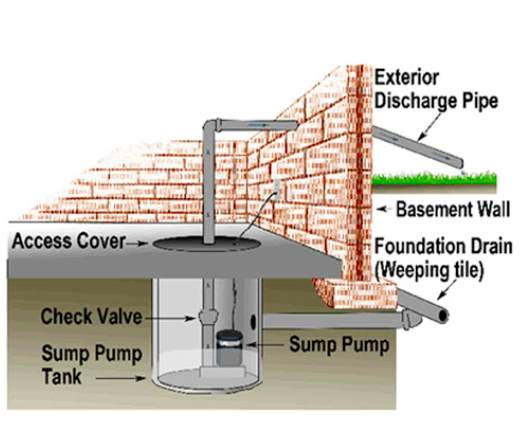
That’s where the sump pump comes into play. It’s a submersible device that’s installed in the lowest point of your home, such as your basement, and keeps the groundwater level from rising all the way up to your basement floor. 

When it rains, the soil around your house gets oversaturated and the sump pit fills up with water. This activates the sump pump float switch that triggers the sump pump to drain the excess water into a dry well or a storm drain away from your house.  

Screen Shot 2020-03-22 at 8.10.44 PM.png

WHY YOU NEED TO INVEST IN A SUMP PUMP

Considering investing in a sump pump?

There’s no time to wait as the weather can be fairly unpredictable. It’s a small investment that will yield great benefits for your house in the years to come. 

Here are some advantages that are worth mentioning:

  • Moisture leads to the growth of mold and mildew. Since sump pumps keep the groundwater and moisture levels in check, it significantly reduces the risk of fungus growth in your basement. 
  • Moisture makes your house a termite magnet. A sump pump is just what you need to make sure your house stays protected against all kinds of pest infestations.
  • Standing water in your basement can create humidity and cause difficulty in breathing, especially for asthma patients. Installing a sump pump will allow you to keep the humidity levels under control and improve the indoor air quality of your home.
  • Electrical fires can occur due to flooding. Excessive water can cause the appliances in your basement to short-circuit. With a sump pump, you can prevent the water from ruining your appliances and reduce the risk of a household fire. 

INSTALLING YOUR SUMP PUMP THE RIGHT WAY

There’s so much you need to know when it comes to installing a sump pump in your house, whether you’re doing it yourself or getting a professional to do it for you. 

You may not know this but neither a homeowner’s policy nor your flood insurance will provide coverage for your sump pump failure. You’ll have to purchase targeted pump failure insurance coverage to minimize your losses.

Looking for ways to get the most out of your sump pump?

Sump Pump Advisor is here to save the day. It’s a one-stop solution where you can find answers to all the questions you may have about sump pump maintenance and picking out the right model for your home. 

With a host of informational guides to choose from and comparison tables that narrow down your options for you, Sump Pump Advisor has everything you’re looking for and more.

So what are you waiting for?

Head over to our website and learn everything you need to know about sump pumps in just a few clicks!

Guest Contributor: John Fred

10 PLUMBING TIPS FOR NEW HOME BUYERS

Plumbing is essential to a home. Old or damaged pipes can turn a beautiful place into a flooded mess. That’s why it’s so important for new home buyers to make sure their property’s plumbing is in good condition. We wanted to share some tips that can help you fix minor issues and keep your plumbing system flowing.

  • Look for Corroded or Rusted Pipes – Inspect the pipes in your new home and look for signs of corrosion or rust. Properties with copper piping may have corrosion from exposure to water damage or bacteria. If you notice blue stains or rust, you need to replace the pipe.
  • Avoid Unqualified Handymen – A incorrectly installed plug can cause fires and a poorly installed pipe can flood a room causing thousands in damages. Use certified electricians, plumbers and builders with good reputations and it will save you money in the long run.
  • Unclog Drains with a Plunger – If a drain gets backed up, you may be able to clear it with a plunger. Place it over the drain opening and use just like you would in a toilet. If you experience chronic backing up or slow drain problems, it may be time to talk to a plumber.
  • Get Acquainted with Your Main Valve – Make sure you know where your new home’s gas and water valves are before you move in. This is important in case of an emergency. If you notice flooding or a gas leak, shut off the valve immediately and call a professional.
  • Have a Plumbing Kit Ready – Put together a home plumbing kit. This should include duct tape, a plunger, paper towels, and a screwdriver.
  • Never Ignore a Leak or Moisture – If you notice a leak or unexplained moisture in your home, do not ignore it. This is usually a sign that water is coming from a pipe or entering from outside. A plumber can inspect your property and find the cause so you can fix it before it causes extensive damage.
  • Avoid Dumping in Chemicals – Avoid using chemicals in your plumbing system. That includes chemical drain cleaners. These products can harm pipes, which will lead to bigger problems later. The first step should be to try a plunger or drain snake. A professional may be needed for tough clogs.
  • Keep Hex Keys on Hand – Also known as an Allen wrench, the hex key is an L-shaped tool that can be used to screw anything with a hexagonal socket. These are commonly used by plumbers. Keep a set on hand so you can handle smaller jobs.
  • Use a Bucket of Water to Flush – If your toilet won’t flush, you may be able to temporarily deal with it using a bucket of water. Fill the bucket halfway and then dump into the toilet bowl to remove waste in place of a flush. This isn’t a long-term fix but can make life easier until a plumber can get there.
  • Check Out Strange Plumbing Sounds – If you notice strange sounds in your plumbing system, have it checked out. Unusual gurgling or sloshing could be a sign of a backup. You may also hear a banging sound called a water hammer. This occurs when pipes hit the wall after pressure changes. Have these problems investigated before they cause a leak.
  • Update the Water Heater – If your new home has an old water heater, now is the time to replace it. The life span for the average water heater is about 10 years or less. Anything older should be replaced to ensure efficiency and to avoid a sudden breakdown later.

Being proactive and addressing problems as soon as you notice them can save you a lot of headaches and money later. A good home needs a solid plumbing system to stay clean and comfortable for those who live there.

Guest Contributor: Robert Lawler

SLATE ROOFING MATERIAL BREAKDOWN

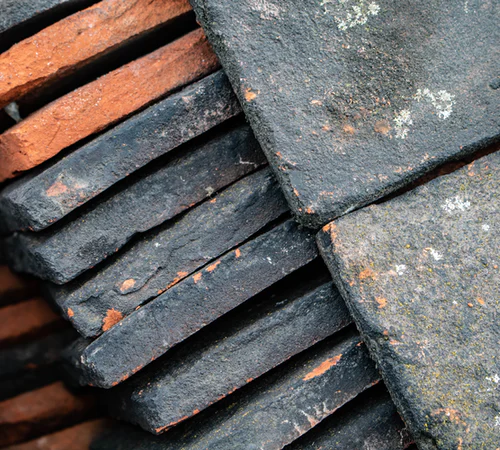
Buying a new roof? A slate roof is one of the materials you can consider as you explore your options. It is waterproof, resistant to mold, and can last more than 100 years. On the other hand, it is brittle and can easily break, and is also relatively expensive to purchase.

This extensive guide will help break down the important aspects of this material, its pros and cons, and its variants at your disposal. Follow through to make an informed roofing decision.

Types of Slate Roofs

1. Natural Slate

This is a natural quarried stone, and it’s the first thing that comes to most people’s minds when the term ‘slate’ is mentioned. It is resistant to ultraviolet rays and does not get destroyed by thermal expansion and contraction.

With proper care and adequate maintenance, this material can last over 100 years. It is among the most environment-friendly roofing materials because there is no manufacturing process involved in its production. Besides, it can be recycled and reused. You can find it in natural shades of blue, red, or gray depending on its source.

2. Synthetic Slate Roofing

Is used as an alternative to natural slate roofing. It is a reflection of the magnificence of its traditional counterpart devoid of the expense (synthetic roofing shingles are much cheaper) and the stressful installation process.

These roofs boast of being lighter than natural slate roofs, hence may not require additional support during installation. They would also present you with a wider range of colors compared to their natural counterparts.

The materials durability varies depending on their manufacturing process. Some are treated with ultraviolet inhibitors, reducing degradation from the sun. Others are not easily breakable. The durability of these roofs ranges from half the lifespan of natural slate- 50 years- to about 100 years.

Slate Roof Maintenance

If properly installed, it will require very little maintenance over its lifespan. This material is resistant to mold, fungus, and mildew, further minimizing the maintenance cost.

The greatest risk of installing slate roofs is their ease of cracking and breaking. However, this is easy to fix since you will just need to repair or replace the broken or missing shingles. Make sure this is done by a roofing professional such as Fortress Roofing

Even though most of the maintenance and repair works are generally universal, there are some details you need to take into consideration with regard to the specific types of slate on your roof. For instance, replace broken shingles with those of the same pattern and color. Additionally, when you have to replace the entire roof, get to know the alternatives available in the market. They will still provide your home with the elegance of slate.

Photo by Axinte on Unsplash

Notable Pros

1. Unique Roofing Styles

A slate roof can be designed to produce very beautiful roof designs. This is attributable to it being a natural product.

It is available in different shades depending on its chemical composition and its source. These natural colors give these roofs an allure that cannot be provided by any other material. Imagine you can still play around with colors to match your roof with the architecture of your home.

2. Recyclable

This natural roof will stay on your house for over a century if you want it to. It will lie dead, emitting no toxins at all. It is just stone after all!

If for some reason the roof has to be removed, the material can be reused on other roofs or for other purposes as may be deemed fit. If you are looking for an eco-friendly roofing material, we can proudly say that slate is the material for you!

3. Energy Efficiency

This material is dense and can help regulate the temperatures within your home. This can help you save money that would have otherwise been spent on footing energy bills.

Besides reducing energy bills, energy efficiency is enhanced by the reduced carbon footprint. The material occurs naturally, well apart from synthetic slate, and can be recycled, of course!

Cons of Slate Roofs

1. Fragility

This quality makes the roofing material easy to cut into different shapes and sizes, but it can be disadvantageous in some cases. If not handled with care or if a considerably large amount of pressure is exerted on it, it can easily be cracked or broken.

Inspecting the roofs can be challenging because if the roof inspector steps on the shingles, there is a possibility of them cracking. You need to be extra careful when handling these roofs.

2. Slate Is Heavy

Natural slate is very heavy. One tile of slate of about 100 sq. ft. can weigh between 800 pounds (ca. 363 kg) and 1,500 pounds (ca. 680 kg). Your roofing structure has to be reinforced to ensure it is able to carry this weight. This can be expensive.

If you’re installing a new roof, consider having your roofing structure assessed to see if it can bear the additional load.

Conclusion

Slate can tremendously improve your home’s curb appeal and, by extension, its value. It is a material that has a natural appearance and blends well with the environment. Despite being heavy and fragile, its durability is something to marvel at.

As you ponder over your choice of roofing material, have it in mind that you can never go wrong with slate roofing tiles if their cost is not a scare to you and your home’s structure can support the weight.

Guest Contributor: John Willmer

THINGS YOU SHOULD KNOW FOR CHOOSING THE RIGHT PLUMBING SERVICE

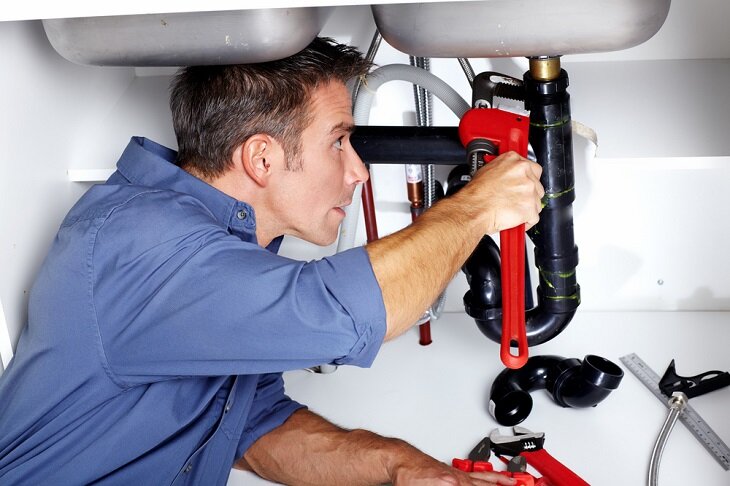
It is a very difficult task to control all the plumbing problems when you don’t have much knowledge about it. As a result, you have to pay a huge water consumption cost and your building can get affected by some water leakages. So it is better to take the assistance of professional water and gas plumbing service.

It ensures safety and prevents future extra costs. But for all this, you need to choose the best service. Thus we have discussed some factors that will help you choose the perfect plumbing company for your house. 

Six things to look for in your plumbing service

Below is the list that you should look for in your plumbing service to make sure it is the right one and will help you resolve your problem:

Plumbing Service.jpg
  • Local

    When choosing a plumber for your regular gas and water system’s services, you should always look for a local one. This is because they will be able to reach your place on time whenever you need their help. Apart from that, they do not charge anything extra for transportation and you can call them anytime for an emergency issue. Make sure, you must choose a plumbing service that offers 24×7 services.
  • Look for credential

    Some house owner does not ask for certificates and accreditations while taking water and gas plumbing service from a company. The plumbing service you are planning to hire must have a proper state-specific license to run their business. There are also individual licenses and certificates that every worker holds. These certificates are proof that you are paying the taxes to the government and they are liable to offer the best quality work. If you find any issue in their services then you can lodge a complaint in your local authority against the company.
  • Surf through the customer reviews

    Another important thing to look for when hiring a water and gas plumbing service is their customer review. Today you can be assured about the service you will receive only by reviewing the customer’s voice. You can expect a good service if you find good comments and reviews that reflect quality work.

    You can find these reviews either on their website or any social media platform. However, you may find some bad reviews on social media because companies cannot satisfy their customers by fulfilling their unwanted claims. So you can check their reviews and choose a gas plumbing service that has some positive reviews.
  • Service rates

    The most important thing to look for in your water and gas plumbing service is the rate at which they are offering the service. Top-notch plumbing service will be able to provide you an accurate and close amount that you may incur at the time of service. This is important to prevent any surprise charge.

    However, there may be a condition in which complications arise at the time of work and requires extra cost. But, a good plumber will always be able to explain to you why you are incurring the extra cost.
  • Area of work

    While choosing the best water and gas plumbing service for yourself, make sure you check the area in which they work. In other words, are they prepared for every kind of problem or not. They should have proper knowledge and experience to provide assistance.

Above are the vital points that you must follow when selecting the right plumbing service for your house. These will ensure you are getting the right service and at the right charge. However, don’t forget to ask someone who has taken the service from the respective plumbing company if they have specialized plumbers insurance. They will be able to guide you better. 

Guest Contributor: Emma Smith

WHEN SHOULD YOU REPLACE YOUR FLOORING?

Floors often face a lot of wear and tear. People walk on them throughout the day, and they’re also vulnerable to dirt and other messes that can create stains. So, how do you know when it’s time to replace your floors? Here are some giveaways. 

Common Flooring Options 

Popular flooring options can be found in many homes because they are stylish, affordable and long-lasting.

Laminate Floors 

This type of flooring provides the look of real wood, but at a more affordable price. It also requires less maintenance than other options since it is scratch-resistant and waterproof. In addition, it reduces noise. These factors have increased laminate’s popularity in homes. 

Hardwood Floors

Hardwood floors are a classic option for various rooms. They are durable and easy to repair, and also provide good insulation. However, they can be on the pricey side. The higher cost may be worth it to get more return on investment when selling your home because it’s attractive to potential homeowners. 

Vinyl Floors 

Vinyl is also a very durable and cost-effective option. It is made from plastic and available in planks, sheets or tiles. It gives off a stylish vibe at a lower cost. 

Tile Floors 

Tile floors are most effective in rooms with large amounts of moisture, such as bathrooms or kitchens. They can be used in many ways and can last for several years. Some tile textures can mimic wood, stone or even fabric. 

Alternative Flooring Options

Many options for flooring are available, including these lesser-known varieties.

Bamboo

Bamboo is a flooring option you may have not previously considered. It is less expensive than hardwood and usually more moisture-resistant. Its natural color can blend into a room well and enhance the overall design. This option is also a more environmentally friendly one. 

Concrete 

Concrete can add an industrial or modern feeling to any space. These floors are relatively inexpensive and provide a unique style. They are also long-lasting and easier to clean. 

Pennies

Pennies aren’t just things you throw into a fountain to make a wish — they can also be used to create flooring material. This is a low-cost option that will definitely stand out. The coins’ copper tones will also add a pop of color to the space. 

Cork 

Cork is an alternative option that can be used in a variety of rooms. This material is durable, comfortable, and resistant to mold and mildew, making it the perfect choice for a bathroom or living room area. It is fairly inexpensive and unique. 

Signs It’s Time to Replace Your Flooring 

There are several indicators that it’s time to install new flooring. Here are some things to consider.

Scratches or Marks 

One sign that your floors may need to be replaced is large scratches or marks. They can be damaged when furniture is moved around or if you have pets. While small scratches are OK, larger ones may be an issue. The deeper the scratch, the more likely water can seep into the floor and cause long-term damage. 

Water Damage 

Water damage can occur from spills, pipe leakages or flooding. It can cause warping or separating. These problems can’t be fixed with a simple refinish, so replacing the floors is your best option. 

Nails Peeking Through the Floor

Nails sticking up from the ground can be a painful tripping hazard for your family and guests. This issue is more common in high-traffic areas, such as living rooms. Not addressing this issue could increase the chances of injury. 

Discoloration of Wood

Long-term heat exposure or water damage can cause floors to change colors. At the beginning stage, you may be able to do a simple refinish. However, if left untreated, you will need to replace the wood. 

How to Replace Your Flooring

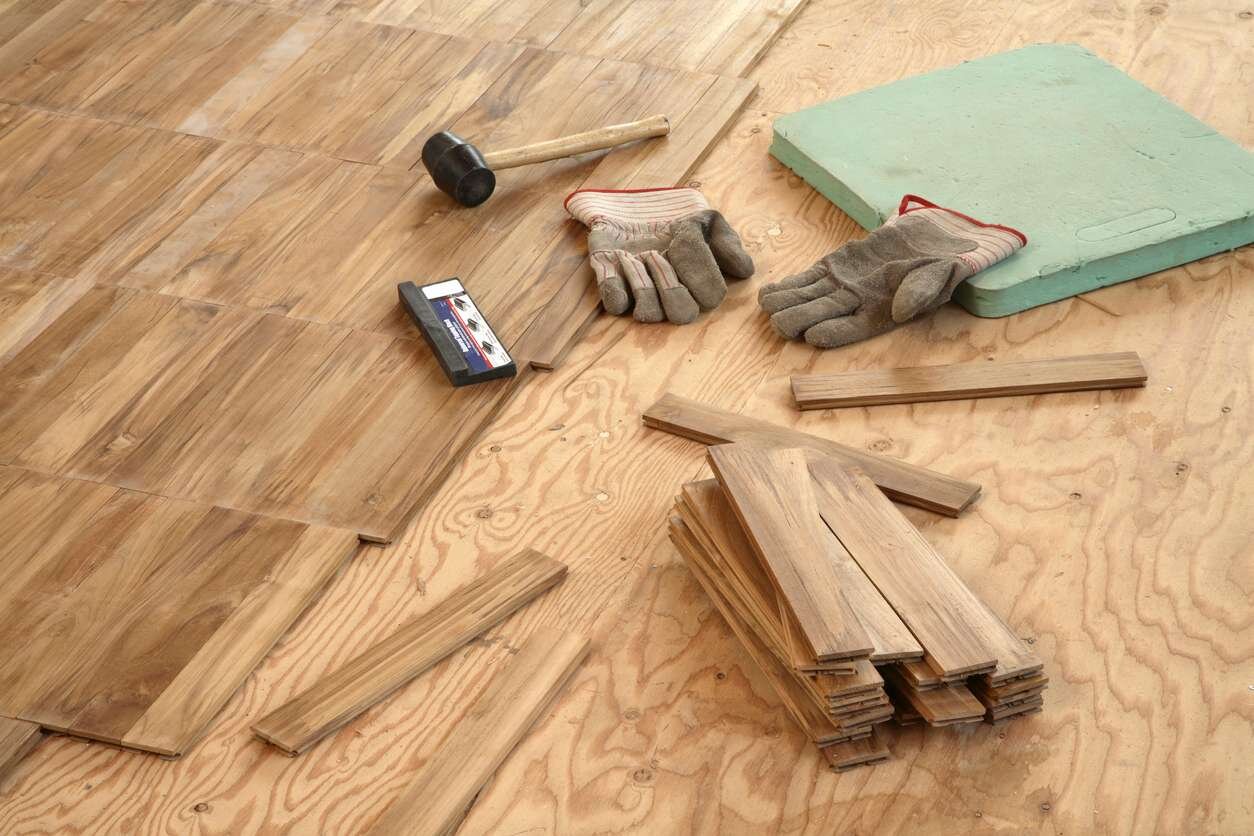
You will need to remove the adhesive of the subflooring with a floor buffer and abrasive disk. Once that step is complete, make sure to level the subfloor and add a moisture barrier to protect the floor covering. The last step is nailing or gluing it down and adding baseboards. 

The Right Time to Replace Flooring 

Your flooring is an important feature in your home, since it sees a lot of wear and tear throughout the years. It doesn’t last forever, though, so you need to know the right time to replace it. Doing so will give your house a whole new look and boost your ROI, so it’s well worth the effort.

Guest Contributor: Rose Morrison

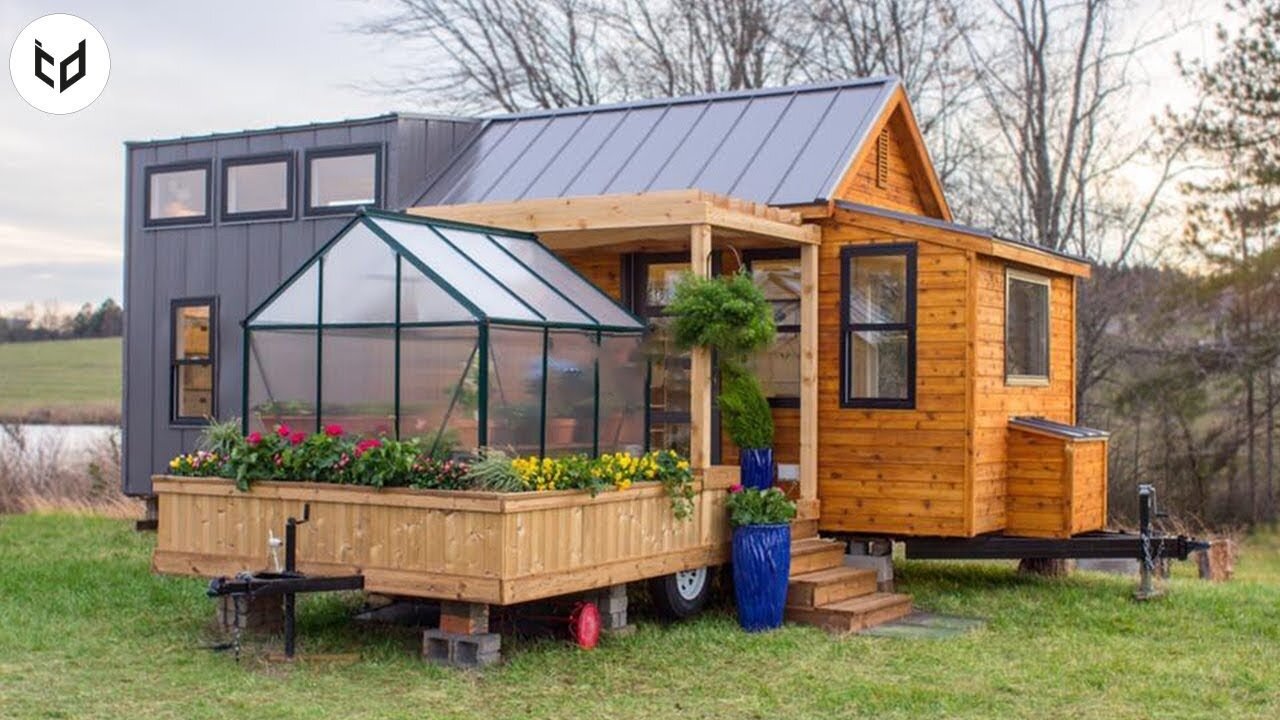
HOW TO MAKE A GREENHOUSE AT HOME – DIY GUIDE 

Are you looking for ways to create your very own greenhouse at home? Well, you have reached the perfect place! This article focuses on the step by step process of building a greenhouse at home, which includes planning, assembling of materials, and ideal execution. 

To begin with, it is crucial to fix a budget before proceeding with the DIY project, choose the area where you want to build it, and to know what materials you need. Before proceeding further, if you love DIY and are looking for materials to set up your large flat-screen television to your eye level, go check out the motorized tv mount and flip down tv mount for more information! 

Now, follow these simple steps to create your very own greenhouse at home!

What is a Greenhouse? 

A greenhouse is a home-like structure that houses your plants, offering them an ideal climate for proper growth and development. The building is used to provide shelter for your plants and keep them healthy and alive for a long duration. Creating a greenhouse includes massive work; however, it is super fun too! 

Steps to Make a Greenhouse at Home 

1. Area/Location 

First and foremost, choosing an ideal location is exceptionally vital before building a greenhouse. Moreover, it would be best if you found an area that gets proper sunlight for the growth of your plants. Hence, don’t go for a place that has a lot of shade or doesn’t get much sunlight. 

2. Electricity 

A greenhouse needs uninterrupted electricity. It is best to make an attached connection to your home. In this way, there is less establishment cost and no hassle. To keep the temperature at the most appropriate level, the greenhouse requires proper ventilation and heat. 

3. Drainage 

If you stay in a region prone to frequent rainfall and floods, you need to make sure the area you choose for your greenhouse has proper drainage facilities. A flood would inevitably result in the destruction of your plants and the structure. Hence, the best way to prevent this mayhem is by building the greenhouse on high ground and consult a professional to know more about drainage systems. 

4. Measurement 

Once all the above steps are taken care of, start by measuring the area of your greenhouse. It entirely depends on your preference when it comes to the size of the structure. However, the most relevant measurement is eight by six feet.  

5. Greenhouse Kit 

After you are sure of the measurement, you need to purchase a greenhouse kit to set up the structure. You can find various kits on online shopping sites or any local store! 

6. Support the Structure 

The best way to build a greenhouse is to attach the structure to one side of your home. This will help provide appropriate support to the building, and nothing would affect it or break it in any way. 

7. Framing 

Once you attach the greenhouse kit at one of the outer walls of your house, it is time to build the outer frame. The best material for the outer frame would be steel. Now, create a dome-like frame on the top of the structure and fix it properly. 

After the head of the greenhouse is done, you need to create a base or foundation with the same steel material. Make the base as sturdy as possible. You might need little help from your friends or family while fixing the foundation of the structure. 

8. Coverage of the Structure 

Before covering the structure, you have to choose a material that would be durable and affordable. One of the best materials for covering a greenhouse is LDPE plastic. It is bio-friendly, long-lasting, and won’t need much effort for maintenance unline regular plastic material. 

However, keep in mind that even an LDPE plastic covering has to be washed regularly without fail. Moreover, don’t forget to attach the cover with the frame of the structure. 

9. Walls of the Structure 

FIberglass would be the most cost-effective option when it comes to the walls of the greenhouse. It would easily fit on the roof as well as the walls of the structure. The material is stable and lasts longer than glass walls. 

10. Control of Temperature 

Last but not least, you need to know how to control the temperature inside the greenhouse. Here are a few easy ways you can keep the temperature accurate for most of the times: 

  • Install fans at every corner of the greenhouse.
  • The roof of the structure must have facilities for ventilation.
  • If you have more budget, you can also purchase a heater for the greenhouse.

Your greenhouse is ready! 

Conclusion 

Now that you have detailed knowledge about making a greenhouse at home, you must also learn more about gardening and how to provide the plants with proper nourishment for appropriate growth. Don’t forget to water the plants regularly! 

Guest Contributor: Vijaykumar