HOW TO CREATE A SUITABLE HOME OFFICE IN A SMALL HOUSE OR APARTMENT

The COVID-19 pandemic has changed how we live and work and in respect of social distancing guidelines, many employers are sending their staff home to work remotely. While this is good in the short-term, many people believe that they don’t have space in their small house or apartment to set up a proper office. We are here to tell you that where there is a will, there is a way. Here at Kevin Szabo Jr. Plumbing, we know how important it is for you to have a suitable home and workspace, so we have some tips for how you can set up shop in any space.


You Don’t Need a Traditional Office

You may be initially dismayed if you live in an apartment or a home with limited rooms, but it is important to keep in mind that you don’t necessarily need a separate room in order to set up an office. Many people have become very creative over the last year and found suitable places for their desks. For instance, if you have space in your bedroom, you could fit it there. Many people also have space under their staircase and that could be a private place where you can set up shop. You could also have Kevin Szabo Jr Plumbing over to remodel your kitchen and create a workspace there.

If you live in a state with an agreeable climate, then you might even consider setting up your office outside on a covered patio. That is a great place to get the privacy you need and being outdoors in the fresh air can even bolster your creativity, which could be exactly what you need. If you can only set up shop indoors then try to put your office near a window, which provides many benefits. In addition to the mental health benefits that sunlight can provide, you will also be able to see your work and spend less money on lighting and electricity.


A Discounted Office

When told they will need to work remotely from home, many people also worry that they will not have the money to set up an office, but with proper budgeting and smart planning, you can get what you need on the cheap. For instance, when it comes to your desk, you don’t necessarily need the newest model. Instead, you can shop at thrift stores or garage sales for perfectly suitable desks. 

You don’t necessarily need to buy a brand new office chair either. If you have a comfortable chair in the living room then you can use that as your computer chair while you are at work. As far as equipment, think about what you don’t need. You can eliminate the need for a printer by going paperless and emailing instead of printing. As far as other office supplies, contact your company and ask that they send you some from the office. 


Personalize Your Space

If you want to feel more comfortable in your home office space, then consider sourcing it up with decorative items and family pictures. Hang up certifications you received from work and pictures your kids made for you. You could also hang a poster that says your favorite motivational quote.

You can also consider putting objects on your desk that could be conversation starters in the case that you have clients over to your home. While that can be as simple as a cool letter opener or paperweight, a lot of people are placing colorful geodes on their desks. Geodes are awesome because they look like a typical rock on the outside, but inside they are loaded with colorful crystals and minerals. They are quite striking. Click here for a selection of geodes.

As you can see, there are many tricks that you can use to set up a suitable home office in even the smallest space. Try these tips and see what works for you. Here at Kevin Szabo Jr. Plumbing, we offer a bevy of services, from drain cleaning to water heater installation. Contact us at 708-845-7922 to learn more.

Guest Contributor: Kelli Brewer

PROS AND CONS OF POINT-OF-USE WATER FILTERS

PROS AND CONS OF POINT-OF-USE WATER FILTERS (COPY)

JANUARY 21, 2022RH BUSINESS MARKETING SOLUTIONS

When searching to implement any kind of water filtration system many consumers will opt for a point-of-use (POU) filter. These types of water filters are the most customizable variations for multiple different outlets in a home. 

Some POU water filters even supply alkaline components directly to a tap outlet, depending on what the consumer may want.

As with any kind of product, the different point-of-use filters each has its own advantages and disadvantages. 

TYPES OF POINT-OF-USE WATER FILTERS

There are several different types of point-of-use water filters out there, some more efficient than others. Deciding on which of these is a fit may come down to what advantages can be gleaned from them.

WATER FILTER PITCHERS AND COVER COUNTERTOP

Maybe the most recognizable water filter out there is the tabletop pitcher. It’s a point-of-use water filter that relies on gravity to guide the water through a filtering media usually in the form of activated carbon.

Cover countertop filters are similar to pitcher filters but may come with a few extra features. There are versions of cover countertops that use ceramic filtering media which are very efficient at cleaning many contaminants out of water. Filters such as these are highly portable and very easy to maintain and use with not much installation needed to get them started. 

The disadvantage of pitchers as filters is that they don’t purify water as effectively as some larger filtration systems. Some might find both pitchers and countertop cover filters as aesthetically unpleasing, and may want a filter that is not visible. The issue of manually changing filter cartridges for pitchers or cleaning out the ceramic medium, might also be undesirable. 

UNDER SINK WATER FILTERS

As the name implies, these water filters are to be installed under the sink. It’s not restricted to the kitchen sink even, as any sink can have a filter like this, provided there is enough room. What is highly advantageous about an under-the-sink filter is that it can clean out much more contaminants, like heavy metals and chlorine. 

The size of an under-the-sink water filter permits it to hold multiple layers of filtering media, like a sediment filter, activated carbon, and reverse-osmosis all in line with each other. It’s extremely convenient to have a water filter so powerful, all while it stays out of view. The cartridges or medium only require maintenance once a year, says BOS, so there is less hassle with replacing them. 

However useful an under-the-sink filter might be, it does come with some disadvantages of its own. For one, installation is a far trickier endeavor than with a simple countertop, and professional plumbing work may be needed. There is also the issue of space, as an under the sink filter will require some extra room. The last con to be stacked against a filter like this, is price, as it can be quite costly of an investment. 

FAUCET, SHOWER, AND FRIDGE FILTERS

Other point-of-use filtration systems are ones that can be mounted directly on the water outlet. The flexibility of these types of filters is very well seen in the many forms that they come, to fit any kind of outlet, from faucets, showerheads to fridge dispensers. 

Outlet mounted water filters typically use activated charcoal as a filtering medium, and can take out unpleasant tastes and odors caused by chlorine. This kind of filter is highly affordable, even more so than countertop filters. Even though some installation is required to get them working, it is surprisingly easy to mount them on their respective outlets. 

Probably the biggest disadvantage many cite in regards to faucet and shower filters is their appearance. Some indeed look a little chunky on the water tap, or on the showerhead. When it comes to functionality, there are bigger more efficient water filters that are capable of cleaning more unwanted pollutants from water. 

IT COMES DOWN TO YOUR WATER QUALITY…

Most of the time, the choice between which type of point-of-use water filter to implement in a home comes down to the water quality available in a specific area, and budgetary constraints. Some regions will have higher quantities of contaminants in the water that must be cleaned away before it can be used. Other times it’s more an issue of taste and smell that may require filtration.

Author Bio:
Dur-e-Sabih provides ghostwriting and copywriting services. Her educational background in Accountancy helps her in tackling topics ranging from career and business productivity to web development, finance, and digital marketing.

HOW TO RENOVATE YOUR HOUSE WITHOUT PRODUCING TOO MUCH RESIDUE AND DAMAGE?

Renovating a house can be a great way to improve the look and feel of your home. However, it’s important to do so in a way that doesn’t produce too much residue or damage. In this article, we will discuss some tips on how to renovate your house without causing too many problems!

INSULATE WITHOUT TAKING THE WALLS APART 

You should know that there’s a way to insulate your home without doing too much damage. A huge way to ensure Home comfort is not to remove drywall and insulation in order to install new insulation. It’s messy, and it can create a lot of dust and residue.

There are insulating blankets that you can buy which will fit snugly around your home without having to remove any panels or drywall. These insulating blankets have an R-value of up to 22, which is really good when compared to the standard R-values of other types of insulation. If you’re looking for a way to make your home more comfortable this winter, then this may be the best option for you! Not only will you avoid creating a mess, but your home will also be more energy-efficient.

USE WRAPS 

Put plastic wraps on every single place you want to protect. Whenever you’re renovating, you should do this with the following: 

  • walls
  • floors
  • furniture
  • ceilings
  • countertops 
  • kitchen appliances 
  • sinks 
  • bathtubs 
  • toilet 
  • washing machines 
  • water heaters 

It is a good way to avoid excess paint or plaster getting on surfaces that don’t need it. If you’re using any kind of chemical products as part of your renovation project, using wraps will also help keep the smell contained.

When everything’s all wrapped up, take a step back and admire your handiwork. You’ve just renovated your house without creating too much mess and damage! Well done!

If you are looking to renovate your home without producing too much residue and damage, using wraps is definitely the way to go! Plastic wrap can be placed over anything you need and it will make your life much easier. 

MAKE THRESHOLD SHIELDS

It’s essential that you protect your thresholds when renovating your house. You don’t want to produce too much residue and damage the floors and walls. One way to do this is by making threshold shields.

To make a threshold shield, you’ll need plywood, a ruler or tape measure, a circular saw, high-grit sandpaper, and stain or sealant (optional).

Cut a piece of plywood that’s big enough to cover the entire threshold. Then, use a ruler or tape measure to mark out where the door will hit the shield. Use a circular saw to cut out that section of the plywood. If you’re using stain or sealant, now is the time to apply it.

Finally, use high-grit sandpaper to smooth out the edges of the shield. You don’t want anyone getting cut on them! Place the shield over the threshold and you’re good to go. 

SEAL OFF ROOMS 

Temporary walls can be created by sealing off rooms with plastic sheeting and duct tape. This will help to contain the mess and fumes from the renovation project. It is important to make sure that all cracks and openings are sealed so that no dust or debris can escape. Leave a small opening in the sheeting so that you can get in and out of the room easily. Make sure to have plenty of ventilation in the other rooms of the house, as well as in the sealed-off room, to keep air circulating.

CREATE PROTECTED PATHWAYS

You have to protect your floors as well as you can. Wear old clothes and shoes that you don’t mind getting dirty. Try not to track the residue all through your house. 

Cover doorways with plastic sheeting taped to the molding so that it doesn’t get on the floor. Protect any woodwork or floors with drop cloths. Make sure there is a path for you to walk without creating new messes. If possible, try to work in one area at a time and clean as you go.

When you’re finished for the day, carefully collect your materials and put them away so you’re ready to start again the next day. Sweep up any residue that may have landed.

DRIVE DUST OUT 

You have to keep dust under control when renovating your house. It is not only annoying, it can also be harmful to your health. One way to reduce the amount of dust produced during a renovation project is to drive it out before you start. This means getting rid of all the dirt and debris that may be inside and outside the building.

Use a leaf blower or a fan to blow the dust away from the building. Make sure you cover your nose and mouth when doing this. You can also sweep or hose down the area around the building before starting work.

Renovation is a long and hard process so making it easier by producing less residue and damage is important. Don’t remove drywall when insulating and use wraps around everything and make threshold shields. Create temporary walls to seal off rooms and make protected pathways. Finally, make sure that dust doesn’t stay inside. You’ll finish the job much faster!

THE IMPORTANCE OF LIGHTING IN THE HOME

You may not realise it, but light is one of the most important features in our home. Not only for the purpose of functionality, but the element of light can have drastic effects in terms of the interior design of a property, our perceptions of reality (through the use of illuminating spaces) and can help to create sensations that can change our overall experiences. As the industry of interior lighting changes, there are many reasons as to why we should always be on the lookout to upgrade the lighting features in our home. Whether it’s due to the element of interior design, health reasons, or if you are looking to improve the lighting in your home so you can add value to the property before a sale, light is an important element of any home. Here at We Buy Any House, we are going to provide some insight into the world of home lighting, its importance, and how you can hopefully have a light bulb moment (See what we did there?) when it comes to your own home!

Why You Should Take Care of Your Lighting Choices in the Home:

Because Mother Nature Can’t Do Everything:

To put it simply, Mother Nature can’t do everything! As much has lighting has an effect on the aesthetic of your home, the originating purpose is for functionality reasons. When the sun goes down and there is no more natural light beaming in, it’s important to still illuminate your home.

Health Reasons:

Not all lights are great for your health. Excessive exposure to bright lights can be damaging to not only bills and the environment, but also to your health. If you are consistently exposing yourself to bright lights, the retina’s light-sensing cells in the eyes can become overstimulated- which over time can injure the back of the eye. Therefore, it’s important to make sure that in addition to your lights being functional and stylish, that they are good for your health.

Lighting Can Improve the Mood in Any Given Space:

The general types of lighting you have throughout your home, which is also known as ambient lighting, includes things such as chandeliers, lamps and LED lights. Basically, it’s anything that helps illuminate the rooms in your house. The reason why ambient lighting is so important is that the choices you make in terms of what kind of lighting you have throughout your home can massively affect the mood throughout your house. The overall aim is to always try and achieve a warm and soft glow in the house, rather than a space that is dull and unattractive. If you have insufficient lighting in the home, your house may not feel all that welcoming to guests or even prospective buyers. 


How to Improve the Lighting in My Home:

Illuminate the Best Parts:

Just because you need light in your home doesn’t mean you should light up everywhere. The best part of picking the lighting for your home is that you have the freedom to use lighting to enhance an already existing space. A great way to do this is by including accent lighting. By highlighting specific features of the interior, for example, an appliance of a piece of furniture, you can give a room personality and illuminate showcasing elements. 

Make the Most of Natural Lighting:

If you want to reduce the cost of your electricity bills, contribute towards a better environment and make your home look effortlessly glowing and chic, then make the most of natural light. Going beyond functional and aesthetic reasons, natural light is a free and easy way to illuminate your house- and gives off perhaps one of the best warm aesthetics.

Invest in Property Lighting:

The term ‘proper lighting’ has varying meaning. Not only is it a suggestion to move towards more environmentally friendly lighting such as LED bulbs that are better for your health and the environment, but also the way in which you illuminate your home. Now is the perfect time to play around with light as a concept, from desk lamps, floor lamps, strip lighting, spotlights and even outdoor lighting- the list is endless! Find something that works for you in your home interior, and that way you will be able to use light to highlight and showcase your home the best way possible and achieve your dream property!


This article was written by a quick house sale company We Buy Any House. If you’re wondering “how can I sell my house fast?”, head to the We Buy Any Home reviews page for more information relating to all property related enquiries.  

6 THINGS YOU SHOULD KNOW ABOUT LAND SURVEYING

You might be wondering what land surveying is and what it entails. Land surveying is a profession that may seem quite boring, but it is fascinating. Land surveyors are responsible for measuring the land to ensure it matches the deed description and meets the requirements set by law. They also ensure no encroachment issues with neighboring properties or other encroachments on public land. The following article will provide you with six things you should know about this profession. Let’s get to the list.

HAS MORE IMPORTANCE THAN EVER IMAGINED

With all of the development going on, especially in urban areas, it is more important than ever to ensure that everything is measured and mapped out correctly. There are a lot of potential problems that can arise when proper surveying isn’t done, so it is essential to have a professional who knows what they’re doing.

Land surveying ensures that the development process goes smoothly and that everyone is aware of their boundaries. As seen on this link, the surveyors ensure that the landowner has a clear understanding of the property boundaries, what has been included in the sale, and any potential problems with adjoining parcels. They follow the set laws and regulations to ensure that the development process goes as smoothly as possible.

REQUIRES A LOT OF TRAINING AND CERTIFICATION

Becoming a land surveyor requires a lot of training, both in the classroom and field. To become certified, you need to have at least a four-year degree in surveying or a related field. You also need to have a minimum of two years of experience in the field.

This is not a profession you can jump into without any training. It takes many years of hard work and dedication to become a certified land surveyor. But it is worth it, as this is one of the essential professions for development. When hiring a surveyor, you have to look at their certification to ensure they are qualified to do the job.

IT IS BOUND BY LAWS AND REGULATIONS

As mentioned earlier, land surveying is bound by laws and regulations. This is what ensures that everything goes smoothly during the development process. There are specific guidelines that surveyors must follow when measuring land, and they can be penalized if they don’t comply.

This is why it is so essential to make sure you hire a qualified and certified surveyor. They will know exactly what to do to ensure that the development process goes as smoothly as possible. The surveyors will not go against the set rules and regulations, as this could lead to some serious penalties.

INVOLVES A LOT OF MATH AND PHYSICS

Land surveying is not just about walking around with a measuring tape. It involves a lot of math and physics. Surveyors must do calculations quickly in their heads to get an accurate measurement. For instance, they need to calculate the area of a property or the volume of a pond.

They must also have a strong understanding of physics to understand how landforms are affected by erosion and other natural forces. This allows them to create accurate maps and plans for development projects. It is why a degree in surveying or a related field is essential for this profession.

USES A WIDE RANGE OF TECHNOLOGY

To measure land accurately, land surveyors use a wide range of technology. This includes surveying equipment, global positioning systems (GPS), and computer-aided design (CAD) software. These equipment and software allow surveyors to map out land quickly and easily.

This is another reason why it is essential to have a certified surveyor working on your development project. They will have access to the latest and most accurate technology available. And they will know how to use it effectively to get the job done right.

CAN BE TIME CONSUMING AND EXPENSIVE

Land surveying can be time-consuming and expensive. It takes a lot of time to measure land accurately, and it can be costly to buy the necessary equipment. This is why many people choose to do their surveying, leading to inaccurate results.

When hiring a surveyor, you need to make sure that you are aware of the time and money involved. Ensure you have a realistic budget in mind and allow enough time for the survey to be completed. You shouldn’t rush the process, as it could end up costing you more in the long run.

Land surveying is a vital profession that plays a crucial role in the development process. It involves a lot of training and certification and math and physics. Surveyors use a wide range of technology to measure land accurately, which can be expensive. Land surveying can also be time-consuming and costly, so you need to make sure you allow enough time and budget for it. By knowing these six things about land surveying, you can better understand what this profession is all about.

TIPS FOR BUILDING A POND IN YOUR GARDEN

Building a pond in your garden can be a fun and rewarding project. It can also be a great way to add value to your home. Before you get started, there are a few things you will need to figure out. First, you need to decide what size pond you want. Next, you need to choose the type of pond you want. Let’s get into the construction part!

CONSTRUCTING A POND IN YOUR GARDEN

Once you have determined what size and type of pond you want to build, it’s time for the actual construction! If there is already a patio or other surface where your pond will go, make sure the surface is level. Next, put down some plywood over that area if it isn’t concrete. This will help hold the weight of the pond if it is something heavy like concrete.

DIGGING

Start digging! You can do this yourself or ask for help from a friend. Try to keep your level handy so you can check if you’re getting the shape right as you go along. Keep going until you have a hole that’s about two inches less than the size you want your pond to be. For example, if you want a 12′ by 12′ pond, dig a 10′ by 10′ hole. The extra two inches will allow for some wiggle room when building the edges.
Once you have dug out the hole, get rid of any plants or grass in it and around it. This will help keep your pond nice and clean.

GRAVEL

Line the bottom of the hole with a couple of inches of gravel. Make sure to use aquarium-grade rock as this is non-toxic and safe for fish! Fill in any thin or uneven spots on the ground with more gravel, creating a smooth base that isn’t going to shift around under the weight of the pond.

CREATE A FRAME

Create a frame to hold in the liner and line it with more gravel so that it is held in place. Make sure you leave an inch or two between the edge of your frame and the pond for when you add the water. Fill in any small gaps between rocks with dirt, sand, or other ground filler similar to what you used for the base so that everything is even and will hold together.

SET UP YOUR LINER

Next, set up your liner. Make sure it’s not too big! You don’t want to have to worry about losing all of your water if it rips, so be as precise as possible when measuring the dimensions of the pond. Fold over one edge of the liner so that it creates a lip to hold in the water. This will help prevent leaks, but if you still want to add extra protection, staple or nail the edge down.

ADDING WATER AND A POND PUMP

At this point, you can either fill your pond with water right away or let it dry out. If you’re letting it dry out, tie off one side and let the water drain out. Once it’s pretty close to being empty, you can add the pump if you have one and fill it back up. You can check out more sustainable options, like solar-powered pond pumps by visiting this URL or searching online. They tend to be quieter than traditional pumps so that you can relax by your pond without any distractions.

ROCKS, PLANTS, AND FISH

Once the pond is filled with water, you’re ready to add your rocks and plants! Check online for species that are suitable for ponds in the area where you live, or visit your local florist to get some advice on which species would look best in your garden. You can also ask about any good varieties of fish to put in your pond if you want to have a fun ecosystem. The right type of fish will clean the water, eat mosquitoes and help keep any algae from growing too quickly.

In order to really enjoy your new pond, you need to be sure that your surrounding area is nice and clean so that it doesn’t look messy or unsightly. You also want to make sure that the plants and fish are compatible. If you don’t want to take care of either, consider hiring someone to do it for you! Once everything is in place, enjoy! Sit down by the pond and admire how it looks. Relaxing by a pond can be just as calming as sitting next to a waterfall, but much easier to maintain!

HOW TO GET YOUR SMALL HVAC BUSINESS ONLINE

As of December 2021, there were 118,636 Heating, ventilation, and air conditioning (HVAC) businesses in the United States. For your small HVAC business to flourish in such a competitive and crowded industry, you need a solid client base. You need to intensively market yourself, reach out to potential customers, earn their trust, and ultimately win them over for good.

Though most people depend on traditional marketing methods such as word of mouth, newspapers, and posters, these methods may not be effective in today’s digital era. Since most people spend a lot of time online, your marketing plan needs to target people there. You can start the targeting from the moment they start searching for a given service until they become your customers. Continue following up with them even after you have offered your services.

Whether you are planning to start an HVAC business or want to improve an already existing one, here is how to get your small HVAC business online.

OPTIMIZE YOUR WEBSITE

With the advancement of technology, the number one stop for most clients who need installation, repair, and maintenance of their HVAC system is a search engine like Google. On seeing the search results, they are likely to opt for the HVAC companies that appear first on the page. Therefore, it is vital to have a website as it will help your potential clients find you and build trust for your business.

Ensure that your website is professional and the services you offer are indicated. Most website builders offer customized templates. However, you can also hire a web developer to do it for you. Ensure that your website has everything required to help potential customers choose you. For example, ensure that the menu is well organized and the services you offer are specific and clear.

Though having a website is excellent, it is not enough. You need to ensure that it is easy to find on the search engine through a process termed Search Engine Optimized (SEO). To ensure that your site ranks high, it should:

  • Be mobile-friendly
  • Load fast
  • Include links to other pages in your site and other trustworthy websites
  • Be mobile-friendly
  • Include relevant keywords

CREATE QUALITY CONTENT

Every time you post content on social media or your blog, you need to create a “content asset.” That is, ensure that the content you put out there is meaningful, helpful, and attractive to the reader. This information will attract them and leave them wanting to know more about what you are saying. As they do this, you may gain new customers.

Adding content in the form of articles on your website will not only benefit your readers. It will also give you more opportunities to capture search rankings and add content marketing to your overall strategy. As an HVAC business owner, come up with content that focuses on speaking to clients rather than industry professionals. 

Research what your clients are looking for and make content based on that. For example, you could create posts such as “How to Pick the Right HVAC System for Your Home” and “Why You Need to Hire HVAC Maintenance Services.”

ACQUIRE ONLINE REVIEWS

Today, most people decide to engage a company based on their online reviews. Make use of sites like Google which permit you to ask customers to review your services. Request your customers to review your business on various social media platforms, as it will help boost your online reputation. You could ask them in person, a call, or text after offering them a service. Another way is to hand them your card with review URLs. It is advisable to respond promptly after your customer leaves a review, even if the review is negative.

SEND EMAIL MARKETING

Though acquiring leads is essential, it is crucial to keep in touch with them to retain them and turn them into customers. One of the most effective ways of doing this is through email marketing. It helps you keep in touch with your leads from the first time they learn about you until they are ready to become customers. Additionally, it helps you maintain relationships with existing customers.

To set up an email marketing campaign, use tools such as Constant Contact and Mailchimp. Once you set up a campaign, you can add new leads to the list, and they’ll automatically get each email at the designated times you created. When possible, include custom fields so that every email is personalized. For example, include the lead’s name and services related to their needs. 

BOTTOM-LINE

When it comes to getting your small HVAC business online, you’ll likely use similar methods to those of other businesses in your area. How effectively you execute your HVAC online marketing plan sets you apart. Boost your chances of success by following the tips given above, which will give you a substantial online presence and showcase your value to your potential and existing clients.

BACKSPLASH IDEAS

Are you looking to add a backsplash into your kitchen? Choosing a backsplash can be overwhelming because there’s so many different colors and patterns, and you need to match it to the rest of your kitchen. We rounded up our favorite backsplashes that we think would look great in almost any kitchen!

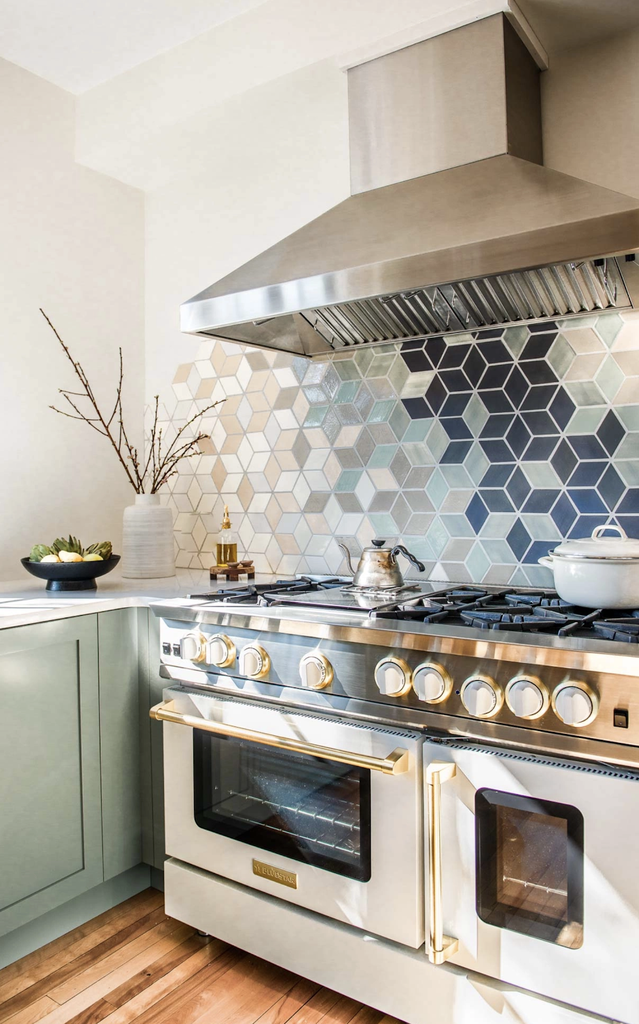
Starting off strong with a unique backsplash, this patterned and colored backsplash. Most people tend to stick to plain colors, but these shades of blue and tan are beautiful. We think it gives the perfect amount of color into the kitchen.

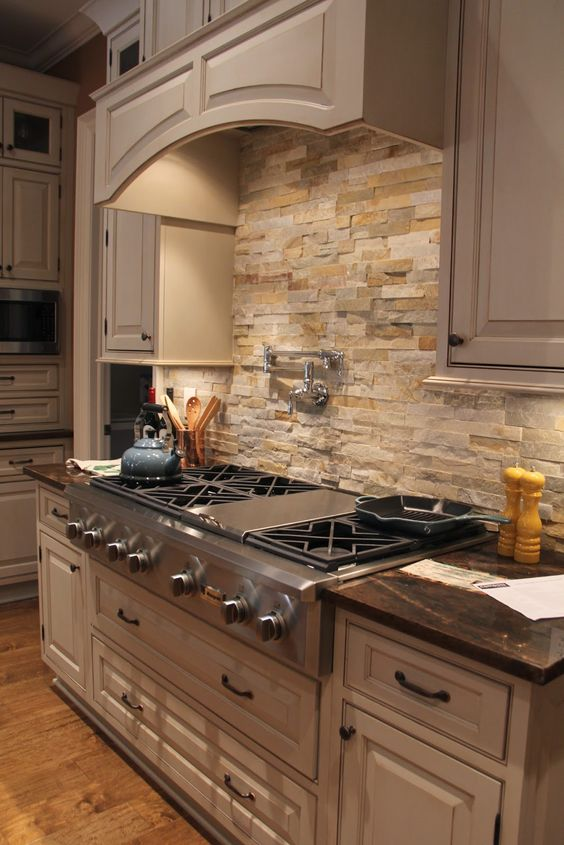
Stone is making its comeback as one of the more frequent backsplash idea. The stone is beautiful and you can get it in almost any color. The texture to the stone is beautiful and adds a pop off the wall.

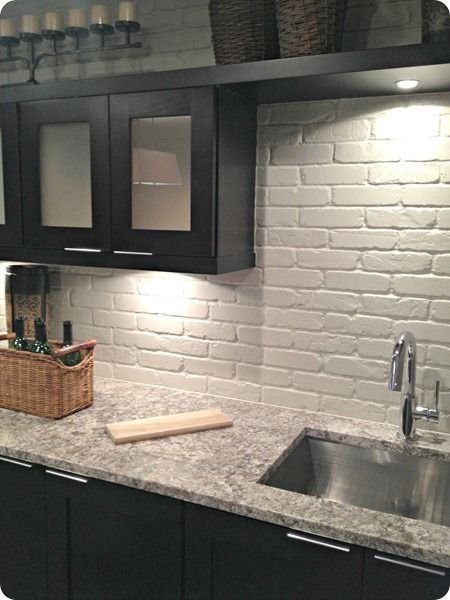
Most people do not like the look of bricks, but when done right and in the right spot, it looks gorgeous! The brick color in this kitchen matches perfectly and ties the whole kitchen together.

This is another uncommon backsplash, a black pattern. Most people would stray away from black because it can make the kitchen look smaller, but this backsplash was perfect in the kitchen due to the appliances and cabinets. The backsplash ties everything in together and the black makes the white pop out even more!

Another brick backsplash! Instead of a red/brown color, the white makes the countertop stand out even more.

Patterned backsplashes are beautiful! Although they can be difficult to install, it’s always worth it. This backsplash adds a pop of grey color to the kitchen!

Another patterned backsplash but this one is unique. The white backsplash makes the blue cabinets stand out and a statement piece. The white is just the right color to tie in the kitchen to make it appear brighter.

Adding a thin strip of texture to the wall in the backsplash is a perfect way to make a statement but still try to make it look classy and elegant.

If you’re looking for an accent wall, using a pattern can create the perfect accent.

This backsplash just gives me “beach house” vibes! It is beautiful and gives off beach vibes.

Dark stone backsplash is always beautiful when paired with dark chestnut cabinets.

5 STEPS FOR SUCCESSFUL REPAIR AND MAINTENANCE OF COMMERCIAL BUILDING

Preserving the value of a building is not an easy job. As a property owner, it is solely your responsibility to keep a check over the current state of your property. Although it is normal for the building to go through wear and tear there should be some routine checkups to ensure its proper functioning.

The more you ignore the maintenance of a building, the greater you see the decrease in its value. If you keep your building all spick and span, your tenants would likely pay you more, and if you ever sell the property in the future, you’d surely bag the best price.

For the overall property checkup, you can even consider hiring an MEP engineering services provider. But, till then let us walk you through some important steps that help you make the most of the repair and maintenance of your commercial space:

1.  ENERGY AUDIT

It is the primary step of your commercial building with regard to how much you can save every year. Being a property owner, you know that energy expenditure is not a tiny expense. So, this audit gives you a complete picture as to what is eating your budget.

Here, you need professional help who can help you figure out how you can lower down the costs. By replacing window glass, by repairing insulation around windows and doors, or by replacing roof insulation. 

Audits like these also help you understand if tenants are happy with the current condition of your property or if it needs any repairs and improvements.

2.  SAFETY AUDIT

One of your property maintenance priorities would be to keep track of safety mechanisms and fixtures. If there comes any emergency in the future, such safety features should be working in order to avoid any harmful accidents. 

Emergency exit signs, fire detector systems, lighting systems are amongst the most important safety fixtures. So, it is essential to conduct a monthly audit of these safety systems so nobody gets harmed and everything flows smoothly. 

3.  PEST AUDIT

This is one of the most difficult problems to deal with especially when bugs bug you in a building. It’s not pleasant and since it can cost thousands of bucks, it’s best to get your property bug-proof before tenants start complaining about it.

Consider conducting a professional pest audit regularly because it is only the maintenance that can keep pests away from your property.

4.  UTILITY AUDIT

The key to keeping your tenants happy is the full functioning of your building’s facilities and all the basic utilities. Such facilities consist of escalators, public washrooms, staff rooms, HVAC units, and more. 

There are times when facilities stop working as they need some regular repairs. So, be sure to run a monthly audit of these important utilities to avoid any hassle in the future.

5.  CONTROL FIRE HAZARDS

Any chance that fire can break out in a building is one of the worst nightmares for any property owner. We are sure you don’t want that so it is best to eliminate all the fire hazards that have the potential to pose any fire hazard.

Do regular checkups on smoke detectors throughout the entire building. Every year, replace the batteries too and make sure each and every floor of the building has fire extinguishers properly installed. 

CONCLUSION

The best approach towards the key audits would be to delegate them to the right MEP engineering professionals. They are experts in the field of property audit and you can easily focus on growing your property management business. 

Isn’t it the right decision? Well, yes it is considering you’d need the help of those who are in this industry for a long time and are well versed with using the right tools to do what is expected of them.

THESE CLEVER TIPS WILL MAKE YOUR GARAGE EVEN MORE USEABLE

Most people think of a garage as nothing more than a storage area. But garages can be so much more! In fact, it doesn’t take much to make your garage an efficient workspace and pleasant place to spend time. It starts with clearing out the clutter, which you should do every year or two, and applying a coat of paint or giving the ceiling a fresh look. After that, all you need are some shelving units for tools and other supplies to keep them tidy but accessible. Pretty soon your garage will feel like an extension of your home – comfortable and convenient!

1 – PLACING STORAGE ON THE CEILING

Garages are rarely finished to the same standard as homes and it is sometimes difficult to find a surface where you can place shelves or storage units. This is not the case for those with high ceilings, however. If there’s extra space up there, consider placing storage on the ceiling of your garage. You can use a hook, and bracket system. These don’t have to be anything fancy just a few planks of wood or strips of metal will work. Hang them so they are about 6″ below the ceiling, but not touching it. This way you can store things on them without worrying about them getting wet or too dirty. You can attach the shelves yourself with screws, nails, or even magnets if you don’t want to put holes in the ceiling. Or, you can go for something a little more complicated. The choice is yours.

2 – CLEAR OUT THE CLUTTER

The next step to making your garage more functional – and habitable – is clearing out the clutter. Every time you open your garage door, your first instinct should be to clear it all away. So go through everything stored in here and get rid of what you don’t need or use anymore. If that isn’t motivation enough, remember that having a tidy space will make it much easier for you to find tools if you need them in a hurry. Every few months, sort all the supplies and equipment you have down there, checking for broken or dated tools. Toss things that are useless or in poor condition and take the rest to a local thrift shop or donate them to charity. You’ll be surprised by how much extra room you have!

3 – INVEST IN SOME GOOD SHELVING UNITS

In most homes, the garage is where everyone throws whatever they don’t want to deal with, from old toys and tools to boxes of who knows what. The trick to making this space work for you is taking a few minutes every so often to sort through the mess and store things in a place where you can easily find them. Shelving units are a great way to do this, as they’ll not only hold everything neatly, they’ll also allow you to see what you have. When choosing a set for your garage, look for one with rolling tracks that can hold a variety of different items. There are many affordable options available at your local home improvement store that you can build yourself or have assembled professionally, or you can hire a carpenter to do the job for you. The sky is really the limit when it comes to what you can use these for, and how you can customize your garage for comfort and functionality.

4 – PLUS IF YOU HAVE EXTRA LAWN EQUIPMENT…

Lawn equipment takes up a lot of space and it’s usually not stored in garages for long periods because it might get ruined by water, ice, snow, etc. If this problem sounds familiar (or if you want to utilize your garage while still enjoying some outdoor leisure), invest in an outdoor shed. These weather-tight structures are the best way to protect your lawn equipment from the elements.

5 – PAINTING CAN BRIGHTEN UP ANY SPACE

Why not think about giving your garage a fresh coat of paint or adding some stenciling on the ceiling. This is especially important if you don’t plan on having the space finished with drywall or wood paneling. Painting is an inexpensive way to spruce your garage and make it look like a brand new room!

6 – DON’T FORGET THE FLOOR!

Garages are typically made of concrete or asphalt, which can become very dirty and slippery over time. If you want your garage to be safe for all its users (including pets), consider investing in rubber floor mats that absorb moisture and help to keep the space clean.

7 – ADD SOME FINISHING TOUCHES

If you’re going to go through the trouble of making your garage more habitable, why not make it more pleasant? Many people choose to install ceiling fans in the ceilings. Not only do they keep the air circulating, but they also help to keep your appliances from overheating during the summer.

8 – CREATE A WORKBENCH FOR CONVENIENCE

If you do a lot of home improvement, installing a workbench will be useful. This doesn’t have to be complicated – just a couple of simple shelves will do. Not only will you have somewhere to place all your tools, but putting them within sight will make it much easier to find what you need.

9 – INSTALL WALL-MOUNTED CABINETS

Installing your storage off the ground and onto the walls is a great way to free up garage space. You can find specially designed cabinets and units that attach directly to your walls. If you have a lot of stuff to put away, installing these sorts of cabinets might be the best option. In addition to being space savers, they can look very stylish and modern.

Garages are often neglected in favor of the living space. But garages can be so much more! Your garage is a great place to store all your tools, supplies, and equipment that you may need for an outside project or just running errands. And it doesn’t have to look like clutter either–clearing out the clutter every year or two will make sure everything stays organized while being easy to find when needed.