THESE CLEVER TIPS WILL MAKE YOUR GARAGE EVEN MORE USEABLE

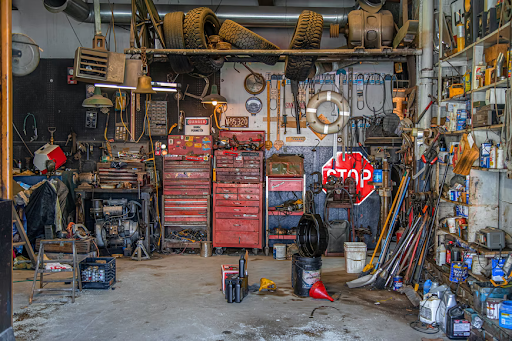
Most people think of a garage as nothing more than a storage area. But garages can be so much more! In fact, it doesn’t take much to make your garage an efficient workspace and pleasant place to spend time. It starts with clearing out the clutter, which you should do every year or two, and applying a coat of paint or giving the ceiling a fresh look. After that, all you need are some shelving units for tools and other supplies to keep them tidy but accessible. Pretty soon your garage will feel like an extension of your home – comfortable and convenient!
1 – PLACING STORAGE ON THE CEILING

Garages are rarely finished to the same standard as homes and it is sometimes difficult to find a surface where you can place shelves or storage units. This is not the case for those with high ceilings, however. If there’s extra space up there, consider placing storage on the ceiling of your garage. You can use a hook, and bracket system. These don’t have to be anything fancy just a few planks of wood or strips of metal will work. Hang them so they are about 6″ below the ceiling, but not touching it. This way you can store things on them without worrying about them getting wet or too dirty. You can attach the shelves yourself with screws, nails, or even magnets if you don’t want to put holes in the ceiling. Or, you can go for something a little more complicated. The choice is yours.

2 – CLEAR OUT THE CLUTTER

The next step to making your garage more functional – and habitable – is clearing out the clutter. Every time you open your garage door, your first instinct should be to clear it all away. So go through everything stored in here and get rid of what you don’t need or use anymore. If that isn’t motivation enough, remember that having a tidy space will make it much easier for you to find tools if you need them in a hurry. Every few months, sort all the supplies and equipment you have down there, checking for broken or dated tools. Toss things that are useless or in poor condition and take the rest to a local thrift shop or donate them to charity. You’ll be surprised by how much extra room you have!

3 – INVEST IN SOME GOOD SHELVING UNITS

In most homes, the garage is where everyone throws whatever they don’t want to deal with, from old toys and tools to boxes of who knows what. The trick to making this space work for you is taking a few minutes every so often to sort through the mess and store things in a place where you can easily find them. Shelving units are a great way to do this, as they’ll not only hold everything neatly, they’ll also allow you to see what you have. When choosing a set for your garage, look for one with rolling tracks that can hold a variety of different items. There are many affordable options available at your local home improvement store that you can build yourself or have assembled professionally, or you can hire a carpenter to do the job for you. The sky is really the limit when it comes to what you can use these for, and how you can customize your garage for comfort and functionality.

4 – PLUS IF YOU HAVE EXTRA LAWN EQUIPMENT…

Lawn equipment takes up a lot of space and it’s usually not stored in garages for long periods because it might get ruined by water, ice, snow, etc. If this problem sounds familiar (or if you want to utilize your garage while still enjoying some outdoor leisure), invest in an outdoor shed. These weather-tight structures are the best way to protect your lawn equipment from the elements.

5 – PAINTING CAN BRIGHTEN UP ANY SPACE

Why not think about giving your garage a fresh coat of paint or adding some stenciling on the ceiling. This is especially important if you don’t plan on having the space finished with drywall or wood paneling. Painting is an inexpensive way to spruce your garage and make it look like a brand new room!

6 – DON’T FORGET THE FLOOR!

Garages are typically made of concrete or asphalt, which can become very dirty and slippery over time. If you want your garage to be safe for all its users (including pets), consider investing in rubber floor mats that absorb moisture and help to keep the space clean.

7 – ADD SOME FINISHING TOUCHES

If you’re going to go through the trouble of making your garage more habitable, why not make it more pleasant? Many people choose to install ceiling fans in the ceilings. Not only do they keep the air circulating, but they also help to keep your appliances from overheating during the summer.

8 – CREATE A WORKBENCH FOR CONVENIENCE

If you do a lot of home improvement, installing a workbench will be useful. This doesn’t have to be complicated – just a couple of simple shelves will do. Not only will you have somewhere to place all your tools, but putting them within sight will make it much easier to find what you need.

9 – INSTALL WALL-MOUNTED CABINETS

Installing your storage off the ground and onto the walls is a great way to free up garage space. You can find specially designed cabinets and units that attach directly to your walls. If you have a lot of stuff to put away, installing these sorts of cabinets might be the best option. In addition to being space savers, they can look very stylish and modern.

Garages are often neglected in favor of the living space. But garages can be so much more! Your garage is a great place to store all your tools, supplies, and equipment that you may need for an outside project or just running errands. And it doesn’t have to look like clutter either–clearing out the clutter every year or two will make sure everything stays organized while being easy to find when needed.

SIX TYPICAL ISSUES WITH YOUR RESIDENTIAL WATER HEATER

The water heater is one of the most valuable electrical appliances in your home, especially in winters. It is true that it may not be visible to your naked eyes all the time, but the truth is it offers hot water every time you need it. In short, if it causes any of the small issues, it is like a significant disruption. 

Especially in the winter season when all your household work depends on hot water, from washing hands to washing dishes or clothes. That’s why it becomes essential to understand some of the common issues of your water heater because it may stop working. 

However, the reason to know about these issues is you can diagnose them correctly and, if not, can take appropriate action by calling the best water heater repair San Diego. So, let’s dive deep into the issues of water heaters and what you can do to fix them to get your hot water back: –

1.Not enough hot water is common, that water heater starts producing less hot water as they get older. But if you suddenly notice a significant loss in hot water while using it normally, then it’s a matter of concern. The reason for no hot water is a faulty thermostat. 

So, test your thermostat, and after that, adjust the thermostat on the water heater. Now, wait for a few hours and then test the water temperature from any fixtures. If this doesn’t work, check for a leak around the water heater, as repairing the water leak can decrease the hot water flow from the faucets. 

Moreover, if this also doesn’t work, try flushing the water heater tank because sometimes mineral buildup can prevent flow. At last, if none of the above work it’s better to call top water heater repair services near you.

2.Water leaks

Perhaps a water leak is another common problem with water heaters you may face while using them. Any water heaters can start leaking eventually as water corrode the tank and can create microscopic cracks or fractures. But this reason is not always valid as there can be many other reasons for water heater leaks.

If the water is coming from the top of the water heater, then the water connections are loose. So, check cold water inlet pipes and also hot water pipes. Moreover, if the water is coming from the bottom, there can be an issue with condensation, which can be resolved by turning up the thermostat. 

Lastly, suppose you notice that the water is spilling from the overflow pipe or the pressure relief valve. In that case, it is a sign of tank corrosion, and it indicates the replace and fix new water heater as soon as possible.

3.Tank takes more time to heat water.

If you are noticing that your water heater is taking ages to heat water, then there can be many problems with your water heater. First, the water heater thermostat may be set too low, which means your burner is not outputting enough energy to heat water quickly. 

Secondly, there may be a problem with your gas connection like poor gas pressure, dirty vent flue, etc. Cleaning these parts of the water heater can solve the problem. 

However, in many cases, if the water heater is taking enough time to heat water, then it is simply a problem for the water heater as it is not having the capacity to service your home. 

4.Smelly hot water

Before you decide on this issue, make certain only your hot water smells or both cold and hot water is smelly. If only hot water is smelly, then indeed something is not good with your water heater. To resolve this, let the hot water run in a faucet for around 3 minutes; if it still smells, flush your water heater tank. 

Apart from that, if it doesn’t resolve, your pilot light may have gone out. For this, turn off your gas valve and wait for a few minutes for the gas to dissipate. If you feel the strong odor of gas, then exit the building and call the professional plumber to do the work.

5.Water is too hot or too cold.

Do you notice inconsistent water temperature in your water heater? Do you feel that sometimes the water gets too hot and is too cold? Well, this is the sign of a faulty thermostat. For this, you have to replace your thermostat and get it cleaned to offer consistent hot water again. 

If you replace the thermostat yourself, it is fine; otherwise, you must call the best water heater repair in San Diego to do the work. 

6.Taps or knocking sounds

If you hear sounds of taps or knocks coming from the water heater, then there are chances of sediment buildup as it creates tiny tears in the metal, which causes leaks. This you can resolve by draining your hot water heater tank. If the problem persists, calling the top water heater repair service near you will be the best option as they know exactly the problem with the water heater. 

Things to consider when replacing your water heater

  • Your family’s hot water usage in terms of the amount and frequency of baths, dishes, laundry, and showers
  • Most essentially, your budget
  • Contact your trusted plumbing professional to figure out the best unit according to the needs of your home
  • Any of the rebates or incentives you can get from the local power or water utility
  • Type of fuel you want in your water heater
  • The capacity of the water heater

The bottom line

These are some common issues that any water heater may face while working. These issues can be fixed easily at home, but if not, you are free to contact the best water heater repair in San Diego. But make sure you only call a professional plumber to resolve the water heater issues as they are skilled, experienced, and qualified to determine them accurately.

I hope you liked this post on common issues with your residential water heater!

WHY IS DRANO BAD FOR YOUR PIPES?

It happens to everyone, a clog in one of your drains. Most people panic, and run straight to Google to find DIY solutions on how to unclog the drain. We’ve all heard the phrase, “you can’t trust everything you see on the internet,” and this is one of those times where you can’t trust what the internet says.

The main thing you’ll probably see is the drain cleaner, Drano. We urge you to not use Drano in your pipes for many reasons. Sure, it’ll get rid of the problem. But, it only fixes the problem temporarily, and when it comes to clogs, you want to get to the main issue sooner rather than later. The repairs that it could cause could be very expensive and avoided if Drano is not used.

So, what is Drano? According to Drano.com, “they contain ingredients chemicals that quickly dissolve hair, soap scum and gunk. You can use Drano® Clog Removers to unclog a kitchen sink, bathroom sink, shower or clogged bathtub, but DO NOT use them in toilets.” When pouring Drano in your drains, almost instantly you will see the issue go through a reaction.

That doesn’t seem like a problem, right?

Wrong!

Drano has corrosive abilities because of its strong ability to break down even the toughest clogs. Since it is corrosive, it can ruin PVC, eat at pipes or cause toilet bowls to crack (even though Drano has advertised it is NOT meant for toilets).

Since there is a build up of multiple things in your drain causing the clog, you can create a chemical reaction between the gunk in the drain and the chemicals from Drano. This can emit fumes that shouldn’t be inhaled, and if you were using a plunger with the assistance of Drano and it splashes you, it can burn your skin, eyes, or mouth. If you have tried any other remedies that involve chemicals before going to Drano, you can create a toxic chemical fume from combining those products.

Once Drano unclogs your mess, it can still contaminate water and continue to ruin your pipes without you knowing it. Drano is a temporary fix that usually will end up causing other issues in the long run.

Guest Contributor: Tiffany Powell

SIX TYPICAL ISSUES WITH YOUR RESIDENTIAL WATER HEATER

The water heater is one of the most valuable electrical appliances in your home, especially in winters. It is true that it may not be visible to your naked eyes all the time, but the truth is it offers hot water every time you need it. In short, if it causes any of the small issues, it is like a significant disruption. 

Especially in the winter season when all your household work depends on hot water, from washing hands to washing dishes or clothes. That’s why it becomes essential to understand some of the common issues of your water heater because it may stop working. 

However, the reason to know about these issues is you can diagnose them correctly and, if not, can take appropriate action by calling the best water heater repair San Diego. So, let’s dive deep into the issues of water heaters and what you can do to fix them to get your hot water back: –

1.Not enough hot water is common, that water heater starts producing less hot water as they get older. But if you suddenly notice a significant loss in hot water while using it normally, then it’s a matter of concern. The reason for no hot water is a faulty thermostat. 

So, test your thermostat, and after that, adjust the thermostat on the water heater. Now, wait for a few hours and then test the water temperature from any fixtures. If this doesn’t work, check for a leak around the water heater, as repairing the water leak can decrease the hot water flow from the faucets. 

Moreover, if this also doesn’t work, try flushing the water heater tank because sometimes mineral buildup can prevent flow. At last, if none of the above work it’s better to call top water heater repair services near you.

2.Water leaks

Perhaps a water leak is another common problem with water heaters you may face while using them. Any water heaters can start leaking eventually as water corrode the tank and can create microscopic cracks or fractures. But this reason is not always valid as there can be many other reasons for water heater leaks.

If the water is coming from the top of the water heater, then the water connections are loose. So, check cold water inlet pipes and also hot water pipes. Moreover, if the water is coming from the bottom, there can be an issue with condensation, which can be resolved by turning up the thermostat. 

Lastly, suppose you notice that the water is spilling from the overflow pipe or the pressure relief valve. In that case, it is a sign of tank corrosion, and it indicates the replace and fix new water heater as soon as possible.

3.Tank takes more time to heat water.

If you are noticing that your water heater is taking ages to heat water, then there can be many problems with your water heater. First, the water heater thermostat may be set too low, which means your burner is not outputting enough energy to heat water quickly. 

Secondly, there may be a problem with your gas connection like poor gas pressure, dirty vent flue, etc. Cleaning these parts of the water heater can solve the problem. 

However, in many cases, if the water heater is taking enough time to heat water, then it is simply a problem for the water heater as it is not having the capacity to service your home. 

4.Smelly hot water

Before you decide on this issue, make certain only your hot water smells or both cold and hot water is smelly. If only hot water is smelly, then indeed something is not good with your water heater. To resolve this, let the hot water run in a faucet for around 3 minutes; if it still smells, flush your water heater tank. 

Apart from that, if it doesn’t resolve, your pilot light may have gone out. For this, turn off your gas valve and wait for a few minutes for the gas to dissipate. If you feel the strong odor of gas, then exit the building and call the professional plumber to do the work.

5.Water is too hot or too cold.

Do you notice inconsistent water temperature in your water heater? Do you feel that sometimes the water gets too hot and is too cold? Well, this is the sign of a faulty thermostat. For this, you have to replace your thermostat and get it cleaned to offer consistent hot water again. 

If you replace the thermostat yourself, it is fine; otherwise, you must call the best water heater repair in San Diego to do the work. 

6.Taps or knocking sounds

If you hear sounds of taps or knocks coming from the water heater, then there are chances of sediment buildup as it creates tiny tears in the metal, which causes leaks. This you can resolve by draining your hot water heater tank. If the problem persists, calling the top water heater repair service near you will be the best option as they know exactly the problem with the water heater. 

Things to consider when replacing your water heater

  • Your family’s hot water usage in terms of the amount and frequency of baths, dishes, laundry, and showers
  • Most essentially, your budget
  • Contact your trusted plumbing professional to figure out the best unit according to the needs of your home
  • Any of the rebates or incentives you can get from the local power or water utility
  • Type of fuel you want in your water heater
  • The capacity of the water heater

The bottom line

These are some common issues that any water heater may face while working. These issues can be fixed easily at home, but if not, you are free to contact the best water heater repair in San Diego. But make sure you only call a professional plumber to resolve the water heater issues as they are skilled, experienced, and qualified to determine them accurately.

I hope you liked this post on common issues with your residential water heater!

USE THESE TIPS TO KEEP YOUR CARPETS CLEAN FROM MESSY PETS

People love having pets as they are a great stress reliever. Besides that, they make us happy and calm with their big eyes, loving look and cute behaviour. Living with a pet is often a blast – they tend to do many funny things which make us laugh so hard. We simply look at them as being part of the family. And we love taking care of them. However, pets act differently. Some of them are more playful and clingy, like dogs, while some pets, like certain cats, prefer to be alone and not bothered. They allow you to pet them only when they desire it. Also, depending on the pet kind and breed, they tend to make all kinds of messes that you need to clean up. Messes are bound to happen, at least occasionally, even if your pet is well-trained. 

 So, to keep your carpets clean, you need a tidy pet – so be really mindful of that. Then, you should vacuum often – two or three times per week. You should also buy some special cleaning products that will help you in removing different stains. Make your job easier by learning how to treat different messes (urine, vomit, stools) in the right ways. Furthermore, you should also deal with hair and odour specifically. Also, since the holiday season is approaching, your pet can also make a mess with your beautiful Christmas tree – so be careful of where you put it. They love those ornaments, lights and colourful tinsel!

1.  KEEP YOUR PET TIDY

Let’s start with the basics. A clean carpet implies having a tidy pet. That means that whenever your pet goes outside and comes back in, you should clean its dirty or muddy paws. Also, if it is a sloppy eater, your pet can also make a mess while eating. Some pet owners are practical about these things. What they do to minimize the mess is put a washable rug at the door and at the eating spot. This is a good way to cover high-traffic pet areas. Also, what you can do is keep a spray bottle of soapy water and a soft cloth near the entrance, so you can do a quick paw clean up on the way in. Pet owners in Australia even use a cute little portable paw cleaner for the quickest and most optimal results. 

2.  VACUUM OFTEN

Regardless of whether you own a household with or without a pet, vacuuming often is implied. How many times a week you should vacuum is relative as it depends on a few factors. Often it’s about two to three times a week for some high-traffic areas. For optimal health of your family members as well as your pet, it is essential to be prompt about dealing with pet hair and dirt. It tends to accumulate really quickly. You should also give your vacuum cleaner a decent cleaning every once in a while. An extractor vacuum in combination with an enzymatic cleaner is a good way to get rid of stains and odours on your carpet. However, it wouldn’t be a bad idea to hire professional carpet cleaning in Perth, Sydney or Melbourne at least once a year. These services provide you with deep cleaning of your carpets. 

3.  BUY SOME SPECIAL CLEANING PRODUCTS

If you don’t use any special cleaning products related to pets and carpets, we strongly advise you to do so. Next time you visit a pet store, ask about a good enzymatic cleaner and buy a suitable one. You can also read some reviews online. It can really help you in removing stains and odours from your carpets. Just make sure that you follow all the instructions. Also, it would be useful to have a putty knife for removing solids from your carpet. Use the edge side of a small putty knife, slide it under the stain and lift it out of the carpet.

4.  TREAT DIFFERENT MESSES IN APPROPRIATE WAYS

Pets can make all kinds of messes, but the most difficult ones to deal with are stains from urine, stool and vomit. For the urine and vomit stains, you’ll need paper towels, a spray bottle, white distilled vinegar, baking soda and a vacuum. Firstly, you should blot the liquid stain with paper towels. Then, you should spray the spot with white distilled vinegar and let it soak to neutralize the scent. After some time, blot the vinegar. When the stain is damped, sprinkle some baking soda and leave it overnight. Vacuum it the next day. For cleaning up stools, it’s best to use a putty knife and a dustpan. To saturate these stains, you can use a bio-enzymatic carpet cleaner, which proved as the most effective way.

5.  DEAL WITH HAIR AND ODOUR SPECIFICALLY

All the pet owners struggle with pet hair all around the house. And it can be irritating. They tend to get stuck in the carpet. What you can do is use a window squeegee. You need to scrape the carpet where the pet hair is usually trapped. And when the hairs are loose, you can use a vacuum to pick them up. You can remove odour with the already-mentioned enzymatic cleaner

For a healthy and happy family as well as a pet, you need to take good care of your pet’s hygiene. To best way to keep it up is by developing a routine you’ll try to follow. 


Guest Contributor: Frank Robertson 

HOW TO WRITE A PROPOSAL FOR PLUMBING SERVICES?

Being a plumber in today’s day and age is challenging and dynamic work. Whether the client calls you for water heater repair or a toilet repair job, they’ll be glad to see some repairs proposal paperwork beforehand. 

Learning how to write a proposal for plumbing services is especially useful if you want to target higher-end clients like companies or upper-class homeowners. Regardless of whether you work solo or own a plumbing firm with its business plan, let’s talk about how to write a proposal properly.

1.     Outline your Background and/or Company

To write better project proposals for your plumbing jobs, you need to understand what these documents are. A plumbing proposal is a document that outlines exactly what your plumbing job will do for a client, how, and how long it will take, and/or cost. Proposal letters are often sent as one of the first points of contact with a prospective client, business, or homeowner. 

As such, you should start each proposal with a quick overview of your plumbing background or company in case you operate a business. This will give potential clients enough insight into your operations to gauge how suitable you are to help solve their plumbing issues effectively.

2.     Describe the Problem and Possible Solutions

Once you’ve introduced the reader to your company and its portfolio, you should move on to the issue the client is facing. Whether you’re about to work on drain cleaning, fix their water pressure, or install a garbage disposal installation, explain that process in detail. 

People who are unfamiliar with plumbing will appreciate your foresight and the care you took to explain your project. Start by outlining what problems the client is facing without your solution, and then explain how you can address that problem. Give the client 1-3 options to choose from based on their budget but no more to avoid choice paralysis.

3.     Draw Up a Timeline and Expense Estimate

Addressing the actual costs of a plumbing project is tricky even on a good day. You can never really know in what condition the clients’ installations will be before you start working on-site. This means you should consider adding a buffer to your total time and budget estimate instead of presenting clients with factual numbers. 

Add a disclaimer about how there is always a possibility of unexpected repairs or pre-existing damages you were unaware of in your initial inspection. This will help you maintain your position as a reliable professional while also informing the potential client of additional costs if they are necessary.

4.     Proofread your Plumbing Services Testimonial

As you draw closer to finishing your plumbing services proposal document, you should think about formatting it correctly. This will allow prospective clients to quickly skim or subsequently scan your proposal document for relevant data points without reading everything from scratch.

Moreover, eliminating any lingering grammar or spelling errors is equally important to maintain professionalism toward your clients, some of which may be professional writers themselves. If you think along the lines of “I wish someone could type my essay for me”, you can reach out to good, reliable writing service online. Working with a professional writer who will treat your proposal as a writing assignment will help spruce up your document before sending it to clients.

5.     Add Relevant Testimonials to the Proposal

Even if you’re repairing a faulty sink or a leaky faucet, add one or more testimonials to the plumbing services proposal. Testimonials, comments, and reviews from past clients can help encourage potential clients that you’re the right plumber for the job. 

While not crucial, the proposal will add more credibility to your services and bring you a step closer to being hired for the job. Testimonials are especially useful when writing a proposal for corporate clients with bigger budgets and more serious timelines to abide by.

6.     Close the Proposal Off with Contact Details and a CTA

Once you’ve written everything down, you should cap off the proposal with your contact details and a call to action. Your contact details should list your phone number, address, email, and fax to give clients more options. 

Write a simple call to action into the concluding segments of the proposal to encourage clients to call you sooner rather than later. This will help you close more contracts and make the process of writing plumbing services proposals worth your while.

In Summary

Writing plumbing services proposal documents for your clients, regardless of whether they have common plumbing issues or not, is always welcome. You will be able to raise your rates, gain good word of mouth, and gather even more testimonials for future marketing campaigns. This will let you focus your efforts on actual plumbing projects instead of worrying about how to raise awareness of your brand with potential clients in your area.

Author’s bio. Jessica Fender is a professional writer and educational blogger at Catchessay. Jessica enjoys sharing her ideas to make writing and learning fun.

5 DOABLE STRATEGIES TO GET YOU READY FOR A HURRICANE

When a hurricane is making its way to you, there’s no real way to stop it. Since there’s no real way of preventing a hurricane other than living somewhere without them, it’s important to start planning. 

Before that tower of high-speed winds descends on your home, here are a few strategies you should use to get prepared.

READY YOUR ESSENTIALS

Packing your essentials should be your first step in any strategy. Being ready to leave at a moment’s notice is key to any plan involving hurricanes. You never know when an evacuation is necessary, after all. Pack all of your primary essentials before any sentimental items. Essentials include the likes of:

  • Clean Food and Water
  • First Aid Manual
  • Scissors
  • Tweezers
  • Sterile Gloves
  • Clean Cloth
  • Clean Bandages
  • Clean plasters
  • Antihistamine Tablets
  • Painkillers
  • Skin Ointment
  • Bug Spray
  • Safety Pins
  • Medical tape
  • Digital Thermometer
  • Extra Clothes
  • Solar Power Bank
  • Flashlight
  • Extra Batteries
  • Identifying Documents (Passport, ID, Will, etc)
  • Portable Fire Extinguisher

ACCOUNT FOR FAMILY AND PETS

If you have any handicapped family members, ensure that your essentials also include anything they need. Things such as crutches, insulin shots, heart medication, and other essentials for health are ready to go at a moment’s notice. For pets, it depends on their size. A large pet should be leashed when you decide to evacuate. Before that though, it’s probably better if you leave them at a pet shelter before the hurricane even hits. Check your local area for pet shelters that can house them. For small pets, make sure their cages are clean and sturdy.

PREPARE FOR EVACUATION

Once you have your essentials packed, make sure you have some form of transportation ready. If you own a vehicle, make sure that it has a full tank of gas, especially during a hurricane warning. Check for any issues regularly because the last thing you want is to have car troubles in the middle of a storm. A mechanic should be doing the checking for these issues. If you do not have a car, get in contact with someone you know who does and see if they can assist you.

Before you leave, make sure your car has these in the trunk:

  • Spare Tires
  • Spare Gas
  • Gallon Bottles of Water 
  • Car Phone Charger
  • Blankets and Pillows
  • Reflection Triangle/Signal Flares
  • Map of your local town
  • Jumper Cables
  • Sand (for traction)

Once inside the car, do not attempt to go through any flooded areas. Floods as high as your ankles have been known to cause issues in cars. In case a power line falls onto your car, do not under any circumstances escape your car unless it is in danger of exploding. Do not touch any metal parts as this could electrocute you.

Alternatively, if you live alone, a bike is sufficient, but only if the winds are less than 20 mph. Make sure to travel on high roads and avoid brute-forcing through flooded areas. 

PROOF YOUR BUILDING AGAINST HURRICANES

Whether the hurricane is nearing your city or just a possibility on the news, hurricane proofing your building is a must. There’s always a chance that evacuation becomes impossible, and in such cases, you mustn’t risk going out into the stormy streets. Instead, do your best to hurricane-proof your building. Things you should be doing are:

  • Cover all windows and openings with strong wooden planks or storm shutters. Nail them firmly in place. The goal is to ensure no winds enter your home and send things flying.
  • Turn off your power if there is a danger of flooding or the hurricane is very near your home. Open power lines are a huge hazard, and if any electronics get flung about, you don’t want them starting a fire.
  • Any essentials you packed for evacuation should also have extras stashed away in your home, especially water, food, and first aid supplies.
  • Look around your home for any dangerous debris before the hurricane hits. Store all of your gardening or construction equipment in locked cabinets and sheds. Glass, rocks, and metal shards should be properly disposed of in a container that won’t get easily carried by strong winds.
  • For businesses and homes alike, always check water leakage it is important to have a safe and uninterrupted water supply during emergencies

STAY UPDATED ON THE NEWS

Whether you’ve evacuated or stayed at home, you should always have a way to get updates on the news. Your phone should be fully charged at all times. Don’t waste your battery on games or other distractions. Use it purely as a means of getting updates on the hurricane situation. Most phones also come with battery-saver modes to extend their lifespan even more.

The best news sources to follow are the ones in your local area. Follow your local authorities on social media for updates. Additionally, purchase yourself an emergency radio just in case the internet provider in your area gets caught in the hurricane. 

CONCLUSION

This article is far from an all-in-one preparation manual, but these strategies should be among the first things you do. These baseline strategies are the key to improving any other hurricane and calamity plans you may have.

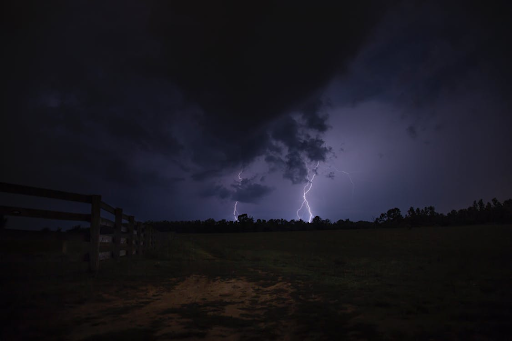
Take into account any local concerns in your planning. Do you live in a low-lying area? If so, make sure to move all of your essentials to the second floor. For those in open areas, installing lightning rods are a great way to mitigate the chances of being struck by lightning. Every place is different, but the core of your strategies should always be safety first.

Guest Contributor: Bash Sarmiento

WHAT ARE THE SIGNS THAT YOUR WATER HEATER NEEDS REPLACEMENT?

Most of the households need hot running water on an everyday basis. Everything from washing, bathing, hand washing and even for dish cleaning there is the need of warm water, especially during the winter times. When you are using them round the clock there is a need for the replacement of the water heaters. It could be due to usage or the age of the tank that the replacement of the water heater is needed. While you can help prolong the life of your water heater with annual maintenance, chances are you’ll need to have the pre–existing tank replaced with a new one. Therefore, it’s important to know as a homeowner about the signs that would indicate when it’s time to replace your water heater.

 1.  The water heater is aged

There would be a moment where you need to replace the water heater you had been using. The major trouble in this area is not knowing when exactly to replace the heater. There are expiration dates that are mentioned and even though the heater might be working in the right condition, there is a need to replace it after the date mentioned so that there are no major risks involved with the heater acting up. For best emergency water heater repair you could call here. There are different ways in which you can figure out the age of the water heater and thus take the necessary steps.

2. Heater inlet and rusty water

Steel is one of the most strongest materials on the earth but it also faces the corrosion that actually spreads all across and slowly eats away the entire metal. The rust accumulation leads to water leaks in the future and hence has to be taken care of. So when you have rust coming in through the water, it is indicative of the water heater’s need to be replaced. Rusting can occur in any water heater, even those that are only between eight and ten years old. One way to determine whether the rust is originating from your pipes or from the water tank is to drain several buckets worth of hot water from the tank. This, of course, would mean that it’s time to replace the water heater. 

 3. Noise of water heater

Another very common sign of an aged water heater is the noise from the tank. With age, the rumbling noises increase and it starts consuming large amounts of water. Noise from a water heater could be due to sediments building up in them, or being not flushed regularly. Both of these reasons could cause an immediate effect. The best water heater repair Temecula is available right here.


4. Leaking issues

When the water heater is nearing its replacement period there is a huge chance for water leaks that happen in and around the tank. This could cause immense property damage if continued for a subsequent period of time. There are many reasons for water leaks like the immense number of heating cycles causing expansion of metals and so much more. Other reasons include fluctuations in temperature, loose fittings, and connections. If leaking is evident in either of those areas, there could be something wrong with the fittings, in which case you’ll need to have a plumber come and examine the issue. Therefore, if water is leaking directly from the tank, it’s time to replace your water heater.

 5. Non functionality of the heater

The basic necessity of the water heater is the heating properties. If the water heater is nearing its time of replacement there is the possibility of losing this functionality by the water heater. You could call professional plumber for emergency water heater repair here. The loss of heat in your water supply is likely down to one of three possible issues with your water heater like a broken heating component, or a broken thermostat. For any other adjustments, some of them could be fixed by you and might not need a replacement. 

So these are five different signs which are indicative of a broken water heater in your home that needs replacement. Most of the times homeowners ignore these signs and sign up for more damages and potential risks involved with them. Always look out for all the different signs that the water heater is slyly presenting with. Regular maintenance and checking on the expiration dates could help in replacing the water heater at the right time. 

The major function of a water heater is so much that a house needs its optimum functionality all around the day. Before fixing the woes through a do it yourself solution, be sure to check with a plumber for further assistance. Sometimes you might be ignoring some grave signs that professionals could search and detect. It is always better to replace the water heater at the right time so that further damage to the infrastructure and other goods could be avoided and worked through.