You can’t complete any job without the right tools but which ones are essential? While every activity requires a certain tool, you don’t need every product in the store to start working on projects. A good method is to match the tool to the work at hand and gradually build up your toolkit. This list will provide you with a great jumping-off point to the ultimate home renovation equipment set.
THE MEASURING TAPE IS A MUST-HAVE
Every home has a measuring tape but when it comes to renovations, your normal measuring tape will not suffice. You’ll need a tape with a working tang, firm stand-out, locking mechanism, and suitable bell hook. It should also be strong enough to withstand a fall from a great height. It will be your go-to remodeling companion, assisting you in measuring your floor for new tiles. A measuring tape is also helpful for decoration purposes since you need to know your wall lengths to establish what size of prints will look best in your room.
GET A TOOL BELT ASAP
According to professional renovators, tool carriers such as belts, clips, and bags can help you keep your tools at hand as you work. Nobody likes to hassle with climbing up and down the ladder every time they need to put a tool down. If your renovation is small in scale, an apron will suffice for the tiny items you need such as sponges, nails, screws, and tape. However, if you plan on remodeling the entire room or your house, a professional tool belt is a must-have. Look into buying one which can hold everything you might need, including a hammer, screws, pliers, knife, and your measuring tape.
SAFETY GEAR IS NEVER OPTIONAL
First, you should be mindful about protecting your eyes. Whenever you use a tool that might generate some flying debris, safety eyewear should be a part of your look. Protecting your lungs is also important. Dust masks, in addition to sufficient ventilation, will keep your lungs safe. When dealing with chemicals found in many paints and solvents, make sure to use a respirator with all the appropriate filters. Strong yet comfortable safety boots are crucial to keeping your feet and ankles protected from possible injuries. When it comes to hearing protection, earplugs are the least expensive option.
LADDERS ARE AN IMPORTANT PIECE OF EQUIPMENT
Because you’ll be renovating your living space on your own, you’ll need a ladder to get close and personal with the ceilings. The many different varieties of ladders can make it difficult to pick one but identifying your requirements and your storage capacity can help you narrow down your options. They should be small enough to be easily stored while being big enough to provide an adequate working area. You should also bear in mind that some ladders come with a space on which you can attach your tools, making a day-long wall painting job much more comfortable.
YOU’LL NEED SOME ELECTRICAL TOOLS
If you have a relatively small renovation planned, you’ll be set with a basic toolset containing screwdrivers and a cordless drill. On the other hand, larger remodeling endeavors may require some power tools such as specialized saws, a nailer, and a sander. Adequate electrical tools will save you both time and money during your makeover; however, remember to research which exact power tools you’ll need for the type of remodeling you’re attempting to do. For example, there’s no need for buying or renting out a table saw if you don’t have to cut a lot of wood.
Remodeling your home on your own can be a challenging job but having key equipment and tools will make your renovation much easier. From tiny additions to your kit such as the measuring tape to bigger electrical tools, it’s important to have it all at your disposal. While working, it’s essential to be safe too, so remember to buy the much-needed safety items.
When it comes to having the right drainage around your home, you need to make sure you are choosing the right one. There are many options out there and it will depend on what fits your home the best, what will provide the best value, and which one you like.
There are several types of drainage choices and you may need to work with a professional to help get this done. Some of the different systems that you can consider for your home includes:
FRENCH DRAINS
A French drain is another name that you may hear for a perimeter and a foundation drain. This drain is known by its inventor, Henry French, who worked hard to popularize this method during the 1800s.
This type of drain is going to be a type of plastic pipe that is perforated and buried under the ground. It is able to effectively collect and relocate the water to make sure that it does not sit near the home and cause any kind of damage that you may see around other homes.
FOOTING DRAINS
Another option that you can use for your home is a footing drain. This is going to be a type of drainage system for the outside of your home that is placed outside the wall of the foundation. These footing drains will exist both in residential and commercial buildings.
The drain that is used here is going to be covered up so that no one is able to see it, but the covering is done with gravel. This allows the water to seep right into the tile. Then this drain will work to divert all of the water and put it into a basin, which will then be pumped into the storm drain as well.
GUTTER DRAINAGE SYSTEM
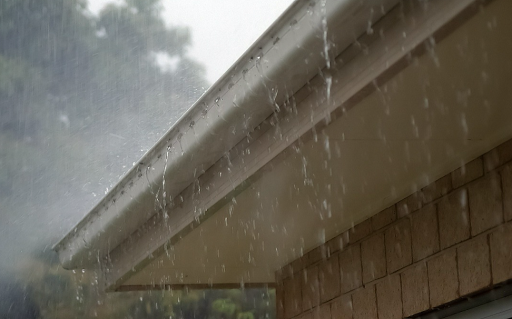
The water that comes from your roof is sometimes going to cause the most damage to your home, especially if it is not drained out well. You need to have the right gutter drainage system in place to make sure the water is diverted away from the home, ensuring that you are not going to get damage to the foundation of your home.
Having a good downspout or gutter system in place is going to help make sure that all of the water that is draining off the roof will move somewhere else, away from the walls of your home. You and a professional will need to determine exactly how far these are going to go from the home.
When choosing a downspout drain, you will need to get it to extend away from the walls. It is preferable if it is able to go to a storm sewer or a water catch basin. If this is not possible because of where your home is located, you will be able to place the downspout as far away from the home as possible to avoid any problems.
GRADING DRAINAGE
The next thing that you can try to help with the drainage around your home is a grading drainage. This is going to be a really simple technique, which is why so many professionals will recommend it to their homeowners to keep things safe.
The grading technique is going to involve reworking the grading around the home, creating a slope that will go away from your home. This is going to use gravity to your advantage so that the water will go down the slope and not sit near the home. And the landscaping will look natural when it is done.
This is going to require a little bit of new landscaping around the home to get it done. If you already have some slopes in your home, that can help, as long as they do not slope towards the home. This can cause some of its own problems and a professional will be able to help you out. There may be some work to get done on the yard, but this is a simple way to help.
A contractor will be able to come to your home and take a look to see whether this is possible. Depending on the yard, they may be able to add in the slopes and that is all the work that needs to get done. Other times they may need to combine it with some of the other choices above to make sure you get the best drainage system possible.
DRIVEWAY DRAINS
A driveway drain makes a lot of sense for many homeowners. These will help to collect the water that is near your home and force it away. Often these will go near the street when it collects the water, allowing it to go to the drains in the street and not collect near your home any longer. It can all just drain as far from your home as possible to keep the home safe.
These are a great option and will often use some of the sloping that is already found in your driveway. Putting one in yourself can be hard and most homeowners may not know how to do it properly or where to put all of the components. Having a contractor help you figure out where to put everything and how to get it installed will help make this easier.
Installing one is simple and things are even easier if you already have a bit of a hill in your yard away from the home. Choose a driveway drain that is high-quality and meant to last and consider having a professional put the drain in to make sure that it is placed properly and will last a long time.
CHOOSING THE RIGHT EXTERIOR DRAINAGE SYSTEM
Each home is different and unique and you need to choose the right drainage system that is going to work for your needs. With the help of some of the suggestions above, you will be able to take care of your home and make sure that you never have standing water around your home, causing all that destruction, again.
When transferring to a new apartment, house, or establishment, you will often encounter exposed radiators or plumbing lines. It is easier and less costly to incorporate them into your interior design instead of knocking them down and reconstructing your walls to cover these exposed pipes. But first, you need to check out the quality of the lines if they require repairs or replacements.
After the initial inspection, then it’s time for you to exercise your creativity. Here are some tips you can follow on how to turn your boring and eyesore plumbing into one of the major attractions of your establishment.
1. Paint-over Exposed Pipes
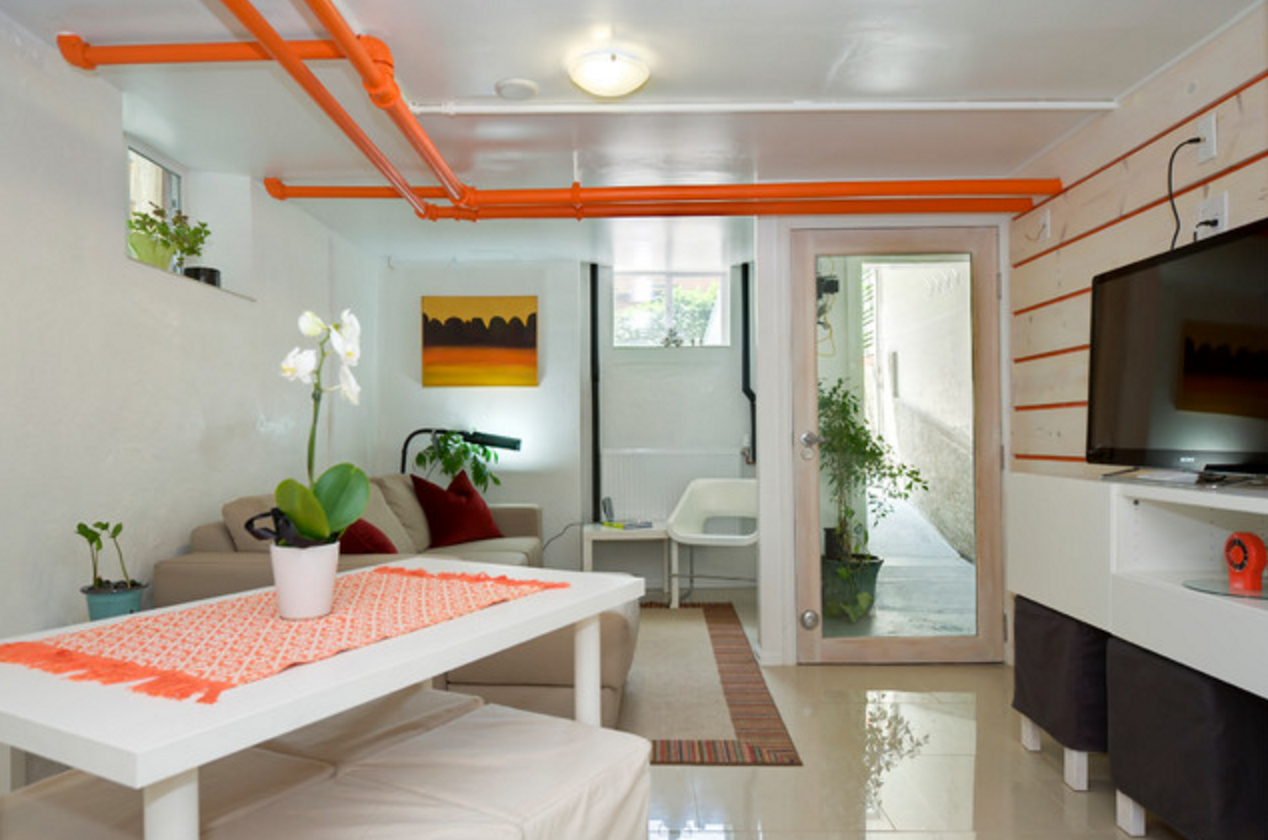
This tip is guaranteed to give your establishment a unique appearance. You can paint your pipelines with a color that matches the rest of your interior style. If you have already finished painting the walls of your establishment to a color that you prefer, you can try incorporating this color into your pipelines. You can also try experimenting with different hues and pallets if you want a more dramatic touch to the area. If your establishment has wood flooring and cabinets, paint your line fixtures with similar colors as to what they are to match them together and make the room look synchronized.
2. Hide the Exposed Plumbing Pipes
Many establishments have plumbing pipes exposed to the naked eye, which usually run down the exterior walls. The exposed plumbing pipes can be an eyesore for you and your guests. In addition, it is such a hassle to have disorganized, exposed plumbing pipes if the room is well-designed and aesthetically on point. Fortunately, there are many ways to conceal these exposed pipes to make your room look more beautiful.
You may consider installing a drywall access door panel exposed flange so you can keep your plumbings behind your walls. With this access door, repairs and inspections for your plumbing lines will be hassle-free, and at the same time, this can also keep the aesthetic design of the room.
3. Install Cabinets Below the Sink
Many establishments and even homes have exposed plumbing pipes under the sink, which reduces the room’s neatness. If you want to improve this, you may consider installing cabinets below these sinks to hide the exposed pipes. The lines will be under the cupboard whenever you open them, but they will not be directly visible. Another advantage is that you can even select the type of cabinet you want. It is wise to choose a wardrobe that fits well with the interior design and the interior aesthetic. You can also try painting and decorating the cabinet based on your preference.
4. Use Plants to Conceal Exterior Plumbings You can purchase any plant you want and use it as a cover-up for your pipelines. Any size, shape, and color will do the trick! You can also use vines to either decorate or fully conceal.
5. Wrap Your Bathroom Pipes with Rope
If a rustic design is your go-to, then list this trick on your must have’s. You can use different types of rope with different thicknesses, materials, and colors that will match the room’s aesthetic. This technique creates a design that is great to look at and is also very relaxing.
There are still many options and tricks to incorporate your plumbings into your interior design seamlessly. All you need is a little research and creative spirit to brainstorm any new and unique ideas. You can also contact your local plumber to consult whether or not your ideas are practical and safe for your plumbing system.
Plumbing systems, in general, consist of a complex network of pipes and fixtures designed to distribute water supplies and wastewater systematically. Plumbing channels essentially have the same primary function regardless of the property. However, there are significant distinctions between residential and industrial plumbing.
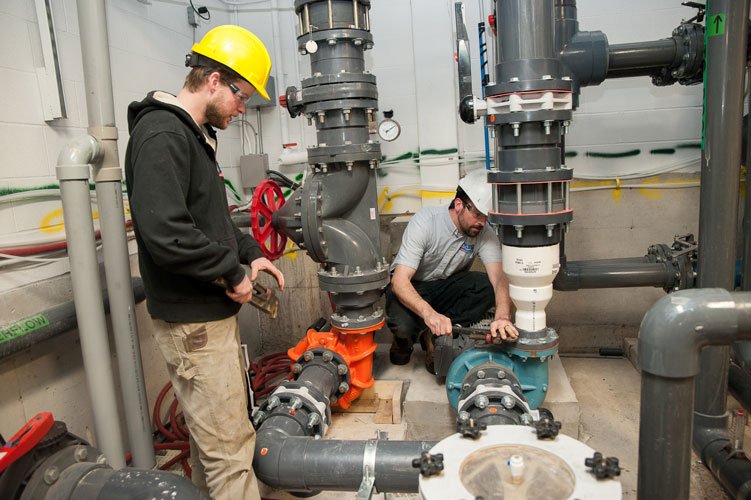
Commercial plumbing involves the preservation and distribution of large-scale waste removal and water supplies for buildings and other establishments such as hospitals, schools, offices, etc. Unlike residential water systems, commercial pipes can accommodate constant and several uses at almost the same time.
Responsibilities of a Commercial Plumber
Due to the complexity of the drainage system involved, commercial plumbers must have a general understanding of building regulations, follow structural plans and designs, and systematically maintain and distribute water supplies and wastewater management. Industrial plumbers also rely on specialized tools and panels such as steel insulated exterior access panels since most pipes and fixtures are behind walls and floors.
To further elaborate on the tasks of a commercial plumber, here are some of their primary responsibilities when doing plumbing maintenance and installation.
Installation tasks include:
Fitting toilet and kitchen fixtures
Drinking fountains
Sprinkler systems
Laying water and sewer lines
Boiler systems
Maintenance tasks include:
Check for active leaks
Signs of corrosion
Measure water pressure
Check valves and drains
Backflow testing
Perform preventive maintenance and inspections
Meeting with property owners to discuss potential plumbing issues
Pipe assembly
Being a commercial plumber means having more responsibilities than residential plumbers; that is why most businesses and building owners ultimately hire seasoned experts with years of experience and industry knowledge to meet their needs and demands.
Since commercial systems are more extensive, it would benefit your business if you only hire a reputable plumber with a proven track record. They also need to be licensed and insured with enough confidence to provide warranties for equipment and labor.
Key Differences of Commercial and Residential Plumbing
Although there are similarities in the scope of work, there is a significantly massive gap between commercial and residential plumbing. To further elaborate, here are some of the fundamental differences between commercial and residential.
Size and Scope – Commercial plumbing in large-scale commercial buildings, offices, and recreational facilities is more complex than residential systems. For instance, hotel facilities require efficient plumbing systems that can support multiple usages at the same time. However, due to the higher demand and multitude of users, commercial pipes and fixtures tend to wear out faster, thus requiring regular preventive maintenance and inspection now and then.
Multiple Storeys – Commercial plumbing systems encompass several pipes and fixtures for each floor for buildings and other multi-level structures. Commercial plumbers need to account for gravity and ensure that the whole system is functioning adequately. In addition, water pressure is often a critical concern for high-risk establishments. The plumber must be able to efficiently ensure that the water pressure is standard on all floors.
Working Hours and Inspection Frequency – Residential owners are more lenient in scheduling maintenance and repair than the high demands of the commercial industry. Annual checks are sufficient for residential houses, but commercial pipes need to be frequently checked due to constant usage as minor damages can quickly evolve into something more severe and inconvenient.
Industry Knowledge – Since commercial installations involve industrial-grade pipes and equipment, many business owners only hire licensed plumbers with the relevant experience and knowledge required to perform the necessary plumbing tasks successfully. The problems in commercial systems are more diverse and encompassing; therefore, industrial plumbers must efficiently resolve multiple issues when called.
Commercial plumbing involves more than just a simple faucet and pipe installation, maintenance, and repair. Despite having the exact scope of work, commercial plumbing is more demanding and intricate than residential systems mainly because of the business aspect and how a simple leak can have devastating effects if not immediately resolved. Understanding the primary differences between a commercial and domestic plumber is vital in ensuring that everything functions as it should.
In the home, mold is unwelcome. It darkens the bathroom corners, stains the walls, and develops between the tiles. It’s an obnoxious sight that feeds on and rots moist wood. Mold can grow and become difficult to eradicate over time. Mold causes respiratory ailments and is generally harmful to human health, in addition to being a horrible sight.
Infestation with mold is a big issue in any home. You might be tempted to clean it up on your own once you’ve found the presence of this health-threatening fungus. Mold clean-up is a job that should be left to the pros. However, if the infestation is minor, you may be able to handle it on your own. But in case of major issues, find a mold inspection specialist.
But first, read on to learn about the fundamentals of mold remediation, as well as the right methods and procedures for properly removing it without jeopardising your health and safety.
Determine the type of mold
Mold infestation can be found in almost every home. The best solution is to collect them before they gather and become large chunks. These molds are hazardous to your family’s health, and as they grow larger, they become more difficult to remove. The elimination of black mold can be done with common cleaning supplies found in the supermarket. Molds are easily distinguished by their little black patches that quickly grow into enormous colonies.
The secret to identifying mold is to use bleach to test it. Mildew can be easily identified by a few drops of home bleach applied to the mold. This is generally seen in moist places. Mildew-mold and dirt mold are the two types of black molds. Mildew mold is easily removed with bleach, however dirt mold does not. Other types of mold are hazardous, so if you have respiratory issues or are prone to allergies, it’s best to find a mold inspection San Diego specialist.
Once you’ve determined what kind of mold you’re dealing with, it’s time to prepare for safety.
Protect yourself and follow safety procedures
When dealing with mold, it’s more crucial than anything else to protect oneself from its damaging consequences. A thin mask isn’t going to help. You’ll need to wear clothes that you can wash right away or, better yet, throw away after each use. Remember that mold has a distinct stench, especially if it is thick and crowded.
If you wash your clothes alongside other garments in the washing machine, mold can attach to them and spread to other clothes. Wear clothes that you can throw away after you soil them instead of washing them. Goggles and gloves will be required. These particles must be protected from your eyes. They can get into your eyes, and if you don’t wear protective gloves when cleaning, mold can go into other regions of your body. If you haven’t showered after general black mold removal, we recommend that you don’t eat.
Because spores can rapidly move through the air, it’s essential to keep the space well ventilated when cleaning. These spores can also stick to the blade, so to save time cleaning the fans you’ve used, get the cheap ones that you can just throw away afterward.
When it comes to the mask you’re wearing, if you have a thin mask, you can layer it to avoid having to buy the N-95, which can be quite expensive. Wearing the mask in multiple layers should suffice.
This should not be removed during the cleaning process. When you’re dealing with mold, turn off your furnace and air conditioner. We don’t want those spores to spread throughout the room, if not the entire house, creating breathing and respiratory issues. To prevent particles from moving to the adjacent room, you can also block the door gaps.
Mold remediation process
Now that you’re prepared for mold removal or black mold removal, we may begin the cleaning process. To begin, look for symptoms of mold. Examine the moldy walls and pry them open with a screwdriver. Don’t be afraid to cut through the drywall because you’ll be replacing it anyhow, or you can get someone to do it for you. Make sure you discover the source of the molds and open up the walls to do so.
Scrub the surfaces with a mold cleaner, making sure to get all of them. Allow the solution to soak in for a few minutes after scrubbing to allow it to penetrate the wood or wall. You can now clear up the wall debris while the mold cleaner is working. To remove the moldy wall, use a vacuum cleaner.
Place the larger components in a strong rubbish bag. You can now wipe the mold cleaners after a few minutes. They should not be washed. You can wipe them off and then use a wood primer to seal the wood surfaces. This will improve the condition of the wood or the surface. After that, you can install negative air machines to get rid of any leftover mold cleaning and mold odours.
Get the right cleaning product
First and foremost, gather your supplies. In order to clean mold, you’ll need a dependable product. Many homeowners believe that bleach is a good mold treatment. However, bleach is a powerful chemical that can be harmful to your health. It also does not remove the mold. Its colour simply shifts from black to white or grey. There’s still a chance that the mold will return after a few weeks of bleaching.
Borax, a white powder that can be found in the grocery, detergent, or laundry area, is a common DIY mold treatment tool recommended by mold professionals. To clean mold using borax, mix one gallon of hot water with the powder. Apply the solution to the moldy surface and scrub it away with a rug or brush until the mold is gone. It’s not necessary to rinse it because the borax will prevent the mold from returning. This cleaning should not be used on porous surfaces like drywall. These materials readily absorb water. This could exacerbate the problem because mold thrives in wet settings. You can also call a professional to remove mold in San Diego.
Dress appropriately
Before you begin your DIY mold removal, make sure you are adequately equipped. If you’re utilising a chemical, wear gloves, goggles, and loose clothing. Dispose of or thoroughly wash your clothing and gear after cleaning the mold. Mold spores fly through the air and can readily spread throughout your home.
When it comes to black mold eradication, it’s best to leave it to the specialists. Black mold is a toxic type of mold that can be harmful to your health.
The surface should be completely dry
The final and most crucial step in removing mold is to dry the affected area. Keep in mind that moisture is the primary source of mold growth. These fungus thrive in a moist, humid environment. The surface will be damp for a while because you will be cleaning mold with water. By ventilating the area, you can hasten the drying process. If feasible, open doors and windows and use a dehumidifier. Air movers can also be used to swiftly dry the surface.
Conclusion
You, like the majority of homeowners, want to learn how to remove mold on your own. It’s a good thing, and knowing the must-dos and must-haves for cleaning mold is essential to your project’s success.
However, it is recommended that you engage with the best mold specialist San Diego if you are unsure about the entire mold mitigation process or if the mold infestation in your home is too large to handle. They are the best people to work on it since they have not only the necessary expertise and training, but also the necessary tools and equipment to properly remove mold.
Author Bio:- Aimee Grace
Aimee is a marketing manager at EZ Plumbing & Restoration. She is very passionate in writing about discrete plumbing services and leakage detection as well as repair solutions. Her vision is to educate people about the consequences of water and slab leaks at home or office and what they should do to repair them to avoid further water damage as well as property damage.
Innovations have paved a way for smart devices to lead a convenient life. Plumbing industry is no different but only few people know about various tools used to fix the leakages. Stay tuned with the recent articles to know all about how to find water damage, slab leak, clogging, and ways to repair them, installation of new HVAC appliances in San Diego.
Automation assists with activities and processes without requiring employees to physically participate in their implementation, reducing manual labour. Valve automation is very useful for managing flow in piping systems that require precise control or fail-safe emergency shutoff. A closer look at the advantages of using automated valves reveals their overall industrial influence, improved output control, and higher manufacturing and production efficiency. Let’s have a closer look at those.
AUTOMATED VALVE ACTUATORS AND THEIR IMPACT
Automated valve actuators have an impact on a variety of manufacturing and processing operations, including hazardous materials, oil and gas, chemicals, food and beverage, and others. Manual operating valves entails a number of dangers:
● The operation of manual valves takes a long time and requires a lot of effort.
● Manual operation raises the possibility of human error and may result in higher operational costs due to waste from destroyed products.
USING AUTOMATED VALVES TO INCREASE OUTPUT
The use of automated valves to improve output control helps to reduce expenses associated with product waste. Automated valves do not require the presence of an operator, allowing them to continuously monitor and modify flow across a system.
They can continue to operate even during outages when paired with battery backup systems that provide an emergency power supply, or at the very least securely stop the present process until the utility is restored.
USING AUTOMATED VALVE ACTUATORS TO IMPROVE SAFETY
In locations where severe temperatures, pressure levels, unpleasant odors, flammable components, or other variables have the potential to cause serious accidents, actuator valves aid to control constant operating levels and maintain safety. Automated valve actuators return to fail-safe settings in an emergency, avoiding accidents, environmental risks, machinery or structural damage, and other disastrous effects.
This type of valve also enables remote access to valves that would otherwise be comparably difficult or impossible to reach safely and physically return to a safe position.
VALVE AND CONTROL AUTOMATION PROVIDES A SAFER WORK ENVIRONMENT
Valve automation improves employee safety while also ensuring compliance with industrial laws. Automated valve and control systems are used in systems that deal with temperature extremes, high pressure, and other components that could result in serious accidents.
Furthermore, in the event of an emergency, automatic valves and equipment revert to their fail-safe settings. This reduces the risk of environmental dangers, accidents, and additional property damage.
Accessibility to other valves that are difficult to reach is made possible by automated valves. They then physically place them in a more secure location.
OPERATIONAL COSTS ARE REDUCED BY AUTOMATED VALVES
Valves and equipment that are automated can help to reduce waste. This is due to the fact that there are no measuring inaccuracies caused by human error.
Using a variety of automated valves in your system will reduce the amount of personnel required to operate it. This results in a huge reduction in labor costs. It also cuts down on the time it takes to create a specific level of output. You can use the extra time to start a new product line or make enhancements to existing ones.
MORE EFFICIENT SYSTEM
Manually operated valves require regular human intervention in order to function properly. As a result, the system is almost always turned off and on. Running this takes a lot of energy and fuel.
Automated valves, on the other hand, maximize flow efficiency.
CONCLUDING THOUGHTS
Automated valves are used in a variety of production operations. They have a high level of precision when it comes to managing flow in systems. As previously stated, they prevent a number of potentially dangerous scenarios that could result in workplace injuries.
Furthermore, they require less labor because only one or two engineers are required to control the entire system. Hence, make sure to consider this solution, along with automatic solenoid valves for your upcoming operations to increase productivity and reduce cost.
There are two reasons why you might want to buy an old house. Either you fell in love with its charm, character, and nostalgic value, or you’re in the business of flipping homes. And although buying such an old place does come with its own set of benefits, it could also bring you plenty of problems. Plumbing, certainly, is one of those. So to make sure you’re prepared, let’s take a look at the common plumbing issues in fixer-upper homes.
It goes without saying that these old homes do look the part. Back then, people went the extra mile to make their houses look and feel special. They used materials that we consider too expensive by today’s standards to make ornaments, and it’s not rare that you see that these stood the test of time. With all the patina, they look even better than when they were new.
Owning such a nice-looking home makes you feel special, so people decide to do it without giving it much thought. But that’s the last thing you want to do. If you don’t do all the plumbing checks before moving into a new home, you may be in for heaps of trouble.
Let’s see why.
OLD PIPE MATERIALS
If the home you’re looking at is more than 30 years old, the chances are that the pipes are made from an outdated material. There are three possible types of materials old-house owners will be dealing with:
● Lead
● Galvanised Steel
● Polybutylene
LEAD PIPES
Lead pipes are the ones you want to be the most cautious about. Obviously, they’re bad for your health and that of your loved ones, but they weren’t banned until 1986. So, if your new house predates this year, you might want to check the type of your piping.
GALVANIZED STEEL
Although not as risky to use as lead, galvanized steel is a lot more common material to come by. It’s been extensively used since the 1960s when it replaced lead as the primary material, and that’s why so many older houses have such piping.
However, it was later found that this type of steel is corrosive. So, the water you drink may have some rust in it. Not a pleasant thing to think about, we know.
To solve the problem, you’ll have to re-pipe the whole house. It’s a big and expensive job that you want to do before you move in. So, be sure to add that check to the cost of the house.
Old pipes are one of the most common plumbing issues in fixer-upper homes.
PIPE BELLIES
It’s a well-known fact that houses can move and shift over time. It’s normal, and if there’s no structural damage, we discard this problem. However, we rarely think about how this might have affected the pipes under the house.
Most commonly, the pipes shift downwards, and they create a negative slope. This slope is often referred to as the belly, and it restricts the water flow. As a result — you get no water pressure.
Luckily, this is one of those problems that you can solve even after moving in. It will take an expert crew at least a full day to finish it, but you can use that time to fix everything else that needs to be fixed. When you buy an old house, there are always plenty of minor things you need to repair.
FAILING SEWER LINES
If you think about it, it’s funny how no one thinks about sewer lines until they fail. Unfortunately, these are one of the common plumbing issues in fixer-upper homes. They were built without dishwashers, garbage disposals, or even modern toilets in mind. Hence, they’re more prone to failing.
On top of that, tree roots or your house shifting can make a mess of your sewage system. In this scenario, the dirty water seeps into the ground or gets pushed up back through the pipes right into your home.
The best way to combat this problem is to install a brand new trenchless sewer line replacement. You won’t have to dig the old pipe out, so a pro shouldn’t need longer than a day to complete the project.
A clogged sewer line doesn’t look or smell nice.
OUTDATED FIXTURES AND CONNECTIONS
An old saying teaches us that nothing lasts forever, and this is especially true for plumbing. When you buy an old home, it’s safe to assume that everything from your fixtures, over fittings, to your supply line connections is aging. Of course, all of these things can cause issues in your beautiful historic house.
If the damage is not severe, you’ll see things like broken knobs, leaks, and restricted water flow. And truth be told, you can get away with failing plumbing for a certain period. But you must be careful not to overdo it. If you push it too far, that rusty valve will give up at the worst possible moment. That’s how things always are.
Some of the problems, like a leaky faucet, you’ll be able to tackle yourself if you’re handy with tools. However, we advise you to call an expert if you need to install a new water heater, for instance. Those kinds of tasks are better left to the pros.
BAD REPAIRS
Think of your old house as a vintage car. If it has years behind it, it had its share of plumbing repairs without question. But the question you should be asking is who carried them out.
If any of the previous owners tried to do some serious DIY work, there are no guarantees that their repairs will hold. For all you know, there might be a big problem waiting to happen any minute. So, how can you prevent it?
You want all your repairs to be carried out by trained professionals.
GET YOURSELF AN INSPECTION
We get that you can’t get over the charm that old house has. There’s something about it that is speaking to you, and you feel that it’s your dream home. But don’t get ahead of yourself. Contact a professional plumber and schedule an inspection before you buy the place.
This way, you can be sure that you won’t be in over your head once you get it. And now that you know about the common plumbing issues in fixer-upper homes, we’re sure that you want to check it.
If you are a homeowner who is into the Do it yourself trend, you might be able to handle minor plumbing issues that the water system runs into. It isn’t that hard to change a leaky faucet or check the valve or clog the sink. You could just have the right types of equipment and some base information to handle the minor leaks and plumbing fixtures. But do not be fooled that all the plumbing issues are so simple and easy to fix. There are some major plumbing woes that cannot be treated or fixed as soon as possible. These plumbing issues could be just left undetected if not worked through initially.
Since some of the plumbing issues are notorious for not being able to diagnose and detect at a rough time, the plumbers and their tips to detect these will be mentioned in this article. What are the slab leaks, how do they develop, and how do plumbers detect them and help fix the slab leak at the right time these are the various pointer of this article.
What is a slab leak?
Slab leaks are common occurrences in houses that are built on the slab foundations. If your home has a basement or any crawlspace, consider yourself lucky as you need not go through the wrath of the slab leak. The plumbing lines deep with in the slabs could break and cause a leak. Since it is way beyond the surface, locating, detecting, and accessing the leaks is extremely difficult. Expert plumbers could do this job at the right time for better solutions. The slabs and pipes are usually made f metals that could react and create corrosion which eventually leads to leaks.
How are slab leaks developed?
Slab leaks are a common occurrence in houses that are geographically present in places that are prone to earthquakes. Sometimes, the tremors might be so simple but enough to crack the pipe system as a whole. For repair slab leak contact us With tremors, there is innate pressure built up forcing the pipe structure to blast and lead to a leak. Another common cause for the slab leaks is the abrasion or soil shifts. Any vibrations felt in the foundation could cause the pipe to develop a pinhole leak.
What are some signs that you have slab leaks?
Water leaks are very common and could occur uninvited and create a huge mess all around. The sly nature of the leaks would leave you speechless when it finally occurs. This is when scouting for the signs of leaks could help you save your home well ahead of time. Discoloration of the wall or moisture on the wall could be an early sign of the water leak. A musty, mildew smell in basements, attics, or crawl spaces is a common sign of mold buildup, which is often the result of water leaks. Regular checks and maintenance inspections could help fix these issues. Your sense could be your guide in detecting these leaks. Sometimes water leaking or the smell could lead you to the leak. Whether you have a slab leak or not, each of these scenarios means you have a plumbing problem. Do not wait to call in a plumber as it is the best option at the time. Ignoring the issue may result in the damage to the water system.
How does a plumber detect the slab leaks?
Just like normal people the plumber also makes use of their senses. But if the result is futile, then there are types of equipment that could help detect the leak and diagnose the severity of the issue. There are multiple options that the professionals use when dealing with the slab leak and its repair. The major and foremost one is the scouting and looking for the real condition of the pipes and the severity of the leak.
This gives the idea of the situation and insight on how to fix the leak. If they find a very short piece of damage to a localized area, the fix is to replace the affected region as it is very practical and cost effective. But if the plumbing infrastructure is too old and repair is beyond possible the only way out is to replace them and maybe re route the entire pipe. This is extensive and the plumbers suggest this as a last option when nothing else works for them.
Yet another option that the plumbers venture into is the trench less pipe repair. This is very less invasive and cost effective. Pipe relining is also a great option sometimes but with a lot of concentration and focus you could get the option right.
There are a lot of pieces of equipment that a plumber uses to make their job better and easy.
1. Electronic amplification equipment
This one is also known as listening equipment. This helps in listening to any internal leaks in the pipe structure with the help of sound sensors. This helps the plumbers detect the slab leakseasier, and then diagnose the situation accordingly.
2. Electromagnetic pipeline locators
This equipment works very similarly to that of radio antennas. This is to find the pipes that have some anomalies or problems and are very useful when the pipes are metallic.
3. Gas tracer systems
These are used mainly in areas that are very noisy and which makes the physical determination of any leaks impossible. With the gas tracer systems, it is okay if the external environment has so many noises.
So these are different ways in which a plumber detects the slab leaks faster and fixes the issue in no time.
Author Bio:- Aimee Grace
Aimee is a marketing manager at EZ Plumbing & Restoration. She is very passionate in writing about discrete plumbing services and leakage detection as well as repair solutions. Her vision is to educate people about the consequences of water and slab leaks at home or office and what they should do to repair them to avoid further water damage as well as property damage.
Innovations have paved a way for smart devices to lead a convenient life. Plumbing industry is no different but only few people know about various tools used to fix the leakages. Stay tuned with the recent articles to know all about how to find water damage, slab leak, clogging, and ways to repair them, installation of new HVAC appliances in San Diego.
You never know what the future can bring, but that doesn’t mean that you have to venture forward completely oblivious. Trends change, that’s for sure, and it’s virtually impossible to predict what will be popular the following season, but there are some general guidelines we can follow which will help us stay on track. From statement plants to fairy lights, we give you a brief list of the hottest outdoor design trends for 2022.
FOCUS ON PORCHES
For years now, the focus has been on your backyard where you grew your plants, let your children play, and installed decks. For those who like changes, 2022 brings exciting new trends: it looks like front yards are getting decked out as well. You will be free to give your front porch more love by adding composite decking. If you include half a dozen of beautifully decorated flower pots and a small bistro set, you will be able to create a comfortable addition to your home, which will be visible to anyone passing by.
COMFORTABLE SEATING
While indoor seating areas seem to be getting more elegant and luxurious by the season, with outdoor seating, the focus has always been more on functionality than on design. Well, in 2022, we will see some changes for the better, as outdoor seating becomes more modern and stylish without losing any of its functionality or comfort. The pieces should still be portable and multifunctional as you will have to move them around much more than you do the indoor furniture. For those who don’t have enough space, the best solution is to pick folding chairs and tables which can be set up and moved easily when needed.
STATEMENT PLANTS
People love planting and watching the plants grow with their help, but having a garden full of small plants means that you will have to spend a lot of time outside, plucking, weeding, composting and making sure your plants are healthy. If you don’t have a lot of time on your hands for gardening, you will love the new trend: statement plants. Sundance (Mexican orange blossom) and ornamental onions will look striking and wonderful in your garden, and you can remove any plants you don’t like or want anymore. If you have old trees which give you headaches and backaches every fall, call professional tree removal services and get a ‘blank slate’ you can decorate any way you like.
ADOPTED INDOOR TRENDS
These past several seasons, interior design has been focused on bringing together trends which no one thought about combining: rustic with modern, luxurious with industrial, vintage and contemporary… Next year, this trend will leave our homes and spread to our gardens too and you will find yourself balancing the old and the new. Don’t wave off your distressed flooring just yet – add sleek metallic hardware instead or even granite countertops and you will transform your outdated yard into a modern one with ease.
SOFT LIGHTS
Spending time sitting in the pitch dark outside might not seem like a good idea, but if you add some soft lights, you will set the mood and create a wonderful space you will enjoy. You can make it simple and install several solar post caps to your deck, but solar lights aren’t the only available option. If you don’t want to replace the lights every now and then, you can always pick rechargeable lights which will allow you to save a bit of money, but if you want to create a fairy tale-ish environment, feel free to choose fairy lights. If you’re looking to set the mood for a romantic night, you can always light several candles in mason jars (just make sure you put them out before you go to sleep).
Outdoor spaces are becoming more similar to indoor ones with each new season. Homeowners and designers have seen the potential these spaces have to offer and people are focusing on creating comfortable, interesting, and stylish spaces which serve as an extension of their homes. Modern ideas and new trends bring innovations which allow you to add a more personal touch to your outdoor area, and you will be able to create a space which will make you both happy and proud.
Over 28% of the repair issues homeowners in the United States deal with annually are related to their plumbing systems. Most people take a functional plumbing system for granted and fail to realize just how complex this part of their home is. When faced with serious plumbing problems, you need to realize the importance of calling in professionals.
The lack of plumbing repair experience most homeowners have will make it impossible for them to diagnose and fix the problems they encounter. Instead of making matters worse due to this lack of experience, you need to hire a licensed plumber. Below are some reasons why hiring a licensed plumber is beneficial for homeowners.
A LICENSED PLUMBER HAS PREVIOUS EXPERIENCE
A residential plumbing system has a variety of different components. When faced with a common problem like a clogged drain or low water pressure, most homeowners don’t know how to diagnose these issues. The longer these problems are allowed to linger, the more damage they will ultimately cause. This is why you need to call in a licensed plumber with experience.
Before hiring a plumber, you need to find out more about how long they have been in the business. Ideally, you want to find professionals that have invested in continuing education for plumbing contractors. A plumber that takes furthering their education seriously will be capable of getting to the bottom of your plumbing issues in a hurry. By doing some thorough online research, you can narrow down the list of plumbers in your local area in no time.
THE RIGHT TOOLS TO GET THE JOB DONE
Common residential plumbing problems like clogged drains, full septic tanks and pipe leaks are difficult to fix. If a homeowner tries to fix these common problems with subpar tools, they will make a bad situation much worse. Instead of increasing the cost of repairing these issues by attempting a DIY fix on your own, you need to realize the value of hiring a professional plumber.
An experienced plumber will have all of the tools needed to fix the problems you are facing. Not only they will have the right tools for the job, but they will also possess the knowledge to use them properly.
LONG-TERM REPAIR SOLUTIONS
If you know very little about how your plumbing system operates, your chances of fixing the problem correctly are very small. If you experience problems with clogged drains, you will probably make the mistake of buying a bottle of chemical drain cleaner. While this is a good short-term solution, it will not fix the underlying issue causing your drains to clog. These chemicals can also negatively impact how your septic tank functions, which is why you should avoid using them.
Determining the right long-term solutions for your residential plumbing problems is only possible with the help of a knowledgeable plumber. With their help, you can determine how to fix the plumbing repair issues you are experiencing for good.
ADVICE FOR PREVENTING COMMON RESIDENTIAL PLUMBING PROBLEMS
Another benefit that comes with hiring a licensed plumber is that they can provide you with guidance on how to prevent common plumbing problems. Making mistakes like pouring grease in your kitchen sink can damage your plumbing system. A plumber can help you avoid these mistakes by giving you sound advice.
As you can see, there are a number of benefits that come with hiring a licensed plumber. With some time and online research, you can find a plumber to perform the repairs you need for a reasonable price. The money paid to these professionals will be worth it considering the problems they can help you avoid.