HOW TO CREATE A SUITABLE HOME OFFICE IN A SMALL HOUSE OR APARTMENT

The COVID-19 pandemic has changed how we live and work and in respect of social distancing guidelines, many employers are sending their staff home to work remotely. While this is good in the short-term, many people believe that they don’t have space in their small house or apartment to set up a proper office. We are here to tell you that where there is a will, there is a way. Here at Kevin Szabo Jr. Plumbing, we know how important it is for you to have a suitable home and workspace, so we have some tips for how you can set up shop in any space.


You Don’t Need a Traditional Office

You may be initially dismayed if you live in an apartment or a home with limited rooms, but it is important to keep in mind that you don’t necessarily need a separate room in order to set up an office. Many people have become very creative over the last year and found suitable places for their desks. For instance, if you have space in your bedroom, you could fit it there. Many people also have space under their staircase and that could be a private place where you can set up shop. You could also have Kevin Szabo Jr Plumbing over to remodel your kitchen and create a workspace there.

If you live in a state with an agreeable climate, then you might even consider setting up your office outside on a covered patio. That is a great place to get the privacy you need and being outdoors in the fresh air can even bolster your creativity, which could be exactly what you need. If you can only set up shop indoors then try to put your office near a window, which provides many benefits. In addition to the mental health benefits that sunlight can provide, you will also be able to see your work and spend less money on lighting and electricity.


A Discounted Office

When told they will need to work remotely from home, many people also worry that they will not have the money to set up an office, but with proper budgeting and smart planning, you can get what you need on the cheap. For instance, when it comes to your desk, you don’t necessarily need the newest model. Instead, you can shop at thrift stores or garage sales for perfectly suitable desks. 

You don’t necessarily need to buy a brand new office chair either. If you have a comfortable chair in the living room then you can use that as your computer chair while you are at work. As far as equipment, think about what you don’t need. You can eliminate the need for a printer by going paperless and emailing instead of printing. As far as other office supplies, contact your company and ask that they send you some from the office. 


Personalize Your Space

If you want to feel more comfortable in your home office space, then consider sourcing it up with decorative items and family pictures. Hang up certifications you received from work and pictures your kids made for you. You could also hang a poster that says your favorite motivational quote.

You can also consider putting objects on your desk that could be conversation starters in the case that you have clients over to your home. While that can be as simple as a cool letter opener or paperweight, a lot of people are placing colorful geodes on their desks. Geodes are awesome because they look like a typical rock on the outside, but inside they are loaded with colorful crystals and minerals. They are quite striking. Click here for a selection of geodes.

As you can see, there are many tricks that you can use to set up a suitable home office in even the smallest space. Try these tips and see what works for you. Here at Kevin Szabo Jr. Plumbing, we offer a bevy of services, from drain cleaning to water heater installation. Contact us at 708-845-7922 to learn more.

Guest Contributor: Kelli Brewer

PROS AND CONS OF POINT-OF-USE WATER FILTERS

PROS AND CONS OF POINT-OF-USE WATER FILTERS (COPY)

JANUARY 21, 2022RH BUSINESS MARKETING SOLUTIONS

When searching to implement any kind of water filtration system many consumers will opt for a point-of-use (POU) filter. These types of water filters are the most customizable variations for multiple different outlets in a home. 

Some POU water filters even supply alkaline components directly to a tap outlet, depending on what the consumer may want.

As with any kind of product, the different point-of-use filters each has its own advantages and disadvantages. 

TYPES OF POINT-OF-USE WATER FILTERS

There are several different types of point-of-use water filters out there, some more efficient than others. Deciding on which of these is a fit may come down to what advantages can be gleaned from them.

WATER FILTER PITCHERS AND COVER COUNTERTOP

Maybe the most recognizable water filter out there is the tabletop pitcher. It’s a point-of-use water filter that relies on gravity to guide the water through a filtering media usually in the form of activated carbon.

Cover countertop filters are similar to pitcher filters but may come with a few extra features. There are versions of cover countertops that use ceramic filtering media which are very efficient at cleaning many contaminants out of water. Filters such as these are highly portable and very easy to maintain and use with not much installation needed to get them started. 

The disadvantage of pitchers as filters is that they don’t purify water as effectively as some larger filtration systems. Some might find both pitchers and countertop cover filters as aesthetically unpleasing, and may want a filter that is not visible. The issue of manually changing filter cartridges for pitchers or cleaning out the ceramic medium, might also be undesirable. 

UNDER SINK WATER FILTERS

As the name implies, these water filters are to be installed under the sink. It’s not restricted to the kitchen sink even, as any sink can have a filter like this, provided there is enough room. What is highly advantageous about an under-the-sink filter is that it can clean out much more contaminants, like heavy metals and chlorine. 

The size of an under-the-sink water filter permits it to hold multiple layers of filtering media, like a sediment filter, activated carbon, and reverse-osmosis all in line with each other. It’s extremely convenient to have a water filter so powerful, all while it stays out of view. The cartridges or medium only require maintenance once a year, says BOS, so there is less hassle with replacing them. 

However useful an under-the-sink filter might be, it does come with some disadvantages of its own. For one, installation is a far trickier endeavor than with a simple countertop, and professional plumbing work may be needed. There is also the issue of space, as an under the sink filter will require some extra room. The last con to be stacked against a filter like this, is price, as it can be quite costly of an investment. 

FAUCET, SHOWER, AND FRIDGE FILTERS

Other point-of-use filtration systems are ones that can be mounted directly on the water outlet. The flexibility of these types of filters is very well seen in the many forms that they come, to fit any kind of outlet, from faucets, showerheads to fridge dispensers. 

Outlet mounted water filters typically use activated charcoal as a filtering medium, and can take out unpleasant tastes and odors caused by chlorine. This kind of filter is highly affordable, even more so than countertop filters. Even though some installation is required to get them working, it is surprisingly easy to mount them on their respective outlets. 

Probably the biggest disadvantage many cite in regards to faucet and shower filters is their appearance. Some indeed look a little chunky on the water tap, or on the showerhead. When it comes to functionality, there are bigger more efficient water filters that are capable of cleaning more unwanted pollutants from water. 

IT COMES DOWN TO YOUR WATER QUALITY…

Most of the time, the choice between which type of point-of-use water filter to implement in a home comes down to the water quality available in a specific area, and budgetary constraints. Some regions will have higher quantities of contaminants in the water that must be cleaned away before it can be used. Other times it’s more an issue of taste and smell that may require filtration.

Author Bio:
Dur-e-Sabih provides ghostwriting and copywriting services. Her educational background in Accountancy helps her in tackling topics ranging from career and business productivity to web development, finance, and digital marketing.

WONDERING HOW TO IMPROVE YOUR INTERIOR DESIGN? HERE ARE 4 THINGS YOU CAN DO

Every homeowner desires a nice, visually attractive house. Many people pay hundreds of dollars, if not thousands, to have a professional interior designer freshen up their homes. While some people can afford this, the majority of the population cannot. When it comes to improving the appearance of your house, go with what you like. It’s your home, so decorate it with whatever makes you happy. To assist you with your selections, here are four vital recommendations for improving the interior decor of your home.

Think About the Floor

Flooring is an important aspect of any home, it can establish the tone of the area, infuse individuality, and offer comfort. Flooring has come a long way from merely choosing between carpet and floors when it comes to flooring options. There are now a plethora of gorgeous and long-lasting materials available to offer the wow factor while also providing comfort. You can even experiment with concrete floors, using a dye or pigment that modifies the color of concrete, which will give you a great unusual look. Vinyl is quickly displacing linoleum as a popular and practical flooring option. Vinyl flooring is also slip-resistant and feels warmer underfoot than stone or ceramic tile. If you don’t want to go with wooden floors, there are ceramic tiles that look like wooden boards and come in a variety of colors to give your interior some personality.

1. DECLUTTER YOUR HOME

We all have stuff in our homes that take up a lot of room yet don’t seem to be used. It would be useless to discard them since these goods will almost certainly have financial or sentimental significance. Things you toss away may come in use in the future, so throwing them away would imply purchasing another pair in the future, which is like pouring money down the drain.

Perhaps our keepsakes, such as picture albums and childhood toys, fall into this category. These items may not be valuable, but the feelings attached to them make them worthwhile to retain. Rather than tossing your belongings away, you may invest in a storage facility that will keep your things safe until you need them again. Store any extra things and furnishings in a storage facility so you may clear your home without losing any valuable pieces.

2. GIVE IT AN ANTIQUE LOOK

Bringing some historical character into your home by purchasing antique pieces is arguably the most obvious choice. If you don’t want to spend the money on genuine antiques, there are a plethora of imitation options available online. Natural materials such as sturdy woods and metals with an organic feel, as well as high-quality linens and wools, are fantastic options if you want to move away from the modern style. Replace brushed nickel hardware with natural-finished classic pulls and knobs. You may also purchase some brightly colored rugs to give your property a distinctive appearance. In terms of style, there are a plethora of choices available on the internet. 

3. INVEST IN HIGH-QUALITY FURNITURE

You should make a significant investment in high-quality furnishings. They will not only survive for years, but they will also improve the appearance of your home. Imagine having furniture that is minimally damaged and does not appear worn out years from now. 

If you’re looking for high-quality furniture for your house, make sure you do your research beforehand. It’s better if you look at at least three possibilities so you can figure out which one has the best prices. It’ll assist if you think about where you’ll put the furniture–whether indoors or out–and choose something that fits the space. 

Speaking about your living room, luxurious, high-quality textiles are more comfortable and tend to endure longer than less expensive fabrics. Stain-resistant materials are especially handy if you have small children, but they’re also a smart idea if you simply plan to use the room for visitors because spills and stains may happen anytime. Though white and beige may appear to be uninteresting, they are lifesavers when it comes to bringing a place together. To avoid clashes with any furniture you want to bring in, stick to light, neutral hues. Try painting the walls in base tones and then adding colorful elements to liven up the space.

When you think about the design of your home the most important thing is how your items synergize with each other. Everyone has their unique style and you need to find what you want and like. Design the home to your liking, do not put the taste of others as your priority, after all, it is your home. Hopefully, these tips made you at least consider some other ways to improve the design of your home.

HOW TO RENOVATE YOUR HOUSE WITHOUT PRODUCING TOO MUCH RESIDUE AND DAMAGE?

Renovating a house can be a great way to improve the look and feel of your home. However, it’s important to do so in a way that doesn’t produce too much residue or damage. In this article, we will discuss some tips on how to renovate your house without causing too many problems!

INSULATE WITHOUT TAKING THE WALLS APART 

You should know that there’s a way to insulate your home without doing too much damage. A huge way to ensure Home comfort is not to remove drywall and insulation in order to install new insulation. It’s messy, and it can create a lot of dust and residue.

There are insulating blankets that you can buy which will fit snugly around your home without having to remove any panels or drywall. These insulating blankets have an R-value of up to 22, which is really good when compared to the standard R-values of other types of insulation. If you’re looking for a way to make your home more comfortable this winter, then this may be the best option for you! Not only will you avoid creating a mess, but your home will also be more energy-efficient.

USE WRAPS 

Put plastic wraps on every single place you want to protect. Whenever you’re renovating, you should do this with the following: 

  • walls
  • floors
  • furniture
  • ceilings
  • countertops 
  • kitchen appliances 
  • sinks 
  • bathtubs 
  • toilet 
  • washing machines 
  • water heaters 

It is a good way to avoid excess paint or plaster getting on surfaces that don’t need it. If you’re using any kind of chemical products as part of your renovation project, using wraps will also help keep the smell contained.

When everything’s all wrapped up, take a step back and admire your handiwork. You’ve just renovated your house without creating too much mess and damage! Well done!

If you are looking to renovate your home without producing too much residue and damage, using wraps is definitely the way to go! Plastic wrap can be placed over anything you need and it will make your life much easier. 

MAKE THRESHOLD SHIELDS

It’s essential that you protect your thresholds when renovating your house. You don’t want to produce too much residue and damage the floors and walls. One way to do this is by making threshold shields.

To make a threshold shield, you’ll need plywood, a ruler or tape measure, a circular saw, high-grit sandpaper, and stain or sealant (optional).

Cut a piece of plywood that’s big enough to cover the entire threshold. Then, use a ruler or tape measure to mark out where the door will hit the shield. Use a circular saw to cut out that section of the plywood. If you’re using stain or sealant, now is the time to apply it.

Finally, use high-grit sandpaper to smooth out the edges of the shield. You don’t want anyone getting cut on them! Place the shield over the threshold and you’re good to go. 

SEAL OFF ROOMS 

Temporary walls can be created by sealing off rooms with plastic sheeting and duct tape. This will help to contain the mess and fumes from the renovation project. It is important to make sure that all cracks and openings are sealed so that no dust or debris can escape. Leave a small opening in the sheeting so that you can get in and out of the room easily. Make sure to have plenty of ventilation in the other rooms of the house, as well as in the sealed-off room, to keep air circulating.

CREATE PROTECTED PATHWAYS

You have to protect your floors as well as you can. Wear old clothes and shoes that you don’t mind getting dirty. Try not to track the residue all through your house. 

Cover doorways with plastic sheeting taped to the molding so that it doesn’t get on the floor. Protect any woodwork or floors with drop cloths. Make sure there is a path for you to walk without creating new messes. If possible, try to work in one area at a time and clean as you go.

When you’re finished for the day, carefully collect your materials and put them away so you’re ready to start again the next day. Sweep up any residue that may have landed.

DRIVE DUST OUT 

You have to keep dust under control when renovating your house. It is not only annoying, it can also be harmful to your health. One way to reduce the amount of dust produced during a renovation project is to drive it out before you start. This means getting rid of all the dirt and debris that may be inside and outside the building.

Use a leaf blower or a fan to blow the dust away from the building. Make sure you cover your nose and mouth when doing this. You can also sweep or hose down the area around the building before starting work.

Renovation is a long and hard process so making it easier by producing less residue and damage is important. Don’t remove drywall when insulating and use wraps around everything and make threshold shields. Create temporary walls to seal off rooms and make protected pathways. Finally, make sure that dust doesn’t stay inside. You’ll finish the job much faster!

4 TYPES OF HOUSE REPAIRS YOU SHOULD NEVER NEGLECT

A home is a place that should be comfortable and inviting, but there are some repairs that homeowners often neglect. It is very important that you maintain your home, by doing so you can save money in the long run and this could also raise the value of your property if you plan on selling it. Although you may not realize it, these four things can lead to bigger problems if they aren’t attended to in a timely manner. This is why you should never neglect these four types of house repairs.

ELECTRICAL REPAIRS 

Many homeowners will notice random outlets that don’t work, flickering lights, and other problems. When these things happen it is important that you have an electrician come out to take a look at your wiring to ensure that nothing has gone wrong. Even if you are able to look at it and see that nothing is wrong, the problem could be a wire behind the wall. You should do your research and see more information about electricians before hiring them. This is important as it can save you time and money. These issues might not look like much, but some of them could be fire hazards.

ROOF REPAIRS

If you have an older roof, you are likely to notice that it is starting to leak when it rains or snows. It is recommended to keep an eye on your shingles and roof in general. If the nails begin to show through or if there are cracks present, then it may be time to make a few repairs. 

If you ignore the small repair, bigger problems could occur such as leaks and bigger issues within your ceiling. If your roof is leaking this could lead to water damage and mold throughout your home. Taking care of these smaller problems now will save you from having to pay for a larger, more expensive repair down the road. Some of these issues could even be health hazards, so these problems should be resolved as quickly as possible.

PLUMBING REPAIRS

In a home, plumbing is usually one of the most neglected areas, but this could lead to serious issues. Some of the common issues include flooding in your home and sewage backup. These things are not only dangerous but can lead to massive damage to your walls, flooring, and even the foundation of your home. If this happens it can be costly to repair and usually requires a complete renovation. 

The best thing you can do for your plumbing is to have routine checks done on them by a professional plumber so that any problems or leaks are fixed before they become larger ones!

HVAC REPAIRS

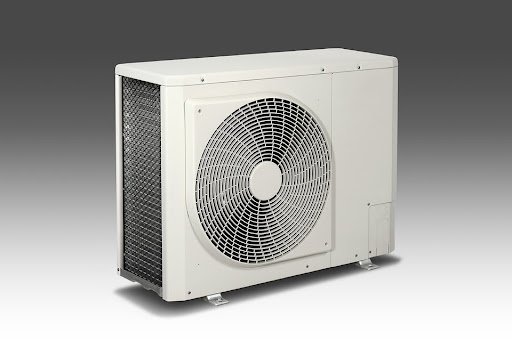
Most people install an HVAC system and think that the job is done. This is not the case, having the HVAC system of your home inspected twice a year is recommended. This ensures that all parts are working correctly, and any issues can be found early. These checks should be done before the temperatures begin to rise and fall as this is when most repairs are necessary. Some of these things could include a broken thermostat, a fan belt that needs to be replaced, or even a motor that isn’t working correctly! You should replace the air filters when you have your technicians come out to inspect your HVAC system. You should also ensure that they clean the air handler coils, which are located in the outdoor portion of the HVAC unit. This helps with airflow throughout your home and ensures that nothing is blocking it.

By having your HVAC system checked you can avoid these bigger problems from occurring and ensure that you aren’t overspending on your energy bill. If the HVAC system malfunctions it can be dangerous, but if they are not properly maintained, this could lead to serious health issues for your family.

Neglecting any of these four issues with your home can lead to serious problems with the structure of your property, which in turn will generate even more repairs down the road. So make sure that you take care of your home as soon as you notice a problem. It might not seem like a big problem at first but the sooner you do the easier and less expensive it will be. Taking care of these issues will prevent your home from losing value, and prevent them from turning into serious health hazards for your family and pets. We hope you will find some useful information in this article! Take care of your home and it will take care of you!

THE IMPORTANCE OF LIGHTING IN THE HOME

You may not realise it, but light is one of the most important features in our home. Not only for the purpose of functionality, but the element of light can have drastic effects in terms of the interior design of a property, our perceptions of reality (through the use of illuminating spaces) and can help to create sensations that can change our overall experiences. As the industry of interior lighting changes, there are many reasons as to why we should always be on the lookout to upgrade the lighting features in our home. Whether it’s due to the element of interior design, health reasons, or if you are looking to improve the lighting in your home so you can add value to the property before a sale, light is an important element of any home. Here at We Buy Any House, we are going to provide some insight into the world of home lighting, its importance, and how you can hopefully have a light bulb moment (See what we did there?) when it comes to your own home!

Why You Should Take Care of Your Lighting Choices in the Home:

Because Mother Nature Can’t Do Everything:

To put it simply, Mother Nature can’t do everything! As much has lighting has an effect on the aesthetic of your home, the originating purpose is for functionality reasons. When the sun goes down and there is no more natural light beaming in, it’s important to still illuminate your home.

Health Reasons:

Not all lights are great for your health. Excessive exposure to bright lights can be damaging to not only bills and the environment, but also to your health. If you are consistently exposing yourself to bright lights, the retina’s light-sensing cells in the eyes can become overstimulated- which over time can injure the back of the eye. Therefore, it’s important to make sure that in addition to your lights being functional and stylish, that they are good for your health.

Lighting Can Improve the Mood in Any Given Space:

The general types of lighting you have throughout your home, which is also known as ambient lighting, includes things such as chandeliers, lamps and LED lights. Basically, it’s anything that helps illuminate the rooms in your house. The reason why ambient lighting is so important is that the choices you make in terms of what kind of lighting you have throughout your home can massively affect the mood throughout your house. The overall aim is to always try and achieve a warm and soft glow in the house, rather than a space that is dull and unattractive. If you have insufficient lighting in the home, your house may not feel all that welcoming to guests or even prospective buyers. 


How to Improve the Lighting in My Home:

Illuminate the Best Parts:

Just because you need light in your home doesn’t mean you should light up everywhere. The best part of picking the lighting for your home is that you have the freedom to use lighting to enhance an already existing space. A great way to do this is by including accent lighting. By highlighting specific features of the interior, for example, an appliance of a piece of furniture, you can give a room personality and illuminate showcasing elements. 

Make the Most of Natural Lighting:

If you want to reduce the cost of your electricity bills, contribute towards a better environment and make your home look effortlessly glowing and chic, then make the most of natural light. Going beyond functional and aesthetic reasons, natural light is a free and easy way to illuminate your house- and gives off perhaps one of the best warm aesthetics.

Invest in Property Lighting:

The term ‘proper lighting’ has varying meaning. Not only is it a suggestion to move towards more environmentally friendly lighting such as LED bulbs that are better for your health and the environment, but also the way in which you illuminate your home. Now is the perfect time to play around with light as a concept, from desk lamps, floor lamps, strip lighting, spotlights and even outdoor lighting- the list is endless! Find something that works for you in your home interior, and that way you will be able to use light to highlight and showcase your home the best way possible and achieve your dream property!


This article was written by a quick house sale company We Buy Any House. If you’re wondering “how can I sell my house fast?”, head to the We Buy Any Home reviews page for more information relating to all property related enquiries.  

4 MOST COMMON GENERATOR PROBLEMS AND HOW TO FIX THEM

When the power goes out, a generator can be a lifesaver. But generators are machines and sometimes they have problems too. Here are four of the most common generator problems and how to fix them so that you can keep your family safe in case of an emergency.

1 – THE GENERATOR WON’T TURN ON

If your generator won’t turn on, the first thing to do is make sure that you flipped the right breaker to power it up. Then check the generator’s circuit breakers. You can reset them by pushing them all the way in, one at a time. If the breaker won’t stay in, it might need to be replaced. If it is a gas-powered generator, it is important to check the fuel level. If it is low, fill it up with gasoline and restart the generator. Another thing to do is to always invest in a generator that has a manual start. When you manually start a generator, you can make sure that everything is connected properly. Manual start generators are a really great option in the case of an emergency. If you continue to experience issues it is best to call a professional for qualified assistance. They can talk you through various trouble-start issues, or come to look at your unit and fix the issue (if it’s safe). If the generator is a battery-operated model, make sure that it is charged and working properly. It might have needed a fresh charge before the power outage. If you have a wood-burning generator, make sure that there is enough kindling and firewood to keep the flames going. It is also a good idea to check the flue damper and chimney. If it is open, close it and try restarting the generator.

2 – THE GENERATOR RUNS, BUT THE POWER IS FAULTY

If the power is faulty, you have a problem with your generator’s power cord or outlet. Make sure that it is plugged in all the way, and that it is in the correct outlet. Test the cord by plugging it into another outlet to make sure that there isn’t an issue with the cord itself. Unplug it and check for damage, frayed cords, or loose wiring. Make sure that there aren’t any exposed live wires or plugs that have been damaged. If you are attempting to use the generator for a power tool, make sure that the tool has the correct wattage. If it is too high, it can blow out the generator. For example, if a gas-powered generator starts up but the power from it is sporadic, make sure that you are running it on the correct voltage. You can find this number on the generator’s power panel or by looking at the nameplate. Another thing to check is for any worn cables or wires that might be causing the power to stop working. If you have a manual start generator, make sure that you are following the correct sequence of buttons. You can do this by referring to the generator’s instruction manual, which is very easy to follow.

3 – THE GENERATOR IS LEAKING

A propane tank that is leaking must be repaired or refilled immediately. A gasoline tank with a leak should also be refilled. If it’s a diesel or oil-powered generator, the fuel tank might need to be drained and refilled if there is too much water inside. If the generator is a manual start model, make sure to add oil after every ten hours of use.

4 – THE GENERATOR WON’T TURN OFF

If your generator won’t turn off, it might be overheating. Press the stop button and wait for 30 seconds before you try again. If this doesn’t work, turn it off at the circuit breaker. If you can’t get it to turn off, make sure that there is nothing touching the blades or the engine. If it is a gas-powered generator, it might have a faulty circuit that needs to be replaced. You can also just let the generator run out of gas and then turn it off.

Generators can be a lifesaver during a power outage, but they can sometimes experience problems. The four most common generator problems are outlined in this article, along with a few tips and tricks on how to fix them. Keep in mind that these are not the only issues that you can incur with a generator. If you continue to experience issues, it is best to call a professional for qualified assistance. They will be able to sort it out in no time.

HOW TO ENSURE THAT WATER PAPERS OPERATE PROPERLY BEFORE PURCHASING A PROPERTY?

When you’re in the market for a new property, one of the most important things to do is have the water turned on and papers checked to ensure that everything is in order.

Here are some tips to follow to help make sure that everything goes smoothly when purchasing a property in Knoxville, TN.

ALREADY CONNECTED TO WATER AND SEWAGE

Previous owners may have paid for the cost of these necessities, or they might have been built into the price of the house, but if that’s not the case then you will need to pay yourself before doing anything with the property. This way, if something goes wrong with either your pipes or the municipality’s pipes, you are not taking on debt before moving in.

On the other hand, if you’re already looking for the property, make sure to check beforehand whether the water and sewage run through the property. The property in Knoxville TN should have a list of related papers and you can take a look at the same before buying anything. Make sure to check with real estate agents and with the municipality to confirm that everything is in order and that no one’s pipes are in danger of bursting.

So, if previous owners haven’t paid for water and sewage, make sure they’ve updated the plumbing of the house with newer pipes and fixtures. You want to make sure that everything is up-to-date so that you don’t have to fix it immediately after moving in.

CHECK WITH THE NEIGHBORS OR GET A SURVEY DONE

If you have friends who live in the area, ask them about how the water company runs its services. Ask them whether the area had any problems with their water company in the past, and make sure to ask about what’s happening with the water company right now.

If you don’t have friends in the area, try to seek out local forums online where people talk about the community. If they’ve had problems with their services in the past, or if there are ongoing issues with things like leaking pipes, make sure to mention them when you go house hunting.

The more you know about your local water company, the more you’ll enjoy the property when you eventually buy it.

HIRE AN INSPECTOR

Make sure to hire a surveyor if you don’t feel like you can trust yourself or anyone else’s judgment of whether pipes are new enough for your liking. A surveyor will come in and check the pipes to make sure they are up-to-date, running properly, and won’t leak or burst any time soon.

When you hire a surveyor you want to make sure that it’s certified by the water company itself. This way when they say that something needs to be done you can ask for a second opinion from an independent surveyor and you’ll be better off as a result.

DO A GENERAL WATER CHECK

Before buying a property, it’s important to have water running, freshwater in all bathrooms, and clean drinking water for use. You also want to make sure that there aren’t any burst pipes, but if the property is older than ten years you might need to get your water tested before turning it on just in case.

While this all may sound like common sense, knowing the signs of aging sewage can help you avoid further problems down the line. If you see black water coming from any of the fixtures, or if the smell is overwhelmingly foul and starts to make you feel nauseous, cut off the water and contact a plumber immediately.

INSPECT THE FAUCETS, SINKS, SHOWERS, AND TOILETS

If you see any cracks anywhere in the faucets or sinks of the house, get a plumber to come out and take a look. You don’t want to be stuck with a huge bill for repairs immediately after buying your new place!

Additionally, if there is mold around any of the faucets or sinks, this is a huge sign that previous owners haven’t been taking care of their sewage. If you have mold around any pipes or plumbing fixtures, if you notice leakage under any toilets or showers, these can become full of mold and stagnant water if you’re not careful.

Also, if there are any cracks in your tiles or if the grouting is stained brown or black, this could be an indicator of problems with the sewage.

The property market in Knoxville TN should have a list of related papers and you can take a look at the same before buying anything. Make sure to check with real estate agents and with the municipality to confirm that everything is in order and that no one’s pipes are in danger of bursting. Therefore, if previous owners haven’t paid for water & sewage, make sure they’ve updated the plumbing of the house with newer pipes & fixtures. You want to make sure that everything is up-to-date so you don’t need to fix it immediately after moving in.

HOW TO CHOOSE THE IDEAL WINDOWS FOR YOUR HOUSE

Are you building a new house or renovating your current one? If you are, you need to consider what type of windows you want. Choosing the perfect windows for your home can be a tough decision. Many factors need to be considered, and it’s essential not to select windows solely on price alone. To help you narrow down your options we’ve compiled a list of things you should consider when choosing an ideal window for your home. Let’s get to the list.

WINDOW STYLE

The style of window you choose is essential. Do you want something that will complement the architecture of your home, or do you want something that will stand out? There are many different windows to choose from, so take your time and find the perfect one for you.

Also, the style you choose will largely affect the type of additions you can make to your home in the future. As seen at www.shuttercraft.co.uk, you can add various types of shutters and blinds to your windows, but this is not possible with all window styles. Therefore, you will need to choose a window style that allows for future additions without compromising the overall look of your home.

WINDOW MATERIAL

The window material is another essential factor to consider when choosing windows for your house. Windows are available in various materials, including wood, vinyl, and aluminum. Each material has its benefits and drawbacks, so you must decide which one is best for you.

For example, wooden windows are a good choice if you want the traditional look and feel of windows in your home. However, they require more maintenance than other window materials. On the other hand, Vinyl windows are very low maintenance and can be easily cleaned with a wet cloth. They also come in many different colors, so you can find the perfect one to match the look of your home.

WINDOW SIZE

What’s the size of your window? The size of the window is also an essential factor to consider. Windows come in various sizes, and it’s critical to choose the right one for your home. If you choose a window that is too small, it won’t let in enough light and air. On the other hand, if you choose a too-large window, it won’t be easy to keep warm in the winter and cool in the summer.

In most cases, the size of the window should be based on the size of the room. If you have a small space, you should choose a small window. If you have a large room, choose a larger window. You need to ensure that window placement doesn’t affect other aspects of your home, such as the roofline or the overall aesthetic.

WINDOW TYPE

The window type is another essential factor to consider when choosing windows for your house. Windows are available in various styles, including double-hung, casement, and awning. Each type has its benefits and drawbacks, so you must decide which one is best for you.

For example, double-hung windows are a good choice if you want to open the top and bottom of the window. This allows for more airflow and makes it easy to clean the window from inside your home. Casement windows are a good choice if you want a lot of ventilation because they open all the way. Awning windows are a good choice if you’re going to open the window from the bottom, which allows for more airflow and ventilation.

WINDOW ENERGY RATING

The window energy rating is another essential factor to consider when choosing windows for your house. Windows are available in various energy ratings, including Low-E, Energy Star, and triple-pane. Each energy rating has its benefits and drawbacks, so you will need to decide which one is best for you.

For example, Low-E windows are an excellent choice to save money on your energy bills. They are also a perfect choice to reduce the amount of heat that escapes from your home. Energy Star windows are an excellent choice to save money and energy. They are also a good choice if you want to reduce the amount of noise that comes into your home. Triple-pane windows are a good choice if you want to save money, energy and reduce the amount of noise in your home.

COST

The cost is another essential factor to consider when choosing windows for your house. Windows are available at various prices, so you will need to find one that fits your budget. In most cases, the more features the window has, the higher the price.

It’s important to remember that you get what you pay for. If you want a high-quality window that will last for many years, you will need to pay a higher price. However, if you are looking for a cheap window that will only last for a few years, you can find one at a lower price.

There are several factors to consider when choosing windows for your house. The most important factors are the size of the window, the type of window, and the window’s energy rating. You also need to consider the cost of the window and how it will fit into your budget. With the above factors, you’ll be sure to choose the ideal windows for your home.

6 THINGS YOU SHOULD KNOW ABOUT LAND SURVEYING

You might be wondering what land surveying is and what it entails. Land surveying is a profession that may seem quite boring, but it is fascinating. Land surveyors are responsible for measuring the land to ensure it matches the deed description and meets the requirements set by law. They also ensure no encroachment issues with neighboring properties or other encroachments on public land. The following article will provide you with six things you should know about this profession. Let’s get to the list.

HAS MORE IMPORTANCE THAN EVER IMAGINED

With all of the development going on, especially in urban areas, it is more important than ever to ensure that everything is measured and mapped out correctly. There are a lot of potential problems that can arise when proper surveying isn’t done, so it is essential to have a professional who knows what they’re doing.

Land surveying ensures that the development process goes smoothly and that everyone is aware of their boundaries. As seen on this link, the surveyors ensure that the landowner has a clear understanding of the property boundaries, what has been included in the sale, and any potential problems with adjoining parcels. They follow the set laws and regulations to ensure that the development process goes as smoothly as possible.

REQUIRES A LOT OF TRAINING AND CERTIFICATION

Becoming a land surveyor requires a lot of training, both in the classroom and field. To become certified, you need to have at least a four-year degree in surveying or a related field. You also need to have a minimum of two years of experience in the field.

This is not a profession you can jump into without any training. It takes many years of hard work and dedication to become a certified land surveyor. But it is worth it, as this is one of the essential professions for development. When hiring a surveyor, you have to look at their certification to ensure they are qualified to do the job.

IT IS BOUND BY LAWS AND REGULATIONS

As mentioned earlier, land surveying is bound by laws and regulations. This is what ensures that everything goes smoothly during the development process. There are specific guidelines that surveyors must follow when measuring land, and they can be penalized if they don’t comply.

This is why it is so essential to make sure you hire a qualified and certified surveyor. They will know exactly what to do to ensure that the development process goes as smoothly as possible. The surveyors will not go against the set rules and regulations, as this could lead to some serious penalties.

INVOLVES A LOT OF MATH AND PHYSICS

Land surveying is not just about walking around with a measuring tape. It involves a lot of math and physics. Surveyors must do calculations quickly in their heads to get an accurate measurement. For instance, they need to calculate the area of a property or the volume of a pond.

They must also have a strong understanding of physics to understand how landforms are affected by erosion and other natural forces. This allows them to create accurate maps and plans for development projects. It is why a degree in surveying or a related field is essential for this profession.

USES A WIDE RANGE OF TECHNOLOGY

To measure land accurately, land surveyors use a wide range of technology. This includes surveying equipment, global positioning systems (GPS), and computer-aided design (CAD) software. These equipment and software allow surveyors to map out land quickly and easily.

This is another reason why it is essential to have a certified surveyor working on your development project. They will have access to the latest and most accurate technology available. And they will know how to use it effectively to get the job done right.

CAN BE TIME CONSUMING AND EXPENSIVE

Land surveying can be time-consuming and expensive. It takes a lot of time to measure land accurately, and it can be costly to buy the necessary equipment. This is why many people choose to do their surveying, leading to inaccurate results.

When hiring a surveyor, you need to make sure that you are aware of the time and money involved. Ensure you have a realistic budget in mind and allow enough time for the survey to be completed. You shouldn’t rush the process, as it could end up costing you more in the long run.

Land surveying is a vital profession that plays a crucial role in the development process. It involves a lot of training and certification and math and physics. Surveyors use a wide range of technology to measure land accurately, which can be expensive. Land surveying can also be time-consuming and costly, so you need to make sure you allow enough time and budget for it. By knowing these six things about land surveying, you can better understand what this profession is all about.