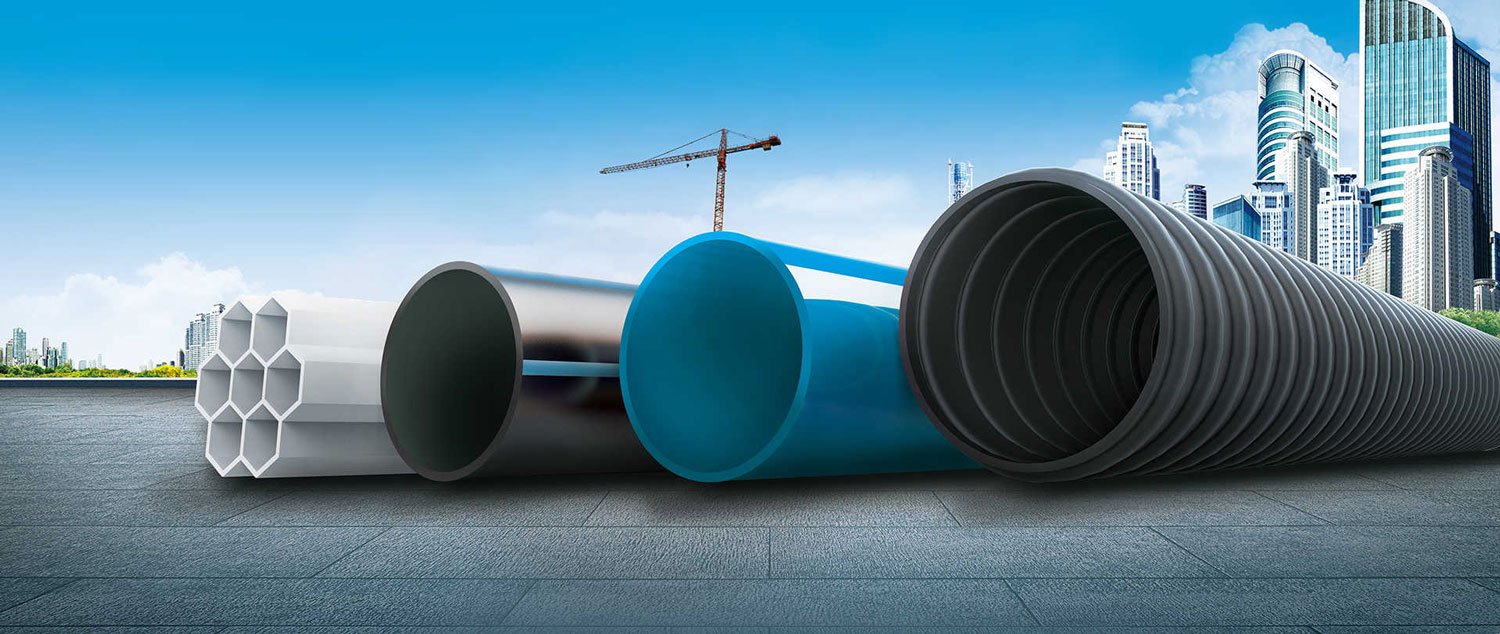
10 TYPES OF DRAINAGE PIPES BASED ON MATERIAL AND STYLE

Pipes have many uses, particularly in plumbing and sewage systems. Some transport potable water in and around a building, while others serve as channels to get rid of liquid waste. Those that transport the latter are called “drainage pipes.”

Besides handling the disposal of dirty fluids, drainage pipes also help prevent basement flooding, soil erosion, and damage to structures. They also prevent the occurrence of swamp-like conditions in and around a property by directing fluids to their proper destinations.

In this article, you’ll learn all about the 10 types of drainage pipes according to the materials used to make them and how they look.


TYPES OF DRAINAGE PIPES BASED ON MATERIALS

All pipes – whether used for drainage or other purposes – are primarily categorized according to the type of materials they are made from. Plastics, metals, and even concrete offer varying levels of durability and versatility, making each a good choice for specific applications.


1.    POLYETHYLENE

A by-product of the polymerization process of ethylene is used to make polyethylene pipes. Contractors usually use this type of plastic pipe in residential and commercial projects.

Polyethylene pipes also serve often as eco-friendly solutions to plumbing and drainage, thanks to their minimal impact on the environment.

Considered the most flexible plastic pipes, these pipes are also easy to install. They also fit well in applications involving small spaces, even those that are more difficult to access because of tight turns.


2.    PVC

One of the most commonly used pipes today, polyvinyl chloride or PVC pipes are made from a vinyl and plastic mixture. These pipes hold up well under heavy weight, intense pressure, and exposure to some chemicals.

Because of the material’s malleability, PVC pipe products come in a wide range of sizes. This makes them ideal for almost any application, drainage-related or otherwise.


3.    CONCRETE

The frequent choice for those who want inexpensive yet heavy-duty piping, concrete pipes serve as the best solution to drainage situations that require sound and steady liquid transport.

Concrete pipes also enhance other forms of drainage elements, serving as protective outer shells to boost the durability of less sturdy piping materials.

You can find this type of pipe in industrial applications, either open or closed. Contractors opt for open concrete pipes in applications where they need to be cleaned regularly to prevent blockage, like with gutter systems.


4.    GALVANIZED

Some plumbers and contractors also use galvanized pipes for drainage. This type of metal pipe is dipped in molten zinc to enhance its durability and rust resistance.

However, you may find galvanized pipes to be ‌pricier than plastic or concrete pipes. After all, the complexity of their manufacturing process raises the cost of making them. This explains why most residential and commercial structures opt for something far more affordable but equally durable, like PVC.


5.    CAST IRON

Cast iron pipes are not very popular in drainage or other residential applications because they aren’t resistant to rust. However, they look stylish and classic, which tends to add aesthetic value to a property if they are placed somewhere visible.


6.    COPPER PIPES

Copper pipes are exceptionally durable and have high levels of heat resistance. However, contractors do not use them often for drainage purposes not only because of their high price but also because they cannot withstand acidic water.


DRAINAGE PIPE STYLES

Besides the material used, drainage pipes also come in several styles, each with unique advantages and specific applications. Read on to learn more about them.


7.    CORRUGATED SINGLE WALL

Made from different materials based on the specific application, corrugated pipes offer highly flexible solutions for drainage. Contractors commonly use them in outdoor drainage systems because they come with lower prices and are easy to install.

However, they have one drawback: clogging. Because of their ridges and grooves, pipes like these need much steeper angles to drain properly than smooth pipes.

Best for: Highway underdrains, storm sewers, drainage outlets, roadway culverts


8.    SMOOTH WALL

Typically used for single-direction water transport, smooth-wall pipes have smooth interior surfaces that support the seamless flow of liquids. Unlike corrugated pipes, they don’t clog easily.

But because of their lack of grooves and ridges, pipes like this have a more rigid build than corrugated and other winding-style pipes. For this reason, contractors use other piping accessories when installing smooth-wall pipes.

Best for: Interior structure drainage


9.    CORRUGATED DUAL WALL

Looking for a compromise between the smooth-wall and single-wall corrugated pipes? Corrugated dual-wall pipes are just what you need.

Though not as easy to install as their single-wall counterparts, this type of pipe has a smooth interior that reduces the risk of clogging. They do come with a higher price tag since they offer the combined advantages of smooth-wall and single-wall corrugated pipes.

Best for: Highway under-drains, storm sewers, drainage outlets, roadway culverts


10. PERFORATED

Perforated PVC pipes have holes in them that make them perfect subsurface and surface drainage systems. The perforations allow subsurface drainage in most waterproofing applications.

In other words, the holes help redirect water from the surface to the drainage system, thereby preventing standing water from seeping into the structure that may lead to moisture damage.

Wondering about the difference between corrugated perforated pipes? Some perforated pipes are also corrugated, though not all corrugated pipes are perforated.

Best for: Swimming pools, landscaping, irrigation


FIND THE RIGHT PIPE FOR YOUR DRAINAGE PROJECT

Selecting a type of pipe for the drainage system requires knowledge of all the available options.

From material to style, make sure you understand the characteristics of the pipe you choose to make a wise decision.

5 REPAIRS TO LOOK OUT FOR ONCE YOU MOVE INTO YOUR NEW PLACE

I’m delighted to hear that you’ve found a new home. The search for a new residence may be fraught with anxiety, and that’s before you even start packing for the move. The good news is that there are certain actions to take to save costs associated with the relocation and some tried-and-true recommendations for what to do after you arrive at your new place.

It can seem like all the planning went into setting up for the relocation, but in reality, that stage of the process is not yet complete. Whether you hired an expensive moving company or opted for a less expensive service to transport your belongings, long-distance moving may be stressful, much alone when combined with moving into a new home.

Going a short distance, you won’t run into this problem too often. Make use of this advice to ensure that you are prepared not only for the process of relocating but also for moving into your new home.

1. GET NEW LOCKS INSTALLED

You do not know the exact number of persons who possess a copy of the keys. When a home is put up for sale, a large number of potential buyers can see it. In addition, there is no way to know to whom the former owners gave a spare set. If the home has an alarm system, be sure you alter the passcode. Also, keep in mind to close the garage door.

2. DETERMINE THE LOCATION OF THE SHUT-OFF VALVES

Locate the main water shut-off valve and determine whether or not you need any specialized equipment, such as a wrench or a key, to operate it. If you suddenly have a plumbing break and there’s water rushing into your home, you need to be able to go to the valve and turn off the water immediately.

And no, the locations of these valves are not standardized from house to house. Sometimes the inspector can’t even locate them.” Look inside the house, in the attic, behind the house, and around the perimeter of the fence. If you still can’t discover it, you should need the assistance of a plumber.

3. ENSURE THAT THE SMOKE DETECTORS HAVE FRESH BATTERIES INSTALLED

During a home inspection, smoke alarms and carbon monoxide detectors aren’t routinely tested as part of the process. And even if they are, there is still a possibility that something will occur between the time of the inspection and when you move in. But that’s a possibility.

To ensure that your smoke alarms continue to save lives, make sure all the batteries are replaced with new ones and have them inspected by a carbon monoxide testing company.

4. HAVE YOUR HEATING AND COOLING FILTERS REPLACED

The price of a brand new disposable filter is around $4. What kind of harm might be brought on by using an outdated filter? A completely new system may set you back as much as $5,000. If you don’t change the filter when it becomes dirty, it might reduce the system’s effectiveness or, even worse, cause it to overheat.

Obtain the services of a trained technician to service the apparatus and devise a routine maintenance plan to be carried out once every three months. It’s for the same reason that your car’s oil should be changed every three thousand miles. If you do not properly care for the apparatus, it will eventually break down.

5. PAINT

You can certainly do some decorating before you move in, so don’t worry about that. Put your everything into the painting. According to Bowman, the advantages are beneficial in more than one way.

If you paint the home before you move in, it will have time to ventilate before you start living there, and you won’t have to worry about your furniture getting in the way while you work. Some recommend that you wait to paint until after you have moved in (so that you can see how the light changes throughout the day).

But, if you spend some time in the new location performing the tasks on this checklist, you should have a good understanding of the space. It would be best if you painted several sample swatches on the walls and evaluated how you feel about them after some time has passed.

CLOSING THOUGHTS

The options for interior decoration in a new home may be quite exciting. The concepts for the organization! But before you start bringing in your goods and organizing your furniture, you need to ensure everything is secure and in working condition by checking off these necessary maintenance activities on the list.

Guest Contributor: Samantha Higgins

Southland’s Best Plumber 2022

Please Vote For Us as Southland’s Best Plumber! Text 417 to 708-367-3293

You can vote everyday, till July 17th!!

Thank You, we love you guys!!!

6 IMPORTANT HOUSE REPAIRS TO PRESERVE THE INTEGRITY OF YOUR PROPERTY

The integrity of your home is self-evident, and not something you can afford to be uninvolved in. A bad roof, damaged walls, or a sinking foundation can potentially cause your entire home to collapse, which is why you need to nip these issues in the bud before they escalate. Here are six house repairs that will preserve your property’s structural integrity.

1. FOUNDATION REPAIR

It can’t be overstated how important a good foundation is to the structural integrity of the entire home. Whether it be big cracks, uneven flooring, or water damage that wasn’t there before, it’s important to consult with a foundation repair expert as soon as you notice these changes. The sooner the problem is discovered, the easier it will be to resolve. 

2. REPAIRING WALL CRACKS

Though not all wall cracks are a sign that the integrity of your home has been compromised, it’s good to repair all of them in order to prolong the life of your walls and have an aesthetically pleasing interior. If you suspect your wall crack is serious, consult with a professional. Serious wall cracks can even affect your foundation. 

3. ROOF REPAIR

Your roof faces the outside elements head-on, so repairing any damage it might sustain is crucial. Leaks are a common issue. Damage to the roof is infamously difficult for people to spot and quite dangerous to attempt to repair on your own. For this reason, Georgia-based specialists at Marietta Roofing Companies suggest you call up reliable roofing professionals. These professionals can give you the peace of mind you need when it comes to roof repair so that you can tackle other house repairs that need your attention. 

4. FLOOR REPAIR

Floors can have all sorts of issues depending on the material the floor is made out of. Wooden floors can sustain water damage and start to smell moldy, and concrete floors can sustain cracks too. Learning more about different materials will help you repair your floors with a sustainable option

5. WATERPROOFING THE EXTERIOR

The entire exterior of your house is in a constant battle with the elements, but water damage is one of the worst types of damage a home can sustain. If your property is not well-insulated from the rain, you will start to see water damage appear from your roof to your foundation, rotting your wood framing and rusting the metal rebar rods that hold up your home. Waterproofing the exterior and trying to prevent this type of damage before it happens is the best method of making sure your home’s integrity is preserved. 

6. WATER DAMAGE RESTORATION

Sometimes, water damage is unavoidable. If the preventive method fails, you still need to get it under control as soon as possible, before it leads to mold and softened wood framing. This is another thing that’s tricky to handle on your own, so it’s best to consult with an expert.

Being proactive in repairing your house today can help you avoid a potential disaster down the line. As a homeowner, keeping your house in the best condition possible is always in your best interest. In addition to that, a well-kept home will increase its value.

MAJOR HOUSE REPAIRS YOU SHOULD CONSIDER TO PRESERVE THE VALUE OF YOUR PROPERTY

It’s no secret that regular maintenance and repairs are key to preserving the value of your property. But what are some of the most important repairs you should consider? Here is a list of the top major house repairs that can help protect your investment and keep your home in great condition.

FOCUS ON YOUR ROOF

One of the best things you can do to preserve the value of your property is to focus on your roof. Your roof is one of the most important parts of your home, and it’s also one of the most expensive to repair or replace. That’s why it’s so important to keep an eye on your roof and make sure it’s in good condition. The seasoned providers of roof services behind Vista Roofing suggest that if you see any damage, make sure to have it repaired as soon as possible. This way, you can avoid more extensive and expensive repairs down the road.

PAY CLOSE ATTENTION TO YOUR FOUNDATION

The foundation of your property is another key element that you need to pay close attention to. Cracks in your foundation can lead to several problems, including water damage, mold, and even structural instability. If you see any cracks in your foundation, make sure to have them repaired as soon as possible. You should also make sure that your gutters are clean and in good working order, as clogged gutters can also lead to foundation problems.

KITCHEN AND BATH UPGRADES

If you want to add value to your home, kitchen and bath upgrades are always a great option. These types of upgrades can be relatively inexpensive, but they can make a big difference in the overall look and feel of your property. If you’re not sure where to start, try contacting a local kitchen and bath designer for some ideas.

LANDSCAPING

Finally, don’t forget about your landscaping. First impressions are everything, and the condition of your lawn and garden can say a lot about your property. If you want to make a good impression, make sure your landscaping is in top condition. This means regular maintenance, like mowing the lawn and trimming the hedges. It also means being proactive about problems, like addressing a pest infestation as soon as you see it. When you do, you’ll be glad you took the time to preserve the value of your property.

Now that you know some of the most important repairs to focus on, it’s time to get started. If you’re not sure where to start, contact a local contractor or home improvement specialist for help. They can assess your property and make recommendations based on your specific needs. With their help, you can make the necessary repairs to preserve the value of your property and keep your home in great condition.

These are just a few of the major house repairs that you should consider to preserve the value of your property. By taking care of these key elements of your home, you can avoid more expensive problems down the road and keep your property in great condition. Rest assured that with a little bit of regular maintenance, your property will stay in great shape for years to come.

5 WAYS A TINY HOME IS PERFECT FOR THOSE LIVING MINIMAL

Are you a minimalist? If so, then living in a tiny home is for you. Minimalism is going through a bit of a renaissance right now as more and more people realize that having the space to pursue our passions, work on our projects, and be is the best way to live. A small home allows you to find this balance much more accessible than a large house that tries to accommodate every need. You can have everything you need within your walls, rather than having to drive miles and miles in search of supplies or rent space elsewhere. This is also a great choice if your neighborhood isn’t very friendly towards mobile homes or prevents people from visiting unannounced.

1. UTILIZE RESOURCES

Spend less building square footage and more on creating livable and functional spaces. A small home allows for less clutter and saving on building costs. You’ll also be able to use the space you have more efficiently. It is also ideal for escaping the emptiness that would otherwise be in a bigger house.

2. RIGHT PROPORTIONS FOR PARTITIONS

A tiny house is not just a bedroom on wheels. It should reflect the same level of functionality as a full-sized house. A bedroom should fit a bedroom, a studio should fit a studio, and a 1/2 home should provide a 1/2 place. When trying to find the perfect space for your tiny house, keep in mind that it is not the space that is the problem. It is the layout. A bedroom has a set routine, from how the bed is made to what articles of furniture are used for storage. You can research things such as choosing the right little house design, how to build a tiny house on a budget, and more.

3. WALK-IN CLOSETS

While a bedroom should have a complete set of clothes to wear when sleeping, a closet should be kept as bare as possible. While walk-in closets are often associated with high-end homes and fancy interiors, they also make great options for a tiny home. A walk-in closet is perfect for a tiny house with minimal floorplan requirements.

4. CREATE AN INTERIOR DECORATION THAT WORKS FOR YOU!

No matter which style of home you choose, it is essential to make an effort to bring your style into the design. White walls, white doors, and classic furniture are all options you should consider. If you feel a little more spontaneous, a color scheme that includes a few bolder furniture pieces, such as a sectional sofa or a bed with a high headboard, would suit you well. Remember, your tiny home should feel like a home away from home. Whether you choose to make your home in a small house or a studio apartment, an exciting and cozy room is crucial for the home’s décor.

5. EASY TO CLEAN SURFACES

Tiny houses often have small kitchens, bathrooms, and bedrooms. These spaces are often the most difficult to clean. This is because tiny house dwellers constantly move around the house, and dirt and dust accumulate quickly. To make cleaning easier, small house dwellers should choose surfaces that are easy to clean. This means selecting resistant materials to dirt and dust build-up, such as tiled or hardwood floors.

CONCLUSION

If you love minimalism but find it challenging to fit everything you want into a small space, a tiny home might be just the thing for you. The benefits of living in a tiny home are many — not the least of which will allow you to save money by not spending as much on utilities and other living costs as you would in a larger home. A smaller house also makes it much easier to entertain friends and family when you want to stay inside while they cook or play music outside. It is easy to decorate a tiny house, and it will allow you to save money by not having to spend as much on utilities and other living costs as you would in a larger home.

Guest Contributor: Hannah Boothe

HOME PROJECTS TO TAKE ON FOR THE YEAR 2022

You don’t need to wait until it’s time to sell your home to give it a facelift. With a few upgrades here and there, you can start enjoying spending more time at home. However, it’s of great necessity to understand that not all home improvements might enhance the value of your home or even make it more comfortable. Here are the five home projects to take on for the year 2022.

GARAGE DOOR REPLACEMENT

Would you like to get cashback on your home investment? Then it would be best if you worked on replacing the garage door. It’s the surest way to earn cash back on your investment when letting go of your landed property.

It’s imperative to know the amount of money you’re likely to spend on this project. Think about the cost of removing your current garage door and then replacing it heavy-duty with four-section doors.

While this home project is vital, you might not be able to do it independently. Therefore, consider hiring trusted contractors in your area to help you with this critical project. Once done, you won’t believe the number of potential buyers your home will attract.

LANDSCAPING

You need a few dollars to spend on landscaping so that your home looks more valuable than it currently is. Curb appeal is one of the most important things for selling a home. Your home will look more than just fresh and appealing with new landscaping designs.

When an interested buyer comes to view your homes, the aesthetic impression of the back and front of your home is what they’ll see first. Therefore, to make the best first impression, you need to focus on landscaping.

You don’t need to dole out huge sums of money. But still, you must ensure that the lines are clean and perfectly trimmed. Otherwise, your efforts to make your property look better will only hit a dead end.

BATHROOM REMODELING

You need to also focus on working on your bathroom. Most modern buyers want their bathrooms to look great. Otherwise, they’ll feel that your property is old and updated. Therefore, to attract many potential buyers, update your bedroom before listing it.

Focus on shower pan, flooring, lighting, and anything about having a luxurious bath or shower. Instead of using guesswork, consider a total overhaul, which can also save you a lot of money in the long run.

If you start with a clean slate and upgrade the entire bathroom, you’ll be sure that nothing is left out. Therefore, go ahead and get started, and be sure to only work with trusted interior designers.

PAINT THE WALLS

No matter how old your property is, you need to ensure that the next owner is getting a clean and fresh space when selling it. Most of them won’t be happy if the walls look dull and dirty. The good thing about this project is that you can do it independently.

Look at the interior walls of your house and consider the best paints that can match the overall décor or the property. For instance, if your home is in a shady neighborhood, you can do with bright colors on the living room walls.

You need to think about unique paint color for the focal point as you paint. This is the area your guests see first when they step into your house. You can give it a slightly different but welcoming paint.

LET THERE BE LIGHT

This is another home project that’ll give you ROI in 2022. According to home renovations in Washington DC, your home can only look happy if it lets in Natural Light. There’s no problem if you don’t know where to start.

Consider the position of the sun and how it moves throughout the day. It would be great to position the windows to let in a few morning sun rays into the living room of the balcony of your house.

You can have windows in opposite directions so that there’s enough light coming into the house in the morning and evening. Most buyers want to buy happy homes, and nothing makes a home happy more than natural Light.

CONCLUSION

With these home projects, you can ensure that your property will attract many potential buyers. Some of them might cost a lot of money, but you can be sure that you’ll earn cashback once the property is sold.

Guest Contributor: McKenzie Jones

5 SPRING PLUMBING MAINTENANCE CHECKLIST

Spring is finally here and it’s time to start spring cleaning! It’s easy to throw in plumbing maintenance when it comes time to spring clean to ensure that your plumbing is working and there are no leaks.

OUTDOOR FAUCETS:

These are the most important to check due to the fact that it could have possibly froze over with the cold winter weather. It is also very important to check because we often overlook our outdoor faucets since we don’t use them as often as our indoor plumbing. Usually, the problem is a washer that needs to be replaced, so there’s no need to worry if you see a leak. However, if there is a leak, you should inspect it and repair it immediately, or call a plumber to assess the issue. It is important to take care of it promptly to avoid wasting water and racking up your water bill. Sometimes, your faucets need to be completely replaced or repaired, and if you’re not comfortable changing it yourself, make sure to contact a plumber to help.

TOILETS:

Many times we notice our toilets breaking right away, but have you heard it run for longer than usual lately? Do you have to “wiggle” the handle to get it to fill up the toilet bowl, or to get it to stop running? That’s a huge indicator that your toilet needs to be serviced. There are many things that can cause your toilet to run, but most of the time it’s a quick easy fix. You can try the “blue dye” test to see if the flapper is leaking by putting a few drops of blue food coloring into the toilet tank, waiting 20-30 minutes without flushing it, and then looking into the bowl after the 20-30 minutes is up. If there is blue food coloring in the toilet bowl, that indicates a flapper leak. On the other hand, if your toilet won’t fill up or doesn’t flush, you may need your toilet rodded out to get rid of a clog in the drain. We do not recommend trying to unclog your toilet drains yourself, you can make the clog worse. We recommend a plumber comes out and rods the toilet with a rodding machine.

WATER HEATER:

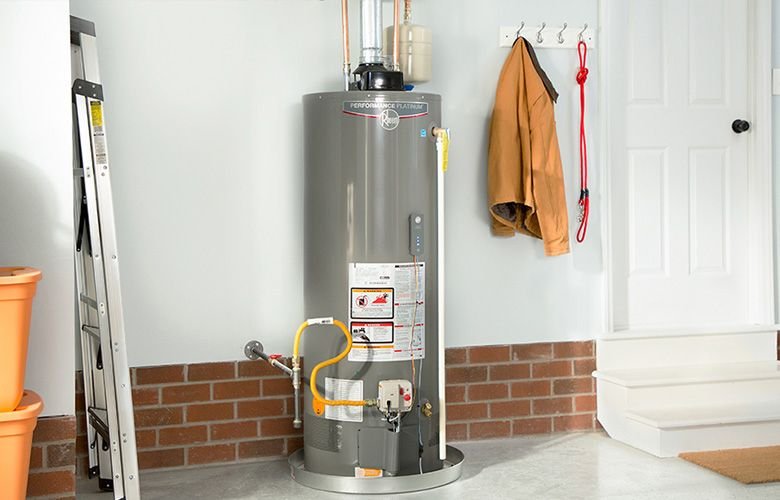
Did you know that the average lifespan of a water heater is 10 years? After 10 years, you run the risk of problems such as leaks, bad control valves and it completely breaking down, resulting in no hot water for you. If you know your water heater is coming up to the end of its lifespan, you should regularly maintenance the water heater and keep inspecting it closely to prevent it from completely breaking down on you, and leaving you with no hot water. We recommend replacing the water heater before the 10 years is up to prevent last minute emergencies.

SINK DRAINS:

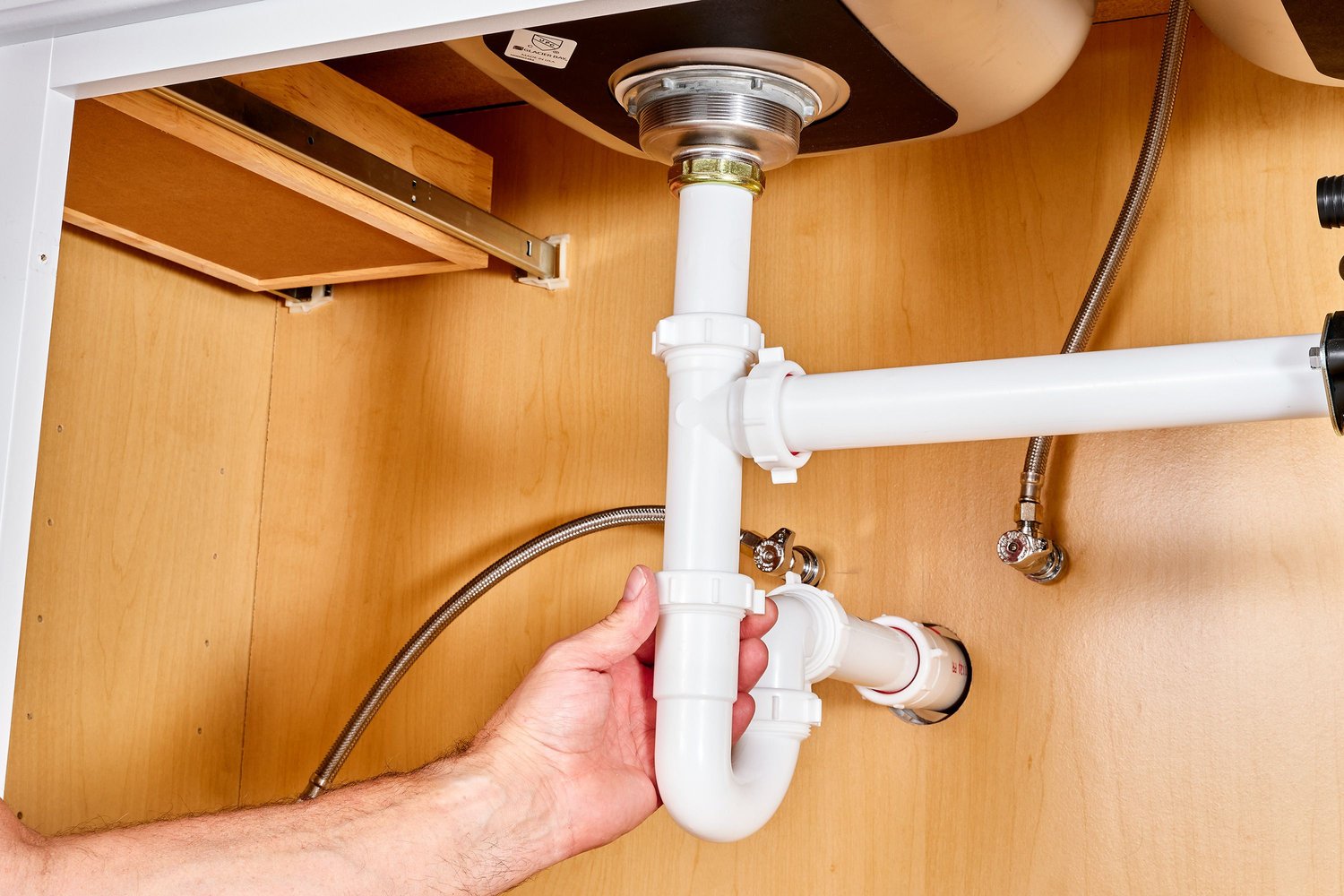
This is one of those things that you will notice when it’s clogged or broken, but it is recommended to check on it from time to time to prevent clogs. The sink trap is underneath your sink, and it is curved, which most people tend to forget about. Since there is a bend in it, it could make it difficult for people who aren’t educated to unclog it or rod it out with average tools from the hardware store. If there is a clog, or a bad smell coming from your drain, it is time to call for maintenance.

SHOWER HEAD:

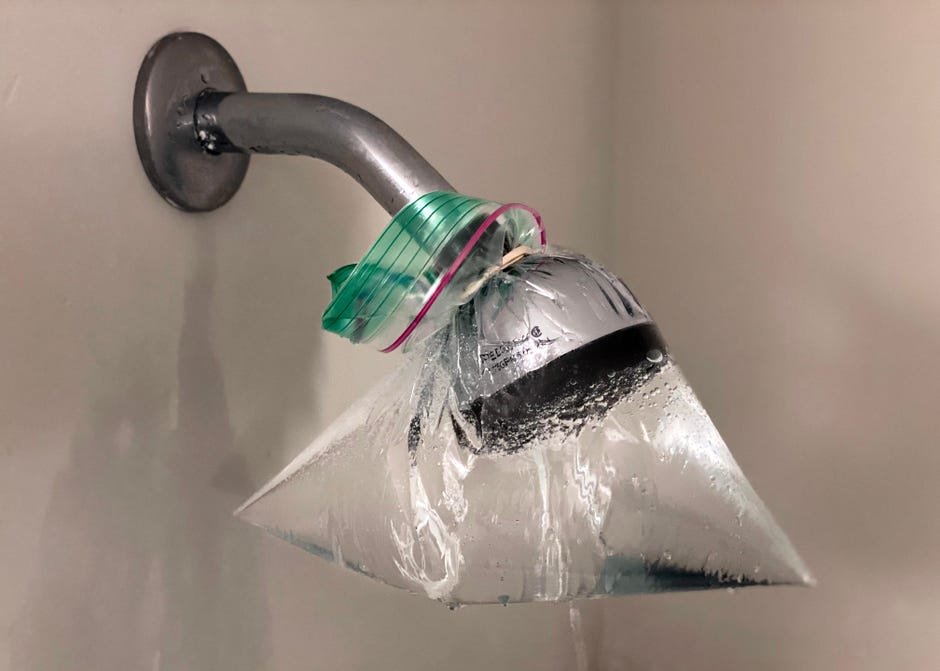
Are you behind on keeping up with cleaning your shower head? Make sure you are regularly cleaning the shower head to ensure you are getting the best amount of flow from the head as possible. Over time mineral deposits build up on the head, and clog the holes. This is a simple fix, you can take your shower head off and soak it in white vinegar to dissolve all of the deposit off. Leave it sit for 15-25 minutes depending on how bad it is, and then wash the vinegar off with warm water, and you’re good to go again!

You should always check on your plumbing fixtures, but it’s even more important to check them as the weather is warming up incase of leaking that could have happened from winter weather damage. When in doubt, call a plumber and have them come out to look at your entire house and all of your fixtures to make sure everything is in good working condition.

Guest Contributor: Tiffany Powell

4 WAYS TO MINIMIZE THE IMPACT OF A STORM ON YOUR HOME

When an area gets hit by a severe storm, the damage to the infrastructure can be extensive. It can also take a serious toll on people’s homes, so it’s only logical that you want to protect your home and your family from the effect of storms, preventing any damage you can, but also controlling it in the aftermath. If your city or town has been hit by a storm recently, and it’s affected your home, here is what you can do to get things back to normal as soon as possible.

PUT SAFETY FIRST

As much as you want to inspect your home and fix anything that’s wrong with it, you should know that your family’s safety is a priority. Keep in mind that, if your home is damaged, it poses a threat to everybody who’s in it, so the first thing to do is to leave until the damage is evaluated and everything is restored to its original state, or at least until you know that returning home doesn’t present a risk to your wellbeing. If you can stay with friends or family, do so. If not, check if there’s an emergency shelter near you. Pack essential clothes and supplies to last a few days and leave your home as soon as you can, to avoid anything unexpected happening. Ask if your insurance company can send somebody to inspect your home, but if not, hire somebody yourself. It may cost you, but the safety of those most important to you is priceless and isn’t something you want to compromise.

GET PROFESSIONAL HELP

If there is some slight damage to your home, it’s possible you’ll be able to deal with it yourself. A few loose screws on your windows or standing water in your gutters may not be that big of a deal and you might want to take care of those yourself. However, you should pay close attention to the true extent of the damage, so that you remain safe. For instance, if your powerlines have been impaired in any way, you should leave that to professionals. In cities like Sydney, where hailstorms and wind storms are quite frequent, as is flash flooding due to rain, there are some excellent services, available around the clock, so that it’s simple to reach an electrician level 2 in Sydney. These electricians are highly skilled, trained and reliable, so that you know your family home is in good hands and you’ll be safe once the work is done.

DOCUMENT ALL DAMAGE

When a storm occurs and you want your insurance company to reimburse you for the damage done to your home, you’ll need to have proof that your home was in fact damaged. This is why you should photograph the interior as well as the exterior of your property even before the storm, and then again after the storm, so that you have evidence of everything that’s happened to your home. This can prove to be extremely useful when you file your insurance claim, as you’ll have the before-and-after photos of everything, so that the insurance company has no reason to doubt that the damage present was actually caused by the storm and deny your claim because of it. And since you can’t always know when a storm might hit, simply take those photos of your home now and have them ready, just in case.

KEEP ALL THE RECEIPTS

After a storm, you can expect more than just your house to be damaged. Other homes and buildings in your area will require attention as well, so it may take some time for the insurance company to get to you. In the meantime, you’ll want your home to be fit for you and your family to live in it, so you’ll have to call in various repairmen and pay for all sorts of material to fix everything that went wrong during the storm. If so, make sure you don’t lose any of the receipts for the repairs made on your property. This is the documentation that will support your claim with the insurance company and keeping your receipts organized can save you a lot of trouble down the road.

Storms can be scary and stressful, but even more so when they cause damage to your home. However, don’t despair, as there is always something you can do to make things better and easier on you and those you love, so follow the good advice above and you’ll have your home in its normal state sooner than you think.

 Guest Contributor: Diana Smith

6 COMMON PLUMBING PROBLEMS IN COMMERCIAL SITES AND HOW TO AVOID THEM

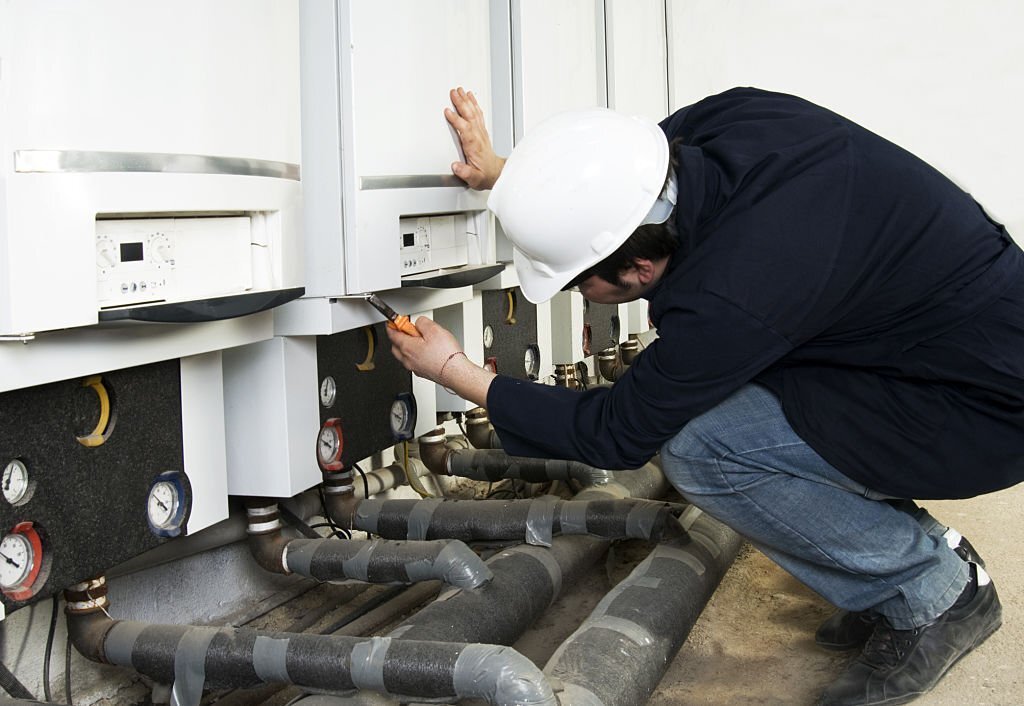
Latin American building contractor checking the pipes at a construction site – housing develpment concepts

Plumbing issues at commercial sites are often the silent, unnoticed leaking problems that cause massive amounts of money to be lost in repairs. Most commercial sites have hundreds of miles of pipework throughout them. Over time, these pipes can suffer from natural growth and equally split or burst. Pipework replacement can be expensive and time-consuming, so identifying any minor issues as soon as possible is essential. 

Commercial sites are susceptible to many different plumbing issues, especially in restrooms, as they receive a great deal of use, and people will often put things down the toilet that shouldn’t be. Clogged drains, leaks, running toilets, and more are the most common plumbing issues at commercial sites. They can be costly, disrupt productivity, and cause legal ramifications if you don’t fix them immediately. It’s essential to get commercial plumbing contractors to look into it.


HERE ARE SOME PLUMBERS TIPS TO HELP YOU SOLVE COMMON PLUMBING PROBLEMS ON TIME:

1. LEAKING PIPES

If you have a leakage problem at your commercial property, you should get it repaired immediately. Leaking pipes can lead to cavasses, which are unsightly and hazardous. They may also damage further, such as wall separation and warped flooring. Leaking pipes can also cause loose windows and doors. Physical damage is also a sign of a water leak, prompting you to contact a contractor for emergency plumbing services.

Water leakages in commercial properties disrupt normal operations and lead to extensive damage and even Mold growth. Toilet leaks are usually the result of normal wear and tear, but they can be challenging to detect. A faulty rubber washer typically causes faucet leaks. Although the leaking issues are relatively easier to fix, they can create a hefty bill if left untreated.

2. CLOGGED DRAINS

Clogged drains can be a nightmare for any corporate site owner. Not only do they make the place look messy, but they can also be costly to repair. If you’re unsure how to deal with a blocked drain, check out some valuable plumbers tips online. However, if you’re dealing with a bigger property, you might want to consider reaching out to some well-experienced commercial plumbing contractors immediately.

The most common plumbing issue facing commercial facilities is a clogged drain. The high volume of people using the restrooms causes these drains to clog quickly. This can affect the business’s image and cause health and safety standards violations. To remedy this problem, call a plumber to come in and fix the drain quickly.

3. SAGGING TOILETS

Sagging toilets are one of the most common plumbing issues at commercial sites. Broken bolts or parts of the toilet may cause it to sag. If the problem worsens, it could result in a sewage spill. If this is the case, you should call a professional plumber or commercial plumbing contractors for assistance. It’s highly advisable to detect the plumbing problems at their earlier stage and get them repaired as soon as possible.

A sagging toilet can be caused by several issues, including seasonal temperature changes and rain. Tree roots can also push up against a sagging sewer line. In either case, the problem will eventually lead to a commercial site’s toilets being inaccessible. Plumbing professionals should immediately inspect and repair these plumbing problems to avoid a costly spillage.

4. HAIRLINE LEAKS

A hairline leak is a small crack in the concrete that causes water to run into the room. It usually occurs in basements or ceilings, but it can also happen on shower pans and cracks between the tile. In such a case, a professional plumber will be necessary to determine the cause of the leak and provide a suitable solution. Hiring a reputed plumber for regular check-ups at your commercial sites will help you save on costly repairs.

A plumbing problem like hairline leaks at your commercial site can disrupt your business operations and lead to expensive repairs. It may often result in legal action if your business does not follow plumbing codes. To avoid a plumbing emergency and the associated costs, you should hire one of the leading commercial plumbing contractors to identify and fix the problems before they become major.

5. RUNNING TOILETS

You may face the running toilet issue more often if you have a commercial property. A loose flapper or broken flapper chain can cause the toilet to run. If you’re having problems with running toilets regularly, it may be time to replace the toilet. However, reaching out to some reliable commercial plumbing contractors for professional guidance will help you save time, money, and effort. They can identify and fix the problems before it’s too late.

Running toilets is one of the common plumbing issues at commercial sites, and they require a professional plumber to inspect it thoroughly and repair it. If a sewage smell emanates from your toilet, it’s a significant inconvenience for clients and is unhealthy. The sooner you fix this problem, the better. A professional plumber can prevent these problems and save money in the long run.

6. SILENT LEAKS

Silent leaks are invisible but costly overheads that most business owners do not even realize exist. Detecting and repairing them can save a business from significant damage and prevent further costs. Silent leaks can cause severe structural damage and cause mold to grow – not only an inconvenience but also a health risk. Given the plumbing problems it may lead to, it becomes essential to solve silent leaks effectively in time.

Silent leaks may not be among the common plumbing issues in commercial sites, but addressing them in time is vital; if you suspect a silent leak in your commercial site, there are several ways to detect it. One method involves shutting off all water-using fixtures in the building. Next, mark down the water meter’s numbers. Wait an hour, and if any numbers change, there’s a leak.

KEY TAKEAWAYS

Hundreds of miles of pipework make up commercial plumbing systems. This means that plumbing problems are common. One of the most common plumbing issues is Leakage, which can come from faucets, sinks, and toilets. When not repaired quickly, they can cause serious problems. Leaky pipework is an expensive problem, so it’s essential to address minor issues as soon as possible. If you face plumbing issues in your commercial sites, it’s highly recommended to contact well-versed commercial plumbing contractors for assistance!


AUTHOR BIO 

Roma Nisbet works as the Lead Marketing Manager for Apollo Sewers and Plumbing, a leading plumbing expert in Keyport, NJ. She also enjoys fly-fishing, skiing, visiting science & technology events, and helping people out in her free time.