
5 TOP TRAITS THAT MARK A RELIABLE PLUMBING CONTRACTOR

Whether you have a leaky faucet or want to renovate your bathroom fixtures, your best option is to hire a professional plumber. But among the available plumbing contractors in your area, which one should you choose? 

There are certain characteristics that make some plumbers exceptional at providing their professional services. These people are passionate about the job and will go out of their way to provide excellent customer service. So if you are looking at getting the services of a plumber, you need to look for these five characteristics that mark a reliable plumbing contractor.

1. CERTIFIED

Plumbing is a regulated profession, which means almost all U.S. states require them to have a license to practice in their respective states. Requirements vary across states, but in general, a plumber can obtain the certification if they possess the necessary knowledge and skills to pass a state-approved exam. 

Having a license is a good indication of the expertise of a plumber, so if you are planning to hire one, ask if they have a license to work in the state. Most states have a website where you can verify their license number. Not having a license is a huge red flag and you should think twice before hiring them. 

2. PROVIDES A CLEAR ESTIMATE

Before getting the job started, one of the first steps of the process involves the plumber examining your plumbing system and providing a quote. This is an opportunity for you to judge the reliability of a plumber. You can tell that the plumber is an expert by the estimate that they provide. 

The job quote should be clear and detailed and should include a breakdown of the cost estimate of the materials needed. It should also include labor costs. Finally, the plumber should also specify how they want to be paid and how they will address extra time or materials needed. 

3. PUTS EMPHASIS ON SAFETY

As with all home improvement and repair projects, plumbing jobs pose a risk of injury not just to the contractor but to other parties as well. Reliable plumbers will always prioritize safety and will strictly follow safety procedures. They will follow safety guidelines to the letter to prevent damage to life and property. They will also have the right tools and equipment to do the job safely.

In addition, reliable plumbers carry two types of insurance—liability and worker’s compensation. The former protects the contractor in case something is damaged or someone is injured as a result of the job, while the latter provides medical benefits to the contractor in case of injuries. 

4. PUNCTUAL

A professional plumber provides a precise time of arrival and sticks to it. They respect the time that you have and will call immediately in case they are running late or coming in early. When they arrive, they will apologize for their tardiness, even if it is just by a few minutes. Punctuality is a reflection of their work attitude and ethic, so if the plumber you are planning to hire arrives on time for the appointment, it’s a sign they value your time and your work. 

5. WILLING TO FIX ISSUES

Not everyone is perfect and even the best plumbers make mistakes. There may still be issues with your plumbing after the plumbing contractor has done their job. If you notice some problems with the plumber’s work, feel free to ask the plumber about them. A reliable plumber will be able to explain what looks to be an issue, and if it is indeed a problem, they will also be willing to rectify the mistake. 

Your home is your most significant investment. It makes sense that you want repairs and renovations handled by a true professional. Look out for these top five qualities of reliable plumbers to have peace of mind when having your next plumbing job done. 

About the Author:

Aki Merced is the Content Manager at Handle, where they build software that helps contractors, subcontractors, and material suppliers secure their lien rights and get paid faster by automating the collection process for unpaid construction invoices.

Guest Contributor: Aki Merced
TOP TIPS TO CONSIDER BEFORE DIVING INTO A SWIMMING POOL PROJECT

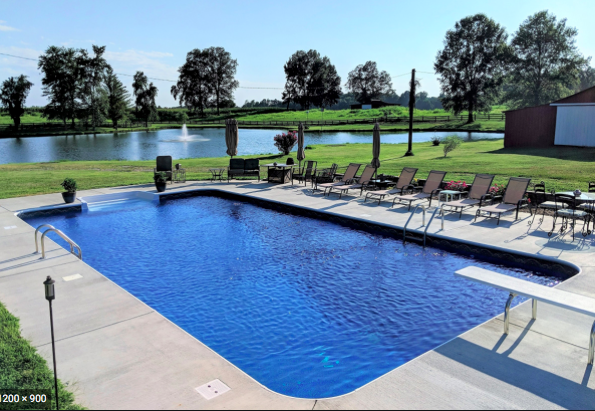
Swimming pools make great additions to a property, especially when you or your loved ones love frolicking in the water. 

However, you have to first be aware of certain factors before you dive deep (pun intended) into your pool project.  

From deciding on what kind or design of the pool that you want to secure the services of expert swimming pool builders, read on and discover helpful tips to get you chilling and swimming in no time.

DIVING IN

If you want to have your own aquatic haven right in your own home, then you can’t just dip your toes in, so to speak. You have to make sure you have fully immersed yourself in the whole scenario of owning one.  

Sure, it’s thrilling to have your own pool where you can lounge and splash around anytime you feel like it. However, pool ownership also entails responsibility. So when you are toying with the idea of having a swimming pool, it is best to do some careful thinking and thorough planning.  

You have to look at it from different angles and see if you can really commit to this home improvement project. Adding a pool to your home can make or break the value of your property, too. 

Before you go and take the plunge, it would be prudent if you at least have a basic idea of the things involved. You don’t just need to decide on the type or design, you also have to consider things like plumbing, landscaping, ensuring that your contractor uses waterproof paint on applicable surfaces, and other building, cleaning, maintenance, and upgrading factors. 

It would also be wise if you can secure the services of a master swimming pool builder. Look for one that has years of experience in constructing pools as well as creating a beautifully landscaped area around it. 

To help you tread carefully into your swimming pool project, we have put together some salient tips that will help you decide and properly build a spectacular swimming pool:

1. KNOW WHAT YOU WANT 

Do you want a hot tub, a lap pool, or a full-on spa? What is the size and shape that you have in mind? Is it an indoor or outdoor pool? 

There are plenty of designs and types of swimming pools to choose from. In fact, it is easy for you to get overwhelmed by the sheer number of designs and materials out there. There are concrete, fiberglass, or vinyl pools. There are above-ground pools and in-ground pools. You can even opt for resort-style infinity pools. 

To help you decide on what you want, you have to first identify the purpose.  

Why do you want a swimming pool? Are you the type who wants swimming as a part of your exercise regimen?  

Then perhaps a lap pool will do. If you have small kids who are not yet fully trained to swim, then maybe you can include a wading pool in your design.  

If being around water relaxes you and helps you stay calm, then a pool with a hot tub can help massage away the worries of the day.

2. SET A BUDGET 

A swimming pool is an investment that you have to decide on carefully. A properly designed pool can add value to your property whereas a one that has been haphazardly and poorly made can do the opposite.  

You should also consider how long you are going to stay in that property. Are you going to stay in that house for good or do you have plans of selling it in the future? 

Aside from the initial investment that you will be shelling out for the pool, you also have to take account of the maintenance costs. Depending on what kind of swimming pool you like, you have to be ready to finance it.  

You don’t want to scrimp on a swimming pool because, for one, you don’t want to risk your safety. Secondly, should you decide to sell your property, you want the swimming pool to contribute to upping the ante in terms of value.

3. DISCUSS, AGREE, FINALIZE 

If you live alone, then you’ll have to decide on the design of your swimming pool on your own. However, if you are living with a partner, or your family, then you need to consider their thoughts and feelings about the pool project, too

For example, including your family in the design or decision process may help in having a pool that will be enjoyed by everyone in the house. If the money that will be used for building the pool will come from a joint account, then it would only be respectful to also discuss it with the other party. 

You also need to consider the specific needs of other family members who will use the pool. For example, the elderly might use it for therapeutic purposes, or you may have young kids who’ll need a shallow pool they can use safely with adult supervision. These considerations will affect both the design and cost of building the pool.


4. BE AWARE OF LEGALITIES 

Before you build a pool, make sure that you are aware of the zoning laws and other community or housing rules that apply. Ensure that you are not breaking any regulations before you set out creating your swimming haven. 

There are cities or housing communities that are very strict when it comes to liability and maintenance rules.

5. THINK ABOUT TECHNICAL STUFF 

It is also very important to know about the technical factors that will affect how you will enjoy your pool. This includes considerations as to your current plumbing and water lines. You might also consider adding other features such as a cascading waterfall, dynamic jets, or underwater lighting. Add-ons such as water and lighting features must be thought of beforehand to avoid messy, time-consuming, and costly renovations. 

It is also crucial that you choose the correct water circulation system to ensure that your pool water remains clean and fresh. A reputable swimming pool contractor will be able to recommend the best one based on your requirements.

6. REMEMBER THE LANDSCAPING

Part of a glorious swimming pool experience is the environment. Having a setting that is both pleasing to the eyes and soothing for the soul can greatly enhance your pool encounters. 

Don’t forget to include the landscape design in your pool project. Whether you’re after creating a coastal, modern, or rustic vibe, the landscaping will surely create an ambiance that will round out your swimming pool fantasies.

7. CHOOSE THE BEST CONTRACTOR


When you want a pool that satisfies all your personal requirements, then it is important to seek the services of an established contractor. The experience and expertise of swimming pool specialists will ensure that you have a proper pool that is safe and fun to use. 

It will also be advantageous if you choose a swimming pool contractor that can also offer maintenance services for your swimming pool and garden landscaping. This way, you’ll only be dealing with one company.

TIME TO MAKE A SPLASH

Make sure you consider the above tips before you decide to start your pool building project. Thoughtfully plan out the steps, weigh the pros and cons, and go for a reliable pool contractor. 

By following these tips, you can dive into your pool project with confidence.


AUTHOR BIO

Rachel Hennessey manages the Pools and Landscaping Division of Hennessey LLC. She also works on Tender and Pre-Qualification and brings in new business to the company’s Construction, Interiors, and Civils Division.

Guest Contributor: Rachel Hennessy

THE BEST CORDLESS ELECTRIC CHAINSAWS

The Best Cordless Electric Chainsaws

A chainsaw that is battery powered has lots of positive features, such as being fast cutting, quiet, and lightweight. This makes them perfect for a variety of different jobs and goes some way in explaining why they have become so popular over recent years. With their popularity, there has been a rise in the number of conventional chainsaw manufacturers, such as Stihl and Milwaukee, turning their hand to producing battery power chainsaws. So with so much choice currently on the market, it can be difficult to know which model is the best one.

In this review of the best cordless electric chainsaws we will let you know which model that we like the best, as well as listing some of our other favorites. These include the CRAFTSMAN V60 Cordless Chainsaw, the Stihl MSA 200 C – B Chainsaw, the Snapper XD 82V MAX Cordless Electric 18-Inch Chainsaw, the DEWALT FLEXVOLT 60V MAX Chainsaw, the Makita XCU07PT 18V X2 (36V) LXT Lithium-Ion Brushless Cordless (5.0Ah) 14″ Chain Saw, and the EGO Power+ CS1604 16-Inch 56-Volt Lithium-ion Cordless Chainsaw.

However, the best cordless chainsaw that is currently available on the market is the Milwaukee Electric Tools 2727-21HD Chainsaw. What we particularly like about this model is that it is made by a well known chainsaw manufacturer that produces high quality power tools. For anyone that is interested in efficient and effective cordless power tools such as this one, then take a look at the following article – click here for best cordless jigsaw. What is great about this chainsaw is that although it is cordless, it still comes with all of the power of a corded model. 

Because it is so powerful, it can be used for more large scale commercial type jobs. The speed and power of the chainsaw comes from the highly efficient REDLITHIUM HIGH OUTPUT HD12.0 battery that it has. This will run for a long time before it needs charging up and when it comes to charging the battery, this is a very fast process. What is also helpful when it comes to the battery is that this model is compatible with any of the company’s M18 model of battery. What is also useful is the onboard storage that the chainsaw has. 

Boasting a speed trigger that gives you full control of the speed of the Milwaukee Electric Tools 2727-21HD Chainsaw, you are able to perform accurate and good quality cuts. For an increased level of productivity, the power tool features an automatic oiling system that works to keep the cutting chain well lubricated at all times. Also, for further improved retention of the chain and bar, the chainsaw has a dual stud. For these many reasons, we recommend this cordless chainsaw ahead of all of the other models that we mentioned.

Guest Contributor: Helen Bell

RUSTIC LIVING ROOM DESIGN GUIDE

What do you imagine when you hear the words “rustic design”? You probably think about cozy cabins in the woods, snowy peaks and hot cocoa in your hand. Or you might think about tiny cottages surrounded by orchards and wildflowers. However, you don’t have to live in the Swiss Alps or English countryside to enjoy this level of comfort and peace. You can introduce rustic design into your home and surround yourself with relaxing décor and comforting peace.

REIMAGINE YOUR WALLS WITH STONE WALLPAPER 

If you don’t want to tear down walls or do any major work on your home, you can simply grab some rustic wallpaper, pick a wall and create a beautiful nature-inspired statement item in your living room. Today, you can find all sorts of practical wallpaper designs that are easy to put up and take down in case you get bored with one look. Combine your statement wall with some faux wood beams and you’ll feel like you stepped into a fairytale cabin every time you enter your home (and all that without too much work).

WARM UP THE SPACE WITH WOOD ACCENTS

photo-1577614739132-81b2b774038c.jpeg

One of the key elements in rustic interiors is the use of wood. This is the best way to give your home a rustic vibe, even if you’re aiming for a more modern approach to this style. You can go for anything from wood art installations to heavy coffee tables and warm wood accessories. There’s only one rule to wood: try to use the same wood tones throughout the space to achieve a coherent look. For that warm feel to your space, focus on rich colored accents when matching accessories to your wood, and if you prefer a cooler atmosphere, opt for grey tones.

ADD A FEW NATURE ITEMS 

Rustic design is very closely connected to nature, so make sure to include a few items that come straight from the outdoors. For instance, you can brighten up the space with a wicker or driftwood chandelier or create a gorgeous fall-inspired centerpiece for your coffee table. If you want to go a little bit darker and mysterious when it comes to your design, you can look into taxidermy and mount a hand-carved animal skull onto your wall. If this idea tickles your mind, you can learn more about it and include a gorgeous conversation-starter piece into your home.

GET COZY IN FRONT OF A FIREPLACE 

photo-1577263964214-e8bfed8b53fd.jpeg

A fireplace is a staple in rustic design, so if you have any means to include it into your home, don’t hesitate to invest in this item. Of course, a fire-burning hearth is tricky to construct and maintain, so if you want to avoid the fuss, you can opt for one of those gas fireplaces. These are easier to install and require zero effort when it comes to maintenance and getting the fire going. Just turn it on, enjoy the dancing flames and curl up to your loved ones (pets are a great replacement for humans too).

SOFTEN UP THE VIBE WITH TEXTILES

No rustic home is complete without plenty of cozy textile elements. No matter if you’re aiming for a traditional look or you want to achieve the fusion between rustic and modern design, textiles will balance out the space, so they are a must. Integrate softness and texture into your space with pillows and throws, but don’t neglect your window treatment. Besides these elements, you can also pay attention to your furniture pieces—a mix of upholstered and bare furniture is a great way to achieve the harmony between warmth, coziness and elegance. 

Rustic design is perfect for everyone who craves comfort and relaxation but is not willing to sacrifice any style. Incorporate some of these interior design elements into your home and you’ll fall in love with your space all over again!

Guest Contributor: Michael

HOW TO PREPARE RECLAIMED WOOD FOR REUSE

Reclaimed wood has been adored by many people for its look. The character, history, uniqueness, and structural integrity these wood possess are features that homeowners greatly appreciate. Working with reclaimed wood be very meticulous so it will take careful planning, preparation, and patience to get the best out of the reclaimed wood that you have.

Determining the Wood Species

Just like any other wood, reclaimed wood can come from different species of wood. One good parameter in choosing what species of reclaimed wood to choose is the strength of the wood. It’s best to consult with a structural engineer to confirm that the chosen size and length of the reclaimed timber are adequate for your design. 

Staging and Material Inspection

After determining to wood species of your choice, we need to have our timbers inspected on-site. It’s best to do the inspection on a site where there is very large space for the timbers to lay out. 

There are various features that you can check on the timbers on inspection day. It can be irregular cuts and notches. It can be the ageing features of the wood. The features of your choice will entirely depend on your taste

The next step is to have a professional look on the timbers of your choice to see the structural grade of each piece. This process can take as long as five hours as the process includes poking and prodding each wood. Chunks of dry rot are removed sometimes during these inspections. The inspector will give a formal report of the inspection afterwards. 

Corn Cob Blasting and Fumigation

After the design drawings and the construction contract has been finalized, it’s time to clean and fumigate the timbers as preparing reclaimed wood for use is a very critical step. The last thing you want once reclaimed timbers are erected are loose organic particles constantly falling over from the beams. 

The first thing to do is to manually scrape the wood beams to remove any loose barks or wood chips. The next step is blast those wood beams with corn cob. This process will remove any excess bark, dry rot, and debris from the wood gently enough that it will not destroy the surface.

The last step is fumigating the wood. This is done by applying a solution of borate glycol onto the wood surface. This solution penetrates the wood and kills any bugs left.

Now your reclaimed wood is prepared and ready for construction!

Guest Contributor: Maria Espievidal

HOW TO SAFEGUARD YOUR PLUMBING FROM TREE ROOTS

Split drainage pipe caused by ingress of tree roots

The purpose of tree roots is to absorb and transport water and minerals from the soil to the rest of the tree. Therefore it is only natural that roots from trees and shrubs grow toward sewer lines. These pipes hold the water source that the plant needs, as well as oxygen and nutrients. Roots that find a way into a tube through a leak will grow fast and cause blockages resulting in damaged pipes. This instance is one of the reasons why regular plumbing inspections and maintenance are necessary. 

Sewage leaks are unhygienic and lead to health problems, and repairing the damage caused by the roots can be very costly. Prevent costly repair bills by taking a few precautionary measures when planting trees and maintaining pipes. 

But first, you must be aware of the signs that the tree roots are the primary culprit in causing damages to your pipes. Here are the symptoms:

  • Bad Odor
  • Sewer Flies
  • Toilet Drainage
  • Water Backups/ Overflow

If you ever noticed these signs, it’s time to get your pipes checked and take precautionary measures to prevent this instance from happening again. 

  1. Locate the Sewage Lines in Your Area

It is essential to know and locate where your underground pipes, lines, and cables run as an establishment owner. This information will help you in future potential planting or landscaping projects in your area. It is also best to limit the amount of plant present next to your sewer line to avoid problems with your pipes. 

2. Have Regular Maintenance and Inspection

When clog drains frequently occur, this can be difficult to clean and emit gurgling noises. Call a plumber to inspect the drain and sewer lines if you notice the signs. With the help of surface mount access panels, a plumber will have easy access to your drainpipes and can use a camera by running it through the pipes to locate injured areas. After the inspection is complete, the plumber will make the necessary recommendations. For regions with significant tree-root damage, you must replace the lines.

In addition, you can also clean sewer lines regularly and inspect the structure of the pipes to avoid significant sewer repairs. Regular maintenance and clearing the lines prevent root growth inside the pipes. Sewer-line care involves threading a cable through the sewer pipe that cuts through tree roots or clogs and cleans the sewer pipe to the inner walls.

3. Safeguard Your Sewer Lines

One of the most helpful methods to keep pesky tree roots out of your sewer pipes is to build a barrier between the trees and the sewer lines. There are various options available for you to create a practical hurdle. One of the common examples is by purchasing slow-release chemical solutions designed for residential properties. These chemicals help stop the growth of roots within the sewer line area, minimizing the probability of tree roots uncovering their way into the water pipes through breaks or cracks. 

You can also use metal barriers and wood by burying them about 6 inches to a foot deeper than your pipes and running them vertically along the sewer line to prevent the roots from getting into the sewer pipes.

4. Plant Wisely 

Planning your landscaping project smartly and thoroughly is the best way to avoid problems that can lead to expensive repair bills. To prevent this instance, you can limit the number of plants you place close to sewer lines. Plant more giant trees far enough away from sewer lines, so the roots are not within reach of the pipes. If you do plant near sewer lines, select slow-growing trees with a small root ball.

Your plumbing pipes are the nutrient source for tree roots. It is why it is vital to be aware of the signs and symptoms if your pipes are damaged from tree roots, for it can impose some potential health risks for your occupants. Be sure to seek help from your local plumbers if ever you notice any damages.

Guest Contributor: Chris Jackson

5 SURPRISING REASONS TO REGULARLY WASH YOUR WINDOWS

Windows play an integral role in not only the value of your home, but to how you interact with the world around you. Windows let in the sunlight, and allow you to look out at your surroundings. 

But dirty windows not only look unsightly, but they can actually cause lasting damage to your home and health. So while cleaning your windows does wonders for making your home look its sparkling best, regularly washed windows also come with the following surprising benefits.  

CLEAN WINDOWS IMPROVE YOUR CURB APPEAL

If your windows are dirty, they’re one of the first things prospective home buyers will notice about your house. That’s not a good thing. If you’re concerned about maintaining your home’s value, “curb appeal”, or how your home looks to an outside observer, is a hugely important factor. 

Just as an unkempt lawn might lead people to undervalue your home, dirty windows similarly stop your home from showing its best version. But if your windows are cleaned with regularity, your home can look bright and welcoming to everyone stopping by.  

THEY KEEP YOUR HOME WARM

You might be wondering, how can clean windows help warm up your house? During cold months, though it might not feel like it, sunshine coming through your windows naturally heats up your home’s interior, lowering heating bills and bringing with it a natural warmth.

The dirt and grime from dirty windows can block out parts of your window, allowing less sunlight to enter, and thus robbing you of that natural heating. Keeping your windows cleans ensures that you get all the natural sunlight you can, which is great news for your thermostat and your wallet. 

CLEAN WINDOWS MEAN CLEAN AIR

While you tend to assume that you need to open your windows to bring fresh air into your home, a clean window, while closed, can actually help improve your air quality. When dirt builds up on windows, and sills, they often work their way into your home, lowering your air quality.

Even worse, dirt build up  occasionally can bring in mold, which can cause a host of health problems. By cleaning your windows regularly, you keep these bad particles out, and keep clean air in. 

REGULARLY WASHING YOUR WINDOWS INCREASES WINDOW LIFE

Repairing windows that have been worn down or damaged can be an unfortunate and wanted expense. Thankfully, you can keep your windows for longer by regularly washing them. 

Dirty windows build up grime and dirt that can penetrate the glass, which can stain and weaken your window and cause permanent damage. Even when you can’t visibly see debris on your window, consistently washing your windows clears the glass of microscopic imperfections that can lower the lifespan of your windows. 

By just washing your windows regularly, you can keep your windows shining for years! 

Guest Contributor: Jeff Good

BATHROOM UPGRADES THAT SAVE WATER

Bathrooms use a lot of water. In fact, this is the room that uses most of the water in your home. The toilet accounts for 26.7% of all water usage, on average. The shower adds 16.8% to that figure. The interesting part of this is, while you can’t avoid using water, there are ways to upgrade almost every fixture you have to reduce water usage.

Below, we’ll cover the bathroom upgrades that will go easy on your water bills and the environment — while turning your bathroom into a more beautiful, contemporary space.

Choose a Low-Flow Toilet

Modern toilets use a lot less water than older ones while providing plenty of flushing power. In 1992, a U.S. law was passed that mandated all new toilets sold within the U.S. to use 1.6 gallons of water per flush or less. Contrast that with older toilets, which can require twice or even four times as much water — 3.5 to 7 gallons of water per flush. You can see where replacing those older toilets can save a lot of money while upgrading the look of your bathroom.

Replace Your Showerhead With a Low-Flow Showerhead

This is an inexpensive upgrade that you can install — and it could save you many times over on your water bill. On average, if you took seven-minute showers 25 times per month, a regular showerhead flowing at 2.5 gallons per minute would use 440 gallons of water. Replace it with a low-flow model that uses about 1.5 gallons per minute? That number drops to 262 gallons per month, which saves you roughly 2,000 gallons each year.

Opt for a Low-Flow Faucet, Too

Similarly to showerheads, you can install low-flow faucets to help rein in water usage. Though the bathroom faucet isn’t among the largest water users in the bathroom, this still chalks up to big savings. Standard faucets use about 2.2 gallons per minute, but if you get a water-saving faucet, it could consume between 0.8 and 1.5 gallons per minute.

Rethink the Bathtub

Hot baths are undeniably a relaxing luxury — but they also use a lot of water. The average bathtub will need between 25 and 50 gallons for a fill — whereas a 10-minute shower with a water-saving showerhead will use roughly 25 gallons of water. The first thing that you can do where the bathtub is concerned is to treat baths as a luxury. It’s perfectly fine to indulge once in a while, but daily baths can drive up your water usage.

Another great way to reduce water usage during baths is to replace your tub with a water-saving bathtub. These are quite unique in that they’re designed to hold less water than a traditional bath while giving you the same comfort. Essentially, they’re designed to fit the contours of the human body, which allows you to soak while using far less water.

Combine New Fixtures With Good Habits

The upgrades mentioned above will save a lot of water yearly, making them well worth the investment. They’ll enhance the look of your bathroom, too, replacing old and worn fixtures with new, stylish ones. 

Past that, you can save even more water by combining your updated fixtures with good habits:

  • Make sure to shut the bathroom faucet off when you’re not actively using the water. In other words, don’t let the water just run while brushing your teeth.
  • Minimize shower time and treat baths as a luxury to ease water usage.
  • Regularly check your plumbing. Leaks account for up to 13.7% of water usage within the home. If your toilet keeps running, faucets drip or pipes seep, that is water being wasted. It may not seem like much, but it adds up over the course of a year. Worse, plumbing leaks could cost you even more if they go unnoticed long enough to cause rot or some other kind of damage to your home.

Saving water means investing wisely in fixtures. Nowhere is this more important than in the bathroom, which is the biggest water consumer in any home. Consider upgrades to bring your water bills down and to give your bathroom a much-needed update.

Author bio: Erica Garland is Content Marketing Manager at Modern Bathroom and has 15-plus years of experience in the bathroom renovation industry. Modern Bathroom sells a variety of products you would need for any bathroom renovation project. With such a large selection of vanities, faucets, sinks, toilets and showers, Modern Bathroom is sure to have the perfect piece to give your bathroom an updated look.

STEPS YOU NEED TO TAKE TO RECOVER FROM FIRE DAMAGE IN YOUR HOME

Seeing your home on fire can’t be easy.

Even if only a portion of it burns down, it’s still painful to witness something you worked so hard to acquire or build go up in flames.

Then again, there isn’t much you can do while the fire is still ongoing. By the time firefighters declare the fire under control, your home will have already sustained fire damage.

What’s critical is what you do once the fire is out.

You will need to take steps toward fire damage restoration, among other things, and ensure that you and your family will recover from the disaster just fine.

Secure Your Family and Find A Place To Stay

Whether it’s a fire or some other disaster that strikes your home, your top priority is to ensure your loved ones’ safety. Make sure that everyone is safe, then find a place to stay not only for the night but for some time, depending on the degree of fire damage to your home.

Whether you decide to stay at a hotel or with relatives or friends, you will need to check your home insurance policy if you have one. A standard homeowners insurance policy has an ALE or additional living expenses provision, which will pay for your meals, hotel bills, and other expenses you incur while your home is under repair.

Call Your Insurance Provider

Another important thing you must do after—or even during—a fire in your home is to place a call to your insurer. Since fire is a covered peril in a standard home insurance policy, it’s best to give your provider a heads up that you will be filing a claim so the entire process can start as soon as possible.

With your home insurance coverage, you will have the money not only to pay for the cost of repairing the damaged parts of your home but also to replace the personal belongings you lost in the fire. Furniture, appliances, clothing, computers, and other possessions are usually covered by home insurance.  

Wait Until It’s Safe To Enter Your Home

Naturally, you would want to enter your home as soon as possible, but you can’t do that right away, given that it’s still dangerous to do so. Aside from the heat, soot, and fumes, your home’s structural integrity may have been compromised by the blaze.

Wait until the proper authorities declare the area safe before entering your home to try to salvage some of your belongings or assess the extent of the fire damage.

Ask For Police Assistance In Securing Your Home

If your house was only partially burned, that means some of your belongings could still be intact.

With you staying elsewhere for the next few days at the very least, your home could become a very attractive target for burglars or looters.

You also run the risk of coming home to the sight of squatters in your living room, drawn by your conspicuous absence from the premises.

Contact the police, who can lend some assistance in securing your home for the days that you’re not there.

Document All Fire Damage

When it’s safe to enter your home, document all the fire damage. Proper documentation is extremely important for insurance purposes, so take photos and videos of charred walls, collapsed ceilings, and any other evidence of the fire.

Call Your Utility Providers

In all likelihood, you never had the time or opportunity to switch your gas or electrical mains off at the onset of the fire that hit your home.

In any case, firefighters will be doing that as they put out the fire, you still need to call your utility providers and inform them of what happened.

Wait for word from the fire department if it’s safe to turn on the gas and electricity. Under no circumstances should you switch them on without their say-so.

Contact A Fire Damage Restoration Company

While you can always personally take on the gargantuan tasks of cleaning up the fire damage to your home and restoring it to the way it was before the fire hit, it would still be best to leave them all in the hands of professional fire damage restoration specialists.

A fire damage restoration company is staffed by well-trained, extensively-experienced, and well-equipped technicians who know every technique necessary to perform excellent fire damage cleanup and restoration. By the time they’re done, you can be sure that your home will look like a fire that never hit it at all.

Guest Contributor: Rachel Anderson

HOW DO MISTING SYSTEMS WORK?

In essence, a misting system refers to a range of outdoor cooling methods that uses a fine spray of water to cool you, your family, guests, workers, customers, and yes, even your pets! Other terms for misting systems include spray cooling and fogging systems. 

Misting Systems: How Exactly Do They Work?

All misters work with the natural cooling effect that occurs when water evaporates in warm air. This is also called evaporative cooling. Most misters work beautifully in dry weather. Some also work superbly with humid weather, although not all. It is recommended that you do your homework before purchasing one for a damp area. 

Misting systems offer several excellent benefits. They can minimize dust and odors in a specific area. They are also great at regulating the humidity, so they are fantastic for atriums, courtyards, greenhouses, and the like. What’s really amazing is misting systems can cool you down without getting you wet.

Water is forced through very minute nozzles to create a very fine fog or mist. As the droplets of water evaporate, it cools the air instantaneously—the finer the mist, the more thorough the evaporation.

The terms fogger and mister are used interchangeably, and many people often confuse one for the other. Some misters produce a spray made of large droplets that can get you wet. These systems often use larger spray nozzles and low or medium water pressures.

On the other hand, foggers use tiny spray nozzles (to create a fog-like mist) and high water pressure. The fog-like mist evaporates before it can get anything wet.  

Your Key to Categorizing Misting Systems: Think Water Pressure

Let’s get something straight: all foggers are a kind of misting system. However, not all misting systems are foggers. To avoid confusion, it is crucial to think in terms of water pressure—low, medium, and high.

Since water pressure is the primary indicator of any misting system’s performance, it is used as an accurate way to categorize the systems. Water pressure is measured in PSI (pounds per square inch) or BAR. One BAR is equivalent to 14.7 PSI, while one PSI is equivalent to .0689 BAR.

Low Pressure

Low-pressure systems can be likened to being near a sprinkler. It can cool you down and might also get you a bit wet. This kind is also the simplest and the least expensive of the three options. 

Low-pressure systems also won’t require electricity. They typically work with gravity-fed water pressures. While their spray can cool a small area, you need to be near the nozzles to cool. However, the closer you are to the nozzles, the wetter you will also get.

Medium Pressure

Medium pressure systems use motorized pumps to raise the water’s pressure to 100 – 250 psi / 7 – 17 bar. The spray water this system produces is fine enough to cool you in hot weather and is less likely to get you wet. 

High Pressure

This is the system that will provide the maximum among the three options. High pressure misting systems are considered ideal for areas with very high humidity. It can cool you down effectively without getting anything wet. 

High pressure and medium systems typically use pumps to boost the water pressure from any water source. The higher the resulting pressure, the cooler (and drier!) you’ll feel.

What Makes a Misting System Great?

A misting team has to be one thing to be considered great: it has to meet your needs. Even if you invest in the highest-powered and the best system but only have a small patio in a quiet neighborhood, the system might be too expensive, too noisy, and too much. In short, it’s not the right fit for you.

What about your kids’ sports team? In most cases, a lighter, smaller, and less expensive system that will not get them wet is ideal. However, it might not be the best option for an elegant wedding reception with 200 guests.

Conclusion

Finding the right mister that will best suit your needs is no walk in the park. However, once you gain a better understanding of how they work, you can easily make knowledgeable and educated comparisons. From there, you can effortlessly decide which system works best for you. Check out this Arizona mist systems for more details.

Guest Contributor: Anna Fox