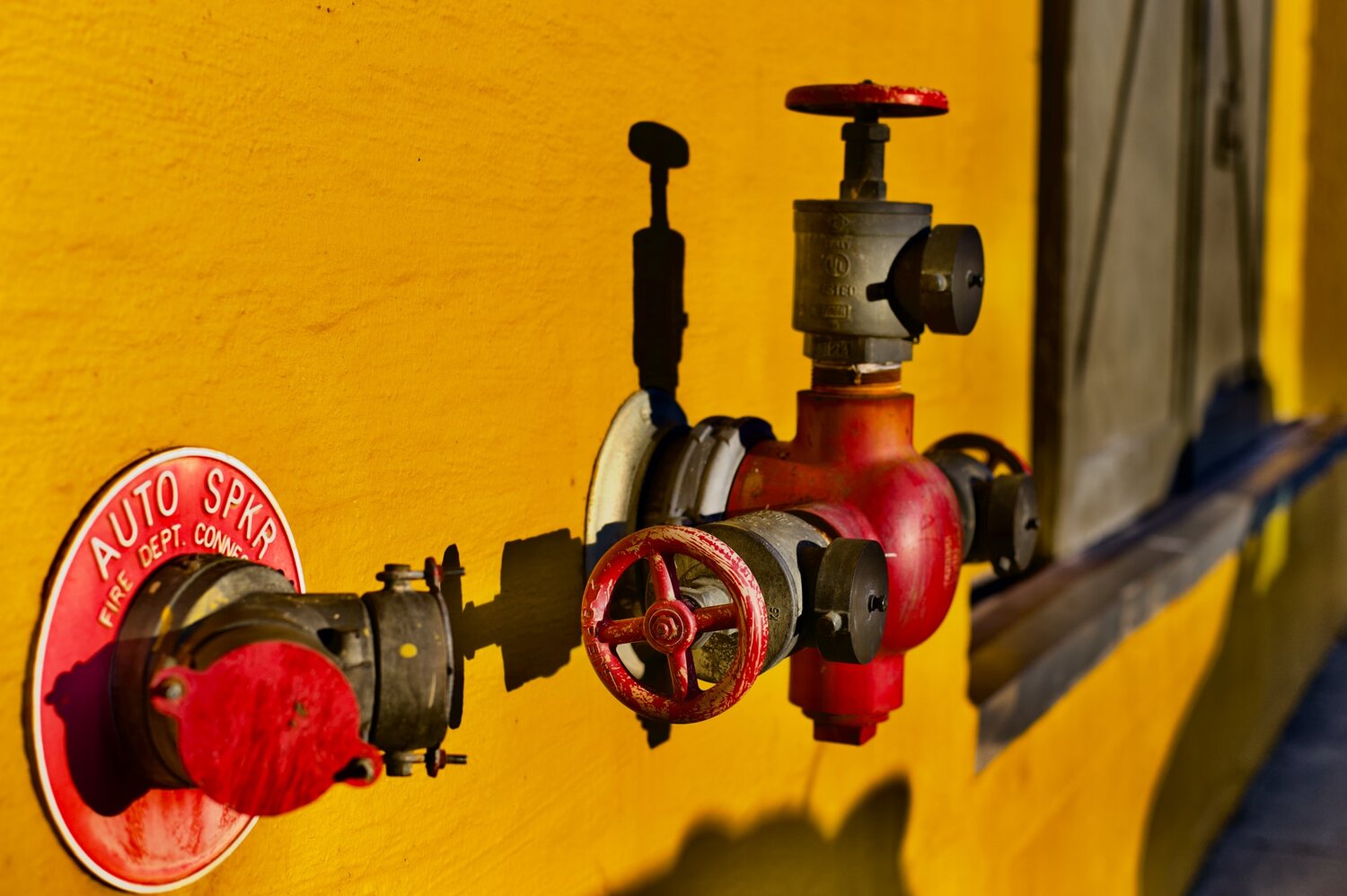
10 STEPS TO KEEP YOUR PIPELINE DURABLE AT ALL TIMES

Bursting of pipes isn’t something you really want to get into, considering the severity of the effects that would follow. From floods or unpleasant and dangerous puddles to poisoning, these are risks you may not want to run into. Especially if there is something you can do about it.

Just like you’d take care of your gas to reduce risks of gas leakage in the house, it is also imperative that you take good care of your pipeline to make them stand the test of time. This guide explores ten common causes of pipeline problems that may make them burst and what to do about it.

1. Extreme Water Pressure

Water pressure is one of the most common factors linked to the bursting of water pipes. Ideally, if the pressure levels spike to levels that your pipe won’t contain, it will burst.

The bottom line here, therefore, is to keep checking your pipeline to ensure that the pressure levels are within the recommended ranges. This will help you avoid the risks of the sudden surge in water pressure that would cause your pipes to burst.

You can know for sure that your water pressure levels are within the ideal limits by monitoring them using a water pressure gauge. You will need to hook it up to your hose faucet to get accurate water pressure readings.

The ideal water pressure should average 30 to 50 psi and not go past 60 psi. If you notice that the pressure reading is 60 psi+, be sure to contact an experienced plumber to install a pressure valve that will help you keep the pressure levels at the ideal limits and avoid pipe bursts.

2. Freezing Temperatures

Cold temperatures are not really a concern until when the water in your pipes begins freezing. The freezing of water in the pipe increases the pressure in your pipes, thus increasing the pipes’ risks of bursting. You can manage this risk to prevent your pipes from bursting by turning your faucets on to release a steady water flow and prevent pressure buildup. 

3. Corrosion

Most pipes can give you a long-term service, but this does not mean that they will never get damaged. Corrosion is a relatively common cause of pipe bursting, especially for pipes that are used for long periods.

Ideally, the risks of your pipes bursting due to corrosion after long periods of use would be high if hard water passes through the pipes. Over time, the unfavorable pH balance of the water may cause corrosion, leading to a buildup of rust and ultimately bursting of the pipe when the rust blocks it completely.

You can slow down the rate of corrosion on your pipe by ensuring that your water is chlorinated. This will help clear away harmful bacteria like legionella, which thrive in corroded water pipes.

4. Flushing Big Items down the Toilet

Flushing big items down your toilet isn’t a wise idea as it increases the risks of your pipes clogged. Again clogging in your pipes would increase the pressure inside your pipes and increase the risks of bursting.

Managing this risk is pretty straightforward and would not need an expert intervention unless you’ve noticed a leak. Simply find a way of getting rid of items that may clog your pipes, like sanitary pads, instead of flushing them down the toilet.

5. Leaving Home During Winter

If you live in a cold area and you are just coming back home from a vacation and you suspect that your pipes could have burst, the number one culprit, in this case, is freezing of the water. Just as mentioned early, freezing of the water increases pressure in your pipes, and this may make them burst.

To avoid this risk, if you stay in a cold area, leave your heat on if you will stay away for quite some time. It would help if you keep the heat just above 10ºC or 50ºF, as this would do a good job preventing the freezing.

6. Cracks or Holes in the Pipes

Cracks or holes in pipes aren’t uncommon and are also notorious contributors to the sudden bursting of pipes. The cracks or holes in your pipes will let cold air inside.

As you probably already know, this would increase the pressure causing them to burst. To prevent the bursting of pipes due to cracks or holes in them, ensure that your pipeline is sealed both inside and outside to prevent cold air from getting into the pipes.

7. Water Hammer Damages

Water hammer damage happens when your pipes bang and rattle when you turn on the water. You can detect this just from the sound whenever you turn on the water.

If this water hammer isn’t managed promptly, it will weaken surrounding pipes and make them burst. Therefore, if you hear strange sounds, have a professional examine the pipes and repair them to prevent the looming problem.

8. Frozen Garden Hose

Now, this is something that you really wouldn’t expect, but a frozen garden hose may also make your pipes burst. Ideally, when the ice in your frozen garden hose expands, it will increase pressure buildup in the pipes, something which may end up making them burst. You can prevent this problem by disconnecting your garden hoses from the pipes during cold weather.

9. Very Cold Temperatures in the Home

Very cold temperatures around the home may also be to blame if your pipes burst. If you leave in very cold temperatures, here’s what you can do to protect your pipeline.

Ensure the temperatures around the areas of your home where the lines pass through don’t drop below 32ºF. You can achieve this by directing warm air to cold areas in the home. You can also apply heating tapes to your pipes.

10. Poor Insulation

If your pipelines pass through areas like the attics or basements with poor insulation, they may also burst. A typical red flag of a frozen pipe is the molds that would form along the property’s exterior walls. 

To manage this risk, you will need to get in touch with a professional who will improve the insulation of your pipes. Any exposed water pipe will need to be properly insulated.

In Closing

You can make your pipeline stand the test of time by taking measures that reduce risks of damage to the pipes. Taking timely precautions will help you prevent damages that may not only be dangerous but also costly to repair.

Author Bio:

Leon Collier is an expert blogger and academic writer based in the UK. He has expansive experience working with experts offering assignment writing services at Write my dissertation. Leon is a go-getter who doesn’t mind taking on challenges thrown at him. He loves to read books and play tabletop games with friends in his free time. Connect with him on Twitter @ LeonCollier12

6 EASY ROOF MAINTENANCE TIPS TO MAKE IT LONG LASTING

Placing a new roof costs a lot and you’ve spent a lot on something, you have to protect it. A roof is something significant to deal with. Some people will ignore that their roofs might need maintenance, and the consequences come when they need to sell the house or roof problems such as leaking. Proper maintenance of the roof should be the best way to avoid unnecessary problems in the future, hence reducing your roof’s cost.

Roof maintenance can be successful by removing moss on the roof, removing leaves, roof coating, checking for shingle damage and prune overhanging branches, preventing ice dams, and checking the attic. Call this Baltimore roofing contractor for all your needs.

Removal of leaves

A simple peaked roof surrounded by a low landscape can probably stay clear, but if trees are nearby and the roofs are complicated, then the roofs are always filled with leaves. The leaves collect near chimneys or in roof valleys. If not removed, the leaves will trap moisture and decompose, then allow moisture to compile in your roof, creating a fertile ground for weeds to grow. If the house is a one-story house with a low-slope roof, then the leaves can be removed using a car washing brush placed on a telescoping pole. A unique tool is known as a leaf rake and a leaf blower can also be used, especially on dry leaves.

1. Removal of moss

Like leaves, moss also damages a roof, but you can remove them by using chemical substances. Roofs that are composed are mostly covered with black algae, and its growth does not hurt the roof. A detergent mixed with water or a little chlorine will finish it off, but it’s advised to leave it alone for the safety of both the roof and you. The moss needs to be killed first if there is a lot of build-ups. It’s then recommended to use products based on potassium salts of fatty acids instead of toxic formulas that zinc sulfate. It can also be removed by applying soap on where the moss is growing and try preventing the wash water from getting in the storm drains.

After the roof is cleaned and free from moss, you should install the zinc strips on the roof to prevent the moss from coming back. The runoff from the strips inhibits the growth of mosts when raining. Zinc strips are more eco-friendly and effective instead of treating the whole roof with pesticides.


2. Prevent Ice Dams

Ice dams are nasty any they cause damage to the roof and removing them from the roof might cause leaking into the house. It’s not advisable to pry off the ice formed already since that can damage the roof. Instead, use a roof rake to remove the snow within three feet of the gutters. One can also get a telescoping pole and work from the ground and if a ladder is necessary, work at an angle that the falling snow won’t push you down.

Air leaks and inadequate insulation into the attic the risk of ice dams, so after a great storm, check on the roofs.

3. Prune overhanging branches and check shingle damages

Tree trimming prevents damage to a roof by keeping moss and leaves off the roof. Friction from leaves and limbs that touch a roof can damage shingles, incredibly high wind. Overhanging branches also give other rodents and squirrels the chance to access your roof; thus, they can gnaw on the roof. The branches should be away from the roof, or if not possible, the tree trunk can be wrapped with a metal-sheet bank to prevent the rodents and squirrels from climbing the tree.

Check the shingle daily since you may never know if it’s damage from something striking the tree. If the shingles are buckled, curled, or missing, then the roof must be repaired immediately.

4. Check the attic

The attic is an indication that shows if a roof needs to be replaced or it’s still holding. If water stains are evident and daylight peeks pass through the boards, then the roofs need to be fixed earlier before any more damages. The attic also shows how well a roof can perform after a big storm.

5. Roof coating

Roof coating is the best method used if you want your roof to last for a long time. There are different types of roof coating that includes;

Acrylic coating: They are durable and inexpensive elastomeric coatings that have potent biocides and emulsion polymers that prevent dirt accumulation on the roof and provide superior resistance to mildew.

Silicone: Silicone coating is the best choice for providing UV protection and resisting pond water. They erode slowly without becoming hard and contain high solids content. You can use less material to achieve this film thickness.

Asphalt Emulsion: It has asphalt particles dispersed in water with clay as a bonding element. It is black or brown and contains inorganic and organic compounds that strengthen and durability of the roof.

Butyl Rubber: They are also the best due to their tensile strength and extreme elongation. It contains a solvent-based polymer that is fast drying, highly reflective, and suitable for roof maintenance and repair.

Importance of roof maintenance

Roof maintenance is essential since it reduces costs used to replace another roof and makes a roof last longer. If you want a long-lasting roof, then you should follow the above steps.

Author Bio

For the past 20 years, American High Tech Roof Coating has been owned by Javier Chavez who runs their company throughout the Los Angeles, California Area servicing commercial buildings that require new roofs but opt into silicone cool roofing instead.

ANNUAL DRAIN CLEANING

Like everything else in your life, you need to maintain your plumbing drains. It’s recommended that you are constantly checking drains for clogs, back ups, broken pipes, anything that could lead to a back up in your pipes. We recommend if you have plumbing work done such as rodding your clean out, have it rodded yearly around the same time each year to prevent back ups from occurring. It’s always best to prevent a back-up than having a back-up and it turns into an emergency.

Although we suggest calling us back out again to take care of your potential stressful situation, there are a few different ways you can maintain your plumbing at home by yourself.

1. Watch What You Flush

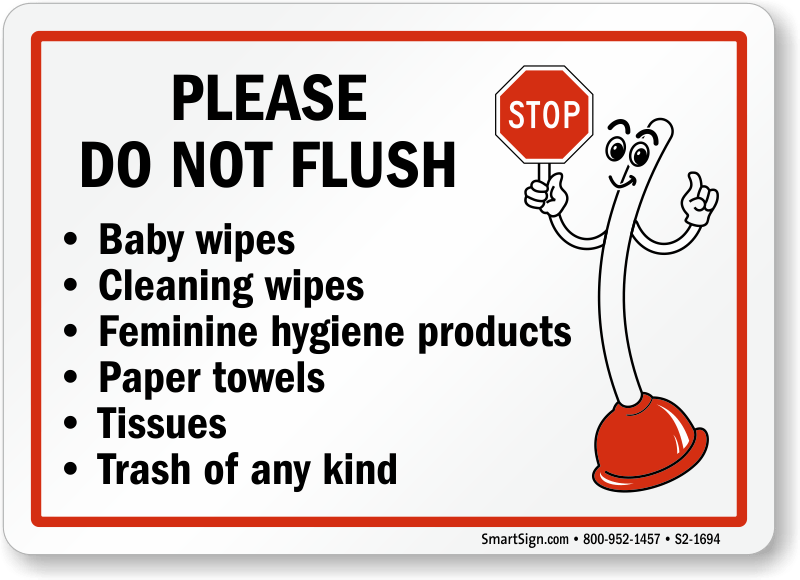
Realistically, nothing is supposed to go down your toilet drain other than toilet paper and your own waste. You should never flush things down your drain that aren’t meant to be put down there. Over time, flushing things down your drain is going to cause build up and eventually lead to a clogged sewer line which is a stressful situation. Things like feminine hygiene products, Q-tips, plastic, wrappers, “flushable” wipes, baby wipes, food/grease, can all cause a back up and eventually they will cause one, whether it’s sooner or later, it’s not going to be good. Avoid having to call a plumber to rod your toilet by refraining from dumping things in the toilet and instead putting a trash can in the bathroom for all garbage you might have.

2. You Can Check With Food Coloring

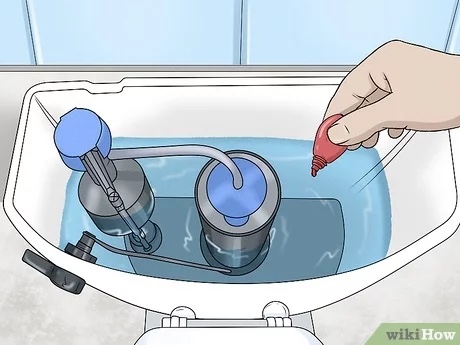
If you’re worried your toilet is leaking, you can try to test it out with food coloring. Take red or blue food coloring and put it in the tank of the toilet. If it leaks into the bowl after about an hour, you know you have a leak. If after an hour it didn’t leak into the toilet you’re all set. The food color leaking suggests you replace the tank ball to prevent it from leaking. Changing out this tank ball can also save you money by lowering your water bill. A leaking toilet is definitely going to rack up your water bill, and you don’t always hear it running.

3. Clean Your Shower heads

All plumbing fixtures can be clogged with mineral deposits, your shower head included. These mineral deposits can cause your shower head to be so clogged it doesn’t work, or it won’t be as effective as it should be. To clean your shower heads, you should unscrew them and soak them in vinegar for 24 hours. Make sure the whole shower head is soaked in the vinegar to get the deposit off. Once the time is up you should be good to go to screw it back on, however, if the mineral buildup is too thick or the shower head isn’t in the best condition and it’s effectiveness isn’t as good as it used to be, you should consider getting a new shower head.

4. Mesh Covers

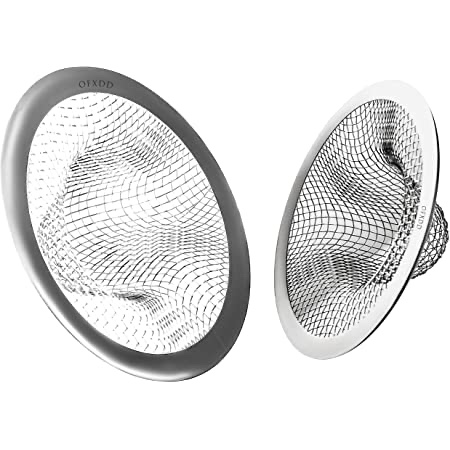
There are so many different types of covers out there to purchase that can protect your drains from getting clogged. You can find these almost anywhere in stores such as Target, Wal-Mart, Lowe’s, Menard’s, even online on Amazon. These mesh drain covers protect your drains from hair and soap, the number one thing that leaks to a clogged drain. Using these mesh drain covers allows the things that are too big to get stuck in the mesh which then after every use you can throw away and save your pipes from a blockage and needed to be snaked.

5. Make it a Habit to Inspect Your Plumbing

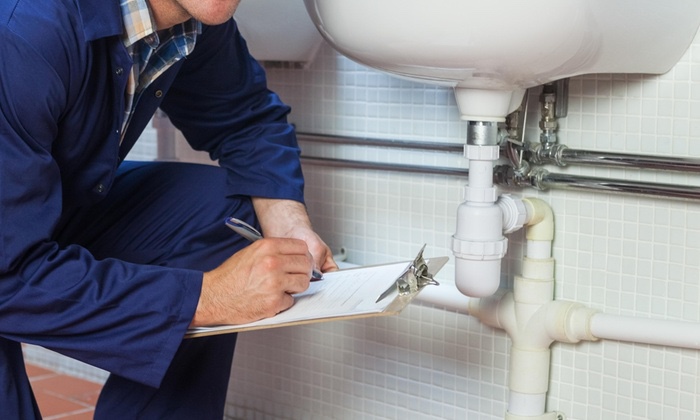
Like it was mentioned before, your pipes need maintenance. Although they’re not high maintenance usually, you should always be on the look out for any potential problems and address and fix the problem correctly before it escalates. Repairing plumbing before it turns into an emergency is going to cost you less money in the long run and you’ll be glad you fixed it sooner rather than later. If you notice any type of rust or corroded pipes, you should immediately call a plumber to discuss what options you have.

Don’t forget, we’re always here for you! Give us a call if you need any plumbing work done. 708-845-7922.

YOUR COMPLETE FALL HOME PREP AND MAINTENANCE PLAN

Autumn is a time of renewal and gives us a chance to start anew. Since we’ve had the opportunity to take care of our homes and ourselves both inside and out, it’s time to prepare for the fall season and do some home maintenance. This time of the year represents Harvest, which is a time to acknowledge growth and expansion as a natural part of our well-being. Just as our lives go through various cycles like growth and rebirth that we see in nature, we can do the same for our homes and ourselves. Read on for a list of fall maintenance tips that will help you get excited about the upcoming season.

INDOOR FALL MAINTENANCE TASKS

Consider these tips to help you prepare the inside of your home for the fall season:

Indoor maintenance. Now is the time to inspect things like your plumbing, electrical wiring, and panels. Ensure that all plumbing is properly insulated and that all outdoor faucets are covered and prepped for cooler weather. Look in the attic to confirm that the roof underlayment is intact and that you have adequate insulation to keep your home warm.

Heat. If you have a fireplace, fall is a perfect time to clean or sweep the chimney and have the fireplace inspected. Check your gas stove to ensure it’s working correctly, and ask for an HVAC system inspection to confirm that your heat is working correctly. It’s also an excellent time to change your air filter. If you have oil heating for your home, now is a good time to fill your tank up.

Home appliances. Do a quick inspection of all major appliances to ensure they work. If anything is broken, get them repaired or replaced, particularly your refrigerator, oven, washing machine, and dryer.

Declutter. Refresh your entire home by doing some thorough decluttering and organizing. Get rid of old electronics like unused cell phones, computers, and small appliances. It’s also a good time to dispose of expired medications. Shred all of your old bills and go through your home office to get rid of outdated paperwork. Fall is also a perfect time to declutter unworn clothing, shoes, bedding, towels, and summer items like hats and swimsuits.

Décor. Dust off your spring and summer décor and put it in storage. Now is the time to bring out the autumn and winter décor to celebrate this exciting time of year. Anything that doesn’t work or no longer brings you joy can be donated, sold, or recycled if possible.

Reorganize. This is a perfect time of year to reorganize and declutter the kitchen and pantry, your bathroom cabinets, and the shed or garage. Separate items into things you want to sell, give away or throw in the trash. Clean out your pantry and throw out expired food. Organize dry goods and place them in clear canisters, then label them so you can find them easily.

Recycle. Look for any items in your home that can go to recycling. You can also do some upcycling and repurpose items like old seasonal décor, discarded clothing, shoes, and even furniture. Get creative and come up with new ways to reuse these items in a whole new way. A simple coat of paint on an old chest or table can give it a brand-new look, for example. Clothing can be sewn into bags or pillows for a fun piece of fall décor.

OUTDOOR YARD AND PATIO FALL MAINTENANCE TASKS

Fall is also a great time to do a bit of outdoor maintenance. Here are a few things you can add to your list to prepare for the season ahead.

Outdoor maintenance. Clean your gutters and remove dead leaves, twigs, and debris. Check all the pipes going into and out of your homes, such as the waterline, gas line, and anything connected to your HVAC system. Look for signs of leaks, rust, or damage so you can get these items repaired now before winter arrives. Test your outdoor equipment like leaf blowers and lawnmowers to ensure that everything is working properly.

Insulate pipes. While you should insulate your plumbing indoors, it’s also time to insulate and protect those outdoor exposed pipes too.

Check for leaks in windows and doors. Do a “draft test” to confirm that there are no leaks in your doors and windows. Add new weatherstripping to keep all windows and doors properly sealed.

Inspect your roof. Look for possible signs of leaks in your roof and keep an eye out for missing shingles. Get all roof repairs done now before winter snow arrives to protect your home and property.

Take care of your garden. Rake leaves in your yard and put them in bags, cover any garden plants that need to be kept warm, and fertilize your plants so they will thrive through the season. Trim dead tree limbs and make sure that all of your plants are properly trimmed, and cover them with burlap (if required). You can also decrease the amount of outdoor watering you need to do during this time of year.

Do a yard and garden sweep. Some areas of the country aren’t impacted by autumn weather until later in the year. If this applies to you, just do a quick cleanup of the yard or garden and determine what you need to put away now and what you can put away later. Check on items that still work, like your outdoor lighting, and confirm if anything needs repair. It’s also a great time to declutter old outdoor items and either donate them or throw them away.

Upcycle garden items. This is also a wonderful time to see if anything outdoors can be recycled or upcycled and turned into something new. Take old wooden palettes and turn them into planters or furniture. Paint your outdoor planters in new fall colors or use some of your outdoor décor to make a cute birdhouse.

Create a schedule for outdoor tasks. Work on creating a schedule for a few outdoor activities you’ll need to tackle later when it gets closer to winter. Some items include checking the roof and gutters to prevent ice dams and a checklist to ensure you have everything you need, like snow boots, snow shovels, and deicers.

Make another maintenance list. Your home isn’t the only thing that needs a little bit of fall maintenance. Make a quick list of other items to check on, like your car, shed or garage, and driveway and walkway. Repair any cracks you see now before winter arrives to prevent them from growing and getting worse.

CELEBRATE THE BEGINNING OF AUTUMN

Since Autumn is a time to start anew, it’s also a perfect time to celebrate. Keep these tips in mind to help you celebrate the upcoming season.

Declutter your life. This is a wonderful time to declutter, clean, and toss out anything that brings you unhappy memories. Only keep the things in your home that bring you joy and happiness. Remember that is not about getting your act together.

Do some fall rituals. Fall is a perfect season to practice self-care with a few simple rituals like yoga or meditation. Play some soothing music, enjoy a long bubble bath, or read a good book to help your mind and body reset.

Light some candles. In addition to some fall rituals, it’s a perfect time to light some scented candles. Aromatherapy can uplift your mood and give your home a beautiful fall-like ambiance. An essential oil diffuser is another great way to fill your home with the fragrances of autumn.

Buy new décor. Decorating your home is a wonderful way to celebrate every season, including autumn. Add a faux autumn leaf garland to your fireplace mantel, hang some fall wreaths, or fill your home with fun Halloween décor. You can also upcycle and create new décor from some of the old stuff you have lying around. This is also a great way to have some fun arts and crafts time with the family.

Celebrate the harvest. Head out to a local farmer’s market and buy fresh produce to celebrate the autumn harvest. A fun hayride or a visit to a local pumpkin patch will get everyone excited about the changing season.

Make delicious fall treats. Get excited about autumn by trying out some new recipes. Make homemade apple cider, bake a pumpkin pie, or come up with your own delectable fall dinners and desserts.

Doing a few easy maintenance tasks for your home is an integral part of taking care of your property as the seasons change. It’s also essential to maintain all your material items and, of course, yourself, too. By decluttering, organizing, and even checking on your health, you can get ready to enjoy the fall season and embrace the growth of what this new season will bring. 

Guest Contributor: Adriana Lopez, porch.com

7 THINGS YOU HAVE TO CHECK IN YOUR HOUSE BEFORE ROLLING INTO AN AUTUMN SEASON

When we talk of the autumn season, some of the things that come to most peoples’ minds include carved pumpkins, yellow-orange foliage, and the smell of cinnamon. Adults enjoy spending most of their time outdoors having some fresh air while children go out to take pictures and swap skateboards. This fall, you don’t have to think of buying Halloween candy or pencil cases only. You need to prepare your house to keep it safe and warm for the next several months. In this post, we are going to share with you seven things that you have to check in your house before rolling into the autumn season. Let’s get started!

1. Prepare for falling leaves

Watching the leaves turning from deep green to sunset yellow is one of the top highlights in fall. You need to start preparing to rake up the fallen leaves on your property. If mulching or composting the leaves is your preferred style, you don’t have to worry about this. However, if you want to remove them from your lawn or yard, you’ll need to invest in the right tools. You’ll need a good rake, spade, and wheelbarrow to clear the leaves and save time. To remove the growing pile, always remember to stock up on huge bags.

2. Branch out

As the weather gets colder and winds start getting stronger, aging trees can pose a huge threat. If such a tree has its branches over your home, you’ll need to cut them to reduce accidents and the risk of damage. If branches fall on your property, the damage can either be minor or severe. Light branches can shatter windows or damaged shingles while heavy ones might block gutters, or damage your roof. You need to look at the trees around your property and inspect for weaknesses. Start trimming the trees strategically when they start getting close to your house. Hire a professional or use the right tools to eliminate branches that get too close to your house or those that pose a risk of falling.

3. Clear your gutters

You need to inspect your roof before the season and remove any branches or leaves that may have accumulated there. As the leaves pile up and fall in your yard, you should remember that the same is happening on your roof. If you don’t clear out the leaves on time, they will affect water drainage and create a dam of water. Still water can damage the exterior surface of your roof. And this can spread to the inside of your house thus promoting the growth of mold and mildew. Always check your rain-gutters and drainage systems to ensure that nothing blocks them.

4. Repair roof leaks

Minor roof leaks can become a huge problem especially when temperatures start dropping. Snow or frozen water will increase the risk of water damage. Therefore, you need to climb up your roof and inspect it thoroughly. Check for any signs of damage especially on the valleys and ridges. Look at the chimneys and vents too. A small amount of effort can save you thousands of dollars in the long run.

5. Work on your lawn

As the weather gradually turns colder some individuals will feel relieved because they won’t have to mow or clean their lawn again till spring. In most cases, this is usually true. You won’t have lots of responsibilities when it comes to taking care of your lawn. However, before you start locking yourself in, you need to fertilize your lawn. Start by spreading a layer of ground freeze to ensure that your lawn grows green in the spring. This is one of the best ways to start the spring season. You can also save a lot of money by winterizing your sprinkler system.

6. Fill the cracks around your property

The growing roots might have damaged the walkway or driveway. It’s important to take a couple of minutes to walk around your property and check if the pavers and concrete have become uneven or loose. This simple task can prevent hazards throughout different seasons of the year, especially in icy or wet weather. No matter how small the crack is, if you spot and fill it before winter, you’ll have a chance to prevent water from getting in and freezing. This can lead to more cracks and damages which will be expensive to repair.

7. Prepare to heat things up

You need to inspect the equipment that heats your home and perform routine maintenance before winter. If you use a heater, you can hire a professional to inspect for you. And ensure that it is working safely and efficiently. A heater that leaks will not only waste energy but also fill your house with dangerous poisonous air. You should never sacrifice the quality of indoor air for anything. This is especially true during the winter season.

Bonus Tips:

Change the air filter

The air filter in your property should be changed regularly. While most homeowners neglect or forget to change the air filter, fall is the best time to look at all the filters in your home and change them if necessary. Doing this will not only improve the quality of air in your house but also increase the efficiency levels of your furnace. If you have started taking note of whines and screeches from the belt or erratic sounds from the furnace, you’ll need to inspect it for burner problems, blockages, or thermostat issues. You should do this during fall instead of waiting till the winter season.

Inspect the chimney

If you use a chimney to heat your home during the cold season, you’ll need to inspect it during fall to ensure that there are no venting problems or blockages. Clean, sweep, and clear the chimney before you start a fire in your house. If you are on a budget, you should consider including an energy-efficient fireplace to heat all your rooms. Conducting routine checks during fall will help you save time and money and avoid inconveniences.

Conclusion

Before rolling into the autumn season, there are a lot of things that you need to check around your property to minimize hazards and save money. While these tasks seem intimidating, they are as easy as a pumpkin (well, much easier). You can also delegate some of these tasks to professionals.

Author Bio:

Leon Collier is a blogger and academic writer from the UK who works with Write my essay UK and offers a writing service. He likes trying new subjects and is always focused on proving his worth as a writer in new and challenging writing areas. His hobbies are reading books and playing tabletop games with his friends. You can reach him via Twitter @LeonCollier12.

Photo by Weston MacKinnon on Unsplash