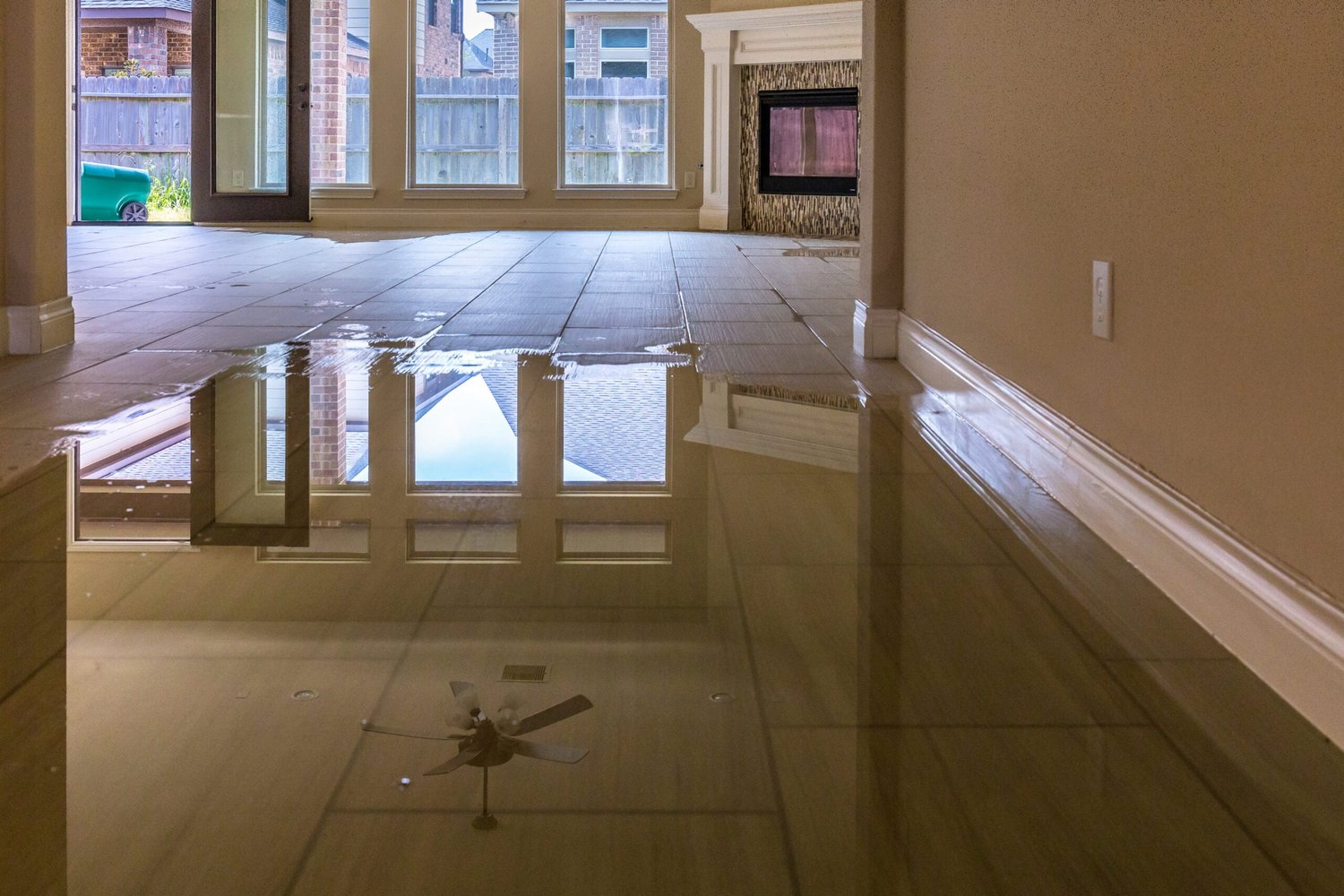
Water mitigation can be summed up into one word, water extraction. This may include assessment, containment, and prevention of further destruction during water damage in a property, facility or place. This is an intervention made by a company to fully prepare it before restoring the premises. Unless the damage of the structures are beyond repair and demolition of the property is imminent.
This is a specialized task wherein a special team or firm handles such work. Water damage from floods, rain, leaks and other sources can leave the property useless if untreated and intervened. Especially if the water is highly contaminated like sewage and industrial waste water.
Part of the mitigation firm’s task is also to identify the cleanliness and safety of the water so that they can determine the amount of work to be done to prepare the property for restoration.
What is the process?
When the mitigation firm is tasked to fix a property, they will take steps to perform a variety of tasks before restoration.
1. FInding the water source
– This is the first task of a mitigation contractor. Identifying where the water comes from and where it flows to and through. Some cases vary however, and water may stop flowing before the repairman arrives or the owner of the property has already turned off the water source such as a left opened faucet or valve. The importance here is that the contractor identifies thoroughly the site where the water comes in so that he may proceed to the next step.
2. Stopping the flow
– As said earlier, finding the source is very important. Because the contractor may not fully identify the problem if there are more than one sources of the water intrusion. That is why the contractor may check all spaces of the property from foot to roof.
3. Assessment of the damage
– After finding the source and stopping the flow of water, the contractor will fully assess how big the damage is so that he can foresee the type of repair needed
4. Extraction of the water
– The contractors are equipped with extractors to remove standing water. These equipment can come with different power settings depending on the amount of water to be extracted.
5. Drying
– After the water extraction, the contractors may perform drying by still using commercial or industrial grade dryers. But dehumidifiers and fans are adequate enough to dry the property.
6. Cleaning and Protecting
– Other services may include cleaning and administering protective measures like antimicrobials to prevent molds and mildew.
These tasks are included in the mitigation process and will ensure prevention of any further damages. Contractors may have to remove some fixtures that are no longer needed, especially the damaged contents of the property. Extraction of water is the main focus to eliminate further damages.
Water mitigation is different from damage restoration. These tasks are performed separately. The main differences are the tasks involved. Although you cannot restore a property without mitigation first. Although some companies offer both tasks in their profile. So property owners need not employ more workers and also save fees if they get a company who does both mitigation and restoration.
After mitigation, the damage restoration can finally proceed. The process will depend on how heavy the damage of the property is and return its condition to pre damage state.
If you’re looking to update your kitchen you will have noticed there’s a definite trend for using dark colors right now. You might be tempted, but we know it can be daunting to make a change when you’ve been used to light, bright and white colour schemes. Some common worries are that using dark colours will make your kitchen gloomy or make the room look too small, but believe us, that doesn’t have to be the case.
Whether you’re looking for ways to modernize an existing dark kitchen or want some inspiration for a new one with a modern look, we’ve compiled an eclectic selection of schemes and designs that we think will get your creative juices flowing.
MODERN KITCHEN IDEAS
A dark kitchen scheme can potentially be overwhelming, but with a bit of style know-how you can create a stunning designer finish that outshines any standard, modern kitchen.
By using different materials such as paint, wood and marble, the contrasting finishes create a moody and chic look. Consider adding some interest to your existing kitchen by introducing different textures.
SCANDI STYLE
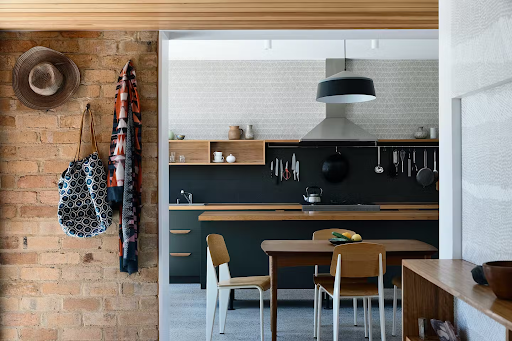
This dark kitchen scheme is perfectly balanced using natural wood for the counter, shelves and furniture. The light tiles and floor keep the overall look fresh and contemporary. Having stainless steel utensils on display give the kitchen a utilitarian feel which is easy to recreate in your own home.
LET THERE BE LIGHT
Clever lighting is key when designing a modern, dark kitchen and is also one of the best ways to make an outdated kitchen look modern. This kitchen features 4 different types of lighting – recessed spot lights, under cupboard strip lighting, mood tabletop lamps and an industrial style floor lamp – to create a dramatic yet warm ambience.
DARK BLUE KITCHEN
So what is the best colour for a dark kitchen? There is no one answer to that question as it will come down to your own personal taste, however, there are a few style hacks that you can use which will ensure that whatever colour you go for will enhance your dark kitchen design.
One way to really set off dark kitchen units is by pairing them with contrasting tiles, splashback or flooring. This vibrant dark blue kitchen looks stunning against the metallic, gold tiling and contrasting stools.
DARK WOOD KITCHEN
If you are looking to modernise a dark kitchen, then take inspiration from this sublime example from Denmark. Remove clutter and paint your walls an on-trend pink. Invest in a glossy new worksurface, floor covering, wooden dark cabinets and designer mixer tap for a sophisticated, contemporary look.
EASTERN PROMISE
Dark doesn’t have to be drab. This Zen like space illustrates that by balancing dark and light shades you can create the perfect dark, modern kitchen. By keeping it simple and incorporating some natural wood and foliage, you too can get this dreamy look.
DARK GREY KITCHEN
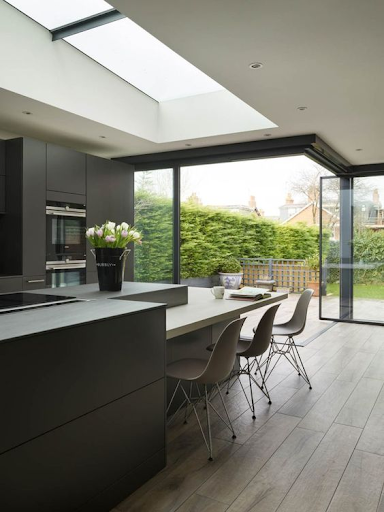
Grey has been on trend in home decor for some time now and there’s a good reason why. It’s timeless, restful qualities make it an ideal choice for your dark kitchen units. This delightfully minimalist kitchen makes full use of the extensive natural light with white painted walls reflecting the daylight. Neutral flooring and stylish, statement seating finish off this clean, modern, dark kitchen.
HIGH DRAMA
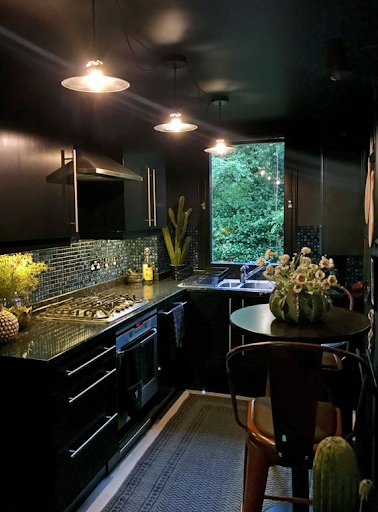
Using dark colours throughout your kitchen can make even the smallest space a talking point. Texture is created with high-gloss mosaic tiles, artisan rug and fresh greenery, all dramatically set off by bright, eyecatching light fittings..
DARK GREY KITCHEN IDEAS
If you like clean modern lines but don’t want the overall effect to be too clinical, consider a modern, dark grey kitchen like this one. Paired with white tiles and work surface, it is softened by incorporating warm, yellow bar stools and houseplants that give it a welcoming, cosy vibe.
BLACK AND WHITE
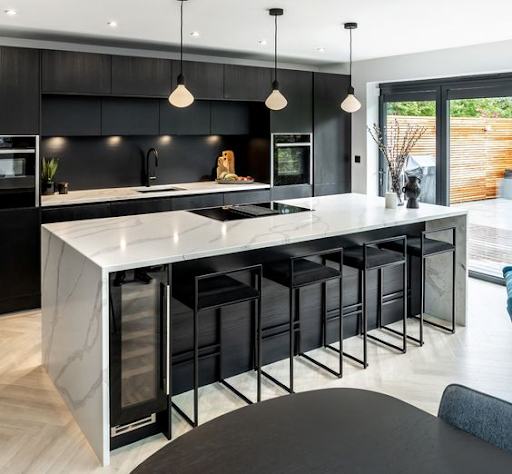
One of the simplist and most striking dark kitchen designs for a modern look is to go monochrome. Sticking with just black and white creates a stunning impression and will also stand the test of time. Consider your space and go for more white to create an airy feel or go for broke on the black to create that moody look.
BY CONTRAST
Most modern kitchen designs tend to feature sleek cabinet doors to create a seamless, sweeping effect. In this beautiful dark kitchen, cut out handles in a contrasting colour keep the streamlined look, but create extra interest and depth to the scheme. The colour is picked up in the chopping board on display.
INDUSTRIAL REVOLUTION
Dreaming of a chic, loft space? No need to head to the city, simply think about mixing some industrial textures into your modern, dark kitchen design. All matt, black kitchen cabinets and work surface contrast stylishly with the natural brick wall and brushed steel fittings. A slate floor and metal bar stool complete the look.
LAST WORD
Hopefully this article has helped you to look at how dark kitchens can have a great modern look, whether that’s using dark cabinets with neutral or dark colour schemes. Following some of the above tips, you can make any dark wood kitchen look modern and give it a new, contemporary lease of life.
Starting a kitchen or bathroom renovation project may bring you to the question of whether it is worth hiring a plumber or whether you can install water pipes yourself. But whatever option you pick in the end, it may be pretty confusing when it comes to choosing pipe materials. Various pipes are used for different purposes. Some of them may be perfect for gas supply, while others are commonly used for water supply, drainage, sewer systems, or even exterior. Therefore, it’s important to choose the right material that corresponds with your application and space. Let’s find out what is the best plumbing pipe for your house.
WHAT IS THE BEST PIPE TO USE FOR PLUMBING?
Using an improper plumbing system may cause water problems in your local apartment or the whole building. Therefore, you need to take it seriously and provide reliable water distribution systems for each individual case. For example, there will be different types of pipes for private houses and apartments, as well as for hot and cold water supply.
Sometimes it may seem you can save money by choosing plastic material instead of copper pipes, but it’s not always possible. You’d better ask a professional plumber for advice or consider additional financing if it will not work without paying more. Even if you have some credit issues, it’s better to find a proper lender that can give you a home repair loan with bad credit than to deal with an insurance company after an emergency. Also, it may cost you more, in the long run, to redo the whole work and eliminate a negative outcome. Therefore, you need to choose plumbing pipes carefully, taking into account such factors as temperature, pressure conditions, and piping materials.
Actually, plumbing material is one of the most crucial factors that determine its operating conditions. Let’s take a closer look at the most common material types of plumbing pipes.
PVC PIPES
A PVC pipe (or a polyvinyl chloride pipe) has been used for more than 70 years now and is pretty popular with homeowners. Most modern homes nowadays have PVC piping, at least partially. PVC is a type of plastic that suits for sink and toilet drain lines, irrigation piping, main supply lines, pools, drainage pipes, and spas. However, it’s not recommended to use PVC pipes to carry hot water as it can lead to material breakdowns.
WHICH PVC PIPE IS BEST FOR PLUMBING?
First of all, we need to understand what types of PVC pipes are. There are only two of them – schedule 40 PVC (has a white color) and schedule 80 PVC (has a dark-gray color). But their design is not the main difference between them. Schedule 80 pipe has a thicker wall, so it is stronger. Therefore, it can handle higher pressures compared to a schedule 40 PVC pipe. A schedule 80 pipe is better for hot water systems and jobs that require higher pressurization, while a schedule 40 PVC pipe is the best for drainage, irrigation, and other cold water systems.
PROS
● Convenient to use for irrigation or other long runs;
● PVC pipes are easier to work with compared to metal pipes;
● PVC piping allows you to forget about corrosion, rust, or degradation.
CONS
● Can’t be used as hot water pipes;
● Using plastic harms the environment.
CPVC PIPES
If you start a DIY home repair and are looking for a plumbing pipe that is easy to install and replace, a CPVC pipe is a great option for you. The chlorinated polyvinyl chloride piping provides more strength and flexibility for your water supply lines due to a much higher chlorine content. Thus, these plumbing pipes are longer-lasting compared to PVC pipes.
PROS
● Don’t weigh much and are flexible;
● Resistant to corrosion and rust;
● Can be used for both hot and cold water applications.
CONS
● Less stable than copper pipes as the material can get more fragile over time;
● Can be used in outdoor systems due to UV sensitivity.
PEX PIPES
A PEX pipe (also known as a cross-linked polyethylene pipe) has been used for water supply lines since the late 90s and has gained dizzying popularity very quickly. PEX pipes are considered to be replacing copper pipes as they are rigid enough to high water pressure and flexible enough to be installed in the wall or ceiling. Therefore, PEX pipes are deservedly considered to be one of the best among all types of plumbing pipes.
PROS
● Suits for both residential and commercial plumbing;
● Have clear color codes for hot and cold water supplies;
● Have an affordable price;
● Demonstrate excellent flexibility.
CONS
● PEX piping is a relatively new technology that is not tested for long-term capabilities;
● Not the best choice for a drain line.
RIGID COPPER PIPES
Copper piping is a great choice for hot and cold water supply lines. You can also use it to carry drinking water as it carries no risk to your health. If you need to use copper pipes in tight spaces, there is also an option for you. Just use flexible copper pipes.
PROS
● Can withstand high water pressure and heat;
● Good for the environment;
● Rust and corrosion resistance.
CONS
● Copper piping usually requires the solder-type connection, which calls for having appropriate skills;
● High material cost;
● Require additional fittings.
CAST IRON PIPES AND GALVANIZED STEEL PIPES
If you’re living in an old building, you probably know what a galvanized steel pipe and a cast iron pipe are. Cast iron and galvanized pipes are rarely used in modern buildings as they tend to rust and corrode over time. However, a cast iron pipe can still be used today. Some parts of modern water distribution systems contain cast iron pipes. Typically, cast iron piping is used for sewer systems or other drainage lines. However, when it comes to residential plumbing repairs, a metal plumbing pipe is usually replaced with plastic piping.
PROS
● Galvanized steel pipes are able to reduce the water moving noise;
● Strong, durable, and heat resistant.
CONS
● Not corrosion resistant;
ABS PIPES
ABS pipes (or acrylonitrile butadiene styrene pipes) are rigid plastic pipes that are used specifically for drain lines and waste piping. They are known for withstanding low temperatures and being easy to install.
PROS
● Good for low temperatures;
● Highly durable;
● Can be used for the underground exterior.
CONS
● Can be deformed under direct sunlight;
● Typically prohibited by building codes.
BRASS PIPES FOR PLUMBING
Brass pipes are known for being, perhaps, the longest-lasting compared to other pipe materials. They are easy to work with and very strong, so many builders recommend homeowners to go for brass instead of plastic. Also, brass pipes go well with brass connecting fittings that are easy to find and install too.
PROS
● Extremely durable;
● Flexible, can be easily adjusted;
● Don’t deform and rust;
● Have a good temperature conductivity.
CONS
● High cost.
TIPS ON CHOOSING THE BEST PIPES FOR PLUMBING
When buying a pipe for water supply, homeowners are more likely to choose the optimal ratio between affordable price and acceptable quality. However, it’s not always rational to lean toward the project’s economy. Here are some criteria you need to consider to determine the best option for you:
● Budget: Of course, your financial situation influences the type of plumbing pipes you pick. But keep in mind that sometimes it’s better to overpay than to deal with an insurance company after water damage.
● Type of water: Sometimes water can be corrosive, for example, if you live in a coastal area, so you should keep it in view when choosing pipe material.
● Sunlight affection: For example, it’s not a good idea to use plastic pipes for spaces with access to direct sunlight.
● Soil characteristics: If your soil is full of excess rocks and moisture, it can break down less strong pipes.
● Local building codes: Your local building code is the first you need to refer to ensure the type of material you choose meets the municipality’s specific requirements for designing and amending a plumbing system.
● Water pressure you want: If you want high water pressure, choose wide and durable pipes.
BOTTOM LINE: WHICH PIPE IS THE BEST FOR PLUMBING?
PVC, CPVC, PEX, rigid copper, cast iron, galvanized steel, ABS, and brass pipes are the most common plumbing pipes people usually use for plumbing systems. Some of them are used only to supply water, while others are multifunctional. Thus, it’s hard to tell for sure which type will be better for you without knowing your budget, home size, and specific preferences. If you’re going to start a DIY project and have some doubts, seek advice from a professional plumber to avoid common mistakes that can lead to high costs of plumbing repairs.
From window baskets to immaculately manicured formal flower beds, gardens can offer so much joy and reward to their owners. For those that love to grow, there’s something special about seeing your first seedlings pop up, picking the food you’ve created, or simply sitting back and enjoying the flowers.
But whilst Mother Nature is essential for a thriving garden, she does sometimes need some human help in residential spaces. Working with nature is key to a successful garden, which means thinking about being eco-friendly in the way that you protect and nurture your space. Here, we take a look at some of the things that you need to consider to help you enjoy your garden in a sustainable way.
DITCH THE PEAT
Peatlands are a vital part of our ecosystem. They can be seen across the world in the form of bogs and moors, and are created from plant material that is partially decomposed, mixed with an excess amount of rainwater. They are excellent at storing carbon – in fact, they’re the largest naturally occurring land-based carbon store – which is vital in tackling climate change.
Additionally, they help control flooding, as they can hold up to 20 times their own weight in water, and support many unique species. Unfortunately, this level of water retention is also a trait that’s attractive to amateur gardeners, as it means that their plants don’t dry out, and retain their nutrients. This has led to over-farming of peat and destruction of these valuable natural ecosystems.
As a result, the UK Government is banning peat compost from 2024, but you can do your bit by ensuring that you only buy peat-free at your local garden centre.
ORGANIC PEST CONTROL
It’s nature’s way that not all plants survive. They are valuable food for slugs and snails, which in turn feed birds and frogs, so everything is part of the wider circle of life. However, it can be quite disheartening for keen gardeners to come out one morning and find that all of their carefully curated crop has become a midnight snack.
Pest control solutions are a way of keeping certain less favourable elements of nature at bay for a short period of time. Of course, there are chemical solutions available on the market, but they can be harmful to the wider balance of your garden, and they’re not particularly respectful to nature. Whilst you might get pristine plants, your garden won’t necessarily be better for it.
Organic pesticides and pest control solutions, whether homemade or bought, are a good way of minimising pest damage within your garden without ruining the delicate balance of nature. They do take more work than simply sprinkling slug pellets, but your garden will be grateful for the extra effort.
CHOOSING THE RIGHT PLANTS FOR YOUR GARDEN
Not all gardens are created equal. Whilst you might long for tropical plants or a long period of flowers, this might be a little tricky if you live in a cooler climate. Additionally, you might want to grow succulent plants that love a dry environment, but you live in a country where there’s several rainy months per year.
There’s nearly always an artificial solution to help you keep the plants you want alive, but doing so comes at a cost. Heaters, special winter wrap and water diversion systems all require energy and resources to create, and ultimately it will always be a battle for you to keep these plants happy. Instead, try leaning into the garden that you have, and learn about which plants suit your soil and environment. The plants will be healthier, and you’ll be rewarded with better results.
ENCOURAGE WILDLIFE
As well as being pretty to look at, the bees and butterflies in your garden have an important role as pollinators. They can also help you in your mission to reduce pesticides, as they often eat the small bugs that you’re trying to get rid of.
In order to keep your animal visitors happy, consider planting a section of flowers and grasses to support them. Garden centres tend to have a specific label or section which shows the seeds and bulbs that are pollinator-friendly, so grab some next time you’re there and know that you’re supporting the wildlife that helps your garden to thrive.
There’s a reason home improvement is one of the most popular hobbies in the United States. It’s empowering to take on a project and see it through to completion, mainly when it results in an updated and improved version of your home. But while home improvement can be rewarding, it can also be challenging, especially if you’re doing it for the first time. There are many things to learn, and if you’re not careful, you could easily make mistakes that cost you time and money.
That’s why it helps to have the right tools for the job. Below are six tools to make your next home improvement project easier (and less frustrating).
1. A MILLING SYSTEM
A milling system can help you create straight and accurate cuts, which is especially important when working with wood. The tool comes in various shapes and sizes, so it’s essential to research before buying one. Make sure to find one that fits your needs and your budget.
Once you have it, read the owner’s manual carefully. This will ensure that you know how to use the milling system safely and effectively. One of the advantages of using it is that it can help you save time and effort on your home improvement project. By making accurate cuts, you won’t have to spend as much time sanding or fixing mistakes. And since a milling system is relatively affordable, it won’t break the bank either.
2. A STUD FINDER
If you’re planning to hang something heavy, such as cabinets or a TV, then you need to use a stud finder to identify the locations of any wooden framing in your walls. This will help ensure that you have a stable place to hang your cabinets or TV and that you won’t damage the property.
When using a stud finder, make sure to be as thorough as possible. Run the tool along the wall up to the ceiling. Also, check in any places where walls meet corners or windows. This will give you the best possible chance of finding a stud.
3. A LEVEL
A level is another essential tool for any home improvement project. It can help you ensure that surfaces are perfectly aligned and even, which will help give the finished product a more polished and professional look.
Many different types of levels are available on the market today, so do your research before buying one. Consider a laser level, which is more accurate than traditional levels but will cost a bit more.
4. A DRILL OR IMPACT DRIVER
A drill or impact driver can help save you a lot of time and effort when installing cabinets or shelves in your home. Both tools allow you to create holes and drive screws quickly and efficiently.
When using a drill or impact driver, it’s essential to be careful and prevent damage to your property. Always ensure the tool is in good condition (and replace worn-out parts as necessary) before you begin your project. Likewise, make sure to use the correct size drill or screwdriver bit and have the proper attachment for driving screws.
5. A LIGHTWEIGHT LADDER
A lightweight ladder is a must-have for any home improvement project that involves painting or hanging pictures. If you’re constantly lugging around a heavy ladder, moving around the house and getting your work done can be difficult.
When choosing a ladder, find one that is lightweight and easy to maneuver. Look for models made from durable materials, such as aluminum or fiberglass, so that they will stand up over time. And always remember to wear safety gear like a hard hat, safety glasses, and sturdy shoes when working with a ladder.
6. A POWER WASHER OR PRESSURE WASHER
A power washer or pressure washer can make cleaning your home’s exterior much easier and get rid of tough dirt and stains. Both tools use high-pressure water to blast away grime and stains and can help you save time and effort.
When using a power washer or pressure washer, it’s important to be careful. Make sure that you wear safety gear like protective eyewear and thick gloves. Also, make sure to use the right cleaning solution for your project – for example, an abrasive cleaner will work best for stripping paint, while a detergent can remove oil or grease. Finally, ensure that you maintain the tool and replace any worn-out parts as necessary. This will help ensure that your power washer or pressure washer is always working optimally.
Whether you’re repairing or renovating your home, many tools can help make the process easier and more efficient. Some of the most important tools to consider include the ones mentioned above and more. Choosing high-quality tools made from durable materials, and carefully maintaining them over time, will help ensure that your home improvement projects run smoothly.
There are a number of good reasons why replacing the boiler for your home is an excellent idea. With winter upon us the last thing you need is it breaking down on a cold night with a costly call out and repair bill to pay. With the current cost of fuel being eye-wateringly high, now could be a great moment to invest in a fuel efficient, modern boiler that could pay for itself quite quickly.
Once the decision is made to go for a new boiler how do you choose the right one to install? Looking at websites and showrooms can be pretty overwhelming so we are here to guide you through what you need consideri when choosing the right boiler for you. Essentially it is purchasing the correct type and size of boiler and that is determined by the amount of hot water you need, how big your property is and what fuel source is available to you.
WHAT ARE THE FACTORS TO BE CONSIDERED IN SELECTING A BOILER?
Before even looking at what’s on the market you’ll need to consider the below factors:
Available fuel source.
Size of property.
Available space
Cost
Efficiency.
Environmental factors.
Futureproofing.
FUEL SOURCE
Gas
Mains gas is the usual source of fuel for a domestic boiler supplying hot water and a heating system. 85% of British homes are connected to the main grid so unless you are going down the renewable energy route, this is the most popular option.
LPG (liquid petroleum gas)
If you’re not on the national grid, LPG can be a good alternative to oil or electric. It is more energy efficient and produces less carbon than oil or coal. It is generally more expensive than oil.
Oil
Traditionally oil has been the alternative fuel source where mains gas isn’t available. You will need to store it in a tank and ensure reglar deliveries through the colder months.
Electricity
Electric heating systems have had a bad press, think lukewarm storage heaters and non responsive cookers, but modern technology has created a new wave of electric boilers which could be a great option for your home. As fossil fuels are being phased out and more electricity now being produced by wind and sun, this may well be a good way to future proof your new boiler installation.
Bio Fuel
Whether you are off gas mains or want to explore more renewable energy sources for a new boiler, bio mass is on the up. A boiler designed to work with wood – either traditional logs or more commonly, wood pellets is a viable alternative if you have space to store the fuel and decent access for the delivery of it. Carbon neutral, it is seen as one of the more sustainable options for heating your home.
TYPES OF CENTRAL HEATING BOILER
There are three main types of boiler.
Conventional Boiler
Conventional boilers require separate tanks for both hot water and cold water. They do not supply instant hot water, hot water is stored in a tank. Most older systems will be using this type of boiler and you may find it easier to replace your old boiler with the same. Good for areas where the main water pressure isn’t very high.
Combination Boiler
Often referred to as a combi-boiler, combination boilers work by supplying hot water on demand, straight from the mains so there is no need for a water tank. Small and compact they are an ideal choice if you’re short of space and your hot water demands aren’t too great.
System Boiler
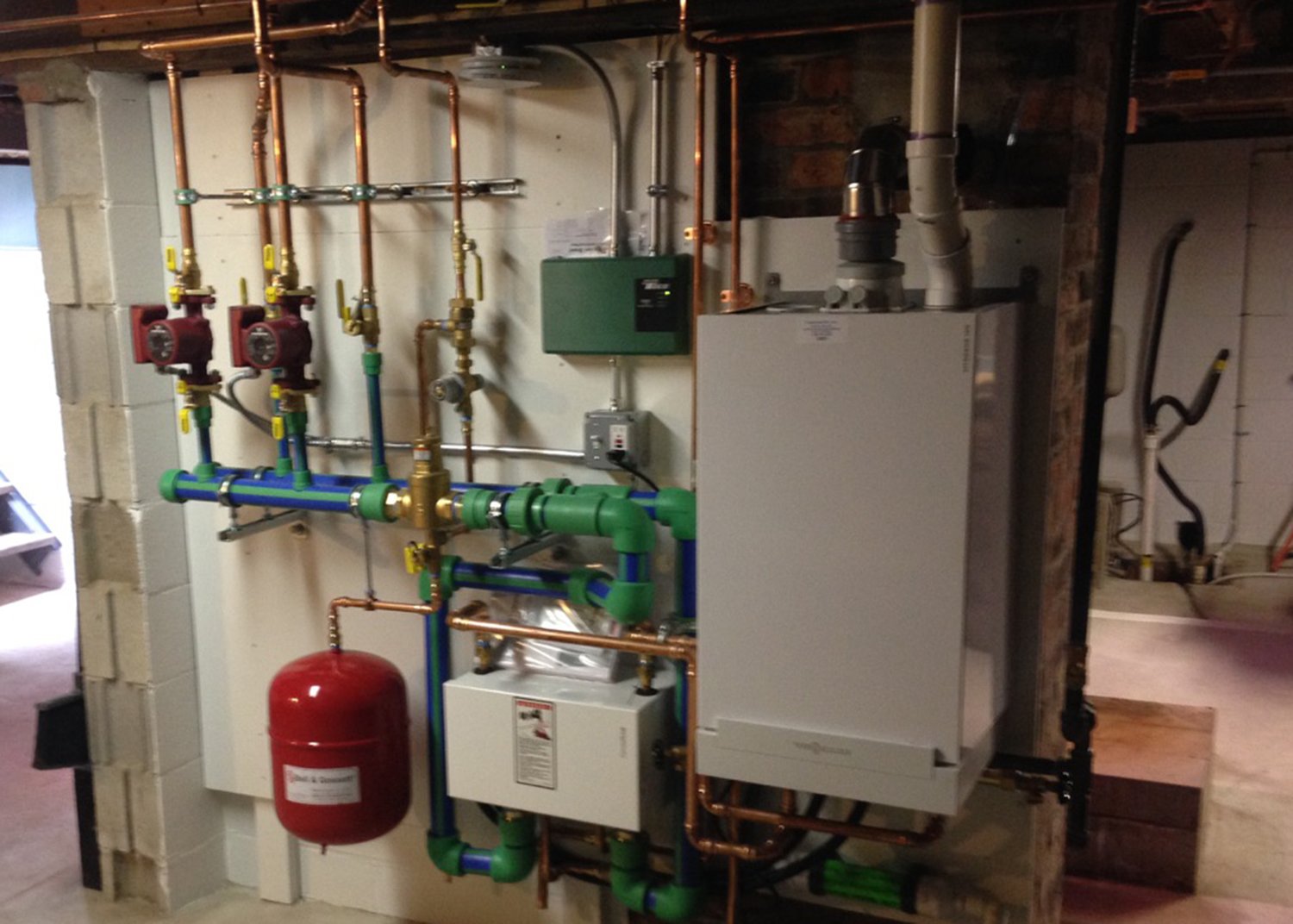
System boilers take their water supply directly from a mains feed. They heat water into a hot water tank as well as into your central heating system. Useful if you don’t have any attic space to house a cold water tank. They can also handle a larger capacity making it a good choice for larger properties requiring lots of hot water at the same time.
WHICH BOILER DO I NEED?
Having explored the types of fuel and boiler types, you next have to establish which is the best boiler for your house. System boiler vs regular boiler or is a combi-boiler best for you? Read on to find out.
Household
How big is your property and how many people live there? If it is a large property with a family who all want to have a shower at the same time, a combi-boiler will not be effective. They are more suited to a smaller home with only one or two bathrooms.
Space
What sort of room do you have for your boiler? A system boiler requires space for a large tank whereas a combi boiler can happily sit behind a regular kitchen cupboard.
Existing System
Replacing like for like will usually be the best plan as changing to a different system can be costly – get expert advice from a heating engineer about the pros and cons of switching.
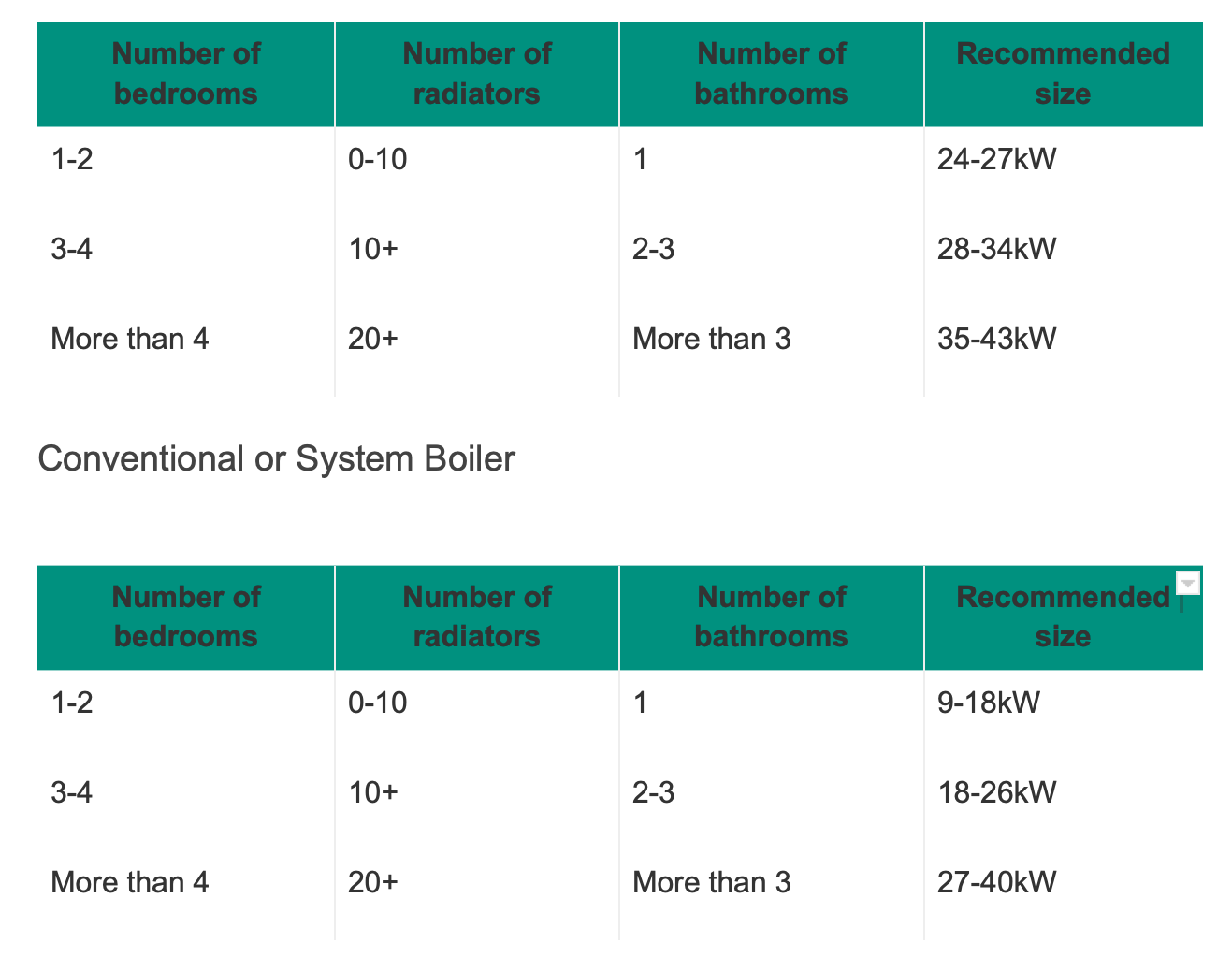
HOW DO I KNOW WHAT SIZE BOILER I NEED FOR MY HOUSE?
The output of a boiler is measured in kilowatts (kW). The more heat and hot water you need the higher the wattage required.
COMBI BOILER
FINAL THOUGHTS
Armed with the above info you will now be able to start your search for the perfect boiler for your home with a lot more confidence. It’s worth researching lots of manufacturers before getting advice and a quote from a trusted heating engineer to help you keep you warm and toasty this winter.
If you enjoy doing DIY projects or want to be ready to perform timely repairs or maintenance work at home when necessary, you’ve got to have a toolbox. There are some essentials you simply can’t live without if you want to perform minor repairs on your own.
While you can get away with borrowing some items you rarely need, there are some tools you just must have at hand. Today, the tools are very easy to get, so it has never been easier to equip yourself with the necessary items. Here is what you should have if you’re planning a renovation.
CORDLESS DRILL
A cordless drill is an indispensable item and considerably safer if you’re performing some roofing work. You don’t need to get a cordless tool with a ridiculous amount of power. Additionally, you want to opt for a device that charges quickly and has long run times, smooth handling, flexible speeds, practical features, and a strong warranty.
DECENT HAMMER
Any task you undertake requires a good hammer to be completed. When beginning a renovation project, underestimating the hammer might lead to costly errors while certain hammers won’t do the job properly.
DEMOLITION BAR
Metal bars with a flat end and a V split, often known as demolition bars or wrecking bars, are used for demolition operations and to tear out nails. The opposite end will typically have a chisel that can be used as a lever and for prying items apart. Using a hammer on the wrecking bar’s curve, you can also drive this end in.
ANGLE LOCATOR
This is a very useful instrument for measuring angles and recreating an existing area’s angle, outside and inside. Angle finder tools come in a variety of sizes and designs, but they all have the same function.
SAFETY GEAR
If you often look for opportunities to construct or mend things, you should keep a few basic pieces of safety gear on hand in case any DIY tasks come up, such as safety goggles, earplugs, all-purpose work gloves, and definitely some protective clothing. An oversized T-shirt or an apron will protect your skin or clothing from cleaning agents like bleach.
If you frequently use hazardous equipment, keep steel-toed boots on hand and quality coveralls to provide full-body defense. It’s important to have appropriate safety wear for these kinds of tasks. The good thing is, you can now choose between a whole range of men’s and women’s workwear which will make you feel comfortable, not restrained, while doing heavy-duty work around the house.
MEASURING TAPE
This common flexible measuring tool enables one to measure around curves or corners and makes it simple to carry a long measure in a pocket or bag. These days, it can also be found in tiny as a novelty item or keychain fob, so it’s very practical indeed.
Stable stepladders
There’s a good likelihood that you’ll utilize a ladder for any home improvement project you undertake. You can have all the other tools you require at your disposal, but without a ladder, you won’t get very far. The finest option to choose while performing a renovation is a rolling ladder. They are lightweight, inexpensive, corrosion-resistant, and resistant to both water and fire.
PORTABLE CIRCULAR TABLE SAW
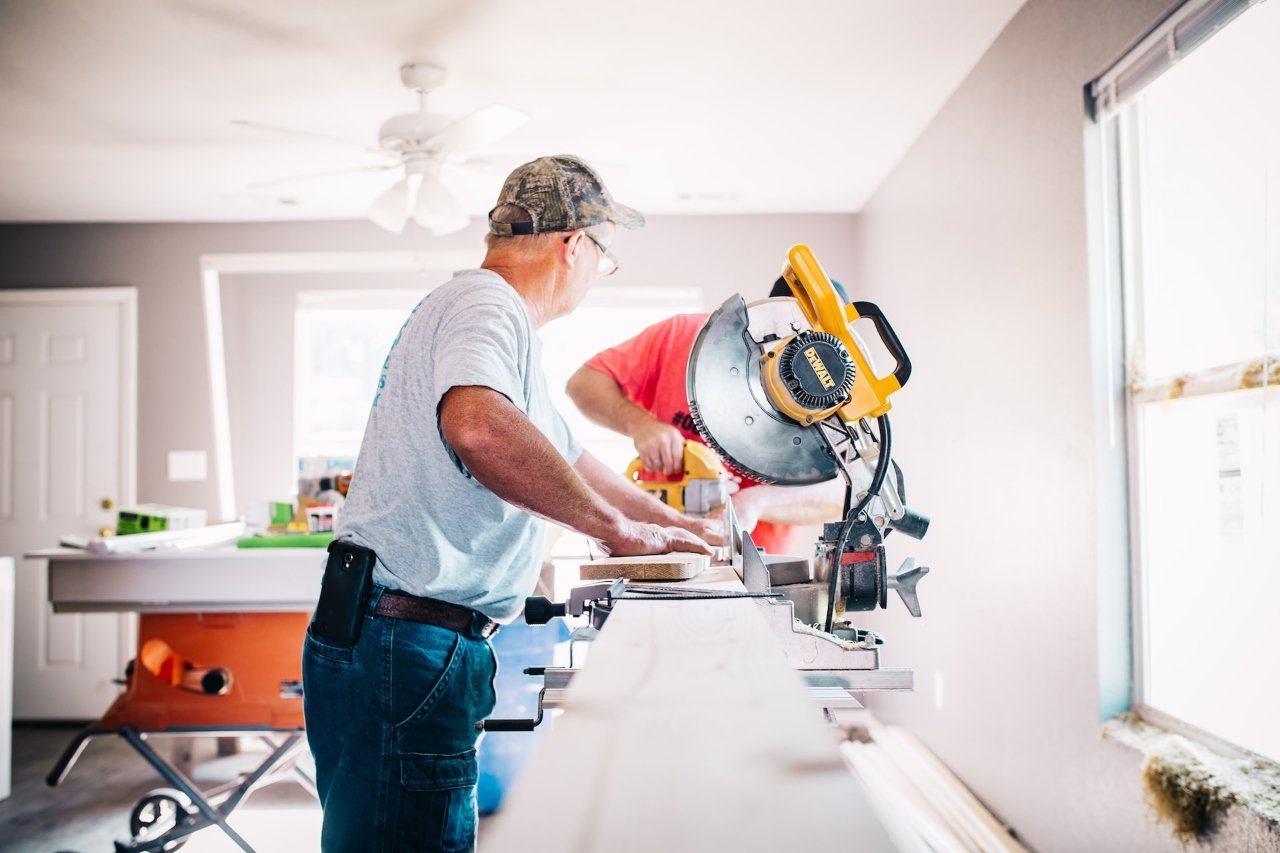
A table saw can come in very handy, particularly if you plan to work with wood, plastic, or other materials of the same nature. Making angled or straight cuts is the main purpose of this tool. Modern table saws have adjustable blades that let you change the cut’s depth.
ALL-PURPOSE PLIERS
Pliers may seem insignificant, but they are essential for carrying out several tasks during a restoration. When squeezing or bending objects, pliers work as a strong alternative to hands. There are numerous plier varieties to pick from. Never underestimate the value of sturdy pliers when working on any renovation project.
VOLTAGE TESTER
Moving cables from one place to another is a part of home renovations. You must have a voltage tester in your toolbox because it is an essential piece of equipment for such tasks. This tool’s sole purpose is to check to see if live electricity is flowing through the wires. But unlike a voltmeter, this device doesn’t show how much current or voltage is flowing through the connections. A voltage tester solely uses sound, light, or both to show current flow.
WRAPPING UP
Home renovations are unavoidable. They can even be exciting and fun, but the interval from initial planning to final completion can be stressful. Because of this, it’s useful for a homeowner to have a variety of tools that will make the task simpler, quicker, and help you survive your home renovation project. And, if you invest in good tools, you’ll be covered for a long time.
Are you in the process of renovating your bathroom? If so, you are probably trying to decide what upgrades to make. There are a lot of different options available, and it can be difficult to decide which ones are right for you. In this blog post, we will discuss our top tips for renovating your bathroom! We will cover everything from choosing the right materials to adding personality and style. Let’s get started!
1) REWORK THE PLUMBING
When renovating your bathroom, one of the most important things to consider is the plumbing. As the team behind Plumbing Explained suggest, “Old plumbing can lead to leaks, slow drainage, and other problems.” This can be a big job, but it is worth it in the long run. It is best to hire a plumber so that they can inspect the existing pipes and make sure everything is in working order before you start your renovations. They’ll be able to identify any potential problems and address them before they become major issues.
2) CHOOSE THE RIGHT MATERIALS
When choosing materials for your bathroom renovation, it is important to consider both your needs and your budget. There are a lot of different materials available, and some are more expensive than others. You should also think about how easy they are to maintain. Some materials, such as tiles, are easy to keep clean but can be expensive. Other materials, such as laminate, are less expensive but may not be as durable.
3) ADD PERSONALITY AND STYLE
One of the best things about renovating your bathroom is that you can add your own personal touch to it. You can choose finishes and fixtures that reflect your taste and personality. If you want a sleek and modern look, choose simple finishes and sleek lines. If you prefer a more traditional look, go for ornate fixtures and antique finishes. The possibilities are endless!
4) CONSIDER YOUR NEEDS
When renovating your bathroom, it is important to think about what you need it to do for you. Do you need more storage space? A bigger shower? A bathtub? Think about what would make your life easier and use that as a starting point for your renovation plans. For example, if you need more storage space, consider adding shelving or a vanity. If you need a bigger shower, think about installing larger tiles and changing the layout of the room.
5) DON’T FORGET THE EXTRAS
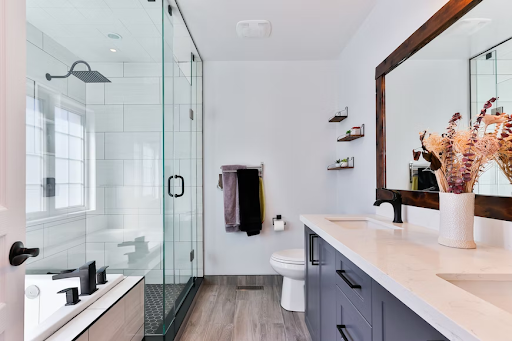
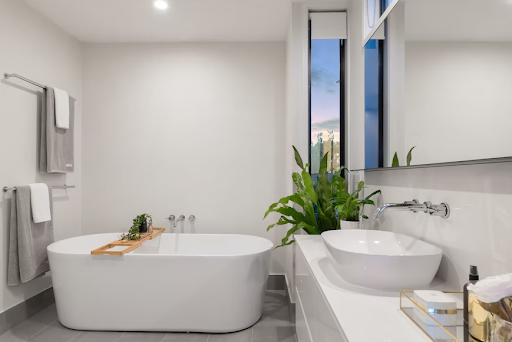
While most of the focus when renovating a bathroom tends to be on the main features, don’t forget about the extras! Things like towel racks, toiletry holders, and even plants can really add personality and style to your bathroom. Furthermore, adding these extras can help make the space feel cozier and more inviting. Don’t be afraid to get creative!
We hope this blog post has been helpful in guiding you through your bathroom renovation process! Remember, no matter what style or materials you choose, it is important to consider your needs and budget when making any decisions. Good luck with your renovations!
Nailing down a modern look for your condo unit’s living room is a challenging task. But it can be possible with the right approach — especially if you’re on the lookout for lofts for sale in Toronto, a playground for creatives and aesthetes.
Selecting the right color schemes, layouts, and patterns that reflect your personality is a daunting task especially when there are so many options to choose from. With expert help, we have created a guide that will assist you in transforming your living room into your favorite space. Modernizing the living area should not be nerve-wracking. Follow our tips below and create the living room you deserve without breaking the bank.
1. Plan your layout
Planning your layout will depend on how you will utilize your living room. Is it meant to be an entertainment area for friends, or will it also function as your kid’s playroom or your work-from-home office?
The living room has many uses. Defining how you will use your living room will help determine its proper layout. This is imperative before deciding on details like color schemes and furniture.
2. Visualize your living room
What do you want your living area to look like? Visualize the look you want for your living room before hiring a decorator or purchasing random furniture.
If you have a vision in mind, draw it on paper. If you don’t know how to sketch, you can browse through the net to see more home designs you like. Go on websites such as Pinterest and choose pictures of living rooms that you want to copy. You can create your pin board and save these pictures for future reference. You don’t have to stay with one design. You can go for an eclectic style and combine a variety of home designs to create a more unique look.
3. Pick the right colors and accents
In choosing the right color for your interiors, you must consider the living room’s height, appearance, and size. You may have already set your mind on a color scheme but before you apply that paintbrush to your walls you must consider if the colors are a perfect fit for the room.
For example, if your living room is small, you may want it to look larger and brighter. The better choice of color would be an all-white or neutral-colored scheme. All-white interiors are a lot easier to decorate with. It makes a room look fresh and organized. You can complement this color scheme with other neutral shades such as soft grey, cream, or off-white. Integrate antiques, various linen fabrics, and bamboo lighting fixtures to create a unique and interesting design for your room.
4. Choose furniture that’s fashionable and functional
Condo units, whether they are big or small will always have limited space. It is not like a home where you can extend your lounge to a patio or garden when entertaining guests. When remodeling, you may want to consider investing in fashionable but functional furniture that is suitable for your lounge.
There is a lot of furniture in the market that serves a dual purpose aside from giving the living area a stylish appearance. For example, your bookshelf may be a handy place to hide your Murphy bed. In case you need to sleep in the lounge, you just need to pull down the shelves to reveal the extra bed. There are coffee tables and ottomans that provide extra storage space for your books and things. These pieces may also be handy when you need places to keep your stuff during remodeling. Use a combination of closed and open storage furniture so you can keep your clutter and still have areas where you can display your eye-catching home accents.
Go ahead and redecorate!
Now that you have looked through our list of practical ways of creating a modern look for your condominium’s living room, you can go ahead and redecorate! With proper planning and a clear perspective, you will easily achieve the living room interiors that you’ve been dreaming of.
There are many different tools that you can use for DIY gardening projects. Depending on the project that you are working on, you may need a different set of tools. In this blog post, we will discuss some of the most common tools that you will need for your garden projects. We will also provide tips on choosing the right tools for your needs. Let’s get started!
FOR BIGGER LANDSCAPING, YOU MIGHT NEED SOME MACHINERY
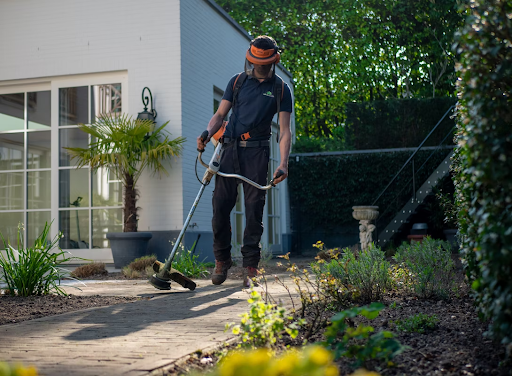
You may need more specialized tools and machinery for larger landscaping projects. For example, you may need to rent or purchase a lawn mower, Skid Steer, tiller, stump grinder, or chainsaw. These types of machines can help you cut down trees and shrubs quickly and efficiently. You will also need to have safety gear such as protective eyewear and gloves.
When using these pieces of machinery, it is important to have someone nearby that can provide assistance if needed. Taking safety precautions when operating large machinery is essential for a successful project. Be sure to follow all the manufacturer’s instructions before attempting any task. With the right tools, you can tackle larger projects with ease.
PRUNING SHEARS
Pruning shears are essential for any DIY gardening project, as they allow you to shape and trim plants to get the desired look. Pruning shears come in a variety of shapes and sizes, from large shears that can handle tough branches, to small ones that can handle fine trimmings. Depending on the type of pruning you need, the right pruning shears can make all the difference. Pruning shears are also great for snipping off any dead leaves or branches that may be affecting your plant’s health. Investing in a good pair of pruning shears can save time and money when working on a DIY gardening project.
A GOOD PAIR OF GLOVES
A good pair of gloves is an essential tool for any DIY gardening project. They not only protect your hands from dirt and grime but can also help you grip objects more securely so that you don’t slip or drop them. A thick, durable pair of gloves should be chosen in order to provide adequate protection against thorns and splinters. It is also important to choose a pair of gloves that fit your hands well so that you can move around comfortably in the garden without them slipping off. With the right pair of gloves, gardening projects will be much easier and safer for you to complete!
HEDGE TRIMMERS
Hedge trimmers are an important tool for any DIY gardening project. They make it easy to trim shrubs and hedges into a neat, uniform shape. Electric versions of hedge trimmers are more powerful than manual ones and can get the job done faster, making them a great choice if you have larger gardens or more intricate shapes to trim. When choosing hedge trimmers, it is important to consider the size of your garden as well as the type and thickness of the shrubs or hedges you’re planning to trim. With the right tools, you can easily keep your outdoor space looking neat and tidy!
A SPADE, RAKE, AND HOE
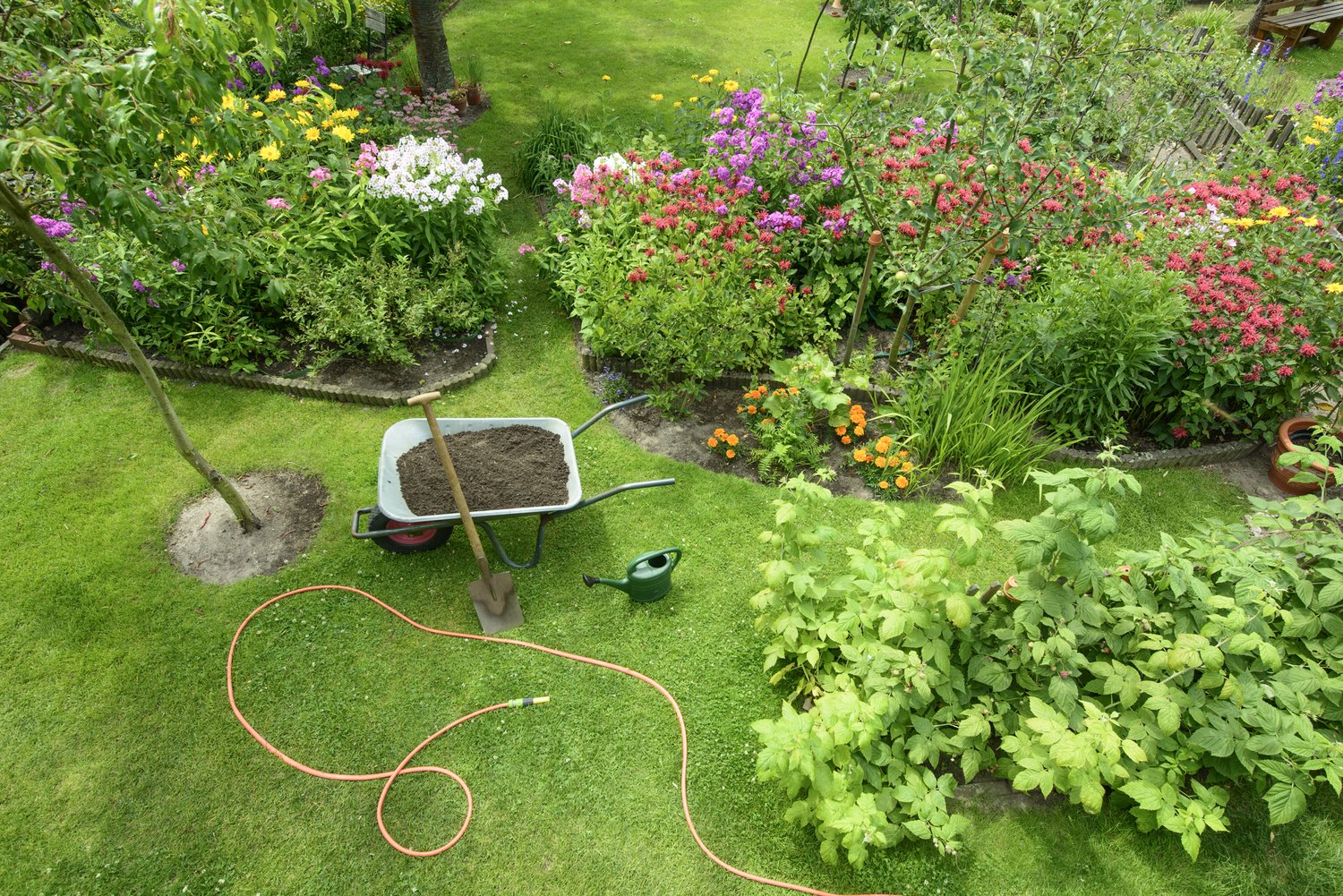
Gardening DIY projects require a few basic tools to get started, and the most essential are a spade, rake, and hoe. A spade is used for digging and turning over soil, while the rake is best for breaking up hardened soil or removing weeds. The home can help loosen soil and create planting furrows. All of these tools are necessary for preparing the soil for planting and performing basic maintenance on your garden.
These three tend to be the most commonly used tools for DIY gardening projects. You may also need additional tools depending on the scale of your project, such as a wheelbarrow to move soil around or a shovel to break up clumps. Other common tools include shears and pruners for trimming hedges and bushes and trowels for planting individual flower bulbs or seeds.
A HOSE WITH AN ADJUSTABLE NOZZLE
A hose with an adjustable nozzle is a great tool for DIY garden projects. It can be used to water plants, clean pathways, and reach areas of your garden that are hard to access. An adjustable nozzle allows you to control the pressure and flow of the water, making it easy to adjust for different types of tasks. The nozzle can also be removed from the hose, allowing you to use it to clean hard-to-reach areas without getting wet. It is an essential tool for any gardener looking to get creative with their DIY garden projects.
In conclusion, there are many tools and pieces of equipment necessary for any DIY gardening project. Pruning shears, gloves, hedge trimmers, spades, rakes, hoes, shovels, and trowels can all be used to help you create your dream garden. A hose with an adjustable nozzle is also a great tool for watering plants and reaching hard-to-access areas. With the right tools, you can make your garden look great in no time!
















 Kevin Szabo Jr Plumbing