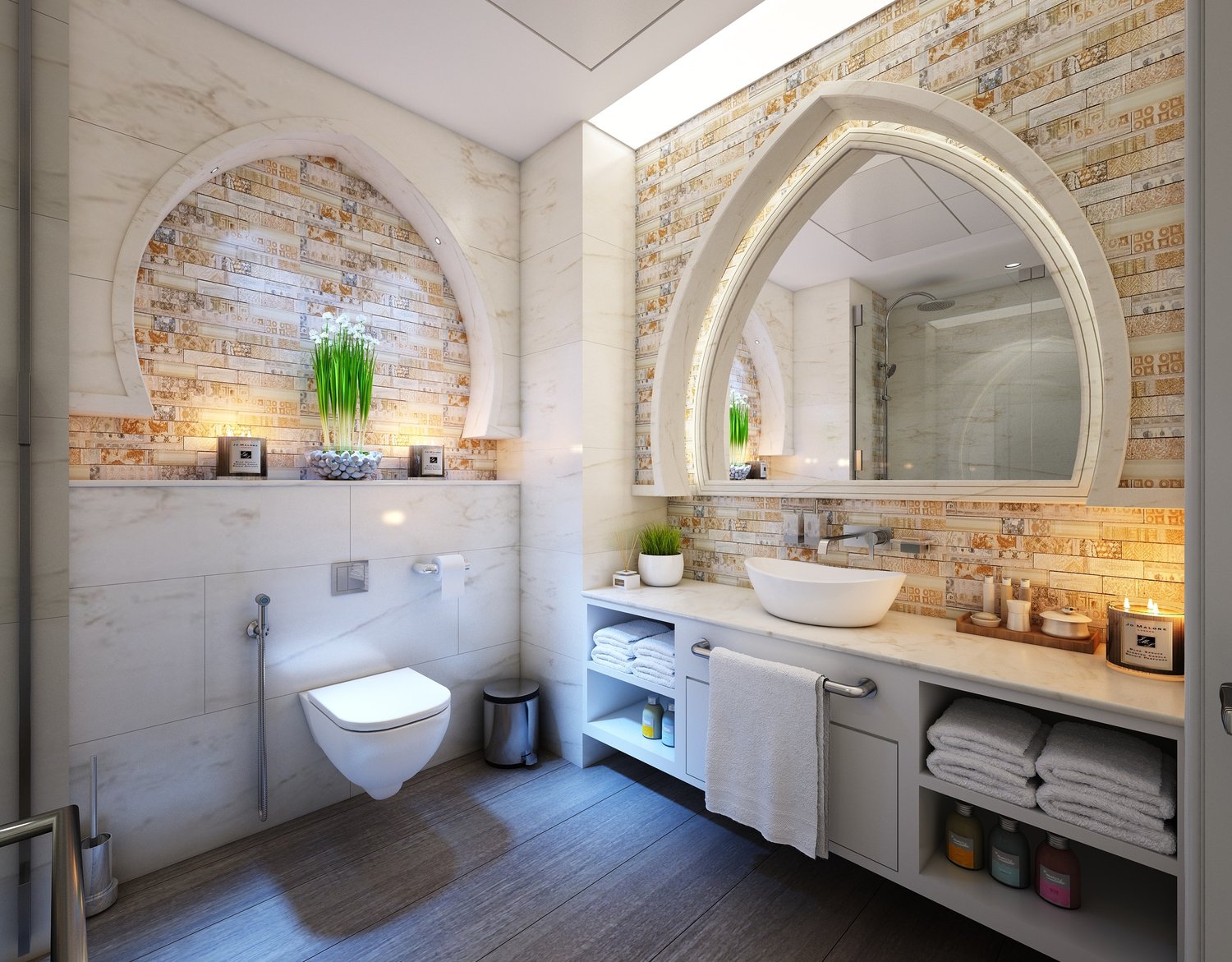
EXPERT TIPS TO CHOOSE THE PERFECT TILES FOR YOUR HOME

Choosing tiles for your house can be a daunting task. With an overwhelming array of options available in the market, it’s essential to make informed decisions that enhance your space’s aesthetics and meet your functional requirements. Whether you’re renovating a bathroom, kitchen, or any other home area, this article will provide expert tips to choose the perfect tiles that will transform your living spaces.

DETERMINE YOUR REQUIREMENTS

Before you start exploring tile options, it’s crucial to determine your specific requirements. According to the reputable tile providers behind www.mineraltiles.com, you must consider the area where the tiles will be installed, the level of foot traffic, and the function of the space. Different areas have different needs—for example, you might want durable and slip-resistant tiles for high-traffic areas like hallways or kitchens. In contrast, moisture-resistant tiles may be essential for bathrooms. Understanding your requirements will help you narrow your options and make an informed decision.

For moisture-prone areas, such as bathrooms or kitchens, choosing tiles with adequate slip resistance is essential. Look for tiles designed to be slip-resistant with a textured or matte finish. These tiles provide better traction, reducing the risk of accidents, especially when the floor is wet. Check the tile’s slip resistance rating, usually indicated by a coefficient of friction (COF) value. A higher COF value indicates better slip resistance.

CONSIDER THE STYLE AND AESTHETICS

Tiles play a significant role in defining the style and aesthetics of your home. Consider the overall design theme and color palette you want to achieve. If you want a minimalist and modern look, sleek and neutral-toned tiles like porcelain or ceramic may be the best choice. Conversely, if you want to create a rustic or traditional ambiance, natural stone tiles like slate or travertine can add warmth and character to your space. Consider the size and shape of the tiles, as they can impact the visual perception of the room.

EVALUATE TILE DURABILITY

Durability is a crucial factor to consider, especially in high-traffic areas or homes with children or pets. Look for tiles specifically designed for durability, such as porcelain or ceramic tiles. These materials are resistant to stains, scratches, and wear and tear. Additionally, consider the tile’s hardness rating, often measured on the Mohs scale. A higher rating indicates increased resistance to damage. Keep in mind that natural stone tiles, while beautiful, may require more maintenance and care compared to their ceramic or porcelain counterparts.

Tiles are a long-term investment, so choosing durable and longevity materials is essential. While some tiles may have a higher upfront cost, they can be more cost-effective in the long run due to their longevity and resistance to wear. Consider the lifespan of the tiles and factor in the cost per square foot. Investing in high-quality tiles may save you money on replacements and repairs.

CONSIDER MAINTENANCE AND CLEANING

Different tiles require varying degrees of maintenance and cleaning. Some materials, like natural stone, may require regular sealing to protect against stains and spills. On the other hand, porcelain and ceramic tiles are relatively low maintenance, requiring simple cleaning with mild detergent and water. Consider your lifestyle and the time to devote to tile maintenance. Opt for tiles that align with your maintenance preferences and capabilities.

SEEK PROFESSIONAL ADVICE

If you’re unsure about the best tile options for your home, don’t hesitate to seek professional advice. Interior designers or tile specialists can provide valuable insights and recommendations based on your specific requirements and budget. They can guide you in choosing suitable materials, colors, and patterns to achieve the desired look and functionality. Professionals in the industry have extensive knowledge and experience working with different types of tiles, and they can help you navigate the vast array of options available.

SAMPLE TILES

Before making a final decision, always request sample tiles. This allows you to see how the tiles look in your space and how they interact with your existing décor, lighting, and furnishings. By physically examining the tiles, you can better understand their texture, color variation, and overall appearance. Take the samples home and view them in different lighting conditions to ensure they meet your expectations.

If possible, conduct performance tests on the sample tiles. This can involve subjecting them to everyday scenarios they may encounter in your home. For example, test their resistance to staining by placing common household substances like wine or coffee on the surface and observing how easily they can be cleaned. You can also try their scratch resistance by using objects that may accidentally come into contact with the tiles. These tests will help you assess how well the tiles perform in real-life situations.

Choosing the perfect tiles for your home requires careful consideration of various factors, from functionality and durability to aesthetics and personal style. By following these expert tips, seeking professional advice when needed, and evaluating different options, you can make an informed decision that will enhance the beauty and functionality of your living spaces for years to come. Remember, suitable tiles can transform your home into a place you’ll love and enjoy for many years.

HOW DOES TECHNOLOGY IMPROVE HVAC DIAGNOSIS IN COMMERCIAL BUILDINGS?

Commercial buildings rely heavily on HVAC systems to provide and maintain conducive indoor environments. These systems come in handy in the winter and summer, ensuring comfortable and temperature-controlled environments. 

However, HVAC systems can sometimes develop a fault and malfunction, resulting in increased energy consumption and inefficient performance. Fortunately, technology has significantly enhanced HVAC diagnostics in commercial buildings. 

Technicians now use diagnostic software to quickly and more accurately run HVAC analyses and find faults in the system. In this guide, we will explore how technology has improved HVAC diagnosis in commercial buildings.

HVAC FAULT DETECTION AND ANALYTICS: HOW TECHNOLOGY HAS ENHANCED HVAC DIAGNOSIS IN COMMERCIAL BUILDINGS

Here are the different ways technology has revolutionized how technicians diagnose HVAC systems:

1. DIAGNOSTIC SENSORS AND INTELLIGENT ALGORITHMS

Modern HVAC systems have diagnostic sensors that continuously check on important parts and give helpful information for diagnostics. An HVAC sensor can identify changes in temperature, pressure, airflow, and refrigerant levels. Intelligent algorithms can detect variations from typical operating circumstances by gathering and evaluating this data, and they can then notify maintenance staff of potential issues.

For instance, an abrupt decrease in airflow can be a sign of a blocked filter or a broken fan. The system may automatically generate an alarm using sensor data and algorithms, allowing specialists to quickly identify and fix the problem. This preventive strategy limits building occupants’ disturbance while preventing future harm to the HVAC system.

2. PREDICTIVE MAINTENANCE

By introducing predictive maintenance capabilities, technology has completely changed how commercial HVAC systems are maintained. Predictive maintenance uses data-driven insights to identify the ideal time for HVAC component maintenance or replacement rather than depending on set maintenance schedules.

Predictive maintenance systems use historical performance data, current sensor readings, and machine learning algorithms to estimate the remaining useful life of crucial components. By evaluating trends and patterns, these systems can forecast when a component is likely to break or perform worse. In order to minimize downtime and increase overall HVAC system reliability, technicians can then plan maintenance or replacement before the breakdown happens.

3. INTEGRATION WITH BUILDING AUTOMATION SYSTEMS

Integration with building automation systems is another significant benefit of technology in HVAC diagnosis. Different building control systems, including lighting, security, and occupancy sensors, can be integrated with HVAC systems. The integration allows for extensive data sharing and centralized management.

For instance, if an occupancy sensor detects that a particular zone is empty, the building automation system can change the HVAC settings in that area to save energy. Additionally, as lighting fixtures produce heat that influences temperature control, data from the lighting system can be used to optimize HVAC operations. 

Through integrating these systems, technicians may get a complete picture of how the building operates and find relationships between various subsystems that could affect HVAC performance.

4. DIGITAL TWIN TECHNOLOGY

The HVAC system is virtually recreated using digital twin technology to reflect its actual counterpart in real-time. Digital twins offer an in-depth system performance simulation by gathering data from sensors and other devices. This technology supports HVAC diagnostics by enabling predictive modeling, scenario testing, and what-if analysis. 

Without interfering with the system’s regular operation, technicians can test different settings, simulate probable malfunctions, and assess the effect on system performance. By offering a thorough insight into the behavior and performance of the HVAC system, digital twins facilitate more accurate and effective diagnoses.

5. REMOTE PERFORMANCE MONITORING AND ANALYTICS

The ability to remotely monitor and assess system performance is one of the most critical developments in HVAC diagnostics. Building owners and facility managers can access real-time data on their HVAC systems from anywhere, thanks to the integration of Internet of Things (IoT) devices, sensors, and cloud-based platforms. 

With this technology, several parameters, including temperature, humidity, air quality, and energy usage, can be continuously monitored. Potential problems can be identified early on by examining this data, enabling immediate intervention and averting system failures or significant breakdowns.

Furthermore, cutting-edge analytics tools can offer insights into the past performance of HVAC systems. These platforms can use machine learning algorithms to recognize patterns and trends pointing to possible issues or inefficiencies. 

For instance, an HVAC system that continuously uses more energy than those in comparable buildings may have a problem. With this knowledge, personnel can carry out focused diagnostics and tackle the core problems more effectively, improving system performance and energy efficiency.

6. ENERGY MANAGEMENT SYSTEMS

Advanced energy management systems interact with HVAC systems to optimize energy consumption and reduce operating expenses. These systems use real-time data, historical patterns, and weather predictions to make informed HVAC scheduling and setting decisions. 

These systems can offer energy-saving suggestions and information for HVAC diagnosis by examining energy usage trends and pinpointing areas of inefficiency. For instance, if a significant spike in energy usage is noticed, the system can notify technicians of potential problems like defective machinery or incorrect setpoints, allowing them to look into and fix the issue.

7. VIRTUAL REALITY AND AUGMENTED REALITY

AR and VR technology’s immersive and interactive experiences can help with HVAC diagnosis and troubleshooting. The diagnosis and repair of HVAC systems can be improved with the help of AR and VR technologies’ immersive and interactive experiences. 

By using smart glasses or mobile devices, technicians can employ augmented reality to overlay schematics, maintenance instructions, and real-time sensor data over physical systems. Without physical manuals or reference materials, technicians can see and find components, spot potential problems, and obtain essential documentation.

On the other hand, virtual reality (VR) presents a simulated setting where technicians can practice complex diagnostic techniques or troubleshooting scenarios. Technicians can obtain practical experience without the risk of damaging the equipment by immersing themselves in a virtual simulation of the HVAC system. 

VR and AR technology help with training, boost diagnostic precision and speed up repairs, all resulting in more effective HVAC maintenance.

BENEFITS OF EARLY HVAC DIAGNOSTICS AND REPAIRS

Here are the benefits of early diagnosis and prompt repairs of HVAC systems:

1. COST SAVINGS

Early HVAC diagnosis and maintenance can result in significant cost savings. Potential issues are prevented from developing into larger, more expensive failures by recognizing and resolving them when they are still early. Preventative maintenance and repairs help prevent significant system failures that could necessitate costly repairs or even system replacement. Additionally, prompt repairs can support increased energy efficiency, reducing energy use over time and reducing utility expenses.

2. ENHANCED OCCUPANT COMFORT

HVAC systems help provide a comfortable indoor environment for commercial building occupants. Early diagnosis and repairs ensure the system functions optimally, delivering proper cooling, heating, and ventilation throughout the building. This contributes to satisfaction, enhanced productivity, and well-being among building occupants. 

3. EXTENDED EQUIPMENT LIFESPAN

HVAC equipment’s lifespan can be increased with routine maintenance and prompt repairs. Technicians can stop further damage or wear on vital components by spotting and fixing issues as soon as they arise. Timely repairs solve problems before they result in long-term harm, maintaining the operation and durability of the HVAC system.

4. PREVENTION OF HEALTH AND SAFETY RISKS

A broken HVAC system can endanger the health and safety of its users. For instance, poor ventilation can result in poor indoor air quality, aggravating allergies and asthma, or creating respiratory issues. A safe and healthy indoor environment for building inhabitants is ensured by early diagnosis and repairs that help identify and address problems with air quality, temperature management, or ventilation.

CONCLUSION

The use of technology in commercial building HVAC diagnosis has a number of advantages, including remote monitoring and analytics, diagnostic sensors, preventive maintenance, integration with building automation systems, energy management systems, digital twin technology, augmented reality, and virtual reality.


Guest Contributor: Daniel Martin

7 COMMON DRAIN TYPES: HOW THEY WORK AND MAINTENANCE TIPS

Drains play a vital role in managing wastewater and preventing water damage in various settings and preventing public sewer emergencies that require plumbers. Around the world, a diverse range of drain types is used to address specific drainage needs. Understanding how these drains work and implementing proper maintenance practices can help ensure effective drainage and prevent costly plumbing issues. This article will explore seven common drain types used, their functionality, and essential maintenance tips to keep them in optimal condition.

PUBLIC STORMWATER DRAINS: SAFEGUARDING AGAINST FLOODING 

Public stormwater drains are an integral part of a city’s infrastructure, designed to collect and carry rainwater runoff from streets, parks, and other public areas. These drains help prevent flooding by channeling excess water away from populated regions. Maintenance of public stormwater drains is typically undertaken by local councils or relevant authorities, including regular inspections to identify and clear any debris or obstructions that may hinder water flow.

GUTTER AND KERB DRAINS: EFFICIENT ROADSIDE WATER MANAGEMENT 

Gutter and curb drains are commonly found along roads and streets. They work in tandem to collect rainwater from the road surface and direct it into the stormwater system. Gutter drains are typically positioned near the edge of the road to capture water runoff, while curb drains are located along the kerb line, aiding in the swift removal of water. Regular inspection and clearing of debris from these drains are crucial to maintaining their functionality.

SUBSURFACE AGRICULTURAL DRAINS: ENHANCING SOIL DRAINAGE IN RURAL AREAS 

In rural areas, subsurface agricultural drains are employed to improve soil drainage and manage water levels in fields. These drains consist of perforated pipes buried underground, allowing excess water to seep into the drains and be directed away from the fields. Proper maintenance of subsurface agricultural drains involves regular inspection to ensure the pipes are clear of obstructions and occasional flushing to prevent sediment build-up.

URBAN RESIDENTIAL DRAINS: PREVENTING WATER ACCUMULATION AT HOME 

Residential areas rely on a network of drains to manage rainwater and wastewater from homes. These drains, often connected to the stormwater system, include roof drains, driveway drains, and garden drains. Regular maintenance practices such as cleaning gutters, removing debris from drains, and checking for any signs of blocked drains are essential to prevent water pooling, property damage, and potential health hazards.

COMMERCIAL AND INDUSTRIAL DRAINS: SPECIALIZED SYSTEMS FOR EFFICIENT WASTEWATER MANAGEMENT 

Commercial and industrial properties require specific drainage systems tailored to their unique needs. These can include floor drains, trench drains, and grease traps. Floor drains are commonly used in commercial kitchens and industrial settings to collect and remove wastewater. Trench drains, also known as channel drains, are employed in areas with high water flow, such as loading docks and car parks. Grease traps are essential in commercial kitchens to prevent fats, oils, and grease from clogging the drainage system. Regular maintenance, including cleaning and inspection, is critical for these drains to ensure proper functionality and compliance with local regulations.

TREATMENT PLANT DRAINS: PROPER DISPOSAL OF TREATED WASTEWATER 

Treatment plant drains are associated with wastewater treatment facilities, responsible for carrying treated wastewater away from the plant for discharge or further processing. These drains play a crucial role in environmental protection. Maintenance of treatment plant drains requires periodic inspection, cleaning, and adherence to established protocols to prevent blockages and ensure proper flow.

NATURAL WATERCOURSE DRAINS: HARNESSING THE POWER OF NATURE 

Certain areas utilize natural watercourses, such as rivers, creeks, and streams, as drainage pathways. These watercourses are essential for managing excess water during heavy rainfall events. While maintenance of natural watercourse drains falls under the

 jurisdiction of environmental and water management authorities, individuals living near these watercourses should be vigilant about preventing pollution and debris build-up that could obstruct the natural flow of water. This includes responsible waste disposal and avoiding dumping or littering near these watercourses.

MAINTENANCE TIPS FOR ALL DRAIN TYPES

Regardless of the specific drain type, there are some general maintenance tips that apply to all drains:

Regular Inspection: Periodically inspect your drains for signs of blockage, such as slow drainage or foul odours. Promptly address any issues to prevent further damage or potential health hazards.

Clear Debris: Remove any leaves, dirt, or other debris that may accumulate around the drains, especially during the fall season. This will help prevent clogs and ensure unobstructed water flow.

Avoid Foreign Objects: Avoid disposing of non-biodegradable items, grease, food scraps, or chemicals down the drains. These substances can cause blockages and lead to costly repairs.

Flushing with Water: Periodically flush your drains with hot water or a mixture of baking soda and vinegar to remove minor blockages and eliminate odours.

Professional Maintenance: Consider hiring professional plumbers or drainage experts to perform regular maintenance and inspections for complex drainage systems or large-scale properties.

Understanding the different drain types and their maintenance requirements is crucial for efficient water management and the prevention of plumbing issues. By implementing proper maintenance practices, such as regular inspections, debris clearance, and responsible waste disposal, you can ensure that your drains function optimally, safeguarding your property from water damage and contributing to a healthier environment.

Remember, while general maintenance tips are provided here, it’s important to consult local regulations and guidelines specific to your area for proper drain maintenance practices.

WHAT TO REMEMBER WHEN UPGRADING AND IMPROVING LANDSCAPES

An improved or upgraded landscape will make you feel good. It may also increase the value of your property – especially if the work is carried out to a high standard. Before starting a new landscaping project, it is important to plan out the project to ensure success. If you do not formulate a plan, you risk overlooking something key (or missing it completely).

LANDSCAPING NEEDS AND WANTS

Your plan needs to cover what you want to get from your landscape. What needs and wants do you have for that unloved space? For instance, do you want it to be a wild place that nature reclaims and loves? Or are you looking to create a landscape that allows you to throw awesome parties and get-togethers? When you know what your landscaping requirements and needs are, you are then able to start working on the design.

Top Tip: Look at how you use the space now. Are you maximizing the whole area? Are there unloved areas you can improve? 

SIZE, DESIGN AND PLAN

All of the best landscapes are well-planned and well-designed; nothing is left to chance. You must ensure you do the same because if you do not, you will find that the newly landscaped areas get used less than you would like. To design the space, you need to have measurements to hand. So, measure out the area you are landscaping, try and get someone to assist you in this process, or work to your best estimate. Then once you have your sizes and measurements, you can then begin to design your perfect landscape. What must it include, and what sections do you want it to feature? A design that is produced alongside a plan will allow you to get the look and finish that you want. A design will be referred to by you and by all of those working on the landscape. If there is no design or brief to work towards, then how can contractors and gardeners give you the best result?

PURCHASING MATERIALS

The materials that you use when landscaping are going to be just as important as the groundwork you carry out before you start digging. Ensuring you visit arbourlandscapesolutions.co.uk and only commit to using the best tools, equipment, and materials is critical to your landscaping project. If you are making compromises on what you are purchasing, this is going to have a knock-on impact. It is going to slow work down if you are using inferior tools. Do not settle for second-best materials and tools. Your landscaped area deserves to look as good as it can, so do not settle for substandard items or products.

Top Tip: Start creating a shopping list as soon as you can. A shopping list will ensure you only purchase the equipment, tools, and materials that you need.

TIMESCALE AND BUDGET

You will already have a deadline set for when you want landscaping works completed; however, how are you going to reach this deadline? How are you going to stay on track with your timescales? You will need to break down the project, particularly into manageable chunks. If you try to do everything all at once, it will have a negative impact on your landscape design and on your budget too. Keeping control of the budget may not seem like an issue, but it could make a difference in how you finish the project. If the budget is not created or referred to regularly, shortfalls will have to be made up elsewhere.

5 STEPS TO A LUXURIOUS & ULTIMATELY RELAXING BATHROOM

Owning your own home is, of course, a fantastic achievement and it can be incredibly exciting and entertaining to plan a redesign of one room or more, allowing your interior design preferences and penchant for home décor evolve and change over time.

When it comes to redecorating or redesigning your bathroom, however, it is fairly accurate to say that there are certain limitations in the context of size, space, and most of all, functionality.

However, this by no means results in there being no element of grandeur to the space, and to help prove just that, here are the five steps to a luxurious and ultimately relaxing bathroom.


STEP 1: A FREESTANDING BATH

Perhaps the most iconic image of all when you think of a luxurious and indulgent bathroom is, in the center, a beautiful ornate freestanding bath.

The good news is that, contrary to popular belief, you do not need to remortgage your home to purchase such a stunning bathroom focal point, and such luxury bathroom features are available from established suppliers such as woodstonebathrooms.com.


STEP 2: STONE EFFECT WALL TILES

Another distinguishing feature of a bathroom designed with luxury in mind is that of statement, stone effect wall tiles.

Not only do stone effect tiles around the walls of a bathroom look high-end and dramatic, but they are also naturally sustainable materials, incredibly durable, easy to maintain, and are also cost effective.


STEP 3: STAND-OUT METAL ACCENTS  

Instead of the ordinary white or cream covered bath and sink taps you may expect to find in an ordinary, albeit beautifully decorated, bathroom space, if you are aiming for a classier overall design aesthetic, then you need stand-out metal accents as a replacement.

Think gold or brass-colored accessories and tapware, which will both act as a beautiful statement and bring everything together but will also serve to add texture.


STEP 4:  A CEILING CHANDELIER 

Even though installing a glass chandelier in your bathroom sounds somewhat ostentatious, not only is a bathroom chandelier the epitome of bathing luxury, but such a feature is also highly popular and currently fashionable.

If you are still somewhat hesitant, you could always go for a much more modern contemporarily designed bathroom chandelier in a smooth matte black, for example


STEP 5: SMART LIGHTING

Finally, as is often the case in the context of interior design, modern technology is usually one of the components of a high-end and luxury bathroom, and as such, it is now time to turn your attention to the lighting system within your space.

Investing in smart lightbulbs, which can not only be controlled remotely from your tablet, mobile phone, laptop, and even your smart watch, but can be pre-set to switch on and off as to your personal preferences.

Smart lighting systems enable the user to create a warm, relaxing, and intimate ambiance one day and then a bright, invigorating morning atmosphere another and truly is an absolute must for any modern bathroom.

SUSTAINABLE PLUMBING SOLUTIONS FOR RESPONSIBLE MODERN LIVING

Sustainability needs to be the watchword in every area of life these days, as we all work together to undo the harm that the past hundred or so years has inflicted on the planet and strive to make the world a better place for future generations. Those are more than just sentiments – a recent survey by McKinsey found that four out of five Americans are genuinely concerned about sustainability and back up their feelings with their buying habits.

One of the places where we can make a real difference is in the materials we use on home improvement projects. You might think these are mostly concerned with choosing sustainable building materials like wood, and while that is certainly important, it is only the beginning. Sustainability is also an important consideration with plumbing projects. Let’s take a look at some of the top solutions that will help you do your bit to be kinder to the environment. 

MATERIAL TRADE-OFFS

Copper or plastic? That’s been one of the most fundamental questions for the past couple of decades, and reams have been written comparing the two and outlining the pros and cons of each. We certainly won’t regurgitate all that here, but we will say that choosing the most environmentally friendly option is far from cut and dried, too.

PEX is more eco-friendly than the old PVC piping, due to its manufacturing process. But having said that, it is not 100 percent recyclable, unlike copper. Most agree that this makes copper the preferable choice, even though the mining process is far from eco-friendly.

SAVING WATER

Anything that reduces your water consumption is boosting your home’s overall sustainability rating. There are some obvious examples, such as using efficient toilets that use far smaller cisterns. Low flow showerheads are also great, reducing the average amount of water used in a shower by as much as 30 percent. You can also get tap inserts that work in much the same way on kitchen or bathroom faucets.

Not exactly a plumbing solution, but we must spare a word for a gadget called the waterpebble, too. It’s essentially a flow meter that sits and monitors water usage while you shower, flashing different colored lights at you if you use too much water. It might make you angry, but it is effective.

BOOSTING EFFICIENCY

The way you heat your water can have a huge impact on energy consumption, and is less controversial than a judgmental gadget telling you to hurry with your shower. Tankless water heating is a great example, providing instant hot water when you need it, and only when you need it.

It’s also worth exploring the installation of solar panels, at least for water heating. Depending where you live, there are likely to be incentive schemes to assist with the cost, but even if not, this is an investment that will pay for itself in next to no time.

Guest Contributor: Alicia Rennoll

6 WAYS TO PREP YOUR HVAC SYSTEM FOR SUMMER

The summer months are approaching and temperatures begin to soar, and You are going to be happy to have a functional air conditioner. To guarantee your system will function well during the hotter months, you must contact an HVAC expert in the spring in advance. 

There are a few easy procedures you can take to ensure that your HVAC system is prepared for the warmest time of the year and will function dependably and effectively throughout the summer. 

WHY CLEANING IS IMPORTANT FOR HVAC SYSTEMS?

Cleaning is a vital part of keeping any HVAC system in good condition. HVAC systems are in charge of maintaining a suitable interior climate and good air quality, and they have a tendency to gather a lot of dust, dirt, and debris over time. This accumulation, if uncontrolled, can result in a number of issues that can reduce the HVAC system’s efficacy and efficiency.

The HVAC system may have to work more than necessary to maintain the target temperature in a filthy system, which would increase energy use and energy costs. Its lifespan may be increased with regular cleaning and maintenance performed by experts like heater repair in Sugar Land. A well-maintained HVAC system is far more unlikely to suffer from malfunctions and failures, which may be expensive to fix. 

WHAT ARE THE WAYS TO PREP HVAC FOR SUMMERS?

There are a few things you can do to make sure your HVAC system is prepared for the warmer weather. Here are six strategies for getting your HVAC system ready for summer:

  • Change Air Filters

Altering your air filters should be your first action. By doing this, you can make certain that your HVAC system is operating well and that your home’s air is pure. A clogged air filter can limit airflow, making your system work harder and utilizing more energy. 

  • Clean Outdoor Units

Dirt, trash, and other material are likely to accumulate on the outside of your HVAC unit over time. Spend some time cleaning things up before the summer. Get rid of any twigs, leaves, or other junk that may have gathered around the appliance. Trim any shrubs or plants that are encroaching too closely. 

  • Seal The Openings

It will be challenging for the HVAC system to maintain its temperature if the property is not adequately sealed against warm air entry and cold air egress. Look for air leaks around your home’s windows, doors, and other openings before the summer. To stop air from escaping, caulk or weatherstripping should be used to seal them.

  • Thermostat Checking

The thermostat is essential for keeping your HVAC system under control. Check sure it is functioning correctly before the summer. Consider switching to a programmed thermostat if it’s an older model. By doing this, you will be able to programmed various temperatures at various periods of the day, making sure your house is constantly cozy without wasting electricity.

  • Regular Maintenance

The HVAC system has to be maintained frequently to stay in excellent working order. Make an appointment with a qualified HVAC expert for a maintenance review before the summer. Your system may be examined, cleaned, and any required repairs or modifications can be made to make sure it is operating properly.

  • Consider Upgrading

If the HVAC system in your home is outdated or not performing the way it once did, think about replacing it with a more recent, energy-efficient one. Modern HVAC systems are made to be more effective, which will save you money on energy costs while maintaining a comfortable environment in your house.

BENEFITS OF WELL-MAINTAINED HVAC SYSTEM

A well-maintained HVAC system can bring numerous benefits to homeowners and business owners alike.

  • Less Energy Consumption

Enhanced energy efficiency is among the most important advantages of keeping your HVAC system in good condition. Peak performance from a well-maintained system equates to lower energy costs and a smaller environmental impact. The energy efficiency of the system may be increased, and its lifespan can be increased, with routine maintenance procedures including cleaning and changing air filters.

  • Better Air Quality

The HVAC system is essential for preserving the quality of the air within a building. Dust, allergies, and other pollutants can travel throughout the structure if the system is unclean or badly maintained. Regular maintenance may enhance the system’s capacity to filter out contaminants, resulting in higher interior air quality and an improved living or working atmosphere. Examples of this maintenance include cleaning the ducts and changing the filters.

  • Less Repair Cost

A well-maintained HVAC system is more unlikely to malfunction and need expensive repairs. Regular maintenance allows for the early detection and resolution of small difficulties. This can increase the service life of the HVAC system and save individuals and companies a lot of money on maintenance and downtime.

  • Increased Life Span

The longevity of an HVAC system may be considerably increased with regular maintenance. Maintenance can assist to stop unneeded damage by fixing small problems and making sure the system is working effectively. This implies that HVAC systems can last longer before they need to be replaced for households and business owners.

  • Enhanced Safety

Safety issues from a broken HVAC system include the possibility of carbon monoxide leakage. Regular upkeep helps spot and fix any safety problems like defective wiring or propane leaks. This can keep building inhabitants safe by averting potentially harmful circumstances.

CONCLUSION

Thus, in order for your HVAC system to function successfully and efficiently throughout the summer, it is imperative that you prepare it. By doing so, you may increase energy efficiency, reduce malfunctions, and maintain a cozy indoor climate. Cleaning and changing air filters, monitoring refrigerant levels, and inspecting the outside unit are all examples of routine maintenance that may assist to spot possible issues and treat them before they worsen. You may benefit from dependable, efficient, and effective cooling throughout the whole season by taking preventative steps to get your HVAC system ready for summer.

Guest Contributor: Deepak Juneja

QUALITY SINKS AND FAUCETS FOR YOUR KITCHEN RENOVATIONS

The sink and faucet are essential elements of any kitchen remodel. So, you must be careful when purchasing these items because they directly impact your countertops. When remodeling your kitchen, you will also incorporate sinks and faucets as part of the process.

Even though some may opt to keep their current sinks and faucets when they upgrade their countertops, the majority will also upgrade them. The reason for this is that these items are used daily.

For optimum quality, you should purchase the finest sinks and faucets you can afford, as you want them to last as long as possible. Choosing the sink and faucet must be completed before countertop installation because the fabricator will drill the holes for the faucet at the installation time.

Let’s discuss choosing the best sink and faucets when renovating your kitchen.

CHOOSING THE SINK INSTALLATION TYPE

First, let’s start by choosing the sink installation type since several options are available. 

●     UNDERMOUNT SINKS

Under-mount sinks are typically installed beneath countertops made of granite, marble, quartz, or sometimes solid surface. There are several different “sink reveal” options in this category, which refer to the degree to which the sink is visible under the counter.

In most cases, the fabricator will use the recommended manufacturer cutout regardless of the homeowner’s preference. Remember, after the renovation, make sure to have a Homeowners Gas Safety Certificate from your local gas supplier. Usually, a gas engineer comes to check your pipeworks and other fixtures for any gas leaks that might cause a major problem in the future:

I. POSITIVE SINK REVEAL

The majority of sinks have some form of positive reveal. There is a small area where the sink rim is exposed when the countertop edge sits back from the sink edge. Due to its ease of cleaning, this is the most popular choice. The fabricator also has some flexibility when it comes to cutting the countertop.

II. NEGATIVE SINK REVEAL

In a negative reveal, all sides of the countertop extend slightly over the top edge of the sink for a smooth, streamlined look. The presence of an overreaching edge may increase the likelihood of chipping. Moreover, mold may develop under the edge if the area is not thoroughly cleaned.

III. ZERO SINK REVEAL

Alternatively, this type of sink mount is called flush mount since it has perfectly aligned edges. There may be an upcharge involved in this process because it requires high precision in fabrication and installation. Since no exposed edges exist, zero sink reveals are often considered the easiest to maintain.

●     TOP-MOUNT SINKS

Generally installed over laminated countertops, top-mount sinks can be paired with laminate counters. In most cases, stone countertops are not used with this type of sink, as they are the easiest to install.

●     FARM SINKS

In large country kitchens, farmhouse sinks were often used to handle all kinds of household chores as they were oversized. Modern farmhouse styling allows these sinks to accommodate large pots and pans easily.

The front panel of these cabinets has a wide, exposed design that extends slightly beyond the countertop, attracting the eye. With its traditional apron design and slightly angled apron, Blanco’s IKON farmhouse sink collection offers a subtle architectural detail.

If you are looking for a farm sink, we recommend checking out the VINTERA collection. It has a slim apron front, deep bowls, and several installation options.

●     KITCHEN ISLANDS WITH CENTERED SINK

Renovations to the kitchen often include these upgrades. If you place the sink on your kitchen island rather than along the perimeter, you will have many new options in terms of layout and workflow. Additionally, it provides more versatility to your island and simultaneously frees up valuable counter space.

However, if you choose this option, you must modify an existing island or have a custom island built with a sink.

CHOOSE SINK MATERIAL

Considering your countertop material, aesthetic preference, and budget is important before selecting a sink appropriate for your household. The material composition also plays an important role in the selection of sinks.

The most popular sinks are still those made of stainless steel. Sinks of this type are available in a variety of gauges. As the gauge number increases, the material becomes thinner (and less durable). A gauge of 18 is considered a good quality standard in the industry. In general, it is advisable to avoid anything above 18 gauge. Select models can also be ordered in 16 gauge.

Additionally, composite granite sinks are a popular choice. A granite laminate countertop alongside offers color without compromising durability, care, or under-mounting capabilities.

CHOOSING THE FAUCET TYPE

A stylish kitchen faucet with a strong performance will be required for your water hub upgrade. There are multiple types of kitchen sink faucets, which vary according to their design and features. Here are a few examples:

PULL-DOWN VS. PULL OUT FAUCETS. 

This style refers to a faucet with a hose attachment that can be pulled up or down to allow the user to reach beyond the sink basin. Currently, pull-down faucets are trendy in the design of kitchens.

The faucets feature a dramatic high arc and a wand-like faucet head that descends when the handle is pulled. Typically, there are two to three spray styles of varying intensity. A pull-out faucet has a spray head that can be removed directly from its body.

BRIDGE FAUCETS 

It is common to find this faucet in modern farmhouse-style kitchens. There are two handles on the faucet, a hot and cold-water handle. During the installation of the bridge faucet, only two holes are required, one for each handle.

BAR FAUCETS

Their compact design makes these faucets often used in secondary kitchen sinks. They have a high neck that makes it easy to fill and rinse glasses.

CONCLUSION

When it comes to kitchen renovations, investing in high-quality sinks and faucets is a crucial decision that should not be overlooked. These seemingly small details can significantly impact your kitchen’s overall functionality, aesthetics, and longevity.

Opting for top-notch sinks and faucets ensures durability and reliability, minimizing the need for frequent repairs or replacements. High-quality materials such as stainless steel or brass withstand daily wear and tear and resist corrosion and stains, maintaining their pristine appearance for years to come.

Author Bio:
Shoaib provides ghostwriting and copywriting services. His educational background in the technical field and business studies helps him in tackling topics ranging from career and business productivity to web development and digital marketing. He occasionally writes articles for gas safety certs.

THE IMPORTANCE OF PROPER ROOFING MAINTENANCE: USEFUL TIPS

Whether you have asphalt shingles, clay tiles, or any other roofing material, regular maintenance is essential. It allows you to detect and address minor issues before they escalate into major problems that could compromise your home’s safety and comfort. By devoting some time and effort to maintaining your roof, you can safeguard your property from water leaks, structural damage, and other potential hazards. So, join us as we explore practical tips for roof maintenance, including inspections, gutter cleaning, tree trimming, moss and algae prevention, prompt repairs, and keeping your roof free from debris. By implementing these suggestions, you’ll gain peace of mind and enjoy a resilient roof that protects your home for years to come.

CONDUCT REGULAR INSPECTIONS

Regular inspections are crucial for identifying any signs of damage or wear on your roof. Perform visual inspections from the ground using binoculars to spot missing or damaged shingles, cracked tiles, or loose flashing. Additionally, conduct interior inspections to check for water stains, leaks, or dampness in your attic or ceiling. Addressing these issues promptly can prevent further damage and the need for a costly roof replacement in the future. Consider scheduling professional inspections every few years to get a comprehensive assessment of your roof’s condition.

CLEAN GUTTERS AND DOWNSPOUTS

Clogged gutters and downspouts can lead to water accumulation on your roof, causing damage over time. Make it a routine to clean your gutters at least twice a year, especially during the fall when leaves and debris are more likely to accumulate. Ensure that the downspouts are clear of obstructions, allowing rainwater to flow freely away from your roof and foundation. By maintaining clean gutters and downspouts, you prevent water backup and protect your roof from unnecessary stress, reducing the likelihood of premature replacement.

TRIM OVERHANGING TREES

When tree branches extend over your roof, they pose various risks. During storms or high winds, these branches can break and cause significant damage to your roof’s surface, shingles, or tiles. They can also scrape against the roof, wearing away protective layers. Furthermore, branches provide a pathway for animals, such as squirrels or raccoons, to access your roof and potentially cause further damage. Regularly trimming overhanging trees minimizes these risks and helps preserve your roof’s integrity. By preventing potential damage, you can avoid costly repairs or even the need for a complete replacement. Consult with a professional arborist or tree service to safely and properly trim back branches that encroach on your roof, ensuring a safer and more secure roofing system.

ADDRESS MOSS AND ALGAE GROWTH

Moss and algae growth can not only affect the aesthetic appeal of your roof but also cause long-term damage. These organisms retain moisture, which can lead to shingle or tile deterioration. To remove moss or algae, use a solution of equal parts water and bleach, applying it to affected areas with a sprayer or a soft brush. Take caution not to damage the roof surface while cleaning. Alternatively, consider using commercially available moss and algae treatments. Regularly removing moss and algae growth can preserve the integrity of your roof, preventing the need for extensive repairs or replacement.

ENSURE ADEQUATE ATTIC VENTILATION

Proper attic ventilation is essential for maintaining a healthy roof. Inadequate ventilation can result in excessive heat buildup, leading to accelerated deterioration of shingles or tiles. It can also cause condensation and moisture-related issues, promoting mold growth and wood rot. Consult with a professional to assess your attic’s ventilation and make any necessary adjustments that can both prevent future issues, as well as fix current problems. Adequate airflow will help regulate temperature and moisture levels, extending the life of your roof and minimizing the chances of premature replacement.

ACT PROMPTLY ON REPAIRS

Timely repair is crucial when it comes to maintaining your roof’s integrity. Ignoring minor issues such as small leaks or damaged shingles can lead to more significant problems down the line, requiring a complete replacement. As soon as you notice any signs of damage or deterioration, take immediate action. Replace missing or damaged shingles, fix leaks, and repair flashing or sealant issues promptly. It’s advisable to hire a professional roofing contractor to handle complex repairs, ensuring that the work is done correctly and efficiently. By acting promptly on repairs, you prevent further damage to your roof and extend its lifespan, ultimately saving you from the expense and hassle of a full replacement.

Taking the time to implement these useful tips for proper roofing maintenance can save you significant time, money, and stress in the long run. Regular inspections, gutter cleaning, tree trimming, addressing moss and algae growth, and ensuring proper attic ventilation are all critical aspects of maintaining a durable and reliable roof. By staying proactive and addressing minor issues promptly, you can avoid the need for costly replacement and enjoy the peace of mind that comes with a well-maintained roof. Remember, when it comes to your roof, prevention and regular maintenance are key to its longevity and overall performance.

HOW TO KEEP YOUR TOILET IN PRIME CONDITION AND PREVENT FUTURE PROBLEMS

Maintaining a well-functioning toilet is essential for a comfortable and hygienic home. Nobody wants to deal with a malfunctioning toilet, but with a little proactive care, you can prevent future problems and ensure your toilet stays in prime condition. Whether you’re a DIY enthusiast or prefer to call a professional when needed, these tips will help you keep your toilet running smoothly.

WATCH WHAT YOU FLUSH

The first step in preventing toilet problems is to be mindful of what you flush down. Remember, toilets are designed to handle human waste and toilet paper. Flushing items such as wet wipes, sanitary products, dental floss, or cotton balls can lead to clogs and damage to your plumbing system. More importantly, fixing a toilet is a lot harder when the plumbing is clogged. Educate yourself, as well as family members about proper flushing practices to avoid unnecessary repairs.

USE LESS TOILET PAPER

While toilet paper is safe to flush, excessive use can lead to clogs over time. Encourage everyone in your household to use an appropriate amount of toilet paper to prevent the risk of blockages. Additionally, consider using thinner, septic-safe toilet paper to reduce the strain on your plumbing. Generally speaking, you would want to use at most 3 to 4 pieces of paper per use to prevent building up toilet paper in the plumbing.

REGULARLY INSPECT AND CLEAN

Take a proactive approach by regularly inspecting and cleaning your toilet. Check for any leaks, cracks, or loose parts. Addressing small issues promptly can prevent them from turning into bigger problems. Use a non-abrasive cleaner to keep your toilet bowl clean and free from stains. Avoid using harsh chemicals that may damage the toilet’s finish or components.

CHECK THE WATER LEVEL

A properly functioning toilet should have an appropriate water level in the tank. If the water level is too low, it may result in weak flushing and inefficient waste removal. On the other hand, if the water level is too high, it can lead to constant water running or even overflow. Adjust the float or fill valve as needed to maintain the optimal water level. More importantly, if needed, you can turn it off to fix potential issues you have with the toilet.

INSPECT THE FLAPPER VALVE

The flapper valve is responsible for controlling the water flow from the tank into the bowl during flushing. Over time, the flapper valve can deteriorate, causing leaks or incomplete flushes. Regularly inspect the flapper valve and replace it if necessary. A well-functioning flapper valve ensures efficient flushing and prevents water waste.

MAINTAIN THE FLUSH HANDLE

The flush handle is one of the most frequently used parts of a toilet, and it’s crucial to keep it in good condition. If the handle feels loose or sticks, it may not properly activate the flushing mechanism. Tighten or adjust the handle as needed to ensure smooth and consistent flushing. In a lot of cases, the flush handle can get loose, making it much more wasteful to flush, in general.

ADDRESS MINOR LEAKS PROMPTLY

Even a small leak can waste a significant amount of water over time and lead to increased water bills. If you notice any signs of leakage, such as water pooling around the base of the toilet or a continuously running toilet, take immediate action. Inspect the wax seal between the toilet and the floor for any damages and replace it if necessary.

DON’T IGNORE STRANGE NOISES

Unusual noises coming from your toilet can indicate underlying problems. If you hear gurgling sounds, constant dripping, or hissing noises, it’s essential to investigate the cause. These noises can be signs of a malfunctioning valve, a faulty fill mechanism, or a blockage in the pipes. Addressing these issues promptly can prevent further damage and ensure a properly functioning toilet.

MAINTAIN PROPER VENTILATION

Inadequate ventilation can lead to excessive moisture buildup in your bathroom, which can cause mold and mildew growth. Ensure your bathroom has proper ventilation, such as an exhaust fan or open window, to minimize humidity levels. Regularly cleaning the toilet area and keeping it dry will help prevent unpleasant odors and the growth of harmful microorganisms. More importantly, you need to be aware that your bathroom is the place where moisture will be, most of the time. Due to the frequent bathing, as well as the overall insulation of bathrooms, moisture will frequently gather. So, you need to make sure to often open windows and refresh the room.

KNOW WHEN TO SEEK PROFESSIONAL HELP

While many toilet maintenance tasks can be handled by homeowners, some issues may require professional assistance. If you’re unsure about fixing a toilet problem or if it involves complex repairs, don’t hesitate to contact a licensed plumber. A professional can diagnose the issue accurately and provide the necessary repairs to keep your toilet in excellent condition.

In conclusion, regular maintenance and proactive care are key to keeping your toilet in prime condition and preventing future problems. By following these tips, you can avoid costly repairs, minimize water waste, and ensure a comfortable and functional bathroom experience for you and your family. Remember, a well-maintained toilet is not only a matter of convenience but also contributes to a healthier living environment.