

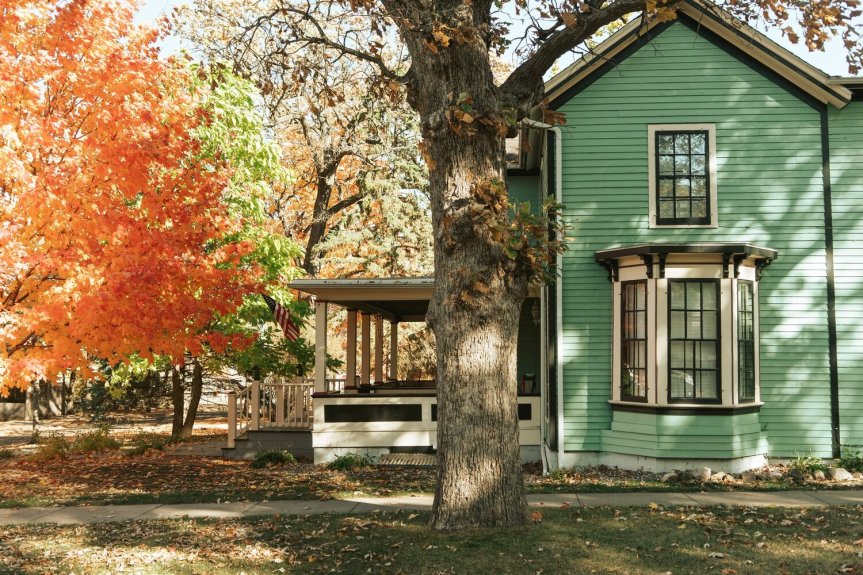

When we talk of the autumn season, some of the things that come to most peoples’ minds include carved pumpkins, yellow-orange foliage, and the smell of cinnamon. Adults enjoy spending most of their time outdoors having some fresh air while children go out to take pictures and swap skateboards. This fall, you don’t have to think of buying Halloween candy or pencil cases only. You need to prepare your house to keep it safe and warm for the next several months. In this post, we are going to share with you seven things that you have to check in your house before rolling into the autumn season. Let’s get started!
1. Prepare for falling leaves
Watching the leaves turning from deep green to sunset yellow is one of the top highlights in fall. You need to start preparing to rake up the fallen leaves on your property. If mulching or composting the leaves is your preferred style, you don’t have to worry about this. However, if you want to remove them from your lawn or yard, you’ll need to invest in the right tools. You’ll need a good rake, spade, and wheelbarrow to clear the leaves and save time. To remove the growing pile, always remember to stock up on huge bags.
2. Branch out
As the weather gets colder and winds start getting stronger, aging trees can pose a huge threat. If such a tree has its branches over your home, you’ll need to cut them to reduce accidents and the risk of damage. If branches fall on your property, the damage can either be minor or severe. Light branches can shatter windows or damaged shingles while heavy ones might block gutters, or damage your roof. You need to look at the trees around your property and inspect for weaknesses. Start trimming the trees strategically when they start getting close to your house. Hire a professional or use the right tools to eliminate branches that get too close to your house or those that pose a risk of falling.
3. Clear your gutters
You need to inspect your roof before the season and remove any branches or leaves that may have accumulated there. As the leaves pile up and fall in your yard, you should remember that the same is happening on your roof. If you don’t clear out the leaves on time, they will affect water drainage and create a dam of water. Still water can damage the exterior surface of your roof. And this can spread to the inside of your house thus promoting the growth of mold and mildew. Always check your rain-gutters and drainage systems to ensure that nothing blocks them.
4. Repair roof leaks
Minor roof leaks can become a huge problem especially when temperatures start dropping. Snow or frozen water will increase the risk of water damage. Therefore, you need to climb up your roof and inspect it thoroughly. Check for any signs of damage especially on the valleys and ridges. Look at the chimneys and vents too. A small amount of effort can save you thousands of dollars in the long run.
5. Work on your lawn
As the weather gradually turns colder some individuals will feel relieved because they won’t have to mow or clean their lawn again till spring. In most cases, this is usually true. You won’t have lots of responsibilities when it comes to taking care of your lawn. However, before you start locking yourself in, you need to fertilize your lawn. Start by spreading a layer of ground freeze to ensure that your lawn grows green in the spring. This is one of the best ways to start the spring season. You can also save a lot of money by winterizing your sprinkler system.
6. Fill the cracks around your property
The growing roots might have damaged the walkway or driveway. It’s important to take a couple of minutes to walk around your property and check if the pavers and concrete have become uneven or loose. This simple task can prevent hazards throughout different seasons of the year, especially in icy or wet weather. No matter how small the crack is, if you spot and fill it before winter, you’ll have a chance to prevent water from getting in and freezing. This can lead to more cracks and damages which will be expensive to repair.
7. Prepare to heat things up
You need to inspect the equipment that heats your home and perform routine maintenance before winter. If you use a heater, you can hire a professional to inspect for you. And ensure that it is working safely and efficiently. A heater that leaks will not only waste energy but also fill your house with dangerous poisonous air. You should never sacrifice the quality of indoor air for anything. This is especially true during the winter season.
Bonus Tips:
Change the air filter
The air filter in your property should be changed regularly. While most homeowners neglect or forget to change the air filter, fall is the best time to look at all the filters in your home and change them if necessary. Doing this will not only improve the quality of air in your house but also increase the efficiency levels of your furnace. If you have started taking note of whines and screeches from the belt or erratic sounds from the furnace, you’ll need to inspect it for burner problems, blockages, or thermostat issues. You should do this during fall instead of waiting till the winter season.
Inspect the chimney
If you use a chimney to heat your home during the cold season, you’ll need to inspect it during fall to ensure that there are no venting problems or blockages. Clean, sweep, and clear the chimney before you start a fire in your house. If you are on a budget, you should consider including an energy-efficient fireplace to heat all your rooms. Conducting routine checks during fall will help you save time and money and avoid inconveniences.
Conclusion
Before rolling into the autumn season, there are a lot of things that you need to check around your property to minimize hazards and save money. While these tasks seem intimidating, they are as easy as a pumpkin (well, much easier). You can also delegate some of these tasks to professionals.
Author Bio:

Leon Collier is a blogger and academic writer from the UK who works with Write my essay UK and offers a writing service. He likes trying new subjects and is always focused on proving his worth as a writer in new and challenging writing areas. His hobbies are reading books and playing tabletop games with his friends. You can reach him via Twitter @LeonCollier12.
Photo by Weston MacKinnon on Unsplash



 Kevin Szabo Jr Plumbing