One of the best reasons to renovate your home is that it can add value. If you’re thinking about selling, then it’s important to know what kind of return on investment you’ll get from any renovations. Luckily, there are plenty of ways to spruce up your home without breaking the bank. In fact, some projects can even save money in the long run! So if you’re looking for ways to make small updates that will have a big impact on how much your house is worth when it comes down to selling time—or even just looking for ways to make your space more enjoyable—these DIY renovations are perfect:
REPLACE OLD FIXTURES
Replacing old fixtures is a great way to add value to your home. It’s also an easy DIY project that can be done in just a few hours, and it will make a big difference.
If the plumbing fixtures in your bathroom are more than 20 years old or if the countertops have had their day, it’s time for an upgrade! You’ll find that newer models are made from better materials and have more features than those from decades past. If you’re looking for something with a little more character, there are plenty of options out there as well!
The same goes for kitchen appliances: if yours is older than 10 years or so (or even if it isn’t), consider replacing them before selling your house so buyers know what they’re getting into when they buy into this particular home’s history–for example: “This house has been updated with new appliances.”
REFACE CABINETS
Re-facing your kitchen cabinets is a DIY project that can be done in a weekend, and it’s cheaper than replacing them. If you’re handy with tools and have some experience with woodworking, this could be the perfect option for you. You can also hire someone to do the job if you don’t feel comfortable doing it yourself or aren’t sure how much work will be involved–but keep in mind that hiring someone may cost more than re-facing yourself!
Re-facing requires removing old cabinet fronts and installing new ones over existing cabinets (which saves time). The process involves sanding down any rough edges on the surface of each panel before painting them with an appropriate color (you’ll want to match it up with what’s already there). Once everything has dried sufficiently, apply new hardware as needed; then enjoy all those extra square feet of space!
ADD SKYLIGHTS
Skylights are a great way to add value to your home and provide natural light without the expense of installing additional windows. They can also help reduce heating and cooling costs by letting in sun during the day, while keeping out heat at night.
If you’re planning on selling your home in the future, skylights can be an attractive feature that will make buyers want to move in right away!
INSTALL NEW LIGHTING FIXTURES
One of the best ways to add value to your home is through lighting fixtures. Lights and lamps can be expensive, so changing them out for different styles and colors is an easy way to make a big difference in how your space looks.
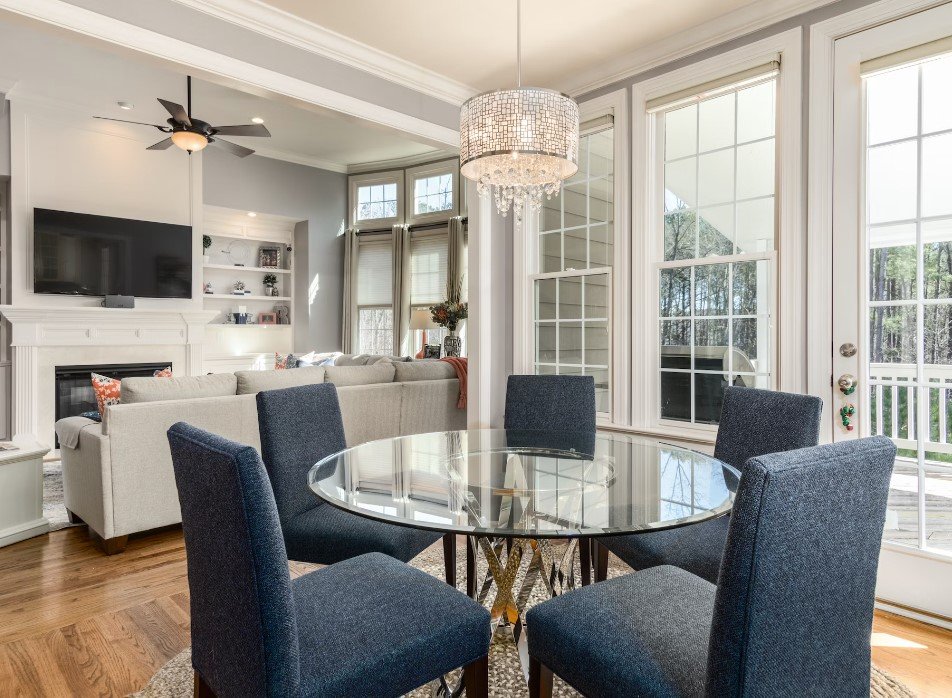
If you’re looking for something new, consider installing chandeliers or pendants above kitchen islands or dining tables–they’ll instantly make any space feel more elegant without breaking the bank! Or if you want something more traditional but still unique, try adding sconces around windows for some extra light without taking up much space at all (and bonus: they look great!).
So go ahead–get creative with those light bulbs!
PAINT A ROOM WITH BOLD COLORS
If you’re looking to add value to your home, painting one of the rooms in a bold color is a great way to start. But what does “bold” mean? It’s not just about picking any old shade–you want to choose colors that complement each other and create an interesting contrast. For more complicated wall techniques, hire proven house painters to get perfect results.
Here are some tips for choosing complementary, high contrast, low contrast and monochromatic paint schemes:
· Complements: Complementary colors are those which are opposite each other on a color wheel; they’re high in contrast so they’ll stand out against each other when used together (red/green).
· High Contrast: Colors with strong hues such as orange or yellow give off high contrast when paired next to each other because they’re so different from one another (yellow/blue).
· Low Contrast: Low-key palettes use subtle variations on similar hues like blue tones or browns; these tend toward being more muted but can still create impact if done right!
UPGRADE YOUR CARPET OR HARDWOOD FLOORS
If you’re looking to add value to your home, upgrading your carpet or hardwood floors is an easy way to do it. Carpeting is much easier and cheaper than replacing hardwood floors–and if you have hardwoods, they can often be refinished rather than replaced as well. Hardwood floors have a reputation for being more durable and easier to clean than carpeting; however, both types of flooring can be damaged by improper care or neglect over time.
We hope you found this list of DIY renovations helpful, and that it inspires you to take on some projects of your own. Whether you’re looking for ways to save money or just want some new things in your home, these ideas are sure to add value without breaking the bank!
For many, our pets are not just animals; they’re family. When it comes to renting in California, understanding the ins and outs of pet policies is essential to ensure a harmonious living situation for both tenants and landlords. This comprehensive guide aims to clarify what you can and cannot do when it comes to pets in rental properties across the Golden State. So, whether you’re a pet owner or a landlord, let’s break down the key aspects of pet policies in California to help make your rental experience paw-sitively smooth.
1. The Fair Housing Act and Pet Ownership
The Fair Housing Act is a federal law that prohibits discrimination based on race, color, religion, sex, national origin, disability, and familial status. While it doesn’t explicitly mention pets, it does come into play when discussing pet policies. Under this act, landlords cannot discriminate against tenants with disabilities who require service animals or emotional support animals, even in properties with no-pet policies.
2. Landlord Discretion and Pet Policies
In California, landlords generally have the discretion to establish their pet policies. They can decide whether to allow pets, set pet deposits, and create rules regarding pet ownership. However, there are certain limitations on what landlords can and cannot do.
3. Types of Pets Allowed
Landlords can specify the types of pets allowed in their rental units. For example, they may permit only cats and dogs but not exotic animals. These restrictions should be clearly stated in the lease agreement to avoid any confusion.
4. Pet Deposits
California law allows landlords to collect a pet deposit. This is an additional amount of money that tenants with pets pay upfront. It is intended to cover potential damages caused by the pet during the tenancy. However, it’s essential to be aware of the legal limits for pet deposits in California.
5. Pet Rent
In some cases, landlords may charge pet rent in addition to the regular rent. This is a recurring monthly fee for having a pet. While it’s permissible in California, it’s essential to clearly define the terms of pet rent in the lease agreement, including the amount and payment schedule.
6. Service Animals and Emotional Support Animals
Service animals and emotional support animals are not considered pets under the Fair Housing Act, and landlords are required to make reasonable accommodations for tenants with disabilities who need these animals. In California, a landlord cannot charge a pet deposit or pet rent for service animals or emotional support animals.
7. Tenant Responsibilities
Tenants with pets have certain responsibilities, even in pet-friendly rental properties. They are generally required to:
● Ensure their pets do not disturb neighbors with excessive noise.
● Keep their pets under control, especially in common areas.
● Clean up after their pets, both inside the rental unit and in common areas.
● Repair any damage caused by their pets, including replacing or repairing items beyond normal wear and tear.
8. Liability Insurance
Some landlords may require tenants with pets to have liability insurance that covers any potential damage or injuries caused by the pet. This is a precautionary measure to protect both the landlord and other tenants in the building.
9. Eviction for Violating Pet Policies
Landlords have the right to evict tenants who violate the terms of the lease agreement, including pet policies. If a tenant’s pet causes significant damage or creates disturbances, the landlord may take legal action to address the issue.
10. Local Ordinances and Restrictions
In addition to state laws, tenants and landlords should also be aware of any local ordinances or restrictions related to pet ownership. Some cities or counties in California may have specific regulations regarding pet limits, breed restrictions, and leash laws.
11. Communication and Documentation
Effective communication between landlords and tenants is crucial when it comes to pet policies. Both parties should be clear about the terms and conditions related to pets in the rental agreement. Additionally, documenting the condition of the property before and after a tenant with a pet moves in can help avoid disputes over damages.
Conclusion
Navigating pet policies in California rental properties requires a good understanding of both your rights and responsibilities. By recognizing the nuances of the Fair Housing Act, pet deposits, and service animal accommodations, you can create a balanced and respectful living environment for both pet owners and landlords. Remember that while California rental laws provide some flexibility for landlords, they also ensure protection for tenants with service animals or emotional support animals. Maintaining open communication and following the guidelines discussed in this guide will help you achieve a harmonious coexistence between pets and rental properties in compliance with California rental laws.
Navigating a swift house sale in Utah can be intimidating. It may seem especially difficult with the changing market environment and multiple prospective buyers.
Here are a few tips on selling your home quickly by unlocking key secrets for rapid success when selling property in this state.
QUICKEST WAYS TO SELL
In the turbulent Utah real estate market, having a strong understanding of effective strategies for quickly selling your home is critical. When considering what works best to expedite this process, two methods jump out: cash home buyers and strategic marketing. Knowing how these solutions may be beneficial or problematic when applied to one’s bank account should factor into decision-making before making any kind of choice.
Sell to a Cash Buyer
Companies such as cash house buyers always seek properties in Utah.
Instead of relying on a lender to provide the funds necessary for the purchase, a cash buyer has the available financial resources to pay for the property upfront, typically using their savings, investments, or other liquid assets. These companies can close a sale quickly, often within 14 days, with the bonus of being able to sell your home “as-is.”
However, it’s important to remember that these types of offers tend not to match up with market values and may leave little room for negotiation when it comes time for an offer. Still, cash buyers are a great option and are a guaranteed quick way to sell a home.
A cash buyer is a desirable prospect for sellers, as they don’t need to take into account whether the purchaser can come up with enough money. With no loan necessary and faster closings possible because of this fact, someone who pays in full using their own assets like investments or proceeds from another property may be more attractive than those needing financing.
Use Effective Marketing Strategies
To sell your Utah house quickly, marketing strategies should be effective.
Ads on online platforms and open houses will draw in potential purchasers and cash buyers. Google Adwords can be helpful for fast results, but you must pay attention to other ads from rivals appearing on the search page by researching keywords carefully.
Preparing Your Home for a Quick Sale
Before listing your property on the market, proper preparation is essential for a speedy sale. This involves arranging it professionally while removing any clutter and personalized items that may be present.
These measures will increase the appeal of your house to potential buyers and help them envision how life would look in such an abode. Consequently making it easier for them to acquire a mortgage loan.
Declutter and Depersonalize
Before marketing your home for sale, removing personal belongings and tidying up the space is important. This can start by eliminating items that are not needed, like older magazines or papers.
You may want to consider reducing furniture to make your house look roomier. Get rid of books and trinkets from surfaces and storage places such as closets. Ensure they remain organized with minimal clutter inside them, too!
Stage Your Home Professionally
Investing in professional home staging can be hugely beneficial when seeking to make your home more appealing to potential buyers.
Ensuring cleanliness, proper lighting, repainting walls if necessary, and fixing any damaged or outdated furnishings will add appeal when put together by experienced stagers. By doing this, you may gain a faster sale and potentially increase the purchase price, too!
UNDERSTANDING UTAH’S REAL ESTATE MARKET
To achieve a successful, speedy sale of your home at the best price point, being aware and up to date with Utah’s real estate market trends is essential.
By monitoring housing stock levels, how long properties are listed before selling and potential buyers’ interest in them, you can make informed decisions about listing your property and any negotiations that take place.
Market Trends
Real estate investors should be mindful of the current state of Utah’s real estate market—particularly in Salt Lake City, where home values and sales numbers are decreasing. This can present a tougher landscape for individuals looking to sell their houses quickly, as fewer buyers could be willing to purchase when prices appear unfavorable.
Pricing Strategy
If you want to sell your house in Utah, an effective pricing strategy is critical for attracting prospective purchasers.
Utilize the real estate market data by comparing similar homes and their features. This information will help determine how much to set your home at. To ensure that you get top dollar from buyers, enlisting the expertise of a local realtor who understands current trends within the industry is beneficial. They can provide helpful insight on adjusting prices as needed so that your property remains competitive while appealing to potential customers’ interest levels.
On their own, home renovations are complex projects regardless of their size and scope. Each project requires planning, proper tools and specific steps toward the goal. One aspect of home renovations is the impact of microbiology. Take a look at safe renovation tips and how microbes play into your project management.
1. Defining Microbiology
Microbiology is the study of microbes, such as bacteria, fungi and bacteria. While microbes are often considered outdoor inhabitants, they’re actually found within human homes, too. For example, microbes thrive on housing frames, within ventilation ducts and inside sewer systems.
Indeed, the human body contains countless numbers of microbes that help with bodily functions, too. However, it’s the interaction of bad microbes found in the household environment with human immunity systems that are detrimental to your health. When you disturb the structure with renovations, extra microbes are suddenly introduced into the indoor air. As a result, sickness is a possibility.
2. Focusing on DIY Renovations and Microbes
Ideally, reserving basic DIY renovations for your project is safest for your health. By disturbing fewer materials in the household, you uncover fewer microbes. For example, perform projects that involve finishing, such as painting cabinets or replacing a vanity sink. These projects add value to the home while remaining simple by design.
Nevertheless, it’s impossible to not encounter microbes during a renovation. Taking simple steps, such as wearing a mask and gloves, can reduce your exposure during these projects.
3. Considering Professional Renovations
Inevitably, some household renovations are major projects best left to the professionals. For example, your home may need a new septic tank, pipes, toilets and more. This scenario is especially true for older structures. In this case, consult with professional contractors. They can plan for excavation and installation, for example. In addition, they might work with a company that analyses potential microbial volumes in water, such as Microbial Insights. As a result, your project remains safe for your household and the regional water supply.
By taking on this large project as a DIY scenario, there’s real potential for microbial problems in your local water. Remember, professionals understand the steps and implement proper procedures for microbial control in these cases. In general, hiring contractors for major renovations is always the safest solution.
4. Creating a Safe Renovation
Before you start any step of your next renovation, stock up on safety gear. Naturally, choosing the right gear depends on the project. Primarily, purchase gloves, safety glasses and dust masks. These simple products are necessary for most projects.
Next, take a look at the project itself. You might need steel-toed boots, ventilators or other gear, for example. Preferably, the safest home renovation involves proper site preparation. Use plastic sheeting to divide off the renovation area from the rest of the home. Consider fans placed in the renovation area to move contaminated air out of the building.
Finally, know how to use the tools needed for the project. From hammer drills to cutting tools, every item has the potential to injure someone. In the end, knowing how to use them reduces injury possibilities.
5. Selecting Year-End Renovations
As December approaches, you might consider a few renovations before the holidays. Ideally, the best home renovations at this time are small, isolated projects. For example, paint and update a half bathroom. Try an accent wall in the living room, too. By selecting simple DIY projects, the renovations aren’t overwhelming before New Year’s Eve.
Alternatively, take advantage of sales offered by local contractors and home-improvement companies. Select projects that can be completed in a matter of hours or days, for instance. Preferably, you don’t want a major renovation that can be delayed for weeks.
Furthermore, stick to indoor projects near year end. The weather can be unpredictable, which leads to problems with outdoor renovations. If possible, hold off on roofing, siding and similar projects until warmer weather in the new year.
Although microbes will always be part of life on Earth, using these safe renovation tips for your next project can minimize their impact. Focus on thorough planning to keep your project on time and free from unhealthy practices. In the end, those year-end renovations can be celebrated on New Year’s Eve and beyond.
In today’s challenging economy, home renovations are becoming a savvy choice for their cost-savings over purchasing a new home. However, the remodels you make to your home are only as good as they meet the demands of potential buyers for the best return on your investment, which several reports show have changed from just a few years ago to now.
Hence, if you are looking to make upgrades to your home or if you are wondering if you should use your experience to start a renovation franchise to help others achieve their dream home, you need to be aware of following the top trends for the future.
TOP HOME RENOVATION TRENDS FOR 2023-2024
PROFESSIONAL HOME OFFICE
Working from home requires a private, professional space for completing employer-assigned tasks and attending online team meetings. Hence, the spike in remote work in recent years has also caused an increased demand for home-office renovations.
USB wall outlets are among the top must-haves, as are built-in cabinetry and statement wallpaper to serve as virtual backgrounds.
EMOTIONAL RETREAT ROOM
Inflation, the social isolation caused by the pandemic, and social media pressures have been linked to an increase in various mental health issues. Thus, it is causing many people to prioritize their well-being to maintain a sound mind.
As a result, emotional retreat rooms are becoming increasingly popular renovations among homeowners for their ability to help promote healing in private.
These personal sanctuaries range from meditation rooms to art rooms to music rooms and any other type of space that helps reduce stress for better overall health.
LUXURY/SPA MASTER SUITE BATHROOM
Many homeowners are also transforming their master suite bathroom into the perfect space for self-pampering to also help promote calm when they need it.
Their remodeling requests to help make their bathroom more peaceful and luxurious include granite vanity tops, spacious soaking tubs, and European-inspired showers.
Meanwhile, incorporating more natural features, such as real greenery, rainfall shower heads, black faucets, and wood or white finished cabinetry, add a peaceful touch for a spa-like feel.
CHEF-STYLE KITCHEN
The stay-at-home order put in place during the pandemic and wanting to prepare healthier, more budget-friendly meals at home has also prompted many homeowners to invest in chef-style kitchens.
These renovations often include upgrading to more high-end features, such as quartz countertops, simple cabinets, hidden appliances, an industrial stove complete with a range hood, and a pot filler faucet reminiscent of a 5-star chef for a more professional feel while cooking.
There is also a high demand for larger, more spacious islands that accommodate entertaining large crowds and preparing a wide assortment of dishes.
WHEN’S THE BEST TIME TO RENOVATE YOUR HOME?
Summer and spring are the best times to renovate your home due to the warm weather. However, these are also the busiest seasons for contractors. Therefore, it may also be more difficult to schedule your service.
Hence, you may consider waiting until the fall when contractors are less in demand to upgrade your home. Or, if your renovation is an indoor project, you may even wait until winter to redo your bathroom and more.
Contractors also experience a decrease in business during recessions. So, if you are looking to sell your home or you want to add to it to help make it more functional, this may also be a good time to renovate.
The best home improvements for a good ROI during a bad economy include painting, finishing the basement or attic, and kitchen and bathroom modernizations.
SHOULD YOU START A HOME RENOVATION FRANCHISE?
Whether you should start a home renovation franchise depends on various factors.
For instance, you first need to have knowledge and skills in renovating homes to be able to help your clients meet their vision. You also need to understand the market, your chosen location’s demographics, and your competition to successfully market your target audience.
The law also requires you to have insurance coverage for both your business and your employees. And lastly, there will usually be start-up fees associated with opening your franchise.
If you have these characteristics, knowledge, and resources, then the next step is to research franchises for the best fit for you. Some organizations will also help you with training, guidance, and a market plan, so be sure to inquire about it if it is important to you.
Smart homes are no longer a concept relegated to science fiction movies. Today’s technology can help you create a home environment where you are able to seamlessly use your home as you see fit, whether you need to keep it at a certain temperature, change the lighting, or lock your home remotely. Arguably one of the most emphasized features is smart home safety features. But what should you consider as you seek to cultivate a safer smart home? Let’s take a look at some insightful tips that can help you work toward building a safe smart home environment.
CONSIDER WHICH FEATURES YOU NEED TO FEEL SECURE
Building a safe smart home environment starts by figuring out exactly which features are going to help you feel secure. While smart homes are still in their infancy, there are a ton of products out there that you can leverage to feel more secure regardless of whether you’re inside of the home or out and about.
Some of the many smart home features and systems that you can use include smart door locks, smart security systems, smart detection systems for things like smoke and carbon monoxide, smart appliances that you can turn off remotely, and even smart windows. Think about what are some of the most important areas of your life and how you can use smart technology to feel safer in your day-to-day.
HIGHLIGHT ACCESSIBILITY AND PRIVACY
There are plenty of amazing smart home features out there, but that doesn’t mean that they’re all great or that they’re going to help you feel safer. The first thing to consider when building a smart home ecosystem is accessibility. Are you able to access everything from a single dashboard both at home and while you’re away? Can you build a full ecosystem using multiple products from a single reliable brand? Do the solutions run seamlessly and function as expected?
It’s also important to think about cybersecurity. The tech solutions and the applications that you use should be heavily guarded and protected against malicious third parties. Make sure you do the necessary work required on your end as well, establishing strong passwords and keeping your phone safe so that others are not easily able to bypass the security features protecting your home.
INVEST IN HIGH-QUALITY WI-FI
All smart home ecosystems require a strong connection to the internet in order to be able to function as intended. If they’re unable to stay online, you run the risk of being locked out of your home or unable to access some of the most essential smart home features you rely on. Take care to invest in high-quality Wi-Fi services offered by your internet provider as well as high-quality hardware so that your Wi-Fi signal reaches all of the solutions in your home sufficiently. Don’t be afraid to shop around to see what’s best for your needs and how you can make sure everything is strategically laid out in your home.
UTILIZE 2FA
While this falls under cybersecurity, it’s worth mentioning separately as it should be highlighted for all prospective smart home owners. Two-factor authentication, most commonly referred to as 2FA, adds an extra layer of security that requires you to insert a passcode after you’ve signed into an account and prior to being able to access an application. This code may be texted to your phone, sent to your email account, or even produced by an authenticator app that’s attached to your various devices. This makes it much harder for others to access your smart home features when they shouldn’t be. Make sure any smart home products you purchase offer 2FA so that you can rest assured your home and your tech are secured.
Creating a smart home environment can be an excellent way to establish a living space that meets your needs and add an extra layer of protection that traditional security methods might not provide. That being said, there are special considerations you will need to have if a smart home is in the cards for you. Use the tips above to build a safe smart home environment that will be conducive to better security rather than act as a security risk.
Many people dream of one day getting their home. As exciting as this can be, it can also be a daunting process. This makes it essential to plan well and do your research. Getting the perfect home is more than having an idea of the number of bedrooms and type of kitchen you need. If you search online, you will surely see beautiful listings and will want to attend every open house available.
However, there is more to getting the ideal house. The process can be as seamless as possible, provided you are willing to put in the effort. It may also take a long time, depending on your market.
No matter who you are: a first-time home buyer, or a getting your second house, this article contains a list of actions that can guide you in the right direction. To navigate the rental market successfully and find your dream house, do the following:
1. EVALUATE YOUR NEEDS AND WANTS
In trying to get a dream house, it’s nice to have a list of “needs” and “wants.” Of course, the difference between the two is clear. Knowing this can help you organize your list and get your priorities in line.
In defining your wants and needs, evaluate things that are important to you. For instance, view, garage, yard, location, etc. It can give you a good perspective on the rentals Nashville tn property that suits your style.
2. START BY GETTING PRE-APPROVAL FOR A MORTGAGE
One of the tasks you need to tick off your box before embarking on your search is getting prequalified for a mortgage. No matter your market, a good grasp of your budget will let you know if your dream house is within reach. When you get pre-approved, you can narrow your search based on what you have and save time elsewhere.
Getting prequalified puts you a step ahead of the game. This is because a lender already pre-approved you for up to an amount of mortgage. Sellers like seeing pre-approved buyers, so you have a high chance of success.
The pre-qualification process involves contacting a mortgage broker. You will furnish the broker with some info about your finances, which will help determine the home loan amount you can get.
3. CHECK OUT THE NEIGHBORHOOD
A house may tick all your boxes. However, if you don’t like the neighborhood, you might be miserable while staying there. This makes it essential to see if the neighborhood fits your need and lifestyle.
Do you like going to the park and enjoying the vast expanse of green grass? Then, you don’t want the nearest park to be 30 miles away. While driving around the house, ensure the neighborhood meets your needs. If you have kids of school age, you might not want them to travel for miles to get to school.
For someone still raising a family, check if the area is friendly to kids. The last thing you want is your kids playing in the street and getting run over by a drunk driver.
4. CHECK THE SIZE
The size of your house also matters as it can determine if you will be miserable or love your new place. Your family’s habits and style can influence the property that fits your need.
For instance, if you like eating lots of home-cooked meals, you will likely prioritize a good and spacious kitchen with adequate amenities. Someone who works from home will probably need an extra room that can be configured into a home office.
A traditional family that values dinnertime with everyone present will need a spacious dining room. These factors will help ensure you have a functional space for your family.
5. CLEAN UP YOUR FINANCES
A house is a significant financial commitment; many people take up a mortgage. To be successful, get rid of other debts that affect your chances.
When you repay your debt, you build your credit score and reduce your debt-to-income ratio. With a higher credit score, your chance of pre-approval is high. Someone with lots of debt who direct a huge part of their monthly income to debt repayment might not appear attractive to potential lenders. With too much debt eating out of your paycheck, there is a huge chance that you will struggle to keep up.
This means you need to keep your debt-to-income ratio low. Your mortgage application will be denied if it exceeds a certain threshold. As a result, reduce and, if possible, get rid of all debts before embarking on a house purchase journey.
6. CHECK OUT THE PROPERTY
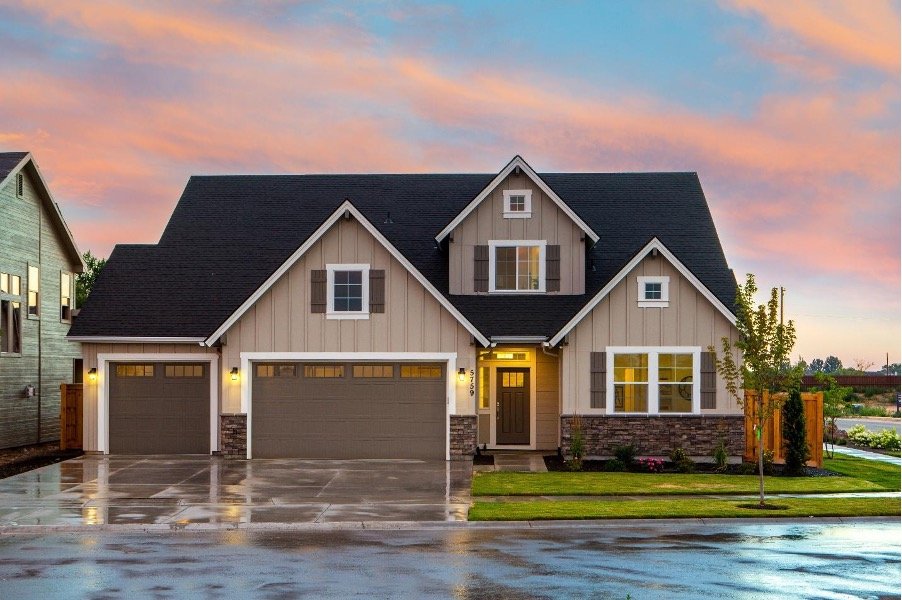
The compound of the house should also reflect what you want in a house. Does the architecture of the house reflect your style? Do you like a fancy garage door that brings out your house’s curb appeal? These are things you need to consider when trying to buy a house.
Also, the size of the property matters, as it will determine how much you will spend on property maintenance. For instance, someone with a large yard will need to think about monthly maintenance. If you have kids who will need to play around, a house with a small yard is out of the question.
What about a swimming pool? Are you ready for the extra commitment that goes into maintaining a pool?
CONCLUSION
Getting the perfect house doesn’t have to give you a sleepless night. You will have to invest time and effort, no doubt. This article has provided a headway on how you can successfully navigate the real estate market.
Lease agreements are the cornerstone of landlord-tenant relationships, setting the terms, responsibilities, and expectations for both parties. However, the evolving needs and circumstances of landlords and tenants often lead to the use of lease addendums – supplementary documents that modify or add specific terms to the original lease. While lease addendums can be valuable tools for tailoring agreements to unique situations, they also come with their own set of advantages and disadvantages. In this guide, we’ll delve into the pros and cons of using lease addendums in your rental properties, helping you make informed decisions that benefit both you and your tenants.
Pros of Using Lease Addendums:
● Flexibility and Customization: One of the most significant advantages of using lease addendums is the flexibility they offer. They allow landlords and tenants to customize their lease agreements to address unique situations and requirements that may not have been covered in the standard lease.
● Clarity and Specificity: Lease addendums provide clarity by explicitly stating additional terms, conditions, or rules that both parties agree to. This aids in averting potential misunderstandings and conflicts in the future.
● Adaptation to Changing Circumstances: As circumstances change during a tenancy, lease addendums allow for the adaptation of the lease without the need to completely rewrite the entire agreement. This can save time and effort for both landlords and tenants.
● Legal Protection: Lease addendums are legally binding documents, meaning that both landlords and tenants are bound by the new terms and conditions outlined in the addendum. This offers legal protection for both parties.
● Tenant Satisfaction: By using addendums, landlords can address tenants’ needs and concerns more effectively. This has the potential to result in heightened tenant contentment and an increased probability of lease extensions.
Cons of Using Lease Addendums:
● Complexity and Length: Adding multiple addendums to a lease agreement can make the document longer and more complex. This may lead to confusion for both landlords and tenants.
● Risk of Overlooked Terms: With multiple addendums, there is a risk that either party may overlook or forget specific terms outlined in these documents, potentially leading to disputes.
● Future Modifications: If changes to the lease are made through numerous addendums, it can become challenging to track and manage these modifications, especially if the property changes ownership.
● Inconsistencies: Multiple addendums can result in inconsistencies within the lease agreement. This can create confusion and potentially conflict if different addendums contradict each other.
● Legal Review: Drafting and implementing lease addendums correctly requires a good understanding of landlord-tenant laws and regulations. If not done properly, they can be legally unenforceable.
Tips for Using Lease Addendums Effectively:
● Be Selective: Use addendums sparingly and only for significant changes or unique situations. Avoid cluttering the lease agreement with unnecessary addendums.
● Clear Communication: Ensure that both parties fully understand the terms of any addendum. Clear communication is key to preventing misunderstandings.
● Proper Documentation: Keep meticulous records of all addendums, including dates, signatures, and the specific changes they entail. This helps with tracking and legal compliance.
● Legal Review: Consult with a legal professional or real estate attorney to ensure that your lease addendums comply with local and state laws and regulations.
● Regular Lease Review: Periodically review your lease agreements and any attached addendums to ensure they remain relevant and up-to-date.
Conclusion
Lease addendums can be valuable tools for tailoring rental agreements to specific needs and circumstances. They offer flexibility and customization while providing legal protection for both landlords and tenants. However, their complexity and potential for oversight or inconsistencies should be approached with caution. By using lease addendums judiciously, communicating clearly, and seeking legal advice when necessary, you can leverage their advantages while minimizing potential drawbacks in your rental property management. Ultimately, the goal is to create lease agreements that are fair, transparent, and beneficial for all parties involved.
Water, essential for life and a vital component of our daily routines, can be both a blessing and a curse when it strays from its intended path. The effects of water damage can range from minor annoyance to serious structural deterioration due to broken pipes and leaking roofs.
This article shall dig into the complex realm of water damage, covering the many varieties and their effects. By the end, you will have a deeper understanding of how water can wreak havoc on homes and businesses and why water damage restoration is often necessary.
FLOOD DAMAGE: NATURE’S WRATH UNLEASHED
When nature unleashes its fury in the form of floods, water damage becomes catastrophic. Flood water intrusion may seriously ruin buildings and goods inside homes and businesses. It damages structural integrity, erodes foundations, and creates several health risks. Commercial water damage restoration becomes essential in such cases to not only salvage what’s left but also to ensure the safety of the affected area moving forward.
STRUCTURAL DAMAGE:
Water has a relentless ability to weaken and deteriorate the structural integrity of buildings. It can seep into foundations, walls, and ceilings, causing:
Foundation Cracks: Long-term contact with water can soak the ground close to a building’s foundation, causing fractures and sinking. The stability of the entire building may be compromised as a result.
Wood Rot: Wooden structures and components are particularly vulnerable. Water damage can cause wood to swell, warp, and eventually rot, compromising the building’s support system.
MOLD AND MILDEW GROWTH
Water damage creates the ideal environment for mold and mildew growth. These annoying microbes proliferate quickly once they have a foothold and like moist, humid environments. In addition to causing harm to the surfaces they are on, mold and mildew also put people’s health in danger. Mold infestations must be stopped quickly in order to prevent breathing in mold spores, which can lead to allergies and respiratory problems.
In addition to being unappealing, mold and mildew may be dangerous to your health. Residents who breathe in mold spores that have been discharged into the air run the risk of developing allergies, respiratory disorders, and other health issues.
ELECTRICAL DAMAGE
Water and electricity don’t mix well. Electrical fires, short circuits, and power outages can all result from water getting inside electrical equipment or systems. To guarantee safety, electrical damage should be repaired right away by trained personnel because it may be fatal.
Electrical damage resulting from water intrusion can have severe consequences. Because water carries electricity, it may cause short circuits, electrical fires, and power outages when it comes into touch with electrical parts.
FLOORING AND FURNISHING DESTRUCTION
Waterlogged flooring and furnishings are common consequences of water damage. Water absorption can result in warping, staining, and degradation of carpets, hardwood floors, and upholstered furniture. Since replacing these products can rapidly get expensive, water damage restoration is more economical.
Waterlogged flooring and furnishings represent a significant financial burden for property owners. The carpets’ saturation can cause warping, mold, and mildew inside the fibers. Hardwood flooring may become structurally unsound, necessitating pricey replacements.
HEALTH HAZARDS
Water damage doesn’t just harm structures and belongings; it can also jeopardize human health. Stagnant water can serve as a breeding ground for mosquitoes and other insects that spread disease. The moisture left over after a flood can also encourage the growth of germs and allergens, aggravating respiratory problems and harming the health of everyone exposed. Timely remediation is essential to ensure the well-being of occupants.
FOUNDATION COMPROMISES
In some cases, water damage can extend to a building’s foundation. Water infiltration around a foundation can result in soil erosion and settlement, resulting in fractures in the foundation and structural instability. To stop future degradation, foundation damage is a critical worry that must be addressed immediately.
Foundation damage is a hidden danger of water infiltration. Water infiltration can cause soil erosion around a building’s foundation, decreasing the structure’s stability. The structural integrity of the entire structure may be compromised due to foundation slippage and crack growth. Foundation degradation may become a costly and dangerous issue if it is ignored.
CONCLUSION
In the face of water’s destructive potential, it is essential to be aware of the damage it can cause. Water damage is a complex problem that should never be undervalued. It may cause harm to electrical systems, encourage mold growth, compromise the structural integrity of buildings, and pose health risks. Prompt and professional intervention, such as water damage restoration services, is the key to mitigating these risks.
Male Plumber Working To Fix Leaking Sink In Home Bathroom
Finding a reliable plumber in your area can feel like searching for a needle in a haystack. Whether you’re dealing with a late-night plumbing emergency, planning a bathroom renovation, or in need of boiler repairs, the importance of having a trusted professional on speed dial cannot be overstated. This comprehensive guide aims to make your search easier by providing practical tips and insights into finding a reliable ‘plumber near me’.
Specifically, we’ll be taking a close look at the services offered by RM Plumbing & Electrical, a leading provider of plumbing and heating services in Cardiff, South Wales. This company prides itself on professionalism, reliability, and competitive pricing all of which are key considerations when choosing a plumber. So, without further ado, let’s dive in and start our journey towards finding the perfect plumber for your needs.
UNDERSTANDING THE ROLE OF A PLUMBER
Plumbers are the unsung heroes of our homes, ensuring our daily routines go smoothly by keeping our water flowing, our drains unblocked, and our appliances functioning perfectly. But there’s more to a plumber’s job than just fixing leaky taps and blocked drains.
A highly skilled trade, plumbing involves an in-depth understanding of water systems, heating systems, and the intricate network of pipes that connect them all. Whether you’re renovating a bathroom or installing a new dishwasher, your plumber’s expertise ensures that waste pipes and taps are precisely where they need to be, allowing for optimal water flow and functionality.
A plumber’s responsibilities include but are not limited to:
Installing and repairing appliances: From dishwashers to washing machines, plumbers make sure these appliances are correctly connected to the water system.
Bathroom and kitchen installations: Working in tandem with architects or specialists, plumbers help plan and implement the best location for your bath, shower, sink and toilet.
Detecting and repairing leaks: This includes both water and gas systems. Quick leak detection and repair can prevent extensive water damage and potential health risks.
Unblocking toilets and drainage systems: A blocked drain or toilet can cause serious disruption to your daily routine. Plumbers have the tools and know-how to tackle these issues efficiently.
Replacing old plumbing: Old, worn-out plumbing can lead to numerous issues down the line. A plumber can upgrade your system to modern standards.
Furthermore, plumbers are also adept at handling heating services. They install radiators, service boilers, and can manage any issues related to your central heating system. If you’re experiencing issues with your boiler, especially during the cold winter months, a qualified plumber can be a real lifesaver.
Remember, if you’re booking a plumber for a small job, it might also be worth having them do a boiler check. Regular maintenance can prevent future issues, potentially saving you a lot of time and money.
In essence, a plumber plays a crucial role in maintaining the comfort and functionality of your home. Whether it’s an emergency repair or a planned installation, their expertise ensures that all your plumbing and heating systems operate smoothly and safely.
IMPORTANCE OF HIRING A GAS SAFE REGISTERED PLUMBER
When it comes to safety in your home, there’s no room for compromise. This is especially true when dealing with gas appliances and heating systems. A Gas Safe registered plumber is not just a recommendation but a necessity when dealing with any gas-related installations, repairs, or maintenance.
What is Gas Safe? The Gas Safe Register is the official list of gas engineers who are legally allowed to work on gas appliances, including boilers, cookers, and fires. It replaced CORGI as the gas registration body in 2009. By law, all gas engineers must be on the Gas Safe Register, ensuring they have the required training and qualifications to work safely and legally on gas appliances.
Why is it crucial to hire a Gas Safe registered plumber? Simply put, safety. Incorrectly installed or poorly maintained gas appliances can lead to dangerous situations such as gas leaks, fires, explosions, and carbon monoxide poisoning. A Gas Safe registered plumber is trained to prevent these risks, ensuring that your gas appliances function safely and efficiently.
Not all plumbers are Gas Safe registered. It is crucial to check a plumber’s Gas Safe credentials before hiring them for any work involving gas. When a tradesperson joins RM Plumbing & Electrical, their Gas Safe registration is checked, and only those who are Gas Safe registered are allowed to carry out gas work.
In addition to safety, hiring a Gas Safe registered plumber like those at RM Plumbing & Electrical can give you peace of mind. You can trust that they have the necessary training and experience to handle any gas-related work with the highest professional standards. They can also provide valuable advice on maintaining the safety and efficiency of your gas appliances.
In conclusion, the importance of hiring a Gas Safe registered plumber cannot be overstated. It’s not just a matter of getting the job done, but making sure it’s done safely and professionally. So, next time you’re searching for a “plumber near me,” ensure that they’re Gas Safe registered. It’s a small step that can make a big difference in your home’s safety and your peace of mind.
HOW TO FIND A RELIABLE PLUMBER NEAR YOU
Finding a reliable plumber in your local area can seem like a daunting task. However, with a few strategic steps, you can discover a professional who can handle your plumbing needs with skill and efficiency. Here’s how to go about it.
USING ONLINE PLATFORMS
The digital age has made it incredibly easy to find services near you. Online platforms such as TrustATrader and MyBuilder provide you with a list of local plumbers, complete with customer ratings and reviews. You simply enter your location and the type of service you need, and voila, you have a list of potential plumbers to consider. Remember to look for plumbers in your local area, such as ‘plumbers in Cardiff’ if you live in Cardiff.
CHECKING QUALIFICATIONS AND INSURANCE COVERAGE
Reliable plumbers are qualified and insured. They should have relevant training and certification, showing that they have the necessary skills to handle a range of plumbing tasks. For instance, if you need services related to your heating system or appliances, ensure the plumber is Gas Safe registered. This is a legal requirement for anyone working with gas in the UK, and it provides you with the assurance that they can safely and competently handle gas-related work.
Additionally, the plumber should have adequate insurance coverage. This protects you from being held liable for any accidents that might occur during the work.
READING CUSTOMER REVIEWS AND RATINGS
Customer reviews and ratings are an excellent way to gauge the reliability and quality of a plumber’s services. People who have used their services before will often leave reviews on the plumber’s profile. Look out for positive comments about the plumber’s punctuality, professionalism, quality of work, and customer service..
In conclusion, finding a reliable local plumber involves using online platforms, checking qualifications and insurance, and reading customer reviews and ratings. By following these steps, you increase your chances of finding a plumber who will meet your specific needs while providing a high level of service.
COST OF HIRING A PLUMBER
When it comes to managing your household expenses, understanding the cost of hiring a plumber is crucial to maintaining your budget. Whether you’re dealing with a simple pipe leak or a more complex boiler repair, knowing what to expect cost-wise can save you from unpleasant surprises.
HOURLY RATES VS FLAT RATES
Depending on the plumber or the plumbing company you hire, the charging system could be either hourly or a flat rate. In the UK, plumbers often charge between £40 and £100 per hour. Some plumbers, may also offer a flat rate estimate, especially for more complex jobs. This is because some plumbing repair variables can make it hard to stick to an hourly rate. A flat rate can provide a more accurate estimate, giving you peace of mind knowing the total cost upfront.
FACTORS INFLUENCING THE COST OF PLUMBING SERVICES
It’s also important to note that several factors can influence the cost of plumbing services. These include:
Location: Where you live can greatly affect the cost of hiring a plumber. For instance, plumbing services in London may cost more compared to other parts of the UK due to the higher cost of living in the capital.
Job Complexity: The complexity of the job is another significant factor. Simple tasks like unclogging a toilet or fixing a leaking tap may be less costly compared to more complex jobs like installing a new boiler or fitting a bathroom.
Plumber’s Experience: The level of experience of the plumber can also impact the cost. More experienced plumbers may charge more for their services, but they also often provide a higher quality of work.
Remember, while cost is an important factor, it should not be the only consideration when hiring a plumber. Ensure the plumber you choose is qualified, experienced, and Gas Safe registered for safety and efficiency.
TIPS FOR HIRING A PLUMBER
Choosing the right plumber for your needs can feel like a daunting task, but with the right approach and a little knowledge, it can be made much more manageable. Here, we provide key tips for hiring a plumber, from asking for quotes to checking compliance with building regulations and understanding planning permission and conservation regulations.
ASKING FOR QUOTES
The first step in hiring a plumber is to ask for a quote. A reputable plumber will provide a clear and detailed estimate of the cost for the work you need, whether it’s installing a new shower unit or repairing a leaky radiator. This gives you a good idea of what you can expect to pay and allows you to compare prices from different tradespeople.
CHECKING COMPLIANCE WITH BUILDING REGULATIONS
The next step in the process is to ensure the plumber you’re considering hiring complies with building regulations. These are standards set by the government to ensure the health and safety of those in and around buildings. The plumber should understand these regulations and be able to explain how they will adhere to them in carrying out your work.
For example, any work that involves altering the existing drainage or supply of water for your home requires compliance with building regulations. This can include installing a new bathroom, extending a property, or changing the use of a building. If the plumber is unaware or dismissive of these regulations, it’s a red flag.
PLANNING PERMISSION AND CONSERVATION REGULATIONS
If you live in a listed building or a conservation area, you may need planning permission to carry out certain types of work. This can include changes to the internal layout of your home, such as installing a new bathroom or kitchen. Your plumber should be aware of these requirements and be able to guide you through the process.
In addition, if the work you require involves alterations to a building’s exterior, such as installing a new drainpipe, you may need to obtain planning permission and comply with conservation regulations. Make sure your plumber knows about these requirements and is prepared to work within them.
Hiring a plumber can seem intimidating, but with these tips, you can ensure you find a reliable and competent professional.







 Kevin Szabo Jr Plumbing