WHAT DOES COMMERCIAL PLUMBING INVOLVE?

Plumbing systems, in general, consist of a complex network of pipes and fixtures designed to distribute water supplies and wastewater systematically. Plumbing channels essentially have the same primary function regardless of the property. However, there are significant distinctions between residential and industrial plumbing.

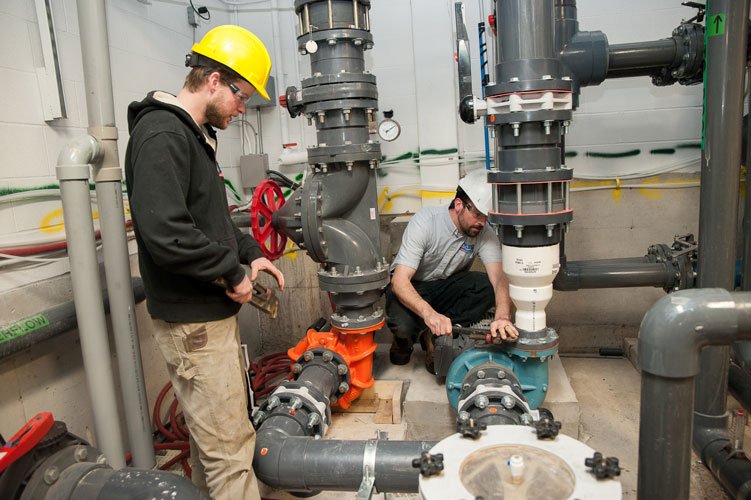
Commercial plumbing involves the preservation and distribution of large-scale waste removal and water supplies for buildings and other establishments such as hospitals, schools, offices, etc. Unlike residential water systems, commercial pipes can accommodate constant and several uses at almost the same time. 

Responsibilities of a Commercial Plumber 

Due to the complexity of the drainage system involved, commercial plumbers must have a general understanding of building regulations, follow structural plans and designs, and systematically maintain and distribute water supplies and wastewater management. Industrial plumbers also rely on specialized tools and panels such as steel insulated exterior access panels since most pipes and fixtures are behind walls and floors.

To further elaborate on the tasks of a commercial plumber, here are some of their primary responsibilities when doing plumbing maintenance and installation.

Installation tasks include:

  • Fitting toilet and kitchen fixtures
  • Drinking fountains
  • Sprinkler systems
  • Laying water and sewer lines
  • Boiler systems

Maintenance tasks include:

  • Check for active leaks
  • Signs of corrosion
  • Measure water pressure
  • Check valves and drains
  • Backflow testing
  • Perform preventive maintenance and inspections
  • Meeting with property owners to discuss potential plumbing issues
  • Pipe assembly

Being a commercial plumber means having more responsibilities than residential plumbers; that is why most businesses and building owners ultimately hire seasoned experts with years of experience and industry knowledge to meet their needs and demands. 

Since commercial systems are more extensive, it would benefit your business if you only hire a reputable plumber with a proven track record. They also need to be licensed and insured with enough confidence to provide warranties for equipment and labor. 

Key Differences of Commercial and Residential Plumbing

Although there are similarities in the scope of work, there is a significantly massive gap between commercial and residential plumbing. To further elaborate, here are some of the fundamental differences between commercial and residential.

  • Size and Scope – Commercial plumbing in large-scale commercial buildings, offices, and recreational facilities is more complex than residential systems. For instance, hotel facilities require efficient plumbing systems that can support multiple usages at the same time. However, due to the higher demand and multitude of users, commercial pipes and fixtures tend to wear out faster, thus requiring regular preventive maintenance and inspection now and then.
  • Multiple Storeys – Commercial plumbing systems encompass several pipes and fixtures for each floor for buildings and other multi-level structures. Commercial plumbers need to account for gravity and ensure that the whole system is functioning adequately. In addition, water pressure is often a critical concern for high-risk establishments. The plumber must be able to efficiently ensure that the water pressure is standard on all floors.
  • Working Hours and Inspection Frequency – Residential owners are more lenient in scheduling maintenance and repair than the high demands of the commercial industry. Annual checks are sufficient for residential houses, but commercial pipes need to be frequently checked due to constant usage as minor damages can quickly evolve into something more severe and inconvenient. 
  • Industry Knowledge – Since commercial installations involve industrial-grade pipes and equipment, many business owners only hire licensed plumbers with the relevant experience and knowledge required to perform the necessary plumbing tasks successfully. The problems in commercial systems are more diverse and encompassing; therefore, industrial plumbers must efficiently resolve multiple issues when called.

Commercial plumbing involves more than just a simple faucet and pipe installation, maintenance, and repair. Despite having the exact scope of work, commercial plumbing is more demanding and intricate than residential systems mainly because of the business aspect and how a simple leak can have devastating effects if not immediately resolved. Understanding the primary differences between a commercial and domestic plumber is vital in ensuring that everything functions as it should.


Guest Contributor: Chris Jackson

COMMON DO-IT-YOURSELF MOLD REMOVAL TECHNIQUES IS IT POSSIBLE?

In the home, mold is unwelcome. It darkens the bathroom corners, stains the walls, and develops between the tiles. It’s an obnoxious sight that feeds on and rots moist wood. Mold can grow and become difficult to eradicate over time. Mold causes respiratory ailments and is generally harmful to human health, in addition to being a horrible sight.

Infestation with mold is a big issue in any home. You might be tempted to clean it up on your own once you’ve found the presence of this health-threatening fungus. Mold clean-up is a job that should be left to the pros. However, if the infestation is minor, you may be able to handle it on your own. But in case of major issues, find a mold inspection specialist.

But first, read on to learn about the fundamentals of mold remediation, as well as the right methods and procedures for properly removing it without jeopardising your health and safety.

 Determine the type of mold

Mold infestation can be found in almost every home. The best solution is to collect them before they gather and become large chunks. These molds are hazardous to your family’s health, and as they grow larger, they become more difficult to remove. The elimination of black mold can be done with common cleaning supplies found in the supermarket. Molds are easily distinguished by their little black patches that quickly grow into enormous colonies.

The secret to identifying mold is to use bleach to test it. Mildew can be easily identified by a few drops of home bleach applied to the mold. This is generally seen in moist places. Mildew-mold and dirt mold are the two types of black molds. Mildew mold is easily removed with bleach, however dirt mold does not. Other types of mold are hazardous, so if you have respiratory issues or are prone to allergies, it’s best to find a mold inspection San Diego specialist.

Once you’ve determined what kind of mold you’re dealing with, it’s time to prepare for safety.

 Protect yourself and follow safety procedures

When dealing with mold, it’s more crucial than anything else to protect oneself from its damaging consequences. A thin mask isn’t going to help. You’ll need to wear clothes that you can wash right away or, better yet, throw away after each use. Remember that mold has a distinct stench, especially if it is thick and crowded.

If you wash your clothes alongside other garments in the washing machine, mold can attach to them and spread to other clothes. Wear clothes that you can throw away after you soil them instead of washing them. Goggles and gloves will be required. These particles must be protected from your eyes. They can get into your eyes, and if you don’t wear protective gloves when cleaning, mold can go into other regions of your body. If you haven’t showered after general black mold removal, we recommend that you don’t eat.

Because spores can rapidly move through the air, it’s essential to keep the space well ventilated when cleaning. These spores can also stick to the blade, so to save time cleaning the fans you’ve used, get the cheap ones that you can just throw away afterward.

When it comes to the mask you’re wearing, if you have a thin mask, you can layer it to avoid having to buy the N-95, which can be quite expensive. Wearing the mask in multiple layers should suffice.

This should not be removed during the cleaning process. When you’re dealing with mold, turn off your furnace and air conditioner. We don’t want those spores to spread throughout the room, if not the entire house, creating breathing and respiratory issues. To prevent particles from moving to the adjacent room, you can also block the door gaps.

 Mold remediation process

Now that you’re prepared for mold removal or black mold removal, we may begin the cleaning process. To begin, look for symptoms of mold. Examine the moldy walls and pry them open with a screwdriver. Don’t be afraid to cut through the drywall because you’ll be replacing it anyhow, or you can get someone to do it for you. Make sure you discover the source of the molds and open up the walls to do so.

Scrub the surfaces with a mold cleaner, making sure to get all of them. Allow the solution to soak in for a few minutes after scrubbing to allow it to penetrate the wood or wall. You can now clear up the wall debris while the mold cleaner is working. To remove the moldy wall, use a vacuum cleaner.

Place the larger components in a strong rubbish bag. You can now wipe the mold cleaners after a few minutes. They should not be washed. You can wipe them off and then use a wood primer to seal the wood surfaces. This will improve the condition of the wood or the surface. After that, you can install negative air machines to get rid of any leftover mold cleaning and mold odours.

 Get the right cleaning product

First and foremost, gather your supplies. In order to clean mold, you’ll need a dependable product. Many homeowners believe that bleach is a good mold treatment. However, bleach is a powerful chemical that can be harmful to your health. It also does not remove the mold. Its colour simply shifts from black to white or grey. There’s still a chance that the mold will return after a few weeks of bleaching.

Borax, a white powder that can be found in the grocery, detergent, or laundry area, is a common DIY mold treatment tool recommended by mold professionals. To clean mold using borax, mix one gallon of hot water with the powder. Apply the solution to the moldy surface and scrub it away with a rug or brush until the mold is gone. It’s not necessary to rinse it because the borax will prevent the mold from returning. This cleaning should not be used on porous surfaces like drywall. These materials readily absorb water. This could exacerbate the problem because mold thrives in wet settings. You can also  call a professional  to remove mold  in San Diego.

 Dress appropriately

 Before you begin your DIY mold removal, make sure you are adequately equipped. If you’re utilising a chemical, wear gloves, goggles, and loose clothing. Dispose of or thoroughly wash your clothing and gear after cleaning the mold. Mold spores fly through the air and can readily spread throughout your home.

When it comes to black mold eradication, it’s best to leave it to the specialists. Black mold is a toxic type of mold that can be harmful to your health.

 The surface should be completely dry

The final and most crucial step in removing mold is to dry the affected area. Keep in mind that moisture is the primary source of mold growth. These fungus thrive in a moist, humid environment. The surface will be damp for a while because you will be cleaning mold with water. By ventilating the area, you can hasten the drying process. If feasible, open doors and windows and use a dehumidifier. Air movers can also be used to swiftly dry the surface.

 Conclusion

You, like the majority of homeowners, want to learn how to remove mold on your own. It’s a good thing, and knowing the must-dos and must-haves for cleaning mold is essential to your project’s success.

However, it is recommended that you engage with the best mold specialist San Diego if you are unsure about the entire mold mitigation process or if the mold infestation in your home is too large to handle. They are the best people to work on it since they have not only the necessary expertise and training, but also the necessary tools and equipment to properly remove mold.

Author Bio:- Aimee Grace

Aimee is a marketing manager at EZ Plumbing & Restoration. She is very passionate in writing about discrete plumbing services and leakage detection as well as repair solutions.  Her vision is to educate people about the consequences of water and slab leaks at home or office and what they should do to repair them to avoid further water damage as well as property damage. 

Innovations have paved a way for smart devices to lead a convenient life. Plumbing industry is no different but only few people know about various tools used to fix the leakages. Stay tuned with the recent articles to know all about how to find water damage, slab leak, clogging, and ways to repair them, installation of new HVAC appliances in San Diego.

SWIMMING POOL LEAKS: FINDING CRACKS ON PIPES AND FIXING THEM

Different variables might cause a leak in a swimming pool. The pipelines could be harmed and have breaks or cracks on them, which causes a leak as water is siphoned into the pool. A leak in your pool presents the main pressing issues to your property and waste of water volume utilization. Pool leaks and spills are not easy to find, but they are conceivable with specific accommodating techniques and a little tolerance. This article will explain those techniques to find cracks on pipes and fix them to avoid swimming pool leaks.


LOCATING THE LEAK OR CRACK ON PIPES

Make sure that the pump system of your swimming pool is switched off and it is empty before you begin finding the cracks on pipes in your swimming pool. Locating the leak or crack on lines might seem apparent and an easy step. However, determining the exact location of your leak or which pipe is damaged is crucial to know where to apply the resin or the epoxy. 

Also, it’s important to have the necessary pool supplies by the time you’ve discovered the crack. By wrapping the pipes with a paper towel and pushing hard afterward, searching for wet spots can be one of the methods to employ if you are having difficulty identifying the leak. The damaged pipes responsible for leakage are those with wet areas on the paper towel.


DAMAGED PIPE PREPARATION

The next step after locating the leak or identifying which pipes have cracks is to prepare them. The epoxy might not stick properly if the tube is too wet, so cleaning the line fully is included in the preparation of the damaged pipe. Get rid of all the debris and dirt that can mess up the mending operation by using sandpaper around the region of the leak.


EPOXY PREPARATION

After preparing the damaged pipe is to prepare the epoxy that will be used for fixing the pipe. The epoxy is classified as an adhesive and used as a resin to firmly fill a crack on pipes. In preparing the epoxy for fixing the tube, you are blending the epoxy with the adhesive. For this step, snip off the right amount of your epoxy stick, and using your fingers, knead that piece of epoxy until it shows one consistent color. 


APPLYING THE EPOXY OVER THE CRACK

After preparing the epoxy, it is time to apply it over the crack responsible for leakage in your swimming pool. This step involves and spreads the right epoxy over the crack until the region is entirely covered. It is recommended that you apply the right amount of epoxy over the crack because it won’t work if the epoxy is too thin. Take note that you are calm and do not take too much time applying the epoxy as it hardens as time passes.


CHECKING AND FINISHING TOUCHES

After applying the epoxy over the crack, it is recommended to make sure that the epoxy is fully hardened, and you check if the pipe is completely fine before running water through it. It is also advised that you perform covering the damaged pipe again using the paper towel to identify if there are still wet spots on the region of crack on the pipes.

 Guest Contributor: Coltin Trost

THE BENEFITS OF USING AUTOMATED VALVES

Automation assists with activities and processes without requiring employees to physically participate in their implementation, reducing manual labour. Valve automation is very useful for managing flow in piping systems that require precise control or fail-safe emergency shutoff. A closer look at the advantages of using automated valves reveals their overall industrial influence, improved output control, and higher manufacturing and production efficiency. Let’s have a closer look at those.  

AUTOMATED VALVE ACTUATORS AND THEIR IMPACT

Automated valve actuators have an impact on a variety of manufacturing and processing operations, including hazardous materials, oil and gas, chemicals, food and beverage, and others. Manual operating valves entails a number of dangers:

●      The operation of manual valves takes a long time and requires a lot of effort.

●      Manual operation raises the possibility of human error and may result in higher operational costs due to waste from destroyed products. 

USING AUTOMATED VALVES TO INCREASE OUTPUT

The use of automated valves to improve output control helps to reduce expenses associated with product waste. Automated valves do not require the presence of an operator, allowing them to continuously monitor and modify flow across a system. 

They can continue to operate even during outages when paired with battery backup systems that provide an emergency power supply, or at the very least securely stop the present process until the utility is restored. 

USING AUTOMATED VALVE ACTUATORS TO IMPROVE SAFETY

In locations where severe temperatures, pressure levels, unpleasant odors, flammable components, or other variables have the potential to cause serious accidents, actuator valves aid to control constant operating levels and maintain safety. Automated valve actuators return to fail-safe settings in an emergency, avoiding accidents, environmental risks, machinery or structural damage, and other disastrous effects.

This type of valve also enables remote access to valves that would otherwise be comparably difficult or impossible to reach safely and physically return to a safe position.

VALVE AND CONTROL AUTOMATION PROVIDES A SAFER WORK ENVIRONMENT

Valve automation improves employee safety while also ensuring compliance with industrial laws. Automated valve and control systems are used in systems that deal with temperature extremes, high pressure, and other components that could result in serious accidents. 

Furthermore, in the event of an emergency, automatic valves and equipment revert to their fail-safe settings. This reduces the risk of environmental dangers, accidents, and additional property damage. 

Accessibility to other valves that are difficult to reach is made possible by automated valves. They then physically place them in a more secure location.

OPERATIONAL COSTS ARE REDUCED BY AUTOMATED VALVES

Valves and equipment that are automated can help to reduce waste. This is due to the fact that there are no measuring inaccuracies caused by human error.

Using a variety of automated valves in your system will reduce the amount of personnel required to operate it. This results in a huge reduction in labor costs. It also cuts down on the time it takes to create a specific level of output. You can use the extra time to start a new product line or make enhancements to existing ones.

MORE EFFICIENT SYSTEM 

Manually operated valves require regular human intervention in order to function properly. As a result, the system is almost always turned off and on. Running this takes a lot of energy and fuel.

Automated valves, on the other hand, maximize flow efficiency. 

CONCLUDING THOUGHTS

Automated valves are used in a variety of production operations. They have a high level of precision when it comes to managing flow in systems. As previously stated, they prevent a number of potentially dangerous scenarios that could result in workplace injuries.

Furthermore, they require less labor because only one or two engineers are required to control the entire system. Hence, make sure to consider this solution, along with automatic solenoid valves for your upcoming operations to increase productivity and reduce cost. 

Guest Contributor: Kate Anderson

COMMON CAUSES BEHIND LEAKY WATER HEATERS AND HOW TO AVOID THEM?

Leaking water heaters are a problem for homeowners in Indianapolis, Indiana. Leaks can cause water damage, not to mention running out of hot water when you need it in some cases, and fixing it takes time and money. If owners don’t know where their equipment leaks are coming from, it is more difficult to deal with them. Several types of failure will pass through the water, and each type of failure will have different consequences for the water heater. It is important to understand the difference between each type of leak.


Top Water Heater Repair in Orange County to homeowners with important information about leaks. Our plumber explained in detail how water heater leaks occur so that homeowners can better understand how to stop them. Also, check where the leak is and what it means in the water heater.


CAUSES OF WATER HEATER LEAKS


Water heaters provide hot water to all the equipment in your home. A leaking water heater will make this more difficult to complete. There are many reasons for a leak, and all of them have different implications for the system. However, homeowners are often unaware of the reason for the leak, making repairs more difficult.

Some types of leaks require a new water heater. However, many other devices can be repaired. These are the most common causes of leaks.


ANODE ROD

The anode rod is an important part of a water heater because it attracts corrosive substances. This ensures that corrosion only occurs on the anode rod and not on the tank itself to prevent leakage. Over time, the anode rod becomes very corroded and no longer exists. In this case, water is leaking from where the anode rod is located. Replace the rods quickly to avoid this type of leakage.


COLLECTION OF SEDIMENT

As the water heater does its daily job, it builds up deposits at the bottom of the tank. Homeowners should remove these deposits to prevent cracks. If the sediment stays there for a long time, the water tank will eventually wear out. Then the water seeps through these openings. Drain the water from the water heater annually to clean up sediment and prevent leaks.


THE PRESSURE IS TOO MUCH. 

In a water heater, the pressure is natural and normal. However, if the pressure is too high, it will put pressure on the fuel tank and cause a leak. The pressure increases when the water temperature is too high or the water entering the house begins to become at high pressure. If the pressure in the water heater is too high, water will escape from cracks or openings in the appliance.


INPUT AND OUTPUT ARE CONNECTED.

Coldwater enters the water heater through the inlet fitting and hot water enters the appliance through the outlet fitting. These components loosen over time and allow water to enter or exit the water heater. Leaks in these water heaters usually require tightening the loose parts, but not many other parts.


OLD TANK

With regular maintenance and inspection, the tank water heater can be used for approximately 15 years. When the equipment approaches this mark, the system often begins to malfunction. The parts weaken and the parts do not fit together tightly, resulting in more frequent leaks. At the end of the water heater’s life, rust formation increases. If it rusts, the tank will leak and you will need to replace your water heater.


DRAIN VALVE

When a homeowner needs to clean and  wants a water heater repaired in San Diego, a drain valve can drain the water. This part will loosen over time and cause small leaks in the water heater. In rare cases, failure of the drain valve may also occur. If you think there is a problem with a part, consult a plumber. Plumbing unions will advise if the part has a real problem, will it be repaired, or if there is another problem causing the leak.


PREVENT WATER HEATER LEAKS IN YOUR HOME

As with most plumbing problems, your water heater is less likely to leak if you take the proper precautions. Homeowners have more control over water heater problems than they realize. This means that most leaks can be adequately prevented. In the event of an accidental leak, water damage can affect walls, floors, and important objects. Even if the leak is not repaired, 


flooding is likely.

Take these precautions to avoid damaging your home due to leaks. They ensure that the water heater remains waterproof as long as possible.


QUICK RESPONSE

It is important to react as quickly as possible to leaks in your water heater. This minimizes water damage. Find the leak and call a plumber. If you already know where the leak started, you can point the plumber in the right direction. This further reduces the time it takes for a leak to cause serious damage. In addition, since the fuel tank can only withstand such a high pressure, the longer the pressure leak, the more dangerous it is.


EMPTY AND CLEAN THE WATER TANK

Regularly empty the water tank and remove all sediment. The longer the sediment at the bottom of the tank, the more fragile it is. The drain valve drains the water, so you can clean it. Use an aqueous solution of bleach to kill mould. This will improve the quality of the water.


CHECK YOUR WATER HEATER OFTEN

Keep your eyes on the water heater. Knowing how your water heater looks and behaves when it is running can help you identify when the problem occurs. In most cases, a puddle of water will form under or around the water heater, causing a leak almost immediately.


CHECKING FOR LEAKS

If there is an active leak, the plumbing suit will fix it. If you learn that a leak is imminent in an area, he will notify homeowners and provide advice on how best to handle the situation.


TIGHTEN THE LOOSE PARTS

Finally, if you find any loose parts on the water heater, be sure to tighten them. It is important to check the connections frequently to reduce the possibility of leaks in the water heater. If you don’t have a wrench nearby, tighten the set by hand.


Author Bio:- Jacqueline Lewis

 Jacqueline is a content marketing manager who formerly worked at Cali’s Choice Plumbing & Restoration. She is a writer, editor, and content strategist for plumbing services. Making her knowledge and skills a power, she amplifies the readers’ knowledge about the ways of water leak and slab leak detection and their reciprocation. 

Through her articles, she shares the most successful tactics and strategies of slab leak repair, mitigating blockages through Hydro Jetting, and AC & heater installation tips to the audience.


Facebook: https://www.facebook.com/CalisChoicePlumbingRestoration


Twitter:https://twitter.com/CalisChoice

HOW MUCH DOES WATER DAMAGE RESTORATION COST IN 2021?

FLOOD REPAIR COST PER ROOM

The cost of irrigation is determined by the damaged part, as it affects the necessary repairs. Different areas of the house usually require emergency restoration service of water damage. Below you will see the average repair cost based on the damaged room in your home.

BATHROOM REPAIR PRICE

You can expect to pay an average is $ 2,500 to $ 4,500 to clean toilet stains. Bathrooms are a common place where this happens because there are a lot of pipes in the walls and several plumbing fixtures that can leak or overflow. For some reason, bathrooms tend to be inexpensive compared to other rooms in the house. First, they tend to be smaller areas. They usually have tile or vinyl floors and are easier to repair than wood and carpet. In most cases, bathroom repairs include air vents, small drywall, ceiling, and floor repairs.

FLOODED LAUNDRY ROOM REPAIR

If a laundry room is a Find Water Damage Restoration Area, the average cost is the same as a bathroom and should be between $ 2,500 and $ 5,500. Laundry areas tend to be slightly larger than bathrooms, but generally have less plumbing and fixtures in the space. The most common cause of such damage in laundry rooms is a washing machine overflow or a leaking washing machine hose. Floor repairs, drywall repairs, and, in certain circumstances, basic electrical work are common in this area.

FLOODED LIVING ROOM REPAIR 

The average cost of maintaining water in a salon is between $ 3,000 and $ 6,000. The main reason for the increase in costs is that living rooms tend to have a larger area, can cause overhead damage, and generally increase the cost of maintaining floors. The most common causes of such damage in living rooms are pipe damage and roof leaks. The most common repairs are repairs to ceilings, plasterboard, and floors. In some cases, floors or furniture need to be repaired or replaced.

KITCHEN FLOOD REPAIR

 The kitchen is one of the most expensive areas for flood repairs. The repairs will cost between $ 3,000 and $ 8,000. Kitchen repairs can be expensive because these types of accidents require multiple repairs. This type of damage in the kitchen can be caused by water infiltration, broken pipes on appliances, and air leaks. Kitchen repairs typically include floors, drywall, ceilings, and appliances.

BASEMENT WATER REPAIR COST

 The cost of repairing basements damaged by flooding ranges from low to high, but on average, most homeowners pay between $ 3,000 and $ 10,000. In most cases, this damage to your basement is caused by flooding, but it can also happen if overhead lines rupture or leak. The cost of cleaning the basement is high, and a small part of the unfinished basement has a concrete floor at the bottom of the scale, and the finished basement is used more in drywall, floors, and ceiling tiles. Maintenance ranges from a simple extraction to major structural and electrical maintenance.

COST OF WATER EXTRACTION BY TYPE OF WATER

The first step is to remove the moisture. This includes removing it from any water source as a flood defence or water source. It reduces the risk of damage to real estate structures. The extracted water can be used for irrigation as well as other possible uses. The source is a factor that affects the amount you can pay for the drawer service.

There are three types of flooding: clean, grey, and black. Gray, also called stain, occurs in tubs, sinks, washing machines, etc., and contains small amounts of contaminants but no faeces. Ingestion can cause health problems, but may not be fatal. The black water comes alternately from sewers and toilets and is contaminated with faeces. Its consumption can have serious health effects. Exposure can also cause structural Find Water Damage Restoration Area to buildings. Clean water does not contain chemicals or droppings, but exposure can cause structural damage to buildings. This is the easiest type to extract because it requires fewer security measures. 

The price of supply water per square foot ranges from $ 3.50 to $ 7.25, depending on the volume, equipment used, and the area affected.

FLOOD SIGNS

Not all flood damage is immediately apparent. While damage can be seen after a severe storm, some types of moisture problems can develop within months. Paying attention to the signs as early as possible is essential to reduce lasting effects. The longer the structure is exposed to a humid environment, the greater the extent of the damage.

Peeling and cracking of paint on walls and ceilings are significant signs of Looking For water damage in Anaheim. As moisture builds up on drywall, it expands and compresses the paint on the surface. You may also notice discolouration of the paint as water can contaminate the wall paint.

Another sign to watch out for is that the flooring will warp in contact with water. If the point hits a corner or a wall in the room, the damage to the floor can be ignored for a while. If you see warping in wood and vinyl floors, they may be exposed. Another common sign is to recognize wet areas in the carpet.

Significant deflection of walls and ceilings indicates the need for repair service. When saturated with water, drywall loosens. Mould visible on the walls is another sign, but not everyone is aware of mould in their home. Contact with mould before it is discovered can cause a distinct musty odor or cause allergies. This odor is particularly irritating in places like basements. The smell is similar to the smell of damp, mouldy clothes. Unfortunately, it’s not uncommon for homeowners to spot and confuse mould growth.

If your water bill goes up for no apparent reason, a leak can cause potential Looking For water damage in Anaheim. For reference, water companies typically provide graphs that show average usage over the past month. In addition, if you hear the sound of running water, if the water source is not found, serious leaks may occur, so measures should be taken immediately to prevent further damage.

Bad weather caused extensive damage to homes and often caused severe flooding. One of the hardest things about storm damage is losing control over nature. Natural disasters such as hurricanes and tornadoes can leave large amounts of water behind. 

Equipment that rests on pipes, plumbing, or gaskets can cause and look For water damage in Anaheim. Your refrigerator and dishwasher may start to leak and need repair. Other potential sources of leaks include air conditioners and water heaters. HVAC systems may need repairs to prevent leaks or flooding. 

Author Bio:- Walter Mealey

Walter is a marketing manager at EZ Flood Restoration USA. With extensive knowledge of water damage and flood restoration, he writes articles about the cause and remedy of Mold growth, remodeling Kitchen and Bathroom with latest plumbing innovation and technology, how to Crawl Space after flood, and tips to get rid of Fire and Smoke Damage. Stay updated with recent articles and grab comprehensive knowledge of common ways the flood damage affects your home and business and what proactive steps you take to overcome it as well as modern tools that can keep you alert about the happening of natural and accidental uncertainties.

WHICH IMMEDIATE STEPS SHOULD BE TAKEN IF YOU DETECT SLAB LEAKS?

A slab leak once detected has to be repaired promptly to reduce the damage caused by it. The age, materials, and condition of a home’s plumbing system will determine if a part of plumbing has to be repaired or replaced, or if the entire plumbing system needs to be re-piped. This big decision you make would then result in calling for professionals who could fix the slab leaks.  

So in this article, we will be discussing the different ways to repair slab leaks and how to prevent them. These steps could help with the repair process and also serve as an advice to protect the plumbing structure from any sort of leaks.

1. Re piping

Most of the time digging underground is not the option to go for and re routing or re piping becomes a better option altogether. It might serve as a less disruptive solution and more quick to put together. This worlds well if just a small section of the pipe is the one that has a problem. For top slab leak repair Huntington Beach, click here. In some cases, such as when a home’s plumbing lines are encased in concrete and cannot be reached without destroying the slab, it may be best to re-pipe the whole house. The re piping will let the plumber work through the construct without you having to move out while the work is done. The work once done could just switch off the old lines with new lines switched on consequently.  

2. Breaking through the slab

Sometimes the easiest and most useful option is to break through the slab and understand the problem down there under the concrete. This is quoted as one of the most expensive options and is also disruptive on a whole. Because of this nature, it is often sorted as the last option available for fixing the slab leak. The slabs in themselves are so different depending on the company that manufactured them and also the soil type and depth playing a major role in it. And some of the plumbers and companies are of the belief that slabs should never be cut through as this could sabotage the entire plumbing infrastructure. Adding to this is the list of disadvantages the homeowners have to bear with this option. The first is that you must relocate while the work is being done because the water will be turned off, the noise from jackhammers and saws will be loud, and the dust in the air will need you to cover everything. The flooring is also widely affected adding to multiple costs. So this option of repair for a slab leak is least assorted with.

3. Tunneling

The process of tunneling beneath the slab comes with a list of benefits like no need for separate lodging as the residents could stay at home, all of the working and the subsequent mess is just on the outside, and the budget of it all is the least expensive of all. Tunneling is usually opted by a homeowner who has very expensive flooring and does not want to risk the breaking down of the slab destroying the room and floorings. 

The professionals like plumbers and engineers usually do the digging and create tunnels that could extend beneath the house and keep the structural integrity. We fill the tunnel with the earth that was previously removed after the new plumbing has been fitted and tested. There is dampening of the soil as they go and there is the use of metal tamps to firmly pound it. For top slab leak repair Huntington beach, click here.  

4. Pipe lining and pipe bursting

Pipe lining is a great option for homeowners because this doesn’t include any sort of trenching or digging in the spot. The broken water lines are usually repaired by looking through the broken pile and then there is the addition of the epoxy coating hardened into the new pipe. To find slab leak repair Garden Grove, click here. The leaks which occur afterward are more difficult to repair as there is no heat that can be used. This trenchless solution could be used when the damage is small and manageable.

How to prevent any further leaks?

1. Keep the soil moist: Even if the location and climate don’t support this phenomenon, keeping the soil moist will help in working through the gaps of the soil. Just the use of a normal hose for keeping the soil around the house moist by watering it. The key here is to do it at the right intervals and not to overdo it.

2. Take special attention to drain cleaners: The drain cleaners are usually used down the structure to clean but with chemical stains, it could be harsh on the plumbing lines and architecture. 

3. Check the pH of the water: If the water of your property is acidic it actually acts as the same chemicals down the drain and affects the plumbing architecture as a whole. 

4. Checking the water pressure: the house water pressure needs to be checked so that the stress that falls on the pipes and structure is low and there is no further creation of spots.  

5. Inspections: Regular maintenance by professionals is what needs to be done to detect any leaks beforehand to promptly repair or replace them in time.

So these are the different ways in which slab leaks could be repaired in time and the different ways in which you could protect the plumbing architecture of homes and avoid getting any leaks at all. For any top slab leak repair Huntington Beach contact here. The professionals and plumbing team could help in detecting, diagnosing, and finally repairing the leak. Sometimes there is a replacement that is needed and henceforth prevention is always better than the cure itself.

Author Bio:- Aimee Grace

Aimee is a marketing manager at EZ Plumbing & Restoration. She is very passionate in writing about discrete plumbing services and leakage detection as well as repair solutions.  Her vision is to educate people about the consequences of water and slab leaks at home or office and what they should do to repair them to avoid further water damage as well as property damage. 

Innovations have paved a way for smart devices to lead a convenient life. Plumbing industry is no different but only few people know about various tools used to fix the leakages. Stay tuned with the recent articles to know all about how to find water damage, slab leak, clogging, and ways to repair them, installation of new HVAC appliances in San Diego.

WHAT ARE THE MAJOR CAUSES OF WATER LEAKS, AND WHAT SHOULD YOU DO IF YOU FIND ONE?

HOW TO DETERMINE IF A LEAK IS NOT COMING FROM THE ROOF

Make sure the incoming water source is the result of roof damage and not a problem with other components in your home. If you have leaks in your bathroom or kitchen, it is best to approach water Leak Detection service in faucets, toilets, and other equipment. However, if a wet area is on the floor or wall near the radiator, the central heating system may leak.

If there is a leak in the ceiling, you can determine the cause by determining the severity of the leak and the discoloration. Brown spots or blackening? This means that the water is dirty and it can come from an external source, i.e. a leak on the roof. Or, if the leaking water is clear, it indicates that the leak is coming from the house. It could be a plumbing problem.

They are usually the cause of leaks in your home, so check your windows. Often, leaks in windows can damage sealing components due to improper installation and wear of parts. If water gets into the windows between the panes, the glass may not be properly sealed. However, if you see spots on the top of the windowsill, water can run down the walls.

 Leaks not only increase water bills, but the most obvious problem is that they damage your home. No matter the size of the leak, you will pay for the water or the damage. Follow our procedures to understand the possible causes of leaks in your home, how to identify leaks, the consequences of not fixing the leak, when to hire a plumber, and how much it will cost to fix it.

WHAT ARE THE MOST COMMON CAUSES OF LEAKS?

CLOGGED LEAK

Hair, stains, and debris can block the flow of water through the drain, but over time the drain can rupture or rupture. Untreated clogs increase pressure in the drain hose and water can force and damage the hose.

TOILET LEAK

20 to 35% of residential toilets are leaking. Although very common, there are many reasons why toilet Best Water Leak Detection In Orange County and can be overlooked. If you hear the sound of the toilet flushing in your bathroom, it means your bathroom is leaking. This is due to damage to the baffle or leaking water flush valve seals.

Another problem could be the damage to the seal under the toilet. This type of leak usually goes undetected unless the bathroom smells bad. Check the screws and bolts around the bathroom floor for rust or mildew. Make sure the toilet is properly installed as the gasket may leak if the toilet is loose.

HIGH WATER PRESSURE

High water pressure can cause significant damage to pipelines. The average water pressure should be 60 psi per square inch, and your home plumbing system is designed to withstand up to 80 psi.

High water pressure is usually beyond your control. Living on hills, skyscrapers, or near fire hydrants can lead to high water pressure. Talk to a plumber about how to adjust the water pressure in your home.

CORROSION PIPE

Corrosion in pipelines is an inevitable problem. You can insulate the metal to make it durable, but the pipe will eventually corrode. As the pipeline corrodes, pinholes begin to form and small leaks occur in the pipeline.

Corrosion in pipelines usually occurs because the pH value of the water is either too high or too low. PH is a measure of the acidic content of water. To check the pH of your water, purchase a pH test strip from your drop-in center. It is recommended that the water has a pH of 6.5 to 8.5. If you have high or low pH water, install a water treatment tool to balance the pH level.

WHEN TO CALL A PLUMBER TO FIX A LEAK?

With the basic knowledge and guidance, you can perform these simple repairs to prevent leaks in your plumbing system.

FAUCET LEAK

Whether indoors or outdoors, the majority of leaky faucets are due to old faucet cleaners. This small, round piece of rubber can be found by removing the valve and valve stem. If the faucet gasket appears worn or deteriorated, it can be replaced at any hardware store. Always buy a faucet gasket that matches the old one. Otherwise, it is not appropriate. It is also important to make outdoor faucets in winter to avoid faucet leaks.

TOILET LEAK

Currently, some leaky toilets require a plumber. But, as we said, there are many reasons for toilet leaks, some of which are easy to fix. In this case, the leak in the toilet may be due to a damaged baffle or a faulty water injection valve.

Check the water level in the toilet and water tank. Another way is to place the food coloring in the double boiler, wait 20 minutes, and then check to see if the food coloring is seeping into the bathroom. If there’s food coloring in the bathroom, now is the time to replace the baffle and fill valve. All of these can be purchased at your nearest hardware store with a simple operating procedure.

COMPLEX LEAKS

When your water supply system starts to leak, your first reaction is to fix the problem and avoid worrying about plumbing costs. Many videos on YouTube show you how to fix your plumbing system, but you may experience some issues with your hands, and the cost of these issues can be much higher than the cost of your plumbing.

HIRE EXPERTS

Do not delay in fixing this leak! It doesn’t matter if your house is leaking, consult an Out Of Top Water Leak Repair In Orange County. From water heaters to tubs and showers, we’re here to help. Our experience in the home service industry enables our employees to meet customer needs in a more sophisticated and efficient manner.

Author Bio:- Laura Harnes

Laura is a marketing manager at All Star Plumbing & Restoration. With years of experience in the plumbing industry, she loves to create awareness about the causes, problems, and repair solutions of water damage and slab leak. She shares expert tips to lower utility bills and keep your AC, heater, and other appliances in optimum condition leading to longer lifespan.

Check all the recent articles and know everything about water damage Repair, slab leak repair, tools to remove clogging, and HVAC appliances installation, maintenance, and repair.

Facebook: https://www.facebook.com/AllStarPlumbingService

Twitter: https://twitter.com/All_Plumbers

5 ESSENTIAL THINGS YOU SHOULD KNOW BEFORE BUYING A HOUSE

Buying a new house hast to be one of the most joyous and satisfying moments a person can hope to have in life. However, the very gravity of this situation, the substantial amount of money you intend to invest, and all the fond memories you intend to make in your new home put too many important things at stake to approach this task lightly.

So, let us take a look then at a couple of important things you should know before buying a new house to make your next purchase into a safe haven you and your family have always dreamed of.

A GOOD LOCATION IS A KEY

The property you are going to buy may have some smaller or bigger deficiencies some of them easier to repair than others. However, the poor location can’t be fixed with all the money and effort in the world. That is why, before spending any money, be sure to double-check the neighborhood, access to various amenities and major traffic lines, vicinity to industrial centers that may be causing excessive pollution levels, etc. All these things can dramatically impact your quality of life so it’s good to put them as the number one priority.

DOWN PAYMENT IS NOT THE ONLY CASH YOU WILL NEED TO SHELL OUT

Home-buying is a process riddled with various expenses that can take quite a heavy toll on the future owner’s budget if the funds are not set aside some time ahead. These expenses cover everything ranging from closing costs and one year’s worth of home insurance to small repairs, impromptu Home Depot runs, and other smaller expenditures that come with moving in. Learning more about the prices and saving in advance will help you save your credit cards from unnecessary debt when things finally start rolling.

TOO MANY PEOPLE WILL TRY TO ROB YOU

The budgeting we have mentioned above will be made considerably easier if you manage to avoid some of the unnecessary and underhanded costs that come along the way.  Take for example junk insurance which is essentially a set of overpriced premiums you are asked to pay as a part of the contract but are essentially useless to you. And then there are expensive materials, bundled services you don’t need, and all other expenditures that are explained in the fine print. If you want to avoid excessive debts, your job will be to read through all of them.

BE VERY CLEAR ABOUT WHAT YOU WANT AND WHERE YOU’RE HEADED

Going into home-buying without knowing exactly what you want and what you need only drags out the process, wears you out, and stacks up the associated expenses. That is why you absolutely need to have a very clear list of requirements you will pass down to the realtor. Also, it is highly advisable to imagine where you and your family will be in 10 to 20 years. The necessities you have now will undoubtedly change as time goes by and trying to guess these changes correctly can make your purchase much more worthwhile.

THE CONDITION OF THE LOCAL REAL ESTATE MARKET

These simple facts will put much of your future decisions into perspective. The complete list, of course, is hard to comply but you can start the research by checking the average age and price of the properties in the area, demand for the homes and inventories for sale, the competition you might be facing, and plans for future developments. Knowing these things can turn a perfect purchase into a waste of money and an ugly duckling into a steal. Also, you will get a much better idea about the money you are ready to spend.

We hope these few tips will help you make your future property hunt much easier and help you find the home you and your family will enjoy in many years to come. Even if we put all the emotions aside, buying a home puts a great deal of money on the table and an even larger responsibility on your shoulders – you need to make sure everything’s all right. Now, you know where to start.

Guest Contributor: Diana Smith

7 TIPS TO DOWNSIZE FROM A HOUSE AND ADJUST TO YOUR NEW APARTMENT QUICKLY

House loan concept isolated on white background

Maybe you’re tired of maintaining your large house, and you want something smaller and more manageable. Maybe you simply want to live in a building not having to worry about the backyard or the curb appeal? Whatever the case, downsizing from a house and moving to a new apartment can have its challenges, so it’s important to get used to the new situation quickly and smoothly. So here are some adjustment tips that will help you make that happen.

THINK OF THE REASON WHY YOU’RE DOING IT

In 2020, the world pandemic happened and changed so many things for a lot of people. It also had a negative financial impact on many business owners, so if that’s why you’re downsizing, just take that reason as your main motive to go on. Sometimes, having no other choice is a good enough reason, and instead, try to feel grateful for having a place to live. When you come to the point that you must downsize, the best and most painless way to do so is to accept the reality and move on.

DON’T SACRIFICE YOUR BUDGET

Your budget plays the biggest role here, so if you can’t afford a place, then it’s best to pass it up until you have enough resources. Planning expenses in advance is easier when you live in a building, however, keep in mind that there always are some hidden expenses such as application fees, renter’s insurance, and a security deposit. Therefore, being financially mindful and careful can be of great help here. Never sign any lease on a whim, instead, take your time to inspect the apartment, and if possible, consult a friend or a relative who might have some real estate experience. 

EVALUATE THE PROXIMITY TO NEIGHBORS

If your old home is in the perfect place when it comes to your work, schools, or other amenities, then it’s important to find an equally suitable apartment. Also, if proximity to neighbors matters to you, then you should find an apartment that will have that. On the other hand, if you’ve been enjoying solitude, keep in mind that living in an apartment means sharing the building with hundreds of other people, so it’s important to ask yourself whether that’s the right thing for you. But, if you have no other option, then try to move to an apartment that has good soundproof solutions, so you won’t be annoyed by your neighbors’ day-to-day noises.

TRY RENTING IN THE MEANTIME

Sometimes finding the best replacement for your home can take time, and if that’s the case with you, then feel free to rent while you’re looking for a new apartment. This is a fitting solution as that way, you’re not forced to settle on just any type of apartment or a condo. So, if you happen to be in Texas, then check out Midland apartments to rent, as a lot of them have amazing amenities that you’ll find enjoyable if you’re just moving out from home. This might also be a good solution if you’re indecisive, or you need to find another place quickly, so you can’t afford to waste time searching for a new apartment to buy. 

THINK ABOUT THE STORAGE OPTIONS

Living in a large home means you probably own a lot of things that you don’t need at the moment. But, when you have a large space, then you don’t have to worry about storage. However, moving to an apartment is a different thing altogether, so it’s crucial to make a list of all the important things you’ll need to pack with you. So it’s safe to say that there will be things you’ll need to leave behind, and in that case, feel free to hire an additional storage space or ask a relative or loved one to take care of those items for the time being. 

CONSIDER THE ECOLOGICAL ASPECT 

A house uses a lot of energy, which isn’t that favorable for the environment. Therefore, if you’ve been meaning to live a more sustainable lifestyle, then moving to an apartment is definitely the right way to do that. That’s why opting for furniture made of sustainable materials, being energy-efficient, and smart with consumption are some of the true waysto make your new apartment more eco-friendly. 

TREAT THIS AS AN OPPORTUNITY TO GROW

If you’re still unhappy with the fact that you’re moving, then remember that it’s best to treat the whole experience as a fun opportunity to grow and learn. Apartments can be more intimate and easier to maintain, which means there are certain advantages to living in smaller spaces. Once you get used to that, you’ll enjoy living in your new, cozier home.

WRAPPING UP

Downsizing can be challenging and sometimes even heartbreaking. Saying goodbye to your old home isn’t easy, but moving to a smaller place can also be beneficial on so many levels. Therefore, be careful with your personal needs, and budget as that will help you have a smooth transition. 


About the author: Mike Johnston is an experienced blogger and editor with a background in creative writing and digital media. He’s a regular contributor to the ‘Smooth Decorator’ blog and numerous other online publications where he writes primarily about home improvement, interior design, and real estate.