
WHAT TO DO IF A TENANT STOPS PAYING RENT IN CALIFORNIA?

As a landlord, one of the most frustrating and stressful situations you may encounter is a tenant who stops paying rent. Unfortunately, this is a common issue that many landlords in California face. While it can be tempting to take drastic measures when a tenant falls behind on rent, it is important to understand your legal rights and responsibilities as a landlord. In this blog post, we will provide you with a step-by-step guide on what to do if a tenant stops paying rent in California. We will cover the key actions you should take, from reviewing your lease agreement to filing an unlawful detainer lawsuit. We will also discuss the importance of communication, legal compliance, and learning from the experience. By following these guidelines, you can protect your rental business and maintain a positive relationship with your tenants, even in challenging situations. So, if you’re a California landlord facing a tenant who has stopped paying rent, read on for essential information and advice on how to handle the situation effectively and efficiently.

1. Review Your Lease Agreement

The first step in dealing with a tenant who stops paying rent is to review your lease agreement. The lease should clearly state the rent amount, due date, and any late fees or penalties that will be charged for missed payments. Make sure you are familiar with the terms of the lease so you can take appropriate action if the tenant fails to pay.

2. Communicate with the Tenant

The next action is to establish communication with the tenant. Contact them immediately and ask why the rent has not been paid. It is possible that they are experiencing financial difficulties or have encountered an unexpected emergency. In some cases, the issue can be resolved through communication and a mutually agreed-upon plan for catching up on rent payments.

3. Issue a Three-Day Notice to Pay Rent or Vacate the Property

If the tenant does not pay rent after your communication, the next step is to deliver a notice of three days to pay rent or vacate the premises. This is a legal document that informs the tenant that they have three days to pay the rent or vacate the rental unit. The notice must include the amount of rent owed, the due date, and the address where the rent can be paid. 

4. File an Unlawful Detainer Lawsuit

If the tenant fails to pay rent or vacate the rental unit after the three-day notice period, the landlord can file an unlawful detainer lawsuit in court. This is a legal action that allows the landlord to regain possession of the rental unit. A hearing will be scheduled where the landlord and tenant can present evidence and arguments. If the landlord wins the case, the tenant will be evicted. 

5. Use a Collection Agency

If the tenant owes money for rent and damages after being evicted, the landlord can use a collection agency to try to recover the debt. Collection agencies specialize in collecting debts and can take legal action to recover money owed to landlords.

6. Learn from the Experience

Dealing with a tenant who stops paying rent can be a difficult and stressful experience for landlords. However, it is also an opportunity to learn and improve your rental business. Consider reviewing your screening process for potential tenants, as well as your lease agreement and communication policies. Make sure you are following all California landlord-tenant laws and taking appropriate steps to protect your rights as a landlord.

Conclusion

Dealing with a tenant who stops paying rent can be a difficult and stressful situation for any landlord. However, by understanding your legal rights and responsibilities, communicating effectively with your tenant, and following the appropriate legal procedures, you can protect your rental business and minimize the impact of nonpayment of rent. Remember, the key is to act quickly, fairly, and professionally, while always prioritizing compliance with California law. By following the steps outlined in this blog post, you can increase your chances of a positive outcome, whether that means recovering unpaid rent or finding a solution that works for both you and your tenant. Above all, remember that every situation is unique, and seeking professional legal advice may be necessary to ensure that you are making the best decisions for your rental business. With these guidelines in mind, you can approach the situation with confidence, knowing that you are equipped to handle it effectively and efficiently.

Guest Contributor: Amelia Brown

THE ULTIMATE GUIDE TO A STUNNING BATHROOM RENOVATION

The worker installs the mirror in the bathroom

A bathroom renovation is an exciting project for homeowners looking to improve their space, functionality, and overall appeal. The bathroom is an essential part of any home, so it’s vital to ensure it is one you can truly enjoy and feel comfortable in. With the right approach and excellent ideas, you can transform your bathroom from drab to fab in no time. In this ultimate guide, we will explore various small bathroom renovation and design trends perfect for your home. Prepare to be inspired by cost-effective solutions, DIY projects, innovative storage solutions, and gorgeous design ideas.

1. Assessing Your Bathroom Renovation Needs

Before diving into your bathroom remodel, it’s crucial to take a step back and assess your current bathroom situation. Ask yourself what works and what doesn’t in your current space. Are you satisfied with the layout Is there enough storage Is the lighting adequate Take a close look at your bathroom to identify areas that need improvement. This assessment will help you create a clear bathroom renovation road map and set realistic goals for your makeover.

2. Setting a Budget for Your Bathroom Remodel

Bathroom makeovers can be costly, but they don’t have to be. It’s essential to establish a budget early on to help you make informed decisions when it comes to materials, fixtures, and labor. To set a realistic budget, research costs for various bathroom updates and obtain quotes from contractors if needed. Bathroom remodel costs can vary significantly based on factors such as your location, the extent of the makeover, and the quality of materials used.

3. Small Bathroom Makeovers Maximizing Space

If you have a small bathroom, there are plenty of ways to optimize space and create a functional and beautiful room. One proven method is to use light colors on the walls and floor to create an illusion of more space. Installing a large mirror can also help reflect natural light and open up the room. Efficiently utilizing vertical space through wall-mounted storage and floating vanities can also help maximize your small bathroom’s potential.

4. Bathroom Renovation Ideas and Design Trends

Stay up-to-date with the latest bathroom design trends to ensure your makeover feels fresh and modern. Modern and minimalist designs, such as open-concept showers and freestanding bathtubs, are gaining popularity. Bold tile choices, unique lighting fixtures, and statement pieces of art are also notable trends in bathroom design. Remember, though, that trends come and go, so make sure to select elements that you genuinely love and that stand the test of time.

5. Choosing the Right Bathroom Fixtures and Accessories

The right bathroom fixtures and accessories can make or break your bathroom makeover. Choose faucets, showerheads, and accessories that complement your overall design aesthetic and are of high quality. Consider energy-efficient options, such as low-flow showerheads and faucets, as they can help lower your water bills in the long run. Additionally, don’t forget to select matching towel bars, hooks, and toilet paper holders, as these small details can significantly impact your bathroom’s overall appearance.

6. Creative Storage Solutions and Organization Tips

Proper storage is essential in maintaining a visually appealing and functional bathroom. Innovative storage solutions, such as built-in niches, floating shelves, and ladder shelving units, can provide ample storage space without compromising the room’s design. Organize your bathroom items using clear, labeled containers and baskets to maintain order and make items easy to find.

7. DIY Bathroom Renovation Projects

Many homeowners embrace bathroom remodel as a DIY project to save money and add a personal touch. Some popular DIY bathroom makeover ideas include painting or retiling a bathroom, installing new bathroom fixtures, and upgrading existing storage solutions. If you have the skills and tools needed, DIY bathroom makeovers can be a rewarding and cost-effective way to transform your space. However, it’s essential to know your limits and call-in professionals when necessary.

8. Hiring Professionals vs. DIY Remodel

Although a DIY bathroom remodel can save you money, there are instances when hiring professionals is the better option. For example, specialized tasks such as plumbing and electrical work are generally best left to licensed experts. Additionally, hiring a professional contractor may result in a faster completion time and higher-quality work compared to a DIY remodel. Carefully weigh the pros and cons of each approach before deciding the best route for your bathroom makeover.

9. Creating a Bathroom Makeover Plan

After assessing your bathroom needs, establishing a budget, and considering various design elements, it’s time to develop a comprehensive bathroom makeover plan. Create a detailed outline, including a project timeline and necessary materials, tools, and labor. Ensure all decisions align with your budget and overall vision for the bathroom remodel. A well-thought-out plan will help ensure the success of your bathroom makeover and reduce the chances of costly mistakes.

10. Ensuring the Success of Your Bathroom Makeover

Your bathroom makeover project’s success depends on careful planning and execution, a clear vision, and the right materials and professionals. To ensure your bathroom remodel is victorious, keep the following tips in mind.

  • Be adaptable and open to change when unexpected obstacles arise.
  • Communicate effectively with any professionals involved in the project.
  • Keep your project organized and on schedule.
  • Regularly evaluate your progress to ensure you’re staying on track and within budget.

In Conclusion A bathroom renovation should reflect your personal style and needs. With a clear plan and the right materials and professionals by your side, you can create the bathroom of your dreams. Follow this ultimate guide to a stunning bathroom renovation to help you envision, plan, and execute the perfect bathroom remodel for your home. So, go ahead and get started on creating the sanctuary you’ve always wanted!

Guest Contributor: Joseph Webb

THE CHALLENGES OF PREPARING A HOME FOR SALE

Preparing a property for sale may be a difficult undertaking, and it’s easy to become intimidated by the sheer number of tasks that must be completed. There are various hurdles that homeowners must confront to make their property ready to sell, ranging from decluttering and styling to repairs and renovations. This post will look at some of the key obstacles that homeowners experience while preparing their property for sale, as well as offer suggestions and tactics for overcoming them.

DECLUTTERING AND STAGING

Staging a home and decluttering are crucial components of home preparation for sale. But they can also be among the most laborious and difficult parts of the procedure. The following are the three significant difficulties that homeowners may face when decluttering and staging their homes.

EMOTIONAL ATTACHMENT

Homeowners frequently have a deep emotional tie to their houses and their things. It might be especially difficult to get go of sensitive artifacts, such as family keepsakes or childhood recollections. These items may not be in keeping with the overall aesthetic of the home, but they have a special place in the property owner’s heart. Parting with them might seem like giving up a piece of oneself.

LACK OF SPACE

Decluttering may be especially difficult for homeowners who live in smaller houses or flats owing to a lack of space for storage. It might be difficult to decide where to store things. To overcome this issue, homeowners might use inventive storage solutions. They can think about purchasing storage containers or shelves that can be simply hidden away. Another alternative is to temporarily hire a storage facility to hold surplus goods until the house is sold.

STAGING FOR PHOTOS VS SHOWINGS

Homeowners must understand the distinction between setting a property for pictures and staging it for showings while preparing it for sale. A more basic approach is needed when staging for images since congested areas can be distracting. When viewing the house in person, however, prospective buyers might prefer to see more furnishings and accessories to get a better idea of what it would be like to live there.

REPAIRS AND UPGRADES

To increase the value of their house, homeowners might have to make improvements and changes before placing it on the market.  Here are three major issues that homeowners may encounter when performing repairs and upgrades:

COST

The costs may quickly rise depending on the complexity of the required renovations and repairs. The most cost-effective repairs and improvements for a home must be identified by the owner, who should then budget for them.

FINDING A RELIABLE CONTRACTOR

Finding a contractor that is reputable, competent, and reasonably priced can be challenging. To select the best contractor for their needs, homeowners may need to conduct thorough research and seek suggestions from friends and relatives.

TIME CONSTRAINTS

Homeowners may discover that they need to balance these duties with their job, parental duties, and other commitments because making repairs and modifications may be a time-consuming procedure. A good measure to is plan everything.

PRICING AND NEGOTIATION

Setting the correct price for a home and bargaining with potential purchasers may be difficult components of the process of selling a home. Here are three major issues that homeowners may encounter when valuing and bargaining the sale of their home:

BEING TOO OVERCONFIDENT AND EMOTIONAL

Homeowners who have a deep emotional relationship with their home are not uncommon. This emotional bond, however, can occasionally distort their judgment and lead to inflated pricing expectations. Furthermore, homeowners should be open to suggestions from prospective purchasers and their real estate agents. Listening to critical feedback may assist homeowners in adjusting their pricing estimates and making their houses more appealing to potential purchasers.

MARKET CONDITIONS

The status of the housing market can have a significant impact on the sale of a home. Homeowners should be aware of present-day circumstances and how these may impact the selling of their property. Interest rates, demand and supply, and local economic trends can all have an influence on the selling of a house.

NEGOTIATION SKILLS

Negotiating with prospective purchasers may be a frightening undertaking, particularly for those who are unfamiliar with the art of bargaining. Homeowners may be hesitant to negotiate or might not understand how to successfully speak for themselves. To overcome this obstacle, homeowners can seek advice from agents or hire a real estate agency to help sell their houses. For example, if you live in San Antonio, you can simply search “sell my house fast San Antonio Texas” online and find numerous consultants, or appraisers with local real estate market knowledge. 

CONCLUSION

Although preparing a home for sale can be difficult, with diligent preparation and planning, individuals can get past these difficulties and sell their homes successfully. Homeowners may make sure their house is in tip-top shape to draw interested parties and maximize its worth on the market by handling decluttering, repairs and renovations, and price negotiation.

Guest Contributor: Stephanie Snyder

THE ESSENTIAL GUIDE TO JUNK REMOVAL FOR YOUR PLUMBING

Plumbing issues can be a homeowner’s worst nightmare, especially when it comes to clogged pipes and backed-up drains. It’s no secret that keeping your plumbing system in good shape is essential for maintaining a clean and functional home. However, many people are unaware of the best practices for removing unwanted debris and preventing blockages in their plumbing systems. This article will provide you with a comprehensive guide to junk removal for your plumbing, helping you maintain a problem-free system and avoid costly repairs down the line.

THE IMPORTANCE OF REGULAR PLUMBING MAINTENANCE

Regular plumbing maintenance is essential for maintaining the efficiency and longevity of your plumbing system. By keeping your pipes clean and free of debris, you can prevent clogs and blockages that can lead to costly repairs and damage to your home. Additionally, routine maintenance can also help you identify potential problems early on, allowing you to address them before they escalate into more significant issues.

UNDERSTANDING COMMON PLUMBING BLOCKAGES

Before diving into junk removal techniques, it’s essential to understand the most common types of blockages that occur in residential plumbing systems. Some of the typical culprits include:

  • Hair and soap scum: These materials can accumulate in bathroom drains, leading to slow draining water and eventual clogs.
  • Grease and food particles: Kitchen sinks are particularly prone to blockages caused by grease and food remnants, which can solidify and stick to the walls of your pipes.
  • Foreign objects: Items like paper towels, sanitary products, and small toys can accidentally make their way into your plumbing system and cause significant blockages.

JUNK REMOVAL TECHNIQUES

Now that you understand the common causes of blockages, it’s time to discuss effective junk removal techniques to keep your plumbing system running smoothly.

  1. Use drain screens: Installing drain screens in your sinks, bathtubs, and showers can help prevent hair, soap scum, and other debris from entering your pipes. Be sure to clean the screens regularly to ensure they continue to function effectively.
  2. Dispose of grease properly: Instead of pouring grease down your kitchen sink, allow it to cool and solidify before scraping it into a trash can. This simple practice can prevent a lot of plumbing headaches caused by grease blockages.
  3. Regularly clean your drains: Periodically removing debris from your drains can help prevent clogs from forming. You can use a combination of hot water, vinegar, and baking soda to break down and flush away buildup in your pipes.

JUNK HAULING FOR LARGE-SCALE BLOCKAGES

In some cases, you may encounter large-scale blockages that require more than just a simple drain cleaning. In these situations, it’s essential to enlist the help of professional junk hauling services. These experts have the necessary tools and equipment to safely and effectively remove large debris from your plumbing system, ensuring that your pipes remain clear and functional.

Some situations that may warrant professional junk hauling assistance include:

  • Tree root intrusion: Over time, tree roots can grow into your plumbing system, causing significant damage and blockages. Professionals can use specialized equipment to remove these roots without harming your pipes.
  • Sewer line blockages: If your main sewer line becomes clogged, it can cause wastewater to back up into your home. In this case, professional junk hauling services can help clear the blockage and restore proper drainage.

PREVENTATIVE MEASURES FOR A HEALTHY PLUMBING SYSTEM

The key to maintaining a functional plumbing system is prevention. By taking a few simple steps to keep your pipes clean and free of debris, you can avoid the need for extensive junk removal and expensive repairs. Here are some preventative measures to consider:

  1. Regularly inspect your plumbing system: Conduct periodic visual inspections of your pipes, drains, and fixtures to identify any signs of wear, damage, or potential blockages. This proactive approach can help you address minor issues before they become major problems.
  1. Use enzymatic drain cleaners: Enzymatic drain cleaners contain bacteria and enzymes that break down organic matter in your pipes, preventing buildup and clogs. These cleaners are an eco-friendly alternative to harsh chemical drain cleaners and can be used regularly to maintain a clean plumbing system.
  2. Be mindful of what goes down your drains: Educate yourself and your family members on the proper disposal of waste materials. Avoid flushing non-biodegradable items like wipes, paper towels, and feminine hygiene products, and be cautious with what goes down your kitchen sink.
  3. Schedule routine plumbing maintenance: Hiring a professional plumber to perform routine maintenance on your plumbing system can help identify and address potential problems early on. A professional plumber can also provide expert advice on maintaining your plumbing system and preventing future blockages.

CONCLUSION

Keeping your plumbing system free of blockages and debris is crucial for maintaining a clean and functional home. By understanding the common causes of clogs, implementing effective junk removal techniques, and taking preventative measures, you can ensure that your pipes remain clear and in good working order.

Remember, while some minor blockages can be addressed through DIY methods, there are situations that require professional intervention. Don’t hesitate to reach out to a trusted plumbing or junk hauling service when faced with large-scale blockages or persistent plumbing issues. Investing in professional assistance can save you time, money, and stress in the long run, while ensuring that your plumbing system remains in top condition.

7 WAYS TO MAKE HOME RENOVATION EASIER 2023

a young couple view a property guided by an estate agent. They are standing in the hallway of house and receiving the keys to the property

Everyone would like to change the appearance of their home sometime, making home renovations a big trend. Although thrilling, the procedure is not always straightforward. A home renovation can be time-consuming, expensive, and stressful, especially if you’ve never done one.

Hence, to assist you in navigating it, we have covered seven strategies for simplifying house renovation in this post.


1. PLAN

Planning is necessary for a home renovation project to guarantee you can finish the job and stay within your budget. The first stage is to list every area you want to improve and determine the time, money, and resources needed for the project.

 Would you adore changing the doors, artwork, kitchen cabinetry, and curtains, for example? If you’re considering replacing your curtains, soundproof curtains, also known as soundproofing curtains, are the newest trend in home improvement since they provide a practical means of lowering noise pollution.

After this, consider making your plan flexible enough to allow changes. You should amend plans to add, remove, or alter elements. Also, know the required materials before you start to save time and money. This way, you can start confidently, knowing that everything is ready.


2. HIRE A PROFESSIONAL

The best course of action for significant renovations is to hire professionals. Since not everyone possesses the necessary knowledge and expertise, hiring a trustworthy home improvement expert makes sense.

These professionals can help you stay on budget while ensuring you have high-quality materials for your project. Since renovations like these can increase the value of your home, it’s important to use good-quality parts and materials so that they will stand the test of time.

Further, professionals often have a range of contacts with local suppliers, which they can draw on to get better deals and discounts on project supplies. This makes it easier to stay within your allocated budget without compromising on the quality of material used in the renovation.


3. DIY 

This option is for you if you can’t afford the services of a professional. However, embarking on a DIY means you need a few friends; once that’s settled, you’re ready!

DIY projects around the home can be a fun and satisfying way to save money and get creative. With research, patience, and the right tools, you can produce stunning results, no matter how little experience you may have in the field.

For bigger jobs like central air conditioning installation and repair, there are now DIY-rated mini splits for homeowners to buy and install without the help of a professional. So, if you have some basic knowledge about central air conditioning systems, installing a mini-split could easily become one of your most practical home improvement projects yet!


4. ADD NATURE TO YOUR DESIGN

Nature makes a space look more calming and inviting, so why not add some to your design? Greenery is one of the simplest and most effective ways to enhance any space, adding color and texture while improving air quality. Small spaces can benefit from low-maintenance options such as succulents, cacti, or even air plants which require little effort but still create that much-loved atmosphere of nature.

Add an attractive living wall or incorporate trees in larger spaces, providing beauty, improving air quality, and reducing stress levels all in one go! So, for an easy but aesthetically pleasing project, consider introducing some natural elements into your home design; you won’t regret it!


5. USE WALLPAPERS

Wallpaper can significantly alter the appearance of any space. It is difficult not to discover one you like because they come in various colors, textures, styles, and patterns. Each room gains vitality, depth, and aesthetic appeal from wallpaper, which breathes life with color and design.

Wallpaper instantly transforms the room, making it cozier and inviting whether you choose a dramatic or subtle pattern.


6. STAY ORGANIZED

Concerning house remodeling, organization is crucial. Make a list of everything you do and have all your renovation documentation in one location. This makes it simple to monitor your progress and tackle any issues.


7. ADD STORAGE SOLUTIONS

Including storage alternatives is another wonderful way to simplify house renovations. There are ways to incorporate extra storage choices into the design of any space, no matter how big or little.

Consider adding pull-out drawers in your kitchen cabinets or extra shelves to the walls to add more storage. This makes the space appear neater, more ordered, and more useful.


CONCLUSION

A home renovation project has a significant impact and has the power to completely change the way your house looks and feels. Yet for the finest results, it’s critical to maintain organization, adhere to a budget, and select premium materials. Considering these tips, you may make your home improvement efforts simpler and more effective. Luck!

Guest Contributor: Jessica Smith

HOW TO RESOLVE PROBLEMS THAT OCCUR AT WORK PLACE?

Have you ever faced a frustrating problem at work that seemed impossible to resolve? If yes, you know how difficult it can be to deal with such issues and ensure they don’t negatively affect your office environment. But contrary to popular belief, resolving conflicts in the workplace doesn’t have to be as complicated or daunting as it may seem. This blog post will explore some excellent techniques for addressing issues in an office environment, so everyone can take advantage of productive working conditions.

UNDERSTAND THE PROBLEM

When it comes to resolving problems at the workplace, one of the most important steps is to gain a deeper understanding of the issue at hand by examining it from various angles and perspectives. This involves taking the time to listen to different viewpoints, gathering information, and analyzing the root cause of the problem. Doing so can give you greater insight into the problem and potential solutions. For instance, if a particular individual’s behavior causes a problem, you may have to look into the behavior and its motivation. Or, if employees suffer from frequent shoulder injuries at work, you may need to look into the kind of activities that their job entails and assess whether current safety measures are sufficient. It’s crucial to approach problem-solving with a curious and open mind and remember that there are often multiple ways to approach a problem. With this mindset, you can work towards finding a resolution that addresses the underlying issue and supports a positive work environment.

BREAK DOWN THE PROBLEM INTO SMALLER, MORE MANAGEABLE PIECES

Whether it’s a disagreement with a colleague, an issue with a project, or a more significant problem within the company, it can be overwhelming to figure out where to start. One solution is to break down the problem into smaller, more manageable pieces. Instead of tackling the issue, identify specific areas that need attention. By segmenting the problem, finding a resolution and alleviating stress becomes more manageable. Additionally, it allows for a more productive approach to problem-solving. Remember, sometimes, the best way to resolve a big problem is by first focusing on the small details.

DEVELOP AN ACTION PLAN

The workplace is not exempt from problems that can arise between employees. While conflicts can be challenging to deal with, it is essential to have a clear and concise action plan in place to ensure a timely and effective resolution. The first step is to identify the problem and ensure all parties involved are aware of the issue. Then it’s time to brainstorm possible solutions and choose the best option. It’s crucial to communicate openly and respectfully while finding common ground. Once a decision has been made, it’s essential to implement and evaluate the chosen solution’s effectiveness. By following these steps, workplaces can resolve any issue that arises efficiently and effectively.

SET A TIMELINE

Working in an office environment can be stressful, especially when problems arise. Whether it’s a minor issue like a disagreement with a colleague or a significant issue like a project failure, it’s essential to know how to resolve these problems promptly and effectively. One way to do this is by setting a timeline for when each step will be taken. This ensures you stay organized, keep a clear head, and focus on solving the problem. So, the next time a problem arises in the workplace, take a deep breath and set a timeline to resolve it efficiently and stress-free.

GATHER FEEDBACK FROM THOSE AFFECTED BY THE RESOLUTION PROCESS

A key strategy to resolve problems at the workplace is to gather feedback from all those who may be affected by the resolution process. By doing so, you can identify the concerns and needs of your colleagues and tailor your approach to address them. This approach can foster a sense of inclusivity and respect and ultimately lead to more effective and sustainable solutions. So, next time you face a problem at the workplace, don’t hesitate to seek input from your colleagues. It could make all the difference.

DETERMINE WHAT SUCCESS LOOKS LIKE IN TERMS OF DESIRED OUTCOMES

Conflict and problems are inevitable in any work environment, resulting from different personalities and work styles. However, a team’s success is not determined by the absence of such problems but rather by how they are resolved. To achieve productive outcomes, it’s crucial to establish what success in resolution looks like. This involves recognizing that resolution is not about declaring one winner but finding a win-win solution that benefits all parties involved. Creating an open and transparent dialogue will help to identify any underlying issues that may have caused the problem. From there, it’s essential to set agreed-upon objectives, communicate clearly, and be willing to compromise. This ensures that everyone is aligned and that desired outcomes are achieved.

The ability to resolve issues that arise at the workplace is essential if one is to find continued success in their career. Knowledge of how to successfully handle workplace problems is a great asset as it speaks directly to your professionalism and leadership capabilities. You can become an invaluable resource for conflict resolution within your organization with practice and knowledge.

10 SIMPLE WAYS TO SAVE MONEY ON YOUR HOME PLUMBING EXPENSES

Homeownership comes with its fair share of responsibilities, and one of the most essential yet expensive aspects of it is plumbing. As a homeowner, you’re always looking for ways to cut costs without compromising on quality. In this article, we will discuss 10 simple ways to save money on your home plumbing expenses.

COMMON PLUMBING ISSUES HOMEOWNERS FACE

Knowing what to look for can help you address problems before they become more severe and costly. Let’s first take a look at the common plumbing problems that homeowners face. 

SLOW-DRAINING SINKS AND TUBS

Slow-draining sinks and tubs are often caused by a buildup of hair, soap scum, and other debris in the drain. 

RUNNING TOILETS

A running toilet can waste a significant amount of water and result in increased water bills. This issue is usually caused by a faulty flapper valve or issues with the fill valve. 

WATER HEATER PROBLEMS

A malfunctioning water heater can lead to inconsistent water temperature and even no hot water at all. Common water heater issues include sediment buildup, a damaged heating element, or a faulty thermostat. 

LOW WATER PRESSURE

Low water pressure can be frustrating and make it difficult to complete everyday tasks like washing dishes or taking a shower. This issue can result from clogged pipes, a faulty pressure regulator, or leaks in your plumbing system. 

BURST PIPES

Burst pipes can cause significant water damage to your home and often result in costly repairs. Pipes can burst due to freezing temperatures, corrosion, or increased water pressure. 

TIPS TO SAVE MONEY ON YOUR HOME PLUMBING EXPENSES

Addressing plumbing issues can be expensive, especially if you don’t prepare for them. Below are some tips to help you save money on your plumbing needs:

UPGRADE TO A MORE EFFICIENT PLUMBING SYSTEM

When renovating your home, consider upgrading your plumbing system to a more efficient one. Modern plumbing technologies, such as PEX piping and tankless water heaters, can help you save money on your water and energy bills in the long run. PEX piping is more durable, easier to install, and less prone to leaks than traditional copper piping. Tankless water heaters heat water on demand, reducing energy consumption and offering a continuous supply of hot water. 

INVEST IN REGULAR PLUMBING MAINTENANCE SERVICES

One of the best ways to save money, in the long run, is to invest in regular plumbing maintenance services. Professional plumbers can detect potential issues early on, helping you avoid costly repairs down the line. Regular check-ups and maintenance also ensure that your plumbing system is running smoothly, which can lead to reduced water and energy consumption.

FIX LEAKY FAUCETS AND PIPES

A small leak may not seem like a big deal, but it can add up over time. According to the EPA, a single leaky faucet can waste over 3,000 gallons of water per year. Fixing leaks promptly can help you save money on your water bill and prevent water damage to your home. If you’re unsure how to repair a leak, consider hiring a professional plumber to ensure the job is done correctly.

INSTALL LOW-FLOW FIXTURES

Low-flow fixtures, such as faucets, showerheads, and toilets, can help you save water without sacrificing performance. These fixtures use less water per minute than standard models, helping you save money on your water bill. When shopping for new fixtures, look for those with the WaterSense label, which indicates they meet EPA criteria for water efficiency.

INSULATE YOUR PIPES

Insulating your pipes can help prevent heat loss, reducing the energy needed to heat your water. Pipe insulation is relatively inexpensive and can be installed easily, making it a cost-effective way to save money on your plumbing expenses. Additionally, insulating your pipes can help prevent them from freezing during cold weather, avoiding potential damage and costly repairs.

LEARN BASIC DIY PLUMBING REPAIRS

While some plumbing issues require the expertise of a professional plumber, there are many simple repairs that you can learn to do yourself. Knowing how to fix common problems like clogged drains, running toilets, and leaky faucets can save you money on service calls. Invest in a basic plumbing toolkit and consider taking a basic plumbing course or watching instructional videos online to expand your skills.

DON’T FLUSH UNWANTED ITEMS DOWN THE TOILET

Be mindful of what you flush down your toilet, as improper disposal of items can lead to clogged pipes and expensive repairs. Only flush human waste and toilet paper, and dispose of other items like wet wipes, feminine hygiene products, and paper towels in the trash.

USE DRAIN STRAINERS

Clogged drains are a common plumbing problem that can be easily prevented by using drain strainers. These simple devices catch hair, food particles, and other debris before they enter your pipes, helping to prevent blockages. Be sure to clean your strainers regularly to keep them functioning properly.

KNOW WHEN TO CALL A PROFESSIONAL

While DIY repairs can save you money, it’s crucial to recognize when a problem is beyond your expertise. Attempting to fix a complex issue without the proper knowledge and tools can lead to more damage and higher repair costs. When in doubt, call a professional commercial plumbing service to assess the situation and provide the necessary repairs.

COMPARE QUOTES AND SHOP AROUND

When you do need to hire a professional plumber, be sure to shop around and compare quotes. Ask for recommendations from friends and family, and read online reviews to find a reputable plumber in your area. Remember that the cheapest quote may not always be the best choice, so consider the plumber’s experience, reputation, and quality of their work when making your decision.

SAVE MONEY AND KEEP YOUR PIPES FLOWING WITH KEVIN SZABO JR. PLUMBING SERVICES!

Don’t let plumbing issues drain your wallet and cause unnecessary stress. Trust the experts at Kevin Szabo Jr. Plumbing Services to keep your home’s plumbing in top condition. With our experienced team, competitive pricing, and commitment to customer satisfaction, you can count on us to handle all your plumbing needs.

Ready to get started? Give us a call or send us an email today!

Phone: 708-845-7922

Email: kevinszabojrplumbing@yahoo.com

Guest Contributor: Sophia Young

HOW TO TAKE CARE OF COMMERCIAL DRAINAGE? THE ULTIMATE GUIDE

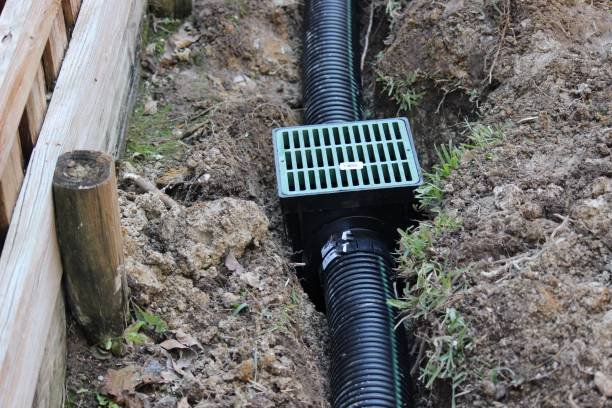
Drainage ditch. Laying a drainage pipe using rain drainage sewage pipe and box. Earthwork.

On a commercial piece of property, a wide range of issues might arise. Whether you manage a bustling business complex, a cozy coffee shop, or a well-liked eatery, plumbing problems can be every owner’s worst nightmare. 

Maintaining the cleanliness of your institution is one of the most crucial components of running a successful business, and part of your duty is to make sure your drainage system is functioning correctly.

Regular maintenance must be carried out with the help of commercial drainage specialists to make sure that your plumbing and drainage system continues to operate as it should. Your plumbing system will experience relatively fewer problems as a result of this timely maintenance.

KNOWING HOW DRAINS OPERATE

It’s critical to comprehend how drains function before learning how to care for them. The purpose of drains is to transport water and trash from your house to the sewage system. The majority of drains rely on gravity to do this, which causes the waste to flow through the pipe and into the sewer.

A CLOGGED DRAIN’S WARNING SIGNS

Slow drainage is one of the most typical indications of a clogged drain. If the water in your washbasin or shower is draining slowly, there may be an obstruction in the pipe. An additional indication of a clogged drain is:

  • Sour smells emanating from the sewer
  • Bubbling or gurgling noises when the water drains
  • Shower or wash basin overflowing with water
  • Backed-up toilets
  • Returning waste to the toilet

TYPICAL REASONS FOR BLOCKED DRAINS

Blocked drains can be caused by a number of common factors, including:

  • Hair: One of the most frequent causes of a clogged drain in the bathroom is hair.
  • Soap: The accumulation of soap scum in the pipes can cause obstructions.
  • Food Waste: Food waste in the kitchen can build up in the pipes and result in blockages.
  • Grease: Grease that is poured down the drain might harden and produce a clog.
  • Paper towels, wet wipes, and feminine hygiene items are examples of other objects that might clog your drains.

These reasons can create serious damage to the commercial area if not treated timely. It is recommended to take the services of commercial drainage specialists to avoid severe future problems. 

TIPS TO TAKE CARE OF COMMERCIAL DRAINAGE

Cleaning and maintenance of drainage are quite important whether in the commercial or local area. There are following tips listed below that will help you in this process:

1. PLAN ROUTINE DRAIN CLEANING

The best defense against potentially expensive and bothersome issues is preventative treatment. The easiest approach to maintaining a drain is to clean your business drains once a month. 

It will be simple to remember to perform preventative drain maintenance by marking your calendar at the end or beginning of each month to clear your drains, and you may lower your risk for blockages and other issues.

Your commercial drains can operate as effectively as possible if you take care of them. A drain that is blocked with debris and grime is not working properly. Maintaining a drain maintenance routine ensures that your drains are operating correctly and aren’t a hassle.

2. AVOID FLUSHING TRASH DOWN THE DRAIN

Maintenance workers or commercial drainage specialists may be tempted to sweep or pour debris down the drain depending on the type of business property you have, but it’s best to resist. Floor drains are not designed to handle any form of solid waste or any kind of greasy liquid.

The plumbing system in your building may not always be at risk from an accident, but over time, solid debris and waste containing oil can cause major drain blockages. If you haven’t already, inform staff members of proper drain usage guidelines to avoid a serious plumbing problem.

3. IMPLEMENT SAFETY MEASURES

Drains are a perfect example of when it’s preferable to prevent problems than to fix them. Making sure that problematic objects do not enter your drainage system is crucial. Ensuring that just toilet paper is flushed down the toilet is necessary. 

Items like sanitary towels, dental floss, tampons, and diapers shouldn’t be disposed of in this manner and will certainly result in issues if they are. Food scraps and oil are other frequent drain blockage causes, therefore they shouldn’t be flushed down the sink either. Make sure all staff members are informed of these details.

FINAL WORDS

Nobody wants the hassle of a clogged drain. Make sure you’re keeping up with routine maintenance, which includes cleaning your drains once a week, to ensure that they stay nice and clear. 

Long-term savings come from investing a little more time each week to make sure your drains are clear. It can be preferable to consult a commercial drainage specialist if self-help efforts to tackle the issue have failed. 


Guest Contributor: Zahid Iqbal

HOW TO BUILD A HOME FOR AN ELDERLY LOVED ONE

Shaking hands. Smiling young man real estate broker handshaking with older family couple after buying selling property. Spouses retirees thank bank agent for help after signing loan mortgage agreement

As home isn’t just a place but a feeling where you are safe and comfortable, your elderly loved ones need a place where they can make endless memories. Although building a home for your elders may be difficult, good planning can be a rewarding experience resulting in a comfortable living space. The elderly loved ones are a blessing to many and must be cared for by providing good shelter. If you are worried about how to build a home for your elderly loved one, worry no more, as the following article got you covered.     1. Ensure The Entrances And Exits Are Accessible Just like any other thing, emergencies are a part of your life. Therefore, while building a home for older people, it’s advisable to promote their safety by ensuring the entrances and exits are accessible. You can also create a series of questions to ask your builder about how the home of your elderly loved one should look. A fundamental safety for older people is when they can easily escape from the house in an emergency. Some homes are designed without proper emergency exits, which exposes them to potential risk. Although young people can look for many alternatives, like jumping out of the window during an emergency, older people may be unable to do that.    Entering the house and certain rooms don’t need barriers like mats. Consider developing a secure and safe ramp without steps near the doorway. Also, the delicate barriers can hold your elders’ feet, leading to injury.  Additionally, it would help if you remembered to ensure the doors are in an excellent working state. It will avoid the scenario whereby your elders will sleep with doors wide open, thus increasing their risk of being attacked by robbers. The entries provide paramount security. If some doors don’t work well, your elders will have a hard time as they fear wild animals’ attacks. Also, the doors should open and shut without more effort to simplify the elders’ life while using them. It is advisable to teach them how to operate the door as they use it alone most of the time. 

2. Use Assistive Technology With the rise of technology, older people can survive independently. Assuming they have problems walking from one place to another, the assistive technology will help them to walk without struggling. The technology only requires a command to work automatically, thus reducing the rate of relying on other persons. However, assistive technology doesn’t fully replace the support of a family member, as older parents need to be taught how to use the device properly.  Regarding bathroom use, shower buddy solutions can help reduce the manual strain on the elders. They need ample time while showering; thus, it will take care of bathing, transfers, toileting, and more. For instance, many elderly couples use the device to assist each other while bathing. Therefore, use assistive solutions and make their life comfortable. Thus, ensure you install the medical alert systems to help your elders keep safe at all times.    3. Choose The Right Location Location is very crucial when building a home for your elderly. As they are more likely to get sick, making their home is good to consider if there is a nearby: 

  • Medical Facility: Most older people die due to poor medication or a lack of medical facilities near their residences. They find it hard to travel from one place to another in search of medical necessities; hence they end up assuming their health status to the point of deteriorating. Family Members: It is advisable to build a home for your elderly near a family member. Although building a home for older people near a family member may seem so obvious, it has got a lot of advantages associated with it. The interaction between the elders and the family members can help reduce loneliness which most elders go through and provide welcoming care whereby your loved ones will feel loved and cared for.  

Mostly, the grandchildren don’t have much time to spend with their grandparents because of the distance between them.   Therefore, building a home for them near a family member will help in giving additional opportunities to get to know and bond with their elders. It is such a nice feeling having your elders well taken care of by one of your family members.  By doing this, you will be at peace wherever you are, knowing that whenever your elders need assistance, somebody will take care of them. For example, when they fall sick, a family member who is close to them will rush them to the nearest hospital for medicationBottom line 

Older people are a special part of everyone’s life. Caring for them in their old age is advisable to avoid mysterious deaths. While building a home for your elderly loved ones, choose the right location, use assistive technology, and ensure the entrances and exits are accessible. Thus, by following the tips mentioned, your elderly loved ones are guaranteed a peaceful life full-time safely.

GARDENING SEASON – WHAT PLANTS TO WATCH OUT FOR WITH PETS

As pet owners, we all want to ensure that our furry friends are safe and healthy at all times. However, many of us may not realize that some common household plants and flowers can be toxic to dogs and cats if ingested. In this blog post, we will discuss some of the most common poisonous plants and flowers for pets and offer some safe alternatives.

Poisonous Plants and Flowers for Dogs and Cats

1. Aloe Vera: Aloe Vera is known for its soothing properties and is commonly used for treating skin conditions. However, it can be toxic to dogs and cats, causing vomiting, diarrhea, and tremors.

2. Azaleas and Rhododendrons: These popular plants contain toxins that can cause vomiting, diarrhea, and difficulty breathing in dogs and cats.

3. Lilies: Lilies are highly toxic to cats, causing kidney failure and death if ingested. Even small amounts of lilies can be deadly to felines.

4. Daffodils: Daffodils contain toxic alkaloids that can cause vomiting, diarrhea, and abdominal pain in dogs and cats.

Sago Palm: The Sago Palm is a popular indoor plant that contains toxins that can cause vomiting, diarrhea, seizures, liver failure, and even death in dogs and cats.

Safe Plants and Flowers for Dogs and Cats

1. Spider Plant: Spider plants are non-toxic to dogs and cats and are safe to have in the house.

2. African Violet: African violets are also non-toxic to pets and add a pop of color to any room.

3. Boston Fern: Boston ferns are safe for pets and help to purify the air.

4. Marigold: Marigolds are a popular garden plant that is safe for pets and also repels mosquitoes and other insects

5. Petunia: Petunias are another colorful garden plant that is safe for pets.

In conclusion, as pet owners, it is important to be aware of which plants and flowers are poisonous to dogs and cats. By keeping toxic plants out of our homes and gardens, we can help keep our furry friends safe and healthy. It’s also good to know that there are plenty of safe alternatives that we can choose from to add a touch of nature to our homes and gardens without putting our pets at risk.