HOW TO TRANSFORM YOUR PATIO AND BALCONY FOR YEAR-ROUND USE

A patio or balcony is the perfect place to be in the summer, but during winter, it becomes another unused space on your property – until now. If you want to get more use out of your full property, including the outdoor spaces, then you’ll need to upgrade what you have. With these easy fixes, you can enjoy your patio or balcony year-round:

ADD BEAUTIFUL BUT FUNCTIONAL WINDBREAKERS

One of the main issues with outdoor spaces is the wind, which can make it feel much colder than it actually is. Consider adding attractive but functional windbreakers to your patio or balcony to combat this. Natural options include a trellis covered in climbing plants or elegant privacy screens. However, if you have a stunning view that you don’t want to obstruct, you’ll want some glass windbreaks. These are essentially glass fences that can be extended vertically to block out the wind.  

INCLUDE BEAUTIFUL HEATERS TO KEEP THINGS COZY YEAR-ROUND

Even with windbreakers in place, it can still get chilly outside during the cooler months. Adding a heater to your outdoor space is a great way to extend the use of your patio or balcony into the fall and winter. You can choose freestanding propane heaters, wall-mounted electric units, or even install a natural outdoor fireplace. This heater will need to be either sit center of your patio or, alternatively, around your furniture to create a cozy environment. Regardless of what option you choose, always follow safety guidelines.

MAKE SURE YOUR FURNITURE IS WEATHERPROOFED

If you’re going to be spending time outside year-round, you’ll need furniture that can stand up to the elements. Look for outdoor furniture made from materials like plastic, tough-wearing woods, or metal that are naturally resistant to moisture and insects. If you already have furniture that you love but that isn’t weatherproof, consider applying a waterproof sealant to protect it from the elements. You can also invest in outdoor furniture covers to help protect your furniture from the elements when it’s not in use.

ADD A ROOF OR CLEAR TARP OVERHEAD

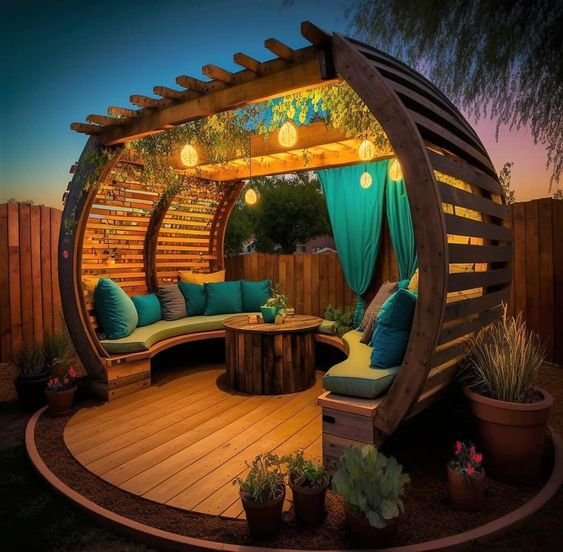
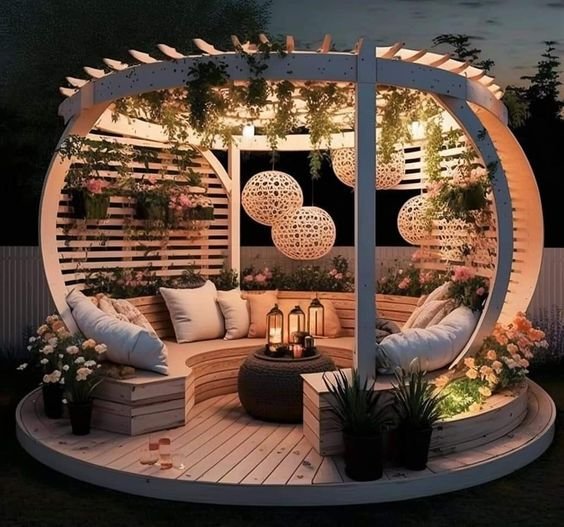
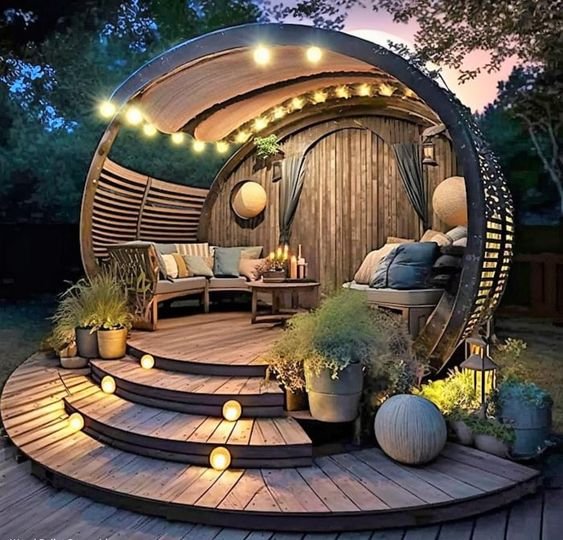
If your patio or balcony is completely exposed to the elements, you might want to consider adding a roof or a clear tarp overhead. This will not only help keep rain and snow off of your furniture but also create a cozier, more intimate space. A pergola is a great option for a patio, as it provides some shade and protection without completely enclosing the space. A clear tarp can then be added to create a temporary waterproof roof that can be removed during the warmer months.

PROTECT FURNISHINGS IN A WEATHER-TIGHT STORAGE BOX

Even with the best windbreakers, heaters, and furniture, you’ll still need a place to store everything when the weather gets really bad. A weather-tight storage box is a great solution for keeping your patio or balcony clean and clutter-free year-round, and it’s particularly great if you have cushions you want to keep in good condition. Look for a box made from weather-resistant materials like resin or metal that can withstand the elements. If there’s anything soft that you don’t want to rot or get infested, opt for storage units with full sealing. A garden shed can then be used to store your gardening equipment and other low-priority items.

TIPS FOR GIVING YOUR BACKYARD A MAKEOVER

Giving your backyard a new lease on life is one of the most satisfying and rewarding projects you can set yourself when you want to make an improvement to your home.

The reasons for this are twofold. Firstly, working out in the open air is a fantastic way to reconnect with nature, de-stress from a busy, urban environment, and watch the fruits of your labor blossom. 

Unlike interior home improvement projects, backyard rejuvenation doesn’t negatively impact your daily life (unless you use your garden religiously). This means that you can complete the project at your own pace without becoming irritated or overwhelmed by the scale of the task.

The other reason why giving your backyard a makeover is satisfying is because it allows you to enjoy your outdoor space that bit more. Whether you are returfing your lawn to play soccer with your kids on or creating a decking area on which to enjoy barbeques with friends – there is no shortage of enjoyment you can derive from a backyard improvement project.

To help you get the most out of your backyard makeover, here are some top tips:

Install a retractable awning.

One of the best ways to improve your backyard is to ensure you can sit out in the garden during all weather conditions without an unpleasant experience. It doesn’t matter whether you live in the hottest part of the world with the sun beating down on you relentlessly or in a rainy and cloudy climate that can never make up its mind – you need to be prepared to take shelter from the weather when necessary.

This is why installing a retractable patio awning is such a useful addition to your backyard. It enables you to enjoy your garden no matter the weather conditions, which is an underrated benefit.

Consider the number of times you have had to retreat back indoors due to unbearable sunlight or miserable rain. It has severely limited your ability to use the garden, which is a great shame. Instead, with a retractable awning, you can sit underneath and enjoy a book, spend time with family and friends, or simply enjoy the weather from the safety of the cover.

Create a dedicated decking or patio area.

Another great addition to your backyard is a dedicated decking or patio area. This is because having a garden with nothing but grass can be impractical. While grass is beautiful to look at when it is properly maintained, it can be difficult to place tables, chairs, barbeques, and other items on – especially if you frequently get rain.

The grass will soon die or become muddy and sodden, quickly making your backyard unpleasant. Instead, by creating a decking or patio area, you can have a dedicated area for entertaining guests, cooking food, or just placing furniture and other heavy items. 

Lay new turf and flower beds

Finally, if your garden looks tired and sorry for itself, you should returf the space and plant fresh flower beds to rejuvenate your backyard. The great thing about returfing is that you can buy ready-grown turf, meaning it will look great from the moment you lay it – no waiting for it to grow.

SUMMER DIY PROJECTS

Summer is the perfect time to get creative and start some DIY projects that you’ve been dreaming about all year. Whether you want to improve your home, upgrade your garden, or simply have some fun, there are plenty of easy DIY projects you can try out. Here are some ideas for DIY summer projects that will keep you busy and engaged.

  • Create a Vertical Garden

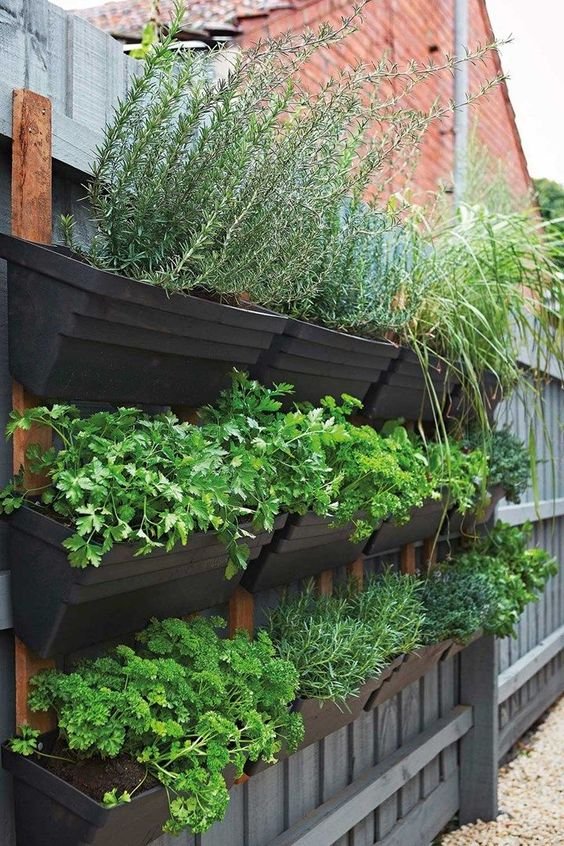
Vertical gardens are a great way to add greenery to your home or apartment, even if you don’t have much space. You can use a variety of containers, including old tin cans, mason jars, or wooden crates, and hang them on a wall or fence. You can then fill them with herbs, flowers, or succulents, and enjoy a mini garden right in your living space.

  • Build a Fire Pit

A fire pit is a perfect addition to any backyard, and it’s a great project to tackle during the summer months. You can buy a fire pit kit at a home improvement store or build your own from bricks or pavers. Make sure to check local regulations and fire codes before starting this project.

  • Create a Swing

If you have some old pallets lying around, you can easily turn them into a comfortable and stylish outdoor swing. You’ll need a few tools and materials, including screws, rope, and cushions, but the end result is a cozy spot to relax and enjoy the warm weather.

  • Make a Solar-Powered Outdoor Light

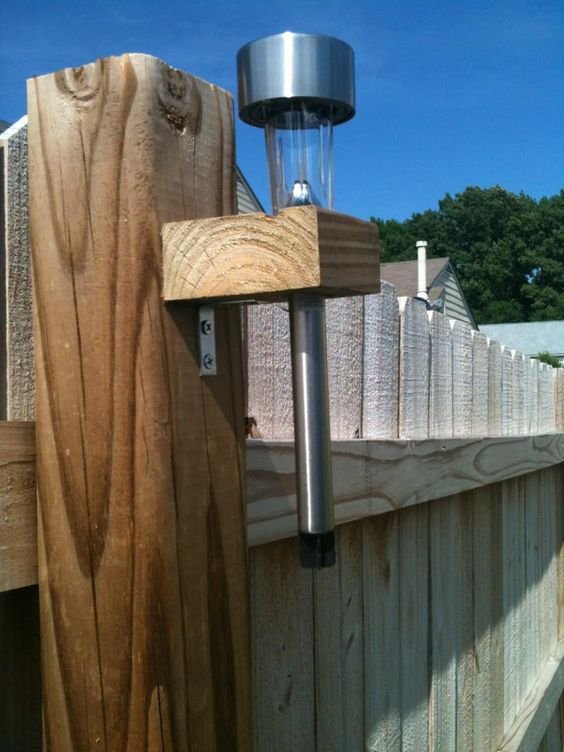
If you’re looking for a sustainable and eco-friendly project, consider making your own solar-powered outdoor lights. You can use a variety of materials, including mason jars, wine bottles, or PVC pipes, and install solar-powered lights to create a unique and energy-efficient lighting solution for your yard or patio.

  • Build a Birdhouse

Creating a birdhouse is a fun and easy project that can be enjoyed by the whole family. You can use scrap wood, old license plates, or even teapots to create unique and colorful birdhouses. Hang them in your garden or backyard, and enjoy watching the birds as they come and go.

  • Design a Custom Beach Bag

If you’re heading to the beach this summer, why not create your own custom beach bag? You can use fabric paint, tie-dye, stencils, or iron-on patches to decorate a plain canvas bag and make it uniquely yours. This is a great project to do with kids, and the finished product is both functional and stylish.

Summer is a great time to get outside and explore your creative side. With these DIY projects, you’ll have plenty of fun and rewarding activities to keep you busy all season long. So grab your tools and get started on your next DIY adventure!

THE TRAGEDY AT OAK FOREST BOWL

On May 6th, 2023, Oak Forest Bowl, a beloved bowling alley located in Oak Forest, Illinois, was destroyed by a devastating fire. The incident has left the community in shock and mourning, as the bowling alley has been a staple of the area for over 50 years.

The cause of the fire is still under investigation, but initial reports suggest that it may have been caused by an electrical fault, and it appears that it started outside of the building.

The fire was reported in the early hours of the morning and quickly spread throughout the building. Firefighters arrived on the scene promptly, but the intensity of the blaze made it difficult to contain. Despite their efforts, the building was completely destroyed, and the roof collapsed shortly after their arrival. Fortunately, no one was injured in the fire, as the building was empty at the time.

The loss of Oak Forest Bowl is a devastating blow to the community. The bowling alley has been a gathering place for generations, and many people have fond memories of spending time there with friends and family. The building was also home to several leagues, which provided a sense of community for those who participated.

The community has also rallied around the owners, offering their support and condolences. Many have taken to social media to express their sadness and share their memories of the bowling alley. Some have even started fundraising efforts to help with the rebuilding process.

Other local businesses in the area have expressed their sadness and support by offering both part time and full time jobs to those who were employed at Oak Forest Bowl. A big thank you to Durbin’s and Kenootz in Midlothian, At The Office in Crestwood, and Cooper’s Bar and Grill in Oak Forest for making these jobs available for those who need it at this time.

The loss of Oak Forest Bowl is a tragedy for the community, but it is heartening to see the outpouring of support in the wake of the fire. The memories and friendships formed at the bowling alley will live on, and hopefully, one day soon, a new Oak Forest Bowl will rise from the ashes. Keith has always been there for the Oak Forest Community, we will be here for him when it’s time to rebuild!

OUTDOOR PERGOLA HANGING DAYBED: THE NEW OUTDOOR STAPLE

An outdoor pergola hanging daybed is the perfect addition to any backyard or garden space. It is a great way to create a cozy and relaxing outdoor retreat where you can enjoy the fresh air, sunshine, and beautiful scenery. With its unique design and functionality, a hanging daybed can serve as a versatile and comfortable seating option that can accommodate several people at once.

The pergola hanging daybed is essentially a combination of a traditional pergola and a daybed. The pergola provides a shaded outdoor space that protects you from the harsh sun while still allowing you to enjoy the fresh air and beautiful views. The daybed, on the other hand, is a comfortable and cozy seating option that allows you to recline and relax outdoors.

When combined, the result is a beautiful and functional outdoor seating area that is perfect for entertaining guests or simply lounging with a book or a refreshing drink. The pergola hanging daybed typically features a sturdy wooden frame that supports the hanging daybed and a canopy or roof to provide shade and protection from the elements.

One of the key benefits of a pergola hanging daybed is its versatility. It can be used for a wide range of activities, such as reading, napping, sunbathing, or enjoying a meal with friends and family. The spacious design allows multiple people to relax together comfortably, making it a great option for social gatherings or family time.

In addition to its functionality, a pergola hanging daybed can also add a unique and stylish touch to your outdoor space. The wooden frame and canopy provide a natural and rustic look that complements the beauty of your garden or backyard. You can also add cushions, blankets, and decorative pillows to customize the look and feel of the daybed to match your personal style and preferences.

When it comes to maintaining a pergola hanging daybed, there are a few things to keep in mind. Regular cleaning is essential to keep the daybed looking its best and prevent any damage or wear and tear. You should also check the stability and durability of the frame and canopy periodically to ensure that it is secure and safe to use.

In conclusion, a pergola hanging daybed is a beautiful and functional addition to any outdoor space. It offers a comfortable and versatile seating option that can accommodate multiple people, making it perfect for social gatherings or family time. With its natural and rustic look, it can also add a stylish touch to your garden or backyard. So why not create your own outdoor retreat with a pergola hanging daybed today?

THE 5 THINGS NO ONE TELL YOU ABOUT MOVING INTO YOUR FIRST HOME

Unless you’re one of the rare breeds who are born in the family home and stay in it once your parents pass, then chances are you’re going to move home at least once in your life! Whether you’re moving with your partner, kids, friends, or your own solo pad, getting the keys and moving into your first property can be a daunting affair.

You may have already scoured the web for tips and strategies for a seamless move day. However, there are certain things no one seems to tell you about the moving process that you need to know about! Knowledge is power, so reading the below will help prepare you for what awaits and get you ready for homeowner life.

It’s Never Too Early to Start

If there’s one key bit of advice we can give to first-time homeowners, it’s to give yourself plenty of time to pack, pack and pack some more! Don’t leave things till the last minute. If you’re the type of person who wings it, you will be doing yourself a disservice. There are so many duties to undertake before you get the keys to your first home. If you’ve got time on your hands and you’re twiddling your thumbs, put it to good use and start packing now!

Prepare for Stress and Anxiety

While some of your loved ones may have hinted there’s a bit of stress involved in moving house, you need to be prepared for a lot more of it than they’re letting on! This isn’t to scare you either. While moving into your first home is incredibly exciting, because there are so many tasks to complete in advance, stress and anxiety levels are bound to skyrocket. Just try and keep your cool and focus on the end game. If things are getting too much, try out some deep breathing exercises to calm you down.

You Have More Belongings Than You Think

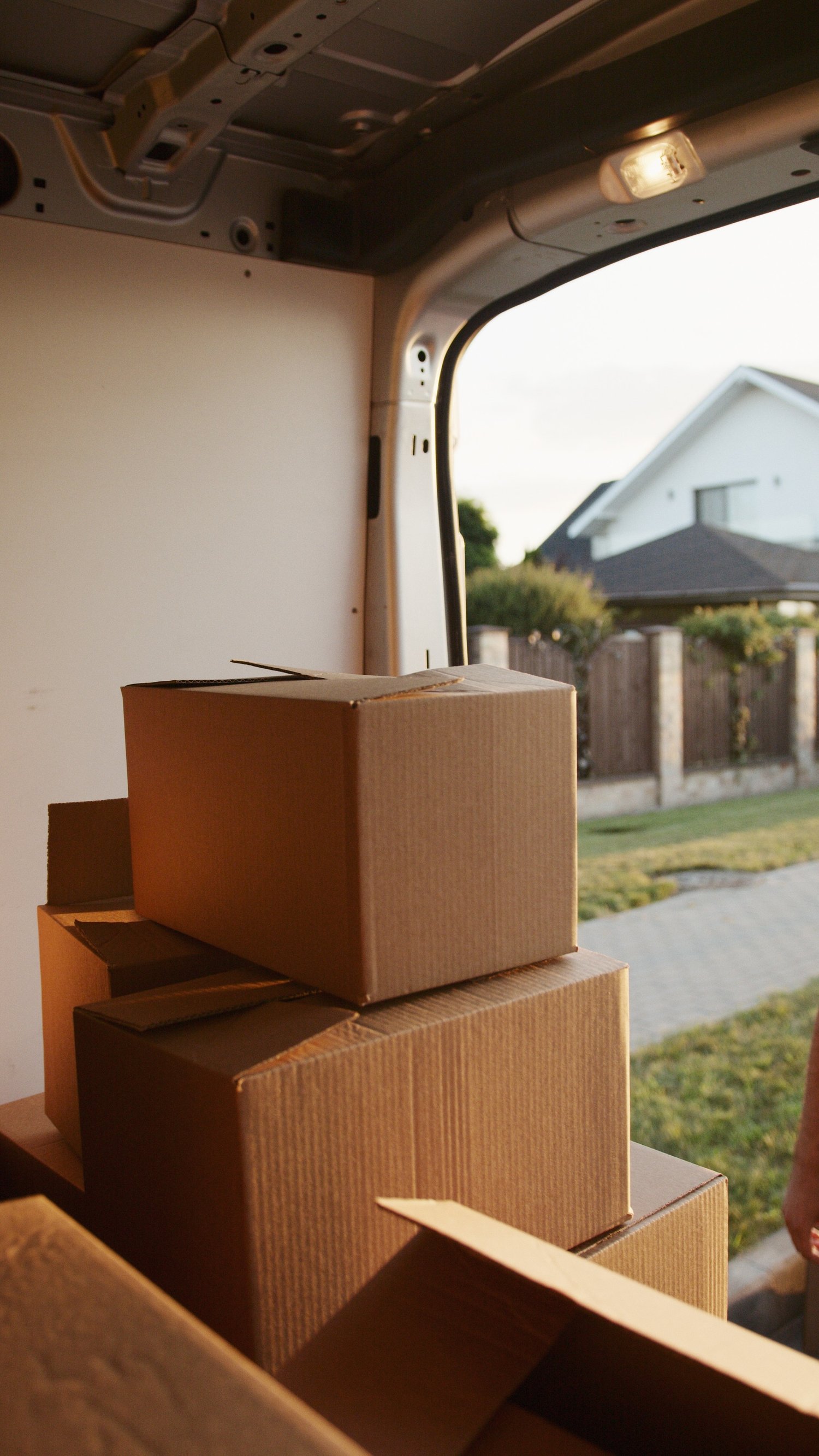
Whenever someone moves into their first property, they tend to underestimate just how much stuff they have! If you’re worried you’re not going to be able to fill your home up, trust us, you will! You’ll be amazed at how many belongings you have. Once you get packing, if you find the boxes are mounting up to the ceiling, why not look into storing them somewhere for the time being? This is where Safestore comes into the equation. They can house your personal belongings in a self-storage unit while you move into your first property.

Things Can and Do Go Wrong

It doesn’t matter how much planning and preparation you’ve done for the big move, things can and do go wrong. And guess what? It’s fine! There are bound to be some obstacles along the way, but we promise you’ll overcome them. Whether it’s the removal van not turning up on time or you’ve run out of masking tape for your boxes, try not to let your stress get the better of you.

Moving Will Be a Huge Disruption

Many of us lead hectic schedules. Whether you work long hours at the office, or your days are filled looking after the kids, the idea of moving into your first home may fill you with dread, especially when it comes to time constraints. As we’ve touched on, it’s wise to spend any spare minute you have getting ready for the big move. That way, you won’t have an endless list of tasks to do on move day.

We all know moving home isn’t easy. However, even those who go into their first move with their eyes wide open soon realise there are many things no one seems to let you know about in advance! To make the move into your first property as smooth as possible, learning about the potential issues above can help you prepare accordingly. Finally, all we have left to say is good luck on the move and enjoy your forever home!

NEED SOME ANSWERS TO A SEPTIC TANK ISSUE? COMMON FAQS ANSWERED

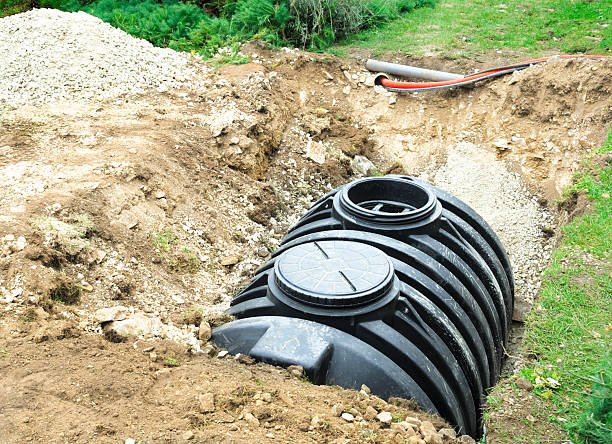
Installation of a drainage tank (septic tank) in a domestic garden

If you have ever lived or stayed in a rural setting in the US, or parts of the UK, you will have likely used a septic tank. In 2023, these systems will be more sophisticated, and many homes are now choosing to have their septic tanks connected to their garbage disposal in the kitchen. However, while this is logical, it isn’t always straightforward, and issues can occur. 

So, when it comes to troubleshooting issues with your septic tank or your connected garbage disposal, you will probably have a few questions. In this article, 5 FAQs about garbage disposal systems and septic tanks are answered.

Remember, if you need help immediately, call an emergency septic tank specialist!

Can A Waste Disposal Be Fitted With A Septic System?

Yes, you can use garbage disposal for septic systems, but it’s important to use it properly and avoid putting certain types of waste down the drain.


Also, not all kinds of septic tanks are able to support a garbage disposal system. Indeed, most modern septic tank systems can support garbage disposal, but it’s important to choose a disposal unit that is specifically designed for use with a septic system. It’s also important to use the garbage disposal properly and avoid putting certain types of waste down the drain.


What Should I Avoid Putting Down the Garbage Disposal if I Have a Septic Tank?

You should avoid putting non-biodegradable materials, grease, oil, bones, eggshells, coffee grounds, and vegetable peels down the garbage disposal when you have a septic tank fitted.

It is also worth noting that your septic tank will drain from your bathroom too. So, while it isn’t the garbage disposal, you will need to avoid flushing feminine hygiene products and nappies down the toilet, as well as wipes, as these can cause clogs and blockages in the system.


If I Use Garbage Disposal, Will My Septic Tank Need Pumping?

If you use garbage disposal regularly, you should have your septic tank pumped more frequently, typically every 2-3 years.

This may vary based on the model of the septic tank or garbage disposal.  


Can a Clogged Garbage Disposal Cause Problems With My Septic System?

Yes, a clogged garbage disposal can cause backups and clogs in your septic system, leading to potential damage and expensive repairs.

Some indicators of an issue with a septic tank to keep an eye out for include bad smells, poor drainage, a backup of food waste through your pipes and sinks, as well as issues with your yard or garden, such as the sudden appearance of soggy spots.

If you spot signs of clogged garbage disposal in your home, you need to call out a professional promptly to fix it.


Are There Any Types of Garbage Disposals That Are Better For Septic Tank Systems?

There are garbage disposals specifically designed for use with septic tank systems that use a bio-charge injection system to help break down waste and reduce strain on the septic system. It’s recommended to use these types of disposals if you have a septic tank.

THE ULTIMATE GUIDE TO PREVENTING COMMON HOUSEHOLD PESTS

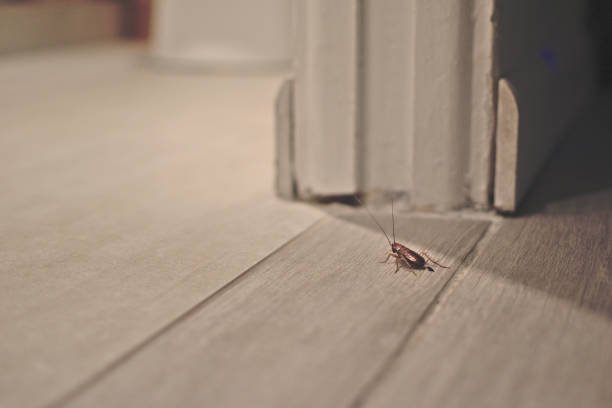
Cockroach on wooden floor in apartment house

Pest infestations can be a nuisance and a health hazard, causing damage to your home and potentially spreading diseases. Prevention is key when it comes to keeping your home pest-free, and this ultimate guide will help you understand the common household pests and the steps you can take to protect your living space from unwelcome intruders. With a combination of proactive measures and regular maintenance, you can minimize the likelihood of a pest infestation and enjoy a clean, healthy home.

1. KNOW YOUR PESTS

The first step in preventing household pests is to understand the most common types you may encounter. These pests can vary by region and climate, but some of the most common invaders include:

  • Ants
  • Cockroaches
  • Rodents (mice and rats)
  • Spiders
  • Termites
  • Bedbugs
  • Mosquitoes
  • Flies

Each of these pests has unique habits and preferences, so it’s essential to learn about their behaviors to develop a tailored prevention strategy.

2. SEAL ENTRY POINTS

Pests can enter your home through tiny cracks and gaps, making it crucial to seal any potential entry points. Inspect your home’s exterior for openings and use the appropriate materials to seal them, such as caulk, weather stripping, or steel wool. Some common areas to check include:

  • Door and window frames
  • Utility line entrances
  • Foundation cracks
  • Vents
  • Roof soffits

3. MAINTAIN A CLEAN LIVING ENVIRONMENT

A clean home is less likely to attract pests, as they are often drawn to food sources and nesting materials. To maintain a clean living environment, follow these tips:

  • Store food in airtight containers and promptly clean up spills and crumbs.
  • Regularly clean kitchen appliances, countertops, and floors.
  • Dispose of garbage in sealed trash cans and remove it from your home frequently.
  • Vacuum and mop floors regularly to remove dust and debris.
  • Wash bedding, curtains, and upholstery as needed.

4. ELIMINATE EXCESS MOISTURE

Many pests, such as cockroaches, ants, and termites, are attracted to moisture. By eliminating excess moisture in your home, you can make it less hospitable to these unwanted guests. Address any plumbing leaks, ensure proper ventilation in bathrooms and kitchens, and use a dehumidifier in damp areas, such as basements or crawlspaces.

5. MAINTAIN YOUR YARD

A well-maintained yard can help prevent pests from entering your home. Keep your lawn trimmed, remove fallen leaves and debris, and prune trees and shrubs away from your home’s exterior. Additionally, eliminate standing water in your yard, as it can attract mosquitoes and provide a breeding ground for various pests.

6. USE NATURAL REPELLENTS

Some natural repellents can help deter pests without the use of harsh chemicals. For example, planting herbs such as basil, lavender, or mint around your home can help repel mosquitoes, flies, and ants. Diatomaceous earth, a natural powder made from crushed algae, can be sprinkled around your home’s perimeter to deter crawling insects like ants and cockroaches.

7. SCHEDULE REGULAR INSPECTIONS

Regular inspections are crucial for early detection and prevention of pest infestations. For example, scheduling a termite inspection can help you identify and address any termite activity before significant damage occurs. It’s also essential to check your home regularly for signs of other pests, such as droppings, nests, or damage to wood, insulation, or wiring.

8. CONSULT A PROFESSIONAL WHEN NEEDED

If you suspect a pest infestation or need help with prevention strategies, don’t hesitate to consult a professional exterminator. They can provide expert advice, identify potential problem areas, and recommend tailored solutions for your specific situation. In some cases, such as termite infestations, professional intervention is essential to properly treat and protect your home.

9. MONITOR YOUR HOME FOR SIGNS OF PESTS

Stay vigilant and regularly monitor your home for any signs of pest activity. Look for droppings, damaged wood, chewed wires, or other indicators that pests may be present. Early detection is key to preventing a small infestation from becoming a major problem.

10. EDUCATE YOURSELF ON PEST PREVENTION TECHNIQUES

Knowledge is power when it comes to pest prevention. Stay informed about the latest pest control techniques and products, as well as the habits and preferences of common household pests. This will allow you to make informed decisions about the best prevention strategies for your home.

11. STORE FIREWOOD PROPERLY

If you have a wood-burning fireplace or stove, it’s essential to store firewood properly to prevent pest infestations. Keep firewood off the ground, at least 20 feet away from your home, and covered to protect it from moisture. This will help deter pests such as termites, ants, and rodents from taking up residence in your firewood stack.

12. BE MINDFUL OF PEST-ATTRACTING ITEMS

Some items may inadvertently attract pests to your home, so be mindful of what you bring inside. For example, cardboard boxes, used furniture, or second-hand clothing can harbor pests such as cockroaches, bedbugs, or rodents. Inspect these items carefully before bringing them into your home and consider using plastic storage containers instead of cardboard boxes.

In conclusion, preventing common household pests is an ongoing process that requires a combination of proactive measures, regular maintenance, and vigilance. By understanding the habits of common pests, sealing entry points, maintaining a clean and dry living environment, and seeking professional help when needed, you can minimize the risk of a pest infestation and protect your home and family. So, stay proactive and keep pests at bay with this ultimate guide to pest prevention.

INNOVATIVE FEATURES AND AMENITIES TO INCLUDE IN YOUR CUSTOM HOME DESIGN

Designing a custom home offers the unique opportunity to create a living space tailored to your preferences, needs, and lifestyle. With countless innovative features and amenities available, you can design a home that not only looks stunning but also incorporates cutting-edge technology, energy efficiency, and unparalleled comfort. In this article, we’ll explore some of the most innovative features and amenities to consider including in your custom home design, ensuring that your dream home is as functional as it is beautiful.

1. SMART HOME AUTOMATION

As technology continues to advance, smart home automation has become an increasingly popular feature in custom home designs. Incorporating smart home technology can help you create a more efficient, convenient, and comfortable living environment by allowing you to control various aspects of your home through a single device or app. Some popular smart home features to consider include:

  • Lighting control: Automate your lighting to turn on and off based on your daily routines or the time of day, improving energy efficiency and enhancing home security.
  • Climate control: Use smart thermostats to regulate your home’s temperature, providing optimal comfort while minimizing energy consumption.
  • Security systems: Integrate smart security cameras, doorbells, and locks for added safety and peace of mind.

2. ENERGY-EFFICIENT FEATURES

Working with experienced custom home builders can help you incorporate energy-efficient features into your home design, resulting in lower utility bills and a reduced environmental impact. Some energy-efficient features to consider include:

  • Solar panels: Generate clean, renewable energy by installing solar panels on your roof or property.
  • High-performance windows: Invest in high-quality, energy-efficient windows that minimize heat transfer and reduce energy consumption.
  • Insulation and air sealing: Improve your home’s thermal envelope by using top-quality insulation materials and ensuring proper air sealing techniques.

3. FLEXIBLE LIVING SPACES

As families grow and change, it’s essential to design a custom home that can adapt to evolving needs. Including flexible living spaces in your home design can provide the versatility you need to accommodate various life stages, hobbies, or guest accommodations. Some ideas for flexible living spaces include:

  • Multi-purpose rooms: Design rooms that can serve multiple functions, such as a home office that doubles as a guest bedroom or a playroom that can be converted into a study area.
  • Expandable dining areas: Incorporate sliding or folding doors that can open up your dining space for large gatherings or be closed off for more intimate meals.
  • Outdoor living spaces: Create seamless indoor-outdoor living by designing covered patios, outdoor kitchens, or living areas that can be used year-round.

4. SPA-INSPIRED BATHROOMS

A luxurious, spa-inspired bathroom can serve as a peaceful retreat in your custom home. Working with a custom home builder can help you design a bathroom that incorporates high-end features and amenities, creating a space where you can relax and unwind. Consider the following elements for your spa-inspired bathroom:

  • Freestanding soaking tub: Choose a stylish, freestanding soaking tub for a striking focal point and a relaxing bathing experience.
  • Steam shower: Install a steam shower to enjoy the therapeutic benefits of steam, which can help relieve stress, ease muscle tension, and improve respiratory health.
  • Heated floors: Enhance your bathroom’s comfort by incorporating heated floors, providing a warm and cozy surface underfoot.

5. CUSTOM STORAGE SOLUTIONS

Maximizing storage is a crucial aspect of any custom home design, helping you maintain a clutter-free and organized living environment. Custom storage solutions can be tailored to your specific needs, ensuring that you have ample space to store your belongings efficiently. Some custom storage ideas include:

  • Built-in cabinetry: Incorporate built-in cabinets, shelves, or bookcases throughout your home to create functional and attractive storage options.
  • Walk-in closets: Design spacious walk-in closets with custom organizers, shelves, and drawers to store your clothing, accessories, and shoes in an organized manner.
  • Mudrooms and laundry rooms: Create dedicated spaces for mudrooms and laundry rooms, complete with custom storage for coats, shoes, and other everyday items.

6. HOME WELLNESS FEATURES

A growing trend in custom home design is the incorporation of wellness features that promote a healthy and balanced lifestyle. By including wellness-focused amenities in your home design, you can create a living environment that supports your physical and mental well-being. Consider the following wellness features:

  • Home gym: Design a dedicated space for a home gym, complete with the equipment and layout that suits your workout preferences and fitness goals.
  • Meditation or yoga room: Create a serene, calming space for meditation, yoga, or other relaxation practices by incorporating natural elements, soothing colors, and comfortable seating.
  • Indoor air quality: Invest in high-quality air filtration and ventilation systems to maintain optimal indoor air quality, reducing allergens and pollutants in your home.

7. ENTERTAINMENT SPACES

Custom homes often include dedicated entertainment spaces designed to host gatherings, enjoy family time, or simply relax and unwind. These spaces can be tailored to your interests and preferences, ensuring that your home provides endless opportunities for fun and enjoyment. Some entertainment spaces to consider include:

  • Home theater: Design a state-of-the-art home theater with comfortable seating, high-quality audio-visual equipment, and soundproofing for the ultimate movie-watching experience.
  • Game room: Create a dedicated game room with space for a pool table, arcade games, or other entertainment options that cater to your interests.
  • Outdoor entertainment areas: Design outdoor spaces that encourage socializing and relaxation, such as a swimming pool, fire pit, or outdoor kitchen.

In conclusion, designing a custom home provides the opportunity to incorporate innovative features and amenities that cater to your unique needs and lifestyle. By including smart home technology, energy-efficient features, flexible living spaces, spa-inspired bathrooms, custom storage solutions, wellness-focused amenities, and entertainment spaces in your custom home design, you can create a living environment that is both functional and enjoyable. Collaborating with experienced custom home builders can help you bring your dream home to life, ensuring that every detail is tailored to your preferences and requirements.

EXPERT TIPS FOR MAINTAINING DIFFERENT FLOORING TYPES

Your home’s flooring is an essential element that not only contributes to its overall appearance but also impacts its functionality and comfort. With various flooring types available, each requires specific care and maintenance to keep it looking its best and lasting for years to come. In this article, we’ll provide expert tips for maintaining different flooring types, helping you keep your floors in top condition and your home looking beautiful.

1. HARDWOOD FLOORING

Hardwood flooring is a classic and elegant choice that adds warmth and value to your home. To keep your hardwood floors looking their best, follow these expert maintenance tips:

  • Sweep or vacuum regularly: Dirt, dust, and debris can scratch the surface of your hardwood floors, so it’s essential to sweep or vacuum them regularly using a soft-bristle attachment.
  • Use a damp mop: When cleaning your hardwood floors, avoid using excessive water, as it can cause damage. Instead, use a damp mop with a mild, pH-neutral cleaner specifically designed for hardwood.
  • Prevent scratches: Place felt pads under furniture legs and use area rugs in high-traffic areas to prevent scratches and wear on your hardwood floors.
  • Refinish when necessary: Depending on the level of wear, hardwood floors may need to be refinished every 7-10 years to restore their shine and remove surface damage.

2. LAMINATE FLOORING

Laminate flooring is a popular and budget-friendly option that mimics the look of hardwood or tile. To maintain your laminate floors, follow these expert tips:

  • Clean with a dry or damp mop: Laminate flooring is sensitive to water, so it’s essential to use a dry or damp mop when cleaning. Avoid using excessive water or steam cleaners, as they can cause the laminate to swell or warp.
  • Use a laminate-specific cleaner: To clean your laminate floors, use a cleaner specifically designed for laminate flooring. Avoid using abrasive cleaners or those containing harsh chemicals, as they can damage the floor’s surface.
  • Avoid scratches: Like hardwood, laminate flooring is prone to scratches. Prevent them by using felt pads under furniture legs and placing rugs in high-traffic areas.

3. VINYL FLOORING

Vinyl flooring is a versatile and affordable option that comes in various styles and designs. To keep your vinyl floors looking new, follow these maintenance tips:

  • Sweep or vacuum regularly: Regularly remove dirt and dust from your vinyl floors by sweeping or vacuuming using a soft-bristle attachment.
  • Clean with a mild cleaner: When cleaning your vinyl floors, use a mild, pH-neutral cleaner diluted with water. Avoid using abrasive cleaners or those containing harsh chemicals, as they can damage the floor’s surface.
  • Prevent dents and scratches: Place felt pads under furniture legs and use area rugs in high-traffic areas to protect your vinyl floors from dents and scratches.

4. TILE FLOORING

Tile flooring is a durable and low-maintenance option that’s ideal for kitchens, bathrooms, and other high-moisture areas. To keep your tile floors clean and looking their best, follow these expert tips:

  • Sweep or vacuum regularly: Like other flooring types, it’s essential to keep your tile floors free of dirt and dust by sweeping or vacuuming regularly.
  • Clean with a mild cleaner: Use a mild, pH-neutral cleaner diluted with water to clean your tile floors. Avoid using abrasive cleaners or those containing harsh chemicals, as they can damage the tile’s surface or grout.
  • Clean the grout: Over time, the grout between your tiles can become discolored and dirty. Use a grout cleaner and a soft-bristle brush to clean the grout lines, restoring their original appearance.

5. CARPET FLOORING

Carpet flooring adds comfort and warmth to your living spaces but requires regular maintenance to stay looking fresh and clean. To maintain your carpet floors, follow these expert tips:

  • Vacuum regularly: Frequent vacuuming is crucial for keeping your carpet clean and free of dirt, dust, and allergens. Use a vacuum with a HEPA filter to remove even the smallest particles.
  • Treat stains promptly: When spills or stains occur, it’s essential to address them immediately. Blot the stain with a clean, dry cloth to remove as much liquid as possible, then use a carpet cleaner specifically designed for your carpet type to treat the stain.
  • Deep clean periodically: To maintain the appearance and longevity of your carpet, have it professionally deep cleaned every 12-18 months. This process removes embedded dirt and grime, prolonging your carpet’s life.
  • Rotate furniture: To prevent wear patterns and indentations, rotate your furniture periodically to distribute foot traffic evenly across the carpet.

6. INDUSTRIAL FLOORING

Industrial flooring is designed for durability and resistance to heavy foot traffic, machinery, and chemicals. To keep your industrial flooring in top condition, you may need to consult with a reputable industrial flooring company for proper maintenance and cleaning guidelines. However, here are some general tips:

  • Sweep or vacuum regularly: Regularly remove dirt, dust, and debris from your industrial flooring to prevent damage and maintain a clean work environment.
  • Use appropriate cleaning solutions: Depending on the type of industrial flooring, you may need to use specific cleaning solutions designed for that material. Consult with the flooring manufacturer or an industrial flooring company for guidance.
  • Address spills and stains promptly: Industrial flooring can be exposed to various chemicals and substances. Clean up spills and stains as quickly as possible to prevent damage or staining.

In conclusion, maintaining your home’s flooring is essential for preserving its appearance, functionality, and value. By following these expert tips for different flooring types, you can ensure your floors remain in top condition for years to come. Whether you have hardwood, laminate, vinyl, tile, carpet, or industrial flooring, proper care and maintenance will help you protect your investment and keep your home looking its best.