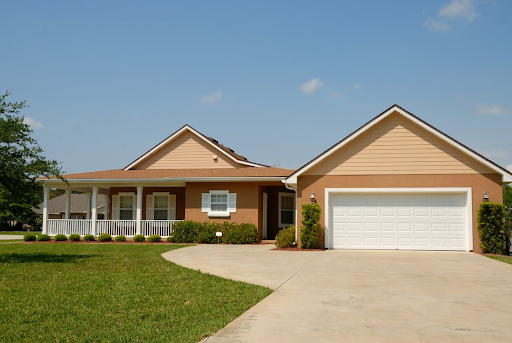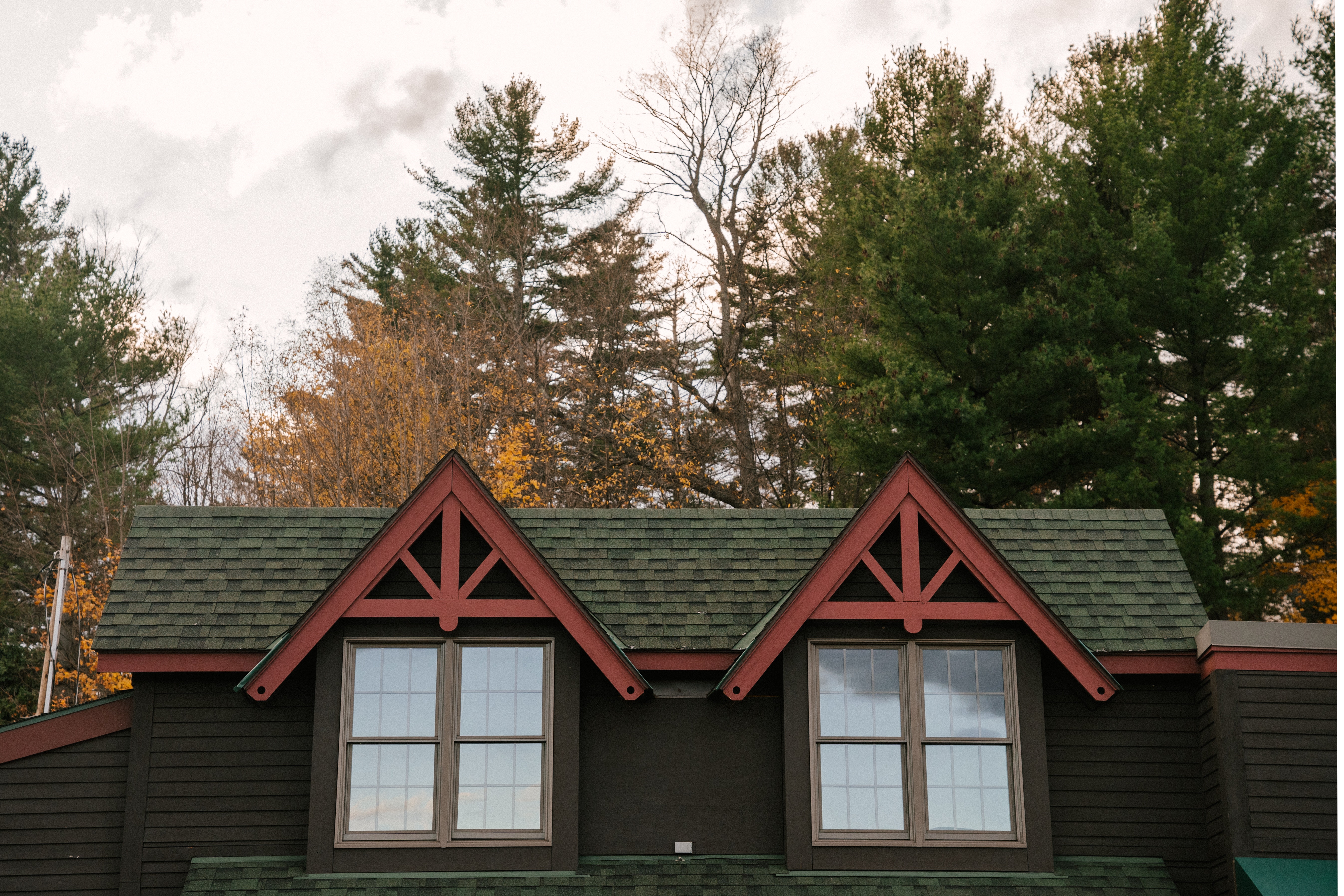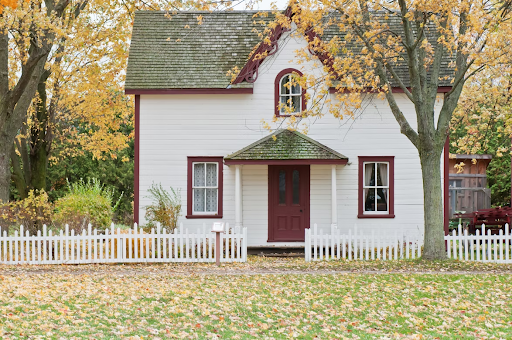
HOUSE PROBLEMS THAT CAUSE SAFETY ISSUES AND HOW TO RESOLVE THEM

You should feel comfortable and secure in your house with your loved ones. But several problems that might occur in your home, from simple annoyances to significant concerns, can threaten your safety. To avoid injuries or even fatalities, it is essential to locate and address the problems as soon as they arise. In this post, we’ll examine some of the most typical home concerns that put your safety in danger and advise you on how to fix them. To maintain your house secure and safe for you and your loved ones, we will cover remedies for each issue, including hiring professionals, DIY fixes, and preventative measures.
STRUCTURAL ISSUES

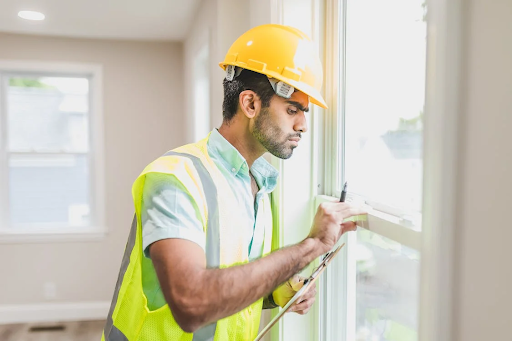
Structural issues might also cause safety risks in your home. Sagging roofs, cracks in the walls or foundation, and other structural problems might put people’s safety in danger by collapsing. The general worth of your home may also be impacted by these problems. It is best to employ a certified contractor or structural engineer to examine the structure of your home to address structural issues. They can spot problems and make suggestions for fixes or replacements. Crack filling, wall or foundation reinforcement, and roof replacement are a few typical remedies. In specific circumstances, concrete repairs Brisbane could also be required to guarantee the stability and safety of your house if you happen to live in this area. Structure-related issues might be particularly concerning because they can result in collapse or other safety risks, putting people at serious risk. To prevent more damage and preserve the security and stability of your property, it is crucial to fix any structural issues in your home as soon as possible.

ELECTRICAL ISSUES

One of the most frequent home issues that compromise safety is electrical. Electrical systems that are antiquated, overloaded, or have faulty wiring can all present serious safety issues. Fires, electrocution, and other dangerous situations can be brought on by electrical issues.

It is best to employ a certified electrician to examine your home’s electrical system to fix electrical issues. They can spot issues and make suggestions for fixes or advancements. Common fixes include upgrading circuit breakers, repairing obsolete wiring, and adding extra outlets or surge protectors.

PLUMBING ISSUES

Plumbing issues in your house can potentially be dangerous. Water damage, mold growth, and other risks can all be brought on by leaking pipes, clogged drains, and broken water heaters. Your home’s structure could be compromised by water damage, increasing the risk of collapse or other safety problems.

It is best to engage a qualified plumber to examine your home’s plumbing system to fix plumbing issues. They can spot any leaks or damage and offer suggestions for fixes or replacements. Leak repairs, drain cleaning, pipe replacement, and new water heater installation are a few typical fixes.

SLIP AND FALL HAZARDS

For older people or people with mobility challenges, slip and fall hazards are major safety concerns in homes. Loose rugs, slick flooring, and cluttered walkways can all be slip-and-fall dangers. Slipping and falling can result in significant injuries such as broken bones, brain damage, and other ailments.

Keep your home clean and clutter-free to reduce the risk of slip and fall accidents. Use non-slip mats in high-risk places like the restroom, and remove any loose rugs or carpets from those areas. To add more stability and support, it’s crucial to build handrails on the stairs and in the shower.

FIRE HAZARDS

Another frequent home safety concern is fire danger. Cooking mishaps, unsupervised candles, and malfunctioning electrical equipment are all common fire threats. Fire risks can result in serious property damage, accidents, and even fatalities.

Smoke detectors in your home need to be in good working order to prevent fire threats. Furthermore, crucial are routine electrical system checks, avoiding unattended candles, and adopting safe cooking practices. A fire escape strategy should also be in place in case of an emergency.

CARBON MONOXIDE

Gas appliances like furnaces, stoves, and water heaters can emit carbon monoxide, an odorless and colorless gas. Intoxication with carbon monoxide can result in flu-like symptoms, confusion, and even death. To warn you if carbon monoxide levels in your house get too high, it’s crucial to install a carbon monoxide detector.

Gas appliances must be professionally installed and maintained to avoid carbon monoxide poisoning. To avoid carbon monoxide buildup, it’s essential to keep vents and flues clean. Evacuate your home right away and dial 911 if your carbon monoxide monitor warns you that there are high quantities of gas present.

PEST INFESTATIONS

Rodent, termite, and bed bug infestations can be dangerous to your home’s safety and health. Electrical wires can be chewed through by rodents, increasing the danger of a fire. Your home’s structure could become more vulnerable to termites, which could result in a collapse or other safety concerns. Bed bugs can spread illness and trigger allergic reactions.

It’s crucial to maintain a clutter-free, clean house to ward off bug infestations. To keep pests and rats out, patch up any exterior cracks or holes in your home. It is advisable to work with a reputable pest control business to get rid of pests safely and efficiently if you have an infestation.

MOLD

Mold is a typical concern in houses, and it can lead to respiratory problems and allergic reactions. In humid places like restrooms, basements, and crawl spaces, mold can form.

It’s crucial to keep your home dry and well-ventilated to stop the growth of mold. Mold growth can be stopped by promptly fixing any leaks or water damage. To eliminate the mold safely and effectively, it is best to employ a professional mold remediation firm.

RADON

Lung cancer can be brought on by the odorless, colorless gas known as radon. Via foundational or masonry flaws, radon can infiltrate your home. Homes around the nation contain radon, which is thought to be responsible for thousands of fatalities annually.

It’s crucial to test your home for radon to avoid radon-related health issues. At your neighborhood hardware shop, you may buy a radon testing kit, or you can pay an expert to test your house. If your home has excessive radon levels, you can have a radon mitigation system installed by a specialist.

Several typical home issues can pose risks to your health and safety. To avoid injuries or even fatalities, it is essential to find and fix these problems as quickly as feasible. You can make your house safe and secure for you and your loved ones by taking preventative measures and getting professional assistance when necessary.

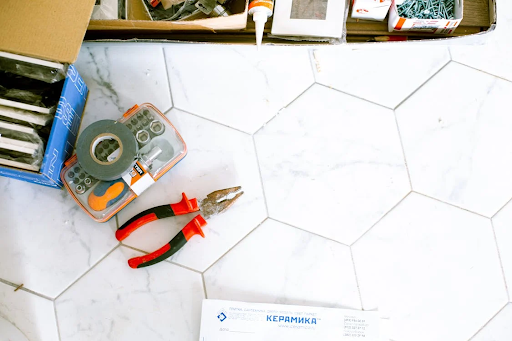
USEFUL TIPS FOR FINDING A GOOD FIXING AND UPGRADING SERVICE FOR YOUR HOUSE

Are you looking for a reliable service to help you fix and upgrade your home? It can be challenging to find the right one that meets all your needs. After all, there are many different services out there and it’s important to make sure you’re getting the best quality work at an affordable price.  Fortunately, there are some tips that can help you narrow down your search so that you can find a reputable fixing and upgrading service for your house. Keep reading for some useful tips on how to do just that!

1. RESEARCH AND COMPARE:

One of the best ways to find a good fixing and upgrading service is by doing your research. Look up reviews online, ask friends and family for recommendations, or contact previous customers of potential companies. This will help you get an idea of what kind of services they offer and how well their work is rated. Be sure to compare several different companies so that you can get the best deal for your money. In addition, inquire about the type of tools and materials they use, as this can impact the quality of your final product.

2. ASK FOR AN ESTIMATE:

Before you decide to hire a company, make sure that you ask them for an estimate. This will provide you with an idea of how much the project will cost so that you can plan accordingly. Additionally, it’s important to inquire about any additional costs such as labor or supplies that may be necessary for the job. Get all quotes in writing so that there is no misunderstanding once work begins. In addition, you should always make sure that the company provides a warranty or guarantee on their work.

3. ASK FOR PROFESSIONAL ADVICE:

If you’re unsure of the best course of action for your project, it’s a good idea to ask for professional advice from a company. They will be able to provide you with an honest opinion on what would work best based on their experience and expertise. For instance, getting helpful information from tipshandyman can help save time and money as well as ensure that you get the highest quality results. In addition, they may be able to suggest alternative options that could potentially help you save even more in the long run.

4. KNOW YOUR EXPECTATIONS:

It’s important to have an understanding of what your expectations are when it comes to fixing and upgrading your home. Take some time to think about the project and make a list of what needs to be done. This will help ensure that you get the results you want without any surprises down the road. Additionally, if possible, try to leave room for flexibility in your budget so that unexpected repairs can be taken care of if needed. This will help you avoid any costly surprises in the future.

5. CHECK LICENSING AND INSURANCE:

Make sure that the fixing and upgrading service you choose is properly licensed and insured. It’s important to hire a company that has the right credentials and can provide proof of their qualifications. Additionally, ask about their insurance coverage to ensure your property is protected in case of any damage during the project. In addition, you should always check with your local government to make sure that the company is following all laws and regulations.

6. ASK ABOUT EXPERIENCE AND CREDENTIALS:

Next, it’s important to make sure that any company you choose is experienced in the type of work you need to be done on your house. Ask about their experience level as well as any certifications or credentials they may have. Companies with more experience are often more reliable and capable of completing the job properly. Also, inquire about their training and safety protocols to make sure that your property and everyone working on it is protected.

7. STAY IN CONTACT:

Finally, make sure to stay in contact with the fixing and upgrading service throughout the project. Ask for updates on progress and any questions you may have about the work being done. Clear communication is essential for a successful outcome, so make sure that you’re staying up-to-date with the project at all times. This will ensure that everything goes smoothly from start to finish.

By following these tips, you can be sure that your next home improvement project is handled properly by an experienced and reliable company. With proper research and preparation, you can find a great service provider who will help bring your vision to life! Good luck!

SMART ADVICE ON HOW TO IMPROVE YOUR HOME

Improving your home can be a great way to enhance your living space, increase the value of your property, and even save you money in the long run. Whether you’re looking to make small cosmetic changes or major renovations, there are plenty of smart strategies you can use to achieve your goals. In the text below, we’ll provide you with some expert advice on how to improve your home effectively and efficiently.

MAKE A PLAN 

First, before you start making any changes, it’s important to identify your goals and budget. Consider what changes you want to make and why. Are you looking to add more space, update your decor, or make your home more energy-efficient? Once you’ve determined your goals, set a budget that you can realistically stick to. Keep in mind that some improvements may have a higher return on investment than others, so it’s important to weigh the cost against the potential benefits.

MAKE IT ENERGY EFFICIENT 

One of the most effective ways to improve your home is to focus on energy efficiency. By making your home more energy-efficient, you can not only save money on your utility bills but also reduce your carbon footprint. There are several ways to achieve this, such as by installing energy-efficient windows and doors, adding insulation, upgrading to a smart thermostat, and installing solar panels. These changes can not only improve the comfort of your home but also increase its resale value.

KITCHEN MAKEOVER  

Improving your kitchen during a home renovation can be a great way to add value to your home and create a more functional and enjoyable space for cooking and entertaining. One way to improve your kitchen is by upgrading your appliances. This can include investing in energy-efficient appliances, such as a new refrigerator or dishwasher, which can help you save money on your utility bills over time. Additionally, replacing outdated or worn-out appliances can improve the overall look and feel of your kitchen.

Another way to improve your kitchen during a renovation is by updating your cabinets and countertops. Installing new cabinets and countertops can give your kitchen a fresh, modern look and provide more storage space for your kitchen tools and equipment.

YOU CAN “FENCE” YOUR WAY AROUND IT!

Adding a fence around your house can have numerous benefits that can significantly improve your home. First of all, a fence provides privacy and security by preventing unwanted visitors from entering your property. This can be especially useful if you have children or pets that need to play safely in your yard. As the folks at frankfenceandconstruction.com explain, a fence can also help to define your property lines and add curb appeal to your home. It can enhance the overall look of your property and make it stand out from the surrounding neighborhood. Additionally, a fence can reduce noise pollution, provide shelter from the wind, and act as a barrier against dust and other pollutants. All in all, a fence can be a valuable investment that can improve both the functionality and aesthetics of your home.

YOUR BATHROOM NEEDS A NEW LOOK 

Improving your bathroom during a home renovation can add both comfort and value to your home. One way to improve your bathroom is by upgrading the fixtures. Installing new faucets, showerheads, and toilets can improve the functionality and aesthetic of your bathroom. You can also consider replacing the vanity, sink, and cabinets to create a more modern and functional space. 

Additionally, consider adding storage solutions, such as built-in shelves or cabinets, to keep your bathroom organized and clutter-free. Another way to improve your bathroom during a renovation is by installing new flooring and tiling. Updating your bathroom flooring can not only improve it’s aesthetic but also make it more durable and easier to clean.

ADD MORE SPACE 

If you want to add more space to your home, consider finishing your basement or adding a new room. Finishing a basement can provide extra living space that can be used for a variety of purposes, such as a home gym, a playroom, or an additional bedroom. Adding a new room, such as a sunroom or screened porch, can also increase your living space and add value to your home.

STORAGE SPACE FOR YOUR STUFF 

Storage space is an essential but often overlooked aspect of home improvement. Having ample storage can greatly enhance the functionality and organization of your living space. Cluttered and disorganized living spaces can cause stress and reduce productivity, so creating a storage plan can greatly improve your daily life. Consider adding built-in shelving to your living room, bedroom, or home office to display books, photos, or decorative items. Installing closet systems in your bedrooms or mudroom can help you maximize the space you have and keep your clothing and accessories organized. 

SMALL CHANGES CAN GO A LONG WAY 

Finally, one of the most cost-effective ways to improve your home is through small cosmetic changes. Simple updates such as repainting walls, replacing light fixtures, and adding new throw pillows or curtains can make a big difference in the look and feel of your home. These changes can be made relatively quickly and inexpensively, but they can still significantly impact your overall satisfaction with your living space.

OUTDOOR FUNCTIONALITY 

Outdoor improvements are a great way to enhance the overall appearance and functionality of your home’s exterior. Adding landscaping, such as flower beds, shrubs, or trees, can create a beautiful and inviting atmosphere around your home. Repainting the exterior or replacing old or damaged siding can also improve your home’s curb appeal and protect it from the elements. Additionally, adding outdoor lighting can increase your home’s security while also creating a warm and welcoming ambiance. Outdoor improvements can not only improve your home’s appearance but also increase its value, making them a worthwhile investment for any homeowner.

We hope you’ll find the advice above more than helpful during your next home renovation project. Have fun and keep in mind that it takes time and dedication, but you’ll get there!

7 ITEMS TO HAVE-ON-HAND AS A HOMEOWNER AT ALL TIMES

1. Flashlights and Extra Batteries

Flashlights are essential in case of a power outage or for navigating dark areas of the home. Having extra batteries ensures that the light source is always available.


2. First Aid Kit

A first aid kit is a collection of supplies and equipment for medical treatment. It contains bandages, antiseptic wipes, adhesive tape, gauze, scissors, tweezers, and over-the-counter medications.

Having a first aid kit on hand can help quickly and effectively treat minor injuries and illnesses and provide peace of mind in an emergency.


3. Fire Extinguisher

A fire extinguisher is a device that is used to put out fires by spraying a special chemical or agent to extinguish the flames. It is important to always have at least one fire extinguisher in the home to be prepared in case of a fire.

Fire extinguishers should be checked regularly and maintained according to the manufacturer’s instructions.


4. Plunger and Drain Cleaner

A plunger is a tool used to unclog drains and pipes blocked due to debris buildup. Drain cleaner is a chemical solution that breaks down and dissolves clogs in drains and pipes.

Having both of these items on hand as a homeowner is essential for addressing any clogs or blockages that may occur in the home’s plumbing system.


5. Step Ladder

A step ladder is valuable for reaching high places, painting, and other home repair and maintenance tasks. It is also useful for getting items out of high cabinets or shelves and can even be used to clean hard-to-reach areas in your home.


6. Extension cords

Extension cords extend the reach of electrical outlets to power appliances, electronics, and other devices. They can also supply power to outdoor areas such as decks, patios, and gardens. Extension cords come in various lengths, gauges, and styles, so selecting the right cord for the job is important.


7. Basic Tools

Basic tools typically include a hammer, screwdrivers, wrenches, pliers, a utility knife, and a level. These tools can save time and money when tackling minor home repairs.


What Homeowners Need to Think About When They Move Into a Home


Schedule A Deep Clean

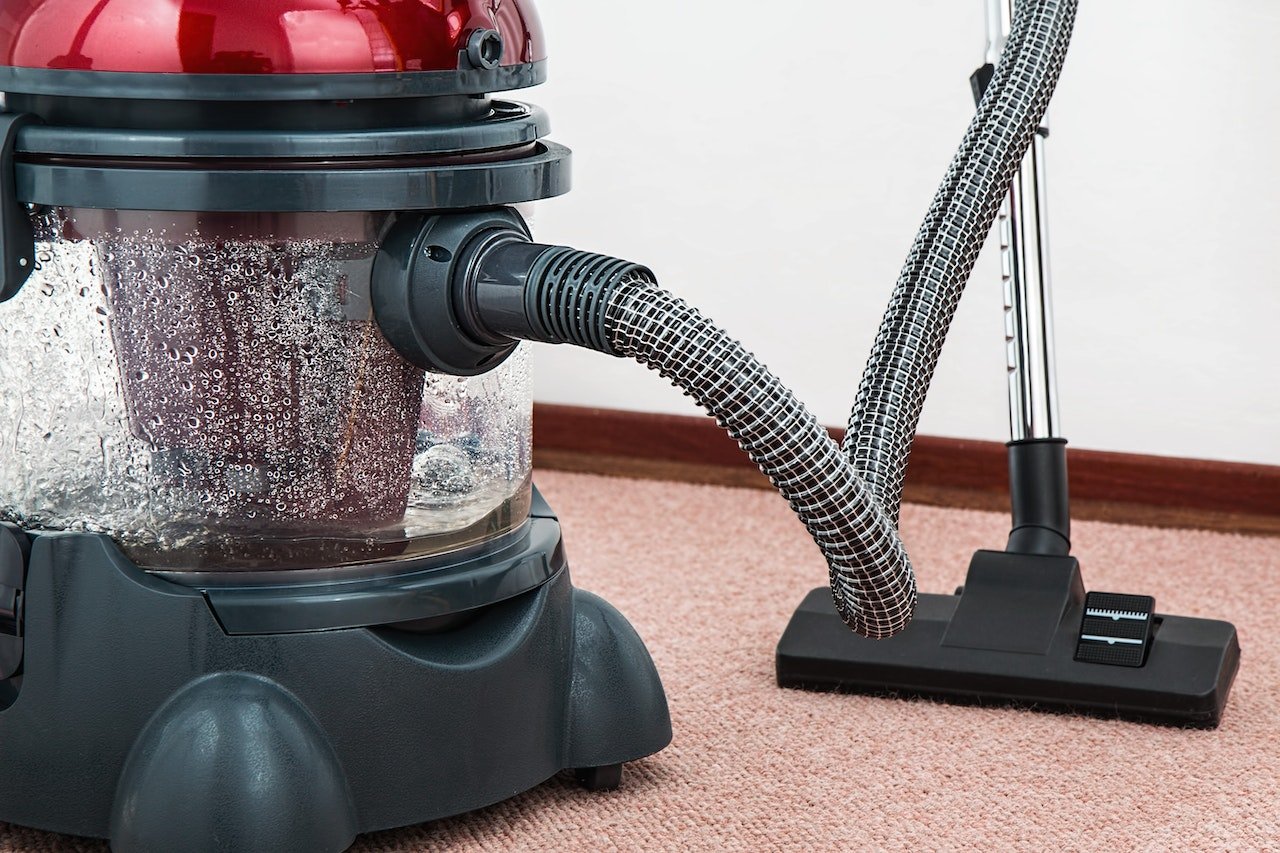
A deep clean is an in-depth cleaning process that removes filth, dust, and allergens from every inch of a home, including its surfaces, appliances, furniture, and carpets. The deep clean should include a complete vacuuming and shampooing of carpets and a thorough cleaning and purging of all air ducts to remove dust and debris.


Changing House Lock

Changing the locks on your home is an important security measure to protect your family and belongings. Previous tenants, landlords, or even just casual visitors to your property may have made copies of the keys to your locks.


Get A Security System Installed

A security system lets you watch your house and receive instant notifications of suspicious activity. You can install surveillance cameras, motion detectors, and other monitoring equipment.


Update Your Address

To ensure that your mail, bills, and other messages reach you promptly, you must change your address. Notifying the post office, driver’s license bureau, insurance providers, and other financial organizations of your new location are vital.


Transfer Utilities

It is important to transfer the utilities, such as electricity, gas, water, and sewage, to ensure all services run smoothly. To transfer the utilities, the homeowner must contact the appropriate utility company and provide the necessary information, such as the new home’s address and the previous owner’s account number.


Safety Precautions to Take as a Homeowner

Some of the most important safety precautions to take include:

  • Ensuring your smoke alarms and carbon monoxide detectors are working
  • Inspecting your home for any potential fire hazards
  • Installing safety features such as deadbolts on all entry doors
  • Installing security cameras and motion-sensing lights around the exterior of your home and ensuring your home is equipped with a working fire extinguisher
  • Keep fire extinguishers in accessible locations throughout your home and make sure everyone knows how to use them
  • Ensure that your windows and doors are secure and that they are not potential entry points
  • Schedule regular inspections of your home’s plumbing, electrical, and HVAC systems

It is important to regularly inspect your home’s wiring and electrical outlets to ensure they are not in danger of being overloaded.

If you have a pool, it is important always to keep the area around the pool secure and ensure that children are supervised at all times. These safety precautions can help ensure your home and family are safe and secure.


Dangerous Things You Should Not Have In Your Home

Having dangerous items in your home can be a major safety hazard and should be avoided at all costs. Some of the items you should never have in your home include:

  • Flammable liquids and gasses
  • Fireworks, firearms
  • Sharp objects
  • Poisonous chemicals, and any medical waste

Flammable liquids and gases, such as gasoline, lighter fluid, and propane, are highly combustible and can easily cause an explosion or fire if mishandled.

Fireworks should never be kept in the home and should only be used in a safe and controlled environment.

Firearms can be extremely dangerous if not handled properly, and storing them safely and away from children is important. Knives and other sharp objects should also be kept away from children and kept in a secure location when not in use.

Medical waste should be disposed of properly, as it can contain bacteria, viruses, and other pathogens that can be hazardous to your health.

Pesticides can be dangerous if swallowed, breathed, or in touch with the skin. Always pay close attention to the labels and use them as directed.


Written by Taylor McKnight, Author for Strobels Supply

HOW TO EXTEND THE LIFE OF YOUR APPLIANCES

Our daily lives depend on the equipment we use to complete our activities more quickly and easily. They can, however, also represent a considerable investment. Therefore, it’s critical to extend their lifespan as much as you can. Here are a few tips on how to extend the life of your appliances.

Conduct regular inspections on electrical cords 

Regular electrical wire checks are one of the finest ways to lengthen the life of your equipment. Any damaged cords should be replaced with new ones. The long-term functionality and safety of your equipment depend on the condition of the cables.                                                                                              

Checking the cords on your appliances often will help them last longer. Electrical wires can become frayed, damaged, or worn, posing a safety risk and contributing to the malfunction of your appliance.

Regular inspections can help extend the life of your appliances

Perform regular maintenance

To increase the lifespan and maintain the optimal performance of your electrical appliances, routine maintenance is essential. When they are regularly maintained, any flaws can be identified earlier. Here are some pointers to assist you in extending the life of your appliances:

·      Read and follow the manufacturer’s instructions for usage and maintenance. This can include recommendations for cleaning, replacing filters or belts, and other maintenance tasks

·      Keep your appliances clean to prevent dirt and dust buildup. Regular cleaning can help keep your appliances running efficiently and extend their lifespan.

·      Clean the appliance regularly. Dirt and dust can accumulate on the surfaces of your appliances and strain the motors and other components. It is important to clean appliances regularly to ensure their proper functioning and to prevent any potential hazards

Climate-Controlled Storage

Climate-controlled storage is designed to maintain a consistent temperature and humidity level, which can help protect items sensitive to temperature or moisture changes.

In a climate-controlled environment, some appliances require this kind of storage if you want to extend the life of your appliances. While most people think of using climate-controlled storage for things like artwork or antiques, several household items require climate-controlled storage.

Wooden furniture requires adequate climate

Be Sure to Limit Your Usage 

It’s important to be aware of how frequently you use electrical appliances and to avoid doing so. For example, you can use fans instead of air conditioners during hot weather to minimize your need for them.

When purchasing new appliances, look for those that are energy-efficient and have a high Energy Star rating. These appliances are designed to use less energy and can greatly help extend the life of your appliances.

Many electricity providers offer off-peak rates for electricity usage during certain times of the day or night. Try using appliances during these times to reduce your overall electricity usage and save money.

Less use of electrical devices can save you both time and money

Learn How to Extend the Life of Your Appliances While Moving 

Your electrical appliances may sustain a variety of damages as a result of moving. Experts at Royal Moving Companywarn you of a few possible difficulties during the move:

·      Physical damage. Appliances can be dropped or bumped during transportation, which causes physical damage that may affect their performance.

·      Electrical damage. Moving appliances can also lead to damage to their electrical components or wiring.

·      Internal damage. Some appliances have delicate internal components that can be damaged during a move.

·      Malfunctions. Even if an appliance appears undamaged after a move, it may still experience malfunctions or breakdowns due to the stress of the move.

To prevent these types of damages, it’s important to properly prepare and secure your appliances before a move and take care when handling them during transportation.

Replace the filters

Always stick to the filter replacement and usage recommendations provided by the manufacturer, regardless of the type of appliance you want to keep running.  If you frequently change the filters in your electrical appliances, the air quality in your home and their performance can be enhanced. The list of typical appliances that require filter replacements is as follows, along with instructions:

·      Air conditioner. To ensure proper airflow and prevent the accumulation of dust and other particles, most air conditioners contain a filter that needs to be changed on a regular basis. Turn the device off and remove the old filter to replace it

·      Furnace. Furnaces use filters to trap dirt, dust, and other particles in the air before circulating them through your home

·      Refrigerator. Many refrigerators contain air filters that assist in purifying the air within the appliance by removing odors and contaminants. For directions on how to access the filter, refer to the user handbook for your refrigerator

·      Vacuum cleaner. Filters are used in vacuum cleaners to collect dust and dirt before they are released back into the atmosphere. To learn how to access the filter and change it, refer to the owner’s manual for your vacuum cleaner

You can help maintain electrical appliances operating effectively and enhance the air quality in your house by changing the filters on them as directed by the manufacturer.

From Maintenance to Longevity 

Taking steps to extend the life of your appliances, you can save money on your appliance’s maintenance and replacement costs by following the advice below. Maintaining your appliances regularly, cleaning them properly, and using them correctly will help keep them safe and in good condition for a long time. In addition to this financial benefit, taking care of your devices also helps protect the environment. So please take some extra time to care for these valuable pieces of equipment – it will be worth it.

Guest Contributor: Sophia Perry

DOES PROCESS AUTOMATION IMPROVE PRODUCTIVITY?

Process automation has become increasingly popular in recent years as businesses strive to improve their productivity and efficiency. By automating routine and repetitive tasks, companies can save time and money while also reducing errors and increasing accuracy. However, while process automation has many benefits, it’s important to understand whether it actually improves productivity in the long term. In this article, we’ll explore the advantages and disadvantages of process automation and discuss whether it truly delivers on its promise to improve productivity.

IT AUTOMATES REPETITIVE TASKS

Process automation involves the use of technology to automate routine and repetitive tasks in a business process. This can include everything from data entry to invoicing to customer service. By automating these tasks, companies can reduce the amount of time and effort required to complete them, which can lead to significant productivity gains.

RISK REDUCTION

One of the biggest advantages of process automation is that it reduces the risk of errors and improves accuracy. When tasks are completed manually, there is always the possibility of mistakes being made, whether due to human error or fatigue. Automation eliminates these risks, ensuring that tasks are completed correctly every time. This not only saves time but can also reduce costs associated with rework or customer complaints.

EMPLOYEES CAN FOCUS ON MORE PRESSING TASKS

Another benefit of process automation is that it frees up employees to focus on more important tasks. By automating routine tasks, employees can spend more time on value-adding activities that require human expertise and creativity. This can lead to increased innovation, better customer service, and improved overall performance. For example, conveyor belt rollers have been a great innovation in the realm of productivity, as they allowed employees to not bother themselves with repetitive and time-consuming tasks, which brings us to our next point.

IT CAN BE COSTLY AND TIME-CONSUMING

However, like everything else in life – there are drawbacks. For example, the implementation of automation can be costly and time-consuming. It may require significant investment in technology and infrastructure, as well as training for employees. Additionally, not all tasks can be automated, and some may require human intervention or oversight.

The initial investment in technology and infrastructure can be significant, particularly if a company is starting from scratch. Automation usually requires the purchase of new softwarehardware, and equipment, as well as the hiring of additional staff to implement and maintain the systems.

In addition to the upfront costs, there may also be ongoing expenses associated with process automation. This can include maintenance and upgrades to hardware and software, as well as training for employees to ensure they can use the new systems effectively.

Furthermore, implementing process automation can be a complex and time-consuming process. It may require significant planning and coordination between different departments and teams, as well as careful testing and monitoring to ensure the systems are functioning correctly. This can take weeks or even months to complete, during which time employees may need to take on additional workloads or be temporarily reassigned to other tasks.

It Improves Communication

Furthermore, process automation can also improve communication and collaboration within a team. By automating tasks and streamlining workflows, employees can work more efficiently and effectively together. This can lead to better teamwork and greater accountability, which can further improve productivity.

It Leads to Job Displacements

Another potential issue with process automation is that it can lead to job displacement. When tasks are automated, there may no longer be a need for as many employees to complete them, which can lead to layoffs or downsizing. This can have negative consequences for morale and employee retention. There are some especially frightening statistics about job displacement due to automation. Studies have shown that it has the potential to eliminate around 73 million jobs in the U.S. by 2030.

Will it Actually Improve Productivity?

Finally, it’s important to consider whether automation actually improves productivity in the long term. While there may be short-term gains, it’s possible that automation could lead to complacency and reduced innovation over time. Employees may become reliant on automated systems and lose their ability to think critically or problem-solve. This could ultimately lead to decreased productivity and competitiveness.

So, does process automation improve productivity? The answer is not a simple yes or no. While there are certainly benefits to automation, it’s important to weigh these against potential costs and drawbacks. Companies should carefully consider which tasks are most suitable for automation and whether the benefits outweigh the costs. Additionally, companies should ensure that employees are adequately trained and supported throughout the automation process to minimize negative impacts on morale and productivity.


            All in all, process automation has many potential benefits, including improved accuracy, increased efficiency, and better teamwork. However, there are also potential drawbacks, such as the cost and time required for implementation and the risk of job displacement. Ultimately, process automation improves productivity depending on a variety of factors, including which tasks are automated and how employees are trained and supported. Companies should carefully consider these factors when deciding whether to implement automation in their processes.

Guest Contributor: Mike Parsons

SIMPLE ROOF REPAIR TIPS FROM THE PROS

Are you looking for ways to repair your roof without having to call in a professional? If so, then you’ve come to the right place. In this article, we will provide simple and straightforward tips on how to make basic repairs yourself.  Whether it’s patching up leaks or replacing shingles, these tips from the pros can help you get the job done quickly and efficiently. So read on and learn how to do some of your own DIY roof repairs!

1. PATCH UP LEAKS

The first step to patching up a leak is to locate its source. You can do this by examining the underside of your roof and looking for signs of water damage. If you find any, then it’s time to get out the patch kit. Make sure that all the damaged areas are completely dry before applying the patch material. Once you’ve applied it, press down firmly so that it adheres fully, and then wait at least one hour before walking on it. 

Moreover, it’s important that you use the correct type of patching material for your roof. The wrong type will not last as long and could end up causing more damage. For instance, if you have a metal roof, then you would need to use a special type of patching material that is specifically designed for metal roofs.

2. REPLACE SHINGLES AND TILES

If the damage is more severe, such as missing shingles or tiles, then it’s time to replace them. Start by removing the old shingle or tile and then use a utility knife to pry out any leftover nails from the space where it was located. If there are no nails left in the space, then you can go ahead and install your new shingle or tile without having to worry about additional nailing. 

Make sure that you are using the right type of replacement materials for your particular roof type – again, metal roofs will require a specific type of shingle or tile. Once your new material is in place, press down firmly and give it time to adhere properly before walking on it.

3. CLEAN THE GUTTERS

Make sure that you keep your gutters clean and free of any debris so that they can do their job properly. Clogged gutters can cause water to back up onto the roof itself and create leaks as well as other damage. To prevent this from happening, take some time every few months to check your gutters for any debris and then remove it if necessary. 

It’s also important that you use a soft-bristled brush to avoid damaging the gutter system itself. As agreed with Steadfast Roofing your roof is a large investment and is your home’s first line of defense against the elements so it is important to keep it in good condition. This means that taking on basic repair projects can be useful in extending the life of your roof.

4. CHECK SEAMS AND FLASHING

Another important maintenance task is to check the seams and flashing of your roof. The seams are the points where two pieces of material meet and can be potential weak spots. If water is able to seep in here, then it could cause serious damage to your roof. To prevent this from happening, look for gaps between the seams or missing nails/screws and make any necessary repairs or replacements. It’s also important to check the flashing around chimneys or vents as these areas can accumulate a lot of moisture if not properly maintained.

5. CHECK FOR DAMAGE REGULARLY

Be sure to check your roof at least once a year for any signs of damage. Take the time to look closely at all the visible surfaces and take note of any potential issues that you see. This will help catch minor problems before they turn into bigger ones which can save you both time and money in the long run. Additionally, if you do spot any issues, be sure to contact a professional for help as soon as possible.

6. HIRE PROFESSIONAL MAINTENANCE

Finally, hiring a professional roofer for regular maintenance is a great way to extend the life of your roof. They will be able to check for any signs of damage that you may have missed and can offer advice on how to properly care for your roof in the long term. This could end up saving you money by catching problems before they become too costly to repair. Moreover, they will be able to make recommendations on whether you should consider replacing certain components of your roof in order to prevent further damage.

Regular maintenance of your roof is essential for keeping it in good condition and preventing any costly repairs. It’s important to check the seams, flashing, gutters, and other components at least once a year as well as after storms or severe weather events. If you spot any signs of damage then be sure to contact a professional right away in order to avoid further complications down the line. Additionally, hiring a professional roofer on an annual basis can help extend the life of your roof by catching minor problems before they turn into major ones. Taking these steps now will ensure that your home’s first line of defense remains strong for years to come!

TIPS FOR MAKING YOUR HOUSE FEEL MORE COMFORTABLE

Do you notice your house not being cozy during winter times? Is it too cold or too warm in different parts of your house? Does it feel messy all the time? Making a house comfortable is essential as it improves your mood. Let’s look into ways that can add comfort to your house.

PERMITTING SUNLIGHT IN THE HOUSE CAN MAKE IT MORE COMFORTABLE

Allowing sunlight to enter your home is a wonderful way to make it feel more comfortable.

HOW DOES SUNLIGHT ENHANCE THE MOOD?

Winters can be depressing due to the lack of sunlight. Sunlight can brighten your home if you allow it to come in, making it feel welcoming.

HOW MUCH SUNLIGHT MAKES A HOME COMFORTABLE

It depends on the weather. If it is cold, open your windows and allow the sunlight to enter as much as possible. However, if the day is hot, you should prefer using different quality curtains.

CURTAINS FOR REQUIRED SUNLIGHT

During summer days, when you don’t want extra sunlight to come in, you can use light-material curtains made of cotton. Curtains made out of cotton filter the light to pass through. Sunlight is important, so you shouldn’t block it. Just allow the right amount to enter to energize your place.

ADD DUAL PANE WINDOWS

Dual pane windows have many features that can make your house comfortable.

MAINTAIN THE INSIDE TEMPERATURE

The temperature inside your house doesn’t fluctuate much with double-paned windows because of the extra insulation. You won’t have to repeatedly turn the heaters on. When the inside temperature is maintained, you will feel more comfortable.

HOW DO THEY MAKE THE HOUSE COMFORTABLE?

They make the home energy efficient, and a home that is energy efficient is preferred over one that is not. Such homes are comfortable as they provide long-term benefits. You can look for window experts to upgrade your windows to dual-pane ones to achieve comfort.

SOUNDPROOF

Installing dual-pane windows prevent all loud outside noises from disturbing you. You will be at peace when the irritating sounds stop entering your home. Your neighbor’s dog barking or the loud construction noises will be lessened.

The elimination of loud noises will make the place comfortable. You will work peacefully. Working from home will become very comfortable. Installing dual pane windows motivates such people to offer large sums of money for a peaceful environment.

ADD BEAUTY TO THE HOUSE

Dual pane windows come in many different styles. With adding to your home, dual pane windows also give beauty, and they can retain the same looks even after years because they are high quality and can withstand scratches. A mess-free house with fresh looks always looks aesthetic.

ADD PLANTERS AND AVOID A MESS

Adding planters to your home can make it cozy. Plants improve air quality, help you breathe better, and freshen up the place. Moreover, when adding plants, be sure to tidy up the place. When a place has items scattered around, it looks untidy, creating an uncomfortable feeling.

INDOOR PLANTS

Adding live plants inside your home will make it calm. It is an eco-friendly way to make your house comfortable. Here’s a list of indoor plants that make you comfortable

●      Spider plant

●      Peace lily

●      Rubber plant

●      Snake plant

●      Ferns

●      Pothos

●      English ivy

●      Herbs

DONATE ITEMS YOU DON’T USE

Take some time out and start collecting items you no longer require. Giving away extra stuff will make your house clean and make you happy too. You will eliminate the clutter that used to pile up every time. A clean house is a comfortable place.

STORAGE BOXES

Use storage boxes to put away items that are not used daily. Only display the things you use on a daily base. Move the rest to storage boxes and keep them in the basement. Take them out when required. There will be less dust accumulation, too, when the items are kept away.

KEEP THE PLACE ORGANIZED

Sometimes you can have books lying around the place. Some things might need fixing. For example, once you clear the mess you can find space to throw a beautiful rug on the floor. It’s advised to use machine-washable area rugs so that you can easily wash them if they get dirty. Bring a bookshelf for the books. Such renovations will make your home tidy and comfortable.

CONCLUSION

By renovating your place, you can make your home cozy and comfortable. Ensure your health by making your house comfortable because you will feel satisfied from the inside. Read the tips and enjoy.

Guest Contributor: Hannah Boothe

WHAT IS A DOUBLE GLAZED WINDOW: DOUBLE GLAZED WINDOWS ARE THE FUTURE

WHAT IS A DOUBLE GLAZED WINDOW: DOUBLE GLAZED WINDOWS ARE THE FUTURE

 A double-glazed window is an insulated window with two glass panes separated by air or another gas. The two panes are separated by a spacer around the edge, which forms a sealed unit and creates an insulating layer against air leakage.

The air gap between the two sheets reduces heat loss and provides excellent sound insulation from outside noises. The gap also prevents condensation from forming on the inside surface of the windows during cold weather by reducing the condensation point on the glass.

When considering the best window style for your home, two common choices that come to mind are window panes and window sashes. While these two seem quite similar, some key differences between them should be considered before deciding which one best suits your needs.

WINDOW PANE VS WINDOW SASH

Panes are the traditional rectangular windows you see in most homes — typically consisting of four to six individual panels (or “lites”) hinged together by a metal frame or grilles that divide the surface into separate sections. These windows typically don’t open or close and provide little ventilation, although some styles offer an angled top lite designed to allow air to enter when opened.

On the other hand, Sashes have been around since medieval times and feature either one or more hinged slats known as sashes, with removable weights at the bottom of each sash. This type of window opens either outwards – sliding up over the sill – or inwards by swinging where they can be shut tight. One main advantage of these types of windows is increased airflow due to their ability to open fully; this makes them ideal for rooms facing a busy street or those with poor cross-ventilation.

Aesthetically speaking, panes look more traditional and frame view better than sashes. In contrast, sashes offer more flexibility in terms of opening angle – either outwards or inwards – and opening size options depending on how wide each sash is built.

Additionally, if red energy matters, then it is essential to note that single-pane windows lose heat much faster than those with double-paned glass, such as storm doors and tilt & turn windows made from insulated sandwich glass; this makes them unsuitable for use during colder months or places exposed to strong winds like beach homes.

As for sash windows – it’s always recommended to get ones with double/triple glazing, which significantly reduces noise transfer and provides better protection against weather elements such as rain and hail storms.

WHAT R-VALUE MEANS FOR DOUBLE-PANE WINDOWS

If you’re looking for ways to improve your home’s power efficiency, the best place to start is with window replacement. Replacing old windows with high-efficiency double-pane windows can greatly impact your home’s power efficiency.

One of the most important things to consider when shopping for double-pane windows is their R-Value – here’s what you need to know about what R-Value means for double-pane windows:

UNDERSTANDING WINDOW INSULATION RATINGS

In simple terms, the higher a window’s R-value, its insulation properties will be better. An R-value is an insulation rating that measures how well a material resists heat flow. The higher the R-value, the better it can prevent heat transfer between two spaces or materials – in this case, between two pieces of glass in a double pane window. 

CONSIDER WEATHER AND CLIMATE  

When choosing double pane windows, it’s essential to consider weather and climate conditions that may affect heating and cooling bills over time. If you live in an area where temperatures are often below freezing or extremely hot, then you should opt for a window with a higher R-Value, as this will help keep warm air inside during cold months and cool air in during hotter months.

On the other hand, if you live in an area with mild weather, then you could get away with choosing a lower R-Value window since there won’t be much of a difference in temperature from one season to another throughout the year.

LOOK FOR TESTED WINDOWS

The best way to ensure that your new double pane windows have an adequate R-Value is by ensuring they are tested to specific filled standards; this information found can help you make the best decision. They have been evaluated by an independent third-party laboratory such as National Fenestration Rating Council (NRFC).

The NRAF review board evaluates products like windows and doors based on factors such as air infiltration resistance (AI), application sound transmission coefficient (STC), and visible light transmittance (VLT), to name just a few. You can check out their ratings online or inquire at any significant retailer when selecting new windows for your home.

GET PROFESSIONAL HELP FOR DOUBLE-PANED WINDOWS INSTALLATION

Although some homeowners find it beneficial to replace their windows, having professional help when replacing more complex systems like double pane windows are always recommended due to safety concerns and the potential for structural damage if done incorrectly.

Consulting with professionals before installation can also help ensure that purchasing decisions are made based on specific goals regarding power efficiency rather than just guesswork.

To guarantee success when replacing any type of window system, seek advice from reliable professionals who specialize in this kind of project or confer online reviews of customer service ratings at stores where you plan on buying your windows first!

SINGLE GLAZED VS. DOUBLE GLAZED WINDOWS

When it comes to windows, choosing between single and double glazed units can be difficult. Understanding the critical differences between the two types of glazing is essential when making this important decision.

SINGLE GLAZED WINDOWS

A single glazed window typically comprises a glass sheet offering little insulation or soundproofing. This means that heat transfer through single glazing is high, meaning that you may need to depend on additional insulation options if you are looking to keep your home comfortable in cold weather or reduce noise from outside sources.

Single-glazed windows are also prone to condensation and cloudiness due to fluctuations in atmospheric pressure as well as temperature fluctuations in the room. igu) combines multiple glass panes into a single window system.

DOUBLE GLAZED WINDOWS

On the other hand, double glazed windows consist of two panes of glass separated by an air gap which helps to provide more insulation than their single-glazed counterparts. In addition, because the air gap acts as a sound barrier, double glazing provides much greater sound protection from both external and internal sources. The air gap also prevents heat transfer through convection.

In contrast, single-glaze doesn’t form such an effective barrier, allowing warmer interior temperatures to escape outwards while pulling in cooler outside temperatures towards the inside. This makes double-glazing significantly better at keeping heating bills low throughout winter when chilly conditions often predominate outside. 

THE BENEFITS OF DOUBLE GLAZING WINDOWS FOR YOUR HOME

 Here are some key benefits that come with double-glazed windows:

●      Enhanced insulation – The insulating capabilities and improved energy efficiency provided by double-glazed windows can reduce your energy costs significantly as well as provide your home with better temperature control throughout different seasons and climates;

●      Noise Reduction – Sound waves encounter resistance traveling across the interior space, filtering out excessive noise from outside sources;

●      UV Protection – With both outer glass panes blocking out ultraviolet radiation, they can provide better sun protection in hot climates;

●      Lower Maintenance Costs – Mainly due to their ability to provide enhanced security and improved durability. Furthermore, single pane windows require more maintenance than their double-glazed counterparts since they need repairs more often due to varying structural integrity caused by fluctuating temperatures;

THINGS TO CONSIDER WHEN SELECTING A DOUBLE GLAZING WINDOW 

When choosing your double glazing window, there are several essential factors you should take into consideration:

1) Frames & Configurations: Ensure that any frames included in the package are made using high-quality materials that can best withstand regular wear and tear over time. Look for frameless configurations if you’re looking for minimalist designs without compromising on quality; 

2) Type & Style: There are many types of styles available such as sliding sash windows, bay windows, or tilt/turn options depending on your desired aesthetic appeal; 

3) Glazing Options: Depending on where you live and what type of climate or environment it experiences regularly will determine whether low emissivity (LowE) glazing or regular single/double glazings makes sense for optimum performance and efficiency; 

4) Security Features & Lockable Systems: In addition to improved security offered through uPVC frames, it’s essential that all locks used comply with cost insurance requirements ensuring reliable theft deterrence measures; 

Double-glazed windows offer many additional features above those discussed here, such as improved thermal insulation, noise reduction properties, and increased safety features depending on your needs.  

With these tips in mind, be sure to talk to professionals when selecting a new set of double-paned windows for your home improvement project – after all, nothing seems worse than buying one only to find, in hindsight, it wasn’t suited to your specific needs!

 Guest Contributor: Jono Thornely

HOW TO KEEP YOUR HOME WELL-PROTECTED

No matter how safe a neighborhood you live in, it’s important to take steps to protect your home and family from intruders and other security threats. With the rise of smart technology, there are plenty of ways to keep your home well-protected with minimal effort on your part. 

We’ll look at the various devices available and discuss the best methods for keeping your property secure. From alarm systems to doorbell cameras, read on for more information about what you can do to ensure that your home is properly guarded against potential danger. This is especially important for those who are renting or have a limited budget. 

AUTOMATE SECURITY SYSTEMS

By installing a home security system, you can easily keep track of who is coming and going. Smart systems give you the ability to customize your settings and even set scenarios for specific events. For example, if you’re away on vacation, you can program your system to respond differently when someone enters or leaves your property. Automated systems also allow you to check in remotely through an app on your phone. Researching more at https://myautomatedpalace.com/ can help you gain more insight into home security. This is an especially great option for renters who don’t want to be tied down by long-term contract commitments. 

INSTALL DOORBELL CAMERAS

Doorbell cameras are a great way to keep track of any visitors or intruders at your doorstep. If you’re away from home, you can easily monitor who is coming and going with the help of your doorbell camera. Another benefit is that many models also allow two-way communication which makes it easier to communicate with visitors without opening the door first. As an extra layer of security, you may even consider installing motion sensor lights around your house which will detect movement in dark areas and turn on once triggered. This is a great way to deter any potential intruders and ensure that your home is safe. 

LOCK YOUR WINDOWS AND DOORS

This may seem like an obvious one, but it’s important to emphasize the importance of locking all windows and doors when you leave the house. Make sure to use deadbolts on all external doors as well as sturdy window locks for those harder-to-reach places. It’s also a good idea to install security grilles or roller shutters if your windows are within easy reach from outside. This will not only prevent anyone from entering without permission but will also make it more difficult for someone to break in by smashing a window or door panel. Additionally, make sure to keep your keys and other valuables out of sight when you’re not at home. 

GET TO KNOW YOUR NEIGHBORS

One of the most effective ways to protect your home is by getting to know your neighbors. Introduce yourself and exchange contact information so that you can stay in touch and watch out for each other. If someone suspicious is loitering around the area, they’ll likely be noticed quickly. Additionally, if you ever need help while away from home, your neighbor will be able to take care of any urgent matters such as checking on pets or collecting mail. And, if you ever need to leave your home for an extended period, it’s a good idea to ask your neighbor to keep an eye out and alert you of any red flags. 

STAY ALERT

It’s important to stay alert and aware of your surroundings. If you notice any suspicious activity around your neighborhood, don’t hesitate to report it to the police. Additionally, always be sure to keep an eye on who is coming and going from your property even when you are at home. By following these tips, you can rest assured that your home is well-protected against potential intruders or other security threats. This is an especially important step for those who are renting or have limited resources. 

INVEST IN A SAFE

If you own any valuables such as jewelry, guns, or important documents, then investing in a safe is a great idea. It’s important to make sure your safe is securely attached to the wall or floor and hidden from view. This will prevent anyone from easily accessing your most valuable possessions. Additionally, be sure to keep the code to open your safe somewhere secure and only share it with those who need it.


There are many ways to protect your home from potential security threats. From installing surveillance cameras and doorbells to getting to know your neighbors and investing in a safe, these tips can help you stay alert and keep your home well-protected. Don’t forget to lock all doors and windows before leaving the house, as this is an essential step for ensuring that no one can access your property without permission. Finally, be sure to research more on reliable home security systems if you want even greater protection for your home.