
HOME MAINTENANCE HACKS TO MASTER ASAP

Being a homeowner requires you to take care of your home, but this process doesn’t always have to be difficult. With the appropriate information and a few nifty tricks, you can simply manage your property and stop minor problems from becoming expensive repairs. Here are seven home maintenance tips to grasp right away that will help you keep your residence in great shape and save you time and money over time, from performing regular inspections to taking on smaller projects:

REGULAR INSPECTIONS: THE KEY TO SPOTTING PROBLEMS EARLY

The basis of effective house upkeep is routine examination. They assist you in seeing possible problems before they develop into larger ones. At least once every six months, give your residence a thorough inspection from top to bottom. Look for any indications of leaks, cracks, or other defects that require quick repair. Pay attention to the plumbing, foundation, roof, and gutters. Early detection might spare you from costly repairs and future fees. To keep a secure and comfortable living space, pay attention to the HVAC system and electrical wiring and make sure they are in good operating order as well.

THE MAGIC OF CAULK: SEAL IT TO PROTECT IT

Although caulk may not seem like a fantastic tool, it is one of the best for home maintenance. In order to stop air leaks and water penetration, it aids in sealing gaps and cracks around windows, doors, and other sensitive locations. An easy DIY project that can significantly improve your house’s energy efficiency is applying caulk. To maintain your property well-insulated and protected, keep an eye on the caulked areas and reapply as necessary. Additionally, to ensure long-lasting protection against moisture, think about using specialized caulks such as silicone-based ones for damp areas like bathrooms and kitchens.

ODD JOBS: TACKLING MINOR REPAIRS

Dealing with minor repairs as soon as possible is crucial since they can accumulate over time if neglected. It’s important to take care of these odd jobs as soon as possible, including noisy doors, leaking faucets, loose cabinet handles, and unsteady furniture. Don’t be afraid to use reputable handyman services for more difficult projects or if you don’t have the required equipment or abilities. A knowledgeable handyman can effectively handle numerous tasks, saving you time and guaranteeing that your home is kept in excellent condition. Remember that hiring a professional handyman can help you avoid repeated problems by bringing knowledge as well as useful suggestions on preventive maintenance.

THE ART OF PRESSURE WASHING: REVIVE YOUR HOME’S EXTERIOR

The exterior of your house may gather dust, grime, and mold over time, reducing its curb appeal. When it comes to improving the outside appearance of your home, a pressure washer may make all the difference. Pressure washing may blast years of collected dirt off of siding, decks, driveways, and fences, giving your house a clean, well-kept appearance. When using a pressure washer, always abide by the manufacturer’s directions and safety precautions. To further safeguard your landscaping and the environment while giving your residence a facelift, think about using eco-friendly cleaning products.

A GREEN THUMB FOR A LUSH LAWN: LAWN CARE TIPS

A well-kept lawn makes your house seem better overall and creates a pleasant atmosphere. Maintaining a lush, green lawn requires routine maintenance. Regularly cut your lawn to the right height for the sort of grass you have, water it deeply but sparingly, and fertilize it during the growing season. In addition, keep an eye out for weeds and take early action to resolve any potential pest or disease issues. You may benefit from an attractive outside area all year long by spending a little time maintaining your lawn. Consider installing a rainwater collecting system to use rainwater for irrigation in order to increase sustainability.

ENERGY-EFFICIENT UPGRADES: SAVINGS AND SUSTAINABILITY

Maintaining your property includes making your house more energy-efficient as well as addressing issues. Energy can be saved significantly by making small improvements like adding LED lighting, programmable thermostats, and weatherstripping. Your home’s insulation can also assist keep the interior at a reasonable temperature while lowering your energy costs. To further improve your house’s sustainability, think about replacing old appliances and windows with more energy-efficient ones. These improvements will eventually not only help the environment and save you money. A more self-sufficient residence can also be made by looking into the potential of renewable energy sources like solar panels to further lessen your carbon footprint.


Any homeowner should become an expert at house upkeep hacks. Regular checks assist in identifying problems early, sparing you from expensive repairs, while simple upgrades help to maintain the functionality and aesthetic appeal of the residence. You may take advantage of a well-maintained and cozy dwelling for many years to come by putting these tips into practice and being proactive.

Guest Contributor: Chloe Taylor
WHAT TO KNOW BEFORE YOU RENOVATE YOUR HOME

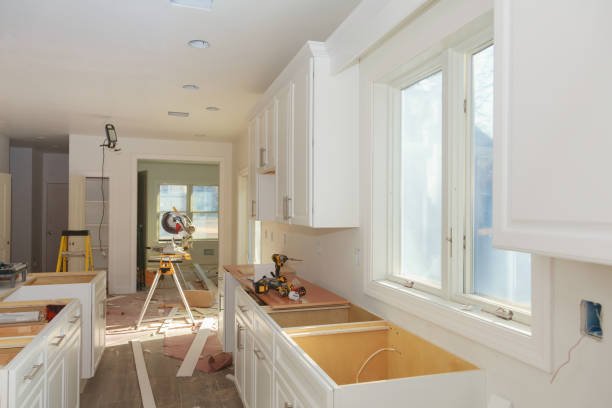
Renovating your home can be an immensely satisfying experience. It enables you not only to improve your own living standards but also to be reminded of your handiwork every single day. Whether it’s something as simple as repainting a wall or as major as replacing your roof, there’s nothing like the feeling of living within a completed project of yours.
However, it would be natural if you’re feeling a little daunted by the challenge that’s ahead of you. Trying to renovate your home is far from easy and might require more work than you initially anticipated. 
This is why it’s vital that you have a clear plan of action before you start and tackle the project with the right mindset. For instance, if you’re taking on a ground-up renovation project, then it’s best to start with the big tasks first — which will soak up the most time and resources — as well as target areas in your home which will move the needle the most by adding value to it.
Lastly, you’ll need to get a solid budget in place, so you can complete the project without overleveraging yourself or leaving yourself out of pocket.
This is what you need to know before you renovate your home: 
 
Start with the big jobs first
When you’re embarking on a home improvement project, you might be struggling to know where to start. While this will depend entirely on the particular property and the challenge you have ahead of you, it’s generally best for you to start with the big jobs first.
This is because the bigger jobs will take more time to complete and will therefore tend to drag on. The last thing you want is to start with minor tasks like painting walls or plastering ceilings when you need to replace your shingle roof Florida.
What’s more, if these larger and structurally integral elements aren’t dealt with first, then you could suffer damage to the smaller jobs that you wrongly prioritized.
  
Target areas that add the most value to your home
Another way to prioritize your home improvement projects is to work out which areas will add the most value to your home. This way, any money you’re spending will have the highest return on your investment, and you’ll find it easier to sell your property for a higher price.
These areas could include replacing your roof, creating a more open-plan living space by knocking through dry walls, extending your home, or renovating your loft or cellar.
 
Have a budget in place first 
Of course, attempting to renovate your home is impossible if you don’t have the necessary budget in place first. One of the most common mistakes that homeowners make when they are trying to renovate their property is that they get carried away with selecting the finest materials and a large workforce to get the project over the line without seriously considering the cost implications.
Therefore, set a clear budgetary red line before you start, and make sure that you stay below that as you go along.

THE SIMPLE GUIDE TO SELLING YOUR HOME

Are you thinking about selling your home? Getting top dollar for your property when listing it can be daunting or complicated, so preparation and knowledge are key! This guide will offer all of the tips and strategies necessary for successfully listing and selling a house – such as setting an asking price that’s fair, making repairs as needed, marketing effectively, etc. – everything needed for maximum profit from selling a house is covered here so read along for an extensive overview!


Selecting a Real Estate Agent – What You Should Look for and Questions You Should Ask

Finding an agent to represent you in real estate transactions can be a difficult process, but by taking the time and asking the necessary questions, you’ll soon have someone helping guide you through it all. When selecting an agent, it’s essential that you conduct sufficient research. First and foremost, experience is of utmost importance when choosing an agent. Someone with years of industry experience will provide access to invaluable knowledge and contacts that may benefit both themselves and you in future transactions.

In addition, communication abilities should also be an important consideration. A good agent should be able to explain complex terms and conditions clearly, keeping you fully informed throughout. Furthermore, finding someone you feel comfortable working with is key; your ideal real estate agent should act as your advocate, looking out for your best interests while helping you meet your goals. By taking time and care when finding an agent for yourself, you can ensure a stress-free and successful real estate journey!


De-Clutter Your Home

Are you trying to sell your home and want it to look more inviting for potential buyers? De-cluttering is the answer: not only will it make it appear larger, but also it will give it an overall cleaner, more polished feel. Start by clearing away any clutter – such as old magazines or broken appliances – then invest in storage solutions so everything has a place. Rearrange furniture as necessary so as to maximize space; invest in smart storage solutions so all items have their own space.

Don’t forget deep cleaning each room as this can help transform any space into an inviting experience that’s sure to draw potential buyers in! Taking these simple steps will make sure your home appears larger and more welcoming. Sure enough, it will attract plenty of interested parties looking forward.


Optimizing Your Backyard: Simple Ways to Add Appeal

If you’re hoping to increase the value of your home before selling it, sprucing up its backyard is an excellent place to begin. A well-kept yard can greatly enhance its appeal and increase its sale price, so start by clearing away debris, overgrown plants and any dead branches or weeds from your yard. The next step should be adding potted plants, seating options or patio spaces. Use a professional tree service as necessary to remove unwanted branches or trees. Mow and edge your lawn as well. Once completed, you will transform your backyard into an inviting and attractive space that potential buyers will love! With just a few simple steps and some TLC, you can transform your backyard into an inviting and attractive space that potential buyers will love.


Renovate Any Minor Issues Prior to Selling

As part of your home sale preparations, it’s essential that minor repairs be addressed so your home is market-ready. One important area is faucets and toilets – leaky faucets create an adverse first impression that may lead to bigger issues later. Also important are walls and ceilings: cracks should be patched up before painting over them with fresh coats for an updated look. Doors and windows must open and close smoothly too; this helps ensure all doors and windows function as intended. This adds value and attracts potential buyers! Overall making these minor adjustments will ultimately add value and attract the appropriate buyers!

DIVING HEAD FIRST: A GUIDE TO DESIGNING A POOL FOR YOUR HOME

Do you wish you had a location to go where you could get away from the heat and relax with your loved ones? The process of designing a pool for your home may be thrilling and life-changing since it gives you a chance to create a relaxing oasis that is tailored to your needs and preferences. If you want your pool construction project to be a smashing success, follow the advice in this manual. Put on your swimsuit and plunge headfirst into the world of pool construction, the source of unending fun and pleasure.

FINDING THE RIGHT SPOT AFTER ANALYZING YOUR PREMISES

The first step in creating a pool for your home is determining where it will look best. To keep your pool warm and appealing throughout the day, locate it in a part of your backyard that gets lots of sunlight. It’s important to think about whether or not the pool will accommodate any preexisting structures or landscaping. Also, know whether or not you need special permits to build a pool in your location. You may make an informed choice and design the ideal spot for your new pool by taking into account these factors, which will increase both its usability and enjoyment.

HOW TO CHOOSE THE RIGHT POOL FOR YOU

There are many different types of pools available, so it’s important to do some research before settling on one for your property. You can select from several options, each with its own set of advantages. Consider your budget, the available area, and your personal tastes before deciding between an in-ground pool, an above-ground pool, and a lavish infinity pool. Make sure you thoroughly research all of your possibilities so you can choose the one that best satisfies your requirements and the fantasy you have for your own private paradise. When designing a facility that can accommodate your needs and preferences for years to come, picking the proper pool type is crucial.

THE IMPORTANCE OF POOL SIZE: FINDING THE PERFECT MEASUREMENT

Setting up a pool in your backyard requires careful planning and precise measurements. Consider whether you’d like to use the swimming pool for recreation, exercise, or hosting parties. A larger pool may be best if you have a sizable family or routinely host large events. However, even if you’re short on a room, a well-designed, compact pool may turn your backyard into a tranquil retreat. Finding the optimal pool size that promotes enjoyment while blending in with your backyard requires balancing your planned usage and the available area. You can make a pool that serves your needs and adds visual appeal to your backyard by giving careful thought to the size.

PRIORITIZING SAFETY BY INCLUDING PRECAUTIONS

When planning a pool for your home, safety must always come first. Having children or pets makes implementing safety measures all the more important. Consider installing a pool gate, installing an alarm, or covering the pool to keep children and pets safe. Keep inexperienced swimmers safe by integrating shallow portions and non-slip surfaces into the pool’s layout. Pool safety can be improved even further if everyone in the home knows and follows the guidelines for being present at and near the pool. By taking the initiative to install these safeguards, you can ensure the safety of your loved ones and have fun in your pool without any concerns.

RELAX AND ENJOY THE POOL AREA’S DESIGN

You can let your imagination go wild while constructing the pool area. The result could be something very spectacular. The pool’s PebbleTec finish is important because it affects its visual appeal. Choose your favorite water color—whether it’s dark blue, teal, green, or light blue—that fits in with your aesthetic goals and the rest of your backyard. If you want to add some class and a soothing vibe, water features like fountains and waterfalls are something to consider. Lighting the pool appropriately can also increase its allure and make it usable in the evenings. Landscaping with lush plants and tastefully placed decorative features can further elevate the pool area, transforming it into a mesmerizing paradise that reflects your style and taste.

HOW TO CHOOSE MATERIALS FOR LONGEVITY AND APPEAL

Consider both practicality and aesthetics while making your pool’s material selections. Make sure your pool lasts and stays useful by using materials that are resistant to water, sunlight, and weather changes. Think about the material of the pool basin, as several options, including fiberglass, vinyl, and concrete all have their advantages. In addition, the pool deck material should be carefully considered because of its impact on the pool’s aesthetics. You can choose from materials like building materials, natural stone, and pavers depending on the style you want. A pool that will last many years and look great with your house and yard can be designed by balancing practicality and aesthetics.

CONCLUSION

Consider your available area, select the appropriate pool type, and calculate the optimal size for your pool. Take precautions to guarantee the safety of yourself and your loved ones. Create a gorgeous retreat that represents your taste by letting your imagination run wild while creating the pool area. Your backyard may be a peaceful retreat for you and your family if you put in the time and effort to plan it out, consider your options carefully, and hire qualified professionals to help you bring your vision to life.

Guest Contributor: Destiny Clarkson

WHY IS CONCRETE SUCH A POPULAR BUILDING MATERIAL: THE IMPORTANCE IN THE CONSTRUCTION INDUSTRY

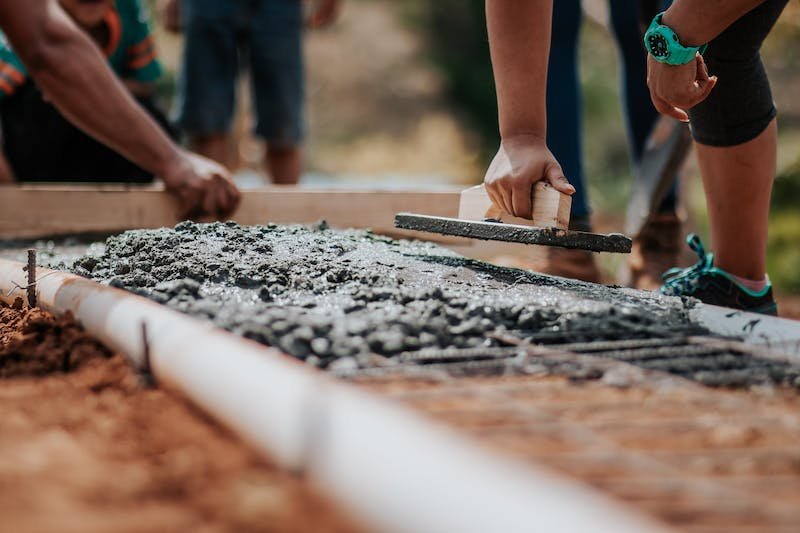
Concrete has been a staple in the construction industry for centuries and remains one of the most popular building materials worldwide. Its versatility, durability, and cost-effectiveness have earned it a place of prominence in a wide range of construction projects, from skyscrapers and bridges to residential homes and pavements. Here are the reasons why concrete has maintained its popularity as a construction material and why it continues to be favored by architects, engineers, and builders alike.

VERSATILITY IN DESIGN AND FORM

One of the primary reasons for concrete’s popularity is its exceptional versatility in design and form. Concrete can be molded into various shapes, allowing architects and designers to create unique and intricate structures. From smooth and modern facades to ornate and decorative elements, concrete offers boundless possibilities for creative expression. Additionally, it can be combined with other materials like glass, steel, or wood to achieve aesthetically pleasing and structurally efficient designs that stand the test of time.

FIRE AND WEATHER RESISTANCE

Concrete’s exceptional fire resistance is a significant advantage over many other building materials. It does not burn, melt, or release toxic fumes when exposed to high temperatures, making it a preferred choice for fire-resistant construction. Moreover, concrete’s resistance to extreme weather conditions, such as hurricanes, earthquakes, and floods, makes it a reliable option for building structures in regions prone to natural disasters.

ENERGY EFFICIENCY

Concrete’s thermal mass properties contribute to energy efficiency in buildings. It has the ability to absorb and store heat, regulating indoor temperatures and reducing the need for excessive heating or cooling. This quality makes concrete structures energy-efficient, lowering energy consumption and associated costs for both residential and commercial buildings. As sustainable construction practices gain prominence, concrete’s energy-efficient attributes continue to enhance its appeal as a green building material.

DURABILITY AND LONGEVITY

Concrete’s reputation for durability and longevity is unmatched among construction materials. Its inherent strength and resistance to harsh environmental conditions make it ideal for withstanding wear and tear over extended periods. Properly designed and constructed concrete structures, like those versatile civil concrete construction projects, can have a lifespan of several decades or even centuries, reducing the need for frequent repairs or replacements. This durability not only ensures the safety and reliability of buildings but also contributes to the long-term sustainability of construction projects.

COST-EFFECTIVENESS

Concrete’s cost-effectiveness is a major factor contributing to its popularity in construction. Compared to many other building materials, concrete is relatively affordable, and its widespread availability further lowers construction costs. Additionally, the reduced need for frequent maintenance and repairs due to concrete’s durability translates into long-term cost savings for property owners and developers.

ENVIRONMENTALLY FRIENDLY FEATURES

Concrete’s environmental credentials have improved significantly with the advent of eco-friendly construction practices. Modern concrete mixes can incorporate recycled materials like fly ash, slag, and crushed concrete, reducing the demand for raw materials and lessening environmental impacts. Furthermore, concrete structures can be designed to be energy-efficient, contributing to overall sustainability and minimizing a building’s carbon footprint.

RESISTANCE TO PESTS AND ROT

Unlike some traditional construction materials like wood, concrete is not susceptible to pest infestations or rot. This resilience to pests, such as termites, and resistance to decay and moisture damage makes it an ideal choice for structures in regions prone to insect activity or humid climates. Concrete’s ability to withstand the elements ensures the longevity and structural integrity of buildings, further solidifying its popularity as a reliable construction material.

EASY MAINTENANCE

Maintaining concrete structures is relatively straightforward and requires minimal effort. Routine inspections, minor repairs, and occasional cleaning are typically all that is needed to keep concrete buildings in excellent condition. This ease of maintenance adds to the appeal of concrete, particularly in busy urban areas or large-scale infrastructure projects where maintenance downtime needs to be minimized.

Concrete’s enduring popularity as a construction material can be attributed to its exceptional versatility, durability, and cost-effectiveness. Its ability to be molded into diverse forms, coupled with its longevity and resistance to fire and adverse weather conditions, makes it a reliable choice for various construction projects. Concrete’s energy efficiency, environmentally friendly features, and resistance to pests and rot further enhance its appeal in today’s environmentally conscious world. As the construction industry continues to evolve, concrete’s timeless qualities ensure its continued prominence as a favored building material for both practical and creative architectural solutions.

Guest Contributor: Diana Smith

CHOOSING THE RIGHT DRAIN CLEANING SERVICE IN 2023: ALL THE FACTORS TO THINK ABOUT

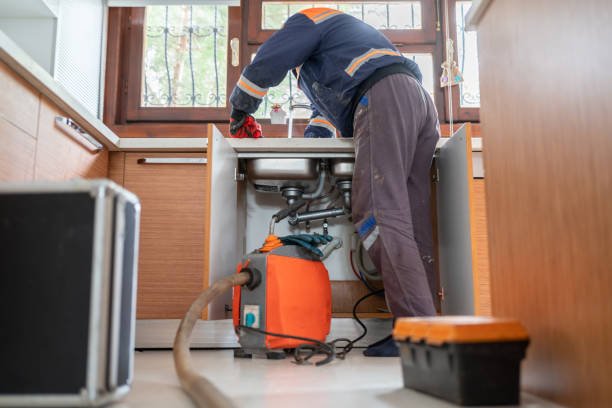
A clogged drain is one of the most common reasons for a homeowner to contact a plumber. It can occur suddenly and have serious effects if not addressed effectively. It is best to have a professional take care of the issue and clean up the mess entirely. Finding a reliable drain cleaning service is essential if you want to avoid any unpleasant surprises and achieve the desired outcomes.

If you pick the incorrect plumber, you can face difficulties in hiring another again. In this blog, we have provided a checklist of factors to consider before hiring the right drain cleaning service in 2023.

IMPORTANT CONSIDERATIONS BEFORE HIRING A DRAIN CLEANING SERVICE

FACTOR 1-KNOWLEDGE AND EXPERTISE IN THE FIELD

It’s best to hire a plumbing company with years of experience clearing drains, as clogs aren’t always easy to clear up. Hiring a qualified plumber is the best way to ensure that the task will be done swiftly, efficiently, and with minimal disruption to the rest of the plumbing system. And that calls for the appropriate technological capabilities.

Inquiring about certifications and insurance coverage is also recommended. It would be best to verify the company’s legitimacy before hiring them.

FACTOR 2-EQUIPMENT FOR CLEANING DRAINS

Similarly, you should feel confident that your plumber has the tools necessary to complete any task you put at them. Nothing is more frustrating than having an assignment delayed while waiting for necessary equipment to arrive.

You should describe the task and collaborate with the plumber to devise a strategy for addressing the issues. You can then inquire as to whether or not they have the necessary equipment and materials on hand. Having everyone on the same page is beneficial.

FACTOR 3-PRICE OF CLEANING SERVICES

As with any service, you must pay a fee when the job is done. The way each plumbing company charges customers is different. To feel satisfied once the job is finished, it is necessary to understand this fully. Get a price quote for the project before signing a contract with any company.

Find out if there are situations when extra charges apply. Since there is no way to predict exactly how the task will go, knowing this knowledge helps avoid unpleasant surprises as you complete the project. Pay special attention to these details because project management success depends on staying within budget.

FACTOR 4-REVIEWS FROM REAL CUSTOMERS ON THE INTERNET

Read the web reviews from satisfied customers before signing contracts or making any purchases. It’s relatively easy to hire a plumber.

Past clients can best depict what it’s like to do business with a given firm because they have firsthand experience with the company. They have personal experiences using these services and can provide advice based on their experience. To form a well-rounded opinion, checking out multiple review sites is best.

FACTOR 5-AVAILABLITY, WORK SCHEDULE AND PLAN

It’s not a good idea to ignore plumbing issues for too long. First, it makes normal tasks more challenging or more annoying for you. Second, even minor faults may become major emergencies like water damage if left unchecked.

There are times when you can unclog a drain or washbasin on your own. But after several failed tries, it’s time to call in the experts.

The best group for the job will be the one who can start immediately and promise to finish on schedule. You want to resume your routine as soon as possible.

FACTOR 6- TECHNIQUES FOR DRAIN CLEANING

Remember, only some drainage problems can be fixed with the same method. The most effective approach to fixing the problem will rely on where the blockage is, how bad it is, and what is causing it. Discuss which drain cleaning technique you choose with the plumber before hiring them to handle the issue.

The plumbing crew may have to remove certain things or dirt from the drain physically. A snake tool is a long tube with a hook at one end. It is a common piece of equipment for this purpose since it may be used to push an object deeper into the pipe to reach a larger region or retrieve it from the pipe.

Hydro jetting is another common physical removal method.

FORT LAUDERDALE DRAIN CLEANING AT LOW COST

In Fort Lauderdale, South Florida, residents frequently deal with clogged drains, broken garbage disposals, and other issues related to their homes’ sewage systems. That’s why it is so important to have ready access to a reliable, high-quality drain cleaning service.

No matter what kind of drain problem you’re experiencing in your house, from a blocked bathroom sink to a clogged kitchen sink, their trained technicians can help you find a solution at a price that fits your budget.
When it comes to drain cleaning, no one does it better than Superior Drain Cleaning. Drain cleaning Fort Lauderdale allows homeowners to take advantage of their same-day emergency services to fix any drainage concerns.

HOW COUPONS CAN SAVE YOU MONEY WHILE RENOVATING YOUR HOUSE

Renovating your house can be a costly endeavor. However, there are ways to save money while renovating your home. One way to save money is by using coupons. There are many websites and apps that offer coupons for home improvement stores. By doing a little research, you can find coupons for the materials you need to complete your renovation. Here are some tips on how coupons can save you money while renovating your home.

1. START BY CREATING A BUDGET FOR YOUR RENOVATION PROJECT

This will help you determine how much money you need to spend and what coupons you can use. It’s important to track all of your expenses so you don’t go over budget. Additionally, always remember to account for the sales tax on your purchases. If you know your budget, you can search for the items in different stores. If you know what stores have the stuff you need on sale, you can use coupons to save money. Also, for example, codes for Home Depot promotions can save you a lot of money. It’s important to do your research so you can save money on your renovation project.

2. ONCE YOU HAVE A BUDGET, START LOOKING FOR COUPONS

There are many websites that offer coupons for home improvement stores. Some of these websites include RetailMeNot, Coupons.com, and Slickdeals. You can also find mobile apps that offer coupons for home improvement stores. These apps include Shopular and Flipp. By doing a little research, you can find coupons for the materials you need to complete your renovation project. Also, don’t forget to ask around. Your friends and family might know of some good deals on home improvement materials.

3. USE COUPONS WHEN YOU PURCHASE MATERIALS FOR YOUR RENOVATION PROJECT

Once you’ve found some coupons, it’s time to use them. When you’re at the store, present the coupon to the cashier and they will apply the discount to your purchase. It’s important to note that some coupons have restrictions. For example, some coupons may only be valid on certain days or times. Additionally, some coupons may only be valid on certain items. Be sure to read the fine print on your coupons so you know when and how to use them. It’s also a good idea to have a backup plan in case the store doesn’t accept your coupon.

4. SAVE YOUR RECEIPTS AND TRACK YOUR SAVINGS

Once you’ve used your coupons, save your receipts and track your savings. This will help you see how much money you’ve saved by using coupons. Additionally, it will also help you keep track of your expenses. By tracking your savings, you can see if using coupons is worth your time and effort. If you find that you’re not saving much money by using coupons, you might want to try another method of saving money on your renovation project. It’s important to do what works best for you and your budget.

5. USE CAUTION WHEN PURCHASING CLEARANCE ITEMS

While it’s tempting to purchase clearance items, be cautious. These items are usually cleared for a reason. For example, the item may be damaged or missing parts. If you’re going to purchase a clearance item, be sure to inspect it thoroughly before taking it home. Additionally, be prepared to return the item if it’s not what you expected. This way, you can avoid wasting money on an item that you can’t use. It’s important to use caution when purchasing clearance items so you don’t end up wasting money.

6. JOIN STORE LOYALTY PROGRAMS

Many home improvement stores offer loyalty programs. By joining these programs, you can earn points or rewards that can be used towards future purchases. Additionally, you might be able to get exclusive coupons or discounts. Store loyalty programs are a great way to save money on your renovation project. If you shop at a particular store often, it’s definitely worth it to join their loyalty program. It’s easy to sign up and the rewards can add up quickly. This is an easy way to save money on your renovation project.

Coupons can save you money while renovating your house. By doing a little research, you can find coupons for the materials you need. Additionally, store loyalty programs can help you save money on your renovation project. By using coupons and store loyalty programs, you can stretch your budget further and get the most out of your renovation project. It’s important to do what works best for you and your budget. Be sure to use caution when purchasing clearance items and always track your savings. This way, you can ensure that you’re getting the most out of your renovation project.

HOW TO MAKE A FAUCET SPOUT SWIVEL EASILY

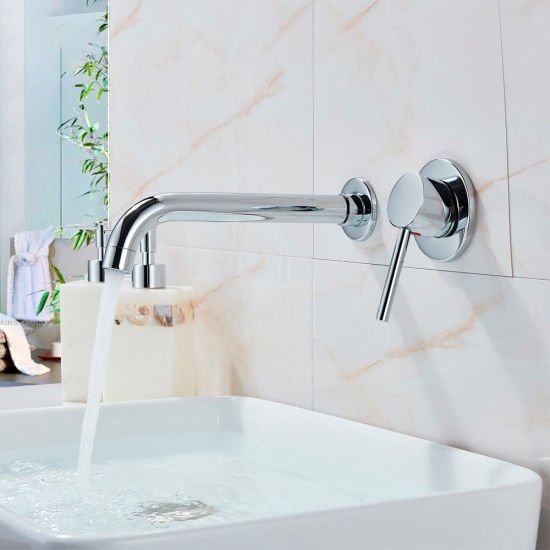
Is it easy to make a kitchen faucet spout swivel? If the spout of your kitchen faucet won’t swivel, you can still easily make it swivel. Whenever you buy faucets whether it’s touch sensing or manual, always make sure that it has spouts that can swivel easily.

The faucets spout with swivel helps you a lot with the water flowing and makes your life easy and comfortable, especially in the kitchen. If you don’t know how to make a faucet spout swivel easily, then follow this guideline.

4 STEPS TO MAKE A FAUCET SPOUT SWIVEL EASILY

Tools:

Rag (cloth for cleansing)

Silicon grease

Hex wrench

Adjustable wrench

Step 1: Turn Off the Water Supply

Both ball and cartridge are the same styles of a faucet. They both have a regular type of disc inside them. First, you will have to turn off the water supply. Either from the valves below the sink or from the main water supply, which connects the whole house.

So, you can repair it easily and water doesn’t be wasted. And cover the drain, so that small parts don’t go inside it. After that remove the handle from the sink.

Step 2: Remove the Handle from Sink

Now remove the handle from the sink. You’ll see two head screws that hold the faucet. You can easily do this with a wrench. Simply, loose the screws of your faucet and then pull out the faucet.

Step 3: Remove the Spouts and Clean it

Now remove the spouts from the faucet. Take it out completely by pulling it off. And then clean the spouts very carefully. Don’t break it. You can clean the spouts with a sponge or with spray also. Then keep it somewhere to become dry. Then apply silicon grease to O-rings.

Step 4: Apply Silicone Grease to O-rings

In this step, you will have to clean the O-rings which are inside the faucet. These O-rings are the main reason faucets don’t swivel. You can clean the O-rings with the help of a rag.


After cleaning it, apply some silicone grease around the O-rings. Apply some silicone grease inside the body of the sleeve of the faucet, where O-rings are attached. Never use regular grease because it will damage the O-rings and eventually cause them to leak.


HOW TO REMOVE A SWIVEL KITCHEN FAUCET

Step 1: Loose the Screw

You need to look beside the faucet handle for a little oval shape screw. This screw prevents the faucet handle from coming out, whenever you turn the water on and off. Now, use an adjustable wrench.

Step 2: Use an Adjustable Wrench

To remove the handle, use an adjustable wrench to loosen the screw. This should allow the handle to lift off easily. Now, remove the metal nut.

Step 3: Remove the Metal Nut

Now, you must remove a round metal nut that helps to hold the faucet cartridge in place, but it’s made in the same soft metal as the faucet handle and spout.

If you try to pull it off by hand and it seems stuck, you can use locks to get some leverage. But wrap a rag around the metal first, or else the teeth of the locks will gouge it.

Keep those locks handy, though, because you’ll need them to remove the final nut. Twist it to the left until it pulls out completely.

WHAT HAPPENS WHEN A KITCHEN FAUCET WON’T SWIVEL?

The O-rings which are inside the faucet make it hard to swivel. The mount’s underside is where it is located. As the months and years are going by, its O-rings will become tightened and is stiff to turn.

The reason is that the lubricant inside the faucet becomes dry or sluggish. And O-rings inside the faucet become so dry that it tightens the spout. This will make the faucet spout un-swivel.

This problem is very common in every house, and it can be repaired without spending single money. If you wait too long to fix this problem, then the spout of your faucet can be a problem or may become more tightened.

If you still confuse how to fix, follow Lisa Burk. She is an expert on faucet and sink plumbing.

CONCLUSION

Most people apply WD-40 for making the faucet spout swivel. They think it is an easy solution. But this is not a solution to the problem. If you want the right procedure to make a faucet spout swivel easily, you can follow all the above steps.

You can easily make your faucet spouts swivel by putting off all parts, applying grease to it, and then assembling it again.

Hopefully, now you can easily make the faucet spout swivel without any issue.

Guest Contributor: Karl Larabee

TIPS ON CHOOSING THE RIGHT KIND OF TILES FOR YOUR PERSONAL NEEDS

There are a variety of options when it comes to choosing the right type of tile for your home renovation project. You can choose from ceramic, porcelain, natural stone, and glass tiles, among others. So how do you decide which type is right for you? Here are a few tips to help make your decision a little bit easier.’

1) BATHROOM

When it comes to choosing bathroom tiles, you have a variety of options available to you. You can choose from ceramic, porcelain, natural stone, and glass tiles, among others. So how do you decide which type is right for you? Here are a few tips to help make your decision a little bit easier.

Consider your budget – one of the most important factors to consider when choosing bathroom tiles is your budget. Ceramic and porcelain tiles are generally more affordable than natural stone or glass tiles. For example, your bathroom wall tiles could be ceramic, while your floor tiles could be porcelain. Think about the look you want to achieve – another important factor to consider when choosing bathroom tiles is the overall look you want to achieve. Do you want a classic look or something more modern? Natural stone tiles can give your bathroom an elegant, luxurious feel, while glass tiles can add a touch of glamour.

Think about your lifestyle – if you lead a busy lifestyle and don’t have time to clean often, then you may want to consider choosing a tile that is easy to clean and doesn’t require a lot of maintenance. Ceramic and porcelain tiles are both good options in this regard.

2) KITCHEN

When it comes to choosing kitchen tiles, you have a variety of options available to you. You can choose from ceramic, porcelain, natural stone, and glass tiles, among others. So how do you decide which type is right for you? Here are a few tips to help make your decision a little bit easier.

If you’re looking for durability, then ceramic or porcelain tiles are a good option. They’re both very strong and resistant to heat and moisture. Natural stone tiles are also quite durable, but they can be more expensive. Glass tiles are less durable than the other options, but they can add a unique look to your kitchen.

If you’re worried about slips and falls, then you might want to choose tiles with a textured surface. These will provide more grip and help to prevent accidents. Smooth surfaces can be more slippery, so if you have young children or elderly family members, textured tiles might be a better option.

3) OUTDOOR AREAS

When it comes time to choose tiles for your outdoor area, you’ll want to consider a few things. First, think about the climate in your area. If you live in a colder climate, you’ll want to choose a type of tile that can withstand the cold temperatures and doesn’t freeze easily. If you live in a warmer climate, on the other hand, you’ll want to choose a type of tile that can withstand the heat and doesn’t crack or fade in the sun.

Another thing to consider when choosing tiles for your outdoor area is how much traffic the area will see. If the area is going to be heavily used, you’ll want to choose a type of tile that is durable and can stand up to wear and tear. If the area is more for show than for use, on the other hand, you can choose a more decorative type of tile.

Finally, think about your budget when choosing tiles for your outdoor area. Tiles can be expensive, but there are a variety of options available that fit different budgets. Choose the type of tile that fits your needs and your budget and you’ll be sure to be happy with the results.

4) BEDROOM

When it comes to tile, the bedroom is a great place to consider using something softer and more comfortable underfoot. A nice option for the bedroom is cork tiles, which are made from the bark of a cork oak tree. Cork tiles are natural, renewable, and biodegradable, making them a good choice for those who are environmentally conscious. They’re also comfortable and insulating, which can make them a good choice in colder climates.

If you’re looking for a more traditional look in your bedroom, ceramic or porcelain tiles can be a good option. These tiles come in a wide range of colors and styles, so you can find one that will suit your preferences. They’re also durable and easy to clean.

No matter what type of tiles you choose for your bedroom, be sure to take into account the climate where you live. If you live in a cold climate, consider using tiles that will keep your feet warm underfoot. If you live in a hot climate, on the other hand, choose tiles that will help keep your room cool.

When it comes time to choose tiles for your home, there are a lot of different options available to you. You can choose from ceramic, porcelain, natural stone, and glass tiles, among others. So how do you decide which type is right for you?

HOW TO DETERMINE IF A HOME FOUNTAIN SUITS YOUR HOME

When you think about adding a fountain to your landscaping, you first need to determine if it will fit in with the style of your home. Fountains come in all shapes and sizes, and some would look great on any property. However, others may not be the best choice for your home. Below are some tips for determining if a home fountain is right for you.

1. DECIDE ON THE OVERALL LOOK YOU ARE TRYING TO ACHIEVE IN YOUR LANDSCAPING

A fountain may not be the best choice if you want a more formal look. Conversely, pond fountains could be a great addition if you’re going for a more natural look. They give an aesthetic appeal.

They also provide aeration, which helps oxygenate the water and reduce excessive algae growth. By keeping the water moving, the pond aeration provided by many fountains helps remove bad smells and decrease mosquito activity.

2. CONSIDER THE SIZE OF YOUR PROPERTY

A large fountain may not be the best option if you have a small yard. Conversely, a smaller fountain could get lost in the landscape if you have a large property. The size of the fountain also needs to be considered in relation to other features in your yard.

For example, a large fountain may make the pond look even smaller if you have a small pond. By calculating the area of your pond, you can work out how much water you have and choose the right fountain for your pond.

3. THINK ABOUT HOW MUCH MAINTENANCE YOU ARE WILLING TO DO

Fountains require maintenance, such as cleaning the pump and ensuring the water level is full. If you’re not willing to do this type of maintenance, then a fountain may not be the best choice for you. It’s important to read the instructions that come with the fountain before buying it to ensure you are aware of the maintenance required.

4. DETERMINE YOUR BUDGET

Fountains can range in price from a few hundred dollars to several thousand dollars. The cost of the fountains and aerators depends on a number of factors. The first is the size of your pond and the amount of water you need to pump. The more powerful the pump, the more it’s likely to cost. If you have a limited budget, you may choose a smaller fountain or one that does not have all the bells and whistles. Fountain Mountain sells budget fountains to very large ones.

5. CONSIDER YOUR CLIMATE

If you live in an area with freezing temperatures, you will need to take extra care of your fountain to ensure it does not freeze and crack. Conversely, if you live in a hot climate, you’ll need to ensure your fountain has enough shade to keep the water from evaporating.

This is especially important if you live in an area with high humidity. Choosing a fountain made from materials that can withstand your climate is important.

6. DETERMINE THE BEST LOCATION FOR THE FOUNTAIN

This is important because you need to ensure the fountain gets enough sunlight and is close enough to an electrical outlet. You also want to ensure the fountain is not in a low-lying area where water could pool and cause flooding. It’s important to consider the fountain’s placement before you buy it to ensure it will work in your landscape.

7. CHOOSE THE RIGHT MATERIAL FOR YOUR FOUNTAIN

Fountains are made from a variety of materials, such as:

●      Concrete

●      Stone

●      Metal

●      Plastic

The material you choose should be durable and able to withstand the elements. It should also be easy to clean and maintain.

8. SELECT THE RIGHT PUMP FOR YOUR FOUNTAIN

The pump is the heart of the fountain and needs to be the right size for the fountain and the pond. Ensure the pump you buy will fit dimensionally into your fountain’s basin. Many fountains have cutout areas in which a pump is placed. It also needs to be durable and able to withstand the elements.

CONCLUSION

Fountains can be a great addition to your home, but there are a few things you need to consider before you buy one. By following the tips in this guide, you can be sure to choose the right fountain for your home.

Guest Contributor: Samantha Higgins