
HOW TO MAKE SURE THE STRUCTURE OF YOUR HOUSE IS STABLE

The Importance of Your House Structure

The structure of a home is the foundation for everything built on it and within it. The structural components include the foundation and framework, as well as the shape and size of the home. A house structure has many benefits, including: 

1. It provides stability and support

The house structure is a key factor in determining the safety and stability of the home. A structurally sound house will withstand the elements and remain standing for a long time. The framework of a home provides a strong foundation for other components, such as walls, floors, and roofs, to be built on top of.

2. It enables good design

A house structure will provide the basis from which a designer can add the aesthetic appeal of a home. It can help create different living spaces and support structural features such as stairs, balconies, and bay windows. A house structure can also accommodate different styles and materials of exterior walls, roofs, and porches.

3. It provides security

A house structure can protect from intruders and other disasters. Solid walls can block sound and provide a barrier against wind and flooding. Good locks and security systems can also be installed in homes with sturdy structures.

The structure of a home is essential to creating a safe and secure living space. A solid foundation and well-built framework can help ensure that a home will remain stable and energy efficient over the years. A house structure can also add to the design of a space and increase its resale value.


How To Make Sure The Structure Of Your House Is Stable

To ensure your home is structurally sound, there are a few things you can do:

1. Have a professional inspect it

The best way to ensure that your house’s structure is stable is to have a professional structural engineer evaluate your home. This kind of inspection can identify any problems and provide recommendations on how to fix them. 

2. Make sure foundations are secure

Checking the foundation is an important step in ensuring your house’s structure is stable. Look for cracks, shifting, or settling of the foundation. Inspect the walls for signs of water damage or signs of wood rot.

3. Keep up with maintenance

Regular home maintenance is an important part of keeping it structurally sound. Check for any insect infestation or wood rot signs, and address any necessary repairs.

4. Address any problems

If any structural issues are identified, address them immediately. Have a professional repair any problem areas to ensure that the structure of your home remains safe and secure.


What To Do To Increase The Stability Of Your Home’s Structure

1. Roof support

Strengthen your home’s roof support by replacing or reinforcing existing joists, trusses, and rafters. Make sure your roof is adequately braced and supported from below as well as from above.

2. Anchor the house

Anchor your house to the foundation with heavy-duty anchor bolts or straps. This can help ensure the house is secure and prevent unintended movement. 

3. Beam reinforcements

Install structural beams and columns to reinforce your home’s structure. Ensure these beams and columns are securely attached to the foundation using heavy-duty screws or bolts.

4. Improve drainage

Ensure your gutters and downspouts work properly to minimize water pooling around the foundation. If necessary, ensure your yard is graded away from your home to help reduce the amount of water that can accumulate.

5. Replace old wood

If you have wood framing or support beams over 15-20 years old, consider replacing them with newer, stronger materials such as steel or concrete.


What Can Hurt Your House’s Structure?

1. Pests

Pests such as termites and other wood-destroying insects can damage the structure of a home. Termites, carpenter ants, and other pests can chew through wooden support beams and weaken the foundations of a home.

2. Poor building materials

Using poor-quality building materials can result in a weakened structure. This is often a result of cost-cutting measures when building a home. Using lower-quality materials can lead to a weaker structure and more maintenance costs in the long run.

3. Poor foundation

A poorly constructed foundation can create structural problems for your home. Poor foundation work can lead to cracking which can weaken the house’s walls and roof and cause water damage.

4. Water damage

Water damage can be one of the most destructive forces on a home’s structure. If proper drainage is not in place, water can seep into the foundation and weaken the walls and other structural components. Water damage can also allow pests and mold to enter the home structure and cause further damage.


Written by Taylor McKnight, Author for Osmose
7 STEPS TO CREATING A GARDEN OASIS FOR RELAXATION AND ENTERTAINMENT

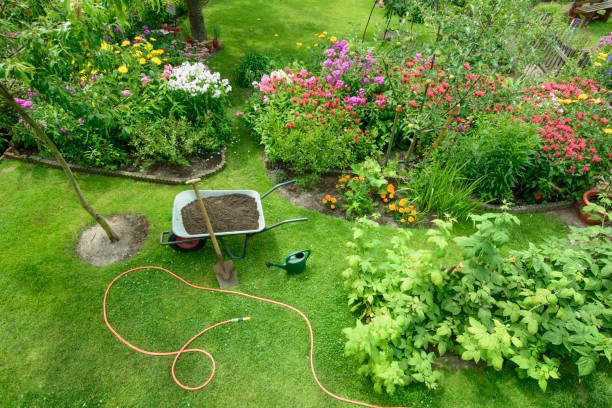
Garden – elevated view

Ah, the great outdoors! It’s a space to unwind, entertain, and escape the daily grind. So picture this: a lush haven in your backyard tailored to your desires. Sounds dreamy, right? Well, it’s possible! Designing a garden oasis might seem like a Herculean task, but with careful planning and creative ideas, you can create a personalized retreat for relaxation and entertainment.

STEP 1: START ASSESSING YOUR SPACE

Before you begin, it’s crucial to assess the space you have to work with thoroughly. Take note of the size and shape of your available area, and consider how the natural elements like sunlight, wind, and water drainage may impact your design. Additionally, it’s essential to establish a realistic budget and determine which aspects of the project are the most important to you. By understanding your limitations and priorities, you can lay the groundwork for creating a garden oasis that is both functional and aesthetically pleasing.

STEP 2: THINK ABOUT YOUR GARDEN OASIS DESIGN

Developing a master plan is the next critical step in bringing your garden oasis to life. You may sketch your ideas on paper or utilize design software to create a digital blueprint. Regardless of the method, your plan should include a cohesive theme or style that reflects your personality and preferences. From Japanese Zen gardens to charming English cottages, the possibilities are endless.

With your style in mind, it’s time to divide your outdoor space into functional zones. These zones typically include relaxation, entertainment, dining, and play areas. The relaxation zone should evoke a sense of serenity and provide comfortable seating options like hammocks, lounge chairs, or a cozy reading nook. In contrast, the entertainment zone is ideal for social gatherings and should offer ample seating, tables, and space for games and activities. The dining and cooking zone is perfect for enjoying alfresco meals and may feature a dining table, outdoor kitchen, or barbeque grill. Lastly, the play and activity zone should accommodate the needs of children and pets, providing a safe area for them to roam and have fun.

STEP 3: CHOOSING THE RIGHT PLANTS IS ESSENTIAL

One of the most important aspects of designing a garden oasis is selecting the right plants. You should choose plants well-suited to your local climate and soil type while considering their aesthetic appeal and maintenance requirements. As you choose your plants, pay attention to the colors, fragrances, and textures they offer, and don’t hesitate to incorporate low-maintenance options for easy upkeep. Additionally, the strategic placement of plants can create privacy and block unwanted views.

STEP 4: DON’T FORGET HARDSCAPING

Incorporating hardscaping elements into your design adds structure, contrast, and functionality to your garden oasis. Inviting pathways and walkways can be designed using materials that complement your chosen style, such as gravel, flagstone, or brick. Patios and decks are ideal for extending your living space and providing a solid foundation for furniture and accessories. Garden walls and fences can help define zones and create privacy, while water features and sculptures serve as eye-catching focal points that enhance the overall aesthetic.

STEP 5: OUTDOOR FURNITURE MAKES THE SPACE

Selecting the right outdoor furniture and accessories is crucial for comfort and style. Look for pieces made from weather-resistant materials that offer the perfect balance of durability and design. Outdoor lighting is essential for creating ambiance and ensuring safety, so consider options like string lights, lanterns, and solar-powered fixtures. Finally, personalize your space with outdoor rugs, pillows, and decorations that complement your chosen theme and tie everything together.

STEP 6: TIME FOR ENTERTAINMENT

Elevate your outdoor entertainment game by incorporating features such as an outdoor kitchen or bar, which is perfect for grilling and chilling with loved ones. A fire pit or fireplace adds warmth and a cozy vibe on cool evenings, encouraging guests to linger and enjoy each other’s company. Additionally, installing an audio or video system can provide entertainment options like playing music or hosting movie nights under the stars.

STEP 7: MAINTAINING YOUR GARDEN OASIS

To keep your garden oasis looking its best, regular maintenance is essential. Stay on top of weeding, watering, and pruning to ensure your plants remain healthy and vibrant. Prepare your garden for seasonal changes by winterizing plants and furniture or taking steps to protect them from harsh weather conditions. When managing pests and diseases, opt for eco-friendly solutions to minimize any negative impact on your garden’s overall health and appearance.

FINAL THOUGHTS

As you embark on the journey to create your garden oasis, remember that the process is just as rewarding as a result. With careful planning, creative ideas, and some elbow grease, you’ll transform your outdoor space into a sanctuary for relaxation and entertainment. As you enjoy your new haven, you’ll appreciate the time and effort put into making it truly your own.

Years from now, as you bask in the sunlight, sipping a refreshing drink, or hosting a lively gathering, you’ll realize the true value of your garden oasis. Your outdoor space will become a cherished part of your daily life, a haven where memories are made and time is savored. So, embrace the journey and let your imagination soar as you create a garden oasis that reflects your unique taste, style, and vision. Your personalized retreat awaits, providing endless opportunities for relaxation, entertainment, and enjoyment for years to come.

Guest Contributor: Jamie Cohen

TIPS AND TRICKS FOR MANAGING MULTIPLE RENTAL ARBITRAGE PROPERTIES

Managing multiple rental arbitrage properties can be a lucrative and exciting business venture, but it comes with its own unique set of challenges. As an entrepreneur in the rental arbitrage industry, it’s crucial to have the right tools and strategies in place to successfully manage multiple properties. In this post, we’ll share with you some tips and tricks for managing multiple rental arbitrage properties effectively. From standardizing your processes to outsourcing cleaning and maintenance services, we’ll provide you with the essential strategies to optimize your operations, increase your profitability, and create an exceptional guest experience. Let’s dive in!

First, let’s understand what rental arbitrage is. Rental arbitrage is a business model where an entrepreneur leases the property from a landlord or property owner, then rents it out on a short-term basis to guests for a higher rate than they pay in rent. This strategy allows the entrepreneur to generate a profit by essentially subleasing the property to vacationers or business travelers.

Here’s an example to illustrate how rental arbitrage works: Let’s say that Sarah is a rental arbitrage entrepreneur. She leases a three-bedroom apartment in a popular tourist destination from a landlord for $2,500 per month. After furnishing the apartment and creating a listing on Airbnb, Sarah rents out each bedroom separately to travelers for $150 per night, with a minimum stay of two nights. Assuming that each bedroom is occupied for 20 nights per month, Sarah’s monthly revenue would be $9,000 ($150 per night x 3 bedrooms x 20 nights per month). 

After accounting for cleaning and maintenance expenses, utilities, and other overhead costs, Sarah’s net profit would be around $4,000 per month. This means that she is generating a profit of $1,500 per bedroom, even after paying the monthly rent to the landlord.

Rental arbitrage is a popular business model because it allows entrepreneurs to generate passive income without having to own property. However, it’s important to note that this strategy involves some risks and challenges, such as legal regulations and competition from other rental arbitrage entrepreneurs. To be successful in rental arbitrage, entrepreneurs need to stay up to date with the latest trends in the industry, provide exceptional guest experiences, and be strategic in their pricing and marketing efforts.


Standardize Your Processes

Standardizing your processes is essential to effectively managing multiple rental arbitrage properties. By establishing a standardized process, you ensure that all properties are being managed in the same way. This helps you stay organized and streamlines your operations, making it easier to manage multiple properties at once.


Utilize a Property Management System

A property management system can be a valuable tool in managing multiple rental arbitrage properties. It allows you to keep track of bookings, reservations, and maintenance requests across all properties in one centralized location. This helps you avoid double bookings, reduce maintenance response times, and keep track of rental income.


Hire a Virtual Assistant

Hiring a virtual assistant can be a cost-effective way to manage multiple rental arbitrage properties. A virtual assistant can handle administrative tasks such as responding to guest inquiries, managing bookings, and coordinating cleaning and maintenance services. This allows you to focus on other aspects of your business and frees up your time.


Use a Channel Manager

A channel manager is an essential tool for managing multiple rental arbitrage properties. It allows you to synchronize availability and rates across multiple booking channels, including Airbnb, Booking.com, and Expedia. This ensures that all of your properties are listed on multiple platforms and helps you avoid overbooking or underbooking.


Implement Automated Systems

Implementing automated systems can help you manage multiple rental arbitrage properties more efficiently. For example, you can use automation to schedule cleaning and maintenance services, send automated responses to guest inquiries, and automate financial reporting. This helps you save time and reduces the likelihood of errors.


Outsource Your Cleaning and Maintenance

Outsourcing cleaning and maintenance services can be a great way to manage multiple rental arbitrage properties. By hiring a professional cleaning and maintenance company, you can ensure that your properties are always clean and well-maintained. This helps you avoid the stress of managing cleaning and maintenance yourself and frees up your time to focus on other aspects of your business.


Focus on Guest Experience

Guest experience is critical to the success of your rental arbitrage business. By focusing on creating an exceptional guest experience, you can ensure that your guests leave positive reviews, recommend your properties to their friends, and return to book again. This can help you build a loyal customer base and increase your rental income.


Monitor Your Financials

Monitoring your financials is essential to managing multiple rental arbitrage properties. You need to keep track of rental income, expenses, and profit across all properties to ensure that your business is financially sustainable. By monitoring your financials, you can identify areas where you need to cut costs or increase revenue to optimize your business operations.


Conclusion

Managing multiple rental arbitrage properties can be a complex task, but by implementing the tips and tricks we’ve shared, you can optimize your operations and increase your profitability. From standardizing your processes to outsourcing cleaning and maintenance, using property management systems, and focusing on guest experience, these strategies will help you efficiently manage your properties and create a loyal customer base. Remember to monitor your financials and stay up to date with the latest trends in the industry to continue to improve and grow your business. With the right tools and strategies, managing multiple rental arbitrage properties can be a rewarding and profitable venture.

Guest Contributor: Amelia Brown

DIFFERENT TYPES OF PERGOLAS

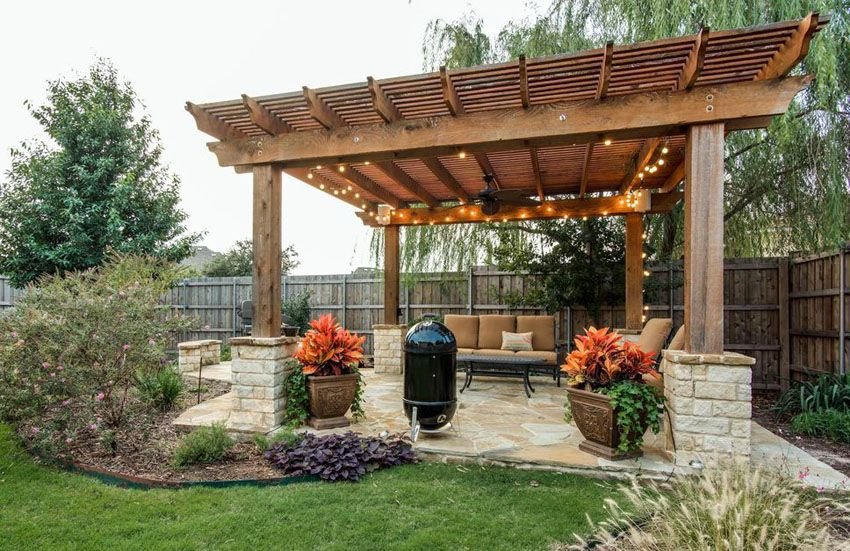
Backyard Pergola with climbing Wisteria vines. There is also an outdoor barbecue and table and chair set.

Pergolas are an excellent way to enhance the beauty of your outdoor space while providing shade and privacy. A pergola is a simple structure that typically consists of vertical pillars or posts that support cross-beams or lattice on the top. These structures can be built in different materials, including wood, vinyl, aluminum, or fiberglass, and can be customized in various designs to match the style of your home and landscape. If you’re looking to build a pergola, here are some pergola ideas to inspire you.

1. Classic Pergola Design: The classic pergola design consists of four posts supporting cross-beams on the top. The pergola can be left open or covered with vines or fabric to provide additional shade and privacy.

2. Modern Pergola Design: Modern pergolas have sleek and simple designs, often featuring clean lines and a minimalist look. They can be made from metal or wood and can be painted in bold colors or left natural. Modern pergolas can be a statement piece in your outdoor space

3. Rustic Pergola Design: If you prefer a more natural look, a rustic pergola can be a great option. Made from wood or rough-hewn timber, a rustic pergola can create a cozy and inviting atmosphere in your outdoor space. You can add hanging lanterns, candles, or string lights to create a warm and inviting ambiance.

4. Arbor Pergola Design: An arbor pergola is a smaller version of a classic pergola, often used as an entryway to a garden or as a decorative feature in a yard. An arbor pergola can be made from wood or metal and can be painted in any color to match your home’s style.

5. Attached Pergola Design: An attached pergola is built against the side of your home or attached to a deck or patio. This design can provide additional shade and privacy to your outdoor space, and can be customized to match the style of your home.

6. Freestanding Pergola Design: A freestanding pergola is not attached to any structure and can be placed anywhere in your yard. This design is versatile and can be used as a standalone feature.

In conclusion, pergolas are a great way to enhance your outdoor space and add value to your home. With various designs to choose from, you can customize your pergola to match the style of your home and landscape.

PLUMBING MAINTENANCE FOR LANDLORDS: TIPS FOR PREVENTING COSTLY REPAIRS

If you’re planning on becoming a landlord in the near future, or you’re already a landlord, then you’ll know that there are certain repairs that landlords are responsible for. One of them is plumbing. If your tenants report a problem with their plumbing, then you either need to fix it yourself or call someone out to do it for you.

But how can you save money and reduce the risk of needing to hire a plumber for your rental properties? There is one way, and it’s called plumbing maintenance. 

In this post, we’re going to help potential landlords understand what the best plumbing maintenance is to avoid costly repairs down the line. So, before you start googling ‘how to get an online rental application’ we suggest reading below!

PLUMBING RESPONSIBILITIES OF A LANDLORD

So, what kind of plumbing is a landlord responsible for? Well, all of it! No matter where you are in the world, landlords tend to be responsible for providing a habitable home, and that means running water!

Though tenant rights and landlord regulations differ by state, you are generally expected to deal with any and all repairs that occur on your property. However, if you want to know the details of your state, you can look at local guidelines to ensure you’re not taking on more than you legally need to.

TOP 5 PLUMBING MAINTENANCE TIPS FOR LANDLORDS

If you’re looking to avoid costly repairs for your rental property, then there are a few things that you (and your tenants) should be doing to ensure that all is in working order with the plumbing. These are as follows.

1. CREATE A MAINTENANCE SCHEDULE

To begin with, we wholly recommend making a maintenance schedule. This means creating a list of things to check and when to check them. While some aspects of your plumbing will only need spot checks here and there, you may need to do other things more often. 

If you stay on top of this schedule, you’ll likely catch any potential issues as early as possible and not have to worry about costly repairs in the long run.

We recommend adding maintenance checks to your calendar and conferring with your tenants to ensure you can access the property on the days when maintenance checks are necessary. Alternatively, you could ask tenants to do the checks if they would rather you weren’t on the property regularly.

2. CHECK FOR LEAKS

This probably seems like an obvious maintenance tip, but we don’t just mean obvious leaks. Check everything from pipes to radiators for leaks or signs of leakage

Leaks can cost more money since they cause an increase in water use, and they can cause issues with the pressure of your plumbing system. If you notice a leak, fix it right away to ensure it doesn’t become a bigger problem down the line.

3. KEEP THE DRAINS CLEAR

If water has been going down the drain slowly, there could be an issue with clogging. If you or your tenants have noticed this, then unclogging them immediately can save you from bigger clogs and blockages later on.

While it can be tempting to throw a chemical unclogger down the drain immediately, consider using this as a last resort. Many chemical uncloggers actually have such harsh chemicals that they can cause damage to your pipes.

Instead, you could use a simple mix of water, vinegar, and baking soda or a physical unclogger, like an auger.

4. CHECK YOUR WATER PRESSURE

More often than not, issues with heating come from water pressure drops. It is important to ensure that your water pressure is at the right level at all times. Checking this will also give you a hint as to whether you have leaks or blockages in the system.

Standard water pressure is about 35 to 100 PSI, but you should be aiming for between 40 and 50 PSI in a home.

5. SCHEDULE AN INSPECTION

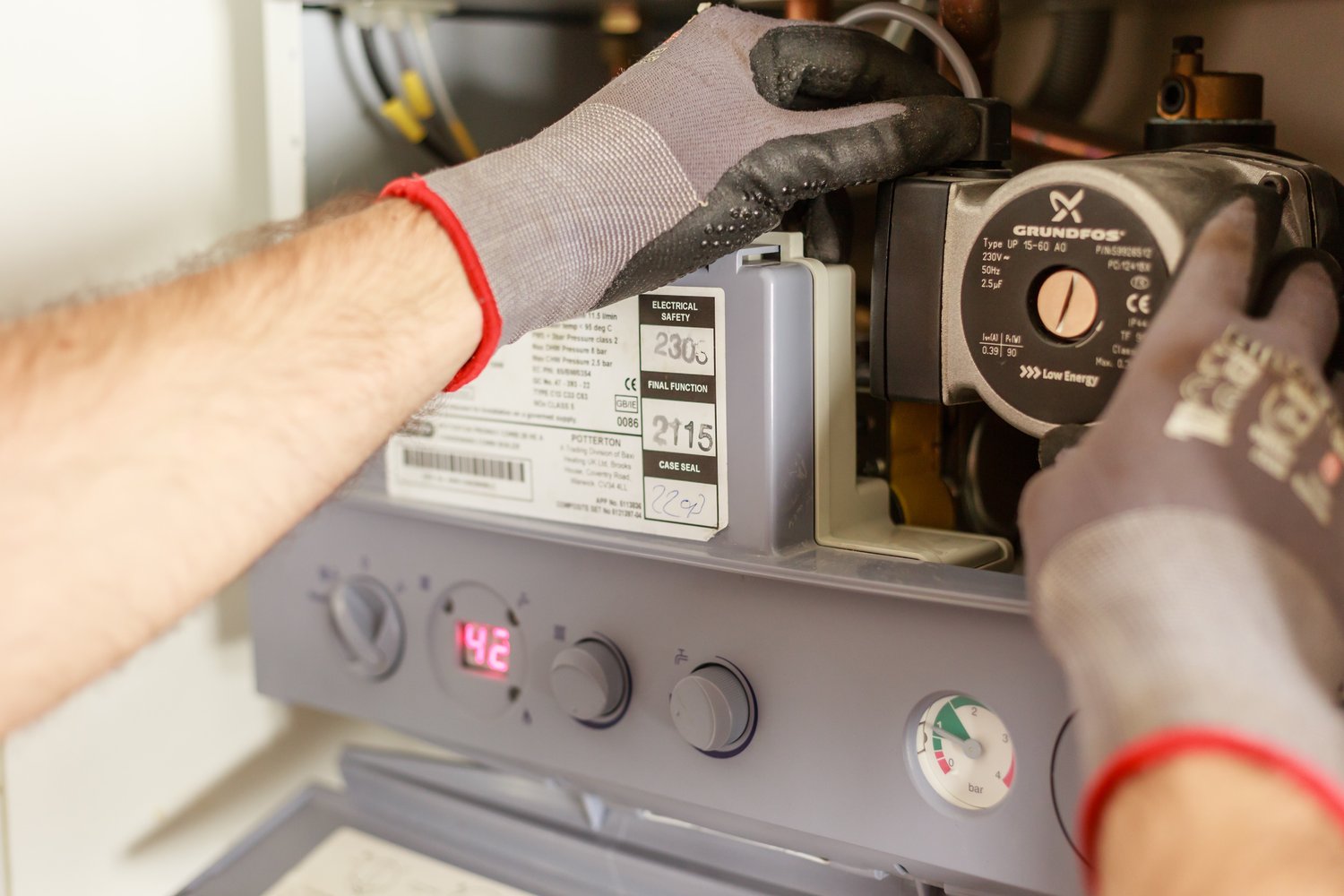
Though you can do many checks yourself, scheduling a plumber to come around and check everything from the water heater to the drains to the pipes can ensure that everything is in working order.

They can also give recommendations if they notice any plumbing needing replacing soon and help out tenants if they’re doing the checks themselves.

While you may want to avoid plumbing costs, an annual inspection will ensure you avoid higher costs further down the line!

WHO IS RESPONSIBLE FOR A PLUMBING BILL: THE TENANT OR THE LANDLORD?

Generally, a landlord will need to pay for repairs on their rental property if the issue is due to wear and tear. However, if a tenant damages the plumbing or it is caused by neglect, then there may be grounds for the tenant to pay for the repairs.  

Legally, landlords have to provide habitable accommodation, which means the onus is usually on them to ensure everything is in good working condition when it comes to the plumbing. If your tenant won’t pay for the damage they caused, you may want to seek advice for the next steps you should take.

FINAL THOUGHTS

If you’re already a landlord or about to become one, getting to grips with some basic plumbing repairs can save you in the long run. Make sure to create a schedule and stay on top of any small problems to avoid bigger ones in the future.

Guest Contributor: Megan Cruz

USING LANDSCAPING TO HIDE OUTDOOR MAINTENANCE DEVICES

Your home or commercial property should be an inviting place to visit. When the landscaping is not well kept, it’s not a very welcoming environment. Sometimes your landscaping may be perfect, but the utility boxes and other outdoor eyesores just stand out. This article will discuss how to strategically and creatively hide outdoor maintenance devices using landscaping.

HIDING OUTDOOR EYESORES 

Air conditioning units, tangled hoses, protruding pipes, and clutter can all diminish your curb appeal and landscaping. Although these outdoor eyesores are needed, they can distract people from the best features of your landscape. There are several ways to hide these outdoor eyesores.

UNSIGHTLY GARBAGE AND RECYCLING BINS

Hiding your garbage and recycling bins can be done. Many houses have side gate entrances where people can tuck their bins behind the gate. An obvious option, if you have a garage, would be to put your garbage and recycling bins in the garage. You could also purchase a gate enclosure such as a Suncast Outdoor Screen Enclosure from Walmart, or the MCombo Outdoor Storage Cabinet on Amazon. Using a partial fence or plants in your yard to tuck your bins behind will camouflage them from the street.

UGLY ELECTRICAL BOXES AND METERS

Unfortunately, utility boxes can be an eyesore in your landscaping. It’s very important that you talk to your utility company and find out what coverage is permitted before you camouflage the box. As a starter suggestion, you could paint the box dark gray or a warm stone color. You could also wrap the box in vinyl bush print or a scenic mural. Another option would be to surround the box with tall plants or a row of bushes suited to your environment.

MESSY GARDEN HOSES

A sloppy, tangled garden hose is an unnecessary eyesore in your yard.  You can reel in the chaos by getting a decorative wall mount or potted floor container. A Suncast Plastic 225-ft Hideaway Hose Reel from Lowe’s is one example of a floor container. Also, a Never Leak Steel 100-ft Wall-Mount Hose Reel from Lowe’s is a great wall-mount option for hiding messy garden hoses.

CLUTTER, TOOLS, AND KIDS’ TOYS

Personal clutter, tools, and kids’ toys are the easiest to hide. If you have a garage just store them there. You want your yard to be an inviting space. One option would be to donate or get rid of any tools or toys you’re no longer using. Another option would be to build a shed or purchase a Shelf-Welded Steel Garage Storage Shelving Unit from Home Depot. You could also purchase a FastTrack Garage Multipurpose Storage Railing System from Lowe’s.

IMPOSING UTILITY BOXES

Utilitarian utility boxes aren’t a helpful landscaping feature in your yard. A simple way to hide these eyesores is to paint them the same color as the wall they are mounted on. Additionally, you can hide the box by adding a Fusion Privacy Screen. This has built-in planters or a custom-built faux wooden cabinet. If you decide to conceal the utility box with flowers make sure the planters are still easily accessible.

UNINSPIRING GARAGE DOORS

Your garage door can be an eyesore even if it is a functional door. If your door is outdated it may be time to replace it with a newer model. If your garage door doesn’t need to be replaced, there are several other options to make it look more contemporary. One simple idea would be to paint the door. You can use colors that complement your house. You can also transform any garage door into a custom carriage door. To do this, you could purchase black magnetic hinges and handle accents on Amazon.

LANDSCAPING IDEAS TO HIDE UTILITY BOXES

Disguising utility boxes seem minor when it comes to landscaping. Using landscaping to hide a utility box, can improve your curb appeal. You want to have a beautiful exterior for your house or commercial property. Hiding utility boxes gives your landscape a more aesthetic look. You can use your own creativity or find many ideas online. Let’s take a look at a few ways to hide utility boxes.

ARRANGE POTTED PLANTS

A container garden is a great way to hide utility boxes. Potted plants do not require any digging which could potentially damage underground wires or cables which may need to be accessed by utility workers. Always keep in mind that the bigger the pot, the more difficult it will be to move. You could use larger pots to plant taller and more concealing plants. This could include bamboo, ornamental grasses, small shrubs, or hedge plants.

USE A SCREEN

Adding a screen at a safe distance is another way to hide a utility box. Be sure that the screen is easy to remove so the box is easily accessible. You could purchase a moveable screen or create a DIY screen from wood. You can also grow a small garden of flowers in front of a trellis or use a small statue as a way to hide the utility box. Again, it’s all about creativity and functionality. 

USE A TRELLIS

Similar to using a screen, you can also use a trellis to hide a utility box. Adding a vine to your trellis will keep the box hidden. Keep in mind that you’ll want to hide the box year-round, so consider getting a decorative trellis. That way it still gets the job done even when the trellis isn’t covered in beautiful foliage.

PLANT SHRUBS 

If you can safely plant shrubs around the utility box, this may be the perfect option. You can add a row of shrubs or small trees to your landscaping to hide a utility box. When choosing what to plant, make sure the root system of the shrubs has shallow, unobtrusive systems if they are near cables. Also, avoid planting directly over the top of cables. You can choose to use a variety of heights, colors, and flowering varieties to conceal the utility box.

Finally, hiding utility boxes and other outdoor eyesores doesn’t have to be a challenge. Whether you’re redoing your landscaping or sprucing up your landscaping, it’s worth it to make your outdoor space a nice place to be. Before you know it, you’ll have the nicest landscaped house in your neighborhood.

Guest Contributor: Kimberly Macasevich

6 SIGNS YOU NEED DRAIN CLEANING SERVICES

As a homeowner, taking care of your plumbing should be a priority in the long run. Water damage is often some of the most expensive to repair, and a lot of it comes from bad plumbing. And to be even more specific, drainage problems are a big part of this when looking at the details. As such, knowing how to spot the signs of drainage problems before they become serious is vital. Thankfully, you can spot an issue with your drainage well before it becomes an issue to fix. And to prevent these problems, you often just need to clean your drains. In order to help you out with this, we put together a list of six signs you need drain cleaning services.

1. WATER DRAINS SLOWLY

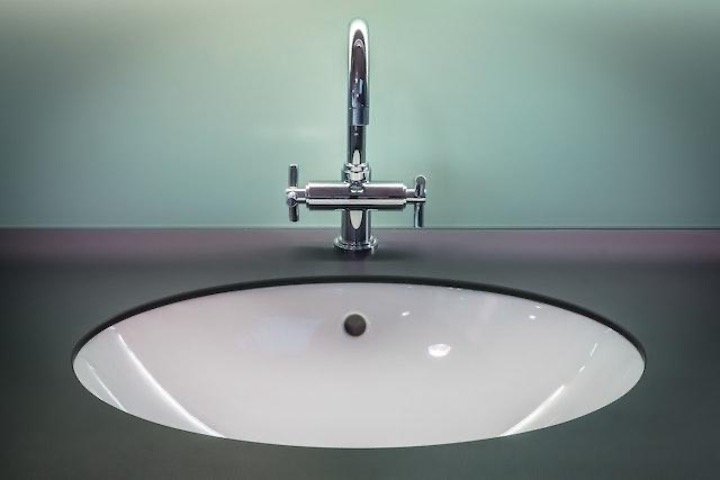
If you notice that your sink is starting to fill up while washing your hands or the shower is filling up while you’re using it, that’s a pretty good sign you need drain cleaning services. This happens because the drainage pipes are starting to get clogged but aren’t entirely blocked. This problem usually only shows up at one sink or drain, and this is a sign the blockage isn’t too deep. Either way, contacting professionals to clean the pipes properly is essential. If you’re moving into a new home, this is one of the first plumbing checks you should do. Remember, the sooner you spot problems, the easier they are to deal with. And the last thing you want after moving into your new home is plumbing issues to sneak up on you.

2. YOU HEAR GURGLING WHEN WATER IS DRAINING

If you can hear gurgling sounds while water is draining, that’s a dead giveaway. Your drains need cleaning. Blockages in your drainpipes cause this. However, thankfully, it means the pipes aren’t entirely blocked. Gurgling sounds, however, mean the pipe is very close to being wholly blocked. As such, as soon as you hear these sounds anywhere in your home, get in contact with professionals immediately. Additionally, professionals from Triple 7 Movers Las Vegas note that you should immediately check every drain when moving into a new home. Again, prevention is the best solution to these sorts of issues, so you want to catch them as early as possible.

3. YOU NOTICE CLOGS ARE BECOMING MORE AND MORE FREQUENT

Everyone has to deal with a clogged drain every now and again. However, if you unclog a drain very quickly after it starts to drain slowly, you should consider contacting professionals. This can indicate that a more serious blockage is present inside the system. As mentioned, these minor annoyances can escalate into severe issues. So, try to deal with them as quickly as possible to avoid costly repairs. In addition, keep an eye out for other home repairs that can’t wait. Certain problems might seem very small initially, but you shouldn’t risk them escalating into more significant issues.

4. YOU NOTICE A FOUL ODOR

Foul odors from your sinks or bathtubs clearly indicate you need drain cleaning services. These smells are typically a sign that food or grease has become stuck in the pipes and needs to be cleaned. It could even be caused by a rodent getting stuck in the pipe and dying. Besides posing the risk of a clog, this can be a significant risk to your and your family’s health. So, if you notice foul smells coming from your drains, don’t take the risk and contact professionals immediately. This is especially important if you’ve just moved into a new home, as pests tend to go through pipes that aren’t actively used more often. Additionally, consider how you can make your new place sparkle. After all, cleaning should be the top priority once you’re done checking for problems.

5. YOUR TOILETS ARE OVERFLOWING

Frequently overflowing toilets should be cause for serious concern for homeowners. This is an almost sure sign that the drainage pipes are clogged up, and you should take them very seriously. A backed-up toilet can seriously and extensively damage your subfloor, which isn’t a cheap fix. Thankfully, if you act quickly, you can fix it in time to avoid all damage. In addition to plumbing, however, homeowners should pay attention to other home maintenance. For example, cleaning your gutters is just as important as ensuring your plumbing is in good condition. A backed-up gutter can cause severe structural damage, so don’t ignore cleaning them on a regular basis.

6. YOU NOTICE WATER BACKING UP

Contact professionals immediately if you notice water backing up in your sinks or bathtub. This is a clear sign of a blockage; you should get it fixed immediately. If you ignore this problem, water will eventually back up through your drains and start flooding into your house. Besides the obvious issue of extensive water damage, the drain water is typically very dirty. So, on top of dealing with water damage, you’ll have to deal with a serious health risk to yourself and your family. So, before it gets to that point, contact professionals as soon as possible. Remember, prevention is the best solution, and you shouldn’t take any risks with your plumbing.

SIX SIGNS YOU NEED DRAIN CLEANING SERVICES – WRAP UP

Drainage problems are hazardous to your home and even to you. As such, contact professionals as soon as you spot one of the signs of these issues. It might seem like a hassle to treat every issue like this, but the fact is that even the tiniest problem can escalate dramatically. So, don’t take any chances, and keep an eye out for the early warning signs of drainage issues. We hope this list of six signs you need drain cleaning services helps you out, and we wish you a great rest of your day.

Guest Contributor: Sophia Perry

THE IMPACT OF CRYPTOCURRENCY ON SMALL BUSINESSES

As the digital age continues to expand, the way that small businesses use money has changed drastically. With cryptocurrency becoming increasingly popular and mainstream, understanding how this new financial medium affects small business owners is essential for success in today’s world. 

Cryptocurrency provides some clear advantages while also introducing a set of unique challenges—so it can be difficult to decide whether or not it’s right for your business. 

In this blog post, we’ll explore the implications of accepting cryptocurrency as payment and discuss what you need to know before making your decision.

THE IMPACT OF CRYPTOCURRENCY ON SMALL BUSINESSES

CUTS OUT THE MIDDLEMAN

Cryptocurrency has transformed the way small businesses operate by cutting out the need for a middleman. By removing third-party, small businesses can instantly transfer money without any extra fees, making cryptocurrency an attractive venture for entrepreneurs that want to save money and time. 

Furthermore, cryptocurrency allows for complete financial autonomy as there is no bank or government involved. Small business owners now have greater control over how they store and process their finances securely and efficiently. It’s easy to see why so many people are excited about cryptocurrency and the possibilities it opens up for small business owners.

REDUCES TRANSACTION FRAUD

The advent of cryptocurrencies has been a real boon for small businesses, with one of the most important benefits being that it has greatly reduced fraud in transactions. 

By using a decentralized system of trustless digital money, businesses can keep track of where money is coming from and going in an instant. Thus ensuring that customers only pay for what they have purchased, and the business does not get swindled. 

Cryptocurrency’s reduced risk of fraud more than makes up for any fear a business might initially have toward this new form of currency.

INCREASES BRAND VISIBILITY

The advancement of cryptocurrency has presented small businesses with a whole new way to amp up their brand visibility. 

Cryptocurrency eliminates many of the restrictions that come with traditional financial systems, allowing even micro-businesses to create an online presence, accept payments, and grow your business in leaps and bounds. 

Cryptocurrency also provides them flexibility in terms of how they target their audiences, allowing for more personalized messaging and marketing strategies. And because of its decentralized system, cryptocurrency gives businesses newfound independence by providing them access to a global pool of peers who are inclined to invest in new opportunities. 

LOWER THE COST OF TRANSFERS AND TRANSACTIONS

Cryptocurrency can be used to drastically lower the cost of money transfers and transactions – a huge boon for businesses that are operating on tight budgets. Not only is it more affordable than traditional banking solutions, but cryptocurrency is also much faster and more versatile. 

With reduced fees, increased speed, and added reliability, it’s no wonder that businesses of all sizes are beginning to incorporate cryptocurrency into their financial operations. Through the crypto exchange, entrepreneurs can reduce overhead costs while still ensuring their transactions are secure and reliable.

OFFER CUSTOMERS CONVENIENCE

Cryptocurrency allows retailers to offer more convenient payment options to their customers that is secure, fast, and cost-effective. 

Furthermore, there are no dues connected with using cryptocurrency which makes it the perfect choice for locations around the world where consumers may not want to use credit cards or store personal information. 

Not only does accepting cryptocurrency opens up your business to a larger customer base, but you can also gain access to new markets as well. For example, businesses that operate in countries with unstable economies can now conduct safe business transactions without worrying about their money becoming devalued.

PROVIDES AN EASIER PAYROLL OPTION

Cryptocurrency is becoming an increasingly popular and practical choice for small business owners seeking an easier way to manage payroll. Paying employees in cryptocurrency offers significant cost savings compared to traditional methods, such as paying via bank transfer or paper check. 

Moreover, since it’s a decentralized currency, there are fewer opportunities for outside interference or manipulation.

QUICKER TRANSACTIONS

For any business, being able to make and accept payments quickly is essential for success, and cryptocurrency helps provide that. And because it can trade from anywhere with Internet access, cryptocurrency allows small businesses to do business across country lines without worrying about bureaucracy or payment exchange limits. 

No matter where you are in the world, cryptocurrency can be used as a fast and secure way to exchange goods and services. Instead of waiting for days for money transfers between banks, this new form of currency delivers payments almost instantaneously. 

CONCLUSION

Cryptocurrencies are having an increasing impact on small businesses around the world, allowing for faster and more secure transactions. 

Small businesses that adopt these technologies can benefit from simplified and cost-effective methods of payments, reduced transaction fees, and convenient access to finance. 

As cryptocurrencies become more prevalent in society, their impact on small business operations is likely to become more pronounced in the coming years.

Guest Contributor: Sophia Young

WHAT ROLES DO CCTV CAMERAS PERFORM IN APARTMENT SECURITY?

Security is an important business for everyone. While we have many things to secure, our homes are one of the most important. We need to ensure that our family and properties are always protected and safe. There has been a considerable increase in security breaches and crime rates recently. Hence, everyone needs to ensure their apartment is safe. 

Installing CCTV cameras in your apartment is one of the best and most effective ways of securing it. The popularity of CCTV cameras has increased significantly over the years. That is because of their ability to monitor and record activities. 

Apartment real-time surveillance offers many benefits. Whether it is a residential property or an apartment building, you will greatly benefit from installing a CCTV camera. In this guide, we will walk you through some key roles of CCTV cameras in apartment security.

ROLES OF CCTV CAMERAS IN APARTMENT SECURITY

Over 2.5 million burglaries and theft cases are reported annually in the United States. Break-ins also occur daily in the US. The need for security property management has surged significantly because of the increased security breaches in the country. They are highly needed because they provide smart intelligence, recording, and remote guards. Here are the critical roles of CCTV cameras in Apartment Security.

1. DETERRENCE

One of the significant advantages of having a CCTV camera in your apartment is deterrence. CCTV cameras can be a deterrent to burglars and criminals. Thieves are less likely to break into an apartment with live video surveillance. 

With visible cameras outside your apartment, criminals will know they are being monitored. The sight of CCTV cameras can make a potential criminal think twice before attempting to attack your home. 

2. ROUND-THE-CLOCK MONITORING

CCTV cameras provide multi-family residential live security camera monitoring. These devices allow you to monitor your apartment 24 hours, 7 days a week. This means your home will be under constant surveillance even when you are not around. 

This feature comes in handy in preventing and detecting criminal activities that happen during off-hours. For instance, if vandalism or burglary occurs overnight, the security camera will record the event. A security camera service company can also configure the cameras to send alerts to security personnel or building management in the event of suspicious activities.

3. REMOTE MONITORING

Another beautiful thing about CCTV cameras is that you can monitor your home from anywhere in the world. Security personnel and homeowners can watch their buildings remotely. This makes it easy for them to respond to security issues that may arise without them being around. 

Large structures can benefit even more from this function because it is impractical to monitor them round-the-clock personally. Using your computer or mobile device, you can view the camera feeds whenever you want.  

4. COLLECTION OF EVIDENCE

Evidence collection is one of the most vital roles of CCTV cameras in home security. These devices can help you collect video evidence of events in and around your apartment. If a criminal activity happens within the camera’s range, you can use the footage as evidence for prosecution or demand justice. 

You can also use CCTV footage to investigate incidents, accidents, and other security-related matters around your apartment building. For this to work, you must ensure your CCTV cameras are always functional. A 24hr security camera will ensure you never miss out on critical happens around your residential property. 

5. ENHANCED RESPONSE TIMES

Another significant role of CCTV cameras in apartment security is improved response time. Security cameras can enhance the response times of the authority when needed. Modern CCTV cameras are equipped with artificial intelligence to track movements and identify people. It can quickly alert security personnel of movements within its range. 

A quick response can prevent loss of property and further damages. In addition to saving your property on time, the authorities can use video footage to identify and apprehend intruders. 

6. INTEGRATION WITH ACCESS CONTROL

The usage of CCTV cameras is not limited to seeing video footage of your apartment. Some large apartments have access control systems. Interestingly, your CCTV cameras can work with these control systems. Security personnel uses access control systems to limit access to specific building areas.

You can use CCTV cameras to record and monitor people’s movement in the restricted part of the apartment. With this, you can prevent unauthorized access to parts of the building. It will help you ensure that only authorized persons can access sensitive parts of the apartment.

7. EMPLOYEE MONITORING

Do you often hire contractors or employees to work on your apartment building? If yes, then you would greatly benefit from installing CCTV cameras. You can use CCTV cameras to keep track of contractors or employees working within your building. 

This feature comes in handy for building management. It makes it easy for them to monitor their workers as they carry out their duties. CCTV cameras will also make employees avoid behaviours that can compromise the building’s security. 

8. MONITOR SAFETY AND MAINTENANCE

Another critical role of CCTV cameras in apartment security is monitoring the apartment’s maintenance and safety. You can use this security system to detect potential maintenance issues and hazards like bad wiring or leaking pipes. This feature help apartment managers quickly spot and resolve issues before they escalate. 

9. REDUCE INSURANCE PREMIUMS

Do you know you can significantly reduce insurance premiums by installing security cameras in your apartment building? Insurance firms see security cameras as a good security measure. Installing CCTV cameras in your apartment can make them your apartment’s premiums. 

BEST PLACES TO INSTALL APARTMENT COMPLEX SECURITY CAMERAS

1. ENTRANCE AND EXIT POINTS

Entrance and exit points are some of the most critical places to install security cameras in your apartment building. CCTV cameras should be at the back door, front door, and other passages to the apartment. 

The entry and exit points of a builder are its primary access points. These points are also the most susceptible to intruders. CCTV cameras in these areas will allow you to keep track of who enters and leaves the apartment building. The cameras also allow for monitoring and recording of suspicious behaviours and activities. 

2. HALLWAYS AND ELEVATORS

Hallways and elevators are other crucial places to install CCTV cameras in your apartment. Elevators and hallways are often prime spots for illicit activities because they are enclosed and narrow. 

A security camera system will allow you to monitor activities in the elevators and hallways. This wall allows you to spot suspicious activities and respond immediately. Having cameras in those places will also ensure people adhere to the building’s regulations. 

3. PARKING LOTS

Parking lots are a common ground for illicit activities like vandalism, theft, and more. Installing CCTV cameras is one of the best ways to secure your apartment’s parking lot. With this, you can monitor movements in the parking lot. 

4. STAIRWELLS

Stairwells are one of the infrequently used parts of a building, making them a prime spot for illegal activities. A CCTC camera can allow you to monitor activities in your apartment’s stairwells. 

5. ROOFTOP

Do not ignore your rooftop when considering your apartment security. Someone can access your entire apartment from the rooftop. To prevent such, you should install CCTV cameras on the rooftop of your apartment. This will allow you to monitor unauthorized movements on the rooftop.

CONCLUSION

CCTV cameras are one of the key elements in an apartment security system. These devices provide evidence, keep criminals away, and allow you to monitor your apartment from anywhere in the world. It is crucial to install CCTV cameras at all major points in your apartment. You should ensure the cameras are well-maintained and functional at all times. 

Guest Contributor: Daniel Martin

5 FEATURES OF A PERFECTLY FUNCTIONAL KITCHEN

Whether you’re a professional chef or a happy homemaker, having a well-designed kitchen can make a huge difference in your overall experience. Of course, it should be equipped with everything you need and more. It should be visually appealing to inspire your creativity as a kitchen whiz. But beyond aesthetics, it should also be practical so prepping family meals and everyday kitchen cleaning will be fast and efficient. 

So if you’re building a new home or looking to remodel, here are five key features every perfectly functional kitchen should have.

Sufficient counter space

Countertops are the workhorse of any kitchen. It’s where you prep ingredients, assemble meals, and clean up. You should aim for at least 10 linear feet of countertop space in your kitchen. If you have more room, consider adding an island or breakfast bar for additional workspace.

Ample kitchen storage

A cluttered kitchen can make cooking feel like a chore. To keep your kitchen organized, you’ll need plenty of storage space. Cabinets, drawers, and pantry shelves are all essential. Dedicate enough room to store your cookware, utensils, and pantry items and have frequently used items within easy reach.

Optimized and intentional layout

The layout of your kitchen should be designed to maximize efficiency. The three most common kitchen layouts are the U-shape, L-shape, and galley. Each has advantages and disadvantages, so consider how you spend time in the kitchen and your everyday flow of activities when selecting the best layout. A well-designed kitchen will make it easy to move between different work zones, such as the stove, sink, and refrigerator.

Quality kitchen appliances

Consider investing in high-quality appliances that fit your needs. You don’t have to get everything, just the ones you’ll surely use regularly. For example, if you don’t bake, you can put the oven on a low priority on your shopping list. 

Adequate lighting

You’ll need plenty of task lighting, such as under-cabinet lighting, to help you see what you’re doing when prepping and cooking food. Overhead lighting can also help brighten the space and make it feel more welcoming. In addition, install dimmer switches to your lighting fixtures to adjust the brightness as needed.


Guest Contributor: Elizabeth Shields