

COZY AND CHARMING FALL PORCH DECOR IDEAS TO WELCOME THE SEASON

As the air turns crisp and the leaves start to change, there’s no better time to embrace the beauty of fall by sprucing up your porch. Whether you’re welcoming guests or just want to enjoy a cozy space for yourself, fall porch decor can create a warm, inviting atmosphere. Here’s how you can transform your porch into an autumn haven with some easy yet impactful ideas.

1. Pumpkins and Gourds: The Essentials

No fall porch decor is complete without pumpkins! A variety of pumpkins and gourds in different sizes, shapes, and colors can bring a touch of nature right to your doorstep. Whether you choose classic orange or opt for trendy white or pastel pumpkins, they provide a simple yet iconic seasonal look.

Tip: Arrange them in clusters on steps or along the porch railing for a charming, effortless effect. For an added touch, mix in decorative elements like baskets or crates to display them at varying heights.

2. Cozy Seating and Textures

Cool autumn evenings are perfect for sitting outside with a warm drink. If your porch has room, consider adding a couple of comfortable chairs, a bench, or a porch swing. Layer these with plush cushions and throws in warm tones like burnt orange, deep burgundy, and mustard yellow.

Texture is key—think knitted blankets, wool pillows, or faux fur throws to create a cozy vibe. Adding textiles softens the space and makes it feel inviting.

3. Seasonal Wreaths

A wreath is a simple but stunning way to make your front door pop with fall charm. Choose one with a mix of autumn leaves, pinecones, berries, or even small pumpkins. If you’re feeling crafty, you can even create your own using items found in nature, like branches and dried flowers.

For a more elegant look, consider wreaths made from eucalyptus and cotton stems, blending rustic and chic elements.

4. Lanterns and Lighting

As the days get shorter, lighting plays an important role in making your porch feel welcoming. Lanterns filled with LED candles or string lights can add a magical glow during the evening hours.

Pro Tip: Choose lanterns in rustic finishes like copper, bronze, or black to complement fall’s earthy tones. Place them around seating areas or line the porch steps for a soft, ambient light.

5. Mums and Fall Florals

Mums (chrysanthemums) are a fall favorite for porch decor. These hardy, colorful flowers bloom in deep, vibrant shades of red, orange, and yellow, perfect for the autumn season. Place them in rustic planters, such as galvanized buckets or wooden crates, to enhance their seasonal appeal.

For variety, mix mums with other fall plants like ornamental cabbage, kale, or trailing ivy. These plants thrive in cooler temperatures and add beautiful texture to your display.

6. Rustic Accents

Rustic touches bring a timeless, cozy feel to fall decor. Vintage items like an old wooden ladder, a weathered wheelbarrow, or antique metal watering cans can add personality and charm to your porch. You can use these as decor pieces or as part of larger displays to hold flowers or pumpkins.

Additionally, consider adding a burlap runner to a porch table or hanging a wooden “Welcome” sign. These rustic accents help tie your fall theme together while adding warmth and character to the space.

7. Hay Bales and Cornstalks

For a true farm-to-porch vibe, incorporate hay bales and cornstalks. Hay bales are perfect for stacking pumpkins or creating height in your design, while cornstalks can be tied to porch posts or grouped together in the corners for a dramatic fall statement.

These natural elements evoke a harvest feel and bring a touch of country charm to any porch.

Final Thoughts

Fall porch decor is all about creating a cozy, welcoming space that reflects the beauty of the season. Whether you go all out with pumpkins and hay bales or keep it simple with a seasonal wreath and a few lanterns, the key is to mix natural elements, warm colors, and cozy textures.

With these tips, you’ll be ready to enjoy your porch as the perfect place to sip a cup of hot cider and watch the leaves fall. Happy decorating!
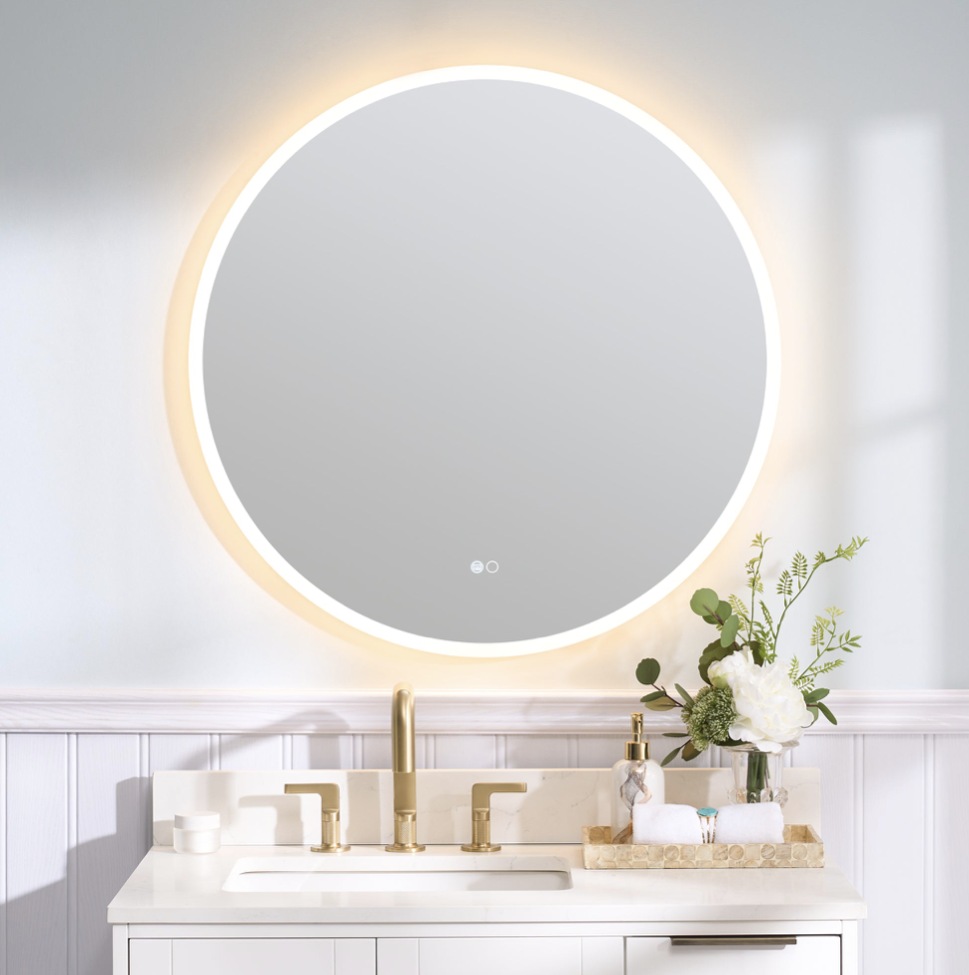
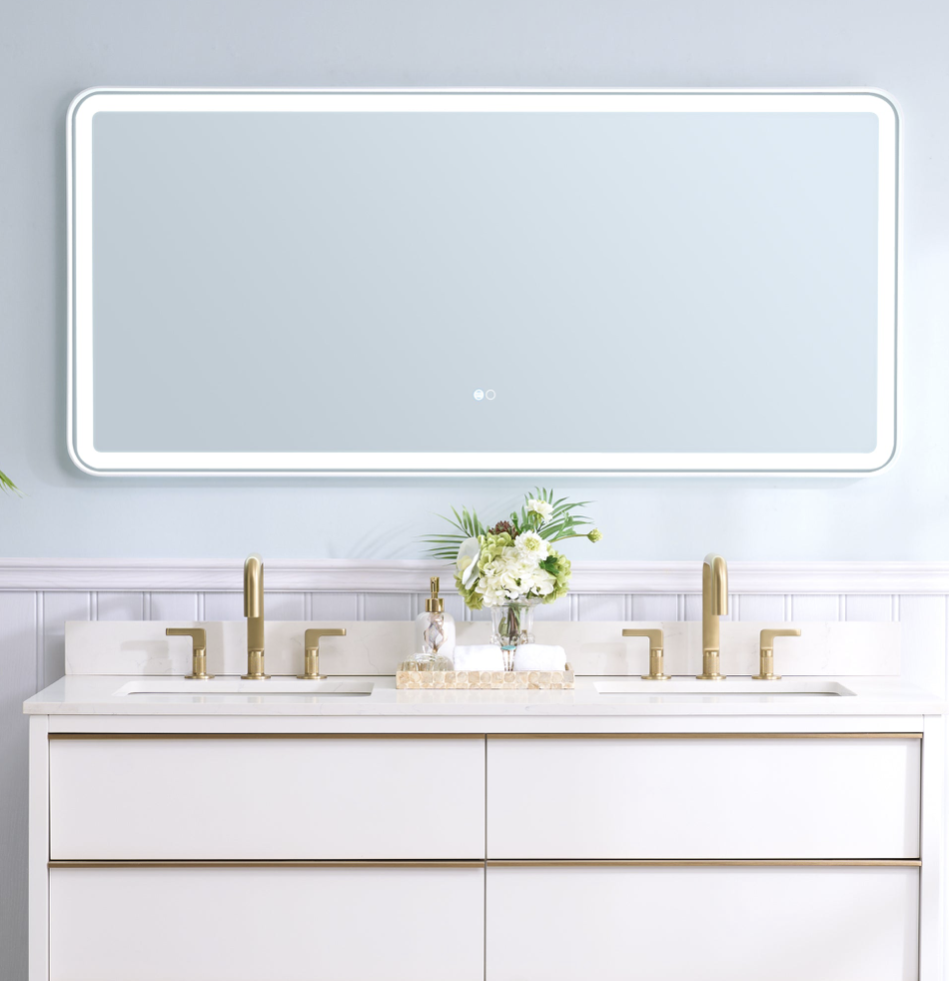
DO I NEED A SPECIAL MIRROR FOR THE BATHROOM?

When it comes to bathroom design, every detail matters.

The mirror, often overlooked, plays a crucial role.

Not only does it aid in daily grooming tasks, but it also significantly impacts the room’s aesthetics.

But, do you need a special mirror for the bathroom?

The answer is yes, especially when you consider factors like moisture resistance and lighting.

In this guide, we’ll explore the different types of bathroom mirrors, with a special focus on LED lights mirrors.

Understanding Bathroom Mirror Essentials

Choosing the right mirror for your bathroom goes beyond aesthetics.

It’s about functionality and durability too.

A bathroom mirror must withstand high humidity levels, frequent temperature changes, and splashes of water.

It should also be easy to clean and maintain.

Moreover, the mirror’s size and placement can significantly affect the room’s overall look and feel.

Let’s delve deeper into these aspects.

Why Moisture Resistance Matters

Bathrooms are often humid.

This moisture can damage mirrors, causing them to blacken or peel over time.

Therefore, it’s crucial to choose a mirror designed to resist moisture, ensuring its longevity and maintaining its aesthetic appeal.

The Role of Mirror Size and Placement

The size and placement of your bathroom mirror can make a big difference.

A well-placed mirror can make a small bathroom appear larger.

Conversely, a mirror that’s too large or poorly positioned can throw off the room’s balance.

Understanding these essentials can help you make an informed decision when choosing your bathroom mirror.

Types of Bathroom Mirrors

There are several types of bathroom mirrors to consider.

Each type serves a unique purpose and adds a different aesthetic touch to your bathroom.

Let’s explore some of the most common types.

Wall-Mounted Mirrors

Wall-mounted mirrors are a popular choice for many bathrooms.

They are versatile and can fit into almost any bathroom design.

These mirrors are typically large, providing a broad view and making the bathroom appear more spacious.

Vanity Mirrors

Vanity mirrors are smaller, often used above sinks.

They are perfect for close-up tasks like makeup application or shaving.

These mirrors often come with additional features like magnification.

Medicine Cabinet Mirrors

Medicine cabinet mirrors serve a dual purpose.

They provide a mirror for grooming tasks and storage for toiletries.

These mirrors are practical, especially for smaller bathrooms where space is at a premium.

Illuminated Mirrors: A Bright Idea

Illuminated mirrors, or LED lighted mirrors, are a modern addition to the bathroom.

They provide excellent lighting for grooming tasks and add a luxurious touch to the bathroom.

These mirrors come in various shapes, sizes, and styles, making them a versatile choice for any bathroom design.

The Advantages of LED Lighted Mirrors

LED lighted mirrors are more than just a stylish addition to your bathroom.

They offer several benefits that make them a worthwhile investment.

From energy efficiency to enhanced visibility, these mirrors are designed to improve your bathroom experience.

Here are some key advantages:

  • Energy efficiency
  • Longevity
  • Enhanced visibility
  • Ambiance creation
  • Smart features

Energy Efficiency and Longevity

LED lighted mirrors are known for their energy efficiency.

They consume less power compared to traditional incandescent bulbs, leading to significant energy savings.

Moreover, LED bulbs in these mirrors have a long lifespan, often lasting tens of thousands of hours.

Enhanced Visibility and Ambiance

LED lighted mirrors provide excellent lighting for grooming tasks.

The bright, clear light enhances visibility, making tasks like makeup application or shaving easier.

Additionally, the LED lights can create a relaxing ambiance, transforming your bathroom into a spa-like retreat.

Smart Features and Modern Amenities

Many LED lighted mirrors come with smart features.

These may include touch sensors, anti-fog technology, and even digital displays.

Such features add a touch of modern luxury to your bathroom, making it more functional and convenient.

Selecting the Right LED Lighted Mirror for Your Bathroom

Choosing the right LED lighted mirror involves several considerations.

You need to think about the shape, style, color temperature, and size that best suits your bathroom.

Also, proper installation is crucial to ensure safety and functionality.

Considering Shapes and Styles

LED lighted mirrors come in various shapes and styles.

From round to rectangular, and from minimalist to ornate, there’s a mirror to match every bathroom decor.

Consider the overall design of your bathroom when choosing the shape and style of your mirror.

The Importance of Color Temperature

Color temperature plays a significant role in LED lighted mirrors.

It affects how accurately colors are rendered, which is crucial for tasks like makeup application.

LED mirrors offer a range of color temperatures, from warm to cool light, allowing you to choose what’s best for your needs.

Size and Installation Tips

The size of your LED lighted mirror should be proportionate to your vanity or sink.

Too large or too small, and it can throw off the balance of your bathroom design.

Remember to hire a professional for installation, especially for mirrors with electrical components.

Where to Find Your Ideal Bathroom Mirror with LED Lights

Finding the perfect LED lighted mirror for your bathroom can be a daunting task.

But don’t worry, there are plenty of resources available to help you make the right choice.

Exploring Options on wellfor.com

One such resource is wellfor.com.

This site offers a wide range of LED lighted mirrors, catering to various tastes and preferences. You’re sure to find a mirror that fits your bathroom’s style and your personal needs.

Making the Right Choice for Your Space

Choosing the right mirror for your bathroom is a crucial step in creating a functional and aesthetically pleasing space.

With the variety of LED lighted mirrors available on wellfor.com, you’re sure to find a mirror that not only meets your needs but also enhances your bathroom’s overall design.

9 COMMON INSULATION MISTAKES TO AVOID

Insulating your home is one of the most effective ways to enhance energy efficiency, reduce heating and cooling costs, and create a comfortable indoor environment. However, insulation mistakes are more common than you might think, and these errors can lead to poor performance, moisture problems, or even safety hazards. Avoiding key mistakes is crucial whether you’re using fiberglass, cellulose, or more advanced options like isolation uréthane (polyurethane spray foam insulation). 

By understanding these common pitfalls and how to avoid them, you can ensure your home is properly insulated, contributing to a more energy-efficient and comfortable living space.

Here, we will cover the nine most common insulation mistakes and how to avoid them to ensure that your insulation project delivers optimal results.

1. FAILING TO CHOOSE THE RIGHT TYPE OF INSULATION

One of the most frequent mistakes homeowners make is using the wrong type of insulation for their project. Different materials have varying levels of effectiveness depending on the location and type of building. For example, isolation uréthane (polyurethane spray foam) is ideal for sealing gaps and preventing air leakage in tight spaces. 

However, using less effective insulation types like fiberglass in those areas might leave gaps, reducing energy efficiency. Always select the appropriate insulation material for each area when insulating attics, walls, and crawl spaces.

2. INADEQUATE COVERAGE AND INSUFFICIENT THICKNESS

Another critical mistake is not applying insulation with the correct thickness or failing to cover the area completely. Insufficient coverage leaves cold or warm spots in your home, causing uneven temperatures and increasing energy bills. 

For instance, when applying isolation uréthane, ensure the foam expands fully and seals all gaps, providing the necessary coverage. Skimping on insulation can compromise your home’s comfort, so it’s crucial to follow the recommended guidelines for thickness and application.

3. NEGLECTING AIR SEALING BEFORE INSULATION

Air sealing is essential before any insulation project, particularly with materials like polyurethane spray foam. Many homeowners overlook sealing air leaks, thinking insulation alone will block airflow. However, even the best insulation material won’t prevent drafts and heat loss without proper air sealing. Air leaks around windows, doors, and electrical outlets can allow conditioned air to escape, defeating the purpose of insulation. Ensure you air seal areas prone to leaks before insulating for maximum energy efficiency.

4. IGNORING MOISTURE CONTROL

Moisture is a significant concern in insulation projects, and failing to address it can lead to mold, mildew, and structural damage. Insulation materials like fiberglass can absorb moisture, losing their effectiveness over time. On the other hand, isolation uréthane acts as a moisture barrier, preventing water from seeping into walls and ceilings. 

Always use insulation that includes moisture control features, and ensure that any existing moisture problems, such as leaks or condensation, are addressed before installation.

5. COMPRESSING INSULATION

Proper insulation requires allowing the material to retain its full thickness and density. Compressing insulation, particularly with fiberglass, can drastically reduce its R-value or thermal resistance, leading to poor performance. 

Polyurethane spray foam, like isolation uréthane, expands to fill gaps and does not require additional compression. However, in installations using other insulation types, avoid squeezing the material, as it will hinder its ability to provide adequate insulation.

6. SKIPPING THE ATTIC AND CRAWL SPACES

Many homeowners focus on insulating walls and windows, forgetting key areas like attics and crawl spaces. These spaces are often the largest sources of energy loss in a home. Heat escapes through the attic in cold climates, while in hot climates, cool air is lost. 

By applying isolation uréthane in these areas, you can effectively block air leaks and insulate hard-to-reach places. Ignoring these spaces can result in significant energy inefficiency and discomfort.

7. OVERLOOKING INSULATION IN SMALL SPACES

Insulating small areas like wall cavities, pipes, and narrow gaps is often neglected. These small spaces may seem insignificant, but if left uninsulated, they can contribute to significant air leakage. Isolation uréthane excels in filling these tight areas, ensuring that every inch of your home is properly sealed. Failing to insulate these spots could lead to energy loss, drafts, and temperature fluctuations.

8. USING INADEQUATE VAPOR BARRIERS

Vapor barriers are essential in preventing moisture from entering and damaging insulation. Skipping or using inadequate vapor barriers can cause moisture buildup, reducing insulation performance and potential structural issues. Materials like isolation uréthane offer built-in vapor barriers, making them ideal for high-moisture areas. Install a quality vapor barrier for other insulation types to protect the insulation and your home’s structure.

9. DIY INSTALLATION WITHOUT EXPERTISE

Installing insulation may seem straightforward, but doing it yourself without proper knowledge can lead to costly mistakes. Improper installation can result in gaps, compression, or uneven distribution of insulation, reducing its effectiveness. Hiring professionals experienced in isolation uréthane ensures that your insulation project is done correctly, providing long-term energy efficiency and comfort.

FAQS

What is the best insulation material for preventing air leaks?

The best insulation for preventing air leaks is isolation uréthane (polyurethane spray foam). It expands to fill small cracks and gaps, providing a tight seal that blocks air leakage.

Can I install insulation in my attic without air sealing first?

No, air sealing is crucial before installing insulation. Insulation will only be as effective as sealing air leaks, which can lead to drafts and higher energy bills.

How does moisture affect insulation performance?

Moisture can significantly reduce the effectiveness of insulation, especially materials like fiberglass, which absorb water. Isolation uréthane offers moisture-resistant properties, making it an excellent choice for preventing moisture-related problems.

Is it necessary to insulate crawl spaces and small areas?

Insulating crawl spaces and small areas like wall cavities is vital for reducing energy loss and maintaining a comfortable indoor environment. Neglecting these areas can lead to temperature fluctuations and higher energy bills.

CONCLUSION

Insulating your home is one of the most important steps in creating an energy-efficient, comfortable living space. However, to ensure optimal results, it is crucial to avoid common insulation mistakes such as using the wrong material, failing to air seal, or overlooking moisture control. 

Isolation uréthane (polyurethane spray foam insulation) is an excellent choice for avoiding many of these pitfalls. It offers superior coverage, moisture resistance, and long-term performance. By addressing the common mistakes highlighted in this guide, you can ensure your insulation project delivers lasting benefits for your home.

HOW TO PROTECT YOUR HOME SYSTEMS DURING A MOVE: PLUMBING AND ELECTRICAL ADVICE

Moving to a new home can be exciting, but it involves many challenges. One of the biggest is making sure your home’s systems, such as plumbing and electrical, stay intact. Improper handling can lead to costly damage.

If you’re planning a move, here are some essential steps to protect your plumbing and electrical systems. Professional movers, especially those offering white glove moving services, can make this process much easier.

1. Inspect Before You Move

Before the move, inspect all plumbing and electrical systems. Look for any issues that could worsen during the move. Small leaks or faulty wiring might not seem like a big deal. But these problems can escalate when you’re handling heavy furniture and boxes. Checking these systems ahead of time will allow you to make necessary repairs.

For plumbing, look for drips under sinks, water stains or damp spots. If you notice a problem, fix it before you start packing. This could save you from larger issues in your new home. For electrical systems, check for flickering lights or outlets that don’t work. These signs may indicate loose wiring or bigger electrical problems.

2. Shut Off Water Supply

Moving can disrupt your home’s water system. It’s important to turn off the water supply before packing up. Many homeowners overlook this step, and it can lead to water damage. To do this, locate your main water valve and shut it off. Then, drain the pipes by running the water until it stops. This step prevents any accidental leaks while moving large appliances like washing machines or dishwashers.

3. Protect Your Pipes

When you’re preparing to move out, protect exposed pipes. These pipes can get damaged while moving furniture or appliances. One easy way to protect them is by using foam insulation. You can wrap them in old blankets or towels for temporary protection. This will prevent dents, cracks and accidental breaks.

If you’re moving during colder months, pipe insulation becomes even more crucial. Cold weather can freeze pipes. Frozen pipes can burst, causing severe water damage. By insulating, you prevent this from happening and ensure a smoother moving process.

4. Disconnect Large Appliances

Appliances like dishwashers, washing machines and fridges have direct plumbing or electrical connections. You should proceed with care when uncoupling them. For plumbing-connected appliances, make sure to turn off the water supply before uncoupling any hoses. Place towels under them to catch any water remaining in the pipes.

When it comes to electrical appliances, unplug them first. If the appliance connects to the wiring system, turn off the breaker that controls it. Moving appliances without uncoupling them in the proper way could lead to accidents or damage.

5. Electrical System Safety

The electrical system in your home is one of the most sensitive components during a move. You can damage outlets, wiring or even the fuse box while moving. Before the move, ensure that you unplugged all major electronics. Label the plugs of items you’ll need as fast as possible at your new location, such as your computer or television.

If you have older electrical wiring, consider having it inspected before you move out. Older wiring can be more prone to damage during the process of moving. 

6. Avoid Overloading Circuits:

When moving into your new home, it’s easy to overload circuits by plugging in too many electronics at once. Take your time when setting up your new space and don’t rush to plug everything in right away. Avoid plugging several high-energy devices into the same circuit. This will prevent tripping the breaker or causing a short circuit.

Instead, test each outlet in your new home. If you find that an outlet doesn’t work, don’t overload others. Call an electrician if needed to fix any faulty outlets or wiring. Slow and steady wins the race when it comes to handling electricity during a move.

7. Label and Organize Electrical Components

When preparing to move, labeling your electrical components is essential. When packing, separate the electrical cords and use clear labeling. It’s easy to lose track of which cord belongs to which device. Proper labeling ensures you can have a quick set up in your home without confusion.

Wrap wires with care using zip ties or Velcro straps to keep them from tangling during the move. Doing this will make unpacking and setup much faster. In addition, you can place small electronics and their cords in the same boxes to avoid mixing them up.

8. Protecting Your HVAC System

The HVAC system is another vital part of your home that you should protect during a move. Turn off your air conditioning or heating system before the movers arrive. Shutting down your HVAC system prevents it from running while doors are open during the move, which could cause energy waste.

If you have an older HVAC system, it’s wise to inspect it before the move. Ensure all vents are clear, and there are no blockages in the system. A blocked HVAC system could lead to overheating or freezing, depending on the season. 

9. Seek Professional Help for Electrical or Plumbing Repairs

Sometimes, you may encounter issues that require more than a simple fix. If you discover major electrical or plumbing problems, don’t hesitate to contact a professional. Attempting to fix these problems on your own could lead to bigger issues.

An electrician or plumber will handle repairs and ensure that your home systems are in perfect condition. Experts can assist with moving heavy electrical appliances or fixtures safely. 

10. Use Professional Movers for Safe Transport

Moving involves more than just lifting boxes and furniture. It requires careful planning to protect the integrity of your home’s essential systems. Hiring professional movers ensures that the plumbing and electrical systems stay safe. 

Movers with white glove service specialize in handling delicate items. They can disconnect large appliances and pack everything securely. They bring the tools, expertise and care needed to prevent damage during transit.

By hiring experts, you reduce the risks related with DIY moves. Their services ensure that your home’s plumbing, electrical and other systems stay safe during the moving process.

Conclusion

Protecting your home’s plumbing and electrical systems during a move is vital. It helps you avoid costly repairs and ensures a smoother transition. Contact experts in this field and you can minimize risks and ensure your systems stay intact. 

From proper inspections to handling large appliances, following these steps will protect your home. Take the time to safeguard these essential systems and enjoy a stress-free moving experience.