6 TIPS TO HELP YOU PICK OUT NEW HOUSEHOLD APPLIANCES

Do you know something that can be almost as stressful as buying a car? Purchasing home appliances, doubly so if they are big and expensive. Not only are you presented with a stunning number of options, but you are also part of an ever-changing stream of new technologies and features. Confusing at best and downright impenetrable at worst, but with just a little help and some good pointers, you can make the whole process so much easier to manage and get through. Say hello to a hopefully easier shopping day and goodbye to all the pesky annoyances.
BRAND

This may sound like you are falling for marketing, but the fact is you want to look at the brands when considering buying something—the renowned brands that have been predominantly present for more than 10 years, as only these brands can really ensure product quality and after-sale services. If you are not sure about a brand, do not hesitate to look up reviews and the like on the internet, say, for example, a vacuum cleaner review, which can in turn point you toward the brand that is most likely to deliver. After that, you can examine the products you are interested in. 

CONSIDER CLEANING

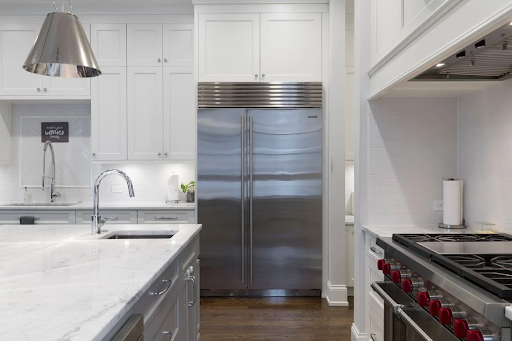
When you are in the store looking up at all the lovely, shiny, and spotless appliances, it can be easy to forget that they won’t stay spotless forever and that they are eventually going to get discolored by food and oil, unavoidable spills, and just general usage is going to wear them down. However, it is important to remember that they will not remain spotless forever. Therefore, the cleaning of any particular appliance is extremely important, and before you commit to anything, you should first ask yourself a few questions, such as whether or not you will be able to clean all of the visible pieces, what kind of cleaning you will require, what unseen machinery or other similar components also require attention, and so on.

SALES 

If you are looking for something more upmarket, it is highly recommended that you take advantage of any deals or closeouts that you are able to uncover. Excellent appliances that are manufactured to a high standard may often be incredibly costly. You may get great deals at any time of year; all you need to do is keep your eyes peeled and search the internet often for chances. This will allow you to construct the kitchen of your dreams without having to put up all of your assets as collateral.

MEASURE SPACE

If you’re planning on purchasing anything very large, you probably don’t want to get it home just to find out there’s no way to get it into your kitchen, living room, or even up your stairs. Get out the measuring tape and dust off those long-forgotten geometry abilities; once you know how big the space is, you can shop for the right furniture or appliance. Making sure something will fit in your space is not the most enjoyable or simple task, particularly if you already despise shopping. Yet, unless you like returns, going back and forth, purchasing something else that doesn’t fit, and so on, it’s sort of required.
ASK ABOUT WARRANTIES AND RETURN POLICIES

The last thing you want to do when all excited about the beautiful new fridge or microwave or vacuum is read the seemingly-infinite fine print, which can feel a lot like reading an encyclopedia, but you definitely should. You need to know what will be covered by the manufacturer and the store. As a general rule, appliances have a one-year warranty from the manufacturer and a 30-day money-back guarantee from stores, so make sure they are included when you are considering a purchase. You might also be able to extend your warranty to up to three years if you feel it is worth it for your new appliance. 

ENERGY EFFICIENCY

Consider the energy efficiency of the products, as this is not only about going green and your energy-efficient appliances being better for the environment, but they can also save you a significant amount of money when it comes to your water and electric bills each month. Look at the Energy Star ratings and how many kilowatts and the like your appliance will generate or use. 

There are quite a few more tips you can use when it comes to buying appliances for your home, whether they are large or small, but these are a great way to get into the flow of things, to at least have an idea of what to look out for, what to avoid, what things to pay attention to, and so on.

HELPFUL GUIDE FOR FINDING GOOD AND AFFORDABLE PLUMBING SERVICE

When it comes to plumbing, finding a good and affordable service can be tricky. It’s not always easy to know which plumbers are trustworthy, or who will do quality work at an affordable rate. With the right guidance and research though, you can find reliable plumbing services that won’t break the bank.

This guide provides tips on how to find a good and affordable plumbing service so that your home is in safe hands when it comes time for repairs or installation. We’ll discuss what questions you should ask when looking for a reputable company, how to tell if they offer quality services at reasonable prices, as well as other helpful advice on choosing the best plumbing contractor for your needs. By considering these steps before hiring any plumber, you can rest assured knowing that your home is in capable hands and get back to enjoying life instead of worrying about costly mistakes from inexperienced technicians. So if you need plumbing services, read on for more information about finding the perfect fit.

WHAT ARE THE DIFFERENT TYPES OF PLUMBING SERVICES AVAILABLE

Quality plumbing services are available for every homeowner at an affordable price. Most commonly, people may need a professional to install, maintain, or repair a plumbing system. Depending on the project, one can obtain installation of new appliances and fixtures, get inspections and assessments done as a preventative measure, and obtain repairs to existing problems. Additionally, plumbers provide drain and sewer services – from pumping the septic tank to unclogging drains and disposals, you can find a professional for any issue you may have. Professionals should always be consulted to ensure any work is done correctly and safely – that your home stays comfortable yet secure. Do not hesitate to reach out for help with these types of projects; spend some time researching before committing to the right service for you.

WHAT TO LOOK FOR WHEN SEARCHING FOR A PLUMBER

Finding a good and affordable plumber can be tricky, especially if you’re new to plumbing repairs. The best approach is to research both the company and individual plumbers that they employ. Find out how long they’ve been in business and read reviews from previous customers. An excellent reputation among customers is a good sign that a plumbing service is trustworthy; conversely, any warnings or unresolved complaints should make you reconsider your choice of a plumber. Additionally, check if their services come with guarantees. A commitment to long-term quality workmanship ensures that you get the best value for your money. Ultimately, taking time to carefully select a reliable plumber will pay off when your plumbing problems are solved quickly and effectively without breaking the bank.

TIPS ON HOW TO DO RESEARCH BEFORE HIRING A PLUMBER

With so many plumbing services available to hire, it pays to do your research before you commit. Start by asking friends and neighbors if they have any recommendations or insights on the most reliable, trustworthy plumbers in your area. Additionally, it never hurts to check online reviews from other sources besides your friends and neighbors; look to verified review sites and make sure that the company has a good overall rating. Keep in mind however that negative reviews do not necessarily mean bad service; many times issues can be solved with a simple phone call or exchange. With the Internet at our fingertips, homeowners have unprecedented access to all kinds of relevant information about companies that provide plumbing services. With patience and due diligence, you can make an informed decision about who will be taking care of your plumbing needs.

QUESTIONS TO ASK YOUR POTENTIAL PLUMBER BEFORE HIRING THEM

When seeking a reliable and affordable plumbing service, there are a few important questions you should always ask before making your final decision. Firstly, make sure to ask for proof of their certificate and license, as well as whether they have liability insurance which will protect you from any damages that may occur while they’re working. Ask how much they charge upfront rather than an hourly rate and find out what kind of warranty they provide on their services in the event you run into any further issues after the job is done. Lastly, inquire about the types of payment methods accepted to ensure you’re agreeable with the terms of services before starting anything. Taking all these factors into consideration can help guarantee that you hire the perfect plumber for your needs.

WHAT KIND OF GUARANTEES AND WARRANTIES DO PLUMBERS OFFER

Getting a dependable and affordable plumber can be daunting, but knowing what types of guarantees and warranties they offer can make the decision easier. Ask what kind of satisfaction guarantee they have in place; many good plumbers will provide a money-back assurance if you’re not happy with the job that was performed. Be sure to understand the terms of service before signing any paperwork, as some companies might offer limited warranties that require further payments for extensive work or maintenance. Additionally, inquire as to whether parts will be warranted by the company or perhaps a third-party supplier – this could save you great expenses down the road if parts become faulty. When shopping around for an excellent plumbing service provider, it’s important to discern their warranty policies to choose one that meets your needs and budget.

BENEFITS OF WORKING WITH LICENSED INSURED PROFESSIONAL PLUMBERS

Professional licensed plumbers have the necessary training, skills, and expertise to handle any kind of plumbing issue you may have. Not only does working with a licensed plumber provide peace of mind but also perhaps more importantly, it offers protection for both yourself and your property should anything go wrong. Having liability insurance means that any damages caused during their work will be covered – giving you a greater level of protection from legal action or costly repairs. Additionally, working with experienced professionals allows them to identify potential problems before they turn into bigger issues. This could save you from future headaches and expenses. Ultimately, hiring a licensed and insured plumber can be extremely beneficial when it comes to both qualities of service and security.

FACTORS AFFECTING THE COST OF PLUMBING SERVICES

The cost of labor often varies depending on the experience of the plumber and the region you live in. Remember to factor in any additional parts or supplies needed for the job itself as this could increase the overall cost of services. Time is of the essence for most plumbing jobs, so if someone is unable to arrive quickly, you should expect to pay extra fees. By recognizing these influencing factors, you can find a reliable plumbing service that fits within your budget while still completing their work to professional standards.

All in all,  finding a trustworthy, affordable plumbing service can be difficult. However, by doing your due diligence and asking the right questions, you’ll ensure that you get not only the best quality work but also fair prices for their services. Make sure to inquire about anything from liability insurance to guarantees and warranties – having these in place can help protect you from any potential damages. Taking all this into consideration will help make sure you select an excellent plumbing service provider who is both dependable and reliable.

5 CLEANING AND ORGANIZING TIPS AFTER A HOME IMPROVEMENT PROJECT

A home renovation is a valuable investment to increase the value of your property and upgrade your family’s living space. However, the construction process can leave parts of your home in need of sprucing up.

This is why deep cleaning of the newly remodeled rooms is necessary. It can get rid of the dirt and grime created during the building and assembling process. Fortunately, there are time-efficient ways to clean and finally open up the areas for your household to move into and use. 

Here are five cleaning and organizing tips after a home improvement project: 

1. Start By Decluttering 

Once a renovation project is complete, you’ll likely end up with a large pile of construction waste. This debris must be cleared out for you to clean the rooms effectively. Thus, you can begin by decluttering the remodeled rooms by sorting out the materials so they can be thrown away, donated, or stored.  

Then, tools such as ladders and hammers should be placed back in their containers, while leftover equipment like paint cans, tarp sheets, and construction paper on the floor can be taken outside. The building waste made of scraps of wood, glass, bricks, concrete, and drywall should be set aside for professionals like Same-Day Rubbish Removal to dispose of safely and according to local dumpster ordinances. If you have any furniture or appliances that you no longer need, these can be recycled or given to a charity. 

2. Gather Your Cleaning Equipment And Gear Together 

Next, you can gather all your cleaning equipment in the renovated rooms and get the necessary protective gear. Doing this will help you save time by immediately making all the items you’ll need available. The gear will prevent you from breathing in dust and fumes while protecting your skin from irritants. 

The cleaning supplies should include an all-purpose cleaning solution spray, microfiber cloths or sponges, a broom, a wet and dry vacuum, a squeegee with window cleaner, and a mop and bucket. For protective gear, you can use arm-length kitchen gloves, an eye and dust mask, and an apron over your clothing. Furthermore, an N95 respirator mask can be used if paint or adhesive fumes remain in the remodeled rooms. 

3. Clean From The Ceiling To The Floor 

Once you start the cleaning process, you should adopt a top-to-bottom approach. This will prevent dirt and dust from traveling to already cleaned areas and filter it onto the floor, where it can be swept away altogether. Thus, you can wipe ceiling fans and light fixtures with a cloth, then move down to the curtain rails, the windows frames and bars, table surfaces, and wall shelves. 

Be sure to clean small nook areas and objects such as doorknobs, fixtures, electrical appliances, and HVAC vents and grilles. Windows and glass door panels should also be dry wiped before you apply the cleaning solution and wash them with the squeegee. Finally, when all the dirt and dust accumulate on the floor, it can be swept away and mopped with warm soapy water. 

4. Vacuum The Furniture And Carpeting 

Soft fabric materials like furniture upholstery and carpets collect dust inside their fabric during construction jobs if a drop sheet isn’t used. Fortunately, a vacuum can draw out the dust and restore your furniture and carpeting to their natural color.

If you need a deep clean, a wet and dry vacuum can come in handy to remove the dust. Then apply a damp cleaning solution to effectively wash away the dirt before the carpet and furniture dry. This option can leave your upholstery and flooring dust free for longer.

5. Ventilate The Rooms 

Sweeping and cleaning can leave your remodeled rooms with dust particles dispersed in the air. This is why you should open the doors and windows for a few hours after cleaning to improve indoor air quality. 

If you have an HVAC system, you’ll need to check inside the vents and air filter for any trapped dust to prevent it from circulating in your home when it’s turned on again. If the dust is minimal, a thorough vacuuming and cloth wipe can remove it. Otherwise, you can bring in a specialist to clean the entire system. The air filter can be cleaned separately or replaced to ensure they’re free from construction dust. 

Conclusion: 

After a home improvement project, you can clean and organize your house by decluttering and removing construction debris and equipment. Then, gather all your cleaning supplies and protective gear and start wiping the renovated rooms from top to bottom. 

Pay close attention to cleaning the furniture, carpets, and HVAC system to eliminate dust from these areas through washing, vacuuming, and ventilation. These tips can help you thoroughly deep clean your new rooms to prepare them for your family’s use.

TRENCHLESS SEWER LINE REPAIR OR REPLACEMENT SOLUTIONS BY PROFESSIONAL PLUMBERS

Your plumbing system is susceptible to damage from a variety of sources. Drainage may often provide clues as to the origin of sewer damage, even if the source itself cannot be seen. Nonetheless, it’s wise to be aware of the dangers that exist. To that end, let’s learn something more about trenchless sewer line repair to help you choose the best replacement solution for you. 

SEWER CLEANUP

One problem you definitely don’t want to have is a backed-up sewer. Your home is experiencing a little flooding. If anything becomes stuck in your sewage system or causes a blockage, wastewater won’t be able to leave your home. There are also potentially harmful chemicals in this water. Serious health and property issues may be avoided if a sewage backlog is dealt with quickly and effectively. Just as the folks at Sewer Line Repair Services in Seattle – Fischer Plumbing explain, clearing a sewage overflow is a methodical task that requires patience and persistence. This process entails meticulously drying and disinfecting the afflicted areas. This is why it’s important to search for trained, expert sewage repair contractors to clean up the mess and fix the underlying problem.

TRENCHLESS REPAIR

Pipe repair utilizing trenchless technology eliminates the need for messy excavations using trenches, as the name indicates. To get to the sewage line, the skilled and cordial crew simply creates a tiny access hole, and then they utilize specialized equipment to fix it. Because of this, they won’t have to dig up your grass, driveway, or patio to do the necessary repairs.

This method is also great since it doesn’t interfere with your regular routine. You won’t have to fret for many days about technicians entering and leaving your home. Most repairs may be finished in a single day.

Finally, the expense of repairing a sewage line using trenchless technology is significantly reduced compared to the use of more conventional techniques. Avoiding costly excavation work also means less time spent fixing up your home.

DRAIN CLEANING

Although the sewage system is essential, it’s easy to take it for granted unless there’s a backup or drainage problem. The cleanup after a sewage backlog is unpleasant, and fixing serious problems with the sewage system may be expensive. Rebuilding a sewer pipe adds much more expense.

If you keep an eye out for the warning signals, you may prevent a blocked sewage line before it becomes a major problem. 

WATER MAIN

Since it distributes water from the primary water supply to the secondary and tertiary water supply lines in your home or building, the main water line may be thought of as the “blood vessel” of the structure. In the event that this main line sustains any kind of damage, it may wreak havoc on your home by causing floods and producing marshy conditions in your yard.

Signs of a water leak, such as puddles forming around fixtures, are indicators that a broken pipe in your house or place of business has to be repaired immediately to prevent more water damage. A team of qualified professionals will make every effort to swiftly and affordably locate the source of the leak.

IS STEEL CONSIDERED A GOOD BUILDING MATERIAL TODAY?

The advancement of modern construction techniques and materials is ongoing, with steel being one of the most crucial elements in building from skyscrapers to bridges. Steel has been used since ancient times, with its unique combination of strength, corrosion resistance, and versatility appealing to many architects and engineers. But as technology continues to evolve so rapidly, is steel still a viable material for today’s construction projects? In this blog post, we’ll take a look at how new techniques are replacing steel in some areas while simultaneously making it more useful than ever before. We will go into detail about the advantages that come along with using steel as a building material, what makes it distinct from other materials on the market today, and delve into all things related to working with this metal. So let’s jump right in!

OVERVIEW OF STEEL AND ITS PROPERTIES AS A BUILDING MATERIAL

When it comes to steel, there is no doubt that it has been a go-to building material for many years due to its unique structural qualities. Steel is strong and flexible, meaning it can bend and shape itself well wherever it is needed. It is also lightweight compared to other structural materials like concrete, making it easier to transport and install. The rustproof nature of structural steel makes it highly resistant to the elements, ensuring its structural integrity for many years. Steel also has a high thermal conductivity rating, which means heat dispersing quickly throughout the structure helps create an even temperature ideal for climates with wide fluctuations in temperature throughout the year. Finally, steel can be recycled or reused multiple times without causing any harm to our environment.

THE PROS AND CONS OF USING STEEL IN CONSTRUCTION PROJECTS

Steel is a sturdy and durable material that has become an increasingly popular choice for use in construction projects. However, it is important to consider both the pros and cons of using steel before making a decision either way. On the plus side, steel is strong and resistant to weather conditions, such as water, cold temperatures, and rust. Additionally, steel can be recycled for future use and does not require toxic treatments like other materials. On the other hand, steel can produce noise pollution that disrupts a peaceful environment, and it is susceptible to heat damage if not treated properly. Ultimately, when it comes to deciding whether steel is a good building material today or not, it depends on the needs of each individual project and the resources available.

DIFFERENT TYPES OF STEEL USED IN CONSTRUCTION TODAY AND THEIR BENEFITS

With access to hundreds of different varieties, steel continues to be a crucial component in contemporary buildings. Hot and cold-rolled steel provide two general varieties that are used for large structural builds and lighter frames respectively. Then there are specialized steels, like stainless, galvanized, corrugated, and engineered for additional qualities and performance. Each type has its own set of benefits depending on the context — hot-rolled provides a variety of shapes and excellent ductility, cold-rolled offers superior strength while stainless stands up well against corrosion or acidic conditions in a coastal environment. Working with steel is also immensely versatile — laser cutting technology has revolutionized the process, allowing designers to fabricate complex components quickly and cost-effectively. All this means steel is one of the most robust building materials available today, offering both practicality and flexibility for a wide range of projects.

APPLICATIONS WHERE STEEL IS THE PREFERRED CHOICE

When it comes to construction, steel’s strength and durability often make it the preferred choice for a range of applications. Whether building bridges, skyscrapers, or homes, steel is widely used for its capacity to withstand various weather conditions and carry heavy loads. Steel is also considered an environmentally responsible option due to its ability to be recycled and reused in other forms or products. In addition, steel can be customized with different finishes that offer both beauty and protection from corrosion. As a result of these advantages, steel remains a top choice among builders and homeowners today.

Steel is an increasingly popular choice for use in construction projects due to its strength and durability. However, there are both pros and cons to consider when choosing whether to use steel or other materials. So, make sure to weigh the pros and cons of using steel before making a decision either way. It is important to consider cost, potential corrosion, and how it fits into the overall design of your project. By taking all these factors into consideration, you can make an informed and educated decision about whether to use steel for your building project.

REAL ESTATE PHOTO EDITORS: 9 VALID REASONS WHY YOU NEED THEM

The real estate industry is competitive. Around every second corner, you can find a real estate agent trying to thrive and make a profit. But it is never that easy!

Increasing sales in the real estate business is not child’s play. You need to take pictures of the property and edit and enhance them to grab a prospect’s attention. You have to do all of this while also expanding your network and business.

Now that is a tedious process! But this is where professional real estate photo editors come into the picture. Professional real estate photo editors can create high-quality images that showcase a property’s best features, effectively improve lead generation for real estate agents and increase the chances of a sale.

Furthermore, photo editors can also help in visualizing potential remodeling options for a property, helping agents showcase its full potential and attract buyers. Outsourcing these professionals can help you stay on top of the competition and book clients faster – here are 9 reasons why.

1. SAVES YOUR TIME

You spend tons of hours (sometimes even days) editing photos for a project. But professional real estate photo editors are best at what they do and can handle editing any image. With this saved time, you can focus on other essential aspects of your business or even run personal errands, creating a work-life balance.

Moreover, professionals will hand over images to you in a day, which means you get happy clients and can quickly move to the next project.

2. DIVERTS YOUR FOCUS BACK TO YOUR BUSINESS

Saving time on editing buys you extra time to focus on other important things in your business, like booking more clients and other projects. Since you do not have to focus on editing photos, you can divide your time into other tasks like networking and connecting.

3. DECREASES YOUR STRESS

You put hours and even days of effort and time into editing an image, but the result often does not impress your client. But once you give the burden of editing to professional real estate photo editors, you save yourself from stressing out whether the client will like an image. You don’t even have to re-do any edits, taking away more stress from your schedule.

4. RESULTS ARE WHAT YOU WANT

Before you hand out images, specify your editing needs and create a checklist of everything you want. With real estate photo editing services like Styldod that provide a free AI image enhancer, you won’t even have to worry about how the results turn out because you are assured that the images are in the hands of professionals.

5. YOU GET FRESH SUGGESTIONS

You get an unbiased and fresh perspective on your work through professional photo editors. They can provide you with better suggestions to improve the photo quality while also giving you less turnaround time and more work efficiency.

They can use better techniques to enhance photos through their knowledge and expertise in the field.

6. DETAILS ARE NOT MISSED OUT

Imperfections or mistakes do not stand a chance with a professional on board. As you know, when a real estate property is made, there is nothing inside it. Professional real estate photo editors add minute details and luxurious items such as TV screens, chandeliers to attract potential buyers. They even remove some unwanted things to help you seal the deal.

7. GENERATES MORE SALES

The quality that these professional real estate photo editors produce will be top-notch and help you bag more projects in the future, and even help you to improve listing manufactured homes for sale. Moreover, you can spend more time generating leads, which means your business will expand, and you will be able to bag bigger and better clients.

8. BUILDS CREDIBILITY

You build up your name in the competitive market when you put out high-quality photos. Beautiful images attract more potential buyers and make your company look trustworthy.

9. IMPROVES YOUR CONVERSION RATE

Generally, poor-quality images will not generate curiosity in a potential buyer, which creates a negative impression and makes you lose a potential buyer. As the saying goes – the first impression is the last – leave an impactful impression in the buyer’s mind by outsourcing a professional real estate photo editing service to give out a professional and clean look of the property.

The better impression you leave on a prospect, the more likely they will turn into your client, increasing your conversion rate.

CONCLUSION

Hiring professionals to edit real estate photos is an essential investment you need to make for your business. Whether you are a newcomer or a professional trying to expand your business – these reasons might just be enough to make you want to get a professional on board!

Guest Contributor: Rahul Agrawal

MAXIMIZING THE BENEFITS OF SOLAR ENERGY: FACTORS TO CONSIDER DURING INSTALLATION

Many individuals are considering adopting solar energy to safeguard the environment. But how should you go about selecting solar panels? And how do you go about installing them? This article will cover these concerns and methods to maximize the benefits of solar energy.

Solar energy comes from the sun. It is the best choice among various renewable energy supplies. It may power enterprises and residences and heat water and dry textiles. The solar panels used in this procedure are extremely robust. It only needs little maintenance and is inexpensive to install.

Solar energy may help you save significant money. Switching to solar is a simple method to reduce your power expenditures. Even so, you must conduct a study and clearly understand how to install solar panels. You also understand other components to optimize their benefits.

While building a solar panel system, there are several aspects to consider. When purchasing your panels, inverter, racking, and everything else your new solar system will need, it will take time to learn about each component and how it can save you money in the future.

BENEFITS OF SOLAR ENERGY

Solar energy is the most promising option for power generation, but what is the reality of solar power? How can it be a sufficient alternative for present nonrenewable energy sources? 

Here, take a look at the benefits of solar energy:

1. MAXIMIZING SAVINGS

The major advantage may be monetary. Solar panel systems might cut or eliminate your monthly utility expenditures.

Commercial solar installation may be an excellent investment for your company. If you need more roof space for panels, consider adding solar panels to your existing system. You can also install a new one that takes up less area.

Solar energy has economic advantages. Solar energy is a renewable energy source. It implies that it is neither restricted nor finite. It is wonderful for the environment, but it also means that investing in solar panels may save you money.

If you invest in solar panels, you can save money on your monthly power cost. The initial cost of setting up your system may be significant. But the savings will increase over time. It depends on how much power you consume. And it also depends on the sunshine that reaches your solar panels. You can profit from it!

Solar panels can help you save money on your energy costs by minimizing your dependency on fossil fuels.

2. SAVING THE ENVIRONMENT

Solar energy is a clean and renewable form of energy. It does not emit any hazardous byproducts or pollute the environment.

Solar panels are constructed from eco-friendly materials. They do not emit toxic pollutants or waste products like fossil fuels. They also don’t need any energy or water to function. Thus they always have power!

They do not emit greenhouse gasses, such as carbon dioxide, into the atmosphere. Solar panels do not need water. It makes them a suitable power source for places suffering from water problems.

Furthermore, solar panels are made of simple materials to recycle. It indicates that solar energy does not negatively impact natural resources. It also does not contribute to global warming.

Solar panels may be mounted on roofs, occupying no room in your yard or garden. They are also simple to keep clean. They only need maintenance other than washing off the dirt and dust that collects over time.

Solar panels are very effective at converting sunlight into energy. It means they create more power per pound of material used in manufacturing than traditional sources such as coal or oil.

3. GOOD FOR HEALTH

Sun energy is beneficial to your health. It lowers the number of hazardous emissions emitted into the atmosphere. It can lead to respiratory difficulties and other health concerns. It also reduces the risk of cancer in people caused by radiation exposure from coal-fired power plants.

Unlike traditional fossil fuels, solar panels do not use poisonous chemicals. It does not release any dangerous substances. You may sit near them without fear of inhaling any hazardous gasses.

In studies, solar energy has been found to lower stress and anxiety while improving sleep quality. You can sleep better knowing you’re doing something to assist the environment. And it can be calmer knowing you are lowering your carbon impact.

FACTORS TO CONSIDER DURING INSTALLATION

Solar panels have decreased dramatically in recent years. Installing a complete solar power system in your house is still one of the most expensive investments. It’s critical to be well-versed in all areas of solar panels before switching to solar energy.

Yes, there will be solar energy after installing the solar panel. However, the installation may take several days. Therefore when installing a solar panel, consider the following factors:

1. LOCATION

The first thing to consider when installing solar panels is where you’ll put them. If you need more clarification, consult a specialist and seek their guidance. The panels should face the most direct sunlight possible. Trees or other structures should not obscure it.

Solar panels are usually on rooftops. But if you live in an apartment building or don’t want to deal with your landlord, you could place them on a pole near you.

While selecting solar panels, consider their location. It is critical to understand how much sunshine hits your property. The solar panel’s performance is determined by the amount of sun it gets.

It is also important to consider the distance between your home and the sun. The farther you are from the sun, the less energy you can generate in a single day.

Moreos, the angle of your roof is also important. Sunlight will reflect off it if it is too steep. If it is too flat, the light will not be able to permeate through and hit the cells in your panels.

2. EXPANSION SPACE

Ensuring that the solar panels have enough room to expand is critical. Solar panels should grow and shrink as needed to perform effectively. An expansion room is an important consideration when installing solar panels. The number of panels placed determines the quantity of expansion space required.

If starting with solar panel installation, leave at least two inches between each panel. It will enable future expansion and adequate room to attach cables and other equipment. A minimum of 10% expansion space is also advised. If you’re considering installing a solar hot water system, you’ll need at least 20%.

3. SOLAR ARRAY SIZE

Do you live in a sunny place? Then you generate as much power as possible. However, it would help if you considered installing a large-scale solar array.

But, say you live in a region that receives little sunshine or has a lot of shadows. Then a smaller-scale solar array would suffice. Also, the cost of establishing a big solar array may be higher than many smaller displays.

When putting solar panels on your house or business, assessing how much power you will need is critical. The amount of electricity you can create is determined by the size of your solar array. The average home consumes roughly 5 kW per day. If you live in a high-cost location or install electric heating, you may need more power than this.

4. SOLAR SYSTEM TYPE

It would help to consider what form of solar system is ideal for your requirements. Solar systems have three types: grid-connected, off-grid, and hybrid.

1. GRID-CONNECTED

Grid-tied systems are power grids and are generally used for residential or businesses. They can also be employed in industrial uses. However, this is more prevalent in large commercial facilities.

This solar system can be put on houses or companies with or without an electric supply. Such systems create power and feed it back into the power system. It feeds extra energy into batteries that store electricity for future use.

2. OFF-GRID

Off-grid systems are not connected to the utility grid. They can only offer power when there is enough sunlight to generate energy through solar panels. Off-grid systems are typically deployed in rural areas with limited access to regular power sources.

3. HYBRID SYSTEM

A hybrid system combines grid-connected and off-grid capabilities. It enhances efficiency and ensures power supply on overcast days or after dark when sunshine is limited.

FINAL THOUGHTS

Before you try to optimize the benefits of solar energy, you should know a few things. You ought to have a concept of what you want to do with it. The online world is a great source of this type of information.

Following this, you should better understand the factors you should know. Consider all the reasons you want to have a solar energy system in the first place. Then, you will be happy you did. With all these advantages, you will find it impossible to imagine your life without it.

The considerations listed above will assist in how to get the most out of your solar energy system. Additionally, your new, upgraded, autonomous power-generating system will be easy to build.


Guest Contributor: Daniel Martin

10 EFFECTIVE PROPERTY MANAGEMENT TIPS FOR NEW PROPERTY MANAGERS

Becoming a property manager can be a rewarding career path, but it can also be daunting, especially for new property managers. Managing properties requires a unique set of skills and abilities, and it can be challenging to juggle all the responsibilities that come with the job.

However, anyone can become a successful property manager with the right approach and mindset. Here are ten effective property management tips to help you get started as a new property manager.

BE ACCESSIBLE

Tenants need to be able to communicate easily and promptly with you as the property manager when issues arise or they have questions that need to be answered. By being accessible, you can promptly respond to tenants, address concerns on time, and build a good relationship with tenants. 

Being accessible can also help you stay informed about property issues, respond to emergencies quickly, avoid safety issues, and provide timely updates to team members and stakeholders. 

Accessibility can involve providing multiple communication channels, such as phone, email, and online portals, and being available during reasonable hours. Being accessible shows that you prioritize tenants’ satisfaction which is essential in property management.

SET CLEAR EXPECTATIONS 

As a property manager, you must set clear expectations for your tenants and your team. Make sure everyone knows what you expect from them, and be sure to communicate any changes or updates regularly.

When you communicate expectations clearly to tenants and team members, everyone knows what is expected of them, and there is less room for misunderstandings or miscommunications. 

Clear expectations can prevent conflicts and ensure everyone is on the same page. Additionally, setting clear expectations can help you create a positive and professional atmosphere, leading to increased tenant satisfaction, team morale, and a successful property management career.

BUILD RELATIONSHIPS 

When you have a positive relationship with your tenants and other people, you make it easier for them to trust, respect and have loyalty to you, which can lead to long-term tenancy, positive referrals, and reduced vacancy rates. 

Additionally, a positive tenant relationship can help you to understand your tenants’ needs and concerns better, making it easier to address any issues promptly and effectively. It can also make finding service providers for your maintenance and repair needs easy. 

Building relationships with tenants can also help create a sense of community within the property, leading to a more desirable living environment for tenants and improved tenant satisfaction. 

LEVERAGE TECHNOLOGY

Technology has transformed the property management industry, providing property managers with tools and resources to streamline their workflow, improve communication with tenants and team members, and enhance the overall tenant experience. 

Property management software, for example, can help you automate tasks, manage rental listings, and track financial records more efficiently. Technology can also help to improve security, such as through electronic key systems and security cameras. 

By leveraging technology, you can grow to be a reputable property manager, as it can help you stay organized, save time, reduce costs, and provide a higher level of service to tenants. 

STAY ORGANIZED

Property management involves handling numerous responsibilities, such as managing tenant accounts, scheduling maintenance and repairs, conducting inspections, and keeping track of financial records. 

Failing to stay organized can result in missed deadlines, overlooked tasks, and disorganized communication with tenants and team members. Consider utilizing property management software and other organization tools. These tools can help you  to streamline your workflow, keep track of important information, and prioritize tasks more efficiently. 

Staying organized can also help you, as a property manager, to identify potential issues early, allowing you to address them before they become significant problems. 

ADDRESS ISSUES PROMPTLY 

When tenants report issues, such as maintenance problems like leaky plumbing or concerns about their living conditions, it is vital to address them immediately. Failing to do so can lead to unhappy tenants, increased property damage, and potentially even legal issues.

By addressing issues promptly, you can demonstrate your commitment to maintaining safe and comfortable living environments for your tenants. Additionally, prompt issue resolution can help you build trust and rapport with tenants, leading to increased tenant retention rates and positive word-of-mouth referrals.

BE PROACTIVE

Proactive property management involves identifying and addressing potential issues before they become significant problems. Taking a proactive approach can reduce the risk of emergencies, improve tenant satisfaction, and protect the property’s value. 

Being proactive can also help you stay informed about market or community changes that could impact the property’s success. 

Proactive management can involve scheduling regular maintenance and inspections, identifying and addressing potential safety hazards, and seeking tenant feedback to identify areas for improvement.

THOROUGH TENANT SCREENING

The quality of tenants can significantly impact the overall success of a rental property. By thoroughly screening tenants, you can ensure that you select tenants who are responsible, reliable, and respectful of the property and its rules. 

A thorough tenant screening process can involve conducting background checks, verifying employment and income, and checking references. This process can help to identify potential red flags and reduce the risk of problematic tenants. 

Additionally, selecting high-quality tenants can improve tenant retention rates, reduce turnover costs, and increase property value. 

UNDERSTAND LEGAL REQUIREMENTS

Property management is subject to numerous local, state, and federal laws and regulations, which can change frequently. Failing to comply with these laws can result in significant legal and financial consequences. 

By staying current on legal requirements, you can ensure that you comply with all relevant laws and regulations, reducing the risk of legal problems and penalties. This can involve staying informed about changes in laws and regulations, seeking legal advice when necessary, and maintaining accurate records and documentation. 

Understanding legal requirements can help build trust with tenants and team members, demonstrating a commitment to ethical and professional property management practices. 

CONTINUOUS LEARNING AND IMPROVEMENT

Property management is a dynamic field, and there is always something new to learn. Investing in ongoing learning and development lets, you stay informed about industry trends, best practices, and emerging technologies. 

This can help you to improve your skills, identify areas for improvement, and stay competitive in the market. Learning and continuous improvement can also help you make informed decisions, respond effectively to changing market conditions, and provide more service to tenants.

Continuous improvement can involve attending conferences and workshops and learning from property management gurus like Beverly hills property management. You can also consider pursuing certifications, seeking feedback from tenants and team members, and studying industry publications.

FINAL THOUGHT

Becoming a successful property manager takes time, effort, and dedication. By following these ten effective property management tips, you can lay the foundation for a successful career in property management. 

Remember to set clear expectations, build relationships with tenants, stay organized, address maintenance issues promptly, screen potential tenants thoroughly, and stay current with legal requirements. You should also be accessible, proactive, and continuously improve. 


Guest Contributor: Ashley Maxwell

HOW TO INNOVATE YOUR HOME TO MAKE IT SPORTS-FRIENDLY

Love sports? There’s nothing better than surrounding yourself with something you’re passionate about, and no better place to do that than your home. The good news is that there are many ways to innovate your home to make it sports-friendly, both inside and out! 

Here’s our advice for bringing more of your sporting passion to your home. When you’re surrounded by it every day, it doesn’t matter what the weather’s like or how traffic is on the way to the gym—you’ve got everything you need right there. 

Follow these tips to design your ideal sports-friendly home! 

DETERMINE THE TYPE OF SPORT YOU’D LIKE TO PLAY 

We all have preferences in terms of our favorite sports. But consider the size and layout of your space as well when thinking about which sports you’d like to bring into your home. It’s one thing if ice hockey is your favorite sport… But quite another thing to try and bring it into your home! 

Think about how big your space is, if you’d be using indoor or outdoor space, and what kind of equipment you might need for your chosen sports. Also, is it a team sport or is it something you can do alone? This makes a difference in how much space and equipment you might need. 

Once you have an idea of what sport you’d like to incorporate, you can then figure out exactly what you need to create that kind of space. 

CREATE A FUNCTIONAL SPACE 

Decide which space is going to be your sporting area. It should be spacious enough and well-lit. You should also make sure the surface is right for whatever you’ll be playing. 

You may need to lay a different surface or kit the space out with lighting. Of course, it should also be a safe space for the particular sport you’re going to be playing—there should be no sharp objects, slippery areas, or items that could be dangerous.  

You may need to do things like padding the walls or corners to protect players from running into them, mats to protect the feet and joints, and removing any items that could be a hazard. 

INVEST IN THE NECESSARY GEAR 

It’s a good idea to buy the necessary equipment upfront so you know how much space you need to store it and use it. Remember you might need to buy a few sets if you plan to play sports with others. 

You may need to think out of the box here. For example, if you’re creating an outdoor soccer field, do you need special shoes as well as goalposts? Or if you’re putting together a small golf putting area, do you need golf gloves as well as a golf mat? Try to cover all bases, so you don’t find yourself missing equipment. 

KEEP IT ORGANIZED 

At this point, you can decide where exactly you’re going to keep your equipment. Does it fit in the space but out of the way? Or do you possibly need to keep the equipment somewhere else and bring it into the space when you’re going to use it? 

Wherever you choose to keep it, figure out a way to store it that’s neat and easy to manage. You don’t want sporting equipment lying around all over the place—it should be easy to unpack, use, and pack away again afterward. 

MAKE IT COMFORTABLE 

If you’ve got some space, make it comfortable! Set up some comfortable sofas or chairs so you and your guests can rest between games or so others can sit and watch you play. A bar fridge is a nice touch to any sporting space, but it depends on the amount of space you have and if the wiring allows for a fridge. 

ADD DECOR 

You can decorate your sporting space as you wish, but adding sports-related art and decor shows off your passion for your chosen game. Hang some sports jerseys, kit the walls out with posters, or decorate it in your favorite team’s colors. 

If you want to and can afford to, you can even add a sports-viewing area. If you enjoy watching sports as much as playing them, this could be a great idea. You can do it in the same space as your sporting arena, but it could be tough in a small space. 

If you can, create a separate area for viewing. Place some plush seating, a big screen, and even surround sound speakers if you want as close to the real thing as possible! 

SPRUCE UP THE YARD 

If you have some outdoor space, it could be a great spot for more sporting fun. Even if you have an indoor sporting area, sprucing up the yard could add something extra… And give you even more sporting fun. 

Keep the grass well-maintained. If you’re serious about outdoor sports and have a sandy backyard, you may want to consider installing an astroturf instead of using the natural surface. This is a much nicer playing surface for most sports. 

Also, make sure the yard is free from hazards. You might need to do some grooming of trees and bushes. If you are using the natural ground, make sure there are no holes or dangerous slopes that could be a problem. 

PREPARE FOR WEATHER 

If you’ve created an outdoor sporting area, make sure you’re prepared for poor weather. Live in a place that gets a lot of rain? Install drain pipes that will funnel water away so it doesn’t pool in the yard. 

Also, take note of where you store your outdoor sporting equipment. You can create an outdoor storage space, but make sure it’s well protected from the weather. Both rain and sun can do damage to sporting equipment, so keep them well stored if you want your equipment to last. 

CONCLUSION 

Ready to innovate your home to make it sports-friendly? Try some of these tips and you’ll soon have a sporting haven for all your sports needs! Whether you want an indoor or outdoor sporting space (or both), follow these tips to create the perfect home sporting arena! 

Remember, it’s all about you and what you like. This is your home, after all… You should feel comfortable and excited about it. Take your favorite sport and get creative! Just don’t forget about safety. 

About the Author 

Jordan Fuller is a retired golfer and businessman. When he’s not on the course working on his own game or mentoring young golfers, he writes in-depth articles for his website, Golf Influence.

PROVEN WAYS TO PREVENT COMMON ROOF DAMAGES

Whether you’re a homeowner looking for ways to protect your roof from potential damage, or a handyman trying to help others do the same, it’s important to be aware of the best practices when it comes to keeping your roof in good condition and avoiding costly repairs. While some roof damages are unavoidable due to wear and tear or bad weather conditions, there are plenty of steps that can be taken by any building occupant – including preventative maintenance measures – in order to reduce the risk of sustaining sudden damage. 

In this blog post, we’re delving into five proven methods for preventing common roof damage and discussing why they work. Get ready with your pen and notepad because these tips are sure to come in handy – no matter what kind of roof system you may own!

ASSESSING THE ROOF’S CURRENT CONDITION

It’s important to assess the current condition of your roof in order to prevent any future damage. If your roof is nearing the end of its life or is in need of repair, catching potential issues early can save you a lot of time and money. A professional inspection can determine if cleaning and coating your roof will help protect it from potential damage, or whether more extensive repairs or replacements are needed.

In this instance, it would be best to hire a local roofing company, which is well aware of all the laws, regulations, weather patterns, and needs of the local communities. Hence, if you are in Riversdale, CA, you can consider hiring AAA Roofing, or any other local roofing company to help you deal with your issues properly. Conversely, living in Austin, TX would require you to look into the local roofing companies in that area. Generally speaking, keeping an eye on the condition of your roof not only helps avoid disaster but also improves the value of your house. So don’t delay: check frequently to make sure your roof is sound and healthy!

REGULAR MAINTENANCE AND CLEANING OF YOUR ROOF

Keeping your roof maintained and clean is one of the most important steps you can take in preventing common roof damage. Regular maintenance should include both visual inspections for any potential damage or repair needs, as well as gutter pumping and clearing away the debris that can build up over time. Proper care also includes a professional cleaning every few years to eliminate accumulated dirt and debris, as well as mold and mildew that can start to form on the surfaces of your roof. Taking the time to do these tasks can help head off costly repairs in the long run while maintaining a beautiful home appearance.

TAKING CARE OF LEAKS IMMEDIATELY

It’s never pleasant to discover a leak in your roof, but the sooner you respond, the better it will be. Roof leaks can quickly cause severe damage to your home if left unchecked, so by taking care of them right away, you’ll be able to save multiple trips to the repair store or services that could cost even more in the long run. Proven ways to ensure your roof lasts longer and maintains its structural integrity are by scheduling regular roof inspections and making repairs immediately upon discovery of an issue – like with roof leaks. So don’t ignore those signs, or you may end up with an even bigger problem on your hands!

INSPECTING THE FLASHING AROUND VENTS AND CHIMNEYS

Inspecting the flashing around vents and chimneys is one of the simplest yet most effective methods to prevent common roof damage. Taking a few minutes to evaluate your roof’s ventilation systems can be the difference between preventing major damage or facing costly repairs down the road. If any gaps, cracks, or signs of rust are present in these areas, it is important to speak with a qualified roofer about possible repair or replacement as soon as possible. Not taking action could potentially lead to more widespread damage due to water, snow, and debris all making their way into vulnerable parts of your roof. 

Whether you are learning how to inspect flashing yourself or enlisting a professional’s help, this proven measure needs to be prioritized when thinking about maintaining your home’s roofs.

ENSURING PROPER DRAINAGE ON FLAT ROOFS

Ensuring proper drainage on flat roofs is one of the most essential proactive measures a homeowner can take to prevent significant damage and costly repairs. This important step should start with designing the roof correctly to ensure that rainwater will drain away from the home’s foundation. 

Homeowners can protect their investment by installing gutter systems that feature large downspouts and tall extensions that divert water away from the home. Additionally, strategic disposal of snow or water build-up near downspouts and drains are important preventative step to protecting roofs. Building up these small but simple preventative measures into a maintenance routine will safeguard the roof’s integrity for years to come.

Preventative care and proper maintenance are essential to extend the life of your roof and prevent greater damage in the future. Routinely inspect the condition of your roof and make repairs quickly when necessary. Also be sure to assess the condition of your flashing, clean and clear built-up debris, and properly drain flat roofs to minimize the buildup of water or other elements that can cause damage. 

Taking care of these tasks periodically can help you avoid expensive repair costs while preventing more serious issues from occurring down the road. If you find yourself overwhelmed by all this, consult an expert for advice so you can ensure your roof is in peak performance for years to come!