TIPS FOR CHOOSING THE PERFECT PAINT COLORS

Decorating our home is certainly a challenging task but also a fun one. Our house or flat should be our oasis and a place where we feel completely comfortable. While a piece of furniture that you bought a while ago can be returned if you feel like it doesn’t belong in your home anymore, the same doesn’t apply to wall colors. Everyone knows that it is a tedious task to move all the furniture and carpets in order to have the house painted, so you don’t want to do that quite often. As a consequence, you should pay extra attention when choosing the paint colors of your home. We bring you useful advice on how to find the best tones for any room in your house.

HOW MUCH LIGHT DOES THE ROOM GET?

Although this is quite obvious, the amount of natural light a room gets can often be neglected when choosing the wall color. For instance, a living room in a lovely house in the south of Australia will be covered in sunlight for most of the day and year, as there is quite a lot of sunshine in this area. On the other hand, in Scandinavia, winters are longer and days are shorter, so naturally, there is less light. Thus, the conclusion would be to opt for cool colors in a room that is covered in sun (mint green or shades of white) and go for warm colors in a space that scarcely has sunlight (honey yellow or gold-orange). That way, you will make sure that your home feels cozy all year round.

TRY TESTERS BEFORE YOU COMMIT TO A COLOR

Paint a few areas on a few different walls in sample colors and see how you like each of them. Take some time, at least 24 hours, to see how the paint looks in a certain space, during different parts of the day. In case you don’t want to spend time in the store and don’t want to get messy while painting, consult professionals. There are some great companies that offer these kinds of services in Australia, so you can easily find reliable house painters in Central Coast area. Skillful professionals will help you find the best quality paints and testers, and will also consult on color selection. Not to mention that the sole task of painting the house will be done way faster and be less messy than if you were to paint it yourself.  

CONSIDER THE SIZE OF THE ROOM

Painting a small living room in a dark blue or green color may make the space seem tiny and even claustrophobic. Thus, a general tendency is to go for lighter colors in smaller rooms, in order to make them feel more spacious and open. So, various shades of grey, white, or even pink will make your living room a lovely and comfortable space for the whole family to enjoy. On the contrary, a very large living room may seem too cold and uninviting if painted in these colors. You would want warmer tones, such as yellow, peach, or rustic red and green ones. They will keep the openness of the room but will make it feel cozy and welcoming. Additionally, you can always contrast the colors of the walls and the furniture, to keep the space looking vibrant. Opt for dark brown or green sofa and armchairs in a living room with cool tones, and go for off-white sofas and coffee table in a room with warmer walls. The same applies to all other parts of the house, bedrooms, kitchen, and even bathroom.

To conclude, there are a few crucial factors when choosing the perfect paint colors for your home. Consider the abovementioned ones but also consult with professionals. You will certainly get a gorgeous space that you will enjoy spending time in.

Guest Contributor: Diana Smith
LOUSY SHOWER HABITS THAT RUIN YOUR PLUMBING

Many people spend their daily lives at school or work, and after a long day outside, nothing beats a long hot shower to relax your tired mind and body. Aside from cleanliness, taking a shower offers many benefits, such as increasing your energy, lifting your mood, decreasing anxiety, and giving you a boost of confidence. 

The last thing that would probably come into mind when taking a shower is the condition of your piping system. Everyone knows the importance of well-maintained plumbing, as something as small as a water leak can ruin anyone’s day. While taking a shower is undeniably refreshing, there are some everyday habits you might be guilty of which can ultimately damage your plumbing system.

#1: TAKING EXCESSIVE LONG, HOT SHOWERS 

There’s nothing more relaxing than having a long, hot shower in the morning or at night as soon as you get home. They offer multiple health benefits, such as improved blood circulation, alleviating stress, and relieving headaches. Due to the spa-like experience, many people do this regularly, but it can directly cause damage to your plumbing.

Long showers create an ideal environment for mold. While mold is virtually everywhere, it’s not ideal to have a growing field of mold inside your plumbing pipes. Not only can it cause respiratory health issues, but it can also find its way into your drinking water which can cause:

  • Nasal stuffiness
  • Throat irritation
  • Persistent coughing
  • Persistent headaches
  • Wheezing
  • Skin irritation
  • Eye irritation

Furthermore, frequent long, hot showers can also be bad for your skin. Generally, a five to a ten-minute bath is acceptable, but anything beyond that can give you an unpleasant skin condition. Here are some of the adverse effects of daily hot showers on your skin:

  • Strip away skin and scalp’s natural barrier
  • Infections and allergens
  • Worsen psoriasis and eczema
  • It can have a nauseating impact on people with heart and blood pressure issues
  • Cause dry skin
  • Aggravate acne

If you can’t help taking a hot bath, try reducing your daily routine to ten minutes and the temperature. Doing so can also help reduce your water and heating costs.

#2: LEAVING HAIR IN THE DRAIN

When plumbers clean water pipes, one of the most common blocking agents they find is chunks of hair. All water lines in your property are generally susceptible to blockages; however, your shower and toilet plumbing are considered to be the most vulnerable. A combination of soap scum and hair is highly effective in obstructing your pipes.

There are many ways to prevent hair blockage from occurring, with the most basic being to immediately remove hair away from the drain after taking a bath. You can also use a drain cover which you need to clean and reattach after a shower. 

#3: IGNORING HARD WATER BUILD-UP

Some people may not know hard water, but this common plumbing issue occurs when running water contains excessive calcium and minerals. You can usually find these residues in your shower nozzle, and it has a dry and flaky appearance. 

Aside from causing a blockage, hard water residue also irritates your hair and skin. Hence, you can easily remove the residue by wiping a water mixture and vinegar to restore water flow instead of ignoring the issue.

#4: DRYING LOOFAH IN THE SHOWER

Although it seems perfectly reasonable to leave your loofah in the shower, this seemingly innocent habit can encourage mold growth inside your bath sponge. Molds strive in a moist environment, so when you use it, you’re just essentially rubbing the mold onto your skin instead of cleaning yourself. 

The best practice to counteract this issue is to take your loofah after you shower and hang it in a dry place until subsequent use. It will effectively prevent the mold from growing inside the sponge. In addition, you can wash it with antibacterial soap to ensure that it’s free from mildew or bacteria.

#5: LEAVING A POOL OF WATER ON THE FLOOR

It’s only natural to have pools of water on the floor after taking a shower, but leaving water to dry on its own can encourage mold growth. Mold is generally a common issue in bathrooms since they love dark and damp spaces. Leaving water on the floor would allow fungal growth, which can cause extensive damage to the floor and your health.

Aside from mold, leaving the floor wet increases the risk of a slip and fall incident. This is especially risky when you live with other people since someone can walk in after and experience an injury. The best thing is always to sweep the water towards your drain after use.

#6: OVERUSING CHEMICAL DRAIN CLEANERS

While the most common initial reaction to blocked drainage is to pour chemicals down your drain, doing this often can eventually damage your water pipes. Chemical drain cleaners contain acidic properties, which can easily eat away your pipes, especially if it’s plastic. 

Since drain cleaners are designed to clean, you can still use them sparingly. Prevention is always better than repairing your plumbing system. Hence, always clean the drain after use and not wash down grease and food down your pipes. 

If the cleaning agent doesn’t resolve the clogging issue, it is best to call a plumber rather than use more chemicals to remove the obstruction. Make sure that you install a gypsum-glass fiber-reinforced panel so that the plumber can effortlessly gain access to the plumping components.

#7: FLUSHING OBJECTS DOWN YOUR TOILET

While this issue seems common to most people, plumbers surprisingly receive many work requests to deal with unusual clogs in toilet pipes. Plumbing pipes are not designed to pass paper towels, tissues, and wet wipes. Therefore, when you constantly flush other things aside from what it’s built to process, then it would eventually clog and require repair.

Many people see toilets as an alternative garbage disposal unit, which is wrong. Aside from plumbing issues, improperly handling your garbage can harm your water system and the environment. 

THE BOTTOM LINE

Everyone has bad habits. Building a pattern is easy, but it’s a different case when removing it from your system and daily routine. These seemingly bad shower habits can have a hugely detrimental effect on your plumbing system and your budget.

Ignoring minor signs of mold and damage in your bathroom can eventually lead to something more severe and extensive. Since pipes are underneath a house or a building, identifying the source of the blockage or leaks can sometimes be very difficult and expensive. The best way to prevent this is by practicing good shower habits to maintain a healthy and functional plumbing system.

Guest Contributor: Chris Jackson

YOUR SPRING PLUMBING MAINTENANCE CHECKLIST

Regular maintenance for your plumbing is necessary even if there are no visible signs of leakage or blockage. Your commercial plumbing is working all year round to ensure the proper flow of water and disposal of wastewater. Even a minor drip can lead to extensive damage — if not identified prior by scheduling preventative maintenance. 

While the traditional notion of general cleaning happens every spring, many people only focus on cleaning their attics, tending their gardens, rearranging furniture, and inspecting their roofs. These tasks are also critical in maintaining a functional property, but paying attention to your plumbing system for spring cleaning is highly advisable.

As the warmer weather approaches, a thorough cleaning is needed to check for any damage that might have occurred during the winter season. Spring is an ideal time to assess commercial pipes and ensure that you got all areas covered. Here is an expert spring maintenance checklist that you can easily follow.

1, CHECK FOR SIGNS OF LEAKAGE

An essential thing you can do during a plumbing inspection is check the water pipes for any signs of leakage. The process includes checking underneath your sinks, laundry and flushing the toilet to see any leaks around the pipe connection. 

Furthermore, the frigid weather during the past season might have frozen some parts of your plumbing system. When spring comes, your pipes are more susceptible to cracking due to the weather change.

You can quickly resolve some leakage issues by simply installing a new fixture, but you have to be entirely sure that using a new fixture can stop the leakage. If the pipes are visibly leaking, it is best to call a plumber and have the lines adequately checked. Never delay repairing leaking pipes and fixtures to reduce water costs and have more powerful water pressure.

2. DRAINAGE

Aside from water draining slowly, one way to identify a drainage issue is a foul odor coming from the drain. An easy way to remove the blockage is by pouring hot water or drain cleaner to dissolve the obstruction hopefully. However, you can avoid the inconvenience and the smell by placing a strain to prevent hair, debris, and excess soap. 

If the slow water drain issue is persistent, then it means that the obstruction lies deep within your plumbing system. Contact your local plumber right away instead of repeatedly pouring drain cleaners down the drain — which can cause further damage.

3. WATER HEATER

Water heaters are essential during the colder seasons. It was an effective source of comfort during winter, and maintaining your water heating unit during spring only makes perfect sense. Before inspecting the unit, determine its age since the newer models are built to be more energy-efficient. It would be best if it’s over a decade old, installing a new water heater.

However, if you don’t want to change your trusty heater, there is a way to ensure that it’s working at total capacity. First, make sure that the temperature is not set above 120 degrees to make it more efficient and prevent scalding. Second, it is best to remove any objects around the water heater for additional safety.

4. WATER APPLIANCES

Water is a necessity, and mechanical appliances have significantly maximized water usage. Water is primarily used indoors, where it has been reported by the Environmental Protective Agency (EPA) that the average American household consumes 300 gallons of water each day. 

Many appliances primarily use and distribute water, such as:

  • Toilet
  • Shower
  • Faucet
  • Washing Machine
  • Leaks
  • Bath
  • Dishwasher
  • Ice maker
  • Bidet 

Due to the significance of water in our daily lives, it is necessary to preserve it as much as we can. Spring is an ideal season to inspect water appliances, and you can start by checking the water hoses for signs of leakage or bulging. 

Replace old hoses with stainless steel if possible and check your showerhead if it has any signs of dripping or hard water deposits. Public water tends to have high mineral and calcium content, and these flaky substances can cause a build-up in your showerhead or faucet, which could weaken the water pressure.

5. SUMP PUMP

As part of your spring plumbing maintenance, examine your sump pump to ensure it is working properly. To test its efficiency, pour a bucket of water into the sump pump pit and immediately activate the system to drain the water. If the sump pump fails to deactivate after draining, it is best to contact your local plumber to assess the unit thoroughly

6. OUTDOOR PLUMBING

In addition to the internal pipes and fixtures, you also need to examine your outdoor hoses, sprinklers, and irrigation system. Ensure that you have secure and convenient access to the valves outside your property by installing airtight and watertight exterior access doors

Clean the drains, gutters, and downspouts to remove any debris obstructing water flow. If you have a faucet outside, ensure that the water flows properly and check for leakage since extreme cold weather can damage the fixture. 

IMPORTANCE OF SPRING PLUMBING MAINTENANCE

Plumbing systems work non-stop, especially in commercial spaces. The best way to save money and prevent inconvenience is by paying close attention to your plumbing system. Identifying potential damages early on is better than paying for extensive damage repair. To summarize, here are some of the benefits you stand to gain when you include plumbing in your annual spring cleaning routine. 

  • Address Water Leaks – Leaking pipes and fixtures may seem insignificant but waiting for it to turn into something more disastrous is inconvenient and expensive, especially for businesses. There is a high possibility that some parts of the pipes will crack once winter is over, so scheduling maintenance early in spring is highly recommended.
  • Maintain Water Heater and Other Equipment – Regardless of the season, water heaters are commonly used all year round. Any functioning unit will lose efficiency and wear out faster if not properly maintained. Treating your water heater as an essential component of your commercial plumbing system is a good start in ensuring that your property will receive heated water throughout the year.
  • Reduce Water Costs – Any form of water leakage within your commercial plumbing system directly contributes to the high water consumption. As such, identifying and addressing any damage within the system is one of the most effective solutions in reducing your monthly water expenses. 

TAKEAWAY

There are various ways to care for and maintain your plumbing system properly. At the same time, spring is an excellent time to assess pipes and valves after the harsh winter season. However, checking for any visible signs of leaks or damage can benefit the business regardless of the season. After following these plumbing expert tips in this checklist, you can ensure that your plumbing system is well-maintained and off to a good start.

Guest Contributor: Chris Jackson

4 TIPS ON HOW TO PICK A LOCKSMITH

There are several reasons you might need to contact a locksmith. You might run a small business, and want to ensure the security of your company, offices, and other properties. You might just have locked yourself out of your house or car. Either way, you need to know how to find a locksmith in a situation where quick action is beneficial. Here are some tips to pick your locksmith.

OPERATING TIMES

One of the first things that you need to consider when reviewing a potential locksmith is when they operate. This is important to consider because you want to ensure that if you are in an emergency situation where you have locked yourself out of your home, car, or business, that you can rely on a smith to get to you in a timely manner. Not only is it important that these professionals operate at times that work for you, but also that they can reach the destination in a timely manner. This is especially important for time sensitive situations as many businesses need to remain on certain schedules to keep up with their responsibilities.

WHAT SERVICES ARE PROVIDED

One of the most common services provided are emergency key and entrance services to get into homes and vehicles that are locked, as well as your common key duplication. Having access to a locksmith is important for those circumstances where you are in a bind without spares nearby. Additionally, a locksmith provides basic services such as lock changes and installations, a service that is crucial for many businesses in both residential and commercial settings that need to prioritize safety. 

In terms of other commercial services, there are certain locks that are specific to businesses that require knowledge and expertise. These would involve commercial hardware that translates to access control such as card readers, badge readers, which you won’t often find in residential settings. Some locksmiths may also provide the installation of cameras for added protection, as well as safe sales and services. 


Other services include automotive key solutions, not only cutting but also programming of fobs. It is important that you go to our website to understand exactly what services are common, as well as learn about some other services that are not as frequently provided but just as useful depending on the situation at hand. Not all locksmiths provide the same services, so you want to check with your local shop and lock professionals to determine if they meet your needs.

CONSIDER WHAT TOOLS AND EQUIPMENT THEY USE

When it comes to choosing your locksmith, experience is not enough. You need to consider what sort of equipment your locksmith has, and if they have the equipment to help you in any situation that you might find yourself in.
If you are looking for a locksmith for more personal reasons, you might not need them to be fully stocked with all sorts of gear. You might just need to duplicate your home key, and this does not require the most elaborate of shops to do so. However, if you are operating in a more commercial sense, and will need to reach out to a locksmith in a variety of situations, you might want to first determine if they are well equipped to provide you service in different situations as needed. Not only are you looking at the quantity of equipment and key options, but you also want to consider how updated the technology of their equipment is. 

Key cutting, for example, has come a long way in terms of the variety of keys that can be worked on. Some older pieces of equipment are specifically used for cutting certain keys, so you might need a larger space and multiple machines. Newer machines allow you to cut everything from house keys and automobile keys to laser keys. Ultimately, you want to ensure that your locksmith can provide the services you need.

RESEARCH, REVIEWS, AND RECOMMENDATIONS

When you are looking for a locksmith, you need to consider a variety of resources to find the lock professionals for you. Ask friends and family for recommendations, as they will be people that you trust, and in turn, they will connect you with people they have had good experiences with. Additionally, consider what others have to say in terms of reviews of companies and services provided. This will inform you if a locksmith is reliable and consistent, attributes you want your smith to have in more crucial situations. 

A locksmith is similar to any service professional. There are consistent attributes that you need to look for in individual professionals, as well as larger companies. Taking a little extra time to ensure you find the right services for you and your business can ensure the safety and security of what needs protection.

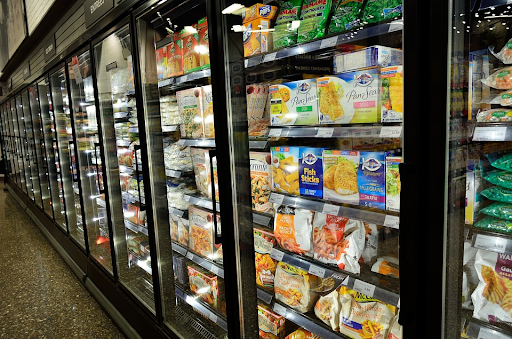
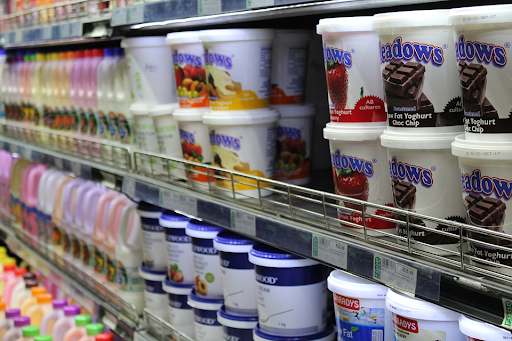
LOOKING FOR COMMERCIAL REFRIGERATION SERVICES? HERE ARE SOME USEFUL TIPS

When it comes to running a business, having good refrigeration is an incredibly important aspect. Whether you own a hotel, a supermarket, or a winery, without maintaining the right refrigerator conditions for your products, both current and potential clients are likely to seek out alternatives elsewhere. Thus, when looking for commercial refrigeration services, there are some useful tips you should keep in mind.

1. EXPERIENCE AND CERTIFICATIONS

Much like with any other job, experience is important here as well. In fact, one of the most important things that you should look at is how long an individual or business has been offering commercial refrigeration for businesses, and for what kind of businesses at that. Aside from experience, another thing you should consider is whether or not the company has any credentials. This includes all kinds of various certifications that give an unbiased confirmation as to their skills and knowledge, such as HACCP Certification, NSF Certification, Quality Management System Certification, and many more. The better certified a company is, the more likely they are to be able to offer you only the best service.

2. SIZE OF THE FLEET AND NUMBER OF EMPLOYEES

Another important aspect that one should keep in mind when looking for commercial refrigeration services, is how many vehicles and employees a particular company has under its belt. This is because the number of resources that are at their disposal can be a good indicator as to how well they can serve you. For instance, if they have more employees and vehicles, they are likely able to provide faster service with better equipment. How many clients they’re currently serving and what their reputation is like, can also be rather telling. A good refrigeration service business can expect to receive new clients fairly regularly, and you should only work with such a company if they’re able to maintain their current workload.

3. PRODUCT RANGE AND CUSTOMIZATION

As one of the most important aspects when it comes to commercial refrigeration services, the product range that a particular company offers is also something you should look out for. It’s best if they can offer products from well-known manufacturers in the field, which are known for providing high-quality equipment. If the business whose services you’re considering are truly experts, they’ll not only have a wide range of options, but they will also be able to advise you on which products are best for your business, budget, and needs. Another important consideration is whether or not there’s customization available, depending on your requirements. This can be especially important if you run a smaller company.

4. COMPETITIVE PRICING

Lastly, you should also try to determine whether the price that a company offers for its services is competitive or not. This can be done by carefully evaluating each offer presented to you and then comparing it to the businesses which have previously handled similar jobs. They may be able to provide a lower quote because they employ less experienced employees, but the difference in quality might not be worth it. Alternatively, you should consider asking them to sign a performance agreement that states they’ll reduce their prices should there be any problems in the future. This way, you can avoid any unpleasant surprises down the road.

With the above mentioned in mind, it should be easier for you to discern which commercial refrigeration service is right for your particular business. Having good refrigeration services is an incredibly important aspect of running a successful business, and this guide can help you get the best product for your needs from a reputable company that delivers high-quality results.

3 TYPES OF ITEMS YOU SHOULD BUY TO SUCCESSFULLY REMODEL A BATHROOM

Before you jump into any renovation project, however,  you need to prepare yourself. The more you have planned out in advance, the better off you will be. Even though it might sound simple at first, there are many things to consider before you even start shopping for bathroom remodeling ideas. To help you get started with your project, here’s a useful list of the essential types of items you should buy to successfully remodel your bathroom:

FAUCETS AND FIXTURES

One of the most important items you’ll need to purchase is new faucets and fixtures. If your bathroom comes with old, unattractive appliances and accessories, they will detract from the entire look of your renovation. There are plenty of stylish options out there that you can even install yourself without any problems. Another thing you’ll need to consider when shopping for bathroom faucets is what type would work best in your specific space. If your sink is located far away from a tub or a sink, then laundry taps could be a much better option for you. Most laundry taps have long hoses that reach up to 45 inches in length, which means they can easily connect to any tub or sink.

TILES AND FLOORING

Since the bathroom is a place where most people spend at least a little time each week, it’s also one of the rooms in your home that gets worn out easily. The floor will get wet and slippery when you take showers or baths, so it needs tiles that won’t turn into an ice skating rink whenever they get wet. If you prefer to use ceramic tile flooring, then make sure they’re slip-resistant and don’t have too much glaze on them. If water resistance isn’t really important for you, there are plenty of other options available, too. You can choose from vinyl, laminate, or rubber mats that are comfortable and easy to clean. Whichever you decide on, make sure it matches the rest of your new decorative scheme.

NEW WALL DECOR

New tiles and flooring aren’t the only things that will contribute to your bathroom’s new look. If you plan on replacing any fixtures or cabinets, then you’ll need some wallpaper and paint. This is especially important if there are any cracks, marks, or visible water damage on the walls. Besides covering up those blemishes, however, wallpaper can also help you bring a completely new aesthetic style into your space. You can choose from various patterns and textures as well as different colors to coordinate with the rest of your home decorating scheme. Just make sure they match all of your other newly installed items such as countertops, shelves, etc.

Remodeling your bathroom doesn’t have to be difficult or time-consuming if you just plan everything out in advance. The key is to stay organized and know exactly what you want before you head off to the local hardware store. By making a list of all the essential items you need and doing your research first, it will be much easier to pick out the best options. So keep these four things in mind before you head off to the store and your bathroom renovation will be a success.

AN EASY GUIDE TO UNDERSTANDING HOW PROCESS PUMPS WORK

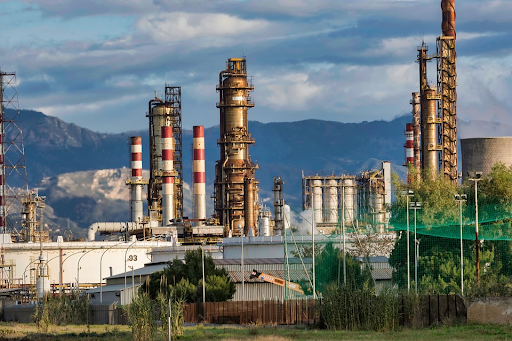
Process pumps are an important piece of equipment in oil refineries and the petrochemical industry. They are used to move chemicals around the facility, including through piping systems and across vessels that allow for safe disposal or recycling. For this reason, it is very important that you know what they do and the way they work so then you can make informed decisions about how best to use them and know what kind of problems can arise and what you should do when they arise.

1. PROCESS PUMP TYPES

There are two types of process pumps that you will likely encounter in oil refineries and the petrochemical industry. As the experts from Eddy Pump showcase, knowing the types of pumps out there will ensure that you choose the one that will be the most efficient for your business. The first type is a general duty pump, which can handle different flow rates at different pressures. For example, it might be able to move 50 gallons per minute (GPM) at 100 psi but also 10 GPM at 250 psi. The second type of pump is a specialty duty pump that can handle only one specific flow rate at either low or high pressure. For example, the pump might be able to move 100 GPM at 500 psi but also 500 GPM at 10 psi. Some of them can pump solids, while other special duty pumps, like chemical metering pumps, can handle chemical reactants. The special pumps are preferred over the general duty ones because they require less maintenance and are more efficient. The capacity of each type of process pump is measured in gallons per minute (GPM) but the pressure must also be given unless it’s a specialty duty pump that can only handle low or high pressure.

2. HOW ARE PROCESS PUMPS USED?

In chemical plants, they are used to transport chemicals from one location to another, including within plants and across large distances. They move the chemicals through piping systems from one vessel to the next and from one storage location to another. They can be used to provide chemical dilution, which is when a small amount of a chemical is added in with a large amount of another chemical so they can react more easily. Sometimes, they are used in processes where gases need to be turned into liquids or vice versa. It is also very common for them to be used in refineries to transport crude oil from the storage tanks where it’s pumped into large vessels that act as holding tanks. The vessels are connected to the facility via large piping systems that span across the entire length of the refinery. Each vessel has its own process pump, which is used to move the oil through the facility. They also transport products between different tanks and even heat them up in furnaces before they’re sent off for further processing.

3. HANDLING PROCESS PUMPS

As with any piece of equipment, there are some special things you need to know about process pumps before you start using them in your chemical facility. To begin with, most process pumps are designed for continuous duty, which means that they run all the time until they need to be serviced or replaced. They are made of heavy metal parts inside a cast iron frame and rotating shafts attached to long impellers that are connected to the motor. These are usually electric motors and they don’t need to be turned on and off as often as other types of equipment because they’re always being used. However, if a pump runs dry, it can cause serious damage so you have to pay attention to the flow indicators that monitor how full a tank or vessel is getting at all times. You should also know that impellers are usually made of carbon or stainless steel, which has the advantage of being strong but not too heavy. They can be altered if necessary because they’re attached to the rotating shaft by keyed couplings, which are expensive to replace so you want to avoid doing that whenever possible.

4. FEATURES TO LOOK FOR

Not all process pumps are created equally. As already mentioned, there are different types of process pumps out there. However, regardless of the type, there are still some things to look for when you’re making your purchasing decision. For example, all of them should be designed with materials that are strong enough to handle the chemicals they will be transporting without corroding. They also need to have corrosion-resistant features like double mechanical seal protection and even special coatings on impellers so they don’t get eaten away by the chemicals in use. The best type of impeller material is stainless steel because it’s not too heavy and doesn’t corrode easily, but if you have to go with carbon, that’s alright because it has all the same features as stainless steel. Another important feature is having a shaft made of tempered alloy for added strength. It should also have a keyed coupling so the impeller can’t fly off during operation.

Knowing what process pumps are used for and the key things to look out for when making your decision about which pumps you want to buy is important. However, having a general idea of how they work so if you ever get stuck trying to troubleshoot one, means that you’ll have an easier time because now you know what they’re capable of and what you can do to fix them if they malfunction. As long as you keep these 4 things in mind, you will be fully equipped with the knowledge you need to make a decision that is right for your process and facility.

HOW TO EFFECTIVELY PROTECT YOUR WINDOWS WHEN REMODELING A HOUSE

We all know that home remodeling projects are more than just fun for the homeowner. They can be messy, time-consuming, and frustrating. But one thing they shouldn’t be is dangerous–which is why you should take extra precautions. Protect your windows by using these simple tips:   

-Make sure to remove any furniture or objects near the window so the installer has enough space to work in.  

-Use window film.

-Ensure a safe step ladder is present in case he needs it to reach high up onto the wall.  

-Cover any carpets with a plastic or tarp to protect them from any messes.

REMOVE OBJECTS NEAR THE WINDOW

It isn’t just your windows that are in danger of getting broken–it’s also your furniture. If you have any furniture near the windows, move it away before the installers show up. It’s one thing if a window installer has to break a small hole in your wall so he can easily replace or repair something… but it’s another thing entirely if he has to break a hole in your wall while trying to avoid breaking your furniture. 

Additionally, you should remove any objects near the window that might be dangerous for the installer–such as ceiling fans or lamps. It can be frustrating when they have to deal with these things too, but it’ll be much more frustrating if they have to deal with them–and break or damage them in the process.

USE WINDOW FILM

You can use window film that is designed to be installed on the outside of your home’s glass windows. These films are durable and strong, which means they can take more than one hit without breaking. You can buy 3m window film for your home or business, or any other length, depending on your needs. Plus, their UV blocking abilities make it so that your furniture and floors will be protected from the sun’s harmful rays.

ENSURE A SAFE STEP LADDER IS PRESENT

I know–it can be annoying having to put away your step ladder after using it. But you should do so anyway, and make sure it’s in perfect condition before the professionals arrive to install your new windows. There are way too many accidents that happen because of poorly made step ladders. If it falls while your window installer is on it, you don’t want him to get hurt–because the only thing worse than having to fix a cracked window is having to fix a broken worker.

COVER CARPETS WITH PLASTIC OR TARP

Carpeting is fun–unless you have to constantly think about where you walk. Then it can be a little annoying. But the truth is, a lot of damage happens because somebody accidentally walks on a carpet once–and doesn’t realize his/her mistake until they’ve done more damage than anticipated. To avoid this horrible situation from occurring, try covering your carpets with a plastic or tarp. You can also try removing them from the room… but that means you have to break out the vacuum again when it’s time to put your carpet back in place.

5 SIGNS IT’S TIME TO REPLACE YOUR AIR DUCTS

Air ducts are generally the last item on a homeowner’s mind regarding HVAC system maintenance. Without air ducts, your HVAC equipment would be unable to transport air from room to room throughout your house.

Although they are often overlooked (due to their generally concealed location), your air ducts need care, upkeep, repairs, and even replacement occasionally. However, how can you determine when it is time to replace them? After all, you hardly ever see the dreaded things. 


1. INADEQUATE DESIGN/INSTALLATION

Ductwork must be constructed and strategically installed to guarantee maximum cooling performance throughout your house and to sustain the life of your HVAC equipment longer. A new duct installation should be done if your home’s ducting was inadequately planned or constructed. Poor ductwork makes it impossible to obtain a practical design and a pleasant house. This is a significant source of energy loss in homes around the country.


2. INSUFFICIENT AIRFLOW

Airflow is critical to a thriving operating HVAC system, and believe it or not, and your ductwork plays a vital role in cooling your living areas effectively. When your ductwork is broken, outdated, dirty, or blocked in any manner, the result is likely to be excessive energy costs and discomfort in your house. If you find that the airflow through your HVAC system is dwindling or straining, it may be time for a replacement.


3. THE AGE OF DUCTWORK

As is the case with most household equipment, HVAC systems do have a useful life. By 15 years of service, serious difficulties are likely to manifest. Older air ducts may have serious challenges, such as gaps. In certain instances, whole parts may even collapse.

It’s prudent to consider replacing more than decade-old ducts. This way, you’ll avoid difficulties and may continue to enjoy the conveniences of home.

All of these indicators suggest that your ducting requires repair. Even if you are a do-it-yourselfer, you should avoid attempting to replace them. Contact a duct repair specialist to replace the system.


4. INFESTATION BY PESTS

Observing insects or rodents within your HVAC ducts indicates that your ductwork has holes or leaks. Bugs and rodents may enter the ducts via the perforations, establishing various colonies and causing further damage, such as obstructing the HVAC ducts.

Additionally, pest infestations may flood your ductwork with hazardous substances such as urine and excrement, resulting in a damaged duct system, inefficient air circulation, and decreased indoor air quality.

Nobody likes foul odors entering their house. If you detect an offensive odor but cannot locate the cause, you may want to update your air ducts.

Mold may grow in your home due to temperature differences between the inside and outside of your HVAC system’s broken ducts. This implies that mold has the potential to grow throughout your ductwork and your house. When mold grows in your ductwork, the odor of mold and mildew will permeate your whole home. As a result, you may detect an unpleasant odor.


5. HVAC OPERATION IS EXCESSIVELY NOISY

While your HVAC system is meant to generate noise while operating, the noise level should not be excessive. If you continually hear rattling noises or if your HVAC ductwork vibrates while heating or cooling your home, you should get the ducts inspected.

Remember that your home’s ductwork is linked through plastic or fiberglass couplings. When these joints get injured, rattling or whistling noises occur.

If the ductwork has holes, you will hear loud sounds when the air travels through the ducts. Avoid ignoring this noise since it will only become worse.


CONCLUSION

Homeowners want to provide their families with a healthy, safe living environment. In most houses, a duct system is sufficient to provide enough comfort. It provides your house with either warm or cold air as required. If feasible, you want it to blow just in inhabited rooms in your home to save energy.

While adequately maintained ducts serve your house successfully, they might succumb to wear and tear over time. You must get familiar with some telltale indicators of broken or worn ductwork. If homeowners do not know what to look for, they may not notice any physical faults. However, there are several indicators that you should inspect your ducts.


 Guest Contributor: Maggie Bloom           

LOCKED OUT? CONSIDER THESE THINGS BEFORE CALLING A LOCKSMITH

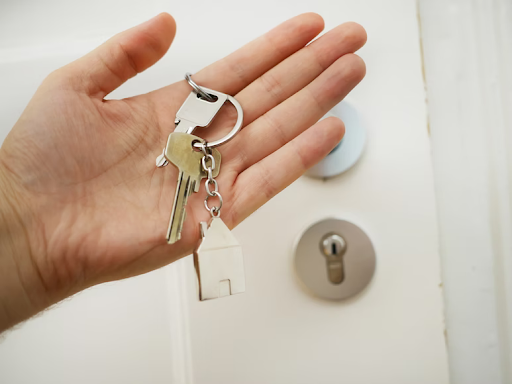
Locking yourself out of your car or house is very annoying. You might feel like this can only happen to you,  or that it will never happen to you. The truth is, as careful as we might be, these kinds of things happen more than we’d like to admit. A locksmith service can help you out of this predicament and get you back inside your home or car quickly and easily. However, there are a few things you should consider before calling a locksmith.

IS IT AN EMERGENCY?

Before you call a locksmith you need to ask yourself one important question – is this an emergency? If it’s after business hours, then yes, hiring a professional locksmith service makes sense. However, if it’s during business hours and you find yourself locked out of your car or home, it might be best to wait for a while. Chances are the person who has the keys is on their way home to let you back in.

If this is not an option for whatever reason, then hiring a locksmith would be appropriate. According to professionals from Brandon Lock and Key, a professional locksmith can have you back into your home within 30 minutes. A car will take a bit longer because of the location of the lock, but it should only take about an hour at most for a trained technician to make it happen. However, since companies often charge a premium for calls made during off-hours, even if they are relatively close to the site, if it’s not an emergency,  you should try to wait until the morning.

WHAT TYPE OF SERVICE DO YOU NEED?

One of the things that make locksmiths so useful is their versatility. They can be called out for any type of service – opening doors, replacing a lock or a key, and even installing a new one. There are many times when you might find yourself locked out of your house or car. If this happens several times, you should consider having a locksmith install a deadbolt or another sturdy lock that will make it much more difficult for you to get locked out again.

However, if this is the first time you are locked out of your apartment, then you should consider changing all the locks on the door – front door, bedroom doors, sliding glass door – especially if they are old and flimsy. Getting new high-security keys created is usually cheaper than changing an entire lock because of how expensive those can be. The same goes for cars; if it’s an older model that doesn’t have a sophisticated security system, then it would be cheaper to have the locks changed than to install a brand new one.

THE REPUTATION OF THE LOCKSMITH

If this is the first time you are hiring a locksmith service, then it would be best to check their reputation before making a decision about which one to choose. Chances are good that if they have been in business for a while, people will talk and leave reviews on websites like Google and Yelp. You can also ask your friends and family which company they use and how they liked them. This will help you make an informed decision when you call up a locksmith service after being locked out of your car or home.

Since you are locked out, you probably cannot call your insurance company to see if they provide discounts for using a locksmith service. However, it never hurts to ask when you are on the phone with them. You might be surprised by their answer!

HOW MUCH WILL IT COST?

This is one of the most important questions you will ask before hiring a locksmith service. However, since they offer their services at different rates, it can be hard to find an answer that applies to your situation. Most companies charge by the hour or have tiered pricing – if you are locked out of your car then it’s cheaper than if you are locked out of your home. Some companies might also give discounts for cash payments – these could easily save you 10% or more!

You should make sure you know what type of payment they accept before calling them because many do not accept credit cards. You don’t want to waste time driving around looking for an ATM just to pay for something that would have cost a lot less if you had just used a debit or credit card. Make sure to ask this question as soon as the locksmith service answers your call, and write it down on a piece of paper so you can refer back to it later.

Locksmiths can save the day when these kinds of things happen. However, some things are best kept in mind before you have them show up at your doorstep to help you out of this sticky situation. By following these tips, you will be able to find the right locksmith service for your needs and budget so that you can save yourself a headache.