HOW TO MAKE YOUR SMALL HOME IMPROVEMENT BUSINESS UNIQUE AND INTERESTING

If you’ve recently decided to start a home improvement business, there are various aspects you need to think about in order to be successful. Reaching a wide audience is a necessity if you want to stay afloat and expand over time. For that to happen, you need a great marketing strategy that will set you apart from the competition. Here are some tips that should help you on your mission.

UNDERSTAND THE BUDGET YOU’RE WORKING WITH

First and foremost, it’s vital that you understand what kind of budget you’re working with. Unfortunately, small businesses are often not able to set aside a big portion of their funds for marketing purposes when there are so many other things to think about. With that in mind, you want to define your budget so that you can see what kind of advertising is within your reach. That way, you will know if flyers and billboards will be your main way of promoting your business or if you’ll be able to invest some money into TV ads, for example.

RESEARCH YOUR TARGET AUDIENCE

To know what kind of marketing strategy to employ, you need to know your target audience. These are the individuals that will be requiring your services most often. You need to see which social media platforms they use the most, which magazines they tend to read, what budget they have at their disposal for a typical renovation, and so on. Knowing these specifics will allow you to modify your approach.

START A BLOG WITH UNIQUE BUT RELATABLE CONTENT

As a small home improvement business, starting a blog is a very cost-efficient way to reach an audience. If you already have a website, adding a blog section should not be difficult and this move can bring you plenty of readers and even clients that are willing to pay for your services. However, it’s crucial that you keep producing original content that will show off your skills but also provide readers with some useful advice. You want to keep a regular schedule so that your viewers know when to expect new articles or even instructional videos.

COME UP WITH ONE-OF-A-KIND OFFERS

While it’s good to encourage your clients with some DIY projects that they can handle, you still want to steer them toward hiring you. Therefore, consider coming up with some unique offers that they simply can’t miss out on. For instance, you can have a few months of the year when you offer a discount on interior or exterior painting. Then, if you sell products, you can have a month where you put certain items on sale. You can also consider free delivery or complimentary consultations.

SHOW CLIENTS HOW YOU CAN ADD VALUE TO THEIR LIVES

No matter if you offer products or provide various services, to get the attention of potential clients, you need to show them how you can add value to their lives. For example, perhaps you are the only business in your city or wider area that offers a certain service. It would be much easier for them to hire you than to look for specialists that might charge more as they’re located farther away. There are many other unique selling propositions about your company that you can highlight and attract clients.

MAKE SURE YOUR BRANDING IS UNIFORMED

Regardless of how small your company is, you need to work on your branding. This means that you should ensure you are uniformed on all fronts. For example, if you already have a logo, it should be used on your website and social media accounts. Then, you also want to make sure you’re providing all employees with appropriate uniforms that also include company colors and the logo. Furthermore, you can look into quality custom made backpacks that every worker can take with them when carrying some essential tools. Even your company vehicle needs to match the overall visual aesthetics. Taking all of these steps should help spread brand visibility and awareness and bring you to potential customers’ minds.

COLLABORATE WITH OTHERS

Just because you’re trying to be unique, it doesn’t mean that you cannot collaborate with other people. For example, you can team up with another small company that offers products or services that complement yours. Let’s say you handle bathroom renovations – well, teaming up with a tile or bathroom store can be a big plus as you might get even more recommendations. You can also find a micro-influencer to work with, as they can promote you to their sizeable following.

FOLLOW UP WITH YOUR CLIENTS

However, your job doesn’t stop once you’ve attracted clients and convinced them to hire you. You also want to follow up with them on various topics. For starters, ask how they found you in the first place so that you can perhaps modify your approach. Then, you also want to see what they have to say after the project is done. If they’re satisfied with what you’ve done to transform their home, see whether you’re allowed to share before and after photos on your social media pages, and even repost what they’ve shared. This is a great way to boost authority, show your expertise, and gain a stellar reputation.

ADMIT YOUR MISTAKES

On the other hand, if you’ve made any mistakes during the projects, make sure you own up to them. Take responsibility and see how fast you can make the situation better. As you can learn lots from this, you can even turn it into a blog post that will show how you are aware of the mistakes you’ve made, but that you did your absolute best to rectify them as soon as possible and how the results are still top-notch.

ADD WARRANTY TO YOUR OFFER

Finally, you want clients to feel safe with you, so you need to get all the necessary insurances that will ensure nothing is damaged and no one is harmed during the whole renovation project. Furthermore, you also want to include a warranty on your work and guarantee that you will come back free of charge in case anything turns out to be improperly done.


There are various ways how you can make your small home improvement business interesting. These ten should be of immense help.

Guest Contributor: Ron Wolf
CONVERTING A STORAGE INTO YOUR TINY HOME TO SAVE TIME AND MONEY

The cost of renovating or converting the main house is costly and time-consuming. On the other hand, the idle sitting storage shed can be renovated or converted to something else at a lower price and much more quickly. 

Out of a storage shed, one can renovate it and transform it into a study room, music room, art room, or even a smaller living home. The main house could be converted into a commercial or a personal gym with Best Used Gym Equipment for personal training or a hired trainer. With the gym outside the main house, one can efficiently work out with friends.

Acquiring quality gym equipment can be costly in purchasing, shipping, and installation. To cut down on the overall cost, one needs to understand the gym’s needs and match them with the required equipment. Wholesale Gym Equipment will guarantee discounted prices and competitive shipping fees, saving money.

In the following article, we shall discuss some of the essential tips for converting a storage shed into a tiny home to save time and money.

Seal All Cracks in the Tiny Home

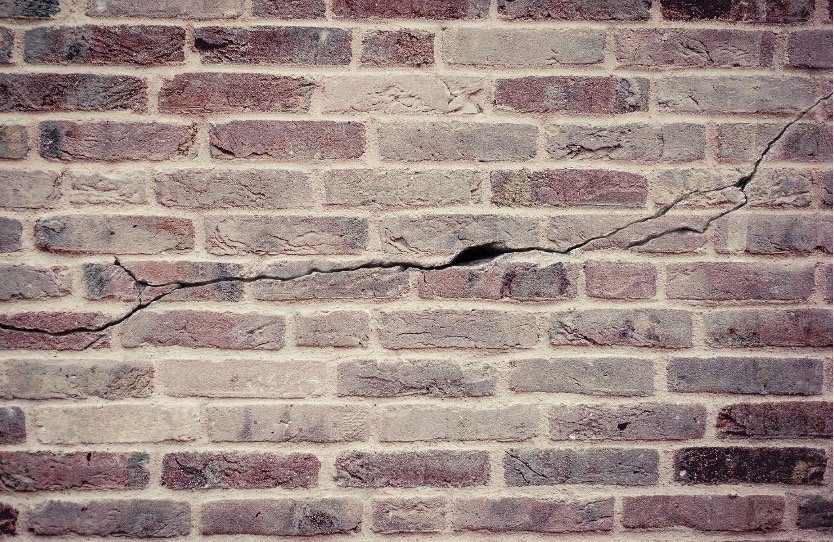
Most storages are usually stand-alone and used for storing rarely used equipment. Cracks have become an inevitable phenomenon. Before moving in, the first step is to examine and correctly fix the cracks. Cracks on the wall can be a path for bugs and insects coming into the house. Fixing the wall cracks will also stabilize the Home.

Paint the Tiny Home

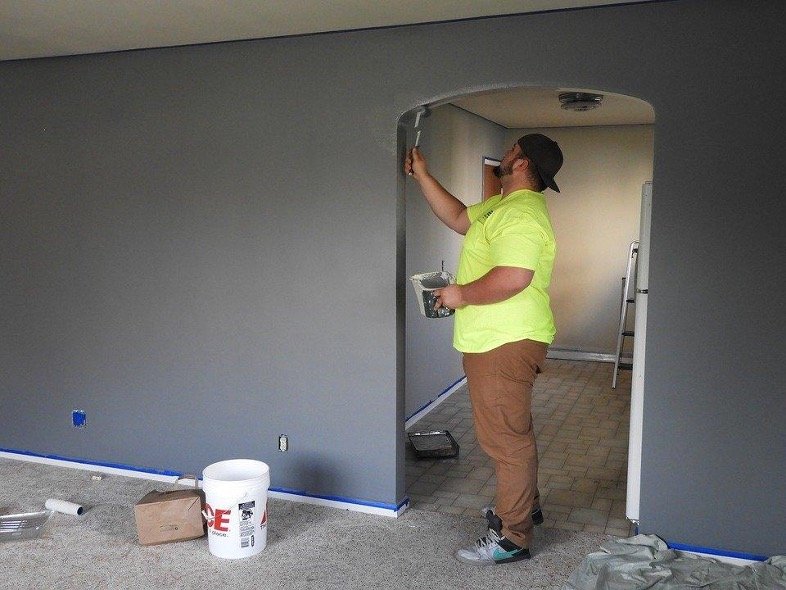
Many times, we neglect the storage shed, especially the panting part. Painting is not the only application of paint on the wall, but there are benefits of painting.  It adds a glamorous look to the tiny home; it is advisable to add vibrant colors. The painting should be done on the inside and the outside. Or better use of wallpapers on the interior. The vibrancy of the interior makes it appear livable.

Increase Lighting in the Tiny House

A storage shed mainly uses a single bulb or a long fluorescent tube to illuminate it. After conversion to a tiny home, lighting becomes an essential part. The light lighting needs to be reconnected to cater to the small chambers cut out like the bedroom, living room, and bathroom.

Change the Tiny House Flooring

The original function of the shed requires a hard floor type that can withstand the pressure from the equipment stored there. Once converted to a tiny home, the flooring may be uncomfortable to bear. It’s okay to add better and more comfortable flooring like rubber flooring. Choose the type of flooring that can be added on top of an existing floor. It will reduce the cost associated with the flooring.

A Skylight Window for the Tiny Home

A skylight window is a window on the roof meant to provide natural lighting; sunlight during the day and moonlight during the nights. It also plays an essential role in ventilating the tiny Home, especially when one needs to close the door for some private time. People install the skylight for different reasons.

Create Subdivisions in the Tiny Home

 The original state of a shed is hall-like to access all the needed equipment easily. Like a tiny house, subdivisions will be inevitable to create separate rooms. Some essential subdivisions may include a bedroom section, living room, kitchen, toilet, and bathroom connected to the sewer line. It will help in keeping the tiny Home well organized.

Build Shelves in the tiny Home

Modern and classy shelves will add glamour to the tiny house. They make the rooms look more arranged and organized. The rooms that most need the shelves are the kitchen to efficiently set the cookware, cooking ingredients, and cutlery. Also, the bedroom can use some shelves to arrange clothes and shoes. Bookshelves in the living room will accessorize the interior décor.

Change the Windows and Doors of the Tiny Home

The exterior of the tiny Home should resonate in attractiveness as the interior. Changing the door from a warehouse-like door to something more fashionable will make the former storage shed look like the current home and appear welcoming. The windows should also be easy to open and close and attractive. Security should never be given second priority when considering favorable doors and windows.

Installation of Ventilation in the Tiny Home

The benefits of ventilation at home are on an endless list. Since a tiny Home may experience high temperatures and aeration, installing sufficient ventilations. They help in keeping the tiny Home with enough fresh and clean air. Also, the installation of exhaust fun ensures that the tiny house’s kitchen does not get smoky. The generated smoke during cooking is taken out through the exhaust fan. 

Have an Eco-friendly Tiny House

The main agenda of renovating and converting a storage shed to a tiny home is to downscale. Cutting the total home managing cost is intertwined with downscaling. Adopting an eco-friendly power source can go a long way in cutting the electricity bill and increasing savings. A kitchen garden can go a long way in cutting the cost of vegetable purchases.

In conclusion

Converting a storage shed into a tiny home may pose the challenge of bugs and other insects invading the tiny Home. It mainly happened because the shed did not have an active residence. To be safe, ensure the shed gets well and professionally fumigated before renovations and after. Creating flower gardens around the tiny Home will add elegance and create a buffer for rodents accessing the tiny home.

Guest Contributor: Peter Yordanov

SETTING UP A TRUCK FOR YOUR PLUMBING BUSINESS

When setting up a truck for your plumbing business, there are a few key things to keep in mind. It’s important to have everything you need on hand so that you can be efficient and effective while on the job. Here are some tips for setting up your truck

1. TRUCK TARPS

A truck tarp is an essential piece of equipment for any plumbing business. It’s important to have a quality tarp that will protect your truck and its contents from the elements.  Choose a tarp that is made of high-quality materials and is weatherproof. This will ensure that your truck and tools are protected from the elements. You can get custom mesh tarps that have a high level of water and wind resistance. Make sure the tarp is large enough to cover your entire truck. This will keep moisture and dirt from getting into your truck bed and causing damage. Look for a tarp with grommets along the edges. This will make it easier to attach the tarp to your truck. Choose a tarp that is flame resistant. This will help protect your truck in the event of a fire.

2. LADDER RACK

A ladder rack is a must-have for any plumbing business. It’s important to have a safe place to store your ladders while you’re on the job. A ladder rack will keep your ladders safe and secure while you’re driving. It’s also a great way to organize your truck. You can store all of your tools and supplies in one place. This will make it easier for you to find what you need when you’re on the job. Look for a ladder rack that is made of heavy-duty materials. This will ensure that it can withstand the wear and tear of everyday use. Its durable construction will help keep your ladders safe and secure.

3. TOOLBOX

A toolbox is another essential piece of equipment for any plumbing business. It’s important to have a place to store your tools and supplies while you’re on the job. A toolbox will keep your tools organized and safe. It’s also a great way to keep your truck clean. You can store all of your tools and supplies in one place. This will make it easier for you to find what you need when you’re on the job. Look for a toolbox that is made of heavy-duty materials. This will ensure that it can withstand the wear and tear of everyday use. It’s also important to choose a toolbox that is waterproof. This will help protect your tools from the elements.

4. SHELVING

Shelving is another essential piece of equipment for any plumbing business. It’s important to have a place to store your tools and supplies while you’re on the job. Shelving will keep your tools organized and safe. It’s also a great way to keep your truck clean. You can store all of your tools and supplies in one place. This will make it easier for you to find what you need when you’re on the job. Look for shelving that is made of heavy-duty materials. This will ensure that it can withstand the wear and tear of everyday use.

Setting up a truck for your plumbing business is essential for being efficient and effective while on the job. These were some of the most important and essential things to keep in mind when setting up your truck. Make sure you have a quality tarp, ladder rack, toolbox, and shelving to help you keep your truck organized and safe.

8 ESSENTIAL GADGETS AND TOOLS FOR EVERY HOME DIY NEEDS

Having the right tools and gadgets around your home makes DIY projects and repairs much easier and can even save you time and money. If you are a home DIY enthusiast, there are several tools and gadgets that are essential in your toolbox. Whether you are a beginner or an experienced builder, these eight essential gadgets will help make your home improvement projects easier and less time-consuming.


1. HAMMER

A hammer is one of the most versatile tools around and can be used for a variety of tasks, from fixing things to pounding nails. It is a good tool to have around the house in case of a home repair emergency. In addition to being useful in DIY projects, a hammer can be used as a weapon for self-defense.

2. DRILL

A Drill is an essential tool for any DIY enthusiast. A drill is useful when making repairs, installing new hardware, and more. A drill can be powered by a battery or an electric motor. Moreover, drill bits come in various shapes and sizes, and you can choose the one that fits your needs depending on the task at hand.

3. SCREWDRIVER

A screwdriver is essential for tightening screws and installing door hinges and locks. You can also use it for removing screws from boards and panels. It can also be used as a stabbing tool when repairing furniture. Moreover, a screwdriver will come in handy when repairing electronics and automobiles. Some screwdrivers also have interchangeable heads that can be used for various tasks.

4. TAPE MEASURE

A tape measure is essential for any DIY project because it allows you to measure distances and widths accurately. You can use it to check the size of furniture pieces before you start assembling them or to mark the location of holes on walls or ceilings for later installation of plumbing or wires.

5. WRENCH

A wrench is used to tighten or loosen screws, bolts, and other objects. It is also used to pry open objects. A wrench can be made from many different materials, including metal, plastic, or wood. Wrenches are generally divided into three categories based on the shape of their handle: straight-handled wrenches, ratchet-handled wrenches, and socket wrenches. Their versatility makes them a must-have tool for any home DIY project.

6. CORDLESS DRILL

If you’re a DIYer, then you definitely need a cordless drill. A good cordless drill can do everything from drilling holes in wood to screwing screws into boards. It comes in handy for smaller jobs, and it saves wear and tear on your hands and arms when doing projects that require repetitive use.


7. LUBE SHUTTLE ELECTRIC GREASE GUN

lube shuttle electric grease gun is a handheld tool that is used to apply lubrication to machinery, equipment, or other objects. It consists of a gun-shaped body that is fitted with a trigger and a nozzle. Lubricant is stored in the body of the gun and is released when the trigger is pulled. This type of grease gun is powered by electricity and is, therefore, suitable for use in areas where there is no access to a power supply. If you need to apply lubrication quickly and efficiently, this tool will come in handy.

8. JIGSAW

A jigsaw is useful when cutting wood into different shapes and sizes. It also has a blade that you can use to remove wood filler or other materials. This tool is helpful for creating a precise finish on projects. Additionally, you can also use a jigsaw to make cuts in metal or other hard materials. Moreover, the blade on a jigsaw can also be sharpened to create precision cuts. As such, a jigsaw can offer many benefits when it comes to crafting and repairing items to add value to your home.


CLOSING THOUGHTS

When it comes to DIY projects, having the right tools is essential. These eight items will help you get started on your project and make it easier and faster. If you have any questions about any of these tools, be sure to ask a professional before beginning a project. They can provide guidance and instruction that will help you complete your task successfully. Home improvement projects can be fun, but they’re not easy—be sure to use the right tools to make the process easier.

Guest Contributor: Tracie Johnson

8 REASONS YOU SHOULD APPLY FOR A VA LOAN

Finding an affordable mortgage that you’re eligible for can be challenging, especially in the current home buying market. Despite so many different loan options available, it can be difficult to find the one that’s right for you.

If you’re a veteran or an active-duty military member, then you likely qualify for a VA loan! Even if you qualify for other loan types, if you can apply for and benefit from a VA cash-out refinance loan, then it’s definitely worth your time. In many situations, VA loans are the best option available and if you glance at the eight reasons below, you’ll quickly understand why.

8 REASONS YOU SHOULD APPLY FOR A VA LOAN

#1. NO DOWN PAYMENT

While other mortgages will require a down payment of anywhere between 3.5% to 20%, a VA loan does not require a down payment. For many people, providing a down payment is one of the biggest obstacles in buying a house. You need to come up with a large sum of money before you can benefit from the loan and in many cases, this is very difficult.

With a VA loan, you won’t have to scrounge up every last penny you’ve saved in order to put down a down payment. Instead, you can benefit from the loan without this obstacle.

#2. NO MINIMUM CREDIT SCORE

Another major challenge for potential homeowners is having a high enough credit score to be approved for a loan. While conventional mortgage loans have a minimum score of 620, FHA loans set their minimum to 580. Many lenders raise their minimum score requirement to avoid risky investments.

In many cases, you may be asked to show a credit score of 680 or higher which makes it difficult for buyers.

When it comes to VA loans there is no minimum score requirement. This being said, some lenders may still request a copy of your credit score in order to assess how much of a risk you are. Because of this, it’s recommended you have a score of 580 or more, though it is not an eligibility requirement.

The VA program will look at your credit history for the last year, so it’s important you haven’t filed for bankruptcy or had a collection marked on your credit score. As long as you have relatively good payback standings and haven’t had any problems, you’ll be good.

#3. RELAXED DEBT TO INCOME RATIO

Your debt to income (DTI) ratio often plays a huge role in the determining of your mortgage. For most conventional loans, this ratio is capped at 36%. For VA loans, however, it’s around 41%. Depending on the lender you contact, they may permit a higher ratio, though you shouldn’t always rely on this. 

#4. NO MORTGAGE INSURANCE REQUIREMENT

Most mortgages will require you to get private mortgage insurance. The cost for this is added on top of your mortgage payment and is often raised if you’re unable to provide a 20% down payment. This makes paying for a mortgage much more expensive. 

While not all conventional loans require private mortgage insurance, all FHA mortgages require it. When it comes to VA loans, however, private mortgage insurance is never required!

As VA loans are backed by the government, lenders don’t require you to pay for private mortgage insurance in addition to your regular mortgage payments. All the money you would have otherwise spent on insurance can go directly into paying off your loan, saving you thousands of dollars.

#5. LOWER INTEREST RATES

Mortgages typically have fairly high interest rates, especially if you don’t have an excellent credit score. While refinancing may help you switch to a loan with a lower interest rate, you won’t be able to do this right away and you’ll still lose quite a bit of money simply by having to pay so much in interest.

VA loans normally have lower interest rates than other mortgage types. This is again due to the loan being backed by the federal government.

While the average interest rate for conventional loans is anywhere between 3.5% to 4.5%, a high VA loan interest will hover around 3.5%. Of course, this will vary from lender to lender, but on average, you’ll have lower interest rates with a VA loan than you would with another type of loan.

#6. NO PREPAYMENT PENALTY

In some cases, lenders will require you to pay an extra fee if you are able or willing to pay off your mortgage before the term ends. This can be discouraging for those who want to either refinance or pay in full for their loan.

If you are able or willing to pay off your mortgage in full, a VA loan will not penalize you.

#7. EASIER QUALIFICATION

Qualifying for a mortgage can be a difficult and long process. You’ll be asked to provide multiple documents and even if you do, you may still be denied. Even pre approval may be revoked and you’ll find yourself back at square one.

VA loans are much easier to qualify for. Eligibility requirements can be found on the VA website along with more helpful information about applying for a certificate of eligibility and what to do if you don’t meet the requirements. There’s also a phone number provided at the bottom if you have any additional questions or need some extra assistance.

#8. EASY REFINANCE

If you’ve previously taken out another type of loan, VA loans can be used to refinance your current loans. When you refinance a previous loan into a VA loan, you’ll benefit from all the advantages mentioned above and won’t have to worry about managing multiple loan types.

CONCLUSION

VA loans are there to help former and active-duty military members. If you qualify, it’s certainly worthwhile to look into the option and take advantage of it. Even if you could easily qualify for a conventional loan, VA loans come with so many other benefits that it makes the most sense for you to take advantage of it anyway.

HOW TO PROPERLY MAINTAIN YOUR TANKLESS WATER HEATER

It’s always a good idea to learn how to maintain everyday appliances. Not only will you be able to get your appliance up and working quickly, but you’ll also save the money you would otherwise spend on hiring a professional. Of course, you will likely need help with major issues – but understanding your appliances means that when it comes to easy-to-fix problems, you’ll be able to handle them yourself.

This theory is also true for your tankless water heater. While water heaters may seem like a step too far when it comes to doing your own maintenance work, they’re not all that complicated to handle. 

If you’re wondering how you should go about maintaining your tankless water heater, you’re in the right place. Here are some tips you should keep in mind. 

CLEAN THE FAN AND MOTOR

The fan and motor of your tankless water heater should be clear of dust and dirt. You can clean these parts using pressurized or compressed air, which also allows you to get the dirt out of all the tiny crevices. This is one of the easiest parts of maintaining your water heater and should ideally be done every few months. 

However, depending on where you live and where your water heater is installed, you may have to clean it more often – it all depends on how much debris your water heater is exposed to. 

FLUSH YOUR HEATER

You will need to flush your water heater at least once a year. Flushing the heater essentially means removing the mineral build-up from the inside of your appliance. If left unattended, this build-up can damage the walls of your heater and affect its lifespan and ability to function. 

Though flushing (also known as descaling) your water heater may seem complicated, it’s actually pretty straightforward. As explained by Sacramento-based plumbers, the tankless descaling procedure should be handled properly, so it’s best to have professionals inspect your heater before problems escalate. However, if you’re up for it, you can attempt to flush your heater yourself with the  steps below:

  • Turn off the power, whether that means turning off the gas or the circuit breaker.
  • Close all the water valves so that no water will enter or exit your heater during the procedure. There will usually be three valves for you to turn off. 
  • Remove the purge port valve caps. The purge valves help control the pressure in your heater, and their handles are T-shaped. When removing these valve caps, make sure to do so slowly and carefully so that the pressure can be relieved gradually without the hot water burning you. 
  • Attach hosing lines to each of the valves (as mentioned above, there are generally 3 valves to a tankless water heater)
  • Open the purge valves. 
  • Add descaling solution into your water heater. Alternatively, if you don’t want to use chemicals inside your water heater, you can use pure white vinegar as a natural alternative instead. You’ll need about 2.5 gallons of vinegar for a standard water heater, though this amount will change depending on the size of your appliance. 
  • Check the water heater manual for instructions on how to flush your appliance. Once you’re done flushing it, you will also need to drain it properly, and the procedure for this step will also be included in the manual. If you cannot find your manual, check to see if there’s a digital version you can reference instead. 
  • Once flushing and draining are complete, close the port valves, disconnect the hosing lines, and reseal the purge valves using the port caps you removed. 
  • Restart your water heater by turning the water valves back on and turning on the power. Don’t be alarmed if it takes a few moments before water starts flowing through your heater – the pipes will first expel the air within them before the water starts flowing properly once again. However, your water heater should be back to normal within a couple of minutes. 

CLEAN THE FILTERS

Aside from the fan and motors, you will also need to regularly clean both your water heater’s air and water filters.

For the air filter, you will first need to detach it from the water heater. Once it’s removed, you can then use a soap and water cleaning solution and a soft brush to clean the filter. Clean it thoroughly to ensure there is no dirt or debris obstructing airflow, then rinse it well and let it dry before reattaching it to the water filter. 

The water filter in your water heater is essentially a screen that is meant to trap any sediment in the water so that the water you use is as clean as possible. However, this sediment will need to be cleaned from the filter regularly – a built-up will prevent the filter from doing its job and will prevent it from working correctly. 

To clean the filter in your tankless heater, you will first need to remove the filter. However, make sure the water is turned off before you remove it to reduce the risk of being singed by the hot water. Once it’s removed, clean the filter using the same water and soap solution you use for the air filter. 

Once clean, wipe down the water filter and let it dry before returning it to your water heater. 

CLEAN THE BURNERS AND OTHER KEY ELEMENTS OF YOUR GAS HEATER

If you’ve got a gas tankless water heater, you’ll need to ensure that all the “control” components are working properly. This means ensuring there’s no dust or dirt around the burners and also making sure that the control compartments and air passages are completely clean. 

If these elements are not clean, you risk your water heater suffering from a major failure. Ideally, you should do this at least once a year. 

When maintaining your tankless water heater, you should also consider just giving the outside of your tank a quick wipe. This will make sure that the outside looks just as good as the inside does – and as an added advantage, you’ll have a visual confirmation that you’ve finished cleaning (and you can also use the external appearance of the tank to decide when it needs to be maintained again).

That said, keep in mind that not everyone should or is comfortable handling their tankless water heater maintenance themselves. If you’re worried about your handyman skills, a bit concerned about your safety, or simply have a major water heater issue to deal with, you should always be open to contacting a professional. After all, a professional will know exactly what they’re doing, and there’s a lower chance you’ll lose time and money over a mistake, which is always a positive!

BUILDING A POLE BARN TO EXPAND LIVING SPACE: A HOW-TO GUIDE

Building a pole barn can be a great way to expand your living space. Whether you need more storage for your car or extra space for a home office, a pole barn can provide you with the extra room you need. But before you start construction, there are a few things you need to know. This how-to guide will walk you through the process of building a pole barn, from choosing the right location to selecting the materials you’ll need. By the end, you’ll be ready to start construction on your own pole barn expansion project.

PLAN THE SIZE, SHAPE, AND STYLE OF YOUR BARN

The size, shape, and style of your barn are important factors to consider when expanding your living space. The size will determine how much space you have to work with, the shape will affect the overall look and feel of the barn, and the style will dictate the functionality of the barn.

When deciding on the size of your barn, you should first consider what you plan to use it for. If you only need extra storage space, then a smaller barn may be sufficient. However, if you plan on using it as a workshop or a place to house animals, then you’ll need a larger barn. Once you know what you need the barn for, you can start planning the dimensions.

The shape of your barn is just as important as the size. The most common barn shapes are gable, gambrel, and hip. Each shape has its own unique look and feel, so it’s important to choose one that fits your personal style.

The last factor to consider is the style of your barn. Do you want a traditional-looking barn or something more modern? Barns are now easy to assemble thanks to customizable pole barn kits. There are modular, prefabricated, and DIY kits available. With many different styles of barns available, you should be able to find one that fits your taste.

CHOOSE THE RIGHT LOCATION

Building a pole barn is a great way to expand your living space. But before you start construction, it’s important to choose the right location for your new home addition. Here are some things to keep in mind when selecting a spot for your pole barn:

  • Make sure the ground is level. This will help ensure that your pole barn is stable and won’t be at risk of collapsing.
  • Avoid flood zones. If your property is located in a flood zone, it’s best to choose another spot for your pole barn. This is because flooding can damage or even destroy pole barns.
  • Pick a sunny spot. If possible, try to choose a location for your pole barn that gets plenty of sunlight. This will help keep the inside of your pole barn warm and comfortable.
  • Consider the wind. When selecting a location for your pole barn, make sure to take the wind into account. If your property is located in an area with high winds, it’s important to choose a spot for your pole barn that will be sheltered from the wind.

SELECT THE RIGHT MATERIALS

Building a pole barn is a great way to expand your living space. But before you start construction, it’s important to select the right materials. There are many factors to consider when choosing the materials for your pole barn. The climate in your area will dictate the type of material you’ll need for the walls and roof. The size and style of the barn will also impact the material choices.

Here’s a look at some of the most popular materials used in pole barn construction:

  • Wood: Wood is a classic choice for pole barns. It’s strong and durable and can be easily customized to match the look of your home. If you live in an area with severe weather conditions, however, you’ll need to take extra care to protect your wood barn from the elements.
  • Metal: Metal pole barns are becoming increasingly popular. They’re durable and low-maintenance and can withstand even the most extreme weather conditions. If you choose a metal barn, be sure to select a high-quality material that won’t rust or corrode over time.
  • Vinyl: Vinyl is another popular choice for pole barns. It’s affordable and easy to work with, and it comes in a variety of colors and styles. However, vinyl can be damaged by UV rays, so it’s important to choose a color that won’t fade in the sun.

These are just a few of the most popular materials used in pole barn construction. When selecting the materials for your barn, it’s important to consider the climate, the style of the barn, and your budget. With careful planning, you can build the perfect pole barn for your needs.

Building a pole barn is a big project, but it’s one that you can do yourself with the right planning and materials. By following this how-to guide, you’ll be able to build a pole barn that meets your needs and looks great, too.

6 BENEFITS OF USING FIELD MANAGEMENT SOFTWARE FOR HVAC BUSINESSES

Do you own a business in the HVAC field? Here are some of the benefits of using field management software. 


1.      AUTOMATED PROCESSING

Field service management software will streamline operations and help you carry out field activities in a planned and orderly manner. HVAC software is flexible and can adapt to changes throughout the day. Such behavior helps to reduce the cost of energy wastage as well as inefficient activities incurred because of the confusion and frustration of a busy day.


2.      BOOSTING PRODUCTIVITY

Field service management software is used for automating all processes, which means that the hassle of filling forms, collecting data, as well as updating the logs at the office will be taken care of. That way, technicians and employees are free to do their jobs better by spending more time on their actual job profile. Such utilization of time frees up your crew to perform their daily tasks optimally, thereby boosting productivity and improving the dispatch cycle.


3.      INCREASED COST EFFICIENCY

Field service management software not only helps you save money, but can actually help you earn more money. Digitizing all the paperwork and aligning forms in a single network helps save time and increases the number of jobs that your crew can handle. That means, you can take on more work, perform more jobs, and increase the daily profits.


4.      FIELD EMPLOYEES FUNCTION MORE EFFICIENTLY

Since each technician has a connected app on his/her smart devices, he/she can gather information from the main field service management software anywhere, anytime. This includes connecting to tech support, queries, as well as accessing tools required to perform a particular job.

Backend staff can also provide real-time communication to technicians thus improving the efficiency of the job thus translating to improved customer satisfaction. On the other hand, technicians can request replacement parts, update the job status, and even access the inventory on the go without ever having to visit the office.

It provides technicians with freedom and allows them to stay on the field to do their jobs not only quickly but also optimally. Thanks to GPS tracking, their ability to perform jobs requiring precise geographic location is enhanced. It can also help track their arrival time and even notify supervisors if technicians travel outside the prescribed zone.


5.      ACCURACY IMPROVEMENT

The accuracy of the job also increases because the tracking of inventory in the service supply chain is not only very precise but also recorded at the root level. It can decide what parts field workers will require for assigned tasks of the week and list them down. Those can be loaded on the truck together so that field workers don’t need to return for additional parts or equipment for the whole week.


6.      BETTER RESPONSIVENESS

Intelligent field service management software is flexible enough to work through the dynamics of field work, which changes rapidly. The jobs to be done may require a special set of skills or require additional crew members. 

The software can identify these beforehand as opposed to sending a technician and detecting such issues. In situations where the technicians are unavailable, the software smartly diverts resources towards the high-priority jobs automatically, thereby allowing the company to stay on its toes without human intervention.

TIPS TO KEEP YOU PREPARED FOR UNEXPECTED EMERGENCIES

When you hear about unexpected emergencies, what comes into your mind is hurricanes, earthquakes, flooding, explosions, and other calamities with large-scale destruction. However, an emergency comprises other minor home misfortunes, such as a tree falling on your house, a home-fire outbreak, gas leakage, etc. Moreover, whether small or big, every emergency needs to be handled with much preparedness to save your property and life. Below are tips to follow to ensure you are adequately prepared for an unexpected emergency.

1. ESTABLISH AN EMERGENCY FUND

Natural disasters and home emergencies come abruptly with no warning signs. Unexpected emergencies require you to have the cash to cater for any expenses once it occurs. Such expenses include temporary accommodations, food, medicines, fuel, etc.

However, don’t save your emergency fund in commercial banks and online financial institutions. Technology may fail in the occurrence of a disaster. Therefore, accessing money held in electronic platforms, including ATMs, may be impossible. To be safe, store your emergency funds in cash at a secure place.

2. GET TRAINING ON FIRST AID AND EMERGENCY HANDLING

Whenever an unexpected emergency occurs, the life of your family members, friends, and yours are at risk. To save a life, you should be conversant with first aid and emergency handling. Therefore, knowing how to offer first aid to injured persons is the first level of defense against disasters.

To avoid being bystanders during emergencies, family members should enroll in formal training on handling emergencies and performing first aid procedures. Due to the busy work schedule, limited time, and COVID-19 preventive measures, you may opt to enroll for formal training with AED CPR Certification Online. The online courses offer both children and adults extensive training on first aid procedures, cardiopulmonary resuscitation, choking, automated external defibrillator, etc. The Bloodborne Pathogens Certification equips you and your loved ones with training on biohazards exposure control plans and the OSHA standards. You will also be taught on signs and symptoms of various health emergencies, including heart attack and biohazard exposure.

3. ESTABLISH AN EMERGENCY SUPPLIES KIT

The supply kit should have every essential item after an unexpected disaster. The supply kit should include non-perishable food, medicine, batteries and chargers, backup generators, an extra phone, fuel, torches, a local map, and water. With the supplies, you wouldn’t be caught off guard. However, the food and medicine should be checked for expiry dates, while the rest supplies should be restocked after one year.

Copies of personal and financial documents should also be kept in the supply kit. After restocking the supply kits, ensure that all items are in air-tight plastic bags and kept in a mobile container. The supplies should always remain in an accessible place, such as a car trunk or garage.

4. TAKE AN INSURANCE COVER

Various insurance covers, such as health insurance, life insurance, home insurance, renter’s insurance, and other property insurance, like car insurance, may help you effectively deal with unexpected disasters. As health insurance covers your emergency treatment costs, property insurance will help you recover all damaged and lost property.

If you have already taken an insurance cover, you should review the existing policy to see whether it covers family emergencies and disasters. Also, regularly check whether the contributions are up to date. Though you have the insurance cover against certain disasters, you should reduce the sources of hazards in your home.

5. ESTABLISH AN EFFECTIVE FAMILY DISASTER PLAN

Coming out of a disaster strong and healthy requires a family to have an efficient disaster plan. A family disaster plan comprises of many details, such as:

•           Household communication plan.

•           Out-of-state family contact.

•           Community’s emergency contact.

•           Individual’s responsibility during a disaster.

The Household communication plan elaborates the activities to be done by every family member whenever a disaster occurs. Therefore, once an emergency occurs, everyone should know their responsibility. For instance, there should be members responsible for turning off home utilities, such as electricity and gas. Moreover, the family disaster plan should elaborate more on the emergency evacuation process and meeting spots. A drill should be carried out yearly to assess the readiness of every member in handling an emergency.

Identification of an out-of-state family contact is also part of the family disaster plan. Members of your family should know whom to contact and how to make contact in case of an emergency.

As you establish a family disaster plan, don’t forget to incorporate the needs of family members with special needs. Special need members include aging parents, physically challenged persons, and infants.

CONCLUSION

With the above steps of preparing for unseen disasters, you will be better positioned to face a disaster once it occurs. However, always follow the government’s guidelines on disaster preparedness.

Guest Contributor: Regina Thomas

6 WAYS YOU CAN ADD MORE COMFORT TO YOUR LIVING ROOM

Your living room is one of the most important rooms in your house. It’s where you spend time entertaining guests, watching TV, and relaxing after a long day at work or school. But if it isn’t the right size or doesn’t feel comfortable to you, then it can be hard to enjoy that space. Fortunately, there are lots of ways you can make your living room more comfortable without having to renovate or completely redecorate.

1. ADD A RUG

One of the easiest ways to add comfort to your living room is to add a rug. Rugs provide an extra layer of insulation, which can help keep your feet warm in the winter. They also help absorb noise, making your living room feel more peaceful and quiet. Plus, they add color and pattern to the room, which can help make it feel cozier. If you have hardwood floors, a rug can also help protect them from scratches.

Additionally, rugs can help define your living room space and make it feel more intimate. If your living room is large and open, a rug can help create a sense of boundaries and make the space feel less overwhelming.

2. INSTALL BLINDS OR CURTAINS

Another way to add comfort to your living room is to install blinds or curtains. If you want to look for high-quality blinds go over to www.oakhurstblinds.com and take a look around. They can help make the space feel more private and intimate. It can also help block out light and noise from outside, making your living room a more relaxing place to be. Plus, curtains and blinds can add color and pattern to the room, helping to create a cozier atmosphere.

For example, if your living room gets a lot of sunlight, you might want to install blackout curtains. This can help prevent the space from feeling too hot in the summer. Alternatively, if you live in a noisy area, soundproof curtains can help make your living room feel more peaceful.

3. CHANGE THE FURNITURE ARRANGEMENT

Another way to add comfort to your living room is to change the furniture arrangement. If your living room feels too cramped or cluttered, try rearranging the furniture to create more open space. You might also want to try a different layout altogether. For example, if you have a large living room, you might want to create a conversation area with a few chairs and a coffee table. Or, if you have a small living room, you might want to try a floating furniture arrangement. This can help make the space feel larger and more open.

4. ADD WALL ART

Another way to add comfort to your living room is to add the wall art. Wall art can help fill empty spaces and make the room feel more inviting. It can also add color and interest to the room. Plus, wall art can help express your personal style and make your living room feel more like home.

For example, if you have a large blank wall, you might want to hang a piece of art that makes a statement. Or, if you have a small living room, you might want to try hanging a group of smaller prints or photos.

5. GET COZY WITH PILLOWS AND THROWS

Pillows and throws are another great way to add comfort to your living room. They can provide extra padding and insulation, making the space feel softer and cozier. Plus, they come in a wide variety of colors, patterns, and textures, so you can easily find ones that match your decorating style.

For example, if you want to add a pop of color to your living room, you might try a brightly-colored throw pillow. Or, if you want to make the space feel more luxurious, you might try a velvet pillow or throw.

6. BRING IN PLANTS

Plants are another great way to add comfort to your living room. They can help purify the air and make the space feel more refreshing. Plus, they add color and life to the room. If you have a small living room, you might want to try a potted plant. Or, if you have a large living room, you might want to try a floor plant.

7. USE LIGHTING TO CREATE MOOD

Lighting can also play a big role in making your living room feel more comfortable. For example, soft lighting can help create a more relaxing atmosphere. Alternatively, bright lighting can help the space feel more energizing and inviting. You might also want to try using lamps to create a cozy, intimate feeling in your living room.

Adding comfort to your living room can be as simple as adding a rug, blinds, curtains, or wall art. You can also change the furniture arrangement to make it feel cozier, and rearrange the furniture altogether to create new layouts for different moods. Plus, don’t forget about pillows and throws!