Kitchen remodels are one of the most common home renovations, but you don’t have to gut your cooking space and start over. Little improvements and updates often have a bigger return on investment.
While you can conservatively anticipate a 30% to 85% return on your investment in a new kitchen, home sellers typically see a higher ROI on smaller renovations that focus on new appliances, functional countertops, and quality cabinetry.
Major kitchen renovations don’t have as high of a payoff at sale, partly because they may include items and style choices that don’t appeal to the average buyer.
Making some small changes like those listed below can pay off when you sell your home.
CABINETS
If your existing cabinets are in good shape, it’s probably not worth the investment to replace them. Most cabinetry, especially if made of real wood, is easily painted. A neutral tone and some modern hardware are the easiest ways to update your kitchen without a big investment in time or money.
FIXTURES
Along with refreshing the cabinets, replacing the faucet, light fixtures, and door knobs are easy upgrades. These small changes can go a long way in the overall look and feel of your kitchen (or any room). Similarly, upgrading a backsplash or applying a fresh coat of paint falls into the category of minor remodeling that has a larger ROI.
COUNTERTOPS
Most real estate agents agree that you aren’t likely to recoup the cost of new countertops. However, you are likely to sell your home more quickly if you have updated, quality surfaces. When deciding between a stone or manufactured product, again look at the market you’re in and consider your goals. While countertops may not affect your home’s financial value, they will positively impact the appearance and feel of the kitchen.
APPLIANCES
Mismatched, outdated, or poorly functioning appliances are a primary reason for renovating a kitchen. If you’re looking to sell, it’s important to offer buyers a kitchen that functions properly. Updating appliances is the easiest way to do this. Stainless steel has been the go-to for a long time now, but it’s most important to have matching appliances.
WINDOWS
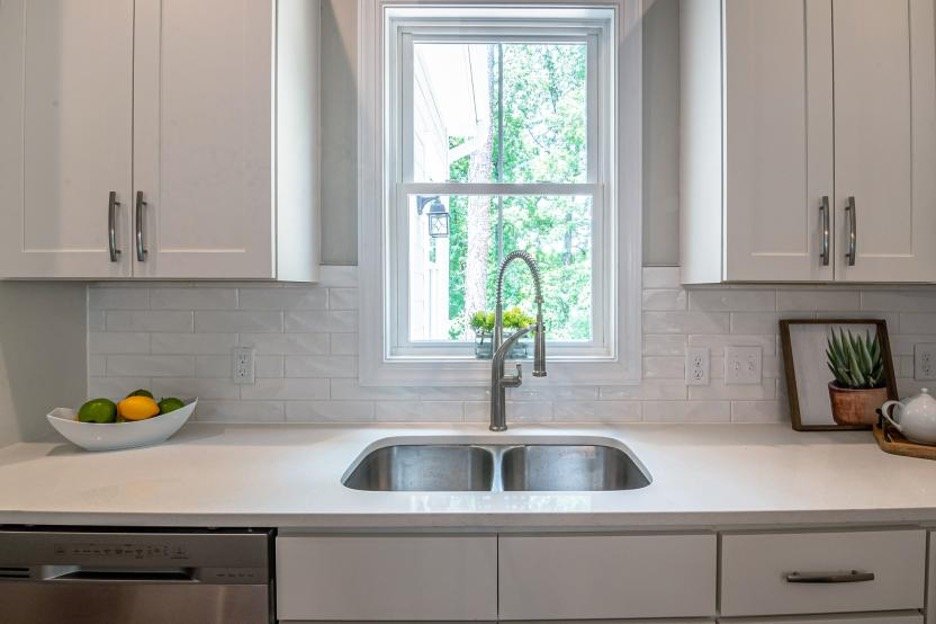
Windows may not be the first thing you think of when renovating a room, but they’re underestimated. Natural light is at the top of buyers’ wishlists, as are well-insulated windows. Replacing and upgrading windows is a major investment and is best done in stages. Why not start in the kitchen?
OVERALL FUNCTIONALITY
Whether you’re looking to sell or stay put for a while, the main goal of a kitchen remodel is to increase functionality. If you have the space, adding an island is a great way to make a kitchen feel bigger while adding counter and storage space. Also, consider updating the sink and adding a garbage disposal if you don’t already have one. For plumbing and electrical work, be sure to bring in a professional.
CONCLUSION
While most home and garden television shows would have us think we need to completely tear our kitchens down to the studs, that’s not necessary. A small renovation will have a major impact on your home’s value. Consider the usefulness of the space, the typical buyer in your area, and how much of a project you want to undertake.
And always remember this: Every kitchen update will help you enjoy your space while you still live there, and entice buyers when your home hits the market.
Alison is a Midwesterner through and through and loves to spend her time traveling, baking, writing, and reading.
Selecting the appropriate colour for your window frames is a crucial element of the home design that can significantly impact your home’s overall appearance and ambience. The right window frame colour can accentuate your home’s style, complement its overall aesthetic, and boost curb appeal. However, it’s important to consider the style of your home’s architecture and style when making this decision.
Traditional styles lean toward warm colours like reds, yellows, oranges, and browns, while modern techniques lean toward cooler tones like greens, blues, purples, and greys. Black and white window frames work well with most design styles. The exterior siding material’s colour also impacts the home’s feel. For a traditional style, the colour of the window frame should pop out or contrast with the house’s colours, while for a modern style, the colour of the window frames should be similar or blend in with the house’s colours.
CREATING A DESIGN PLAN FOR THE WINDOW FRAME
Creating a design plan for your window frame is important in choosing the right colour for your home. By considering the style of your home’s architecture, the colours of your home’s exterior siding material, and your style, you can narrow down your options and choose a colour that will enhance the beauty of your property.
Keeping a few key factors in mind when deciding on a window colour frame is important. We consulted with some experts, and here are some tips to consider in choosing colours to complete your home.
WINDOW FRAME TIPS TO TRANSFORM THE LOOK AND FEEL OF YOUR LIVING SPACE
Consider your style and preferences. Pick colours that reflect your personality, family, and what you like. Picking a colour scheme is one of the most daunting tasks when decorating your home, but it’s important to choose colours that you love and that make you feel comfortable.
Look for inspiration. Consider catalogues, magazines, and websites for inspiration when selecting paint colours for your home. A jumbled collection of colour cards in fifty shades of your preferred colour can be overwhelming, so it’s important to have a starting point.
Create a design plan. Before choosing colours, create a design plan for your home. This will help you determine the overall style and colour palette you want. Once you know the context of the type and broad colour palette, you can work through which options will coordinate.
Consider the lighting in your home. It is crucial to consider the varying lighting in your room before finalising a colour palette. Make sure you think through how various colours and textures will look in different lighting conditions.
Establish a cohesive colour palette throughout the entire house. An excellent tip for choosing interior paint colours for your home is to establish a coherent colour palette throughout the whole house that can also complement the exterior of your home.
Feel free to mix and match. You don’t have to stick to one colour throughout your home. Mixing and matching colours can add depth and interest to your space.
Consider the impact of window frame colour. The window frame colour can set the tone for the rest of your exterior decisions. Choosing a colour that will coordinate well with the rest of your exterior is essential.
DIFFERENT COLOURS FOR WINDOW FRAMES
Choosing the right colour for your window frames can be a daunting task. With many options available, figuring out where to start can take time. The colour of your window frame can make a significant difference in the feel and look of your home, significantly impacting the overall look. By considering the style of your home, the colours of your home’s exterior siding material, and your style, you can narrow down your options and choose a colour that will enhance the beauty of your property.
Here are some of the most popular window frame colours and what they can bring to your home:
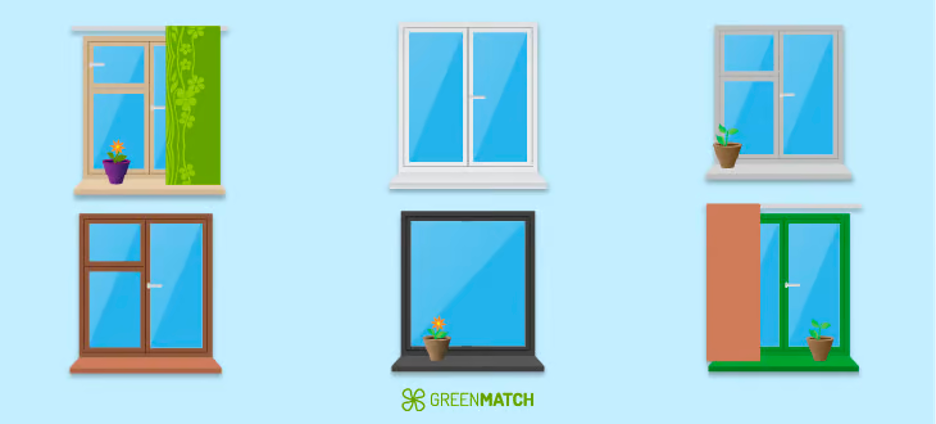
White: White is a classic and timeless colour for window frames. It works well with any home style, making your windows look more extensive and prominent. White frames also reflect light, which can help keep your home cooler in the summer.
Black: Black window frames are a popular choice for modern and contemporary homes. They can add a sleek and sophisticated look to your home and make your windows look like works of art. Black frames also provide a nice contrast against light-coloured walls.
Brown: Brown window frames are an excellent choice for traditional and rustic homes. They can add warmth and depth to your home and complement natural wood finishes. Brown frames also work well with earthy tones, creating a cosy and inviting atmosphere.
Grey: Grey window frames are a versatile choice that can work with many different styles of homes. They can add a modern, sophisticated look to your home and complement the light and dark-coloured walls. Grey frames also provide a nice contrast against white or cream-coloured walls.
Cream: Cream window frames are a neutral and understated choice that can work well with many different styles of homes. They can add warmth and depth to your home and complement light and dark-coloured walls. Cream frames also provide a nice contrast against white walls.
Green: Green window frames are a unique and bold choice that can add character and personality to your home. They work well with natural surroundings and can complement homes with greenery. Green frames also provide a nice contrast against light-coloured walls.
Worthy of note is when choosing the colour of your window frames, they are available in various materials and styles, each with advantages and disadvantages. Some common materials include wood, vinyl, aluminium, fibreglass, wood-clad, and composite. Think about how you want your windows to be open and close and whether you want features like screens or grilles.
Consider the location of your windows and whether you need features such as tempered glass for safety, double-glazed, casement, bay or awning windows. Consider durability, maintenance requirements, and cost when choosing a frame material.
THINK ABOUT THE CLIMATE WHEN CHOOSING YOUR WINDOW FRAME
When choosing a colour theme, one important fact is considering your environment, looking for energy-efficient options, selecting a colour that complements your home’s exterior, considering the style of your home, and consulting with experts. You can choose a colour that will enhance the beauty of your property and keep your home comfortable year-round.
Your window frames can affect the temperature inside your home. Dark colours absorb more heat than light, so if you live in a hot climate, consider lighter-coloured structures to keep your home cooler. Energy-efficient windows can keep your home comfortable year-round, regardless of your environment. Look for windows with low-E coatings, which can reflect heat and UV rays.
”The colour of your window frames subtly impacts the temperature inside your home. Darker colours, such as deep browns or black, tend to absorb more heat from sunlight, potentially raising the temperature slightly within the vicinity of the windows. On the other hand, lighter colours like white or beige reflect more heat, which can help keep the interior cooler”. Jacky Chou. Principal and Director at Archute.
The style of your home can also impact the colour of your window frames. Traditional styles lean toward warm colours like reds, yellows, oranges, and browns, while modern techniques lean toward cooler tones like greens, blues, purples, and greys. If you are still trying to decide which colour to choose, consult with experts. They can guide you in determining the perfect window frame colour for your home.
According to an expert, the colour of your window frames should complement the colour of your home’s exterior. Look for colours that work well with the existing colour palette of your home.
“Consider the existing colours of your home’s exterior, including the siding, trim, and roof. Look for window frame colours that complement or create a pleasing contrast with these existing elements. You can use colour swatches or consult with a professional for guidance.” Samatha Odo, Real Estate
DON’T BE AFRAID TO STAND OUT
While choosing a colour that complements your home’s existing colour palette and the surrounding environment is important, don’t be afraid to stand out. A bold colour can make your home stand out and look beautiful if done tastefully. Consider using a bold colour for your front door or shutters or as an accent colour on your home’s exterior.
Another important factor to consider when choosing a colour for your home’s exterior is the surrounding environment. Look at the colours of the trees, plants, and other natural features around your home, and choose a colour that complements them. For example, a warm beige or cream colour can be a good choice if green trees surround your home.
Like with interior design, colour can help create a mood for your home’s exterior. For example, if you want your home to feel welcoming and inviting, warm colours like red, orange, and yellow can be a good choice. On the other hand, if you want your home to feel calm and serene, cool colours like blue, green, and purple can be a good choice.
“The material of the window frame, the choice of paint, and the application process are all determinants of resilient window frames. For example, fibreglass window frames are a great choice. This type of material is resilient and can last homeowners a long time. It is also important to select high-quality paint. You should avail the services of a professional contractor for the paint application process.” Jasen Edwards, Chair of the Agent Editorial Board.
Choosing the right colour for your home’s exterior is essential for creating a beautiful and cohesive look. Consider the mood you want to create, your home’s existing colour palette, and the surrounding environment, and don’t be afraid to stand out. With these tips, you can choose a colour to make your home look beautiful and unique.
Do you know what colour you want? GreenMatch can help you compare window quotes. Do you not hesitate to fill in the contact form for our suppliers? It’s free, easy, and efficient!
Having the right internet provider is essential for making sure your remote work runs as smoothly as possible. With so many options out there, it can be overwhelming to decide which one is best for you and your specific needs. Don’t worry, though!
In this comprehensive guide, we will walk you through all the important considerations to make when selecting an internet provider for working from home. We’ll provide you with helpful tips on assessing connection speeds, finding the most affordable packages, and other traits that could help ensure successful online operations. So grab a cup of coffee and get comfy – let’s start exploring your ideal internet service setup today!
ASSESSING AVAILABLE INTERNET OPTIONS IN YOUR AREA
With so many internet options available, it can be overwhelming to choose the right one for your remote working needs. Whether you need high-speed internet for connecting to important websites or a reliable connection for telecommuting, it’s important to assess what’s available in your area. Don’t settle for a subpar connection that doesn’t meet your needs! You did click here for more information so let’s take some time to explore all the options available. Look into providers in your area, compare internet packages and prices, and don’t forget to check for hidden fees or long-term commitments. Don’t be afraid to ask questions – a good provider will be able to answer any queries you have about their services.
UNDERSTANDING YOUR REMOTE WORK INTERNET NEEDS
Remote work has become a way of life for many of us, but have you considered whether you have the right internet connection for your work needs? Understanding your internet requirements is crucial for a seamless and productive remote work experience. Video conferencing, uploading and downloading files, and accessing cloud-based software are just some of the internet-dependent activities that you may undertake as a remote worker. Make sure you know what speeds your internet connection can support and how many people can use it at the same time.
You may even need to upgrade your internet plan or invest in a better router to ensure that you’re not experiencing frustratingly slow internet speeds. A little bit of preparation and investment can go a long way in combating internet connectivity issues, and help you to get the most out of your remote work experience.
TYPES OF INTERNET CONNECTIONS: PROS AND CONS
Not all internet connections are created equal. The type of internet connection you choose can significantly impact your online experience. There are several types of internet connections available in the market, each with its unique pros and cons. For instance, cable internet is known for its high-speed capabilities but can be vulnerable to congestion during peak usage times. Similarly, DSL connections are affordable but may suffer from slow speeds. As a user, it’s essential to understand the differences between the various types of internet connections available to make an informed decision that best suits your needs.
THE IMPORTANCE OF INTERNET SPEED FOR REMOTE WORK
With more people than ever before working remotely, the importance of internet speed cannot be overstated. A slow internet connection can cause frustration and ultimately impact productivity. It’s not just about waiting longer for pages to load or emails to send, but also the ability to use video conferencing and other collaborative tools. A good internet speed can make all the difference in ensuring that remote workers can communicate and work effectively with colleagues and clients. In short, the faster your internet, the faster you can get things done and the more productive you can be.
Working from home has become an integral part of many people’s lives and the right internet connection is key to success. Choosing the right type of internet connection for your needs requires careful consideration of available options in your area—DSL, Fiber, Cable/ Broadband, or Satellite—all offering pros and cons unique to each. It is also important to consider internet speed when selecting a service provider to ensure that you have enough speed for your remote work needs. With all this information, you are now armed with the tools needed to make an informed decision about what type of internet connection can best support your remote lifestyle.
As awareness of environmental issues grows, many individuals seek ways to make a positive impact. One significant way to contribute is by modifying your home to be more eco-friendly. Implementing green technologies can cut your ecological footprint.
WHAT TO CONSIDER WHEN MAKING YOUR HOME GO GREEN
Before embarking on a journey to make your home eco-friendly, consider a few key factors:
● Assess your home’s energy consumption and identify areas where you can reduce waste.
● Test your heating and cooling systems to determine their efficiency levels
● Exploring renewable energy options such as solar panels is essential. Clean energy sources can reduce your reliance on non-renewable energy.
● Water conservation is another critical aspect, so check your water usage.
SEVEN WAYS YOU CAN CHANGE YOUR LIVING QUARTERS TO GIVE BACK TO THE ENVIRONMENT
1. FOCUS ON ENERGY EFFICIENCY
Energy efficiency is one of the considerations when making your home eco-friendly. Start by ensuring your home is well-insulated to reduce heat loss during winter. Limit the need for excessive cooling in summer. Replace traditional incandescent bulbs with energy-efficient LED lights. Use programmable thermostats to optimize energy consumption. Installing solar panels can reduce reliance on fossil fuels and provide clean, renewable energy for your household.
2. HARVEST RAINWATER
Water scarcity is a growing concern. Harvesting rainwater can help mitigate this issue. Install a rain barrel or a more extensive rainwater harvesting system to collect rainwater from your roof. This water can be used for activities like watering your garden, cleaning outdoor spaces, and flushing toilets. By reducing the demand for treated water, you conserve resources and lower the strain on local water supplies.
3. EMBRACE SUSTAINABLE LANDSCAPING
Transform your outdoor space into an eco-friendly haven by implementing sustainable landscaping practices. Consider incorporating gabions, wire baskets filled with stones, into your garden design. These create a pleasing feature and serve as natural water filters and retainers. Install green walls or vertical gardens which use vertical space. It enhances air quality while adding a touch of natural beauty to your home.
4. OPT FOR ECO-FRIENDLY BUILDING MATERIALS
When changing your home, choose building materials that are sustainable and environmentally friendly. Look for products with low volatile organic compound emissions to improve indoor air quality. Explore reclaimed wood, bamboo flooring, or recycled glass countertops. Using eco-friendly materials reduces the depletion of natural resources. It minimizes the environmental impact associated with conventional construction materials.
5. INSTALL SMART HOME TECHNOLOGY
Harnessing the power of technology can significantly enhance the sustainability of your home. Innovative home systems allow you to automate and optimize energy consumption. You can also track energy usage and receive real-time data to make informed decisions about conservation. Smart appliances, like energy-efficient refrigerators and washing machines, can reduce your carbon footprint.
6. INSTALL WATER-SAVING FIXTURES
Reducing water consumption is crucial for a sustainable home. Swap out old, inefficient fixtures with low-flow alternatives. Install aerators on faucets to reduce water flow without sacrificing functionality. Consider replacing conventional toilets with low-flow models that use less water per flush. Upgrading your appliances, such as dishwashers, to more water-efficient versions can make a noticeable difference.
7. CREATE A SUSTAINABLE WASTE MANAGEMENT SYSTEM
An effective waste management system is an essential aspect of an eco-friendly home. Implement a recycling program and provide separate bins for different types of waste. Compost organic materials to reduce the amount of waste sent to landfills. Explore local recycling facilities and donation centers to dispose of items that can be repurposed. Minimizing waste contributes to reducing pollution and conserving natural resources.
OTHER WAYS TO GIVE BACK TO THE ECOSYSTEM
Beyond modifying your home, there are extra ways to impact the environment.
● Support local wildlife by creating habitats, such as birdhouses, bee-friendly gardens, or butterfly feeders.
● Plant native vegetation in your yard to promote biodiversity and provide food and shelter for local species.
● Reduce reliance on single-use plastics by choosing reusable alternatives like cloth bags and stainless steel water bottles.
CONCLUSION
Changing your home to give back to the environment is a commendable endeavor that benefits your household and the planet. Considering the above methods, you can create a greener living space that minimizes your carbon footprint. Sustainable landscaping practices and waste management systems contribute to a more eco-friendly lifestyle. Remember, every small change adds up. These modifications play an active role in protecting the environment for future generations.
Written by Taylor McKnight, Author for Gabion Supply
Not only are lake houses excellent investment opportunities, it always feels as though you’re on vacation when you spend time on the property. If you love the great outdoors, lake houses offer proximity to the water, where you can enjoy boating, fishing, swimming, and other aquatic activities. By preparing for your trip and purchasing the necessary items early, you can take full advantage of your lake house vacation and enjoy some much-needed rest and relaxation.
1. Life Jackets
Before buying any other items for your lake house, you must purchase well-fitted life jackets for yourself and your family. It’s always a good idea to have a few extra life jackets for guests. Make sure to choose a jacket that the U.S. Coast Guard has approved, and always be sure it is appropriate to size. Never buy an oversized life jacket for your child to “grow into,” as there will be too much room above the openings to keep your child safely afloat.
2. Bumper Buoys
Bumper buoys help protect your boat from bumping into the dock or other boats while you spend time on the lake. They’re also convenient if you enjoy floating on the lake with other boaters. When purchasing bumper buoys, you’ll want to buy two per each side of the boat, with one in the front and one in the back. You can even coordinate the bumper colors to match your boat’s paint scheme.
3. Towable Tubes
Water tubing is a fun family activity everyone can enjoy while relaxing on the lake. Kids and novices can focus on having fun without worrying about balance or steering. When choosing a towable tube, consider the age and number of riders you’ll be towing. In addition, make sure there is a well to sit in and enough handles for riders to hold on tightly.
4. Knee Boards
If your kids are getting bored with tubing yet aren’t quite ready for water skis, kneeboards are the perfect transition item. A kneeboard helps them get the hang of holding onto a rope while getting pulled and bolsters their self-confidence while they learn how to balance. Beginners should start with plastic kneeboards, which are softer on the knees than fiberglass and easier to control.
5. Anchor Hooks for Beach Towels
When visitors are at your house, you’ll want to ensure you have enough anchor hooks to hang everybody’s wet beach towels. Check that they are wide and durable enough to support the weight of oversized towels too. Plenty of retailers sell anchor hooks in many nautical shapes and colors, so you can easily match them to your preference or taste.
6. Waterproof Bluetooth Speakers
Waterproof speakers are a must-have for every lake house. Music sets the mood for a festive atmosphere, but you’ll want to ensure your speakers are sturdy enough to withstand the heat, wind, and water. Try to choose a waterproof Bluetooth speaker with a handle and wheels so you can cart it around wherever the party takes you, whether by the dock, on the boat, or back to the lake house.
7. Portable Canopy Tent
While lake houses are the perfect retreat for some much-needed fun in the sun, you’ll also want the option to relax in the shade. A portable canopy tent is easy to set up and allows you to stay outside longer without the risk of overheating or getting sunburnt. It’s also a great place to stay dry if a stray shower pops up while you’re far away from your lake house.
8. Fishing Net
If you plan on fishing during your lake house stay, consider purchasing a high-quality fishing net. Fishing nets allow you to get your catch into the boat quickly without expending extra effort reeling it in. While a shorter mesh net is preferable for river fishing, you’ll want to buy a longer one if you’re fishing from your boat.
Other Fun Things You Should Have at Your Lake House
While you’ll spend plenty of time enjoying the great outdoors during your stay, you’ll want to have a few other items on hand in case of rain or cooler weather. Bring along a variety of games and activities you can play around the property. Some great ideas for outdoor play include cornhole, croquet, and volleyball. Make sure to include a few puzzles and board games as well. This way, you’ll be able to enjoy your vacation regardless of what Mother Nature may throw your way.
Congratulations on becoming a new homeowner! This exciting milestone comes with a mix of emotions and responsibilities. As you settle into your new space, it’s essential to take steps to make your house a comfortable and enjoyable home. To help you along this journey, we’ve compiled a list of the top 10 tips for new homeowners.
1. Create a Budget:
Start by creating a detailed budget that outlines your monthly expenses, including mortgage payments, utilities, insurance, and maintenance costs. Knowing your financial boundaries will help you make informed decisions and avoid overstretching your finances.
2. Prioritize Maintenance:
Regular maintenance is crucial for preserving your home’s value and avoiding costly repairs down the road. Create a maintenance schedule for tasks such as HVAC system checks, gutter cleaning, and roof inspections. Staying on top of maintenance will keep your home in top condition.
3. Get to Know Your Neighborhood:
Take some time to explore your new neighborhood and get to know the local amenities, schools, parks, and shops. Introduce yourself to your neighbors, as they can be a valuable source of information and support.
4. Home Security:
Invest in a reliable home security system to protect your property and provide peace of mind. Install sturdy locks, outdoor lighting, and consider security cameras to deter potential intruders.
5. Energy Efficiency:
Make your home more energy-efficient to reduce utility bills and minimize your environmental impact. Consider installing LED bulbs, programmable thermostats, and weatherstripping around doors and windows. Additionally, insulating your home properly can lead to significant energy savings.
6. Take Baby Steps with Home Improvements:
It’s natural to want to personalize your new space, but take it step by step. Prioritize essential repairs and improvements first, and then gradually tackle larger projects. This approach will help you stay organized and avoid overwhelming expenses.
7. Get Familiar with the Circuit Breaker and Water Shut-off:
Know the location of your home’s circuit breaker and water shut-off valve. In case of emergencies or power outages, you’ll need to access these quickly. Additionally, consider labeling the switches in the circuit breaker for easier identification.
8. Home Insurance:
Ensure you have the appropriate home insurance coverage to protect your property against unforeseen events, such as fires, floods, or theft. Shop around for the best insurance policy that suits your needs and budget.
9. Keep Important Documents Safe:
Organize and store important documents, such as your home purchase agreement, insurance policies, and property records, in a secure location. Consider using a fireproof safe or digital storage for added protection.
10. Embrace Patience and Flexibility:
Owning a home is a long-term commitment, and it’s natural to encounter challenges along the way. Embrace patience and flexibility as you adapt to your new role as a homeowner. Remember that it’s okay to ask for help and seek advice from experienced homeowners or professionals when needed.
Conclusion:
Becoming a new homeowner is an exciting adventure that comes with responsibilities and rewards. By following these top 10 tips, you can create a solid foundation for a happy and successful homeownership journey. Remember to be proactive with maintenance, prioritize your budget, and take gradual steps in home improvements. Embrace the sense of community in your neighborhood, and most importantly, enjoy the process of turning your house into a warm and welcoming home for you and your loved ones.
Many people who live in locations that are prone to storms or hurricanes are invested in having a backup solution for their home’s power. Ergo, many homeowners, when they can, aim to have a backup electrical or home generator installed.
However, while a home generator is useful to have as a backup, many people are surprised at how little they know about the pieces of home equipment. So, in this article, five commonly searched FAQs about generators are answered, so you can have a bit of an idea about what is needed going into this purchase.
WHAT SIZE GENERATOR DO I NEED FOR MY HOME?
To calculate this accurately, you will need to run a bit of a safety drill! Go around your home and look at the wattage requirements for all of the appliances in your home that will be powered via the generator in an emergency. This will give you an idea of the size of the electric generators you will need. If you aren’t sure how to do this, contact an electrician for help.
HOW LONG CAN I RUN THE GENERATOR FOR?
As a rough estimate, the majority of home or electrical generators can run for multiple hours, usually no longer than 18 at a stretch. However, this run time will vary based on the size of the generator, the size of the home and the power supply that it is using.
Generally speaking, portable generators have a shorter half-life span, whereas standby generators are often directly connected to a power source and therefore, they can run for days at a time. As soon as you no longer require the use of the generator, it is best to turn it off.
CAN I USE A PORTABLE GENERATOR INDOORS?
Generally speaking, no, it is not a good idea to use a portable generator indoors, even if you have it placed somewhere secluded, such as your basement or your garage. Why? Because this runs a very real risk of carbon monoxide poisoning. So, for safety reasons, even if you have a portable generator, always make sure it is kept outdoors and is well-ventilated.
HOW OFTEN SHOULD I SERVICE MY GENERATOR?
You should aim to service your generator at least once or twice a year, preferably before you predict that you will need to use it (such as in the event of an oncoming storm). As there are many different kinds of electrical generators, there may be some variation in the amount of servicing required, so be sure to check the generator’s instruction manual. This will highlight how often it will need to be serviced, as well as signs to look for which will showcase that it is not working correctly.
CAN I CONNECT THE GENERATOR TO MY HOME ELECTRICAL SYSTEM?
In most cases, homeowners are eager to connect their generator to their home’s electricity. That way, as soon as there is an electrical outage, the generator will kick in as soon as possible.
This will require a transfer switch, which will need to be fitted by a trained electrician. Why? Because if it is not fitted by a professional, it may not conform to the appropriate electrical codes and safety standards.
Unintentional accidents are one of the primary causes of death among children, and that’s why you’ve probably childproofed the inside of your home the best you can. Everything from cabinet locks to outlet covers helps keep kids safer inside your home, but what about the outside? Outdoor spaces can prove as hazardous to curious kids as being indoors, and that’s why you need to childproof that part of your property, too. Doing so helps keep your children safe while providing you peace of mind.
WHY YOU SHOULD SAFETY PROOF THE OUTSIDE OF YOUR HOME
Kids don’t just want to play; they need to play to develop and grow. They learn about the world, improve their minds, and boost their physical coordination and motor development. Fresh air and sunshine are also healthy, too. If they spend time outdoors, they need to have as safe an environment as possible.
Drowning is the primary cause of death for children between the ages of 1 through 4. Accidental injuries are the primary cause of death for kids up to 14, and over 30% of them happen right at home. Many kids spend most of their time at home, and that’s why it’s the most likely place for them to be hurt or killed.
You might view your home from the outside as a place you need to mow regularly, but you need to see it from the point of view of your kids. Crawl around on your hands and knees for a few moments for their perspective on the world. If not, at least squat down low or sit and think about how a backyard was for you when you were a kid.
HOW YOU CAN SAFETY PROOF YOUR HOME’S EXTERIOR
Safety proofing the outside of your home can involve multiple steps, but they can also add up to creating an environment safer for your kids and more relaxing for you. However, you do need to know where to start.
PEST CONTROL
Pests might be a source of injury, but they’re likely to cause illness and irritation to both kids and pets alike. Keep pests away from your home with zappers, candles, and patio fans, or build a bird or bat house to lure in winged animals that dine on bugs and insects. Plant landscaping varieties that bugs hate, or paint your home in lighter colors. Always remove standing water, and keep your yard tidy, mowed, and trim with proper mulch levels.
GARDEN HOSES
A garden hose exposed to constant sunlight on a hot day can become a burning hazard to anyone touching it. Young kids won’t understand not to do this. Store your hoses in the shade, and run water to cool them down.
PLANTS
Plants might sit where they’re rooted, but they can be dangerous. Mushrooms and oleander can be poisonous, prickly plants can tear open human skin, and fruiting plants might have pits that become choking hazards.
PLAY EQUIPMENT
Slides and swings that wobble need proper anchorage for stability. Check on them after it rains so you know they’re still sturdy enough, even when the ground is wet.
SHARP EDGES
Look for sharp edges on outdoor furniture, and then cushion them with padding. Even better, pick your outdoor furniture when shopping by keeping curious and active kiddies in mind.
SOFT LANDINGS
Ensure that outdoor play areas have a soft ground cover. Brick, concrete, and gravel can hurt kids and adults alike, but padded foam, grass, and faux turf are much nicer to land on.
DON’T NEGLECT STORAGE SHEDS OR YOUR GARAGE
Storage sheds and closets or your garage might slip your mind between childproofing inside and outside your home. Ensure your garage door is always in working order and has the safety features to prevent crushing a child. Make sure that dangerous items and chemicals are kept locked up where kids can’t access them, including anything flammable being away from ignition sources. Everything from poisons to pool supplies needs to be kept secured. Even empty containers and buckets must remain out of reach of small children who might drown in them.
REMEMBER THIS
Childproofing is crucial to reducing harm to your kids, but you can’t prevent everything from happening. Kids can move fast when curiosity strikes them, but the proper safety measures can still give you some peace of mind. This is especially true in outdoor spaces you want to enjoy with your family.
Written by Taylor McKnight, Author for Patio Patrol
Expanding the layout of your home is an enormous undertaking. The more square footage you add, the longer the project will take and the bigger the potential headaches. That’s why homeowners should carefully consider what they want to do and how to go about remodeling projects of this size before they jump in.
REASONS TO EXPAND YOUR HOME
Carefully consider why you want more space in your home; this step is essential when determining how to expand your layout. Take a look at your entire home and consider how the space works. These are some of the most common reasons:
• You need room for your growing family.
• You like your neighborhood and don’t want to move to find a larger home.
• You don’t want to enter the tight housing market and compete with other potential buyers.
• You want a specialized space for work or leisure.
Determining the reason for expanding your home’s layout is crucial in your discussions with architects and builders because they may have a more practical or economical way to accomplish your goals.
SIX STEPS TO EXPANDING YOUR HOME
For your project to be successful, consider the following essential steps.
1. SET A BUDGET
Some homeowners don’t like to discuss budgets with architects and contractors who will work on expanding their homes, but by setting a budget, you will do yourself and those working for you a favor. Contractors will know your parameters and recommend appropriate additions. The ultimate cost of the project and what you want to spend are frequently two different things. Homeowners who are unrealistic about their budget won’t have a successful renovation. Come up with a figure and keep a contingency of 10% over that amount to allow for unexpected problems and costs that may occur.
2. WHERE WILL YOU EXPAND YOUR LIVING SPACE?
When expanding your living space, you’ll have three basic choices: finishing your basement (if you have one), placing an additional story on your home or constructing an addition on the back or side of your home. The last option is the most popular and works well for sunrooms, enclosed porches or extended family rooms. However, if you value your yard space, you may want to consider a different option. Homeowners also need to be aware of local ordinances that may limit the percentage of the lot your house can occupy. Building a second story onto your home is a good option if you need more bedroom and bathroom space or live on a small lot. Finishing your basement is another option if you have a small lot. The advantage of expanding downward instead of upward is that you’ll already have stairs in place, but beware, if your area has flooding problems, rooms below grade may be susceptible to water damage.
3. HIRE AN ARCHITECT OR DESIGNER
You’ll need an architect or designer to bring your addition to life. Most will give you an idea of the total cost without incurring any upfront fees. A designer will also give you options you may have yet to consider. These professionals will also open your eyes to important facets of the project that will add to its success.
4. INTERVIEW BUILDING CONTRACTORS
Many building contractors have architects or designers in-house, so you may be able to skip the previous step. Interview at least three to get a feel for their operating style, past projects, licensing, customer satisfaction, etc. If a contractor dodges your questions or you otherwise feel uncomfortable, move to the next one.
5. MAKE SURE THE PROJECT MEETS CODES
Before you start expanding your living space, have a local building official review the plans to ensure they meet municipal, county and state requirements. Doing so early in the process will avoid costly changes that can blow your budget.
6. TALK TO YOUR NEIGHBORS
Before starting your addition, talk to your neighbors as a courtesy, especially if the extension will be visible from their property. Ask if they have any concerns about the building process, as various workers will be on your premises for several weeks. Relay any concerns to your contractors to accommodate your neighbors.
AFTER THE HOUSE EXPANSION IS COMPLETED
Inspect your contractors’ work to ensure everything is built to your specifications and request changes where necessary. More importantly, have necessary inspections performed by municipal inspectors and make sure that the contractor makes any necessary modifications. Lastly, enjoy your new, expanded layout.
Safety on college campuses is a crucial concern for both students and university administrations. Over the last decade, there has been a notable decline in on-campus crime rates by over 31.5%, as reported by Studocu’s research on the safest and most dangerous campuses in the US. While this decline is commendable, it is essential to continue making strides towards even safer environments for students. One effective approach to achieve this goal is by hosting home improvement workshops on campuses, led by professionals, to educate students on simple yet effective safety improvements they can make in their living spaces. These workshops not only empower students with the knowledge to enhance their safety but also foster a sense of responsibility and community engagement.
THE POWER OF KNOWLEDGE: RAISING AWARENESS OF CAMPUS SAFETY
College life is an exciting and transformative journey for many students, but it also comes with its share of safety risks. From theft and burglary to fire hazards and personal security concerns, students must be equipped with the knowledge and tools to protect themselves and their living spaces. Home improvement workshops on campus provide a platform to address these issues and offer practical solutions.
By bringing in professionals, such as security experts, locksmiths, and fire safety specialists, these workshops can deliver comprehensive information on potential risks and ways to mitigate them. The goal is to educate students about the importance of safety measures, encouraging them to take proactive steps to protect themselves and their peers.
SIMPLE YET EFFECTIVE SAFETY IMPROVEMENTS
Home improvement workshops can focus on a range of safety improvements that are easy to implement and require minimal resources. Some of the key areas of emphasis include:
● Securing Doors and Windows: Properly reinforcing doors and windows can significantly enhance the security of living spaces. Students can learn about installing stronger locks, adding deadbolts, and using security bars or films to deter potential intruders.
● Lighting Up the Campus: Adequate lighting is crucial for preventing crime and promoting a sense of safety. Students can discover how to improve outdoor lighting in common areas and around their living spaces to create well-lit paths and deter criminal activities.
● Fire Safety Measures: Fire hazards can pose a significant threat on campuses. Workshops can educate students about fire extinguisher use, creating escape plans, and the importance of smoke detectors and carbon monoxide alarms.
● Personal Safety: In addition to securing their living spaces, students must also be aware of personal safety practices. Home improvement workshops can offer self-defense classes, safety tips for walking alone at night, and the importance of keeping emergency contact information easily accessible.
FOSTERING A CULTURE OF SAFETY AND RESPONSIBILITY
Home improvement workshops not only equip students with valuable safety knowledge but also instill a sense of responsibility and community engagement. As students learn how to improve their living spaces, they become more invested in campus safety as a whole.
By participating in these workshops, students develop a greater understanding of the importance of looking out for one another and contributing to a safe campus environment. This sense of collective responsibility leads to a more closely-knit community where students actively support each other’s safety.
Universities can further strengthen this culture by integrating safety-conscious design elements into campus infrastructure. Collaborating with student organizations and residential advisors can help promote the workshops and encourage participation, enhancing their impact and reach.
BEYOND CAMPUS BOUNDARIES: TAKING HOME SAFETY AWARENESS OFF-CAMPUS
While home improvement workshops primarily focus on campus living spaces, the knowledge gained extends beyond the university years. As students graduate and move into off-campus housing or their own homes, they carry with them the valuable safety insights learned during these workshops.
By promoting a safety-oriented mindset, these workshops contribute to safer neighborhoods and communities outside the campus boundaries. Empowering students with the tools to improve their living spaces not only benefits them in the present but also positively influences their future safety practices.
CONCLUSION
Safety is a fundamental right for all students pursuing higher education. The decline in on-campus crime rates over the last decade is promising, but there is still much room for improvement. Home improvement workshops for campus safety offer a valuable opportunity to equip students with the knowledge and tools they need to enhance their living spaces’ security.
Through these workshops, students not only learn about simple yet effective safety improvements but also develop a sense of responsibility and community engagement. By fostering a culture of safety, universities can contribute to a safer campus environment and inspire students to take these lessons with them beyond graduation, creating safer communities for all. Empowered students are the foundation of a secure and thriving campus, and it is in their hands to continue lowering on-campus crime rates even further.
















 Kevin Szabo Jr Plumbing