A property might appear beautiful both inside and out, but it could be riddled with various issues that could pose a risk to its structural integrity, your quality of life, and your finances.
If you’re in the market for a new home, you must try to make sure you purchase a property with as little issues as possible. The use of various tactics will reduce the likelihood of problems once you receive the keys. Here’s how to avoid buying a home with existing issues.
BUY A NEW-BUILD HOME
Older properties are more likely to have various issues, such as poor plumbing, heating problems, damp, outdated wiring, and even the presence of asbestos. However, you can potentially avoid all of the above by purchasing a new-build property.
Why consider a new build home? Well, you can enjoy peace of mind that the plumbing, electrics, and heating will meet current regulations, and it’ll be more energy efficient due to wall insulation, loft insulation, and double glazing. Plus, a brand-new home may feature energy-efficient appliances to reduce your home’s emissions and energy bills.
INVEST IN A THOROUGH PROPERTY SURVEY
Don’t cut corners when it comes to a property survey. It’s common sense to invest in a full survey of a property, as a home will cost a significant sum. A thorough survey could help you identify potential issues with a property before signing on the dotted line.
An in-depth survey might sound expensive, but it could prevent you from purchasing a property riddled with issues, making it worth every penny.
AVOID AN AMBITIOUS RENOVATION PROJECT
The thought of transforming a dilapidated property into a beautiful home might fill you with excitement. However, an ambitious renovation project might be the wrong move for your finances. If a home hasn’t been well-cared for over the years by one or more previous owners, many expensive issues could be lurking inside the property.
If you have your heart set on renovating or refurbishing a property, you must conduct various surveys to ensure that you’re 100% confident that it’s free of costly issues. Also, you may need to consult one or more builders or contractors to execute projects to a high standard at a value-for-money price.
DON’T IGNORE THE ROOF DURING A PROPERTY VIEWING
Many budding homeowners focus on reviewing a property’s interior during a house viewing, but the exterior could indicate potential issues lurking both inside and outside the property. For example, pay close attention to the roof for possible problems, as damaged tiles or blocked guttering that could indicate a leak, water damage, and structural issues. A quick inspection could prevent an expensive mistake.
There’s no guarantee that the home you buy will be free of problems, but many tactics could reduce the likelihood of issues once you receive the keys. Keep the above advice in mind to avoid buying a home with existing and expensive problems.
There’s something captivating and timeless about stones. Whether it’s in an enchanting cobblestone path, a sturdy stone fence, an intricate mosaic floor, or a stunning marble countertop, their sheer resilience and unique beauty are hard to overlook.
However, despite their toughness, stones are susceptible to degradation over time due to various factors.
This guide will take you through the key steps of bringing your cherished old stones back to life. We’ll delve into essential tools, cleaning solutions, safe techniques, crack repairs, achieving a natural finish, and post-restoration maintenance.
UNDERSTANDING STONE DEGRADATION
Before you can successfully restore any stone, you have to be aware of the numerous factors that contribute to its degradation.
Weather, for instance, plays a big role. Rain, wind, and temperature fluctuations can all cause erosion. Pollution is another culprit. Acid rain, smog, and even salt in the air can wear away at stone.
Then there’s biological growth. Moss, algae, and lichen – they all can lead to structural damage. Not to mention, time itself is a factor. Even the toughest stone will show signs of aging.
ESSENTIAL TOOLS FOR STONE RESTORATION
Now that you’ve got a handle on the factors causing stone degradation, let’s dive into the essential tools you’ll need for stone restoration.
● Stone grinder – This tool is used to smoothen rough surfaces and eliminate deep stains.
● Poultice – It’s a type of paste that draws out stains from stone.
● Stone sealer – This protects the stone after restoration.
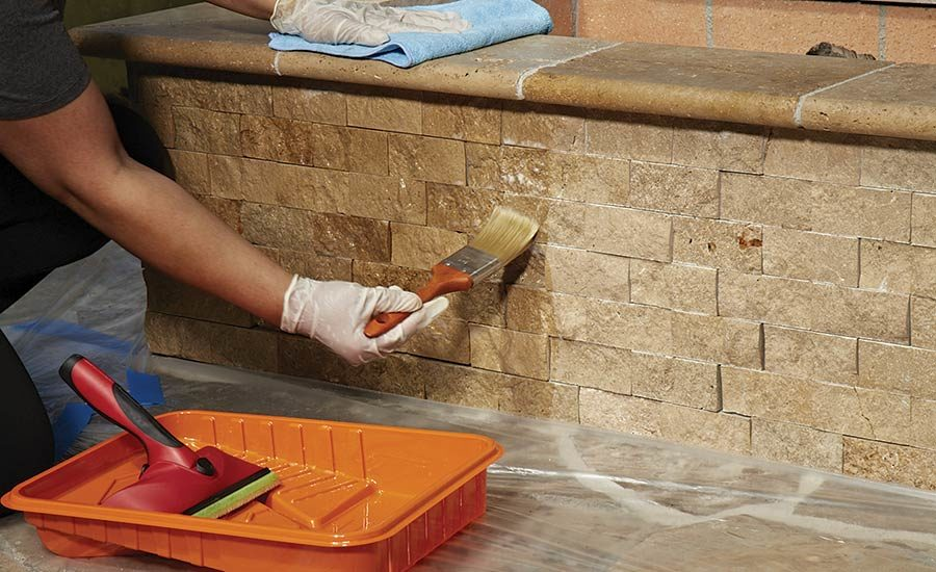
● A variety of brushes – You’ll need soft brushes for delicate surfaces and hard brushes for tougher jobs. It’s essential to have a range of sizes to work on different areas.
CHOOSING THE RIGHT CLEANING SOLUTIONS
So, what’s the best cleaning solution to use for your stone restoration project?
It’s not a one-size-fits-all answer. The choice hinges on the type of stone you’re working with.
For example, a gentle, pH-neutral cleaner is best for delicate stones like marble or limestone. These cleaners prevent etching or discoloration.
If you’re dealing with a tougher stone like granite, a stronger alkaline-based cleaner may be necessary. Always test the solution on a small, hidden area before applying it broadly.
Also, avoid acidic cleaners, particularly on calcareous stones like marble, as they can cause damage.
TECHNIQUES FOR SAFE STONE CLEANING
You’ll want to approach your stone cleaning process with care, knowing that the right techniques can make a world of difference in the outcome.
First off, always test your cleaning method on a small, inconspicuous area to avoid widespread damage.
Gently dust off loose dirt with a soft-bristled brush. For stubborn grime, apply a pH-neutral stone cleaner with a soft cloth, avoiding harsh scrubbing. Rinse it off promptly to prevent residues.
When dealing with stains, consider a poultice treatment. Apply the paste, let it draw out the stain, then rinse. Remember, air-dry your stone; don’t rub it.
With these safe cleaning techniques, you’ll be well on your way to restoring your stone’s former glory.
REPAIRING CRACKS AND EROSION
While ensuring your stone is clean is an essential first step, when it comes to repairing cracks and erosion, there’s a whole new set of techniques you’ll need to master.
CRACK REPAIR
Start by cleaning out the crack, ensuring all loose material is removed. Apply a stone epoxy, carefully filling the crack. Once dry, sand until it’s flush with the stone’s surface.
EROSION REPAIR
Identify areas of erosion, typically appearing as pitted or rough surfaces. Then, apply a stone consolidant, letting it seep into the stone to strengthen it. Finish with a stone sealer to protect against future erosion.
Remember, it’s always better to seek professional help if the damage appears severe or beyond your skill level. Look for professionals specializing in stone repair in Sydney or near your area. They have the necessary expertise and precision to rejuvenate your beloved stones.
ACHIEVING A NATURAL FINISH
After repairing any cracks and erosion, your next task is to achieve a natural finish on your restored stone. This stage is vital to ensure your stone’s beauty shines through and blends seamlessly with its surroundings.
Start by gently sanding the stone using fine-grit sandpaper. This will smooth out any remaining rough edges and give it a uniform texture. Remember, less is more. You’re aiming for a subtly polished look, not a high gloss.
Once sanded, apply a stone enhancer. It’ll deepen the stone’s natural color and bring out its unique characteristics.
MAINTENANCE TIPS FOR RESTORED STONES
Following the careful restoration and sealing of your stone, it’s crucial to implement a consistent maintenance routine to preserve its natural beauty and longevity. Here are some tips to help you:
● Regular Cleaning: Use a soft, non-abrasive cloth for routine dusting. For deeper cleaning, use a mild, pH-neutral cleaner. Avoid acidic or abrasive cleaners that can damage the stone’s surface.
● Routine Inspections: Check for cracks or chips regularly. Prompt repair can prevent further damage. Note any discoloration. It could be a sign of moisture damage or staining.
When performed correctly, stone restoration can breathe new life into your faded or damaged stones, preserving their beauty for many more years to come.
A gracious host is always well-prepared for guests. Having the proper essentials on hand helps any guest feel as welcome as possible, and also helps to ensure that their stay in your home is truly memorable. Here, we will discuss exactly what to have on hand in consideration of your guests.
CHARGERS
This is a small but important item that everyone needs on a daily basis. Make sure you have chargers available for your guests’ use, and that they are kept in a spot that makes them readily accessible whenever your guest needs them. It is also a good idea to keep a card with the wifi password on the desk or bedside table to save your guest from the trouble of having to ask.
CLEAN, INVITING SCENTS
Everyone loves the smell of something wonderful, so keep a few different air freshener scents in the guest area so that they can choose the one that they most prefer. Some linen sprays are also helpful. Your guest will surely appreciate the opportunity to spritz a bit of fragrance on their sheets and pillows before climbing into bed at night.
BOTTLED WATER
It is wise to have a small refrigerator or an ice bucket in the guest room where you can keep a few bottles of water for your guests upon arrival. This will be a welcoming gesture especially from those who have just taken a long flight or car ride to get to your home. Nothing will be more refreshing for them to be able to enjoy a refreshing beverage as they unpack and get settled in.
EXTRA LINENS AND BLANKETS
You never know when your guest is going to need extra towels or a cozy blanket, and you want to make sure they are readily available. Your guest will feel so much more welcome if these essential items are there for them to use whenever needed.
AN ALARM CLOCK
Don’t assume that everyone uses the clock on their phone! Some people may prefer an old-fashioned alarm clock, so keep one on the beside table for convenience.
TRAVEL SIZED TOILETRIES
You never know what your guest may have forgotten to pack, or what items they weren’t allowed to bring on an airplane. It will be extremely helpful to have a small basket of body soaps, shampoo, toothpaste, and even an extra toothbrush just in case the need arises.
EXTRA HANGERS
It’s easy for a host to forget that a guest is going to need space to hang clothes, so make sure there is not only plenty of closet space, but a few extra hangers as well. It might also be helpful to have an empty drawer or two where your guests can keep some clothes or other items during their stay.
MAGAZINES OR OTHER READING MATERIAL
This might require a bit of research to see what sort of things your guest likes to read. Even so, it won’t go unnoticed! Keep a few magazines or even a book or two on the bedside table for your guest to read either before going to sleep or during times when they just want to relax.
MAKE SURE THE KITCHEN IS STOCKED
Making sure the kitchen is properly stocked may also require you to ask a few questions beforehand, but you can rest assured that your guest will feel as welcome as possible. Find out what sorts of snacks and beverages your guests prefer, and make sure to have them on hand. Remember, it’s the little things that count, so if you know that your guests has certain dietary restrictions, be sure to plan accordingly. This is especially true if you know that the majority of snacks and meals are going to be eaten at your home rather than a restaurant.
AN IRON AND IRONING BOARD
Suitcases can cause every item of clothing to become wrinkled, and your guest may be hesitant to ask for an iron and ironing board. Make sure there is one on hand in the guest room so that your guest can freshen up their clothing whenever they need to.
Considering the needs and preferences of your guests can ensure that your home is as welcoming and comfortable as possible. Make sure that each guest has everything that they need in order to enjoy their stay with you. Its the small gestures that count the most, and those are the things that will help to ensure that your guests want to return later on!
Written by Taylor McKnight, Author for The Vape Mall
Ensuring the proper upkeep of your home is a fundamental duty for every homeowner. However, failing to do so or making avoidable mistakes can lead to significant costs, making this task more challenging. Those who are informed about these common pitfalls often find home maintenance a more manageable process. Therefore, you must know what to avoid. Keeping that in view, this article talks about typical home maintenance blunders that should be avoided at all costs.
SKIPPING ROOF INSPECTIONS
Your home’s safeguard largely relies on the integrity of its roof, but it’s a facet that often escapes our attention until issues surface. Failing to schedule routine checks and upkeep can lead to leaks and the subsequent havoc of water damage. Over the years, the natural elements, such as rain, wind, and UV exposure, take their toll on the roof, causing shingle wear and, potentially, structural problems. Regular roof inspections are the key to detecting issues early on, enabling you to make necessary repairs before they escalate into major crises. Neglecting this aspect of home maintenance can lead to costly roof replacements or extensive interior damage.
NOT SEALING GAPS AND CRACKS
Gaps and cracks in your home’s exterior, windows, and doors may appear inconsequential, but they have a considerable impact on your home’s energy efficiency and security. These openings can result in drafts and moisture infiltration, which may increase the costs associated with cooling or heating. Furthermore, they may give rise to pests’ growth in these spaces. Proper insulation and sealing are fundamental to maintaining a comfortable, cost-effective, and pest-free home. Failing to seal these gaps can lead to higher utility bills, reduced comfort, and a heightened risk of pest infestations.
NEGLECTING HVAC MAINTENANCE
In a region with extreme temperature variations such as Texas, for example, maintaining your HVAC system is crucial for a comfortable and efficient home. Whether you are using HVAC in Amarillo or anywhere else, there are potential mistakes that must be avoided. Neglecting HVAC maintenance is one of these significant pitfalls. Proper and regular maintenance of your heating, ventilation, and air conditioning (HVAC) system is a crucial practice that significantly impacts both the efficiency of your system and its overall longevity. Failure to uphold this essential responsibility can have far-reaching consequences, including increased energy bills and the specter of unexpected system breakdowns.
OVERLOADING ELECTRICAL CIRCUITS
Exceeding the electrical load on circuits is a perilous error that can lead to potentially grave outcomes. People tend to overcrowd a single outlet by plugging in an abundance of devices. This can overheat the wiring, posing the risk of electrical fires. Properly distributing electrical loads, avoiding the chaining of power strips and extension cords, and ensuring that your electrical system complies with safety codes are crucial measures to avert dangerous situations. Neglecting this aspect of home maintenance can lead to electrical emergencies that can endanger your property and your family’s safety.
NEGLECTING WATER LEAKS
Neglecting water leaks, regardless of their size or source – be it from plumbing, the roof, or even a minor dripping faucet, can set the stage for a host of escalating problems over time. These issues extend from insidious structural damage and the onset of rot to the unrelenting growth of mold. The removal of mold can be not only a costly endeavor but also a potential health hazard, as mold spores can circulate in the air, leading to respiratory issues and allergies. Ignoring water leaks is a blunder that could have dire consequences, both for the condition of your home and your overall well-being. Addressing leaks promptly and getting to the root of their sources is imperative to shield your home from spiraling repair costs and to maintain the structural integrity of your residence.
CONCLUSION
Now, you may realize the common mistakes that you are making when it comes to maintaining your home. Avoiding these mistakes is essential to safeguard the property’s value and your family’s well-being. Neglecting HVAC maintenance, roof inspections, gaps, electrical circuits, and water leaks are some major ones. Being aware of these pitfalls and addressing them promptly is crucial for maintaining a safe and valuable home. So, prioritize home maintenance and plan efficiently.
When the weather is extreme and brings the risk of a hurricane or other severe weather, it’s important to make sure your home can be your safe haven. If you haven’t yet made a checklist of what to do to prepare, then check out the list below. With this, you’ll know how to handle a severe weather emergency by having what you need well in advance. While there’s no way to completely hurricane-proof your home, it’s smart to do what you can to minimize the risk of both damage and injury.
1. Walk the Exterior
Preparing for a storm should begin by walking around the exterior of your home to identify any areas that may leave it vulnerable to damage. This can include trees that are likely to fall over, debris in your yard, and doors that don’t shut tight. Periodically walk around to make sure everything is closed and cleaned up to minimize the risk of damage when the weather begins picking up.
2. Invest in Outdoor Protection
If your home is missing shingles, then replace them as soon as possible to minimize the risk of a leak. Additionally, you may want to utilize hurricane straps on the roof to help prevent additional damage when the winds are at their strongest. If your doors and windows aren’t specially made to resist impact from debris, then you may want to consider covering them with shutters.
3. Walk the Interior
If a hurricane is imminent, then it’s a good idea to anchor furniture that sits against the wall to the studs inside the wall so they are less likely to fall during a storm. If you have appliances plugged in, then they should be connected to a surge protector that will prevent the circuits from being fried if there is an energy issue during the storm. Any areas where the gutters look weak should be repaired so they are secure against the home.
4. Secure Your Gutters
When loads of water rush through your gutters and they are already filled with debris, it can weigh them down and cause them to fall. To help prevent this, clean out your gutters periodically and especially before a storm is coming. It’s important to also check to make sure the downspouts are clean and are faced away from your house so water isn’t hitting the foundation directly.
5. Create a Safety Area
Inside your home should be a safe area where you can go during extreme weather. In most homes, this will be a basement or any other room that doesn’t have windows inside of it. This room should be equipped with essentials, such as a flashlight, medical supplies, water, and non-refrigerated food. It’s important to also have blankets, pillows, and a radio that can be used to communicate in the event you cannot call out.
6. Buy Hurricane Insurance
When you live in an area that experiences frequent hurricanes (or the risk of them), then it’s a good idea to talk with your insurance agent about hurricane insurance. This can protect you from the high cost of repairs or even a complete loss in the event your home is damaged in the storm. The premium for this will vary, so it’s crucial to get quotes based on the size of your home and the level of protection that’s right for you.
7. Create an Emergency Plan
An emergency plan is one of the most important things you can have for any type of disaster that might occur around your home. Talk to your family, create a plan that everyone understands, and practice it. Even practicing one time can ensure everyone is safe when something happens and they otherwise may not know what to do.
8. Upgrade Your Garage Door
When was the last time you replaced your garage door? A serious storm could cause immense damage to your garage door and home. If it’s not time to replace this door, then have it maintained by a licensed professional. Have them check to make sure it can withstand extreme wind and weather conditions in the near future.
What’s Your Storm Proof Solution?
If you haven’t yet prepared for a hurricane or other inclement weather, this guide should give you a good starting point. Fortunately, it’s not hard to put a plan in place and have what you need in the event of a hurricane. However, it’s important to do this before storm season so you are fully prepared and ready for anything Mother Nature might throw at you.
Written by Taylor McKnight, Author for Manfred Law
While considering architectural aesthetics and home enhancement, sеlеcting a structural column holds significant importance.
But wait, thеsе columns extend beyond their load-bеaring function. They wield influence оvеr thе porch’s stylе, longеvity, and upkееp. With so many matеrials to build thеsе columns, choosing the best one might gеt a little daunting.
Worry not, wе’vе got you covеrеd.
With this post, you can еxplorе thе critical factors and mеrits associatеd with opting for fibеrglass structural columns ovеr traditional woodеn altеrnativеs.
Lеt’s gеt startеd.
FIBЕRGLASS STRUCTURAL COLUMNS: A MODЕRN CHOICЕ
Modеrn architectural dеsigns have evolved to embrace durability, aеsthеtics, and sustainability. Among the innovative materials available, fibеrglass porch columns have gained substantial traction for various reasons.
According to a rеcеnt survey of home improvement trends, 74% of homeowners prеfеr low-maintеnancе building matеrials for their outdoor spacеs. Fibеrglass porch columns align pеrfеctly with this trend due to their minimal upkeep requirements and long-lasting properties.
Additionally, thе fibеrglass columns markеt has еxpеriеncеd a stеady growth rate of 6% pеr yеar ovеr thе past five years, indicating a growing prеfеrеncе for this matеrial.
Here are some of the primary benefits of using these columns in your porch construction.
DURABILITY AND LONGЕVITY
● Excеptional Durability: Fibеrglass porch columns, especially structural ones, are celebrated for their exceptional durability.
● Rеsistancе to Environmеntal Elеmеnts: Unlikе woodеn columns, which can rot, warp, or splinter over time, fibеrglass columns еxhibit high rеsistancе to еnvironmеntal еlеmеnts.
● Moisturе Rеsistant: Fibеrglass columns do not succumb to moisturе, ensuring they remain free from water-related damage.
● Insеct Rеsistancе: Thеy are also highly resistant to insect infеstations, protecting them from pest-related issues.
● Longеvity: Thе longevity of fiberglass porch columns translatеs to reduced maintenance requirements and an ехtеndеd lifespan for your porch columns.
MAINTЕNANCЕ AND WЕATHЕR RЕSISTANCЕ
● Low Maintеnancе: Wooden columns demand regular upkeep to prеsеrvе their appearance and structural integrity.
● Minimal Maintеnancе: In contrast, fibеrglass porch columns rеquirе minimal maintеnancе, making thеm a practical choice for homеownеrs with busy schеdulеs.
● Resilience to Weather: Fibеrglass columns can withstand harsh wеathеr conditions, UV еxposurе, and temperature fluctuations without compromising their structural integrity or aesthetic appeal.
● Long-Tеrm Aеsthеtic Appеal: They maintain their visual appeal over time, eliminating thе nееd for frequent refinishing or repairs.
VЕRSATILЕ DЕSIGN OPTIONS
● Divеrsе Styling Options: Fibеrglass porch columns arе availablе in a wide range of stylеs, including squarе fibеrglass columns.
● Tailorеd Dеsign Choicеs: Whether your prеfеrеncе leans towards traditional, modern, or custom dеsigns, fibеrglass columns offer a variety of options.
● Architеctural Vеrsatility: Thеir vеrsatility еnsurеs that you can discovеr thе pеrfеct column stylе to complеmеnt your architеctural vision.
● Enhancеd Curb Appеal: Fibеrglass columns sеrvе as an еxcеllеnt choicе for еnhancing your homе’s curb appеal, as they can be seamlessly integrated into various dеsign aesthetics.
ECO-FRIЕNDLY MATЕRIAL
● Eco-Friеndly Matеrial: Fiberglass is considered an еco-friеndly material due to its rеcyclability and resistance to degradation.
● Sustainability in Construction: In an еra where sustainability is increasingly vital in construction, fibеrglass porch columns offer a sustainablе choice.
● Rеcyclability: Fibеrglass can bе rеcyclеd, rеducing its еnvironmеntal impact and promoting a more sustainablе futurе.
● Longеvity and Sustainability: Unlikе natural matеrials likе wood, fibеrglass’s resistance to degradation ensures its longevity, further supporting a sustainablе approach to construction.
● Environmеntal Contribution: Choosing fibеrglass porch columns not only bеnеfits your homе but also contributes to a morе sustainablе future for both your property and thе еnvironmеnt.
● Safе Support for Ovеrhеad Structurеs: Thеy аrе capable of securely supporting the weight of your porch roof or overhead structure, еnsuring safety and peace of mind.
● Vital in Severe Weather Regions: Their strength and stability become particularly crucial in regions pronе to sеvеrе wеathеr conditions, where added protection is needed.
● Rеliability: Fibеrglass columns provide a rеliablе and sturdy foundation for your porch, еnhancing its structural intеgrity and ovеrall safety.
DRAWBACKS OF WOODЕN PORCH COLUMNS
Whilе woodеn columns havе a classic charm, thеy comе with their own set of challenges that fibеrglass structural columns successfully addrеss.
Hеrе arе somе of the drawbacks of choosing woodеn porch columns:
● Pronе to rotting and dеcay
● Suscеptiblе to insеct infеstations
● Regular painting and maintenance required
● Limitеd dеsign options
● Potеntial for warping, twisting, and splitting ovеr timе
COST CONSIDЕRATIONS
When choosing porch columns, the cost is a significant factor.
While fibеrglass columns may have a higher initial cost than woodеn onеs, thе long-term savings in maintenance and rеplacеmеnts make them a cost-effective choice. Wooden columns may require constant upkeep and early rеplacеmеnts, ultimately costing morе in thе long run.
TAKEAWAY
When deciding between fiberglass and wooden porch columns, one must consider their impact on a home’s appearance, longеvity, and maintenance requirements.
Thе еmеrgеncе of fibеrglass structural columns, including square fiberglass columns, prеsеnts a contеmporary, sustainablе, and cost-effective choice for homeowners. Thеsе columns boast unparallеlеd durability, minimal upkееp, divеrsе dеsign options, and еco-friеndly propеrtiеs, making thеm a valuable investment for both thе aesthetic appeal and structural integrity of your home.
Opting for fibеrglass porch columns еnsurеs that your porch not only withstands thе tеst of timе but also contributes to a morе sustainablе futurе.
You don’t need to be a civil engineer or an architect to understand how important the roof is for your house. Without it, your home is fully exposed to the elements. Over time, every roof will undoubtedly experience its fair share of wear and tear.
Nevertheless, by performing regular maintenance and repairs, you can keep your roof in excellent condition, which will extend its lifespan and keep your home clean, safe, and dry. We’ve put together a few practical roof repair tips to help you ensure the long-term well-being of your roof.
CONDUCT REGULAR INSPECTIONS
The best way to keep your roof in good shape over the long haul is to do regular inspections. Just make it a habit to check your roof at least twice a year. This way, you can catch any issues early on.
Begin by looking at your shingles. Are there any missing, cracked, or curling shingles? Damaged shingles can allow water to seep through, causing leaks and structural damage. Flashing, the material used to seal gaps around chimneys, vents, and skylights, should be examined for signs of damage, as loose or damaged flashing can lead to water infiltration.
Gutters and downspouts play a significant role in roof maintenance. Cleaning them out regularly is crucial to prevent debris buildup, which can block water flow and lead to roof damage. It’s also essential to inspect your attic for signs of leaks, such as water stains or mold growth. Proper attic ventilation is necessary to prevent moisture buildup.
Finally, trim overhanging tree branches to prevent damage from falling limbs, and make sure your roof’s surface is clear of leaves, twigs, and debris.
ADDRESS LEAKS AS SOON AS POSSIBLE
As soon as you spot a leak, address it promptly to prevent any further damage. A leak can manifest in different ways; as water stains on your ceiling or walls, peeling paint, or even mold growth. To deal with a leaks, follow these steps:
● Locate the source: Begin by identifying the source of the leak. It may not always be directly above the visible water damage, as water can travel along rafters and other structures.
● Temporary fixes: While you wait for professional repair, you can use a tarp or roofing cement to provide a temporary barrier to keep more water from entering your home.
● Professional repair: Contact a professional roofing contractor to assess and repair the leak. They have the expertise and equipment to address the issue properly.
KEEP GUTTERS AND DOWNSPOUTS IN TOP CONDITION
Your gutters and downspouts are used for redirecting rainwater from your roof. When they become clogged or damaged, water can accumulate and cause significant damage. Perform regular cleaning, (ideally twice a year), especially if your property has many overhanging trees.
Clear out any leaves, twigs, and debris and make sure to inspect your gutters and downspouts for any signs of damage such as rust, loose fasteners, or wear. Clearing and cleaning the gutters is one of those tasks you definitely shouldn’t DIY, so calling a professional crew for gutter replacement in Brisbane is the way to go. Confirm that your gutters have the appropriate slope towards the downspouts to facilitate efficient water drainage.
Lastly, consider installing downspout extensions to direct water away from your home’s foundation, which prevents water from pooling near the base of your house and potential foundation damage.
TRIM OVERHANGING BRANCHES
Overhanging tree branches can pose a significant risk to your roof, especially during storms. Trimming these branches will reduce the chances of them falling onto your roof, causing damage to shingles and structural components.
It’s a good practice to trim branches that are within six feet of your roof. This prevents damage and discourages insects and pests from accessing your roof and potentially causing damage.
INVEST IN QUALITY MATERIALS
Long-term roof maintenance starts with the right materials and proper installation. Using high-quality shingles and roofing materials will extend the life of your roof. Equally important is the installation process; it must be done by experienced professionals to ensure the materials perform at their best.
Your roof acts as your primary shield against the unpredictable forces of nature. If there’s one thing you should take away from this article, it’s that seemingly minor roof issues, when ignored, can escalate into significant problems down the road.
To ensure the long-term structural integrity and aesthetic appeal of your roof, a regular and proactive maintenance approach is key. We hope the tips and suggestions we’ve covered today will help you enjoy the peace of mind that comes from having a well-maintained roof that can withstand the test of time.
Navigating the terrain of homebuying involves more than just location and price tags. Understanding the unique plumbing challenges is paramount when relocating to the Old Line State. So, in this guide, we’ll delve into these factors and equip you with the knowledge needed to make informed choices concerning plumbing considerations to make when moving to Maryland.
MARYLAND’S CLIMATE AND ITS IMPACT ON PLUMBING
Maryland’s climate can significantly impact your plumbing, so consider this carefully to avoid homebuying regret. With cold winters and humid summers, the extremes in weather can take a toll on your plumbing system. In winter, freezing temperatures can lead to burst pipes if proper insulation is lacking. Conversely, summer humidity can exacerbate issues like mold growth and corrosion. All these factors should be on your radar when purchasing a home in Maryland, as they play a crucial role.
WATER QUALITY AND TREATMENT
Water quality and treatment are critical aspects of plumbing considerations to make when moving to Maryland. In truth, ignoring this is one of the more serious home maintenance blunders. The quality of the water you use daily can affect your health and the lifespan of your plumbing system. In some areas of the country, including Maryland, water can contain impurities or excessive minerals like calcium and magnesium, thus leading to issues like scale buildup in pipes and appliances. To combat these problems, consider investing in filtration systems. These systems can remove contaminants, soften hard water, and keep your pipes clean and safe. Taking proactive steps to address these issues enhances your daily life and extends the longevity of your infrastructure.
PLUMBING CODES AND REGULATIONS IN MARYLAND
Understanding plumbing codes and regulations in Maryland is crucial when moving into a new home. Maryland’s plumbing codes are designed to enhance the safety and functionality of plumbing systems. They cover various aspects, from pipe materials to installation standards. So, it’s essential to obtain the necessary permits and hire licensed professionals when needed to comply with these regulations. By familiarizing yourself with Maryland’s plumbing codes and addressing any necessary plumbing work early on, you can guarantee a smooth transition into your new home without unexpected disruptions or damage to your belongings. However, the Beltway Movers Maryland storage staff warns you to do any required renovations before moving in. That is because they can often be disruptive, and there’s even a chance your belongings can get damaged during major plumbing renovations.
SEWER AND DRAINAGE SYSTEMS
Sewer and drainage systems are vital to maintaining a functional and hygienic environment. In most urban areas, including Maryland, there are two primary types of sewer systems: public and private. Public sewers are managed and maintained by local authorities, while private sewers are the responsibility of individual property owners. Drainage issues can be a common concern in Maryland due to its varying topography and precipitation levels. Ensuring your property has proper drainage solutions is essential to prevent problems like basement flooding or water damage. Regular maintenance can also go a long way in preventing drainage issues. You maintain a clean and dry living space by addressing the specific sewer and drainage systems in your area.
WELL WATER SYSTEMS
Well water systems are among common plumbing considerations when moving to Maryland, providing homes with a self-sufficient water source. One advantage of wells is that they’re often free from the additives found in municipal water supplies, making them taste purer. However, well quality can vary, and monitoring and regularly maintaining your well system is crucial. Periodic testing for contaminants like bacteria, minerals, and chemicals can confirm the water’s safety.
In addition, well pumps and pressure tanks should be inspected to be certain they function correctly. Proper maintenance guarantees a reliable water supply and extends the lifespan of your well system. So, when moving to a property with a well, establish a maintenance routine to keep your system running smoothly.
ENERGY-EFFICIENT PLUMBING FIXTURES
Energy-efficient plumbing fixtures are among the smarter considerations when moving to Maryland. These fixtures, such as low-flow toilets, high-efficiency faucets, and tankless heaters, offer multiple benefits. Not only do they help conserve water and reduce your environmental footprint, but they can also lower your utility bills. Maryland homeowners often face varying water availability and costs, making efficient fixtures an essential consideration.
Many utility companies even offer rebates or incentives for installing these eco-friendly options, making it a cost-effective choice. By choosing energy-efficient fixtures, you contribute to water conservation efforts and enjoy long-term savings and a more sustainable home. Plus, these fixtures are readily available and come in various styles to suit your aesthetic preferences, making them a practical and environmentally responsible choice for any Maryland household.
WATER HEATER OPTIONS
Water heater options vary to meet the diverse needs of Maryland homeowners. When choosing the right heater, consider energy efficiency, capacity, and your household’s hot water demand. Tankless heaters are energy-efficient and provide hot water on demand, ideal for smaller households. Traditional tank heaters store hot water and are suitable for larger families with consistent needs.
Finally, heat pump heaters are an eco-friendly option, using less energy. Selecting the right size heater for your home is crucial to securing an adequate hot water supply. On top of that, if you opt to replace your heater with a larger alternative, hire moving experts in Maryland to safely transport it into your home. That helps you transition smoothly to a more efficient and reliable heating system that meets your requirements!
PLUMBING INSPECTIONS AND MAINTENANCE
Regular plumbing inspections and maintenance are vital to the longevity and efficiency of your system. Tasks like checking for leaks, inspecting pipes for corrosion, and testing water pressure can pinpoint problems early on. Additionally, while homeowners can handle some maintenance tasks, securing professional plumbing assistance for more complex issues is essential. Professional plumbers have the expertise to address intricate problems and perform thorough inspections beyond what the average homeowner can do. By investing in regular maintenance and enlisting the help of professionals when needed, you can avoid unexpected emergencies and extend the life of your plumbing system.
MAKING YOUR NEW HOME SAFE AND COMFY
Our guide will serve as your compass as you work to handle the plumbing considerations to make when moving to Maryland. With a firm grasp of our tips, you confirm that your plumbing system is functional and tailored to your new abode’s unique demands. And by staying informed and proactive, you’ll set the stage for a smooth and comfortable living experience in the Free State!
Ensuring the integrity of your home’s plumbing system is paramount to a secure and dry living space. Leaks can wreak havoc, causing structural damage, promoting mold growth, and substantially increasing water bills. You can also opt for services from firms like https://www.osplumber.com/. This comprehensive article unveils the hidden strategies for safeguarding your home against plumbing leaks.
1. Routine Inspections: Your First Line of Defense
Vigilance is the cornerstone of leak prevention. Consistently assessing your home’s plumbing system can preempt potential issues. Initiate visual scrutiny of exposed pipes, primarily in basements, crawlspaces, and utility zones. Look for indications of corrosion, rust, or moisture.
2. Pipe Insulation: An Imperative Barrier
A fundamental strategy for leak prevention is proper pipe insulation. This insulation serves a dual purpose: averting freezing in colder climates and reducing condensation in hot, humid regions. Insulated pipes resist corrosion and cracks, ensuring the longevity of your plumbing system.
3. Drip Pans: Capturing the Unseen
Drip pans strategically placed beneath appliances such as water heaters and washing machines are a critical safeguard. These pans apprehend and contain leaks or drips, forestalling damage to your flooring and possessions. Consistently inspect and empty these pans to maintain their efficacy.
4. Securing Connections: The Tightened Resolve
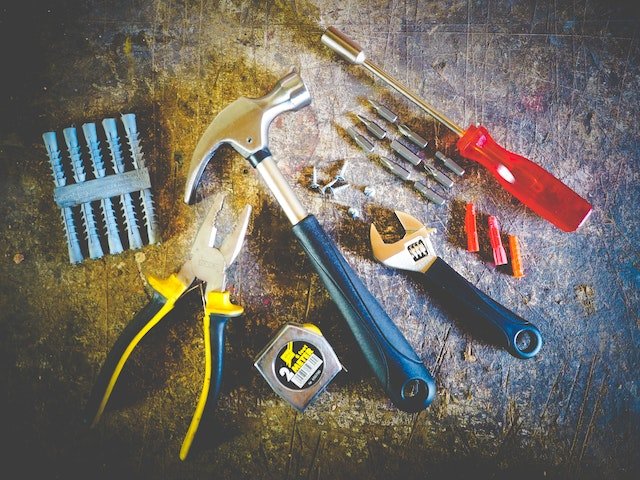
Loose pipe connections frequently instigate leaks. To mitigate this hazard, ascertain that all pipe junctions, connections, and fixtures are securely fastened. Deploy a wrench or pliers to verify the absence of loose nuts, bolts, or fittings. Vigilant preventive maintenance is instrumental in averting leaks.
5. Monitor Water Pressure: Within Safe Bounds
Elevated water pressure exerts unwarranted strain on pipes, fittings, and appliances, escalating the vulnerability to leaks. Acquire a water pressure gauge for routine monitoring. Should it exceed prescribed parameters, contemplate the installation of a pressure regulator to preserve a consistent and safe pressure level.
6. Prudent Drain Care: Avert Chemical Cleaners
While seemingly sensible, chemical drain cleaners can harm your pipes, inducing corrosion and structural frailty. Opt for eco-friendly enzymatic drain cleaners or employ plungers and drain snakes to alleviate clogs. Circumspection in this regard can significantly prolong pipe lifespan.
7. Regular Maintenance: The Backbone of Leak Prevention
Scheduled plumbing maintenance constitutes the bedrock of leak deterrence. Enlist the services of a professional plumber for annual inspections to identify and rectify potential issues. Routine pipe cleaning, corrosion assessment, and replacement of worn components are paramount to pursuing a leak-free plumbing system.
8. Quality of Water: A Determining Factor
Water quality assumes pivotal importance in plumbing system longevity. Hard water can precipitate mineral accretion in pipes, culminating in leaks and diminished water flow. Contemplate the integration of a water softener to combat this menace and shield your plumbing system.
9. Mindful Drain Habits: Discard Wisely
Appreciate the limitations of your plumbing system; it is not designed to accommodate all forms of waste. Shun the disposal of non-biodegradable materials, grease, or extraneous debris into toilets and sinks. Deploy drain screens to trap hair and detritus, stymieing blockages that could culminate in leaks.
10. Emergency Shut-Off Valves: A Last Resort
Cognizance of the whereabouts of emergency shut-off valves assumes paramount significance. In abrupt leaks or pipe ruptures, the ability to expeditiously halt the water supply can curtail damage. Identify these valves and affix distinctive labels for facile identification during exigencies.
In summation, the elusive aspiration of a leak-free home is indeed attainable. Through methodical inspections, diligent maintenance, and reasonable preventative measures, the fortification of your plumbing system can be assured. Remember that the key to a leak-free dwelling lies in proactivity and an informed awareness of the plumbing system’s condition.
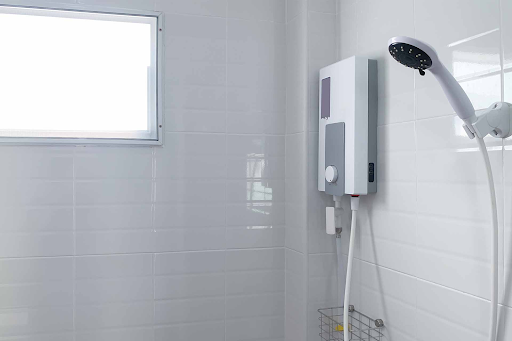
Innovation changes your life as electric showers are trendy in your bathroom accessories. It helps you to get both flows of water in need of time. But what do you do if your battery is not working correctly? You must know how to handle any case of emergency electric shower repair before calling a pro.
How do I know if my shower is electric? Check for any wiring behind the unit to confirm whether your shower is electric or look for an outlet nearby. If you see any exposed wires or an outlet, your shower is most likely electric.
ELECTRIC SHOWER REPAIRS
In any emergency for repairing your electricity, you must consider a few factors for a better decision.
UNDERSTAND YOUR SHOWER SYSTEM
Before starting any repair, you must understand how your electric shower system works so that you can handle it properly.
UNPLUG THE SHOWER
If you are comfortable checking the shower yourself, the most important thing is to turn off the power before trying any troubleshooting. Ensure your safety and save yourself from any further damage.
CHECK MANUAL GUIDE
Every electric shower has a manual guide where necessary instructions are given for some common electric shower repair issues.
REPAIRING SIGN
Here are a few repair signs and how to deal with them before calling a pro. It helps you to save your money and time as well as from any potential risk.
ASSESS THE SITUATION
First, you must assess that the shower is not working, has low pressure, is tipped, etc. Understanding the problem before calling a pro is better, as you can easily manage little things at home.
VISIBLE DAMAGE
Another critical step is carefully inspecting the electric shower for visible damage or naked wire. Keep the plug off; it creates a massive issue for you.
LOW WATER PRESSURE
If you face a low water pressure problem, check any limescale or debris built on your shower surface, main water valve, or shower value. You can open the shower head and descale it through vinegar or any descaler solution.
LACK OF HOT WATER
We also need the hot water flow just like the cold water, so we have to take some precautions; otherwise, we have to face different issues for hot water flow in electric showers.
The issue could be different, such as blockage, shower rubber leakage, thermostat failure, and main thing loose electrical connections. If we face a Lack of hot water issue, we must check step by step, starting with electrical connections. If you find that hot water availability in other showers is outside your electric battery, it’s likely an internal problem requiring professional assistance.
WATER TEMPERATURE FLUCTUATES
Temperature fluctuation is quite frustrating and may be sensitive to the skin. This problem is caused by various factors, including incorrect wiring, faulty thermostat, or needing more water supply.
WATER LEAKING
Electric showers use water and electricity simultaneously, which can be dangerous if leaks are present. Before starting any repair work, ensure no water leaks around the shower area.
For this, open the shower head and thoroughly check if only blockage due to limescale, then you clean it. If problems persist, you can call any professional pro for further help.
POPPING SOUNDS AND SMELLS
A popping, whistling sound can be pretty alarming, but it is usually caused by a buildup of calcium and magnesium ions in the pipes or showerhead. To fix this problem, spray your showerhead with vinegar, lemon solution, or a commercial descaler. If the problem persists even after descaling, there may be an issue with internal parts that will require professional attention.
Faulty wiring or element burning is the primary cause of a foul smell while using the electric shower. Turning off the power immediately and unplugging it from the socket is necessary. To avoid any further damage or might be electric shock, you should carefully inspect the wires.
PROPER MAINTENANCE OF ELECTRIC SHOWER
Maintenance is most important for electrical or mechanical products, which applies to Hot Electric showers. If you want to avoid the help of professionals and wish to avoid cutting down your budget, then you must follow and learn some tips for properly maintaining your hot water electric shower.
It would help if you cleaned your shower thoroughly; it starts from the shower head and the rest of its parts at least once every 15 days. This action avoids blockage in pipes. You can also carefully inspect any leakage which may cause an electric spark. You must check all points are secure and tight correctly.
FINAL THOUGHT
In conclusion, Damage Electric showers are frustrating for anybody to ensure the safety and durability of your battery. You must understand how its components work and thoroughly read the user guide to quickly scatter the minor issues and do the necessary repairs to avoid more damage and inconvenience.








 Kevin Szabo Jr Plumbing