
HOW TO BE THE MOST INFORMED BUYER

HOW TO BE THE MOST INFORMED BUYER

Buying a house is a life milestone that enormously impacts each family member. It is a life-altering event because it involves a lot of changes and financial obligations for our future that need to be planned from a present point of view. Even though we know that things rarely go as planned, you still need to get the most information about the process so you can be prepared at any time for any challenges that might come your way. 

This text will cover some of the most critical personal and market considerations you need to take before you start shopping for a house of your own.

YOUR FINANCES

It is the most critical aspect of buying a house – your financial situation. It will decide whether there are better times to buy a home in the current market. You need to look deeply into your finances and determine whether buying a house will stretch your budget or save your money every month. It is not a straightforward answer, but if you look at your monthly income and expenses, you can compare them, and this shows what will pay off for you in the long run. 

If you provide all the relevant information, you can use mortgage calculators online to make some assumptions and projections of your finances. You can also ask around about mortgage loans for other expenses that come with buying a house, like homeowners insurance, taxes, unexpected fees for closing the deal, and renovation funds and maintenance fees. 

It also depends on the market whether your mortgage loan amount and interest rates will increase or decrease over the years, so you need to make sure you have enough money every month to cover those expenses.

THE AVAILABLE HOUSES TO BUY

If there aren’t a lot of houses on the market, buyers need to be aware that it may take them a while to find a home that will meet their needs and will fit their price range, and when they see it, they should know that the competition from other buyers for the same house could be pretty fierce. But if there are many houses, the sellers might be at a disadvantage, and buyers can choose and negotiate the terms. 

That being said, deep research of the real estate market should be done, and you, as a buyer, should also consult real estate agents for property managers who will share their invaluable knowledge about the current trends and help you make an informed decision.

THE AVERAGE DAYS ON THE MARKET

The average time to close on a house is 3 to 4 weeks between all the inspections, appraisals, title due diligence, and other tasks that need to be completed. If the average days on the market in your area are under one month, the market is highly competitive, so you need to take some action steps to get the seller’s attention.

If it is vice versa and the house slowly sells, you can use that information to your advantage, too. For example, if the house has been on the market for 20 or 30 days already, its seller is probably getting anxious and might be willing to accept some changes and even consider a lower-than-offering price offer. 

Knowing these things reasonably determines whether it is an excellent time to buy or wait.

THE NEIGHBORHOOD AND COMMUNITY

Another vital factor when buying a house is understanding the neighborhood and the community and seeing whether the lifestyle matches yours. Crime statistics are essential, too, because you don’t want to buy a house where criminal activity has been recorded. Also, maybe down the road, you will sell or rent the house, so you need to think about whether your house, as a vacant property, will be an invitation for burglary or squatting.

CONSIDER THE COMMUTE

Next, consider the public transport and how you will commute to your job or get the kids to school. If you own your vehicle, be aware that the gas price might grow over time, so using public transport will be your most cost-efficient option. So, with that in mind, think about whether moving to a place in the suburbs will be a better deal for your bottom line when it comes to housing because you might spend more than expected.

UPKEEP AND MAINTENANCE

When renting, you can rely on your landlord to cover repair costs for things like burst pipes or electrical issues, though the wait for repairs could be better. However, as a homeowner, you’re responsible for all maintenance and repair expenses, such as fixing a broken water heater or a leaky roof, which can deplete your savings or necessitate using credit. Consider if you have the funds or available credit to manage these unexpected costs, as some repairs, like a leaky roof, can only be delayed by causing additional problems, unlike less urgent issues like a lack of hot water.

CONCLUSION

If you want to buy a house, you must make informed decisions. You must thoroughly research the market, the factors that influence it, and your financial condition. You can even ask a real estate agent or property manager to help you understand what is happening on the market right now. Only then will you be able to make the right decision. Buying a house is a critical life milestone; you shouldn’t take it for granted and make hasty decisions.

HOW TO CHOOSE THE RIGHT CONTRACTORS FOR YOUR HOME RENOVATIONS IN EL PASO, TX

When it comes to renovating your home, finding the right contractor can make all the difference. Whether you’re updating your kitchen, adding an extra room, or giving your entire home a facelift, you need reliable professionals like the team from https://elpasoscontractor.com/  to bring your vision to life. In El Paso, TX, there are numerous options, but not all contractors are created equal. This guide will help you choose expert contractors who will ensure your home renovation project is a success.

UNDERSTANDING YOUR RENOVATION NEEDS

Before you start searching for a contractor, it’s essential to have a clear understanding of what you want to achieve with your renovation. Do you need a minor update, like repainting or replacing fixtures, or are you planning a major overhaul? Knowing the scope of your project will help you narrow down your choices and communicate effectively with potential contractors.

  • Assessing the Scope of Work: Make a list of everything you want to be done. The more detailed you are, the better.
  • Setting a Budget: Determine how much you’re willing to spend. This will influence the type of contractor you choose.
  • Timeline Considerations: Decide on a timeline for your project. Some contractors might be booked months in advance, so plan accordingly.

RESEARCHING POTENTIAL CONTRACTORS

Once you have a clear idea of your renovation needs, it’s time to start researching contractors in El Paso. This step is crucial as it helps you identify those who specialize in the type of work you require.

  • Online Reviews and Ratings: Websites like Yelp, Google Reviews, and Angie’s List are great places to start. Look for contractors with consistently high ratings and read through customer reviews to get a sense of their reliability and quality of work.
  • Ask for Recommendations: Word of mouth is powerful. Ask friends, family, or neighbors who have had similar work done for their recommendations.
  • Check Their Portfolio: Most reputable contractors will have a portfolio of their previous work. Reviewing this can give you an idea of their style and quality.

VERIFYING CREDENTIALS AND EXPERIENCE

Not all contractors are qualified to handle every type of renovation. Ensuring that your contractor has the necessary credentials and experience is vital to the success of your project.

  • Licensing and Insurance: In Texas, contractors must have a license to operate legally. Verify that your contractor is licensed and has insurance to cover any potential damages or injuries during the project.
  • Years of Experience: Experience matters. Contractors with several years in the business are likely to have a better understanding of the challenges that may arise during a renovation.
  • Specialization: Some contractors specialize in certain types of renovations, such as kitchen remodels or bathroom upgrades. Choose one who has expertise in the area you need.

GETTING MULTIPLE QUOTES

It’s always wise to get multiple quotes before making your final decision. This not only helps you find a contractor who fits your budget but also allows you to compare the services offered.

  • Detailed Proposals: A good contractor will provide a detailed proposal outlining the cost of materials, labor, and any additional fees. Make sure everything is included, so there are no surprises later on.
  • Comparing Apples to Apples: When comparing quotes, ensure that each contractor is bidding on the same scope of work. Differences in cost might be due to varying levels of detail or quality in the materials used.
  • Negotiating the Price: Don’t be afraid to negotiate. While you want to stay within your budget, remember that the cheapest option isn’t always the best.

CONDUCTING INTERVIEWS

Once you’ve narrowed down your list of potential contractors, it’s time to conduct interviews. This step allows you to assess their communication skills, professionalism, and compatibility with your project.

  • Ask the Right Questions: Inquire about their experience with similar projects, their approach to problem-solving, and how they handle unexpected issues. You might also ask for references from past clients.
  • Assess Communication Skills: A contractor who communicates clearly and promptly is invaluable. Misunderstandings can lead to delays and additional costs, so ensure your contractor is someone you can easily communicate with.
  • Trust Your Instincts: If something feels off during the interview, it’s okay to walk away. You need to feel comfortable and confident in your contractor’s abilities.

REVIEWING THE CONTRACT

Before any work begins, make sure you have a detailed contract in place. This document should outline all aspects of the project, including timelines, payment schedules, and the scope of work.

  • Clear Payment Terms: The contract should specify how and when payments will be made. Avoid contractors who demand full payment upfront.
  • Detailed Scope of Work: Ensure that every task is listed in the contract, along with the materials to be used. This prevents misunderstandings later on.
  • Warranties and Guarantees: Check if the contractor offers any warranties on their work. This can provide peace of mind in case something goes wrong after the project is completed.

MONITORING THE PROJECT

Even after choosing the right contractor, your job isn’t done. It’s important to stay involved throughout the renovation process to ensure everything goes smoothly.

  • Regular Check-Ins: Visit the site regularly to monitor progress and address any issues that may arise. This also shows the contractor that you are serious about the quality of the work.
  • Stay Flexible: Renovations often come with unexpected challenges. Being flexible and open to minor changes can help keep the project on track.
  • Final Walkthrough: Before making the final payment, conduct a thorough walkthrough with the contractor to ensure everything has been completed to your satisfaction.

RED FLAGS TO WATCH OUT FOR

While most contractors are honest professionals, there are a few red flags that can indicate potential problems. Being aware of these can save you from a lot of stress and financial loss.

  • Unusually Low Bids: If a bid seems too good to be true, it probably is. Low bids might mean the contractor is cutting corners or using subpar materials.
  • Lack of Transparency: A contractor who is vague about details or reluctant to provide a written contract should be avoided.
  • Poor Communication: If a contractor is hard to reach or doesn’t respond to your inquiries promptly, it’s a sign that they might not be reliable.

CONCLUSION: THE RIGHT CONTRACTOR MAKES ALL THE DIFFERENCE

Choosing the right contractor for your home renovations in El Paso, TX, can make the difference between a dream home and a renovation nightmare. By doing your research, asking the right questions, and staying involved throughout the process, you can ensure that your project is completed on time, within budget, and to your satisfaction. Remember, expert contractors will not only meet your expectations but will strive to exceed them, turning your renovation vision into a reality.

THE SILENT THREAT: OVERHEATING ELECTRONICS

(photo credit: Microsoft Images)

The increasing reliance on electronic devices has brought about a growing concern about overheating. Exceeding safe operating temperatures can lead to a cascade of problems, from diminished performance to permanent damage. Understanding the causes of overheating and implementing preventive measures is crucial for protecting your devices and ensuring their longevity.

Several factors contribute to electronic overheating. Loose connections within devices can generate heat as electrical resistance increases. Insulation breakdown caused by age or wear can also lead to overheating. Inadequate airflow, often due to poor ventilation or device placement, traps heat and exacerbates the problem. Additionally, the miniaturization of electronic components in modern devices creates challenges in dissipating heat effectively.

The consequences of overheating can be severe. Irreversible damage to internal components, shortened battery life, and reduced device performance are common issues. In some cases, overheating can even lead to fires or explosions. To mitigate these risks, it is essential to follow manufacturer recommendations for device usage and storage.

Thermal conductivity instruments can be used to measure and monitor the temperature of electronic components during the design and testing phase. This information can help engineers identify potential hotspots and implement cooling solutions to prevent overheating. By being aware of the risks and taking proactive steps to prevent overheating, you can extend the life of your electronic devices and protect your investment.

Understanding the causes and effects of overheating is essential for protecting your valuable electronic devices. You can extend the life of your devices and ensure optimal performance by taking proactive steps. The resource below provides a visual representation of the causes and consequences of electronic overheating, along with preventive measures.

WHAT TO DO WHEN YOUR PARTNER REFUSE TO SELL HOME?

Being a homeowner is often seen as a big accomplishment that represents stability and a shared commitment. However, conflicting viewpoints may surface when things change and the prospect of selling the house comes up. One partner’s refusal to sell the house may result in a complicated and delicate scenario. It can really make a difference to know what solutions for buying partner out are available and how to handle this delicate situation.

Open Communication

The refusal to sell a home often stems from deeper emotions or concerns that need to be addressed. It’s crucial to start with an open and honest conversation, where both parties can express their feelings without judgment. Understanding the reasons behind the refusal can help in finding a common ground. Perhaps the home holds sentimental value, or there’s a fear of financial instability. By acknowledging these concerns, couples can work towards a solution that respects both perspectives.

Explore Compromise

In situations where both partners have differing views, compromise can be the key to resolving the conflict. Consider exploring alternative solutions that might satisfy both of you. For instance, if one partner is hesitant to sell because of sentimental value, you could propose renting out the property instead of selling it outright. Alternatively, you might agree to delay the sale until certain conditions are met, such as finding a new home that both of you love. Compromise can prevent the situation from becoming a deadlock and help maintain harmony in the relationship.

Evaluate Financial Implications
Selling a home involves significant financial considerations, and it’s important to evaluate these before making any decisions. If your partner is reluctant to sell due to financial concerns, it’s essential to understand their perspective. Discuss the financial implications of selling, including potential profits, costs associated with moving, and the impact on your long-term financial goals. Bringing in a financial advisor to provide an objective assessment might help both parties see the situation more clearly and make an informed decision.

Consider Legal Advice
If the disagreement persists and communication breaks down, seeking legal advice might be necessary. Understanding your legal rights in a property dispute is crucial, especially if the home is jointly owned. A real estate attorney can explain your options, including the potential for mediation or arbitration. In some cases, legal intervention might be needed to resolve the issue, but this should be considered a last resort, as it can be stressful and costly.

Assess Emotional Factors
The decision to sell a home is often tied to deep emotional factors, and it’s important to acknowledge these when discussing the sale with your partner. For many, a home represents security, memories, and a sense of identity. If your partner is resisting the sale, they may be struggling with the emotional impact of letting go. Consider seeking the help of a therapist or counselor to navigate these emotions together. Understanding the underlying emotional factors can help both partners move forward with compassion and understanding.

Plan for the Future

One way to move past a disagreement about  buying and selling a house is to focus on the future. Sit down with your partner and set common goals for your lives together. Whether it’s financial stability, raising a family, or pursuing new opportunities, having a shared vision can make the decision to sell more about achieving those goals than just a transactional move. When both partners see the bigger picture, it can make the decision to sell (or not sell) less contentious.

Weigh the Impact on the Relationship

The decision to sell a home shouldn’t come at the expense of your relationship. Weigh the potential impact of the disagreement on your partnership. Is the conflict creating ongoing tension? Is it affecting your ability to communicate and support each other? Sometimes, taking a step back and prioritizing the health of your relationship can lead to a more peaceful resolution. Remember that the home is just one aspect of your life together, and maintaining a strong, supportive partnership is ultimately more important.

Explore Alternative Living Arrangements

If selling the home isn’t an option, it may be worth exploring alternative living arrangements that satisfy both partners. For example, if space is a concern, consider renovating the home to better meet your needs. Alternatively, one partner could consider moving out temporarily if the other wishes to stay. Creative solutions like these can provide temporary relief and give both partners time to reassess their feelings about selling the property in the future.

Focus on the Long-Term Benefits

Sometimes, focusing on the long-term benefits of selling the home can help shift perspectives. If the sale will lead to financial freedom, the opportunity to move to a more desirable location, or the chance to downsize and simplify life, these advantages should be highlighted. Reminding your partner of the positive outcomes that can come from selling might help them reconsider their position. Long-term thinking can also reduce the emotional weight of the decision, making it easier to move forward.

THE ESSENTIALS OF HOME CONSTRUCTION: DESIGNING FOR EVERY ROOM

Building a home is a monumental task that requires careful planning and attention to detail in every room. From the living room to the gaming room, each space serves a unique purpose and should be tailored to meet the needs of the residents. Below is a guide to key considerations when designing the living room, kitchen, kids’ room, and gaming room, ensuring that your home is both functional and stylish.

1. Living Room: The Heart of the Home

The living room is often the focal point of the home—a place where family and friends gather to relax, entertain, and spend quality time together.

  • Open Concept Design: An open-concept layout can create a sense of spaciousness by connecting the living room seamlessly with adjacent areas like the kitchen or dining room. This design not only fosters a more social environment but also allows for flexible furniture arrangements.
  • Natural Light: Incorporating large windows or even floor-to-ceiling glass doors will flood the room with natural light, making it feel warm and inviting. Consider positioning the windows to capture the best views and sunlight throughout the day.
  • Built-In Storage: To maintain a clutter-free environment, plan for built-in storage solutions such as custom shelving, entertainment centers, or hidden compartments. These not only enhance the room’s aesthetics but also add valuable storage space without taking up additional floor area.
  • Comfortable Seating: Prioritize comfort by selecting high-quality sofas and chairs. Consider a sectional sofa for larger spaces, or a mix of armchairs and loveseats for a cozier, more intimate feel.
  • Personal Touches: Incorporate personal touches like family photos, artwork, or unique decor pieces that reflect your style and make the space feel like home.

2. Kitchen: The Culinary Hub

The kitchen is often considered the heart of the home, especially for those who love to cook and entertain. A well-designed kitchen can make meal preparation more enjoyable and efficient.

  • Functional Layout: The kitchen work triangle—comprising the sink, stove, and refrigerator—is a classic layout that maximizes efficiency. Ensure that these three elements are within easy reach of each other, with ample countertop space in between.
  • Quality Materials: The kitchen sees heavy daily use, so it’s essential to choose durable materials. Opt for countertops made from granite, quartz, or butcher block for longevity. For cabinetry, consider hardwood or high-quality laminates that can withstand the rigors of cooking.
  • Smart Appliances: Integrating smart technology into your kitchen can significantly enhance your cooking experience. From refrigerators that can monitor groceries to ovens that can be preheated from your smartphone, these modern conveniences save time and effort.
  • Ample Storage: A clutter-free kitchen is a more enjoyable space. Plan for plenty of storage, including deep drawers for pots and pans, pull-out shelves for pantry items, and overhead cabinets for infrequently used items.
  • Lighting: Layered lighting is key in the kitchen. Combine task lighting under cabinets with ambient lighting from ceiling fixtures, and add accent lighting for highlighting special features like a backsplash or island.

3. Kids’ Room: A Space to Grow

A child’s room is more than just a place to sleep; it’s a space where they play, learn, and grow. Designing a kids’ room requires balancing fun and functionality.

  • Safety First: Safety should be a top priority when designing a kids’ room. Use non-toxic paints and child-safe materials for flooring and furniture. Secure heavy furniture to the wall to prevent tipping, and choose window treatments that are free from dangling cords.
  • Versatile Furniture: Children grow quickly, and their needs change just as fast. Invest in versatile furniture that can adapt over time. For example, consider a bed that can transition from a crib to a toddler bed, or a desk that can be adjusted as your child grows.
  • Creative Storage Solutions: Keeping a kids’ room organized can be a challenge, but with the right storage solutions, it becomes easier. Built-in shelves, under-bed storage, and multi-functional furniture (like ottomans that double as toy chests) help keep toys, books, and clothes in order.
  • Personalized Space: Let your child’s personality shine through in their room design. Whether it’s through themed decor, their favorite colors, or a dedicated space for their hobbies, personalizing the room makes it more enjoyable for them.
  • Study Area: As your child grows, consider adding a dedicated study area with a desk, chair, and good lighting. This will encourage good study habits and provide a quiet space for homework.

4. Gaming Room: The Ultimate Entertainment Zone

In today’s digital age, a gaming room is a dream space for many households. Whether you’re an avid gamer or enjoy movie nights, designing a dedicated entertainment zone requires special considerations.

  • Soundproofing: Gaming rooms can get loud, especially during intense sessions. To prevent noise from disturbing the rest of the house, invest in soundproofing. Acoustic panels, thick carpets, and heavy curtains can help dampen sound.
  • Comfortable Seating: Gaming sessions can last for hours, so comfort is key. Opt for ergonomic chairs that provide ample support, or even consider a recliner or gaming couch that allows you to stretch out during long playtimes.
  • High-Tech Setup: A gaming room isn’t complete without the latest technology. Ensure the room has enough power outlets and USB ports to accommodate multiple consoles, a large TV or projector, and any other gaming accessories. Consider wall-mounting the TV for a better viewing angle and to save space.
  • Lighting: Adjustable lighting is crucial in a gaming room. Too much light can create glare on screens, while too little can strain the eyes. LED strips or dimmable lights can create the perfect ambiance.
  • Organization: Keep cables, controllers, and games organized with dedicated storage solutions. Wall-mounted racks or shelves can keep everything within reach and neatly arranged.
  • Multifunctionality: If space allows, consider making the gaming room multifunctional by adding a small kitchenette for snacks and drinks, or a comfortable seating area for movie nights. This transforms the space into an all-purpose entertainment room.

For those who take their gaming seriously, having a dedicated space is essential. To enhance your gaming experience, explore the latest tools and resources by visiting KWG login.

Conclusion

Designing a home that meets the needs of every member of the family requires thoughtful planning and attention to detail. Whether it’s creating a warm and welcoming living room, a functional and stylish kitchen, a fun and safe kids’ room, or a high-tech gaming room, each space should reflect your lifestyle and preferences. With careful consideration of each room’s purpose and layout, your home will not only be beautiful but also a place where everyone feels comfortable and content

WHAT CAUSES CONDENSATION ON YOUR CEILING? HOW TO DEAL WITH IT?

You must know that condensation is a common phenomenon where warm, moist air meets a cold surface. It leads to the formation of water droplets. This can undoubtedly occur on different surfaces within your home. Condensation on the ceiling often poses a significant issue. It is not a minor annoyance; ignoring it can lead to severe consequences like mould growth and structural damage. Understanding the causes of ceiling condensation is essential for addressing and preventing harmful effects.

  • Understanding the causes

According to experts at Price Brothers Restoration, poor ventilation is one of the leading causes of sealing condensation. Insufficient ventilation traps moisture inside your home, leading to an increase in humidity levels. When the moist air comes into contact with cold ceiling surfaces, condensation forms.

Kitchens and bathrooms are the main culprits when it comes to producing moisture. Cooking boiling water and using the dishwasher contribute to high humidity levels in your kitchen. At the same time, taking hot showers and baths increases humidity in the bathroom. The moisture has somewhere to go without proper ventilation, leading to condensation issues.

Insulation plays a vital role in preventing heat loss and moisture buildup. Poor insulation allows warm air from inside the home to escape, making the ceiling surface cold and more prone to condensation when it comes into contact with moist air.

High humidity levels inside your home are a major contributor to condensation. Everyday activities like cooking, showering, and drying clothes indoors can also raise humidity levels. Kitchens and bathrooms are the main sources of humidity, but other activities, including drying clothes inside using humidifiers, can even add to the moisture levels in the air.

  • Preventing and resolving ceiling condensation

It would help if you enhanced ventilation in critical areas of your home. You can install and regularly use exhaust fans in the kitchen and bathroom. Just ensure these fans go outside and not just into the attic, as this can create moisture problems elsewhere in your home.

1. Good insulation can help reduce heat loss, keeping the sealing surface warmer and least likely to condense moisture. It also maintains a stable indoor climate, reducing temperature disparities that can even lead to condensation.

2. Dehumidifiers can remove excess moisture from the air, especially in humid climates or during the winter months. Your home should be well-ventilated, with windows and vents open whenever possible to allow moist air to escape. Furthermore, you should avoid drying clothes indoors. If you must, you should use a clothes dryer with a vent that leads outside. Similarly, you must ensure that your dishes are thoroughly dried before storing them to reduce moisture in the air.

Condensation on the ceiling is a common but potentially severe problemyou should not ignore. By addressing ceiling condensation in time, you can maintain a healthy, comfortable, and safe home environment. In cases where condensation persists, professional inspection and repair are essential to prevent mould growth.

WHY USING A DESIGN & RENOVATION COMPANY IS A NO-BRAINER

You must know that condensation is a common phenomenon where warm, moist air meets a cold surface. It leads to the formation of water droplets. This can undoubtedly occur on different surfaces within your home. Condensation on the ceiling often poses a significant issue. It is not a minor annoyance; ignoring it can lead to severe consequences like mould growth and structural damage. Understanding the causes of ceiling condensation is essential for addressing and preventing harmful effects.

  • Understanding the causes

According to experts at Price Brothers Restoration, poor ventilation is one of the leading causes of sealing condensation. Insufficient ventilation traps moisture inside your home, leading to an increase in humidity levels. When the moist air comes into contact with cold ceiling surfaces, condensation forms.

Kitchens and bathrooms are the main culprits when it comes to producing moisture. Cooking boiling water and using the dishwasher contribute to high humidity levels in your kitchen. At the same time, taking hot showers and baths increases humidity in the bathroom. The moisture has somewhere to go without proper ventilation, leading to condensation issues.

Insulation plays a vital role in preventing heat loss and moisture buildup. Poor insulation allows warm air from inside the home to escape, making the ceiling surface cold and more prone to condensation when it comes into contact with moist air.

High humidity levels inside your home are a major contributor to condensation. Everyday activities like cooking, showering, and drying clothes indoors can also raise humidity levels. Kitchens and bathrooms are the main sources of humidity, but other activities, including drying clothes inside using humidifiers, can even add to the moisture levels in the air.

  • Preventing and resolving ceiling condensation

It would help if you enhanced ventilation in critical areas of your home. You can install and regularly use exhaust fans in the kitchen and bathroom. Just ensure these fans go outside and not just into the attic, as this can create moisture problems elsewhere in your home.

  1. Good insulation can help reduce heat loss, keeping the sealing surface warmer and least likely to condense moisture. It also maintains a stable indoor climate, reducing temperature disparities that can even lead to condensation.
  1. Dehumidifiers can remove excess moisture from the air, especially in humid climates or during the winter months. Your home should be well-ventilated, with windows and vents open whenever possible to allow moist air to escape. Furthermore, you should avoid drying clothes indoors. If you must, you should use a clothes dryer with a vent that leads outside. Similarly, you must ensure that your dishes are thoroughly dried before storing them to reduce moisture in the air.

Condensation on the ceiling is a common but potentially severe problem you should not ignore. By addressing ceiling condensation in time, you can maintain a healthy, comfortable, and safe home environment. In cases where condensation persists, professional inspection and repair are essential to prevent mould growth.

CHOOSING THE RIGHT COMMERCIAL GRIDDLE AND OVEN COMBO: ADDING VALUE TO YOUR KITCHEN

In the catering sector, the choice of kitchen equipment influences food quality and kitchen efficiency. Thanks to their versatility and efficiency, commercial stoves and combi ovens are fast becoming the ideal choice for modern restaurant kitchens. But with so many appliances on the market, how do you choose the one that best suits your needs? In this article, you’ll find a buying guide to help you add value to your restaurant.

1. Common types of commercial ovens and their advantages and disadvantages

Before choosing a combined commercial oven and grill, it’s important to understand the different types of commercial ovens and their advantages and disadvantages. Some of the most common types of commercial ovens are listed below:

Convection oven

Advantages: convection ovens circulate hot air through a built-in fan to heat food evenly. They are suitable for baking bulky bakery products such as bread, cakes, cookies, etc. They are fast and can bake at lower temperatures, saving energy.

Disadvantages: convection ovens are not suitable for certain types of pastry that require special humidity control, such as pastries or puff pastry. In addition, light ingredients may shift or expand unevenly when fans are used.

Traditional oven

Advantages: traditional ovens have no fans and heat is transmitted by natural convection, making them suitable for cooking products that require slow heating and precise control. They are best suited to certain traditional dishes, such as slow-cooked meats and baked desserts.

Disadvantages: they take longer to cook, and temperatures can vary from one cocotte to another. They are less efficient when it comes to baking large quantities of bakery products during peak hours.

Pizza oven

Advantages: designed for baking pizzas, they quickly produce evenly heated pizzas with crispy crusts at very high temperatures. The oven’s internal design generally allows heat to be concentrated in the materials, improving baking results.

Disadvantages: pizza ovens are limited and designed primarily for baking pizzas; other foods cannot achieve the same baking results. As a result, pizza ovens are generally only suitable for specialized pizzerias.

Combination steam oven

Advantages: this type of oven combines the benefits of steam and hot air, making food healthier and preserving the moisture and nutrients in ingredients. It’s ideal for steaming fish, vegetables and other foods requiring humidification.

Disadvantages: steam mode is more difficult to use and maintain, and requires regular cleaning and maintenance of the steam system. In addition, the high price of this oven makes it unsuitable for low-cost kitchens.

2. The benefits of a commercial fan and oven combination

Now that you understand the different types of commercial ovens, the benefits of a cooktop and commercial oven combination become even more important. Here are some of the main benefits of this device:

Versatility

Industrial fryer and oven combinations combine the functions of a fan and an oven, providing the ability to fry and bake simultaneously. For kitchens that need to efficiently prepare multiple dishes, this versatile device can greatly improve efficiency and reduce the time spent switching between different appliances.

Saves Space

This combination device saves valuable kitchen space. Traditional kitchens require separate fans and ovens, which not only take up space but also clutter the kitchen. Combination appliances maximize space utilization through their integrated design, making your kitchen layout more compact and smart.

Improve Efficiency

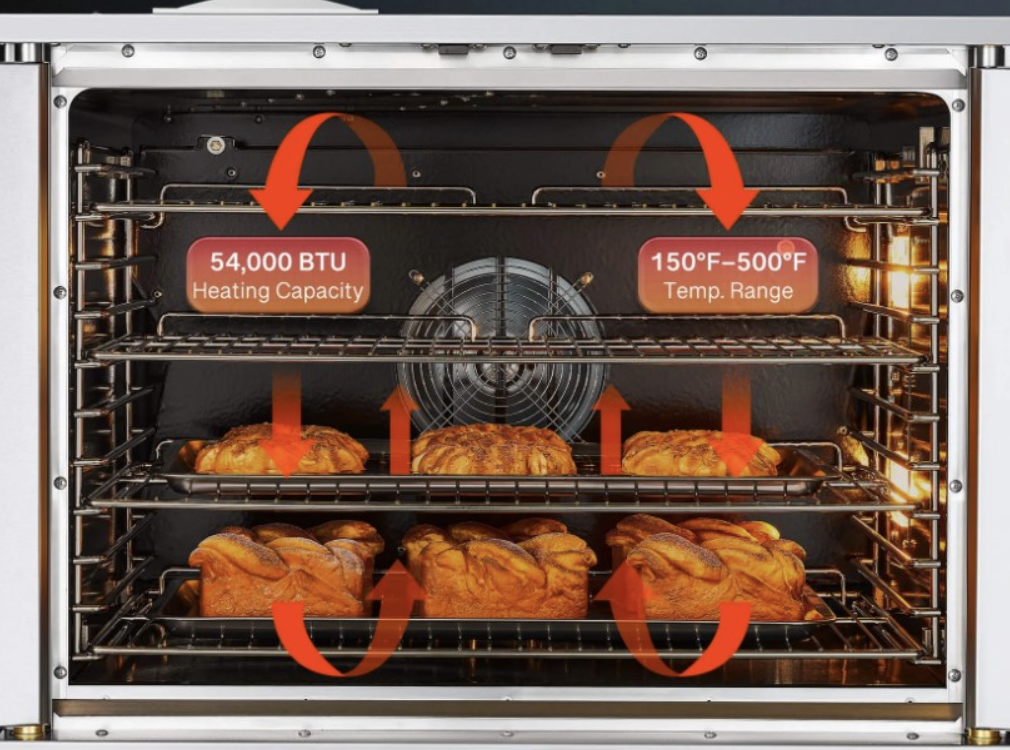
Commercial fan and oven combinations improve the overall efficiency of your kitchen by reducing the number of steps and appliances. For example, the Wilprep Commercial Gas Convection Oven has a 7 cubic foot cooking chamber, a powerful 54,000 BTU heating capacity, and the flexibility of multiple settings and speeds. This device is designed to help chefs complete cooking tasks faster.

Easy to clean and maintain

Many commercial grill and oven combos are made with materials and designs that are easy to clean. For example, ceramic inner walls and stainless steel outer walls are porous and easy to clean, while also being durable and corrosion-resistant. This design reduces the time spent cleaning and maintaining the equipment, which in turn reduces operating costs.

Improve the quality of your cooking

Since combined units can perform multiple cooking methods simultaneously, food is cooked faster and more evenly. This not only speeds up food delivery, but also ensures consistency in food quality, helping restaurants stay ahead of the curve in a competitive market.

3. How to Choose the Right Combination Equipment for Your Fryer and Oven

Consider the following factors when choosing a fryer and oven combination:

Kitchen Space

Start by assessing the space available in your kitchen. Combination appliances can save space, but appliance placement in a small kitchen must be carefully planned to ensure ease of use and safety.

Kitchen Requirements

Choose the right equipment based on your restaurant’s menu and cooking needs. If your restaurant needs to cook and fry ingredients frequently and quickly, a high-heat, high-flow grill is the ideal device.

Budget

Equipment costs are also important. While the initial investment cost of a commercial griddle and oven combination may be higher, its versatility and improved efficiency can save your restaurant money in the long run.

Brand and After-Sales Service

Choosing a reliable brand and having quality after-sales service are also important factors.

4. Summary

Choosing the right combination of commercial cookware and oven equipment will not only improve the efficiency of your kitchen operations but will also add significant value to your restaurant in the long run. Before making a purchasing decision, carefully consider your kitchen needs and budget and select the equipment that best suits your restaurant’s requirements. By investing in the right equipment, you can improve the quality of your food, optimize your kitchen operations, add value to your restaurant and stay one step ahead of the competition.

EXPERT ROOF MAINTENANCE SERVICES FOR OPTIMAL HOME PROTECTION

Maintaining a roof is crucial for the safety and longevity of any building. Regular inspections can help spot potential problems before they become costly repairs. Keeping your roof in good condition also protects against weather and environmental damage.

Ignoring roof maintenance can lead to leaks and other serious issues. In this guide, we will discuss expert roof maintenance services for optimal home protection.

COMPREHENSIVE ROOF CLEANING

Keeping your roof clean is an important part of prolonging roof life. Dirt, moss, and algae can build up over time, causing wear and tear. Regular cleaning helps prevent damage and keeps your roof looking nice.

Professional roof cleaning services remove debris and growth that can harm your roof. They use special tools and cleaners to get the job done safely. By doing this, they help prolong roof life and save you money.

GUTTER MAINTENANCE AND REPAIR

Gutters are essential for directing water away from your home. This helps prevent water damage to the roof, walls, and foundation. Regular maintenance ensures your gutters work properly and last longer.

Professional roofing company offers expert gutter maintenance and repair services. They clean out debris and fix any issues to keep your gutters in top shape. By taking care of your gutters, you can avoid costly water damage repairs in the future.

ADDRESSING ROOF LEAKS PROMPTLY

Addressing roof leaks promptly is crucial for maintaining a safe home. Ignoring small leaks can lead to bigger issues like mold growth and structural damage. Professional roof upkeep helps identify and repair leaks early, saving you money in the long run.

Quick action prevents water damage to ceilings and walls. Always have a professional inspect your roof after severe weather. Regular check-ups ensure your roof stays in good condition and protects your home efficiently.

PAINTING AND SEALING YOUR ROOF

Painting and sealing your roof is a great way to protect it from weather damage. This helps prevent wear and tear, as well as adds an extra layer of protection against the elements.

Professional roofing experts know which paints and sealants are best for different types of roofs. They can also properly prepare the surface before applying the products. This ensures a long-lasting finish that will help extend the life of your roof.

CHOOSING THE RIGHT ROOFING PROFESSIONAL

Choosing the right roofing professional is important for your home’s safety. You can consider this roofing company Eau Claire, they have skilled workers who know how to fix roofs properly and use good materials.

By hiring a reputable roofing company, you can have peace of mind that your roof is in good hands. Regular maintenance and repairs will help extend the life of your roof and save you money on potentially costly repairs.

THE IMPORTANCE OF ROOF MAINTENANCE SERVICES

Regular roof maintenance services are essential for a safe home. They help prevent costly repairs by catching issues early. This keeps your roof in top condition year-round.

Ignoring roof maintenance can lead to severe damage. Leaks and structural issues can become expensive to fix. Regular check-ups save you money in the long run.

Professional roofers use high-quality materials and tools. They know how to clean and repair your roof safely. Trust experts to maintain and extend the life of your roof.

Want to read some more informative articles like this one? Poke around on the rest of our blog to see what interests you.

DIY ROOF REPAIRS VS. PROFESSIONAL ROOF SERVICES: WHAT YOU SHOULD KNOW

Have you ever noticed a leak in your roof and wondered whether to fix it yourself or call in the experts?

Many homeowners face this dilemma. DIY roof repairs can save you money, but they may also lead to bigger problems if not done correctly. On the other hand, professional roof services can ensure the job is done right.

In this article, we’ll explore the pros and cons of each option, helping you make an informed choice for your home.

SKILL AND EXPERIENCE

When it comes to roof repairs, skill and experience play a vital role. A skilled individual knows how to correctly identify issues and implement effective solutions. Proper training allows for safer and more efficient repairs.

Professional roofers have extensive experience in handling various roofing problems and roof maintenance. This experience can lead to a more reliable and long-lasting repair.

SAFETY

Safety is a major concern when considering roof repairs. Working on a roof can be dangerous due to heights and unstable surfaces. A fall can cause serious injury, so it is important to take precautions.

Professional roofers are trained to follow safety protocols. They have the right equipment to protect themselves while completing the job.

COST

Cost is an essential factor when deciding between DIY roof repairs and hiring a professional service. DIY repairs may appear cheaper at first, as you only pay for materials. However, mistakes in repairs could lead to more expenses down the line.

Professional roof services may come with a higher upfront cost, but they provide a guarantee on their work. This can save you money in the long run by preventing future issues.

TIME AND EFFORT

DIY roof repairs require a significant investment of time and effort. Homeowners need to gather materials, learn repair techniques, and physically perform the work. This process can be time-consuming and may disrupt daily routines.

Hiring a professional roof service can save time. Experts can complete repairs more quickly due to their training and experience. If you find yourself overwhelmed by the amount of time and effort required, you should go to this website to connect with experienced professionals.

WARRANTY AND INSURANCE

A warranty is an important aspect to consider when choosing between DIY repairs and professional services. Many professional roofing companies offer warranties on their work, which guarantees that repairs will be fixed if issues arise within a specified time. This offers peace of mind to homeowners and protects their investment.

Insurance is another vital consideration. Professional roofers typically carry liability insurance, which protects homeowners from potential damages that may occur during the repair process.

CHOOSE DIY ROOF REPAIRS FOR SAVINGS OR PROFESSIONAL ROOF SERVICES FOR PEACE OF MIND

When deciding between DIY roof repairs vs. professional roof services, think carefully. DIY repairs can save money but may not be the best choice for everyone. If you have the skills and feel confident, you might save some cash.

However, if safety, time, and peace of mind are important to you, hiring a professional could be the better option. Ultimately, weigh your abilities and the potential risks to make the right choice when choosing roof repair methods.

Did you find the information in this article helpful? If so, be sure to check out our blog for more valuable resources.