NAVIGATING THE CHALLENGES OF AGING INFRASTRUCTURE: A LOOK AT RENOVATION TRENDS

Aging infrastructure has degrading effects on its integrity. Critical systems built decades or even centuries ago are increasingly unable to meet the demands of modern usage and environmental stresses, compromising their functionality and safety.

Now, a new wave of infrastructure renovation is emerging. They’re driven by sustainability, technological advancements, and a commitment to building resilience. Let’s explore these trends and how they pave the way for a more robust and sustainable future.

EFFECTS OF INFRASTRUCTURE DEGRADATIO

Poor infrastructure accelerates wear and tear on essential structures and equipment. It compromises safety and efficiency. In aviation, for instance, aging facilities can strain ground support equipment, shortening its lifespan. Addressing infrastructure issues is important for maintaining operational integrity and minimizing repair costs.

Here are some of the effects of infrastructure degradation:

INCREASED RISK OF FAILURES AND ACCIDENTS 

As infrastructure ages and deteriorates, the risk of structural failures and accidents increases significantly. This includes the potential for bridge collapses, road cave-ins, and dam failures, which can have catastrophic consequences for public safety and economic stability.

ENVIRONMENTAL CONCERNS 

Older infrastructure often lacks the design considerations for minimizing environmental impact. Unupgraded infrastructure suffers from energy inefficiency, leading to higher emissions and excessive water use. Furthermore, failing sewage systems can contaminate water bodies, affecting ecosystems and public health.

ECONOMIC DISRUPTIONS

Frequent breakdowns and service disruptions caused by aging infrastructure can negatively affect businesses and industries. Transportation delays, power outages, and water shortages can all lead to lost productivity and financial losses.

More reliable infrastructure is needed to encourage businesses to invest in a particular region. Companies are hesitant to locate in areas with frequent power cuts, water shortages, or congested roads. This hinders economic growth and job creation.

SOCIAL DISRUPTIONS 

The unreliability of aging infrastructure can lead to widespread social disruptions. For instance, frequent power outages disrupt daily life and can affect access to critical services like healthcare and education. Similarly, water main breaks or transportation failures can cause significant inconveniences and safety risks to communities.

CURRENT TRENDS IN INFRASTRUCTURE RENOVATION

The landscape of infrastructure renovation continues to improve because of the development of innovative materials and construction methods. Here are some renovation trends that cater to the challenges of aging infrastructure we can expect:

SUSTAINABLE MATERIALS AND PRACTICES

Modern renovation prioritizes the use of sustainable and eco-friendly materials. Recycled steel, low-emission concrete, and reclaimed timber are becoming more common. This reduces the environmental impact of construction projects. Sustainable construction techniques are also being widely adopted to minimize the carbon footprint of infrastructure development.

INTEGRATION OF SMART TECHNOLOGIES

Integrating smart technologies plays a critical role in enhancing the efficiency and resilience of infrastructure systems. Sensors and Internet of Things (IoT) devices enable real-time monitoring of infrastructure health. 

This data allows for proactive maintenance practices, preventing failures, and optimizing resource allocation. Smart traffic management systems and adaptive street lighting exemplify how technology is reshaping infrastructure management. 

RESILIENCE BUILDING 

Due to the rise of climate change and natural disasters, resilience building is a crucial aspect of modern infrastructure renovation. This involves designing and upgrading structures to withstand extreme weather events and changing environmental conditions. 

REGULATORY AND POLICY ADVANCEMENTS

Governments are actively revising regulations and policies to incentivize infrastructure renovation. This includes measures such as offering incentives for using green technologies, streamlining permitting processes, and establishing higher energy efficiency standards. These policy changes aim to create an environment that fosters substantial infrastructure improvements.

THE ROLE OF COMMUNITY PARTICIPATION IN INFRASTRUCTURE RENOVATION

Community participation is a significant part of infrastructure renovation. Involving local residents and stakeholders enhances the success and sustainability of projects. It also ensures that the infrastructure serves the community’s specific needs.

This is how community participation is shaping the future of infrastructure renovation:

  • Local Knowledge: Residents possess valuable insights into the existing infrastructure’s strengths and weaknesses. Their firsthand experience with traffic patterns, pedestrian needs, or environmental concerns can inform project planning and ensure the final design better serves the community’s needs. 
  • Enhanced Ownership and Acceptance: When communities are actively involved in the planning process, they feel a sense of ownership over the project. This can lead to greater acceptance and support for the renovation efforts, minimizing potential disruptions and fostering a collaborative environment. 
  • Identification of Unforeseen Issues: Residents may be aware of potential challenges that engineers or planners might miss.  Their input can help identify potential obstacles or uncover local nuances that could impact the project’s feasibility or effectiveness. 
  • Prioritization of Needs: Infrastructure resources are often limited. Community engagement helps prioritize which renovations are most critical for the community’s well-being. Public forums and surveys can provide valuable data to guide decision-making and ensure the project caters to the most pressing local needs.

THE BOTTOM LINE

While the challenges of aging infrastructure are significant, the solutions are within reach. Embracing innovative trends and fostering collaboration can help transform our aging infrastructure into a robust network.  

The commitment to infrastructure renewal will pave the way for a future where our infrastructure goes beyond functionality. It also showcases collective responsibility that shapes a more sustainable future for future generations.

HOW TO HELP PREVENT FLOODING IN YOUR HOME

Preventing flooding in your home is crucial for protecting your property and ensuring the safety and well-being of your family. From heavy rainfall to plumbing leaks, various factors can contribute to indoor flooding. This guide will explore effective strategies and practical tips to help prevent flooding in your home, offering valuable insights and recommendations to safeguard your property against water damage and costly repairs.

1. MAINTAIN YOUR GUTTERS AND DOWNSPOUTS

Keep your gutters and downspouts in good repair to lessen the likelihood of flooding in your house. Overflowing water from blocked gutters may erode your home’s foundation and even cause floods. By clearing debris such as leaves and twigs from your gutters and ensuring that downspouts are free-flowing, you can redirect rainwater away from your home and prevent water buildup. Additionally, consider installing a window well drain service to efficiently manage water accumulation around basement windows and prevent seepage into your home. By taking proactive steps to maintain your gutters and downspouts, you can minimize the risk of flooding and protect your home from water damage.

2. INSTALL A SUMP PUMP

A sump pump is a valuable investment for homes located in areas prone to flooding or with basements below the water table. Install a sump pump in the lowest point of your basement or crawl space to remove excess water and prevent flooding during heavy rainfall or groundwater seepage. Choose a sump pump with a backup battery or water-powered backup system to ensure continuous operation in the event of a power outage. Test your sump pump regularly to ensure it is functioning correctly, and consider scheduling annual maintenance to keep it in optimal condition.

3. SEAL CRACKS AND GAPS

Sealing cracks and gaps in your home’s foundation, walls, and windows is essential for preventing water infiltration and reducing the risk of indoor flooding. Inspect your home for cracks, gaps, and openings where water could enter, such as around windows, doors, and utility penetrations. Use caulking or sealant to fill cracks and gaps in the foundation, walls, and joints to create a watertight barrier. Consider applying waterproofing paint or sealant to basement walls and floors to provide an additional layer of protection against moisture intrusion.

4. ELEVATE ELECTRICAL SYSTEMS AND APPLIANCES

Elevating electrical systems and appliances, such as electrical panels, HVAC units, water heaters, and washing machines, can help prevent damage in the event of indoor flooding. Install electrical panels, outlets, and switches at least 12 inches above the projected flood level to minimize the risk of electrical shock and equipment damage. Elevate appliances such as water heaters and washing machines on sturdy platforms or stands to keep them above potential floodwaters. Consider relocating HVAC units to higher ground or installing flood vents to allow water to flow freely through the crawl space during a flood event.

5. LANDSCAPE WITH PROPER GRADING

Proper grading of your landscape is essential for directing rainwater away from your home and preventing water from pooling around the foundation. Ensure that the ground slopes away from the foundation on all sides of your home to encourage water runoff. Grade soil and landscaping features such as flower beds, driveways, and walkways prevent water from collecting near the foundation. Consider installing French drains or swales to redirect water away from the house and towards a drainage area or storm sewer.

6. INSTALL BACKFLOW PREVENTION DEVICES

Backflow prevention devices are crucial for preventing sewage backups and contamination of your home’s plumbing system during heavy rainfall or flooding. Make sure sewage doesn’t back up into your house by installing backflow prevention valves on floor drains and sewer pipes. Consider installing check valves on plumbing fixtures such as toilets, sinks, and showers to prevent contaminated water from entering your home. Test backflow prevention devices regularly and schedule professional inspections to ensure they are functioning correctly and comply with local building codes.

CONCLUSION

Preventing flooding in your home requires proactive measures and careful planning to mitigate the risk of water damage and protect your property. From maintaining gutters and downspouts to installing sump pumps, sealing cracks and gaps, elevating electrical systems and appliances, landscaping with proper grading, and installing backflow prevention devices, there are various strategies you can implement to safeguard your home against indoor flooding. By taking steps to prevent flooding and water infiltration, you can minimize the risk of costly repairs, protect your belongings, and ensure the safety and well-being of your family for years to come.

A QUICK GUIDE TO CAPTURING INCREDIBLE LANDSCAPE PHOTOS FROM DIFFERENT PERSPECTIVES

From serene sunsets over rolling hills to majestic mountain vistas, landscape photography lets you capture real estate images that amaze and inspire anyone who looks at them. When you’re using your photographs to sell real estate, knowing how to properly capture a landscape using perspective is vital.

Perspective affects how the viewer sees and feels about the scene. You can successfully show depth, scale, and mood by using different points of view, which give you different angles and compositions. It gives the picture more depth and interest and tells a story, which increases its effect on the viewer and makes it more interesting to look at. It also makes land more saleable and gives potential buyers a feel for the space.

Let’s have a look at what perspectives to explore when you’re taking landscape photographs.

ATMOSPHERIC PERSPECTIVE

Atmospheric perspective is an important part of landscape photography because it lets you capture the natural effect of how the weather makes faraway objects look lighter, less detailed, and slightly hazy. This effect makes it seem like you can see farther away, which gives photos more depth and volume. 

Value, color chroma and temperature, edges, and texture are some of the visual tools artists can use to give a landscape an atmospheric perspective.

DIMINISHING SIZE PERSPECTIVE

When you take pictures of landscapes, diminishing size perspective is a great way to stress distance and scale. You can show depth and breadth by putting subjects in the frame that are different sizes, so those closer look bigger and those farther away look smaller. This method gives the impression of spatial relationships and shows how big the area is. For outdoor and indoor real estate photography, this is an essential marketing tool as it gives buyers a real feel for the land they could invest in. 

A great way to capture this kind of perspective is to use a wide-angle lens. Wide-angle lenses make features look longer and make subjects close up look bigger,  while those farther away look smaller in the picture.

FAR PERSPECTIVE

When taking pictures of landscapes, “far perspective” refers to the objects that are further away in the scene, like mountains, valleys, or areas in the distance. Taking pictures with far perspective gives the picture depth and scale, making it seem grand and huge. 

You can show how big the environment is by including subjects that are far away. Far perspective makes the foreground and background seem farther away, setting up a visual hierarchy that leads the viewer’s eye through the scene. 

The focal length of a telephoto lens is usually more than 200mm, which makes it ideal for taking pictures of features that are far away. For properties with incredible vistas, this perspective can be a major selling point.

FORCED PERSPECTIVE

In landscape photography, forced perspective is a creative method that changes how we see objects to create optical illusions. You can change the scene’s size and depth by putting subjects that are different sizes or distances from the camera in a planned way. 

Using this method often means adding something to the foreground that looks bigger than it really is while making objects or features in the background look smaller. This makes the feeling of distance and scale stronger. This is a common technique when photographing property, as it enhances the actual space for sale without requiring any editing or image manipulation

HEIGHT PERSPECTIVE

In nature photography, taking pictures of scenes from a higher-up perspective gives you a unique point of view. From a building or atop a hill, this vantage point gives you a big picture of the landscape, showing patterns, colors, and landforms that you can’t see from the ground. 

Drones are popular with real estate landscape photographers as they give you a unique “bird’s-eye view”. This can help you get pictures that you wouldn’t be able to get any other way, like the flow of a river or the way a road winds around. Showcasing these features isn’t always possible otherwise, and they’re excellent marketing opportunities. 

LINEAR PERSPECTIVE

Linear perspective is a powerful compositional method for landscape photography. It uses convergent lines to create depth and draw the viewer into the scene. By adding objects like roads, fences, or trees that get more distant, photographers can give the picture a sense of scale and space, making it look more three-dimensional. 

Linear perspective leads the viewer’s eye through the picture, drawing attention to the main subject and giving the impression of movement. This makes the image more lifelike and creates a connection with the viewer. 

NEAR PERSPECTIVE

In landscape photography, near perspective focuses on objects in the foreground to give the picture depth and closeness. You can make objects look bigger and more detailed by putting them close to the camera. This draws the viewer into the picture and gives them a sense of scale. The close-up viewpoint makes the scene seem more real and powerful, highlighting the landscape’s details. 

Near perspective makes visual storytelling better by giving the scene more meaning and character and drawing attention to the connection between the viewer and the surroundings. 

OVERLAP PERSPECTIVE

Layering, which is another name for overlap perspective, is a way to add depth and features to a landscape shot. By putting points of interest in the center in front of objects in the background, photographers create layers in the frame that give the impression of depth and distance. 

By adding more visual complexity to the picture, this method makes people want to look deeper into the scene. 

A PERSPECTIVE TO SUIT EVERY PHOTOGRAPH

To take great landscape photographs that suit your needs, you need to work with different perspectives. If you’re taking photos for real estate purposes, it’s a good idea to try a number of different perspectives until you determine which ones work the best for what type of land. 

You can create your own real estate portfolio and update it with new photographs as your skills improve and you identify which images attract the most attention. In doing so, you can attract your target audience and increase your chances of a property sale. You may even be able to sell your photographs to prospective buyers, so it’s a double win.

SMART HOME SECURITY: KEEPING UP WITH THE NEW AGE OF TECH

A vital component of contemporary life, smart home security has evolved in the quickly changing technology landscape of today. Modern households today have access to cutting-edge monitoring and surveillance systems that provide unmatched convenience and peace of mind thanks to the incorporation of cutting-edge technologies. Understanding and accepting these developments in smart home security is crucial as we continue to explore the new era of technology in order to guarantee the safety and security of our living areas.

KNOWING ABOUT SMART HOME SECURITY SYSTEMS:

A variety of networked gadgets and technologies are included in smart home systems, which are intended to protect your house from outside dangers. They incorporate different parts, like sensors, cameras, and alarms, that cooperate to keep an eye on and safeguard your home. Smart home security systems give homeowners more accessibility and control over their security setup thanks to technological advancements. These systems let consumers remotely monitor their houses from any location with an internet connection by means of smartphone apps. Additionally, they provide adjustable features to meet specific security requirements, guaranteeing complete home protection.

SMART HOME SECURITY COMPONENTS:

In order to make sure you’re choosing the right items for your smart home security system, it’s useful to consult reliable sources when deciding which components to invest in. Examples of these sources are professional suggestions, expert comments, and seller reviews like Newegg reviews. Some of the parts utilized in home security are motion sensors, window and door sensors, smart locks, alarm systems, and surveillance cameras. Motion sensors identify any strange activity on your property, and surveillance cameras enable remote property monitoring. Homeowners may prevent unwanted entrance attempts by using door and window sensors, and smart locks provide easy access control that is safe and secure. You can create a customized smart home security system with a deep understanding of these elements and the advice of trustworthy authorities.

ADVANTAGES OF INTELLIGENT HOME SECURITY:

Smart home security has many advantages, including increased safety, convenience, and peace of mind for homeowners. As smartphone apps make systems more accessible, homeowners can monitor and manage their homes from a distance. Even while they’re not home, homeowners may remain updated about any security events by subscribing to real-time alerts and notifications. Additionally, high-definition cameras and motion sensors are only two of the sophisticated monitoring features that smart home security systems provide. In the event of a security breach, these characteristics provide crucial evidence and aid in the prevention of intrusions. Additionally, because there is a lower chance of property damage and burglary, these systems may result in possible insurance premium savings.

IMPORTANT ELEMENTS TO LOOK FOR:

Remote access via smartphone apps, which enables homeowners to monitor and operate their security devices from any location with an internet connection, is one of the key features to look for in smart home security systems. The system’s overall functioning is improved, and seamless operation is made possible through integration with other smart devices and platforms. Users can adjust their security settings to suit their requirements with the help of customizable alerts and notifications, which guarantee that they are aware of any security incidents. Compatibility with voice assistants such as Google Assistant and Amazon Alexa facilitates hands-free control. To prevent unwanted access to sensitive data, it’s also critical to take features like encryption and data privacy safeguards into account.

TAKING CARE OF SECURITY ISSUES:

In order to secure private data and assets, security concerns must be addressed before putting smart home security systems into place. Privacy issues pertaining to the data these technologies collect and store are a major source of worry. Users should be aware of how their data is being used and make sure that appropriate safeguards are in place to prevent unwanted access. By fixing any known vulnerabilities and making sure security measures are current, routine software updates and maintenance are essential to maintaining the security of the system. Homeowners can minimize risks and optimize the effectiveness of their smart home security systems by being aware and proactive in addressing security concerns.

UPCOMING DEVELOPMENTS IN SMART HOME SECURITY:

Future Trends in Smart Home Security indicate that technological developments will improve these systems’ ease and safety even further. The combination of machine learning and artificial intelligence is one prominent development that will help smart home security systems detect threats more accurately and analyze data more efficiently. The creation of “smart neighborhood” projects, wherein localities pool resources and coordinate efforts to improve general safety, is another new trend. The future of smart home security appears bright, with even more cutting-edge solutions in the works as these trends continue to develop.

CONCLUSION:

The possibilities of smart home security systems are expanding along with technology, giving you more accessibility, convenience, and peace of mind. You can make sure your house is safe from potential dangers by keeping up with the latest features and trends in smart home security. To get the most out of your security equipment, don’t forget to maintain and update them on a regular basis. You can stay up with the technological advances of the digital age and traverse the always-shifting world of smart home security with confidence if you have the necessary tools and expertise.

10 TIPS FOR LEADING A MORE COMFORTABLE LIFE

In today’s fast-paced world, the quest for a comfortable life is more pertinent than ever. Amidst the hustle and bustle, finding solace and comfort in our daily routines and living spaces can provide a much-needed respite. Comfort isn’t just a luxury; it’s a necessity that fuels our well-being, productivity, and happiness. Leading a more comfortable life isn’t about grand gestures or monumental changes; often, it’s the small, thoughtful adjustments we make that have the most significant impact.

Whether it’s enhancing the coziness of your home, optimizing your daily routines, or finding peace in the little moments, there are numerous ways to elevate your quality of life. Let’s dive into some practical tips that can help you lead a more comfortable life, making your days more enjoyable and serene.


PRIORITIZE YOUR SLEEP

Sleep is the cornerstone of a healthy and comfortable life. Investing in a high-quality mattress and pillows tailored to your sleeping preferences can significantly enhance your sleep quality. Consider blackout curtains or an eye mask to block out light, and perhaps a white noise machine if you’re sensitive to sounds. A consistent sleep schedule reinforces your body’s circadian rhythm, leading to more restful nights and energetic days.


ENHANCE YOUR LIVING ENVIRONMENT

Improving your living environment can significantly boost your comfort at home. For example, projects like siding replacement can not only elevate the look of your home but can also increase its energy efficiency, leading to a more comfortable indoor climate and potentially lower utility bills. By searching online with the keyword Siding Replacement near me, you can find professionals like Pacific Exteriors who will suggest the best options for your home.

Furthermore, consider the flow of your space and arrange your furniture to encourage relaxation and ease of movement, creating a more harmonious and functional home.


SIMPLIFY YOUR SPACE

A clutter-free environment promotes a sense of calm and efficiency. By decluttering and organizing your space, you eliminate distractions and create a more peaceful setting. Adopting a minimalist approach doesn’t mean living with next to nothing; it means surrounding yourself with items that serve a purpose or bring you joy. Regularly reevaluating your belongings to ensure they still meet these criteria can keep clutter at bay. Also, consider incorporating storage solutions that hide away less aesthetically pleasing necessities, keeping your space tidy and visually relaxing.


TURN YOUR BATHROOM INTO A SPA OASIS

Transforming your bathroom into a spa oasis can be a game-changer in your quest for comfort and relaxation. Start by incorporating soothing elements like scented candles, plush towels, and soft bath mats to evoke a tranquil atmosphere. Consider adding touches of nature, such as potted plants or natural wood accents, to enhance the spa-like ambiance. Installing a rainfall showerhead or a luxurious bathtub can elevate your bathing experience to new heights of comfort and indulgence. With these simple yet effective upgrades, your bathroom can become a haven of tranquility where you can unwind and recharge after a long day.

CREATE A MORNING ROUTINE

A structured morning routine can set a positive tone for the entire day. It can be as simple as stretching, journaling, or enjoying a quiet breakfast. This time allows you to center yourself and approach the day with intention. Tailor your routine to activities that leave you feeling refreshed and prepared; for example, if exercise energizes you, incorporate a morning workout. The key is consistency, as a regular routine helps your body and mind to wake up more effectively, reducing stress and increasing productivity.


STREAMLINE YOUR WARDROBE

A streamlined wardrobe reduces decision fatigue and ensures you feel comfortable and confident in your clothes every day. Focus on quality pieces that fit well and suit your lifestyle, incorporating versatile items that can be mixed and matched easily. Embracing a capsule wardrobe concept, where each item is carefully selected to work with everything else, can simplify your morning routine and lead to a more sustainable and mindful approach to fashion. Remember, comfort also means feeling good about your choices, including where and how your clothes were made.


INVEST IN QUALITY TIME

Investing in quality time, be it with family, friends, or yourself, is a cornerstone of a comfortable life. In our digitally driven world, it’s easy to mistake being in the same room with someone as spending time together. Make it a point to engage in activities that foster genuine connections and create lasting memories. This could mean setting aside specific times for family dinners, game nights, or walks in nature. When alone, delve into activities that nourish your soul and bring you peace, such as painting, writing, or gardening. These moments of quality time are invaluable; they recharge our emotional batteries and strengthen our bonds with those we love and with ourselves.


INCORPORATE PHYSICAL ACTIVITY

Physical activity is a powerful tool for enhancing comfort and overall well-being. It’s not just about the physical benefits, such as improved strength and cardiovascular health, but also about the mental and emotional boosts it provides. Regular exercise releases endorphins, often known as the happiness hormones, which can elevate your mood and decrease feelings of stress and anxiety. The key is to find activities that you genuinely enjoy and look forward to doing. This ensures that exercise becomes a cherished part of your routine rather than a chore. Remember, consistency is more important than intensity, so choose activities that you can sustain and enjoy long-term.


EMBRACE TECHNOLOGY MINDFULLY

While technology has the potential to simplify our lives, it can also lead to information overload and stress. Embracing technology mindfully means finding a balance where technology serves you, not the other way around. For example, leveraging technology to automate household tasks or manage your schedule can free up time for more enjoyable activities. However, it’s equally important to unplug regularly and allow yourself to live in the moment. Establishing technology-free zones or times, like during meals or before bed, can help foster deeper connections with others and with yourself.


NOURISH YOUR BODY

The food we consume plays a crucial role in our comfort and health. A diet rich in fruits, vegetables, whole grains, and lean proteins can energize your body and sharpen your mind. Taking the time to prepare and enjoy your meals can also be a meditative and joyful experience. Experiment with new recipes, savor each bite and listen to your body’s hunger and fullness cues. By treating food as nourishment rather than just fuel, you’ll likely find a deeper appreciation for the meals you eat and a greater sense of comfort in your daily life.


Leading a more comfortable life is within reach for everyone. It’s about making intentional choices that align with your well-being and happiness. By adopting some or all of these tips, you can create a life that feels more comfortable, serene, and joyful. Remember, comfort is personal, so feel free to adapt these suggestions to suit your preferences and lifestyle. Here’s to a more comfortable life ahead!

BLOCKED TOILET EMERGENCIES IDENTIFYING SYMPTOMS AND SEEKING PROFESSIONAL HELP

INTRODUCTION

Have you ever faced an out-of-the-blue blocked toilet emergency? How prepared were you? As unpleasant as it might seem, household plumbing issues like these are part and parcel of home maintenance. Overlooking them or not having the basic know-how might lead to undesired, messy experiences. In our elaborate guide here, we aim to shed light on blocked toilet emergencies- how to identify early signs and when professional assistance becomes unavoidable.

While the initial response might be panic, remember: a swift, informed approach can spare you a lot of trouble. And that’s precisely why we’ve put together this comprehensive guide to provide you with the necessary insight and guidance when dealing with a blocked toilet. After you journey through this blog, you’ll not only be more equipped to identify the telltale signs of a clog but also be informed enough to decide whether to grab a plunger or your phone to call a plumbing expert.

Let’s turn the tide on such uncomfortable situations and embrace the opportunity to understand our household’s crucial aspect: the plumbing system, starting with the quite essential—the humble toilet. So grab a coffee, and let’s unravel this plumbing puzzle.

WHY DOES A TOILET BLOCK OCCUR?

Uneven water flow, unpleasant odour, or the worst—backup, these are not just random, individual issues with your toilet but symptoms of a more substantial problem—blockage. Understanding why these issues happen is the first step towards prevention and solution. Excessive use of toilet papers, disposing of non-dissolvable items such as diapers or wipes, or even internal pipe issues can lead to a blocked toilet.

Regular maintenance, being mindful of what goes down the toilet, and addressing even the smallest irregularities can help you avoid severe blockages. However, if the issue persists, seeking professional help is essential.

IDENTIFYING EARLY SYMPTOMS OF A BLOCKED TOILET

Understanding the early signs can make the difference between a minor hassle and extensive water damage in your home. Signs include water rising higher than usual after a flush, slow draining, unusual gurgling sound, persistent foul odour and external water leaks around the base of the toilet.

Knowledge about these symptoms can help you act promptly, and either troubleshoot yourself or call for professional aid before the problem worsens.

THE DIY REMEDIES AND THEIR LIMITATIONS

Simple blockages can often be resolved with a few plunges or an enzymatic drain cleaner. However, DIY remedies have their limitations. Inexperienced handling can damage the pipes or the toilet, and if the blockage is severe, these solutions might not be enough.

WHEN TO SEEK PROFESSIONAL HELP?

If the blockage persists despite repeated attempts, if there is frequent recurring blockage, or if water overflow occurs, it’s probably time to call a professional plumber. They can diagnose the issue accurately and address it properly without causing further damage.

PROS AND CONS OF PROFESSIONAL ASSISTANCE

Professional assistance comes with the assurance of expertise and less chance of recurring issues, but it also costs. Meanwhile, managing minor issues yourself could save you money but comes with risks of misdiagnosis and further damage.

THE REALITY OF BLOCKED TOILETS: IT’S MORE THAN JUST INCONVENIENCE!

A blocked toilet isn’t just an inconvenience; it poses risks of water damage, structural harm to the property, and even health risks due to sewer backup. It’s a potential crisis that needs timely and professional attention.

CONCLUSION

As we unblock the mysteries of the common toilet blockage, it becomes evident that prompt identification and sought help can prevent a minor clog from transforming into a major crisis! Familiarising yourself with the signs of a blocked toilet, understanding when to attempt a DIY fix, and when to dial the plumber’s number is invaluable knowledge for every homeowner.

Remember, tackling a blocked toilet is not just about restoring convenience; it’s about ensuring the safety and integrity of your home. With the understanding you’ve now gained, we trust you’ll handle the next blocked toilet emergency with more awareness and less panic. Good luck!

WHY YOU SHOULD GET THE LAND SURVEYED FOR YOUR HOME

Owning property is both a blessing and a burden. The blessing is when you get to enjoy all the benefits of home ownership and make it a castle of your own. The burdens come when you have obligations imposed by law that can tax your savings. 

Surveying your home is one of those burdens that can be reduced by shopping around for the right price before an unexpected issue requires prompt attention. Let’s discuss what surveying entails and the reasons why you should get your land surveyed in greater detail below:


What Does Land Surveying Entail?

Land surveying is necessary to verify property boundaries and provide accurate descriptions of the land for official public records. These records are often important when disputes arise over the boundaries between neighbors and for sake of insuring the title on a mortgage. 

Surveying may also be used to ensure regulatory legality of new construction and additions onto an existing structure. At times, land surveying is used to locate utilities or even the existence of old cemeteries underground.

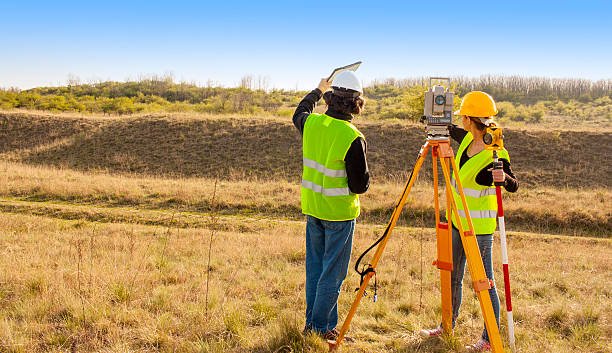
The land surveying company will use laser measuring devices, chains, tapes, wheels, compasses, clinometers, maps, levels, transits, theodolites, magnetic locators, prisms, reflectors, and other equipment to measure features of the land in complex processes. 

The land surveyor will also examine all the public records on file to determine whether any easements were included with the property. An easement is a legal right granted to permit passage by a third party. An easement may be granted, for example, to provide access to a pier that is technically on one party’s property but used by both.


Why Should You Get Your Land Surveyed? 

Most homeowners are reluctant to pay the expense of something they don’t immediately benefit from and will only opt for land surveying as the need arises. In most cases, a land survey is necessary before they can obtain a home mortgage loan.

In other cases, they may be selling the property or building near its boundaries and require accurate records to verify legal rights. Surveyors may also play a part in the architectural and new construction process. 

The average price for a land survey can range from $400 to $1,000 or more. In some cases, the surveyor will uncover that fences, trees, and other structures have wandered past the boundaries of the property. This can be a flashpoint for hostile neighbors and family feuds. So, it is important that a survey be conducted before building fences or anything near the boundaries of the property.

In the case of new construction, it can raise serious legal issues if the house is significantly encroaching on a neighbor’s property. Ensuring that the boundaries are clear before construction begins is simply the prudent thing to do.


Types of Surveys

American Land Title Association (ALTA) surveys provide verification of the property’s description data for lenders and title agencies to obtain a title insurance policy. These surveys are often necessary before a new home is built or purchased. This is very similar to a Mortgage survey. 

Topographic surveys are used to accurately record the features of a property. These natural and man-made features may include lakes, trees, roads, ditches, buildings, utilities, and streams. Architects and engineers typically require these surveys to develop improvements on the property. 

As-Built surveys are, likewise, used by architects to help them envision the building of a new home. The surveyor uses lasers to create a computer-generated three-dimensional rendering of the home. The surveys can also provide accurate blueprints to complete the project with precision.

Subdivision surveys are used to create official property records of subdivisions as required by government regulations. The legal record of a property must accurately reflect the physical property and how it is used.

Boundary surveys are used to accurately define the perimeters of a property. It also entails the examination of legal records and updating records to ensure that the property is accurately described.

New construction surveys are used to determine the vertical and horizontal grading of a land parcel and are required before the construction of bridges, houses, utilities, and roads.


The Advantages of Professional Surveying

It is possible to determine the boundaries of the land yourself by examining the deed. However, you cannot update the accuracy of a property’s boundary records if you try to determine the boundaries and mark them yourself.

Furthermore, homeowners simply lack the specialized tools, education, and experience to accurately survey the land. This is a job best suited for professionals and one that requires professionals when the surveying involves any legal or financial obligations.


Written by Taylor McKnight, Author for KLS Group Inc.

MAXIMIZING THE BENEFITS OF FRENCH DRAINS IN BASEMENT WATERPROOFING

When it comes to protecting your basement from water damage, French drains are a critical component that can work wonders. For homeowners facing the constant threat of basement flooding or moisture, understanding how to optimize the performance of French drains can make a significant difference.

Below are five essential tips to ensure your French drains in basement are doing their best to keep your home’s foundation dry. Let’s dive in!

FOLLOW INSTALLATION BEST PRACTICES

The functionality of your French drain is only as good as its installation. It’s the foundation of a reliable waterproofing system.

It’s important to ensure that the installation process involves proper excavation. It should have a sufficient slope for water run-off. It should have the correct pipe placement.

Try to avoid any mistakes during installation as much as possible, such as inadequate slope or poor sealing. This can compromise the entire system.

If possible, you can also enlist the help of French drain installers. They will have the expertise to install a French drain system in a basement. This will not only save you time and effort but also ensure that the installation is done correctly.

CHOOSE THE RIGHT DRAIN SYSTEM

French drains come in various types, each serving a slightly different purpose.

Interior French drains, for instance, are installed inside the basement. They are particularly effective at managing groundwater through the footings. Exterior drains are effective at tackling surface water runoff.

Choose the type that best addresses the specific water issues your basement encounters.

REGULAR MAINTENANCE IS KEY

To ensure your French drain in the basement remains effective, regular maintenance is crucial. Over time, debris and silt can clog the system, hindering water flow.

Schedule annual inspections and cleanings to keep your French drain in top shape. This will involve checking for clogs. It also involves repairing any damaged pipes and replacing the silt barrier.

COMBINE WITH COMPLEMENTARY WATERPROOFING

While French drains are powerful, they are not the sole solution to waterproofing. They work best when complemented by other methods such as sump pumps and sealants.

Sump pumps can provide an extra layer of protection by removing water that collects in the drain. Sealants can prevent water from entering through any cracks in your basement walls.

MONITOR SURROUNDING LANDSCAPE AND WATER FLOW

The area surrounding your home influences the effectiveness of your French drain detail system. Ensuring that the landscape slopes away from your foundation is crucial for directing water away. Consider landscaping alterations if necessary to achieve this slope.

Additionally, be mindful of where your gutters discharge. It’s advisable to extend downspouts so that rainwater is directed far from the foundation. Do not allow it to pool nearby as this can overwhelm your French drain system.

Monitoring and managing the flow of water on your property can greatly enhance the performance of your French drains. It can keep your basement dry and your foundation intact.

FRENCH DRAINS IN BASEMENT ARE YOUR FIRST LINE OF DEFENSE

French drains in basement are an essential component in protecting your home from water damage. Proper installation, choosing the right type, regular maintenance, complementing with other waterproofing methods, and monitoring water flow can ensure their effectiveness.

By following these tips, you can have peace of mind knowing that your French drain system is doing its job to keep your home safe and dry. Don’t neglect this crucial aspect of basement waterproofing and invest in a reliable French drain system today!

Did you find this article helpful? If so, check out the rest of our site for more.

HOW TO DIY EMERGENCY HOT WATER HEATER REPAIR IN A PINCH

Have you ever jumped into the shower, only to be greeted by a blast of cold water? It’s the worst, right? Well, don’t worry! This article is your lifesaver for emergency hot water heater repair.

Quick and straightforward, we’ll show you how to fix common problems without needing to call in a pro. Saving time and money, while also getting your hot water back, has never been easier.

Stick around to learn how to tackle emergency repairs yourself!

CHECK FOR LEAKS

First, it’s essential to inspect your water heater for any signs of leaks. Leaks can either be visible as wet spots on the floor around the heater or in the form of dripping water. If you find any leaks, it’s crucial to address these immediately to prevent further damage.

To check for water heater leaks, look around the tank’s base, at the pipes, and the connections. If you spot water, try to trace it back to its source. This step is vital in identifying the problem and deciding on the best course of action.

RELIGHT THE PILOT LIGHT

If your water heater is gas-powered and you have no hot water, the pilot light might have gone out. This small flame is necessary for heating the water and can be extinguished by drafts or a sudden gust of wind. To relight it, you must follow the instructions provided by the manufacturer, which are usually found on the tank.

Relighting the pilot light involves turning the gas valve to the “pilot” position and using a long lighter to ignite the flame. Wait a few moments after lighting the pilot light before turning the gas valve back to the “on” position. This process reactivates the heater’s ability to warm your water.

RESET CIRCUIT BREAKERS OR THERMOSTAT

Sometimes, the issue with your water heater could stem from something as simple as a tripped circuit breaker or a malfunctioning thermostat. If your water heater is electric, check your home’s circuit breaker box and ensure that the breaker connected to the heater is in the “on” position. If it has tripped, turning it back on might solve the problem.

If the breaker was not the issue, the next step is to inspect the thermostat on the water heater. A thermostat that is set too low or malfunctioning might not signal the water heater to heat the water adequately.

FLUSH THE TANK

Over time, sediment and mineral deposits can accumulate at the bottom of your water heater tank. This accumulation can reduce your heater’s efficiency by acting as a barrier between the heating elements and the water. To maintain optimal performance, it is necessary to flush these deposits from the tank annually.

Flushing the tank involves draining the water to remove the sediment. If sediment buildup is severe, consider reaching out to a hot water system installation company for expert assistance.

FIX IT FAST WITH EMERGENCY HOT WATER HEATER REPAIR SOLUTIONS

Now you know the basics of emergency hot water heater repair, you can handle many problems yourself. Remember, checking for leaks, relighting the pilot light, resetting circuit breakers, and flushing the tank are key steps you can take. These simple fixes can save you both time and money.

But, if you’re ever unsure or the issue seems too big to tackle alone, don’t hesitate to consider emergency plumbing solutions. Ensuring your hot water is back with minimal fuss is always the goal.

We hope you found this article helpful. If you did, be sure to check out our blog for more great content like this.

THE TOP BENEFITS OF UTILIZING PROFESSIONAL PLUMBING SERVICES

Facing an issue with your plumbing system can be one of the most inconvenient home incidents. From a simple leak to a complex pipe problem, the challenges of dealing with such issues can range from frustrating to downright stressful.

While the DIY approach may seem tempting to save a few bucks, the expertise of a professional plumber holds a wealth of value. This guide uncovers the multitude of benefits you, as a homeowner, can reap by opting for professional plumbing services.

Let’s dive in!

GUARANTEES QUALITY WORKMANSHIP

Hiring a professional service plumbing ensures that you have someone with the training and experience on your side. They are equipped with the knowledge to diagnose problems and the skills to provide solutions. This level of expertise translates into quality workmanship that gives you peace of mind, knowing that the job has been done right.

ADVANCED EQUIPMENT AND TECHNIQUES

Modern plumbing issues often require more than just a wrench and a plunger. Professional residential plumbing services come to the job with specialized tools. These tools can tackle the toughest challenges.

From video inspection equipment to hydro-jetting, their arsenal is filled with state-of-the-art equipment. This makes them capable of handling any issue efficiently.

SAVES YOU TIME AND ENERGY

Engaging experts can be a significant time-saver. What might take you hours or even days to troubleshoot and repair can often be rectified much more quickly by a seasoned professional.

This not only gets your household back in order faster. It also conserves your energy for the activities you enjoy.

PREVENTS FURTHER DAMAGE

An unresolved or poorly repaired plumbing issue can lead to extensive damage in the long run. Whether it’s a hidden leak causing mold and mildew growth or a minor clog, these issues can escalate to a full blockage.

Professional plumbers are adept at identifying potential risks. They can prevent them from turning into larger, costlier problems.

So if you suspect that you’re having plumbing problems, contact K Tech Plumbing as soon as possible. They will respond promptly to your call and provide you with the highest quality, efficient service.

OFFERS WARRANTIES AND INSURANCE COVERAGE

Reputable plumbing services often provide warranties for their work. This assures you that you’re covered if any post-repair issues arise.

What’s more, professional plumbers are usually insured. This adds an extra layer of protection. In the unlikely event of an accident or a mistake, their insurance typically covers both the plumber and any damages to your property.

ADHERES TO LOCAL BUILDING CODES

Navigating the labyrinth of local building codes can be a challenge for any homeowner. Professional plumbers are well-versed in these regulations. They ensure that any work they do complies with current standards.

By adhering to these codes, you not only avoid fines and penalties. You also contribute to the safety and longevity of your home’s plumbing system.

PROVIDES EXPERT ADVICE AND RECOMMENDATIONS

Plumbers do more than just fix problems. They can also be a valuable source of information and guidance for you as a homeowner.

They can provide advice on maintaining your plumbing system, and recommend upgrades or updates. They can even give tips on how to be more water-efficient. This can save you money in the long term.

SAVES MONEY IN THE LONG RUN

Professional plumbers can identify and address issues early. They can do this before they become major problems that require costly fixes.

Additionally, their work is more likely to stand the test of time. This means you won’t need to schedule repeated service calls for the same issue.

ACCESS TO A WIDE RANGE OF SERVICES

Professional plumbing companies offer a vast array of services. they can offer anything, from plumbing system installation to plumber sink repairs.

This one-stop-shop approach means you can rely on the same trusted team for all your plumbing needs. You can build a relationship with a service provider who knows the ins and outs of your home’s plumbing system.

MAINTAINS PROPERTY VALUE

Hiring a professional helps to maintain the value of your property. A well-maintained plumbing system is an essential component in maintaining the overall condition and value of your home.

By investing in professional residential plumbing services, you can protect your investment. You can ensure that your home remains a valuable asset for years to come.

ENHANCES HEALTH AND SAFETY

Professionals prioritize your health and safety by ensuring that your water supply remains clean and free from contamination. They can identify issues such as low water pressure. This could be indicative of a systemic problem.

Experts can offer solutions that maintain the integrity of your plumbing system. This way, they can also protect the health of your household.

PROVIDES EMERGENCY SERVICES

Plumbing emergencies don’t always occur at convenient times. Professional plumbers often offer 24/7 emergency support. This means that you can get the help you need when you need it the most.

The quick response and efficient service of a professional can save you from extensive damage and expensive repairs.

ADAPTABLE TO CUSTOM OR UNIQUE SITUATIONS

Every home is different. Some plumbing issues may be particularly challenging due to the custom or unique nature of the system.

Experts are adept at finding innovative solutions to such problems. They upon their experience and knowledge to adapt to the specific needs of your home.

IMPROVES WATER EFFICIENCY

In today’s environmentally conscious world, water efficiency is a key concern for many homeowners. Professional plumbers have the expertise to evaluate your plumbing system and identify areas where you can conserve water.

They can recommend upgrades or repairs that will make your home more efficient and eco-friendly. This not only benefits the environment but also saves you money on utility bills.

OFFERS PEACE OF MIND

Perhaps the most significant benefit of hiring a professional plumbing maintenance service is the peace of mind it offers. Knowing that your plumbing system is in good hands can alleviate any anxiety or stress associated with household maintenance.

You can rest assured that the work is being done correctly and efficiently, leaving you with one less thing to worry about. You can focus on other things in your life. You can even save some extra time for relaxation.

PROFESSIONAL PLUMBING SERVICES ARE WORTH THE INVESTMENT

Hiring professional plumbing services offers numerous benefits for homeowners. From quality workmanship to peace of mind, these services provide value that far outweighs the cost.

Don’t hesitate to call on experts for all your plumbing needs. Your home and your sanity will thank you!

Did you find this article helpful? If so, check out the rest of our site for more.