When you think of a beautiful kitchen, you probably think of delicious food and a warm, inviting atmosphere. But adding beautifully scented plants to your kitchen can enhance the ambience even more.
Here are five plants producing leaves, fruits, herbs, or fragrant flowers that will add a touch of beauty and fill your kitchen with refreshing scents. Plus, you can use all of these for cooking in one way or another.
1. CITRUS
Name: Citrus spp. Thrives in: A bright location protected from drafts; non-humid with moist soil Use it for: Leaves can be used for soups and various dishes; fruit can be used for cooking, baking, and refreshing beverages
Citrus plants like lemon and orange provide a refreshing, delightful aroma while blooming with dainty flowers. Your plant may even bear fruit if it grows long enough in the right conditions. Citrus takes a long time to grow from seed, though, so you may want to consider purchasing a young plant from a nursery to speed up the process.
2. THYME
Name: Thymus vulgaris Thrives in: Well-drained soil; needs minimum maintenance Use it for: Meats, vegetables, soups, and savory dishes of almost all kinds
Thyme is the first of the three easy-to-grow herbs we’ll mention in this article. It’s not only richly fragrant but also tasty. Thyme leaves are small and delicate, so it’s best to add them at the end of the cooking process to preserve their flavor. You’ll be glad to know that the plant can stay green all year if you provide the minimum care it needs.
3. CUBAN OREGANO
Name: Plectranthus amboinicus Thrives in: Medium to bright spots with no drafts; evenly moist, well-drained soil Use it for: Meats, marinades, salsas, sautees, Caribbean dishes
Cuban oregano isn’t what its name suggests. Rather, it’s thought to be from parts of southern and eastern Africa and isn’t technically even an oregano plant. Nevertheless, it’s a popular choice for kitchens due to its strong aroma, which resembles a mix of oregano and mint. The plant grows rapidly, and its leaves can be used to add a burst of flavor to various dishes.
4. ROSEMARY
Name: Salvia rosmarinus Thrives in: Well-draining soil, sunlight Use it for: Vegetables like potatoes, meats, bread
One more herb on our list is rosemary. Rosemary is a perennial herb that’s known for its needle-like leaves and woody stems. It’s a healthy herb that’s easily utilized for cooking. Rosemary adds a distinct and aromatic flavor to chicken, enhancing its taste and adding a piney flavor. One of the prime examples of using rosemary is when cooking poultry.
5. JASMINE
Name: Jasminum spp Thrives in: Well-draining but moist soil, full sun to partial shade; near window Use it for: Tea
Last but not least on our list is jasmine. Jasmine produces beautiful blossoms that not only smell sweet but also make a delicious tea. There are various kinds of jasmine flowers, so you can pick the one that best fits your preferences.
ADD SOME BEAUTIFULLY SCENTED PLANTS TO YOUR KITCHEN
These five fragrant, edible plants are an excellent choice for your kitchen. Some of them, like herbs, add not only aroma to your home but also flavor to your meals. Whether you’re a seasoned chef or just starting out, incorporating various new flavors into your cooking can elevate your culinary creations.
When it comes to other plants, like jasmine, they make a healthy and delicious tea.
Then again, if you pick citrus, you get the whole package; its leaves can be used for meals, while the fruit is great for both foods and beverages.
Whether you’re sprucing up your existing kitchen or wrapping up a kitchen remodeling project, a little greenery, fresh scents, and plants you can add you can use in your cooking are a nice homey touch.
So go ahead and see which plants best fit your kitchen as well as your personal taste.
Judith Gallova is a freelance writer who found her passion for writing when she created her first blog at the age of 10. In her free time, she often goes to the gym, spends time with loved ones, and enjoys all things art and design.
Tired of constant repairs and costs? Dream of a perfectly maintained home that runs effortlessly? The secret is consistent maintenance. Transform your living space into a well-oiled machine through regular upkeep.
Mold Remediation Services in North Central Florida provide professional and comprehensive mold remediation services in North Central Florida, effectively removing mold and restoring indoor air quality to ensure a safe and healthy living environment.
Take control of your living space and unlock the secret to home perfection. Let’s begin!
KEY TAKEAWAYS
● Regular upkeep is important for keeping the home safe, functional, and valuable.
● Creating a maintenance schedule helps to prevent costly repairs and provides peace of mind.
● Proactive measures, such as regular inspections and cleaning, can help prevent expensive repairs.
● Incorporating technology and DIY techniques can enhance efficiency and save time and money.
Regular upkeep is of utmost importance when it comes to maintaining the long-term quality, functionality, and appeal of your home. Scheduling routine inspections and addressing any issues promptly can save you from costly repairs and unexpected emergencies in the future.
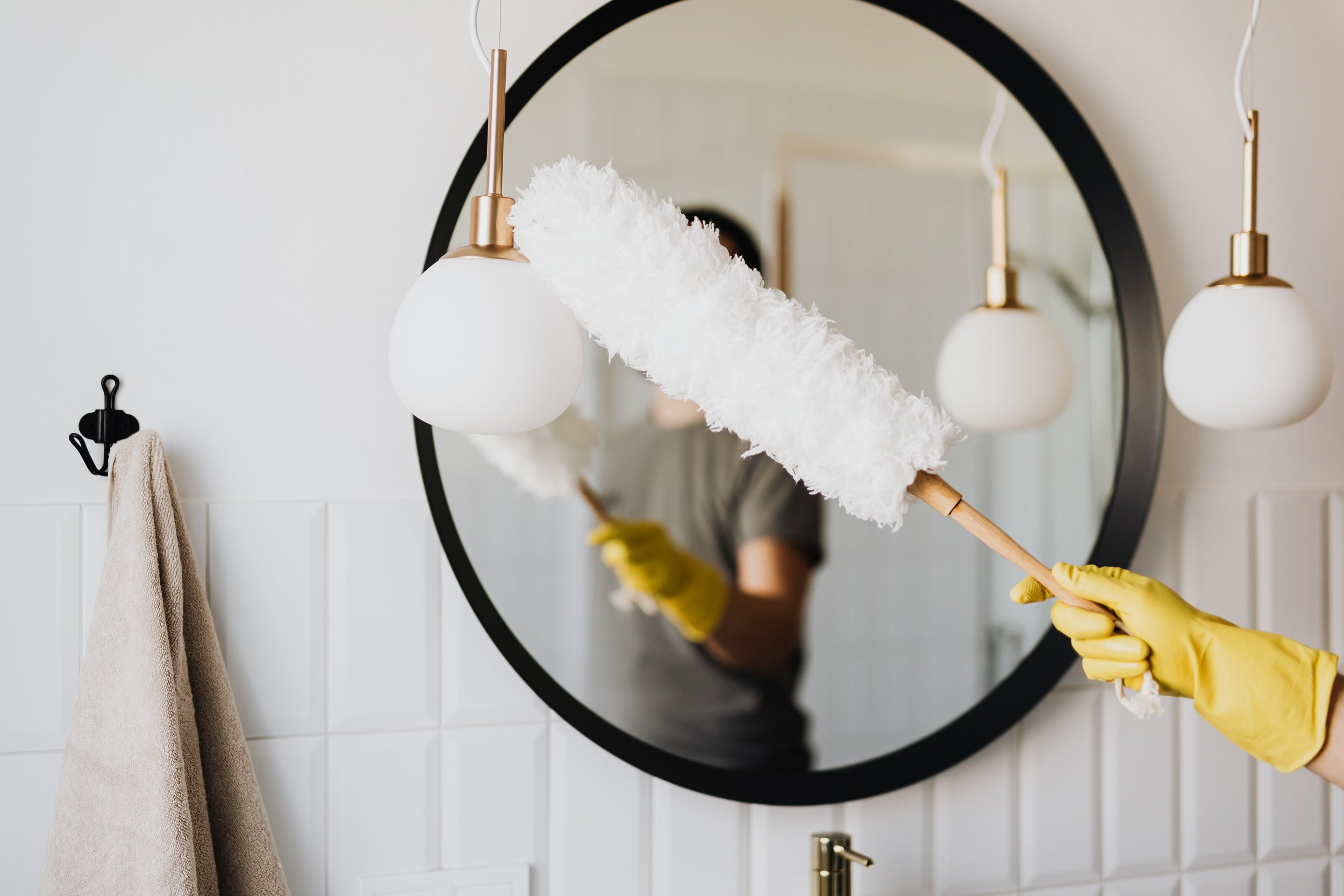
By staying on top of maintenance tasks such as cleaning, organizing, and checking for wear and tear, you can ensure that your living space remains safe, comfortable, and aesthetically pleasing.
Consistent upkeep also contributes to a positive mindset and overall well-being, as a well-maintained home promotes peace, tranquility, and pride of ownership.
So, prioritize regular upkeep to enjoy a home that not only stands the test of time but also provides a sanctuary for you and your loved ones.
CREATING A MAINTENANCE SCHEDULE
Stay on top of home upkeep with a scheduled maintenance routine.
Regular checks and maintenance prevent expensive repairs and offer peace of mind. Embrace technology for efficient home maintenance through apps and smart devices. Plan ahead for a comfortable, beautiful home.
Start today and enjoy the benefits of a well-maintained home.
PREVENTING COSTLY REPAIRS
Avoid costly repairs and maintain your home’s integrity through proactive measures. Regularly inspect appliances, HVAC, and plumbing to catch issues early. Prevent water damage by cleaning gutters and checking for foundation leaks.
Save money and gain peace of mind with proactive maintenance. Increase component lifespan, reduce emergencies, and create a welcoming environment. Roll up your sleeves and start today for a grateful home and wallet.
TIPS FOR EFFICIENT HOME MAINTENANCE
Maximize your home’s lifespan and minimize emergencies with efficient maintenance tips. Save time by tackling small tasks regularly.
Embrace DIY maintenance hacks to save money and fix common issues. Stay proactive to save on costly repairs and create an excellent and efficient home. Roll up your sleeves and become a maintenance superstar. Your home will thank you.
TRANSFORMING YOUR LIVING SPACE THROUGH CONSISTENT CARE
Transform your living space into a comforting haven with regular maintenance. Commit to daily efforts for a clean and inviting sanctuary. Stay on top of small tasks to avoid overwhelm and enjoy a positive mindset.
Save time, money, and stress by maintaining proper working order. View maintenance as an opportunity for growth and self-improvement. Embrace mindful living and witness the incredible transformation of your space and life.
CONCLUSION
Unlock the secret to home perfection through consistent maintenance. Stay proactive, prevent costly repairs, and maintain a pristine living space. Transform your home into a sanctuary by embracing efficient maintenance.
Let’s get motivated and energized to care for our homes, creating an inspiring and rejuvenating space with just a little effort.
FREQUENTLY ASKED QUESTIONS
WHAT ARE SOME COMMON MISTAKES HOMEOWNERS MAKE WHEN IT COMES TO REGULAR UPKEEP?
Common mistakes homeowners make with regular upkeep include neglecting important areas like gutters, HVAC systems, and landscaping. By focusing on these neglected areas, you can transform your home into a haven of perfection.
HOW OFTEN SHOULD I CLEAN OR REPLACE AIR FILTERS IN MY HOME?
You should clean or replace your air filters every 1 to 3 months to maintain a healthy home environment. Regular cleaning frequency and filter replacement ensure clean air, keeping you energized and motivated to enjoy your perfect home.
ARE THERE ANY SPECIFIC MAINTENANCE TASKS THAT SHOULD BE DONE SEASONALLY?
Don’t overlook the importance of seasonal maintenance tasks! They’re essential for keeping your home in top shape. From cleaning gutters to inspecting HVAC systems, regular upkeep ensures a beautiful and well-functioning home year-round.
HOW CAN I PREVENT WATER DAMAGE IN MY HOME?
Prevent water damage in your home by prioritizing regular maintenance. It’s crucial to stay proactive and fix any leaks or cracks immediately. By doing so, you’ll protect your property and ensure a safe, dry, and perfect home.
WHAT ARE SOME SIGNS THAT INDICATE THE NEED FOR IMMEDIATE REPAIRS OR MAINTENANCE IN A HOME?
“Notice any signs of home repair urgency? Don’t wait! Act now to prevent further damage. Regular home maintenance is vital for a safe and beautiful living space. Take charge and maintain your home’s perfection!”
For many homeowners, their indoor living spaces are thoughtfully designed and decorated to reflect their unique style and personality. However, creating a harmonious transition from indoors to outdoors can enhance the property’s overall appeal and provide a seamless connection with nature. Extending the home’s aesthetic to the garden offers an opportunity to transform the outdoor space into a beautiful and inviting extension of the interior. This article will explore how homeowners can create a cohesive and stylish outdoor environment that complements their indoor living spaces.
1. Unifying Color Palettes
Successful integration between indoors and outdoors begins with selecting a cohesive color palette. Take cues from the interior color scheme and extend it to the garden. Consider using similar shades for outdoor furniture, cushions, and decorative elements to create a sense of continuity.
Introduce plants and flowers that echo the colors used indoors. For example, if the living room features a calming palette of blues and greens, incorporate plants with similar hues, such as lavender, hydrangeas, and hostas, into the garden. This unification of colors creates a sense of flow and harmony between the indoor and outdoor spaces.
2. Cozy Outdoor Living
Create comfortable and inviting outdoor seating areas that mimic the coziness of indoor living rooms. Invest in plush outdoor sofas, chairs, and ottomans with weather-resistant cushions. You should layer the seating with throw pillows and soft blankets for added comfort. To anchor the seating areas and define spaces, consider adding outdoor rugs. Rugs made from durable materials such as polypropylene can withstand the elements while adding warmth and style to the patio or deck. To ensure the space remains relaxed and welcoming, you will need to learn how to look after your lawn and outdoor spaces properly.
3. Extending Design Themes
To ensure cohesion between the outside and the inside, you could incorporate architectural elements that mirror the home’s design style. For example, if the house features a contemporary design with clean lines, consider adding modern pergolas, sleek water features, and minimalist planters in the garden.
You can also extend the use of materials and textures from indoors to outdoors. If the interior features natural stone or wood, incorporate these elements into outdoor pathways, walls, and furniture. This consistency in materials creates a visual connection between the spaces.
4. Outdoor Lighting
Create a magical ambiance with string lights and lanterns that illuminate the garden during the evening. String lights can be draped across pergolas or hung from trees, while lanterns can be placed strategically throughout the garden to provide soft and inviting lighting. Use up-lighting and spotlights to highlight architectural features, sculptures, or focal points in the garden. This creates a dramatic effect and draws attention to specific areas, like indoor accent lighting.
Conclusion
Extending the home’s aesthetic to the garden creates a seamless and harmonious transition between indoor and outdoor living spaces. Unifying color palettes, bringing indoor comfort outdoors, extending design themes, and thoughtful outdoor lighting are key elements that enhance the property’s overall appeal. By creating a beautiful and inviting outdoor environment, homeowners can enjoy a delightful and cohesive living experience that connects them with the beauty of nature right at their doorstep.
As summer temperatures rise, keeping your house cool becomes a top priority for maintaining comfort and well-being. Escaping the sweltering heat and creating a relaxing indoor environment is not only essential for your own comfort but also contributes to energy efficiency. Here are some practical and eco-friendly tips to help you beat the heat and keep your house cool during the scorching summer months.
Use Proper Insulation
Good insulation is a crucial factor in maintaining a cool home during summer. Insulating your house effectively prevents heat from infiltrating the interior and keeps the cool air inside. Focus on sealing gaps around windows and doors and consider using reflective window films to block out direct sunlight while still allowing natural light to filter through.
Windows and Curtains
During the day, close windows and curtains on the side of your home facing direct sunlight to block out the heat. When the outside temperature cools down in the evening, open windows and use fans to promote cross-ventilation. You can also invest in blackout curtains or light-colored drapes to reduce heat absorption and keep your rooms cooler.
Ceiling Fans and Portable Fans
Ceiling fans are an excellent and energy-efficient way to circulate air and create a cooling breeze indoors. Set your ceiling fans to rotate counterclockwise during summer to push air downward and create a wind-chill effect. Additionally, using portable fans in strategic locations can further enhance air circulation and help cool down specific areas.
Make Use of Natural Ventilation
Make the most of cooler nights and mornings by allowing natural ventilation to cool your home. Open windows and doors on opposite sides of your house to encourage cross-ventilation. This simple technique can bring in fresh air and flush out accumulated heat, providing a comfortable indoor environment without relying on air conditioning.
Opt for Energy-Efficient Cooling Systems
If you need to use air conditioning, consider upgrading to a more energy-efficient model. Look for units with a high SEER (Seasonal Energy Efficiency Ratio) rating to ensure effective cooling while minimizing energy consumption. Regular maintenance of your cooling system, such as cleaning or replacing filters, is essential to maintain its efficiency.
Create Shade Outdoors
Strategically planting trees or installing awnings, pergolas, or canopies outside your home can significantly reduce the amount of direct sunlight that enters your living spaces. This natural shade not only keeps your house cooler but also enhances your outdoor living areas.
Minimize Heat Sources
During hot summer days, avoid using heat-generating appliances like ovens and stoves. Instead, opt for outdoor cooking or utilize small kitchen appliances like microwaves and slow cookers. Incandescent light bulbs also emit heat, so consider switching to energy-efficient LED bulbs, which produce significantly less heat.
Stay Hydrated and Dress Comfortably
Personal comfort plays a vital role in dealing with summer heat. Stay hydrated by drinking plenty of water, and wear lightweight and breathable clothing made from natural materials like cotton. Using cooling towels or taking refreshing showers can also help you feel cooler during the hottest parts of the day.
Conclusion
With these practical tips, you can keep your house cool and comfortable during the scorching summer months without resorting to excessive energy consumption. By being mindful of insulation, ventilation, shade, and energy-efficient cooling options, you can create a refreshing oasis within your home, allowing you to enjoy the summer while staying cool and comfortable.
Are you a landlord in the breathtaking state of Colorado? Dealing with lease agreements effectively is crucial to ensure a smooth and legally compliant rental experience. In this informative blog post, we will guide you through the ins and outs of Colorado lease agreements, equipping you with essential knowledge and best practices to create, manage, and navigate these contracts in accordance with state rental laws. Whether you’re a seasoned landlord seeking to refine your leasing process or a newcomer venturing into the rental market, this comprehensive guide will empower you to establish a strong foundation for a successful and harmonious landlord-tenant relationship. Let’s delve into the world of Colorado lease agreements and unlock the key to a thriving rental business.
Know the Basics of a Lease Agreement
A lease agreement is a legally binding contract between a landlord and a tenant, outlining the terms and conditions of the rental arrangement. Understanding the fundamental components of a lease agreement is vital. This includes knowing the parties involved, the property’s address, the lease term, rent amount, security deposit, and any rules and regulations that pertain to the tenancy.
Create a Clear and Concise Lease Document
When drafting a lease agreement, clarity is key. Use straightforward language that is easy for both parties to understand. Ensure that the document covers all essential aspects of the tenancy, leaving no room for misinterpretation. A well-structured and comprehensive lease agreement sets the foundation for a successful rental relationship.
Include Necessary Disclosures
Colorado law requires specific disclosures to be included in lease agreements. For example, landlords must disclose the existence of lead-based paint in properties built before 1978. Additionally, you must inform tenants about the landlord’s contact information and any fees related to returned checks.
Outline Rent Payment Terms
Clearly specify the rent amount, the due date, and the accepted payment methods in the lease agreement. Include late fees and penalties for overdue rent to encourage timely payments. Abiding by the rent payment terms ensures a consistent cash flow and reduces potential disputes.
Set Rules for Security Deposits
In Colorado, landlords are allowed to charge a security deposit of up to one month’s rent for unfurnished properties and one and a half month’s rent for furnished properties. Outline the conditions for retaining or returning the security deposit at the end of the tenancy, and provide tenants with a written receipt for the deposit.
Address Maintenance and Repairs
Clearly outline the obligations of both the landlord and the tenant concerning maintenance and repairs. Colorado law requires landlords to maintain the property in a habitable condition and promptly address essential repairs. Specify the procedures for reporting repair requests and any limitations on tenant-initiated repairs.
Include Pet Policies
If you allow pets on the property, clearly outline the pet policies in the lease agreement. State any pet fees or deposits required, the maximum number of pets allowed, and any specific rules related to pet ownership.
Detail Entry and Inspection Policies
Colorado law grants tenants the right to privacy, so it’s crucial to define entry and inspection policies in the lease agreement. Specify the notice period required before entering the property for non-emergency purposes, such as repairs or inspections.
Understand Lease Renewal and Termination
Clearly outline the procedures for lease renewal and termination. In Colorado, the notice period for lease termination is generally 21 days for month-to-month tenancies and 60 days for fixed-term leases. Ensure that both parties are aware of their rights and obligations during these processes.
Comply with Fair Housing Laws
Ensure that your lease agreement complies with fair housing laws, prohibiting any discriminatory clauses or practices based on race, color, religion, sex, disability, familial status, national origin, sexual orientation, or gender identity.
Conclusion
Mastering the art of dealing with Colorado lease agreements is essential for landlords to ensure a harmonious and legally sound rental experience. By adhering to Colorado rental laws, including necessary disclosures, setting clear terms for rent payments and security deposits, and respecting tenant rights, landlords can establish a strong foundation for a successful rental business. Remember, a well-crafted lease agreement not only protects both parties but also fosters a positive and mutually beneficial relationship between landlords and tenants in the vibrant landscape of Colorado.
Responsible homeownership requires regular house care to maintain your property’s durability, security, and comfort. It entails taking proactive steps to find, fix, and avoid potential problems in your house. Regular upkeep increases your house’s overall value while protecting your investment. Understanding the critical components of house care, from basic duties to big repairs, is essential for homeowners. Homeowners can properly manage their properties and take advantage of a safe and well-maintained living environment by prioritizing the following considerations.
STRUCTURAL INTEGRITY
It is crucial to keep your house structurally sound. To find any indications of damage or degradation, it is crucial to do routine inspections of the foundation, walls, roof, and flooring. Keep an eye out for any cracks, water stains, or drooping areas since these might point to structural problems. Promptly addressing these issues can save further harm and expensive repairs. To protect the general stability of your house, it is also essential to keep an eye on and maintain the integrity of load-bearing walls, beams, and columns. Structural maintenance can include consulting experts, such as engineers or contractors, to identify and fix any structural issues.
SYSTEMS AND APPLIANCES
Maintaining the systems and appliances in your house in excellent operating order is essential for daily convenience and safety. Home equipment such as HVAC systems, plumbing, and electrical systems need regular maintenance to avoid malfunctions and increase their effectiveness. Cleaning or changing air filters, checking for plumbing leaks or obstructions, testing electrical connections, and, when necessary, arranging professional maintenance are all duties that fall under this category. Homeowners can improve energy efficiency, reduce the chance of breakdowns or dangers, and increase the lifetime of their investments by maintaining these systems and appliances.
EXTERIOR MAINTENANCE
Your home’s exterior needs frequent upkeep to prevent corrosion, rotting, and damage. This includes duties including maintaining the integrity of the roof and siding, cleaning the gutters and downspouts, and repairing any cracks or openings in the outside walls. In order to avoid water damage and the development of mold or mildew, proper drainage is essential. Energy efficiency and security can both be increased by routinely checking and maintaining external surfaces, windows, and doors. Additionally, landscape upkeep can help avoid harm from fallen branches and preserve the appearance of your home by cutting trees and bushes away from the house.
SAFETY MEASURES
For homeowners, keeping their homes safe should come first. It is crucial to put safety precautions like smoke detectors, carbon monoxide detectors, and fire extinguishers into place and inspect them often. It is important to keep these gadgets in excellent operating order and to change the batteries on a regular basis. Potential fire dangers can be found by conducting routine inspections of electrical systems, including outlets, wiring, and circuit breakers. Additionally, homeowners need to be aware of possible safety hazards like sagging handrails or uneven floors and take immediate action to correct them. Homeowners and their families can feel safer and more protected overall by installing security measures, including appropriate lighting, strong locks, and alarm systems.
PLUMBING AND WATER MANAGEMENT
Water management and proper plumbing are essential aspects of house upkeep. Regularly checking your plumbing’s drains and pipes, including duct cleaning and fixtures, can help you find leaks, obstructions, or indications of water damage. If you live in Ottawa, you can look for Ottawa duct cleaning options on the internet to help you find a service. Prompt action can limit possible water-related problems, such as mold development or structural damage, and avert expensive repairs. Water collection and possible water damage can be avoided by ensuring appropriate drainage around the property and by keeping gutters and downspouts in good condition.
ENERGY EFFICIENCY
Enhancing energy efficiency lowers electricity expenses and makes a house more environmentally friendly. Homeowners can improve their homes’ energy efficiency by properly insulating their homes, stopping air leaks, and adopting energy-efficient appliances and lighting. Regular HVAC system inspections and maintenance such as cleaning or changing air filters, can increase energy efficiency and lengthen the equipment’s lifetime. Purchasing energy-efficient windows and doors can also aid in lowering energy use. Homeowners can enjoy money savings while reducing their environmental effects by prioritizing energy efficiency in house upkeep.
CONCLUSION
The home’s structural integrity must be ensured, systems and appliances must be maintained, exterior maintenance requirements must be addressed, safety precautions must be put in place, plumbing and water systems must be managed, pests must be controlled, and energy efficiency must be improved. Homeowners can safeguard their investment, maintain a secure and pleasant living space, and increase the worth and durability of their houses by keeping these elements in mind and carrying out routine inspections and maintenance work. Making house upkeep a priority helps homeowners and their families live more comfortably overall and create a place they can call home.
When it comes to landscaping, the one thing that people regularly forget about is just how much effort it can be to maintain a large garden. Even if you choose options that require very minimal in terms of overall effort, they will still need to be looked after, pruned, watered, and so on. Most, however, want plants and flowers that require a bit more TLC than that. That’s why it’s important to consider how you’ll be taking care of your setup once everything is in place. Installing an irrigation and sprinkler system, for example, can help keep your plants well-watered, with fewer droughts and less effort. However, knowing how to design and install such an irrigation system so that it seamlessly fits in your design is not immediately obvious, which is where this guide comes into play.
FOLLOW THE NATURAL SHAPE OF YOUR PLANT BEDS You want your grass to remain open and free for lounging, running, partying, and playing sports. This means you don’t want pipes or sprinklers sticking up and out in a few large areas of your lawn. Instead, you’ll want to follow the natural shape of your plant beds. This may be around the perimeter of your yard, or it may be around a central section. The point is, by installing the main irrigation system where the bulk of your plants are, you can keep your most expensive yard investments well-watered and can also plan for ways to keep your grass nice and green while you’re at it.
HIDING YOUR IRRIGATION SYSTEM Irrigation systems can be unsightly. They require a lot of hoses and tubes, which can make your yard look like a construction site long after the work is done. It also means that the hoses themselves are exposed to the elements, including UV damage. While some materials are naturally UV resistant, you generally don’t want your hoses and pipes out in the elements. That’s why you’ll need to bury them. This can be done under dirt or even stone. Factor in the fact that you’ll need to either bury or cover them when buying topsoil, mulch, or stone when buying landscape supplies wholesale, so you can easily hide and protect your irrigation system.
TYPES OF IRRIGATION AND WHAT’S BEST In general, you’ll either install sprinklers or a drip irrigation system. Drip irrigation is typically a better option for planters and if you have a fruit or vegetable garden. Essentially, plants that do best when the soil is constantly a bit moist will do well with a drip irrigation system since these systems continuously release a few drops of water at a time. Sprinklers work on fully refreshing plants with water, like rainfall, at set periods of the day and only on certain days.
MAKE SURE YOUR YARD HAS PROPER DRAINAGE Regardless of what irrigation system you use, you need to ensure that all your plants have proper drainage. If your yard floods when it rains, for example, and maintains standing water for days afterwards, then your yard does not have good drainage. You’ll want to install water-intensive plants in this case, to both soak in this excess water and do so without drowning themselves.
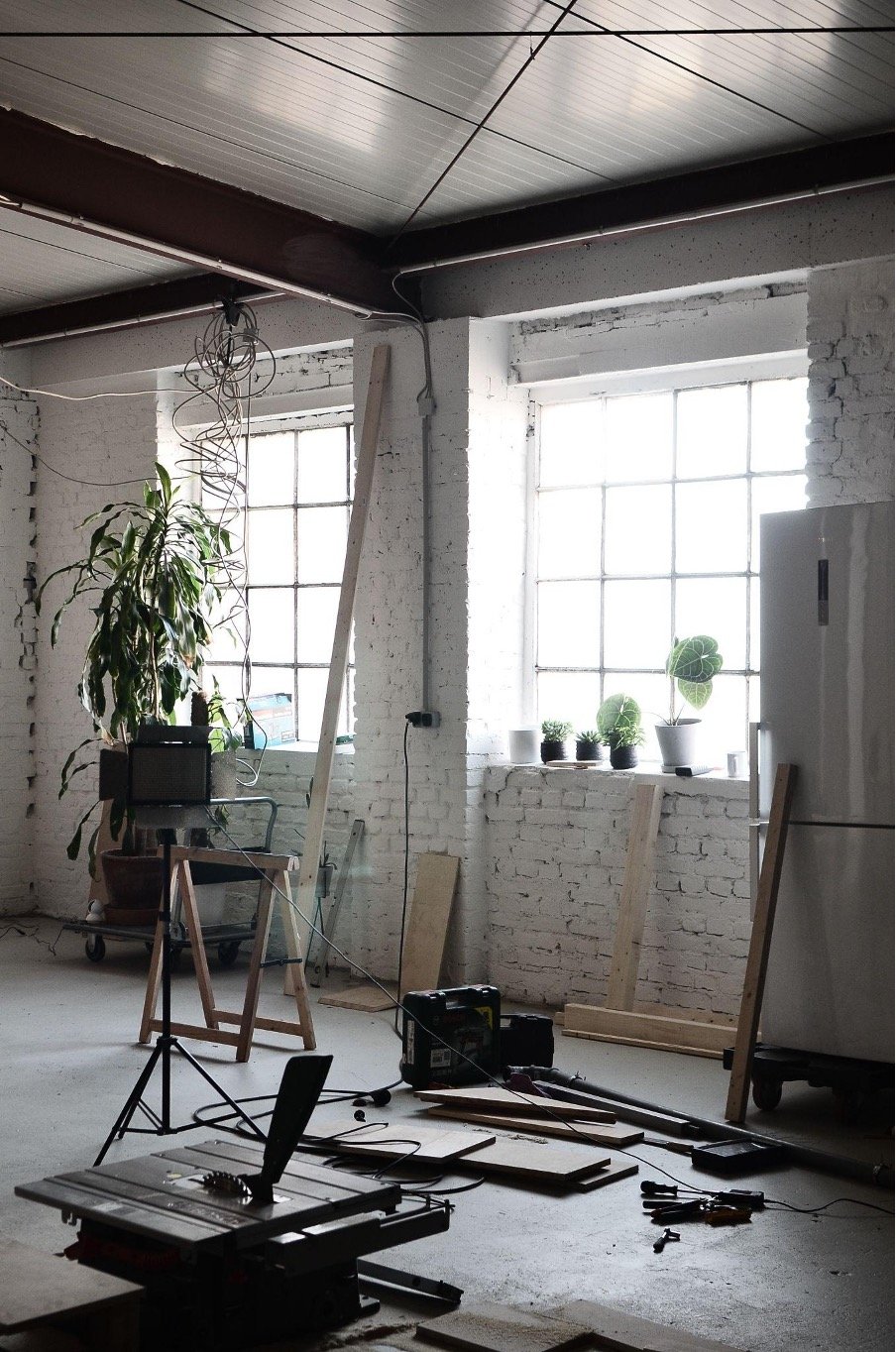
Embarking on a complete home remodel can be an exciting and transformative experience. Whether updating an outdated space or reimagining your home’s layout, proper planning, and preparation are key to a successful project. From pre-remodel preparations to understanding what to expect during the renovation process, here’s a guide to help you navigate a complete home remodel journey.
BEFORE THE HOME REMODEL STARTS: DUMPSTER RENTAL AND MORE
Before the remodeling process begins, taking a few crucial steps is essential to ensure a smooth start. Here’s what you should do:
1. Assess Your Needs: Determine your remodeling goals and priorities. Consider the functionality, aesthetics, and budget for the project.
2. Set a Realistic Budget: Establish a budget for your home remodel and allocate funds for unexpected expenses that may arise.
3. Research and Hire Professionals: Find reputable contractors and designers who specialize in the type of remodeling work you require. Get multiple quotes and check references to ensure you choose the right team.
4. Secure Permits and Licenses: Check with your local municipality to determine if any permits or licenses are necessary for your remodel. Ensure all legal requirements are met before starting construction.
5. Clear the Space: Remove all furniture and personal belongings from the areas to be remodeled. Consider renting a dumpster to dispose of construction debris and waste efficiently.
THE BEGINNING STEPS OF A HOME REMODEL
Once the pre-remodel preparations are complete, it’s time to proceed with the project. Here are the initial steps involved in a home remodel:
1. Demolition and Removal: The first phase often involves removing existing structures, fixtures, and finishes. Contractors will carefully deconstruct the space to prepare it for the upcoming renovations.
2. Structural Modifications: If your remodel involves structural changes, such as removing or adding walls, this is the time to execute those plans. Professional contractors will ensure the modifications are done safely and comply with building codes.
3. Plumbing and Electrical Work: If your remodel requires updates or reconfigurations to plumbing and electrical systems, licensed professionals will handle the necessary installations, ensuring everything meets safety standards.
4. Framing and Drywall: Once the structural changes are complete, framing and drywall installation will occur. This process forms the skeleton of your new space, providing the structure for walls, ceilings, and other features.
5. Flooring and Finish Selection: Choose the flooring materials, paint colors, tiles, fixtures, and other finishes for your remodeled space. Work closely with your contractors and designers to make selections that align with your vision and budget.
WHAT TO EXPECT AS THE HOME REMODEL CONTINUES
As the home remodel progresses, it’s important to understand what to expect clearly. Here are some common aspects of the remodeling process:
1. Delays and Unexpected Challenges: Home remodels can sometimes encounter unexpected issues, such as hidden structural problems or supply chain disruptions. Prepare for potential delays and remain flexible throughout the process.
2. Regular Communication with Contractors: Maintain open lines of communication with your contractors and designers. Regular updates and discussions will ensure everyone is on the same page and can promptly address any concerns or changes.
3. Dust and Disruption: Understand that remodeling work can create dust and disrupt daily routines. Take necessary precautions to protect unaffected areas of your home and establish a designated space for living during the remodel.
4. Coordination of Trades and Materials: A successful remodel requires coordination among tradespeople, such as plumbers, electricians, and painters. Contractors will manage the scheduling and ordering of materials to keep the project running smoothly.
5. Quality Inspections and Final Touches: Once the construction work is completed, contractors will conduct quality inspections to ensure everything meets the agreed-upon specifications. Final touches, such as cleaning, painting touch-ups, and installations, will be carried out to give your remodeled space the finishing touches it deserves.
6. Unforeseen Costs and Contingency Planning: While you may have established a budget for your home remodel, it’s important to anticipate unforeseen costs that may arise during the project. Factors like structural issues, unexpected repairs, or changes in design preferences can lead to additional expenses. To mitigate financial strain, setting aside a contingency fund of around 10-15% of your overall budget is advisable. This will provide a safety net to cover any unexpected costs that may arise without derailing your project or compromising the quality of your remodel.
In conclusion, starting a home remodel requires careful planning, budgeting, and hiring reputable professionals. Understanding what to expect during remodeling will help you navigate the journey smoothly. With patience, flexibility, and collaboration, your complete home remodel can transform your living space into a beautiful and functional sanctuary.
Window treatments are an essential element of interior design, providing both functional and aesthetic benefits to any living space. But with so many types and styles to choose from, it can be challenging to find the right one for your home.
This article explores different types of window treatments, including curtains, drapes, venetian blinds, shades, and shutters, and offers insights into their suitability for various settings.
CURTAINS
Curtains are undoubtedly the most popular type of window treatment. They’re available in a wide variety of fabrics, colours, and patterns so they’re versatile enough to suit different interior design themes.
Light filtration is a key advantage of curtains, as they are available in various degrees of transparency. They can be used in almost any room, providing both privacy and light control.
Curtains are recommended for use in:
● Living rooms: They help create a warm and welcoming atmosphere and can be used to complement the room colour scheme and style.
● Bedrooms: Opt for blackout curtains to block out light and get a better night’s sleep.
● Kitchens: With easy-to-clean curtain fabrics are designed to withstand cooking splatters and humidity.
DRAPES
Similar to curtains, drapes are versatile fabric window treatments that provide functionality and enhance the aesthetic appeal of a room.
However, unlike curtains, drapes are usually made from heavier fabrics and have a lining. They are also more formal than curtains, making them suitable for spaces that require a touch of elegance or sophistication.
Drapes are well-suited for:
● Living rooms: Heavier drapes infuse elegance into your space while also providing insulation and light control.
● Bedrooms: Drapes in deeper hue can keep your bedroom dark and cosy, perfect for sleeping well into the daytime.
● Dining rooms: Use drapes to add a touch of formality to your dining space and make the space perfect for hosting dinner parties and gatherings.
VENETIAN BLINDS
Made of horizontal slats, typically from wood, faux wood, or aluminium, and attached with cords or tapes, venetian blinds are stylish yet simple window treatments.
The slats can be raised, lowered, or tilted to control light and to meet your privacy requirements. The light control feature of venetian blinds also helps reduce glare on computer screens or televisions, enhancing productivity and comfort.
Venetian blinds are appropriate for:
● Bathrooms: Faux wood or aluminium venetian blinds are resistant to moisture and humidity, making them ideal for bathrooms.
● Kitchens: Easy-to-clean aluminium blinds can withstand heat and humidity.
● Home offices: Wood or faux wood venetian blinds can help create a professional look for your home office and offer excellent light control.
VERTICAL BLINDS
Vertical blinds consist of vertical slats made from various materials, such as fabric, vinyl, or wood. They are ideal for large windows or sliding glass doors, as they can be easily drawn to the side.
These window treatments are suitable for:
● Sliding glass doors: They provide excellent light control and privacy for houses with large doors or sliding doors leading to a veranda or patio.
● Large windows: Vertical blinds can be used to cover wide window expanses and customised to fit any size.
● Bedrooms: Fabric vertical blinds offer a soft and cosy look, while vinyl or faux wood options provide a sleek and modern appearance.
ROMAN SHADES
Fabricated from a single piece of fabric that neatly folds into horizontal pleats when raised, roman shades are a classic window treatment option.
Roman shades combine the functionality of blinds with the soft appearance of fabric. They have a clean and elegant look and are available in various fabrics, colours, opacities and patterns. This makes them a perfect complement to various interior design styles.
These window treatments are appropriate for:
● Living rooms: Use them to add a touch of sophistication and style to your living space.
● Bedrooms: Choose ones with blackout fabric to block out light effectively and create a cosy sleeping environment.
● Home offices: Roman shades have a clean, streamlined look that’s perfect for your home office, and provide efficient light control.
CELLULAR SHADES
Also known as honeycomb shades, cellular shades comprise a series of connected pleats that form air pockets, providing insulation and light control. Their distinguishing feature is their honeycomb-shaped cells, which trap air, providing excellent insulation.
Aesthetically, cellular shades have a sleek and modern appearance, so they can easily blend with various interior design styles. Their clean lines and range of colours, textures, fabrics, and cell sizes make them a great choice for most rooms.
Cellular shades are recommended for use in:
● Bedrooms: Blackout cellular shades can help regulate temperature and block out light effectively so you can sleep comfortably.
● Living rooms: Light-filtering cellular shades can provide privacy while allowing natural light to enter the room, creating a warm and inviting atmosphere.
● Energy-efficient homes: The insulating properties of cellular shades can help reduce energy consumption, making them an ideal choice for eco-friendly or smart homes.
ROLLER SHADES
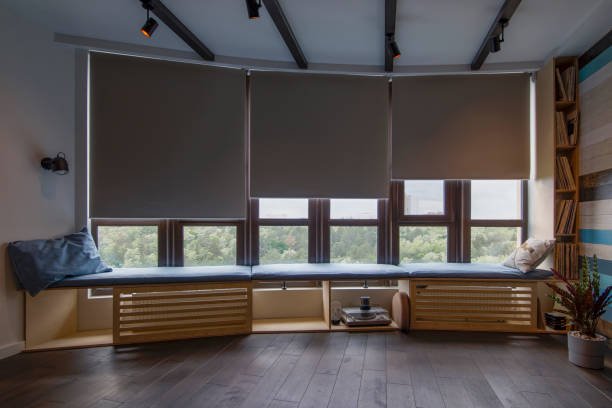
Consisting of a single piece of fabric or vinyl that rolls up onto a tube when raised, roller shades are popular for their ease of use, minimalist design, low maintenance requirements, and affordability.
Roller shades can be used in different spaces and are available in various materials, colours, opacity levels, and patterns. They are most appropriate for:
● Kitchens: Easy-to-clean vinyl roller shades can withstand the heat and humidity in a kitchen.
● Bathrooms: Choose moisture-resistant roller shades for your bathroom where water splashes are typical.
● Home offices: Roller shades offer a sleek and minimalist look if you want an uncluttered workspace.
BAMBOO SHADES
If you’re going for an organic interior design style or you want to make your space look cosy, bamboo shades are a perfect choice.
Also known as woven wood shades, they are made from natural materials like bamboo, grass, and reeds. Bamboo shades are a unique and eco-friendly window treatment option that can add texture and warmth to a room.
Bamboo shades are suitable for:
● Living rooms: The organic look of bamboo shades can add a touch of nature to your living space.
● Sunrooms: Bamboo shades allow filtered light to enter while ensuring privacy, making them ideal for sunrooms.
● Eco-friendly homes: Opting for window treatments made from natural materials like bamboo makes for a sustainable and environmentally conscious choice.
SHUTTERS
Considered a classic and durable window treatment option, shutters are solid window coverings made from wood, faux wood, or vinyl. They consist of horizontal louvers that can be tilted for efficient light control and privacy.
You can install shutters on the interior or exterior of your home. They can be customized to suit a range of interior design styles, from traditional to contemporary, as they are available in various colours, materials, and finishes.
Shutters are best used in:
● Bathrooms: Vinyl shutters are moisture-resistant and easy to clean, making them perfect for bathrooms.
● Bedrooms: Shutters offer excellent privacy and light control which are essential to a comfortable sleeping environment.
● Coastal homes: Exterior shutters can provide protection from storms and harsh weather conditions.
SOLAR SHADES
If you want a modern and energy-efficient window treatment designed to reduce solar heat gain and provide protection for your home interior from harmful UV rays, then go for solar shades.
Also known as sunscreens or sun shades, solar shades are made from a tightly woven fabric that filters sunlight and reduces glare while allowing occupants to enjoy the view outside (this depends on the opacity of the material).
They are available in various levels of opacity, and come in a range of textures, patterns and colours so they can easily blend with various interior design styles.
Solar shades are suitable for:
● Sunrooms: They can reduce heat and glare while preserving the view.
● Living rooms: Solar shades offer a balance between privacy, light control, and maintaining the view outside your home.
● Energy-efficient homes: Solar shades can help reduce energy consumption by blocking solar heat gain.
FIND THE RIGHT WINDOW TREATMENT FOR YOUR SPACE
Window treatments play a crucial role in shaping the ambiance, style, and functionality of your living space. They can also help make your home more energy efficient.
By understanding the different types of window treatments and their suitability for various spaces, you can choose the perfect option for your home.
In maintaining a healthy, energy-efficient home, your Heating, Ventilation, and Air Conditioning (HVAC) system plays a pivotal role. To ensure optimum performance, it’s essential to conduct regular seasonal maintenance. This comprehensive guide will outline the crucial steps you need to take each season to make sure your HVAC system operates at peak efficiency.
SPRING HVAC MAINTENANCE: PREPARING FOR WARMER DAYS
The shift from winter’s cold to the warmth of spring presents an excellent opportunity to prepare your HVAC system for the summer heat. Here are the key steps to take during this season:
Change Your Air Filter: These components often gather dust and debris during the winter months. Replace them to ensure efficient airflow and improve your indoor air quality.
Schedule A Professional Inspection: Scheduling a thorough inspection by a certified heating and air conditioning technician is vital. They can detect and address potential issues, ensuring that your system is ready for the summer workload.
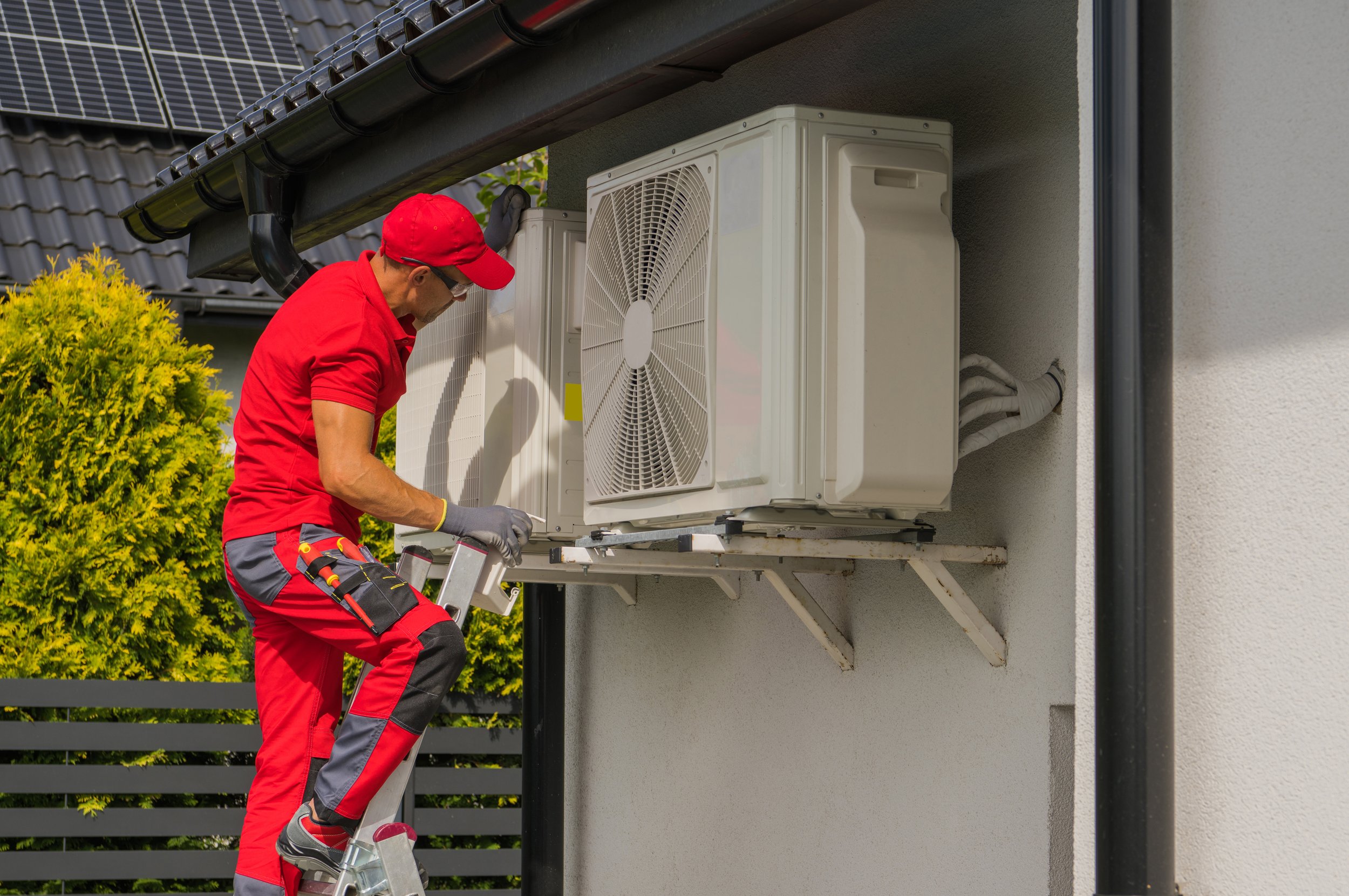
Clean The AC Condenser Coils: Over time, the outdoor unit’s condenser coils may get dirty, impacting your system’s efficiency. Clean these coils to ensure your system runs smoothly.
Check The Coolant Lines: Coolant lines often run from the outdoor unit to the indoor heat exchanger. Inspect these for leaks or damage, and repair any insulation that’s in poor condition.
Calibrate Your Thermostat: Be sure your thermostat is reading the correct temperature. If it’s out of sync, it could lead to higher energy bills.
Clear Your Outdoor Unit: The area surrounding your outdoor unit should be free from debris or vegetation. Maintain at least two feet of clearance for adequate airflow.
By following these steps, you can guarantee that your HVAC system is ready for the summer. Regular spring maintenance not only ensures efficiency but can also extend the life of your system.
SUMMER HVAC MAINTENANCE: KEEP IT COOL AND EFFICIENT
As summer approaches, your HVAC system will be working overtime to keep you cool. To ensure it doesn’t falter under pressure, keep the condensing unit clean and clear of debris. This outdoor component can rapidly gather substances that may obstruct airflow and hinder its efficiency.
In addition, pay close attention to these factors:
Inspect Refrigerant Levels: Too low or too high refrigerant can cause your system to work harder than it needs to. Regular checks can help maintain optimal efficiency.
Check Your Thermostat: A misaligned thermostat could unnecessarily inflate your energy bills. Consider switching to a programmable thermostat for automatic adjustments, making it a worthy investment for energy savings.
By adding these actions to your summer maintenance routine, you’ll have a well-prepared HVAC system that can handle the heat.
FALL HVAC MAINTENANCE: GEARING UP FOR THE COLD
As the crunch of autumn leaves underfoot announces the arrival of cooler weather, it’s time to ready your HVAC system for the chill to come. Replacing your air filters is a must. Accumulated summer dust can impede your system’s performance and reduce the quality of your indoor air.
Next, assess your home’s insulation. Check for any air leaks around your windows and doors, as well as any uninsulated pipes. Proper insulation not only keeps the cold air out but also makes your system more energy-efficient.
Additionally, schedule a professional HVAC inspection. Trained technicians can spot potential issues before they become major problems.
WINTER HVAC MAINTENANCE: ENSURING A WARM AND COZY HOME
Winter maintenance is vital to ensure your HVAC system can cope with the demands of the season. Start by checking the pilot light in your furnace. If it’s not blue, it might indicate a problem that needs professional attention.
The following tips are also essential to keep your HVAC in good condition during winter:
Inspect the vent pipes. Blocked or leaking vents can lead to inefficient heating or even dangerous conditions.
Examine the heat exchanger for cracks or signs of wear. Damage to the heat exchanger can lead to carbon monoxide leaks in your home, which pose a serious health risk.
Check the carbon monoxide detector. These detectors safeguard against potentially deadly leaks. Ensure they work properly and replace batteries if necessary.
Finally, clean and unblock all the air vents. This can prevent potential overheating and make sure your system can distribute warm air evenly throughout your home.
Remember, winter maintenance is all about preventative measures to enjoy a warm and cozy home throughout the coldest months.
EMBRACE A SEASONAL MAINTENANCE ROUTINE
Throughout the year, performing this routine maintenance can extend the life of your HVAC system, ensure your comfort, and save on energy costs. No matter the season, it’s crucial to keep a close eye on your system and address any issues promptly by hiring a reliable HVAC contractor. Remember, preventative maintenance is more cost-effective than emergency repairs.
CONCLUSION
Seasonal maintenance of your HVAC system requires diligent attention. By following these detailed guidelines, you can be sure of a well-functioning system that provides year-round comfort to your home. Regular checks and professional inspections can help avoid stress and prevent expensive repairs. Keep this guide handy to help maintain your HVAC system’s optimal performance throughout the year.















 Kevin Szabo Jr Plumbing