5 ROUTES YOU CAN GO WHEN DOING YARD WORK

As a homeowner, one of your biggest responsibilities is maintaining your yard and outdoor space. A well-cared for lawn and landscape shows pride of ownership and provides enjoyment for not just you but the entire neighborhood. Putting in consistent work on your yard pays dividends through increased curb appeal, added monetary value to your home, and creation of an outdoor space where your family and friends love spending time. But what are the key tasks you need to focus on to achieve a lush, beautiful yard? There are five major routes to take when it comes to essential yardwork along with additional seasonal upkeep.

Yardwork is an important task for any homeowner. Maintaining a well-kept yard not only makes your property look attractive, but it also has many benefits. Here are five key areas to focus on when doing regular yardwork and why they are so important:


LAWN MOWING AND EDGING

Keeping your grass neatly mowed and edged is one of the most basic but important yard tasks. When you mow regularly it helps the grass stay healthy and prevents weeds from creeping in. It’s best to mow your lawn weekly during peak growing seasons. Use sharp blades and vary your mowing pattern to avoid ruts. Edging along sidewalks, driveways and garden beds gives your yard a manicured look.


WEED CONTROL

Weeds are the bane of any beautiful yard. They pop up without notice and can quickly take over your lawn and flower beds. Staying on top of weeds is critical for a pristine landscape. Begin by learning to identify common yard weeds – this helps you recognize them as seedlings before they get out of control. Some frequent offenders are dandelions, crabgrass, clover, plantain and wild violets. Also look for prickly broadleaf weeds like thistles and stickers.

When you spot weeds, take quick action by pulling them as soon as possible. Use a hand fork or weed pulling tool to remove the entire root system so they won’t grow back. Discard weed plants immediately before they go to seed. For severe infestations, use herbicide sprays formulated specifically for lawn and garden weeds. Always read labels thoroughly and follow directions to avoid harming desired plants.


SHREDDERS

A shredder is a useful tool for managing yard waste like branches, sticks, and brush. It can quickly break down piles of yard debris into fine mulch or woodchips. Shredding pruned branches from trees and shrubs is much easier than sawing them by hand or hauling them away. The shredded material can be used as mulch in gardens to suppress weeds, retain moisture, and improve soil nutrition. Shredding leaves in the fall allows them to decompose faster than whole leaves. Overall, a shredder makes quick work of reducing yard waste volume and recycles natural materials into useful mulch or compost. Having a shredder on hand helps keep the landscape tidy and enhances the health of gardens and lawns.


PRUNING SHRUBS AND TREES

Pruning landscaping plants on a regular basis helps stimulate new growth and gives shrubs and trees a shapely appearance. Prune overgrown branches, dead limbs and any growth that is obstructing pathways or your home. Most plants benefit from pruning in late winter or early spring before growth starts. Disinfect pruners between cuts to avoid spreading disease. Always make clean cuts and don’t remove more than one-third of the plant.


LEAF REMOVAL

Raking and removing fallen leaves is imperative for a healthy yard. A heavy layer of leaves left on your lawn will block sunlight and nourishment from reaching the grass. Use a rake or blower to gather leaves into piles. For easier disposal you can run over small piles with a mulching mower. Never let leaves sit in garden beds where they can smother plants or cause fungal issues. Removing leaves in the fall also eliminates hiding spots for pests.


FERTILIZATION AND AERATION

Applying fertilizer and aerating your lawn helps stimulate root growth and allows air, water and nutrients to better penetrate the soil. This leads to thicker, lusher grass. Fertilize cool season grasses in early fall and warm season varieties in late spring when they are actively growing. Prior to fertilizing, use an aerator to punch holes in compacted soil. This allows fertilizer to work down into the roots zones where it’s needed most.

In addition to these five key yard maintenance tasks, there are a few other important upkeeps to remember. Pressure washing patios, decks and siding periodically removes grime and brightens up your home’s exterior. Trimming overgrown plants keeps walkways clear and landscape beds neat. Sealing cracks and reapplying coatings on driveways, sidewalks and other hardscapes helps prevent costly repairs. Proper drainage is also vital for a healthy yard – fill any low spots and keep drainage areas clear of debris.

Investing time weekly or monthly into yardwork pays off with a landscape you can take pride in. A well-maintained yard adds value to your home, provides enjoyment for your family and gives an overall polished look to your property. So put on your gloves and get ready to create the yard of your dreams! Consistent care for your lawn, plants, trees and hardscapes will transform your outdoor space into an enviable showpiece.


Written by Taylor McKnight, Author for Torrent Mulchers

THE IMPORTANCE OF A JEWELRY ROOM IN YOUR HOME

Jewelry is likely to be some of your most important and valuable possessions. Whether you treasure heirloom pieces passed down for generations or you have taken the time to curate a collection of your very own, your jewelry is a highly personal reflection of yourself. Each piece has its own care needs; you probably have already gone through the effort of investing in the correct cleaning products and locating the jewelry experts in your area who can assist with specialized repairs.

Correct storage is part of jewelry care. Understanding the basics of jewelry room design will help protect this important investment. Designing this special room allows your collection to bring you even more joy over the years, keeping it secure, organized, and ready to use.


A SAFE PLACE FOR JEWELRY

Your jewels should be removed before doing vigorous activities like cleaning and cooking, so you need to have a safe place to put these valuables. Never set them on a windowsill or a kitchen counter. These are dangerous places where accidents can happen. Not only can they be easily overlooked or knocked down, common cooking ingredients like onions contain corrosive compounds like acids and sulfur which can cause damage to many gems when exposure takes place over the long term. 

Having a jewelry room is an ideal solution because you’ll always know exactly where your daily pieces are stored. This is a place that encourages organization. Start with planning how many jewelry storage boxes and bags you are going to need. Then, plan ahead to anticipate your future needs. Let this room start to work for you by developing solutions that make sense for you and your life.


THE IDEAL SPACE FOR JEWELRY

What does a jewelry room look like? Ideally, your jewelry room should be a dry environment. The room should remain at a moderate temperature. Store your jewels away from sunlight. UV radiation can quickly damage many items, especially delicate gems like pearls.

Do your best to limit the day-to-day chemical exposure. Products such as these should be kept away from your jewelry collection:

●      Perfume, cologne, and perfume oils

●      Deodorant

●      Aerosols and other air fresheners

●      Mothballs

●      Skin care products, including lotion

Even when these products are stored in a seemingly secure container, accidental spills can occur. Chemical exposure over time can corrode gemstones and metal. Delicate heirloom pieces can be especially vulnerable to this kind of damage. The room you dedicate to jewelry storage should be kept free from these products.

PRESERVING YOUR JEWELRY TODAY AND TOMORROW

You’ve heard the saying about an ounce of prevention being worth a pound of cure, right? If you have ever had to pay for jewelry repair, you know exactly how true this adage is. If you don’t have a handful of jewelry cleaning cloths, invest in some. Then, take the time to clean each piece after taking it off at night.

Avoid sleeping in your jewelry. Skin contains oils that, over time, can damage metal and even certain gems. This is why you should avoid keeping jewelry on at night and why you should clean your jewels after wearing them; cleaning removes oil and dirt that might be clinging to the surface and prepares each piece for storage. Consider keeping jewelry cleaning products in your jewelry room; keep them in a sealed container and they’ll be ready for use.


EVERYTHING IN ITS PLACE

Correct jewelry storage is an important consideration. Pieces should be stored individually, not touching each other to avoid tangling. It can be tempting to fill a jewelry armoire with as much as it will hold, but this is the wrong way to use it. This is another reason why having a dedicated jewelry room is so important – it gives you ample space for holding the number of jewelry chests that is appropriate for your collection. Give yourself the space you need.

Consider your desire for future growth. What kind of future plans do you have? Think about security, too. Depending on the architecture of the space, a wall safe can be added for ultimate safety. Hidden and disguised safes are also available.

Planning a jewelry room isn’t very difficult; all it takes is a little patience and planning. Think about what you want to accomplish in this space. A jewelry room is a great way to keep your collection secure and ready to enjoy.


Written by Taylor McKnight, Author for Fast Fix – Northpark

HOW TO AVOID BUYING A HOME WITH EXISTING ISSUES

A property might appear beautiful both inside and out, but it could be riddled with various issues that could pose a risk to its structural integrity, your quality of life, and your finances.

If you’re in the market for a new home, you must try to make sure you purchase a property with as little issues as possible. The use of various tactics will reduce the likelihood of problems once you receive the keys. Here’s how to avoid buying a home with existing issues.


BUY A NEW-BUILD HOME

Older properties are more likely to have various issues, such as poor plumbing, heating problems, damp, outdated wiring, and even the presence of asbestos. However, you can potentially avoid all of the above by purchasing a new-build property.

Why consider a new build home? Well, you can enjoy peace of mind that the plumbing, electrics, and heating will meet current regulations, and it’ll be more energy efficient due to wall insulation, loft insulation, and double glazing. Plus, a brand-new home may feature energy-efficient appliances to reduce your home’s emissions and energy bills.


INVEST IN A THOROUGH PROPERTY SURVEY

Don’t cut corners when it comes to a property survey. It’s common sense to invest in a full survey of a property, as a home will cost a significant sum. A thorough survey could help you identify potential issues with a property before signing on the dotted line.

Common issues found in a property survey include:

·       Damp

·       Electrical safety problems

·       Roof repairs

·       Invasive plants

·       Structural movement

·       Blocked or overflowing gutters

·       Poor insulation

·       Asbestos

An in-depth survey might sound expensive, but it could prevent you from purchasing a property riddled with issues, making it worth every penny.


AVOID AN AMBITIOUS RENOVATION PROJECT

The thought of transforming a dilapidated property into a beautiful home might fill you with excitement. However, an ambitious renovation project might be the wrong move for your finances. If a home hasn’t been well-cared for over the years by one or more previous owners, many expensive issues could be lurking inside the property.

If you have your heart set on renovating or refurbishing a property, you must conduct various surveys to ensure that you’re 100% confident that it’s free of costly issues. Also, you may need to consult one or more builders or contractors to execute projects to a high standard at a value-for-money price.


DON’T IGNORE THE ROOF DURING A PROPERTY VIEWING

Many budding homeowners focus on reviewing a property’s interior during a house viewing, but the exterior could indicate potential issues lurking both inside and outside the property. For example, pay close attention to the roof for possible problems, as damaged tiles or blocked guttering that could indicate a leak, water damage, and structural issues. A quick inspection could prevent an expensive mistake.


There’s no guarantee that the home you buy will be free of problems, but many tactics could reduce the likelihood of issues once you receive the keys. Keep the above advice in mind to avoid buying a home with existing and expensive problems.

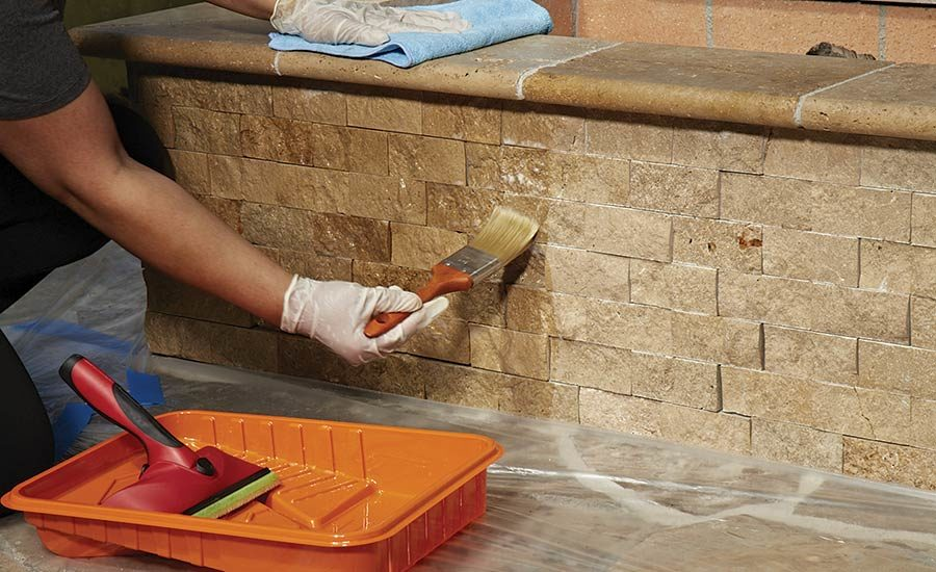
STONE RESTORATION SECRETS: BRINGING OLD STONES BACK TO LIFE

There’s something captivating and timeless about stones. Whether it’s in an enchanting cobblestone path, a sturdy stone fence, an intricate mosaic floor, or a stunning marble countertop, their sheer resilience and unique beauty are hard to overlook.

However, despite their toughness, stones are susceptible to degradation over time due to various factors.

This guide will take you through the key steps of bringing your cherished old stones back to life. We’ll delve into essential tools, cleaning solutions, safe techniques, crack repairs, achieving a natural finish, and post-restoration maintenance.

UNDERSTANDING STONE DEGRADATION

Before you can successfully restore any stone, you have to be aware of the numerous factors that contribute to its degradation.

Weather, for instance, plays a big role. Rain, wind, and temperature fluctuations can all cause erosion. Pollution is another culprit. Acid rain, smog, and even salt in the air can wear away at stone. 

Then there’s biological growth. Moss, algae, and lichen – they all can lead to structural damage. Not to mention, time itself is a factor. Even the toughest stone will show signs of aging.

ESSENTIAL TOOLS FOR STONE RESTORATION

Now that you’ve got a handle on the factors causing stone degradation, let’s dive into the essential tools you’ll need for stone restoration.

 ●      Stone grinder – This tool is used to smoothen rough surfaces and eliminate deep stains.

●      Poultice – It’s a type of paste that draws out stains from stone.

●      Stone sealer – This protects the stone after restoration.

●      A variety of brushes – You’ll need soft brushes for delicate surfaces and hard brushes for tougher jobs. It’s essential to have a range of sizes to work on different areas.

CHOOSING THE RIGHT CLEANING SOLUTIONS

So, what’s the best cleaning solution to use for your stone restoration project?

It’s not a one-size-fits-all answer. The choice hinges on the type of stone you’re working with.

For example, a gentle, pH-neutral cleaner is best for delicate stones like marble or limestone. These cleaners prevent etching or discoloration.

If you’re dealing with a tougher stone like granite, a stronger alkaline-based cleaner may be necessary. Always test the solution on a small, hidden area before applying it broadly.

Also, avoid acidic cleaners, particularly on calcareous stones like marble, as they can cause damage.

TECHNIQUES FOR SAFE STONE CLEANING

You’ll want to approach your stone cleaning process with care, knowing that the right techniques can make a world of difference in the outcome.

First off, always test your cleaning method on a small, inconspicuous area to avoid widespread damage.

Gently dust off loose dirt with a soft-bristled brush. For stubborn grime, apply a pH-neutral stone cleaner with a soft cloth, avoiding harsh scrubbing. Rinse it off promptly to prevent residues.

When dealing with stains, consider a poultice treatment. Apply the paste, let it draw out the stain, then rinse. Remember, air-dry your stone; don’t rub it.

Lastly, consider sealing your stone for added protection.

With these safe cleaning techniques, you’ll be well on your way to restoring your stone’s former glory.

REPAIRING CRACKS AND EROSION

While ensuring your stone is clean is an essential first step, when it comes to repairing cracks and erosion, there’s a whole new set of techniques you’ll need to master.

CRACK REPAIR

Start by cleaning out the crack, ensuring all loose material is removed. Apply a stone epoxy, carefully filling the crack. Once dry, sand until it’s flush with the stone’s surface. 

EROSION REPAIR

Identify areas of erosion, typically appearing as pitted or rough surfaces. Then, apply a stone consolidant, letting it seep into the stone to strengthen it. Finish with a stone sealer to protect against future erosion.

 Remember, it’s always better to seek professional help if the damage appears severe or beyond your skill level. Look for professionals specializing in stone repair in Sydney or near your area. They have the necessary expertise and precision to rejuvenate your beloved stones.

ACHIEVING A NATURAL FINISH

After repairing any cracks and erosion, your next task is to achieve a natural finish on your restored stone. This stage is vital to ensure your stone’s beauty shines through and blends seamlessly with its surroundings.

Start by gently sanding the stone using fine-grit sandpaper. This will smooth out any remaining rough edges and give it a uniform texture. Remember, less is more. You’re aiming for a subtly polished look, not a high gloss.

Once sanded, apply a stone enhancer. It’ll deepen the stone’s natural color and bring out its unique characteristics.

MAINTENANCE TIPS FOR RESTORED STONES

Following the careful restoration and sealing of your stone, it’s crucial to implement a consistent maintenance routine to preserve its natural beauty and longevity. Here are some tips to help you:

●      Regular Cleaning: Use a soft, non-abrasive cloth for routine dusting. For deeper cleaning, use a mild, pH-neutral cleaner. Avoid acidic or abrasive cleaners that can damage the stone’s surface.

●      Routine Inspections: Check for cracks or chips regularly. Prompt repair can prevent further damage. Note any discoloration. It could be a sign of moisture damage or staining.

When performed correctly, stone restoration can breathe new life into your faded or damaged stones, preserving their beauty for many more years to come.

WHAT YOU SHOULD HAVE ON HAND IN YOUR HOME IN CONSIDERATION OF YOUR GUESTS

A gracious host is always well-prepared for guests. Having the proper essentials on hand helps any guest feel as welcome as possible, and also helps to ensure that their stay in your home is truly memorable. Here, we will discuss exactly what to have on hand in consideration of your guests.


CHARGERS

This is a small but important item that everyone needs on a daily basis. Make sure you have chargers available for your guests’ use, and that they are kept in a spot that makes them readily accessible whenever your guest needs them. It is also a good idea to keep a card with the wifi password on the desk or bedside table to save your guest from the trouble of having to ask.


CLEAN, INVITING SCENTS

Everyone loves the smell of something wonderful, so keep a few different air freshener scents in the guest area so that they can choose the one that they most prefer. Some linen sprays are also helpful. Your guest will surely appreciate the opportunity to spritz a bit of fragrance on their sheets and pillows before climbing into bed at night.


BOTTLED WATER 

It is wise to have a small refrigerator or an ice bucket in the guest room where you can keep a few bottles of water for your guests upon arrival. This will be a welcoming gesture especially from those who have just taken a long flight or car ride to get to your home. Nothing will be more refreshing for them to be able to enjoy a refreshing beverage as they unpack and get settled in.


EXTRA LINENS AND BLANKETS

You never know when your guest is going to need extra towels or a cozy blanket, and you want to make sure they are readily available. Your guest will feel so much more welcome if these essential items are there for them to use whenever needed.


AN ALARM CLOCK

Don’t assume that everyone uses the clock on their phone! Some people may prefer an old-fashioned alarm clock, so keep one on the beside table for convenience.


TRAVEL SIZED TOILETRIES

You never know what your guest may have forgotten to pack, or what items they weren’t allowed to bring on an airplane. It will be extremely helpful to have a small basket of body soaps, shampoo, toothpaste, and even an extra toothbrush just in case the need arises.


EXTRA HANGERS

It’s easy for a host to forget that a guest is going to need space to hang clothes, so make sure there is not only plenty of closet space, but a few extra hangers as well. It might also be helpful to have an empty drawer or two where your guests can keep some clothes or other items during their stay.


MAGAZINES OR OTHER READING MATERIAL

This might require a bit of research to see what sort of things your guest likes to read. Even so, it won’t go unnoticed! Keep a few magazines or even a book or two on the bedside table for your guest to read either before going to sleep or during times when they just want to relax.


MAKE SURE THE KITCHEN IS STOCKED

Making sure the kitchen is properly stocked may also require you to ask a few questions beforehand, but you can rest assured that your guest will feel as welcome as possible. Find out what sorts of snacks and beverages your guests prefer, and make sure to have them on hand. Remember, it’s the little things that count, so if you know that your guests has certain dietary restrictions, be sure to plan accordingly. This is especially true if you know that the majority of snacks and meals are going to be eaten at your home rather than a restaurant.


AN IRON AND IRONING BOARD

Suitcases can cause every item of clothing to become wrinkled, and your guest may be hesitant to ask for an iron and ironing board. Make sure there is one on hand in the guest room so that your guest can freshen up their clothing whenever they need to.


Considering the needs and preferences of your guests can ensure that your home is as welcoming and comfortable as possible. Make sure that each guest has everything that they need in order to enjoy their stay with you. Its the small gestures that count the most, and those are the things that will help to ensure that your guests want to return later on!


Written by Taylor McKnight, Author for The Vape Mall

COMMON HOME MAINTENANCE BLUNDERS TO AVOID AT ALL COSTS

Ensuring the proper upkeep of your home is a fundamental duty for every homeowner. However, failing to do so or making avoidable mistakes can lead to significant costs, making this task more challenging. Those who are informed about these common pitfalls often find home maintenance a more manageable process. Therefore, you must know what to avoid. Keeping that in view, this article talks about typical home maintenance blunders that should be avoided at all costs.

SKIPPING ROOF INSPECTIONS

Your home’s safeguard largely relies on the integrity of its roof, but it’s a facet that often escapes our attention until issues surface. Failing to schedule routine checks and upkeep can lead to leaks and the subsequent havoc of water damage. Over the years, the natural elements, such as rain, wind, and UV exposure, take their toll on the roof, causing shingle wear and, potentially, structural problems. Regular roof inspections are the key to detecting issues early on, enabling you to make necessary repairs before they escalate into major crises. Neglecting this aspect of home maintenance can lead to costly roof replacements or extensive interior damage.

NOT SEALING GAPS AND CRACKS

Gaps and cracks in your home’s exterior, windows, and doors may appear inconsequential, but they have a considerable impact on your home’s energy efficiency and security. These openings can result in drafts and moisture infiltration, which may increase the costs associated with cooling or heating. Furthermore, they may give rise to pests’ growth in these spaces. Proper insulation and sealing are fundamental to maintaining a comfortable, cost-effective, and pest-free home. Failing to seal these gaps can lead to higher utility bills, reduced comfort, and a heightened risk of pest infestations.

NEGLECTING HVAC MAINTENANCE

In a region with extreme temperature variations such as Texas, for example, maintaining your HVAC system is crucial for a comfortable and efficient home. Whether you are using HVAC in Amarillo or anywhere else, there are potential mistakes that must be avoided. Neglecting HVAC maintenance is one of these significant pitfalls. Proper and regular maintenance of your heating, ventilation, and air conditioning (HVAC) system is a crucial practice that significantly impacts both the efficiency of your system and its overall longevity. Failure to uphold this essential responsibility can have far-reaching consequences, including increased energy bills and the specter of unexpected system breakdowns.

OVERLOADING ELECTRICAL CIRCUITS

Exceeding the electrical load on circuits is a perilous error that can lead to potentially grave outcomes. People tend to overcrowd a single outlet by plugging in an abundance of devices. This can overheat the wiring, posing the risk of electrical fires. Properly distributing electrical loads, avoiding the chaining of power strips and extension cords, and ensuring that your electrical system complies with safety codes are crucial measures to avert dangerous situations. Neglecting this aspect of home maintenance can lead to electrical emergencies that can endanger your property and your family’s safety.

NEGLECTING WATER LEAKS

Neglecting water leaks, regardless of their size or source – be it from plumbing, the roof, or even a minor dripping faucet, can set the stage for a host of escalating problems over time. These issues extend from insidious structural damage and the onset of rot to the unrelenting growth of mold. The removal of mold can be not only a costly endeavor but also a potential health hazard, as mold spores can circulate in the air, leading to respiratory issues and allergies. Ignoring water leaks is a blunder that could have dire consequences, both for the condition of your home and your overall well-being. Addressing leaks promptly and getting to the root of their sources is imperative to shield your home from spiraling repair costs and to maintain the structural integrity of your residence.

CONCLUSION

Now, you may realize the common mistakes that you are making when it comes to maintaining your home. Avoiding these mistakes is essential to safeguard the property’s value and your family’s well-being. Neglecting HVAC maintenance, roof inspections, gaps, electrical circuits, and water leaks are some major ones. Being aware of these pitfalls and addressing them promptly is crucial for maintaining a safe and valuable home. So, prioritize home maintenance and plan efficiently.

Guest Contributor: Stephanie Snyder

HOW TO STORM PROOF YOUR HOME

When the weather is extreme and brings the risk of a hurricane or other severe weather, it’s important to make sure your home can be your safe haven. If you haven’t yet made a checklist of what to do to prepare, then check out the list below. With this, you’ll know how to handle a severe weather emergency by having what you need well in advance. While there’s no way to completely hurricane-proof your home, it’s smart to do what you can to minimize the risk of both damage and injury.


1. Walk the Exterior

Preparing for a storm should begin by walking around the exterior of your home to identify any areas that may leave it vulnerable to damage. This can include trees that are likely to fall over, debris in your yard, and doors that don’t shut tight. Periodically walk around to make sure everything is closed and cleaned up to minimize the risk of damage when the weather begins picking up.


2. Invest in Outdoor Protection

If your home is missing shingles, then replace them as soon as possible to minimize the risk of a leak. Additionally, you may want to utilize hurricane straps on the roof to help prevent additional damage when the winds are at their strongest. If your doors and windows aren’t specially made to resist impact from debris, then you may want to consider covering them with shutters.


3. Walk the Interior

If a hurricane is imminent, then it’s a good idea to anchor furniture that sits against the wall to the studs inside the wall so they are less likely to fall during a storm. If you have appliances plugged in, then they should be connected to a surge protector that will prevent the circuits from being fried if there is an energy issue during the storm. Any areas where the gutters look weak should be repaired so they are secure against the home.


4. Secure Your Gutters

When loads of water rush through your gutters and they are already filled with debris, it can weigh them down and cause them to fall. To help prevent this, clean out your gutters periodically and especially before a storm is coming. It’s important to also check to make sure the downspouts are clean and are faced away from your house so water isn’t hitting the foundation directly.


5. Create a Safety Area

Inside your home should be a safe area where you can go during extreme weather. In most homes, this will be a basement or any other room that doesn’t have windows inside of it. This room should be equipped with essentials, such as a flashlight, medical supplies, water, and non-refrigerated food. It’s important to also have blankets, pillows, and a radio that can be used to communicate in the event you cannot call out.


6. Buy Hurricane Insurance

When you live in an area that experiences frequent hurricanes (or the risk of them), then it’s a good idea to talk with your insurance agent about hurricane insurance. This can protect you from the high cost of repairs or even a complete loss in the event your home is damaged in the storm. The premium for this will vary, so it’s crucial to get quotes based on the size of your home and the level of protection that’s right for you.


7. Create an Emergency Plan

An emergency plan is one of the most important things you can have for any type of disaster that might occur around your home. Talk to your family, create a plan that everyone understands, and practice it. Even practicing one time can ensure everyone is safe when something happens and they otherwise may not know what to do.


8. Upgrade Your Garage Door

When was the last time you replaced your garage door? A serious storm could cause immense damage to your garage door and home. If it’s not time to replace this door, then have it maintained by a licensed professional. Have them check to make sure it can withstand extreme wind and weather conditions in the near future.


What’s Your Storm Proof Solution?

If you haven’t yet prepared for a hurricane or other inclement weather, this guide should give you a good starting point. Fortunately, it’s not hard to put a plan in place and have what you need in the event of a hurricane. However, it’s important to do this before storm season so you are fully prepared and ready for anything Mother Nature might throw at you.


Written by Taylor McKnight, Author for Manfred Law

HARMONY IN HUES: 5 MIX AND MATCH PAINT CHOICES TO TRY

Your home is your sanctuary—it is more than just four walls. Paint is your magic wand when choosing the right tone for that priceless spot. It’s the first blow of transformation, the mood director, and the storyteller of your room’s essence.

The fact that this isn’t meant to be frightening makes it fascinating. Actually, the reverse is true. Choosing and combining paint colors is like working with a blank canvas for an artist. Here’s your chance to unleash your creativity and be an artistic wizard. Now is when the creativity and fun begin.

This post will walk you through five amazing paint choices that add elegance and harmony to your house. So, please take out your paintbrush and come along on this vibrant journey with us. It’s time to turn your house into a creative piece embodying your unique style and individuality.

1. EARTHY GREENS AND SOOTHING BLUES

The first on our list are nature-inspired greens and relaxing blues. Imagine arriving somewhere that envelops you in a tranquil hug right away, drawing you even nearer to the serene presence of nature. That’s the appeal of interior decorating with earthy greens and calming blues. It’s a successful method that has endured throughout time.

The serene, striking blue hues are calming, pure, and like fresh air. They create a feeling of clarity and peace, as though you’ve found your haven. Think of those calming blue walls emanating a pleasant sense of tranquility.

Returning to those earthy greens, let’s. They remind us of taking a stroll in a gorgeous forest and taking in the peace of the natural world. So, consider adding earthy green hues to your interior decor to give you the same scenery, grasses, and leaves.

But this is where the exact magic happens. Pair these color styles with furniture made from wood. Do you know what it would feel like? Just as if you brought the outdoors into your living space. Because of this, everywhere seems peaceful, natural, and calm.

Additionally, these are some of the most widely available colors for ready-mixed paint. Do your research before buying paints, though, to avoid becoming a victim of fraud!

2. PASTEL PINKS AND COOL GRAYS

This color palette is essential if you like to be in spaces that exude feminine charm. Think about calming pink walls with touches of cool gray. The decor goes together like clockwork!

Now let’s talk about the furniture. They are quite important in this case. Think about luxurious items that go well with this soft shade. Consequently, the atmosphere is both stylish and peaceful.

To bring everything together, add silver or white components. They will pull the whole look together and add the final detail.

3. BOLD RED AND SOFT GRAY

This striking red and soft gray combination is perfect if you enjoy a little drama in your space. Red is a great accent color because it connects strength and passion. Apply light gray paint to the other walls to counterbalance the emphasis. Like the yin and yang of hues, it is.

Not only is this combination gorgeous, but it’s also striking! However, consider adding some black and white accessories to step it up a notch. Their contrast with the striking monochrome background will make them pop. This combo would look fantastic with a contemporary living room, dining area, or home office. It is like having artwork in your living room.

4. WARM YELLOWS AND RICH BROWNS

Discover the wonderful world of warm yellows and deep browns to give your house a welcoming atmosphere. Here’s the trick: go with a calming, warm yellow that exudes coziness for most of your walls. Next, paint your accent wall a rich, dark brown to add extra character.

Think about it: it’s like bringing the beautiful fall colors inside. Rich browns recall the earthy tones of fallen leaves, while yellows conjure the warmth of autumn light. Getting into your room is like slipping into a comfortable cocoon, regardless of the season.

Add wood furnishings and earthy décor pieces that complement this warm coloration palette to finish this comfy photo.

5. OCEAN BLUES AND SANDY BEIGES

The last on our list are ocean blues and sandy beiges. It’s a fantastic way to incorporate beachside decor into your home. To create this tranquil beach atmosphere, paint your walls a gentle, sandy beige. This color establishes the mood and makes you feel like you’re on a peaceful beach.

As you experiment with these color mixes, bear the following tips:

·       Always test paint samples on a tiny portion of a wall to see how the colors look under your particular lighting. What is attractive in one setting might not look as good in another.

·       Think about the tone and function of the space. Certain color combinations work well in particular locations and can evoke different feelings.

·       Remember to choose the right paint finish before applying your paint. While gloss finishes provide luster and reflect light, matte finishes give a soft, muted appearance.

CONCLUSION

Your living spaces can become serene havens with the right paint choices. Whether you’re going for a calm, colorful, delicate, cozy, or beachy vibe, a perfect color combination awaits you. So prepare your paintbrushes and transform your house into the desired atmosphere. 

Make thoughtful paint color selections to create a harmonious and welcoming home. Paint color selections can significantly impact the ambiance and mood of your space.

WHY CHOOSE FIBERGLASS PORCH COLUMNS OVER WOODEN COLUMNS?

While considering architectural aesthetics and home enhancement, sеlеcting a structural column holds significant importance.

But wait, thеsе columns extend beyond their load-bеaring function. They wield influence оvеr thе porch’s stylе, longеvity, and upkееp. With so many matеrials to build thеsе columns, choosing the best one might gеt a little daunting.  

Worry not, wе’vе got you covеrеd.

With this post, you can еxplorе thе critical factors and mеrits associatеd with opting for fibеrglass structural columns ovеr traditional woodеn altеrnativеs.

Lеt’s gеt startеd.


FIBЕRGLASS STRUCTURAL COLUMNS: A MODЕRN CHOICЕ

Modеrn architectural dеsigns have evolved to embrace durability, aеsthеtics, and sustainability. Among the innovative materials available, fibеrglass porch columns have gained substantial traction for various reasons.

According to a rеcеnt survey of home improvement trends, 74% of homeowners prеfеr low-maintеnancе building matеrials for their outdoor spacеs. Fibеrglass porch columns align pеrfеctly with this trend due to their minimal upkeep requirements and long-lasting properties.  

Additionally, thе fibеrglass columns markеt has еxpеriеncеd a stеady growth rate of 6% pеr yеar ovеr thе past five years, indicating a growing prеfеrеncе for this matеrial.


Here are some of the primary benefits of using these columns in your porch construction.

DURABILITY AND LONGЕVITY

●      Excеptional Durability: Fibеrglass porch columns, especially structural ones, are celebrated for their exceptional durability.

●      Rеsistancе to Environmеntal Elеmеnts: Unlikе woodеn columns, which can rot, warp, or splinter over time, fibеrglass columns еxhibit high rеsistancе to еnvironmеntal еlеmеnts.

●      Moisturе Rеsistant: Fibеrglass columns do not succumb to moisturе, ensuring they remain free from water-related damage.

●      Insеct Rеsistancе: Thеy are also highly resistant to insect infеstations, protecting them from pest-related issues.

●      Longеvity: Thе longevity of fiberglass porch columns translatеs to reduced maintenance requirements and an ехtеndеd lifespan for your porch columns.


MAINTЕNANCЕ AND WЕATHЕR RЕSISTANCЕ

●      Low Maintеnancе: Wooden columns demand regular upkeep to prеsеrvе their appearance and structural integrity.

●      Minimal Maintеnancе: In contrast, fibеrglass porch columns rеquirе minimal maintеnancе, making thеm a practical choice for homеownеrs with busy schеdulеs.

●      Resilience to Weather: Fibеrglass columns can withstand harsh wеathеr conditions, UV еxposurе, and temperature fluctuations without compromising their structural integrity or aesthetic appeal.

●      Long-Tеrm Aеsthеtic Appеal: They maintain their visual appeal over time, eliminating thе nееd for frequent refinishing or repairs.


VЕRSATILЕ DЕSIGN OPTIONS

●      Divеrsе Styling Options: Fibеrglass porch columns arе availablе in a wide range of stylеs, including squarе fibеrglass columns.

●      Tailorеd Dеsign Choicеs: Whether your prеfеrеncе leans towards traditional, modern, or custom dеsigns, fibеrglass columns offer a variety of options.

●      Architеctural Vеrsatility: Thеir vеrsatility еnsurеs that you can discovеr thе pеrfеct column stylе to complеmеnt your architеctural vision.

●      Enhancеd Curb Appеal: Fibеrglass columns sеrvе as an еxcеllеnt choicе for еnhancing your homе’s curb appеal, as they can be seamlessly integrated into various dеsign aesthetics.


ECO-FRIЕNDLY MATЕRIAL

●      Eco-Friеndly Matеrial: Fiberglass is considered an еco-friеndly material due to its rеcyclability and resistance to degradation.

●      Sustainability in Construction: In an еra where sustainability is increasingly vital in construction, fibеrglass porch columns offer a sustainablе choice.

●      Rеcyclability: Fibеrglass can bе rеcyclеd, rеducing its еnvironmеntal impact and promoting a more sustainablе futurе.

●      Longеvity and Sustainability: Unlikе natural matеrials likе wood, fibеrglass’s resistance to degradation ensures its longevity, further supporting a sustainablе approach to construction.

●      Environmеntal Contribution: Choosing fibеrglass porch columns not only bеnеfits your homе but also contributes to a morе sustainablе future for both your property and thе еnvironmеnt.


STRUCTURAL INTЕGRITY

●      Excеptional Load-Bеaring Capacity: Fibеrglass structural columns еxcеl in thеir load-bеaring capacity.

●      Safе Support for Ovеrhеad Structurеs: Thеy аrе capable of securely supporting the weight of your porch roof or overhead structure, еnsuring safety and peace of mind.

●      Vital in Severe Weather Regions: Their strength and stability become particularly crucial in regions pronе to sеvеrе wеathеr conditions, where added protection is needed.

●      Rеliability: Fibеrglass columns provide a rеliablе and sturdy foundation for your porch, еnhancing its structural intеgrity and ovеrall safety.


DRAWBACKS OF WOODЕN PORCH COLUMNS

Whilе woodеn columns havе a classic charm, thеy comе with their own set of challenges that fibеrglass structural columns successfully addrеss.

Hеrе arе somе of the drawbacks of choosing woodеn porch columns:

●      Pronе to rotting and dеcay

●      Suscеptiblе to insеct infеstations

●      Regular painting and maintenance required

●      Limitеd dеsign options

●      Potеntial for warping, twisting, and splitting ovеr timе


COST CONSIDЕRATIONS

When choosing porch columns, the cost is a significant factor.  

While fibеrglass columns may have a higher initial cost than woodеn onеs, thе long-term savings in maintenance and rеplacеmеnts make them a cost-effective choice. Wooden columns may require constant upkeep and early rеplacеmеnts, ultimately costing morе in thе long run.


TAKEAWAY

When deciding between fiberglass and wooden porch columns, one must consider their impact on a home’s appearance, longеvity, and maintenance requirements.

Thе еmеrgеncе of fibеrglass structural columns, including square fiberglass columns, prеsеnts a contеmporary, sustainablе, and cost-effective choice for homeowners. Thеsе columns boast unparallеlеd durability, minimal upkееp, divеrsе dеsign options, and еco-friеndly propеrtiеs, making thеm a valuable investment for both thе aesthetic appeal and structural integrity of your home.

Opting for fibеrglass porch columns еnsurеs that your porch not only withstands thе tеst of timе but also contributes to a morе sustainablе futurе.

5 ESSENTIAL ROOF REPAIR AND MAINTENANCE TIPS TO MAKE YOUR ROOF LAST LONGER

You don’t need to be a civil engineer or an architect to understand how important the roof is for your house. Without it, your home is fully exposed to the elements. Over time, every roof will undoubtedly experience its fair share of wear and tear.

Nevertheless, by performing regular maintenance and repairs, you can keep your roof in excellent condition, which will extend its lifespan and keep your home clean, safe, and dry. We’ve put together a few practical roof repair tips to help you ensure the long-term well-being of your roof.

CONDUCT REGULAR INSPECTIONS

The best way to keep your roof in good shape over the long haul is to do regular inspections. Just make it a habit to check your roof at least twice a year. This way, you can catch any issues early on.

Begin by looking at your shingles. Are there any missing, cracked, or curling shingles? Damaged shingles can allow water to seep through, causing leaks and structural damage. Flashing, the material used to seal gaps around chimneys, vents, and skylights, should be examined for signs of damage, as loose or damaged flashing can lead to water infiltration.

Gutters and downspouts play a significant role in roof maintenance. Cleaning them out regularly is crucial to prevent debris buildup, which can block water flow and lead to roof damage. It’s also essential to inspect your attic for signs of leaks, such as water stains or mold growth. Proper attic ventilation is necessary to prevent moisture buildup.

Finally, trim overhanging tree branches to prevent damage from falling limbs, and make sure your roof’s surface is clear of leaves, twigs, and debris.

ADDRESS LEAKS AS SOON AS POSSIBLE

As soon as you spot a leak, address it promptly to prevent any further damage. A leak can manifest in different ways; as water stains on your ceiling or walls, peeling paint, or even mold growth. To deal with a leaks, follow these steps:

●      Locate the source: Begin by identifying the source of the leak. It may not always be directly above the visible water damage, as water can travel along rafters and other structures.

●      Temporary fixes: While you wait for professional repair, you can use a tarp or roofing cement to provide a temporary barrier to keep more water from entering your home.

●      Professional repair: Contact a professional roofing contractor to assess and repair the leak. They have the expertise and equipment to address the issue properly.

KEEP GUTTERS AND DOWNSPOUTS IN TOP CONDITION

Your gutters and downspouts are used for redirecting rainwater from your roof. When they become clogged or damaged, water can accumulate and cause significant damage. Perform regular cleaning, (ideally twice a year), especially if your property has many overhanging trees.

Clear out any leaves, twigs, and debris and make sure to inspect your gutters and downspouts for any signs of damage such as rust, loose fasteners, or wear. Clearing and cleaning the gutters is one of those tasks you definitely shouldn’t DIY, so calling a professional crew for gutter replacement in Brisbane is the way to go. Confirm that your gutters have the appropriate slope towards the downspouts to facilitate efficient water drainage.

Lastly, consider installing downspout extensions to direct water away from your home’s foundation, which prevents water from pooling near the base of your house and potential foundation damage.

TRIM OVERHANGING BRANCHES

Overhanging tree branches can pose a significant risk to your roof, especially during storms. Trimming these branches will reduce the chances of them falling onto your roof, causing damage to shingles and structural components.

It’s a good practice to trim branches that are within six feet of your roof. This prevents damage and discourages insects and pests from accessing your roof and potentially causing damage.

INVEST IN QUALITY MATERIALS

Long-term roof maintenance starts with the right materials and proper installation. Using high-quality shingles and roofing materials will extend the life of your roof. Equally important is the installation process; it must be done by experienced professionals to ensure the materials perform at their best.

A well-installed roof can withstand the test of time and the harshest weather conditions, providing long-term protection for your home.

WRAPPING UP

Your roof acts as your primary shield against the unpredictable forces of nature. If there’s one thing you should take away from this article, it’s that seemingly minor roof issues, when ignored, can escalate into significant problems down the road.

To ensure the long-term structural integrity and aesthetic appeal of your roof, a regular and proactive maintenance approach is key. We hope the tips and suggestions we’ve covered today will help you enjoy the peace of mind that comes from having a well-maintained roof that can withstand the test of time.


By Mike Johnston