Insulation is the key to a comfortable and energy-efficient home, but with so many options out on the market, it can be hard to know which insulation is right for your needs. Rockwool insulation has a few distinct advantages, making it an excellent choice for homeowners looking for durable fire safety features and excellent thermal resistance. This post will provide an overview of all you need to know about rock wool insulation, from its history to why it’s becoming such a popular form of material in households across the globe. We’ll cover how this type of insulation works and examine the costs associated with installing rock wool in your home. So if you’re interested in learning more about what makes Rockwool stand out as unique amongst other insulating materials, read on!
OVERVIEW OF ROCKWOOL INSULATION AND ITS BENEFITS
This type of mineral wool insulation has gained popularity over the years. It is made from natural volcanic rock and is known for its high performance and durability. What sets rockwool insulation apart from other types of insulation is its ability to withstand high temperatures without melting or deteriorating. This makes it an excellent choice for residential, commercial, and industrial applications. In addition to providing excellent thermal insulation, it offers superior sound insulation, making it ideal for noisy environments. Other benefits include its resistance to moisture, fire, and pests, which helps improve the safety and longevity of the building. With all of these benefits, it’s clear why this is a top choice for many builders and property owners.
EXPLORING THE FIRE SAFETY EFFECTS OF ROCKWOOL INSULATION
We often take fire safety for granted, but it’s a critical aspect of our homes and workplaces. Fires can devastate lives and cause irreparable damage. That’s why it’s essential to pay attention to the materials we use in construction and insulation. Recently, there has been growing attention on the fire safety effects. It’s crucial to understand why this material is gaining popularity, and how it can help us protect our homes and businesses. In this article, we’ll explore the advantages of this insulation and discuss why it’s becoming the go-to for those looking to enhance fire safety.
EXAMINING THE THERMAL RESISTANCE OF ROCKWOOL INSULATION
To determine how effective this insulation is at resisting heat transfer, experts have carried out experiments to examine its thermal resistance. Through the use of advanced technology and testing methods, they have been able to gather valuable information about the performance of this insulation in various real-life scenarios. By taking a closer look at the results of these tests, we can gain a deeper understanding of the benefits of this type of insulation and how it can help improve energy efficiency in buildings.
ASSESSING DIFFERENT TYPES OF ROCKWOOL INSULATION
Not all insulation products are created equal, and it’s important to assess the different types available before making a decision. Factors to consider include the density and thickness of the insulation, as well as the type of facing material used to cover it. Additionally, the overall cost and fire rating of the product should also be taken into account. By carefully assessing the different types available, you can make an informed decision and select the option that best suits your home and budget.
In conclusion, this type of insulation is an excellent choice for anyone looking to insulate their home or business. Its potential fire safety benefits make this insulation material especially attractive since it can help protect against the spread of flames and smoke in the event of a fire. Additionally, its excellent thermal resistance properties can help maintain a comfortable temperature all year round while keeping energy costs lower than traditional insulation materials. Last but not least, with multiple types and sizes of Rockwool insulation available on the market today, there are plenty of options for homeowners to choose from when deciding what type best fits their individual needs. All in all, it provides a reliable and cost-effective solution that is sure to meet any insulation need.
The summer is the ideal time to start those home improvement tasks you’ve been considering. It’s crucial to approach the process carefully and strategically, regardless of whether you’re planning a comprehensive makeover or simply a few adjustments. This post will give you five excellent suggestions to help you get the most of your home improvement this summer. We’ll walk you through the process step by step, assuring a successful and stress-free renovation experience, from setting a budget to selecting the appropriate supplies.
TIPS FOR RENOVATING YOUR HOME
1. SET A REALISTIC BUDGET
The expense of unplanned renovations has the potential to go high in a short amount of time. Before commencing any activity, it is critical to draft a spending strategy that is both reasonable and takes into account your existing level of financial stability. Establish the entire scope of your restoration project, and then prioritize the regions based on the degree to which they currently require attention. Consider the risk of additional unplanned costs while you make the necessary budgetary allocations. You can ensure that you won’t go over your spending limit by making a budget, which will also ensure that you’ll be able to finish the renovations within the finances that you have available to you.
2. PLAN AHEAD
The process of renovating should go as smoothly and quickly as possible with careful planning. Create a comprehensive plan outlining your objectives, dates, and intended results to get started. Think about getting the assistance of a knowledgeable specialist who can guide you in creating a sound strategy tailored to meet your individual requirements. Find out if your remodeling requires any permissions or other legal procedures, and build in some extra time in case of delays. You can reduce the impact of unanticipated setbacks and keep the renovation project on track if you plan ahead of time.
3. CHOOSE THE RIGHT MATERIALS
When it comes to improving your home, picking the appropriate materials is essential for its appearance and long-term viability. Because there is such a vast variety of possibilities available, it is crucial to research and select high-quality materials that align with your aesthetic and financial constraints. For instance, the metals that can be purchased online can be an excellent option for various projects because they offer adaptability, durability, and an aesthetic touch. Buying online metals and other materials can help to you to get better products which will improve the appearance and atmosphere of the room as a whole, whether you are replacing the countertop in your kitchen or adding new decorative accents.
4. HIRE RELIABLE CONTRACTORS
Employing trustworthy contractors who can work effectively if your renovation involves difficult jobs or calls for specific expertise is essential. Before making a choice, it is important to research, solicit and follow the advice of reputable sources and thoroughly investigate potential contractors. Ensure that they are licensed and insured, check their references, and you can request and check their portfolios. If you hire experienced professionals, you can reduce the likelihood of experiencing costly delays, blunders, and redo work, which will ultimately lead to a successful makeover.
5. DON’T OVERLOOK THE DETAILS
During a refurbishment, it is simple to lose sight of the tiny nuances instead of concentrating entirely on the bigger image. Nevertheless, paying attention to the more minute details of your project can significantly impact the result as a whole. Consider incorporating elements such as lighting, fixtures, paint colors, and textures that go well with the new design. Your home can gain depth and personality from adding these touches, which will help create a consistent and aesthetically pleasant environment. In renovating your home, these seemingly insignificant changes can significantly impact you.
CONCLUSION
Performing home improvements during the warmer months of the year can be an experience that is both stimulating and enjoyable. If you follow these five guidelines, you can ensure that your restoration job will succeed while minimizing stress. Don’t forget to create a budget that aligns with your financial means, plan, select the appropriate materials, work with reputable contractors, and focus on the finer aspects. Your home will be changed into a space you love, ready to welcome you and your loved ones for many years if careful consideration and planned execution are employed in the process.
Your living space is a reflection of your personality and style. A well-decorated room not only enhances the overall aesthetic appeal but also creates an inviting atmosphere that promotes relaxation and creativity. Whether you’re moving into a new home or looking to revamp your current space, incorporating stylish room decor can elevate your interiors to new heights.
Choose a Theme:
Selecting a theme or concept for your room decor is the first step towards creating a cohesive and visually pleasing space. Consider your personal preferences and explore different styles such as modern, minimalist, vintage, or bohemian. Researching online and gathering inspiration from interior design magazines can provide valuable ideas.
Colors and Patterns:
Colors play a vital role in setting the mood of a room. Opt for a color scheme that aligns with your chosen theme and resonates with your taste. Neutral tones like whites, grays, and beige can create a calming ambiance, while bold and vibrant hues add energy and personality. Introduce patterns through textiles, wallpapers, or accent pieces to add visual interest and depth to your space.
Furniture and Layout:
Consider the size and layout of your room when selecting furniture pieces. Invest in quality furniture that combines both style and functionality. Choose pieces that complement the overall theme and provide ample storage options. Experiment with different furniture arrangements to optimize space utilization and create a comfortable flow.
Lighting:
Proper lighting can dramatically enhance the ambiance of a room. Incorporate a combination of natural and artificial lighting to achieve a balanced and inviting atmosphere. Utilize large windows, sheer curtains, and mirrors to maximize natural light during the day. Install a variety of light fixtures such as pendant lights, floor lamps, and table lamps to create different lighting levels for various activities and moods.
Wall Decor:
Blank walls offer a canvas for artistic expression and creativity. Hang statement artwork, framed photographs, or decorative mirrors to add personality and style to your room. Consider creating a gallery wall with a mix of different-sized frames or opt for large-scale artwork to make a bold statement. Additionally, wall decals, wallpaper, or textured paint can infuse uniqueness and character into your space.
Textiles and Accessories:
Soft furnishings and accessories are the finishing touches that tie the entire room together. Choose textiles such as curtains, rugs, and throw pillows that complement the color scheme and add texture. Incorporate statement pieces like a vibrant rug or a decorative vase to create focal points. Introduce greenery through potted plants or flowers to bring life and freshness to your space.
Declutter and Organize:
A clutter-free room exudes a sense of tranquility and allows your decor to shine. Regularly declutter and organize your belongings, ensuring everything has its designated place. Utilize storage solutions like shelves, baskets, and stylish containers to keep your space tidy and visually pleasing.
Stylish room decor goes beyond mere aesthetics; it creates an environment that inspires and rejuvenates. By carefully selecting a theme, incorporating a harmonious color scheme, and utilizing thoughtful furniture arrangements, lighting, and accessories, you can transform your room into a sanctuary of beauty and comfort. Experiment, have fun, and let your personality shine through as you embark on this exciting journey of interior design. Remember, the most stylish rooms are the ones that reflect your unique taste and make you feel truly at home.
As the summer heat settles in, many people turn to their pools for a refreshing escape. However, maintaining a pool during the summer months requires some attention and care to ensure it remains clean, safe, and inviting. In this article, we will provide you with essential tips to keep your pool in pristine condition throughout the summer season, ensuring that you and your family can enjoy endless hours of fun and relaxation.
Regular Cleaning:
Proper cleaning is the foundation of maintaining a sparkling pool. Skim the surface of the water daily to remove leaves, insects, and debris. Use a pool vacuum or robotic cleaner to clean the pool floor and walls at least once a week. Brushing the walls and tiles will prevent algae buildup and keep them looking fresh. Remember to empty the skimmer baskets regularly to optimize the pool’s filtration system.
Consistent Water Balance:
Maintaining the right water chemistry is crucial to ensure a safe and enjoyable swimming experience. Regularly test the pool water’s pH, alkalinity, and chlorine levels using a reliable testing kit. Aim for a pH level between 7.4 and 7.6 and a total alkalinity level of 80 to 120 ppm (parts per million). Chlorine levels should remain between 1 and 3 ppm. Balancing these levels not only keeps the water clear and inviting but also helps prevent the growth of harmful bacteria and algae.
Filtration and Circulation:
Proper filtration and circulation are essential for keeping your pool water clean and free from impurities. Run your pool’s filtration system for at least 8 to 12 hours a day, or as recommended by the manufacturer. Ensure the filter is clean and functional, and backwash or clean it as needed. Proper circulation also prevents stagnant water, which can encourage algae growth. Consider using a pool pump timer to automate the filtration process and save energy.
Regular Shock Treatment:
Regularly shocking or super-chlorinating your pool helps eliminate contaminants, neutralize chloramines (the byproducts of chlorine and organic matter), and restore water clarity. Shock treatment is especially important after heavy pool usage, a rainstorm, or when chlorine levels are low. Follow the manufacturer’s instructions regarding the appropriate amount of shock treatment needed for your pool size and current conditions.
Maintain the Pool’s Water Level:
Monitor and maintain the appropriate water level in your pool throughout the summer. Evaporation, splashing, and backwashing can lead to water loss, which may affect the overall pool performance. Refill the pool when the water level drops below the midpoint of the skimmer opening to ensure the pump and filtration system work optimally.
Address Algae and Stains:
Algae growth and unsightly stains can quickly detract from the beauty and cleanliness of your pool. Regularly brush the pool walls and floor to prevent algae buildup. In case of algae blooms, use an appropriate algaecide and follow the instructions to eradicate the problem. For stubborn stains, identify the cause (such as metal or organic matter) and use the appropriate stain remover or seek professional advice if needed.
Safety Measures:
Ensure the safety of swimmers, especially if you have children or pets, by adhering to essential safety measures. Install a pool fence or safety cover to restrict unauthorized access. Keep pool chemicals stored securely and out of reach. Equip the pool area with life-saving devices such as life rings, a reaching pole, and a first-aid kit. Regularly inspect and maintain pool equipment to avoid accidents or malfunctions.
Starting a plumbing business can be rewarding and profitable for those with the necessary skills and entrepreneurial spirit. The plumbing industry offers many opportunities, from residential repairs and installations to commercial projects and specialized services. However, launching and successfully running a plumbing business requires careful planning, industry knowledge, and a solid business strategy. So, here are a few things you need to know when starting a plumbing business, covering everything from acquiring the right skills and certifications to marketing your services and managing your operations in the most effective way possible.
GAIN THE NECESSARY SKILLS AND CERTIFICATIONS
Embarking on a journey to establish a successful plumbing business necessitates an unwavering commitment to acquiring the essential skills and knowledge. To equip yourself with a solid foundation, it is highly advisable to pursue various avenues for learning. Consider immersing yourself in an apprenticeship program, where you can glean wisdom and expertise from seasoned professionals in the field.
Alternatively, enrolling in a comprehensive trade school program can furnish you with a wealth of knowledge, covering the intricate nuances and fundamental principles of the plumbing industry. Moreover, to ensure that your business operates within the legal parameters, it is crucial to examine your local regulations and licensing requirements meticulously.
DEVELOP A BUSINESS PLAN
When venturing into the realm of plumbing entrepreneurship, one indispensable tool that can catapult your success is a meticulously crafted business plan. This blueprint is an indispensable guide, illuminating the path toward achieving your objectives and aspirations. Through the systematic outlining of your goals, you can create a clear roadmap that will direct your every endeavor.
Additionally, meticulous planning should extend to developing a well-structured pricing structure that ensures profitability while remaining competitive. Alongside this, delineate your marketing strategies, delineating the channels through which you will connect with your target audience. Lastly, forecasting financial projections will allow you to anticipate potential challenges and opportunities, enabling you to make informed decisions to bolster your business as it blossoms and grows.
INVEST IN TOOLS AND MARKETING
High-quality tools and equipment are essential for delivering reliable plumbing services. List the tools you’ll need, including wrenches, pipe cutters, soldering equipment, drain snakes, and diagnostic tools. Research reputable suppliers and invest in durable equipment that will withstand the demands of your work.
To attract clients and establish your brand, you’ll need a robust marketing strategy. Create a professional website that showcases your services, testimonials, and contact information. Utilize online advertising, search engine optimization (SEO), and social media platforms to increase your online visibility. Consider networking with local contractors, real estate agents, and property management companies to generate referrals. Also, look into visually appealing pull up banners that will tell the world who you are and what you do, and that’s all you’ll need to start gaining more clients!
SECURE THE NECESSARY FUNDING
Actualizing your plumbing business dreams may necessitate a prudent allocation of financial resources, as certain startup costs and investments are indispensable. To embark on this exciting entrepreneurial journey, you must proactively explore various funding options to ensure you have the capital to propel your business forward.
Moreover, keenly investigate the availability of grants that align with your business vision, as these can provide an injection of funds without the burden of repayment. Should you possess personal savings earmarked for this endeavor, consider their judicious utilization to bolster your financial position. By thoughtfully navigating the realm of funding possibilities, you can lay a solid foundation for your plumbing business, primed for success.
OBTAIN INSURANCE COVERAGE
As a plumbing business owner, embracing the ethos of responsible entrepreneurship entails prioritizing the safeguarding of not only your interests but also those of your valuable employees and cherished clients. To fortify your armor against unforeseen circumstances, it is imperative to procure comprehensive insurance coverage.
General liability insurance acts as a protective shield, guarding against potential claims or lawsuits arising from bodily injury or property damage. By ensuring that your plumbing business is adequately covered, you can engender trust and confidence among your clients, paving the way for long-lasting professional relationships.
Starting a plumbing business requires technical expertise, business acumen, and dedication. careful planning and hard work, your plumbing business can thrive and provide valuable services to your community while achieving your entrepreneurial goals.
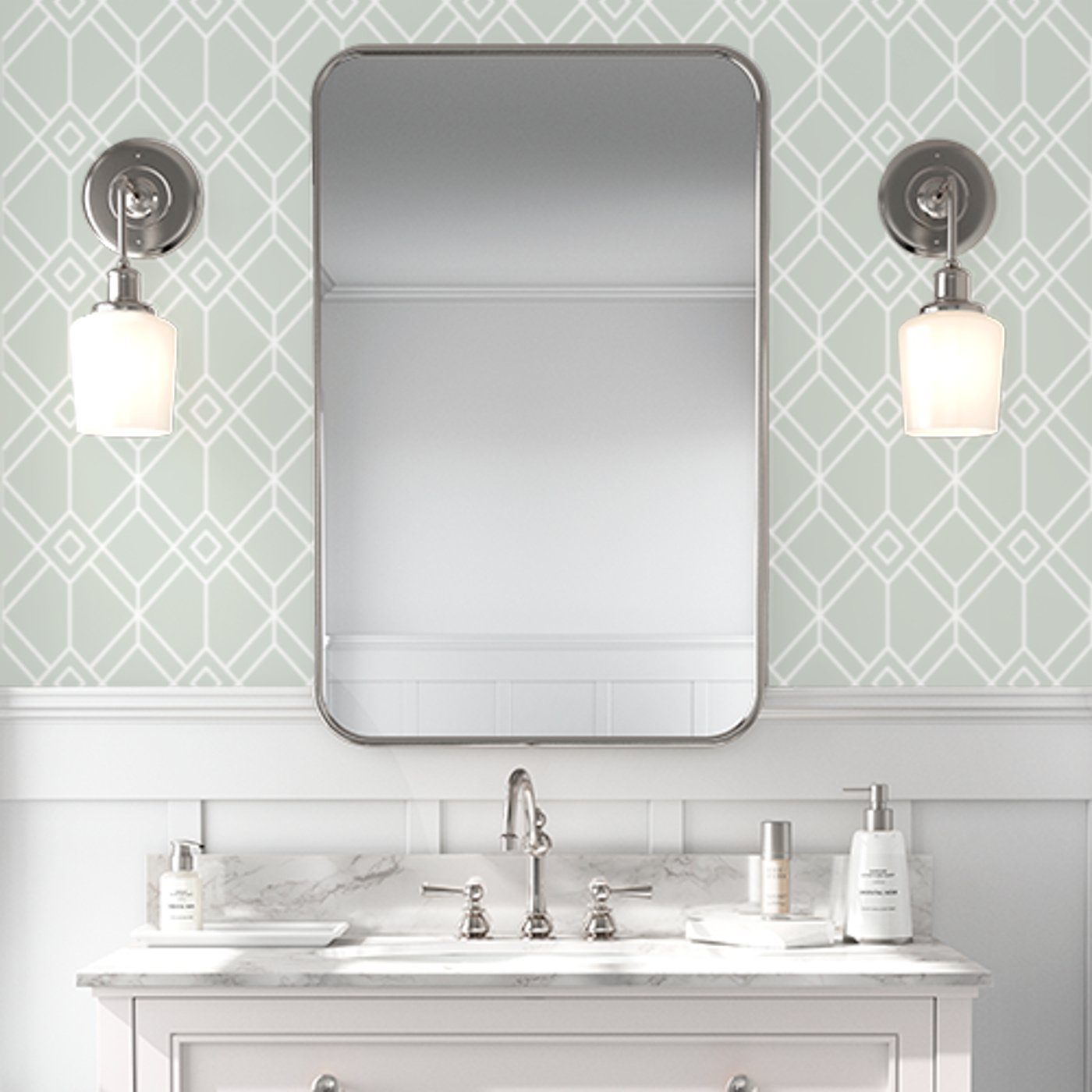
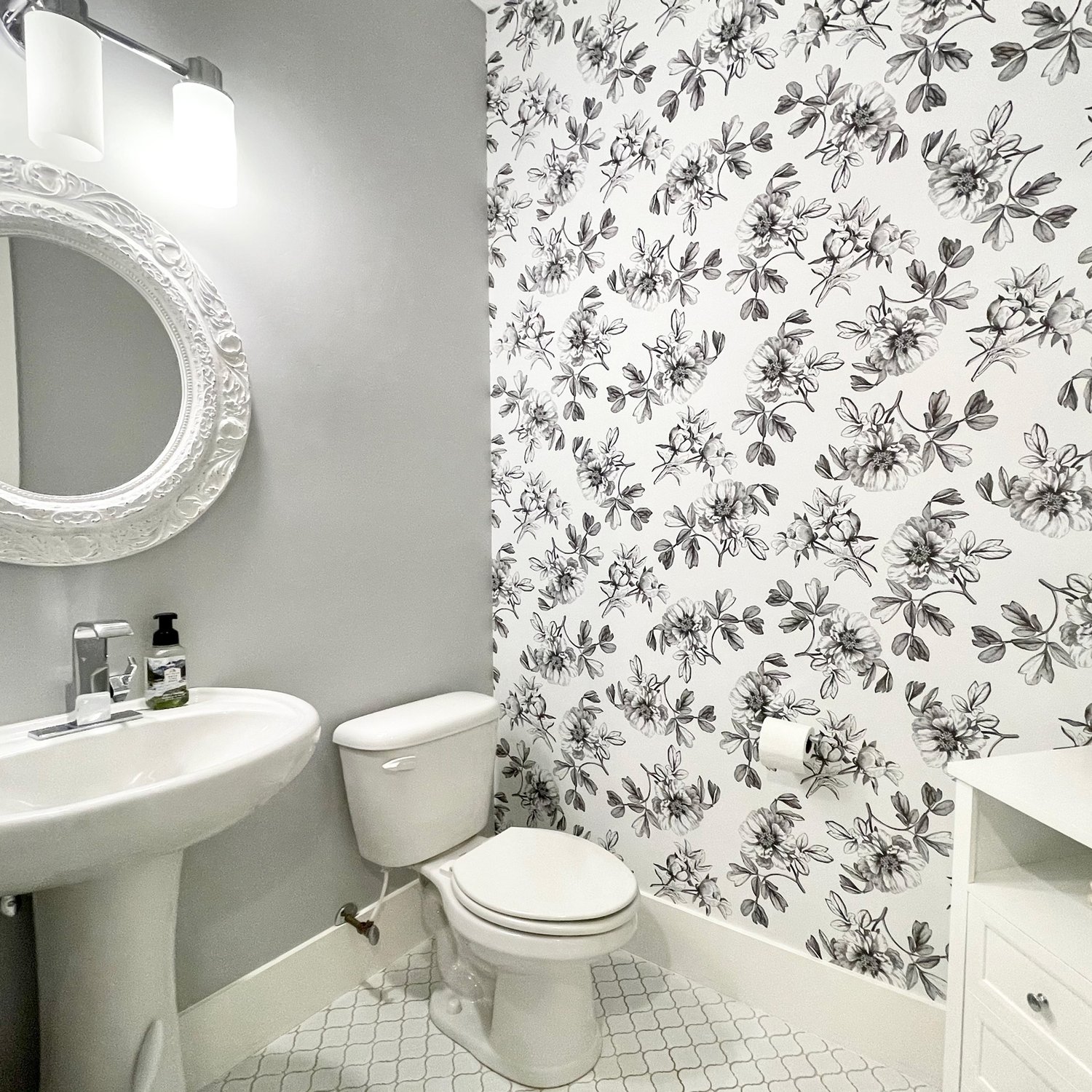
Peel and stick wallpaper has gained immense popularity in the recent years. One of the main reasons for this is its convenience and versatility. They are equally easy to apply and remove which makes them ideal for rented areas. Therefore, if you want to spruce up your bathroom, removable wallpaper can be a game-changer. This post brings you useful tips to make removable wallpaper application easy and hustle-free.
PRELIMINARY TIPS
Before we delve deeper in peelable wallpaper application in the bathroom, we need to discuss some preliminary tips that can be very useful during the process.
PATIENCE IS ESSENTIAL
Just like it’s the case with other home improvement projects, wallpaper application needs a high level of patience. This is especially the case if you don’t have the best DIY skills, you will be required to research, read and understand each application step at a time. If you are not ready for this, then you should consider professional installation instead.
SHOP FOR THE RIGHT WALLPAPER
Most wallpapers will not do well in the bathroom. For that reason, you will be required to research the market and find the right removable wallpaper for the bathroom environment. In most instances, vinyl wallpaper are best suited for the bathroom because they don’t develop mold or get damaged by the high-moist found in bathrooms.
MAKE CORRECT MEASUREMENTS
Once you’ve found the right wallpaper for your bathroom, it’s important to make correct measurements. This is important when purchasing to ensure you are buying the correct sizes for your bathroom. Alternatively, you can ask for custom orders for your specific needs.
CHOOSE THE RIGHT THEME
Selecting the right peel and stick wallpaper theme is essential for achieving a flawless finish that matches your overall home theme. You can always consult with experts to help you select the best colors, patterns, texture and material for the bathroom. The wallpaper like we have already said should be resistant to moist and water. Ensure that you have selected a theme that compliments the entire look of your home.
HAVE THE NECESSARY TOOLS AND EQUIPMENT
To ensure a successful application of peel and stick wallpaper in your bathroom, you will be required to have all the down listed tools and equipment.
· Measuring tape
· Utility knife or scissors
· Level
· Pencil or marker
· Wallpaper smoother or squeegee
· Seam roller
· Clean cloth or sponge
· Step ladder or stool
HOW TO APPLY WALLPAPER IN BATHROOM
PREPARE YOUR BATHROOM
Before starting the application process, it’s crucial to prepare your bathroom adequately. You are required to remove the existing wallpaper from the walls, and remove the loose paint. It is important to make sure that the surface is flat. For that reason, steer clear textured walls, remove any dirt, grease or dust found on the surface. Eventually, dry the walls completely before you begin the application.
MEASURE ACCURATELY
You have probably made the right measurements when purchasing the wallpaper. However, you will be expected to measure the bathroom and cut the right wallpapers for a seamless installation. Measure the width and the height of the walls. If possible, add few inches on each side to account for measurement errors or adjustments. By doing this, you will definitely avoid mistakes and make sure you have enough wallpaper for the project.
PLAN THE LAYOUT
Before applying bathroom wallpaper, plan the layout to ensure a smooth and visually appealing result. Start by identifying the focal point of the room, such as the main wall or vanity area. Begin the installation from this focal point and work your way outward. Make sure the pattern is aligned carefully to ensure there’s a flawless transition from one strip to the other. It is essential to use a pencil and a level to mark equal guidelines on the wall that will guide you through the application process.
CUT THE WALLPAPER
With the correct measurements, cut the wallpaper precisely to ensure a professional finish. You can either use a sharp utility knife or a pair of scissors to trim the wallpaper. Take your time and make clean, straight cuts. In case you want to sustain a simple or complex pattern, make sure that each strip is cut in the same direction to maintain consistency.
APPLY THE WALLPAPER
Carefully peel off the backing of the wallpaper and start applying it to the wall. You are supposed to follow the guidelines you marked earlier. You will also be required to apply the wallpaper from top to bottom and starting from one corner to the other. Once applied, you should use a smoother or a clean cloth to smooth the paper removing wrinkles or air bubbles. Take your time, work slowly and methodically ensuring each application is well aligned before you move to the next application. To ensure a secure bond, you can use a seam roller to press down the edges.
DEAL WITH CORNERS AND TRIM
When you reach corners or edges, use a sharp blade to trim the excess wallpaper neatly. This will vary depending on whether it’s an inner corner or an outer corner. For inside corners, make a vertical cut from the edge of the wallpaper to the corner, and then smooth it down. For outside corners, make a diagonal cut and fold the excess wallpaper neatly around the corner. Take your time and be patient to achieve a clean and seamless result.
FINISHING TOUCHES
Once you are done applying, step back and inspect the overall results. In case of any imperfections, get back and fix, smooth any bubbles and trim any excess wallpaper. You can use a sharp blade to make any final adjustments.
Now you have all the tips and information you need to seamlessly apply peel and stick wallpaper to your bathroom. Make sure you have necessary DIY skills otherwise you might have to consult a profession to help you with the process of selecting the wallpapers, preparing the walls and applying peelable wallpaper to the walls.
It is incredibly frustrating when you circle your property, desperately searching for an available parking spot. And let’s not forget those moments when you have guests over, only to realize there’s simply not enough room to accommodate their vehicles.
With our easy-to-follow DIY driveway extension guide, you’ll learn how to make the most of your space and transform your driveway into a spacious parking area.
ASSESSING YOUR PARKING NEEDS AND PLANNING
EVALUATING YOUR CURRENT PARKING SPACE
Start by evaluating your current parking space. Take note of the existing area and assess its capacity to accommodate vehicles comfortably. Consider factors such as the length, width, and shape of the driveway.
DETERMINING HOW MUCH SPACE YOU NEED
To determine the required parking space, consider the number of vehicles you have and any potential future growth. Measure the dimensions of each vehicle and add some extra space for maneuverability. This calculation will give you a rough estimate of the additional area needed for parking.
REVIEWING LOCAL REGULATIONS AND OBTAINING NECESSARY PERMITS
Before proceeding with your driveway extension project, reviewing local regulations and obtaining any required permits is crucial. Check with your local municipality or homeowner’s association to ensure compliance with setback requirements, zoning restrictions, and any other regulations pertaining to driveway modifications. Obtain the necessary permits to avoid any potential legal issues.
SELECTING THE RIGHT EXTENSION MATERIAL AND PREPARATION
EXPLORING DIFFERENT DRIVEWAY EXTENSION MATERIALS
There are various materials available for driveway extensions. Consider cost, durability, maintenance, and aesthetic appeal when choosing a product.
Here are the most popular driveway extension materials:
Concrete: Durable, low maintenance, and customizable.
Asphalt: Cost-effective, easy installation, and relatively low maintenance.
Pavers: Versatile in design and excellent load-bearing capacity.
Gravel: Affordable and easy to install and maintain.
PREPARING THE GROUND FOR EXTENSION
Before installing the driveway extension, proper preparation of the ground is essential. Clear the area of any vegetation or debris and ensure a level surface. Assess the soil condition and make necessary adjustments to ensure stability and proper drainage.
ADDING EXTRA SPACE TO YOUR DRIVEWAY
MARKING AND OUTLINING THE EXTENSION AREA
Using stakes and twine, mark and outline the boundaries of the driveway extension area. This will provide a clear guide for excavation and installation.
DIGGING THE FOUNDATION
Use a shovel or a rented mini-excavator to dig into the ground. Start from the marked boundaries and work your way inward, gradually creating a level and uniform trench. Pay attention to the desired depth, typically around 6 to 8 inches. While excavating, strive for a consistent depth and width across the entire extension area.
ENSURING PROPER SLOPE AND DRAINAGE
Ensure the extension slopes slightly away from your property to facilitate proper drainage, which is crucial for preventing water pooling and potential damage to the driveway. To confirm the appropriate slope, you can use a level or a slope meter to measure the average rate of change in elevation.
INSTALLING THE EXTENSION MATERIAL PROPERLY
Follow the manufacturer’s instructions for installing the chosen extension material. Whether it’s pouring concrete, laying asphalt, placing pavers, or spreading gravel, follow the recommended techniques to achieve a sturdy and long-lasting driveway extension.
LEVELING, COMPACTING, AND FINISHING THE EXTENSION
After installing the extension material, use a level and a compactor to ensure an even surface. This step will enhance the stability and longevity of the driveway extension. Finish the surface according to the chosen material, such as applying a sealer to asphalt or adding a topcoat to concrete.
ADDING EDGING OR BORDERS FOR A POLISHED LOOK
One way to elevate the visual appeal of your driveway extension is by adding edging or borders. Not only do they provide a clean and finished look, but they also offer practical benefits. Here’s why edging can enhance your driveway extension:
When it comes to edging materials, the possibilities are abundant. You can choose from various options, such as bricks, pavers, stone, concrete curbs, or decorative metal.
To make your driveway extension truly stand out, consider these decorative tips:
Lighting: Install low-voltage landscape lighting along the edging or borders to illuminate the driveway extension.
Raised Garden Beds: Build garden beds along the edges of your driveway extension. Choose low-maintenance plants or colorful flowers that complement the overall landscape.
Gravel or Mulch Fillers: Consider using decorative gravel or mulch as fillers within the borders. This can create a visually pleasing contrast and add texture to the overall design.
KEY TAKEAWAYS
After a long day at work or a tiring journey, the last thing you want is to spend more time and effort searching for a parking spot. By extending your driveway, you bring parking convenience right to your doorstep. You can easily park your vehicle without the hassle of maneuvering through narrow streets or walking long distances to reach your home.
A well-extended driveway also increases your home’s value, as potential buyers are often attracted to properties with sufficient parking space.
Here’s the step-by-step guide to adding extra parking to your driveway:
Assess your current parking space and measure the additional space needed.
Explore different extension materials, considering durability, cost, and maintenance requirements.
Outline the extension area using markers or stakes for precise measurements.
Ensure proper slope and drainage to prevent water pooling and damage to the extension.
Dig the foundation and install the chosen extension material carefully.
Level, compact, and finish the extension to create a smooth and even surface.
Consider adding edging or borders to add aesthetics to the driveway.
The Biggest Little City in the world, Reno, Nevada, where the ideal balance between metropolitan energy and unspoiled beauty can be found. Its gorgeous landscape will prepare you to embark on an extraordinary trip as you unlock the door to your dream house, where every moment becomes a treasured chapter in the story of your life.
As we head into 2023, it will be crucial for prospective homebuyers to stay up to date on the most recent trends and expectations in the real estate market. If you are looking for Reno, Nevada houses for sale, the real estate market has been continuously expanding, which could provide you with a variety of options.
Here’s a list of what to expect/consider before buying a home at Reno, Nevada:
RISING COST OF HOUSING
Just like other cities across the United States, Reno has experienced a steady increase in home prices over the past few years. The Sierra Nevada Realtors (formerly known as Reno/Sparks Association of Realtors) reported that in 2022, the median sales price for single-family houses in Reno increased to a new record. Home price growth is anticipated to continue in 2023, albeit at a somewhat slower rate. When looking for houses for sale in Reno, Nevada, buyers should be ready for a competitive market and carefully examine their budget.
According to recent Redfin data, the median price of a home sold for in Reno in April 2023 was $499,900, a 9.11% decrease and $480,000 in Sparks, a 5% decrease compared to the previous year.
HOUSING MARKET
One challenge that buyers may face in 2023 is the limited inventory of homes for sale. The demand for housing in Reno has been high, driven by factors such as job growth, a desirable location, and a vibrant community. However, the supply of available homes has struggled to keep up with this demand. This limited inventory can lead to increased competition among buyers, making it crucial to act quickly when a desirable property becomes available.
As stated in the statistics of Redfin data this April 2023, Nevada had 13,009 homes for sale, 925 from Reno and 327 from Sparks.
NEW CONSTRUCTION
Reno is now developing new construction projects to solve the shortage in supply. To accommodate the rising demand, developers are creating new housing developments and residential neighborhoods. These new construction options allow buyers to buy brand-new house with cutting-edge features and amenities. For clients seeking a new beginning, keep an eye out for new building projects in Reno as they can present appealing possibilities.
According to Steffen Lehmann, founder of Future Cities Leadership Lab and director of the University of Nevada, there are additional expenditures associated with expanding farther from the city core. This is due to the fact that doing so requires the construction of new sewage systems, utility connections, and other infrastructure in addition to adding new public services like police and fire stations. Additionally, single-family residences are often more expensive per unit than multi-unit buildings, making them more expensive.
Duplexes, bungalow courts, and townhouses are a few examples of multi-unit housing developments. These apartments are a component of the so-called “missing middle,” which consists of homes with two to fifty units that boost housing density and are designed for urban living.
MORTGAGE RATES
When buying a house, it’s important to take the current mortgage interest rates into account. Interest rates have stayed relatively low in recent years, making it a good opportunity for buyers to get a mortgage. However, analysts anticipate a gradual increase in mortgage rates in 2023 as the economy keeps improving. For the greatest financing alternatives for their budget and long-term financial goals, buyers or investors should keep up with changes in mortgage rate patterns and consult carefully with real estate agents. You can prepare for the home-buying process in Nevada with the aid of a financial advisor. To ensure that you are planning for the future, financial advisors can also assist with investment and financial plans including tax, retirement, and estate planning.
REAL ESTATE AGENTS
Navigating the real estate market can be complex, especially in a competitive environment. Engaging the services of a knowledgeable real estate agent in Reno can greatly benefit you. A local agent will have a deep understanding of the market, access to exclusive listings, and the ability to negotiate on your behalf. They can guide you through the home-buying process, ensuring you make well-informed decisions and find the right property that fits your needs and budget.
Think about requesting recommendations from friends, family, or coworkers who have recently bought or sold a property. Personal referrals are typically trustworthy sources for locating reputable agents. You can also interview several agents, and ask them about their background, their understanding of the local market, track records, and the services they offer.
NEIGHBORHOODS AND FACILITIES
Reno has many distinct neighborhoods, each with its own special charm and amenities. Consider your lifestyle choices when looking at Reno, Nevada houses for sale, such as the accessibility of nearby parks, schools, and retail areas. You might also want to consider Midtown (hub of local businesses), Old Southwest (historic neighborhood), Caughlin Ranch (picturesque setting and well-designed homes), South Meadows (mix of commercial and residential developments), Northwest Reno (spacious lots and scenic mountain views), and Arrowcreek (expansive views of the city and the Sierra Nevada mountains). You will gain a better grasp of the neighborhood and be able to locate a place that fits your preferences and way of life by exploring these locations.
DUE DILIGENCE
It is critical to perform exhaustive due diligence before finalizing your purchase. This includes getting a professional home inspection, going over all pertinent paperwork, including seller disclosures and title reports, and learning about the zoning of the surrounding area and any future development plans. By ensuring that all legal matters are correctly addressed throughout the transaction process, working with a real estate attorney can add to your peace of mind.
Keep in mind to choose an experienced real estate agent who specializes in Reno, Nevada houses for sale. They will serve as your reliable advisor, offering professional guidance and assuring a simple home-buying process.
LIVING IN RENO
If you love the outdoors, Reno offers plenty of day trips you can enjoy. Take advantage of the boardwalks in Virginia City, miles of trails in Washoe Valley, visit the Bowers Mansion up to the summit and have a great view of the entire region, you may also head to Lake Tahoe and relax to its clear waters and clean beaches.
There are several festivals you will also enjoy in Reno:
Reno River Festival, celebrated annually in Mid-May which includes kayaking and whitewater competitions as well as a craft beer village and a cycling competition called Reno River Roll.
Reno Rodeo, celebrated annually in Mid-June which was first held in 1919 which includes classic rodeo activities like bull riding and steer wrestling as well as family-friendly activities like mutton busting. Did you know that in 1949, John Wayne went to the Reno Rodeo Parade?
Artown, celebrated the whole month of July which honors all things artistic and features performances in the visual, performing, and literary arts as well as music, dance, theater, and film.
Lake Tahoe Shakespeare Festival, celebrated from early July to late August that takes place near Tahoe’s Sand Harbor. This commemoration of Shakespeare’s work was launched in 1972 with eight performances by the New Shakespeare Company.
Hot August Nights, celebrated from early-August to mid-August. This festival of vintage cars and rock and roll is one of the biggest festivals in the Biggest Little City. To the dismay of those who simply wish to make their daily commute across town, the event draws roughly 6,000 classic cars.
During The Great Reno Balloon Race, thousands of people get up early and make their way to Rancho San Rafael Park in Reno to see balloons spring to life all around them as the summer heat gradually gives way to the chilly air of the fall.
Reno’s arts and cultural scene has expanded since 2010, when the housing market hit an all-time low. When you start living here, you will have access to gallery exhibits, curiosity museums, a nearby animal refuge, as well as the region’s parks and rich history. You may even take a tour of the previous Mint in Carson City, which processed local silver and gold coinage. You will also discover that Reno’s culinary scene is top-notch due to the city’s hotel and casino lifestyle.
CONCLUSION
Reno offers a variety of areas to fit any lifestyle, from the tiny streets of Midtown to the magnificent views of Northwest Reno. Choose the ideal house that not only satisfies your needs but also immerses you in the distinctive beauty and opportunities that Reno has to offer by consulting with dependable real estate experts and taking your long-term objectives into account. You will be entering a world of limitless opportunities and treasured memories as soon as you open the door to your new Reno home.
Tile has a long history of usage as a construction material due to its practicality and appealing appearance. The history of tile is rich and intriguing, spanning from ancient civilizations to present-day construction. This piece will go into the history of tile, starting with its modest origins in clay and progressing up to the many cutting-edge possibilities available today. Come with us as we investigate the history of tile and learn about the extraordinary changes it has experienced throughout its existence.
THE EVOLUTION OF TILE FROM ANCIENT CLAY TO MODERN CONSTRUCTIONS
ANCIENT ORIGINS
Early civilizations such as the Egyptians, Mesopotamians, and Persians used clay tiles in their architectural projects. This practice stretches back to ancient times and continues to this day in many parts of the world. These tiles were handcrafted, and their primary objective was to serve a useful purpose, giving a surface that is hardy and resistant to the elements.
THE INFLUENCE OF ISLAM
During the time of the Islamic civilization, considerable advances were made in the manufacturing of tiles. There was a rise in the popularity of intricate patterns and geometric designs, which displayed the artistry and artistry of Islamic artisans. Throughout history, palaces, mosques, and other architectural marvels have been decorated with glazed ceramic tiles, significantly influencing tile design.
RENAISSANCE REVIVAL
The manufacturing of tiles also enjoyed a renaissance during the Renaissance era, which coincided with a resurgence in interest in classical art and architecture. Tilemakers were heavily influenced by the intricate designs of ancient Romans and Greeks, which they used to create intricate patterns and sceneries reflecting historical events and legendary tales. During the Renaissance, tiles stopped being used exclusively for their practical use and began to take on a more ornamental and artistic appearance.
INDUSTRIAL REVOLUTION
The technical advances due to the Industrial Revolution completely revamped the tile manufacturing industry. Tiles were more readily available and within reach of more people with the development of steam-powered technology and methods of mass manufacture. Because of this, ceramic tiles became more common in residential settings, especially in high-traffic areas such as kitchens and baths.
ART NOUVEAU AND ART DECO
Art Nouveau and Art Deco were two prominent creative trends that emerged in the latter half of the 19th century and the early 20th century, respectively—both the Art Nouveau and Art Deco periods significantly impacted tile design. Art Nouveau emphasized organic forms and floral themes, while Art Deco favored geometric patterns and bright colors. During this period, tiles were widely used in decorating interiors, including those of public buildings and private residences.
INNOVATIONS IN CONTEMPORARY TILING
Tile manufacturing has been subjected to various inventions and technological breakthroughs in the contemporary period. The advent of new materials, such as porcelain and glass, increased the variety of design options and practical applications available for tiles. Classic terracotta tile is known and still used for its durability and extensive variety of surface treatments. In contrast, modern glass tiles are known for the one-of-a-kind character that they can provide to interior spaces.
MODERN TILE STYLES
The variety of designs available for tiles in today’s market is unparalleled. The most recent fashions include various design motifs, such as minimalist, industrial, and eclectic aesthetics. The popularity of large-format tiles, mosaic patterns, and digitally printed tiles has increased the number of opportunities for artistic expression.
CONCLUSION
In conclusion, the development of tile throughout history is evidence of the inventiveness and creativity of humans. Tile has come a long way from its modest origins as clay tiles; now, it is available in a wide variety of sophisticated and unique forms, and it serves both a practical and beautiful purpose in the construction industry. After ancient civilizations established the foundation for tile artistry, Islamic influences contributed sophisticated patterns and glazing processes, and later centuries saw creative revivals and technical improvements to be made. Because of its longevity, adaptability, and almost limitless design options, tile is essential for interior and external spaces in modern homes. The history of tile has significantly impacted how people produce and evaluate works of architectural beauty. This is true whether the work in question is a traditional mosaic, a modern large-format tile, or a digitally-created masterpiece.
The safety and security of rental properties are paramount concerns for landlords. As technology advances, many landlords consider installing security cameras to protect their properties and deter potential criminal activities. However, it is essential for landlords to understand the legal implications and privacy laws associated with the use of security cameras. Can a landlord put cameras outside the house without violating tenant privacy rights? In this article, we will explore what landlords need to know about security cameras and privacy laws. By understanding the legal landscape and adhering to best practices, landlords can strike a balance between maintaining property security and respecting tenant privacy rights.
When considering the installation of security cameras, landlords must navigate the complexities of privacy laws and ensure compliance with local regulations. Understanding the limitations, consent requirements, and guidelines for using surveillance cameras is crucial to avoid infringing upon tenant privacy. By exploring the legal framework surrounding security cameras, landlords can make informed decisions and create a safe and respectful environment for their tenants.
UNDERSTANDING PRIVACY LAWS
Before installing security cameras, landlords must familiarize themselves with the privacy laws applicable in their jurisdiction. Privacy laws vary from country to country and even within different states or provinces. In general, landlords need to be aware of the scope of surveillance allowed, consent requirements, and restrictions on recording audio. Some jurisdictions require explicit consent from tenants before installing cameras, while others may allow limited surveillance without consent in common areas. It’s essential to consult local laws and regulations or seek legal advice to ensure compliance.
COMMON AREAS VS. TENANT PRIVACY
When installing security cameras, landlords must distinguish between common areas and areas that ensure tenant privacy. Common areas such as building entrances, parking lots, and hallways are generally considered public spaces and may be subject to surveillance. However, areas like individual units, balconies, and private outdoor spaces should be treated with respect for tenant privacy. It’s crucial to strike a balance between maintaining security and respecting tenants’ rights to privacy in their personal living spaces.
PROVIDING NOTICE AND OBTAINING CONSENT
Transparency is key when it comes to security camera installation. Landlords should provide clear and written notice to tenants about the presence of security cameras on the property. The notice should include information about the purpose of the cameras, the areas covered, and how the recorded footage will be used. In some jurisdictions, obtaining written consent from tenants may be necessary, while in others, notice alone may be sufficient. It’s essential to adhere to the specific requirements outlined in local laws and regulations.
PROPER USE AND RETENTION OF RECORDED FOOTAGE
Landlords must use recorded footage from security cameras responsibly. The primary purpose of surveillance cameras should be to enhance security and deter criminal activities. It’s important to establish policies regarding who has access to the recorded footage and to ensure that it is securely stored. Landlords should have clear guidelines on the retention period of footage, deleting it after a reasonable timeframe unless required for legal reasons.
HANDLING TENANT CONCERNS AND DISPUTES
Tenants may have concerns about their privacy or feel uncomfortable with the presence of security cameras. Landlords should establish open lines of communication to address these concerns. Actively listen to tenant feedback and consider making adjustments if necessary. If disputes arise, it’s advisable to engage in constructive dialogue and, if needed, seek mediation or legal advice to find a resolution that respects both tenant privacy rights and the need for security.
CONCLUSION
Understanding the intricacies of security cameras and privacy laws is essential for landlords to maintain a secure and respectful rental environment. The use of security cameras can enhance property safety, but it must be balanced with respect for tenant privacy rights. By familiarizing themselves with local privacy laws, providing proper notice and obtaining consent when required, and handling tenant concerns with empathy, landlords can navigate the legal landscape effectively.
Respecting tenant privacy is crucial to maintaining positive landlord-tenant relationships. Landlords should be transparent about the presence and purpose of security cameras, especially in common areas while respecting the privacy of individual units. Proper use, storage, and retention of recorded footage are important aspects of responsibly utilizing security cameras.
Regularly reviewing and updating policies and procedures surrounding security cameras is also advisable to stay in compliance with evolving privacy laws. By prioritizing tenant privacy and following best practices, landlords can strike a balance between property security and tenant rights.



















 Kevin Szabo Jr Plumbing