TOP CAUSES OF SEWER LINE CLOGS AND WAYS TO PREVENT THEM IN YOUR HOME

When your home’s sewer line is working like normal, it’s more than easy to just forget about it. Out-of-sight, out-of-mind. A clogged sewer line, however, spells major trouble for your home. This problem not only prevents you from using your kitchen sink, showers, and toilets, but can result in a disastrous—and expensive—sewer line backup. Here’s what you should know about the common causes of sewer line issues and why you should call a plumbing professional for drain cleaning services if you suspect your home has a sewer line clog.

WHAT ARE THE COMMON CAUSES OF SEWER LINE CLOGS?

Overall, clogs represent more than half of all drain failure issues, and most clogs are caused by the homeowner. Clogs form steadily over time as grease, oil, and other food waste becomes trapped deep in the sewer line and begins to accumulate. This messy situation is only made worse by homeowners who put trash—including “flushable” wipes—down the toilet. Eventually, this will clog the line partially, and then fully. When that happens, the wastewater from your home has nowhere to go but up. 

In some cases, sewer line clogs are caused by tree roots or a sunken length of pipe. In the former scenario, the thirsty roots—detecting a small leak or fissure in the buried line—grow toward it. Eventually, with enough time, these roots will envelope and break into the line, forming a hardy blockage that prevents wastewater from exiting the system into the municipal sewer. Finally, a sunken pipe is a part of the sewer line that is no longer level with the rest of it. The entirety of the line is slightly angled so that the part connected to the home is higher than the line connected to the sewer. This allows gravity to carry water and waste more efficiently. A sunken line disrupts this gravity-based system and allows wastewater and material to get stuck.

These drain failure issues apply to both sewer lines attached to municipal sewer systems and to personal septic systems. Most Americans have a system attached to a municipal sewer, so sending items down the drain that can cause a clog may affect more than just your home.

DANGERS OF A DAMAGED SEWER SYSTEM

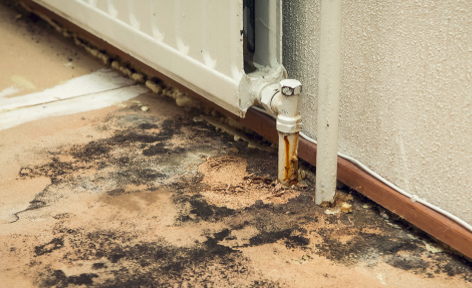
A damaged or clogged sewer line can be a costly repair. First, if you have had any sewer backup into your home, you will need extensive water damage repair and, potentially, mold remediation. Then, you’ll need to have the line itself cleared of the clog and repaired. In total, this can cost you thousands of dollars.

If you suspect that you may have a clog forming in your sewer line, now is the time to act. Call a local plumbing professional in your area and have them out for a sewer camera inspection. Using an endoscopic snake tool with a tiny camera attached to the end, the plumber will be able to feed the line deep into the drain and see into the sewer line. As the feed travels through the sewer line, they’ll be able to spot any clogs that are forming, or any leaks in the line. This preventative service is only a small fraction of the cost of a sewer backup, so, for most homeowners, it’s well-worth the peace of mind.

In the event you do have a partial or full sewer line clog, your plumber will provide you with several options for clearing the clog. This may include using a hydrojet to blast out the debris from the line. Or, a plumber may elect to use a specialized snake tool that can cut through the blockage and clear it out.

If you do have a cracked or damaged sewer line, talk to your plumber about trenchless repairs. Most plumbers have equipment today that allows them to replace the line without having to dig the entire thing up. One of the most common methods for doing this involves feeding the new line (with a slightly smaller diameter) into the older one. 

WHAT WASTE CAN LEAD TO A CLOG?

What kind of debris causes a clog? Here are the most common culprits that build up in your line and slow or stop your water drainage:

  • Flour
  • Rice
  • Eggshells
  • Coffee grounds
  • Grease, fat, and oil

These items mix with water to create a slurry or sludge that sticks to the walls of your drain lines. Over time, this can create a complete clog that causes your sink to overflow. There are many other materials—both organic and non-organic—that can accelerate the growth of a clog. This includes orange rinds, hair, flushable wipes, paper towels, hygiene products, and more. The central lesson here is this: if you want to prevent sewer line issues, avoid flushing or putting any of these items down the drain. Put them in the trash instead. When it comes to cooking oil and grease, pour it in a disposable glass jar to cool and solidify. Then, you can throw it away.

PROFESSIONAL SOLUTIONS

Don’t let a minor clog create a major headache. Contact a local professional for drain cleaning services and help with your sewer line. To learn more about sewer line issues and how they can be prevented, check out this new infographic .

How to Take Good Care of Your Drains.png
Guest Contributor: Amanda Lee

HOW TO PREVENT MOLD FROM GROWING IN YOUR BASEMENT

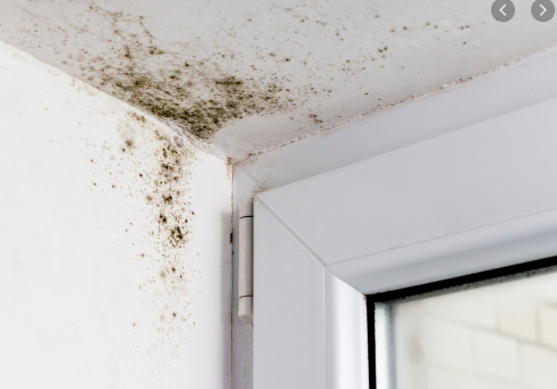
Mold can grow anywhere in your home, but it thrives in dark, damp conditions. It’s those conditions that make your basement the perfect breeding ground for mold. Once mold spores begin to develop and spread, they can be very challenging to remove. To prevent basement mold growth, follow these simple tips:

Reduce moisture and seal off areas that could allow water to enter the basement, like foundation cracks, leaking pipes, and doors and windows.

Examine your sump pump. A sump pump is designed to collect excess water and redirect it away from your home, but if it fails, your basement could flood, leading to water damage and mold growth. 

Screen Shot 2020-05-11 at 1.14.08 PM.png

Install the right flooring. Mold grows easily in carpet, which soaks up moisture and is difficult to clean. When it comes to flooring, choose a washable surface, like ceramic or vinyl. 

Perform exterior waterproofing. Plan your landscaping around basement flood prevention, position gutter downspouts away from the home, and clean your gutters regularly. 

Declutter your basement to eliminate congestion that blocks air from flowing freely throughout the space.

Insulate your basement, including pipes, walls, and windows to prevent condensation and to lower humidity.

Keep plants and wood upstairs. Mold feeds on organic materials, so keep greenery and wood in spaces where dry air flows freely.


Install proper ventilation. If your laundry room is in your basement, make sure your washer and dryer have proper ventilation. The steam produced by these appliances will otherwise have nowhere to escape and your ceiling and walls will trap moisture.

Guest Contributor: Austin Werner

TOOLS USED BY DIY EXPERTS WHEN THEY HAVE LESS GARDENING EXPERIENCE?

TOOLS USED BY DIY EXPERTS WHEN THEY HAVE LESS GARDENING EXPERIENCE?

Everyday gardening could be a challenge if you have to call for a handyman to fix or maintain your garden. Thanks to the DIY experts who know how to save money and yet keeping the yard look beautiful always. These DIY handyman gardening tools can save you ample money that you can use on other activities. Perhaps, getting more plants would be an amazing idea for a healthier life.

Take a quick read of this article as we have listed some of the best gardening tools recommended by the precioushandyman.com or DIY experts. These tools come handy when you have lesser experience in gardening and do not wish to experiment on anything with little knowledge.

Tools Used by DIY Experts

1. Gardening gloves:

No task is possible without proper gardening gloves especially with less experience. You cannot afford to face any injury by sharp gardening tools or objects thus, buying a pair of gardening tools will cost you less and save more than on injuries.

2. Shovel:

Shovel is made with some amazing creative ideas too online. You may wish to check some videos by the DIY experts. Shovels could be of different types such as post hole diggers, drain spades, digging shovels, scoop shovels, etc.… Based on your requirement you may buy a shovel within your budget. These come handy as you cannot afford to dig every pot of plant or portion of your grass with a knife.

3. Hose:

No DIY activity works without a watering hose. Watering is more comfortable with the help of a good basic hose. Depending on the garden size, you may buy the tool to water plants. You can cover a larger area than otherwise by bringing a watering hose in your garden. Getting the right nozzle will further help you to reach extra and difficult areas too.

4. Rake:

Rake could be built of metal, plastic, or bamboo. Metal rakes are most preferred by DIY experts for longer durability and quality. You can also choose an adjustable rake to make life easier with gardening. Rakes are one of the most essential tools for gardening especially for beginners. The purpose of buying these is to collect piles of leaves with ease and comfort. The different types of rakes are, lawn rakes, shrub rakes, hand rake, and thatch rake. 

5. Wheel barrow:

Wheel barrows are essential if you have unwanted soil that needs to be moved around from your garden. These come handy to settle compost in the garden bed areas. There are some maintenance tips that need to be followed if you go for a traditional wheel barrow. You may find the basic tips along with the product or you can check these online. Choose a wheelbarrow that you can easily move especially after loading it.

Few other tools that come handy for gardening beginners as suggested by DIY experts are watering can, watering wand, Hoe, garden fork, Loppers, and some small tools. Hope you are all set to settle the beauty of your garden with these cost saving tools. 

 Guest Contributor, Maninder Singh

PLANNING OUT YOUR BATHROOM REMODEL? HERE ARE SOME PLUMBING MISTAKES YOU’LL WANT TO AVOID

PLANNING OUT YOUR BATHROOM REMODEL? HERE ARE SOME PLUMBING MISTAKES YOU’LL WANT TO AVOID

Next to a kitchen makeover, a master bathroom remodel is one of the best things you can do for your home’s value. Plus, a reimagining of your bathroom can make it a much more enjoyable and usable space. Yet, many homeowners put off this project for years. After all, just where do you start, and how much should you budget? In this article, we’ll review how you can get your bathroom remodel moving forward again, and some of the common pitfalls you’ll want to avoid when planning your project out.

TRYING TO DO EVERYTHING YOURSELF

When working within a tight budget, it’s tempting to simply remove the cost of labor and take on the entire remodel by yourself. After all, how hard could it be? While there’s a fair amount of a bathroom remodel that homeowners can complete themselves, there are certain aspects that need to be handled by a professional. For example, bring in a licensed plumber to help with anything involving plumbing.

If you’re feeling like you’re in over your head, you may want to consider hiring a remodeling contractor near the start of your project. There are several advantages that come with working with the right person:

  • Experience: A trusted local remodeler has remodeled dozens, if not hundreds, of bathrooms. They can put together an accurate budget and scope while also helping you avoid common pitfalls.
  • Timeline: A contractor will set a deadline and strive to meet it. If you’re only able to work on your remodel over the weekends, set to your own deadline, who knows when your bathroom will be usable again?
  • Results: There’s always a risk with DIY work that the end result might look shoddy or be low-quality. For obvious reasons, working with a good contractor eliminates this risk.

PUTTING TOO MUCH INTO THE PROJECT

One of the biggest challenges of a bathroom remodel—and perhaps a significant reason why many homeowners put off the start of their remodel year-after-year—is not knowing where to start. After all, everyone has a basic concept of what a remodeled master bathroom looks like. But, translating that general idea into a detailed roadmap that outlines all the tools and materials needed is another thing altogether. 

To add to that challenge, there are so many choices and decisions to make. Quartz, granite, or marble on top of the vanity? What kind of lights should you buy? Does this shower tile and this shower glass go together? Cumulatively, this can lead to something called choice paralysis, where the overwhelming number of options and variables leads to homeowners endlessly talking about their project, but never actually getting going.

Start with the budget. On average, people spend around $19,000 on a mid-range bathroom remodel and later net a 70.1% return on investment. If you work backwards, you can start to make choices informed by your budget: if you’re looking to keep costs down, keep the current layout in place, choose granite over marble, and prioritize the shower over the bathtub. This is setting the scope for your project. You want your punch list of things that need to be completed to realistically fit within both your budget and timeline.

HIRING THE WRONG CONTRACTORS

If you’ve made the decision to hire a remodeler, plumber, or electrician for your project, make sure you find the right one. This is another place where things often go very wrong, very fast: in an effort to fit a professional into their budget, homeowners will accept the lowest bid out there. Often, instead of getting a great deal, you get someone who doesn’t know what they’re doing, makes mistakes, shows up late, causes the project to go over its original deadline, or is not honest.

Instead, submit multiple bids with professionals in your area who can be trusted. Read online reviews and talk to your friends and neighbors: there is bound to be a few people in your community who are willing to attest to the bathroom remodeling work of good contractors. Once you’ve narrowed down your list, be sure to ask these professionals about their experience remodeling bathrooms like yours, as well as what kind of insurance and certifications they have.

A little bit of homeowner homework ahead of hiring someone can save you a ton of money and headache down the road. Trust us: the right plumber, remodeler, or electrician makes all the difference.

IT’S TIME TO MOVE FORWARD

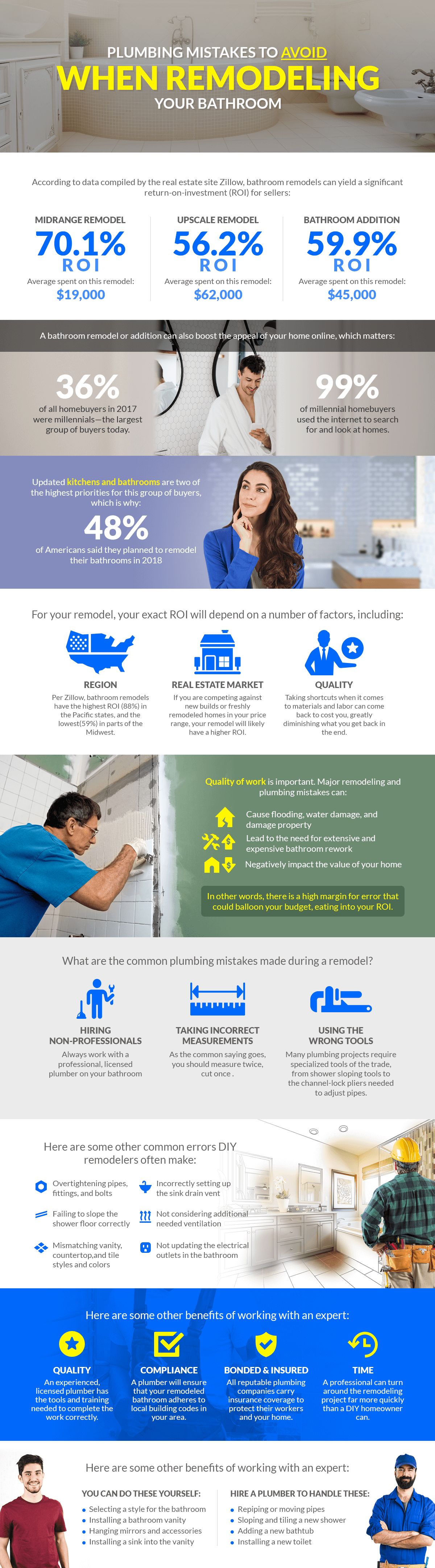
If you’ve been dreaming of a bathroom remodel for years, but have put it off time-and-time again, there’s no time like the present to get started. Follow the tips above to ensure your remodel starts right and goes smoothly. For even more helpful advice about plumbing mistakes to avoid, check out this infographic:

Plumbing mistakes to avoid.png

Guest Contributor: Amanda L

10 BACKYARD POND WATERFALL IDEAS YOU’LL ABSOLUTELY LOVE

GARDEN POND WATERFALL IDEAS EVERY BACKYARD NEEDS

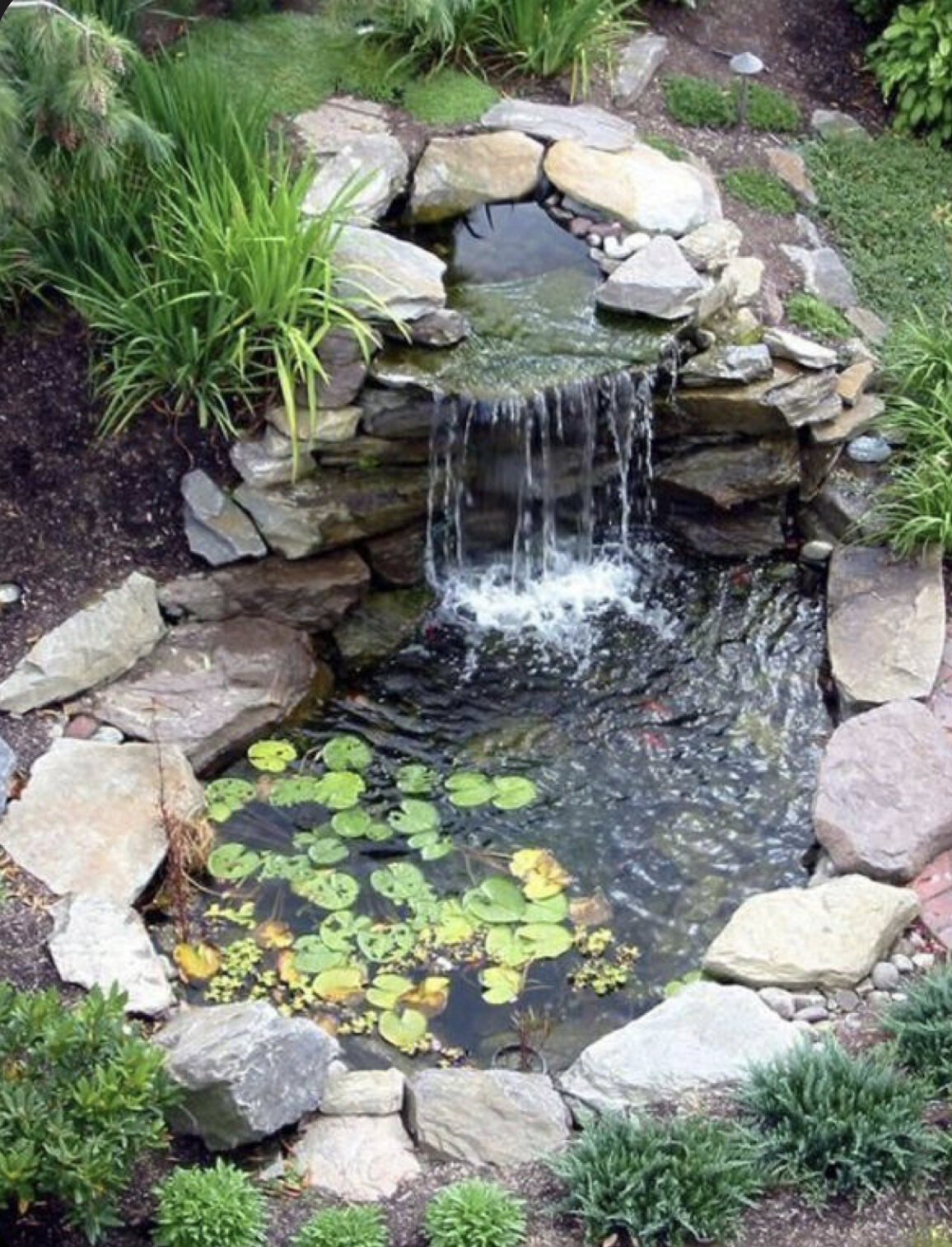
Every home needs to have a waterfall pond in their backyard. Since most of us are going to be stuck at home for the rest of the Summer, due to Covid-19, why not add an appealing feature to your backyard that will bring joy into your life? It doesn’t have to be anything to elaborate. Here are 10 pond waterfalls that you’ll absolutely love.

Waterfall with small koi pond
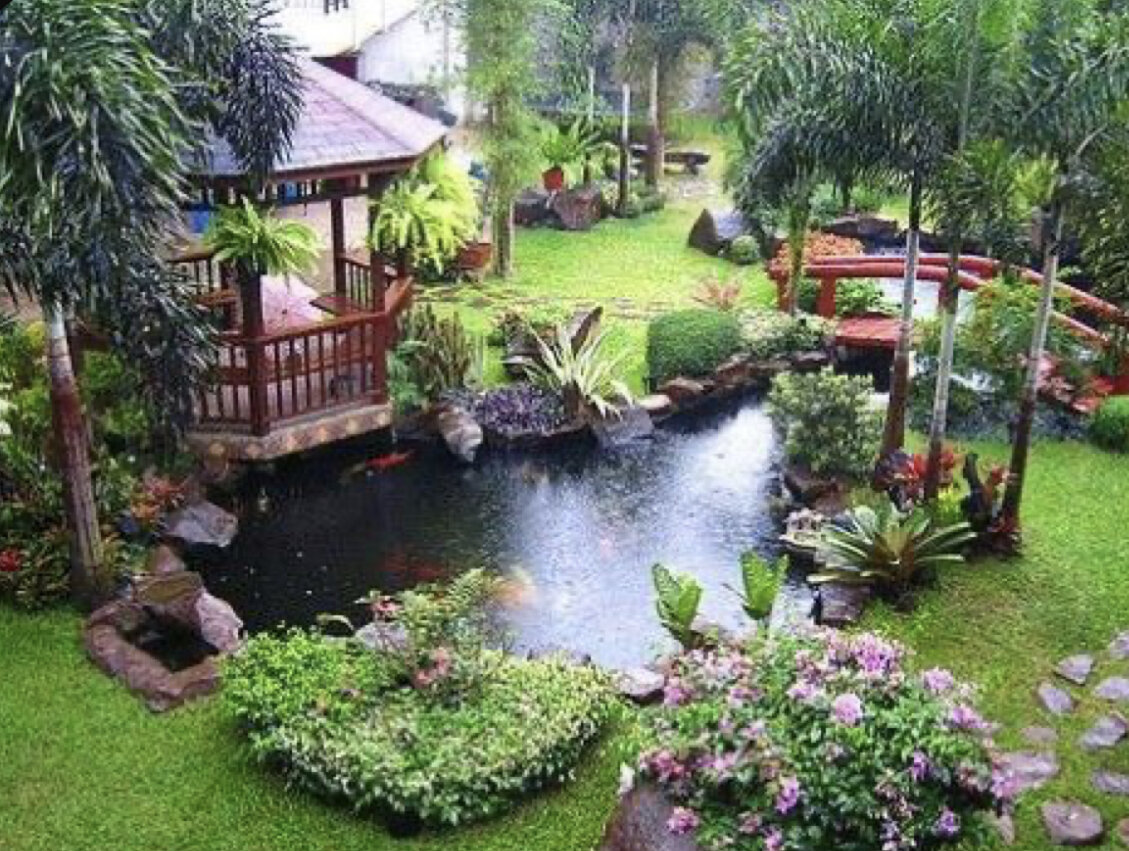
Koi pond with water feature
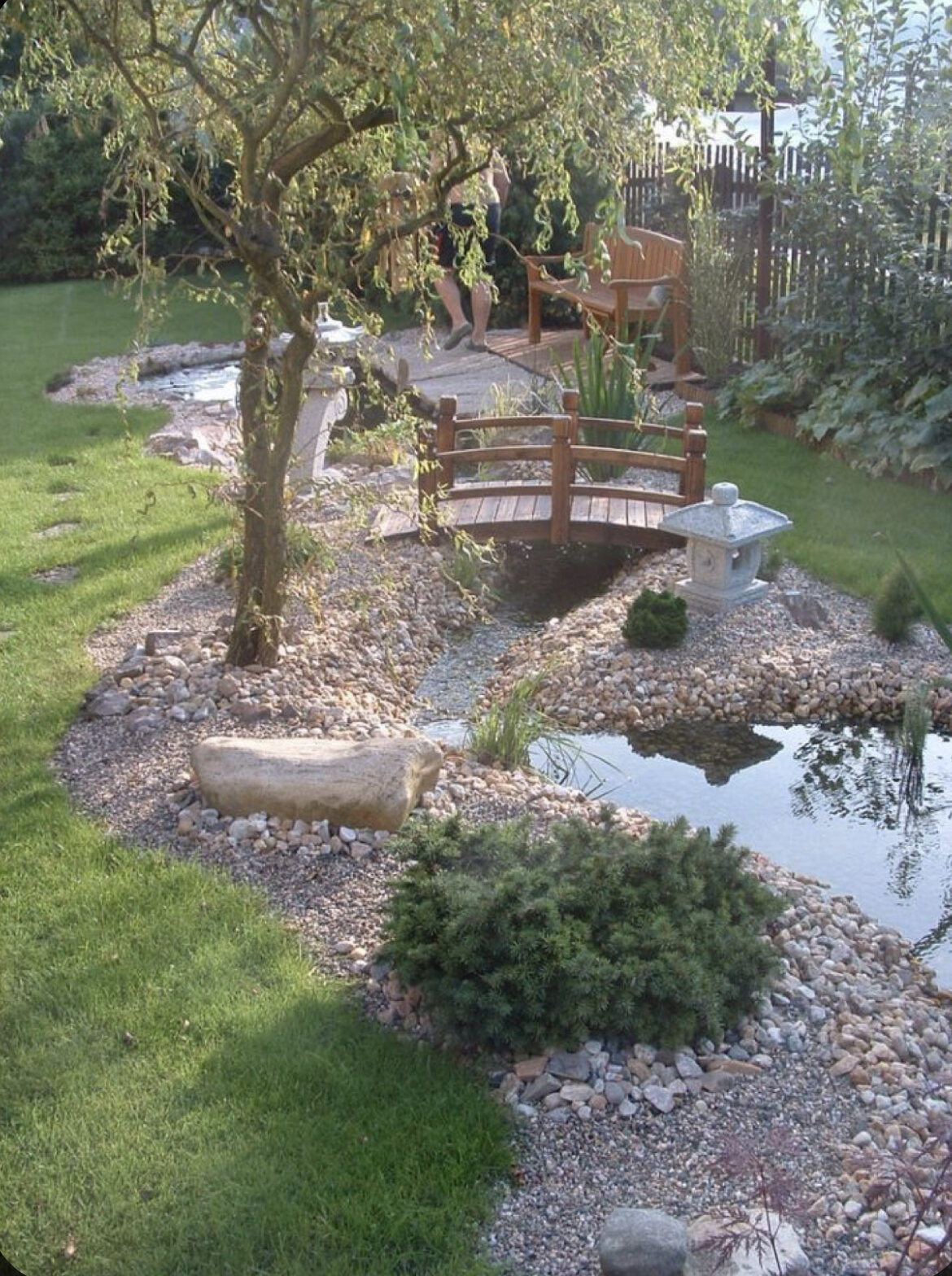
Water pond with bridge and bench
Small Koi pond with water feature
Water stream with rock display
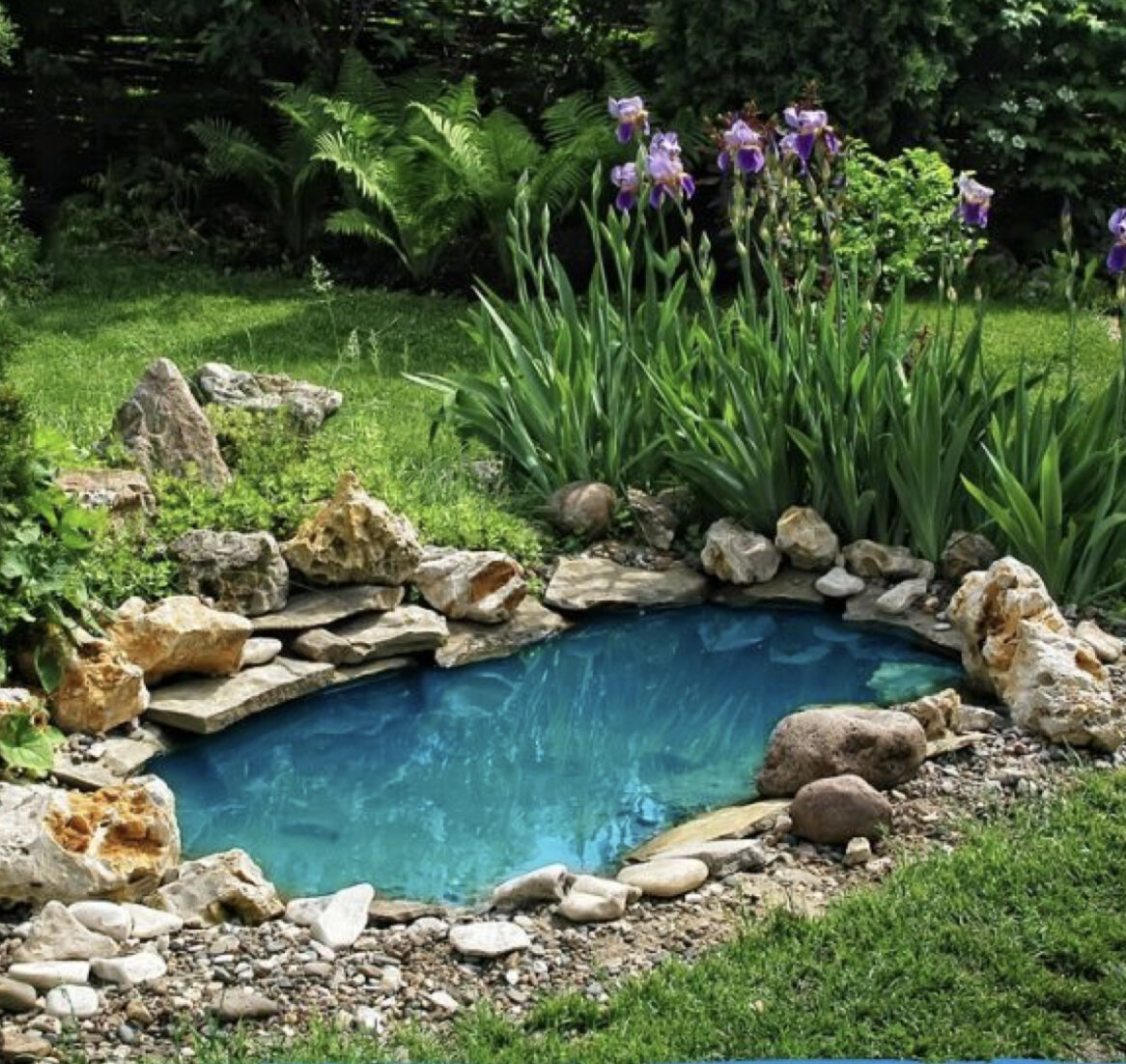
Small pond with rock features
Waterfall with lights
Waterfall with bridge to heaven
A Zen Dream
A Zen Dream
Backyard Waterfall Heaven

There you have it, 10 backyard pond waterfall ideas that should bring absolute happiness and joy into your life!!!!

EASY AND SIMPLE DIY TIPS TO UPGRADE YOUR BATHROOM

Your bathroom is probably the second most personal area in your house next to your own room. This is where most of your self-care routines take place, and it is also an area that is often considered when it comes to selling a house aside from the kitchen. That’s why it’s important to make it a space you actually like spending time in.

Upgrading your bathroom actually doesn’t necessarily mean that you have to have a major overhaul. You can also improve your bathroom yourself. All you need is to allot time to do it.

Do-it-yourself bathroom makeovers have an advantage because they cost less than typical remodeling, which normally involves tearing down and removing a lot of stuff. If you are interested in making this project happen, then this article can help you out. The following are easy and simple DIY tips to upgrade your bathroom.

UPDATE FIXTURES AND HARDWARE

In the grand scheme of things in your bathroom, something so disproportionately small as hardware and fixtures are so important for providing that chic finishing touch. And it will only cost you less for something that has a major impact.

You can start by replacing your bathroom faucet by installing something that’s sleeker and more functional and/or more contemporary. You may also swap shower fixtures if you’re planning to remodel your shower anyway. Another option is to install new wall hooks where you can keep your towel and clothes from falling to the bathroom floor.

There are plenty of options for these upgrades that can be found in a quality hardware store like Magnificent Marketing.

STYLISH BATHROOM LIGHTINGS

It may sound intimidating, but most people can switch out a light fixture safely and successfully by being careful and following instructions. Fresh lighting also makes a huge difference for your bathroom. This is another simple DIY bathroom upgrade that you can do in just under an hour or so.

For people who have large mirrors inside the bathroom, installing a light directly onto the bathroom mirror is a unique and useful idea. Since your mirror occupies space, most of the time you won’t be able to get lighting directed to your face. By installing a light directly onto your mirror, you will be able to see yourself clearly and do what you need to do in front of the mirror much quicker.

MAXIMIZE STORAGE SPACE

Maximizing storage space in your bathroom includes utilizing underutilized areas to store items. One area of your bathroom that you can use for storage is the wall. Take advantage of your wall space by mounting ledges, shelving, or racks to achieve this.

You can put your hygiene and vanity items such as your toothbrush, toothpaste, perfume bottles, and your comb on racks above your sink and below your mirror. Using the wall for storage space will help avoid clutter inside your bathroom.

MAXIMIZE THE MIRROR

Mirrors are beneficial particularly in upgrading small bathrooms. They reflect a lot of light and make the tiniest feel a bit more spacious than it actually is. Aside from ensuring that it is well-lit, your bathroom mirror should be large enough to see at least your entire head when you stand in front of it.

WRAP UP

These simple DIY tips are exactly what you need for your bathroom. Something simple, but will have a great overall effect on how it looks and how comfortable you feel when you use it.

Author’s Bio:

Rosette has a knack for anything DIY. She spent her younger years learning about the different hardware tools and equipment in the hopes of establishing a hardware business in the future. Her career options may have changed, but today, she continues to write so passionately about her first love.

TOP 8 SPECTACULAR OUTDOOR LIVING SPACES

TOP 8 SPECTACULAR OUTDOOR LIVING SPACE

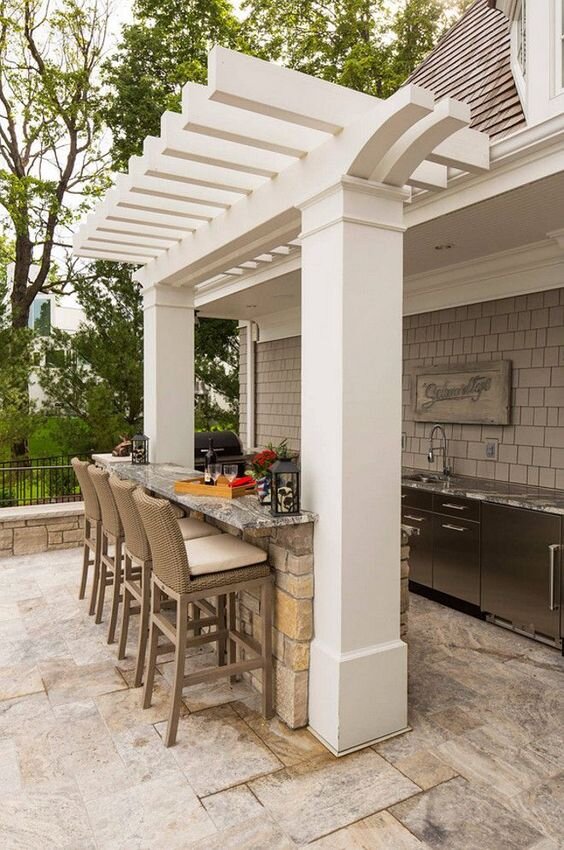
When Summer rolls around, most of us like to spend it outside. You will want to have an outdoor area that is perfect for entertaining, or the perfect space for you to spend outdoors with your family. The last decade people have started to put a lot of effort in their backyards, or what we would rather call it, outdoor living space. When you live in or around Chicago, you’re use to having bipolar weather year round. That doesn’t mean you shouldn’t spend your time and money on your outdoor living area. The perfect outdoor area would be usable Spring, Summer and Fall. Let me show you some great ideas, that will make you want to run out and start working on your perfect outdoor living space.

Outdoor fire pit with sitting area in between the pool
Outdoor kitchen with swim up bar
Outdoor kitchen with breakfast bar
Outdoor grill station
Outdoor bar and grill station
Outdoor fireplace and sitting area
Outdoor kitchen and dinning area

What did you learn? Your outdoor area should have good seating, fire pit, bar, kitchen, grill station, and cover. Start utilizing your backyard. Make it a living space. Not only will you enjoy it, it will bring up the value of your home.

THINGS YOU NEED TO KNOW ABOUT ASBESTOS AND ITS EXPOSURE RISKS

Are you living in a house that was built in the 20th century, especially during the middle to late part of that period?

If the answer is yes, then there’s a huge possibility that your residence has asbestos in its walls, floors, and even textured ceilings. That means your house will have to undergo proper asbestos abatement and removal at some point.

Manufacturers have heavily favored the use of asbestos in the production of cement, floor tiles, and other construction products during that period. Even products like hair dryers and car brakes contained a certain amount of asbestos back then. Asbestos, after all, is incredibly resistant to fire and heat, electricity, and corrosion, which makes them an ideal material for construction products and the like.

If asbestos is that useful, then why is it that the mere mention of the word now brings forth images of suffering and death?

WHAT IS ASBESTOS?

Asbestos is a naturally-occurring mineral made up of needle-like fibers that are soft, thin, and flexible.

It also happens to be a human carcinogen and has been considered as such since the 1980s. Many countries have promptly banned the use and importation of asbestos. Some nations, however, have chosen not to impose any such bans, and are still using asbestos in various products, albeit at a much smaller scale than before.

EFFECTS OF ASBESTOS EXPOSURE

Fire, electricity, and corrosion can’t do much to asbestos. Handling by humans, however, can break asbestos quite easily.

Something as simple as drilling into walls or taking a sledgehammer to a floor can send tiny asbestos fibers flying in the air. Without adequate protection, the people performing the tasks mentioned above are likely to inhale those fibers. And if that level of exposure is a regular thing, it would only be a matter of time before they develop any of the following illnesses:

MESOTHELIOMA

Mesothelioma is a type of cancer that is most closely associated with asbestos exposure. Every year, approximately 3,000 people are diagnosed with mesothelioma in the United States.  From 1999 to 2015, eight per one million people in the U.S. have succumbed to the illness.

As with any type of cancer, there is no cure for mesothelioma, which affects the pleura and the peritoneum, which are the serous membranes that line the lungs and the abdominal cavity, respectively.

The symptoms of mesothelioma include:

  • chest or abdominal pain
  • shortness of breath
  • fever or night sweats
  • fatigue
  • muscle weakness
  • dry, wheezing cough

ASBESTOSIS

When a person inhales asbestos fibers over a long period, he or she will also likely develop asbestosis, a lung disease that causes severe respiratory problems and scars lung tissue. People with asbestosis will experience a variety of symptoms, the most common of which are:

  • swelling in the neck or face
  • swallowing difficulties
  • hypertension
  • breathing that crackles
  • blood in sputum
  • shortness of breath
  • weight loss
  • decreased appetite
  • finger deformity

Asbestosis may not be a cancer, but anyone suffering from this illness is at risk of developing mesothelioma.

LUNG CANCER

The leading cause of lung cancer may be smoking, but a small percentage of lung cancer cases have a direct link to asbestos exposure.

OVARIAN CANCER

In 2012, the International Agency for Research on Cancer had confirmed that there is a link between asbestos exposure and ovarian cancer.

OCCUPATIONS WITH HIGHEST ASBESTOS EXPOSURE RISK

Construction workers have a pretty high risk of asbestos exposure. The same goes for people who work in factories and shipyards.

At one point, men and women in uniform were very much at risk of asbestos exposure because the military used a lot of products containing the mineral. Navy ships, in particular, used a lot of asbestos for decades.

NO U.S. BAN

Many people don’t know that as deadly as asbestos has proven to be, the United States still didn’t see fit to ban asbestos. To this very day, fireproofing materials and gaskets manufactured in the U.S. contain asbestos.

Australia, Japan, Germany, the United Kingdom, France, and other European Union countries have banned the importation and use of asbestos. There is no sign, however, that the United States, Russia, China, and several other countries are going to follow suit anytime soon.

Guest Contributor: Rachel Anderson

WHY SHOULD YOU CONSIDER A SUMP PUMP BEFORE FLOODING?

Why Should you Consider a Sump Pump Before Flooding?

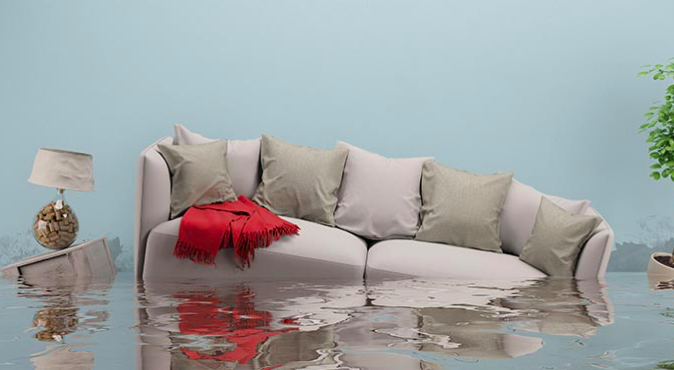
We are already familiar with the features, advantages, and importance of sump pumps in households. However, why do you think there are still so many varieties of articles yet mentioning about sump pumps. It is because people have started taking it lightly and they often fail to make use of it during flooding situations. Ensuring that your sump pumps work efficiently during flood situation or bad weather conditions will prevent your property especially the basement from any bad damages.

Screen Shot 2020-04-02 at 10.42.21 PM.png

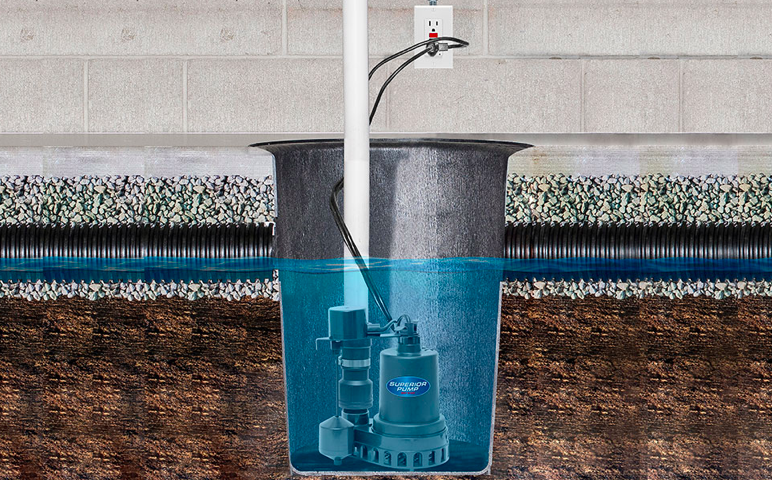
Before we begin explaining to you why you must consider a sump pump during flood situations, let us quickly understand what a sump pump is in simple word. A sump pump is a small pump that flushes out any access water from the lowest part of your area or house such as the basement. As a result, these areas are saved from flooding saving your property’s exteriors and interiors.

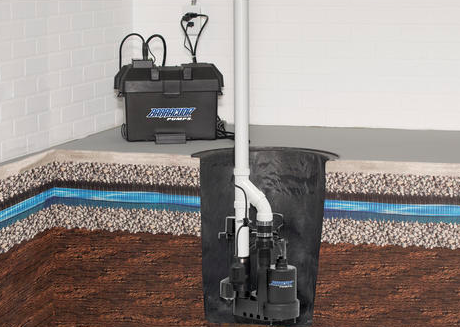
A sump pump unit is usually installed in the basement of your house with a sump pit. Most sump pumps work automatically with the support of a float or a pressure sensor. As soon as the water fills in the sump pit, the sump pump motor turns on and starts removing excess water and prevents your property from flooding.

Screen Shot 2020-04-02 at 10.42.51 PM.png

Consider a Sump Pump before flooding

We already know prevention of flooding is one of the major reasons why people fix sump pumps in their basements. There are various other reasons why sump pumps are installed in the houses. Let’s take a quick look at these too;

Sump pumps:

  • Helps prevent corrosion and rusting of metal appliances that your house may have in the basement. It is because the flooded water may damage these appliances and that is what sump pump won’t allow.
  • Prevents the wall coverings and paint from peeling off from the ceilings, roofs, and walls. You certainly don’t want the paint or interiors of your house to get wasted.
  • Sump pumps keeps the area dry and clean helping your property to be safe from any sort of insect infestation.
  • A sump pump unit in regular working condition helps to remove any sort of moisture which may lead to nesting of molds, fungus, and/or mildew. Take a look at the battery backups too in case of emergency flood conditions.

You may have never faced a flooding issue before but, can you guarantee your future that it may never happen? You are fortunate that flooding circumstances have never arrived before however; it is always wise and safe to be prepared for any unpleasant circumstances.

Check out in the market the different types of sump pump models and qualities available. These may have different features and benefits but, the objective is one – prevention of flooding. For maximum performance of the unit, it would be wise to keep a check regularly and follow basic maintenance tips. Protect your house by the basics of flooding prevention and understand the importance of sump pump installation. There are various articles speaking of the same.

Guest Contributor: Maninder Singh

IMPORTANCE OF A PLUMBER IN DAILY LIFE WITH BEST PLUMBING SERVICES

Importance of a Plumber in Daily Life with Best Plumbing Services

You may have read a lot about plumbing services and benefits; have you ever wondered why? There are reasons why people are so dependent on plumbing services. Why is it that plumbing is so essential? In this article, we shall cover some of the best reasons to prove the importance of plumbing services. Once you finish reading, it would be great to find out the options between some of the best plumbing services. 

 The reasons stated here will make you understand the importance of plumbing services in day to day routine life. 

Reasons to Explain the Importance of Plumbing in Daily Life 

Plumbing on time helps you to protect your house from flooding, which is the most basic reason why people seek support from a skilled plumber. Plumbing should not be taken lightly. It must be included to save wasting of water and involvement of hygiene.

  1. Plumbing helps the water resources to reach the right unit without any leakages and provide you sufficient levels of water without any disruption. Imagine the gallons of water wastage if the house becomes negligent to fix the rusted pipes and leakages.
  2. Water saving is extremely crucial and important for the environment too. Timely plumbing services sustain the availability of water usage for all. High-efficiency and water supply in the commercial area needs more care of timely plumbing as the water usage is in larger amounts.
  3. Water saving also leads to energy savings that can be further utilized in other uses. Less wastage and consumption of water means less heating of water and lesser water transportation. As a result, you are saving on energy and water wastage.
  4. Go here for regular plumbing services by a professional plumbing agency helps in bringing better lifestyle and comfortable living. The kitchen and bathrooms get adequate supply of water without any disruption and help you to perform the household chores with no hassle.
  5. Flooded water may lead to contamination that may further get stored and entered through the pipes. It may further lead to unhygienic scenarios of cooking, washing, and cleaning. This may result in ill health.
  6. Plumbing is incredibly important for all households and commercial activities. List down the number of activities that you would perform with water. Life seems difficult without water, isn’t it? It is thus very important to get the pipes, connection, and water outlets checked timely.
  7. Plumbers not only fix the issues with your water pipes, they also assist in techniques of rain water storage and usage at the right time. From the source water enters in your house inlet to the process where the water gets drained out into the soil, a plumber can guide you with everything related.
Screen Shot 2020-04-02 at 11.02.46 PM.png

 Find out the skilled plumbing agencies and check your budget. Hire a plumber for a generic inspection of your house and ask him to let you know the kind of work needed in plumbing. All the details will help you to hire a plumber accordingly and decide the frequency of their visit to your property. 

Guest Contributor: Maninder Singh