6 EXPERT TIPS TO MAKE YOUR HOME MORE ENERGY-EFFICIENT AND SAVE ON BILLS

Are you tired of high energy bills? Do you want to make a positive impact on the environment while also saving money? Look no further! We have gathered 6 expert tips that will help make your home more energy-efficient and save you money in the long run. 

From simple changes like adjusting your thermostat to bigger investments like upgrading your appliances, we’ve got you covered. Keep reading for practical and effective ways to reduce your carbon footprint and keep more money in your pocket.

TIP #1: CHECK FOR AIR LEAKS AND DRAFTS

If your home is drafty, you could be losing a significant amount of heat – and money. To save on energy costs, it’s important to check for and seal any air leaks and drafts.

Here are a few places to start:

1. Windows and doors: Check around windows and doors for any gaps or cracks. If you find any, use caulk or weather stripping to seal them up.

2. Attic: Take a look in your attic to see if there are any gaps or holes that could be letting in cold air. If so, seal them up with insulation or another type of barrier.

3. Walls: Check the exterior walls of your home for any cracks or gaps. Again, seal them up with caulk or insulation as needed.

4. Home’s foundation: Inspect the foundation of your home for any cracks or gaps. These can often be found around vents, pipes, and cables that enter the home from the outside. Use caulking or expanding foam insulation to fill any voids.

By taking these steps, you can prevent unwanted air leakage and improve the overall energy efficiency of your home – saving you money on heating and cooling costs year-round!

TIP #2: SEAL WINDOWS AND DOORS WITH CAULKING OR WEATHERSTRIPPING

One of the simplest ways to make your home more energy-efficient is to seal any cracks or gaps around doors and windows with caulk or weatherstripping. This will help prevent warm air from escaping in the winter and cool air from escaping in the summer, which will ultimately lead to lower heating and cooling bills.

TIP #3: UPGRADE YOUR APPLIANCES TO AN ENERGY STAR RATING

When you want to reach energy efficiency, your appliances matter. Many people don’t realize that their refrigerator, stove, dishwasher, and other household appliances use a significant amount of energy. In fact, according to the U.S. Department of Energy, appliances account for about 13% of a home’s total energy consumption.

One way to make your home more energy-efficient is to upgrade your appliances to those with an Energy Star rating. Energy Star is a government-backed program that helps consumers save money and protect the environment by identifying products that meet strict energy efficiency guidelines set by the EPA and the Department of Energy.

In addition to upgrading your appliances to an Energy Star rating, it’s also important to track your electricity rates. Electricity rates can vary depending on the time of day, season, and location. By monitoring and understanding your electricity rates, you can adjust your energy usage accordingly, optimizing your savings and overall energy efficiency.
There are various tools and apps available that can help you track and analyze your electricity rates. If you click here and stay informed about when electricity rates are higher or lower, you can plan activities such as running high-energy appliances during off-peak hours to take advantage of lower rates and reduce your overall energy costs. By actively monitoring and managing your energy usage, you can make informed decisions and further enhance your home’s energy efficiency.

TIP #4: INSTALL PERIMETER SEALING INSULATION TO REDUCE HEAT LOSS

Perimeter sealing insulation is one of the most effective ways to reduce heat loss and improve energy efficiency in your home. By sealing gaps and cracks around doors and windows, you can prevent heat from escaping and keep your home warm during the winter months. This type of insulation can also be used to improve cooling in your home during the summer months by reflecting heat away from your home.

TIP #5: REPLACE BULBS WITH LED LIGHTING

LED lighting is one of the easiest ways to save energy and money in your home. LED bulbs use about 75% less energy than traditional incandescent bulbs and can last up to 25 times longer. Replacing just a few bulbs in your home can save you hundreds of dollars on your energy bill over a year.

TIP #6: SCHEDULE REGULAR MAINTENANCE ON YOUR HVAC

It’s important to keep your HVAC system running smoothly and efficiently. Regular maintenance will help to prolong the life of your system and keep it running at peak performance. Here are some tips for scheduling regular HVAC maintenance:

1. Schedule an annual tune-up for your HVAC system. This will help to ensure that all of the components are working properly and that there are no potential issues.

2. Change the air filter regularly. A dirty air filter can impede airflow and cause your system to work harder than necessary.

3. Inspect the ductwork regularly for leaks or damage. Leaky ductwork can lead to wasted energy and higher utility bills.

4. Have the coils cleaned every year. Dirty coils can reduce efficiency and cause your system to overwork itself.

5. Keep an eye on the thermostat setting. An improper thermostat setting can cause your system to run unnecessarily, wasting energy and driving up costs. 

By taking the time to schedule regular HVAC maintenance, you’ll be able to ensure that your system is running optimally and minimize repair costs down the line.

By following the tips above, you can easily make your home more energy-efficient and help save money on your monthly bills. And if you want to do even more, consider investing in energy-saving appliances or renewable energy solutions like solar panels. Remember that no matter what action you take today, every little bit counts and could potentially reduce your carbon footprint while helping you save money in the long run!

CREATIVE IDEAS FOR WALL DECOR WITH PORTRAITS

Portraits have long been a popular choice for wall decor, offering a personal touch that reflects the people, pets, and memories that mean the most to you. However, finding unique and creative ways to display these treasured images can be a challenge. In this article, we’ll explore some inventive ideas for wall decor with portraits, helping you transform your living space into a personalized and visually captivating gallery.

1. CREATE A GALLERY WALL

Gallery walls are an excellent way to showcase a collection of portraits and other artwork in a cohesive and visually appealing manner. To create a gallery wall:

  • Select a variety of portrait sizes, shapes, and styles that complement each other.
  • Choose a layout that best fits your space, such as a grid, a symmetrical arrangement, or an eclectic, free-flowing design.
  • Use frames that share a common element, like color, material, or style, to create a sense of unity.
  • Mix in other types of wall art, like paintings, prints, or decorative objects, to add visual interest and variety.

2. PLAY WITH SCALE

Using portraits of varying sizes can create a dynamic and engaging visual display. Consider mixing large, statement-making pieces with smaller, more subtle portraits to create depth and dimension on your walls. You can also experiment with different sizes of the same portrait to create a unique, eye-catching arrangement.

3. OPT FOR UNIQUE FRAMES

The frames you choose for your portraits can make a significant impact on the overall aesthetic of your wall decor. Instead of sticking with traditional options, consider exploring unique and unconventional frames that showcase your personal style. For example, you could opt for vintage or antique frames, colorful or patterned designs, or even DIY options made from repurposed materials.

4. INCORPORATE DIFFERENT MEDIUMS

Portraits come in a variety of mediums, from traditional oil paintings and photographs to modern digital illustrations and mixed-media collages. Incorporating different mediums into your wall decor can add an artistic and eclectic touch to your space. For example, you might display a collection of cat portraits rendered in various styles and techniques, celebrating your feline friends through diverse artistic interpretations.

5. USE PORTRAITS AS PART OF A LARGER THEME

To create a cohesive and visually engaging wall decor, consider using portraits as part of a larger thematic display. This could involve arranging portraits around a specific subject matter, color palette, or artistic style, creating a curated and intentional presentation. For example, you might create a wall dedicated to travel memories, featuring portraits of loved ones taken during your various adventures, accompanied by maps, postcards, and other travel-related memorabilia.

6. THINK BEYOND THE WALL

While wall decor is the most common way to display portraits, you can also think beyond the traditional hanging methods and incorporate them into other areas of your home. Some creative ideas include:

  • Arranging small portraits on a bookshelf or mantel, creating a unique and personal vignette.
  • Displaying portraits on easels or picture stands, adding an artistic touch to your tabletop or countertop decor.
  • Incorporating portraits into functional objects, like clocks, coat racks, or key holders, blending form and function in a personalized manner.

7. COMBINE PORTRAITS WITH TYPOGRAPHY

Typography can add a powerful and expressive element to your wall decor, especially when combined with portraits. Consider incorporating quotes, song lyrics, or personal messages that hold special meaning to you and your loved ones. You can achieve this by displaying framed text alongside your portraits or incorporating the text directly onto the images through digital editing or hand-painting techniques.

8. EXPERIMENT WITH LIGHTING

The way you illuminate your portraits can dramatically enhance their visual impact. Consider using different lighting techniques, like gallery-style picture lights, LED strip lights, or spotlights, to create a striking and dramatic effect. You can also experiment with ambient lighting, such as floor lamps or wall sconces, to highlight your portraits and create a warm, inviting atmosphere in your space.

9. CREATE A MULTI-LAYERED DISPLAY

A multi-layered display can add depth and dimension to your wall decor, creating an eye-catching and dynamic presentation. To achieve this look, layer multiple portraits on top of each other, either in a symmetrical or asymmetrical arrangement. You can also use shelves, ledges, or picture rails to display your portraits in layers, offering a versatile and easily customizable option that allows you to change your display as your collection grows or your tastes evolve.

10. DESIGN A PERSONALIZED TIMELINE

Celebrate your life’s milestones and precious memories by creating a personalized timeline using portraits. Arrange your portraits chronologically, showcasing the significant moments, people, and experiences that have shaped your journey. This display can serve as a powerful visual narrative of your life and provide a unique conversation starter for guests.

11. MAKE A BOLD STATEMENT WITH A MURAL

Transform your portraits into a larger-than-life mural for a truly unforgettable wall decor option. This can be achieved by enlarging a single portrait to cover an entire wall or by arranging multiple portraits together to create a cohesive and visually captivating scene. Murals can be created using traditional painting techniques, digital printing, or even removable wall decals, allowing you to choose the method that best suits your space and personal style.

In conclusion, there are countless creative ways to incorporate portraits into your wall decor, allowing you to express your individuality and celebrate the people, pets, and memories that mean the most to you. By experimenting with different display techniques, mediums, and styles, you can transform your living space into a personalized and visually engaging gallery that reflects your unique story. So, don’t be afraid to think outside the box and explore the many possibilities that wall decor with portraits has to offer.

MODERN KITCHEN DESIGN TRENDS

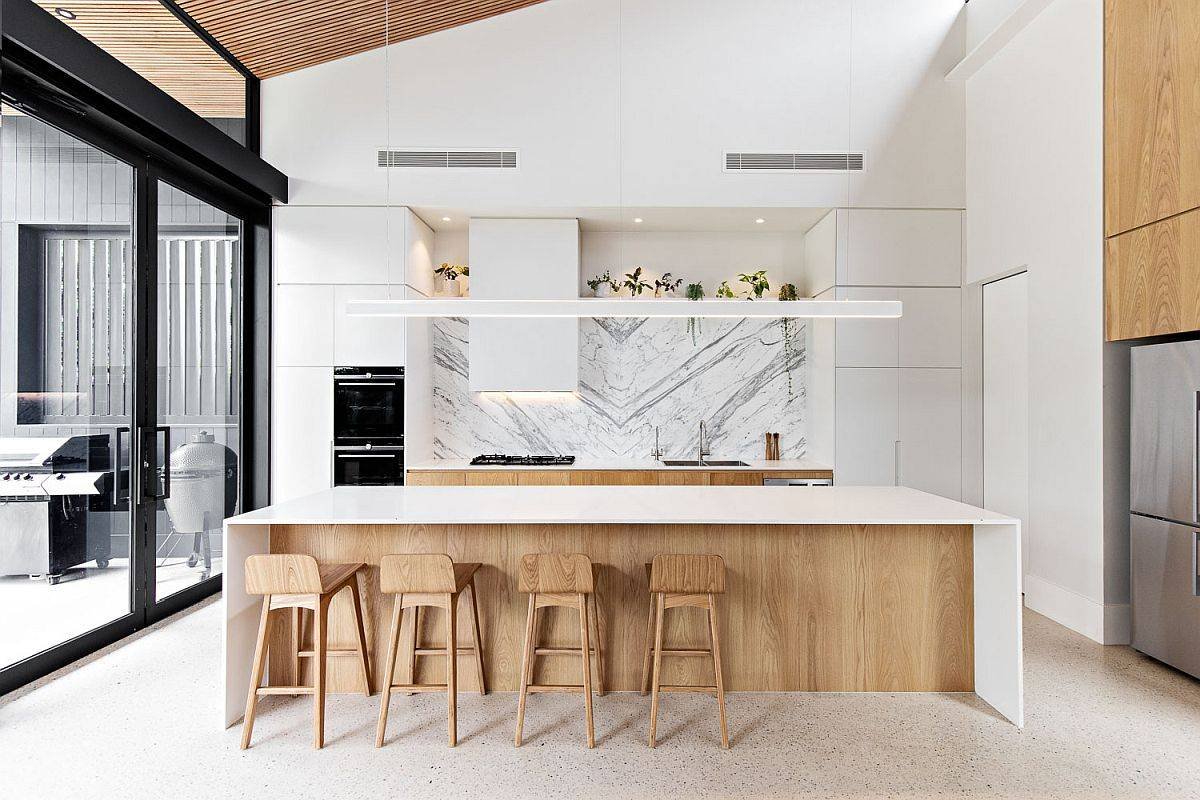
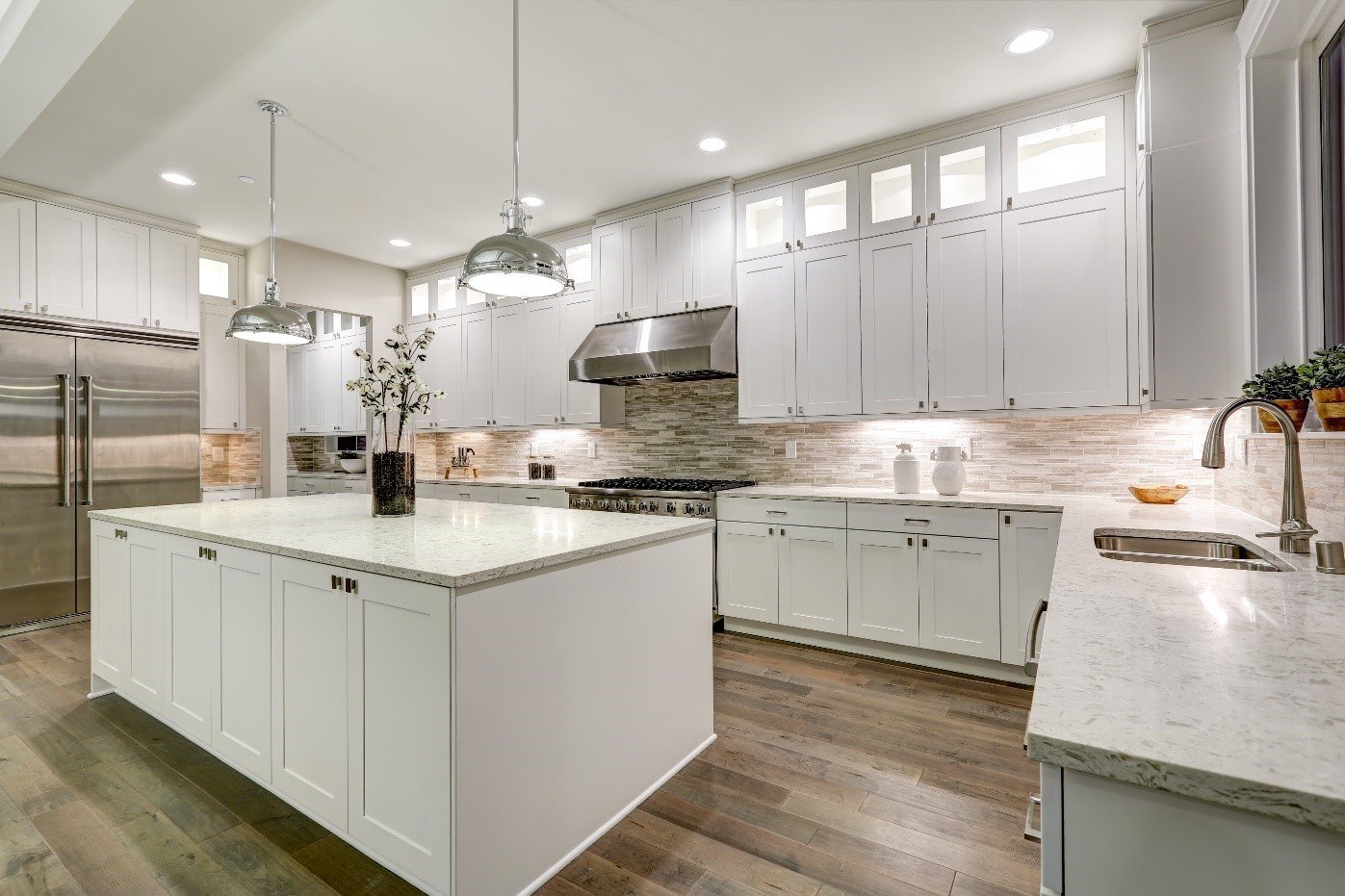
Source/Credit: Red Rose Cabinetry

The kitchen is the heart of any home, and modern kitchen designs have changed the way we think about this important space. With advances in technology, materials, and design, modern kitchens are more functional, stylish, and efficient than ever before. In this article, we’ll explore some of the latest trends and innovations in modern kitchen design.

Picture Source/Credit: Decoist.com

MINIMALISM

Minimalism is a key trend in modern kitchen design, with clean lines and simple shapes taking center stage. The focus is on functionality and practicality, with clutter-free countertops, streamlined cabinetry, and hidden storage solutions. This approach creates a sense of calm and order in the kitchen, making it a more relaxing and enjoyable space to be in.

SMART TECHNOLOGY

The integration of smart technology is another major trend in modern kitchen design. From touchless faucets and motion-activated lighting to voice-activated appliances and smart refrigerators, technology is transforming the way we use and interact with our kitchens. Smart devices not only make kitchen tasks easier and more efficient, but they also add a futuristic touch to the space.

MIXED MATERIALS

Modern kitchens are no longer limited to a single material or color scheme. Instead, designers are mixing and matching materials and finishes to create a unique and personalized look. For example, wood and concrete, or metal and glass can be combined to create a stunning and eclectic design. The use of mixed materials adds depth and texture to the kitchen, creating a more interesting and dynamic space.

Picture Source/Credit: Choicecabinet.com

BOLD COLORS

Bold colors are making a comeback in modern kitchen design, with bright hues and saturated tones adding a pop of personality and energy to the space. From vivid blues and greens to rich reds and oranges, these bold colors are being used on cabinetry, backsplashes, and even appliances. This trend is perfect for homeowners who want to make a statement with their kitchen design.

OPEN SHELVING

Open shelving is a popular trend in modern kitchen design, allowing homeowners to showcase their favorite dishes, cookbooks, and decor items. This style of shelving is also practical, as it makes it easier to find and access items when cooking or entertaining. Open shelving can be combined with closed cabinetry to create a balanced and functional storage solution.

In conclusion, modern kitchen design is all about functionality, style, and innovation. From minimalism and smart technology to mixed materials and bold colors, there are many trends and innovations shaping the way we think about the kitchen. By incorporating these ideas into your kitchen design, you can create a space that is both practical and beautiful, and truly reflects your personal style and preferences.The kitchen is the heart of any home, and modern kitchen designs have changed the way we think about this important space. With advances in technology, materials, and design, modern kitchens are more functional, stylish, and efficient than ever before. In this article, we’ll explore some of the latest trends and innovations in modern kitchen design.

BATHROOM RENOVATION 101: HOW TO PLAN YOUR PLUMBING LAYOUT

Under construction new bathtub remodeling a home bathroom, plumbing pipe system for new sinks

A bathroom renovation project can be a worthwhile investment. The project may boost the overall value of your property if you plan on selling it in the future. 

For some homeowners, the main reason for a renovation is to give the bathroom a fresh look and transform it into a functional yet peaceful retreat. According to Statista, around 33 percent of homeowners renovate their bathrooms since they can’t stand the old space, usually making changes to the layout. 

In fact, bathroom renovations involve planning the plumbing layout too. Unable to get the plumbing right from the start often leads to issues with the bathroom over the years. 

Once you’re ready to push through with a renovation project, checking out reputable bathroom renovation companies would be a good starting point.  

If you want to ensure your bathroom renovation project starts on the right path, here are a number of pointers to remember to plan out the plumbing properly:

1. Be Familiar With The Local Plumbing Codes  

A common blunder among many homeowners is overlooking the plumbing when planning a bathroom renovation. The position of the essential elements, such as the toilet, sink, and shower, impacts the overall function and flow of the space. With this in mind, make it a priority to know your area’s local plumbing codes and licensing during the planning process. 

If bathroom renovations are done right, all the basic fixtures are in the right positions and comply with the codes. Additionally, it greatly helps save time, effort, and resources.  

If you work with a professional plumber, you’ll receive recommendations on how to avoid potential errors that may threaten the overall safety of your home.  

2. Determine Your Household’s Requirements  

While planning your bathroom renovation, it’s crucial to discuss the requirements of your household. Remember that it influences the overall plumbing design. 

Most bathrooms have a toilet, sink, and bathtub, but depending on the amount of room available, you might want to add a shower.

If you have limited bathroom space, consider space-saving options such as a bath-shower combination. Getting a double-width sink that’ll not take up much space is worth keeping in mind as well. A floating vanity may be worth considering to free up the floor space too. 

3. Scrutinize The Current Condition Of Your Bathroom  

Prior to designing the bathroom, it’s best to gain a comprehensive understanding of the current conditions of your bathroom. 

Finding the shaft’s location is usually the first step. Then, you should carefully examine the finishing and walls to decide which fixtures to keep and which to replace. Other elements to assess in your current bathroom include the flooring, layout, and functionality of the space.  

Then, determine if switching the current shutoff valves with new ones is necessary. In case the water pressure is low, consider adding a booster pump. If the pressure is high, go for the installation of a pressure-regulating valve. If there’s an issue with the plumbing in your bathroom, it’s one of the home repair jobs requiring timely action.  

When you carefully assess your bathroom’s current status carefully, you can note down the necessary upgrades to ensure a successful project. 

4. Know The Plumbing Components In Your Bathroom 

Plumbing plays a key component in the overall functionality of your bathroom; major plumbing components include drains, vents, and waste lines. The main role of these plumbing fixtures is the removal of wastewater and transport to the municipal sewer system. 

Remember that every fixture has a distinct design and function. The drain line plays a key role as the main drainage system for the bathroom. It transports wastewater from all the bathroom fixtures to the main sewer line. During the renovation, the size and slope of the drain line will serve as a basis for how smoothly it functions. An incorrectly sized or sloped drain line can put your bathroom at risk for backflow and flooding.  

In addition, the waste line is significant since it accommodates solid waste from the toilet and directs it to the main sewer line. The line should be spacious enough to allow the unobstructed flow of waste your household produces. If it’s too small, it runs the risk of causing backflow and blockages.  

Lastly, the vent line has several important roles. They include enabling the flow of air into the drainage system, preventing sewage gases from moving into your home, and equalizing the pressure to ensure the free flow of the drains. If the vent system isn’t functioning properly, the drain will not work and flooding in your bathroom may occur.  

5. Create The Plumbing Layout   

Having a plan right from the start is important. Generally, it’s the layout or how you position the essential bathroom fixtures to streamline the plumbing.  

The best way to ensure a good start is to decide on the location of the bathroom fixtures. Measure the distance from these fixtures so you’ll know the required piping. The next consideration is to establish the drains’ location and the main line supplying the water.  

If you need help creating the ideal bathroom layout, consider working with a professional bathroom contractor. 

Final Thoughts  

A bathroom renovation project may be a worthwhile venture. For many, it can boost the overall value of your home for selling in the future. Some want to maximize the functionality of the bathroom. Regardless of your reason, prioritizing your bathroom’s plumbing is important. Knowing these key plumbing considerations will ensure getting the functional bathroom you’ve always wanted.

PLUMBING MAINTENANCE AND REPAIR IN 2023: TIPS AND TRICKS FOR PREVENTATIVE MAINTENANCE AND EMERGENCY REPAIRS

The plumbing system is an essential part of every household and commercial building, as this is responsible for the water in and out of these establishments. Owning a plumbing system means you know how to perform maintenance and emergency repairs in those unforeseen problems to your plumbing system.    

There are existing maintenance and repair techniques known worldwide, but as time goes by, new tips and tricks are discovered by or passed to plumbing repair and maintenance professionals. Thanks to those tips and tricks, most people know what to do once they open their ‌floor access door and proceed to fix the plumbing problem.  

Here’s a list of those tips and tricks for preventive maintenance and emergency repairs for the year 2023:  


Create a Plan  

Before anything else, you must prepare for the upcoming maintenance or repair job. Write down on paper or save a memo in your gadget the specific things to do in a single job because plumbing systems can experience various fixable problems.  

Common plumbing problems:  

  • Running water on the toilet  
  • Leaky pipes  
  • Leaking hose  
  • Dripping faucet  
  • Clogged drains  
  • Sump pump problem  
  • Water heater problems  
  • Low-pressure water  


Inspect the Pipes  

Inspecting your plumbing system’s system is one way to prevent emergency repairs in the long run. It would help if you watched for cracks, especially on the old pipes in your house or commercial building, as these cause leakages. Leakages might not sound threatening, but they will in the long run as this slowly affects the water bill and the area where it leaks.   

The recommended schedule for inspections is at least once a week and see if there are existing cracks and brittleness and determine whether it needs fixing or a replacement.  

Here’s a list of what areas or appliances to inspect:  

  • Sink  
  • Toilet  
  • Water Heater  
  • Dishwasher  


Keep a Clean Drain  

Keeping a clean drain is another way to prevent emergency repairs. To achieve this, you must watch out for what comes into the drain, which means sorting out harmful elements that can cause irreparable damage—installing filters or strainers on your sinks and bathroom to filter out debris such as food and oil in the sink and hair along with hair buildup on the bathroom drain. 

Oil and grease are two of the most harmful substances for your drain because these can solidify inside the drain and sticks to it, which will block the drain and causes sewer backups. Sewer backups are very alarming because they can affect neighbors with the same water supply as you do.   

To keep a clean drain, pour a mixture of vinegar and baking soda into your drain, as this mixture can clear any buildup inside the drain. Doing this once a week is enough to keep the drain clog-free. The toilet is another thing you should look for when it goes. Besides human wastes, avoid flushing anything else on, as this, too, can also cause sewer backups.  


Avoiding Using Chemical Cleaners  

Most of the time, chemical cleaners do the job of cleaning the drain, but these chemicals cause harm to the drain, especially PVC pipes. The most alarming damage that chemical cleaners do is that it affects living things. Human exposure to chemical fumes is hazardous for their skin, eyes, and respiratory system, and the substances that go out of the drains can affect the animals near them.   

Use the baking soda and vinegar mixture mentioned above for a clean drain. This way, you and your drain are clean and safe.  


Final Thoughts  

Emergency repairs are very time-consuming and can have you spending a lot of money, especially when you have to get the services of a professional. Doing weekly maintenance will help you get out of that situation, and with the help of this article, performing maintenance is now a breeze.  

Guest Contributor: Chris Jackson

8 BENEFITS OF HIRING A CONSTRUCTION LAWYER

Understanding the fundamentals of construction legislation is crucial if you want to fully abide by all rules and procedures and finish your projects on schedule. But having deeper information might benefit you as well as your business. Australia’s main collection of professional design and construction regulations for buildings is the National Construction Code.

However, you don’t have to do it alone, even if it´s challenging to learn everything while running your firm. As an alternative, you might employ a specialist in construction law matters, who can give you all the data you need to make wise legal judgments. The following are some advantages of working with a construction lawyer.

A LAWYER MAKES CONTRACTS

By providing a record of the payments, deadlines, building supplies, and other specifics related to your specific project, a strong contract safeguards both you and your client. The contract serves as a precise record of each party’s obligations and rights in the event of a disagreement. As a result, the contract safeguards your interests.

A knowledgeable construction law expert can also assist you in creating a standard contract that you can use for every job and can analyze contracts that clients give you before you sign them. In rare circumstances, a lawyer might be able to assist you in negotiating better conditions.


EMPLOYMENT LAW ISSUES

Construction companies, like all businesses, are subject to specific employment regulations that forbid, among other things, racism, unjust treatment towards the employee, and unethical compensation practices. To keep your workplace safe and fair, it is crucial to uphold the numerous rights and obligations that both you and your personnel have to one another.

A construction lawyer can assist you in resolving your legal issues if you discover yourself involved in litigation involving employment law. To keep you compliant with workforce and construction regulations and prevent future litigation, an attorney can examine your rules as well.


LEGAL ISSUES DUE TO INJURIES 

Despite your greatest efforts and safety precautions, accidents still happen. Sometimes a worker or bystander hurt during your building project will decide to file a lawsuit over the harm. You can learn to navigate the court or all the settlement procedures with the assistance of a construction lawyer, ending the litigation without hurting your business’s finances.

Make sure to hire professional construction lawyers in Sydney to be fully prepared for any legal mishap that could happen.


CONSTRUCTION LAWYERS FIND THE BEST SOLUTIONS

Attorneys who practice construction law typically have familiarity with a variety of conflict resolution and litigation strategies. They can provide you assistance with preparing a case for trial, defend you in a settlement, or arrange a solution to your legal troubles.

If applicable, your lawyer will help you determine the best action to take for resolving the issue and will collaborate with you during the procedure to gather data and create a legal plan that strives to safeguard your company’s interests.

 Even if some people decide to defend themselves during the trial, hiring an expert lawyer increases your odds of getting a good result because the lawyer will have very specific knowledge that will help your case.


A LAWYER ARRANGES THE BEST INSURANCE POLICIES

Insurance that covers both the project they have accomplished and their health and safety is required for building companies and their personnel. A lawyer may be able to assist you in choosing the best insurance coverage for your business and handling any legal issues that may develop concerning your policy, such as unpaid demands or claims made by employees that are not valid.


A LAWYER WATCHES OVER YOUR FINANCE

If your construction firm is considering bankruptcy for any reason, a construction law attorney can help you navigate the procedure as favorably as possible. They may be able to assist you more successfully than an attorney who manages insolvency for other firms more regularly due to their knowledge of the construction industry.


HANDLING CONSTRUCTION LIENS

To prevent employees from being low-paid for jobs that were correctly completed, construction liens were developed. Construction lien laws vary from state to state, so having a lawyer who is knowledgeable about the rules in your area can help you retrieve the money you are owed if a customer denies paying your charges for whatever reason. The conditions of the liens may also be drafted by a construction attorney, who will also see to it that they are correctly filed and immediately released.


DISPUTED LABOR ISSUES

Labor disputes can happen when an employer disobeys union regulations, when an employee feels exploited, or whenever an employer fails to settle a dispute with a worker.

Dealing with an attorney who has expertise in construction contracts and the peculiar conditions surrounding this business can help you shorten the time that these conflicts may take. To address these issues, construction attorneys provide a range of services, such as disputes and agreements with union representatives.

Make sure to speak with an Australian construction attorney who can guide you through the procedure and defend your interests if you’re considering signing a construction contract there. Even the most seasoned builder or owner can make a mistake with a construction contract due to their complexity and numerous traps. You can feel more at ease and contribute to the smooth operation of the construction process by having a construction attorney on your side.

Guest Contributor: Mike Parsons

EVERYTHING YOU NEED TO KNOW ABOUT WATER MITIGATION

What is water mitigation?

Water mitigation can be summed up into one word, water extraction. This may include assessment, containment, and prevention of further destruction during  water damage in a property, facility or place. This is an intervention made by a company to fully prepare it before restoring the premises. Unless the damage of the structures are beyond  repair and demolition of the property is imminent.

This is a specialized task wherein a special team or firm handles such work. Water damage from floods, rain, leaks and other sources can leave the property useless if untreated and intervened. Especially if the water is highly contaminated like sewage and industrial waste water.

Part of the mitigation firm’s task is also to identify the cleanliness and safety of the water so that they can determine the amount of work to be done to prepare the property for restoration.

What is the process?

 When the mitigation firm is tasked to fix a property, they will take steps to perform a variety of tasks before restoration.

1. FInding the water source

–       This is the first task of a mitigation contractor. Identifying where the water comes from and where it flows to and through. Some cases vary however, and water may stop flowing before the repairman arrives or the owner of the property has already turned off the water source such as a left opened faucet or valve. The importance here is that the contractor identifies thoroughly the site where the water comes in so that he may proceed to the next step.


2. Stopping the flow

–       As said earlier, finding the source is very important. Because the contractor may not fully identify the problem if there are more than one sources of the water intrusion. That is why the contractor may check all spaces of the property from foot to roof.


3. Assessment of the damage

–       After finding the source and stopping the flow of water, the contractor will fully assess how big the damage is so that he can foresee the type of repair needed


4. Extraction of the water

–       The contractors are equipped with extractors to remove standing water. These equipment can come with different power settings depending on the amount of water to be extracted.


5. Drying

–       After the water extraction, the contractors may perform drying by still using commercial or industrial grade dryers. But dehumidifiers and fans are adequate enough to dry the property.


6. Cleaning and Protecting

–       Other services may include cleaning and administering protective measures like antimicrobials to prevent molds and mildew.


These tasks are included in the mitigation process and will ensure prevention of any further damages. Contractors may have to remove some fixtures that are no longer needed, especially the damaged contents of the property. Extraction of water is the main focus to eliminate further damages.


Water mitigation is different from damage restoration. These tasks are performed separately. The main differences are the tasks involved. Although you cannot restore a property without mitigation first. Although some companies offer both tasks in their profile. So property owners need not employ more workers and also save fees if they get a company who does both mitigation and restoration.


Water damage contractors in Paola help with such concerns from water damage to restoration.

After mitigation, the damage restoration can finally proceed. The process will depend on how heavy the damage of the property is and return its condition to pre damage state.

SETTING UP A TRUCK FOR YOUR PLUMBING BUSINESS

When setting up a truck for your plumbing business, there are a few key things to keep in mind. It’s important to have everything you need on hand so that you can be efficient and effective while on the job. Here are some tips for setting up your truck

1. TRUCK TARPS

A truck tarp is an essential piece of equipment for any plumbing business. It’s important to have a quality tarp that will protect your truck and its contents from the elements.  Choose a tarp that is made of high-quality materials and is weatherproof. This will ensure that your truck and tools are protected from the elements. You can get custom mesh tarps that have a high level of water and wind resistance. Make sure the tarp is large enough to cover your entire truck. This will keep moisture and dirt from getting into your truck bed and causing damage. Look for a tarp with grommets along the edges. This will make it easier to attach the tarp to your truck. Choose a tarp that is flame resistant. This will help protect your truck in the event of a fire.

2. LADDER RACK

A ladder rack is a must-have for any plumbing business. It’s important to have a safe place to store your ladders while you’re on the job. A ladder rack will keep your ladders safe and secure while you’re driving. It’s also a great way to organize your truck. You can store all of your tools and supplies in one place. This will make it easier for you to find what you need when you’re on the job. Look for a ladder rack that is made of heavy-duty materials. This will ensure that it can withstand the wear and tear of everyday use. Its durable construction will help keep your ladders safe and secure.

3. TOOLBOX

A toolbox is another essential piece of equipment for any plumbing business. It’s important to have a place to store your tools and supplies while you’re on the job. A toolbox will keep your tools organized and safe. It’s also a great way to keep your truck clean. You can store all of your tools and supplies in one place. This will make it easier for you to find what you need when you’re on the job. Look for a toolbox that is made of heavy-duty materials. This will ensure that it can withstand the wear and tear of everyday use. It’s also important to choose a toolbox that is waterproof. This will help protect your tools from the elements.

4. SHELVING

Shelving is another essential piece of equipment for any plumbing business. It’s important to have a place to store your tools and supplies while you’re on the job. Shelving will keep your tools organized and safe. It’s also a great way to keep your truck clean. You can store all of your tools and supplies in one place. This will make it easier for you to find what you need when you’re on the job. Look for shelving that is made of heavy-duty materials. This will ensure that it can withstand the wear and tear of everyday use.

Setting up a truck for your plumbing business is essential for being efficient and effective while on the job. These were some of the most important and essential things to keep in mind when setting up your truck. Make sure you have a quality tarp, ladder rack, toolbox, and shelving to help you keep your truck organized and safe.

HOW TO PROPERLY MAINTAIN YOUR TANKLESS WATER HEATER

It’s always a good idea to learn how to maintain everyday appliances. Not only will you be able to get your appliance up and working quickly, but you’ll also save the money you would otherwise spend on hiring a professional. Of course, you will likely need help with major issues – but understanding your appliances means that when it comes to easy-to-fix problems, you’ll be able to handle them yourself.

This theory is also true for your tankless water heater. While water heaters may seem like a step too far when it comes to doing your own maintenance work, they’re not all that complicated to handle. 

If you’re wondering how you should go about maintaining your tankless water heater, you’re in the right place. Here are some tips you should keep in mind. 

CLEAN THE FAN AND MOTOR

The fan and motor of your tankless water heater should be clear of dust and dirt. You can clean these parts using pressurized or compressed air, which also allows you to get the dirt out of all the tiny crevices. This is one of the easiest parts of maintaining your water heater and should ideally be done every few months. 

However, depending on where you live and where your water heater is installed, you may have to clean it more often – it all depends on how much debris your water heater is exposed to. 

FLUSH YOUR HEATER

You will need to flush your water heater at least once a year. Flushing the heater essentially means removing the mineral build-up from the inside of your appliance. If left unattended, this build-up can damage the walls of your heater and affect its lifespan and ability to function. 

Though flushing (also known as descaling) your water heater may seem complicated, it’s actually pretty straightforward. As explained by Sacramento-based plumbers, the tankless descaling procedure should be handled properly, so it’s best to have professionals inspect your heater before problems escalate. However, if you’re up for it, you can attempt to flush your heater yourself with the  steps below:

  • Turn off the power, whether that means turning off the gas or the circuit breaker.
  • Close all the water valves so that no water will enter or exit your heater during the procedure. There will usually be three valves for you to turn off. 
  • Remove the purge port valve caps. The purge valves help control the pressure in your heater, and their handles are T-shaped. When removing these valve caps, make sure to do so slowly and carefully so that the pressure can be relieved gradually without the hot water burning you. 
  • Attach hosing lines to each of the valves (as mentioned above, there are generally 3 valves to a tankless water heater)
  • Open the purge valves. 
  • Add descaling solution into your water heater. Alternatively, if you don’t want to use chemicals inside your water heater, you can use pure white vinegar as a natural alternative instead. You’ll need about 2.5 gallons of vinegar for a standard water heater, though this amount will change depending on the size of your appliance. 
  • Check the water heater manual for instructions on how to flush your appliance. Once you’re done flushing it, you will also need to drain it properly, and the procedure for this step will also be included in the manual. If you cannot find your manual, check to see if there’s a digital version you can reference instead. 
  • Once flushing and draining are complete, close the port valves, disconnect the hosing lines, and reseal the purge valves using the port caps you removed. 
  • Restart your water heater by turning the water valves back on and turning on the power. Don’t be alarmed if it takes a few moments before water starts flowing through your heater – the pipes will first expel the air within them before the water starts flowing properly once again. However, your water heater should be back to normal within a couple of minutes. 

CLEAN THE FILTERS

Aside from the fan and motors, you will also need to regularly clean both your water heater’s air and water filters.

For the air filter, you will first need to detach it from the water heater. Once it’s removed, you can then use a soap and water cleaning solution and a soft brush to clean the filter. Clean it thoroughly to ensure there is no dirt or debris obstructing airflow, then rinse it well and let it dry before reattaching it to the water filter. 

The water filter in your water heater is essentially a screen that is meant to trap any sediment in the water so that the water you use is as clean as possible. However, this sediment will need to be cleaned from the filter regularly – a built-up will prevent the filter from doing its job and will prevent it from working correctly. 

To clean the filter in your tankless heater, you will first need to remove the filter. However, make sure the water is turned off before you remove it to reduce the risk of being singed by the hot water. Once it’s removed, clean the filter using the same water and soap solution you use for the air filter. 

Once clean, wipe down the water filter and let it dry before returning it to your water heater. 

CLEAN THE BURNERS AND OTHER KEY ELEMENTS OF YOUR GAS HEATER

If you’ve got a gas tankless water heater, you’ll need to ensure that all the “control” components are working properly. This means ensuring there’s no dust or dirt around the burners and also making sure that the control compartments and air passages are completely clean. 

If these elements are not clean, you risk your water heater suffering from a major failure. Ideally, you should do this at least once a year. 

When maintaining your tankless water heater, you should also consider just giving the outside of your tank a quick wipe. This will make sure that the outside looks just as good as the inside does – and as an added advantage, you’ll have a visual confirmation that you’ve finished cleaning (and you can also use the external appearance of the tank to decide when it needs to be maintained again).

That said, keep in mind that not everyone should or is comfortable handling their tankless water heater maintenance themselves. If you’re worried about your handyman skills, a bit concerned about your safety, or simply have a major water heater issue to deal with, you should always be open to contacting a professional. After all, a professional will know exactly what they’re doing, and there’s a lower chance you’ll lose time and money over a mistake, which is always a positive!

BUILDING A POLE BARN TO EXPAND LIVING SPACE: A HOW-TO GUIDE

Building a pole barn can be a great way to expand your living space. Whether you need more storage for your car or extra space for a home office, a pole barn can provide you with the extra room you need. But before you start construction, there are a few things you need to know. This how-to guide will walk you through the process of building a pole barn, from choosing the right location to selecting the materials you’ll need. By the end, you’ll be ready to start construction on your own pole barn expansion project.

PLAN THE SIZE, SHAPE, AND STYLE OF YOUR BARN

The size, shape, and style of your barn are important factors to consider when expanding your living space. The size will determine how much space you have to work with, the shape will affect the overall look and feel of the barn, and the style will dictate the functionality of the barn.

When deciding on the size of your barn, you should first consider what you plan to use it for. If you only need extra storage space, then a smaller barn may be sufficient. However, if you plan on using it as a workshop or a place to house animals, then you’ll need a larger barn. Once you know what you need the barn for, you can start planning the dimensions.

The shape of your barn is just as important as the size. The most common barn shapes are gable, gambrel, and hip. Each shape has its own unique look and feel, so it’s important to choose one that fits your personal style.

The last factor to consider is the style of your barn. Do you want a traditional-looking barn or something more modern? Barns are now easy to assemble thanks to customizable pole barn kits. There are modular, prefabricated, and DIY kits available. With many different styles of barns available, you should be able to find one that fits your taste.

CHOOSE THE RIGHT LOCATION

Building a pole barn is a great way to expand your living space. But before you start construction, it’s important to choose the right location for your new home addition. Here are some things to keep in mind when selecting a spot for your pole barn:

  • Make sure the ground is level. This will help ensure that your pole barn is stable and won’t be at risk of collapsing.
  • Avoid flood zones. If your property is located in a flood zone, it’s best to choose another spot for your pole barn. This is because flooding can damage or even destroy pole barns.
  • Pick a sunny spot. If possible, try to choose a location for your pole barn that gets plenty of sunlight. This will help keep the inside of your pole barn warm and comfortable.
  • Consider the wind. When selecting a location for your pole barn, make sure to take the wind into account. If your property is located in an area with high winds, it’s important to choose a spot for your pole barn that will be sheltered from the wind.

SELECT THE RIGHT MATERIALS

Building a pole barn is a great way to expand your living space. But before you start construction, it’s important to select the right materials. There are many factors to consider when choosing the materials for your pole barn. The climate in your area will dictate the type of material you’ll need for the walls and roof. The size and style of the barn will also impact the material choices.

Here’s a look at some of the most popular materials used in pole barn construction:

  • Wood: Wood is a classic choice for pole barns. It’s strong and durable and can be easily customized to match the look of your home. If you live in an area with severe weather conditions, however, you’ll need to take extra care to protect your wood barn from the elements.
  • Metal: Metal pole barns are becoming increasingly popular. They’re durable and low-maintenance and can withstand even the most extreme weather conditions. If you choose a metal barn, be sure to select a high-quality material that won’t rust or corrode over time.
  • Vinyl: Vinyl is another popular choice for pole barns. It’s affordable and easy to work with, and it comes in a variety of colors and styles. However, vinyl can be damaged by UV rays, so it’s important to choose a color that won’t fade in the sun.

These are just a few of the most popular materials used in pole barn construction. When selecting the materials for your barn, it’s important to consider the climate, the style of the barn, and your budget. With careful planning, you can build the perfect pole barn for your needs.

Building a pole barn is a big project, but it’s one that you can do yourself with the right planning and materials. By following this how-to guide, you’ll be able to build a pole barn that meets your needs and looks great, too.