TOP PLUMBING REPAIRS THAT SHOULDN’T BE IGNORED

TOP PLUMBING REPAIRS THAT SHOULDN’T BE IGNORED

Our lives are hectic. In between the hustle-and-bustle of dropping the kids off at soccer practice, getting groceries, going to work, and finding time for relaxation every now and then, it’s easy for home maintenance to get pushed to the proverbial backburner. However, when your home is faced with urgent plumbing repairs, the issue may not be able to wait. Here are the major plumbing issues that require fast action on your part.

SEWER LINE ISSUES

Just mentioning the words “sewer backup” to any long-time homeowners is probably enough to give them the shivers. Sewer line issues are among the most expensive and messy of plumbing disasters. The key to avoiding a sewer backup and an incredible amount of damage to your home is taking quick action at the first sign of a problem. So, just what do you need to look out for?

Sewer line clogs are most commonly caused by organic (grease, oil, eggshells, flour, coffee grounds, and more) and non-organic (sanitary products, “flushable” wipes, trash) waste that is put down the kitchen sink or toilet and becomes trapped deep in the line, forming a partial clog. Eventually, with enough time, this will fully clog the line, preventing wastewater from exiting your home into the municipal sewer or your septic system. The telltale sign of a sewer line clog is all of your sinks, drains, and toilets clogging at once. When this happens, immediately turn off the water supply to your home and call a plumber for emergency service.

Sewer line cracks and leaks also represent a potential problem. As the ground shifts around your line or tree roots burrow around it, parts of the line can crack or separate, leading to a leak. On the surface, you’ll probably notice a perpetually wet spot in your yard and smell the problem when above it. This is your time to call a plumber. Unfortunately, a sewer line leak isn’t going to resolve itself, and a leak can attract nearby tree roots, making the problem much worse.

FROZEN PIPES

On the coldest of winter nights, your home’s pipes are at risk of freezing. In cities throughout the Midwest and Northeast, plumbers get thousands of calls every winter about frozen pipes. There are two common, yet untrue, myths about frozen pipes. The first is that do-it-yourself thawing tricks, such as using a hairdryer, can safely and effectively thaw out a pipe—this can actually damage the pipe and increase the risk of a burst. The second is that homeowners can just ignore the frozen pipe, as it will eventually thaw out. This is also untrue.

First, consider what happens when the water in a pipe freezes. As anyone who has left a can of soda pop in the freezer too long can tell you, liquids expand as they freeze, occupying more space than they once did. When the water in your pipes freezes, it, too, expands, putting immense pressure on the interior walls of the pipe. A pipe burst is what happens when the pipe walls can no longer take the pressure. This pressure is cumulative, so just letting frozen pipes stay frozen and procrastinating means you could be flirting with disaster.

Most frozen pipe incidents occur when the property’s furnace stops working: that’s what allows indoor conditions to get cold enough for pipes in exterior walls to reach the freezing point. If your frozen pipe issue is accompanied by a malfunctioning furnace, you can’t expect your pipes to thaw out on their own anytime soon.

WATER HEATER PROBLEMS

Tucked away in your garage, utility closet, or basement, it’s all-too-easy to ignore your water heater. Yet, as water heaters age, they generally start to show signs of trouble that can serve as the proverbial “canary in the coal mine” for a disastrous tank burst. 

Standard water heaters contain an important component—the sacrificial anode rod—which draws corrosion away from the tank walls. Once this rod has been eaten through, however, that corrosion will start to attack the tank itself. This can weaken it. Just like in the frozen pipes scenario, your water heater is under pressure. Under normal conditions, the tank is more than built to handle this sustained pressure. In a corroded and weakened state, however, it will have issues.

Typically, this begins with water leaks, as small fractures in the tank shell allow water to escape the tank and start pooling under the system. If you notice water gathering around the bottom of your older water heater, that’s as good a sign as any that you need to call in a plumber right away. Left untreated, these fractures will continue to expand and multiply as the shell weakens. Eventually, the tank could burst open, flooding your basement, closet, or garage with water.

Old age comes for everything—including your water heater. If yours is more than 10-15 years old, keep an eye on it and don’t wait to call a plumber at the first sign of any trouble.

BE PROACTIVE AND TAKE CARE OF YOUR HOME

One of the main things that separates happy homeowners from stressed-out ones is proper home maintenance, upkeep, and proactive action. When it comes to your home’s plumbing—and, for that matter, many other aspects of your home—procrastination and delay are the enemy, and only increase the risk of something disastrous happening. When in doubt, bring in a plumber: as the old saying goes, it’s better to be safe than sorry.

If you’re looking for even more great tips for maintaining your home—including your pipes, HVAC systems, roof, and more—check out this infographic .It’s your guide to other home repairs that you should never ignore.

Guest Contributor: Amanda L

HOW YOU CAN BEST PREVENT WATER LEAKS IN YOUR HOME

HOW YOU CAN BEST PREVENT WATER LEAKS IN YOUR HOME

A flooded home is every homeowner’s worst nightmare. However, much of the water damage in American homes comes from inside the house. Roof, pipe, and slab leaks can cause thousands of dollars in damages and require extensive cleanup. In this article, we’ll review what commonly causes indoor leaks, what their economic consequences are, and how you can work to prevent them from occurring in your own home.

WHAT COMMONLY CAUSES HOME WATER LEAKS?

Most indoor water leaks have one of two origin points: your roof or your pipes. As you might imagine, roof leaks are caused by an issue with your home’s roof. In most cases, this problem starts small—a few missing shingles, or a piece of flashing out of place—but soon evolves into a major mess. Your roof’s shingles or tile are its protective shield against the elements. Any gaps in this armor exposes the underlayment, and then the roof structure itself, to moisture from rain and snowmelt. Under these conditions, a roof leak is only a matter of time.

Pipe leaks are generally caused by either the deterioration of the pipe—which can happen to metallic pipes in older homes—the shifting of the home, or, perhaps most commonly here in the Midwest, the pipe freezing on a cold winter night. As the water in your pipes freezes, it expands, putting incredible pressure on the pipe itself. This stress can cause the pipe to pop open like a frozen soda can, sending water flooding into your home. As we’ll discuss below, frozen pipes require the intervention of a professional who has the right tools and slow approach to safely thaw the pipe out.

Some pipe leaks occur underneath your home’s foundation slab. Appropriately, these are known as “slab leaks,” and they can be difficult to access or detect. Most homeowners first notice a slab leak when they see massive usage increases on their utility bill. As with other pipe leaks, you’ll need to bring in a professional plumber to help you pinpoint the leak’s location and access it.

WHAT ARE THE CONSEQUENCES OF WATER LEAKS?

In a home, water is a highly destructive force. A pipe leak, burst pipe, or leaking roof can damage your floors, foundation, drywall, ceilings, and furniture—nothing in your home is immune. Indoor water damage creates the ideal conditions for mold to grow, causing a potential safety hazard for you and your family. All-in-all, insurance claims for water damage and leaks top $2.5 billion annually, making it one of the most expensive home repairs out there. What’s worse is that insurance doesn’t cover every type of leak, which means homeowners end up paying about $2,800 out-of-pocket for cleanup and repair.

PREVENTING WATER LEAKS

Just like all home problems and needed repairs, not every leak can be prevented. Some things are just out of your control. However, the right preventative maintenance and proactive forethought can make a difference and help you avoid many potential disasters.

ROOF LEAKS

Preventing roof leaks is as simple as keeping your home’s roof in good shape. We recommend you have a roofer out to your home at least once-per-year in the spring to assess your shingles and make sure your roof made it through winter okay. Then, in the other seasons of the year, get up on a ladder and take routine looks at your roof. If you notice ripped-off shingles after that latest storm, it’s time to take action. Call a roofer and get it fixed before the underlayment is damaged.

OLDER PIPES

If you own an older home, it’s probably a good idea to talk to your local plumber and get a report card on the property’s pipes. Most metal pipes need to be replaced every 70-80 years. If your home was built in 1950, for instance, you’re probably coming up on the maximum lifespan of your copper, brass, or galvanized steel pipes. A home plumbing inspection might be a good idea.

FROZEN PIPES

To keep your pipes from freezing, you should schedule your annual furnace tune-up with an HVAC professional. This inspection and preventative maintenance ensures that your heater is in its best-possible condition heading into the freezing nights of winter, making it far less likely to break down and expose your pipes to below-freezing conditions. For long-term added protection, you might also want to talk to your plumber about sheathing your pipes in insulating material. This slows down the temperature exchange, buying your pipes many extra hours in the event your heat goes out on a January night.

As it turns out, there’s a lot homeowners can do to prevent water leaks and avoid major problems. Be sure to check out the infographic below,, for even more advice on avoiding water damage and expensive cleanup costs.

Guest Contributor: Amanda L

TOP 5 TIPS ON SMART HOME REPAIR 

Home automation is becoming prevalent because of its convenience, to the point where it practically works like magic. You can control your entire house with a click of a button, the sound of your voice, and sometimes, from anywhere in the world. In fact, it is estimated that the global smart home market will exceed $53 billion. But every now and malfunction can occur. 

Technology may not always be 100% perfect and is one of the arguments against smart homes, but sometimes, all it needs is a simple fix. 

In this guide, we will provide solutions to 5 smart home repair problems that are experienced with smart home products. 

1. Have You Tried Restarting? 

We have all heard this advice when working with any device and albeit for good reason. The IT department or customer service agent is not just being lazy when they ask this question. Turning your device off and switching it back on again can fix the problem. 

If the problem persists, it might be your modem or router that needs rebooting, or it might even be the problem itself, more on smart home Wi-fi problems in the next step. 

2. Check Your Wi-Fi

You may experience hiccups with the connection, such as your smart switch not connecting to Wi-Fi. When it comes to the placing of your modem or router, your device may have trouble staying connected or respond slowly due to an unstable bandwidth. 

This is what technicians refer to as a “dead zone”. The best solution is to move it to the middle of your house and preferably on higher ground such as an upper floor. Devices work better the closer they are to the Wi-Fi source. Signals also travel downward, so placing it higher can improve your Wi-Fi significantly. 

Your router may also be transmitting two wireless frequencies: 2.4 GHz and 5Ghz. Simply put, your smartphone might be connected to one of the frequencies and your smart home device to another, so make certain they are all connected to the same one.  

3. Update Your Software

Smart home failures can be avoided by merely updating your software. All devices, including routers, will need to be updated periodically for the purposes of seamlessness and security, which are highly prioritized in a smart home.  

While most modern devices update automatically, older models may need you to manually do it yourself, so don’t be too worried if your device confirms your email address, password, location, or asks you to download a file. Of course, do be careful as not all pop-up messages are for updates. 

If it states there is an error, you may have to read up on the manual, check forums or FAQs on the site, or contact a customer service agent for your product. 

4. Fix Hardware

When you pertain to smart home repair it may require you to probe into your hardware too but only if you are an expert in the fields of electrical or hardware, no one wants to get into any serious accidents. 

If you’re like the rest of us who might be able to spot these issues but don’t know how to fix them, the best thing to do at this point would be to contact the manufacturer or consult handyman professionals such as HandyKith, for example.

5. Power Problems


Our last tip on the list of smart home complaints would be to ensure that you have a dependable power supply. Being a smart home, everything will be running on power, so it is important to correct any power issues causing the problem.  

There is no harm in guaranteeing that your cord hasn’t come loose or that you don’t have other wiring problems before looking for other possible malfunctions. You can also start supplying yourself with rechargeable batteries and adjust settings to conserve energy. Most devices will come with an LED indicator to display whether your device is receiving power. 

Conclusion

Next time you stumble upon problems with your smart home, keep these tips in mind. If you have any problems setting up, let us know as there might just be a simple solution.

About the Author 

The author has experience working with a few fully-equipped, high quality rated, professional contracting companies like HandyKith, that specializes in all kinds of house repairs and installations, including smart home repair. She has been a smart home enthusiast over the years and educates about the advantages of having smart homes.

Guest Contributor: Clyde Kincaid

TOP CAUSES OF SEWER LINE CLOGS AND WAYS TO PREVENT THEM IN YOUR HOME

When your home’s sewer line is working like normal, it’s more than easy to just forget about it. Out-of-sight, out-of-mind. A clogged sewer line, however, spells major trouble for your home. This problem not only prevents you from using your kitchen sink, showers, and toilets, but can result in a disastrous—and expensive—sewer line backup. Here’s what you should know about the common causes of sewer line issues and why you should call a plumbing professional for drain cleaning services if you suspect your home has a sewer line clog.

WHAT ARE THE COMMON CAUSES OF SEWER LINE CLOGS?

Overall, clogs represent more than half of all drain failure issues, and most clogs are caused by the homeowner. Clogs form steadily over time as grease, oil, and other food waste becomes trapped deep in the sewer line and begins to accumulate. This messy situation is only made worse by homeowners who put trash—including “flushable” wipes—down the toilet. Eventually, this will clog the line partially, and then fully. When that happens, the wastewater from your home has nowhere to go but up. 

In some cases, sewer line clogs are caused by tree roots or a sunken length of pipe. In the former scenario, the thirsty roots—detecting a small leak or fissure in the buried line—grow toward it. Eventually, with enough time, these roots will envelope and break into the line, forming a hardy blockage that prevents wastewater from exiting the system into the municipal sewer. Finally, a sunken pipe is a part of the sewer line that is no longer level with the rest of it. The entirety of the line is slightly angled so that the part connected to the home is higher than the line connected to the sewer. This allows gravity to carry water and waste more efficiently. A sunken line disrupts this gravity-based system and allows wastewater and material to get stuck.

These drain failure issues apply to both sewer lines attached to municipal sewer systems and to personal septic systems. Most Americans have a system attached to a municipal sewer, so sending items down the drain that can cause a clog may affect more than just your home.

DANGERS OF A DAMAGED SEWER SYSTEM

A damaged or clogged sewer line can be a costly repair. First, if you have had any sewer backup into your home, you will need extensive water damage repair and, potentially, mold remediation. Then, you’ll need to have the line itself cleared of the clog and repaired. In total, this can cost you thousands of dollars.

If you suspect that you may have a clog forming in your sewer line, now is the time to act. Call a local plumbing professional in your area and have them out for a sewer camera inspection. Using an endoscopic snake tool with a tiny camera attached to the end, the plumber will be able to feed the line deep into the drain and see into the sewer line. As the feed travels through the sewer line, they’ll be able to spot any clogs that are forming, or any leaks in the line. This preventative service is only a small fraction of the cost of a sewer backup, so, for most homeowners, it’s well-worth the peace of mind.

In the event you do have a partial or full sewer line clog, your plumber will provide you with several options for clearing the clog. This may include using a hydrojet to blast out the debris from the line. Or, a plumber may elect to use a specialized snake tool that can cut through the blockage and clear it out.

If you do have a cracked or damaged sewer line, talk to your plumber about trenchless repairs. Most plumbers have equipment today that allows them to replace the line without having to dig the entire thing up. One of the most common methods for doing this involves feeding the new line (with a slightly smaller diameter) into the older one. 

WHAT WASTE CAN LEAD TO A CLOG?

What kind of debris causes a clog? Here are the most common culprits that build up in your line and slow or stop your water drainage:

  • Flour
  • Rice
  • Eggshells
  • Coffee grounds
  • Grease, fat, and oil

These items mix with water to create a slurry or sludge that sticks to the walls of your drain lines. Over time, this can create a complete clog that causes your sink to overflow. There are many other materials—both organic and non-organic—that can accelerate the growth of a clog. This includes orange rinds, hair, flushable wipes, paper towels, hygiene products, and more. The central lesson here is this: if you want to prevent sewer line issues, avoid flushing or putting any of these items down the drain. Put them in the trash instead. When it comes to cooking oil and grease, pour it in a disposable glass jar to cool and solidify. Then, you can throw it away.

PROFESSIONAL SOLUTIONS

Don’t let a minor clog create a major headache. Contact a local professional for drain cleaning services and help with your sewer line. To learn more about sewer line issues and how they can be prevented, check out this new infographic .

How to Take Good Care of Your Drains.png
Guest Contributor: Amanda Lee

HOW TO PREVENT MOLD FROM GROWING IN YOUR BASEMENT

Mold can grow anywhere in your home, but it thrives in dark, damp conditions. It’s those conditions that make your basement the perfect breeding ground for mold. Once mold spores begin to develop and spread, they can be very challenging to remove. To prevent basement mold growth, follow these simple tips:

Reduce moisture and seal off areas that could allow water to enter the basement, like foundation cracks, leaking pipes, and doors and windows.

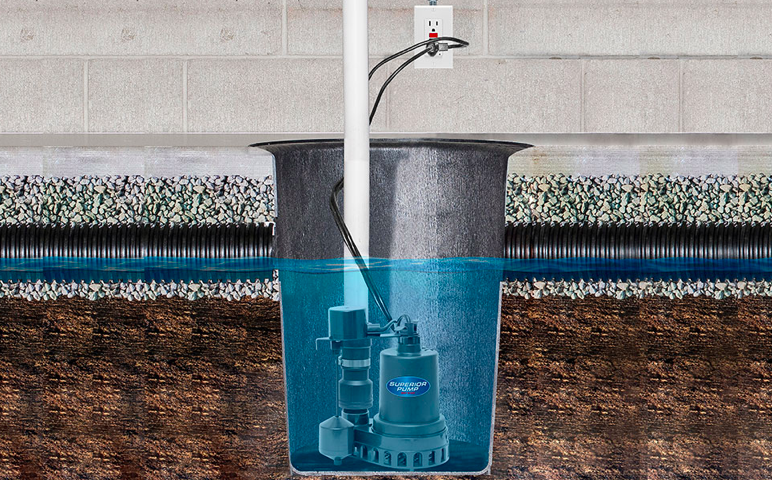
Examine your sump pump. A sump pump is designed to collect excess water and redirect it away from your home, but if it fails, your basement could flood, leading to water damage and mold growth. 

Screen Shot 2020-05-11 at 1.14.08 PM.png

Install the right flooring. Mold grows easily in carpet, which soaks up moisture and is difficult to clean. When it comes to flooring, choose a washable surface, like ceramic or vinyl. 

Perform exterior waterproofing. Plan your landscaping around basement flood prevention, position gutter downspouts away from the home, and clean your gutters regularly. 

Declutter your basement to eliminate congestion that blocks air from flowing freely throughout the space.

Insulate your basement, including pipes, walls, and windows to prevent condensation and to lower humidity.

Keep plants and wood upstairs. Mold feeds on organic materials, so keep greenery and wood in spaces where dry air flows freely.


Install proper ventilation. If your laundry room is in your basement, make sure your washer and dryer have proper ventilation. The steam produced by these appliances will otherwise have nowhere to escape and your ceiling and walls will trap moisture.

Guest Contributor: Austin Werner

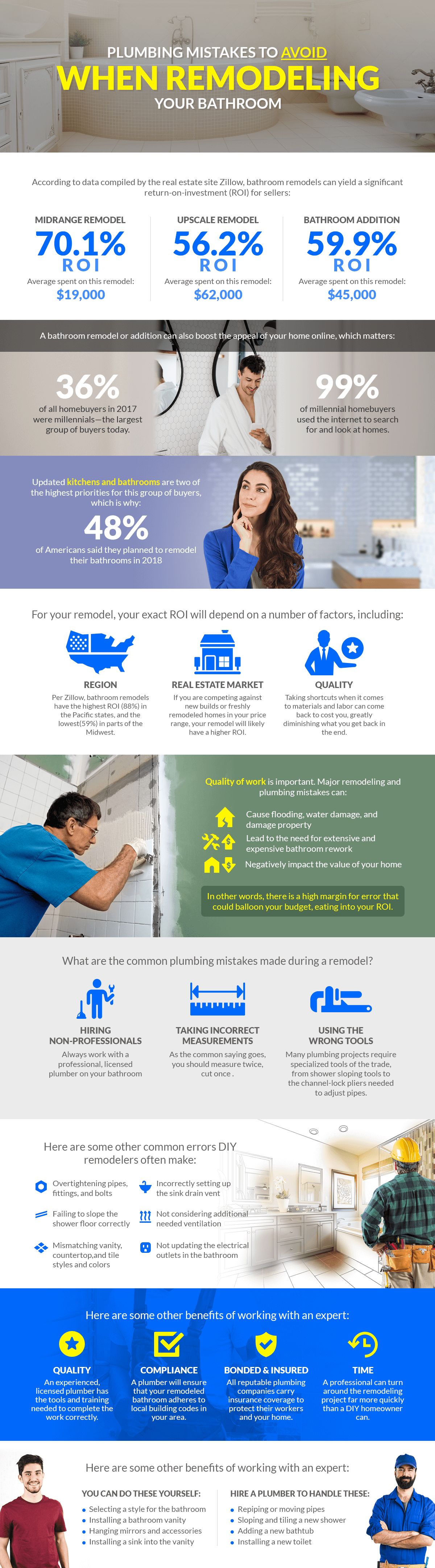
PLANNING OUT YOUR BATHROOM REMODEL? HERE ARE SOME PLUMBING MISTAKES YOU’LL WANT TO AVOID

PLANNING OUT YOUR BATHROOM REMODEL? HERE ARE SOME PLUMBING MISTAKES YOU’LL WANT TO AVOID

Next to a kitchen makeover, a master bathroom remodel is one of the best things you can do for your home’s value. Plus, a reimagining of your bathroom can make it a much more enjoyable and usable space. Yet, many homeowners put off this project for years. After all, just where do you start, and how much should you budget? In this article, we’ll review how you can get your bathroom remodel moving forward again, and some of the common pitfalls you’ll want to avoid when planning your project out.

TRYING TO DO EVERYTHING YOURSELF

When working within a tight budget, it’s tempting to simply remove the cost of labor and take on the entire remodel by yourself. After all, how hard could it be? While there’s a fair amount of a bathroom remodel that homeowners can complete themselves, there are certain aspects that need to be handled by a professional. For example, bring in a licensed plumber to help with anything involving plumbing.

If you’re feeling like you’re in over your head, you may want to consider hiring a remodeling contractor near the start of your project. There are several advantages that come with working with the right person:

  • Experience: A trusted local remodeler has remodeled dozens, if not hundreds, of bathrooms. They can put together an accurate budget and scope while also helping you avoid common pitfalls.
  • Timeline: A contractor will set a deadline and strive to meet it. If you’re only able to work on your remodel over the weekends, set to your own deadline, who knows when your bathroom will be usable again?
  • Results: There’s always a risk with DIY work that the end result might look shoddy or be low-quality. For obvious reasons, working with a good contractor eliminates this risk.

PUTTING TOO MUCH INTO THE PROJECT

One of the biggest challenges of a bathroom remodel—and perhaps a significant reason why many homeowners put off the start of their remodel year-after-year—is not knowing where to start. After all, everyone has a basic concept of what a remodeled master bathroom looks like. But, translating that general idea into a detailed roadmap that outlines all the tools and materials needed is another thing altogether. 

To add to that challenge, there are so many choices and decisions to make. Quartz, granite, or marble on top of the vanity? What kind of lights should you buy? Does this shower tile and this shower glass go together? Cumulatively, this can lead to something called choice paralysis, where the overwhelming number of options and variables leads to homeowners endlessly talking about their project, but never actually getting going.

Start with the budget. On average, people spend around $19,000 on a mid-range bathroom remodel and later net a 70.1% return on investment. If you work backwards, you can start to make choices informed by your budget: if you’re looking to keep costs down, keep the current layout in place, choose granite over marble, and prioritize the shower over the bathtub. This is setting the scope for your project. You want your punch list of things that need to be completed to realistically fit within both your budget and timeline.

HIRING THE WRONG CONTRACTORS

If you’ve made the decision to hire a remodeler, plumber, or electrician for your project, make sure you find the right one. This is another place where things often go very wrong, very fast: in an effort to fit a professional into their budget, homeowners will accept the lowest bid out there. Often, instead of getting a great deal, you get someone who doesn’t know what they’re doing, makes mistakes, shows up late, causes the project to go over its original deadline, or is not honest.

Instead, submit multiple bids with professionals in your area who can be trusted. Read online reviews and talk to your friends and neighbors: there is bound to be a few people in your community who are willing to attest to the bathroom remodeling work of good contractors. Once you’ve narrowed down your list, be sure to ask these professionals about their experience remodeling bathrooms like yours, as well as what kind of insurance and certifications they have.

A little bit of homeowner homework ahead of hiring someone can save you a ton of money and headache down the road. Trust us: the right plumber, remodeler, or electrician makes all the difference.

IT’S TIME TO MOVE FORWARD

If you’ve been dreaming of a bathroom remodel for years, but have put it off time-and-time again, there’s no time like the present to get started. Follow the tips above to ensure your remodel starts right and goes smoothly. For even more helpful advice about plumbing mistakes to avoid, check out this infographic:

Plumbing mistakes to avoid.png

Guest Contributor: Amanda L
TOP 8 SPECTACULAR OUTDOOR LIVING SPACES

TOP 8 SPECTACULAR OUTDOOR LIVING SPACE

When Summer rolls around, most of us like to spend it outside. You will want to have an outdoor area that is perfect for entertaining, or the perfect space for you to spend outdoors with your family. The last decade people have started to put a lot of effort in their backyards, or what we would rather call it, outdoor living space. When you live in or around Chicago, you’re use to having bipolar weather year round. That doesn’t mean you shouldn’t spend your time and money on your outdoor living area. The perfect outdoor area would be usable Spring, Summer and Fall. Let me show you some great ideas, that will make you want to run out and start working on your perfect outdoor living space.

Outdoor fire pit with sitting area in between the pool
Outdoor kitchen with swim up bar
Outdoor kitchen with breakfast bar
Outdoor grill station
Outdoor bar and grill station
Outdoor fireplace and sitting area
Outdoor kitchen and dinning area

What did you learn? Your outdoor area should have good seating, fire pit, bar, kitchen, grill station, and cover. Start utilizing your backyard. Make it a living space. Not only will you enjoy it, it will bring up the value of your home.

WHY SHOULD YOU CONSIDER A SUMP PUMP BEFORE FLOODING?

Why Should you Consider a Sump Pump Before Flooding?

We are already familiar with the features, advantages, and importance of sump pumps in households. However, why do you think there are still so many varieties of articles yet mentioning about sump pumps. It is because people have started taking it lightly and they often fail to make use of it during flooding situations. Ensuring that your sump pumps work efficiently during flood situation or bad weather conditions will prevent your property especially the basement from any bad damages.

Screen Shot 2020-04-02 at 10.42.21 PM.png

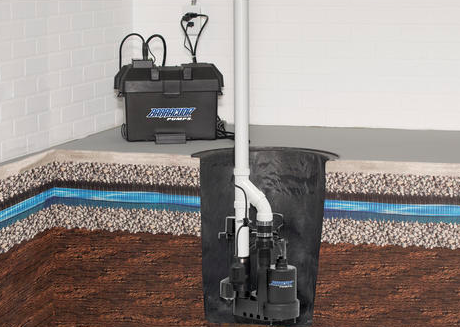
Before we begin explaining to you why you must consider a sump pump during flood situations, let us quickly understand what a sump pump is in simple word. A sump pump is a small pump that flushes out any access water from the lowest part of your area or house such as the basement. As a result, these areas are saved from flooding saving your property’s exteriors and interiors.

A sump pump unit is usually installed in the basement of your house with a sump pit. Most sump pumps work automatically with the support of a float or a pressure sensor. As soon as the water fills in the sump pit, the sump pump motor turns on and starts removing excess water and prevents your property from flooding.

Screen Shot 2020-04-02 at 10.42.51 PM.png

Consider a Sump Pump before flooding

We already know prevention of flooding is one of the major reasons why people fix sump pumps in their basements. There are various other reasons why sump pumps are installed in the houses. Let’s take a quick look at these too;

Sump pumps:

  • Helps prevent corrosion and rusting of metal appliances that your house may have in the basement. It is because the flooded water may damage these appliances and that is what sump pump won’t allow.
  • Prevents the wall coverings and paint from peeling off from the ceilings, roofs, and walls. You certainly don’t want the paint or interiors of your house to get wasted.
  • Sump pumps keeps the area dry and clean helping your property to be safe from any sort of insect infestation.
  • A sump pump unit in regular working condition helps to remove any sort of moisture which may lead to nesting of molds, fungus, and/or mildew. Take a look at the battery backups too in case of emergency flood conditions.

You may have never faced a flooding issue before but, can you guarantee your future that it may never happen? You are fortunate that flooding circumstances have never arrived before however; it is always wise and safe to be prepared for any unpleasant circumstances.

Check out in the market the different types of sump pump models and qualities available. These may have different features and benefits but, the objective is one – prevention of flooding. For maximum performance of the unit, it would be wise to keep a check regularly and follow basic maintenance tips. Protect your house by the basics of flooding prevention and understand the importance of sump pump installation. There are various articles speaking of the same.

Guest Contributor: Maninder Singh

IMPORTANCE OF A PLUMBER IN DAILY LIFE WITH BEST PLUMBING SERVICES

Importance of a Plumber in Daily Life with Best Plumbing Services

You may have read a lot about plumbing services and benefits; have you ever wondered why? There are reasons why people are so dependent on plumbing services. Why is it that plumbing is so essential? In this article, we shall cover some of the best reasons to prove the importance of plumbing services. Once you finish reading, it would be great to find out the options between some of the best plumbing services. 

 The reasons stated here will make you understand the importance of plumbing services in day to day routine life. 

Reasons to Explain the Importance of Plumbing in Daily Life 

Plumbing on time helps you to protect your house from flooding, which is the most basic reason why people seek support from a skilled plumber. Plumbing should not be taken lightly. It must be included to save wasting of water and involvement of hygiene.

  1. Plumbing helps the water resources to reach the right unit without any leakages and provide you sufficient levels of water without any disruption. Imagine the gallons of water wastage if the house becomes negligent to fix the rusted pipes and leakages.
  2. Water saving is extremely crucial and important for the environment too. Timely plumbing services sustain the availability of water usage for all. High-efficiency and water supply in the commercial area needs more care of timely plumbing as the water usage is in larger amounts.
  3. Water saving also leads to energy savings that can be further utilized in other uses. Less wastage and consumption of water means less heating of water and lesser water transportation. As a result, you are saving on energy and water wastage.
  4. Go here for regular plumbing services by a professional plumbing agency helps in bringing better lifestyle and comfortable living. The kitchen and bathrooms get adequate supply of water without any disruption and help you to perform the household chores with no hassle.
  5. Flooded water may lead to contamination that may further get stored and entered through the pipes. It may further lead to unhygienic scenarios of cooking, washing, and cleaning. This may result in ill health.
  6. Plumbing is incredibly important for all households and commercial activities. List down the number of activities that you would perform with water. Life seems difficult without water, isn’t it? It is thus very important to get the pipes, connection, and water outlets checked timely.
  7. Plumbers not only fix the issues with your water pipes, they also assist in techniques of rain water storage and usage at the right time. From the source water enters in your house inlet to the process where the water gets drained out into the soil, a plumber can guide you with everything related.
Screen Shot 2020-04-02 at 11.02.46 PM.png

 Find out the skilled plumbing agencies and check your budget. Hire a plumber for a generic inspection of your house and ask him to let you know the kind of work needed in plumbing. All the details will help you to hire a plumber accordingly and decide the frequency of their visit to your property. 

Guest Contributor: Maninder Singh

TIPS FOR DISPOSER: WHY IS FOOD WASTE DISPOSAL A MUST FOR KITCHENS?

Tips For Disposer: Why is Food Waste Disposal a Must For Kitchens?

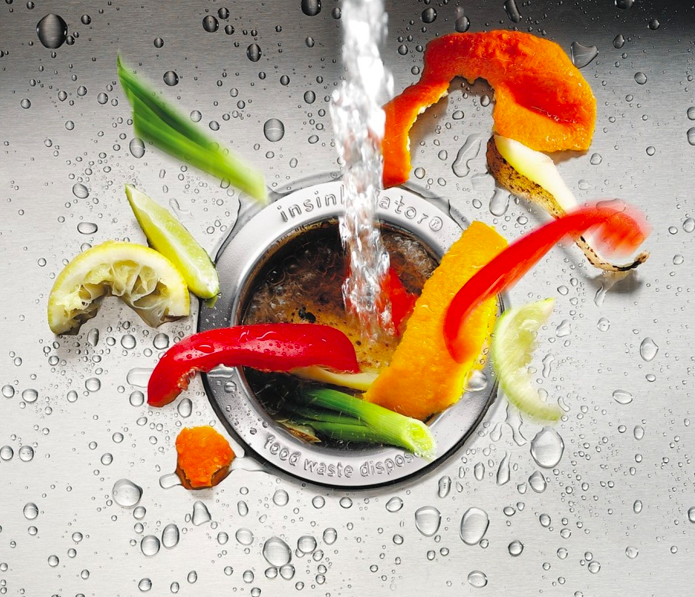
Most people today have a garbage disposal installed in their house. It has become one of the most essential parts of the kitchen. In many areas, garbage disposals are a must. By using the disposer in the right manner, you are already being a responsible citizen and protecting the environment too of the garbage and odour.

There are plenty of ways to use a disposer in the kitchen, but below are some of the essential tips that you must follow always.

Tips for Disposer:

1. Avoid Wrong Objects:

Check the right type of objects that go in your kitchen with this website.  Remember, the unit is designed specifically to dispose of your food scraps by grinding it. Thus, you must know what grinds easily. Avoid objects like glass pieces, wooden spoons, paper plates, and hard bones.

2. Divide into Small Portions:

No matter how much the quantity or size of the garbage is, you will have to divide it into smaller portions and pieces. You must be a helping hand to your disposer rather expecting it to take all the crap instead of scrap.

3. Cold Water Therapy:

Use cold water therapy i.e. you must always run cold water when you run your disposal. That supports the prevention of any grease or oil to stick to your drain. Cold water also helps in removing any sorts of clogs from your disposer’s drain pipe.

Screen Shot 2020-04-02 at 11.12.48 PM.png

4. Keep it Simple and Clean:

Do not leave the food scraps to perform the grinding task the next day. Keep your disposer clear and clean always. Many people often overload it and do not realize the damage it can cause to the parts of the disposer.

5. Use Ice Cubes:

You must use ice cubes and grind it in the disposer for the unit to be maintained. Grinding ice cubes also helps in clearing the clogs and blockages that makes the process of disposal stuck on and around the walls of your unit.

Why is Waste Food Disposal a Must for the Kitchen?

As mentioned before, food wastage can not only harm your surrounding and house, but also affect the environment at large if no one adheres to it. Not only the restaurants and hotels, even the residents have installed food disposals to ensure the healthy living of the family and the society. Thus, to balance nature and health at home with the family, disposals are must! 

Safety is another reason why people go for disposals in their kitchen. For instance, sharp objects and other waste on the streets may be accidental as these can cut your feet and cause injuries. Stale food scraps can harm stray animals too. Thus, proper disposal strategies need to be applied. Government has made disposing of a mandate in various areas with the aim to protect not only the humans but also the animals and environment at large.

To find out the latest designs and models of disposals for your kitchen unit, find out more at your nearest store or make use of the web online.

Guest Contributor: Maninder Singh