UPGRADING PLUMBING SYSTEM FOR MAXIMUM EFFICIENCY AND COMFORT

Imagine yourself in a place with clogged drains, weak water pressure, and wasteful fixtures. Isn’t that frustrating? 

Outdated and inefficient plumbing systems will drain your energy and money. If left unfixed, it will cause higher monthly bills and discomfort to all building occupants.  

It’s time for a change! You need to upgrade your plumbing systems for a more comfortable living environment. Upgrading the system will prevent plumbing-related health problems such as waterborne diseases, mold and mildew formation, and chemical contamination. 

With professional plumbers and contractors, you can upgrade your plumbing system and reap the benefits of incorporating water and energy-efficient fixtures, quality pipe materials, and pipe insulation.  

Stick around and let us help you turn your residential or commercial unit into an efficient, comfortable, and convenient place to stay! 

BENEFITS OF UPGRADING PLUMBING SYSTEM 

Undoubtedly, upgrading your plumbing system offers advantages to elevate your everyday routine to a new level of joy and satisfaction. Here are some benefits you can sow when optimizing the building component.  

• Improved Water Efficiency 

Upgrading your plumbing system brings a notable advantage of enhancing water efficiency. Installing water-efficient and energy-efficient fixtures allows you to reduce water consumption while maintaining performance, efficiency, and comfort levels. 

Low-Flow Toilets 

They have designs that help reduce water usage. The low-flow toilets have dual flush options, effectively removing waste with less water at a lower pressure. 

Low-Flow Faucets and Showerheads 

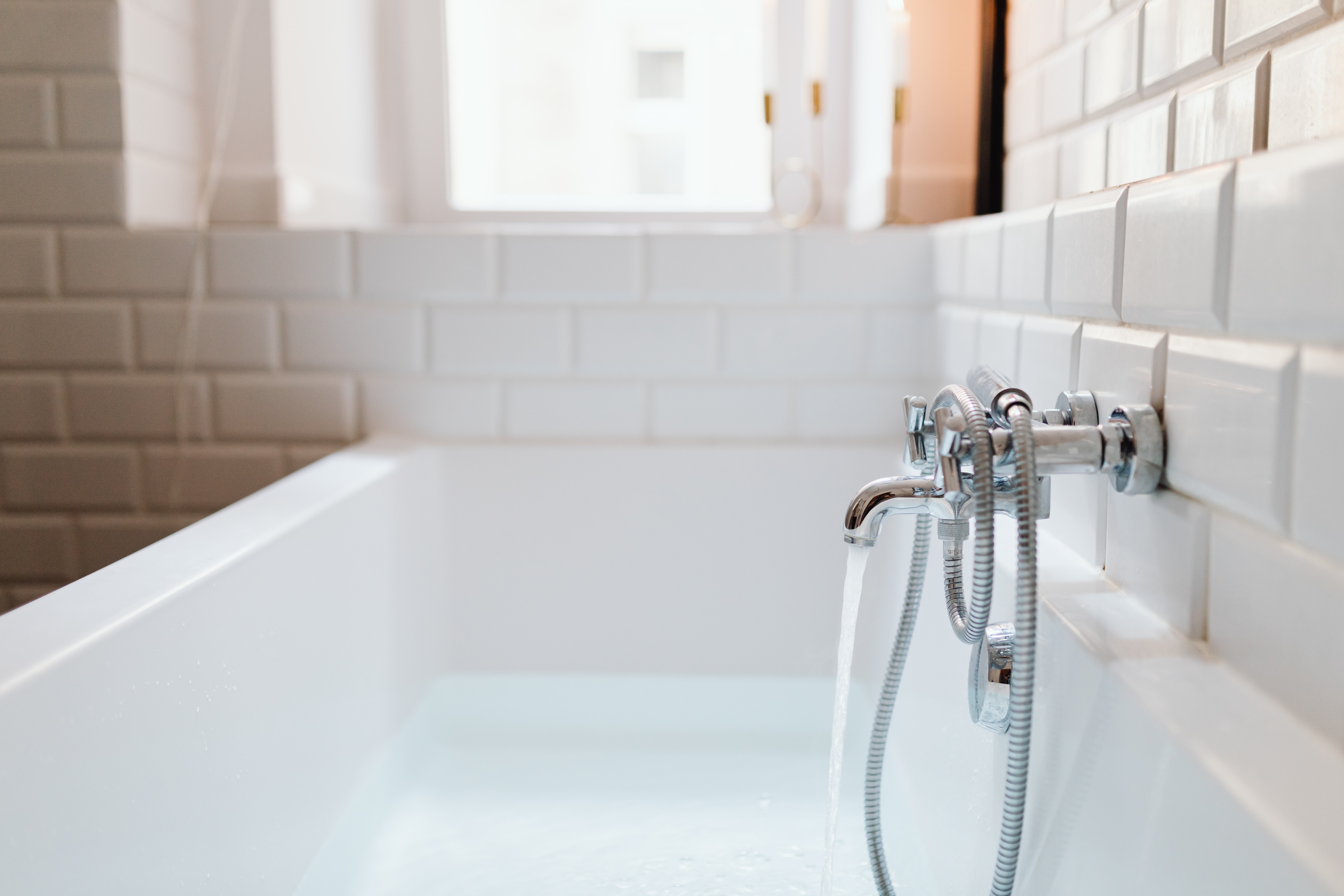
On the other hand, low-flow faucets and showerheads utilize aerators and flow restrictors to distribute the water properly and reduce water consumption. These features limit the amount of water that passes through the faucet or showerhead when you use them, maximizing efficiency to a satisfying water flow and one-of-a-kind experience. 

With these fixtures, there is no more dealing with disrupted shower and faucet usage, water pressure, or sudden water fluctuation throughout the day. By giving you a consistent and reliable water flow, you can use the water to enhance your comfort, whether you are taking a bath, watering the plants, doing the laundry, or washing the dishes.  

• Temperature Control 

In today’s technology, you can also incorporate advanced mechanisms such as thermostatic valves or smart controls to precisely adjust the water’s temperature, preventing unexpected cold or scalding hot water. Controlling and changing the water temperature according to your preferences enables you to customize your experience and ensure comfort and pleasure during your daily water-related activities. 

• Reduced Maintenance Disruptions 

Frequent plumbing system maintenance and repair can also cause a disruptive bath experience. It may malfunction and cause water leakage, unexpected water outages, and temperature fluctuation. Upgrading your plumbing system will minimize these disruptions to let you enjoy a smooth user experience.  

• Enhanced User Experience 

Incorporating innovative solutions and modern features helps a lot in enhancing your comfort and convenience. For example, the intelligent plumbing system lets you conveniently control your water usage and temperature remotely anywhere. With this, you can tailor and maintain your water consumption based on your specific needs and preferences, ensuring the comfort and pleasure of everyone using it.  

• Reduced Utility Bills 

Upgrading your plumbing system for maximum efficiency and comfort means saving big on utility bills! Taking a proactive step to minimize your water usage and incorporating well-insulated access doors and panels such as the TM multi-purpose access panel will leave you more money in your pocket, which you can add to your emergency savings retirement plan or spend for leisure and recreational activities.  

DIFFERENT PLUMBING PIPE MATERIALS 

In plumbing services, there are different plumbing pipe materials that you can choose to install in your building. These materials may be PVC, copper, or PEX. Plumbers, engineers, and construction professionals know the importance of using superior-quality materials. 

  • PVC Pipes  

These pipes are ideal for drainage and waste systems. They are cost-effective and built to last. They are also lightweight, making transporting and installing more manageable. 

  • Copper Pipes 

They are best to use if you need lines that transfer hot and cold water to and from your home. They have excellent properties that resist corrosion and withstand different weather conditions, which results in a longer lifespan and a lesser risk of getting rusty.  

  • PEX Pipes 

PEX pipes are also standard in the plumbing industry as an alternative to copper piping. Plumbers have been using them for decades because of their exceptional properties. Although PEX pipes are still plastic, unlike PVC, these pipes deliver hot or cold water.  

CONCLUSION 

Upgrading plumbing system improves water efficiency and enhances the occupants’ comfort by improving temperature control and reducing maintenance and repair disruptions, leading to reduced energy usage and lower utility expenses. Choosing quality materials such as PVC, copper, or PEX fits most plumbing structures that promote maximum efficiency and comfort.  

Invest in upgrading your plumbing system to enjoy these advantages for your home or building. The decision pays off when it comes to improved functionality, comfort, and cost savings in the long run. 

Guest Contributor: Chris Jackson

PREVENTING PLUMBING EMERGENCIES: TIPS FOR REGULAR MAINTENANCE AND INSPECTIONS

Plumbing problems can be a homeowner’s worst nightmare. Leaky pipes, clogged drains, and burst water heaters can lead to costly repairs and inconvenient disruptions. However, many plumbing emergencies can be avoided through regular maintenance and inspections.  

This blog will discuss essential tips to prevent plumbing accidents and keep plumbing systems in top shape. 

IMPORTANCE OF REGULAR MAINTENANCE 

Regular maintenance is vital to prevent plumbing emergencies. Like your car or other equipment, a plumbing system needs attention to function smoothly and efficiently. Neglecting the plumbing system can lead to expensive repairs and inconvenient situations. Here’s why regular maintenance is essential: 

1. Early Detection of Issues 

One of the most compelling reasons for regular plumbing maintenance is the ability to spot issues in their infancy. Think of it as a check-up with your doctor where potential health problems are identified before they become serious. With plumbing, these “early detection” benefits include: 

  • Small Leaks: Regular inspections can uncover tiny, inconspicuous leaks that, if left untreated, could turn into costly water damage or mold issues. 
  • Clogs: Periodic maintenance ensures that minor clogs in drains or pipes are dealt with promptly, preventing them from escalating into significant blockages.  

2. Prolonged Lifespan 

Plumbing fixtures and components are like the unsung heroes of a household, tirelessly providing water, flushing waste, and more. Experts designed it to last, but their lifespan can be significantly shortened without proper care. Here’s how regular maintenance contributes to a prolonged plumbing system: 

  • Reducing Wear and Tear: Consistent upkeep minimizes wear and tear on the plumbing components, which means fewer replacements and more savings in the long run. 
  • Preventing Corrosion: Maintenance helps prevent the buildup of corrosive elements, extending their usability for metal pipes and fixtures. 

3. Optimal Efficiency 

A well-maintained plumbing system isn’t just about preventing emergencies—it’s also about saving money on utility bills and contributing to a more sustainable environment. The efficiency aspect of plumbing maintenance entails the following: 

  • Water Preservation: Timely resolution of leaks and drips minimizes water squandering, reducing water expenses and preserving a valuable resource. 
  • Enhanced Energy Performance: A properly maintained water heater or boiler functions more effectively, resulting in decreased energy usage and cost savings on energy bills. 

DO-IT-YOURSELF PLUMBING MAINTENANCE  

Homeowners themselves can handle some plumbing maintenance tasks. Here are some DIY maintenance tips to keep your plumbing system in excellent condition: 

1. Check for Leaks 

Regularly inspect pipes, faucets, and connections for any signs of leaks. If you notice any, address them promptly to prevent further damage. Use an access panel like the BA-AHD-SS general purpose access panel to access your plumbing area easily. This will help you seal and provide entryways to your plumbing. 

2. Clean Drains 

Keep drains free of debris and hair by using strainers and cleaning them regularly. Avoid pouring grease and other clog-inducing substances down the drain. 

3. Test Water Pressure 

High water pressure can damage pipes. Invest in a pressure gauge to monitor and adjust your water pressure. 

4. Inspect Toilet Components 

Check the toilet’s tank and bowl for leaks. Ensure that the flapper, fill, and flush valves function correctly. 

5. Flush the Water Heater 

Flushing water heater annually removes sediment buildup, ensuring it operates efficiently and lasts longer. 

PROFESSIONAL PLUMBING INSPECTIONS  

While DIY maintenance is beneficial, scheduling professional plumbing inspections is equally essential. Experts can identify hidden issues that may go unnoticed. Here’s what to expect during a professional appraisal:  

1. Comprehensive Check 

To identify potential issues, a plumber will inspect your entire plumbing system, including pipes, fixtures, and connections. 

2. Leak Detection 

Professionals use specialized tools to detect even minor leaks that may be hidden from sight. 

3. Drain and Sewer Inspection 

An inspection of your drains and sewer lines can reveal blockages, clogs, or tree root intrusions. 

4. Water Heater Assessment 

Professionals will assess the water heater’s performance and safety features, ensuring it’s in good working condition. 

5. Recommendations 

Based on the inspection, the plumber will recommend repairs or improvements to prevent future plumbing emergencies. 

PREVENTING FROZEN PIPES 

One typical plumbing emergency during cold weather is frozen pipes. Preventing this issue is crucial to avoid costly water damage. Here’s how to prevent frozen pipes: 

1. Insulate Exposed Pipes 

Wrap pipes in areas prone to freezing, such as basements, crawl spaces, and outdoor areas, with insulation to keep them warm. 

2. Allow Faucets to Drip 

Allowing faucets to drip during freezing nights can prevent water from freezing in the pipes. 

3. Seal Cracks and Gaps 

Seal any cracks or gaps in home’s exterior to prevent cold air from entering and also affecting the pipes. 

4. Disconnect Hoses 

Before winter arrives, disconnect and drain garden hoses. Store them indoors to prevent damage. 

5. Keep Home Warm 

Maintaining a consistent indoor temperature prevents the pipes from freezing. 

EMERGENCY PLUMBING KIT 

Despite the best efforts, emergencies can still happen. It’s wise to be prepared for unexpected plumbing issues. Assemble an emergency plumbing kit, including: 

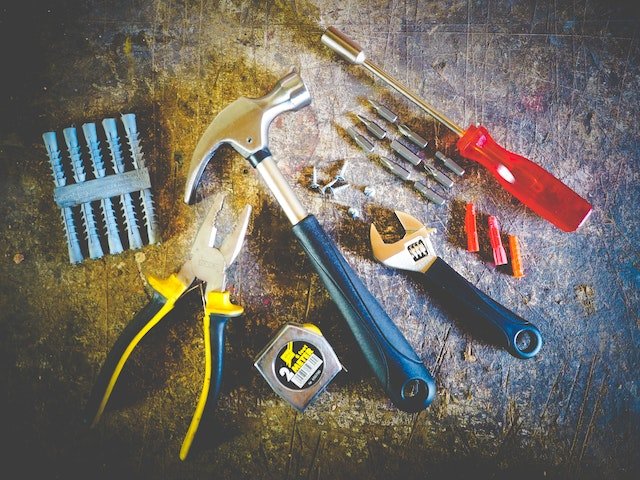
  • Plungers for toilets and sinks 
  • Pipe wrench 
  • Teflon tape 
  • Pipe repair clamps 
  • Bucket and towels 
  • Shut-off valve key 
  • Contact information for a local emergency plumber  

CONCLUSION 

Preventing plumbing emergencies requires regular maintenance, DIY care, professional inspections, and preparedness. Following these tips, you can keep plumbing systems in excellent condition and avoid costly disasters. Remember, a little prevention goes a long way when it comes to plumbing.

Guest Contributor: Chris Jackson
BENEFITS AND USES OF GREYBOARD SHEETS

In a period emphasizing sustainable development and resource effectiveness, it could not be more relevant to look for reusable, nature-friendly materials that cover all uses. Unsung heroes are greyboard sheets, also known as chipboards, that provide versatility and practicality to various applications, appealing to one’s creativity and need for practicality.

This article will explore the compelling world of greyboard sheets and highlight their varied benefits and real-life applications that contribute to their widespread demand in different sectors. There is something for everyone in greyboard sheets, irrespective of whether you are an artist, a manufacturer, a student, or looking for eco-friendly packaging options.

BENEFITS OF GREYBOARD SHEETS

Before exploring the many uses for greyboard sheets, it’s crucial to comprehend the advantages that make them a preferred option across a range of industries:

·       Eco-friendly: Due to its utilization of recyclable materials, greyboard sheets are one of the inexperienced options. This saves more timber pulp since it uses renewable raw materials.

·       Versatility: Greyboard sheets can be cut, folded, and sewed for a mess of purposes, making them especially versatile. They offer a robust foundation for numerous packages and studies initiatives.

·       Cost-effective: Greyboard is much less luxurious than many different materials. They are an exquisite choice for people and groups because they provide extremely good prices for money because of their durability.

·       Recyclable: Greyboard can be reused similarly to being made from recycled materials. This lessens waste and produces sustainable finishes for infrastructure.

USES OF GREYBOARD SHEETS

After learning about the advantages of greyboard sheets, let’s look at some of the industries in which they are used:

·       Scrapbooking and Craft Projects: Greyboard sheets are commonly used by crafters for many creative projects, including scrapbooking, creating iinovating art and craft projects, etc. They are great for the support and organization of art projects such as photo albums, dioramas, and decorative items.

·       Dividers and Organizers: Greyboard sheets are utilized to make separators and organizers within boxes, drawers, or storage containers. They facilitate effective item organization and compartmentalization.

·       Packaging: Greyboard sheets serve as the framework for systems that use boxes, cartons, and packaging. The durability and strength of soft fabrics throughout shipping make them the best choice. To improve the look of the packaging, they might be covered with paper, fabric, or other materials.

·       Bookbinding: Greyboard pages are utilized in bookbinding to create strong volumes and notebooks. The greyboard’s stiffness ensures that the book will preserve its form and undergo all through time.

·       Backing for Framed Art: An extremely good backing material for framed paintings, pix, and posters is a sheet of greyboard. They offer the desired tension and shield the artwork from harm.

·       Educational Materials: Greyboard sheets are utilized in academic contexts to make flashcards, charts, and teaching equipment. These products will bear longer and continue to be intact regardless of their use.

·       Display and Signage: Greyboard sheets are put to use for the creation of factor-of-sale displays, signage, and advertising and marketing materials. They are an acceptable alternative for advertising and marketing and advertising campaigns, considering they can be simple to print on and can be cut into quite a few shapes and sizes.

·       Model Making: Greyboard sheets are frequently used as the foundation for scale models, product prototypes, and architectural models. The sheets are simple to cut and can be precisely molded to make complicated creations.

·       Agricultural Uses: Greyboard sheets can be used in agriculture for a variety of tasks, such as creating seedling trays, shielding crops from inclement weather, and serving as signage or markings on farms.

·       Backing for Carpets and Flooring: Greyboard sheets are excellent for backing material for carpets and laminate flooring in the flooring business. They give the floor covering support and structure.

·       Stationery Products: Greyboard sheets are used to make durable stationery items, including clipboard backs, binders, and folders. These things will last longer and be able to handle regular use thanks to their improved durability.

BOTTOMLINE

Greyboard sheets shine as beacons of possibilities in the world of materials that combine eco-friendliness, toughness, and adaptability. They are an option that appeals to both environmental concern and economic sensitivity due to their sustainable origins and cost-effectiveness.

The sheets have established their value in various industries, including packaging, crafts, education, manufacturing, industries, and more. Greyboard sheets offer the solution to many of our demands as we move through a time when the need for sustainability and resource efficiency is crucial. They offer solidity to artistic expressions, protection for fragile things during shipping, and a solid foundation for teaching materials.

Greyboard sheets continually rise to the challenge, whether used as the foundation of an artwork, the support for a book cover, or the backdrop for a marketing display. They are essential for branding and design because of their customizability.

10 CREATIVE IDEAS FOR BUILDING IN YOUR BACKYARD

Your backyard is more than just a patch of grass; it’s a canvas waiting to be transformed into a beautiful, functional, and inviting space. Whether you’re looking to create a relaxing oasis, enhance your outdoor entertainment options, or build a space for gardening and play, there are countless possibilities. In this comprehensive article, we will explore 10 creative ideas for building in your backyard, offering inspiration for a wide range of projects to make your outdoor haven truly special.

TREEHOUSE

Building a treehouse can bring a sense of magic and adventure to your backyard. Choose a sturdy tree and construct a safe, elevated retreat. It can serve as a quiet escape for adults, a play area for children, or even a cozy reading nook suspended among the branches. Make sure to use appropriate materials and construction techniques for safety and durability.

OUTDOOR KITCHEN

An outdoor kitchen is a fantastic addition for those who love to cook and entertain. With a grill, countertops, a sink, and perhaps even a pizza oven, you can take your culinary skills outdoors. Cooking and dining al fresco can be a delightful experience, and it’s a great way to enjoy the pleasant weather.

GARDEN OASIS

A garden oasis is perfect for those who wish to create a serene and lush haven in their backyard. Construct pathways, add a small bridge over a pond, and create meditation areas. With abundant greenery, soothing water features, and secluded nooks, your backyard can become a peaceful retreat from the hustle and bustle of daily life.

FIRE PIT

Building a fire pit and surrounding it with comfortable seating can transform your backyard into a warm and inviting gathering space. This area is perfect for hosting friends and family, roasting marshmallows, and creating a cozy ambiance on cool evenings. Ensure you follow safety guidelines for fire pit construction and maintenance.

PERGOLA OR GAZEBO

A pergola or gazebo adds elegance and functionality to your outdoor space. These structures provide shade, architectural interest, and an excellent setting for outdoor dining, relaxation, or as a backdrop for special events like garden weddings. You can customize their design to suit your preferences and style.

RAISED GARDEN BEDS

Raised garden beds are a wonderful addition for anyone with a green thumb. They not only provide excellent drainage but also make gardening more accessible and enjoyable. You can grow your own fresh produce, cultivate herbs, or create a riot of color with vibrant flowers in these beds.

PLAY AREA FOR KIDS

For families with children, a swing set, jungle gym, or playhouse can be a fantastic addition to your backyard. These structures offer endless opportunities for outdoor play, exercise, and imaginative adventures. Ensure they are built safely and have a soft landing surface for added protection.

ZEN GARDEN

Create a sense of calm and mindfulness in your backyard by designing a Zen meditation garden. Using gravel, carefully placed rocks, and minimalist plantings, you can create a space for quiet reflection, meditation, and relaxation. Add a bench or comfortable seating for a tranquil retreat.

GREENHOUSE

A greenhouse extends your gardening season and allows you to experiment with a wide variety of plants. It’s an excellent space for starting seedlings, growing tropical plants, and enjoying gardening year-round. A well-constructed greenhouse can be a sanctuary for plant enthusiasts and a source of fresh produce even in winter.

OUTDOOR MOVIE THEATER

Turn your backyard into an outdoor movie theater by installing a projector and a screen, and building a comfortable seating area. This project allows you and your loved ones to enjoy cinematic experiences under the open sky. Add string lights, cozy blankets, and your favorite snacks for a complete outdoor cinema experience.


Your backyard is a versatile canvas, ready for your creativity and craftsmanship. These 10 creative ideas for building in your backyard offer a wide range of possibilities, from tranquil retreats to exciting entertainment spaces. Whatever your preferences and interests, these projects can transform your outdoor space into a haven that suits your lifestyle and taste. So, put on your DIY hat or call the professionals, gather your tools, and embark on the journey of making your backyard a paradise tailored just for you. By choosing one or more of these projects, you can elevate your outdoor living experience, creating a space that you, your family, and your friends will cherish for years to come. Enjoy the process and savor the results of your backyard transformation!

5 ROUTES YOU CAN GO WHEN DOING YARD WORK

As a homeowner, one of your biggest responsibilities is maintaining your yard and outdoor space. A well-cared for lawn and landscape shows pride of ownership and provides enjoyment for not just you but the entire neighborhood. Putting in consistent work on your yard pays dividends through increased curb appeal, added monetary value to your home, and creation of an outdoor space where your family and friends love spending time. But what are the key tasks you need to focus on to achieve a lush, beautiful yard? There are five major routes to take when it comes to essential yardwork along with additional seasonal upkeep.

Yardwork is an important task for any homeowner. Maintaining a well-kept yard not only makes your property look attractive, but it also has many benefits. Here are five key areas to focus on when doing regular yardwork and why they are so important:


LAWN MOWING AND EDGING

Keeping your grass neatly mowed and edged is one of the most basic but important yard tasks. When you mow regularly it helps the grass stay healthy and prevents weeds from creeping in. It’s best to mow your lawn weekly during peak growing seasons. Use sharp blades and vary your mowing pattern to avoid ruts. Edging along sidewalks, driveways and garden beds gives your yard a manicured look.


WEED CONTROL

Weeds are the bane of any beautiful yard. They pop up without notice and can quickly take over your lawn and flower beds. Staying on top of weeds is critical for a pristine landscape. Begin by learning to identify common yard weeds – this helps you recognize them as seedlings before they get out of control. Some frequent offenders are dandelions, crabgrass, clover, plantain and wild violets. Also look for prickly broadleaf weeds like thistles and stickers.

When you spot weeds, take quick action by pulling them as soon as possible. Use a hand fork or weed pulling tool to remove the entire root system so they won’t grow back. Discard weed plants immediately before they go to seed. For severe infestations, use herbicide sprays formulated specifically for lawn and garden weeds. Always read labels thoroughly and follow directions to avoid harming desired plants.


SHREDDERS

A shredder is a useful tool for managing yard waste like branches, sticks, and brush. It can quickly break down piles of yard debris into fine mulch or woodchips. Shredding pruned branches from trees and shrubs is much easier than sawing them by hand or hauling them away. The shredded material can be used as mulch in gardens to suppress weeds, retain moisture, and improve soil nutrition. Shredding leaves in the fall allows them to decompose faster than whole leaves. Overall, a shredder makes quick work of reducing yard waste volume and recycles natural materials into useful mulch or compost. Having a shredder on hand helps keep the landscape tidy and enhances the health of gardens and lawns.


PRUNING SHRUBS AND TREES

Pruning landscaping plants on a regular basis helps stimulate new growth and gives shrubs and trees a shapely appearance. Prune overgrown branches, dead limbs and any growth that is obstructing pathways or your home. Most plants benefit from pruning in late winter or early spring before growth starts. Disinfect pruners between cuts to avoid spreading disease. Always make clean cuts and don’t remove more than one-third of the plant.


LEAF REMOVAL

Raking and removing fallen leaves is imperative for a healthy yard. A heavy layer of leaves left on your lawn will block sunlight and nourishment from reaching the grass. Use a rake or blower to gather leaves into piles. For easier disposal you can run over small piles with a mulching mower. Never let leaves sit in garden beds where they can smother plants or cause fungal issues. Removing leaves in the fall also eliminates hiding spots for pests.


FERTILIZATION AND AERATION

Applying fertilizer and aerating your lawn helps stimulate root growth and allows air, water and nutrients to better penetrate the soil. This leads to thicker, lusher grass. Fertilize cool season grasses in early fall and warm season varieties in late spring when they are actively growing. Prior to fertilizing, use an aerator to punch holes in compacted soil. This allows fertilizer to work down into the roots zones where it’s needed most.

In addition to these five key yard maintenance tasks, there are a few other important upkeeps to remember. Pressure washing patios, decks and siding periodically removes grime and brightens up your home’s exterior. Trimming overgrown plants keeps walkways clear and landscape beds neat. Sealing cracks and reapplying coatings on driveways, sidewalks and other hardscapes helps prevent costly repairs. Proper drainage is also vital for a healthy yard – fill any low spots and keep drainage areas clear of debris.

Investing time weekly or monthly into yardwork pays off with a landscape you can take pride in. A well-maintained yard adds value to your home, provides enjoyment for your family and gives an overall polished look to your property. So put on your gloves and get ready to create the yard of your dreams! Consistent care for your lawn, plants, trees and hardscapes will transform your outdoor space into an enviable showpiece.


Written by Taylor McKnight, Author for Torrent Mulchers

THE IMPORTANCE OF A JEWELRY ROOM IN YOUR HOME

Jewelry is likely to be some of your most important and valuable possessions. Whether you treasure heirloom pieces passed down for generations or you have taken the time to curate a collection of your very own, your jewelry is a highly personal reflection of yourself. Each piece has its own care needs; you probably have already gone through the effort of investing in the correct cleaning products and locating the jewelry experts in your area who can assist with specialized repairs.

Correct storage is part of jewelry care. Understanding the basics of jewelry room design will help protect this important investment. Designing this special room allows your collection to bring you even more joy over the years, keeping it secure, organized, and ready to use.


A SAFE PLACE FOR JEWELRY

Your jewels should be removed before doing vigorous activities like cleaning and cooking, so you need to have a safe place to put these valuables. Never set them on a windowsill or a kitchen counter. These are dangerous places where accidents can happen. Not only can they be easily overlooked or knocked down, common cooking ingredients like onions contain corrosive compounds like acids and sulfur which can cause damage to many gems when exposure takes place over the long term. 

Having a jewelry room is an ideal solution because you’ll always know exactly where your daily pieces are stored. This is a place that encourages organization. Start with planning how many jewelry storage boxes and bags you are going to need. Then, plan ahead to anticipate your future needs. Let this room start to work for you by developing solutions that make sense for you and your life.


THE IDEAL SPACE FOR JEWELRY

What does a jewelry room look like? Ideally, your jewelry room should be a dry environment. The room should remain at a moderate temperature. Store your jewels away from sunlight. UV radiation can quickly damage many items, especially delicate gems like pearls.

Do your best to limit the day-to-day chemical exposure. Products such as these should be kept away from your jewelry collection:

●      Perfume, cologne, and perfume oils

●      Deodorant

●      Aerosols and other air fresheners

●      Mothballs

●      Skin care products, including lotion

Even when these products are stored in a seemingly secure container, accidental spills can occur. Chemical exposure over time can corrode gemstones and metal. Delicate heirloom pieces can be especially vulnerable to this kind of damage. The room you dedicate to jewelry storage should be kept free from these products.

PRESERVING YOUR JEWELRY TODAY AND TOMORROW

You’ve heard the saying about an ounce of prevention being worth a pound of cure, right? If you have ever had to pay for jewelry repair, you know exactly how true this adage is. If you don’t have a handful of jewelry cleaning cloths, invest in some. Then, take the time to clean each piece after taking it off at night.

Avoid sleeping in your jewelry. Skin contains oils that, over time, can damage metal and even certain gems. This is why you should avoid keeping jewelry on at night and why you should clean your jewels after wearing them; cleaning removes oil and dirt that might be clinging to the surface and prepares each piece for storage. Consider keeping jewelry cleaning products in your jewelry room; keep them in a sealed container and they’ll be ready for use.


EVERYTHING IN ITS PLACE

Correct jewelry storage is an important consideration. Pieces should be stored individually, not touching each other to avoid tangling. It can be tempting to fill a jewelry armoire with as much as it will hold, but this is the wrong way to use it. This is another reason why having a dedicated jewelry room is so important – it gives you ample space for holding the number of jewelry chests that is appropriate for your collection. Give yourself the space you need.

Consider your desire for future growth. What kind of future plans do you have? Think about security, too. Depending on the architecture of the space, a wall safe can be added for ultimate safety. Hidden and disguised safes are also available.

Planning a jewelry room isn’t very difficult; all it takes is a little patience and planning. Think about what you want to accomplish in this space. A jewelry room is a great way to keep your collection secure and ready to enjoy.


Written by Taylor McKnight, Author for Fast Fix – Northpark

HOW TO AVOID BUYING A HOME WITH EXISTING ISSUES

A property might appear beautiful both inside and out, but it could be riddled with various issues that could pose a risk to its structural integrity, your quality of life, and your finances.

If you’re in the market for a new home, you must try to make sure you purchase a property with as little issues as possible. The use of various tactics will reduce the likelihood of problems once you receive the keys. Here’s how to avoid buying a home with existing issues.


BUY A NEW-BUILD HOME

Older properties are more likely to have various issues, such as poor plumbing, heating problems, damp, outdated wiring, and even the presence of asbestos. However, you can potentially avoid all of the above by purchasing a new-build property.

Why consider a new build home? Well, you can enjoy peace of mind that the plumbing, electrics, and heating will meet current regulations, and it’ll be more energy efficient due to wall insulation, loft insulation, and double glazing. Plus, a brand-new home may feature energy-efficient appliances to reduce your home’s emissions and energy bills.


INVEST IN A THOROUGH PROPERTY SURVEY

Don’t cut corners when it comes to a property survey. It’s common sense to invest in a full survey of a property, as a home will cost a significant sum. A thorough survey could help you identify potential issues with a property before signing on the dotted line.

Common issues found in a property survey include:

·       Damp

·       Electrical safety problems

·       Roof repairs

·       Invasive plants

·       Structural movement

·       Blocked or overflowing gutters

·       Poor insulation

·       Asbestos

An in-depth survey might sound expensive, but it could prevent you from purchasing a property riddled with issues, making it worth every penny.


AVOID AN AMBITIOUS RENOVATION PROJECT

The thought of transforming a dilapidated property into a beautiful home might fill you with excitement. However, an ambitious renovation project might be the wrong move for your finances. If a home hasn’t been well-cared for over the years by one or more previous owners, many expensive issues could be lurking inside the property.

If you have your heart set on renovating or refurbishing a property, you must conduct various surveys to ensure that you’re 100% confident that it’s free of costly issues. Also, you may need to consult one or more builders or contractors to execute projects to a high standard at a value-for-money price.


DON’T IGNORE THE ROOF DURING A PROPERTY VIEWING

Many budding homeowners focus on reviewing a property’s interior during a house viewing, but the exterior could indicate potential issues lurking both inside and outside the property. For example, pay close attention to the roof for possible problems, as damaged tiles or blocked guttering that could indicate a leak, water damage, and structural issues. A quick inspection could prevent an expensive mistake.


There’s no guarantee that the home you buy will be free of problems, but many tactics could reduce the likelihood of issues once you receive the keys. Keep the above advice in mind to avoid buying a home with existing and expensive problems.

STONE RESTORATION SECRETS: BRINGING OLD STONES BACK TO LIFE

There’s something captivating and timeless about stones. Whether it’s in an enchanting cobblestone path, a sturdy stone fence, an intricate mosaic floor, or a stunning marble countertop, their sheer resilience and unique beauty are hard to overlook.

However, despite their toughness, stones are susceptible to degradation over time due to various factors.

This guide will take you through the key steps of bringing your cherished old stones back to life. We’ll delve into essential tools, cleaning solutions, safe techniques, crack repairs, achieving a natural finish, and post-restoration maintenance.

UNDERSTANDING STONE DEGRADATION

Before you can successfully restore any stone, you have to be aware of the numerous factors that contribute to its degradation.

Weather, for instance, plays a big role. Rain, wind, and temperature fluctuations can all cause erosion. Pollution is another culprit. Acid rain, smog, and even salt in the air can wear away at stone. 

Then there’s biological growth. Moss, algae, and lichen – they all can lead to structural damage. Not to mention, time itself is a factor. Even the toughest stone will show signs of aging.

ESSENTIAL TOOLS FOR STONE RESTORATION

Now that you’ve got a handle on the factors causing stone degradation, let’s dive into the essential tools you’ll need for stone restoration.

 ●      Stone grinder – This tool is used to smoothen rough surfaces and eliminate deep stains.

●      Poultice – It’s a type of paste that draws out stains from stone.

●      Stone sealer – This protects the stone after restoration.

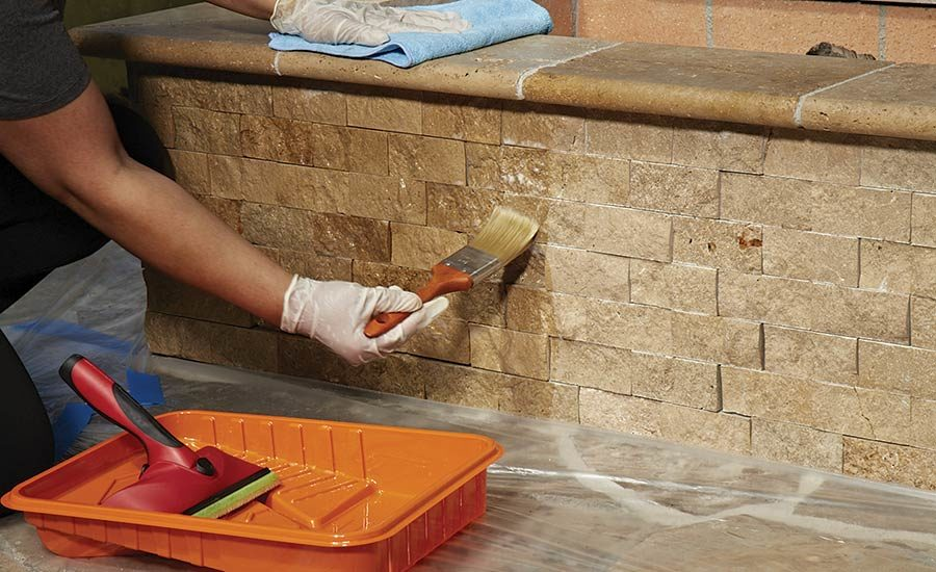
●      A variety of brushes – You’ll need soft brushes for delicate surfaces and hard brushes for tougher jobs. It’s essential to have a range of sizes to work on different areas.

CHOOSING THE RIGHT CLEANING SOLUTIONS

So, what’s the best cleaning solution to use for your stone restoration project?

It’s not a one-size-fits-all answer. The choice hinges on the type of stone you’re working with.

For example, a gentle, pH-neutral cleaner is best for delicate stones like marble or limestone. These cleaners prevent etching or discoloration.

If you’re dealing with a tougher stone like granite, a stronger alkaline-based cleaner may be necessary. Always test the solution on a small, hidden area before applying it broadly.

Also, avoid acidic cleaners, particularly on calcareous stones like marble, as they can cause damage.

TECHNIQUES FOR SAFE STONE CLEANING

You’ll want to approach your stone cleaning process with care, knowing that the right techniques can make a world of difference in the outcome.

First off, always test your cleaning method on a small, inconspicuous area to avoid widespread damage.

Gently dust off loose dirt with a soft-bristled brush. For stubborn grime, apply a pH-neutral stone cleaner with a soft cloth, avoiding harsh scrubbing. Rinse it off promptly to prevent residues.

When dealing with stains, consider a poultice treatment. Apply the paste, let it draw out the stain, then rinse. Remember, air-dry your stone; don’t rub it.

Lastly, consider sealing your stone for added protection.

With these safe cleaning techniques, you’ll be well on your way to restoring your stone’s former glory.

REPAIRING CRACKS AND EROSION

While ensuring your stone is clean is an essential first step, when it comes to repairing cracks and erosion, there’s a whole new set of techniques you’ll need to master.

CRACK REPAIR

Start by cleaning out the crack, ensuring all loose material is removed. Apply a stone epoxy, carefully filling the crack. Once dry, sand until it’s flush with the stone’s surface. 

EROSION REPAIR

Identify areas of erosion, typically appearing as pitted or rough surfaces. Then, apply a stone consolidant, letting it seep into the stone to strengthen it. Finish with a stone sealer to protect against future erosion.

 Remember, it’s always better to seek professional help if the damage appears severe or beyond your skill level. Look for professionals specializing in stone repair in Sydney or near your area. They have the necessary expertise and precision to rejuvenate your beloved stones.

ACHIEVING A NATURAL FINISH

After repairing any cracks and erosion, your next task is to achieve a natural finish on your restored stone. This stage is vital to ensure your stone’s beauty shines through and blends seamlessly with its surroundings.

Start by gently sanding the stone using fine-grit sandpaper. This will smooth out any remaining rough edges and give it a uniform texture. Remember, less is more. You’re aiming for a subtly polished look, not a high gloss.

Once sanded, apply a stone enhancer. It’ll deepen the stone’s natural color and bring out its unique characteristics.

MAINTENANCE TIPS FOR RESTORED STONES

Following the careful restoration and sealing of your stone, it’s crucial to implement a consistent maintenance routine to preserve its natural beauty and longevity. Here are some tips to help you:

●      Regular Cleaning: Use a soft, non-abrasive cloth for routine dusting. For deeper cleaning, use a mild, pH-neutral cleaner. Avoid acidic or abrasive cleaners that can damage the stone’s surface.

●      Routine Inspections: Check for cracks or chips regularly. Prompt repair can prevent further damage. Note any discoloration. It could be a sign of moisture damage or staining.

When performed correctly, stone restoration can breathe new life into your faded or damaged stones, preserving their beauty for many more years to come.

WHAT YOU SHOULD HAVE ON HAND IN YOUR HOME IN CONSIDERATION OF YOUR GUESTS

A gracious host is always well-prepared for guests. Having the proper essentials on hand helps any guest feel as welcome as possible, and also helps to ensure that their stay in your home is truly memorable. Here, we will discuss exactly what to have on hand in consideration of your guests.


CHARGERS

This is a small but important item that everyone needs on a daily basis. Make sure you have chargers available for your guests’ use, and that they are kept in a spot that makes them readily accessible whenever your guest needs them. It is also a good idea to keep a card with the wifi password on the desk or bedside table to save your guest from the trouble of having to ask.


CLEAN, INVITING SCENTS

Everyone loves the smell of something wonderful, so keep a few different air freshener scents in the guest area so that they can choose the one that they most prefer. Some linen sprays are also helpful. Your guest will surely appreciate the opportunity to spritz a bit of fragrance on their sheets and pillows before climbing into bed at night.


BOTTLED WATER 

It is wise to have a small refrigerator or an ice bucket in the guest room where you can keep a few bottles of water for your guests upon arrival. This will be a welcoming gesture especially from those who have just taken a long flight or car ride to get to your home. Nothing will be more refreshing for them to be able to enjoy a refreshing beverage as they unpack and get settled in.


EXTRA LINENS AND BLANKETS

You never know when your guest is going to need extra towels or a cozy blanket, and you want to make sure they are readily available. Your guest will feel so much more welcome if these essential items are there for them to use whenever needed.


AN ALARM CLOCK

Don’t assume that everyone uses the clock on their phone! Some people may prefer an old-fashioned alarm clock, so keep one on the beside table for convenience.


TRAVEL SIZED TOILETRIES

You never know what your guest may have forgotten to pack, or what items they weren’t allowed to bring on an airplane. It will be extremely helpful to have a small basket of body soaps, shampoo, toothpaste, and even an extra toothbrush just in case the need arises.


EXTRA HANGERS

It’s easy for a host to forget that a guest is going to need space to hang clothes, so make sure there is not only plenty of closet space, but a few extra hangers as well. It might also be helpful to have an empty drawer or two where your guests can keep some clothes or other items during their stay.


MAGAZINES OR OTHER READING MATERIAL

This might require a bit of research to see what sort of things your guest likes to read. Even so, it won’t go unnoticed! Keep a few magazines or even a book or two on the bedside table for your guest to read either before going to sleep or during times when they just want to relax.


MAKE SURE THE KITCHEN IS STOCKED

Making sure the kitchen is properly stocked may also require you to ask a few questions beforehand, but you can rest assured that your guest will feel as welcome as possible. Find out what sorts of snacks and beverages your guests prefer, and make sure to have them on hand. Remember, it’s the little things that count, so if you know that your guests has certain dietary restrictions, be sure to plan accordingly. This is especially true if you know that the majority of snacks and meals are going to be eaten at your home rather than a restaurant.


AN IRON AND IRONING BOARD

Suitcases can cause every item of clothing to become wrinkled, and your guest may be hesitant to ask for an iron and ironing board. Make sure there is one on hand in the guest room so that your guest can freshen up their clothing whenever they need to.


Considering the needs and preferences of your guests can ensure that your home is as welcoming and comfortable as possible. Make sure that each guest has everything that they need in order to enjoy their stay with you. Its the small gestures that count the most, and those are the things that will help to ensure that your guests want to return later on!


Written by Taylor McKnight, Author for The Vape Mall

COMMON HOME MAINTENANCE BLUNDERS TO AVOID AT ALL COSTS

Ensuring the proper upkeep of your home is a fundamental duty for every homeowner. However, failing to do so or making avoidable mistakes can lead to significant costs, making this task more challenging. Those who are informed about these common pitfalls often find home maintenance a more manageable process. Therefore, you must know what to avoid. Keeping that in view, this article talks about typical home maintenance blunders that should be avoided at all costs.

SKIPPING ROOF INSPECTIONS

Your home’s safeguard largely relies on the integrity of its roof, but it’s a facet that often escapes our attention until issues surface. Failing to schedule routine checks and upkeep can lead to leaks and the subsequent havoc of water damage. Over the years, the natural elements, such as rain, wind, and UV exposure, take their toll on the roof, causing shingle wear and, potentially, structural problems. Regular roof inspections are the key to detecting issues early on, enabling you to make necessary repairs before they escalate into major crises. Neglecting this aspect of home maintenance can lead to costly roof replacements or extensive interior damage.

NOT SEALING GAPS AND CRACKS

Gaps and cracks in your home’s exterior, windows, and doors may appear inconsequential, but they have a considerable impact on your home’s energy efficiency and security. These openings can result in drafts and moisture infiltration, which may increase the costs associated with cooling or heating. Furthermore, they may give rise to pests’ growth in these spaces. Proper insulation and sealing are fundamental to maintaining a comfortable, cost-effective, and pest-free home. Failing to seal these gaps can lead to higher utility bills, reduced comfort, and a heightened risk of pest infestations.

NEGLECTING HVAC MAINTENANCE

In a region with extreme temperature variations such as Texas, for example, maintaining your HVAC system is crucial for a comfortable and efficient home. Whether you are using HVAC in Amarillo or anywhere else, there are potential mistakes that must be avoided. Neglecting HVAC maintenance is one of these significant pitfalls. Proper and regular maintenance of your heating, ventilation, and air conditioning (HVAC) system is a crucial practice that significantly impacts both the efficiency of your system and its overall longevity. Failure to uphold this essential responsibility can have far-reaching consequences, including increased energy bills and the specter of unexpected system breakdowns.

OVERLOADING ELECTRICAL CIRCUITS

Exceeding the electrical load on circuits is a perilous error that can lead to potentially grave outcomes. People tend to overcrowd a single outlet by plugging in an abundance of devices. This can overheat the wiring, posing the risk of electrical fires. Properly distributing electrical loads, avoiding the chaining of power strips and extension cords, and ensuring that your electrical system complies with safety codes are crucial measures to avert dangerous situations. Neglecting this aspect of home maintenance can lead to electrical emergencies that can endanger your property and your family’s safety.

NEGLECTING WATER LEAKS

Neglecting water leaks, regardless of their size or source – be it from plumbing, the roof, or even a minor dripping faucet, can set the stage for a host of escalating problems over time. These issues extend from insidious structural damage and the onset of rot to the unrelenting growth of mold. The removal of mold can be not only a costly endeavor but also a potential health hazard, as mold spores can circulate in the air, leading to respiratory issues and allergies. Ignoring water leaks is a blunder that could have dire consequences, both for the condition of your home and your overall well-being. Addressing leaks promptly and getting to the root of their sources is imperative to shield your home from spiraling repair costs and to maintain the structural integrity of your residence.

CONCLUSION

Now, you may realize the common mistakes that you are making when it comes to maintaining your home. Avoiding these mistakes is essential to safeguard the property’s value and your family’s well-being. Neglecting HVAC maintenance, roof inspections, gaps, electrical circuits, and water leaks are some major ones. Being aware of these pitfalls and addressing them promptly is crucial for maintaining a safe and valuable home. So, prioritize home maintenance and plan efficiently.

Guest Contributor: Stephanie Snyder