10 SIMPLE WAYS TO LOWER YOUR WATER BILL THIS YEAR

Water is a precious resource, and reducing your water usage not only benefits the environment but also your wallet. Lowering your water bill doesn’t have to involve drastic lifestyle changes; small adjustments in your daily routines and home can make a significant difference. This article will explore ten simple ways to lower your water bill this year while also contributing to water conservation efforts.

1. FIX LEAKS PROMPTLY

A critical step in reducing your water bill is to address leaks promptly. Even seemingly minor leaks can result in substantial water wastage over time. Regularly inspect your home for dripping faucets, running toilets, and hidden pipe leaks. Swiftly repairing these issues can lead to significant water and cost savings. Additionally, conducting leaking detection in the pool, if you have a swimming pool, is essential to prevent water loss and maintain your pool’s water level efficiently.

2. UPGRADE TO WATER-EFFICIENT FIXTURES

Outdated plumbing fixtures can be significant contributors to excessive water consumption, ultimately driving up your water bill. To combat this, consider upgrading to water-efficient fixtures. These include low-flow toilets, aerated faucets, and high-efficiency showerheads. These fixtures offer optimal performance while substantially reducing water usage, resulting in a noticeable reduction in your water bills.

3. COLLECT RAINWATER

Harnessing rainwater is an eco-friendly and cost-effective approach to lower your water bills. Installing rain barrels or tanks to capture rainwater from your roof’s downspouts is a simple yet highly effective method. This harvested rainwater can be utilized for various purposes such as garden irrigation, car washing, and even flushing toilets, reducing your dependence on municipal water and, in turn, lowering your water expenses.

4. BE MINDFUL OF YOUR LAWN, GARDEN, AND SWIMMING POOL

A beautifully landscaped garden, a well-maintained lawn, and an outdoor swimming pool can all significantly increase your water bills. To mitigate this, consider xeriscaping, a landscaping approach that prioritizes drought-tolerant plants. Additionally, adjusting your watering schedule for the garden and lawn to early mornings or late evenings minimizes water loss through evaporation, resulting in substantial savings. Using pool leak detection services can also help you identify and fix leaks promptly, further reducing water waste and water-related expenses.

5. OPT FOR SHORTER SHOWERS

Long, leisurely showers can substantially increase your water consumption and, consequently, your water bills. Implementing a reduction in your shower time and favoring shorter, more efficient showers can make a notable difference in your overall water usage. You can also employ timers or create a playlist of your favorite songs to monitor your shower time and stay within your desired limits.

6. ONLY RUN FULL LOADS

Dishwashers and washing machines are notorious for being water-intensive appliances. To reduce water consumption, make it a practice to operate these appliances only when you have full loads. By doing so, you maximize the efficiency of each cycle and decrease the frequency of usage, resulting in both water and energy savings.

7. INSTALL A DUAL-FLUSH TOILET

Consider upgrading your toilet to a dual-flush model, a prudent choice for lowering your water bills. Dual-flush toilets offer two flush options: a low-volume flush for liquid waste and a higher-volume flush for solid waste. This design allows you to use less water for appropriate situations, contributing to significant water bill reductions.

8. COLLECT SHOWER WARM-UP WATER

Before your shower reaches the desired temperature, it often releases cold water down the drain. To prevent this wastage, place a bucket or container in your shower to collect the cold water that runs before the hot water arrives. This collected water can be repurposed for various tasks such as watering plants or filling pet bowls, resulting in both water conservation and cost savings.

9. INSULATE YOUR PIPES

Insulating your hot water pipes is a simple yet effective way to minimize heat loss and ensure rapid access to hot water at your faucets and showers. By preventing heat dissipation, you not only conserve energy but also reduce the need to run the tap for extended periods, which translates to substantial water and energy savings. Insulating your pipes is a cost-efficient measure that not only benefits your wallet but also promotes a more eco-friendly and sustainable approach to water usage.

10. SCHEDULE REGULAR MAINTENANCE

Regular maintenance of your plumbing system is essential for avoiding water wastage. Consistent inspections of your pipes, fixtures, and appliances can help detect potential issues early, ensuring they are resolved promptly. This proactive approach minimizes the risk of water leaks and reduces unnecessary water consumption. By staying vigilant and addressing any plumbing problems as they arise, you not only maintain the integrity of your water supply but also contribute to more responsible water usage and lower water bills in the long run.

CONCLUSION

Reducing your water bill doesn’t have to be a complicated or expensive endeavor. By implementing these ten simple strategies, you can significantly lower your water consumption while also saving money. Additionally, practicing water conservation is an essential step towards preserving this precious resource for future generations and promoting a more sustainable environment. So, start making these changes today, and enjoy the benefits of both a lower water bill and a healthier planet.

Guest Contributor: Stephanie Snyder

HOW TO MODERNIZE YOUR HOME’S INTERIOR

Your home is where you spend a significant portion of your life. Modernizing your home’s interior can breathe new life into your living space, making it more comfortable, functional, and visually appealing. Whether you’re looking for a complete overhaul or just a few subtle changes, this article will guide you through the process of modernizing your home to create a stylish and welcoming atmosphere.

DEFINE YOUR VISION

Before embarking on any interior modernization project, it’s essential to have a clear vision of what you want to achieve. Take some time to envision the final look and feel of your home. Consider your personal style, preferences, and the functionality you desire. Do you want a minimalistic, Scandinavian-inspired design, a more industrial, urban look, or something entirely unique? Defining your vision will serve as your roadmap throughout the modernization process.

DECLUTTER

One of the fundamental principles of modern interior design is minimalism. Start by decluttering your space. Rid your home of unnecessary items and create a more open, airy atmosphere. Clutter-free spaces look more modern and promote a sense of calm and tranquility. Consider donating or selling items you no longer need, and be selective in what you choose to keep. Remember, less is often more in modern design.

NEUTRAL COLOR PALETTE

A modern interior typically features a neutral color palette as its foundation. Whites, grays, and muted earth tones create a clean, timeless look that can easily be accented with bold, colorful accessories. This approach allows versatility and makes updating your home’s look easier over time. If you want to add a pop of color, opt for a single accent wall or colorful furniture pieces. Before you start painting, you must prepare your walls properly. This might include removing existing paint, wallpaper, or woodchip wallpaper, which can be found in a lot of older properties. Learn how to remove woodchip wallpaper in this guide.

UPGRADE FLOORING

Replacing outdated flooring is a significant step in modernizing your home’s interior. Hardwood floors, laminate, or polished concrete are popular choices in modern design. These options are not only aesthetically pleasing but also easy to maintain. If a complete floor replacement isn’t in your budget, consider refinishing or adding stylish area rugs to give your space a fresh, modern feel.

EMBRACE NATURAL LIGHT

Ample natural light is a key element of modern interior design. Maximize the natural light in your home by using sheer curtains or blinds that allow sunlight to filter through. Consider installing larger windows or strategically placed mirrors to reflect and amplify natural light. Well-lit spaces appear more open, inviting, and, ultimately, more modern.

UPDATE FIXTURES

Outdated fixtures and hardware can significantly detract from the modernity of your home’s interior. Swap out old light fixtures, doorknobs, handles, and faucets for sleek, contemporary alternatives. Chrome, stainless steel, and matte black finishes are popular choices that instantly modernize your space and add a touch of sophistication.

INVEST IN FURNITURE

Clean lines, simplicity, and functionality characterize modern furniture designs. Investing in contemporary furniture pieces can transform your interior. Look for sofas, tables, and chairs with minimalistic designs and neutral upholstery. Modular and multifunctional furniture can be particularly useful, especially in smaller spaces. Don’t forget to add some statement pieces to infuse character into your home.

OPEN YOUR SPACE

If you have the flexibility to do so, consider knocking down walls to create an open floor plan. Modern homes often feature connected living, dining, and kitchen areas. This design not only enhances the flow of your home but also makes it feel more spacious and contemporary. Consult with a professional if you’re planning structural changes to ensure they’re executed safely and in accordance with local building codes.

ADD TECHNOLOGY

Modernizing your home isn’t just about how it looks; it’s also about integrating technology. Smart home devices can make your life more convenient and enhance the overall modern feel of your space. Invest in a home automation system that allows you to control lighting, climate, security, and entertainment with your smartphone or voice commands. Additionally, consider upgrading to energy-efficient appliances and home systems to save money and reduce your environmental footprint.

CREATE A FOCAL POINT

A focal point draws the eye and adds depth and character to your space. This can be accomplished through a statement piece of artwork, a stunning piece of furniture, or a unique architectural element like a fireplace or feature wall. Having a focal point anchors the room and gives it a sense of purpose and style.

8 HELPFUL TIPS FOR PREPARING YOUR PLUMBING BEFORE HOME RENOVATION

Renovating your home can be exciting and transformative, but your plumbing system often takes a back seat amidst the anticipation of new decor and layouts. Yet, neglecting your plumbing can lead to unexpected issues and costly repairs.  

This comprehensive guide will walk you through 11 invaluable tips for preparing your plumbing before starting a home renovation, ensuring your project goes off without a hitch.

1. TAKE CARE OF ANY EXISTING PLUMBING ISSUES

Whether you are doing a bathroom renovation project or a home renovation, addressing any existing plumbing problems is essential. Leaks, clogs, or other issues can escalate during renovation, causing damage and disruptions. Tackle these concerns head-on to avoid complications down the line.

2. LOCATE YOUR EXISTING PLUMBING SYSTEM

Understanding the layout of your current plumbing system is crucial. It lets you plan your renovation effectively, avoiding accidental damage and ensuring the new design aligns seamlessly with the existing plumbing.

3. GATHER PLUMBING TOOLS AND MATERIALS

Preparation requires having the right tools and materials at your disposal, making your renovation journey smoother.

Ensure you have the necessary materials for potential repairs or replacements as part of your preparations. These may include pipes, connectors, gaskets, and sealants, making it easier to address unexpected issues promptly.

Don’t overlook safety. Safety glasses and gloves are your allies, protecting you from potential accidents and injuries while working on your plumbing system.

4. TURN OFF THE WATER SUPPLY

Mastery of controlling the water supply is fundamental to plumbing preparation for a renovation.

It’s crucial to know the location of your main water shutoff valve. This knowledge is invaluable in emergencies and when interrupting the water supply during your renovation.

You may only need to turn off the water supply in certain situations. Using shutoff valves to isolate water to specific areas or fixtures allows you to work on one section of the plumbing system without affecting water access elsewhere.

5. CLEARING THE WORK AREAFAN

Establishing a clean and safe workspace is essential for a successful renovation. 

Before you begin, clear the renovation area from obstacles to safeguard your belongings and streamline your work, making it more efficient and safer.

Shield valuables and furniture near the renovation site from dust and debris. These protective measures ensure that your possessions remain unharmed during the renovation process.

6. PIPE INSULATION AND PROTECTION

Preventive measures and protection for your plumbing system are vital to avoid potential issues.

Construction activities can inadvertently harm plumbing pipes. Taking precautions to protect them from physical damage is essential to prevent leaks or other issues in the future.

In cold climates, insulation is vital to prevent pipes from freezing, leading to costly repairs and water supply interruptions.

Choose suitable insulation materials to safeguard your plumbing. Pipe insulation sleeves or tape can easily protect vulnerable sections and ensure protection against extreme temperatures and potential impacts.

7. FIXING MINOR LEAKS AND ISSUES

Addressing minor plumbing issues is vital to prevent them from escalating into major problems during renovation.

Having a basic understanding of DIY repair techniques can benefit minor leaks. Simple tasks like replacing a washer or tightening a connection can save time and money.

Replacing old and malfunctioning faucets and fixtures is a good start for DIY projects.

8. REPLACING OUTDATED PLUMBING

Consider upgrading your plumbing system during the renovation to improve its efficiency and longevity.

A renovation is ideal for replacing old, outdated pipes with newer, more durable materials. It enhances the performance of your plumbing system and reduces the risk of future problems.

Opt for modern plumbing fixtures during your renovation. High-efficiency toilets, sleek faucets, and energy-saving showerheads can significantly improve functionality and enhance the overall appearance of your space.

9. HIRING A PROFESSIONAL PLUMBER

Sometimes, the wisest choice is to entrust plumbing work to the experts. By letting the experts do the work, you can get the best result from your budget.

Recognize when it’s time to enlist the services of a professional plumber. Complex issues, major installations, or tasks beyond your expertise should prompt you to seek the knowledge and skills of a qualified plumber.

When hiring a professional, research and select a reputable plumbing contractor. Seek recommendations, check references, and verify licenses to ensure you partner with a qualified professional capable of handling the unique needs of your renovation project.

10. DIY VS. PROFESSIONAL PLUMBING RENOVATION

Deliberate the pros and cons of managing plumbing work yourself or engaging a professional.

While DIY renovations can be fulfilling, they come with potential pitfalls. Consider your skill level, the project’s complexity, and the time you can commit before deciding on a DIY approach.

Professional plumbers bring experience and expertise to your project. Their knowledge ensures the work is completed efficiently and complies with local codes and regulations. Discover the numerous benefits of enlisting a pro for your plumbing needs.

11. MAINTAINING YOUR PLUMBING AFTER RENOVATION

After renovating, continue caring for your plumbing system to enjoy a trouble-free and efficient home.

Schedule regular plumbing inspections after your renovation. This proactive approach can identify issues early, preventing extensive damage and costly repairs in the future.

Implement preventative maintenance practices, such as periodic flushing of water heaters, cleaning drains, and checking for leaks. These steps will help you maintain the integrity of your plumbing system and extend its lifespan.

CONCLUSION

In conclusion, preparing your plumbing for a home renovation is an essential step in ensuring a successful and hassle-free project. By assessing your plumbing system, gathering the necessary tools, and understanding the importance of shutting off water when needed, you set the stage for a smooth renovation process.

Additionally, addressing issues like drainage, insulation, and minor leaks, as well as considering the replacement of outdated plumbing, can substantially enhance the functionality and efficiency of your plumbing system.

The decision of whether to embark on a DIY plumbing renovation or to hire a professional plumber should be made thoughtfully, weighing the complexity of the project and your skill level. Regardless of your path, understanding local regulations and obtaining the necessary permits is crucial to avoid complications during your renovation.

IOWA LANDLORD RESPONSIBILITIES: YOUR ULTIMATE GUIDE

Navigating the world of landlord responsibilities in Iowa doesn’t have to be a daunting task. In this ultimate guide, we’re here to streamline the process and make it easy for you. Whether you’re a new landlord or a seasoned property owner, understanding and fulfilling your obligations is key to a successful and hassle-free rental experience. Iowa’s rental laws have their nuances, but we’ve got you covered with a simplified breakdown of everything you need to know. So, let’s dive right into the essential responsibilities that come with being a landlord in the Hawkeye State.


Providing a Safe and Habitable Rental Property

Your first and foremost responsibility as an Iowa landlord is to offer a safe and habitable rental property. This means ensuring that the property is in good repair, free from hazards, and compliant with all building and safety codes. Some essential steps include:


●      Regular maintenance and repairs

●      Adequate heating and cooling systems

●      Proper sanitation and plumbing

●      Safe electrical systems

●      Compliance with local building codes


Fair Housing Laws

It’s crucial to familiarize yourself with the federal and state fair housing laws. These laws prohibit discrimination based on race, color, religion, sex, national origin, disability, or familial status. When advertising your rental property, screening tenants, and drafting leases, you must adhere to fair housing regulations.


Security Deposits

Iowa law allows landlords to collect security deposits from tenants. The security deposit serves to cover unpaid rent or damages beyond normal wear and tear.

●      You must provide a written notice stating the amount of the deposit and the conditions under which it may be withheld.

●      After a tenant moves out, you must return the security deposit within 30 days, along with an itemized list of deductions if any.


Lease Agreements

A well-drafted lease agreement is essential for a successful landlord-tenant relationship. Your lease agreement should include:

●      Rental terms and conditions

●      Rent amount and due date

●      Security deposit details

●      Maintenance and repair responsibilities

●      Rules and policies for the property

Make sure your lease agreement complies with Iowa rental laws and is clear and fair to both parties.


Inspections and Notice Requirements

Iowa law allows landlords to inspect their rental properties with proper notice. Typically, you must provide a 24-hour written notice to the tenant before entering the premises for non-emergency purposes.


Evictions

While no landlord wants to evict a tenant, it’s essential to know the legal process if the need arises. In Iowa, the eviction process involves several steps:

●      Providing written notice to the tenant with a specified time to remedy the violation (e.g., unpaid rent).

●      Filing an eviction lawsuit with the local court if the tenant does not comply with the notice.

●      Attending a court hearing to present your case.

●      If the court grants an eviction order, you can legally regain possession of your property.


Handling Abandoned Property

When a tenant leaves personal property behind after an eviction or move-out, you must follow Iowa law regarding abandoned property. This usually involves providing notice and storing the property for a specified period.


Maintenance and Repairs

Landlords in Iowa are responsible for maintaining the rental property. This includes:

●      Fixing structural issues

●      Repairing plumbing and electrical systems

●      Ensuring that heating and cooling systems work properly

Promptly addressing maintenance requests is crucial to maintaining a positive landlord-tenant relationship.


Right to Privacy

While landlords have the right to inspect their properties, tenants also have a right to privacy. Ensure that you provide proper notice and have a legitimate reason for entering the rental unit.


Conclusion

Understanding and fulfilling your Iowa landlord responsibilities is not just a legal requirement but also a path to fostering positive landlord-tenant relationships. By adhering to the Iowa landlord-tenant law and embracing your obligations, you’ll create a secure and comfortable environment for your tenants while safeguarding your investments. Remember, staying informed about your responsibilities is an ongoing process, and it’s essential to stay updated with any changes in the law. As you embark on your journey as an Iowa landlord, keep this ultimate guide as your reference to ensure that you’re not only compliant but also providing the best possible rental experience for your tenants. Here’s to responsible and successful property management in the Hawkeye State!

WHY HEALTH AND SAFETY TRAINING IS SO IMPORTANT FOR BUSINESSES

Ensuring staff know how to perform duties safely is a legal and ethical obligation for every UK employer. But beyond compliance, prioritising health and safety through robust training provides additional advantages that substantively benefit businesses across sectors.

IT PROTECTS YOUR MOST VALUABLE ASSET – YOUR TEAM

Every employee deserves to work confidently without the risk of preventable accidents or long-term health impacts from exposures. Training minimises the chance of workplace injuries and illness, so your team stays healthy and able to provide for their families. Health is wealth for employees.

IT IMPROVES STAFF FOCUS AND MORALE

Staff morale is a major issue across multiple sectors right now. Knowing safety is taken seriously helps employees stay positive and attentive rather than preoccupied with worrying about risks. This pays dividends in higher engagement, productivity, and retention. People feel valued when organisations prioritise employee well-being through training.

IT MAKES YOUR BUSINESS COMPLIANT

UK law mandates health and safety training to inform staff on policies, equipment, protective gear, emergency protocols, hazard reporting and other standards for their role. Insufficient training is a breach. Staying legally compliant through training avoids regulator enforcement actions carrying steep fines. It’s important to look for a course that makes you compliant, and you can find health and safety training at iHASCO. Their courses have great reviews and can help you to reduce risks in the workplace.

IT REDUCES COSTLY BUSINESS DISRUPTIONS

Workplace accidents and injuries force staff absences, plus regulatory investigations. Both burn money and productivity. Effective training minimises accidents, substantially reducing follow-on costs of disrupted operations, overtime wages and equipment damage.

IT BUILDS ACCOUNTABILITY AND OWNERSHIP

By participating in health and safety training, staff accept partial accountability for upholding standards day-to-day through their actions. This fosters individual ownership applying learnings vigilantly to minimise risks. Shared responsibility leads to real impact.

IT IMPROVES RISK MANAGEMENT

Identifying hazards and proper precautions required for tasks allows taking steps to control threats. Whether an oil spill response plan or proper use of machinery guards, training focused on real workplace risk scenarios manages the downside. This improves overall risk management.

IT CAN REDUCE INSURANCE PREMIUMS

Insurers favour policyholders demonstrating robust safety programs through training data and audits. This earns discounts by proving measures actively minimise claims. Ongoing training supports lower premiums over the long term.

IT HELPS ATTRACT TOP TALENT

Job seekers assessing offers consider safety culture seriously. Labour shortages are a real issue; rigorous training signals your firm values human welfare and team development. This appeals strongly to most applicants over workplaces cutting corners on safety to reduce expenses. The training draws better talent.

IT PREPARES TEAMS TO HANDLE EMERGENCIES

Training on first aid, fire safety, hazardous material response, crisis communication and other protocols prepares teams to react calmly and properly when real emergencies strike. Workplace incident training saves lives and minimises damage. Preparedness pays off.

Every UK firm must champion health and safety training for legal compliance and a supportive company culture. A prepared, thriving workforce is the ultimate competitive edge.

BATHROOM BLISS: TRANSFORMING YOUR BATH INTO A SPA-LIKE OASIS

Our bathrooms are more than just functional spaces. They can be transformed into serene retreats, offering a sanctuary for relaxation and rejuvenation. In this article, we’ll explore a myriad of ideas and tips on how to turn your bathroom into a spa-like oasis. From selecting calming color schemes to installing luxurious fixtures and organizing your space effectively, your bathroom can become the ultimate place for unwinding and self-care.

SELECTING CALMING COLOR SCHEMES

The first step in creating a spa-like bathroom is to select a calming color scheme. The right colors can set the tone for relaxation and create a tranquil atmosphere.

Soft Neutrals: Light, soft neutrals like pale gray, beige, and creamy whites evoke a sense of calm. These colors create a serene backdrop for your bathroom oasis.

Cool Blues: Shades of blue, especially soft and muted tones like seafoam or powder blue, can mimic the feeling of being near the water, creating a soothing and spa-like ambiance.

Earth Tones: Earthy colors such as sage green, warm taupe, and sandy beige can bring a natural and grounding element to your bathroom, contributing to a peaceful environment.

Spa-inspired Accents: To add a touch of luxury and spa-like serenity, consider incorporating accents in natural stone or bamboo. These materials not only enhance the aesthetics but also promote relaxation.


LUXURIOUS FIXTURES FOR A SPA-LIKE FEEL

Luxurious fixtures can make a world of difference in creating a spa-like atmosphere in your bathroom. Here are some fixtures to consider:

Rainfall Showerhead: Replace your standard showerhead with a rainfall showerhead for a gentle, soothing cascade of water. It provides an immersive and relaxing shower experience.

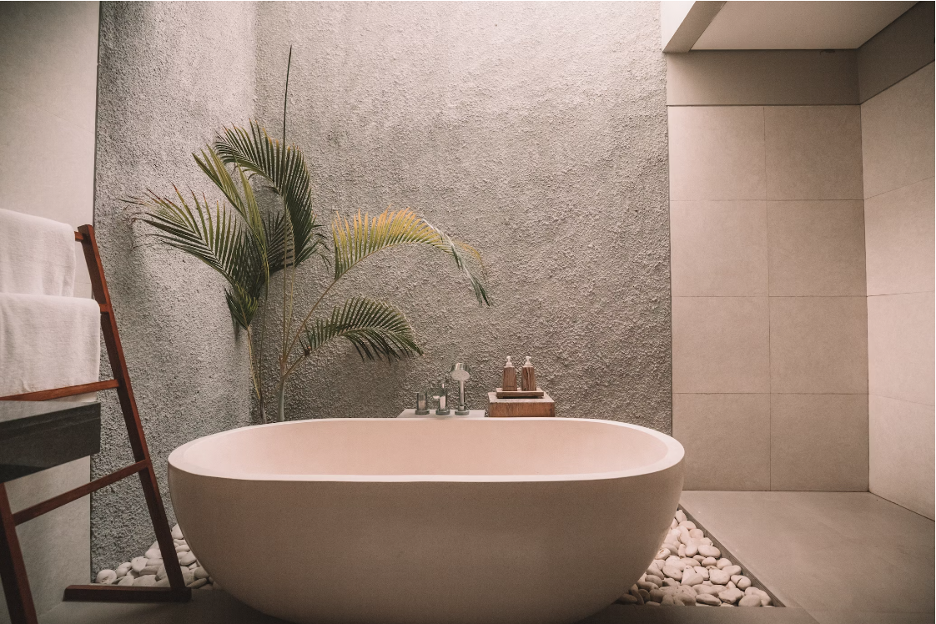
Soaking Tub: If space allows, consider installing a soaking tub. Soaking tubs provide a deep, immersive bathing experience that is synonymous with spa relaxation.

Heated Towel Rack: A heated towel rack not only keeps your towels warm and toasty but also adds a touch of luxury to your bathroom, mimicking the feeling of a high-end spa.

Underfloor Heating: Stepping onto a warm floor is a small luxury that can significantly enhance your daily routine, making your bathroom feel more like a spa.

High-end Faucets and Hardware: Upgrading your faucets and hardware with sleek, high-quality options can elevate the overall look and feel of your bathroom.


ORGANIZING YOUR SPACE FOR SERENITY

An organized and clutter-free bathroom is crucial for creating a spa-like ambiance. Here are some tips for effective bathroom organization:

Declutter: Start by decluttering your bathroom. Get rid of expired products and items you no longer use. Clear countertops and shelves to create a clean and organized look.

Storage Solutions: Invest in stylish storage solutions like floating shelves, cabinets, or vanity organizers to keep toiletries and essentials neatly organized and out of sight.

Open Shelving: Open shelving can be used for displaying neatly folded towels and decorative items like potted plants, creating an aesthetically pleasing spa atmosphere.

Use Containers: Store smaller items in attractive containers or baskets to keep them organized and visually pleasing.

Frequent Cleaning: Regular cleaning and maintenance ensure that your bathroom remains a pristine, calming space.


PURE LINEN BATH TOWELS FOR ULTIMATE COMFORT

For the ultimate spa-like experience, consider investing in pure linen bath towels. Linen towels offer several advantages that can significantly enhance your bathroom retreat:

Natural Elegance: Linen towels have a timeless, natural elegance that adds sophistication to your bathroom decor. Their slightly wrinkled texture gives them a relaxed yet refined look.

Absorbency: Linen is highly absorbent and quick-drying, making it ideal for bath towels. You’ll feel pampered and refreshed after every use.

Breathability: Linen towels are breathable, ensuring they stay fresh and free of musty odors. This feature adds to the overall hygiene and comfort of your bathroom.

Hypoallergenic: Linen is naturally hypoallergenic, making it an excellent choice for those with sensitive skin or allergies.

Sustainability: Linen is an eco-friendly choice as it’s made from flax, a renewable and biodegradable resource. Choosing pure linen bath towels aligns with a commitment to sustainability.

Incorporating pure linen bath towels into your spa-like bathroom retreat not only enhances your comfort but also adds an element of natural elegance to the space. The subtle luxury and many benefits of linen towels can help you achieve the perfect balance between practicality and aesthetics in your bathroom.


ADDITIONAL TOUCHES FOR A SPA-LIKE OASIS

To complete the transformation of your bathroom into a spa-like oasis, consider these additional touches:

Candles and Aromatherapy: Scented candles, essential oil diffusers, or potpourri can infuse your bathroom with soothing scents, promoting relaxation. 

Plants: Add some greenery to your bathroom with potted plants or succulents. Plants not only purify the air but also bring a touch of nature indoors.

Soft Lighting: Soft, warm lighting can create a cozy and calming atmosphere. Consider installing dimmer switches or using ambient lighting fixtures.

Quality Bathrobes: Having plush, comfortable bathrobes on hand can add an extra layer of luxury to your bathroom experience.


CONCLUSION

Transforming your bathroom into a spa-like oasis is a rewarding project that can significantly enhance your daily routine. By carefully selecting calming color schemes, installing luxurious fixtures, organizing your space effectively, and incorporating pure linen bath towels, you can create a sanctuary for relaxation and rejuvenation right in your own home. Pamper yourself and elevate your bathroom experience to a new level of comfort and serenity, turning every day into a spa day.

HOW SEASONAL CHANGES AFFECT DRAIN PERFORMANCE

Every homeowner knows the importance of maintaining a well-functioning drainage system. It’s vital for convenience and the health of the entire property. A commonly overlooked factor in drainage performance is the impact of seasonal changes. As the year progresses, varying weather patterns can create distinct challenges for drains, affecting their efficiency and potentially leading to blockages or other issues. 

This article delves into how seasonal changes affect drain performance.  

1. SPRING RAINS AND GROWING VEGETATION 

As winter transitions to spring, the increase in rainfall can present immediate concerns. Spring often brings heavy showers, and if the ground is still partially frozen, this water can struggle to be absorbed, leading to runoff and potential flooding. For example, neighborhoods in the Midwest may experience rapid snowmelt combined with spring showers, causing overwhelming storm drains and localized flooding. This excess water can strain drainage systems, especially if they’re not equipped to handle such volume.  

In addition to rainfall, it’s also during the spring season that vegetation begins to grow rapidly. Tree roots can be drawn to the moisture surrounding pipes. These roots can infiltrate drainpipes, causing cracks or blockages. When this happens, homeowners might need to fix blocked drain due to root intrusion with the help of professionals.  

2. SUMMER HEAT AND DRY SPELLS 

The heat of summer brings its own set of challenges. Extended dry spells can cause the ground to harden, leading to surface runoff when it finally rains. For example, residents in areas with sweltering summers can attest to the impact of extreme heat on drainage. The hardened ground can’t absorb water as quickly as soft or wet ground. Similarly, runoff can be problematic for properties that aren’t adequately graded or lack sufficient drainage. 

In cities where water use is high, but rainfall is sparse, drains can become clogged with accumulated debris that rainwater doesn’t flush away regularly, leading to blockages when rain finally does arrive.

3. AUTUMN LEAVES AND DEBRIS 

Fall is notorious for its falling leaves and debris. While the sight of golden leaves blanketing the ground may be picturesque, they can be a significant nuisance for drainage systems. For instance, residents in towns renowned for their brilliant fall foliage often face the double-edged sword of enjoying beautiful autumn views but also contending with drains clogged by fallen leaves. Leaves, twigs, and other debris can quickly accumulate, especially in street drains and gutters, leading to blockages.  

For homeowners, it’s vital to ensure they clean the gutters and downspouts regularly throughout the autumn months. Even a small accumulation of leaves can lead to water pooling, which can block drains and damage property structures.

4. WINTER FREEZES AND THAWING 

Winter arguably presents the most significant challenges for drainage systems. For example, Northern states experience harsh winters where temperatures can plummet far below freezing. Here, the freezing and thawing cycle can wreak havoc on pipes and infrastructure. When water inside pipes freezes, it expands. This can lead to pipes cracking or bursting, which can be costly to repair. 

Moreover, the ground can freeze, making it harder for the ground to absorb water. This can lead to a higher likelihood of surface runoff, which can result in flooding when combined with melting snow. 

Apart from piped damages, another concern during winter is the accumulation of snow and ice around drainage areas. Snow blockages can prevent water from draining away effectively, and when the snow melts, there can be a sudden surge of water, leading to potential overflows.

PLUMBING MAINTENANCE: A YEAR-ROUND COMMITMENT 

The challenges presented by each season underscore the importance of year-round maintenance for drainage systems and the entire plumbing system. Regular checks and cleaning can prevent minor issues from escalating into significant problems.  

In spring, it’s crucial to ensure that drains can handle the increased rainfall and check for any potential root infiltrations. During summer, be vigilant about cleaning out any sediment buildup and ensure that the ground surrounding your property is in good condition to prevent runoff. Autumn, however, requires regular clearing of leaves and debris, while winter demands close monitoring of pipes for freezing and regular clearing of snow and ice. 

In addition to these seasonal checks, investing in durable, high-quality drainage materials is important to make systems more resilient to the challenges of each season. It’s also beneficial to be aware of the specific drainage challenges faced in one’s local area, as regional climate variations can present unique issues, which, if left unaddressed, can cause further complications.  

CONCLUSION 

Understanding the impact of seasonal changes on drain performance is essential for any homeowner. By being proactive and attentive to the unique challenges of each season, homeowners can ensure that their drainage systems remain efficient and functional throughout the year.

WHY YOU SHOULD MAKE ROOM FOR SUIT SPACE IN YOUR HOUSE

A suit is a necessity for any man’s wardrobe. It doesn’t matter your lifestyle or what you do for a job. You should invest in a high-quality suit. It can elevate your personal style and career opportunities.

Whether you own one suit or many suits, it’s important to make room for suit space in your home. In this guide, you’ll learn the reasons why you should own a suit and the steps for storing your suit at home.


WHY YOU SHOULD OWN A SUIT

You should have at least one suit in your wardrobe. It makes you look more professional, opening you up to potential opportunities. It can also boost your self-confidence and make an impression on people. 

You might want to consider showing up to a party or first date in a suit instead of a T-shirt and jeans. Owning a suit also offers social benefits. It’s a must for special occasions like birthdays, anniversary parties, and weddings. It can also elevate your personal style and reflect your inner personality.


WHY YOU SHOULD MAKE ROOM FOR SUIT SPACE

Now that you know the importance of owning a suit, you should make room for suit space in your home. A high-quality suit can be stored in your wardrobe. Since you invested a lot of money into your workwear and formalwear, you should treat your suits right.

Storing your suit properly will ensure its wear. It will always look its best no matter the occasion. It’s ready to wear as long as it’s properly dry-cleaned. You will learn the proper ways to care and store for your suit.


STORING SOLUTIONS FOR BUSINESS ATTIRE

The best way to store a suit is in a garment bag that you can store in a cool, dry, and dark place. You want to keep it away from direct sunlight. You’ll reduce damage caused by dust, humidity, mold, and moths. You should also keep the other ideas in mind for improving the condition of your suit:

●      Avoid direct spills

●      Avoid direct heat, sunlight, and hot temperatures

●      Dry clean after use

●      Store in a cool, dry place


LONG-TERM SUIT STORAGE IDEAS

You should consider long-term storage ideas if you have a wardrobe of suits that you wear for work or professional reasons. Follow the directions on the label and clean it after use. After it’s watched, brush to remove dust and lint 

From there, you can hang up your suit on a rounded wooden hanger that includes a bar for your pants. Place your suit inside a garment bag that’s breathable. Avoid using plastic bags that can invite mold, mildew, and moisture.

Hang the garment bag in your wardrobe and keep it out of direct light and hot temperatures. Allow your suit to breathe for one to two days before use.


SHORT-TERM SUIT STORAGE IDEAS

You should also take care of your suit whenever you’re traveling. You will need to bring at least one suit with you per trip. Unless it calls for formal attire such as a tuxedo, velvet suit, or tweed suit. Before your trip, place your suit inside a travel-friendly garment bag.

Plan to include your suit as part of your carry-on baggage. Some carry-on bags include a compartment for suits. This prevents your suit from getting lost if your luggage doesn’t arrive at the destination with you. You should place the suit inside the garment bag with the arms folded toward the back of the blazer, which prevents wrinkles. Once you arrive, remove your suit from the garment bag and hang it in the closet or wardrobe.


CONCLUSION

Every man should at least have one suit in his wardrobe. This can make you professional and well-dressed for most occasions. A travel-friendly suit in a neutral color such as black, gray, or dark navy is good for any event or climate.

It can boost your confidence and open you up to career and social opportunities. When purchasing a suit, it should be well-fitted and tailored. Don’t forget to consider your body type and personal style.

To keep your suit lasting long, take proper care of it. Remember that a suit is an investment in yourself. Whether you’re at home or at the hotel, you should have the suit ready for any occasion. Follow these steps for long-term and short-term suit storage.

Remove your suit from your garment bag as soon as you arrive home. Let it breathe in your closet or another dark space. With these tips in mind, your suit will last for several years. You won’t have to worry about getting a suit for an upcoming event.


Written by Taylor McKnight, Author for Southeastern Performance Apparel

5 REASONS YOUR GRILL ISLAND NEEDS A KITCHEN SINK

When it comes to outdoor cooking, having a dedicated space for all your grilling needs is essential. That’s where a grill island comes in. A grill island is a structure that houses your grill and provides additional features and amenities to enhance your outdoor cooking experience. One such feature that can truly transform your outdoor cooking is a kitchen sink. In this article, we will explore the benefits of adding a kitchen sink to your grill island and why it is a must-have addition.

WHAT IS A GRILL ISLAND?

Before we delve into the advantages of having a kitchen sink in your grill island, let’s first understand what a grill island is. A grill island is a stationary structure that typically includes a built-in grill, countertop space, storage cabinets, and various other amenities. It is designed to provide a dedicated and functional outdoor cooking area, allowing you to have all your cooking essentials in one place. Grill islands are available in various sizes and configurations, making it easy to find one that suits your specific needs and preferences.

BENEFITS OF A GRILL ISLAND WITH A KITCHEN SINK

CONVENIENCE AND FUNCTIONALITY OF A KITCHEN SINK IN A GRILL ISLAND

One of the main advantages of adding an kitchen sink to your grill island is the convenience and functionality it offers. With a kitchen sink right next to your grill, you no longer have to run back and forth to the indoor kitchen to wash your hands, utensils, or vegetables. Everything you need for food preparation and clean-up is within arm’s reach. This saves you valuable time and energy, allowing you to focus on what matters most – creating delicious meals for your family and friends.

HYGIENE AND CLEANLINESS ADVANTAGES OF A KITCHEN SINK IN OUTDOOR COOKING

Maintaining proper hygiene and cleanliness is crucial when it comes to outdoor cooking. A kitchen sink in your grill island ensures that you have a dedicated space to wash your hands and sanitize your cooking utensils. This reduces the risk of food contamination and helps prevent the spread of bacteria. Additionally, having a kitchen sink makes it easier to clean up spills and messes, keeping your grill area clean and safe for cooking. The convenience of having water readily available also encourages frequent handwashing, promoting good hygiene practices during your outdoor cooking sessions.

SAVING TIME AND EFFORT WITH A KITCHEN SINK IN YOUR GRILL ISLAND

Another significant advantage of having a kitchen sink in your grill island is the time and effort it saves you. Imagine having to carry heavy pots and pans filled with water from your indoor kitchen to your outdoor cooking area. With a kitchen sink right there in your grill island, you can fill pots, rinse vegetables, and clean dishes with ease. This eliminates the need for multiple trips back and forth, allowing you to maximize your time spent on cooking and enjoying the company of your guests. The convenience of having a kitchen sink integrated into your grill island truly simplifies the entire cooking process.

ENHANCING THE OVERALL OUTDOOR COOKING EXPERIENCE WITH A KITCHEN SINK

Aside from the practical benefits, a kitchen sink in your grill island can greatly enhance your overall outdoor cooking experience. It provides a sense of completeness to your outdoor kitchen setup, making it feel like a fully equipped cooking space. The presence of a kitchen sink adds a touch of luxury and sophistication, elevating the aesthetic appeal of your grill island. It also creates a central gathering point, where you can engage with your guests while attending to your cooking needs. A kitchen sink in your grill island truly transforms your outdoor cooking area into a functional and stylish space.

DIFFERENT TYPES OF KITCHEN SINKS SUITABLE FOR GRILL ISLANDS

When it comes to choosing an outdoor kitchen sink for your grill island, there are several options to consider. The most common types of kitchen sinks suitable for outdoor use are stainless steel, granite composite, and ceramic sinks. Stainless steel sinks are durable, easy to clean, and resistant to corrosion, making them a popular choice for grill islands. Granite composite sinks offer a high-end look and are resistant to heat, scratches, and stains. Ceramic sinks provide a classic and elegant touch, but they may require more maintenance to keep them looking pristine. Consider your budget, style preferences, and maintenance requirements when selecting the right kitchen sink for your grill island.

FACTORS TO CONSIDER WHEN CHOOSING A KITCHEN SINK FOR YOUR GRILL ISLAND

Before making a final decision, there are a few key factors to consider when choosing a kitchen sink for your grill island. First and foremost, determine the size and configuration that will best fit your grill island. Consider the number of bowls you require, as well as additional features like cutting boards or drying racks. It’s also important to ensure that the sink is compatible with your plumbing system and has proper drainage. Lastly, take into account the overall design and aesthetics of your grill island, ensuring that the kitchen sink complements the style and enhances the visual appeal of your outdoor cooking space.

CONCLUSION: WHY A KITCHEN SINK IS A MUST-HAVE ADDITION TO YOUR GRILL ISLAND

In conclusion, adding a kitchen sink to your grill island is a game-changer for your outdoor cooking experience. The convenience, functionality, hygiene advantages, and time-saving benefits make it a must-have addition for any outdoor cooking enthusiast. Not only does a kitchen sink simplify your cooking process, but it also enhances the overall aesthetic appeal of your grill island. So, if you’re looking to transform your outdoor cooking experience and take it to the next level, consider adding a kitchen sink to your grill island. You won’t regret the decision.

Upgrade your outdoor cooking experience today by adding a kitchen sink to your grill island. Explore our wide range of grill islands and kitchen sinks to find the perfect combination that suits your needs and preferences. Start creating culinary masterpieces in style with our high-quality outdoor cooking solutions.

Guest Contributor: Maggie Bloom

WHAT TO ALWAYS KEEP IN YOUR HOME’S GARAGE

The garage should be thought of as the “backstage area” that keeps your home’s interior and exterior running smoothly! However, homeowners don’t always know what should be kept in garages. This quick guide to “all things garage” covers essential items to keep in your garage.


THE IMPORTANCE OF A HOME’S GARAGE

Your home’s garage is important because it’s the place to store all of the items that aren’t safe or appropriate for your main living space. The garage also provides a work area where paint splatters, drops of oil, and grass clippings can be tolerated. Unlike basements and attics, garages allow homeowners to quickly access tools and household materials without making journeys into tight, dark spaces.


WHAT TO ALWAYS KEEP IN YOUR HOME’S GARAGE

Most people see a garage as a place for storing tools, sports equipment, camping equipment, and other items that don’t quite belong inside the home. Yes, a garage is a convenient space. However, it should also be an intentional space. Make sure you have these items parked in the garage!


1. CAULK

A tube of caulk can save the day when a small house issue pops up. Caulk can instantly seal up gaps between your walls and window frames to stop drafts on colder days. It can also be used to “freshen up” areas around baseboards and trim. While caulk can sometimes “do the trick” fully to solve an issue, it can also be a good bandage for a problem until you can get a professional in to do some work.


2. INDUSTRIAL EXTENSION CORDS

A long, heavy-duty extension cord is essential because it allows you to power up essential tools or appliances in an emergency situation. When doing home improvements around the yard, you can also use a heavy-duty cord to power work equipment a distance away from the house. Outdoor extension cords can range in length from a few feet to a few hundred feet.


3. OIL

You don’t want to get caught without oil in your garage. Every garage should have a designated oil area. While the cool and dry environment in a typical garage should be ideal, it’s important to keep oil stored in a space with a relatively consistent temperature.


4. A STAPLE GUN

This is an underrated tool that has versatile benefits. Staple guns can be used to secure everything from carpeting to wiring in a flash. The beauty of a staple gun is that it lets you handle quick DIY fixes even if you don’t feel handy enough to use standard tools.


5. A HEALTH KIT

While you may already have a first-aid kit in your bathroom or kitchen, it’s time to make a new one specifically for the garage. There’s always potential to be injured when doing everything from tinkering with the lawn mower to hammering away at a woodwork project. Having a fully stocked first-aid kit with bandages, tape, ointments, eye wash, tweezers, and other essentials standing by in the garage will save you time when an emergency happens.


6. SPARE “PARTS” FROM HOUSEHOLD ITEMS 

Create a designated space in your garage for all of the “spare parts” from household items. How often do people simply toss aside spare hardware, carpet swatches, paint samples, and other items that are left over after home improvements? Trying to locate these items when you need to reference brands or product numbers for future projects can cause some big headaches. Just think of the struggle of remembering the name of a paint color you used five years ago if you need to fix a part of a wall that’s been damaged! When you make an “accountability” section in your garage for all of these items, you’ll be able to quickly reference essential items.


HOW TO MAKE YOUR HOME’S GARAGE UNIQUE

Every piece of “real estate” within a garage has to count! The best way to make a garage both unique and practical is to install a customizable storage system. This ensures that tools, hazardous liquids, and other items can be stored off the ground. Some storage options include shelves, lockers, cubbies, and built-in cabinetry with a workbench. These systems also make it possible to lock up potentially dangerous items. Hanging storage that consists of slatwalls helps to make items easily accessible while keeping them away from clutter. 

Don’t underestimate the importance of good lighting when upgrading your garage to be more unique. If you work in your garage at night, you’re probably constantly straining your eyes with ordinary incandescent bulbs. Upgrading to LED lights can help to illuminate every corner of the garage.

Finally, consider battling clutter by looking beyond your floors and walls for storage. Ceiling racks can nearly double the amount of storage space in a garage. This type of storage can be ideal for camping equipment, sports equipment, patio furniture, and car-related accessories.


Written by Taylor McKnight, Author for Best Oil Company LLC