If you’re a property owner or maintenance professional, the last thing you want is plumbing problems. From the irritating drip of a leaky faucet to a full-blown pipe disaster, these issues can significantly disrupt your daily life or work. It’s undeniable: navigating the maze of pipework can be daunting. But fear not, as we have your back. Knowledge indeed empowers you to confront any piping issue head-on.
In the world of plumbing, there are two primary solutions for pipe issues: conventional pipe replacement and a contemporary method known as pipe relining. Both methods have their place, each boasting unique benefits. Whether you’re familiar with traditional pipe replacement or newly introduced to Sydney pipe relining services, this article aims to demystify the differences and advantages of each method, helping you make informed decisions when pipe troubles arise.
Decoding Traditional Pipe Replacement
As the name suggests, this approach involves completely swapping the old, damaged pipe for a brand-new one. It’s been a common method plumbers use for years and often becomes the first solution to address pipe problems. However, is this always the best solution? Let’s highlight some critical aspects:
Effective, Yet Invasive. Full replacement can be an effective solution, providing a brand-new pipe system free of prior issues. However, it’s an invasive procedure that might involve tearing up floors or landscaping.
Best For Severe Damage. This method might be the best option if your pipes are severely damaged or compromised. It offers a complete renewal of the problematic pipe system.
Potentially Costly. Comprehensive replacement of the pipes often involves extensive labor and materials. Consequently, it could be more expensive compared to other methods.
Despite its challenges, traditional pipe replacement is a viable option for pipe issues. Let’s shift our focus to another method, pipe relining, from a different perspective.
Embarking On The Journey: Pipe Relining
The relining technique is a newer method in pipe repair. This innovative process involves creating a new, solid pipe within the old one, often making it less disruptive than traditional replacement. Is this the solution to all pipe issues, though? Here are some key considerations:
Minimal Disruption. As a trenchless technique, it spares you extensive digging, making it an attractive option for preserving lawns or beautiful tile flooring.
Faster And Potentially Cost-Effective. It usually takes less time and might require fewer resources, making it potentially more cost-effective upfront.
Dependent On The Original Pipe’s Condition. The success and longevity of relining heavily depend on the original pipe’s condition. It’s not always suitable for back-pitched pipes or those that have collapsed or are severely damaged.
The choice between replacement and relining depends on several factors, as we’ll explore next.
Pipe Relining Versus Traditional Pipe Replacement: An In-Depth Comparison
Having established the basic principles of conventional pipe replacement and relining, it’s time to scrutinize deeper. This comparison will focus on three crucial aspects: cost, time investment, and disruption caused. Grasping these differences can guide you toward an informed choice.
Cost Consideration: Evaluating The Expenses
Cost is fundamental when deciding between relining and an overhaul. Here are a few key points to keep in mind:
Initial Cost. Typically, pipe relining might have a lower initial cost due to less labor and resources required. This cost-effectiveness makes it a popular choice for many property owners.
Long-Term investment. While the upfront cost of trenchless repair might be lower, consider the long-term implications too. If the condition of the original pipe is too poor, the relining might not last as long, leading to more frequent repairs.
Individual Circumstances. Individual circumstances like pipe length and depth, location, and damage severity can greatly influence the overall expense. Sometimes these factors can lessen the cost difference between the two methods.
Time Investment: Analyzing The Duration
The duration of the repair is another critical factor. Here’s how the two methods stack up:
Quick Solution. In general, the relining process is faster, primarily because it’s a trenchless method. This speed can be a significant advantage when a quick repair is essential.
Dependent on Pipe Condition. However, if the existing pipe is badly damaged, this method might not be viable, or it could take longer than anticipated.
Project Scale. Larger or more complex projects might take longer, irrespective of the method used. Keep this in mind when scheduling the repair.
Disruption Factor: Assessing The Inconvenience
The level of disruption caused by the repair work is a key consideration for many property owners:
Minimizing Disruption. Pipe relining is generally less disruptive as it doesn’t require significant excavation. This makes it an attractive option if you want to avoid property damage.
The Extent Of Damage. However, if the pipes are severely damaged or difficult to access, the traditional method of replacement might be necessary, despite the greater disruption it causes.
Restoration Work. Remember to consider the potential restoration work after the repair. The pipe replacement may require additional landscaping or flooring work, adding to the overall disruption.
The choice between relining and replacement isn’t a one-size-fits-all answer but depends heavily on the specific circumstances and requirements.
Finding Your Fit: Pipe Relining Or Traditional Replacement?
This concludes our comprehensive review of both traditional pipe replacement and pipe relining. As we’ve underscored, the ideal choice is largely contingent upon your unique situation and needs. From the condition and location of your pipes to your budget and timeline, various factors play into this decision. By understanding the unique differences and advantages of both methods, you’re now well-prepared to make the correct decision when plumbing issues arise.
Water is a vital element for life, but as a limited resource, it increasingly faces challenges to meet the needs of a rising population amidst climate change—straining water supplies. Consequently, plumbing systems governing water usage in homes, commercial buildings, and other communities have become crucial for water conservation efforts.
In this blog post, we’ll tackle the benefits of preserving water in plumbing facilities to make professionals in the industry realize the fundamental role of these systems in the establishment’s stability and long-lasting value, as well as in saving the environment from destruction.
9 Substantial Benefits of Water Conservation in Plumbing Utilities
Conserving water in plumbing systems presents various advantages, from environmental preservation to cost savings. Below are several pivotal benefits of saving water in plumbing facilities:
1. Environmental preservation: As stated, water is a finite supply, and saving some will help protect natural water sources, including rivers, lakes, and aquifers. You can keep these valuable ecosystems and sustain the tender water cycle balance by lessening water consumption.
2. Energy savings: Water distribution and treatment demand an immense amount of energy. Being efficient in water usage lowers the energy requirement associated with pumping, treating, and heating water—resulting in much fewer greenhouse gas emissions and a less carbon footprint.
3. Mitigating water scarcity: Many regions worldwide face water deficiency and stress. Hence, water preservation is a must as it can greatly help alleviate the strain on little water resources, guaranteeing that sufficient water is available for individual needs, like the agriculture industry and human consumption sectors.
4. Lower water bills: Enforcing smart water fixtures and procedures in plumbing utilities can lead to massive water bill savings. Moreover, installing low-flow toilets, faucets, and showerheads, for instance, use less water without restricting performance. In addition, attaching the BA-AHD-SS general purpose access panel is a wise choice to protect your client’s plumbing tools further, provide easy maintenance access, and achieve their lowest water consumption simultaneously.
5. Reduced wastewater generation: Water conservation decreases the amount of wastewater generated, which eases the responsibility of wastewater treatment plants and helps safeguard other bodies of water from detrimental contaminants.
6. Extended plumbing lifespan: Preserving water also benefits the plumbing infrastructure. By utilizing water wisely and containing leaks, you can diminish the wear and tear on pipes and fixtures, expanding their lifespan and cutting down repair or replacement needs.
7. Less strain on sewer systems: Water conservation relieves the pressure on sewer systems, especially during peak demand, which can deter overflows and diminish sewage backups and flooding risks.
8. Resilience to droughts: In building spaces vulnerable to drought, water preservation secures water availability during dry periods—helping the occupants and communities to cope with water depletion and regulations relentlessly.
9. Green building certifications: In every property and construction management, water conservation standards are paramount for accomplishing green building certifications, like LEED (Leadership in Energy and Environmental Design), which improve the sustainability and market value of the entire establishment.
5 Fundamental Plumbing Upgrades
Now that you know the useful benefits of conserving water, we’ll share some essential plumbing advancements you must consider applying to your construction project. Here are five of them:
Tankless water heaters: Incorporating tankless water heaters is an energy-saving plumbing upgrade for your client’s building facilities, as it can supply hot water whenever needed. Unlike conventional water heaters with storage tanks, this tankless type warms water only when on demand, eradicating the need to heat and store large quantities of water continuously. It leads to massive energy savings and a constant hot water supply.
Water-efficient faucets and showerheads: Elevating your project’s faucets with water-efficient ones can decrease water usage without renouncing the required water pressure or comfort. Product experts developed these fixtures to limit water flow while sustaining optimal conditions, resulting in significant water usage and energy savings.
Water filtration systems: These valuable plumbing advancements enhance water quality by eliminating hazardous chemicals, contaminants, and other impurities. Integrating a whole-house water filtration system makes sure that all the water utilized within the property is clean and safe, satisfying both drinking and household water consumption.
Sump pump installation: Sump pumps are critical for structures prone to flooding or water penetration. Installing a sump pump within your client’s basements or crawl areas can promptly prevent water damage. Smart pumping out of excess water and redirecting them away from the building can safeguard its foundation and belongings from water-relevant problems.
Smart plumbing technology: Incorporating innovative technology can boost water efficiency, comfort, and authority over water use. Nowadays, high-tech water leak detectors can warn owners and occupants about possible leaks, helping to avoid expensive water damage and dwindled water. Furthermore, smart irrigation facilities can also revamp outdoor water usage by modifying watering timetables according to weather situations and soil moisture levels.
Conserve Water for the Structure and Environment’s Welfare
Water preservation in plumbing systems is a significant step towards green living and accountable resource management. The advantages your project will enjoy when it practices conserving water go beyond financial save-ups—positively influencing the surroundings, infrastructure, and general community well-being. By adopting water-efficient practices and upgrading the structure’s plumbing utilities, we can create a remarkable change in keeping this invaluable resource for future generations.
As the plumbing industry continues to grow and adapt to evolving challenges, plumbing professionals must strive for excellence in their careers. Success in this field hinges on mastering conventional skills and embracing the latest plumbing education and training advancements. Staying abreast of cutting-edge developments can significantly contribute to professional growth and achievement in the plumbing sector. Let’s explore the latest trends and technologies in plumbing education that empower industry professionals to reach new heights of expertise. Furthermore, we will highlight one revolutionary product, the Cendrex AHD-GYP-SS Stainless Steel General Purpose Panel, a game-changer for commercial plumbing, enabling professionals to enhance their efficiency and service quality.
The Evolution of Plumbing Education
Once considered a traditional trade, plumbing has recently transformed into a high-tech and dynamic field. As buildings become more complex and sustainable solutions gain prominence, plumbing professionals must adapt and acquire new knowledge and skills. Several critical advancements in plumbing education have paved the way for better-trained professionals:
Online Learning Platforms: Online learning has revolutionized plumbing education by providing convenient and flexible access to courses and resources. Plumbing professionals can now access training modules, videos, and interactive simulations to practice their skills in a virtual environment.
Augmented and Virtual Reality: AR and VR technologies have applications in plumbing education, enabling learners to visualize complex plumbing systems and troubleshoot issues in a simulated environment. This immersive experience enhances comprehension and retention of critical concepts.
Green Plumbing Certification: With a growing emphasis on sustainable practices, green plumbing certification programs have gained popularity. These programs equip professionals with knowledge about water-efficient systems, renewable energy integration, and eco-friendly materials, positioning them as leaders in the industry.
Specialized Training Programs
As plumbing systems become more specialized and sophisticated, there is an increasing demand for professionals with expertise in niche areas. Technical training programs have emerged to cater to these needs, offering in-depth knowledge in specific aspects of plumbing:
Commercial Plumbing Systems: Commercial buildings often have complex plumbing systems, and specialized training in this area equips professionals to handle large-scale projects efficiently.
Medical Gas Systems: Medical facilities require specific gas systems and training in medical gas installation and maintenance to ensure compliance with strict safety regulations.
The Cendrex AHD-GYP-SS Stainless Steel General Purpose Panel: Redefining Commercial Plumbing
In the world of commercial plumbing, efficiency, and durability are paramount. AHD-GYP-SS has emerged as a must-have product for industry professionals due to its innovative features:
Robust Construction: The stainless steel panel is corrosion-resistant and ensures a long-lasting installation.
Easy Installation: AHD-GYP-SS features a user-friendly design that simplifies installation, saving valuable time on the job.
Versatility: This panel can be adapted for various commercial plumbing needs, from accessing valves to concealing pipes, offering a versatile solution for different projects.
Enhanced Safety: The panel’s secure locking mechanism provides added safety by preventing unauthorized access to critical plumbing components.
Aesthetics: Stainless steel’s sleek and modern appearance adds a professional touch to commercial plumbing installations, making them visually appealing.
Security: Stainless steel access doors come with secure locking mechanisms, providing enhanced protection for plumbing components and preventing unauthorized access.
Maintenance: Stainless steel surfaces are non-porous and easy to maintain, allowing commercial plumbers to focus on providing efficient services rather than constant upkeep.
Weather Resistance: The resilience of stainless steel makes the access door ideal for outdoor plumbing installations, as it can withstand exposure to various weather conditions.
Compliance with Regulations: Many commercial buildings require access doors that meet specific safety and building code regulations. Stainless steel access doors often fulfill these requirements.
The Impact of Upgraded Education and Tools on Plumbing Businesses
Investing in upgraded education and cutting-edge tools can significantly impact the success and growth of plumbing businesses:
Customer Trust and Satisfaction: Well-trained professionals can deliver high-quality services, increasing customer trust and satisfaction, resulting in more referrals and repeat business.
Competitive Edge: Plumbing businesses can set themselves apart by staying up-to-date with the latest advancements, attracting more clients, and lucrative projects.
Time and Cost Savings: Efficient plumbing practices learned through advanced training and innovative tools like AHD-GYP-SS can reduce project timelines and labor costs.
Adapting to Industry Trends: Businesses that embrace green plumbing practices can align themselves with the growing demand for sustainable solutions, expanding their market reach.
Interesting Plumbing Facts
1. Ancient Plumbing: The ancient Greeks and Romans pioneered rudimentary plumbing systems, including aqueducts and early indoor plumbing.
2. Plumbing During the Elizabethan Era: During Queen Elizabeth I’s reign in England, indoor plumbing, as we know it today, started gaining popularity. Implementing water supply, drainage systems, and the indoor toilet marked significant milestones in plumbing history.
3. Plumbing and Public Health: Plumbing plays a significant role in public health by providing access to clean water and safe sanitation. Proper plumbing systems have contributed to the control of waterborne diseases, improving overall public health standards worldwide.
Conclusion
With the plumbing industry embracing new technologies and methodologies, professionals must continue to evolve how they tackle plumbing challenges. By staying updated on the latest trends, embracing innovative tools like the Cendrex AHD-GYP-SS Stainless-Steel General-Purpose Panel, and being aware of fascinating plumbing facts, industry professionals can elevate their expertise and make a lasting impact in the ever-evolving world of plumbing.
Your kitchen is the heart of your home, and a smoothly functioning drain is essential for maintaining a clean and hygienic environment. However, over time, our kitchen drains can accumulate various debris and substances that hinder their performance. To ensure the optimal functionality of your kitchen, it’s crucial to recognize the signs that indicate your kitchen drain is in need of a thorough cleaning.
1. Slow Drainage
A gradually slowing down of water drainage is one of the initial signs that your kitchen drain requires cleaning. This slow drainage indicates a buildup of debris, grease, and food particles in the pipes, obstructing water flow. Ignoring this issue can lead to a complete blockage, causing water to back up and potentially damage your sink and surrounding areas. To avoid such problems, it’s crucial to address the issue promptly. Regularly cleaning your kitchen drain will help maintain a smooth water flow and prevent the accumulation of debris, ultimately preventing clogs and more severe plumbing complications. Taking immediate action by seeking drain cleaning services at the first indication of slow drainage ensures a healthier and more pleasant kitchen environment, enhancing the overall functionality of your home’s culinary space.
2. Unpleasant Odors
Foul odors emanating from your kitchen sink are not only unpleasant but also a clear indication that your drain needs cleaning. Accumulated food scraps, grease, and other organic materials can create a breeding ground for bacteria and mold, leading to the development of strong, unpleasant smells. These odors can permeate your kitchen and even your entire home, affecting the overall ambiance. A thorough cleaning of the drain can help eliminate these smells and create a more pleasant environment for your cooking and dining experiences. Additionally, using natural cleaning solutions like a mixture of baking soda and vinegar can be an effective way to eliminate foul odors and break down organic residues in the drain. Regularly flushing the drain with hot water can also help prevent the buildup of odor-causing substances and keep your kitchen smelling fresh. By maintaining a clean and odor-free drain, you not only ensure a pleasant cooking and dining experience but also promote a healthier and more hygienic kitchen environment for you and your family.
3. Gurgling Noises
If you hear gurgling or bubbling sounds when water is draining from your sink, it’s another sign of potential blockages in your kitchen drain. The trapped air in the pipes struggles to escape due to the accumulated debris, causing these noises. Gurgling sounds are an early warning sign of a developing clog, and addressing the issue promptly can prevent more severe drainage problems down the line. Cleaning the drain will not only resolve the noise issue but also restore the proper water flow. In addition to cleaning the drain, you can also use a plunger to dislodge minor clogs and improve water flow. If the gurgling noises persist even after cleaning, it may indicate a more significant blockage deeper in the plumbing system, requiring the expertise of a professional plumber to identify and resolve the issue effectively.
4. Water Backing Up
The most alarming sign that your kitchen drain needs immediate attention is water backing up into your sink. When you run the dishwasher or use your sink, and water starts pooling instead of draining away, it indicates a severe blockage that requires urgent action. Continued use of the sink in such a state can lead to flooding, potential water damage, and even health hazards. It’s crucial to refrain from using the sink until the blockage is cleared. You can use DIY methods or seek the help of professional plumbers.
5. Fruit Flies and Pests
The presence of fruit flies and other pests around your kitchen sink can be a strong indication of a dirty and clogged drain. Rotting food particles and stagnant water in the pipes attract these unwanted visitors. Even after getting rid of the pests, they will likely return if the underlying cause, such as a dirty drain, remains unaddressed. Cleaning your kitchen drain regularly will not only prevent the attraction of pests but also contribute to a healthier and more sanitary kitchen environment. Sealing any cracks or gaps around the sink and drain area can also help prevent pests from entering and thriving in your kitchen, complementing the benefits of regular drain cleaning in maintaining a pest-free and hygienic space.
Regularly cleaning your kitchen drain can prevent clogs, maintain a smooth water flow, and promote a healthier and more hygienic environment in your kitchen. If you encounter persistent drainage issues or difficult clogs, it’s advisable to seek the assistance of professional plumbers to ensure the problem is adequately resolved.
Plumbing systems are the unsung heroes of our homes, ensuring a constant supply of water and efficient drainage. However, many homeowners tend to overlook regular maintenance until a major issue arises. To avoid costly repairs and inconveniences, it’s crucial to implement essential plumbing maintenance tips. In this article, we’ll explore the best practices to keep your Penticton home’s plumbing in top shape, from DIY techniques to the significance of professional services.
WHY PLUMBING MAINTENANCE IS IMPORTANT
Proactive plumbing maintenance is essential to prevent small problems from turning into significant disasters. Regular inspections and timely repairs, carried out by Penticton plumbers, can extend the lifespan of your plumbing system, saving you money in the long run. Moreover, well-maintained plumbing ensures a safe and healthy living environment, free from water leaks, mold growth, and potential hazards.
SIGNS OF PLUMBING ISSUES
Before delving into maintenance tips, it’s crucial to recognize the signs of plumbing problems. Some common indicators include:
LEAKY FAUCETS
Dripping faucets not only waste water but also contribute to higher utility bills. Addressing leaks promptly can save both resources and money.
SLOW DRAINING SINK
A sink that takes forever to drain indicates a clog somewhere in the system. Ignoring this issue may lead to complete blockages, causing more severe problems.
LOW WATER PRESSURE
If your water flow is weak, it could be a sign of mineral build-up or a hidden leak. Low water pressure can affect daily activities and appliance functionality.
CLOGGED TOILET
A clogged toilet is an unpleasant experience that requires immediate attention. Common culprits include excess toilet paper or foreign objects.
DIY PLUMBING MAINTENANCE TIPS
While some plumbing tasks require professional expertise, homeowners can perform certain maintenance routines themselves. Here are some DIY tips:
REGULARLY CHECK FOR LEAKS
Perform periodic checks for leaks in faucets, pipes, and visible plumbing components. Addressing leaks early can prevent water damage and mold growth.
KEEP DRAINS CLEAR
Avoid dumping grease, hair, or other debris down the drains. Use drain covers to catch potential clog-causing items and clean them regularly.
MAINTAIN WATER PRESSURE
Monitor water pressure and consult a professional if you notice any significant drops or fluctuations.
ADDRESS CLOGGED TOILETS
Use a plunger or an auger to clear minor toilet clogs. For persistent issues, it’s best to seek professional assistance.
INSULATE PIPES
Protect your pipes from freezing temperatures by insulating them, especially during winter.
AVOID HARSH CHEMICALS
Refrain from using chemical drain cleaners as they can damage pipes and harm the environment. Opt for natural alternatives or contact a plumber for safe solutions.
HIRING A PROFESSIONAL PLUMBER
While some plumbing tasks are suitable for DIY enthusiasts, others require the expertise of a professional plumber. Here’s why professional plumbing services are essential:
EXPERTISE AND KNOWLEDGE
Licensed plumbers possess the necessary expertise and knowledge to tackle complex plumbing issues efficiently.
ADVANCED TOOLS AND EQUIPMENT
Professionals are equipped with specialized tools and equipment, enabling them to diagnose and fix problems with precision.
Establishing a plumbing maintenance routine can help you stay on top of potential problems. Here’s a recommended schedule:
SEASONAL CHECK-UPS
Arrange seasonal inspections by a plumber to address any weather-specific issues, such as frozen pipes in winter.
MONTHLY INSPECTIONS
Perform monthly checks for leaks, water pressure, and visible plumbing issues. Replace worn-out washers and components if necessary.
QUICK FIXES
Address minor plumbing problems immediately to prevent them from escalating into major repairs.
PLUMBING TIPS FOR EXTREME WEATHER CONDITIONS
Extreme weather can exert additional stress on your plumbing system. Here are some tips to protect your plumbing during different seasons:
WINTER PLUMBING TIPS
Disconnect outdoor hoses and store them indoors.
Insulate exposed pipes to prevent freezing.
Keep the home heated to prevent frozen pipes.
SUMMER PLUMBING TIPS
Check outdoor faucets for leaks or damage.
Inspect sprinkler systems for proper functioning.
Monitor water usage during hot weather.
PROTECTING PIPES DURING VACATIONS
Before going on vacation, take measures to safeguard your plumbing system:
PREPARING PLUMBING FOR VACATION
Turn off the main water supply to prevent leaks in your absence.
Drain pipes and appliances to avoid water damage.
Set the thermostat to a suitable temperature to prevent freezing.
IMPORTANCE OF WATER QUALITY
The quality of water directly impacts the health of your plumbing system:
THE IMPACT OF WATER QUALITY ON PLUMBING
Hard water can cause mineral buildup and corrosion, affecting the efficiency and lifespan of plumbing fixtures.
WATER SOFTENERS AND FILTERS
Install water softeners and filters to improve water quality and protect your plumbing.
BENEFITS OF CLEAN WATER
Clean water not only benefits your plumbing but also enhances your overall health and well-being.
GREEN PLUMBING PRACTICES
Embracing eco-friendly plumbing practices benefits both the environment and your wallet:
WATER-SAVING FIXTURES
Install low-flow faucets and showerheads to conserve water.
ENERGY-EFFICIENT WATER HEATERS
Upgrade to energy-efficient water heaters for reduced energy consumption.
CONCLUSION
Regular plumbing maintenance is vital for maintaining a functional and efficient plumbing system in your Penticton home. By implementing DIY maintenance tips and scheduling professional inspections, you can prevent plumbing issues, save money, and ensure the longevity of your plumbing system.
Remember, paying attention to early warning signs, such as leaky faucets, slow-draining sinks, and low water pressure, can help you address minor problems before they escalate into major repairs. Taking proactive steps to maintain your plumbing will not only provide peace of mind but also contribute to a healthier and more efficient living environment.
Are you ready to dive into the bustling rental market of the Sunshine State? As a landlord in Florida, understanding the key guidelines that govern the renting process is crucial to ensuring a successful and smooth landlord-tenant relationship. With a plethora of legal obligations and responsibilities on your plate, navigating the rental landscape can be both rewarding and challenging. In this comprehensive blog post, we’ll equip you with the essential knowledge you need to rent out properties in Florida responsibly and confidently. From drafting a comprehensive lease agreement to complying with fair housing laws, we’ve got you covered. Let’s embark on this journey together and discover the indispensable tips and tricks for renting in Florida!
Comprehend Florida Rental Laws
Before diving into the rental market, familiarize yourself with Florida’s rental laws and regulations. Each county may have its unique requirements, but some fundamental rules remain consistent across the state. These laws govern areas such as security deposits, tenant rights, eviction procedures, and property maintenance. Having a comprehensive grasp of these guidelines forms the basis for a prosperous landlord-tenant relationship.
Drafting a Comprehensive Lease Agreement
Creating a comprehensive lease agreement is vital for a smooth tenancy. Include all the necessary details, such as the names of tenants, rental terms, security deposit amount, rent payment due date, and any additional rules or restrictions you wish to enforce. Consult with a legal professional to ensure your lease agreement adheres to Florida’s specific laws and requirements.
Security Deposit Regulations
Florida law allows landlords to charge a security deposit equal to one month’s rent. However, it’s crucial to understand the rules governing security deposits. You must notify your tenants in writing of the terms and conditions regarding the deposit within 30 days of receipt. At the end of the lease, you have 15 days to return the deposit or provide a written explanation for any deductions made.
Tenant Screening Process
Screening potential tenants is an essential step to protect your property and maintain a harmonious rental experience. It’s essential to adhere to fair housing laws while screening applicants. Ensure you treat all applicants equally and base your decisions on factors such as credit history, rental history, employment, and references.
Maintaining the Property
As a landlord, you have a legal obligation to maintain the property in a habitable condition. Regular property inspections are essential to identify any issues that need prompt attention. Promptly address maintenance requests from your tenants, ensuring that all repairs are completed in a timely manner.
Comply with Fair Housing Laws
Florida, like the rest of the United States, follows federal fair housing laws. These laws prohibit discrimination based on race, color, national origin, religion, sex, familial status, or disability. Familiarize yourself with these laws to ensure you are providing equal housing opportunities to all applicants.
Understand the Eviction Process
Despite your best efforts, there may be instances when eviction becomes necessary. Florida has specific laws and procedures governing eviction, and it’s crucial to follow them precisely. Grounds for eviction include non-payment of rent, violation of lease terms, or other breaches of the rental agreement.
Handling Security Deposit Deductions
When a tenant moves out, you must provide an itemized list of deductions from the security deposit within 30 days. This list should include any damages beyond normal wear and tear and the corresponding charges. Be diligent in documenting the condition of the property before the tenant’s move-in and after their move-out to avoid disputes.
Communicate Effectively with Tenants
Open and effective communication with your tenants is essential for a successful rental experience. Respond to their inquiries and concerns promptly, whether through email, phone, or in person. A positive landlord-tenant relationship promotes tenant satisfaction and encourages long-term tenancies.
Conclusion
As a responsible landlord in Florida, adhering to key guidelines is crucial for a successful and harmonious rental experience. Understanding the state’s rental laws, drafting a comprehensive lease agreement, maintaining the property, and communicating effectively with tenants are all essential aspects of being a landlord in Florida. By following these guidelines, you can foster positive relationships with your tenants and ensure a profitable and satisfying rental experience for both parties. Remember, always seek legal counsel for specific concerns and stay updated on any changes to Florida’s landlord guidelines. Happy renting!
There is never a good moment for your HVAC system to break down, but the middle of the summer is certainly one of the worst.
If you are like most homeowners across Hiawassee, GA, then you will rely heavily on your AC during the humid summer months. With the AC running, your home will be cool and comfortable when the weather is too much outside.
HVAC systems can also reduce allergens in the house during the most uncomfortable months, helping to reduce illness and other health issues for your family.
Without a working HVAC, you will certainly suffer, but perhaps you do not have the money available to get it repaired just yet. Luckily, there is a better solution that can get your home up and running again without breaking the bank.
HVAC Repairs in Hiawassee, GA
Requiring an ac repair service can be an expensive time for the household, based on the severity of the damage.
Many things can go wrong with your HVAC system, and it requires a professional to resolve these issues. Calling out a professional team may be something you have avoided for longer than necessary because you are concerned about the cost, but this does not have to be such a worry when based in Hiawassee.
This is because Hiawassee is home to some of the most trusted HVAC repair services, and as they work locally, there are no additional call-out fees that you might expect. With a local team, it is easier to call out professionals when you need them, and the team can be with you in no time.
Whether you are dealing with heating or cooling issues, a local technician can be with you in no time to resolve things.
With their local knowledge, they understand how important it is for all homes in Hiawassee to have access to heating and cooling on demand and will therefore work to ensure you can manage this within your own home, regardless of the issues you face.
What Are AC Services?
There are many reasons why you may need AC services, including:
· Repairs of heating and cooling systems
· Annual tune-ups of HVACs
· Maintenance services
· Installation or removal of ACs
When performed by professionals, these services can not only repair the issues you are currently dealing with but also prevent any future damage.
All HVACs should undergo an annual tune-up, but additional maintenance may also be required to prolong the life of your system. This should be done by certified technicians like those based in the Hiawassee area for the highest standards of work.
No matter where you are based in this region or the kind of issue you are dealing with, you will be able to find an AC repair professional to help you without breaking the bank.
Do not delay your AC repairs, and call the experts today to keep your home safe and comfortable in all the weather Hiawassee has to offer.
Whether you are taking care of yourself or your loved ones, safety is the top priority. Providing quality care in the comfort of a home is an ideal scenario for many elderly or disabled individuals. However, the home environment also poses a unique set of risks that must be addressed to ensure resident safety and well-being. This comprehensive guide examines essential considerations and practical solutions for creating a safe and comfortable home care environment. So let’s get started with the exploration.
Inside, you’ll find practical tips, easy-to-follow steps, and smart ideas to prevent falls, manage medications, organize living spaces, and more. We’ll cover everything from bathroom safety to preventing trip hazards. Get ready to create a nurturing and worry-free home care environment for your loved ones!
PRIORITIZING FALL PREVENTION
With age and disability often comes an increased risk of falls. But with the proper precautions, many falls can be prevented. So let us walk you through the journey of creating a safe and comfortable home environment!
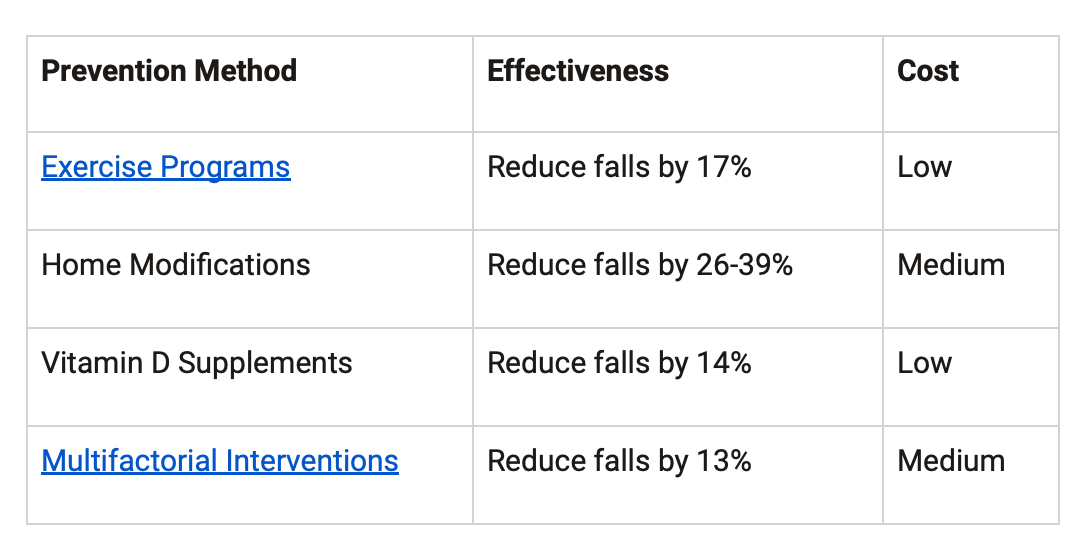
FALL PREVENTION COMPARISONS
When it comes to fall prevention, not all interventions are created equal. This comparison of options highlights the relative effectiveness and costs of common approaches, to help guide decisions.
PRACTICAL STEPS TO MINIMIZE RISKS
Simple changes to the home environment can significantly reduce fall risks. Consider taking these steps:
You can switch to decluttering rooms and stairways. Organized rooms and stairways will eliminate any kind of potential tripping hazards.
Ensure adequate lighting in all areas of your home including nightlights for pathways. This will help your residents in terms of night vision.
Use non-slip mats in the bathroom, kitchen, and near stairs for good friction between the floor and your feet.
Remove or tape down loose rugs and disruptive cords that may get tangled in your legs while walking.
Have grab bars and railings installed in key areas? As these bars will help any elderly residents in your home to act as walking support.
THE ROLE OF ASSISTIVE DEVICES
The right assistive devices play a vital role in stabilizing balance and preventing falls during everyday tasks in your living space. Consider the following useful options:
You can install canes and walkers for added stability which would act as a great support in walking elderly residents of your home.
Install grab bars and handrails in key areas like bathrooms, hallways, and stairways to provide the necessary support.
Set up shower chairs and benches to allow safe and comfortable bathing. These will provide adequate support to stand and bathe and also act as a precaution against falling.
The fact that 60% of falls occur at home emphasizes the risks our living spaces pose, particularly for seniors and those in need of care. But while falls are a major concern, they aren’t the only hazard lurking in our homes. Another silent threat demanding attention is the risk of fires.
ADJUSTING BED HEIGHT FOR SAFETY AND COMFORT
For older adults or those with disabilities, climbing into an excessively high bed can be difficult and dangerous. As in most cases, they can’t really reach there and might fall. So at this point, you might want to take some necessary steps to rectify this. The following tactics can be taken into consideration in order to avoid these kinds of situations:
Lowering beds to a comfortable height (around 20 inches) will work fine.
Adding bed rails for support which they can hold on to for a grip while getting in and out.
Having a bedside commode.
Keeping pathways clear is very important.
Using nightlights for visibility is also a basic thing to be considered for night vision.
These measures facilitated by home care in calgary facilitate safe transfers and reduce the need for strenuous standing or walking during the night.
For professional guidance on ideal bed height adjustments and other senior-friendly home modifications in the Calgary area, home care companies provide experienced consultation.
ELIMINATING FIRE HAZARDS
Fires represent an ever-present danger in home care environments. But awareness and preventative action can greatly reduce the risks. Let’s see how to analyze and tackle these kinds of scenarios.
THE COMMON CULPRITS
Many fires originate from seemingly innocuous sources, which include the following points:
Faulty electrical wiring and outlets can spark flames.
Unattended candles or cooking can quickly get out of control.
Overloaded outlets can overheat and ignite nearby items.
Flammable clutter can easily be combustible near heat sources.
HOME FIRE SAFETY COMPARISONS
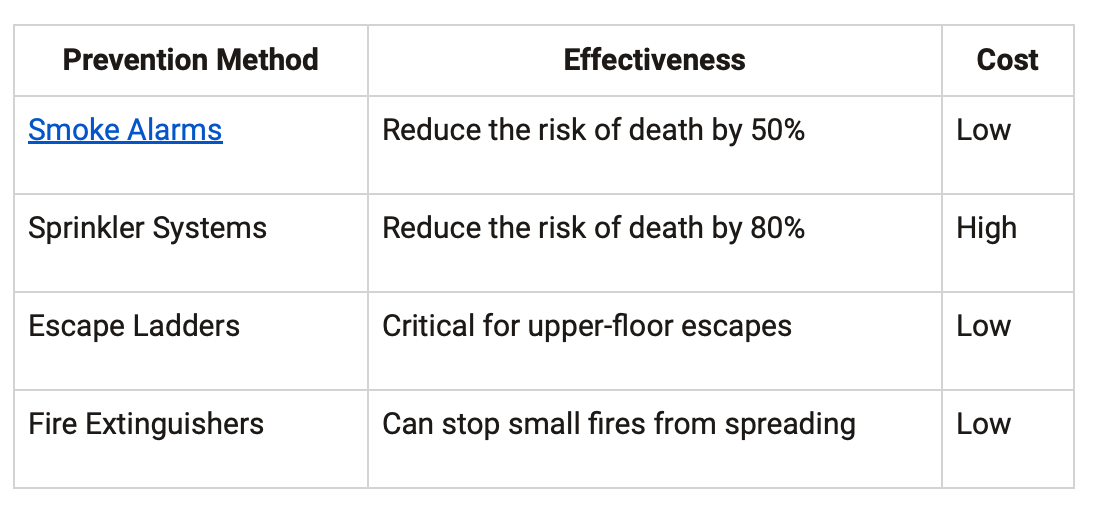
Fire safety requires layers of protection. This comparison looks at the effectiveness and costs of some key protective measures.
SAFETY MEASURES
Implementing basic precautions goes a long way in preventing fires. The following tips can definitely help you with your safety in terms of various hazards at your beloved such as:
You can start by installing smoke detectors on every level of your home.
Fixing fire extinguishers which can be readily available can help. These can be kept in the manner of hanging across the walls of your home.
Storing flammables properly is crucial for every home. Especially away from heat sources.
Avoid extension cords and overloaded outlets. As this can be a major obstacle for the recipients of your home.
EDUCATING RESIDENTS
Since many fires start small, residents should understand how to respond accordingly. Therefore educating everyone at your home in terms of various hazards that may take place is very crucial. Following are some of the tips that you can provide:
Raising the alarm quickly if smoke or fire is spotted at any point in time. As delaying might result in greater damage.
Knowing escape routes and evacuation plans to get out of that place immediately. This should be trained as a fundamental practice.
The safe use of fire extinguishers. If you do not know how to use it then there is no point in keeping it in your house for safety purposes.
According to the National Fire Protection Association (NFPA), U.S. fire departments responded to an estimated annual average of 5,750 structure fires in healthcare properties from 2011 to 2015. This alarming statistic underscores the need for proactive fire safety.
Apart from immediate dangers like falling and fires, it is also crucial to prioritize comfort and easy access to in-home care. Making changes to improve daily life can go hand-in-hand with safety measures. These changes may include alterations in lifestyle or change in your home like the installation of smart pieces of equipment.
ADDRESSING ACCIDENTAL POISONING RISKS
Medications, household chemicals, and even certain plants can pose poisoning dangers. These medications can be really hazardous if not properly taken care of. This is especially for kids and seniors residents experiencing memory loss or impairment. Though the following precautions can be taken to minimize the risks:
Safe storage: You can keep medicines and cleaners locked up or out of reach from kids and also from elderly people at your home with mental issues.
Clear labeling: Avoid decanting chemicals into unlabeled containers. Doing these can lead to confusion and can be mistakenly consumed by anyone at home.
Education: Discuss poison risks and prevention with residents, especially with kids, so that they will be aware of what they can have and what they shouldn’t.
Removal: Get rid of poisonous plants like oleander and castor beans. Though these plants are good for home decor but can be really harmful if any kind of misusage.
Med management: Caregivers can distribute meds to prevent errors. You can train them in terms of recognition of the medicines.
MODIFYING BATHROOMS FOR SAFETY AND ACCESSIBILITY
With its slippery surfaces and fall hazards, the bathroom poses one of the biggest risks for injuries. The following adaptations can help you reduce the dangers that typically take place in the bathroom:
Grab bars: You can install toilets, tubs, and showers for support. You can hold on to them if you feel like slipping at any point.
Non-slip mats: These will provide grip for the feet inside and around the tub/shower area. With the help of these mats, it’s easy for you to walk around the bathroom area with ease.
Shower seats: This will assist with safe and comfortable bathing. You can comfortably sit and bathe you would not have to walk much. Thereby reducing the chances of falling down.
Adjustable shower heads: Making washing easier with adjustable shower heads are clever traits to inherit.
Temperature regulators: Prevent scalding water by fixing regulators that can have control over the temperature of the water. This way you can prevent your skin from getting burnt.
Nightlights: This will ensure clear visibility in the dark.
Walk-in tubs provide a safe bathing solution with a door opening, especially for those with mobility limitations.
BATHROOM SAFETY OPTIONS
Upgrading the bathroom for safety and accessibility can be done on any budget. This comparison looks at some bathroom modifications and their costs.
The kitchen presents abundant dangers, from slippery floors to hot surfaces and sharp objects. And thus poses a lot of chances to get hurt at any point in time. You can follow these measures to boost safety while in the kitchen:
You can install stove knob covers to prevent accidental gas ignition.
Use appliance timers to turn off burners if unattended, make sure that they are automatic.
Mount microwaves at an accessible height so that anyone can easily reach them.
Organize utensils/appliances in easy-to-reach areas, this will reduce the chance of falling.
Have fire extinguishers nearby for any kind of emergency.
These tips will help residents with cognitive decline. At the same time hiring a caregiver is a wise decision as they can provide supervision during meal preparation and can help prevent injuries.
THE VALUE OF PERSONAL CARE ASSISTANTS
Personal care assistants are immensely valuable for enhancing safety. This will take care of and allow residents to retain independence while getting needed support with daily tasks. Care assistants can provide the following assistance to your residents.
Provide mobility assistance that will help you walk or move from one place to another place if you have a disability or an injury. They include crutches, canes, and walkers.
They can remind your residents to take medications correctly and on time.
They will help in preparing and serving meals safely by being cautious while cooking.
Offer companionship and safety monitoring, which will also have a good effect on the mental health of your loved ones.
Note: When hiring a personal assistant, look for training certifications and check references thoroughly. Rapport, reliability, and trustworthiness are fundamental when hiring people for personal care assistance.
FINAL THOUGHTS
Creating a safe and comfortable home care environment requires a lot of effort. But it pays dividends and immense benefits in increased security and quality of life for residents. We hope the above-mentioned tips and considerations provide a helpful starting point in creating a safe and comfortable home care environment. These tips will assess your unique situation, identify areas for improvement, and implement adaptations over time. Because small changes can make a tremendous difference. And now it is your turn to think in advance and be smart enough to inherit all these measures for a better home environment.
FREQUENTLY ASKED QUESTIONS
1. Why is a safe home environment important in caregiving?
A safe environment reduces accidents, improves resident well-being, and provides peace of mind for families and caregivers.
2. What are some low-cost safety modifications for the home?
Consider clearing clutter, adding grab bars and railings, using slip-resistant mats, installing adequate lighting, and rearranging furniture to ensure clear pathways.
3. What are the biggest fire dangers I should address?
Faulty electrical issues, unattended cooking, overloaded outlets, and flammable clutter near heat sources. Install smoke detectors on every level.
In a world filled with constant noise, looking for ways to protect your health and sanity is essential. While you may have little to no control over external noise sources, you can engineer your space so that little noise pollution gets in. This is where soundproof curtains come into play.
They can make a difference in your health by reducing excessive light interference and blocking external noise that might be a nuisance. Over the years, there have been improvements in soundproof curtains such that they do not only provide noise-canceling effects.
The best soundproof curtains can also incredibly benefit the user’s health. For instance, their ability to block UV rays and other light waves can be your key to a good night’s sleep. This article will explore how soundproofing curtains can help improve your sleep health.
1. NOISE REDUCTION
Right from the time you leave your home in the morning, many people are exposed to various forms of noise. From vehicles blasting their horns to aircraft flying by to the kids next door playing, noise pollution is a menace that might not go away soon.
Noise distracts the mind when trying to drift away, which could make sleep difficult. As a result, it affects many people’s mental health and can even prevent them from having a good night’s sleep. Soundproofing curtains have tough insulating materials that bounce sound waves back to the sources. This means you can enjoy your night’s rest without relying on drugs or other expensive means to get your body to hibernate.
2. IT CAN BLOCK OUT UV RAYS
Another advantage of soundproof curtains to your health can be traced to their capacity to block out UV rays. These heavy-duty curtains are made with strong materials that can keep unwanted light from entering your space.
One of the most common advice for people with difficulty sleeping is to reduce light interference. Soundproof curtains can help achieve this as they can confuse the brain, which might affect the production of melatonin – the sleep hormone.
3. IT CAN PRESERVE YOUR MENTAL HEALTH
Safety is one of the basic needs of humans. As a result, the brain is on constant alert for signs of danger, even while sleeping. Yet, sudden loud noise can trigger an adrenaline rush, setting the stage for anxiety and stress.
According to research,, constant noise pollution might make one susceptible to anger, feel on edge, and frustrated. Imagine suddenly hearing gunshots; you become stressed as you feel an imminent danger with racing heartbeats. This is one of the ways humans have evolved to protect themselves.
When exposure to noise pollution is constant, it can lead to high blood pressure and stress. Yet, stress serves as a precursor to many health issues. This is where soundproof curtains come in. Its unique capacity to prevent external sound waves from coming in can help limit stress and agitation. This protects mental health, keeps blood pressure normal, and boosts productivity.
4. PROVIDES INSULATION FOR YOUR HOME
Seasons come and go, and each has various features. These temperature changes affect the health and comfort of many. As a result, the body responds in different ways. This explains why flu is peculiar to some seasons. In the United States, flu is common during the fall and winter, according to the CDC.
As a result, many people go the extra length to keep their indoor temperature constant and at a reasonable level. However, doing this might cost money as it means relying on an air conditioning unit or heater to help regulate temperature.
However, you can enjoy better insulation in your space with suitable soundproof curtains for your home. These heavy-duty curtains are often densely weaved, so they can provide extra insulation during winter, reducing your dependence on a heater since they trap indoor air. They can also keep hot air from seeping in during hot summer days.
As a result, users enjoy a low energy bill. In addition, they can escape various health issues that come with changing weather and seasons.
5. REDUCES SUSCEPTIBILITY TO HEARING LOSS
In a world where you have no control over external sources of noise, one needs to know how to limit noise pollution.According to research, excessive exposure to noise pollution can increase the risk of hearing loss. When noise pollution is consistent, it can overwork the hair cells in your ear, triggering their death.
Such a person might be declared handicapped if there is a hard time understanding what another person is saying. Yet, such hearing loss progresses as long as the noise pollution continues. Thankfully, soundproof curtains are available with superb strength to counter noise pollution and preserve hearing.
As a result, even though you have no control over the noise source, you can control the amount of noise that gets into your space using these curtains.
CONCLUSION
It is evident that many people do not know there is more to soundproofing curtains than keeping noise away. These curtains can help preserve your mental health in ways you never thought possible by blocking excessive sound waves.
Also, their capacity to keep your indoor temperature constant can prevent you from getting the flu-associated with weather changes.
From this article, it is safe to conclude that soundproof curtains can help improve your overall health and preserve your mental health.
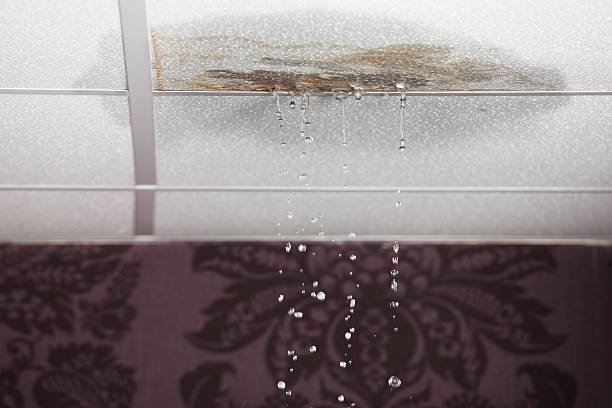
Water damage is a homeowner’s nightmare. It can transform a cozy nest into a damp and disastrous scene. A sudden deluge or a stealthy leak can cause severe damage to your home. But don’t let it drain your spirits! This handy guide guides you through what to do when water damage strikes.
STAY SAFE
The first thing to remember is your safety. If there’s a massive amount of water, turn off the electricity at the breaker panel to avoid electric shocks. Do not enter rooms with standing water if the power is still on. Protecting yourself with boots and gloves is essential as the water could be contaminated. It isn’t worth risking your life over some water damage. This is the most important step so that you can keep yourself and your family safe.
IDENTIFY THE SOURCE
Once you’re secure, try to figure out the source of the water. If it’s a burst pipe or a leaky faucet, you can stop it by turning off the water supply. However, you’ll have to wait it out if it’s due to a storm.
DOCUMENT THE DAMAGE
Now, it’s time for some detective work! Use your smartphone to capture the damage. Take pictures or videos of all affected areas. This evidence will be invaluable when making an insurance claim. The more pictures you have, the better!!
CONTACT INSURANCE
As soon as you’ve documented the damage, reach out to your insurance provider. The sooner they know, the quicker they can start the claims process. Provide them with all the details and evidence you have collected. Water damage insurance claims can sometimes be a small task but is a necessary part of this step.
START THE CLEANUP
While you’re waiting for the insurance company, you can start cleaning up. Remove any soaked items and put them somewhere to dry out. If there’s still water, you might need a pump to remove it. Be cautious while handling damaged items, as they can be fragile.
DRY IT OUT
After the water is gone, start drying out the room. Open windows and doors to allow fresh air in. If you own a dehumidifier, use it to speed up the process. The faster you dry the area, the less chance of mold growth. You could also use fans to help air out the rooms affected.
CHECK FOR MOLD
Mold is a sneaky enemy that thrives in damp environments. It can start growing within 24 hours of water damage. So, inspect every nook and cranny, especially hidden areas like inside walls or under floors.
CALL PROFESSIONALS
If the damage is extensive or mold is present, it might be time to call the experts. Professional water damage restoration services have specialized equipment and skills to clean and restore your home thoroughly.
DO REPAIRS
Once everything is clean and dry, you can begin repairs. This might involve replacing drywall, fixing leaky pipes, or retiling floors. Depending on the extent of the damage, you may need to hire contractors to complete the work.
PREVENTION MEASURES
After experiencing water damage, you’ll want to take steps to prevent it from happening again. Regular home inspections, keeping gutters clean, and installing water leak detectors are some preventive measures you can adopt.
CONCLUSION
Remember, the key is not to panic when water damage occurs. It can be a stressful experience and a very long process, but by acting quickly and following these steps, you can minimize the damage and restore your home to its former glory. Your house might be waterlogged, but with a little patience and perseverance, your spirit need not be!










 Kevin Szabo Jr Plumbing