
8 ESSENTIAL STEPS TO TAKE AFTER A HOUSE FIRE

A house fire can be devastating and traumatic, leaving you feeling overwhelmed and unsure of what to do next. But you need to move fast and carefully to ensure your safety, evaluate the damage, and start the reconstruction and recovery process. This guide will outline eight essential steps to take after a house fire, providing you with practical advice and guidance to navigate this challenging situation with confidence and resilience.


1.   ENSURE SAFETY FIRST:

Following a home fire, your protection and the safety of your loved ones should always come first. Wait for emergency personnel to give the all-clear and confirm that it is safe to re enter your home before entering the house. Watch out for potential dangers, including loose ceiling tiles, unsteady flooring, and structural damage that might cause danger. Until your house is deemed safe to occupy, if necessary, seek temporary refuge with friends, relatives, or in a designated emergency shelter.


2.   CONTACT YOUR INSURANCE COMPANY:

One of the first calls you should make after a house fire is to your insurance company to report the incident and begin the claims process. Your insurance representative will help you identify the available coverage for repairs and replacements, evaluate the degree of the damage, and walk you through the process of filing a claim. Be ready to give thorough details on the origin of the fire, the degree of the damage, and any personal belongings that were affected. Maintain detailed records of any correspondence with your insurance provider, including claim numbers, contact details for adjusters, and proof of losses.


3.   DOCUMENT THE DAMAGE:

After ensuring your safety and contacting your insurance company, it’s essential to document the damage to your home and belongings thoroughly. To demonstrate the extent of the fire’s damage, capture images and videos of the entire home, including its exterior and interior spaces. Make a thorough inventory of all the damaged objects, noting their worth, condition, and any applicable serial numbers or other identifying details. This documentation will be invaluable when filing your insurance claim and can help ensure that you receive fair compensation for your losses.


4.   SECURE YOUR PROPERTY:

In the aftermath of a house fire, your home may be vulnerable to additional damage from weather, vandalism, or unauthorized entry. Take action to safeguard your property and keep it safe. Board up windows and doors to prevent intruders and secure any openings in the roof or walls to prevent water damage. To keep an eye on the site and prevent trespassers, make arrangements for temporary fencing or security patrols. During the recovery process, you can minimize the possibility of more loss and damage by taking proactive steps to safeguard your property.


5.   SEEK PROFESSIONAL ASSISTANCE:

Dealing with the aftermath of a house fire can be overwhelming, and you may need assistance from professionals with specialized skills and expertise. Consider working with trustworthy experts in fire damage restoration in Los Angeles to evaluate the damage, clear the debris, and restore your house to its pre-fire state. These experts have the tools, knowledge, and expertise necessary to manage the cleanup and restoration process safely and effectively, so you can concentrate on recovering and rebuilding.


6.   NOTIFY UTILITY PROVIDERS AND SERVICE PROVIDERS:

After a house fire, it’s essential to notify your utility providers and service providers to suspend services and prevent further charges. In order to disconnect services from the damaged property and prevent any safety risks, get in touch with your gas, electric, and water providers, notify your phone, cable, and internet service providers to move your services to a temporary location if needed, or temporarily cease service. Additionally, let your postal service know about the circumstances and make plans to forward mail or pause delivery until you are able to get back home.


7.   EVALUATE YOUR FINANCIAL SITUATION:

A house fire can have significant financial implications, from the cost of repairs and replacements to temporary housing and living expenses. Examine your alternatives for financial help and assistance, and take some time to evaluate your financial status. If you’re unable to meet your financial obligations due to the fire, speak with your bank or mortgage lender about possible forbearance or payment arrangements.


8.   BEGIN THE RECOVERY AND REBUILDING PROCESS:

Once the immediate aftermath of the fire has been addressed, it’s time to focus on the long-term process of recovery and rebuilding. To create a thorough strategy for restoring your house and replacing damaged items, collaborate closely with contractors, insurance companies, and other experts. Throughout the rebuilding process, show patience and responsibility, and don’t be afraid to ask for assistance or seek out support from friends, family, and local resources.


CONCLUSION

Recovery from a house fire can be daunting, but by following these essential steps and seeking support from professionals and community resources, you can navigate the challenges with confidence and resilience. Remember that you are not alone and that you can repair and revitalize both your life and your house with enough time and effort.

It’s also crucial to acknowledge that recovery is a process that takes time. Be patient with yourself and with the circumstances as you move forward.


HOW TO PICK THE RIGHT AREA FOR YOUR BEACH RENTAL

A beach vacation is a classic holiday getaway but can be expensive. Renting a beach house can be a convenient and cost-effective alternative to standard beach resorts.

Instead of being restricted to tiny rooms at a hotel with a hundred other guests, your group can have the run of a spacious, private house, and you won’t have to compete with other vacationers for a choice spot on the beach or by the pool. You’ll also have use of the kitchen, patio or deck, and entertainment center.

However, finding the perfect beach rental requires more than skimming through online ads and picking the first house with decent photos. Location is everything, as the saying goes. Here are some considerations when choosing the right area for your beach rental.


First, Decide What You Want 

Beach houses come in many different types, so it’s crucial to decide what’s important to you. A home right on the beach is convenient but will cost more. You may be willing to save by walking a couple of blocks. For the younger crowd, some beach houses include water sports facilities like a boat or jet skis. If you want privacy, you may want to get a home with a private beach area. If you’re traveling with kids, you may look for a home with extra rooms, a pool, or a game room.


Set a Budget

Sure, you want the get the most for your travel dollars, but you also want to be careful not to go overboard on spending. A housing budget can help ensure you don’t get carried away. It can also help you narrow down your choices.

The length of your stay is also a consideration. A more expensive house might be more comfortable, while a cheaper rental might enable your group to stay longer.


Get the Exact Address

Many ads describe beach rentals by their distance from the water. But a home that’s an easy, two-block walk to the beach may be better than one that’s just 100 feet from the shore but with no way to get there. When you have the exact address, Google Maps can show you the area around the home, including beach views and access.


Consider Living Arrangements

With a larger group, sleeping arrangements are important. Some beach rentals claim to accommodate 20 people, but only if they double up on bunkbeds or queen-size beds. On the other hand, kids are great at bunking up, and most enjoy it. To avoid unpleasant surprises, think carefully about where everyone will stay. Examine the floor plan and photos carefully and make sure the space has what you need.


Research the Location

Safety is important when you’re on vacation; many people are relaxing and less vigilant than at home. It’s advisable to stay in a safe area with a low rate of violent and property crime. You won’t want to come back from a day at the beach only to find your personal belongings are gone.

Likewise, you’ll want to know what restaurants, stores, and other amenities are close. Since you will probably be eating at home some of the time, you’ll want to make sure you can get groceries conveniently. But you will also probably want to try local restaurants. A home with nothing nearby except a pizza delivery shop can quickly become tiresome. On the other hand, a home located near several all-night bars can make it hard to sleep.


Check Customer Reviews

Reviews by previous renters will tell you about the experiences of others who’ve stayed at a house. Customer reviews are a great way to get honest assessments of a rental and help you decide if it’s worth your time and money.

Many owners attempt to sugarcoat their houses by downplaying less desirable features in their property descriptions. Customer reviews can help you find out the pros and cons of each property. But remember that the customers who post reviews are usually the ones who had either a great time or a terrible time, so don’t rely solely on reviews when making your decision. 

The lack of any reviews doesn’t necessarily mean a property is undesirable. It may just be a new listing. If you have questions, you can contact the owner directly to collect more information and get a better feel about the property.


Stick With Well-Known and Reputable Platforms

There are several popular rental sites including Airbnb, Vrbo, and Vacasa. Sometimes the same property is listed on multiple platforms with different rates. So, it can pay to comparison shop. A reputable platform assures you of a smooth and secure reservation process.

 Different platforms have different features. For example, Airbnb is the market leader and enables renters to filter properties by dozens of criteria. Vrbo runs background checks on all hosts and offers alternative accommodations if anything goes wrong on arrival.


Written by Taylor McKnight, Author for Key West Tiki Boat

MAXIMIZE YOUR ONLINE PRESENCE: STRICTLY PLUMBERS’ GUIDE TO DIGITAL DOMINANCE

In the competitive world of plumbing services, establishing a strong online presence isn’t just an option—it’s a necessity. At Strictly Plumbers, we specialize in propelling plumbing businesses into the digital age with targeted, effective marketing strategies. Understanding the ins and outs of plumber marketing, we tailor our approach to ensure your business not only gets found online but becomes the go-to choice for customers in need

Why Partner with Strictly Plumbers?

As a dedicated plumber marketing company, Strictly Plumbers knows that generic marketing strategies don’t cut it in the specialized world of plumbing services. That’s why we focus exclusively on plumber marketing, leveraging industry-specific insights to boost your online visibility and lead generation. From crafting compelling plumbing Facebook ads to deploying strategic plumber SEO tactics, our team is equipped to handle all aspects of your digital marketing efforts.

Elevate Your Online Game with Plumber SEO and Social Media

The cornerstone of any successful online marketing strategy is visibility. Our plumber SEO company services are designed to elevate your website’s ranking on search engines, ensuring that when customers search for plumbing services, your business appears front and center. We meticulously research and target keywords that potential customers use, increasing the likelihood of them finding and choosing your services.

But we don’t stop at SEO. At Strictly Plumbers, we harness the power of social media for plumbers, creating engaging content and targeted ads that resonate with your audience. By showcasing your services, sharing customer testimonials, and providing valuable plumbing tips, we help you build a community around your brand, fostering trust and loyalty among current and prospective customers.

Boost Your Leads with Plumbers PPC and Facebook Ads

Pay-per-click advertising, including plumbers PPC, offers a fast track to increased visibility and lead generation. Our team expertly manages your PPC campaigns, focusing on high-intent keywords that drive prospective customers directly to your website. Combined with our eye-catching plumber Facebook ads, we create a multi-faceted approach that maximizes your exposure and attracts quality leads.

Innovate with Chatbot for Plumbers

In today’s fast-paced world, customers expect immediate answers. Our chatbot for plumbers service revolutionizes how you interact with website visitors, providing instant responses to their inquiries, scheduling appointments, and even offering preliminary quotes. This not only enhances the customer experience but also streamlines your operations, allowing you to focus on delivering top-notch plumbing services.

Your Digital Partner for Growth

At Strictly Plumbers, we’re not just a plumber marketing agency; we’re your partner in digital growth. By combining our deep understanding of the plumbing industry with cutting-edge marketing strategies, we help your business stand out in a crowded online marketplace. Whether through SEO, social media, PPC, or innovative chatbot solutions, we’re dedicated to driving your success.

Elevate your plumbing business withStrictly Plumbers and watch your digital presence—and your customer base—grow. Let’s dominate the digital world together.

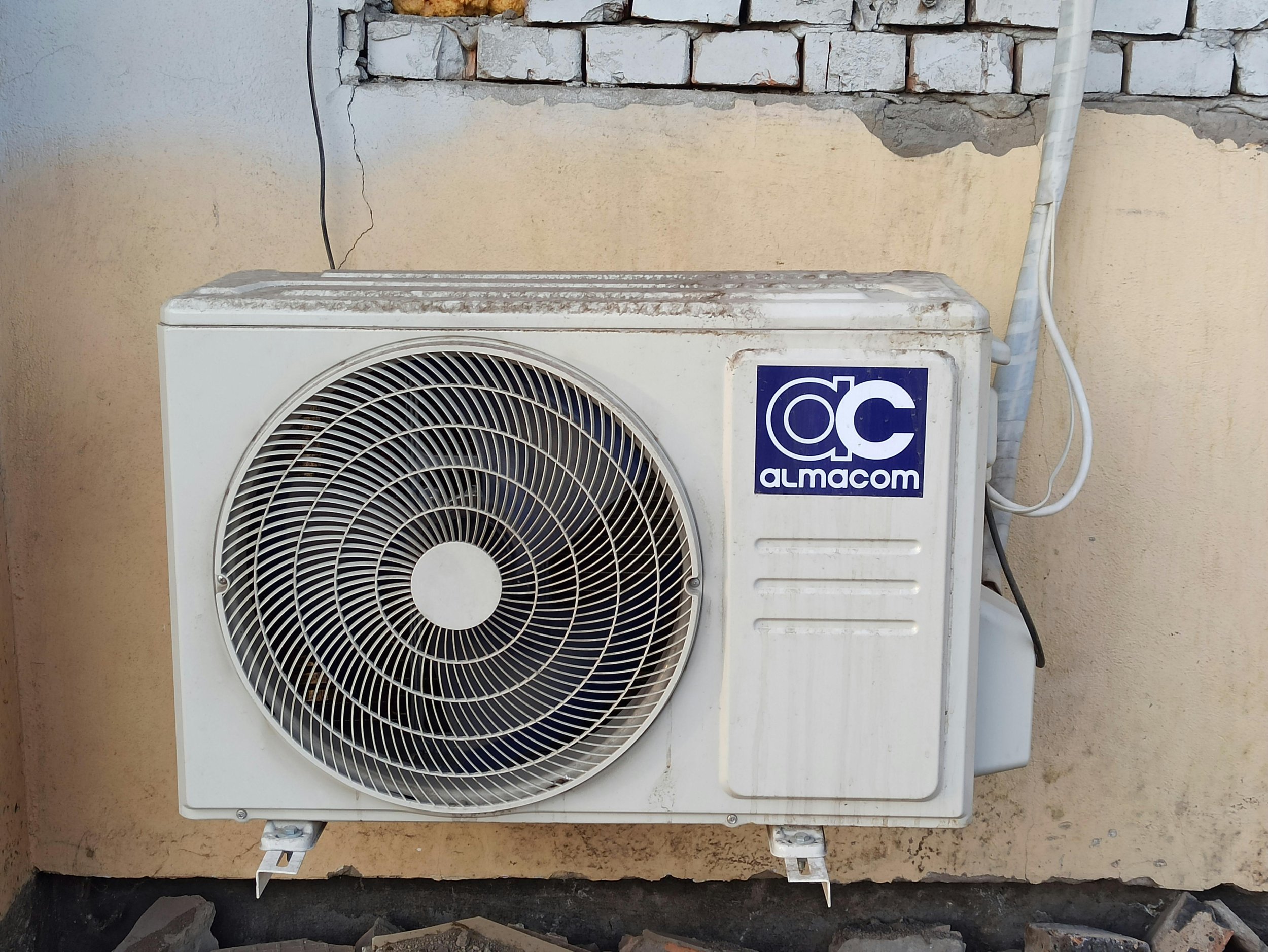
5 SIGNS YOUR AC UNIT MIGHT NOT BE WORKING PROPERLY

Your air conditioning (AC) equipment is essential for your house to remain comfortable, especially in the sweltering summer months. But just like any other item, air conditioners can have problems that impair their functionality. Early detection of malfunctioning components may save expensive repairs and guarantee that your house remains cool and cozy. This post will discuss five typical indicators that your air conditioner may not be functioning correctly.

WEAK AIRFLOW

Weak airflow coming from your air conditioning vents is a direct sign of possible system issues. Issues like clogged air filters, obstructed ducts, or a broken blower motor may be the cause if you find that the airflow feels weaker than normal or that some areas are not receiving enough cooling. Limiting airflow not only reduces cooling effectiveness but also strains the system, increasing energy consumption and even damaging components. To resolve this problem, it’s critical to routinely check and clean the air filters, remove any blockages from the ducting, and, if required, have the blower motor inspected by a specialist.

WARM AIR COMING FROM VENTS

Blowing heated air out of the vents instead of chilly air is another obvious symptom that your air conditioner is having problems. Numerous problems, including leaks of refrigerant, faults with the compressor, or a broken thermostat, might be the cause of this. For instance, insufficient refrigerant levels may make it difficult for the air conditioner to chill the air sufficiently, allowing warm or barely warm air to enter your house. Ignoring this problem might result in more harm to the system’s compressor and other essential parts. If you live in West Texas, then a trained  HVAC Amarillo specialist must examine the system, determine the source of the problem, carry out any required repairs, and recharge the refrigerant in order to solve this issue.

STRANGE NOISES

Your air conditioner may be making unusual noises, which are frequently a sign of underlying technical problems. Noises like as rattling, pounding, grinding, or squealing may indicate issues with the compressor, fan motor, or other internal parts. These noises shouldn’t be disregarded because they might be signs of impending harm or failure. If odd noises are ignored, the system may sustain more damage, or, in the worst-case scenario, the AC unit may break down entirely. It’s critical to arrange for a professional inspection and repair service as soon as possible to identify and address the problem.

FREQUENT CYCLING ON AND OFF

Short cycling, which occurs when your air conditioner cycles on and off often, may indicate an underlying issue. Numerous problems, such as clogged air filters, leaky refrigerant, or oversized air conditioners, might result in short cycling. In addition to compromising comfort, this erratic cycling overworks the system, increasing energy consumption and accelerating component wear and tear. It is crucial to address the underlying cause of short cycling in order to stop more damage and guarantee the AC unit operates efficiently. A skilled technician can identify the problem and suggest workable fixes, such as changing or cleaning the air filter, fixing refrigerant leaks, or adjusting the unit’s size.

INCREASED ENERGY BILLS

Unexpected increases in your energy costs without a matching rise in use may be a sign of AC unit problems or inefficiency. Higher energy costs are sometimes the consequence of a malfunctioning system, which uses more energy to chill your house. It’s critical to get your air conditioning equipment evaluated by a professional to detect and resolve any underlying problems if you observe a noticeable and inexplicable spike in your energy expenses. By taking quick action to fix these issues, you may reduce your energy costs and stop more system damage. Furthermore, planning routine maintenance inspections will assist in maximizing your air conditioner’s performance and gradually lower energy usage.

CONCLUSION

Early detection of these symptoms of AC breakdown will help you take quick action to fix problems and stop more harm to your cooling system. It’s critical to arrange an expert assessment and repair if you observe any of these symptoms to guarantee your air conditioning equipment is operating properly and efficiently. Early issue-solving will save maintenance costs, increase energy efficiency, and keep your family and yourself comfortable indoors.

REMOVING STUBBORN CONSTRUCTION STAINS: TIPS FOR PAINT, CAULK, AND MORE

Are you struggling with stubborn stains left over from construction projects? Whether it’s paint splatters, caulk residues, or adhesive marks, these stains can be a headache to deal with. Fear not! In this comprehensive guide, we’ll walk you through the process of effectively removing construction stains. From paint to caulk and everything in between, we’ll tell you how you can get rid of them efficiently.

GATHER THE NECESSARY SUPPLIES

To effectively remove construction stains, you’ll need the right tools and materials at your disposal. Here are some essential supplies to have on hand:

ü  Chemical paint remover

ü  Scrapers including putty knives and paint scrapers,

ü  Solvents such as mineral spirits or acetone

ü  gloves, goggles, and a mask to protect yourself from harsh chemicals and fumes.

ü  clean cloths or rags

PRECAUTIONARY MEASURES TO TAKE

Before you start tackling stains, it’s important to take some precautions to ensure your safety and the safety of those around you. Here are some tips to keep in mind:

·      Familiarize yourself with the instructions and safety precautions listed on the labels of any cleaning products you’ll be using.

·      Before applying any cleaning product to a large area, test it in a small, inconspicuous area to ensure it won’t damage the surface.

·      Open windows and doors to allow for proper ventilation while you work, especially if you’re using chemical cleaners.

·      Wear gloves, goggles, and a mask to protect yourself from exposure to harsh chemicals and fumes.

·      Dispose of used cleaning cloths, gloves, and other waste materials properly according to local regulations.

PAINT STAIN REMOVAL TECHNIQUES

Paint stains can be a real pain to deal with, especially when they’ve dried and hardened onto surfaces. But fear not, if you are doing post-construction cleaning in Brooklyn all by yourself, there are several techniques you can try to effectively remove them. Let’s break it down step by step.

CHEMICAL PAINT REMOVERS

One of the most effective ways to tackle paint stains is by using chemical paint removers. These products are specially formulated to break down paint, making it easier to scrape or wipe away. You simply apply the remover to the affected area, let it sit for a specified amount of time, and then use a scraper or cloth to remove the softened paint. Be sure to follow the manufacturer’s instructions carefully and wear gloves and protective eyewear to avoid skin and eye irritation.


MECHANICAL METHODS

If you prefer a more hands-on approach, mechanical methods like scraping and sanding can also be effective for removing paint stains. Use a putty knife or scraper to gently scrape away the paint, being careful not to damage the underlying surface. For stubborn stains, you can try using sandpaper to sand away the paint layer by layer. This method requires a bit more elbow grease, but it can be very effective, especially on rough or uneven surfaces.

NATURAL ALTERNATIVES

If you’re looking for a more eco-friendly option, there are natural alternatives you can try for removing paint stains. Vinegar and baking soda, for example, are two common household items that can work wonders on paint stains. Simply mix equal parts vinegar and water, apply it to the stain, and let it sit for a few minutes before scrubbing with a brush or cloth. Baking soda can also be mixed with water to form a paste, which can be applied to the stain and scrubbed away once it dries.

TIPS FOR SPECIFIC SURFACES

When dealing with paint stains, it’s important to consider the specific surface you’re working on. Different materials require different approaches to ensure effective stain removal without causing damage. Here are some tailored tips for handling paint stains on specific surfaces:

Wood Surfaces

·      Avoid abrasive methods to prevent damage to the finish.

·      Use gentle scraping or sanding techniques.

·      Test in a small area before applying any method extensively.

Metal Surfaces

·      Aggressive methods like sanding or chemical paint removers may be suitable.

·      Test in a small area to ensure compatibility and avoid damage.

Concrete Surfaces

·      Employ a combination of scraping, sanding, and chemical removers.

·      Test each method in a small, inconspicuous area first.

EASY TIPS FOR CAULK STAIN REMOVAL

Dealing with caulk stains can be a bit tricky, but with the right strategies, you can make them disappear like magic! Caulk, often used around windows, doors, and other fixtures, can leave unsightly marks if not removed properly. Here’s how to tackle those stubborn caulk stains:

SOFTENING THE CAULK

The first step in removing caulk stains is to soften the caulk to make it easier to remove. You can do this by applying heat to the caulk using a hairdryer or a heat gun set to a low temperature. Hold the heat source a few inches away from the caulk and move it back and forth until the caulk becomes soft and pliable.

CUTTING AND SCRAPING

Once the caulk is softened, it’s time to remove it. Use a sharp utility knife or a putty knife to carefully cut along the edges of the caulk, loosening it from the surface. Then, gently scrape away the softened caulk using the knife, taking care not to damage the surrounding area.

APPLYING A SOLVENT

If there are any stubborn remnants of caulk left behind, you can use a solvent to dissolve them. Apply a small amount of solvent, such as rubbing alcohol or mineral spirits, to a clean cloth and gently rub it over the remaining caulk residue. This should help to loosen it and make it easier to wipe away.

CAULK REPLACEMENT

Once you’ve removed the caulk stains, you may need to replace the caulk to seal the area properly. Choose a high-quality caulk that is suitable for the surface you’re working on, whether it’s silicone, latex, or another type. Follow the manufacturer’s instructions for applying the caulk, and make sure to smooth it out evenly for a clean finish.

CONCLUSION

Removing stubborn construction stains may seem daunting, but with the right approach, it’s entirely achievable. By understanding the nature of the stains and employing the appropriate tools and techniques, you can effectively restore surfaces to their former glory. Remember to prioritize safety, patience, and persistence, and don’t hesitate to seek professional cleaner help for the best renovation cleaning in Brooklyn if needed.

5 ESSENTIAL TIPS FOR BLUE COLLAR LODGE OWNERS ON SEA VIEW LODGES FOR SALE

A dream come true for many people is owning a sea view lodge, a gorgeous hideaway where the vast expanse of the ocean meets the peaceful sound of breaking waves. A sea view lodge is a beachfront home with stunning ocean views.

Unquestionably, there is nothing quite like waking up to a view like this, but to protect your investment, it is important to weigh several aspects before making such a purchase. Extensive study is necessary, addressing everything from location and property rules to environmental issues and financial considerations.

The following article covers seven crucial factors to make sure your purchase of a sea view lodge lives up to its tranquility and contentment guarantee.

1. LOCATION

Buying a sea view lodge is much more than an investment of an unsurpassable value. It is very important to take into account water level, prospective obstacles that could obstruct overlooking the sea, and to be as close as possible to the sea.

These are the two main things that make this place perfect and untouched by the sea so that its beauty is retained and its silence is kept. Review the existing food and shopping outlets in that region and see the means of transportation that you can utilize to get there.

When it comes to investing, pay special attention to sea view lodges for sale as they are able to give sea view lodges at affordable prices with breathtaking views.

2. PROPERTY REGULATIONS AND ZONING LAWS 

When you finish your acquisition of a sea view lodge, it is fundamental to understand the zoning rules and property limits that apply to the district. To safeguard the environment and avoid residential development, waterfront regions often have severe regulations.

Development, remodeling, and land usage along the ocean side might be confined by these standards. You risk legal trouble and limits on how you might utilize your property if you don’t follow these necessities.

Get the required licenses and approvals to ensure adherence and prevent future showdowns.

3. ENVIRONMENTAL CONSIDERATIONS

Due to the inherent vulnerability of coastal properties to natural variables, it is essential to evaluate potential coastal hazards before acquiring a sea view lodge. Rising sea levels, storm surges, and coastal erosion may all be serious hazards to the stability and safety of property. 

Examine local conservation programs and activities as well as any safeguards against environmental hazards. You can protect your investment and help ensure that the coastal environment is preserved for future generations to enjoy by giving environmental issues priority.

4. COMMUNITY AND NEIGHBORHOOD DYNAMICS 

Your sea view lodge can be significantly impacted by the neighborhood and community around it. Think about things like social environment, facilities, and demographics before making a purchase. Determine whether the community reflects your ideals and manner of living.

To determine possible integration opportunities, find out about local events and activities as well. You might feel more a part of and enjoy seaside living if you live in a friendly and supportive community.

On the other hand, unbalanced dynamics might make you regret your investment. Make sure the neighborhood fits your ideal seaside life by taking the time to go around and talk to the locals.

5. MAINTENANCE AND UPKEEP

Regular maintenance and upkeep are required to maintain an attractive and functioning sea-view lodge. Since they are exposed to seawater and other harsh marine elements, coastal properties are more vulnerable to corrosion and weather-related wear and tear. Protecting your investment requires regular maintenance procedures like weatherproofing coatings and corrosion control treatments.

In addition, landscaping may be needed to stop erosion and preserve the property’s visual attractiveness. To ensure that your sea view lodge continues to be a source of pleasure and relaxation for many years to come, include the expense of these upkeep duties in your budget when purchasing.

6. Financial Considerations and Affordability  

It’s vital to consider your affordability and monetary status before deciding to purchase a sea-view lodge. Consider the entire expense of possession, including the procurement cost, upfront installment, accessible home loan support, local charges, insurance payments, and proceeding with support costs.

Ensure your spending plan is reasonable, thinks about entirely related expenses, and take into account unexpected expenditures. Consider the conceivable profit from the investment and the property’s ability to provide rental income. 

7. INVESTMENT POTENTIAL AND RESALE VALUE

Although a sea view lodge’s normal magnificence and serenity attract individuals, it’s critical to ponder its capacity as an investment and its resale esteem. Examine local real estate market trends, such as the demand for rentals and the pace of property appreciation.

If you want to utilize the home as a holiday rental, evaluate its possibilities for producing rental revenue. Examine the lodge’s resale worth and long-term investment prospects as well.

Along with being a fun place to live, a home with good investment potential is also a wise financial investment. You may make an informed choice that fits your financial and lifestyle objectives by considering these aspects.

CONCLUSION

A sea view lodge can give unrivaled opportunities for rest, renewal, and natural immersion, making it profitable and pleasant speculation.

To ensure that the property lives up to your expectations and provides you with years of happiness and pleasure, you must approach the decision with much thought and meticulous due diligence. 

You can make an informed selection that fits your objectives, interests, and lifestyle by weighing elements, including location, property rules, environmental concerns, etc. 

Therefore, your sea view lodge can transform into a treasured haven where dreams come true and memories are built with the correct attitude and approach.

7 DIFFERENT WAYS TO PREPARE YOUR HOME FOR A STORM

Each year, states across the U.S. must deal with blizzards, tornadoes, hurricanes, tropical cyclones, and other types of severe weather. Damaging storms have caused the majority of hazardous weather events that have cost the country billions of dollars, according to the National Oceanic and Atmospheric Administration (NOAA).

Even the blustery wind and heavy rain of thunderstorms can result in significant damage to homes and cause flooding. Although hurricanes frequently occur in coastal regions, they can move inland, causing various degrees of harm to homes in their paths. Whether you live near a coastline, in close proximity to a river, or in a lakeside community, being prepared for seasonal and unpredicted storms is essential.

Even if there is no body of water near your residence, being ready for stormy weather is important. Homeowners who take precautions to protect their houses, families, and pets along with surrounding lawns and gardens prior to the onset of harsh storms get the best results. By following their example, other property owners can prevent many types of serious home damage and personal injuries.


7 Essential Ways to Make Your Home Storm-Ready

Seven proven measures from experts for ensuring that your home is well-prepared to withstand seasonal and unexpected storms include the following: 

1. Remove All Movable Objects Surrounding Your Home

To help storm-proof your home property, remove all movable objects from your lawns and gardens. These objects may include terrace or yard furniture, children’s play equipment or toys, planters, hanging baskets, spotlights, or building materials. These objects can easily become airborne during gale-force winds, causing serious damage to your home. 

If there are bicycles or motorbikes parked in your driveway, store them in your garage for safekeeping and to avoid damage to your house. All vehicles should be safely parked in your garage as well. In addition, schedule a tree-pruning date with your local arborist or tree-care technicians. By removing or pruning any loose, weak, or dead branches from trees on your property, you can help avoid home damage from falling limbs during storms.

2. Add Structural Upgrades and Protective Elements to Your House

If any garages, storage sheds, or other outbuildings on your residential property lack good ratings for withstanding high winds or heavy snow buildups, upgrade them. These structures also need to be well anchored to secure foundations to remain in place. The roofing of these structures is of special concern during periods of heavy snowfall. These roofs must be inspected and meet recommended ratings to ensure their strength and avoid any cave-ins due to snow accumulations.

In areas that frequently have serious thunderstorms, installing lightning rods can help prevent electric outages and damage to electronic devices during storms. Covering windows with precut boarding can also lend protection. Just be sure to leave the windows partially open to regulate wind pressure, and attach the boarding to a 2-by-4 secured inside each window with sturdy bolts.

3. Fortify Your Home’s Roof to Help Prevent Storm Damage

To help prevent damage during hurricanes and other major storms, schedule an inspection of your home’s roof. A good protective measure is installing truss tie-downs, or hurricane straps, to lend sturdy support to the roof and safeguard against destruction from high winds. If your roof has gables, gable bracing installation is also a good precaution against damage. Have loose shingles secured, and ensure that all cracks are repaired to avoid interior home leaks.

4. Protect the Doors of Your House Ahead of Storm Season

The best way to ensure that the doors of your home are protected against storm damage is by installing impact-resistant doors. If you are unable to obtain or install these heavy-duty doors, you can install door braces. You can also add additional locks. These measures can help prevent the doors from being severely damaged from flying debris during gale-force winds, hurricanes, or tornadoes. If your home’s doors are blown down or severely damaged during storms, the interior of your house may be flooded or incur severe damage.

5. Practice Good Storm-Readiness Measures

Experienced storm damage consultants emphasize the importance of contacting local officials and reviewing home storm-damage prevention resources ahead of yearly storm seasons. Your community’s emergency management office can be of assistance concerning effective storm-readiness measures. Check frequently for weather updates on your local media channels. This will enable you to secure your home well before any evacuation orders may be issued. 

Stay in touch throughout the year with your homeowner’s insurance company for current storm coverage information, and consider getting flood insurance. Update your policy as needed to ensure the protection of your home property in the event of severe storms in your area. Always keep an emergency kit handy that is well-supplied with non-perishable food, water, first-aid products, emergency contact data, batteries, flashlights, radios, and other helpful items. This will avoid any frantic ransacking of your home to gather these items when heavy or violent storms occur.

Actions to Avoid During a Storm 

6. Do Not Operate a Generator Indoors

Portable generators can be extremely valuable during storms since they can keep your major appliances and electronics running during an electrical outage. Yet, these generators emit carbon monoxide that may cause members of your household to experience headaches, bodily weakness, dizziness, and nausea. These fumes, if breathed over a length of time, can result in carbon monoxide poisoning. For this reason, portable generators should never be used inside the rooms of your home or in your basement or garage.

7. Refrain from Seeking Safety in Your Basement

Many people think that retreating to the basement is the safest plan during a threatening storm. Yet, an underground basement without windows or doors in a home can become a trap during heavy rainstorms. If your basement fills rapidly with water due to flood conditions, you and your family may not be able to escape before the water level rises too high.

Stay updated on the best storm-safety measures and access reports on hazardous weather conditions in your area regularly. By doing so, you can keep your entire household safe and secure during any occurrences of high, blustery winds and threatening or damaging storms.


Written by Taylor McKnight, Author for Isbell Rentals

MARKETING INSIGHTS FOR TITLE AGENTS IN THE PLUMBING HOME IMPROVEMENT SECTOR

Amid the whirlwind that is real estate transactions, title agents play a pivotal role in ensuring seamless property transfers. Yet, when it comes to plumbing home improvement, the landscape changes. 

Here, proficiency extends beyond legal acumen, requiring a nuanced understanding of market dynamics and savvy marketing strategies to navigate the competitive terrain successfully.

UNDERSTANDING THE PLUMBING HOME IMPROVEMENT SECTOR 

The plumbing home improvement sector has witnessed steady growth in recent years, fueled by the ever-evolving needs of homeowners and businesses alike. Market analysis reveals a surge in demand for services, ranging from routine plumbing maintenance to large-scale renovations. Key players in this sector include plumbing contractors, home improvement retailers, and service providers

However, for title agents, the plumbing industry presents unique challenges, including: 

  • Intricacy of the Industry: The plumbing home improvement sector is known for its intricate nature, with various technical aspects and specialized terminology that title agents must familiarize themselves with.
  • Legal Regulations and Compliance: Title agents must navigate through a web of legal regulations and compliance issues specific to the plumbing industry. From understanding plumbing contracts to ensuring compliance with local laws, meticulous attention to detail is paramount.
  • Complex Documentation: Transactions in the plumbing sector often involve complex documentation, including permits, licenses, and inspection reports. Title agents need to have a comprehensive understanding of these documents to facilitate smooth transactions.
  • Local Laws and Regulations: Plumbing regulations can vary significantly from one locality to another. Title agents must stay abreast of local laws and regulations governing plumbing installations, repairs, and renovations to avoid legal pitfalls.

IMPLEMENTING EFFECTIVE MARKETING STRATEGIES

To stand out in the plumbing home improvement sector, title agents must deploy a multifaceted approach to marketing. Leveraging digital tools and platforms, such as websites, social media, and email marketing, enables them to reach a wider audience and engage with potential clients on a personal level.

KEY MARKETING STRATEGIES

UTILIZING DIGITAL MARKETING CHANNELS

In today’s digital age, leveraging online platforms is imperative for reaching a wider audience. This includes maintaining a professional website, an active social media presence, and utilizing paid advertising channels such as Google Ads and social media ads.

NETWORKING WITHIN THE SECTOR

Building relationships with plumbers, contractors, and other professionals within the plumbing home improvement sector can lead to valuable partnerships and referrals. Attending industry events, joining relevant associations, and participating in online forums are effective networking strategies.

LEVERAGING CUSTOMER TESTIMONIALS AND REFERRALS

Satisfied clients can be your best advocates. Encourage customers to leave positive reviews and testimonials, which can be showcased on your website and marketing materials. Offering referral incentives further incentivizes clients to recommend your services to others.

CONTENT MARKETING FOR TITLE AGENTS

CREATING INFORMATIVE BLOG POSTS AND ARTICLES

Publishing informative content related to title services, real estate trends, and home improvement tips establishes authority and attracts organic traffic to your website. Focus on addressing common questions and concerns that potential clients may have.

ENGAGING WITH AUDIENCES ON SOCIAL MEDIA PLATFORMS

Social media platforms provide opportunities for direct engagement with your target audience. Share relevant content, participate in discussions, and respond promptly to inquiries to foster a sense of trust and accessibility.

SEO TECHNIQUES FOR INCREASED VISIBILITY

KEYWORD RESEARCH AND IMPLEMENTATION

Conduct thorough keyword research to identify relevant search terms used by your target audience. Incorporate these keywords strategically into your website content, meta tags, and blog posts to improve search engine visibility.

OPTIMIZING WEBSITE CONTENT AND META TAGS

Optimize your website’s content with relevant keywords, descriptive meta tags, and well-structured headings to improve search engine rankings. Ensure that your website is mobile-friendly and loads quickly for an optimal user experience.

UTILIZING EMAIL MARKETING EFFECTIVELY

BUILDING TARGETED EMAIL LISTS

Segment your email lists based on client demographics, preferences, and past interactions to deliver personalized content. Provide valuable insights, exclusive offers, and updates relevant to recipients’ interests to maintain engagement.

CRAFTING COMPELLING EMAIL CAMPAIGNS

Design visually appealing email templates with clear calls-to-action that encourage recipients to take desired actions, such as scheduling a consultation or visiting your website. Monitor campaign performance and iterate based on metrics such as open rates and click-through rates.

IMPORTANCE OF LOCAL SEO

OPTIMIZING FOR LOCAL SEARCH QUERIES

Optimize your website and online profiles for local search queries by including location-specific keywords, creating local business listings, and obtaining positive reviews from satisfied clients. This enhances your visibility to potential clients in your service area.

CLAIMING AND UPDATING GOOGLE MY BUSINESS LISTING

Claiming and optimizing your Google My Business listing is essential for appearing in local search results and Google Maps. Ensure that your listing is complete and accurate, including business hours, contact information, and photos of your office or team.

BUILDING TRUST AND CREDIBILITY

PROVIDING VALUABLE INFORMATION TO CLIENTS

Educate clients about the title process, potential pitfalls to avoid, and the importance of title insurance in protecting their investments. By demonstrating expertise and transparency, you instill confidence and trust in your services.

ESTABLISHING AUTHORITY WITHIN THE SECTOR

Position yourself as a thought leader by sharing industry insights, participating in speaking engagements, and contributing guest articles to relevant publications. Building a reputation for expertise and professionalism strengthens your brand image and attracts quality clients.

MONITORING AND ANALYZING MARKETING EFFORTS

To gauge the effectiveness of their efforts, title agents must diligently monitor key marketing metrics. Tracking website traffic, user engagement, and conversion rates provides valuable insights into audience behavior and campaign performance. By leveraging data-driven insights, they can refine their strategies and allocate resources more efficiently.

CONCLUSION

Marketing insights are invaluable assets for title agents operating in the plumbing home improvement sector. By understanding market trends, embracing digital strategies, and fostering client relationships, they can navigate challenges and capitalize on opportunities for growth. With a proactive approach to marketing and a commitment to excellence, title agents can thrive in a competitive landscape and achieve lasting success.


For more insights on everything about plumbing, check out the Kevin Szabo Jr Plumbing blog!

IS PHUKET GOOD FOR PROPERTY INVESTMENT | DISCOVER THE HIDDEN REASONS

Phuket is one of the top 10 most visited cities globally and presents a favorable property landscape. The Phuket International Airport is Thailand’s 3rd busiest international airport, with flights to over 40 major destinations worldwide. However, the question is, “Is Phuket good for property investment nowadays?” 

Well, Phuket is a highly desirable destination for property investors due to its natural beauty and annual influx of over 14 million visitors. These high tourism numbers ensure great occupancy rates and rental income for property investors, so it is absolutely a wise idea to invest in property.

Phuket has become a sought-after destination for real estate investors thanks to its booming tourism industry, stable economy, and attractive lifestyle. In addition, the high rental demand ensures investors get good investment returns.

Throughout this article, we will discuss six and eight reasons why Phuket property is a good investment. You can find detailed information about this topic by reading on.

WHY IS PHUKET GOOD FOR PROPERTY INVESTMENT: TOP EIGHT REASONS

Phuket presents a compelling case for property investment due to its thriving tourism industry. The following are eight primary reasons to invest in Phuket property:

  1. Thriving tourism industry
  2. Affordable property prices
  3. Foreign ownership opportunities
  4. Infrastructure development
  5. High rental yields
  6. Desirable lifestyle
  7. Sustainable living initiatives
  8. Health and wellness retreats

THRIVING TOURISM INDUSTRY

Phuket’s thriving tourism industry and consistent influx of visitors offer property investors a lucrative rental income opportunity. Boasting pristine beaches, tropical forests, and vibrant nightlife, Phuket attracts millions of tourists yearly, catering to various traveler preferences.

The island’s diverse appeal, from family-friendly activities to adventurous excursions, ensures high occupancy rates and strong demand for rental properties. This steady stream of tourists guarantees a constant flow of potential renters and provides stability in rental income for property investors.

AFFORDABLE PROPERTY PRICES

Investors searching for property opportunities with excellent value for their money often find Phuket’s real estate market appealing due to its affordable property prices.

Phuket offers a variety of property options, from beachfront villas to luxury condominiums, catering to various investment preferences and budgets. The favorable exchange rates against the Thai Baht further contribute to the affordability of property investment in Phuket, particularly for foreign buyers.

This combination of affordable prices and diverse property choices makes Phuket a compelling destination for those looking to invest in real estate. As a result, the island continues to attract investors seeking high potential returns on their property investments in a thriving market.

FOREIGN OWNERSHIP OPPORTUNITIES

Considering Phuket’s favorable property prices, foreign ownership offers an interesting investment opportunity. Thailand’s property laws allow foreigners to own property in Phuket through leasehold or freehold arrangements, making it an attractive destination for international investors.

Whether you seek a holiday home, a retirement retreat, or a profitable investment property, Phuket offers a straightforward process for foreign ownership. This ease of ownership gives investors peace of mind and legal protection for their real estate assets.

With a well-established legal framework supporting foreign ownership, Phuket is a secure and welcoming location for investing in property abroad. The flexibility offered in property ownership types caters to a diverse range of investment preferences.

INFRASTRUCTURE DEVELOPMENT

Phuket’s robust infrastructure development sets a solid foundation for lucrative property investment opportunities on the island. Significant improvements in recent years have enhanced connectivity and accessibility, making Phuket an attractive investment destination.

Ongoing projects, such as expanding transportation networks and implementing sustainable initiatives, contribute to the island’s modern appeal. The improved infrastructure benefits residents and visitors by easing travel and boosting property appreciation and investment potential in key development areas.

These enhancements signal a proactive approach to development, indicating a promising outlook for property investors. With better infrastructure, Phuket emerges as a forward-thinking location poised for continued growth and investment prospects.

HIGH RENTAL YIELDS

With rental yields averaging between 6-7%, Phuket is an excellent investment for property investors looking for premium accommodations. The island’s appeal to domestic and international travelers seeking short-term vacation rentals and long-term housing options contributes to the robust rental market.

Premium properties like high-end condominiums and luxury villas offer attractive returns, with some properties yielding annual profits within the mentioned range. High occupancy rates throughout the year further enhance the investment potential, allowing property investors to benefit from steady rental income streams.

DESIRABLE LIFESTYLE

The allure of Phuket as a prime location for property investment extends beyond high rental yields. Investors are drawn in by the promise of a coveted lifestyle enriched by stunning natural surroundings, diverse recreational offerings, and a vibrant cultural tapestry.

Phuket’s residents and investors enjoy a lifestyle encompassing pristine beaches, world-class dining experiences, and a vibrant nightlife scene, all against the island’s stunning natural beauty.

This desirable way of life attracts global investors and adds intrinsic value to property investments on the island. Investing in Phuket property gives you financial returns and access to a tropical paradise that offers an unparalleled quality of life, making it a popular choice for investors.

SUSTAINABLE LIVING INITIATIVES

Embracing sustainable living initiatives, Phuket’s real estate sector is committed to eco-friendly practices, catching the attention of investors looking for a happy medium between profit and the environment.

Developers lead the way by integrating features like solar-powered villas, green building materials, and water conservation systems into their projects.

This proactive approach addresses global environmental concerns and positions Phuket as a frontrunner in sustainable real estate development. The demand for eco-conscious properties is rising, with investors increasingly prioritizing sustainability in their investment decisions.

HEALTH AND WELLNESS RETREATS

With a rise in global health and wellness awareness, Phuket has positioned itself as a hub for luxury spas, yoga studios, and wellness centers offering holistic treatments. Investors can tap into this trend by investing in or remodeling wellness-focused properties like spa villas and eco-friendly retreats.

The demand for wellness tourism experiences is on the upswing, providing a lucrative opportunity for those looking to diversify their property portfolios. Phuket’s allure as a wellness retreat destination further solidifies its standing as a promising investment prospect in the real estate market.

SHOULD I INVEST IN A PROPERTY MANAGER AFTER PURCHASING A PROPERTY IN PHUKET?

Investing in a property manager post-property acquisition in Phuket can significantly enhance your investment’s potential for success.

Hiring a reputable property management company with local expertise allows you to access valuable insights on rental trends, tenant preferences, and legal requirements. These professionals can help you navigate the complexities of Phuket property management and ensure compliance with local regulations.

Their knowledge can help you make informed decisions, maximize returns on your investment, and streamline the rental process. The right property manager can handle tenant screening, rent collection, and tenant issues, letting you focus on other things.

HOW MUCH IS THE PROPERTY MANAGEMENT FEE IN PHUKET, THAILAND?

Property management fees in Phuket, Thailand, typically range from 10% to 20% of rental income, covering essential services for property owners. These fees encompass property management and landlord support services but don’t include additional expenses.

When evaluating different providers, consider the services included in the property management fee. Some companies may offer a comprehensive package for maintenance, marketing, tenant screening, and rent collection, while others may charge extra. 

SEIZE THE GOLDEN OPPORTUNITY OF PROPERTY INVESTMENT IN PHUKET

Investing in property in Phuket is like striking gold in the real estate market. With its booming tourism industry, stunning beaches, and high rental demand, the potential for returns is through the roof.

Researching and vetting potential property management companies thoroughly is essential to find a reputable and reliable partner that aligns with your investment objectives and values.

Plus, your investment can practically run itself with property management services readily available to handle the details. Take advantage of the opportunity to capitalize on this lucrative market in Phuket.

HOW TO PAINT A HOUSE INTERIOR: 8 STEPS TO FOLLOW

Painting a house interior is a rewarding and transformative DIY project that breathes new life into your living space. Whether you’re looking to refresh a room with a new coat of paint or embarking on a larger renovation project, knowing how to paint a house interior is essential for achieving professional-looking results.

You have to follow some steps to paint your house interior and make it look stunning. Gathering all the necessary materials, cleaning the walls thoroughly, and patching imperfections are some of the crucial initial steps.

We will discuss the whole process, from selecting the right paint colors and finishes to applying paint with precision and cleaning up afterward. So, roll up your sleeves and get ready to unleash your creativity as we delve into the art of interior house painting.

8 STEPS ON HOW TO PAINT A HOUSE INTERIOR

To paint a house interior, you have to follow these eight easy steps that will help you achieve a beautiful and flawless finish:

  • Step 1: Gather all the necessary materials
  • Step 2: Clean walls thoroughly
  • Step 3: Patch imperfections
  • Step 4: Apply painter’s tape
  • Step 5: Apply the paint
  • Step 6: Remove the tape carefully
  • Step 7: Clean brushes and rollers
  • Step 8: Evaluate the finish

Now, we will discuss each step in detail to give you a better understanding of the process.

STEP 1: GATHER ALL THE NECESSARY MATERIALS

Before you begin painting the interior of your house, gather all the necessary materials and tools to ensure that your painting project goes smoothly. Make sure you have these things before you start:

  1. Paint in your chosen color and finish
  2. Primer (if necessary)
  3. Brushes
  4. Rollers
  5. Trays
  6. Painter’s tape
  7. Drop cloths
  8. Sandpaper
  9. Putty knife
  10.  Cleaning supplies
  11.  Safety gear like goggles and masks

Once you have all these materials, you can start preparing your space for painting.

STEP 2: CLEAN WALLS THOROUGHLY

Now that you have all the necessary materials, it’s time to prepare your walls for painting.  Start by thoroughly cleaning the walls to remove any dirt, dust, or grease that could affect paint adhesion.

Focus on areas near plumbing fixtures, kitchen counters, and bathroom surfaces, as they often gather grime. Also, pay extra attention to spots near light switches, door frames, and baseboards, as these are common areas for dirt buildup. Wipe down the walls methodically, ensuring you cover every inch thoroughly.

STEP 3: PATCH IMPERFECTIONS

After cleaning the walls, you have to patch any imperfections such as cracks, holes, or dents. Inspect your walls meticulously for any imperfections, such as cracks, holes, or dents that may require patching before proceeding with the painting process.

Use a putty knife and spackling compound to fill in these imperfections, ensuring a smooth surface for painting. Allow the compound to dry thoroughly, and lightly sand the patched areas to ensure a seamless blend.

STEP 4: APPLY PAINTER’S TAPE

For a professional-looking painting result, it’s essential to apply painter’s tape to protect areas you don’t want to get paint on, such as trim, ceilings, or windows. Carefully apply the tape along the edges of these surfaces, ensuring it adheres firmly and creates a tight seal.

If you’re planning plumbing, kitchen, or bathroom remodeling, remember to also tape off areas where fixtures will be installed or replaced.

STEP 5: APPLY THE PAINT

Now that your walls are prepped and protected, it’s time to apply the paint. Start by stirring the paint thoroughly to ensure an even consistency. If you’re using primer, apply it first and allow it to dry completely before painting.

Use a brush to cut in along the edges and corners of the walls, carefully painting around trim, baseboards, and other obstacles. Once you’ve cut in, use a roller to fill in the larger areas, working in small sections at a time.

Be sure to maintain a wet edge as you paint to avoid lap marks and ensure a seamless finish. Apply the paint evenly, using long, smooth strokes with the roller. If you’re painting over a dark or bold color, you may need multiple coats to achieve full coverage.

STEP 6: REMOVE THE TAPE CAREFULLY

After completing the painting process for your house interior, the next crucial step is removing the painter’s tape carefully to achieve clean lines and a professional finish.

Once the paint has dried to the touch but is still slightly tacky, delicately peel off the tape at a 45-degree angle. This technique helps maintain the sharp lines without pulling off any dried paint.

STEP 7: CLEAN BRUSHES AND ROLLERS

To maintain the quality of your brushes and rollers after painting, promptly clean them using the appropriate solvent based on the type of paint used.

For latex paint, use water to rinse the brushes and rollers thoroughly. If you use oil-based paint, opt for mineral spirits to remove the paint residue. Ensure all excess paint is completely rinsed out.

After cleaning, allow the brushes and rollers to air dry fully before storing them for future use. Proper cleaning preserves the tools and ensures a smooth painting process the next time you need them. Taking care of your painting equipment will save you time and money in the long run.

STEP 8: EVALUATE THE FINISH

Once the painting is complete, inspect the walls for any missed spots, drips, or uneven areas that may require touch-ups to achieve a flawless finish. Take a step back and evaluate the overall look of the painted surfaces. Ensure that the color is consistent, the edges are clean, and there are no visible imperfections.

If you notice any areas that need fixing, grab your paintbrush and carefully correct them. After making the necessary touch-ups, stand back and admire your work.

Appreciate the transformation your freshly painted walls have brought to the space. If you have future renovation plans, note any areas requiring additional attention or coordination with upcoming projects.

EXPERIENCE THE THRILL OF A NEWLY PAINTED INTERIOR

Painting your house interior is a fulfilling endeavor that allows you to express your creativity and enhance your living space. By following these eight steps diligently, you’ve transformed your walls from dull to dazzling, creating a welcoming atmosphere in your home.

Ultimately, the key to a successful paint job lies in thorough preparation, attention to detail, and patience. You can consider professional painting services for larger projects or if you prefer to leave the task to experts.

Regardless, take pride in your accomplishment and enjoy the fresh, vibrant ambiance you’ve created within your home.