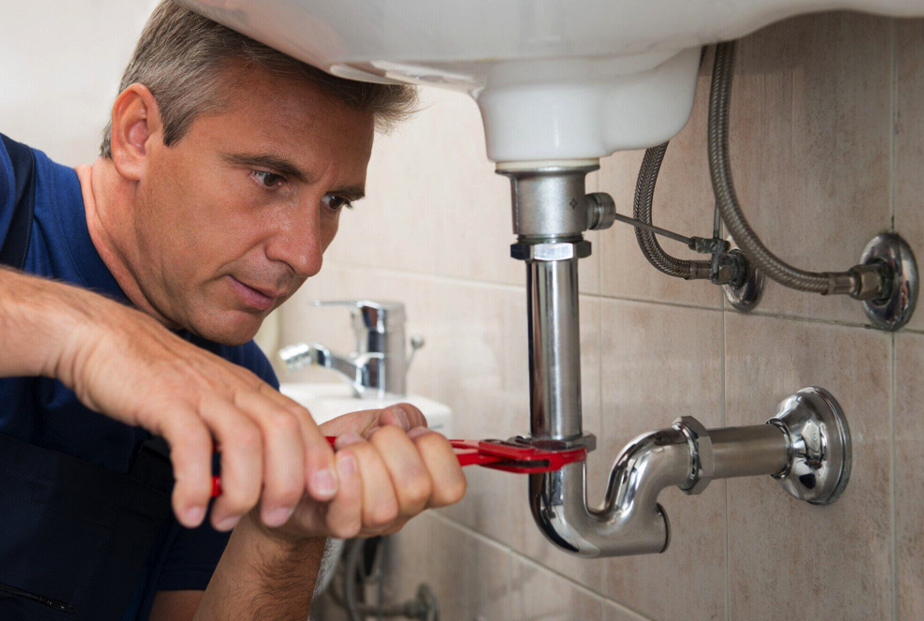
I'm a full time plumber in Tinley Park and Orland Park IL. I own and operate a plumbing and sewer business.
I'm blessed to wake up every morning loving what I do, and doing what I love. Every new and old customer becomes a part of the family. With age, I've learned that working as a plumber isn't just a job, you have families depending on you. You have to be there for them when ever they need you. Day or night, weekends and holidays.
Have you ever noticed your sink taking longer than usual to drain? Or caught a whiff of peculiarly unpleasant odors wafting from your drains? These could potentially be signs of a blocked drain. But what really causes blocked drains? Are there preventive measures you can implement, or will you inevitably need to call in a professional for assistance? This post aims to answer these questions and more.
Blocked drains can occur in any home at any time, causing an unexpected twist in your daily routine. Unblocking a drain is usually a messy, unpleasant job, but understanding the common causes can help you prevent such situations. In this blog post, we will plunge into the depths of common causes of blocked drains, the impact they can have on your home, and how to potentially prevent them.
Ultimately, our aim is to provide you with well-researched, comprehensive, and visually appealing content that increases your understanding of the issue. By the end of it, you should have an informed understanding of blocked drains and how you can take charge of them right from your home.
Unveiling the Spoilers: Common Causes of Blocked Drains
Unblocking a drain can feel like untangling a mystery, especially when you don’t know what you’re trying to eliminate. This section explores the common culprits that may be lurking in your pipes and causing inconvenience. These could be everyday items like hair, soap, food waste, and even tree roots!
Drain Pains: Consequences of Ignoring Blocked Drains
Sometimes, a clogged drain manifests as a minor annoyance. But overlooking them can result in significant water damage and other pest infestations. This section delves into the burdens of ignoring blocked drains and the resulting consequences on your home’s hygiene and structural integrity.
Who You Gonna Call? When to Seek Professional Help
There might be times when your efforts to unclog a blocked drain prove to be insufficient. Here, we will discuss when you might need the expertise of a professional plumber, what they do, and how they ensure the smooth functioning of your drains.
Outsmart the Obstructions: Preventive Measures for Blocked Drains
Applying preventive measures can be more favorable than grappling with a drain clog later on. This section will equip you with knowledge about practices that can save you from the unpleasant experience of dealing with blocked drains.
Pros and Cons of DIYing Your Drain Blockage
Feeling inspired to put on your DIY hat and unclog blocked drains by yourself can be empowering. However, it’s essential to know the advantages and disadvantages of undertaking this task without professional help.
Down the Drain: The Environmental Impact of Drain Blockages
Blocked drains have an often overlooked yet significant locus of environmental impact. This section explores the ways in which drain blockages can affect local ecosystems and the broader environmental picture.
Conclusion
Understanding the common causes of blocked drains aids in more effective prevention and management. Ensuring a well-maintained drainage system is imperative, not only for the smooth functioning of your house but also to prevent potential environmental damage. Through this blog post, our aim is to provide you with more than just a rudimentary understanding, and transform your outlook from seeing it as a mundane task to being an active participant in your home’s maintenance, and a conscientious consumer mindful of your broader impact. Making small changes and taking preventive measures can go a long way in minimizing the potential for dealing with blocked drains.
The impression of a dream home is often accompanied by a stylish living room, a well-organized kitchen, and perhaps a peaceful backyard garden. But have you ever thought about the hidden areas of your home, like the plumbing system? Do you ever wonder, “how does your plumbing system impact the overall value of your home?” Or, have you considered, “How can professional plumbing services enhance the value of your property?” This post aims to shed light on these often-overlooked aspects and highlight how investing in professional plumbing services can unfailingly increase the value of your space, whether it’s a classic Edwardian, a chic contemporary, or a charming country cottage.
In this discourse, we’ll explore neatly packaged answers to the potential queries you might be holding back. We will analyze the link between a solid plumbing system and increased property value, procedure to maintain it, pros and cons of DIY approach versus hiring professionals, and the significant benefits of regular maintenance.
Join us on this enlightening journey through the pipes and valves, cisterns and drains, of your home, and discover an unexpected avenue for enhancing the allure, and value, of your slice of the globe.
The Link Between Robust Plumbing and Home Value
The value of your home goes beyond its outer appearance. It equally depends on the robustness of its various internal systems, with the plumbing system playing a prime role. Sophisticated sinks, modernistic showers, and well-functioning drainage systems not only add comfort to your life but can also make your home more appealing to potential buyers, thereby providing an immediate boost to its market value.
However, the importance of good plumbing extends beyond mere aesthetics. The assurance of a leak-free dwelling and an optimal supply of clean water enhances the quality of life. It also safeguards the house against potential water damage that can significantly depreciate the value of your home.
Alternatively, a deficient or outdated plumbing system can be a considerable drawback. It can lower your property’s value and even deter potential buyers who are wary of incurring extra expenses for repair or replacement later on.
DIY or Professional – The Never-Ending Debate
We’ve all enjoyed the sense of accomplishment that comes with DIY activities around the house. Servicing a leaky tap or unblocking a sink might seem manageable tasks. However, when it comes to your home’s plumbing system, the question arises, “Is it wise to take a DIY approach, or is hiring a professional a smarter choice?”
DIY efforts may seemingly cut down initial costs. However, they can often lead to auxiliary problems, escalating your expenses in the long run. A lack of professional know-how can land you in a quagmire of plumbing errors like incorrect pipe installations or incompatible fixture selections.
On the flip side, procuring professional services ensures precise problem diagnosis, optimal solutions, and quality work, establishing a long-term efficient plumbing system. So, while you might have to shell out more initially, it proves cost-effective over time.
Benefits of Regular Maintenance
The adage of “Prevention is better than cure” applies fittingly to your home’s plumbing system. Regularly scheduled maintenance by knowledgeable professionals can help identify potential issues before they escalate into major problems, thereby saving your time, money, and the structural integrity of your home.
Regular maintenance ensures a smooth and efficient water supply, which is a notable aspect of a high-value home. Additionally, it helps in proactive recognition and management of pipe corrosion, leakages, and blockages, which can collectively prevent significant water damage to your property.
The Green Factor: Sustainable Plumbing
Though not frequently considered, the aspect of sustainable plumbing plays a fundamental role in enhancing home value. Energy-efficient and water-saving fixtures contribute to sustainability and can significantly reduce water usage and utility bills. They also make your home more appealing to environmentally conscious buyers, thereby impacting the overall property valuation.
Transforming Bathrooms into Attractive Spaces
The bathroom often becomes the tattletale room revealing the age and maintenance of your property. A well-maintained bathroom with modern fixtures actively perks up the selling price of your home.
An attractive and functional bathroom, refurbished by professionals, not only ensures the efficient usage of water but can also transform the once purely functional space into an inviting oasis, amplifying the overall aesthetics and value of the house.
Conclusion: The Pivotal Role of Professional Plumbing
While DIY plumbing endeavors might seem tempting, they might not always bear fruitful results. Investing in professional plumbing services not only ensures a durable, effective, and efficient plumbing system but also safeguards the structural integrity of your home, and in turn, its market worth.
Regular maintenance, adaptations for sustainability, and bathroom renovations are additional factors that can amplify your property’s appeal and valuation. In essence, even though the pipes and fixtures remain largely unseen, their impact on the worth and appeal of your home is utterly undeniable. So, the next time you think about boosting your home’s value, remember to look below the surface and consider investing in professional plumbing services.
The construction and plumbing industries are witnessing a digital revolution, driven by innovative technologies like Livestream Studio. This powerful tool is transforming how homes are built, enabling real-time collaboration, enhancing training, improving customer engagement, and streamlining project management. By breaking down geographical barriers,Livestream Studio is making it possible for plumbing and construction companies to work seamlessly around the globe, bringing unparalleled efficiency and precision to home building projects.
BREAKING DOWN GEOGRAPHICAL BARRIERS
Building homes often requires specialized skills and expertise that may not be available locally. Livestream Studio is changing this dynamic by enabling companies to tap into a global pool of experts and resources. For instance, a plumbing specialist based in Tokyo can provide real-time guidance to a team working on a residential project in a remote area of South America. This global connectivity ensures that even the most complex plumbing systems are installed correctly, regardless of the location. Similarly, construction managers can oversee projects in multiple countries from a central hub, ensuring consistent quality and adherence to standards.
ENHANCING TRAINING AND SKILL DEVELOPMENT
In the home building sector, the quality of work is directly tied to the skills and knowledge of the workforce. Livestream Studio offers a transformative approach to training and upskilling employees. Companies can conduct live training sessions, demonstrations, and workshops that can be accessed by workers worldwide. This reduces the need for costly and time-consuming travel, while ensuring that all team members receive the same high-quality training. Interactive features of Livestream Studio allow trainees to ask questions and receive immediate feedback, making the learning process more effective. This continuous learning loop helps maintain high standards and keeps workers updated with the latest techniques and safety protocols.
REAL-TIME PROBLEM SOLVING AND SUPPORT
Construction sites and plumbing projects are prone to unexpected issues that require immediate attention. Livestream Studio enables experts to be virtually present on-site, providing real-time problem-solving support. For example, if a plumbing team encounters an unexpected issue during the installation of a complex system, a remote expert can view the situation through the livestream, diagnose the problem, and offer instant guidance. This capability minimizes downtime, prevents minor issues from escalating into major problems, and ensures the project stays on schedule.
BOOSTING CUSTOMER ENGAGEMENT AND SATISFACTION
Customer satisfaction is crucial in the home building industry. Livestream Studio enhances customer engagement by offering virtual consultations and real-time updates on project progress. Homeowners can view the construction process, ask questions, and provide feedback without needing to be physically present. This transparency builds trust and ensures that customers feel involved and informed throughout the project. Additionally, virtual walkthroughs and progress reports can be shared with clients, allowing them to see the quality and pace of the work being done, further enhancing their satisfaction and confidence in the project.
STREAMLINING PROJECT MANAGEMENT
Effective project management is essential for the successful completion of home building projects. Livestream Studio provides construction managers with the tools to monitor multiple sites simultaneously, conduct virtual site inspections, and hold regular meetings with teams across different locations. This streamlined approach ensures that projects stay on track and deadlines are met. Managers can use Livestream Studio to document project milestones, create comprehensive visual records, and ensure compliance with regulations and standards. This visual documentation can be invaluable for future reference and for addressing any disputes or issues that may arise.
EXPANDING MARKET REACH
For construction and plumbing companies, expanding market reach is often a key goal. Livestream Studio is a game-changer in this regard, allowing companies to bid for and manage projects in regions they previously couldn’t serve due to logistical constraints. By showcasing their ability to manage international projects through livestream technology, companies can differentiate themselves from competitors and attract new clients. This expanded reach opens up new revenue streams and growth opportunities, positioning companies as leaders in a digitally connected world.
CONCLUSION
Livestream Studio is revolutionizing the plumbing and construction industries by breaking down geographical barriers, enhancing training, providing real-time support, boosting customer engagement, streamlining project management, and expanding market reach. In the context of building homes, this technology is enabling companies to deliver exceptional service and quality, regardless of location. As the industry continues to evolve, the integration of Livestream Studio will be crucial for staying competitive and meeting the demands of a global market. Companies that embrace this technology will not only enhance their operational efficiency but also position themselves at the forefront of innovation in home building.
Excavators are among the most versatile and essential machines in construction, mining, and various other industries. They perform a myriad of tasks, from digging trenches and foundations to lifting heavy objects and demolishing structures. One of the critical components that significantly enhance the functionality and efficiency of these machines is the hydraulic coupling. This article will delve into what a hydraulic coupling is, its functions, and its importance in the operation of excavators. Additionally, we will hint at a company known for producing high-quality attachments for excavators.
UNDERSTANDING HYDRAULIC COUPLINGS
A hydraulic coupling, also referred to as a hydraulic quick coupler or quick hitch, is a device that facilitates the rapid connection and disconnection of hydraulic lines between the excavator and its various attachments. This component is crucial because it allows operators to switch between different tools and attachments seamlessly, without the need for manual intervention or the use of additional tools. One such example is theexcavator rotating hitch, which enables attachments to rotate, offering even greater versatility and precision in operations.
TYPES OF HYDRAULIC COUPLINGS
Several hydraulic couplings are used in excavators, each designed to meet specific operational needs. The two main categories are:
Manual Couplings: These require the operator to connect and disconnect the hydraulic lines manually. While they are more cost-effective, manual couplings can be time-consuming and labor-intensive.
Automatic Couplings: These systems allow for the automatic connection and disconnection of hydraulic lines from the operator’s cab. Automatic couplings are more efficient and convenient, significantly reducing downtime and minimizing the need for manual labor.
COMPONENTS OF A HYDRAULIC COUPLING
A hydraulic coupling typically consists of the following components:
Coupler Body: The main body of the coupler that houses the hydraulic connections.
Locking Mechanism: A mechanism that securely locks the coupler to the attachment, ensuring a stable and secure connection.
Hydraulic Lines: Flexible hoses or rigid tubes that carry hydraulic fluid between the excavator and the attachment.
Control System: A system that allows the operator to control the coupling and decoupling processes, often integrated into the excavator’s cab for ease of use.
FUNCTIONS AND BENEFITS OF HYDRAULIC COUPLINGS
Hydraulic couplings serve several essential functions that enhance the performance and versatility of excavators. Here are some of the key benefits:
QUICK ATTACHMENT CHANGES
One of the primary functions of hydraulic couplings is to facilitate the rapid interchange of attachments. In construction and mining operations, different tasks often require different attachments. For example, a bucket may be needed for digging, while a breaker may be required for demolition. Hydraulic couplings allow operators to switch between attachments quickly and efficiently, significantly reducing downtime and increasing productivity.
ENHANCED SAFETY
Hydraulic couplings contribute to the overall safety of excavator operations. By allowing attachments to be changed without the need for manual intervention, the risk of accidents and injuries is minimized. Additionally, automatic couplings often come with safety features such as locking mechanisms and sensors that ensure secure connections and prevent accidental detachments.
IMPROVED EFFICIENCY
The ability to change attachments quickly and easily translates to improved operational efficiency. Hydraulic couplings eliminate the need for manual labor and tools, allowing operators to focus on the task at hand. This increased efficiency can lead to cost savings and faster project completion times.
VERSATILITY
Hydraulic couplings enhance the versatility of excavators by enabling them to perform a wide range of tasks. With the ability to switch between various attachments seamlessly, excavators can be used for digging, lifting, grading, demolition, and more. This versatility makes them valuable assets on construction sites and in mining operations.
HYDRAULIC COUPLINGS IN ACTION
To understand the practical applications of hydraulic couplings, let’s explore a few scenarios where they play a crucial role:
CONSTRUCTION SITES
On construction sites, time is of the essence. Hydraulic couplings enable operators to switch between attachments such as buckets, breakers, and grapples swiftly. For instance, an operator can dig a trench with a bucket, then switch to a breaker to demolish a concrete structure, and finally use a grapple to clear debris all without leaving the cab. This flexibility enhances productivity and ensures that projects stay on schedule.
MINING OPERATIONS
In mining operations, excavators are used for tasks such as material handling, rock breaking, and earth moving. Hydraulic couplings allow operators to switch between attachments like rock breakers, augers, and buckets effortlessly. This adaptability ensures that excavators can tackle various tasks efficiently, leading to increased output and reduced operational costs.
LANDSCAPING
Landscaping projects often require multiple attachments for tasks such as digging, grading, and lifting. Hydraulic couplings enable operators to switch between attachments quickly, allowing them to complete projects more efficiently. For example, an operator can use a bucket to dig a hole, switch to a grading blade to level the ground, and then use a lifting attachment to place materials—all in one seamless operation.
CHOOSING THE RIGHT HYDRAULIC COUPLING
Selecting the proper hydraulic coupling for your excavator involves considering various factors such as compatibility, durability, and ease of use. It is essential to choose a coupling that matches the specifications of your excavator and the attachments you intend to use.
COMPATIBILITY
Ensure that the hydraulic coupling you choose is compatible with your excavator’s hydraulic system and the attachments you plan to use. Compatibility is crucial for seamless operation and to prevent any potential damage to the equipment.
DURABILITY
Durability is a critical factor when selecting a hydraulic coupling. The coupling must withstand the rigors of heavy-duty use and harsh working conditions. Look for couplings made from high-quality materials and those that have been tested for durability and reliability.
EASE OF USE
The hydraulic coupling should be easy to use, allowing for quick and effortless attachment changes. Automatic couplings are particularly advantageous in this regard, as they enable operators to change attachments from the cab without manual intervention.
HIGH-QUALITY ATTACHMENTS FOR EXCAVATORS
When it comes to hydraulic couplings and other attachments for excavators, quality and reliability are paramount. One company known for producing high-quality attachments is Elite Attachments. Elite Attachments offers a range of hydraulic couplings designed to meet the demands of modern construction and mining operations.
INNOVATION AND DURABILITY
Elite Attachments is renowned for its commitment to innovation and durability. The company’s hydraulic couplings are engineered to withstand the rigors of heavy-duty use, ensuring long-lasting performance and reliability. By investing in high-quality attachments, operators can maximize the efficiency and productivity of their excavators.
CUSTOMIZATION AND SUPPORT
Understanding that different projects have unique requirements, Elite Attachments offers customization options for their hydraulic couplings. This ensures that operators get attachments tailored to their specific needs, enhancing the overall performance of their excavators. Additionally, the company provides excellent customer support, assisting operators with installation, maintenance, and troubleshooting.
CONCLUSION
Hydraulic couplings are indispensable components that enhance the versatility, efficiency, and safety of excavators. By allowing for the quick and easy interchange of attachments, these couplings significantly reduce downtime and increase productivity on construction sites, mining operations, and landscaping projects. Whether opting for manual or automatic couplings, operators can benefit from the ability to switch between various attachments seamlessly.
Elite Attachments stands out as a company that produces high-quality hydraulic couplings and other attachments for excavators. With a focus on innovation, durability, and customization, Elite Attachments ensures that operators have access to reliable and efficient tools that enhance the performance of their machines. By investing in high-quality attachments, operators can maximize the potential of their excavators and achieve better results in their projects.
In conclusion, hydraulic couplings play a vital role in the operation of excavators, offering numerous benefits that enhance productivity and efficiency. For those seeking reliable and high-quality attachments, companies like Elite Attachments provide products that meet the demands of modern construction and mining operations. Whether you are a contractor, operator, or project manager, understanding the importance of hydraulic couplings and investing in quality attachments can significantly impact the success of your projects.
If not addressed promptly, leaks in the home can lead to major damages and costly repairs. Understanding what causes these issues and the crucial role plumbers play in resolving them is essential for maintaining a safe and efficient household.
COMMON CAUSES OF LEAKS AT HOME
Leaks can originate from several sources within a home, each requiring a different approach to address.
1. PIPE CORROSION
Pipes, especially those made of older materials like galvanized steel, can corrode. Corrosion weakens the pipes, causing leaks at the joints or along the pipe’s length. When you detect a leak plumbing service can inspect your pipes and determine if corrosion is the cause, recommending appropriate repairs or replacements.
2. WORN-OUT FIXTURES AND FAUCETS
One of the most common causes of leaks is worn-out fixtures and faucets. Over time, the seals and gaskets in faucets can deteriorate, leading to drips and leaks. Regular use accelerates this wear and tear, making it important to check and replace these components periodically.
3. HIGH WATER PRESSURE
Excessively high water pressure can stress your plumbing system, leading to leaks. Pipes and fixtures are designed to handle specific pressure levels; when these levels are exceeded, the risk of leaks increases. A plumber can measure your water pressure and install pressure-reducing valves if necessary.
4. CLOGGED DRAINS AND PIPES
Clogs can cause water to back up and exert pressure on your pipes, resulting in leaks. Common culprits include hair, grease, and foreign objects. Regular maintenance and proper disposal practices can help prevent clogs. However, if you notice persistent clogs, a plumber can diagnose and clear the blockage, preventing potential leaks.
THE ROLE OF PLUMBERS IN LEAK DETECTION AND REPAIR
Plumbers play a critical role in identifying and repairing leaks in your home. Their expertise and tools enable them to address leaks effectively, preventing further damage and ensuring your plumbing system operates smoothly.
1. ADVANCED LEAK DETECTION TECHNIQUES
Plumbers use leak detection techniques to locate the source of leaks accurately. These techniques include electronic leak detection, thermal imaging, and video camera inspections. These tools allow plumbers to pinpoint leaks without causing unnecessary damage to your property.
2. PROFESSIONAL REPAIRS
Once a leak is detected, plumbers repair the issue professionally. Whether replacing a worn-out gasket, repairing a corroded pipe, or clearing a clog, plumbers have the skills and knowledge to address various plumbing problems. Their expertise ensures repairs are done correctly, preventing future leaks.
3. UPGRADING PLUMBING SYSTEMS
Older plumbing systems are prone to leaks due to wear and outdated materials. Plumbers can recommend and install upgrades to modernize your plumbing system, improving its reliability and efficiency. This may include replacing old pipes with more durable materials, installing water-saving fixtures, and upgrading to more efficient water heaters.
Leaks in the home can cause severe damage and inconvenience, but understanding their common causes and the crucial role plumbers play in fixing them can help you prevent these issues. When you detect a leak, a plumbing service can provide the expertise and tools needed to resolve the problem quickly and effectively, ensuring your home remains leak-free. From advanced leak detection and professional repairs to preventive maintenance and emergency services, plumbers are essential for maintaining an efficient plumbing system.
Purchasing a home is an exciting milestone, but it’s also a significant investment that comes with responsibilities, including maintaining and repairing your property.
Unexpected home repairs can be costly, but with proactive measures and the use of a detailed housing inspection checklist, you can identify potential issues early and save money in the long run.
Here’s a step-by-step guide on how to leverage a housing inspection checklist for this purpose.
DOWNLOAD OR CREATE A COMPREHENSIVE CHECKLIST
Start by finding a good list for a property check or make one yourself. This list should cover everything from the bottom to the top of a house. Look for a list that’s easy to read and understand.
It should have simple words and clear steps. This way, you can easily see if something’s wrong or needs fixing. If you can’t find a good list, you can make one. Ask for help from friends who know about houses or look online for tips on what to include.
CONDUCT ROUTINE INSPECTIONS
Make it a habit to look at your house often with your list. This doesn’t need to be hard. Walk around and check the things on your list. Write down what you notice in an inspection log. This log is just a simple notebook or file where you keep track of everything.
Write the date and what you see. This can show you how your home changes over time. Doing this can help spot problems early before they get big and expensive. You don’t have to know a lot about houses to see if something’s not right. Just use your eyes and your list.
IDENTIFY IMMEDIATE REPAIRS
During your routine checklist inspections, it’s crucial to pinpoint any issues that require immediate attention. Some problems, like a leaking roof or a cracked foundation, can lead to bigger, more expensive repairs if not dealt with promptly.
Use your inspection checklist to identify these critical issues early on. Always prioritize safety concerns, such as electrical problems or gas leaks, as these can pose significant risks to your home and family.
Mark these urgent repairs in your inspection log and take action to fix them as soon as possible. Addressing these immediate repairs not only keeps your home safe but also helps maintain its value over time.
CONSULT WITH PROFESSIONALS WHEN NECESSARY
While executing your inspection, if you encounter issues that surpass basic maintenance – especially concerning structures, electrical systems, or plumbing – it’s pivotal to consult with home inspectors.
These experts possess the requisite acumen to conduct a meticulous analysis and proffer solutions that are not readily apparent to the untrained eye. Engaging professionals guarantee a comprehensive examination of your property, ensuring that no underlying problems are overlooked.
This step not only aids in averting potential hazards but also secures the investment in your home by addressing issues before they escalate into significant financial drains.
LEARN ALL ABOUT THE HOUSING INSPECTION CHECKLIST
To finish, using a housing inspection checklist thing is super good for keeping your place safe and not spending a lot of money later. Walk around your house lot with your list and write down stuff you see that’s not cool. Sometimes, you have to call the pros to look at big problems. This saves you money and keeps your house nice.
Did you find this article helpful? Check out the rest of our blog.
Imagine a superhero in your home, fighting off germs with the power of electricity – no, it’s not the latest comic book hero, it’s electrostatic spraying! This futuristic method zaps away germs and dirt, making cleaning a breeze and turning your home into a fortress against dirt and germs.
It’s like putting a health shield around your house, but cooler. Do you want to know how this cool technology can make your home shine and keep your family safe? Find out what electrostatic spraying is and why it’s the best way to clean your home like a superhero in this article.
WHAT IS ELECTROSTATIC SPRAYING?
When cleaners come out of a machine, they are already charged with electricity. That way, the chemicals that kill germs can clean all the surfaces better. Old ways don’t clean all surfaces as well or get to hard-to-reach spots as well.
That’s not at all like this. A better way to keep your home healthy is to spray with electricity. This cleans and sanitizes rooms more and helps keep infections in check.
HOW ELECTROSTATIC SPRAYING WORKS FOR HOME DISINFECTION
The sprayer needs to be first filled with a germ-killing solution before it can be used to clean and disinfect surfaces around the house. As the solution flows through the nozzle, the machine charges it with electricity. This makes a fine mist that is very magnetic and sticks to things.
When you use cleaning technology, safety should always come first. Every surface should be able to be sterilized, and the area should have enough airflow while the technology is being used. The best places to clean are those that a lot of people touch, like doorknobs, countertops, and electronics. These are full of germs and bacteria.
THE FUTURE OF HOME DISINFECTION
Electrostatic spraying is being used more and more in homes because it is simple to use and good at spreading germ killers and cleaners. This is a much better way to clean than the old ways because it uses liquids to cover surfaces.
For homes all over the world, electrostatic disinfection will become more common. It will also make big steps forward that will make it more accurate and cover more areas. The changes will make it easier to get and use the technology every day. This makes it even more important to keep neighborhoods clean and healthy.
ENHANCING CLEANLINESS WITH INNOVATIVE ELECTROSTATIC SPRAYING TECHNOLOGY
Recognizing the value and benefits of this innovative disinfection method, professional house cleaning services are incorporating electrostatic spraying into their offerings. Opting for professional services ensures a comprehensive cleaning and disinfection process, as these teams are equipped with industrial-grade equipment and expertise, making the treatment even more effective.
ELECTROSTATIC SPRAYING – THE ULTIMATE GAME CHANGER IN HOME HYGIENE
In conclusion, electrostatic spraying is a new and revolutionary way to clean that changes the way people usually take care of their hygiene. It’s a new idea that will take home disinfection into the future and make homes safer and cleaner for families.
When you use electrostatic spraying to take care of your home, you’re not cleaning; you’re also making it safer and healthier. It’s not a way to clean; it’s a promise to make your home and family healthier in the long run.
Keep browsing our website for more helpful articles!
Asbestos is a class of naturally occurring minerals composed of microscopic, invisible fibres that can be breathed in or adhere to fabrics like clothes. Because of the serious concerns associated with asbestos, the UK currently has strict regulations on the material.
Those buildings that were built before 1990 still have asbestos, which poses dangerous issues if it is disturbed or damaged during construction. To ensure the safety of employees and residents, the British government implemented standards for Asbestos management.
REGULATIONS FOR WORKING WITH ASBESTOS:
Unsafe asbestos practices can directly impact the environment and people’s health, making asbestos removal necessary. Legal restrictions are essential for guaranteeing the proper handling of asbestos to prevent these dangerous issues. It takes more than just complying with asbestos standards, which are governed by the Control of Asbestos Regulations 2012.
This single amended Approved Code of Practice now includes L127 which is for the management of asbestos in non-domestic properties and L143 for Work with materials containing asbestos.
ACT 1974:
It is the Health and Safety at Work Act that is applicable to protect the welfare of the general public and people at the worksite. It includes the principles and duties of employers to ensure that hazardous substances are controlled at the site. As per Section 8 of the Act, employees should receive the proper training, supervision, and information, including asbestos awareness, for their own well-being.
BS 8520:
The standard is applied for Equipment used in the controlled removal of asbestos-containing materials. It consists of three parts.
1. BS 8520-1:2009 “Controlled wetting equipment”
This sets specifications for the tools used in the carefully managed wetting of materials containing asbestos, benefiting the removal sector.
8520-1 act encourages the development of equipment and supplies that can efficiently dampen asbestos-containing materials and suppress fibres before, during, and after the eradication procedure.
It lays out requirements for the instruments needed to moisten ACMs under controlled conditions using liquid injection or spraying in order to prevent asbestos from being released into the air. PAS 60-1:2004, which has been withdrawn, is the foundation for BS 8520-1.
2. BS 8520-2:2009 “Negative pressure units”
In the past, the asbestos removal business has been satisfied with the production of negative pressure units (NPUs); however, there were no guidelines or requirements in place. To improve industry standards and give special consideration to health and safety concerns, it was thought necessary to equip the asbestos removal sector with a minimum guideline.
It outlines specifications for transportable and/or portable NPUs with BS EN 1822-compliant HEPA filters for use in the selective removal of ACMs. This pertains to both two-part NPUs, which are intended to generate negative pressure inside a portable decontamination unit or working enclosure. Local exhaust ventilation is exempt from this.
3. BS 8520-3:2009 “Operation, cleaning and maintenance of class H vacuum cleaners”
For the controlled removal of ACMs, BS 8520-3 provides guidelines for the use, upkeep and cleaning of class H (High hazard) Hoover cleaners with filters that meet BS EH1822 standards. It is not applicable to any other kind of vacuum cleaner or other applications that involve sucking up liquids. It is based on the now-withdrawn PAS60-3:2004.
PENALTIES FOR VIOLATING LEGAL REQUIREMENTS IN ASBESTOS HANDLING
Due to multiple life losses from asbestos exposure, the British government made it necessary to strictly follow the rules and impose punishments for the violation of laws.
● A two-year maximum jail sentence and an infinite fine might result from serious violations of UK asbestos laws.
● If a duty holder does not have a proper strategy for handling asbestos in non-domestic buildings, he may be fined up to £20,000 or imprisoned for up to six months.
● The company named Brintons Limited failed to prevent their workers from asbestos exposure in 1999. They were fined £100,000.
● In 2022, Marks and Spencer plc paid £1,000,000 for health and safety offences relating to asbestos removal in two of its locations.
● Esskay Construction was sentenced to £90,000 in 2023 for failing to provide asbestos protection for the public and employees while renovating a building.
LICENCE TO WORK WITH ASBESTOS
According to the HSE, a licenced contractor is required to finish any work involving asbestos. To be issued a licence to work with asbestos, people or companies must adhere to strict regulations set forth by the Health and Safety Executive and the UK Government.
Licences may not be required for occasional low-intensity work if the asbestos concentration is less than 0.6 fibres per centimetre over 10 minutes.
The Asbestos Ordinance 1983 and 1998 further clarified and updated the licensing requirements for insulation and coating of the material.
CONCLUSION:
British guidelines are in place to reduce the dangers of asbestos exposure. To prioritise safety, both employers and staff must closely abide by these requirements. Licenced asbestos removing experts are needed for the correct removal and handling of asbestos to ensure its safe disposal in compliance with legal requirements.
Before finding the best way to keep your house sparkling, it is imperative to understand why it is essential to have a clean living space. A clean, well-organized home enriches your aesthetic experience of the environment and reduces unnecessary anxiety, distraction, and confusion. A clean living space boosts your productivity and well-being. This guide will walk you through the most effective ways to wipe and schedule the cleaning to help you maintain a sparkling home.
HOW TO START CLEANING
Learn what are the necessary preparations to start the cleaning:
Have a Plan
Develop a plan where you are required to categorize chores by cleanliness frequencies. A cleaning list ensures you clean every part of your house, leaving no chore insufficiently done.
Daily chores
These are such as making your bed, doing the dishes, and wiping the countertops.
Weekly chores
These also include mopping the floors, vacuuming, dusting, and cleaning the bathrooms.
Monthly chores
These include clearing the ceiling fan, descaling the faucets, and cleaning the back areas where the furniture is placed.
Seasonal tasks
Includes deep cleaning carpets, washing windows, and decluttering your house.
Plan a Clutter First
Declutter before you start cleaning your living space. This step helps you simplify the cleaning process while assessing your storage necessities.
Go Room by Room
It will be more effective to clean one room at a time to be more keen and more clean.
Sort Your Belongings
Identify pieces you can keep, donate, or throw away
Create a Place for Everything
Assign specific spaces for appliances and acquire no more stuff.
Have a Cleaning Kit
A cleaning kit contains everything needed when cleaning distinct surfaces.
Microfiber cloth
Disinfecting wipes
Scrub brushes
All-purpose cleaner
Glass cleaner, and
Dustpan and broom
Cleaning Different Rooms
WHAT ARE THE BEST PRACTICES FOR CLEANING?
The Kitchen
The kitchen is considered the core of every homestead – where nutrition is sorted. Therefore, it requires thorough cleaning to curb bacteria and germ spread.
Clean counters daily
Wipe them down after every meal preparation with a disinfectant. DISINFECT your cutting boards and their handles.
Descale the sink
Use baking soda or preferred eco-friendly products to clean the sink, sprinkle baking soda then pour vinegar over the sink and scrub with a scrubbing brush.
Regularly clean appliances
Refrigerator
Discard expired items weekly and mild soap and water to wipe shelves.
Microwave
Place a glass tray of water with lemon on it in the microwave; heat it for 2 minutes to steam clean.
Stovetops/Oven
Use a degreaser to scrub the tops and oven deep clean once a month.
Take out trash regularly
Dispose of the trash to avoid the smell, and pests daily.
Living Room
Vacuum Upholstery
Use the upholstery attachment when vacuuming the sofa and cushions once every week.
Dust and Wipe Surfaces
Clean the shelves, picture frames, and electronics. Wipe tables and other furniture with a microfiber cloth.
Clean Carpets
Vacuum the carpets daily or after every two days depending on the flow of people. Deep clean the carpet after every six months.
Tidy up
Pick books, magazines, and remote the daily to maintain the room relative organization.
Bathroom
Sanitize Daily
Wipe the counter and sanitize the sinks daily. Ensure you change the towels on a regular.
Disinfect Toilet
Cleaning the inside of the toilet with a toilet cleaner regularly weekly and the outside handles.
Prevent Mold
Use the exhaust to remove moisture, and vinegar to clean the tiles and grout.
Organize Toiletries
Regular empty the cabinets and declutter the cabinets of the expired items.
Bedrooms
Change Beddings
Change the bed linens weekly and vacuum the mattresses to maintain surface cleanliness.
Organize Closets
Arrange all the clothing in order of the season, frequency of wear and donate clothing you no longer find useful.
Clean Nightstands
Clean and brag the side with a microfiber cloth weekly. Only include the necessary items on the nightstand.
Tidy up daily
The neatness and vibe on the bedroom should be calm and neat daily.
ECO FRIENDLY CLEANING PRACTICES
Natural Cleaning Products
Use natural and eco-friendly products to avoid harming your family or the environment. These include the:
Baking Soda: acts as a creative abrasive cleaner.
Vinegar: natural disinfectant and degreaser.
Lemon: deodorizes and dissolves stains
Essential Oils: fragrance and antimicrobial
Water and Electricity conservation
Optimize Laundry: wash clothes with enough clothes to save water. Air-dry clothes
Unplug Appliances: switch off and contain the equipment that ensures no usage of power.
Use Energy-Efficient Tools: invest in energy saver appliances like bulbs and electrical appliances
Waste Minimization
Recycle and Reuse: sort recyclables and reduce plastic materials.
Buy in bulk: purchase most of the product in larger quantities.
Detailed high-air cleaning including the dusting of the ceiling fans
Deep cleaning of the kitchens and bathrooms
Upholstered and the carpets
Detailed floor cleaning
PROFESSIONAL HOUSE CLEANS HAVE THE FOLLOWING BENEFITS
A. Time savings
Specialists save you a lot of time to spend with your family, enjoy relaxing, or spend time with your hobbies.
B. Expertise and experience
Professionals know the best methods of working and a variety of products to use for various surfaces
C. Green cleaning practices
Most cleaning services such as Minneapolis Cleaning Services have adopted the use of eco-friendly health-friendly cleaning materials which ensures your home is not harmful.
D. Health Benefits
Better air quality and improved health due to the removal of allergens, bacteria, and viruses.
CREATING A LONG-TERM CLEANING HABIT
A. Involve the Family
Everyone tidies based on their age and capability. This way, people will not be burdened by work that fosters a sense of responsibility.
B. Realistic Goals
People should not be overwhelmed by work. Stations must be broken up into activities to create regular routines and avoid overloading.
C. Track Progress
Keep track of what has already been done and what else is there. This way, people can identify their home’s worst spots.
D. Reward Oneself
A person should celebrate their small successes with a movie and dinner on the floor, for instance. But remember, everything has to be regular, not perfect, and follow a schedule. If a professional help with cleaning is needed, Eco-friendly House Cleaners will help to organize the cleaning with outstanding results.
Did you know that the global plumbing market is expected to touch a market value of $82.2 billion by 2030?
The plumbing system is an essential part of any building. It provides clean water for drinking, cooking, and cleaning. It also ensures proper disposal of waste through drainage systems.
However, like any other system, plumbing too requires maintenance. It can sometimes face emergencies that need immediate attention.
In this guide, we will discuss how to understand and resolve these plumbing emergencies effectively. Read on to learn more!
TYPES OF PLUMBING EMERGENCIES
Plumbing emergencies can arise due to various reasons such as clogged drains, burst pipes, and leaky faucets. Here are some common types of plumbing emergencies:
CLOGGED DRAINS
A clogged drain can be a result of debris, grease buildup, or foreign objects getting trapped in the pipes. This can lead to slow drainage or even complete blockage of the pipe. If not addressed, it can cause water backup and damage to your plumbing system.
BURST PIPES
Burst pipes are a serious plumbing emergency that requires immediate attention. They can be caused by frozen pipes, high water pressure, or old and corroded pipes. A burst pipe can cause flooding and extensive damage to your property.
LEAKY FAUCETS
A leaky faucet may seem like a minor issue. But it can waste a significant amount of water and increase your utility bills. It can also indicate a larger underlying problem in your plumbing system.
SEWER SYSTEM BACKUP
A sewer system backup is a messy and hazardous plumbing emergency. It can occur due to blockages in the main sewer line, tree root invasion, or damaged pipes.
This can cause sewage to back up into your home. It can lead to health hazards and property damage.
FAULTY WATER HEATER
A malfunctioning water heater is another common plumbing emergency. It can result in no hot water, leaking tanks, or, in worse cases, a burst water heater. Regular maintenance is crucial to avoid such scenarios and ensure a steady supply of hot water.
LOW WATER PRESSURE
Low water pressure can be a frustrating issue. It often indicates a problem in your plumbing system, such as pipe corrosion, clogged pipes, or leaks. Identifying and fixing the root cause is essential for restoring proper water flow.
RUNNING TOILETS
A running toilet can waste hundreds of gallons of water daily, leading to high water bills. This issue occurs when the internal components of the toilet are faulty or improperly set. It can also be a sign of a more significant issue with your plumbing system.
SUMP PUMP FAILURE
Sump pump failure is especially problematic in areas prone to basement flooding. It can be caused by power outages, stuck switches, or improper installation. Ensuring a functional sump pump is vital for preventing water damage during heavy rainfalls or snow melts.
FROZEN PIPES
Frozen pipes are a common issue in colder climates where temperatures drop significantly. The water inside the pipes can freeze, expanding and causing the pipes to crack or burst. This can lead to significant damage and inconvenience.
OVERFLOWS
Overflow problems, often occurring in toilets and sinks, can lead to significant water damage and sanitation issues. They are usually caused by blockages in the drain lines or malfunctioning stop valves.
GAS LINE PROBLEMS
Gas line issues represent a critical emergency due to the risk of gas leaks. This can lead to explosions or poisoning.
Gas line problems can be caused by damages, old pipes, or improper installation. Regular maintenance and timely repairs are crucial for ensuring the safety of your home.
Symptoms of a gas leak include:
● The smell of sulfur or rotten eggs
● Hissing sounds near gas lines
● Dead vegetation around the pipeline area
● Bubbles in standing water near the gas line
TIPS FOR HANDLING PLUMBING EMERGENCIES
Plumbing emergencies can cause panic and chaos, but there are steps you can take to handle them effectively. Here are some tips:
STAY CALM AND ASSESS THE SITUATION
It is essential to stay calm and assess the situation before taking any action. This will help you understand the severity of the problem and determine the necessary steps to resolve it.
TURN OFF THE WATER SUPPLY
The first step in any plumbing emergency is to turn off the main water supply. This will stop the flow of water and prevent further damage. Knowing the location of your main water shut-off valve is crucial in such situations.
USE PLUMBER’S TAPE
If you have a leaky faucet or pipe, using a plumber’s tape can help temporarily seal the leak. This will prevent further water damage and give you time to call a professional plumber.
UNCLOG DRAINS
Using a plunger or drain snake can help in unclogging drains. However, avoid using chemical drain cleaners as they can cause damage to your pipes. If the clog is severe, it’s best to call a professional plumber for assistance.
CONTACT A PROFESSIONAL PLUMBER
For more complex plumbing emergencies, it is best to contact a professional plumber. They have the expertise and equipment to handle any issue effectively.
It’s crucial to choose a licensed and experienced plumber for quality services. To help you, check out Water Pros Plumbing. They offer emergency plumbing services and have a team of trained and certified plumbers.
PREVENTING PLUMBING EMERGENCIES
While some plumbing emergencies are out of our control, there are steps you can take to prevent them from occurring. Here are some preventive measures:
REGULAR MAINTENANCE
Regular maintenance is crucial for keeping your plumbing system in good condition. This includes inspecting pipes, checking for leaks, and cleaning drains regularly. It can help detect and resolve potential issues before they turn into emergencies.
AVOID POURING GREASE AND OIL DOWN THE DRAIN
Grease, oil, and other fats should never be poured down the drain. They solidify in cold water and can cause blockages in your drainage system. Properly disposing of them in sealed containers is the best way to prevent clogged drains.
INSULATE PIPES
Insulating pipes in colder climates can help prevent them from freezing. This will reduce the risk of burst pipes and potential water damage.
ADDRESS MINOR ISSUES PROMPTLY
Don’t ignore minor plumbing issues, such as a dripping faucet or slow drain. They can lead to more significant problems if left unaddressed. Timely repairs can save you from costly emergencies.
INSTALL WATER LEAK DETECTORS
Water leak detectors can be invaluable in preventing emergencies by alerting you to leaks before they cause major damage. These devices can be installed in areas prone to water leaks. This can include under sinks, near water heaters, and washing machine hoses.
KNOW YOUR PLUMBING SYSTEM
Understanding the layout and components of your plumbing system can help you identify potential issues early on. Familiarize yourself with the location of pipes, main shut-off valves, and how to operate critical plumbing components. This knowledge can be crucial in preventing and mitigating emergencies.
USE STRAINERS IN DRAINS
Place strainers in sinks, showers, and bathtubs. This can prevent hair, soap bits, and other debris from clogging your drains.
This simple measure can keep water flowing freely. It also avoids the buildup that leads to clogs and potential plumbing emergencies.
AVOID CHEMICAL DRAIN CLEANERS FOR CLOGS
Chemical drain cleaners may seem like a quick fix for clogged drains, but they can cause more harm than good. The chemicals can corrode pipes and cause further damage, leading to costly repairs.
SCHEDULE ANNUAL PLUMBING INSPECTIONS
Having a professional plumber inspect your plumbing system annually can help catch potential problems before they escalate. These inspections can identify weak pipes, slow leaks, corrosion, or other issues that might not be obvious to the untrained eye.
EDUCATE YOUR HOUSEHOLD ON PLUMBING CARE
Teaching your household about proper plumbing care can go a long way in preventing emergencies. This includes not flushing foreign objects down the toilet, avoiding excess use of garbage disposals, and being cautious with what goes down the drain.
CHECK FOR TREE ROOT INTRUSION
Tree roots can cause significant damage to your plumbing system by invading pipes in search of water. It’s essential to inspect the areas around your yard where pipelines are laid. If you notice any signs of root intrusion, contact a professional plumber for assistance.
INSTALL BACKFLOW PREVENTERS
Backflow preventers are crucial in protecting your potable water supply from contamination due to backflow. Install these devices in areas prone to sudden changes in water pressure. This can prevent contaminated water from reversing the flow and entering the clean water supply.
MONITOR WATER PRESSURE REGULARLY
Excessive water pressure can stress your plumbing system and lead to leaks or burst pipes. Installing a water pressure gauge and adjusting your water pressure with a regulator can prevent such issues.
UPGRADE AGING PIPES
Old and corroded pipes are more prone to leaks and bursts. If your home has an older plumbing system, consider having it assessed by a professional plumber. Upgrading to modern, more durable materials can significantly reduce the risk of emergencies.
NAVIGATING PLUMBING EMERGENCIES CONFIDENTLY
Plumbing emergencies can be stressful and costly. But understanding how to identify, address, and prevent them can save you from potential disasters.
Remember to stay calm and follow the necessary steps to resolve any plumbing emergency effectively. And don’t forget to schedule regular maintenance and inspections to keep your plumbing system in top condition. Take care of your plumbing system, and it will take care of you!
Do you want to see more helpful tips you can use right now? Feel free to explore more of our blog!







 Kevin Szabo Jr Plumbing