CHOOSING THE RIGHT COMMERCIAL GRIDDLE AND OVEN COMBO: ADDING VALUE TO YOUR KITCHEN

In the catering sector, the choice of kitchen equipment influences food quality and kitchen efficiency. Thanks to their versatility and efficiency, commercial stoves and combi ovens are fast becoming the ideal choice for modern restaurant kitchens. But with so many appliances on the market, how do you choose the one that best suits your needs? In this article, you’ll find a buying guide to help you add value to your restaurant.

1. Common types of commercial ovens and their advantages and disadvantages

Before choosing a combined commercial oven and grill, it’s important to understand the different types of commercial ovens and their advantages and disadvantages. Some of the most common types of commercial ovens are listed below:

Convection oven

Advantages: convection ovens circulate hot air through a built-in fan to heat food evenly. They are suitable for baking bulky bakery products such as bread, cakes, cookies, etc. They are fast and can bake at lower temperatures, saving energy.

Disadvantages: convection ovens are not suitable for certain types of pastry that require special humidity control, such as pastries or puff pastry. In addition, light ingredients may shift or expand unevenly when fans are used.

Traditional oven

Advantages: traditional ovens have no fans and heat is transmitted by natural convection, making them suitable for cooking products that require slow heating and precise control. They are best suited to certain traditional dishes, such as slow-cooked meats and baked desserts.

Disadvantages: they take longer to cook, and temperatures can vary from one cocotte to another. They are less efficient when it comes to baking large quantities of bakery products during peak hours.

Pizza oven

Advantages: designed for baking pizzas, they quickly produce evenly heated pizzas with crispy crusts at very high temperatures. The oven’s internal design generally allows heat to be concentrated in the materials, improving baking results.

Disadvantages: pizza ovens are limited and designed primarily for baking pizzas; other foods cannot achieve the same baking results. As a result, pizza ovens are generally only suitable for specialized pizzerias.

Combination steam oven

Advantages: this type of oven combines the benefits of steam and hot air, making food healthier and preserving the moisture and nutrients in ingredients. It’s ideal for steaming fish, vegetables and other foods requiring humidification.

Disadvantages: steam mode is more difficult to use and maintain, and requires regular cleaning and maintenance of the steam system. In addition, the high price of this oven makes it unsuitable for low-cost kitchens.

2. The benefits of a commercial fan and oven combination

Now that you understand the different types of commercial ovens, the benefits of a cooktop and commercial oven combination become even more important. Here are some of the main benefits of this device:

Versatility

Industrial fryer and oven combinations combine the functions of a fan and an oven, providing the ability to fry and bake simultaneously. For kitchens that need to efficiently prepare multiple dishes, this versatile device can greatly improve efficiency and reduce the time spent switching between different appliances.

Saves Space

This combination device saves valuable kitchen space. Traditional kitchens require separate fans and ovens, which not only take up space but also clutter the kitchen. Combination appliances maximize space utilization through their integrated design, making your kitchen layout more compact and smart.

Improve Efficiency

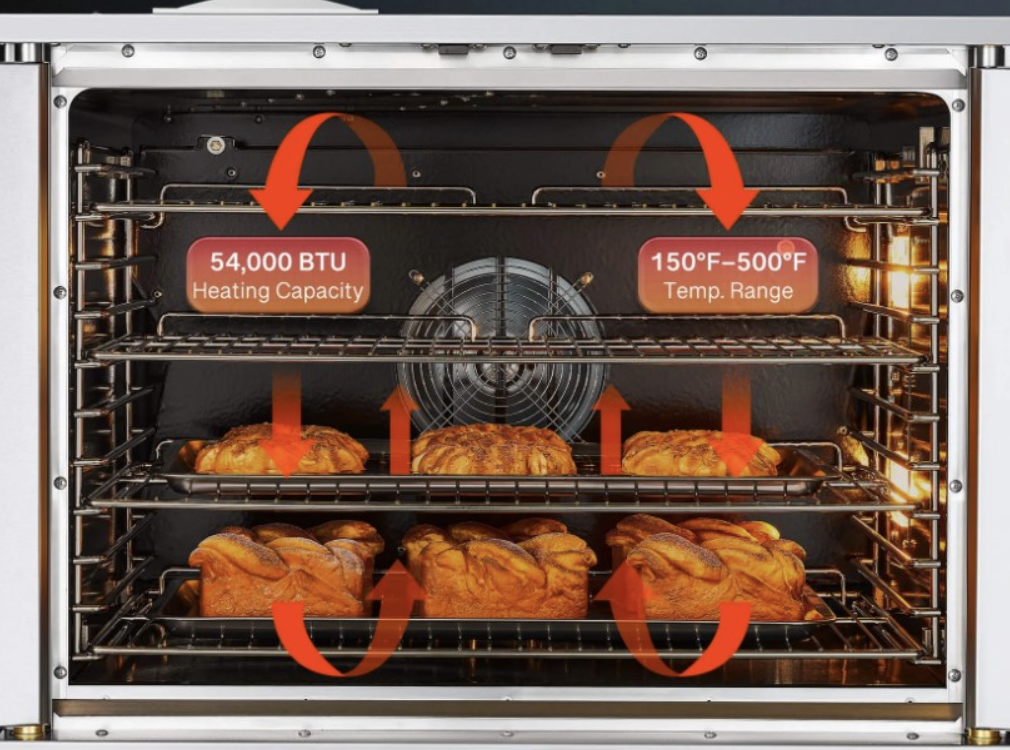
Commercial fan and oven combinations improve the overall efficiency of your kitchen by reducing the number of steps and appliances. For example, the Wilprep Commercial Gas Convection Oven has a 7 cubic foot cooking chamber, a powerful 54,000 BTU heating capacity, and the flexibility of multiple settings and speeds. This device is designed to help chefs complete cooking tasks faster.
Easy to clean and maintain

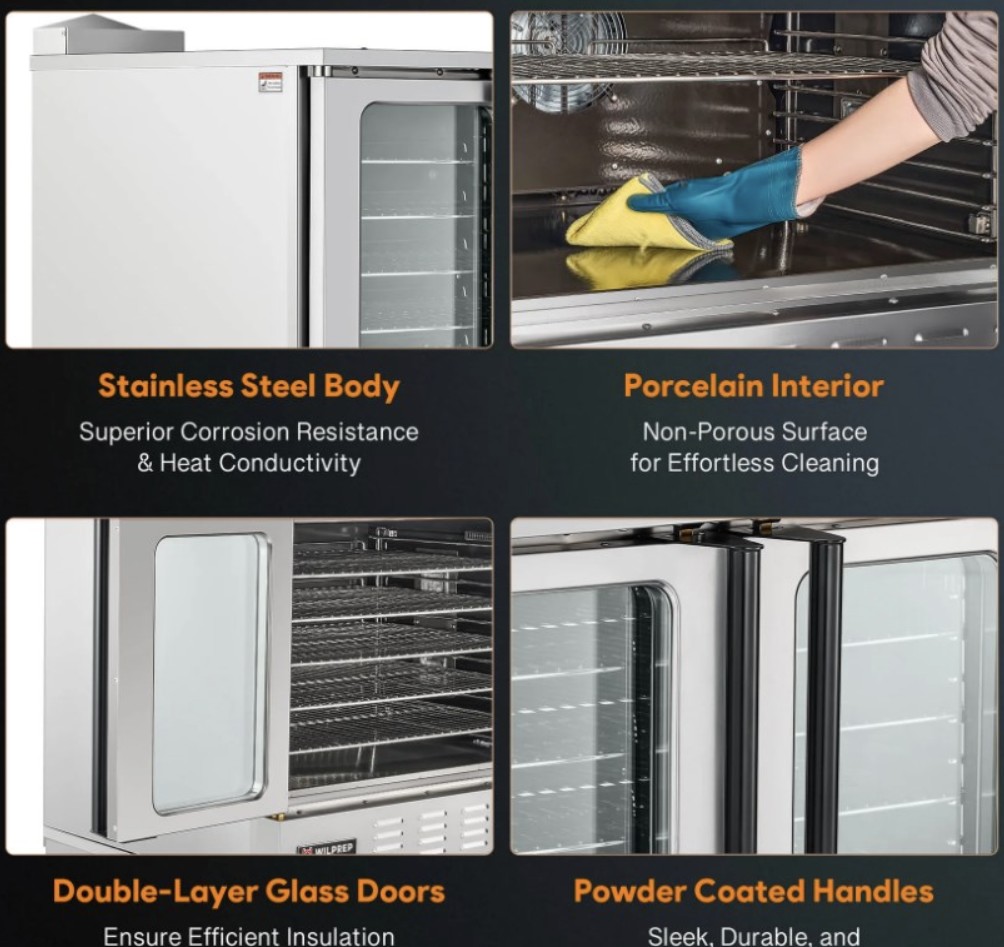
Many commercial grill and oven combos are made with materials and designs that are easy to clean. For example, ceramic inner walls and stainless steel outer walls are porous and easy to clean, while also being durable and corrosion-resistant. This design reduces the time spent cleaning and maintaining the equipment, which in turn reduces operating costs.
Improve the quality of your cooking

Since combined units can perform multiple cooking methods simultaneously, food is cooked faster and more evenly. This not only speeds up food delivery, but also ensures consistency in food quality, helping restaurants stay ahead of the curve in a competitive market.

3. How to Choose the Right Combination Equipment for Your Fryer and Oven

Consider the following factors when choosing a fryer and oven combination:

Kitchen Space

Start by assessing the space available in your kitchen. Combination appliances can save space, but appliance placement in a small kitchen must be carefully planned to ensure ease of use and safety.

Kitchen Requirements

Choose the right equipment based on your restaurant’s menu and cooking needs. If your restaurant needs to cook and fry ingredients frequently and quickly, a high-heat, high-flow grill is the ideal device.

Budget

Equipment costs are also important. While the initial investment cost of a commercial griddle and oven combination may be higher, its versatility and improved efficiency can save your restaurant money in the long run.

Brand and After-Sales Service

Choosing a reliable brand and having quality after-sales service are also important factors.

4. Summary

Choosing the right combination of commercial cookware and oven equipment will not only improve the efficiency of your kitchen operations but will also add significant value to your restaurant in the long run. Before making a purchasing decision, carefully consider your kitchen needs and budget and select the equipment that best suits your restaurant’s requirements. By investing in the right equipment, you can improve the quality of your food, optimize your kitchen operations, add value to your restaurant and stay one step ahead of the competition.
EXPERT ROOF MAINTENANCE SERVICES FOR OPTIMAL HOME PROTECTION

Maintaining a roof is crucial for the safety and longevity of any building. Regular inspections can help spot potential problems before they become costly repairs. Keeping your roof in good condition also protects against weather and environmental damage.

Ignoring roof maintenance can lead to leaks and other serious issues. In this guide, we will discuss expert roof maintenance services for optimal home protection.

COMPREHENSIVE ROOF CLEANING

Keeping your roof clean is an important part of prolonging roof life. Dirt, moss, and algae can build up over time, causing wear and tear. Regular cleaning helps prevent damage and keeps your roof looking nice.

Professional roof cleaning services remove debris and growth that can harm your roof. They use special tools and cleaners to get the job done safely. By doing this, they help prolong roof life and save you money.

GUTTER MAINTENANCE AND REPAIR

Gutters are essential for directing water away from your home. This helps prevent water damage to the roof, walls, and foundation. Regular maintenance ensures your gutters work properly and last longer.

Professional roofing company offers expert gutter maintenance and repair services. They clean out debris and fix any issues to keep your gutters in top shape. By taking care of your gutters, you can avoid costly water damage repairs in the future.

ADDRESSING ROOF LEAKS PROMPTLY

Addressing roof leaks promptly is crucial for maintaining a safe home. Ignoring small leaks can lead to bigger issues like mold growth and structural damage. Professional roof upkeep helps identify and repair leaks early, saving you money in the long run.

Quick action prevents water damage to ceilings and walls. Always have a professional inspect your roof after severe weather. Regular check-ups ensure your roof stays in good condition and protects your home efficiently.

PAINTING AND SEALING YOUR ROOF

Painting and sealing your roof is a great way to protect it from weather damage. This helps prevent wear and tear, as well as adds an extra layer of protection against the elements.

Professional roofing experts know which paints and sealants are best for different types of roofs. They can also properly prepare the surface before applying the products. This ensures a long-lasting finish that will help extend the life of your roof.

CHOOSING THE RIGHT ROOFING PROFESSIONAL

Choosing the right roofing professional is important for your home’s safety. You can consider this roofing company Eau Claire, they have skilled workers who know how to fix roofs properly and use good materials.

By hiring a reputable roofing company, you can have peace of mind that your roof is in good hands. Regular maintenance and repairs will help extend the life of your roof and save you money on potentially costly repairs.

THE IMPORTANCE OF ROOF MAINTENANCE SERVICES

Regular roof maintenance services are essential for a safe home. They help prevent costly repairs by catching issues early. This keeps your roof in top condition year-round.

Ignoring roof maintenance can lead to severe damage. Leaks and structural issues can become expensive to fix. Regular check-ups save you money in the long run.

Professional roofers use high-quality materials and tools. They know how to clean and repair your roof safely. Trust experts to maintain and extend the life of your roof.

Want to read some more informative articles like this one? Poke around on the rest of our blog to see what interests you.

DIY ROOF REPAIRS VS. PROFESSIONAL ROOF SERVICES: WHAT YOU SHOULD KNOW

Have you ever noticed a leak in your roof and wondered whether to fix it yourself or call in the experts?

Many homeowners face this dilemma. DIY roof repairs can save you money, but they may also lead to bigger problems if not done correctly. On the other hand, professional roof services can ensure the job is done right.

In this article, we’ll explore the pros and cons of each option, helping you make an informed choice for your home.

SKILL AND EXPERIENCE

When it comes to roof repairs, skill and experience play a vital role. A skilled individual knows how to correctly identify issues and implement effective solutions. Proper training allows for safer and more efficient repairs.

Professional roofers have extensive experience in handling various roofing problems and roof maintenance. This experience can lead to a more reliable and long-lasting repair.

SAFETY

Safety is a major concern when considering roof repairs. Working on a roof can be dangerous due to heights and unstable surfaces. A fall can cause serious injury, so it is important to take precautions.

Professional roofers are trained to follow safety protocols. They have the right equipment to protect themselves while completing the job.

COST

Cost is an essential factor when deciding between DIY roof repairs and hiring a professional service. DIY repairs may appear cheaper at first, as you only pay for materials. However, mistakes in repairs could lead to more expenses down the line.

Professional roof services may come with a higher upfront cost, but they provide a guarantee on their work. This can save you money in the long run by preventing future issues.

TIME AND EFFORT

DIY roof repairs require a significant investment of time and effort. Homeowners need to gather materials, learn repair techniques, and physically perform the work. This process can be time-consuming and may disrupt daily routines.

Hiring a professional roof service can save time. Experts can complete repairs more quickly due to their training and experience. If you find yourself overwhelmed by the amount of time and effort required, you should go to this website to connect with experienced professionals.

WARRANTY AND INSURANCE

A warranty is an important aspect to consider when choosing between DIY repairs and professional services. Many professional roofing companies offer warranties on their work, which guarantees that repairs will be fixed if issues arise within a specified time. This offers peace of mind to homeowners and protects their investment.

Insurance is another vital consideration. Professional roofers typically carry liability insurance, which protects homeowners from potential damages that may occur during the repair process.

CHOOSE DIY ROOF REPAIRS FOR SAVINGS OR PROFESSIONAL ROOF SERVICES FOR PEACE OF MIND

When deciding between DIY roof repairs vs. professional roof services, think carefully. DIY repairs can save money but may not be the best choice for everyone. If you have the skills and feel confident, you might save some cash.

However, if safety, time, and peace of mind are important to you, hiring a professional could be the better option. Ultimately, weigh your abilities and the potential risks to make the right choice when choosing roof repair methods.

Did you find the information in this article helpful? If so, be sure to check out our blog for more valuable resources.

8 SIGNS YOUR BUSINESS OFFICE BUILDING NEEDS MAINTENANCE AND RENOVATION

Running a business is no small feat. This is especially true when you’re also responsible for the condition of your office building.

A neglected workspace can dampen productivity and even pose safety risks. Not only that, but an outdated business office might not leave the best impression on clients or prospective employees.

So if you’re unsure whether your building needs some TLC, read on. Here are eight telltale signs that it’s time to consider maintenance and renovation:

1. VISIBLE STRUCTURAL DAMAGE

Structural damage is a glaring sign that your office building needs attention. Cracks in walls, ceilings, or foundations can indicate serious underlying issues. If left unaddressed, it could lead to costly repairs or even compromise the building’s safety.

It’s crucial to act promptly. Repairing minor cracks can prevent them from developing into major problems.

Regular inspections by a structural engineer can also help identify issues early. They can recommend necessary repairs. They ensure that your building remains safe and secure for everyone inside.

For example, if you notice cracks in the walls of your office building, don’t ignore them. Contact a professional to assess the situation and make necessary repairs before they worsen.

2. INEFFICIENT HVAC SYSTEM

The HVAC system is crucial in maintaining a comfortable and healthy working environment. You have to know if your office building’s heating, ventilation, and air conditioning system is outdated.

You should also observe if it’s not functioning properly. If you notice it too late, it could lead to several problems.

Firstly, an inefficient HVAC system can result in high energy bills. It consumes more power to regulate the temperature. This can add up over time and affect your business’s bottom line.

Poor air quality due to a malfunctioning system can have adverse effects on employees’ health. They can experience allergies, headaches, or respiratory problems. This can lead to more sick days and lower productivity.

Consider hiring professionals like ProService to regularly inspect and maintain the system. They can also advise on upgrading to a more energy-efficient model. This can save you money in the long run.

3. LOW WATER PRESSURE

Low water pressure may seem like a minor inconvenience, However, it can be a sign of larger plumbing issues. It might indicate clogged pipes, leaks, or corroded plumbing fixtures that need replacement.

Addressing water pressure problems promptly is important. It helps maintain hygiene standards and ensure a functional workspace.

Regular plumbing maintenance can help prevent these issues. It saves you from unexpected costs and potential water damage down the road.

Consider hiring a professional plumber to assess the situation. They can make the necessary repairs or upgrades. This ensures your office building’s plumbing system is in top shape.

4. OUTDATED SAFETY FEATURES

The safety of your employees and clients should be a top priority. If your office building has outdated safety features, it’s time for an update.

For example, fire extinguishers and smoke detectors should be regularly checked and replaced if necessary. Emergency exits should also be marked and well-maintained.

Consider hiring a professional safety inspector to assess the current state of your building’s safety features. They can recommend necessary updates. They can also advise about replacements to ensure compliance with safety regulations.

5. DAMAGED FLOORING

Damaged flooring is not just an eyesore. It can also pose safety hazards like trips and falls. It’s important to address any noticeable damage, such as cracks, holes, or loose tiles.

Regularly cleaning and maintaining the flooring can help prevent further damage. However, if the damage is extensive, it might be time for a renovation. Consider upgrading to more durable and low-maintenance options like vinyl or laminate flooring.

For example, if the carpet in your office building is showing signs of wear and tear, it’s best to replace it with a more durable option. This not only improves the appearance of your workspace. It also ensures the safety of those inside.

6. POOR LIGHTING QUALITY

Lighting plays a crucial role in productivity, mood, and overall office ambiance. If your office building’s lighting is inadequate or outdated, it can negatively impact employees’ well-being and work performance.

Consider upgrading to energy-efficient LED lights. They can improve the overall lighting quality and save on energy costs. Regularly cleaning and maintaining light fixtures can also help prolong their lifespan.

Additionally, consider adding natural light sources such as windows or skylights. It can greatly improve the atmosphere of your workspace and promote a healthier indoor environment.

7. FREQUENT PEST ISSUES

Pest infestations are not only unpleasant. They can also damage your property and harm employee health. If you notice an increase in pests like rodents, insects, or birds, it’s time to address the issue head-on.

Pests can cause structural damage and they can contaminate food. They can spread disease. So it’s important to tackle the problem promptly.

Implementing regular pest control measures can help prevent infestations. They can help maintain a clean and healthy work environment.

So work with a professional pest control service. They can develop a comprehensive plan that keeps pests at bay.

For example, if you notice an increase in rodents in your office building, contact a pest control service as soon as possible. They can identify the root cause of the problem and implement effective solutions to eliminate it.

8. DECLINING CURB APPEAL

Your office building’s exterior is the first impression that clients and potential employees get. If it’s outdated, dirty or in disrepair, it can reflect poorly on your business.

Consider investing in regular maintenance and updates to improve the curb appeal of your building. This includes cleaning windows, repainting or repairing the facade, and landscaping.

Not only does this improve the overall appearance of your office building, but it also shows that you care about its upkeep. This can leave a positive impression on visitors and help attract top talent for your company.

For example, adding greenery or outdoor seating areas can greatly enhance the curb appeal of your building. It can create a more inviting atmosphere.

A BUSINESS OFFICE REPRESENTS YOUR BRAND

Your business office building is not just a physical space where work gets done. It’s also a representation of your brand and company culture.

A well-maintained and modern office can leave a lasting impression on clients and employees. It shows that you care about providing a positive and functional workspace.

So don’t neglect the condition of your office building. Regular maintenance and necessary updates can not only improve the safety and productivity of your workplace. It also boosts your company’s image and success.

Was this article helpful? If so, check out the rest of our site for more.

APARTMENT VS. HOUSE: PROS AND CONS FOR FIRST-TIME HOMEBUYERS

Choosing between an apartment and a house is a significant decision for first-time homebuyers. Each option has its unique advantages and challenges, making it crucial to weigh the pros and cons carefully. Your choice will impact not only your finances but also your lifestyle and long-term satisfaction. Apartments may offer lower maintenance and proximity to urban amenities, while houses provide more space and potential for customization. Understanding these differences can help you make an informed decision that aligns with your needs and future goals. Learn about the key factors to consider, ensuring that your first home purchase is a well-thought-out and successful step towards homeownership.

COST CONSIDERATIONS FOR FIRST-TIME HOMEBUYERS

When deciding between an apartment and a house, understanding the initial costs is vital. Typically, houses require a higher down payment compared to apartments. Closing costs, which include fees for inspections, appraisals, and legal services, also tend to be higher for houses due to the larger loan amounts involved. First-time homebuyers should budget for these upfront expenses, as they can significantly impact the affordability of your new home.

Houses generally have higher mortgage payments because of their larger size and higher value. Utilities, such as electricity, water, and heating, can also be more costly in a house due to the increased space. Additionally, houses require more maintenance, including lawn care, repairs, and possible homeowner association (HOA) fees. In contrast, apartments often include some utilities in the rent or HOA fees, and the building management usually handles maintenance. These factors should be considered when budgeting for your new home.

SPACE AND LIFESTYLE

The space available in an apartment versus a house can greatly influence your decision. Houses generally offer more living areas and storage options, including garages, basements, and attics. Apartments, on the other hand, might have limited space, which can be a challenge for those with a lot of belongings or a growing family. Consider how much space you need for comfortable living. Transform your living space with a stylish fireplace, adding warmth and a touch of elegance.

LIFESTYLE NEEDS: FAMILY SIZE, PETS, AND HOBBIES

Your lifestyle needs play a crucial role in choosing between an apartment and a house. Here are some factors to consider:

  • Family Size: Larger families may find houses more accommodating due to extra bedrooms and play areas.
  • Pets: Houses often come with yards, providing ample space for pets to roam. Apartments may have restrictions on pet size and breed.
  • Hobbies: If you enjoy gardening, hosting large gatherings, or need a workshop, a house offers more opportunities to pursue these interests.

MAINTENANCE AND RESPONSIBILITIES

Maintenance and responsibilities differ significantly between apartments and houses. Apartments typically have lower maintenance requirements, with tasks like repairs, landscaping, and exterior upkeep managed by building management. This setup can save time and effort, especially for busy individuals or those who prefer a hassle-free living environment. In contrast, homeowners are responsible for all maintenance tasks, including landscaping, repairs, and renovations. Owning a house means you’ll need to handle lawn care, fix plumbing issues, and possibly undertake larger projects like roof repairs or kitchen remodels. While this allows for more customization and the freedom to transform your home with cozy fall DIY décor, it also demands a greater time and financial commitment. Understanding these responsibilities is crucial for first-time homebuyers when deciding which type of property suits their lifestyle and capabilities.

LOCATION AND AMENITIES

When deciding between an apartment and a house, consider the location and available amenities. Apartments often offer proximity to work, schools, and essential services, making daily commutes and errands more convenient. They are typically situated in urban areas where you can easily access public transportation, restaurants, and shopping centers. This is also helpful when moving in, as specialized apartment movers can help you settle into your new urban lifestyle more easily and seamlessly.

Apartments often have shared amenities like parks, pools, gyms, and security services. These features enhance your living experience by providing recreational options and ensuring safety. On the other hand, houses, especially those in suburban areas, might lack some of these amenities but offer more private outdoor space and the potential for personal customization. Weighing the importance of these factors will help you choose the best living environment for your needs.

LONG-TERM INVESTMENT POTENTIAL

When considering long-term investment potential, it’s essential to evaluate property value appreciation and future plans. Houses generally appreciate more in value over time compared to apartments, making them a potentially better investment for first-time homebuyers seeking equity growth.

Flexibility and future plans are crucial in your decision-making process:

  • Reselling: Houses typically have a higher resale value, offering financial benefits if you decide to move in the future.
  • Renting Out: Owning a house provides opportunities for rental income, especially if the property includes separate living units or additional space.
  • Home Improvement: Houses offer the freedom to undertake home improvement projects to create a productive and inspiring study space, which can add value and personalize your living environment.

Apartments, while stable with lower maintenance costs, might not appreciate as much as houses. These factors will help you determine the best option for your long-term financial goals and lifestyle needs. Making the right choice now can lead to significant benefits in the future.

MOVING IN

Once you have made your choice, make sure you get the right help with the relocation process. If your new home is in DC, ask around for the best local assistance, and you might run into some of the 2400 happy clients of A2B Moving and Storage DC. These top-notch pros can assist with a smooth transition to your new place with expert furniture wrapping, floor protection, and their SmartPack® system that typically reduces the amount of paper, plastic, and cardboard products by 80%. This simultaneously saves money and labor expenses while considerably reducing the carbon footprint.

MAKING THE RIGHT CHOICE FOR YOU

Choosing between an apartment and a house is a significant decision for first-time homebuyers. Apartments offer lower initial costs, less maintenance, and proximity to urban amenities, making them ideal for those seeking convenience and a simpler lifestyle. Houses, on the other hand, provide more space and potentially higher long-term value appreciation, suiting those who prioritize space and investment potential. When making your choice, consider your personal priorities and long-term goals. Whether you opt for the convenience of an apartment or the spaciousness of a house, the right choice will support your lifestyle and financial aspirations.

THE HIDDEN POWER OF PLUMBING IN HOME IMPROVEMENT

Have you ever considered how much plumbing influences your daily life at home, especially in the kitchen? While often overlooked, plumbing is the unsung hero of home improvement. Let’s explore how this essential element can revolutionize your space and enhance your daily life.

SINKS AND FAUCETS

Picture yourself preparing an elaborate meal, juggling multiple tasks at once. Now, imagine doing all this with a tiny, shallow sink and a weak faucet. Frustrating, right? This is where smart plumbing choices come to the rescue.

A deep, double-basin sink can be a game-changer in your kitchen. It allows you to separate clean and dirty dishes, soak large pots, and prep vegetables without feeling cramped. Pair this with a high-arc, pull-down faucet, and you’ve got yourself a mini culinary workspace. These faucets offer excellent maneuverability, making it easy to fill tall pots or clean every corner of your sink.

For those who love to cook, consider adding a pot filler. This nifty faucet is installed directly above your stove, allowing you to fill large pots without the hassle of carrying them from the sink. It’s a small addition that can make a big difference in your cooking routine.

DISHWASHERS AND GARBAGE DISPOSALS

A well-installed dishwasher with proper plumbing can be a lifesaver. Modern dishwashers are not only more efficient in cleaning but also in water usage. By ensuring correct installation and optimal water pressure, you can significantly reduce your water bills while keeping your dishes sparkling clean.

Similarly, a properly installed and maintained garbage disposal can prevent clogs, eliminate odors, and make cleanup a breeze. It’s an excellent example of how good plumbing can contribute to both functionality and hygiene in your kitchen.

ENHANCING WATER QUALITY AND CONVENIENCE

Water filtration is another area where plumbing shines in kitchen improvement. Installing an under-sink water filtration system can provide you with clean, great-tasting water right from your tap. This not only improves the quality of your drinking water but also enhances the flavor of your cooking.

For those living in colder climates, consider the benefits of installing hot water recirculation systems. These systems ensure that hot water is instantly available at your taps, eliminating the wait for warm water and reducing water waste.

PLUMBING AS A STYLE STATEMENT

Modern faucets, sinks, and even exposed pipes can serve as striking design elements in your kitchen. Copper pipes, for instance, can add a warm, industrial touch to a contemporary kitchen. Similarly, a statement faucet in a bold finish can become the focal point of your sink area.

SECONDARY SINKS

For those who love entertaining, consider adding a bar sink to your kitchen island or a separate beverage station. This secondary sink can be a hub for mixing drinks, filling water glasses, or simply washing hands without interfering with the main cooking area. It’s a luxury that once you have, you’ll wonder how you ever lived without it.

PROTECTION AND PEACE OF MIND

Proper plumbing also plays a crucial role in preventing water damage – a homeowner’s nightmare. Well-installed pipes, water-tight seals, and quality fixtures can safeguard your kitchen from leaks and water-related disasters. This not only protects your investment but also gives you peace of mind.

FUTURE-PROOFING YOUR KITCHEN

As you plan your plumbing improvements, think about potential future needs. Maybe you’ll want to add a coffee station or a second dishwasher down the line. Planning your plumbing with these possibilities in mind can save you time and money in the long run.

THE TAKEAWAY

The next time you’re considering a kitchen renovation, don’t underestimate the power of good plumbing. From enhancing functionality and efficiency to adding aesthetic value, plumbing improvements can truly transform your kitchen into the heart of your home.

Remember, while some plumbing projects can be DIY-friendly, many require professional expertise. Always consult with a licensed plumber for complex installations or modifications.

What’s the one plumbing feature you’ve always wished you had in your kitchen? Perhaps it’s time to make that wish a reality and experience firsthand how plumbing can indeed work wonders in your home improvement journey. Do share your valuable experiences with us.

THE TRANSFORMATIVE IMPACT OF CUSTOM CURTAINS AND DRAPES ON YOUR HOME

When we think of home improvement, our minds often jump to major renovations—upgrading the kitchen, remodeling the bathroom, or perhaps installing new flooring. But sometimes, the most impactful changes come from the simplest adjustments. Take custom curtains and drapes, for example. These aren’t just pieces of fabric to cover your windows; they are vital elements that can transform your living space in ways you might not have imagined.

In this article, we’ll explore why custom curtains and drapes deserve a spot on your home improvement list, delving into their practical benefits and aesthetic impact.

THE PRACTICAL BENEFITS OF CUSTOM CURTAINS AND DRAPES

Custom curtains and drapes are more than just window coverings—they offer several practical advantages that can make your home more comfortable and energy-efficient.

1. LIGHT CONTROL AND PRIVACY

One of the primary reasons people invest in curtains and drapes is for light control. Whether you’re trying to create a cozy atmosphere in the living room or darken a bedroom for better sleep, the right window treatments can make all the difference. Custom options allow you to choose exactly how much light you want to let in. From sheer fabrics that gently filter sunlight to blackout curtains that block it out completely, the choice is yours.

Privacy is another major factor. With custom curtains, you can select the fabric and lining that best suits your needs. For rooms like bathrooms and bedrooms, where privacy is paramount, heavier, opaque drapes can provide the necessary coverage. In living areas, where you might want a balance of light and privacy, layered treatments with sheers underneath can offer the best of both worlds.

2. TEMPERATURE REGULATION AND ENERGY EFFICIENCY

Custom curtains and drapes do more than just look good—they can actually help you save on energy costs. In the summer, thick, insulated drapes can block out the sun’s heat, keeping your home cooler and reducing the need for air conditioning. In winter, those same drapes can help retain heat, keeping the cold out and the warmth in. This makes your home more comfortable year-round and can lead to noticeable savings on your energy bills.

By choosing high-quality, custom-made curtains, you’re also making a long-term investment in your home’s energy efficiency. These window treatments can significantly reduce the strain on your HVAC system, contributing to a greener, more cost-effective household.

3. NOISE REDUCTION

Living in a noisy neighborhood or near a busy street can be challenging, especially when you’re trying to relax at home. Custom drapes can help with that, too. Heavy, lined curtains are excellent at absorbing sound, reducing the amount of noise that enters your home from the outside. This is particularly beneficial in rooms where you want peace and quiet, like bedrooms or home offices.

Even inside the house, these curtains can improve acoustics by minimizing echoes, creating a more pleasant environment for watching movies, listening to music, or simply having a conversation.

THE AESTHETIC IMPACT OF CUSTOM CURTAINS AND DRAPES

Beyond their functional benefits, custom curtains and drapes are powerful tools in interior design. They have the ability to change the entire look and feel of a room, making them an essential consideration for any home improvement project.

1. PERSONALIZATION AND STYLE

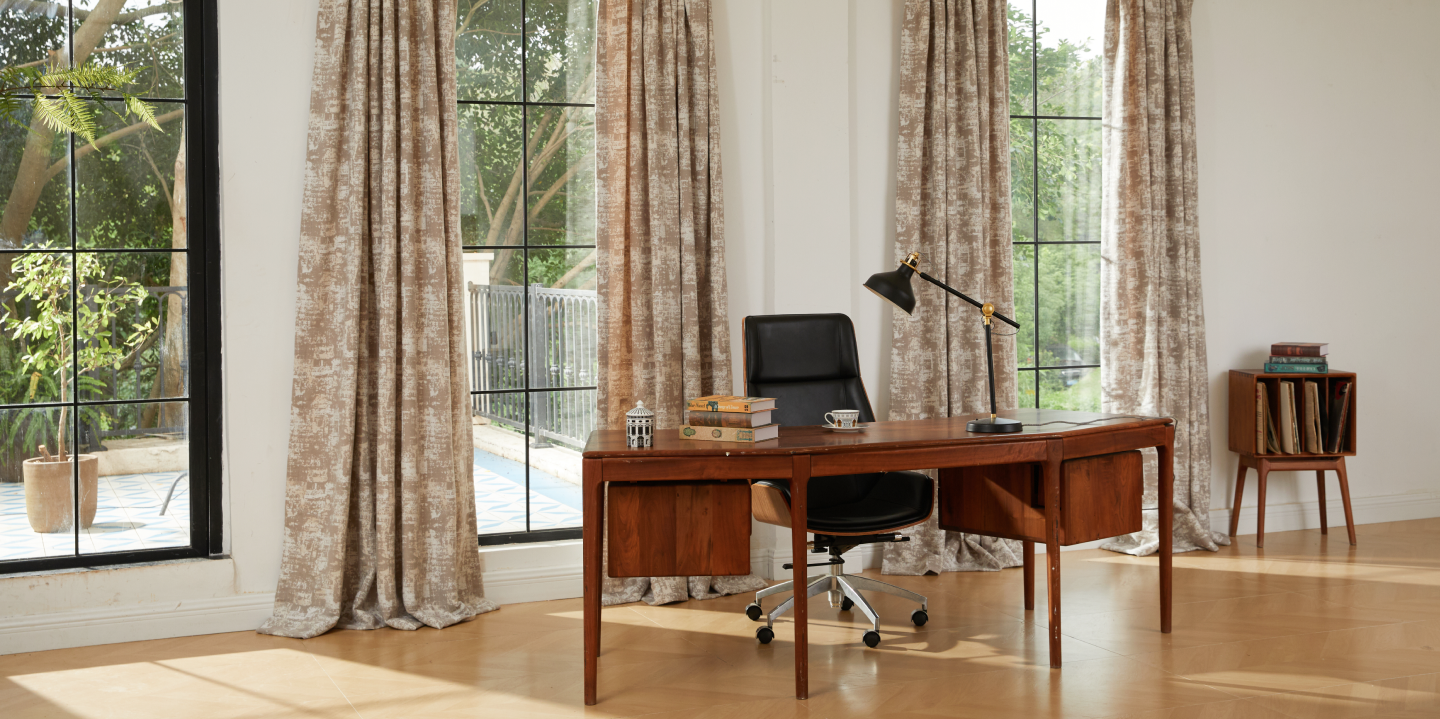
One of the greatest advantages of opting for custom curtains and drapes is the ability to personalize them to your exact taste. Unlike store-bought options, which come in limited colors and sizes, custom drapes allow you to choose every detail—from the fabric and color to the length and style. This means you can create a look that perfectly complements your home’s décor and reflects your personal style.

For instance, if you have a modern, minimalist home, you might opt for sleek, simple drapes in a neutral color. On the other hand, if your style is more traditional, you might choose rich, textured fabrics in warm tones, complete with decorative trims. The possibilities are endless, and the result is a window treatment that feels uniquely yours.

2. CREATING FOCAL POINTS

Curtains and drapes have the ability to create stunning focal points in a room. A bold color or an intricate pattern can draw the eye and add a layer of visual interest to your space. Conversely, soft, neutral tones can create a calming backdrop that lets other design elements, like furniture or artwork, take center stage.

How you hang your drapes can also influence the room’s overall aesthetic. For example, drapes hung from ceiling to floor can make a room appear taller, while extending them beyond the window frame can make windows look larger and more prominent. These design tricks can enhance the architectural features of your home and create a more polished, cohesive look.

3. COORDINATING WITH OTHER HOME IMPROVEMENTS

Custom curtains and drapes are not standalone pieces; they are integral to the overall design of a room. When paired thoughtfully with other home improvements, they can bring your entire space together. For example, if you’ve recently updated your plumbing fixtures to a sleek, modern style, coordinating your window treatments in a similar style can help tie the room together.

Custom curtains can also complement other textiles in the room, such as rugs, cushions, and upholstered furniture, creating a harmonious and well-designed space. The key is in the details, and custom drapes give you the opportunity to get those details just right.

THE VALUE OF QUALITY IN CUSTOM CURTAINS AND DRAPES

When it comes to custom curtains and drapes, quality is paramount. High-quality fabrics and craftsmanship not only look better but also last longer. They are less likely to fade, wear out, or lose their shape over time, making them a worthwhile investment.

Quality drapes provide better light control, insulation, and noise reduction, enhancing the comfort and functionality of your home. Plus, they maintain their beauty and elegance, ensuring that your home continues to look its best for years to come.

CONCLUSION

Custom curtains and drapes are more than just an accessory—they are a crucial element in creating a comfortable, stylish, and efficient home. From controlling light and temperature to enhancing privacy and noise reduction, their benefits go far beyond aesthetics. And when it comes to style, the ability to customize every detail means you can create a look that is truly your own.

Whether you’re planning a major home renovation or simply looking to refresh a room, don’t overlook the transformative power of custom curtains and drapes. They are a small change that can make a big difference, turning any house into a home that is both beautiful and functional.

HOW DOES PLUMBING WORK IN AN APARTMENT BUILDING?

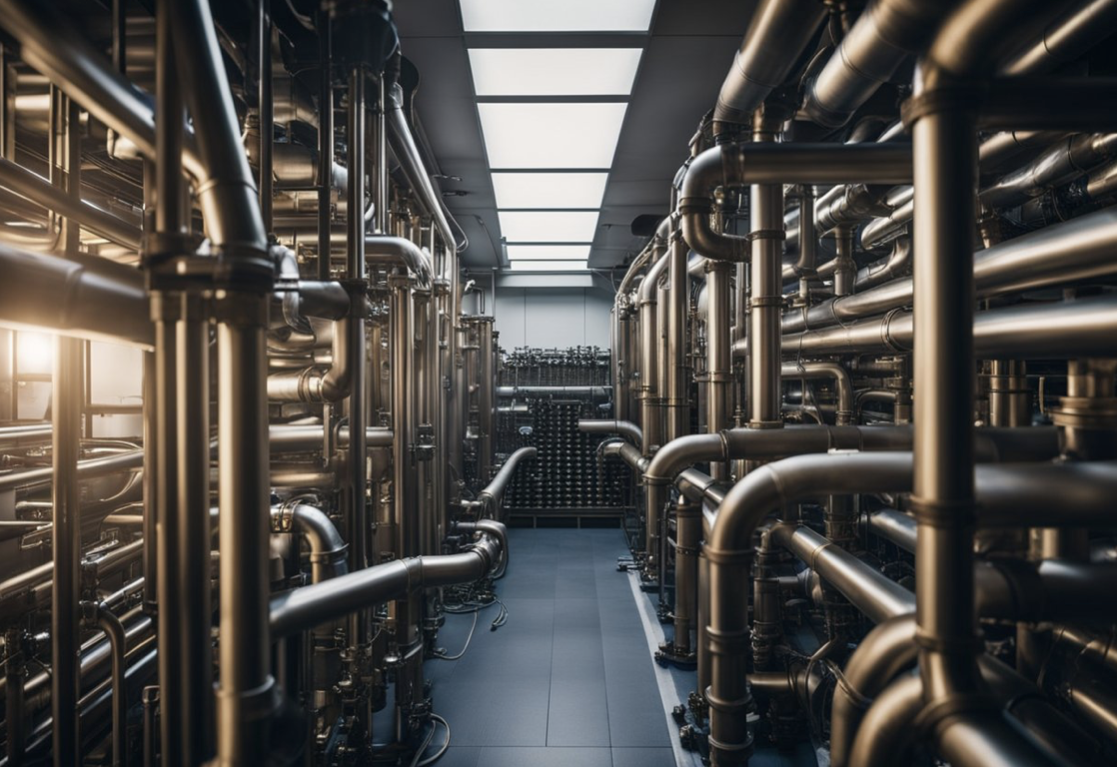
In apartment buildings, plumbing systems are designed to efficiently manage the supply and removal of water across multiple units. These systems generally consist of two main parts: the water supply lines and the drainage systems. The water supply lines bring fresh water to each apartment, while the drainage systems safely remove wastewater.

Each apartment has its own network of pipes connected to the main building’s plumbing structure. These pipes ensure that residents have access to hot and cold water, and that waste is carried away without issues. Maintaining proper pressure and flow rate is crucial for the system to work effectively.

Basic Plumbing Design in Apartment Buildings

Basic plumbing in an apartment building includes a water supply system for delivering clean water, a drainage system for removing waste, and a ventilation system for maintaining air flow and preventing odors. Each system is crucial for ensuring the building operates smoothly and hygienically.

Water Supply System

The water supply system in apartment buildings usually begins with a main water line that connects to a municipal water source. This pipe distributes water to various floors and units through a network of smaller pipes. Materials used for these pipes often include PVC, copper, or PEX due to their durability and reliability.

Water pressure is maintained using booster pumps, especially in high-rise buildings. These pumps ensure that water reaches even the top floors.

Drainage System

The drainage system removes wastewater from apartments through a series of drain pipes and sewer lines. These pipes are usually made from cast iron, PVC, or ABS. They are designed to handle both liquid and solid waste.

Each apartment unit typically has numerous drains, including sinks, toilets, and showers. These connect to larger vertical pipes known as stacks. The stacks merge into the main sewer line that leads wastewater out of the building to a treatment facility.

Ventilation System

The ventilation system in the plumbing framework is vital for maintaining proper air pressure and preventing odors. This system includes vent pipes, also known as vent stacks, which allow air to flow through the drainage pipes.

These vent pipes expel gasses from the drainage system out to the roof, preventing them from accumulating within the building. Proper ventilation also ensures that flushing fixtures like toilets function correctly by maintaining air flow and preventing vacuum situations.

Each fixture typically has an attached vent pipe that connects to a larger stack vent or a central venting shaft.

Materials and Composition

What the structure is made of in apartment plumbing systems greatly influence the durability and performance of the system. Steel standards also play a critical role in ensuring reliability and safety.

Piping Materials

Common piping materials include PVC, CPVC, PEX, and copper. Each type has its unique benefits and limitations.

  • PVC (Polyvinyl Chloride): Lightweight and easy to install, suitable for cold water supply.
  • CPVC (Chlorinated Polyvinyl Chloride): Can handle higher temperatures, often used for hot water lines.
  • PEX (Cross-linked Polyethylene): Flexible, resistant to scaling and chlorine, often used in modern installations.
  • Copper: Long-lasting and highly durable, resistant to bacteria and corrosion.

Copper pipes are popular in older buildings but have been largely replaced by PEX in newer constructions.

US Steel Building Standards

The US Steel Building Standards ensure the structural integrity and safety of buildings. These standards influence the selection of materials and installation methods.

  • ASTM Standards: Defined by the American Society for Testing and Materials, these regulations cover the quality and performance of steel used in plumbing systems.
  • American Iron and Steel Institute (AISI): Provides guidelines for the chemical composition and mechanical properties of stainless steel used in plumbing.

Compliance with these standards is essential for preventing issues like rust and leaks. Buildings adhering to these standards generally experience fewer maintenance problems and longer-lasting plumbing systems.

Maintenance and Repairs

Plumbing maintenance and repairs in an apartment building ensure the system’s efficiency and longevity. Regular inspections help identify potential issues, while knowledge of common plumbing problems is essential.

Regular Inspections

Routine plumbing inspections are vital for preventing serious issues. Building managers should schedule monthly checks for leaks, water pressure, and corrosion. Inspectors must examine pipes, fixtures, and water heaters. Identifying wear and tear early can save time and money. Keeping accurate records ensures that recurring problems are noticed and addressed promptly.

Common Plumbing Issues

Several plumbing problems frequently affect apartment buildings. Clogged drains, leaky pipes, and malfunctioning water heaters are among the most common.

  • Clogged Drains can result from hair, grease, or debris. Regular cleaning and using drain protectors can minimize this issue.
  • Leaky Pipes may stem from corrosion or loose connections. Timely repair prevents water damage and mold growth.
  • Water Heater Issues often involve sediment build-up or faulty thermostats. Regular maintenance prolongs the heater’s lifespan and ensures efficient operation.

Rapid response and professional repairs are crucial to maintaining a healthy plumbing system.

WHAT YOU NEED AT HOME WHEN OWNING A PET

Bringing a new pet home can be very exciting. It’s important to have everything you need to make your home suitable for your new pet so that adjusting to the new circumstances for yourself and your pet is as easy and smooth as possible.

Food and Water Supplies

Investing in a high-quality food brand for your new pet is a crucial step. This guarantees they receive the necessary nutrients, promoting their health and well-being. Equally important is providing access to fresh water all day. Consider investing in a water dispenser that can hold large amounts of water. Opt for a stainless steel water and food bowl, as plastic can harbor bacteria that can make your pet sick.

Prepare Other Pets and Children

When bringing a new pet home, it’s not just about the new addition. Consider the adjustment for your existing pets as well. Plan how you will set up a safe space for the pets to meet each other. For instance, it’s recommended to separate cats initially to allow them to get used to each other’s smell before a face-to-face meeting. Be sure your current pet’s vaccinations are up-to-date to prevent them from getting your new pet sick, especially if it is young and more vulnerable. This thoughtful approach will allow a smooth transition for all pets. You also want to get your children ready for the new pet. Work to discuss what rules need to be in place to make sure your new pet is comfortable. Staying calm and respecting your new pet’s boundaries to adjust to the new space is essential.

Register with a Veterinarian

Having a veterinarian already set up is ideal when bringing a new pet home. This way, should something happen early on, you will know exactly where to take your pet. You can set up your pet’s first appointment immediately to get a health check and set up a schedule for vaccinations. You can also set up an appointment to get your pet spayed or neutered at the right time. The best way to find a veterinarian is to research by reading reviews and asking friends and family which veterinarians they recommend or use themselves.

Safety

Pets, especially young or curious pets, can get into trouble quickly. Be sure that your home is set up to keep your pet safe. Understand what items in your home might be toxic to your pet. For example, certain types of plants can be harmful. It’s best to remove these before bringing your pet home. Research what other items are considered toxic for your pet and get rid of it, or lock it all up. Invest in baby gates to keep your pet out of areas you don’t want them to be in, tie up loose cords, and be sure that all windows and doors can shut securely. Getting your pet microchipped is important should your pet happen to get out of the house or get lost. The same applies to a collar and ID tag with your contact information for quick identification.

Training

Please consider how you want your pet trained. Do you want them to stay off the furniture, for example? Knowing what rules you want to have in place can guarantee that you are setting up training protocol right away so your pet knows expectations immediately. Also, be prepared for toilet training. Cats typically know where to go, so there’s no need for toilet training. Still, be sure that a cat litter is set up clean and fresh, and you can introduce them to it right away so they know where it’s at. With dogs, you will need to set up a strict schedule for using the bathroom. Before and after meals and before going to bed is a good routine for getting your dog to get used to. Remember to invest in high-quality treats to praise your pet for using the bathroom.

Exercise

Consider the exercise your new pet will need. Dogs need plenty of walks typically. Hopefully, you live near trails or a good walking path, so getting your dog outside and on their walks is a simple and easy routine. There are plenty of exercise toys you can invest in, as well. Toys for playing fetch and ropes are ideal for dogs, while feather toys and cat towers are ideal for cats.

Having all of this established and set up before bringing your new pet home is going to set you up for success.

Written by Taylor McKnight, Author for The Pet Hospitals

THE PERFECT FURNITURE TO GO WITH ANY LIVING ROOM THEME

The interior layout of the average home has changed much over the years, but the one room that still remains the most important is the living room. Even in decades past, the parlor or the gathering room was the central place for family and friends to congregate and spend time together. The living room is where families make lasting memories, have important conversations, and celebrate holidays. Typically, the living room welcomes visitors to the home, showcasing your unique personality, and is cozy and comfortable. The furniture and decor should reflect the versatility of this space, which hosts a variety of activities. Some of the best living rooms are ones that follow a particular theme. Perhaps the most famous is Elvis Presley‘s “Jungle Room” at his home, Graceland, but you don’t have to go that elaborate. You might choose a beach house theme, a comfortable English cottage, or any other number of possibilities. Any furniture you choose should match your theme, and you should avoid items in your living room that don’t add comfort and atmosphere.

Furniture selection

The furniture pieces in your living room are the most important. A beautiful sofa is useless if it’s uncomfortable to sit on. You should consider how you plan to use your living room and how much traffic you expect your furniture to see in the coming years. If you have children, you want durable furniture that repels stains and is strong enough to allow them to roll around on chairs that won’t break easily. Here are some tips to keep in mind when choosing your living room furniture:

  • Choose furniture with durable fabric that repels spills and stains, especially if you have pets or children.
  • Furniture should match the room’s overall theme, such as a throwback to a specific decade, a beach or cabin theme, or any other theme.
  • Furniture should be well-made and last several years, as replacing it can be very costly.
  • Furniture should fit in the room and not add to the sensation of clutter.
  • If you have a fireplace, the mantle is usually the focal point, so furniture should fit around it.
  • If your room does not have shelving, consider purchasing standalone shelving to maximize book and item storage.
  • Furniture, ideally, should have multiple uses and even storage space.

Tips for your living room

While your furniture is indeed one of the most important items in the room, there are other things to consider when decorating your living room as well.

  • Avoid prominently displaying your movie collection, as this can result in a chaotic and haphazard arrangement. Store DVDs out of sight.
  • Consider your lighting. If you have white walls, you likely do not need as much lighting as you might need with wood paneling.
  • Be mindful of your wall decorations, as too many can seem too busy and might not go with your theme.
  • Don’t overdo it on the window treatments, and if you go with curtains, make sure they match your overall decoration theme.
  • Organize and declutter your space, and put away anything you no longer need or use.
  • Mirrors can be used to make the room feel larger and create the illusion of more space.
  • Arrange furniture strategically, such as Ottoman boxes, throughout the room to minimize the need for larger pieces. Some of these boxes also include storage space.
  • Use rugs to define different areas within the room and keep dust off the floors.
  • Natural and neutral colors are some of the most versatile, as they pair well with various furniture styles and artwork.

What to avoid

So what should not be in your living room? Avoid anything that detracts from the comfort and appeal of the room, if possible. Some things to avoid include:

  • Pet beds or cages, or pet food bowls
  • Expensive rugs
  • Work-related items
  • Children’s toys not put away

Remember, the living room is the center of the home, the multi-use area where family and friends can gather, children can watch television, and the family celebrates holidays. It should be versatile enough for any activity but also comfortable and visually appealing to encourage people to linger and relax. With the help of an experienced decorator or home designer, you can transform your living room into the ideal space for your friends and family.

Written by Taylor McKnight, Author for Furniture Mart