Moisture inside homes and commercial structures can cause devastating damage. The industry provides an array of techniques through which property owners can prevent water intrusion. Water intrusion or penetration is the unwanted movement of water or water vapor through a building. The core goals of waterproofing are to avoid internal moisture sources and to prevent intrusion through encapsulation and other means.
What Is Waterproofing?
Waterproofing is a trade science that focuses on protecting structures from moisture. The purpose of waterproofing is to keep water out and channel it appropriately. Rainwater is a top concern, but there are many other moisture sources, including humidity, groundwater, and plumbing. Waterproofing is not a singular solution. It involves many techniques and products, and achieving the right waterproofing for a building consists of selecting the various methods that meet its unique needs. A house has different needs than a large commercial building. There are also local factors, such as climate and landscape characteristics.
What Does It Mean to Waterproof Your Property?
Waterproofing a property as opposed to a basement, for instance, refers to a comprehensive and complex process. What it entails will depend on the specific needs of that property. The service begins with an evaluation phase through which the inspector determines all the areas of need. From there, the inspector will provide guidance, and the property owner will explore the various solutions and decide how to proceed. A property owner can waterproof every aspect of a property that needs it all at once. However, that may not be practical from a budgetary standpoint. In that case, the waterproofing company will itemize the areas of need based on risk and potential repair and remediation costs. The customer then has a plan through which they can eventually waterproof their property fully.
Types of Waterproofing
Waterproofing often entails using a sealant. This can include applying a liquid membrane to the foundation and surfaces like driveways and walkways. It involves painting siding, applying caulk between siding and corner boards, and applying stain to decks and fences. There is cement-based waterproofing. Waterproofing specialists will often use these products inside in areas like bathrooms, kitchens, and basements. Polyurethane liquid membranes are an option for sealing flat roofs where asphalt and other shingles are not viable. There are also sheet membranes. A common use of these rolls is in the encapsulation of crawl spaces. Drainage is another approach to waterproofing. This can include gutter systems, foundation drainage, and landscape and hardscape drainage.
Areas to Apply Waterproofing Measures
The key area of focus is the building envelope. In terms of a home, the building envelope refers to the roofing, gutters, siding, windows, doors, insulation, and foundation. If the building envelope is tight and waterproofed, a home should not have moisture problems unless there is a leak or other plumbing issue. Sealing a basement or encapsulating a crawl space is often an integral aspect of protecting the foundation. Homeowners may also need to adjust the landscape and hardscape. This can include grading the yard, installing foundation drainage, and putting in other drainage, including French drains, catch basins, and culverts.
The Importance of Waterproofing Your Property
There are many benefits to waterproofing your property, and chief among them is reduced maintenance and repair costs. Effective and targeted waterproofing will usually save a property owner money over time. It increases property value and may reduce your insurance premiums because of the lower risk of water damage. Waterproofing helps to avoid mold and pests and protects possessions stored on the property. The tighter building envelope will improve comfort, lower heating and cooling costs, and enhance indoor air quality.
Signs a Home May Need Waterproofing
Water ponding in a yard, on hard surfaces, and around a foundation is often a clear sign waterproofing is necessary. Watch for gutters that may have clogs or damage or that are not channeling water appropriately away from the structure. Monitor roofs for water damage, organic growth, sagging rooflines, and shingle damage. Crawl space often requires encapsulation. Basements often require sealing and may need a sump pump. Water damage in the home is a sign as well. Another indication is persistent odors, including mildew smells.
Final Thoughts
The ideal time to waterproof a home initially is during construction, but homeowners can fully waterproof a home after the fact as well. It is also important to note that waterproofing a home is an ongoing process. Sealants will wear down over the years and need replacing. Properties also require routine maintenance, such as landscape upkeep and gutter cleaning.
Moving to a new home is exciting, but let’s be honest, it can also be a major source of stress. Packing up your entire life, dealing with logistics, and navigating the unknowns of a new space can be overwhelming. That’s where decluttering and organizing come in.
Taking the time to sort through your belongings and get rid of what you no longer need can make the entire moving process smoother and less expensive and give you a fresh start in your new place.
By tackling the clutter head-on, you can ensure that only the items you truly value and use make the journey to your new abode. So, let’s explore some top tips that will help you declutter effectively and make your move as stress-free as possible!
Start Early: The Key to Declutter Before a Move
One of the most crucial tips for decluttering before a move is to start early. The earlier you begin, the less overwhelming the process will be. Give yourself ample time to go through every room, closet, drawer, and cabinet in your home. Remember, decluttering takes time and rushing it can lead to hasty decisions you might regret later.
To stay organized, create a timeline or checklist. This will help you track your progress and ensure you tackle each area of your home. Consider breaking down the process into smaller, manageable tasks.
You could focus on one room at a time or declutter by category (clothes, books, kitchenware, etc.). Taking it step by step helps you avoid overwhelm and steadily progress toward a clutter-free move.
Sort and Categorize: Declutter Your Home Efficiently
Once you’ve started early, it’s time to dive into the actual decluttering process. The key here is to be systematic and organized. Start by sorting your belongings into distinct categories:
Keep: These are the items you truly love, use regularly, and want to take to your new home.
Donate: Good-condition items that you no longer need can find a new home through donation. This is a great way to declutter and give back to the community.
Sell: If you have valuable items you no longer use, consider selling them online or hosting a garage sale. It’s a fantastic opportunity to earn some extra cash for your move.
Discard: Items that are broken, damaged, or beyond repair should be discarded responsibly.
Deciding what to keep and what to let go of can be tough. A helpful tip is to ask yourself: “Have I used this item in the past year?” If the answer is no, it’s likely time to part ways. Also, consider whether an item will fit in your new home and lifestyle. If not, it’s best to leave it behind.
If you’re feeling overwhelmed, don’t hesitate to involve family members or friends in the process. They can provide a fresh perspective and help you make those tough decisions. Plus, decluttering can be more fun with a little company!
Tackle Sentimental Items: Declutter Before a Move with Care
Let’s face it – sentimental items can be the toughest part of decluttering. Those old photographs, childhood toys, or inherited trinkets often carry a weight of emotions and memories. It’s completely normal to feel attached to these belongings, but remember, it’s the memories associated with them that truly matter, not necessarily the physical objects themselves.
When tackling sentimental items, go slow and be gentle with yourself. Consider taking photos of items you cherish but don’t necessarily need to keep. You could also create a dedicated memory box to store a few select mementos.
Focus on keeping sentimental items that bring joy and meaningful memories rather than holding onto everything you’ve ever owned. By focusing on the essence of the memories, you can make space in your new home for new experiences and create a fresh start without sacrificing the sentimental value of your past.
Room-by-Room Decluttering Guide
Decluttering your whole home can feel overwhelming, so let’s make it easier by tackling it one room at a time.
Declutter Your Home Office
Paperwork tends to pile up in the home office. Now’s the time to go through those files, bills, and notes. Shred any outdated or sensitive documents and digitized important papers whenever possible. This will not only declutter your physical space but also make it easier to access important information in your new home. Sort through your office supplies and get rid of anything that’s dried up, broken, or no longer used.
Declutter the Kitchen
The kitchen often accumulates a lot of clutter over time. Take a good look at your appliances, cookware, and dishes. Do you really need three different types of spatulas or multiple sets of dishes? Get rid of any duplicates or items you rarely use. Check food expiration dates and discard anything expired.
Declutter Closets and Clothing
Clothing is another area where clutter tends to build up. The “one-year rule” is a great guideline here. If you haven’t worn an item in the past year, it’s likely time to let it go. Donate clothes, shoes, and accessories that are in good condition but no longer serve you.
Declutter Other Living Areas
When decluttering living rooms, bedrooms, and other spaces, focus on functionality and creating a peaceful environment. Get rid of any broken, outdated, or unsuitable furniture. Donate books, DVDs, or other media you no longer enjoy. Keep decorative items to a minimum and prioritize those that bring you joy and match your new home’s aesthetic.
Getting Rid of Unwanted Items
Now that you’ve sorted your belongings, it’s time to decide what to do with those you’re not taking to your new home. Thankfully, there are plenty of options for responsibly getting rid of unwanted items.
Donate: Many charities and non-profit organizations accept gently used clothing, furniture, household items, and more. Donating is a great way to give your unwanted items a new life and help those in need.
Sell: If you have valuable items, consider selling them online or hosting a garage sale. It’s a great way to earn extra cash while clearing out clutter.
Junk Removal: For larger items or those that are not in good enough condition to donate or sell, consider hiring a junk removal service. They will handle the heavy lifting and dispose of your items responsibly.
The goal is to declutter and create a fresh start in your new home. By getting rid of unwanted items, you’ll save time and money on packing and moving, and you’ll arrive at your new place feeling lighter and more organized.
Packing and Organizing Tips to Help You Declutter
Packing for a big move can feel overwhelming, but with a few simple strategies, you can make the process much smoother and less stressful. Packing efficiently and staying organized helps you declutter before moving. It also makes unpacking in your new home easier. Here are some top tips for packing and organizing to help you declutter:
Pack with Purpose
When you’re packing for a move, it’s essential to pack with purpose. Start by going through each room and deciding what you need to keep and what you can get rid of. This is the perfect time to downsize and declutter, especially if you’re moving to a smaller space.
Think about items you haven’t used in a while or things that no longer serve a purpose. Decluttering before moving will save you time, energy, and even money, as fewer items mean fewer moving boxes and potentially a smaller moving company bill.
Label Boxes Clearly
Clear labeling is key to staying organized during a move. Label each box with its contents and the room it’s for. This will make unpacking easier and save you time when moving into your new home.
For example, you could label a box “Kitchen – Pots and Pans” or “Bedroom – Linen.” If you’re moving with a reliable moving company, clear labels will also help the movers place boxes in the correct rooms.
Create an Inventory List
Creating an inventory list of packed items is an excellent way to keep track of your belongings during the move. This list can help you stay organized and ensure that nothing gets lost in the shuffle.
Having an inventory will make unpacking easier because you’ll know what’s in each box and where it should go in your new home. Use a simple spreadsheet or a notebook to list the contents of each box.
Pack Essentials Separately
One of the top tips for decluttering and organizing during a move is to pack your essentials separately. These are the items you’ll need right away in your new home, like toiletries, a change of clothes, important documents, and any medications.
By keeping these essentials in a clearly labeled box or bag, you’ll have easy access to them without having to dig through all your moving boxes. This will make the first few days in your new home much more comfortable.
Break Down the Process
Packing and decluttering might seem overwhelming, but tackling it in small, manageable steps can make it easier. Tackle one room at a time, and give yourself enough time to sort through your belongings.
If you don’t have time to do it all at once, set aside less than 20 minutes each day to work on it. This way, you can gradually make progress without feeling too stressed.
Consider Getting Professional Help
If you’re feeling overwhelmed by the thought of packing and organizing, consider hiring a professional organizer or a packing unpacking service.
A professional can provide valuable tips on how to declutter and organize your belongings efficiently. They can also help you decide what to keep and what to get rid of, making the entire process easier and less stressful.
Wrapping Up Your Journey to a Stress-Free Move
As you prepare for your big move, remember that decluttering your home before moving can make the entire process smoother and less stressful. By starting early and creating a to-do list, you’ll find it easier to tackle unwanted items and decide what to keep. Downsizing and decluttering not only save you time and money on moving days but also give you the chance to start fresh in your new space.
The benefits of decluttering and organizing go beyond just making your move easier—they also set the stage for a more organized and peaceful home. Every item you decide to keep will have a purpose in your new home, making it feel truly yours from day one.
Wishing you a seamless and stress-free moving experience! If you have any tips on how to declutter or stories from your move, we’d love to hear them in the comments. And don’t forget to subscribe to our blog for more home improvement and organization advice!
Appliances are essential components of modern living, providing convenience and efficiency. However, these appliances have a limited lifespan, and understanding their expected lifespan can help you plan for replacements and maximize your investment.
Several factors influence the lifespan of appliances, including usage frequency, quality of construction, and maintenance practices. Regular cleaning and maintenance can significantly extend the life of your appliances. For example, using the correct amount of detergent in your washing machine and cleaning the lint filter in your dryer after each use can prevent premature wear and tear.
To extend the life of your appliances, it’s essential to follow manufacturer’s recommendations for care and maintenance. Regular cleaning, proper usage, and timely repairs can help prevent breakdowns and costly replacements. Additionally, investing in high-quality appliances with good warranties can provide added peace of mind.
When purchasing large appliances, consider the potential need for towing accessories in the future. For example, a refrigerator or washing machine may require special equipment for transportation during a move. Planning for these needs can save time and money in the long run.
By making informed choices and practicing proper maintenance, you can optimize the lifespan of your appliances and enjoy their benefits for years to come. The infographic provides a detailed overview of the average lifespan of common household appliances and maintenance tips to extend their life.
Rust is a persistent foe of metal, resulting in surface corrosion and structural deterioration. Rust can swiftly transform priceless goods into rusted, useless objects in a variety of contexts, including tools, cars, outdoor furniture, and home appliances. But there’s a strong fix for this issue: multipurpose oil. Multipurpose oil, well-known for its capacity to lubricate, shield, and repair, can successfully battle rust, stopping it in its tracks and even mitigating some of its harmful consequences.
Preventing Rust Formation with a Protective Barrier
Metal surfaces that are exposed to oxygen and moisture over time eventually rust. Oxidation is the chemical process that progressively erodes the metal, weakening it and producing noticeable rust patches. Rust spreads quickly once it gets established, particularly in areas with high levels of moisture and humidity. In order to stop this damaging process, multipurpose oil forms a barrier on metal surfaces to protect them from oxidation-causing substances.
Multipurpose oil leaves a thin but durable film that deters moisture and water on equipment, machinery, and outdoor furniture. Rust production begins when oxygen forms a link with the metal, which is prevented by this barrier. Metal objects can have their lifespan considerably increased by routinely applying multipurpose oil in places with high humidity or frequent rains, such as coastal locations.
Restoring Rusted Metal to Its Original Condition
Many people believe that once rust forms on a metal surface, the thing cannot be saved, and the harm is permanent. Multi purpose oil, on the other hand, can really aid in returning rusty metal to its natural state. Multipurpose oil can efficiently restore the metal’s look and functionality by stopping the spread of rust and removing surface rust, even if it cannot fully cure serious rust damage.
The mechanism of action of multipurpose oil is to penetrate rust and weaken the connection between the metal and the rust particles. This makes it possible to remove the rust more easily without causing any harm to the metal surface below. The metal surface can be restored to its original condition by applying oil to the damaged region and carefully cleaning away the rust with a soft cloth or wire brush. Through restoration, the object’s structural integrity is strengthened, and its aesthetic appeal is enhanced, restoring its use.
Lubricating Moving Parts to Prevent Wear and Tear
Metal objects are not only prone to rust, particularly if they include moving components. Wear and tear from friction between metal surfaces can damage components and reduce their lifetime. In this sense, multipurpose oil fulfills two purposes: it lubricates and prevents rust by lowering friction between moving components and guaranteeing smooth operation. This is especially crucial for machinery, tools, and other items that need to be maintained on a regular basis in order to function properly.
Using multipurpose oil to lubricate moving components reduces the amount of heat produced by friction, which over time can cause parts to distort or break. The oil prolongs the life of the machinery and lowers the probability of breakdowns by keeping the components properly oiled.
Protecting Metal Surfaces from Harsh Environmental Conditions
Rust and corrosion are most common on metal surfaces exposed to adverse environmental factors like seawater, very high or low temperatures, or continuous dampness. In these conditions, multipurpose oil provides an extra degree of defense, making metal surfaces resistant to the elements that usually hasten the rust-formation process. Because salt is corrosive, metal items are particularly susceptible to rusting in coastal places where seawater and salty air are common. Multipurpose oil is perfect for usage in these circumstances because of its capacity to ward off moisture and form a seal over the metal’s surface.
Multipurpose oil not only prevents rust but also shields against other environmental stresses including UV rays and sharp temperature swings. Multipurpose oil makes sure that cars, metal buildings, and outdoor equipment stay intact and effective for extended periods by forming a barrier that protects the metal from these elements.
Conclusion
Multipurpose oil offers a complete solution for rust prevention and treatment, providing metal objects with long-term protection. Multipurpose oil is the best metal maintenance and rust prevention product for anybody trying to protect their investments and make sure their metal goods last.
Gaelic Irish Fest 2024 will take place at Chicago Gaelic Park, 6119 W. 147th Street Oak Forest, IL 60452 from Friday, August 23 through Sunday, August 25. Tickets are available with multiple options:
• 3 Day General Admission: $36 (includes admission for the entire weekend)
• 2 Day General Admission: $27 (admission for any two days)
• 1 Day General Admission: $15 (admission for one day)
Gaelic Irish Fest 2024 will feature a stellar lineup of both traditional and modern Irish performers, ensuring non-stop entertainment throughout the weekend. Headliners include An Irish Heartbeat, Gaelic Brew, Conor Mallon, Onóir, Liam Durkin, Sina Theil, 4CAST, The Byrne Brothers, and JigJam, offering everything from soulful ballads to lively folk tunes and contemporary Celtic rock.
Festival-goers can also enjoy performances by Shannon Rovers Irish Dancers, The Dirty Wellies, Larkin & Moran Brothers, Emerald Pipe Band, and The Byrne Brothers, showcasing the best of Irish music and dance. For fans of ABBA and classic rock, Dancing Queen: An ABBA Salute, One of These Nights, and Burning Red will also take the stage. Don’t miss Michael Darcy & The Atlantic Tramps, bringing their unique blend of Irish and Americana music, creating a diverse and energetic musical experience for all!
FOOD AND DRINK
Gaelic Irish Fest 2024 will offer a wide variety of delicious food and drink options from local vendors, ensuring there’s something for everyone to enjoy. Savor traditional Irish fare from Winston’s Market and the Chicago Gaelic Park Irish Tea Room, or cool off with a treat from The Original Rainbow Cone and Frosty Dogs. For coffee lovers, Emerald Cup Coffee will be serving up your favorite brews. Other vendors include Barone’s, Hello Boba, 101 BBQ, Tailgate Caterers, and Smash Burger, offering a diverse array of flavors to satisfy any craving.
IRISH SHOPS AND VENDORS
Take home a piece of Ireland with a visit to the festival’s diverse vendors, offering all your Irish favorites. Explore unique finds from TAC Creations, Saor Perfume, Museum Replica Jewelry, and Murray’s Irish Outfitters. Browse beautiful photography from Celtic Girl Travels Photography, shop authentic Irish goods from Irish Imports International, and treat yourself to Galway Bakers, Colleen’s Irish Soda Bread, or handmade crafts from Celtic Treasure and Sisters Concrete Creations.
Other exciting vendors include A Touch of Ireland, Because I Like It, Irish Hometown, Fireball Design Airbrush Tattoos, and more. Be sure to check out woodwork from Celtic Patriot Woodworker, candles from Dusty’s Candles, and stunning crystals from Dynamic Crystals.
With its diverse lineup of entertainment, family-friendly activities, cultural exhibits, and delicious food, Gaelic Irish Fest 2024 is the perfect way to experience the warmth and vibrancy of Irish culture right in the heart of Oak Forest. Mark your calendars and get ready for a weekend of Irish cheer that will leave you with memories to last a lifetime!
All information is found on the original Irish Fest 2024 webpage. For FAQ’s please see their website.
The blend of technology and interior design is shaping new possibilities, driven by ongoing advancements in tech solutions. As smart homes and connected devices become standard, interior design must adapt to integrate these elements smoothly. This shift isn’t just about looks; it’s about making spaces that are functional and comfortable. With technology’s growing impact on interior design, it’s important to examine how these changes are improving modern living.
In this overview, we explore key ways technology is reshaping interior design, including how an interior design firm can integrate smart home devices, innovate with materials, and utilize tools like augmented and virtual reality in the design process. We’ll also look at emerging technologies that are set to influence the future of this field.
SMART HOME INTEGRATION
The integration of smart home technology into modern interior design is changing how we live, making homes more interactive and user-friendly. Advanced lighting, climate controls, and security systems are now seamlessly included in homes without losing style. With voice commands and smartphone controls, residents can easily manage their environment, offering unmatched comfort and convenience.
This blend not only improves how homes function but also adds a modern touch to décor. These technologies appeal to both tech lovers and those who value a stylish, cohesive look. By combining practicality with elegance, smart home systems are redefining contemporary interior design.
INNOVATIVE MATERIALS AND FURNISHINGS
High-tech materials and furnishings are changing interior spaces by blending style with new functions. Once limited to industrial use, these materials are now available for homes, offering great durability and flexibility. Eco-friendly options, like recycled metals and bio-based composites, are meeting the growing demand for sustainable solutions.
Smart fabrics that adjust to temperature changes and furniture with built-in wireless charging are also gaining popularity. Designers can now create innovative and practical spaces, using these materials for both their modern look and long-term benefits in sustainability and functionality. High-tech materials and furnishings are more than just decoration—they combine beauty, utility, and responsibility in modern interior design.
ENHANCED CONNECTIVITY
Tech advancements are making home connectivity easier, allowing devices to communicate smoothly and improving the user experience. Wi-Fi-enabled systems like smart hubs and control panels connect all your smart devices.
This tech lets you sync everything easily, so you can control lights, heating, and appliances with voice commands or apps. It boosts convenience, comfort, and efficiency. Different brands and devices work together, letting you personalize your smart home. Whether for daily tasks or entertainment, better connectivity simplifies life and enhances your home, showing both current and future trends in smart living.
AUGMENTED AND VIRTUAL REALITY
The rise of augmented and virtual reality (AR and VR) is changing the interior design world, giving designers and clients powerful tools to visualize and adjust spaces in real time. With AR, designers can add digital elements to real spaces, making it easy to see how furniture, lighting, and decor will look. VR goes further by creating a fully immersive virtual environment where users can explore a realistic digital version of the project.
This ability to make real-time changes not only improves collaboration between designers and clients but also reduces the risk of costly mistakes. Clients appreciate seeing their ideas come to life, while designers enjoy the control and creative freedom these tools offer. AR and VR are transforming the design process by making it more interactive and efficient.
THE FUTURE OF TECH-DRIVEN INTERIOR DESIGN
New technologies like artificial intelligence (AI), machine learning, and the Internet of Things (IoT) are set to play a big role in the future of interior design. AI-powered tools can predict trends and offer personalized recommendations based on individual preferences. Machine learning helps smart home systems learn from user habits, making homes more convenient and energy-efficient.
IoT devices aim to connect everything in a home, from appliances to entertainment systems, creating a seamless communication network. These advancements promise greater connectivity, comfort, and customization. Homeowners enjoy the ease of living these technologies offer, while designers are excited about the new levels of creativity and efficiency they bring. Altogether, these innovations are poised to transform living spaces, making them more adaptable, intelligent, and tailored to our needs.
As technology continues to shape the future of interior design, the fusion of smart systems, innovative materials, and advanced tools is creating spaces that are both functional and aesthetically pleasing. This advancement is not only enhancing how we live but also opening new possibilities for creativity and personalization. From smart home integration to the rise of AR and VR, these advancements are setting the stage for more intuitive, connected, and sustainable living environments. As we move forward, the ongoing synergy between technology and design promises to redefine our living spaces in exciting and meaningful ways.
Are you tired of running out of hot water? A tankless water heater might be the solution. Quality 1st Plumbing And Drains, experts in Paso Robles tankless water heater installations, can help you make the switch. These modern appliances offer several benefits over traditional water heaters.
How Tankless Water Heaters Work
Tankless water heaters heat water on demand. They don’t store hot water in a tank. This leads to energy savings and an endless hot water supply. You’ll never have to wait for the tank to refill and reheat.
Key Benefits of Tankless Water Heaters
1. Energy Efficiency: Up to 34% more efficient than conventional heaters.
2. Space-saving: Compact and wall-mounted design.
3. Longevity: Typically lasts up to 20 years.
4. Lower Operating Costs: Long-term savings on energy bills.
5. Reduced Risk of Water Damage: No large tank to leak or burst.
6. Customizable Temperature Control: Set precise water temperatures.
Energy efficiency is a major advantage. Tankless units can be up to 34% more efficient than conventional heaters. This is according to the U.S. Department of Energy. They only heat water when you need it. No energy is wasted keeping a large tank of water hot all day.
Space-saving is another benefit. Tankless heaters are compact and wall-mounted. They free up valuable floor space in your home. This is especially useful in smaller houses or apartments.
Longevity is a key feature of tankless water heaters. They typically last up to 20 years. That’s almost twice as long as traditional tank heaters. This extended lifespan is due to a reduced risk of rust and leaks.
Factors to Consider When Choosing a Tankless Water Heater
When considering a tankless heater, assess your household’s hot water demand. This helps determine the right size unit for your needs. Consider peak usage times and simultaneous hot water needs.
Fuel type is an important factor. Tankless heaters come in electric and gas models. Your choice depends on your home’s existing infrastructure and local energy costs.
Professional installation is crucial. It ensures optimal performance and safety. Proper sizing, venting, and code compliance are essential. Quality 1st Plumbing And Drains can handle these aspects expertly.
Maintenance needs are generally low for tankless heaters. Periodic flushing removes mineral buildup. This is especially important in areas with hard water. Regular maintenance extends the life of your unit.
Installation Process
The installation process involves several steps:
1. Site evaluation
2. System selection
3. Removal of old unit (if applicable)
4. Installation of the new tankless unit
5. Venting (for gas models)
6. System testing
7. User education
Next, the new tankless unit is installed. This may include plumbing or electrical work. Proper venting is crucial for gas models. The system is then thoroughly tested.
Potential Challenges and Solutions
Potential challenges include the higher upfront cost. Some homes may need plumbing or electrical upgrades. Very high simultaneous hot water demand might require multiple units.
In large homes, distant faucets may experience a slight delay in hot water delivery. This is due to the on-demand nature of tankless systems.
To maximize your tankless water heater, follow manufacturer guidelines for maintenance. Insulate hot water pipes to reduce heat loss. Consider installing low-flow fixtures to complement the system’s efficiency.
A recirculation system can eliminate water waste in large homes. It ensures hot water is immediately available at all taps.
Conclusion
Switching to a tankless water heater is a significant upgrade. It offers improved comfort and efficiency. The long-term benefits often outweigh the initial costs.
Quality 1st Plumbing And Drains specializes in Paso Robles tankless water heater installations. They offer expert guidance throughout the process. Their experience ensures you get the most suitable system for your needs.
Consider a tankless water heater for endless hot water and energy savings. It’s a modern solution to traditional water heating challenges. Make an informed decision based on your home’s specific needs and usage patterns.
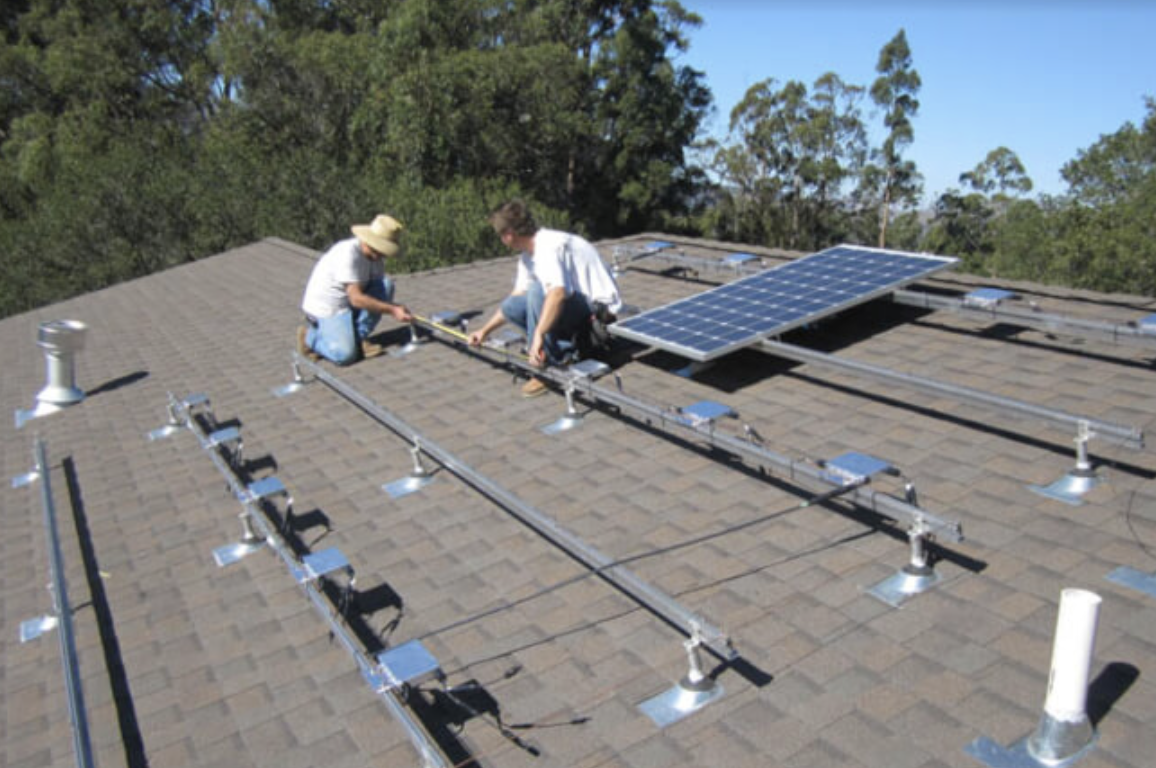
The solar energy industry is booming. San Luis Obispo County is at the forefront of this green revolution. Local experts like Electricraft Inc. are leading the way in San Luis Obispo solar power installations. Several factors make now the ideal time to switch to solar energy.
Global and local solar trends continue to impress in 2024. The Solar Energy Industries Association reports sustained growth in the sector. In 2023, solar installations accounted for 52% of all new electric generating capacity in the U.S. This marks a significant increase from 2020. San Luis Obispo County maintains its strong position in solar adoption. The California Energy Commission data shows the county has now surpassed 350 megawatts of solar capacity as of early 2024. This represents a 75% increase from 2021 figures. The rapid expansion demonstrates the region’s ongoing commitment to renewable energy. Solar power continues to be a key component in California’s push towards its 100% clean energy goal by 2045.
Economic advantages of solar energy are compelling. Installation costs have plummeted. The National Renewable Energy Laboratory reports a 70% drop in solar photovoltaic system costs since 2010. In San Luis Obispo County, residential solar systems can offset up to 90% of household electricity consumption. Many homeowners see their installations pay off within 6-8 years. After that, they enjoy essentially free electricity for 25-30 years.
Government incentives make solar more attractive. The federal Solar Investment Tax Credit offers a 26% deduction on installation costs. This incentive will decrease soon, making now the best time to invest. California provides additional benefits. The Self-Generation Incentive Program and net metering policies offer further economic advantages. Solar system owners can receive credit for excess energy production.
Technological advancements have improved solar efficiency. Modern panels convert up to 22% of sunlight into electricity. This is a significant increase from earlier models. Energy storage solutions have also improved. Advanced battery systems allow homeowners to store excess energy. This increases overall system efficiency and reliability.
Environmental impact is a crucial factor. The average residential solar system in San Luis Obispo County offsets 6-8 tons of CO2 annually. This equates to planting over 150 trees each year. As climate change concerns grow, transitioning to clean energy becomes increasingly important.
Solar power offers energy independence. Homeowners and businesses can reduce reliance on the traditional power grid and this protects against rate hikes and power outages. Energy resilience is particularly valuable in areas prone to natural disasters or grid instability.
Property values increase with solar installations. The Lawrence Berkeley National Laboratory found homes with solar panels sell for 4.1% more on average. This increase in San Luis Obispo County’s high-value property market represents a substantial return on investment.
Job creation is another benefit of solar adoption. The Solar Foundation reports California’s solar workforce has grown by over 150% in five years. This growth translates to increased employment opportunities and local economic stimulation.
Modern solar panels are more aesthetically pleasing as well. New designs integrate seamlessly with various architectural styles. Some manufacturers offer solar roof tiles that mimic traditional roofing materials. This addresses a common objection to residential solar installations.
Solar power helps future-proof energy needs. As electric vehicles become more common and home energy demands increase, a well-designed solar system can accommodate growing requirements. This ensures long-term energy security and cost savings.
Reduced dependence on fossil fuels is a key advantage. The U.S. Energy Information Administration reports solar energy production has increased by over 1,000% in the last decade. This plays a crucial role in reducing greenhouse gas emissions and enhancing energy security.
Solar panel systems require minimal maintenance. Occasional cleaning and routine inspections are typically sufficient. Most panels come with warranties of 25 years or more. This ensures long-term reliability and performance.
Scalability and More! Scalability is another benefit of solar installations. Homeowners can start small and expand their systems as needed. This flexibility makes solar power accessible to various budgets and energy needs.
Installing a solar system often increases energy awareness and leads to more efficient energy use and further cost savings. Many homeowners report becoming more conscious of their energy consumption patterns after going solar.
Community solar options are becoming more available. These shared solar facilities allow individuals to benefit from solar energy without personal installation. This is ideal for those unable to install panels on their property.
Solar energy systems are increasingly integrated with smart home technologies. This allows for more efficient energy management and enhanced user control. Homeowners can monitor and optimize their energy use in real time.
On-site solar energy production eliminates transmission losses. Traditional electricity distribution involves energy loss during transmission. Solar power production at the point of use increases overall energy efficiency.
Solar adoption helps reduce strain on the local power grid. This is particularly beneficial during peak demand periods. It can lead to improved grid stability and reduced need for infrastructure upgrades.
Choosing solar energy demonstrates environmental leadership. Individuals and businesses can influence others in their community to adopt sustainable practices. This creates a ripple effect of positive environmental impact.
Solar energy provides long-term price stability for electricity costs. It protects consumers from the volatility of fossil fuel prices. It also guards against potential future energy price increases.
In conclusion, now is the perfect time to switch to solar energy. Economic benefits, technological advancements, and environmental considerations all align. Supportive policies add to the appeal. For San Luis Obispo County residents, local experts like Electricraft Inc. are ready to help. They can guide homeowners through the San Luis Obispo solar power installation process. Embracing solar energy today secures long-term savings and contributes to a sustainable future.
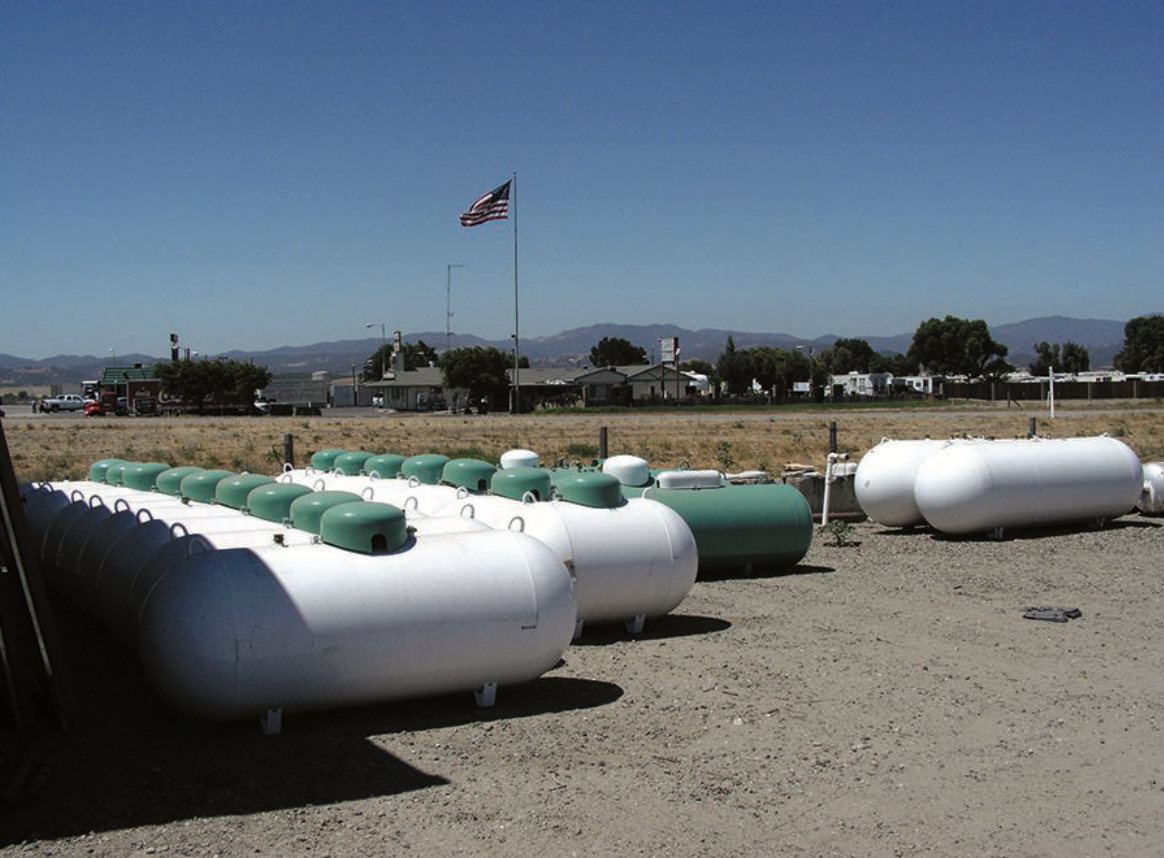
Propane offers a green solution for eco-conscious property owners. It’s a clean-burning fuel recognized by environmental regulations. This versatile energy source provides benefits for homes and businesses alike. Wildhorse Propane & Appliance has been at the forefront of this eco-friendly movement, helping residents and businesses harness the power of Paso Robles propane to meet their energy needs while reducing their environmental impact.
Propane’s environmental impact is notably low. It produces fewer carbon emissions than many other fuels. When burned, propane mainly releases water vapor and minimal carbon dioxide. In case of leaks, it doesn’t contaminate soil or water. The gas simply dissipates into the air without harmful residues. Propane’s high efficiency means less fuel consumption overall. This leads to reduced environmental impact from production and transportation.
The economic benefits of propane are significant. It costs about half as much per BTU as electricity. This translates to substantial savings on energy bills. Propane gas fireplaces are 30% to 60% cheaper than wood-burning ones. Propane-powered appliances also tend to last longer. A propane heating system can function for about 20 years. Electric heat pumps, in contrast, usually need replacement after 10-12 years. This longevity saves money on replacements and reduces waste. Propane appliances generally require less maintenance too. They experience fewer malfunctions compared to electrical appliances. Lower repair costs add to the long-term savings.
Propane’s performance is impressive across various applications. Heating systems powered by propane are highly efficient. They produce air that’s 15-20 degrees warmer than electric heat pumps. This ensures faster heating and consistent comfort. Propane water heaters are quick and efficient. They can heat a full tank in about 20 minutes. Electric heaters often take an hour or more for the same task. In the kitchen, propane stoves offer precise temperature control. Many chefs prefer them for their instant heat and cooking quality.
The versatility of propane extends outdoors. It can power grills, patio heaters, and pool heaters. This extends the usability of outdoor spaces year-round. Propane’s accessibility is another key advantage. It’s readily available in most regions. This ensures a stable supply for users regardless of location. Propane can be stored on-site in tanks. This makes it ideal for off-grid locations or areas prone to power outages. It provides energy independence and security.
Unlike weather-dependent renewable sources, propane offers consistent performance. It ensures reliable energy access in all conditions. This reliability is crucial for both homes and businesses.
Switching to propane requires some planning. Property owners should consult with experts. These professionals can assess specific needs and design tailored systems. The transition process involves several steps. It starts with a site assessment to determine optimal tank and line placement. System design follows, integrating propane into existing or new construction. Obtaining the necessary permits is crucial. Installation involves setting up tanks, running gas lines, and connecting appliances. Safety checks ensure all connections meet standards. User education on proper use and maintenance completes the process.
Propane shines in specific applications. Home heating with propane is efficient and cost-effective. Propane furnaces heat air to higher temperatures than electric systems. They operate in short intervals to minimize heat loss. This results in consistent warmth and lower energy costs. Water heating with propane is twice as fast as electric models. It offers lower operational costs and faster recovery rates.
In the kitchen, propane stoves provide instant heat and precise control. They continue to function during power outages. This ensures food preparation capabilities at all times. Propane clothes dryers are faster and gentler on fabrics. They consume less energy than electric models.
For backup power, propane generators are reliable. They ensure the continuous operation of essential systems during outages. In agriculture, propane has various uses. It’s used for crop drying, flame weeding, and powering irrigation engines. Commercial establishments benefit from propane too. Restaurants and hotels can reduce operational costs with propane systems.
The future of propane looks promising. The industry is developing renewable propane from biomass and plant oils. This could further enhance its eco-friendly profile. Research continues on more efficient propane appliances and systems. These advancements could lead to even greater energy savings and reduced emissions.
Propane stands out as a versatile and relatively clean energy option. It provides reliable energy while minimizing environmental impact. Property owners can significantly reduce their carbon footprint by choosing propane. They don’t have to sacrifice comfort or efficiency in the process.
In conclusion, propane offers a practical path to a greener future. It balances ecological responsibility with energy needs. As we dream of a more sustainable tomorrow, propane could be the key to turning those dreams into reality. It’s a step towards a cleaner, more efficient energy landscape for homes and businesses alike.
Fire safety is a crucial aspect of homeownership, but the necessary precautions can often be costly. However, the fear of breaking the bank shouldn’t deter you from protecting your family and property.
This article provides practical tips and strategies to enhance your home’s fire safety without straining your budget. By implementing these affordable measures, you can significantly reduce the risk of fire and its devastating consequences.
Understanding the Basics of Fire Protection
Before delving into specific strategies for residential andcommercial fire protection, it’s essential to grasp the fundamentals of fire protection. Fire safety systems are designed to detect, control, and extinguish fires, minimizing damage and safeguarding lives. They encompass a range of components, including smoke detectors, fire alarms, sprinkler systems, and fire extinguishers.
Both commercial and residential fire safety systems share the same primary goal: to provide early warning and facilitate quick response to fire emergencies.
Fire Safety Tips for Budget-Conscious Improvements
By implementing the simple yet effective measures mentioned below, you can significantly enhance the safety of your home or business without draining your budget.
1.Regular Maintenance and Inspections
Regular maintenance and fire safety inspections are crucial for ensuring your fire protection systems function correctly. Schedule periodic checks for all equipment, including alarms, detectors, and extinguishers. This practice helps identify potential issues early, reducing the risk of costly repairs or replacements. Moreover, consistent maintenance ensures compliance with safety regulations, which can prevent fines and legal complications.
2.Invest in Quality, Cost-Effective Equipment
While opting for the cheapest options might be tempting, investing in quality equipment can save money in the long run. High-quality smoke detectors and fire extinguishers might have a higher upfront cost, but their durability and reliability can prevent future expenditures on replacements and repairs. Therefore, looking for reputable brands that offer warranties and proven performance is important.
3. Implement Fire Safety Training
One of the most effective yet affordable fire safety strategies is training occupants on fire safety protocols. Whether in a commercial or residential setting, educating people on how to respond in case of a fire can significantly reduce risks. Conduct regular fire drills and provide clear instructions on using fire extinguishers, exiting the building, and contacting emergency services.
4.Utilise Technology for Monitoring
Leveraging technology for fire safety can be a game-changer. Smart smoke detectors and fire alarms connected to your smartphone or central monitoring system ensure immediate alerts in case of an emergency. These devices are often more reliable and provide real-time updates, allowing quick action. While the initial investment might be slightly higher, the long-term benefits and peace of mind are invaluable.
5.Optimise Fire Safety Signage and Exits
Proper signage and clear exit routes are essential components of fire safety systems. Ensure all exit signs are illuminated and visible, and pathways are unobstructed. In a commercial setting, regularly review and update your evacuation plan to accommodate any changes in the layout. Simple measures like these can significantly enhance safety without requiring substantial financial outlay.
Cost-Effective Fire Protection Strategies for Commercial Properties
Below are a few strategies that can help you fortify your commercial property against fire in a budget-friendly way.
1. Zone-Based Fire Suppression Systems
For large commercial properties, consider installing zone-based fire suppression systems. These systems target specific areas rather than activating throughout the entire building, which can be more cost-effective and reduce water or chemical damage. Tailor the system to high-risk zones, such as kitchens or storage areas, to optimize protection and expenditure.
2. Collaborate with Fire Safety Experts
Partnering with fire safety experts for consultations and inspections can provide valuable insights into improving your systems cost-effectively. Professionals can identify vulnerabilities and recommend practical solutions tailored to your budget. Additionally, many fire safety companies offer flexible payment plans or bundled services, making expert advice more accessible.
3. Retrofitting Existing Systems
Instead of overhauling your entire fire protection setup, consider retrofitting existing systems. Upgrading components like sprinklers, alarms, and detectors can enhance performance without the expense of a complete replacement. Focus on areas that need improvement to ensure the best return on investment.
Enhancing Residential Fire Safety on a Budget
With a few smart choices and simple steps listed below, you can significantly enhance your home’s fire safety without draining your budget.
4. Simple, Effective Upgrades
For residential fire safety, simple upgrades can make a significant difference. Installing smoke detectors in key areas like kitchens, bedrooms, and hallways is a cost-effective measure. Opt for detectors with long-life batteries to reduce maintenance costs. Additionally, ensure that fire extinguishers are easily accessible and that all household members know how to use them.
5. Fire-Resistant Materials
When renovating or making improvements to your home, consider using fire-resistant materials. Fire-retardant paints, fire-resistant insulation, and non-combustible roofing materials can enhance safety without substantially increasing costs. These materials can slow the spread of fire, giving occupants more time to evacuate and reducing overall damage.
6. Community Fire Safety Programs
Engage in community fire safety programs or initiatives. Many local fire departments offer free or low-costfire safety inspectionsand provide educational resources. Participating in these programs can improve your fire safety knowledge and help you implement effective measures at minimal cost.
Conclusion:
Improving fire safety doesn’t have to drain your finances. These practical, budget-friendly tips and strategies will help you enhance commercial and residential fire protection. Remember, proactive measures safeguard lives and protect your investments, making fire safety a wise and necessary priority.






 Kevin Szabo Jr Plumbing