As global awareness of environmental sustainability grows, so does the importance of integrating eco-friendly practices into our daily lives. Your home is a prime candidate for energy-efficient upgrades that not only contribute to a healthier planet but can also save you money in the long run. Implementing sustainable energy solutions doesn’t have to be complicated or expensive. This blog post explores six actionable ways to make your home more energy efficient. By the end, you’ll be equipped with knowledge to transform your living space into a greener sanctuary.
1. Tap Into the Power of Solar Panels
Installing solar panels is a significant step towards reducing your carbon footprint. By harnessing the sun’s energy, you can generate clean, renewable power directly for your home. A qualified solar energy contractor near you can help determine the best setup for your specific needs, ensuring you maximize the investment. Over time, solar panels significantly reduce electricity bills and increase your property’s value. They also set a powerful example for your community by prioritizing sustainable energy sources.
2. Upgrade to Energy-Efficient Appliances
Old appliances often consume a lot of energy, much more than newer, more efficient models. When it’s time for a replacement, choose ENERGY STAR rated appliances that use less power and water. This upgrade can lower utility bills and reduce your home’s overall energy consumption. Additionally, these appliances often come with advanced features that enhance convenience and effectiveness. It’s a simple change that makes a big difference in your home’s operational efficiency.
3. Revamp Your Lighting Solutions
Switching to LED lighting is one of the easiest and most cost-effective ways to enhance energy efficiency at home. LEDs consume a fraction of the energy used by traditional incandescent bulbs and last much longer. Consider automated systems that adjust lighting based on the time of day or occupancy to further reduce energy usage. You can also explore smart lighting options that can be controlled remotely, adding both convenience and efficiency. This not only saves energy but also helps in reducing your monthly electricity bills.
4. Enhance Your Home’s Insulation
Proper insulation is key to maintaining temperature control and reducing energy loss. Check your home’s insulation in key areas such as the attic, walls, and floors. Upgrading your insulation can prevent heat from escaping in the winter and keeping cool air inside during the summer. This means your heating and cooling systems do not have to work as hard, which reduces energy consumption and prolongs the lifespan of these systems. As a result, you’ll enjoy a more comfortable living environment and lower energy costs.
5. Consider a Smart Thermostat
A smart thermostat is a fantastic tool for managing your home’s heating and cooling systems efficiently. These devices learn your schedule and temperature preferences and adjust your home’s climate controls accordingly. They also provide valuable data on your energy usage patterns, helping you make informed decisions about energy consumption. Many models offer remote control via smartphone apps, giving you the ability to adjust settings from anywhere. Investing in a smart thermostat helps you optimize your energy use without sacrificing comfort.
6. Explore Wind Energy Options
For homes in wind-prone areas, installing a small wind turbine can be an effective way to generate additional renewable energy. These turbines convert wind into electricity, providing a clean power source that complements other systems like solar panels. Assessing your property’s wind resource potential is crucial before installation. While the upfront cost can be high, the long-term savings and environmental benefits make it a worthwhile consideration. Wind energy is an excellent addition to a comprehensive home energy plan.
The Bottom Line
Adopting sustainable energy solutions for your home is more accessible and beneficial than ever. Each step you take, from installing solar panels to upgrading your lighting, contributes significantly to a more sustainable future. Not only do these changes reduce your environmental impact, but they also offer financial savings through reduced utility bills. As you continue your journey towards a greener home, remember each small change adds up to significant environmental benefits. Start with one or two changes today, and gradually build a home that is efficient, cost-effective, and environmentally friendly.
Plumbers play a crucial role in maintaining the safety and functionality of our homes and businesses. Their daily tasks involve a variety of complex and physically demanding activities, which come with their own set of risks. From working in confined spaces to handling hazardous materials, plumbers face several challenges that can affect their health and safety. Understanding these risks is essential for appreciating the vital work they do and for ensuring proper safety measures are in place. In this article, we explore the common hazards plumbers encounter daily and the measures they take to mitigate these risks.
EXPOSURE TO HAZARDOUS MATERIALS
Plumbers frequently work with materials that can be harmful if not handled correctly. This includes asbestos, lead pipes, and chemicals used in pipe cleaning. Asbestos, often found in older buildings, poses a risk of respiratory issues if its fibers become airborne. Lead exposure can occur during the replacement of old pipes and fittings. Plumbers need to use personal protective equipment (PPE), such as gloves and masks, and follow strict safety guidelines to handle these materials safely. Regular training on the proper handling and disposal of hazardous substances is crucial for minimizing health risks.
PHYSICAL STRAIN AND INJURIES
One of the most significant risks plumbers face is physical strain. The job often requires lifting heavy equipment, bending, and working in awkward positions, which can lead to musculoskeletal injuries. Repeatedly carrying heavy pipes or crouching under sinks can cause back pain, strains, and sprains. To mitigate these risks, plumbers must use proper lifting techniques, and ergonomic tools, and take regular breaks to avoid overexertion. Implementing workplace safety protocols and proper training can significantly reduce the risk of these injuries, but don’t forget to talk to reputable workers compensation lawyers from Brisbane in case something happens to you.
CONFINED SPACES AND RESTRICTED ACCESS
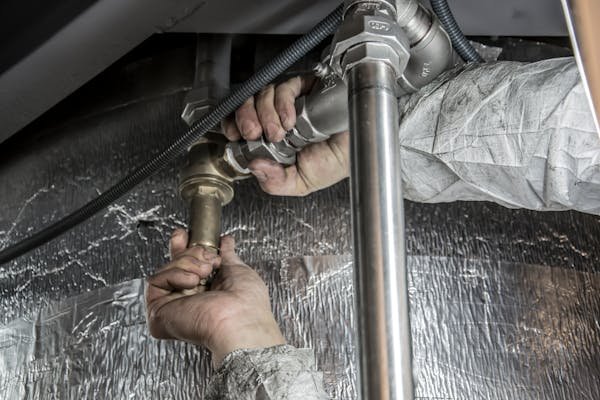
Working in confined spaces is another common risk for plumbers. Tasks such as repairing pipes under sinks, in crawl spaces, or within walls require plumbers to navigate tight and often uncomfortable areas. These conditions can lead to injuries from accidental falls, limited mobility, or prolonged exposure to poor ventilation. To address these risks, plumbers must be trained in confined space entry procedures and use appropriate safety equipment, such as harnesses and ventilation systems, to ensure their safety while working in restricted areas.
ELECTRICAL HAZARDS
Plumbers often work in areas where electrical systems are present, such as when installing or repairing fixtures that require electrical connections. The proximity to live wires and the potential for water contact create significant electrical hazards. Accidental electrocution or electrical burns are severe risks that plumbers must be aware of. To minimize these dangers, plumbers should always turn off power sources before starting work, use insulated tools, and be familiar with electrical safety procedures. Regular inspections and maintenance of electrical systems can also help reduce the risk of accidents.
EXPOSURE TO BIOHAZARDS
Plumbing jobs sometimes involve dealing with biohazards, such as sewage and contaminated water. Exposure to these substances can pose serious health risks, including infections and diseases. Proper hygiene practices, including the use of PPE such as face masks, gloves, and eye protection, are essential to safeguard against these biohazards. Additionally, plumbers must be knowledgeable about the safe handling and disposal of waste materials to prevent contamination and protect their health.
PSYCHOLOGICAL STRESS
The nature of plumbing work can also contribute to psychological stress. Tight deadlines, emergency repairs, and dealing with difficult or unsanitary conditions can be mentally taxing. The pressure to solve problems quickly while ensuring safety and quality can lead to burnout and stress. Plumbers need to have access to mental health resources and support systems to manage stress effectively. Encouraging a healthy work-life balance and providing stress management training can help plumbers cope with the psychological demands of their profession.
Plumbing is a vital profession that comes with its own set of risks and challenges. From physical strain and exposure to hazardous materials to confined spaces and electrical hazards, plumbers face numerous daily dangers. Understanding these risks and implementing safety measures are essential for protecting the health and well-being of plumbers. By prioritizing safety protocols, proper training, and mental health support, the plumbing industry can ensure that its workers remain safe and healthy while continuing to provide essential services.
Creating a harmonious and functional home involves thoughtful design and planning for each room’s unique purpose. Whether it’s the living room, kitchen, or gaming room, each space should reflect your personal style and cater to your lifestyle needs. Here’s a guide to help you design these essential areas of your home.
1. Living Room: The Heart of the Home
The living room is often the focal point of a home, where family and friends gather to relax and socialize. To create a welcoming and functional living room, consider the following elements:
Seating Arrangements: Invest in comfortable and stylish seating options. A mix of sofas, armchairs, and ottomans can provide versatile seating for various activities, from watching TV to entertaining guests.
Lighting: Layered lighting is key to setting the right mood. Combine ambient lighting, such as ceiling fixtures, with task lighting like floor lamps and accent lighting to highlight artwork or architectural features.
Decor and Accessories: Personalize your living room with decor that reflects your taste. Throw pillows, rugs, and curtains can add color and texture, while artwork and photographs bring a personal touch.
Storage Solutions: Keep the space clutter-free with smart storage options like built-in shelves, storage ottomans, and stylish cabinets. This helps maintain a clean and organized look.
2. Kitchen: The Culinary Hub
The kitchen is more than just a place to cook; it’s a space for creativity and gathering. To make your kitchen both functional and inviting, consider these tips:
Layout and Flow: Ensure your kitchen layout promotes efficient workflow. The classic work triangle (connecting the sink, stove, and refrigerator) is a proven design principle that enhances functionality.
Quality Appliances: Invest in high-quality appliances that suit your cooking needs. Energy-efficient models can save you money in the long run and make your kitchen more environmentally friendly.
Counter Space: Ample counter space is crucial for meal prep and entertaining. Consider installing an island or breakfast bar to provide additional workspace and seating.
Storage and Organization: Maximize storage with well-designed cabinetry, pull-out shelves, and pantry space. Organize your kitchen tools and ingredients for easy access and streamlined cooking.
3. Gaming Room: A Haven for Fun and Relaxation
A gaming room is the perfect addition for those who enjoy video games, board games, or other recreational activities. Here are some essentials to create an ultimate gaming experience:
Comfortable Seating: Opt for ergonomic chairs and sofas to ensure comfort during long gaming sessions. Bean bags and recliners can also add a fun and relaxed vibe.
Technology and Equipment: Invest in high-quality gaming consoles, PCs, and accessories like controllers and headsets. Ensure your gaming setup includes a large screen or projector for an immersive experience. One popular online option is the Sikkim game login, which offers a variety of engaging games to enhance your gaming room experience.
Sound and Acoustics: Good sound quality enhances the gaming experience. Consider a surround sound system or quality headphones. Acoustic panels can improve sound clarity and reduce noise disturbance.
Ambiance: Create a gaming atmosphere with appropriate lighting, such as LED strips or smart lights that can change colors. Decorate with posters, collectibles, and themed accessories that reflect your favorite games.
4. Kitchen-Dining Integration: Social and Functional
For homes with an open floor plan, integrating the kitchen and dining areas can enhance the social aspect of meal times. Here are some ideas to seamlessly blend these spaces:
Unified Design: Use consistent color schemes and materials to create a cohesive look. Matching countertops, cabinetry, and flooring can tie the kitchen and dining areas together.
Dining Furniture: Choose a dining table and chairs that fit your space and accommodate your family size. Consider extendable tables for flexibility when entertaining guests.
Lighting: Use pendant lights or chandeliers over the dining table to create a focal point. Ensure the kitchen area is well-lit with a combination of task and ambient lighting.
Conclusion
Designing your home involves balancing functionality with personal style to create spaces that cater to your daily needs and preferences. The living room should be comfortable and inviting, the kitchen efficient and well-organized, and the gaming room fun and relaxing. By paying attention to these details, you can create a home that is not only beautiful but also a true reflection of your lifestyle.
Ever wondered what gives artificial turf its grass-like feel and durability? You’re about to uncover the secrets behind this modern landscaping marvel. From sports fields to backyard putting greens, artificial turf is everywhere. Let’s dive into its composition and discover why it’s become such a popular alternative to natural grass.
1. COMPOSITION OF ARTIFICIAL TURF
Artificial turf isn’t just a simple green carpet. It’s a complex system made up of three main components: synthetic fibers, infill materials, and backing systems.
1.1 SYNTHETIC FIBERS
These are the “blades” of your artificial grass. Manufacturers typically use three main types of fibers.
1.1.1 POLYETHYLENE
Polyethylene is the most common choice for artificial turf fibers. It offers a soft feel that closely mimics natural grass, making it comfortable to walk or play on. Its durability ensures that your turf will maintain its lush appearance for years, even with heavy use.
1.1.2 POLYPROPYLENE
If you’re looking for a more budget-friendly option, polypropylene fibers might be the way to go. While they’re not as durable as polyethylene, they still provide a decent artificial grass experience. These fibers are often used in lower-traffic areas or where frequent replacement isn’t a major concern.
1.1.3 NYLON
For the toughest artificial turf out there, nylon is your go-to fiber. It’s extremely strong and resilient, capable of withstanding intense use and harsh weather conditions. However, this strength comes at a cost – nylon fibers can feel a bit abrasive, especially on bare skin.
1.2 INFILL MATERIALS
Infill is crucial for keeping those synthetic blades standing tall and providing additional performance benefits. There are several types of infill materials to choose from.
1.2.1 CRUMB RUBBER
Often made from recycled tires, crumb rubber is a popular infill choice. It provides excellent shock absorption, making it ideal for sports fields where players need protection from impacts. The rubber granules nestle between the fibers, supporting them and adding a bit of bounce to your step.
1.2.2 SAND
Sand infill adds weight to your artificial turf, helping it stay in place even in windy conditions. It’s often used in combination with other infill materials to provide stability and improve the overall feel of the turf. Sand can also help regulate temperature, preventing the surface from getting too hot in direct sunlight.
1.2.3 CORK AND ORGANIC MATERIALS
As eco-friendly alternatives gain popularity, many are turning to organic infills like cork. These materials offer natural antimicrobial properties and can help keep your turf cooler. They’re biodegradable too, making them a great choice if environmental impact is a top concern for you.
1.2.4 SYNTHETIC INFILLS
Engineered for specific performance characteristics, synthetic infills are the high-tech option in the artificial turf world. They can be designed to reduce heat retention, improve shock absorption, or enhance drainage. If you’re looking for turf with very specific performance requirements, synthetic infills might be your best bet.
1.3 BACKING SYSTEMS
The unsung hero of artificial turf, backing provides structure and stability. It comes in two main layers.
1.3.1 PRIMARY BACKING
This is where the fibers are anchored. The primary backing is usually made of woven polypropylene and serves as the foundation for the entire turf system. It’s designed to hold the fibers securely in place, ensuring your artificial grass keeps its shape and density over time.
1.3.2 SECONDARY BACKING
Usually made of polyurethane or latex, the secondary backing adds stability and aids in drainage. It’s applied to the underside of the primary backing, locking the fibers in place and providing a sturdy base for the entire system. This layer also plays a crucial role in allowing water to pass through, preventing puddles from forming on your artificial lawn.
2. MANUFACTURING PROCESS
Creating artificial turf is a fascinating blend of technology and craftsmanship. The process involves several key steps to transform raw materials into a finished product that looks and feels like natural grass.
2.1 FIBER TUFTING OR KNITTING
The first step in manufacturing artificial turf is to create the grass-like surface. Synthetic fibers are tufted or knitted into the primary backing material. This process is similar to making carpet, but with specialized machinery designed to mimic the look of grass blades.
2.2 BACKING APPLICATION
Once the fibers are in place, the secondary backing is applied. This layer is typically sprayed or rolled onto the underside of the primary backing. It’s then heat-cured to create a strong bond, ensuring the fibers stay in place even under heavy use.
2.3 INFILL ADDITION
The final step in the process occurs during installation. After the turf is laid out, installers add the chosen infill material. This is spread evenly across the surface and worked down between the fibers. The amount and type of infill can be customized based on the specific needs of your project.
3. ENVIRONMENTAL CONSIDERATIONS
As you consider artificial turf, you might wonder about its environmental impact. It’s a complex issue with several factors to consider.
3.1 RECYCLABILITY
Many components of artificial turf can be recycled at the end of their lifespan. The synthetic fibers and backing can often be repurposed into new products, reducing waste. However, it’s important to note that not all artificial turf is easily recyclable, and proper disposal methods should be considered.
3.2 ECO-FRIENDLY ALTERNATIVES
Some manufacturers now offer eco-friendly alternatives in modern artificial turf. These might include biodegradable fibers, organic infills, or backing made from recycled materials. If environmental impact is a key concern for you, look for products that emphasize sustainability in their design and manufacturing process.
3.3 MAINTENANCE COMPARISON
While artificial turf eliminates the need for watering, mowing, and fertilizing, it has its own environmental considerations. These might include the energy used in manufacturing, the potential for microplastic shedding, and heat retention in urban areas. Weighing these factors against the resource use of natural grass maintenance is an important part of making an environmentally conscious decision.
4. PERFORMANCE CHARACTERISTICS
Artificial turf is engineered for optimal performance across a range of applications. Understanding these characteristics can help you determine if it’s the right choice for your needs.
4.1 DURABILITY
One of the key advantages of artificial turf is its ability to withstand heavy use. It’s designed to maintain its appearance and functionality even under intense foot traffic, making it ideal for high-use areas where natural grass might struggle to survive.
4.2 WEATHER RESISTANCE
Come rain or shine, artificial turf is built to perform. It doesn’t turn to mud in heavy rain, and it won’t die off during drought conditions. This consistent performance regardless of weather makes it a reliable surface for various applications.
4.3 LOW MAINTENANCE
Say goodbye to weekend lawn care chores! Artificial turf doesn’t need mowing, watering, or fertilizing. While it does require some maintenance, like occasional brushing and debris removal, it’s generally much less time-consuming than caring for a natural lawn.
5. APPLICATIONS OF ARTIFICIAL TURF
You’ll find artificial turf in a variety of settings, each taking advantage of its unique properties.
5.1 SPORTS FIELDS
From professional stadiums to local playing fields, artificial turf provides a consistent playing surface year-round. It can withstand intensive use and offers predictable ball roll and bounce, making it popular for sports like soccer, football, and field hockey.
5.2 RESIDENTIAL LAWNS
Perfect for areas where natural grass struggles to grow, artificial turf offers homeowners a low-maintenance alternative. It’s great for shady spots, areas with poor soil, or regions with water restrictions.
5.3 COMMERCIAL LANDSCAPING
Artificial turf adds a touch of green to urban environments where natural grass might not be practical. You’ll often see it in office parks, hotel grounds, and other commercial spaces where appearance and low maintenance are priorities.
5.4 INDOOR SPORTS FACILITIES
Bringing the outdoor experience inside, artificial turf is commonly used in indoor sports facilities. It allows for year-round training and play, regardless of outdoor weather conditions.
6. ADVANCEMENTS IN ARTIFICIAL TURF TECHNOLOGY
The world of artificial turf is constantly evolving, with new innovations improving its performance and sustainability, especially with from quality turf provider.
6.1 IMPROVED FIBER MATERIALS
Manufacturers are developing new fiber materials that provide a more natural look and feel. These advanced fibers can better resist matting and crushing, maintaining their upright position for longer.
6.2 COOLER INFILLS
Heat retention has been a common complaint with artificial turf. In response, companies are creating new infill materials designed to stay cooler under direct sunlight, improving comfort for users.
6.3 ENHANCED DRAINAGE SYSTEMS
Modern artificial turf systems often feature improved drainage capabilities. These enhancements allow water to pass through more efficiently, reducing puddles and allowing for quicker return to play after rain.
Artificial turf is more than meets the eye. It’s a carefully engineered system designed to mimic the best qualities of natural grass while offering unique benefits. Whether you’re an athlete, a homeowner, or a landscape designer, understanding what goes into artificial turf can help you make informed decisions about its use. Next time you step onto a perfectly manicured field that never needs water, you’ll appreciate the science and engineering behind its effortless beauty.
Home improvement projects can transform your living space, increase the value of your property, and enhance your quality of life. However, achieving success in home improvement requires careful planning, strategic decision-making, and attention to detail. Whether you are undertaking a minor renovation or a major overhaul, following expert tips can help ensure your project runs smoothly and meets your expectations. From budgeting wisely to hiring the right professionals, these insights are designed to guide you through the complexities of home improvement. Here are five expert tips to help you achieve home improvement success.
PLAN THOROUGHLY AND REALISTICALLY
The foundation of any successful home improvement project is thorough and realistic planning. Start by defining the scope of your project, including specific goals, desired outcomes, and a clear timeline. Create a detailed budget that accounts for all expenses, including materials, labor, permits, and unforeseen costs. Prioritize your needs and wants, and be prepared to make compromises if necessary. Thorough planning helps prevent scope creep, keeps costs in check, and ensures you stay on schedule.
In addition to budgeting, consider the practical aspects of your project. Evaluate the current state of your home and identify any structural or foundational issues that can need addressing before proceeding with aesthetic improvements. Research design ideas, materials, and technologies that align with your vision and budget. Consult with professionals, such as architects or contractors, to validate your plans and obtain expert advice. A well-thought-out plan serves as a roadmap for your project, guiding you through each phase with confidence and clarity.
SET A REALISTIC BUDGET AND STICK TO IT
One of the most critical aspects of home improvement success is setting a realistic budget and adhering to it. Begin by researching the costs associated with your project, including materials, labor, permits, and potential unexpected expenses. Allocate a contingency fund of at least 10-20% of your budget to cover any surprises or changes in scope. Be honest about what you can afford and prioritize essential elements over luxury features.
Once your budget is set, monitor your spending closely throughout the project. Keep detailed records of all expenses and compare them against your budget regularly. Avoid making impulse purchases or changes that can derail your financial plan. If unexpected costs arise, revisit your budget and make necessary adjustments to stay on track. Sticking to a budget requires discipline and foresight, but it is essential for avoiding financial strain and ensuring the project’s completion.
HIRE QUALIFIED PROFESSIONALS
When undertaking home improvement projects, hiring qualified professionals is crucial for achieving successful results. Whether you’re renovating a kitchen or replacing your roofing, experts bring the right skills and experience to the job. For example, a reputable gutter company can ensure that your gutters are properly installed and maintained, which is essential for preventing water damage. Relying on skilled tradespeople helps to avoid costly mistakes and ensures that your project meets industry standards. Investing in professional help not only improves the quality of your home improvement but also gives you peace of mind.
FOCUS ON QUALITY MATERIALS AND WORKMANSHIP
The quality of materials and quality directly impacts the longevity and value of your home improvement project. Investing in high-quality materials can cost more upfront, but it pays off in the long run by reducing maintenance costs and increasing durability. Research and choose materials that are appropriate for your climate, lifestyle, and aesthetic preferences. Consider energy-efficient options that enhance sustainability and lower utility bills.
Equally important is ensuring quality artistry. Hire skilled tradespeople who have a track record of delivering exceptional results. Do not hesitate to ask for references and view their previous work to assess their capabilities. Quality artistry involves attention to detail, adherence to building codes, and precision in execution. Prioritizing quality over cost-cutting measures ensures your home improvement project stands the test of time and adds lasting value to your property.
MAINTAIN CLEAR AND CONSISTENT COMMUNICATION
Clear and consistent communication is vital for the success of any home improvement project. Establishing open lines of communication with your contractors, designers, and other stakeholders helps prevent misunderstandings and ensures everyone is on the same page. Set up regular meetings to discuss progress, address concerns, and make decisions collaboratively. Use digital tools, such as project management apps or communication platforms, to keep track of tasks, timelines, and updates.
Effective communication also involves being proactive and transparent about your expectations and requirements. Provide detailed instructions and visual references to convey your vision accurately. Listen to feedback and be willing to make adjustments based on expert advice. Address issues promptly to avoid delays and costly mistakes. By maintaining clear communication, you foster a collaborative environment that promotes problem-solving and keeps your project on track.
CONCLUSION
Achieving home improvement success requires a combination of careful planning, disciplined budgeting, hiring qualified professionals, prioritizing quality, and maintaining clear communication. These expert tips provide a comprehensive approach to managing your project from start to finish. Thorough and realistic planning lays the groundwork for success, while a realistic budget and qualified professionals ensure smooth execution. Focusing on quality materials and artistry enhances the durability and value of your improvements. Finally, clear and consistent communication keeps all stakeholders aligned and responsive to any challenges that arise. By following these strategies, you can transform your home into a space that meets your needs and exceeds your expectations, all while avoiding common pitfalls and maximizing your investment.
The cost of living is on everyone’s mind these days, and that includes the cost of running water. Faucet drips, leaky hoses, punctured pipes — they all lead to higher water bills. Installing water-saving plumbing upgrades in your home increases efficiency and saves money in the long run.
Water bills vary, but the average monthly water cost for a family of four is $73, based on one person using about 100 gallons each day. If you have a large family, water the grass, have a pool, or have leaky pipes, that number could be a lot higher.
The first step to making your home more water efficient?
Consult a plumbing contractor who will suggest some top upgrades for your home.
LOW-FLOW FIXTURES
Low-flow fixtures use less water than “standard” ones, saving gallons of water during use. Low-flow toilets, shower heads, and faucets reduce the amount of water needed to get the job done.
Low-flow faucets and toilets typically use 1.5 gallons of water per minute — about half the amount of water as a standard faucet or toilet. Low-flow showerheads have less water flowing through them.
EPA-recommended WaterSense labeled faucets and aerators are high-performing low-flow fixtures that save water when the tap is running.
TANKLESS WATER HEATER
Tankless water heaters deliver hot water only when you need it … there’s no water being heated when not in use. Tankless water heaters provide hot water for as long as you need it, and the units can last about 20 years.
With a tankless heater, cold water flows through the (hot) faucet but goes through a heat exchange unit as it warms up. This way, the water is always ready to be hot, and you don’t need to pour the cold water while waiting for it to heat up. On average, tankless water heaters produce 2 to 5 gallons of hot water per minute.
IRRIGATION SYSTEMS
With everything going “smart” these days, watering the lawn is right there on the list. Smart irrigation systems use weather data and dryness sensors to adjust watering schedules for your lawn, flowerbeds, and gardens. Smart systems also cut down on overwatering, which reduces the water bill.
LEAK DETECTION SYSTEMS
Leak detection systems search for and notify you of leaks in the plumbing system. According to Consumer Reports, leak detectors can save homeowners thousands of dollars in potential water damage.
Smart leak detection systems use sensors that connect to the home’s WiFi. The system sends alerts through a smartphone app. When the alert goes off, the system automatically shuts off the house’s water line.
Professionally installed systems have shutoff valves spliced into the home’s water line. DIY leak detectors are set up on the water line’s quarter-turn valve. When detecting leaks, the valve uses a motor to open and close itself. (Tip: Go for the pros –– it’s a lot easier that way!)
WATER-SAVING APPLIANCES
Today’s household appliances are built with economy and ecology in mind. Energy Star labeled dishwashers, washing machines, and refrigerators (with ice makers) improve the home’s efficiency by using less water and electricity than older models but with the same results. Energy-efficient appliances reduce your home’s water usage while protecting the earth’s natural resources.
PIPE PRIMPING
Replacing pipes — especially in old houses — helps to keep water clean and flowing. Older pipes made of lead, cast iron, galvanized metal, and clay are quite likely to rust or break down over time. Cracks and corrosion can lead to water bursts, leaks, blockages, and poor-tasting water. Replace your piping system with polyvinyl chloride (PVC), copper, or PEX pipes — ask your plumber for a professional recommendation.
Insulating plumbing lines in basements, cellars, and crawl spaces helps to keep the pipes warm, especially during the winter when they may freeze or burst. Pipe sleeves are insulation covers that fit over pipes. They are typically made of rubber, aluminum, nickel, carbon, stainless steel, or cast iron.
Watching money literally go down the drain is what happens when your home’s plumbing isn’t up to par. Every drip is a hit on your water bill. Don’t just watch it go, contact a pro. Upgrading your property’s plumbing is money well spent.
Teri Silver is a journalist and outdoor enthusiast. She and her husband live on 5 acres with a vast lawn, three gardens, a farm, a pond, many trees, and a lot of yard work! The best parts of the year are summer and fall when home-grown veggies are on the dinner table.
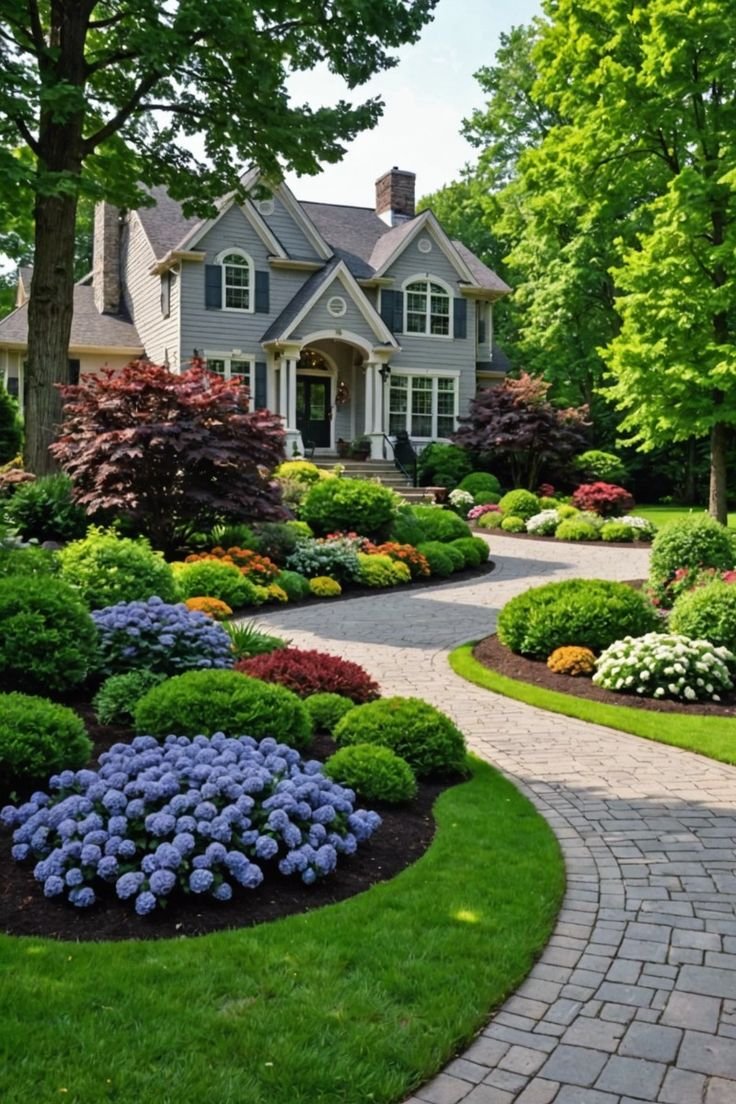
Landscaping is an art that can transform the look and feel of your home, creating a serene and inviting environment. By strategically using plants and flowers, you can enhance the aesthetic appeal, increase property value, and create a personal sanctuary. Here are some tips and ideas to help you get started on your home landscaping journey.
Before diving into planting, it’s crucial to plan your landscape design. Consider the following steps:
• Assess Your Space: Evaluate the size, shape, and existing features of your yard. Note the areas that receive sunlight and shade, as this will influence your plant choices.
• Define Your Goals: Determine the purpose of your landscaping. Do you want a relaxing retreat, a space for entertaining, or a vegetable garden?
• Create a Layout: Sketch a rough layout of your yard, including pathways, garden beds, and focal points like a fountain or a tree.
Selecting the appropriate plants for your landscape is essential for achieving a harmonious and sustainable garden.
• Climate Considerations: Choose plants that are well-suited to your local climate. Native plants are often the best choice as they require less maintenance and are more resilient.
• Sunlight and Soil: Match plants to the conditions of your yard. For instance, sun-loving flowers like marigolds and zinnias thrive in sunny spots, while hostas and ferns prefer shade.
• Seasonal Interest: Incorporate plants that bloom at different times of the year to ensure your garden is always vibrant. Mix perennials, which return each year, with annuals for a continual display of color.
3. Creating Visual Interest
A visually appealing landscape incorporates a variety of textures, colors, and heights. Here are some ideas to create depth and interest:
• Layering Plants: Arrange plants in layers, with taller plants at the back and shorter ones in the front. This technique adds depth and dimension to your garden.
• Color Schemes: Use a color wheel to create a harmonious color scheme. Complementary colors, like purple and yellow, can create a striking contrast, while analogous colors, like blue and green, provide a more serene look.
• Focal Points: Add focal points such as a large flowering shrub, a statue, or a water feature to draw the eye and create a sense of balance.
Proper maintenance is key to keeping your landscape healthy and attractive.
• Watering: Water plants deeply and less frequently to encourage deep root growth. Early morning or late evening is the best time to water to minimize evaporation.
• Pruning: Regularly prune your plants to remove dead or diseased parts, encourage new growth, and maintain shape.
• Mulching: Apply mulch around plants to retain moisture, suppress weeds, and improve soil quality.
Landscaping with plants and flowers is a rewarding way to enhance the beauty and functionality of your home. With thoughtful planning, plant selection, and maintenance, you can create a stunning landscape that reflects your personal style and provides joy for years to come. Whether you’re a novice gardener or an experienced green thumb, there’s always something new to learn and explore in the world of home landscaping.
Have you recently purchased some dentures and are curious how to best care for them at home? You’re in the right place! Many people turn to dentures at some point in their lives to fix their smiles if they have missing or rotting teeth. Because dentures can be a costly investment, it is important to make sure you properly care for them to ensure they last a long time. Like any specialized tool, dentures require ongoing care to ensure they last a long time and do not need replacing, which is expensive.
What Are Dentures?
Dentures are a type of orthodontic oral appliance that is removable, customizable, and typically fits in the upper mouth, jaw, or sometimes both. They might be full dentures of all of the teeth, both upper and lower parts of the mouth, or partial dentures to replace only a few missing teeth. At some point in everyone’s life, most people will need a tooth extracted. If the tooth is in the back of the mouth, such as a molar, it might not be necessary to replace it with an oral appliance. However, if it is the front teeth, most people are self-conscious about their missing teeth and turn to either dentures or dental implants.
Storing Dentures
Most people who use removable dentures have them placed in the mouth during their waking hours, particularly when they are eating a meal or leaving the house. However, it’s advisable to remove your dentures to clean them and allow your mouth to rest. The majority remove them at night and store them in a container. Prior to the introduction of containers specifically to store dentures, some people simply dropped them in a glass of water overnight. This is not recommended, as glasses are not built to the correct shape or size for dentures and might end up causing damage. Dentures should indeed remain moist, but there are better ways to do this. Denture containers are the best method of storage.
Before storing your dentures, you should clean them daily, just like you would your regular teeth. Dentures, like natural teeth, can still build up plaque and bacteria, which can damage any existing teeth or cause gum disease. You can brush them with a regular toothbrush, a denture cleaner, or mild soap. You should not use toothpaste or electric toothbrushes on your dentures, as these can damage them. Thoroughly rinse them off and store them in a denture-specific container. Additionally, you should clean your gums and mouth. Your denture container will allow you to submerge them in warm water to keep them from drying out and becoming deformed. You can use water or a denture soaking solution. This tends to not tarnish any metal components.
Necessary Home Supplies
Like any mechanical object, your dentures might suffer some damage or break during use. A qualified specialist should always thoroughly repair your dentures, but you can care for them in the interim with a few items you can keep at home. You should avoid letting your dentures dry out, as they can become painful to wear or break. Dentures must be pliable in order to work properly, and dry dentures might become brittle and more susceptible to damage. If they have only been out for a few hours, you can put them back in your mouth. However, if they have been out for a long time, soak them in a solution or water for 24 hours to rehydrate them fully. You should always have on hand at home either some specialized denture solution or any other type of cleaner that is safe to use on dentures, such as hydrogen peroxide, white vinegar, and lemon juice. Some people use denture adhesive to keep their dentures in their mouths, but you should avoid overusing this product and thoroughly clean your dentures before storing them. Never soak your dentures in mouthwash or any other unapproved solution.
Here are some necessary items you should have at home to care for your dentures:
Denture container
Denture cleaning solution
Denture repair kit
Denture cleaning brush
Denture adhesive
When you properly store and care for your dentures at home, they are sure to last a long time. Dentures are a costly investment, but worth it to improve your smile. Be sure to store and hydrate your dentures properly, as this helps to avoid unnecessary damage or the need for replacement.
Retaining walls are a common feature in many landscapes, not just around homes but also at businesses, schools, and parks. They provide both beauty and functionality, and these features can enhance your home just the same as they enhance other locations.
For homeowners considering building a retaining wall in the backyard, it is important to understand what they are for, how they can be used, and what added benefits they provide for the landscape. Here are some of the things that everyone needs to know about these versatile structures.
What is a Retaining Wall?
Before we go any further, it’s important to define exactly what a retaining wall is. Generally speaking, a retaining wall is any structure used to separate two areas of differing elevation. In other words, the area behind the wall is higher than the area in front of it. This allows that elevation change to be made into a step instead of a slope.
Materials used for retaining walls vary, but most involve some type of poured concrete or stone. Wood is not a good choice because it will quickly decay after just a short time in direct contact with soil.
A properly built retaining wall needs a good footer and must be built with the blocks perfectly level and properly in line. Any deviation from this standard will make the structure weaker and could cause leaking or an eventual collapse.
The Benefits of Retaining Walls
Like many popular features, retaining walls provide both aesthetic and practical benefits to the landscape.
Ease of Lawn Maintenance
With a retaining wall, you can eliminate a steep slope by breaking it into two separate, level areas. Each of these will be much easier to mow and maintain than the original grade. This reduces the chances of a mishap with a mower or trimmer and makes the work easier, too.
Landscaping Options
A well-built retaining wall provides a great location to install plants, both at the top of the wall and the bottom. Its stone materials provide a beautiful, neutrally-colored backdrop for landscaping. Bright flowers stand out against it, adding value to your property and enjoyment to your outdoor time.
Enhanced Property Value
With so many direct benefits from retaining walls, it’s easy to forget that you’re not the only person who will like one. If you ever place your home on the market – or even if you just want to maximize value for a home equity loan – a retaining wall can provide real dollars-and-cents upgrades that more than pay for the project.
Reduced Risk of Water Damage
With a good retaining wall, you can manage water runoff in such a way that you reduce the pressure of waterlogged soils against your foundation and basement. This lowers the risk of leaks and flooding.
Environmental Benefits of Retaining Walls
We’ve looked at the beauty and value that a retaining wall can provide, but it is important not to overlook the environmental value of these structures. Properly designed retaining walls provide some important ecological benefits as well.
Surface Water Management
First, a retaining wall eliminates a steep slope that allows water to run quickly across the surface, contributing to erosion that is only partially mitigated by the presence of turf or landscaping. The stepped configuration created by a retaining wall reduces the speed of water as it runs off the area, creating less erosion.
Gutter Runoff Control
Just as rainfall landing directly on your landscape is better managed by flatter slopes, the water running out of your downspouts is also slowed by a stepped surface. This is even more important than the direct runoff because downspouts discharge water at a much higher rate and in a more concentrated area than the slow-moving, widely distributed water from rainfall.
Use of Recycled Materials
When it comes to benefiting the environment, it’s always good to reuse and recycle. A retaining wall is a good example of an opportunity to do so. Repurposing old concrete can not only allow you to build an effective and durable retaining wall, but it can also reduce the cost of the structure and give you a chance to reuse old materials that would have otherwise ended up in the landfill.
Building a retaining wall provides a number of economic, ecological, and aesthetic benefits while also making your backyard a safer, more functional space that is easy to maintain and enjoy.
Moving can be an overwhelming experience, fraught with logistical challenges and emotional upheaval. It’s a process that requires considerable planning and organization to manage effectively. For those considering a relocation to or from Houghton Lake, MI, the serene surroundings and tight-knit community can be a significant draw. However, even moving to such a peaceful location comes with its stresses. In this blog, we will share effective strategies to make your move as stress-free as possible.
CREATE A COMPREHENSIVE MOVING CHECKLIST
A well-thought-out moving checklist is your roadmap through the chaos of packing and organizing. This list should encompass everything from the initial packing of boxes to the final checks before you leave your old home. Start with the essentials: gathering packing supplies, researching moving companies, and scheduling disconnection dates for your utilities. As you progress, check off completed tasks, giving yourself a clear visual of your accomplishments and what’s left to do. A checklist keeps you organized and provides a sense of accomplishment as you tick off each task.
DECLUTTER BEFORE PACKING
Decluttering before you start packing is crucial in minimizing stress. Sort through your belongings and decide what you really need to take to your new home. Use a simple categorization system: keep, sell, donate, or discard. Selling items you no longer need can provide extra funds for moving expenses, while donating can give you a sense of doing good. Be ruthless in your choices; the less you have to pack, the less you have to unpack.
CONSIDER STORAGE OPTIONS
If you find yourself with items that don’t have a place in your new home immediately, or if you need to clear out space temporarily, using storage solutions can be a great option. Looking up storage units Houghton Lake MI online can provide you with secure, accessible places to keep your belongings for short or long periods. This can significantly ease the burden of moving day and help keep your new home uncluttered.
HIRE REPUTABLE MOVERS
Selecting the right moving company can make all the difference in easing the stress of your move. Research local movers with good reviews and solid reputations. Ask for recommendations from friends or family, and check online reviews to make sure the movers are reliable and handle belongings with care. Once you’ve chosen a company, discuss all aspects of the move with them in detail—costs, timing, insurance, and specific requirements like handling delicate items. A professional and reputable mover will handle the heavy lifting and logistics, allowing you to focus on other important aspects of your move.
PACK AN ESSENTIALS BAG
One of the most practical steps you can take to reduce moving day stress is to pack an essentials bag. This bag should include items you’ll need immediate access to during the first few days in your new home, such as necessary toiletries, medications, chargers, basic cookware, a few changes of clothes, and important documents. Having these essentials easily accessible means you won’t have to rummage through boxes after a tiring move day. This bag acts as your personal survival kit. As a result, you’re prepared for the first nights in your new space without the added stress of unpacking everything at once.
USE QUALITY PACKING MATERIALS
It’s important to use good packing materials to keep your belongings safe during the move. Make sure to get strong boxes, bubble wrap, packing peanuts, and durable packing tape to keep your items secure. If you have fragile items, think about getting special containers and soft padding to stop them from getting damaged while they’re being moved. Using the right packing materials helps ascertain that everything you pack will reach your new home just as it was when it left your old one. This careful approach can save you the trouble and expense of replacing broken items and help you feel more relaxed during your move.
LABEL EVERYTHING CLEARLY
Clear labeling is a must to avoid confusion when you arrive at your new home. Label each box with a description of its contents and the room it belongs in. Consider using different colored stickers or markers for each room to make the unpacking process even more straightforward. This organization upfront will make it easier for you and your movers to place boxes in the correct rooms, reducing the work needed to reorganize later and allowing you to settle in more quickly.
TAKE CARE OF UTILITIES EARLY
Arrange for the disconnection of utilities in your current home and set up services in your new home well before your move. This includes electricity, water, gas, internet, and cable services. Handling these details ahead of time guarantees that you won’t be left without essential services when you arrive, nor will you be paying for utilities you’re no longer using at your old place. Early coordination minimizes the chance of last-minute issues that can add unnecessary stress during an already busy time. You wouldn’t want to arrive at your new home with everything in disarray, only to find out you can’t even switch on the lights, take a hot shower, or check your emails.
KEEP IMPORTANT DOCUMENTS HANDY
Organize all your important documents, such as contracts, leases, insurance policies, and personal identification, in one easily accessible place. Keep these documents with you during the move, rather than packing them away in the truck. This way, if you need to access them quickly—whether for verification with the moving company or setting up new accounts—you won’t have to search through numerous boxes, adding to your stress.
All in all, making a move less stressful is largely about preparation and organization. By planning early, keeping essential items accessible, using the right materials, and ensuring clear communication with all parties involved, you can mitigate much of the chaos typically associated with moving. Keep in mind that you don’t just want to move your belongings from one place to another; in fact, you are about to start a new chapter in your life on a positive note. With these strategies, you’re well-prepared to handle the challenges of moving day and can look forward to enjoying your new home with less hassle and more peace.



















 Kevin Szabo Jr Plumbing