GAELIC IRISH FEST 2024: AUGUST 23-25TH

PLAN YOUR VISIT

Gaelic Irish Fest 2024 will take place at Chicago Gaelic Park, 6119 W. 147th Street
Oak Forest, IL 60452
from Friday, August 23 through Sunday, August 25. Tickets are available with multiple options:

3 Day General Admission: $36 (includes admission for the entire weekend)

2 Day General Admission: $27 (admission for any two days)

1 Day General Admission: $15 (admission for one day)

You can purchase tickets here.

MUSIC AND DANCE

Gaelic Irish Fest 2024 will feature a stellar lineup of both traditional and modern Irish performers, ensuring non-stop entertainment throughout the weekend. Headliners include An Irish Heartbeat, Gaelic Brew, Conor Mallon, Onóir, Liam Durkin, Sina Theil, 4CAST, The Byrne Brothers, and JigJam, offering everything from soulful ballads to lively folk tunes and contemporary Celtic rock.

Festival-goers can also enjoy performances by Shannon Rovers Irish Dancers, The Dirty Wellies, Larkin & Moran Brothers, Emerald Pipe Band, and The Byrne Brothers, showcasing the best of Irish music and dance. For fans of ABBA and classic rock, Dancing Queen: An ABBA Salute, One of These Nights, and Burning Red will also take the stage. Don’t miss Michael Darcy & The Atlantic Tramps, bringing their unique blend of Irish and Americana music, creating a diverse and energetic musical experience for all!

FOOD AND DRINK

Gaelic Irish Fest 2024 will offer a wide variety of delicious food and drink options from local vendors, ensuring there’s something for everyone to enjoy. Savor traditional Irish fare from Winston’s Market and the Chicago Gaelic Park Irish Tea Room, or cool off with a treat from The Original Rainbow Cone and Frosty Dogs. For coffee lovers, Emerald Cup Coffee will be serving up your favorite brews. Other vendors include Barone’s, Hello Boba, 101 BBQ, Tailgate Caterers, and Smash Burger, offering a diverse array of flavors to satisfy any craving.

IRISH SHOPS AND VENDORS

Take home a piece of Ireland with a visit to the festival’s diverse vendors, offering all your Irish favorites. Explore unique finds from TAC Creations, Saor Perfume, Museum Replica Jewelry, and Murray’s Irish Outfitters. Browse beautiful photography from Celtic Girl Travels Photography, shop authentic Irish goods from Irish Imports International, and treat yourself to Galway Bakers, Colleen’s Irish Soda Bread, or handmade crafts from Celtic Treasure and Sisters Concrete Creations.

Other exciting vendors include A Touch of Ireland, Because I Like It, Irish Hometown, Fireball Design Airbrush Tattoos, and more. Be sure to check out woodwork from Celtic Patriot Woodworker, candles from Dusty’s Candles, and stunning crystals from Dynamic Crystals.

With its diverse lineup of entertainment, family-friendly activities, cultural exhibits, and delicious food, Gaelic Irish Fest 2024 is the perfect way to experience the warmth and vibrancy of Irish culture right in the heart of Oak Forest. Mark your calendars and get ready for a weekend of Irish cheer that will leave you with memories to last a lifetime!

All information is found on the original Irish Fest 2024 webpage. For FAQ’s please see their website.

SMART HOME INNOVATIONS AND THEIR IMPACT ON CONTEMPORARY INTERIOR DESIGN TRENDS

The blend of technology and interior design is shaping new possibilities, driven by ongoing advancements in tech solutions. As smart homes and connected devices become standard, interior design must adapt to integrate these elements smoothly. This shift isn’t just about looks; it’s about making spaces that are functional and comfortable. With technology’s growing impact on interior design, it’s important to examine how these changes are improving modern living.

In this overview, we explore key ways technology is reshaping interior design, including how an interior design firm can integrate smart home devices, innovate with materials, and utilize tools like augmented and virtual reality in the design process. We’ll also look at emerging technologies that are set to influence the future of this field.

SMART HOME INTEGRATION

The integration of smart home technology into modern interior design is changing how we live, making homes more interactive and user-friendly. Advanced lighting, climate controls, and security systems are now seamlessly included in homes without losing style. With voice commands and smartphone controls, residents can easily manage their environment, offering unmatched comfort and convenience.

This blend not only improves how homes function but also adds a modern touch to décor. These technologies appeal to both tech lovers and those who value a stylish, cohesive look. By combining practicality with elegance, smart home systems are redefining contemporary interior design.

INNOVATIVE MATERIALS AND FURNISHINGS

High-tech materials and furnishings are changing interior spaces by blending style with new functions. Once limited to industrial use, these materials are now available for homes, offering great durability and flexibility. Eco-friendly options, like recycled metals and bio-based composites, are meeting the growing demand for sustainable solutions.

Smart fabrics that adjust to temperature changes and furniture with built-in wireless charging are also gaining popularity. Designers can now create innovative and practical spaces, using these materials for both their modern look and long-term benefits in sustainability and functionality. High-tech materials and furnishings are more than just decoration—they combine beauty, utility, and responsibility in modern interior design.

ENHANCED CONNECTIVITY

Tech advancements are making home connectivity easier, allowing devices to communicate smoothly and improving the user experience. Wi-Fi-enabled systems like smart hubs and control panels connect all your smart devices.

This tech lets you sync everything easily, so you can control lights, heating, and appliances with voice commands or apps. It boosts convenience, comfort, and efficiency. Different brands and devices work together, letting you personalize your smart home. Whether for daily tasks or entertainment, better connectivity simplifies life and enhances your home, showing both current and future trends in smart living.

AUGMENTED AND VIRTUAL REALITY

The rise of augmented and virtual reality (AR and VR) is changing the interior design world, giving designers and clients powerful tools to visualize and adjust spaces in real time. With AR, designers can add digital elements to real spaces, making it easy to see how furniture, lighting, and decor will look. VR goes further by creating a fully immersive virtual environment where users can explore a realistic digital version of the project.

This ability to make real-time changes not only improves collaboration between designers and clients but also reduces the risk of costly mistakes. Clients appreciate seeing their ideas come to life, while designers enjoy the control and creative freedom these tools offer. AR and VR are transforming the design process by making it more interactive and efficient.

THE FUTURE OF TECH-DRIVEN INTERIOR DESIGN

New technologies like artificial intelligence (AI), machine learning, and the Internet of Things (IoT) are set to play a big role in the future of interior design. AI-powered tools can predict trends and offer personalized recommendations based on individual preferences. Machine learning helps smart home systems learn from user habits, making homes more convenient and energy-efficient.

IoT devices aim to connect everything in a home, from appliances to entertainment systems, creating a seamless communication network. These advancements promise greater connectivity, comfort, and customization. Homeowners enjoy the ease of living these technologies offer, while designers are excited about the new levels of creativity and efficiency they bring. Altogether, these innovations are poised to transform living spaces, making them more adaptable, intelligent, and tailored to our needs.

As technology continues to shape the future of interior design, the fusion of smart systems, innovative materials, and advanced tools is creating spaces that are both functional and aesthetically pleasing. This advancement is not only enhancing how we live but also opening new possibilities for creativity and personalization. From smart home integration to the rise of AR and VR, these advancements are setting the stage for more intuitive, connected, and sustainable living environments. As we move forward, the ongoing synergy between technology and design promises to redefine our living spaces in exciting and meaningful ways.

WHY SHOULD YOU CONSIDER SWITCHING TO A TANKLESS WATER HEATER?

Are you tired of running out of hot water? A tankless water heater might be the solution. Quality 1st Plumbing And Drains, experts in Paso Robles tankless water heater installations, can help you make the switch. These modern appliances offer several benefits over traditional water heaters.

How Tankless Water Heaters Work

Tankless water heaters heat water on demand. They don’t store hot water in a tank. This leads to energy savings and an endless hot water supply. You’ll never have to wait for the tank to refill and reheat.

Key Benefits of Tankless Water Heaters

1. Energy Efficiency: Up to 34% more efficient than conventional heaters.

2. Space-saving: Compact and wall-mounted design.

3. Longevity: Typically lasts up to 20 years.

4. Lower Operating Costs: Long-term savings on energy bills.

5. Reduced Risk of Water Damage: No large tank to leak or burst.

6. Customizable Temperature Control: Set precise water temperatures.

7. Environmentally Friendly: Reduced carbon footprint.

Energy efficiency is a major advantage. Tankless units can be up to 34% more efficient than conventional heaters. This is according to the U.S. Department of Energy. They only heat water when you need it. No energy is wasted keeping a large tank of water hot all day.

Space-saving is another benefit. Tankless heaters are compact and wall-mounted. They free up valuable floor space in your home. This is especially useful in smaller houses or apartments.

Longevity is a key feature of tankless water heaters. They typically last up to 20 years. That’s almost twice as long as traditional tank heaters. This extended lifespan is due to a reduced risk of rust and leaks.

Factors to Consider When Choosing a Tankless Water Heater

When considering a tankless heater, assess your household’s hot water demand. This helps determine the right size unit for your needs. Consider peak usage times and simultaneous hot water needs.

Fuel type is an important factor. Tankless heaters come in electric and gas models. Your choice depends on your home’s existing infrastructure and local energy costs.

Professional installation is crucial. It ensures optimal performance and safety. Proper sizing, venting, and code compliance are essential. Quality 1st Plumbing And Drains can handle these aspects expertly.

Maintenance needs are generally low for tankless heaters. Periodic flushing removes mineral buildup. This is especially important in areas with hard water. Regular maintenance extends the life of your unit.

Installation Process

The installation process involves several steps:

1. Site evaluation

2. System selection

3. Removal of old unit (if applicable)

4. Installation of the new tankless unit

5. Venting (for gas models)

6. System testing

7. User education

Next, the new tankless unit is installed. This may include plumbing or electrical work. Proper venting is crucial for gas models. The system is then thoroughly tested.

Potential Challenges and Solutions

Potential challenges include the higher upfront cost. Some homes may need plumbing or electrical upgrades. Very high simultaneous hot water demand might require multiple units.

In large homes, distant faucets may experience a slight delay in hot water delivery. This is due to the on-demand nature of tankless systems.

To maximize your tankless water heater, follow manufacturer guidelines for maintenance. Insulate hot water pipes to reduce heat loss. Consider installing low-flow fixtures to complement the system’s efficiency.

A recirculation system can eliminate water waste in large homes. It ensures hot water is immediately available at all taps.

Conclusion

Switching to a tankless water heater is a significant upgrade. It offers improved comfort and efficiency. The long-term benefits often outweigh the initial costs.

Quality 1st Plumbing And Drains specializes in Paso Robles tankless water heater installations. They offer expert guidance throughout the process. Their experience ensures you get the most suitable system for your needs.

Consider a tankless water heater for endless hot water and energy savings. It’s a modern solution to traditional water heating challenges. Make an informed decision based on your home’s specific needs and usage patterns.

WHY NOW IS THE PERFECT TIME TO SWITCH TO SOLAR ENERGY?

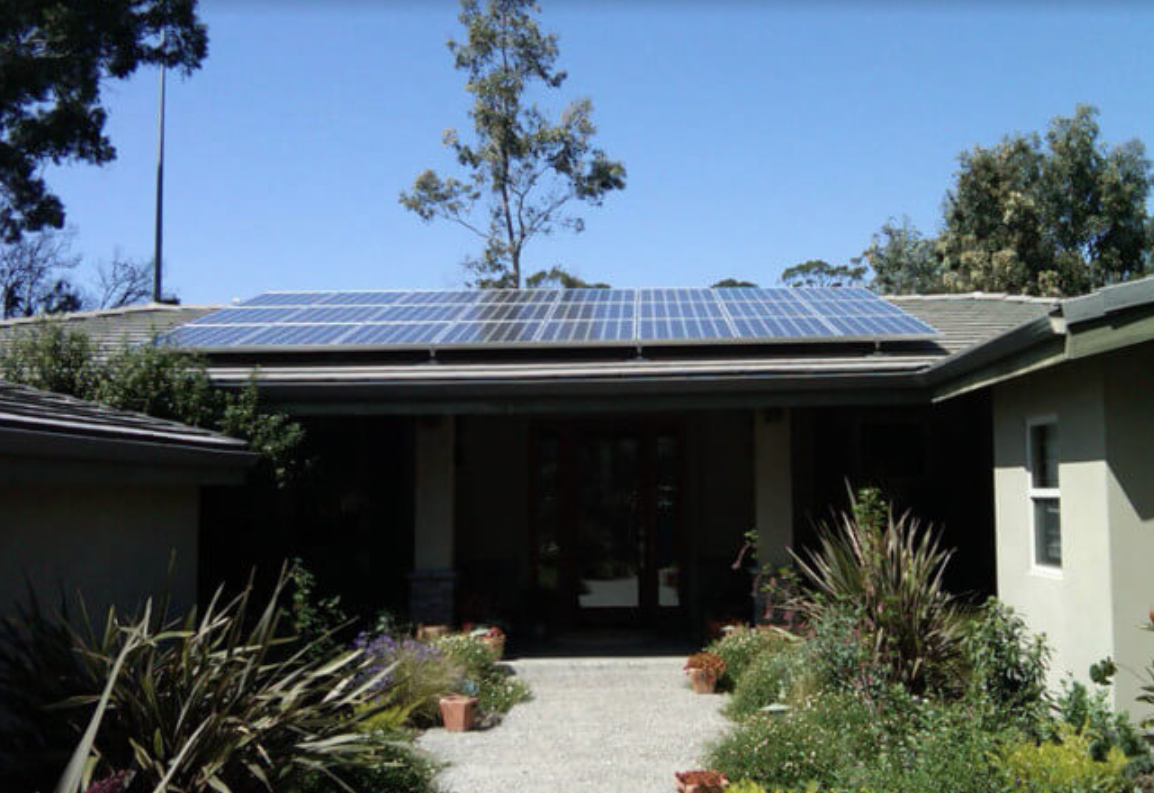
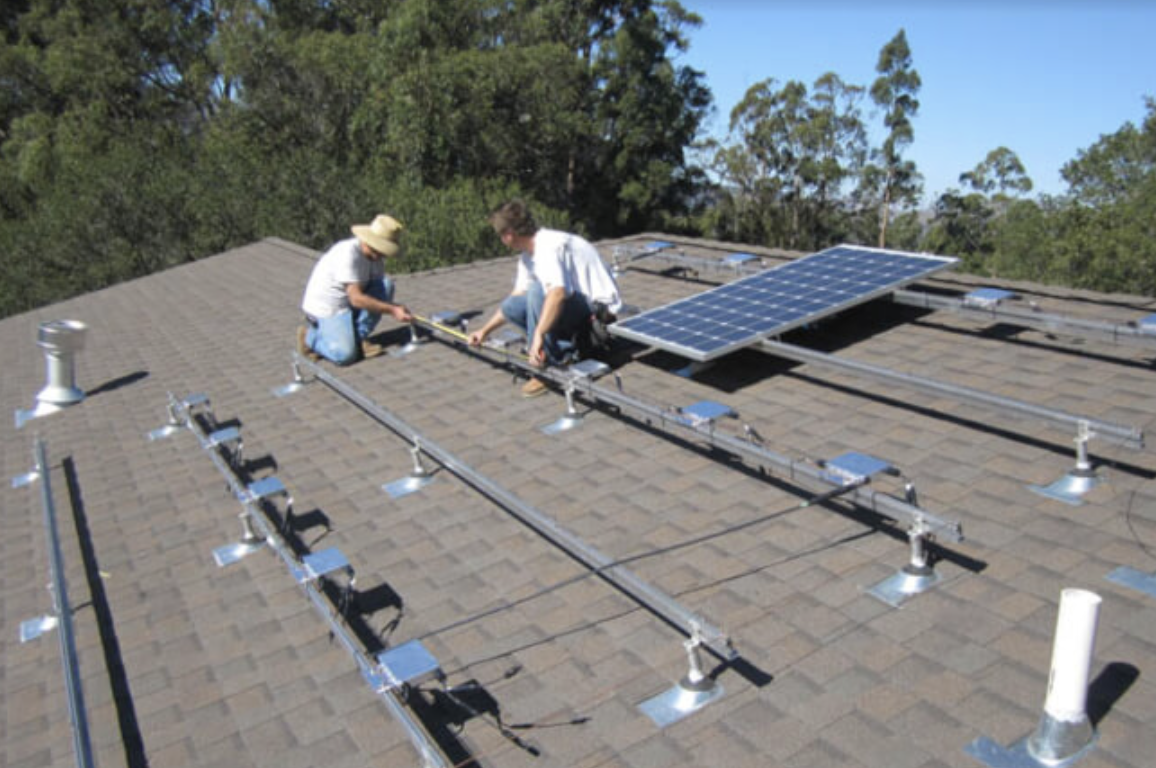
The solar energy industry is booming. San Luis Obispo County is at the forefront of this green revolution. Local experts like Electricraft Inc. are leading the way in San Luis Obispo solar power installations. Several factors make now the ideal time to switch to solar energy.

Global and local solar trends continue to impress in 2024. The Solar Energy Industries Association reports sustained growth in the sector. In 2023, solar installations accounted for 52% of all new electric generating capacity in the U.S. This marks a significant increase from 2020. San Luis Obispo County maintains its strong position in solar adoption. The California Energy Commission data shows the county has now surpassed 350 megawatts of solar capacity as of early 2024. This represents a 75% increase from 2021 figures. The rapid expansion demonstrates the region’s ongoing commitment to renewable energy. Solar power continues to be a key component in California’s push towards its 100% clean energy goal by 2045.

Economic advantages of solar energy are compelling. Installation costs have plummeted. The National Renewable Energy Laboratory reports a 70% drop in solar photovoltaic system costs since 2010. In San Luis Obispo County, residential solar systems can offset up to 90% of household electricity consumption. Many homeowners see their installations pay off within 6-8 years. After that, they enjoy essentially free electricity for 25-30 years.

Government incentives make solar more attractive. The federal Solar Investment Tax Credit offers a 26% deduction on installation costs. This incentive will decrease soon, making now the best time to invest. California provides additional benefits. The Self-Generation Incentive Program and net metering policies offer further economic advantages. Solar system owners can receive credit for excess energy production.

Technological advancements have improved solar efficiency. Modern panels convert up to 22% of sunlight into electricity. This is a significant increase from earlier models. Energy storage solutions have also improved. Advanced battery systems allow homeowners to store excess energy. This increases overall system efficiency and reliability.

Environmental impact is a crucial factor. The average residential solar system in San Luis Obispo County offsets 6-8 tons of CO2 annually. This equates to planting over 150 trees each year. As climate change concerns grow, transitioning to clean energy becomes increasingly important.

Solar power offers energy independence. Homeowners and businesses can reduce reliance on the traditional power grid and this protects against rate hikes and power outages. Energy resilience is particularly valuable in areas prone to natural disasters or grid instability.

Property values increase with solar installations. The Lawrence Berkeley National Laboratory found homes with solar panels sell for 4.1% more on average. This increase in San Luis Obispo County’s high-value property market represents a substantial return on investment.

Job creation is another benefit of solar adoption. The Solar Foundation reports California’s solar workforce has grown by over 150% in five years. This growth translates to increased employment opportunities and local economic stimulation.

Modern solar panels are more aesthetically pleasing as well. New designs integrate seamlessly with various architectural styles. Some manufacturers offer solar roof tiles that mimic traditional roofing materials. This addresses a common objection to residential solar installations.

Solar power helps future-proof energy needs. As electric vehicles become more common and home energy demands increase, a well-designed solar system can accommodate growing requirements. This ensures long-term energy security and cost savings.

Reduced dependence on fossil fuels is a key advantage. The U.S. Energy Information Administration reports solar energy production has increased by over 1,000% in the last decade. This plays a crucial role in reducing greenhouse gas emissions and enhancing energy security.

Solar panel systems require minimal maintenance. Occasional cleaning and routine inspections are typically sufficient. Most panels come with warranties of 25 years or more. This ensures long-term reliability and performance.

Scalability and More!
Scalability is another benefit of solar installations. Homeowners can start small and expand their systems as needed. This flexibility makes solar power accessible to various budgets and energy needs.

Installing a solar system often increases energy awareness and leads to more efficient energy use and further cost savings. Many homeowners report becoming more conscious of their energy consumption patterns after going solar.

Community solar options are becoming more available. These shared solar facilities allow individuals to benefit from solar energy without personal installation. This is ideal for those unable to install panels on their property.

Solar energy systems are increasingly integrated with smart home technologies. This allows for more efficient energy management and enhanced user control. Homeowners can monitor and optimize their energy use in real time.

On-site solar energy production eliminates transmission losses. Traditional electricity distribution involves energy loss during transmission. Solar power production at the point of use increases overall energy efficiency.

Solar adoption helps reduce strain on the local power grid. This is particularly beneficial during peak demand periods. It can lead to improved grid stability and reduced need for infrastructure upgrades.

Choosing solar energy demonstrates environmental leadership. Individuals and businesses can influence others in their community to adopt sustainable practices. This creates a ripple effect of positive environmental impact.

Solar energy provides long-term price stability for electricity costs. It protects consumers from the volatility of fossil fuel prices. It also guards against potential future energy price increases.

In conclusion, now is the perfect time to switch to solar energy. Economic benefits, technological advancements, and environmental considerations all align. Supportive policies add to the appeal. For San Luis Obispo County residents, local experts like Electricraft Inc. are ready to help. They can guide homeowners through the San Luis Obispo solar power installation process. Embracing solar energy today secures long-term savings and contributes to a sustainable future.

DREAMING OF A GREENER TOMORROW? HOW PROPANE COULD FUEL YOUR ECO-FANTASY TODAY

Propane offers a green solution for eco-conscious property owners. It’s a clean-burning fuel recognized by environmental regulations. This versatile energy source provides benefits for homes and businesses alike. Wildhorse Propane & Appliance has been at the forefront of this eco-friendly movement, helping residents and businesses harness the power of Paso Robles propane to meet their energy needs while reducing their environmental impact.

Propane’s environmental impact is notably low. It produces fewer carbon emissions than many other fuels. When burned, propane mainly releases water vapor and minimal carbon dioxide. In case of leaks, it doesn’t contaminate soil or water. The gas simply dissipates into the air without harmful residues. Propane’s high efficiency means less fuel consumption overall. This leads to reduced environmental impact from production and transportation.

The economic benefits of propane are significant. It costs about half as much per BTU as electricity. This translates to substantial savings on energy bills. Propane gas fireplaces are 30% to 60% cheaper than wood-burning ones. Propane-powered appliances also tend to last longer. A propane heating system can function for about 20 years. Electric heat pumps, in contrast, usually need replacement after 10-12 years. This longevity saves money on replacements and reduces waste. Propane appliances generally require less maintenance too. They experience fewer malfunctions compared to electrical appliances. Lower repair costs add to the long-term savings.

Propane’s performance is impressive across various applications. Heating systems powered by propane are highly efficient. They produce air that’s 15-20 degrees warmer than electric heat pumps. This ensures faster heating and consistent comfort. Propane water heaters are quick and efficient. They can heat a full tank in about 20 minutes. Electric heaters often take an hour or more for the same task. In the kitchen, propane stoves offer precise temperature control. Many chefs prefer them for their instant heat and cooking quality.

The versatility of propane extends outdoors. It can power grills, patio heaters, and pool heaters. This extends the usability of outdoor spaces year-round. Propane’s accessibility is another key advantage. It’s readily available in most regions. This ensures a stable supply for users regardless of location. Propane can be stored on-site in tanks. This makes it ideal for off-grid locations or areas prone to power outages. It provides energy independence and security.

Unlike weather-dependent renewable sources, propane offers consistent performance. It ensures reliable energy access in all conditions. This reliability is crucial for both homes and businesses.

Switching to propane requires some planning. Property owners should consult with experts. These professionals can assess specific needs and design tailored systems. The transition process involves several steps. It starts with a site assessment to determine optimal tank and line placement. System design follows, integrating propane into existing or new construction. Obtaining the necessary permits is crucial. Installation involves setting up tanks, running gas lines, and connecting appliances. Safety checks ensure all connections meet standards. User education on proper use and maintenance completes the process.

Propane shines in specific applications. Home heating with propane is efficient and cost-effective. Propane furnaces heat air to higher temperatures than electric systems. They operate in short intervals to minimize heat loss. This results in consistent warmth and lower energy costs. Water heating with propane is twice as fast as electric models. It offers lower operational costs and faster recovery rates.

In the kitchen, propane stoves provide instant heat and precise control. They continue to function during power outages. This ensures food preparation capabilities at all times. Propane clothes dryers are faster and gentler on fabrics. They consume less energy than electric models.

For backup power, propane generators are reliable. They ensure the continuous operation of essential systems during outages. In agriculture, propane has various uses. It’s used for crop drying, flame weeding, and powering irrigation engines. Commercial establishments benefit from propane too. Restaurants and hotels can reduce operational costs with propane systems.

The future of propane looks promising. The industry is developing renewable propane from biomass and plant oils. This could further enhance its eco-friendly profile. Research continues on more efficient propane appliances and systems. These advancements could lead to even greater energy savings and reduced emissions.

Propane stands out as a versatile and relatively clean energy option. It provides reliable energy while minimizing environmental impact. Property owners can significantly reduce their carbon footprint by choosing propane. They don’t have to sacrifice comfort or efficiency in the process.

In conclusion, propane offers a practical path to a greener future. It balances ecological responsibility with energy needs. As we dream of a more sustainable tomorrow, propane could be the key to turning those dreams into reality. It’s a step towards a cleaner, more efficient energy landscape for homes and businesses alike.