THE ESSENTIALS OF HOME CONSTRUCTION: DESIGNING FOR EVERY ROOM

Building a home is a monumental task that requires careful planning and attention to detail in every room. From the living room to the gaming room, each space serves a unique purpose and should be tailored to meet the needs of the residents. Below is a guide to key considerations when designing the living room, kitchen, kids’ room, and gaming room, ensuring that your home is both functional and stylish.

1. Living Room: The Heart of the Home

The living room is often the focal point of the home—a place where family and friends gather to relax, entertain, and spend quality time together.

  • Open Concept Design: An open-concept layout can create a sense of spaciousness by connecting the living room seamlessly with adjacent areas like the kitchen or dining room. This design not only fosters a more social environment but also allows for flexible furniture arrangements.
  • Natural Light: Incorporating large windows or even floor-to-ceiling glass doors will flood the room with natural light, making it feel warm and inviting. Consider positioning the windows to capture the best views and sunlight throughout the day.
  • Built-In Storage: To maintain a clutter-free environment, plan for built-in storage solutions such as custom shelving, entertainment centers, or hidden compartments. These not only enhance the room’s aesthetics but also add valuable storage space without taking up additional floor area.
  • Comfortable Seating: Prioritize comfort by selecting high-quality sofas and chairs. Consider a sectional sofa for larger spaces, or a mix of armchairs and loveseats for a cozier, more intimate feel.
  • Personal Touches: Incorporate personal touches like family photos, artwork, or unique decor pieces that reflect your style and make the space feel like home.

2. Kitchen: The Culinary Hub

The kitchen is often considered the heart of the home, especially for those who love to cook and entertain. A well-designed kitchen can make meal preparation more enjoyable and efficient.

  • Functional Layout: The kitchen work triangle—comprising the sink, stove, and refrigerator—is a classic layout that maximizes efficiency. Ensure that these three elements are within easy reach of each other, with ample countertop space in between.
  • Quality Materials: The kitchen sees heavy daily use, so it’s essential to choose durable materials. Opt for countertops made from granite, quartz, or butcher block for longevity. For cabinetry, consider hardwood or high-quality laminates that can withstand the rigors of cooking.
  • Smart Appliances: Integrating smart technology into your kitchen can significantly enhance your cooking experience. From refrigerators that can monitor groceries to ovens that can be preheated from your smartphone, these modern conveniences save time and effort.
  • Ample Storage: A clutter-free kitchen is a more enjoyable space. Plan for plenty of storage, including deep drawers for pots and pans, pull-out shelves for pantry items, and overhead cabinets for infrequently used items.
  • Lighting: Layered lighting is key in the kitchen. Combine task lighting under cabinets with ambient lighting from ceiling fixtures, and add accent lighting for highlighting special features like a backsplash or island.

3. Kids’ Room: A Space to Grow

A child’s room is more than just a place to sleep; it’s a space where they play, learn, and grow. Designing a kids’ room requires balancing fun and functionality.

  • Safety First: Safety should be a top priority when designing a kids’ room. Use non-toxic paints and child-safe materials for flooring and furniture. Secure heavy furniture to the wall to prevent tipping, and choose window treatments that are free from dangling cords.
  • Versatile Furniture: Children grow quickly, and their needs change just as fast. Invest in versatile furniture that can adapt over time. For example, consider a bed that can transition from a crib to a toddler bed, or a desk that can be adjusted as your child grows.
  • Creative Storage Solutions: Keeping a kids’ room organized can be a challenge, but with the right storage solutions, it becomes easier. Built-in shelves, under-bed storage, and multi-functional furniture (like ottomans that double as toy chests) help keep toys, books, and clothes in order.
  • Personalized Space: Let your child’s personality shine through in their room design. Whether it’s through themed decor, their favorite colors, or a dedicated space for their hobbies, personalizing the room makes it more enjoyable for them.
  • Study Area: As your child grows, consider adding a dedicated study area with a desk, chair, and good lighting. This will encourage good study habits and provide a quiet space for homework.

4. Gaming Room: The Ultimate Entertainment Zone

In today’s digital age, a gaming room is a dream space for many households. Whether you’re an avid gamer or enjoy movie nights, designing a dedicated entertainment zone requires special considerations.

  • Soundproofing: Gaming rooms can get loud, especially during intense sessions. To prevent noise from disturbing the rest of the house, invest in soundproofing. Acoustic panels, thick carpets, and heavy curtains can help dampen sound.
  • Comfortable Seating: Gaming sessions can last for hours, so comfort is key. Opt for ergonomic chairs that provide ample support, or even consider a recliner or gaming couch that allows you to stretch out during long playtimes.
  • High-Tech Setup: A gaming room isn’t complete without the latest technology. Ensure the room has enough power outlets and USB ports to accommodate multiple consoles, a large TV or projector, and any other gaming accessories. Consider wall-mounting the TV for a better viewing angle and to save space.
  • Lighting: Adjustable lighting is crucial in a gaming room. Too much light can create glare on screens, while too little can strain the eyes. LED strips or dimmable lights can create the perfect ambiance.
  • Organization: Keep cables, controllers, and games organized with dedicated storage solutions. Wall-mounted racks or shelves can keep everything within reach and neatly arranged.
  • Multifunctionality: If space allows, consider making the gaming room multifunctional by adding a small kitchenette for snacks and drinks, or a comfortable seating area for movie nights. This transforms the space into an all-purpose entertainment room.

For those who take their gaming seriously, having a dedicated space is essential. To enhance your gaming experience, explore the latest tools and resources by visiting KWG login.

Conclusion

Designing a home that meets the needs of every member of the family requires thoughtful planning and attention to detail. Whether it’s creating a warm and welcoming living room, a functional and stylish kitchen, a fun and safe kids’ room, or a high-tech gaming room, each space should reflect your lifestyle and preferences. With careful consideration of each room’s purpose and layout, your home will not only be beautiful but also a place where everyone feels comfortable and content

WHAT CAUSES CONDENSATION ON YOUR CEILING? HOW TO DEAL WITH IT?

You must know that condensation is a common phenomenon where warm, moist air meets a cold surface. It leads to the formation of water droplets. This can undoubtedly occur on different surfaces within your home. Condensation on the ceiling often poses a significant issue. It is not a minor annoyance; ignoring it can lead to severe consequences like mould growth and structural damage. Understanding the causes of ceiling condensation is essential for addressing and preventing harmful effects.

  • Understanding the causes

According to experts at Price Brothers Restoration, poor ventilation is one of the leading causes of sealing condensation. Insufficient ventilation traps moisture inside your home, leading to an increase in humidity levels. When the moist air comes into contact with cold ceiling surfaces, condensation forms.

Kitchens and bathrooms are the main culprits when it comes to producing moisture. Cooking boiling water and using the dishwasher contribute to high humidity levels in your kitchen. At the same time, taking hot showers and baths increases humidity in the bathroom. The moisture has somewhere to go without proper ventilation, leading to condensation issues.

Insulation plays a vital role in preventing heat loss and moisture buildup. Poor insulation allows warm air from inside the home to escape, making the ceiling surface cold and more prone to condensation when it comes into contact with moist air.

High humidity levels inside your home are a major contributor to condensation. Everyday activities like cooking, showering, and drying clothes indoors can also raise humidity levels. Kitchens and bathrooms are the main sources of humidity, but other activities, including drying clothes inside using humidifiers, can even add to the moisture levels in the air.

  • Preventing and resolving ceiling condensation

It would help if you enhanced ventilation in critical areas of your home. You can install and regularly use exhaust fans in the kitchen and bathroom. Just ensure these fans go outside and not just into the attic, as this can create moisture problems elsewhere in your home.

1. Good insulation can help reduce heat loss, keeping the sealing surface warmer and least likely to condense moisture. It also maintains a stable indoor climate, reducing temperature disparities that can even lead to condensation.

2. Dehumidifiers can remove excess moisture from the air, especially in humid climates or during the winter months. Your home should be well-ventilated, with windows and vents open whenever possible to allow moist air to escape. Furthermore, you should avoid drying clothes indoors. If you must, you should use a clothes dryer with a vent that leads outside. Similarly, you must ensure that your dishes are thoroughly dried before storing them to reduce moisture in the air.

Condensation on the ceiling is a common but potentially severe problemyou should not ignore. By addressing ceiling condensation in time, you can maintain a healthy, comfortable, and safe home environment. In cases where condensation persists, professional inspection and repair are essential to prevent mould growth.

WHY USING A DESIGN & RENOVATION COMPANY IS A NO-BRAINER

You must know that condensation is a common phenomenon where warm, moist air meets a cold surface. It leads to the formation of water droplets. This can undoubtedly occur on different surfaces within your home. Condensation on the ceiling often poses a significant issue. It is not a minor annoyance; ignoring it can lead to severe consequences like mould growth and structural damage. Understanding the causes of ceiling condensation is essential for addressing and preventing harmful effects.

  • Understanding the causes

According to experts at Price Brothers Restoration, poor ventilation is one of the leading causes of sealing condensation. Insufficient ventilation traps moisture inside your home, leading to an increase in humidity levels. When the moist air comes into contact with cold ceiling surfaces, condensation forms.

Kitchens and bathrooms are the main culprits when it comes to producing moisture. Cooking boiling water and using the dishwasher contribute to high humidity levels in your kitchen. At the same time, taking hot showers and baths increases humidity in the bathroom. The moisture has somewhere to go without proper ventilation, leading to condensation issues.

Insulation plays a vital role in preventing heat loss and moisture buildup. Poor insulation allows warm air from inside the home to escape, making the ceiling surface cold and more prone to condensation when it comes into contact with moist air.

High humidity levels inside your home are a major contributor to condensation. Everyday activities like cooking, showering, and drying clothes indoors can also raise humidity levels. Kitchens and bathrooms are the main sources of humidity, but other activities, including drying clothes inside using humidifiers, can even add to the moisture levels in the air.

  • Preventing and resolving ceiling condensation

It would help if you enhanced ventilation in critical areas of your home. You can install and regularly use exhaust fans in the kitchen and bathroom. Just ensure these fans go outside and not just into the attic, as this can create moisture problems elsewhere in your home.

  1. Good insulation can help reduce heat loss, keeping the sealing surface warmer and least likely to condense moisture. It also maintains a stable indoor climate, reducing temperature disparities that can even lead to condensation.
  1. Dehumidifiers can remove excess moisture from the air, especially in humid climates or during the winter months. Your home should be well-ventilated, with windows and vents open whenever possible to allow moist air to escape. Furthermore, you should avoid drying clothes indoors. If you must, you should use a clothes dryer with a vent that leads outside. Similarly, you must ensure that your dishes are thoroughly dried before storing them to reduce moisture in the air.

Condensation on the ceiling is a common but potentially severe problem you should not ignore. By addressing ceiling condensation in time, you can maintain a healthy, comfortable, and safe home environment. In cases where condensation persists, professional inspection and repair are essential to prevent mould growth.

CHOOSING THE RIGHT COMMERCIAL GRIDDLE AND OVEN COMBO: ADDING VALUE TO YOUR KITCHEN

In the catering sector, the choice of kitchen equipment influences food quality and kitchen efficiency. Thanks to their versatility and efficiency, commercial stoves and combi ovens are fast becoming the ideal choice for modern restaurant kitchens. But with so many appliances on the market, how do you choose the one that best suits your needs? In this article, you’ll find a buying guide to help you add value to your restaurant.

1. Common types of commercial ovens and their advantages and disadvantages

Before choosing a combined commercial oven and grill, it’s important to understand the different types of commercial ovens and their advantages and disadvantages. Some of the most common types of commercial ovens are listed below:

Convection oven

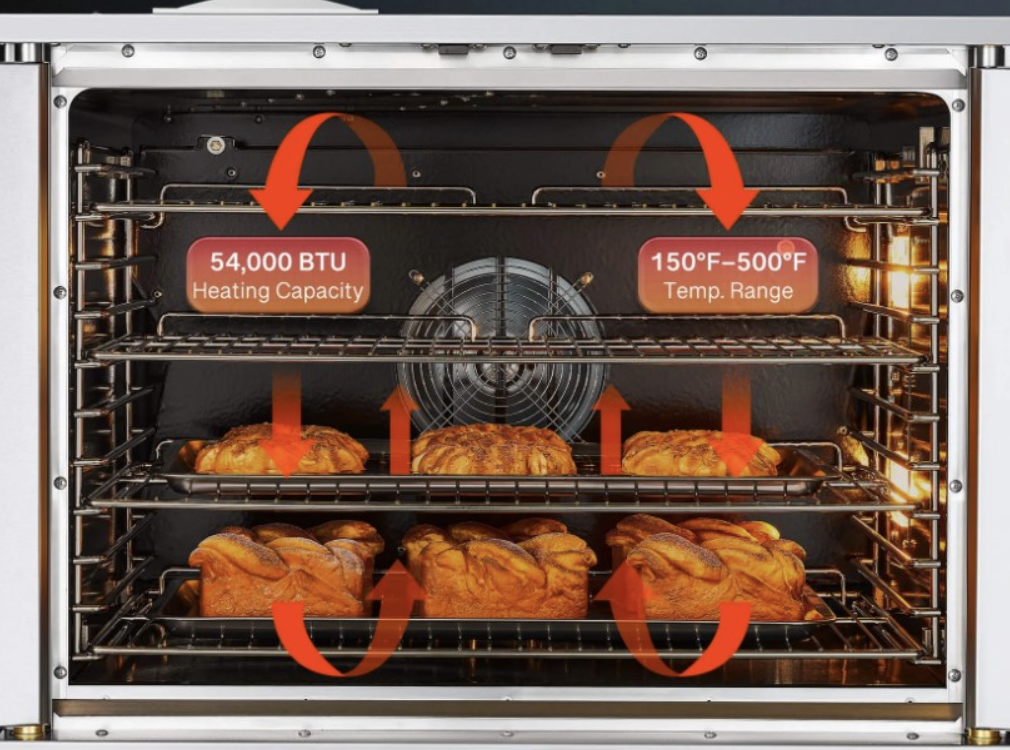
Advantages: convection ovens circulate hot air through a built-in fan to heat food evenly. They are suitable for baking bulky bakery products such as bread, cakes, cookies, etc. They are fast and can bake at lower temperatures, saving energy.

Disadvantages: convection ovens are not suitable for certain types of pastry that require special humidity control, such as pastries or puff pastry. In addition, light ingredients may shift or expand unevenly when fans are used.

Traditional oven

Advantages: traditional ovens have no fans and heat is transmitted by natural convection, making them suitable for cooking products that require slow heating and precise control. They are best suited to certain traditional dishes, such as slow-cooked meats and baked desserts.

Disadvantages: they take longer to cook, and temperatures can vary from one cocotte to another. They are less efficient when it comes to baking large quantities of bakery products during peak hours.

Pizza oven

Advantages: designed for baking pizzas, they quickly produce evenly heated pizzas with crispy crusts at very high temperatures. The oven’s internal design generally allows heat to be concentrated in the materials, improving baking results.

Disadvantages: pizza ovens are limited and designed primarily for baking pizzas; other foods cannot achieve the same baking results. As a result, pizza ovens are generally only suitable for specialized pizzerias.

Combination steam oven

Advantages: this type of oven combines the benefits of steam and hot air, making food healthier and preserving the moisture and nutrients in ingredients. It’s ideal for steaming fish, vegetables and other foods requiring humidification.

Disadvantages: steam mode is more difficult to use and maintain, and requires regular cleaning and maintenance of the steam system. In addition, the high price of this oven makes it unsuitable for low-cost kitchens.

2. The benefits of a commercial fan and oven combination

Now that you understand the different types of commercial ovens, the benefits of a cooktop and commercial oven combination become even more important. Here are some of the main benefits of this device:

Versatility

Industrial fryer and oven combinations combine the functions of a fan and an oven, providing the ability to fry and bake simultaneously. For kitchens that need to efficiently prepare multiple dishes, this versatile device can greatly improve efficiency and reduce the time spent switching between different appliances.

Saves Space

This combination device saves valuable kitchen space. Traditional kitchens require separate fans and ovens, which not only take up space but also clutter the kitchen. Combination appliances maximize space utilization through their integrated design, making your kitchen layout more compact and smart.

Improve Efficiency

Commercial fan and oven combinations improve the overall efficiency of your kitchen by reducing the number of steps and appliances. For example, the Wilprep Commercial Gas Convection Oven has a 7 cubic foot cooking chamber, a powerful 54,000 BTU heating capacity, and the flexibility of multiple settings and speeds. This device is designed to help chefs complete cooking tasks faster.

Easy to clean and maintain

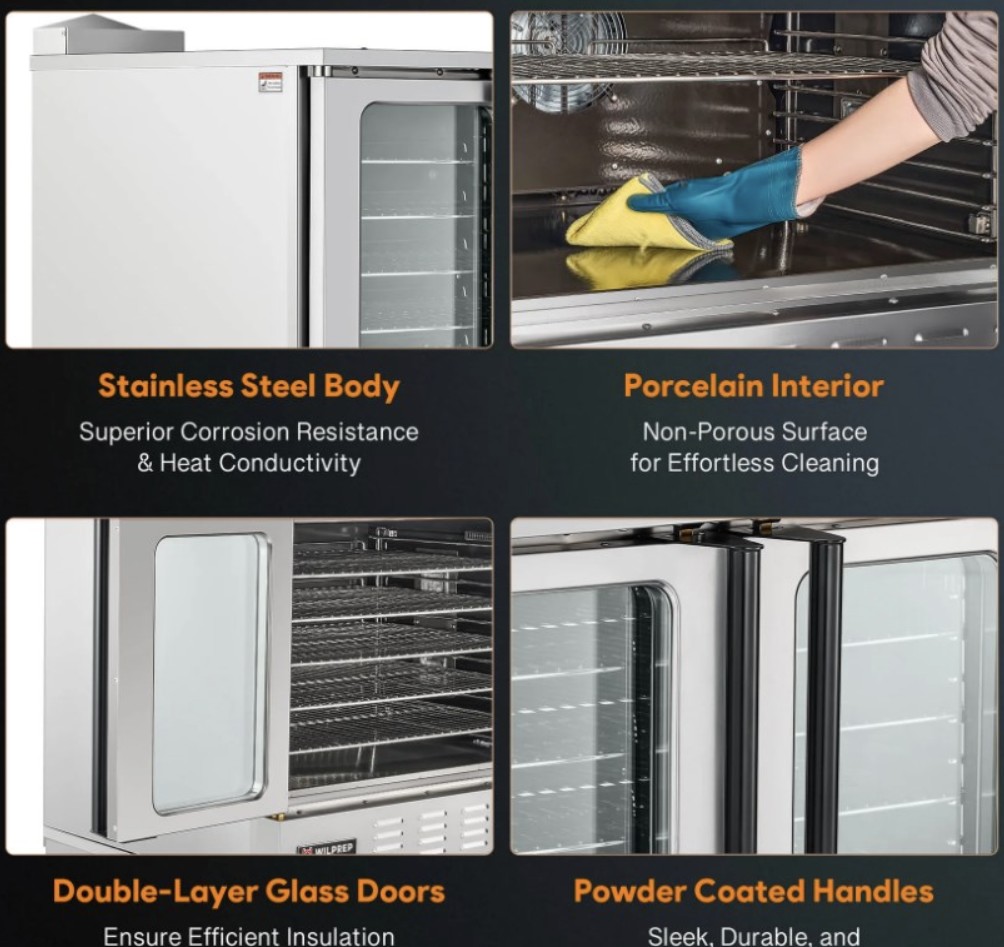
Many commercial grill and oven combos are made with materials and designs that are easy to clean. For example, ceramic inner walls and stainless steel outer walls are porous and easy to clean, while also being durable and corrosion-resistant. This design reduces the time spent cleaning and maintaining the equipment, which in turn reduces operating costs.

Improve the quality of your cooking

Since combined units can perform multiple cooking methods simultaneously, food is cooked faster and more evenly. This not only speeds up food delivery, but also ensures consistency in food quality, helping restaurants stay ahead of the curve in a competitive market.

3. How to Choose the Right Combination Equipment for Your Fryer and Oven

Consider the following factors when choosing a fryer and oven combination:

Kitchen Space

Start by assessing the space available in your kitchen. Combination appliances can save space, but appliance placement in a small kitchen must be carefully planned to ensure ease of use and safety.

Kitchen Requirements

Choose the right equipment based on your restaurant’s menu and cooking needs. If your restaurant needs to cook and fry ingredients frequently and quickly, a high-heat, high-flow grill is the ideal device.

Budget

Equipment costs are also important. While the initial investment cost of a commercial griddle and oven combination may be higher, its versatility and improved efficiency can save your restaurant money in the long run.

Brand and After-Sales Service

Choosing a reliable brand and having quality after-sales service are also important factors.

4. Summary

Choosing the right combination of commercial cookware and oven equipment will not only improve the efficiency of your kitchen operations but will also add significant value to your restaurant in the long run. Before making a purchasing decision, carefully consider your kitchen needs and budget and select the equipment that best suits your restaurant’s requirements. By investing in the right equipment, you can improve the quality of your food, optimize your kitchen operations, add value to your restaurant and stay one step ahead of the competition.

EXPERT ROOF MAINTENANCE SERVICES FOR OPTIMAL HOME PROTECTION

Maintaining a roof is crucial for the safety and longevity of any building. Regular inspections can help spot potential problems before they become costly repairs. Keeping your roof in good condition also protects against weather and environmental damage.

Ignoring roof maintenance can lead to leaks and other serious issues. In this guide, we will discuss expert roof maintenance services for optimal home protection.

COMPREHENSIVE ROOF CLEANING

Keeping your roof clean is an important part of prolonging roof life. Dirt, moss, and algae can build up over time, causing wear and tear. Regular cleaning helps prevent damage and keeps your roof looking nice.

Professional roof cleaning services remove debris and growth that can harm your roof. They use special tools and cleaners to get the job done safely. By doing this, they help prolong roof life and save you money.

GUTTER MAINTENANCE AND REPAIR

Gutters are essential for directing water away from your home. This helps prevent water damage to the roof, walls, and foundation. Regular maintenance ensures your gutters work properly and last longer.

Professional roofing company offers expert gutter maintenance and repair services. They clean out debris and fix any issues to keep your gutters in top shape. By taking care of your gutters, you can avoid costly water damage repairs in the future.

ADDRESSING ROOF LEAKS PROMPTLY

Addressing roof leaks promptly is crucial for maintaining a safe home. Ignoring small leaks can lead to bigger issues like mold growth and structural damage. Professional roof upkeep helps identify and repair leaks early, saving you money in the long run.

Quick action prevents water damage to ceilings and walls. Always have a professional inspect your roof after severe weather. Regular check-ups ensure your roof stays in good condition and protects your home efficiently.

PAINTING AND SEALING YOUR ROOF

Painting and sealing your roof is a great way to protect it from weather damage. This helps prevent wear and tear, as well as adds an extra layer of protection against the elements.

Professional roofing experts know which paints and sealants are best for different types of roofs. They can also properly prepare the surface before applying the products. This ensures a long-lasting finish that will help extend the life of your roof.

CHOOSING THE RIGHT ROOFING PROFESSIONAL

Choosing the right roofing professional is important for your home’s safety. You can consider this roofing company Eau Claire, they have skilled workers who know how to fix roofs properly and use good materials.

By hiring a reputable roofing company, you can have peace of mind that your roof is in good hands. Regular maintenance and repairs will help extend the life of your roof and save you money on potentially costly repairs.

THE IMPORTANCE OF ROOF MAINTENANCE SERVICES

Regular roof maintenance services are essential for a safe home. They help prevent costly repairs by catching issues early. This keeps your roof in top condition year-round.

Ignoring roof maintenance can lead to severe damage. Leaks and structural issues can become expensive to fix. Regular check-ups save you money in the long run.

Professional roofers use high-quality materials and tools. They know how to clean and repair your roof safely. Trust experts to maintain and extend the life of your roof.

Want to read some more informative articles like this one? Poke around on the rest of our blog to see what interests you.

DIY ROOF REPAIRS VS. PROFESSIONAL ROOF SERVICES: WHAT YOU SHOULD KNOW

Have you ever noticed a leak in your roof and wondered whether to fix it yourself or call in the experts?

Many homeowners face this dilemma. DIY roof repairs can save you money, but they may also lead to bigger problems if not done correctly. On the other hand, professional roof services can ensure the job is done right.

In this article, we’ll explore the pros and cons of each option, helping you make an informed choice for your home.

SKILL AND EXPERIENCE

When it comes to roof repairs, skill and experience play a vital role. A skilled individual knows how to correctly identify issues and implement effective solutions. Proper training allows for safer and more efficient repairs.

Professional roofers have extensive experience in handling various roofing problems and roof maintenance. This experience can lead to a more reliable and long-lasting repair.

SAFETY

Safety is a major concern when considering roof repairs. Working on a roof can be dangerous due to heights and unstable surfaces. A fall can cause serious injury, so it is important to take precautions.

Professional roofers are trained to follow safety protocols. They have the right equipment to protect themselves while completing the job.

COST

Cost is an essential factor when deciding between DIY roof repairs and hiring a professional service. DIY repairs may appear cheaper at first, as you only pay for materials. However, mistakes in repairs could lead to more expenses down the line.

Professional roof services may come with a higher upfront cost, but they provide a guarantee on their work. This can save you money in the long run by preventing future issues.

TIME AND EFFORT

DIY roof repairs require a significant investment of time and effort. Homeowners need to gather materials, learn repair techniques, and physically perform the work. This process can be time-consuming and may disrupt daily routines.

Hiring a professional roof service can save time. Experts can complete repairs more quickly due to their training and experience. If you find yourself overwhelmed by the amount of time and effort required, you should go to this website to connect with experienced professionals.

WARRANTY AND INSURANCE

A warranty is an important aspect to consider when choosing between DIY repairs and professional services. Many professional roofing companies offer warranties on their work, which guarantees that repairs will be fixed if issues arise within a specified time. This offers peace of mind to homeowners and protects their investment.

Insurance is another vital consideration. Professional roofers typically carry liability insurance, which protects homeowners from potential damages that may occur during the repair process.

CHOOSE DIY ROOF REPAIRS FOR SAVINGS OR PROFESSIONAL ROOF SERVICES FOR PEACE OF MIND

When deciding between DIY roof repairs vs. professional roof services, think carefully. DIY repairs can save money but may not be the best choice for everyone. If you have the skills and feel confident, you might save some cash.

However, if safety, time, and peace of mind are important to you, hiring a professional could be the better option. Ultimately, weigh your abilities and the potential risks to make the right choice when choosing roof repair methods.

Did you find the information in this article helpful? If so, be sure to check out our blog for more valuable resources.

8 SIGNS YOUR BUSINESS OFFICE BUILDING NEEDS MAINTENANCE AND RENOVATION

Running a business is no small feat. This is especially true when you’re also responsible for the condition of your office building.

A neglected workspace can dampen productivity and even pose safety risks. Not only that, but an outdated business office might not leave the best impression on clients or prospective employees.

So if you’re unsure whether your building needs some TLC, read on. Here are eight telltale signs that it’s time to consider maintenance and renovation:

1. VISIBLE STRUCTURAL DAMAGE

Structural damage is a glaring sign that your office building needs attention. Cracks in walls, ceilings, or foundations can indicate serious underlying issues. If left unaddressed, it could lead to costly repairs or even compromise the building’s safety.

It’s crucial to act promptly. Repairing minor cracks can prevent them from developing into major problems.

Regular inspections by a structural engineer can also help identify issues early. They can recommend necessary repairs. They ensure that your building remains safe and secure for everyone inside.

For example, if you notice cracks in the walls of your office building, don’t ignore them. Contact a professional to assess the situation and make necessary repairs before they worsen.

2. INEFFICIENT HVAC SYSTEM

The HVAC system is crucial in maintaining a comfortable and healthy working environment. You have to know if your office building’s heating, ventilation, and air conditioning system is outdated.

You should also observe if it’s not functioning properly. If you notice it too late, it could lead to several problems.

Firstly, an inefficient HVAC system can result in high energy bills. It consumes more power to regulate the temperature. This can add up over time and affect your business’s bottom line.

Poor air quality due to a malfunctioning system can have adverse effects on employees’ health. They can experience allergies, headaches, or respiratory problems. This can lead to more sick days and lower productivity.

Consider hiring professionals like ProService to regularly inspect and maintain the system. They can also advise on upgrading to a more energy-efficient model. This can save you money in the long run.

3. LOW WATER PRESSURE

Low water pressure may seem like a minor inconvenience, However, it can be a sign of larger plumbing issues. It might indicate clogged pipes, leaks, or corroded plumbing fixtures that need replacement.

Addressing water pressure problems promptly is important. It helps maintain hygiene standards and ensure a functional workspace.

Regular plumbing maintenance can help prevent these issues. It saves you from unexpected costs and potential water damage down the road.

Consider hiring a professional plumber to assess the situation. They can make the necessary repairs or upgrades. This ensures your office building’s plumbing system is in top shape.

4. OUTDATED SAFETY FEATURES

The safety of your employees and clients should be a top priority. If your office building has outdated safety features, it’s time for an update.

For example, fire extinguishers and smoke detectors should be regularly checked and replaced if necessary. Emergency exits should also be marked and well-maintained.

Consider hiring a professional safety inspector to assess the current state of your building’s safety features. They can recommend necessary updates. They can also advise about replacements to ensure compliance with safety regulations.

5. DAMAGED FLOORING

Damaged flooring is not just an eyesore. It can also pose safety hazards like trips and falls. It’s important to address any noticeable damage, such as cracks, holes, or loose tiles.

Regularly cleaning and maintaining the flooring can help prevent further damage. However, if the damage is extensive, it might be time for a renovation. Consider upgrading to more durable and low-maintenance options like vinyl or laminate flooring.

For example, if the carpet in your office building is showing signs of wear and tear, it’s best to replace it with a more durable option. This not only improves the appearance of your workspace. It also ensures the safety of those inside.

6. POOR LIGHTING QUALITY

Lighting plays a crucial role in productivity, mood, and overall office ambiance. If your office building’s lighting is inadequate or outdated, it can negatively impact employees’ well-being and work performance.

Consider upgrading to energy-efficient LED lights. They can improve the overall lighting quality and save on energy costs. Regularly cleaning and maintaining light fixtures can also help prolong their lifespan.

Additionally, consider adding natural light sources such as windows or skylights. It can greatly improve the atmosphere of your workspace and promote a healthier indoor environment.

7. FREQUENT PEST ISSUES

Pest infestations are not only unpleasant. They can also damage your property and harm employee health. If you notice an increase in pests like rodents, insects, or birds, it’s time to address the issue head-on.

Pests can cause structural damage and they can contaminate food. They can spread disease. So it’s important to tackle the problem promptly.

Implementing regular pest control measures can help prevent infestations. They can help maintain a clean and healthy work environment.

So work with a professional pest control service. They can develop a comprehensive plan that keeps pests at bay.

For example, if you notice an increase in rodents in your office building, contact a pest control service as soon as possible. They can identify the root cause of the problem and implement effective solutions to eliminate it.

8. DECLINING CURB APPEAL

Your office building’s exterior is the first impression that clients and potential employees get. If it’s outdated, dirty or in disrepair, it can reflect poorly on your business.

Consider investing in regular maintenance and updates to improve the curb appeal of your building. This includes cleaning windows, repainting or repairing the facade, and landscaping.

Not only does this improve the overall appearance of your office building, but it also shows that you care about its upkeep. This can leave a positive impression on visitors and help attract top talent for your company.

For example, adding greenery or outdoor seating areas can greatly enhance the curb appeal of your building. It can create a more inviting atmosphere.

A BUSINESS OFFICE REPRESENTS YOUR BRAND

Your business office building is not just a physical space where work gets done. It’s also a representation of your brand and company culture.

A well-maintained and modern office can leave a lasting impression on clients and employees. It shows that you care about providing a positive and functional workspace.

So don’t neglect the condition of your office building. Regular maintenance and necessary updates can not only improve the safety and productivity of your workplace. It also boosts your company’s image and success.

Was this article helpful? If so, check out the rest of our site for more.