Did you know the global insulation materials market will reach $167.5 billion by 2031?
Insulation is essential for maintaining a comfortable and energy-efficient home. The attic is one of the most critical areas where proper insulation is crucial. Properly insulating your attic can save you up to 20% on your energy bills.
Various types of insulation are available on the market, each with unique properties and benefits. In this article, we’ll discuss the four most common types of attic insulation. Read on to help you make an informed decision for your home.
1. Fiberglass Insulation
Fiberglass insulation is the most common type of attic insulation and has been used for decades. It consists of tiny glass fibers that trap air pockets. You can buy them in rolls, batts, or blown-in form.
Here are some pros:
affordable
widely available
lightweight
easy to install
excellent thermal resistance
However, there are some cons:
can irritate the skin and lungs
can settle over time
not the best for tight spaces
can lose effectiveness when wet
2. Cellulose Insulation
Cellulose insulation is made from recycled materials such as newspapers and cardboard. It’s an environmentally friendly option and is often blown in to fill in small gaps and crevices.
Here are some pros:
eco-friendly
effective at reducing air infiltration
good for hard-to-reach areas
resistant to pests
can be added on top of existing insulation
However, there are also cons:
more expensive than fiberglass
can settle over time
not fire-resistant
can mold if wet
can be a breeding ground for insects
3. Spray Foam Insulation
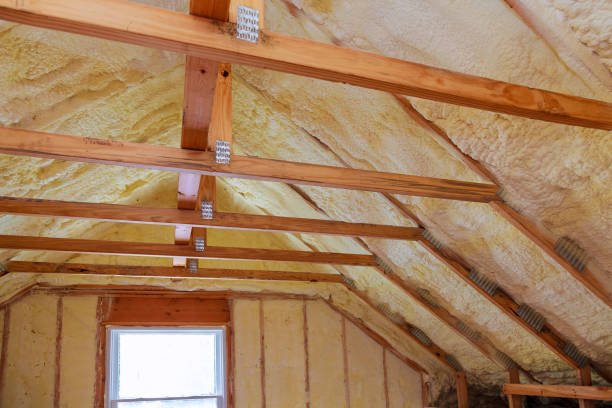
Spray foam insulation is a newer type of insulation. It’s made of polyurethane and is applied as a liquid that expands to fill gaps and cracks. This creates an airtight seal.
Here are some pros:
excellent at reducing air leakage
can add structural support
highly energy-efficient
water-resistant
However, there are also cons:
expensive
can be messy to install
may emit strong odors during installation
not environmentally friendly
4. Mineral Wool Insulation
Mineral wool insulation is made from minerals like basalt and rock, making it a non-toxic option. It’s commonly used in attics for its fire resistance and soundproofing abilities.
Here are some pros:
eco-friendly
excellent at soundproofing
fire-resistant
effective at trapping air
However, there are also cons:
more expensive than fiberglass
heavier and harder to install
can have limited availability
not ideal for DIY installation
Whatever type of insulation you choose, make sure to hire reputable contractors for proper installation. A well-insulated attic can make a significant difference in home energy efficiency and comfort level.
Exploring the Many Types of Attic Insulation
Proper attic insulation is essential for maintaining a comfortable and energy-efficient home. Understanding the different types of attic insulation available can help you make an informed decision for your home.
Each has its pros and cons, so it’s essential to research before making a choice. Whichever you choose, it’s crucial to ensure proper installation by a professional for optimal results. With the right insulation, you can save money on energy bills and enjoy a more comfortable living space.
Did you find this blog post helpful? If so, feel free to explore more of our blog!
Choosing the best material for front door handles can be tricky for any homeowner. Avant-Garde Hardwares’ range of front door handles typically includes stainless steel, bronze, brass, and aluminium. Each of these materials offers a different blend of durability, security, and aesthetics, allowing you to find the perfect match for your personal style and needs.
Stainless steel door handles are known for their strength and resistance to rust, making them a great choice for exterior use. Bronze and brass handles offer a classic look, with bronze being more durable and brass adding an elegant touch. Aluminium handles are lightweight yet strong, offering a modern and sleek design that fits well with contemporary homes.
A front door handle is more than just a functional item; it’s also a statement piece that can elevate the style of your home’s entrance. By picking the right material, you can enhance both the security and the curb appeal of your home. Stick around to explore more about each material’s unique benefits and how to select the best option for your needs.
KEY TAKEAWAYS
Choose between stainless steel, bronze, brass, and aluminium for durability and style
Stainless steel and aluminium offer modern looks, while bronze and brass add elegance
Selecting the right material enhances both security and aesthetic appeal
MATERIAL SELECTION AND BENEFITS
Choosing the right material for a front door handle is essential to ensure both durability and style. The types of materials available each offer unique advantages and challenges, from metallic options that provide strength and security to non-metallic alternatives that add a distinctive touch.
METALLIC OPTIONS FOR DURABILITY AND STYLE
Stainless Steel:
Stainless steel is a popular choice for front door handles. It is incredibly durable, resistant to rust and corrosion, and requires minimal maintenance. This makes it ideal for homes located in coastal areas where salty air can be a concern.
Brass and Bronze:
Brass and bronze handles offer a classic and elegant look. Brass is resistant to tarnishing and is known for its germicidal properties, while bronze, over time, develops a beautiful patina that enhances its antique appeal.
Aluminium:
Aluminium is lightweight yet strong. It is resistant to corrosion, making it an excellent choice for outdoor handles. Aluminium handles often come in various finishes, including polished and matte options, to match different aesthetic preferences.
NON-METALLIC ALTERNATIVES
Wood:
Wooden door handles are appreciated for their natural and warm appearance. Solid wood handles are sturdy and can complement various architectural styles. However, they may require more maintenance to prevent damage from weather exposure.
Plastic:
Plastic handles are cost-effective and versatile. They can be moulded into various shapes and colours, providing a modern look. While not as durable as metal alternatives, they are resistant to rust and corrosion.
Glass:
Glass handles add a touch of elegance and sophistication. They often combine with metal or wood to enhance durability. Glass handles are typically used in modern or contemporary designs but may require frequent cleaning to maintain their clarity.
FINISHING TOUCHES AND CORROSION RESISTANCE
Polished Brass, Satin Nickel, Matte Black:
Finishes like polished brass, satin nickel, and matte black can significantly impact the overall look of the handle. Polished brass provides a shiny, classic appearance, while satin nickel offers a smooth, contemporary look. Matte black adds a modern and sleek finish.
Rust-Resistant and Corrosion-Resistant Coatings:
Handles can be treated with rust-resistant and corrosion-resistant coatings to extend their lifespan. These treatments are essential for metals like iron and steel to prevent deterioration over time.
Maintenance:
Regular maintenance is necessary to preserve the handle’s appearance and functionality. This includes routine cleaning and occasional polishing, especially for metals like brass and bronze, to prevent tarnish and maintain their aesthetic appeal.
Selecting the right material and finish is crucial for the longevity and attractiveness of your front door handle, ensuring it meets both functional and decorative needs.
DESIGN AND AESTHETIC CONSIDERATIONS
When choosing front door handles, it’s essential to consider style, the visual impact on visitors, and functional design. These elements ensure the door handle not only looks good but also serves its purpose well in everyday use.
MATCHING STYLE TO ARCHITECTURE
The front door handle should match the overall style of the house to create a cohesive look. For a modern home, a sleek, minimalist handle in brushed stainless steel or matte black works well. Contemporary homes might benefit from polished chrome or nickel handles with clean lines.
For traditional or rustic homes, consider handles made of brass or bronze with intricate designs. Eclectic styles offer more freedom, allowing you to mix and match.
Size matters, too. Larger handles can make a bold statement, while smaller ones are more subtle. The key is to ensure the handle complements the architectural elements, enhancing the home’s elegance and sophistication.
VISUAL IMPACT ON VISITORS
First impressions are crucial, and the front door handle is often one of the first things visitors notice. An aesthetically pleasing handle can set the tone for the entire house. A well-chosen handle reflects the homeowner’s attention to detail and sense of style.
I find that opting for unique finishes like antique brass or a custom-designed handle can leave a lasting impression. It’s about creating an inviting entrance that speaks to the overall character of the home.
Remember, the door handle’s appearance should harmonise with other elements, such as the door colour, material, and any decorative accents like door knockers or address plaques.
FUNCTIONAL DESIGN FOR EVERYDAY USE
While aesthetics are important, the door handle must also be functional. It should be easy to grip and operate, especially for those with limited mobility. I recommend testing a few handles before making a final decision to ensure they feel comfortable and user-friendly.
Durability is another important factor. High-quality materials like solid zinc alloy or stainless steel not only look good but also withstand daily wear and tear. Handles with smooth surfaces and ergonomic shapes enhance the user experience, making everyday use seamless.
Incorporating both form and function ensures that the door handle is not only a beautiful addition to the home but also a practical one.
INSTALLATION AND MAINTENANCE
Proper installation and regular maintenance are crucial to ensure the longevity and effective functioning of your front door handle. I will cover tips on secure installation and how to maintain your handles for long-lasting use.
ENSURING SECURE FIT AND FUNCTION
When installing a front door handle, it’s important to follow industry standards. Start by using a level to mark the correct height, typically 36 inches from the bottom of the door. Accurate measurements ensure that the handle aligns correctly.
Ensure that you securely fit the latch and handle, following the manufacturer’s instructions closely. For added security, consider using deadbolts or smart locks.
Use a spade bit to drill holes for the spindle, making sure the door is stable. After drilling, insert and tighten all screws well to avoid a loose handle, which can compromise home security. Always check that the handle turns smoothly.
LONGEVITY AND CARE
Maintaining your front door handle is key to its longevity. Regular cleaning helps prevent build-up of dirt and grime. Use a soft cloth and mild detergent to avoid damaging the finish. In coastal areas,humidity and salt air can cause corrosion, so cleaning needs to be more frequent.
Avoid abrasive cleaners as they can scratch and dull the handle’s surface. For keyless entry or smart locks, periodically check batteries and software updates to ensure they function properly.
Inspect and oil moving parts to prevent wear from friction. If your home is in a sandy or dusty area, more frequent maintenance will be needed to keep these particles from interfering with the handle’s mechanics.



 Kevin Szabo Jr Plumbing