


Landscaping is an art that can transform the look and feel of your home, creating a serene and inviting environment. By strategically using plants and flowers, you can enhance the aesthetic appeal, increase property value, and create a personal sanctuary. Here are some tips and ideas to help you get started on your home landscaping journey.

1. Planning Your Landscape Design
Before diving into planting, it’s crucial to plan your landscape design. Consider the following steps:
• Assess Your Space: Evaluate the size, shape, and existing features of your yard. Note the areas that receive sunlight and shade, as this will influence your plant choices.
• Define Your Goals: Determine the purpose of your landscaping. Do you want a relaxing retreat, a space for entertaining, or a vegetable garden?
• Create a Layout: Sketch a rough layout of your yard, including pathways, garden beds, and focal points like a fountain or a tree.
2. Choosing the Right Plants
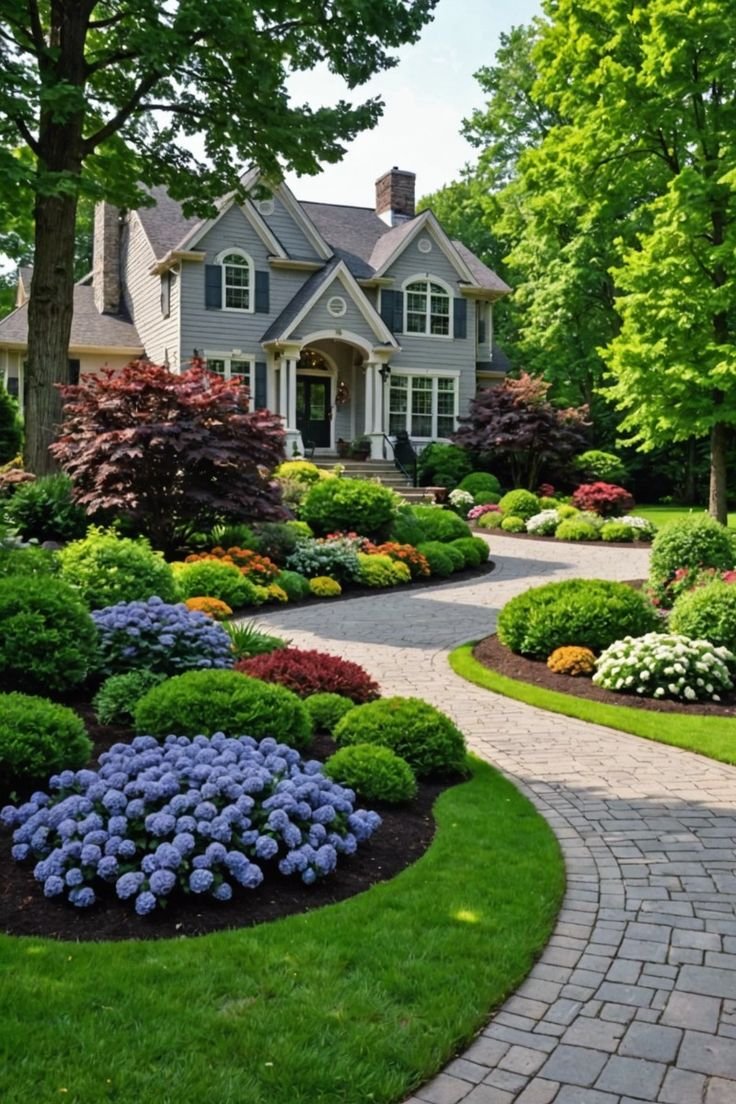
Selecting the appropriate plants for your landscape is essential for achieving a harmonious and sustainable garden.
• Climate Considerations: Choose plants that are well-suited to your local climate. Native plants are often the best choice as they require less maintenance and are more resilient.
• Sunlight and Soil: Match plants to the conditions of your yard. For instance, sun-loving flowers like marigolds and zinnias thrive in sunny spots, while hostas and ferns prefer shade.
• Seasonal Interest: Incorporate plants that bloom at different times of the year to ensure your garden is always vibrant. Mix perennials, which return each year, with annuals for a continual display of color.

3. Creating Visual Interest
A visually appealing landscape incorporates a variety of textures, colors, and heights. Here are some ideas to create depth and interest:
• Layering Plants: Arrange plants in layers, with taller plants at the back and shorter ones in the front. This technique adds depth and dimension to your garden.
• Color Schemes: Use a color wheel to create a harmonious color scheme. Complementary colors, like purple and yellow, can create a striking contrast, while analogous colors, like blue and green, provide a more serene look.
• Focal Points: Add focal points such as a large flowering shrub, a statue, or a water feature to draw the eye and create a sense of balance.

4. Maintaining Your Landscape
Proper maintenance is key to keeping your landscape healthy and attractive.
• Watering: Water plants deeply and less frequently to encourage deep root growth. Early morning or late evening is the best time to water to minimize evaporation.
• Pruning: Regularly prune your plants to remove dead or diseased parts, encourage new growth, and maintain shape.
• Mulching: Apply mulch around plants to retain moisture, suppress weeds, and improve soil quality.
5. Incorporating Functional Elements
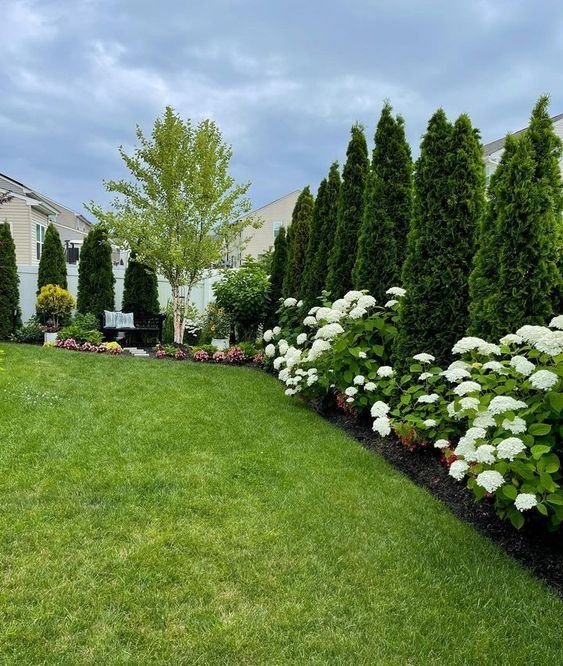
Functional elements can enhance the usability and enjoyment of your landscape.
• Paths and Walkways: Create pathways with materials like gravel, stone, or wood chips to guide visitors and define different areas of your garden.
• Seating Areas: Add benches, chairs, or hammocks to create cozy spots for relaxation and enjoying your garden.
• Lighting: Install outdoor lighting to highlight features, provide safety, and create ambiance in the evenings.
6. Sustainable Practices
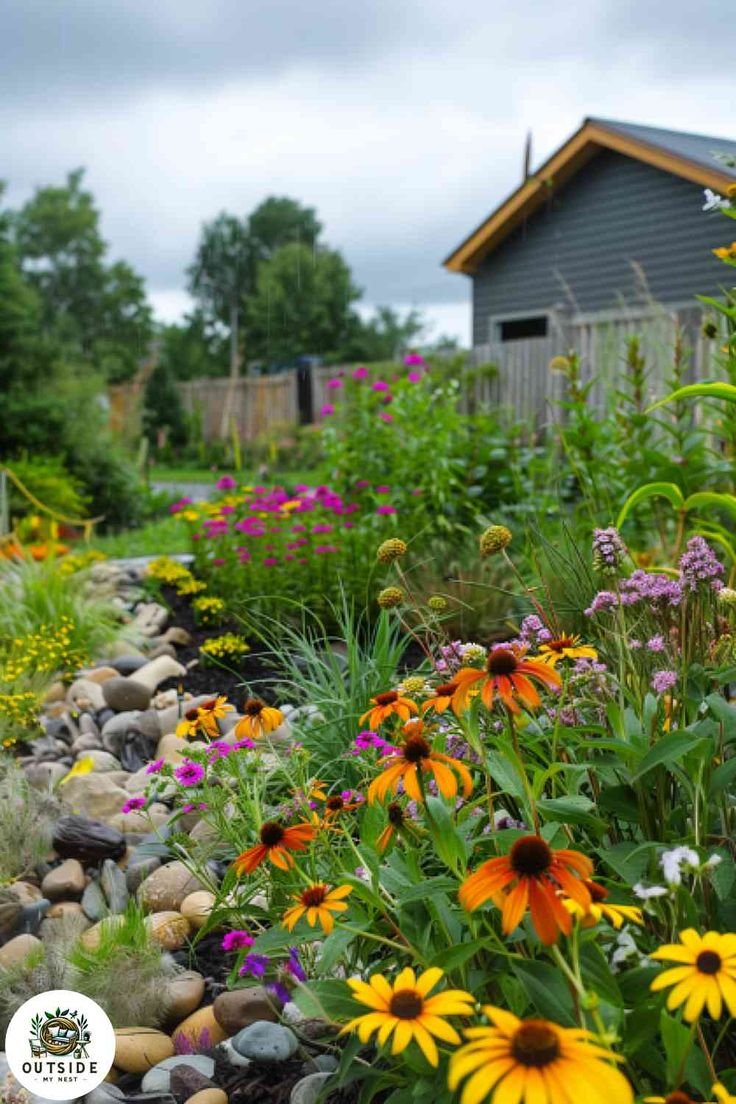
Adopting sustainable practices can make your landscaping eco-friendly and cost-effective.
• Composting: Use kitchen scraps and yard waste to create compost that enriches the soil.
• Rain Gardens: Design rain gardens to capture and filter rainwater, reducing runoff and erosion.
• Drought-Resistant Plants: In areas prone to drought, choose plants that require minimal water, such as succulents and lavender.
Conclusion
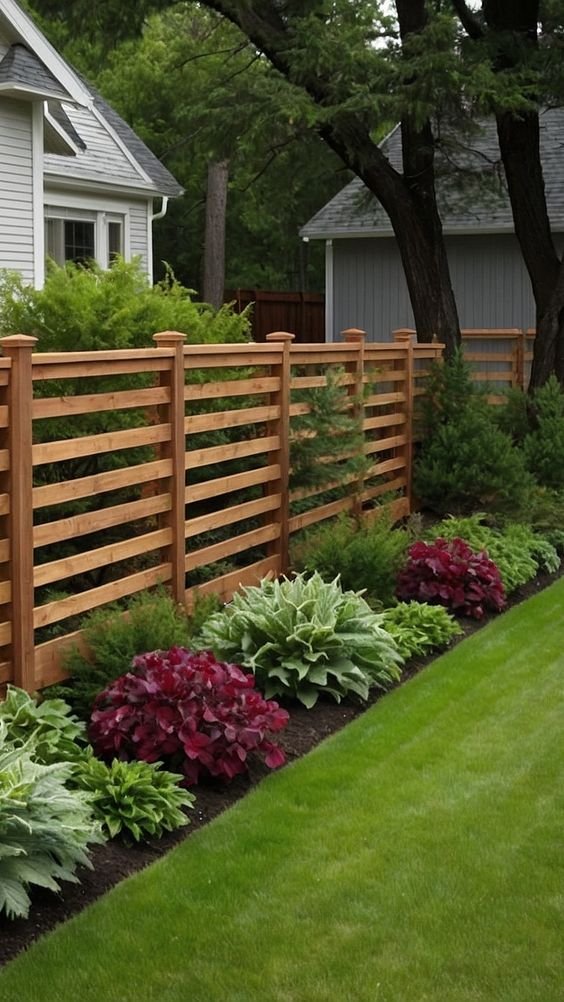
Landscaping with plants and flowers is a rewarding way to enhance the beauty and functionality of your home. With thoughtful planning, plant selection, and maintenance, you can create a stunning landscape that reflects your personal style and provides joy for years to come. Whether you’re a novice gardener or an experienced green thumb, there’s always something new to learn and explore in the world of home landscaping.
 Kevin Szabo Jr Plumbing