
WAYS TO TRANSFORM YOUR LIVING SPACE WITH A STYLISH FIREPLACE

In the journey of bringing charm to interiors, fireplaces create an unparalleled visual effect. Transform the appearance of your living room by installing a fireplace that serves as the room’s focal point. A well-designed fireplace mantel becomes an integral part of the decor, while an electric fireplace elegantly combines traditional and modern aesthetics. The aim isn’t just about heating rooms, but to add an aesthetic allure that blends seamlessly with the rest of your living room furniture.

From minimalist designs to the rustic appeal of a stone fireplace, a range of styles awaits exploration. Let’s delve into the realm of captivating fireplace ideas to make your living room more inviting. Be it a new fireplace that underscores your personal taste, or tweaking the arrangement of furniture around an existing one, we have guidance for every aspect. Let’s start igniting your imagination to make the fireplace the focal point of your living wonderland.

Throughout the article, we’ll illustrate how to arrange a living room to imbue it with warmth and style, using a fireplace as the centerpiece of decor. Concentrating on the design and manipulation of elements, we’ll discuss materials, positioning, and fun ways to accessorize your fireplace surround. Let’s step into the enticing world of fireplace ideas that effortlessly marry function with fashion to level up your living room’s look.

CHOOSING THE RIGHT FIREPLACE FOR YOUR LIVING ROOM

Assisting in the selection of the perfect fireplace isn’t merely our job; it’s our passion. As experts in stylish fireplaces, we’re here to help you find the ideal centerpiece for your living space.

TRADITIONAL VS. MODERN FIREPLACES

When it comes to traditional fireplaces, think rustic stone, elegant marble, and ornate fireplace surrounds that serve as the room’s focal point. Imagine a roaring fire on a winter evening, ensconced by a mantel decked with family photos or holiday decorations.

On the other hand, modern fireplaces, think minimalist designs and sleek lines. Picture a frameless electric fireplace, seamlessly blended with your wall, lending a contemporary touch to your living room.

Each style carries its unique charm, and the choice between traditional vs. modern largely depends on your personal taste and the overall décor theme of your living space. TheGreat FireCompany offers a wide selection to suit any taste, whether you’re drawn to the warmth of traditional designs or the clean aesthetics of modern fireplaces.

SELECTING A FIREPLACE DESIGN

Choosing a fireplace design involves more than aesthetics. Take into consideration practical elements like the size of your living room and furniture arrangement.

For a larger living room, you might prefer a grand, eye-catching piece, such as a large stone fireplace. If your living room is smaller or laid out awkwardly, a corner fireplace or slimline electric model could be the way to go. Balancing function and style is crucial when deciding on a new fireplace, ultimately ensuring it fits naturally into your living room layout.

MAKING THE FIREPLACE THE FOCAL POINT

When it comes to establishing a stylish and inviting living room, considering the fireplace as your main focal point can work wonders. Allow us to guide you through some essential steps for a room transformation.

ARRANGING FURNITURE AROUND THE FIREPLACE

Furniture placement plays a crucial role in creating a balanced living room layout. Start by anchoring your main seating area towards the fireplace. Arrange living room furniture in a way that encourages conversation and comfortable viewing of the glowing fire – a semi-circular or U-shaped configuration often works well. Do keep in mind space considerations, any pathways and overall functionality when positioning your furniture.

DECORATING THE MANTEL AND SURROUND

The mantel and fireplace surround act as a canvas, awaiting personal touches. Experiment with different decor ideas; a blend of art, personal mementos, candles and plants often creates an eclectic, appealing atmosphere. A large mirror or statement art piece centered above the fireplace mantel can make a striking impact. For minimalist fireplace design lovers, high-quality materials and clean lines can create an elegant focal point without needing excessive decorations.

ENHANCING THE FIREPLACE WITH TILE AND STONE

The surrounding dress of a fireplace holds potential to dramatically alter the living room aesthetics. By choosing the right materials like tile or natural stone, one may sculpt their living room fireplace into a captivating focal point.

CHOOSING THE RIGHT TILE

Choosing the appropriate tile breathes new life into any fireplace. Tiles, influenced by various design aesthetics – minimalist, rustic, or traditional – embody versatility. For a minimalist fireplace, monochromatic tiles or geometric patterns effortlessly align with the style. Likewise, patterned or textured tiles complement a rustic aesthetic while marble tiles layer elegance onto a traditional fireplace. It’s essential to realize that matching the tile to the living room layout and personal taste carries utmost importance in developing unified fireplace ideas.

INCORPORATING NATURAL STONE

Natural stone breathes earthy warmth into a living room with a fireplace. Whether one is arranging new fireplace or enhancing existing ones, stone delivers an evergreen aesthetic. Sturdy and sumptuous, stone fireplaces precision-mold a compelling focal point. Materials, such as slate, granite, or fieldstone, vary in texture and color, permitting a depth of choice to match one’s decor ideas. Essentially, focusing on coalescence of stone fireplace with the living room furniture and existing decor shapes a charismatic fireplace surround.

INTEGRATING THE FIREPLACE WITH MODERN TECHNOLOGY

One way to modernize the use of fireplaces in our living spaces is by integrating them with advanced technology. This can range from smart home integration to implementing energy-efficient systems, making fireplaces more than just a piece of decor.

SMART HOME INTEGRATION

Consider integrating the fireplace into the smart home system to realize convenience and efficiency. By connecting the fireplace to Wi-Fi, it becomes possible to control its operation through mobile. Users can regulate the flames, adjust the timer, and synchronize the fireplace’s operation with other home systems — like the thermostat.

ENHANCING ENERGY EFFICIENCY

Modern technology also enables us to make fireplaces energy efficient. Examples include electric fireplaces that convert all the energy they consume into heat, or fireplace inserts that trap the heat to prevent it from escaping. These not only lower energy costs but also contribute to a more sustainable living environment.

CREATING A COZY ATMOSPHERE WITH FIREPLACE DECOR

After understanding the significance of a fireplace as a focal point in a living room and getting acquainted with different styles and materials, it’s time we share tips on creating a cozy atmosphere around this crucial element in the living room. We shall provide practical advice on using textiles and lighting for enhanced warmth and ambiance.

USING TEXTILES FOR WARMTH

Credential is in the textiles we adopt to beautify the fireplace’s vicinity. Imagine a living room with a fireplace adorned by plush pillows and soft throws on the couch. They not only invite comfort but also add a layer of warmth to your decor. Outfit your furniture around the fireplace with cozy textiles in soothing colors. It’s a surefire way to transform your living room into a warm sanctuary around the new fireplace.

ADDING AMBIENT LIGHTING

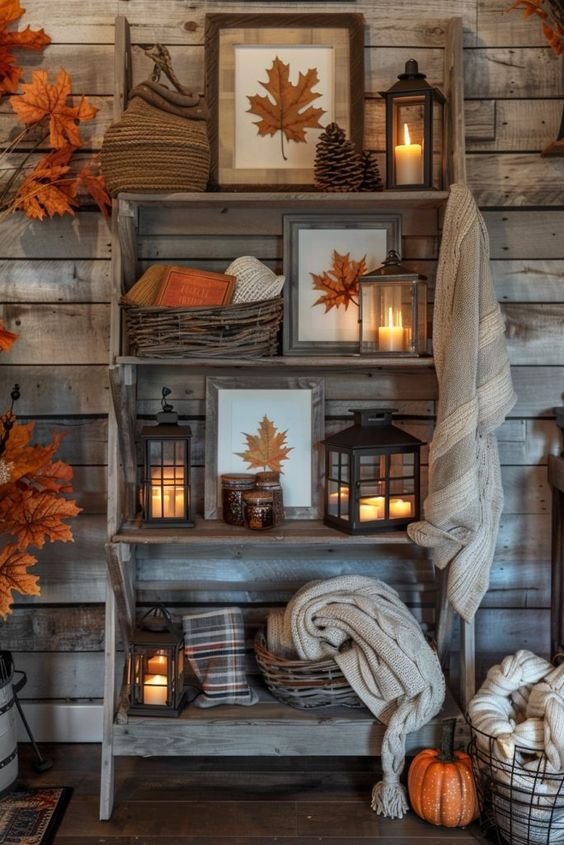
Lighting plays a pivotal role in enhancing the atmosphere of your living space. For rooms with a minimalist or rustic fireplace, consider using cast-iron lanterns or candles on your mantel for a soft, warm glow. Additionally, a floor lamp with a dimmer function placed near your sitting area creates a comfortable reading spot nearby. Meanwhile, installing subtle recessed lighting in your fireplace surround can highlight the beauty of your stone or marble fireplace, making it stand out as an appealing focal point.

CONCLUSION

We’ve journeyed from the humble beginnings of fireplaces to their status as stylish centerpieces. We’ve seen how they can transform a room with minimalist, rustic, or modern designs. We’ve learned how to select the right fireplace and arrange our furniture to create a warm and inviting atmosphere. We’ve discovered the impact of tiles and natural stone, and how advanced technology can enhance our fireplace experience. Finally, we’ve explored how textiles and lighting can amplify the coziness around our fireplaces. So, let’s not just dream about it. Let’s transform our living spaces with a stylish fireplace and feel the difference it makes. After all, it’s not just about heating our homes, it’s about creating a sanctuary where we love to live.

HOW TO FIND A PROFESSIONAL PLUMBER

Plumbers have been in great demand at all times. Back in the middle of the XI century BC, there were people who ensured clean water supply and removal of dirty sewage through ancient clay pipes. It’s natural that today, such people have many more responsibilities, but we need plumbers to ensure our household comfort as well. Here, in the 5 Star company, we know how to handle all the plumbing-related issues.

The modern labor market needs skilled workers, including people of this reputable specialty. After all, today, a plumber is necessary for almost every area of our life. During the construction of buildings, one provides installation of water supply, drainage, and heating systems. If necessary, a qualified plumber can connect various washing machines’ malfunctions and fix dishwashers or even find and replace some spare parts for washing machines! Work in the housing and utilities sector involves servicing and performing routine repairs of the same engineering systems and monitoring their operation to avoid leakages and damages.

WHAT ARE THE RESPONSIBILITIES OF A PLUMBER?

Each of us can change the gasket or replace a mixer, using the essential knowledge of physics and mechanics. But when it comes to more complex jobs, we think about the plumber. What else should a person working in this profession be able to do? A plumber is to:

  • Understand the design of plumbing equipment, be able to read the drawings offered to their technical passport, and also be able to install it in accordance with certain requirements.
  • Be able to accurately diagnose a breakdown of plumbing equipment.
  • Determine the possibility of further operation of individual elements of the equipment, and if necessary, replace them with new ones.
  • Select pipes correctly and fittings according to their size and name.
  • Conduct tests of water supply, drainage and heating systems, and eliminate identified deficiencies in the systems.

In their work, the plumber uses special equipment (a variety of keys, electric drills, electric and pneumatic hammers, etc.). Apart from the theoretical one, the applied skill is also a crucial requirement for working in this profession.

Performing these and many other tasks require a certain physical condition of the person engaged in this profession. The plumber works both indoors and outdoors and often finds himself in uncomfortable positions. In this regard, the presence of diseases of the musculoskeletal system, cardiovascular system, visual and respiratory organs can be serious contraindications for this work.

HOW TO FIX THE PLUMBING YOURSELF?

When something wrong happens with plumbing, it is always easier to call a plumber, but before one arrives, you should learn how to fix minor problems yourself to reduce damage to your household manifold. It is not difficult to do this with the knowledge of the most common causes of breakdowns and the ways to fix them.

The plumbing system can break down quite regularly. Calling a plumber can save the situation, but if there is running water from the tap, it is important to know where the valve is located to block the water supply, and also remember which way to turn it. As soon as you do this, you can take a break and calmly wait for a specialist. If the problem is more significant, we recommend you continue reading this article.

  • BREAKAGE OF A BUTTON OF A TOILET TANK

The most common case is the breakage of the button of the toilet tank. You have to push it very hard to make the drain work again. Most often, the reason lies in the failure of the plastic valve inside the siphon. To make everything fall into place, it just needs to be replaced. To do this, you should go to the store and buy this small detail. Although, for a guaranteed result, it is better to buy the entire siphon so that you could definitely not do anything wrong.

Before starting work, be sure to turn off the water and drain it from the tank. Remove the cover, disconnect the drainpipe, and unscrew the siphon. Remove it and install a new one. It’s simple, so don’t panic.

  • BREAKAGE OF A MIXER

The second most frequent failure is the mixer’s breakage. This is one of the most frequently used devices, so don’t be surprised if the faucet suddenly starts to leak. The failure can be simple and require only the replacement of the gasket. But in some cases, you may need to completely replace the mixer or the core. To understand for sure what the problem is, you will have to unscrew the cranes and carefully study the structure of the crane. Admittedly, this is not an easy task, so you should better consult a professional first.

Even though the procedure for replacing the gasket may seem simple, do not take the risk of performing the repair by yourself. It is best to entrust this to specialists. The maximum that you can do is to block the water while waiting for a specialist.

You should be confident in your plumbing skill, as an unexpected failure can lead to serious complications and money expenses. Contact the professionals on time, because everyone should do their own thing to get the best results.

WHY SHOULD YOU CALL A PLUMBER? 

  • WORK WILL BE PERFORMED BY A PROFESSIONAL

As a rule, any plumbing work will be performed better if the master has sufficient experience in plumbing repairs. Otherwise, your property may suffer, and this is totally unpleasant and wasteful. Due to the experience and certain knowledge in the field of plumbing work, a professional plumber will be able to complete the task assigned to him quickly and efficiently and, most importantly, without additional waste of time and money.

  • CHEAPEST IS THE DEAREST

Quite often, if you want to perform plumbing repairs yourself, you end up having to overpay and not always twice: quite often, even more. Dilettantes can ruin expensive plumbing equipment, break something else, and cause you serious troubles.

  • SAVE YOUR TIME

If you decide to call a qualified plumber, you can save valuable time. When placing an order, you must specify a clear time when the plumber should show up: this will allow you to plan your time and not spend the whole day waiting for the master. Check out this plumber In Duluth MN for reliable and timely service. After you weigh up all the pros and cons of performing self-repair of plumbing equipment and calling a plumber at home, you can make a rational choice in favor of the first or the second option. Still, from the above-mentioned information, we can conclude that calling a plumber will be the best solution if you want all the work to be done efficiently and right on time.

Guest Contributor: Debra Johnson

TRANSFORM YOUR HOME WITH COZY FALL DIY DÉCOR

Photo source: jullysplace.com

As the crisp air and golden hues of autumn begin to sweep across the landscape, it’s the perfect time to bring the warmth and beauty of the season into your home. Fall is a season that invites coziness and creativity, making it ideal for DIY décor projects that celebrate the essence of autumn. Whether you’re a seasoned crafter or just looking for simple ways to spruce up your space, these DIY ideas will help you create a festive and welcoming atmosphere.

Photo Source: adoredbyalex.com

1. Wreaths of Autumn

A fall wreath is a classic way to greet guests with the season’s charm. Start with a basic grapevine wreath as your foundation, and then let your creativity run wild. Use a hot glue gun to attach an array of natural elements like pinecones, acorns, dried leaves, and faux berries. For a touch of elegance, add a burlap or plaid ribbon bow. You can even personalize your wreath with a small wooden sign that reads “Welcome” or “Harvest.” Hang it on your front door or above your fireplace to set the tone for fall.

Photo Source: onekindesign.com

2. Pumpkin Spice Centerpieces

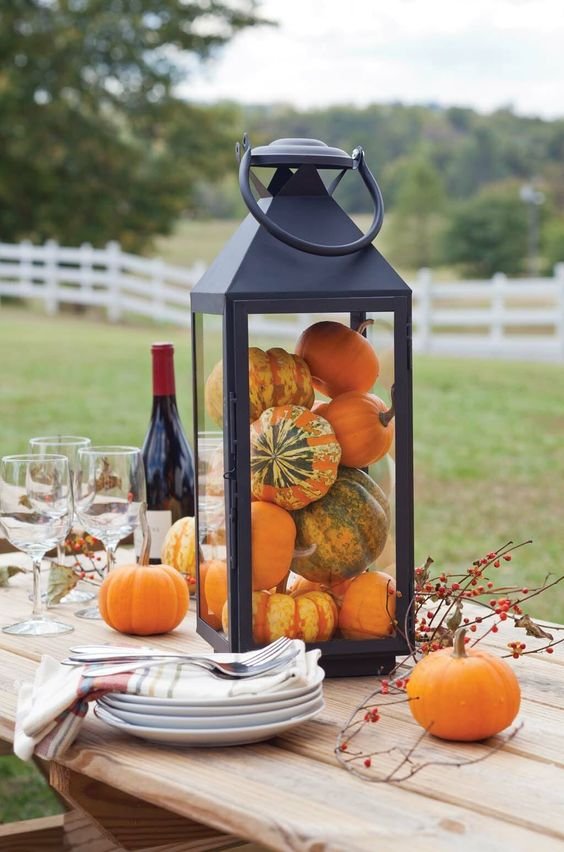
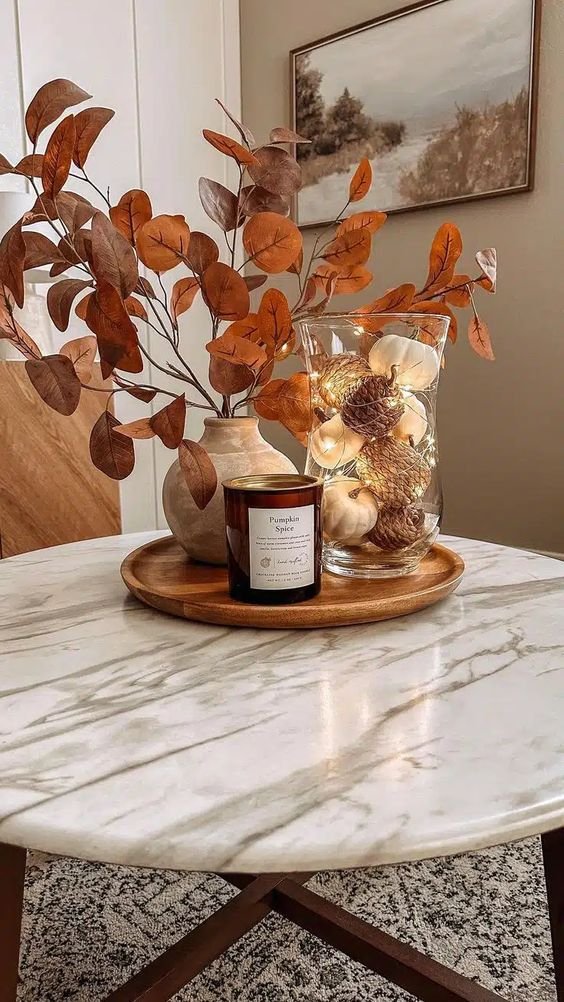
Pumpkins are synonymous with fall, and they make fantastic centerpieces for your dining table. Instead of opting for traditional orange, consider painting pumpkins in a palette of soft whites, golds, or pastels for a more sophisticated look. Arrange them on a rustic wooden tray, along with some candles, cinnamon sticks, and sprigs of eucalyptus. To add texture, mix in some smaller gourds, pinecones, and dried flowers. This arrangement will create a stunning focal point that captures the essence of autumn.

3. Cozy Candle Holders

As the days grow shorter, nothing beats the warm glow of candles to create a cozy ambiance. Turn ordinary mason jars into charming candle holders with a few simple materials. Wrap the jars with burlap or twine, and then embellish them with fall leaves or tiny pinecones. You can also fill the jars with layers of corn kernels, dried beans, or coffee beans for a rustic touch. Place tealight candles inside, and enjoy the soft, flickering light that adds a comforting glow to your evenings.

4. Leafy Garlands

Bring the beauty of fall foliage indoors with a DIY leafy garland. Gather artificial leaves in an array of autumnal colors—reds, oranges, yellows, and browns—and string them together with twine or fishing line. You can also incorporate other elements like small pumpkins, cranberries, or dried oranges for added interest. Drape the garland along your mantel, staircase, or windows to create a continuous flow of fall color throughout your home.

5. Plaid and Flannel Accents

Nothing says fall quite like plaid and flannel. Incorporate these cozy patterns into your décor with a few easy DIY projects. Create pillow covers from old flannel shirts, or sew a simple table runner using plaid fabric. You can also make no-sew blankets by cutting and tying the edges of two pieces of fleece fabric together. These soft and warm accents will instantly make your space feel more inviting and ready for the cooler weather.

6. Rustic Chalkboard Signs

Chalkboard signs are a fun and versatile way to add a personal touch to your fall décor. Use a small wooden board and some chalkboard paint to create a sign that can be customized with seasonal messages. Write a welcoming “Happy Fall” or “Give Thanks” in elegant script, or get creative with autumn-themed doodles like pumpkins and leaves. Place the sign on your porch, in your kitchen, or anywhere you want to add a bit of seasonal charm.

Photo Source: courtneysworld.co

7. Harvest Display

Create a harvest-inspired display with a variety of natural elements. Start with a large wooden crate or basket, and fill it with items like hay, pumpkins, gourds, apples, and corn stalks. Add in some seasonal flowers like mums or sunflowers for a pop of color. This arrangement works well both indoors and outdoors, making it a versatile option for adding a touch of fall to any space.

8. Scented Sachets

Capture the scents of fall with DIY scented sachets. Fill small fabric bags with dried lavender, cinnamon sticks, cloves, and orange peel to create sachets that can be placed in drawers, closets, or even used as a decorative element. The warm, spicy aroma will instantly evoke the cozy feeling of autumn and keep your home smelling fresh all season long.

Conclusion

Fall is a season that invites us to slow down and savor the simple pleasures of life, and there’s no better way to do that than by surrounding yourself with the beauty and warmth of DIY décor. Whether you’re crafting a wreath, setting up a centerpiece, or simply adding a few plaid accents, these projects will help you celebrate the season in style. So gather your materials, roll up your sleeves, and get ready to transform your home into a cozy autumn retreat.

WHAT DOES A HOME INSPECTION ENTAIL AND WHAT DOES IT COVER?

Home inspection is the process of evaluating the condition of a home, usually before it is purchased or sold. This is done by a qualified and certified professional who inspects various aspects of the property, such as its structure, systems, and overall safety. The goal of a home inspection is to provide buyers with an unbiased report on the state of the property so they can make informed decisions about the purchase.

Buying a home is often a significant investment, and you want to be sure that you’re making a worthwhile purchase. That’s why most homebuyers hire a professional home inspector to evaluate the property’s condition before finalizing the deal. Home inspections help identify any potential issues with the property to avoid unexpected repair costs in the future.

The Inspection Process

A home inspection is a visual examination of the property’s structure, systems, and components. Typically, home inspections take 2-4 hours, and you can choose to be present during the inspection. The inspector will start by examining the exterior of the property, including the roof, foundation, walls, and gutters.

They will then move to inspect the interior, including plumbing, electrical, heating and cooling systems, windows, doors, appliances, and walls. A thorough inspector may also take the time to inspect the attic, crawlspace, and basemen

What Home Inspections Cover?

A home inspection typically covers the major systems of a home, including the electrical, plumbing, heating and cooling, and structural components. During the inspection, the inspector will visually inspect each component to identify potential issues or hazards. They may also test electrical outlets, plumbing fixtures, and appliances to ensure they are in proper working order.

The exterior of the home, including the roof, siding, foundation, and drainage systems, will also be inspected. The inspector will look for signs of damage caused by weather, pests, or neglect. They may also check for proper ventilation and insulation in the attic or crawl space.

One of the most important aspects of a home inspection is identifying potential safety hazards. The inspector will check for safety hazards such as mold, lead paint, and carbon monoxide. They may also identify trip hazards, such as uneven flooring or loose stair treads, which could pose a danger to occupants.

When it comes to the inspection report, the goal is to provide a comprehensive overview of the home’s condition. The report will typically include a detailed list of any issues or concerns that were identified during the inspection. It may also include photographs or diagrams to illustrate specific areas of concern.

In addition to identifying potential problems, the inspection report may also include recommendations for repairs or renovations. These recommendations may be structured as requirements, or simply suggestions for improving the safety or livability of the home.

What Are the Top Reasons Your Home Could Fail a Home Inspection?

The most common reasons why homes fail inspections, and what you can do to avoid these kinds of issues.

Electrical wiring and panels

Electrical issues are some of the most common problems identified by home inspectors. If there are wiring issues or the electrical panel doesn’t meet the standards, it can lead to potential fire hazards and safety concerns. It is essential to ensure that all your electrical work complies with the current codes and safety standards.

Plumbing problems

Plumbing issues can range from minor annoyances to major problems. Common plumbing issues that home inspectors look for include faulty pipes, leaking faucets, slow drains, and clogged or broken sewer lines. These problems could lead to water damage, mold growth, and other issues. To avoid these problems, consider having regular plumbing maintenance and inspections. According to Florida Mold Testers LLC, water and plumbing related problems can cause instant mold growth.

Roofing issues

A roof that needs repair can be an expensive fix for any homeowner. Therefore, it’s important to address any necessary repairs when they first appear. Inspectors look for issues like missing or cracked shingles, water damage, and signs of previous fixes. A well-maintained roof can save you from spending thousands of dollars in repair costs later.

Foundation issues

The foundation is an essential part of any home. If there are any defects in the foundation, it can be a cause for concern and a possible reason for a failed home inspection. The inspector will look for settling, cracking, and other signs of damage. It’s important to fix any foundation issues right away, as they can cause structural problems and other safety hazards.

Poor ventilation

Good ventilation is crucial for maintaining a healthy living environment. Poor ventilation can contribute to indoor air pollution, mold growth, and higher energy bills. The inspector is likely to assess your home’s ventilation system and identify areas that need improvement. Poor ventilation can be fixed quickly and easily, and it’s important to do so to ensure a healthy and comfortable living environment.

Making Sense of Inspection Reports

Your home inspector will provide a detailed report that outlines any issues found during the inspection. The report will often highlight safety concerns, deferred maintenance, and recommended repairs. You can use this report to negotiate with the seller or decide if you want to proceed with the purchase.

Keep in mind that no property is perfect, and some necessary repairs may not be deal-breakers. It’s up to you to decide which repairs are necessary and if you are willing to address them.

What To Do With the Information?

A home inspection is an essential tool that helps you make an informed decision about your home purchase. Once you receive the inspection report, you should take time to review it carefully and decide which issues warrant attention. Don’t hesitate to ask your inspector if you have any questions or need clarification about any issues.

INNOVATIVE URBAN GARDENS: CREATING GREEN SPACES IN THE CITY

(photo credit: Microsoft Images)

Urban dwellers often yearn for a connection to nature, but limited outdoor space can be a challenge. Fortunately, innovative gardening techniques have transformed underutilized areas into thriving green oases. From vertical gardens to container gardening, there are countless ways to cultivate a personal sanctuary within the city.

Vertical gardening is a popular choice for urban dwellers with limited outdoor space. By utilizing walls and hanging pots, gardeners can create lush and vibrant displays. Climbing plants, such as ivy or jasmine, can be trained to grow vertically, adding a touch of greenery to any space. Vertical gardens not only enhance aesthetics but also provide additional growing space for herbs, vegetables, and flowers.

Balcony gardening offers another opportunity to cultivate a green oasis. Using railing-mounted planters and selecting compact, soil-light plants allows for efficient use of space. Combining ornamental plants with edible varieties creates a multifunctional and visually appealing space.

To protect your urban garden from harsh weather conditions and pests, consider using protective covers. Canvas drop cloths or vinyl tarps can create a microclimate that shields plants from pollutants, wind, and excessive sunlight.

Selecting the right plants is crucial for the success of your urban garden. Choosing drought-resistant varieties and considering the specific care requirements of each plant will help ensure their survival. Additionally, incorporating composting practices can enrich the soil and reduce waste, creating a more sustainable gardening experience. The infographic below provides a visual overview of innovative urban gardening techniques and their benefits.

8 WAYS TO UPDATE YOUR KITCHEN WITHOUT A FULL REMODEL

The kitchen is often thought of as the heart of a home- it is a place where families gather to cook, eat, and socialize. A functional and aesthetically pleasing kitchen can significantly enhance your home’s overall ambiance and your daily living experience. However, the idea of a full kitchen remodel can be daunting and expensive.

Fortunately, there are many ways to update your kitchen without undergoing a complete renovation. By making a few strategic changes, you can transform your kitchen into a space that feels new and inviting. This guide will explore various ways to update your kitchen effectively and efficiently.

1. UPGRADE YOUR FIXTURES

Updating your kitchen fixtures, such as faucets, sinks, and lighting, can significantly impact the space’s overall look and functionality. Modern faucets with sleek designs and advanced features can make your kitchen feel more contemporary and efficient. Consider installing a high-arc faucet with a pull-down sprayer for added convenience and style.

If you have any plumbing issues like a leaky faucet or a slow drain, now is the perfect time to address them. Fixing these problems can prevent future damage and improve the overall functionality of your kitchen. For professional plumbing and electrical services,

If you need help with plumbing or electrical updates, visit the website bellowsservice.com for more information on professional services. This resource can guide you in selecting and installing the right fixtures to enhance your kitchen’s functionality and aesthetic appeal.

2. REFRESH YOUR CABINETS

One of the most impactful ways to update your kitchen is by refreshing your cabinets. Over time, cabinets can become worn and outdated, but a fresh coat of paint or a new finish can breathe new life into them. Choose a color that complements your kitchen’s overall design. White and light gray are popular choices for a modern and clean look, while bold colors like navy blue or forest green can make a striking statement.

In addition to painting or refinishing, consider replacing the cabinet hardware. New knobs and pulls can dramatically change the look of your cabinets without much effort or expense. Opt for hardware that matches the style of your kitchen, whether it’s sleek and modern or classic and traditional. This simple update can give your kitchen a fresh, updated appearance with minimal effort.

3. ADD A BACKSPLASH

Adding or updating a backsplash is a great way to inject personality and style into your kitchen. A backsplash can protect your walls from spills and splatters while serving as a decorative element that ties the room together. There are numerous materials and designs to choose from, including ceramic tiles, glass, stainless steel, and peel-and-stick options.

Consider a classic subway tile backsplash for a timeless look, or opt for patterned tiles to add visual interest. If you prefer a more subtle approach, a neutral-colored backsplash can complement your countertops and cabinets without overpowering the space. Installing a backsplash is a relatively simple DIY project that can dramatically transform your kitchen’s appearance.

4. CHANGE THE COUNTERTOPS

Replacing your countertops can make a significant difference in your kitchen without the need for a full remodel. Countertops are a prominent feature in the kitchen, and updating them can instantly refresh the space. While natural stone options like granite and marble are popular, they can be expensive. Fortunately, there are budget-friendly alternatives like laminate and butcher block that offer both style and durability.

Laminate countertops come in various colors and patterns, including options that mimic the look of more expensive materials. Butcher block countertops add warmth and character to the kitchen, making them an excellent choice for those who prefer a more rustic or traditional aesthetic. Regardless of the material you choose, new countertops can provide a fresh, updated look to your kitchen.

5. UPDATE APPLIANCES

Old, outdated appliances can make even the nicest kitchens feel drab and inefficient. Upgrading to new, energy-efficient appliances can improve your kitchen’s functionality and give it a modern look. Stainless steel appliances are a popular choice for their sleek appearance and durability, but there are also many other finishes available to suit your style.

When selecting new appliances, consider the features that will be most beneficial to your cooking and lifestyle needs. Energy-efficient models can help reduce utility bills while providing advanced features like smart technology, which allows you to control your appliances remotely. Updating your appliances can significantly enhance the overall look and functionality of your kitchen.

6. INTRODUCE OPEN SHELVING

Open shelving is a trendy and practical way to update your kitchen. This design choice can make your kitchen feel more spacious and allow you to display your favorite dishes, cookbooks, and decorative items. Open shelves are particularly useful for small kitchens where space is at a premium.

To create an open shelving system, start by removing the doors from a few of your upper cabinets. Sand and paint the interior to match the rest of your kitchen, or use a contrasting color for a bold look. Arrange your items thoughtfully, mixing everyday dishes with decorative pieces to maintain both functionality and style. This update is relatively simple but can have a big impact on the look and feel of your kitchen.

7. REFRESH THE PAINT

A fresh coat of paint can do wonders for any room, and the kitchen is no exception. Painting the walls or ceiling can breathe new life into the space. Choose colors that complement your kitchen’s existing elements and create the mood you want. Light colors can make a small kitchen feel bigger, while darker shades can add sophistication and warmth.

If you’re feeling adventurous, consider adding an accent wall with a bold color or patterned wallpaper. This can create a focal point and add a touch of personality to your kitchen. Painting is a cost-effective way to make a significant change without extensive renovations.

8. UPGRADE YOUR FLOORING

Flooring is a critical component of any kitchen, and updating it can make a significant difference in the room’s overall appearance. There are many durable and stylish flooring options available that are suitable for the kitchen environment. Consider materials like vinyl, laminate, or tile, which are easy to clean and maintain.

Vinyl flooring is budget-friendly and comes in various designs, including those that mimic the look of wood or stone. Laminate flooring offers a similar aesthetic and is resistant to scratches and spills, making it ideal for busy kitchens. Tile is a classic choice that provides durability and a wide range of design possibilities. Upgrading your flooring can enhance both the look and functionality of your kitchen.

In conclusion, these updates can transform your kitchen without the need for a full remodel. These changes can be made gradually, allowing you to enjoy a fresh, new kitchen without the stress and expense of a complete renovation.

ENVIRONMENTAL IMPACT OF BLOCKED DRAINS AND HOW TO MITIGATE

Have you ever thought about what happens when your drain gets blocked? Apart from the immediate inconvenience, what are the wider implications? This web journal post dives into the at times talked about natural affect of blocked drains. While much attention is heaped on issues like plastic pollution and carbon emissions, the environmental hazards posed by blocked drains often escape public discussion. But why should it concern us at all? Equally important, what practical steps can we take to mitigate these impacts? As conscious inhabitants of this planet, it is time we turn our attention to such critical, yet overlooked, issues.

Unmasking the Issue: Why Are Blocked Drains an Environmental Problem?

Often seen as an isolated household problem, blocked drains pose a significant threat to the surrounding environment. Whether due to improper disposal of non-biodegradable waste or natural debris accumulation, these obstructions can alter the normal flow of water. Consequently, this could lead to sewage overflow or even water pollution, with adverse effects on local flora and fauna. But can we quantify these impacts? Furthermore, how does it influence us in the long term?

Ripple Effects: What Happens to the Environment When We Ignore Blocked Drains?

Ignoring blocked drains essentially implies an indirect contribution to a host of environmental problems. Overflows invariably introduce harmful pathogens and pollutants into local water bodies, endangering aquatic life and disturbing ecological balances. This untreated waste not only contaminates water sources but also seeps into the soil, affecting plant life and food chains in the long run. But is there a possibility for us to alleviate these effects?

A Snapshot of the Status Quo: Who is Responsible for this Situation?

Unintentionally or not, we all contribute to the problem of blocked drains. From domestic settings to commercial establishments, improper waste disposal practices like flushing of non-degradable items are common. Despite regulations in some regions, enforcement often remains lax. But can putting the blame entirely on individuals or businesses be justified?

The Flip Side: Are there any Pros to Blocked Drains?

Arguably, blocked drains can unintentionally create unintended ‘wetlands’ which become habitats for certain types of fauna. However, it’s important to bear in mind that these are often temporary and can disrupt the stability of local ecosystems. What can we do then to ensure more sustainable solutions?

Treading Lightly: How Can We Mitigate the Environmental Impact of Blocked Drains?

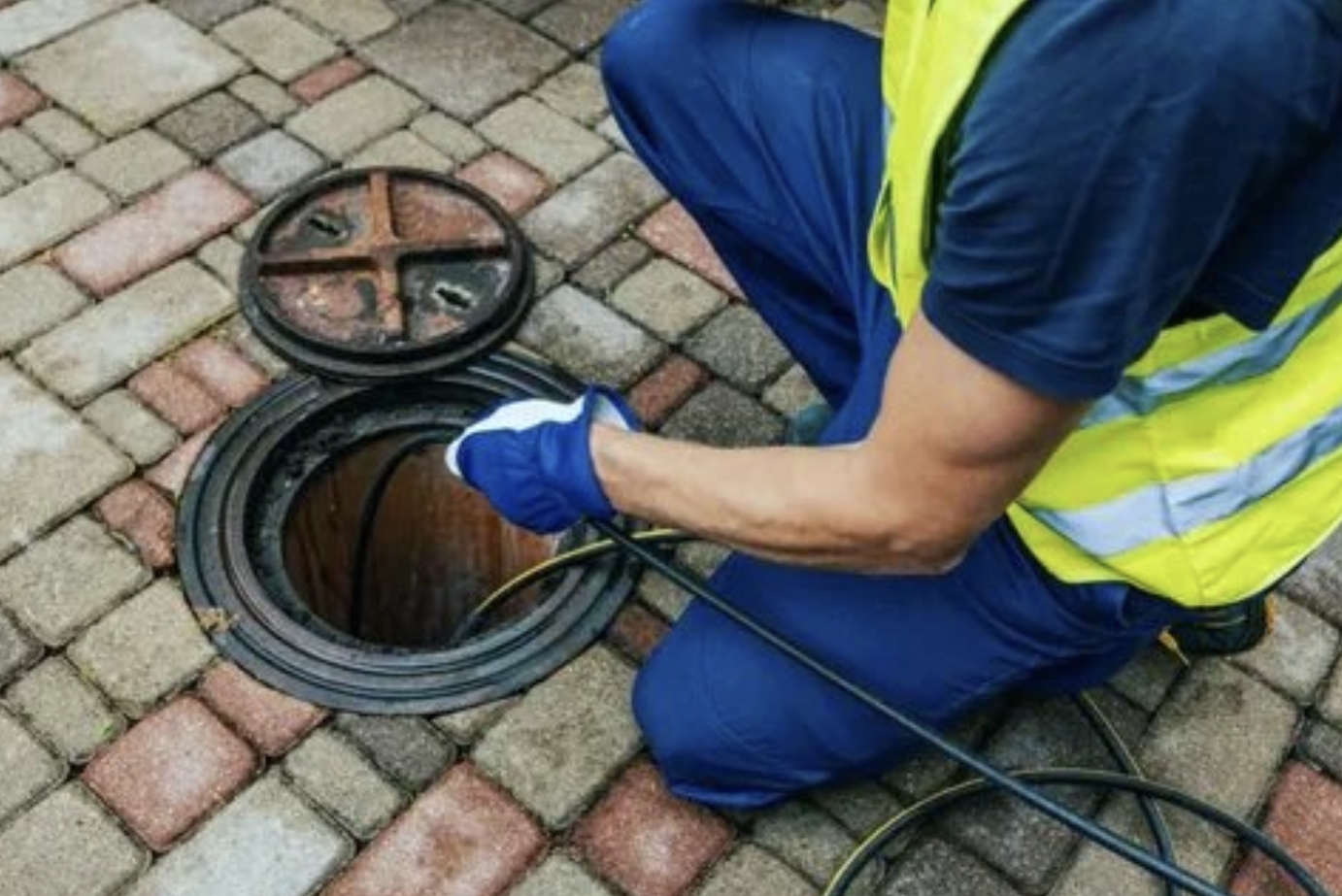
Prevention is notably the most effective strategy. Simple habits like avoiding the disposal of non-biodegradable waste into drains can make a remarkable difference. Regular drain cleaning, either DIY or professional, is also a vital practice. Additionally, lobbying for tighter regulations and implementations can play a catalytic role.

A Collective Effort: What Role Can We Play as Individuals and Communities?

At an individual level, adopting responsible drainage practices is a step towards the solution. Educating those around us can multiply this impact. On a community scale, regular clean-up drives and collaborating with local bodies can help maintain healthy sewage systems and prevent blockages. 

Conclusion

The environmental impact of blocked drains might not be the first issue that springs to mind when considering ecological damage. However, the ripple effects of this mundane household problem hold enough potential to disrupt delicate ecosystems. While the burden of change doesn’t fall on us alone, we undoubtedly have the power to make a significant difference. By adopting mindful habits and proactively participating in community efforts, we can stem the tide and save our waters from unhealthy overload. Indeed, every little action counts when it comes to preserving the health of our planet. At the end, it is all about caring for our home, not just the structure of bricks and concrete, but the bigger one we all share – our Earth.

SEARCH HISTORY INSIGHTS: PREDICTING PLUMBING NEEDS AND TRENDS

Plumbing trends have changed from traditional expertise to smart technology-powered careers. New technology in plumbing today includes predictive maintenance and sustainability. Search history lets plumbers understand customer needs and behavior online. They can use this data to stay above competition and improve customer service. This history is useful when highlighting plumbing needs and recommendations. It lets plumbers manage inventory and improve work experience. Search history helps them predict demand and adjust their marketing approaches.

What is search history in plumbing

Search history in plumbing means information people type in browsers when searching for plumbing services or insights. Someone might search for words like plumbers near me or how to fix a leaking pipe. Search engines gather these searches from millions of internet users. The data builds up over time and becomes useful to plumbers. 

YouTube recommends products based on what you have searched for in the past. Sometimes these recommendations do not meet your preferences. You can improve the results by deleting clutter and all history on YouTube. 

Many users do not know how to clear search history on YouTube. It is easy to learn how to clear search history on YouTube, and do it yourself. Open your profile picture and proceed to the Settings app. Under this menu, open History and Privacy. Select the Clear Watch History and Clear Search History options. YouTube will save fresh history once I Clear my watch history and search history. Search data lets plumbers view systematic patterns and trends. It lets them get ideas on the common plumbing problems affecting people.  History helps them predict plumbing needs and problems in the next few days. The data helps them plan marketing campaigns and be ready for the future of plumbing.

Technologies and trends of future plumbing

  • Sustainable plumbing. This is plumbing that targets the use of eco-friendly materials. It targets saving more water through recycling.
  • 3D printing in plumbing. 3D printing lets plumbers create tailor-made parts on the site. This minimizes downtime and speeds up repair time.
  • Smart plumbing systems. These are piping systems with sensors and automated triggers. They are set up to detect leaks, water flow, and contamination.
  • Advanced piping materials and systems. Piping systems materials are more flexible and corrosion-resistant. They are easier to work with and last for more years.
  • Upskilling and reskilling. Plumber’s training needs have changed due to technological advancements. Experts who were trained several years back require new training. This helps them get ready for the changing trends.
  • Renewable energy sources. More homes are adopting renewable energy sources today. Many of them are installing solar water heaters. They are installing modern rainwater harvesting systems. Organizations and farms today use wind-power water pumps and geothermal heat pumps.

The role of search history insights in the future of plumbing

Adopting new marketing strategies

Search history lets plumbers view the kind of services people are looking for. They view the types of keywords people are currently using. This information is important for marketing. Plumbers analyze it for insights into marketing campaigns. 

They create fresh content based on the current market needs. The experts publish relevant content which helps them stay visible online. For instance, the expert might notice more keywords on green plumbing. They can use this information to market sustainable solutions. 

Understanding seasonal plumbing trends

Plumbing needs and solutions change as new seasons come and go. For instance, people might want solutions to frozen water in piping systems. They might require sprinkler setups during summer. Many homeowners may start looking for repair services when their homes reach a certain age. 

Search history can help these experts identify such trends. They can use the insights to get ready with the right stock and tools. Some areas might receive heavy rain and cause damage to pipework. Searches help the plumber know seasonal needs.

Improving customer service and adapting to change

Customer behavior and needs are never constant. They change based on seasons and economic influences. Search history helps you adjust and move with trends. People might want to do more DIY plumbing. You can adjust and provide consultant services. They might want gutter cleaning services more. Adjust and provide the services currently required. The bottom line is to be flexible and move with trends.

Plumbing needs forecasts

You can serve customers better if you can predict their needs. Search history makes it possible to tell the types of services required ahead of time. It lets you get ready with the right tools and stock. Use search history to view keyword searches like broken sink pipes or taps. 

People could be searching for frozen pipe repair experts. Another person might search for a water heating system installation. This gives you an idea of the future of plumbing and the services people will require. It also provides ideas on the new skills you might want. 

Conclusion

Search history provides insights to plumbers that help them know the trends in the market. They use the ideas to forecast future technologies and needs in this business sector. These experts should know the best strategies to collect and clean data for insights.

HOW TO TROUBLESHOOT COMMON AIR CONDITIONER ISSUES

Air conditioner  maintenance is important  for ensuring efficiency and extending the life of the unit. Troubleshooting common problems can help you avoid costly repairs and improve  AC unit performance. This blog gives  detailed steps to help you indentified and fix ordinary air conditioner problems, ensuring your unit runs smoothly and efficiently.

1. Common Air Conditioner Problems

Following are common air conditioner problems like;

AC Not Turning On

If your air conditioner is not turning On it might be Power Supply issues.

  • Check the power of the Source to make sure that  unit is plugged in and receiving power. Look at the outlet and make sure it’s functioning by testing it with another device.
  • Check the Circuit Breaker Verify that the circuit breaker hasn’t tripped. If it has, reset it and see if the AC turns on. If it trips again, there may be an electrical issue requiring professional attention.
  • Make sure the AC’s power switch is turned on.

Thermostat Settings

  • Confirm that the thermostat is set to the cooling mode and the temperature is set below the current room temperature.
  • An improperly set thermostat can prevent the AC from turning on.

Power Cord

  • Examine the power cord for any visible damage, such as cuts or fraying.
  • Ensure all connections are tight and secure.

No Cool Air

If your air conditioner system not cooling properly them following must be taken;

Thermostat Settings

  • Double-check that the thermostat is set to “cool” mode and the temperature is appropriately set. Incorrect settings can hinder the cooling process.

Air Filter

  • A dirty air filter can restrict airflow and reduce cooling efficiency. Inspect the filter and replace or clean it if it appears dirty or clogged. Most filters should be replaced every 1-3 months.

Refrigerant Levels

Low refrigerant levels can indicate a leak. Look for signs of leakage, such as oily residue around the unit. If you suspect a leak, it’s best to contact a professional to inspect and refill the refrigerant.

AC Running Constantly

AC running constantly may cause some issues;

Thermostat Settings

Ensure the thermostat is set correctly and is not malfunctioning. A faulty thermostat can cause the AC to run continuously without shutting off.

Evaporator Coil

A dirty or blocked evaporator coil can reduce cooling efficiency. Clean the coil if it’s dirty to maintain proper airflow and cooling performance.

Condenser Coil

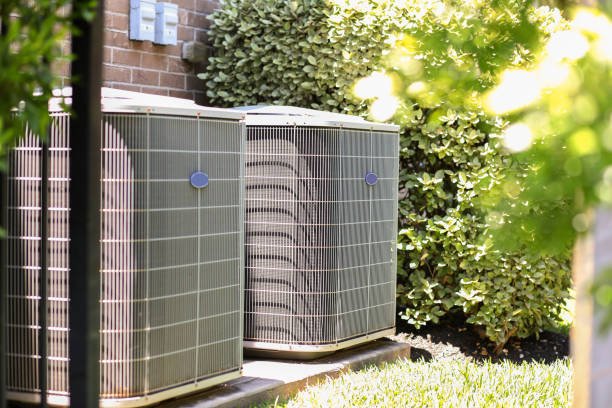
Debris or dirt on the condenser coil can affect performance. Regularly inspect and clean the coil, removing any obstructions that might impede its function.

Strange Noises

Strange noises are an alarm that your air conditioner system has some issues, so first identify them and take proper actions to fix these problems.

Source Identification

Determine if the noise is coming from the fan, compressor, or other parts of the AC unit. Different noises can indicate different issues.

Loose Parts

Check for loose or damaged parts, such as fan blades or motor mounts. Tighten or replace any faulty components to eliminate noise.

Fan Blades

Inspect the fan blades for any damage or obstruction. Replace any damaged blades and ensure they are properly aligned.

Water Leaks

  • A clogged drain line can cause water to leak. Use a wet/dry vacuum to clear any blockages in the line, ensuring proper drainage.
  • If your AC unit has a condensate pump, ensure it’s functioning correctly. Replace the pump if it’s malfunctioning to prevent water buildup.
  • Frozen evaporator coils can cause excess water. Check for issues with airflow or refrigerant levels that may be causing the freezing and address them accordingly.

Weak Airflow

  • A clogged air filter can restrict airflow. Replace or clean the filter as needed to maintain optimal airflow.
  • Inspect the ductwork for leaks or blockages. Seal any leaks and clear any obstructions to improve airflow throughout the system.
  • Ensure the blower fan is operating correctly. Check for any issues with the fan motor or blades that could impede airflow.

2. Steps to Troubleshoot Each Problem

Following are the troubleshooting to fix minor issues of AC.

Thermostat Reset

  • Try resetting the thermostat by turning it off and then on again. This can sometimes resolve minor issues.

Filter Maintenance

  • Regularly replace or clean air filters to maintain optimal airflow and prevent blockages.

Coil Cleaning

  • Clean the evaporator and condenser coils to ensure efficient heat exchange. This can improve cooling performance and efficiency.

Advanced Troubleshooting

Advanced troubleshooting can keep your AC unit to the next level.

  • Check and adjust refrigerant levels if necessary. This often requires a professional to ensure proper handling and refilling.
  • Inspect electrical components for faults. Repair or replace any damaged wiring or components to ensure the unit operates safely and efficiently.
  • Ensure the condensate pump is functioning properly. Replace it if it’s faulty to prevent water leakage.

3. When to Call a Professional

If your DIY effort fails to resolve the AC unit issues then call a professional for proper fixation.

Time for Call a Professional

  • If you encounter issues like refrigerant leaks, electrical problems, or persistent performance issues, it’s best to consult a professional for Ac Repairs in Dubai.
  • If basic troubleshooting does not resolve the problem, a professional can diagnose and fix more complex issues.

Benefits of Professional Repair

  • Professionals can diagnose complex issues accurately.
  • They can perform necessary repairs safely, ensuring your unit operates efficiently.
  • Professionals can offer maintenance tips to improve your unit’s efficiency and lifespan.

4. Preventative Maintenance Tips

Following are key professional preventative tips to keep your AC unit fit.

  • Regular Filter Replacement

Replace air filters every 1-3 months to ensure good airflow and air quality. This simple step can prevent many common AC issues.

  • Annual Inspections

Schedule a professional inspection at least once a year to catch potential issues early and maintain optimal performance.

  • Keep Unit Clean

Regularly remove debris around the AC unit and ensure proper airflow to prevent performance issues and extend the unit’s life.

Conclusion

Common troubleshooting steps and stress upon the importance of regular maintenance. Proper maintenance and timely troubleshooting can keep your AC running efficiently and extend its lifespan.Emphasize the need for routine maintenance to keep the AC running efficiently and avoid major repairs. Regularly check and clean filters, coils, and other components to ensure optimal performance.

Follow up  these steps and perform regular maintenance, you can troubleshoot common air conditioner issues and keep your unit running smoothly. But, for complex issues, it’s always best to consult a professional to ensure safe and effective repairs.

DESIGNING A KITCHEN WITH LONGEVITY IN MIND

(photo credit: Microsoft Images)

As the average lifespan increases and more people choose to age in place, designing kitchens with longevity in mind becomes increasingly important. By incorporating elements that prioritize functionality, accessibility, and durability, homeowners can create kitchens that not only meet their current needs but also accommodate potential changes in lifestyle and abilities.

Prioritizing accessibility is crucial in kitchen design. Features like pull-out cabinets, wide drawer pulls, and lower countertop heights can make kitchens more user-friendly for people of all ages and abilities. Nonslip flooring and ample task lighting are additional safety considerations. Modular-style kitchens offer flexibility and adaptability, allowing for easy modifications as needs change.

Choosing durable materials is essential for a kitchen that can withstand the test of time. Opting for hard-wearing surfaces like engineered stone or quartz countertops can help prevent damage from everyday use. Investing in quality appliances from reputable manufacturers can also extend their lifespan. Additionally, incorporating ample storage solutions, such as pull-out pantries and rubbish bins, can help maintain a clutter-free and efficient kitchen space.

Considering future needs is key to creating a truly long-lasting kitchen. Incorporating features like wheelchair-accessible pathways and lever handles can make the space more inclusive and adaptable to changing circumstances. By planning and choosing materials and designs that prioritize functionality and durability, homeowners can create kitchens that not only look beautiful but also stand the test of time. A reputable building material company can provide guidance and expertise in selecting suitable materials for a long-lasting kitchen. The resource below provides a visual representation of key design elements for creating a long-lasting kitchen.