LANDSCAPE LIGHTING DESIGN TRENDS: WHAT’S HOT IN OUTDOOR ILLUMINATION

Outdoor lighting design is evolving, driven by technological advancements and changing aesthetic preferences. Homeowners and designers are exploring new ways to illuminate outdoor spaces, creating environments that are not only functional but also visually stunning. This article delves into the latest trends in landscape illumination design, offering insights into what’s hot in outdoor illumination today.

 1. Smart Lighting Systems

Smart lighting systems are revolutionizing landscape lighting design in Summerfield, NC. These systems allow homeowners to control their outdoor lighting remotely via smartphones or voice assistants. Features like programmable timers, dimming options, and color-changing capabilities provide unparalleled convenience and customization. Smart lighting not only enhances security but also allows for dynamic, mood-setting lighting schemes that can be adjusted for any occasion.

 2. Energy-Efficient LED Lighting

LED lighting continues to dominate the landscape lighting scene due to its energy efficiency and longevity. Modern LED fixtures offer a wide range of color temperatures and brightness levels, allowing for precise control over the lighting environment. Additionally, LED lights are more environmentally friendly compared to traditional incandescent bulbs, making them a popular choice for eco-conscious homeowners.

 3. Solar-powered Lights

With the increasing emphasis on sustainability, solar-powered lights are gaining popularity. These lights harness solar energy during the day and illuminate outdoor spaces at night, reducing electricity costs and environmental impact. Advances in solar technology have improved the efficiency and brightness of these lights, making them a viable option for a variety of landscape lighting applications.

 4. Low-Voltage Lighting

Low-voltage lighting systems are becoming a preferred choice for many landscape designers. These systems are safer, easier to install, and more energy-efficient compared to high-voltage systems. Low-voltage lighting is ideal for creating soft, ambient lighting effects that enhance the beauty of outdoor spaces without overwhelming the natural environment. 

 5. Minimalist and Sleek Designs

The trend towards minimalist and sleek lighting fixtures is evident in modern exterior lighting design. Clean lines, simple shapes, and understated designs are replacing ornate and bulky fixtures. This minimalist approach allows the focus to remain on the landscape itself while the lighting subtly enhances the overall aesthetic.

 6. Layered Lighting Techniques

Layered lighting techniques involve using multiple light sources to create depth and dimension in an outdoor space. This trend emphasizes the strategic placement of different types of lights—such as spotlights, path lights, and ambient lights—to achieve a balanced and visually appealing effect. Layered lighting enhances the functionality and beauty of outdoor areas, creating a cohesive and inviting atmosphere.

 7. Integrated Lighting Solutions

Integrated lighting solutions seamlessly blend lighting fixtures into the landscape, making them almost invisible during the day. This trend includes incorporating lights into hardscapes, such as steps, walls, and pathways, as well as into natural elements like trees and plants. Integrated lighting provides a clean, unobtrusive look while effectively illuminating the outdoor space.

 8. Color-Changing Lights

Color-changing lights are becoming increasingly popular for their ability to transform outdoor spaces with dynamic lighting effects. Program these lights to change colors based on the time of day, season, or specific events. Color-changing lights add a playful and versatile element to outdoor illumination design, allowing homeowners to create different moods and atmospheres with ease.

The outdoor lighting design trends of today reflect a blend of advanced technology, sustainability, and aesthetic refinement. Smart lighting systems, energy-efficient LEDs, and solar-powered options offer practical benefits, while minimalist designs, layered lighting techniques, and artistic fixtures enhance the visual appeal of outdoor spaces. As homeowners and designers continue to explore new possibilities, landscape lighting will play an increasingly important role in creating beautiful, functional, and inviting outdoor environments. Whether you’re looking to improve security, highlight your garden’s beauty, or simply create a welcoming atmosphere, staying informed about the latest trends can help you achieve your landscape lighting goals.

Are you searching for an ideal service companion for lighting installation services in Summerfield, NC? Trust Southern Lights Outdoor Lighting & Audio to transform your home.

Get in touch with their experts at (336) 451-4969 to upgrade your outdoor experience today!

LONG-TERM BENEFITS OF ANNUAL AC MAINTENANCE FOR YOUR HOME OR BUSINESS

Air conditioning (AC) systems are crucial for maintaining comfortable indoor environments, especially in regions with extreme temperatures. While the immediate benefits of a well-functioning AC unit are apparent, the long-term advantages of regular annual maintenance are often overlooked. Both homeowners and business owners can reap significant benefits from a consistent maintenance schedule, from improved efficiency and cost savings to enhanced comfort and longevity of the system.

 1. Improved Energy Efficiency

One of the most significant benefits of annual AC maintenance in Saint Charles, IL, is improved energy efficiency. Over time, AC units can accumulate dust, dirt, and debris, which can obstruct airflow and reduce efficiency. Regular maintenance ensures that all components are clean and functioning optimally. This not only enhances the unit’s performance but also reduces energy consumption, leading to lower utility bills.

 2. Extended Lifespan of the System

AC units are a considerable investment, and extending their lifespan is a priority for any homeowner or business owner. Regular maintenance helps recognize and manage minor issues, thereby preventing costly repairs or even a full system replacement. By ensuring that all parts are in good working order and making necessary adjustments, annual maintenance can significantly extend the life of your AC system.

 3. Cost Savings on Repairs

Regular maintenance can save you money in the long run by preventing expensive repairs. During a maintenance check, technicians can spot potential issues early, such as worn-out parts or minor leaks, and fix them before they become serious problems. This proactive approach can prevent unexpected breakdowns and the high repair costs associated with them.

 4. Enhanced Comfort and Performance

An AC system that receives annual maintenance is more likely to perform at its best. Regular checks and tune-ups ensure that the system is cooling effectively and maintaining consistent temperatures throughout your home or business. This results in enhanced comfort for occupants, whether they are family members at home or employees and customers in a business setting.

 5. Better Indoor Air Quality

Indoor air quality is a critical aspect of a healthy living or working environment. Unmaintained AC systems can become breeding grounds for mold, bacteria, and other contaminants, which can then circulate throughout your indoor spaces. Annual maintenance includes cleaning and replacing air filters and ensuring that the air circulating in your home or business is clean and healthy.

 6. Increased System Reliability

Nobody wants their AC system to fail during the peak of summer or the cold of winter. Regular maintenance ensures that your system is reliable and less likely to experience unexpected breakdowns. Technicians can detect and address issues such as refrigerant leaks, electrical problems, or worn-out components, which enhances the overall reliability of the system.

 7. Compliance with Warranty Requirements

Many manufacturers suggest regular maintenance to keep the warranty valid. Annual maintenance ensures that you comply with these requirements, protecting your investment. If your system fails due to neglected maintenance, you could end up paying out of pocket for repairs that would have been covered under warranty.

8. Enhanced Safety

Faulty AC systems can pose safety risks, such as electrical fires or exposure to refrigerant leaks. During annual maintenance, technicians check for safety issues, ensuring that all electrical components are secure and functioning correctly. This reduces the risk of safety hazards, providing peace of mind for homeowners and business owners alike.

The long-term benefits of annual AC upkeep for your home or business are numerous and significant. It ensures better indoor air quality, increased system reliability, and compliance with warranty requirements while also contributing to environmental sustainability and safety. Ultimately, annual AC service provides peace of mind, knowing that your system is operating at its best, ensuring comfort and reliability for years to come. Prioritizing regular maintenance is a proactive step that pays off in both the short and long term.

Finding an ideal service company for AC installation in Saint Charles, IL, is now feasible with the experts at Service Plus Heating & Cooling. Get in touch with their expert at (630) 518-6184 to schedule your annual check-up today!

TIPS & TRICKS FOR FINDING A REPUTABLE PLUMBER NEAR YOU

Finding a reputable plumber near you can be essential for addressing plumbing issues promptly and effectively. Whether you’re dealing with a leaky faucet, clogged drains, or more complex plumbing problems, hiring a reliable plumber ensures quality artistry and peace of mind. This article provides valuable tips and tricks to help you identify and select a trustworthy plumber in your local area. By following these guidelines, homeowners can avoid common pitfalls and make informed decisions when hiring plumbing services.

SEEK RECOMMENDATIONS FROM TRUSTED SOURCES

One of the most reliable ways to find a reputable plumber is through recommendations from trusted sources. Ask friends, family members, or neighbors who have recently used plumbing services for their recommendations. Personal referrals provide firsthand insights into the plumber’s reliability, professionalism, and the quality of their work. Additionally, seek recommendations from local community forums or social media groups where homeowners share their experiences and recommendations for reliable plumbers. Gathering multiple recommendations allows you to compare options and make an informed choice based on positive feedback and reviews.

CHECK ONLINE REVIEWS AND RATINGS

Before hiring a plumber, conduct a thorough research by checking online reviews and ratings on reputable platforms such as Google, Yelp, or Angie’s List. Read customer reviews to gauge satisfaction levels and assess the plumber’s reputation for delivering quality service. Pay attention to both positive and negative reviews, focusing on aspects such as punctuality, communication, pricing transparency, and the effectiveness of problem resolution. High ratings and positive reviews from multiple customers indicate consistent performance and customer satisfaction, making it more likely that the plumber will meet your expectations.

VERIFY LICENSING AND INSURANCE

The plumber you select must have the appropriate licenses and insurance to carry out plumbing work in your region. For the most part, licensed plumbers are trained, certified, and adhere to industry norms and regulations. However, the prerequisites for obtaining a license differ from state to state and from town to area. Check with the state board of plumbing or the local licensing authorities to see whether or not the plumber has a valid license. Your protection as a homeowner is ensured by insurance coverage, which may include worker’s compensation and liability insurance, in the event that you suffer injuries or property damage while on the job. Request evidence of insurance and check the specifics of coverage in order to prevent the possibility of being held liable for accidents or damage to property.

INQUIRE ABOUT EXPERIENCE AND SPECIALIZATION

When seeking a reputable plumber, it’s essential to inquire about experience and specialization to ensure you receive top-notch service. If you live in Long Beach, asking potential plumbers in Long Beach about their years of experience and specific areas of expertise can help you determine if they are well-suited to handle your plumbing needs. Experienced plumbers with specialized skills are often more adept at diagnosing and resolving complex issues efficiently. Additionally, a plumber’s track record and knowledge of particular types of repairs or installations can provide peace of mind. By focusing on experience and specialization, you can confidently choose a plumber who meets your requirements and maintains a high standard of service.

OBTAIN MULTIPLE QUOTES AND COMPARE

Obtaining multiple quotes from different plumbers allows you to compare pricing, services offered, and overall value. Contact at least three plumbers to provide detailed estimates based on the scope of work required. Ensure each quote includes a breakdown of costs for materials, labor, and any additional fees or charges. While cost is an important factor, prioritize value and quality of service when making your decision. Avoid selecting the lowest bid without considering factors such as reputation, experience, and customer feedback. A transparent and detailed quote demonstrates professionalism and helps you make an informed decision based on your budget and expectations.

CONCLUSION

Finding a reputable plumber near you involves seeking recommendations from trusted sources, checking online reviews, verifying licensing and insurance, inquiring about experience and specialization, and obtaining multiple quotes for comparison. These tips and tricks empower homeowners to make informed decisions when hiring plumbing services, ensuring quality artistry and reliable solutions for plumbing issues. By following these guidelines, you can confidently select a plumber who meets your needs and expectations, providing peace of mind and ensuring your plumbing systems are in capable hands. Hiring a reputable plumber is an investment in maintaining the integrity and functionality of your home’s plumbing infrastructure.

CAN SOLAR ENERGY REALLY LOWER YOUR ELECTRICITY BILLS?

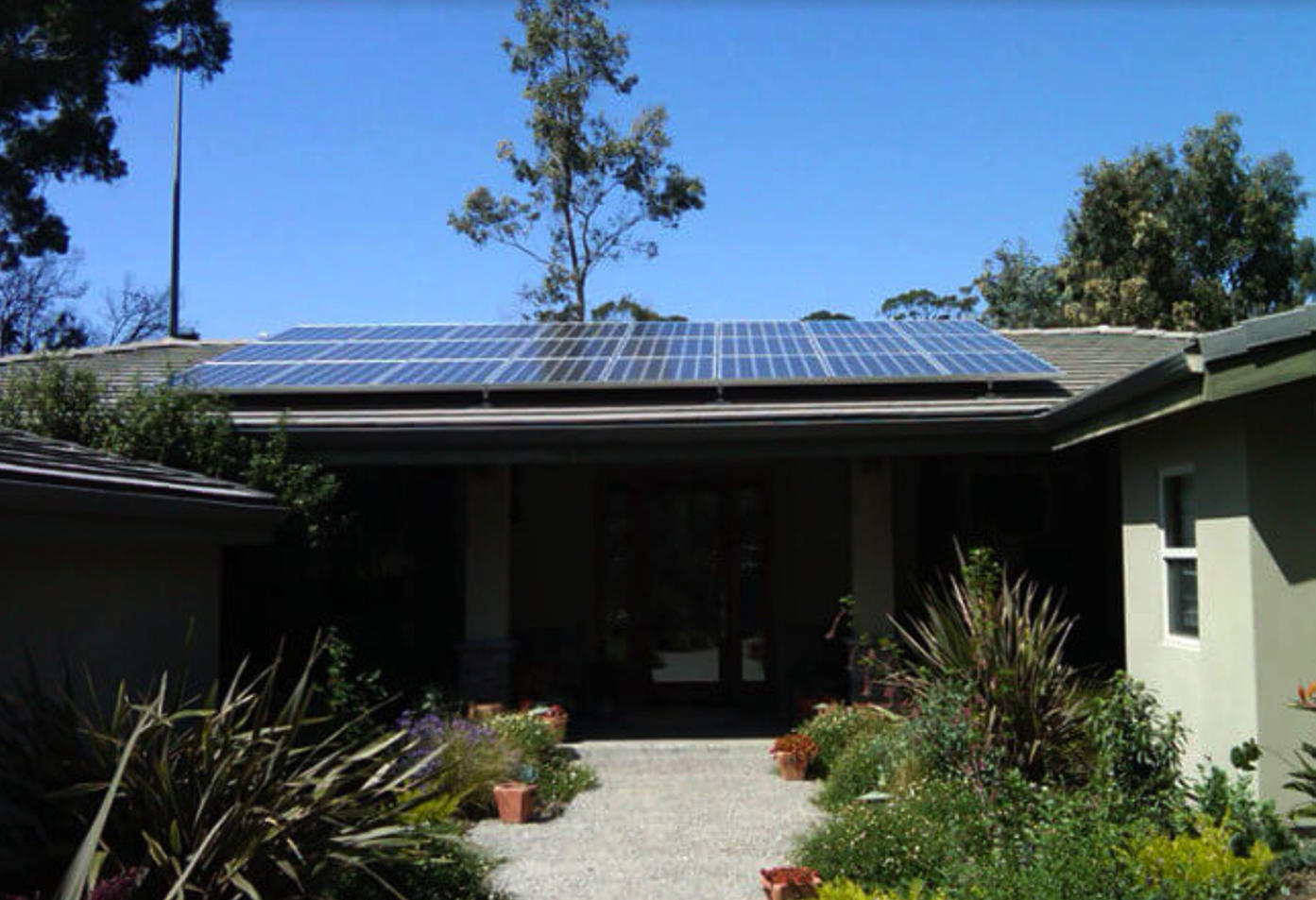
If you’re in San Luis Obispo, you might have noticed more homes with solar panels. Many people are turning to solar energy to cut down on their electricity costs. But does it really make a difference? Let’s dive into how having a San Luis Obispo solar installation completed on your home can impact your bills and what factors come into play.

Yes, Solar Energy Can Lower Your Bills

The simple answer is yes, solar energy can lower your electricity bills. However, how much you save depends on a few things:

– Your current energy use

– Local electricity rates

– The size of your solar system

– The amount of sunlight your home gets

Why San Luis Obispo Is Perfect for Solar

San Luis Obispo is an ideal spot for solar power. With an average of 286 sunny days a year, there’s plenty of sunlight for solar panels to harness. This sunny climate means your panels can generate a lot of electricity, helping you save more.

Beyond Savings: Other Benefits of Solar

Solar panels do more than just cut your electricity bills. They also offer protection against rising utility costs. As electricity prices go up, your solar panels help keep your energy costs stable. This predictability is a huge plus for many homeowners.

The Cost of Going Solar

Solar panel prices have dropped a lot in recent years, making them more affordable. While the upfront cost can seem high, the long-term savings often make it worth it. Many systems pay for themselves in 5-10 years through lower electricity bills. 

Finding the Right Solar Company

When you’re ready to go solar, choosing a reliable company is key. In San Luis Obispo, there are many solar providers. Look for companies with good reviews and a solid track record. For example, Electricraft has been around for decades, offering trustworthy solar solutions.

The Solar Installation Process

1. Site Assessment: A technician will check your property to find the best spot for the panels. They’ll look at things like roof orientation and shading.

2. Customized Proposal: You’ll get a proposal detailing the recommended system size, estimated energy production, and potential savings.

3. Installation: The actual installation takes 1-3 days. After that, your system needs to pass a local inspection before it’s activated.

4. Net Metering: This program lets you earn credits for extra energy your system produces. These credits can offset costs when your panels aren’t generating power.

Maintaining Your Solar Panels

Solar panels are low-maintenance. They mostly need occasional cleaning. Many local companies offer maintenance services to keep your system running smoothly.

Long-Term Savings and Environmental Impact 

Solar panels typically last over 25 years. This long lifespan means you’ll keep saving on your electricity bills for decades. Plus, you’ll be reducing your carbon footprint by using clean, renewable energy.

Financial Incentives and Rebates 

There are financial incentives to help with the cost of solar. The federal solar investment tax credit lets you deduct 30% of your installation costs from your federal taxes. California also offers additional incentives and rebates.

Comparing Solar Companies

When looking at solar companies, consider more than just the price. Check the quality of their equipment, their warranties, and their customer service reputation. Sometimes paying a bit more upfront is worth it for better quality and service. 

Financing Options 

Many solar companies offer financing options to make installation more affordable. These can include solar loans, leases, or power purchase agreements. Each option has its pros and cons, so it’s important to understand the terms.

Energy Independence

Generating your own electricity makes you less reliant on the grid. This can be especially valuable during power outages or in areas with unreliable electricity supply. 

The Future of Solar 

As technology improves, solar panels are becoming more efficient and affordable. This trend is likely to continue, making solar an increasingly attractive option for homeowners and businesses.

Conclusion

Solar energy can indeed lower your electricity bills in San Luis Obispo. With plenty of sunshine, decreasing San Luis Obispo solar installation costs, and available incentives, it’s a great option for many. While the initial investment requires careful consideration, the long-term savings and environmental benefits are significant. By choosing a reputable solar company and properly sizing your system, you can enjoy lower electricity costs for years to come.

THE ROLE OF AC MAINTENANCE IN REDUCING ENERGY CONSUMPTION AND COSTS

Air conditioning systems are essential for maintaining comfort in homes and businesses, especially during the hot summer months. However, these systems can consume significant amounts of energy, leading to high utility bills and increased environmental impact. Regular AC upkeep is crucial for ensuring your system operates efficiently, reducing energy consumption and associated costs. In this article, we will explore the various ways in which AC care plays a pivotal role in lowering energy usage and expenses.


 1. Improved System Efficiency 

One of the primary benefits of regular AC maintenance in Baltimore, MD, is improved system efficiency. Over time, air conditioning units can accumulate dust, dirt, and debris, which can obstruct airflow and reduce the system’s efficiency. Maintenance tasks such as cleaning or replacing air filters, cleaning evaporator and condenser coils, and ensuring the blower components are free from obstructions can significantly enhance the efficiency of your AC unit. An efficient system uses less energy to cool your home, which directly translates to lower energy consumption and reduced costs.


 2. Early Detection of Issues

Routine AC  upkeep allows for the early detection of potential issues before they escalate into major problems. During a maintenance check, a professional technician will inspect various components of the system, such as the thermostat, refrigerant levels, electrical connections, and overall system operation. Identifying and addressing problems can prevent system breakdowns and the need for expensive repairs. Moreover, a well-maintained AC unit is less likely to experience inefficiencies caused by wear and tear, thus maintaining optimal energy use.


 3. Optimal Refrigerant Levels

The refrigerant is a critical component of an air conditioning system, as it absorbs and releases heat to cool your home. If the refrigerant levels are too low, the system must work harder to achieve the desired temperature, leading to increased energy consumption. Regular maintenance includes checking and adjusting refrigerant levels to ensure they are within the manufacturer’s recommended range. Maintaining optimal refrigerant levels helps the system operate more efficiently, reducing energy use and associated costs.


 4. Enhanced Airflow 

Proper airflow is essential for the efficient operation of an air conditioning system. Blockages or restrictions in the airflow can cause the system to work harder, consuming more energy. During a maintenance visit, technicians will inspect and clean air ducts, vents, and filters to ensure there are no obstructions. They may also check the blower motor and fan to ensure they are operating correctly. Improved airflow allows the system to cool your home more effectively, reducing energy consumption and lowering costs.


 5. Calibration of Thermostat Settings

The thermostat is the control center of your air conditioning system, regulating when and how the system operates. If the thermostat is not calibrated correctly, it can lead to inefficient operation and increased energy use. As part of regular maintenance, technicians will check and calibrate the thermostat to ensure it accurately reflects the indoor temperature and operates the system efficiently. Proper thermostat settings can prevent the system from running longer than necessary, thereby conserving energy and reducing costs.


 6. Prolonged System Lifespan

Regular maintenance can significantly extend the lifespan of your air conditioning system. A well-maintained system experiences less stress and strain, reducing the likelihood of major component failures. By preventing premature wear and tear, maintenance helps avoid the costs associated with early system replacement. A longer-lasting AC unit not only saves on replacement costs but also ensures continued energy-efficient operation, contributing to lower overall energy consumption.


 7. Energy Savings Through Scheduled Maintenance

Establishing a regular maintenance schedule is key to achieving consistent energy savings. Seasonal maintenance, particularly before the onset of summer and winter, ensures that your system is prepared to handle peak operating conditions. Scheduled maintenance allows technicians to perform necessary adjustments, cleanings, and inspections at optimal times, preventing the gradual decline in efficiency that can occur without regular care. Consistent maintenance leads to sustained energy savings and lower utility bills over time.

Regular maintenance ensures that your air conditioning system operates at its best, providing comfort and efficiency while minimizing energy use and expenses. Investing in routine AC upkeep is a smart decision that pays off in the long run, both financially and environmentally.

Reduce energy costs with regular air conditioner maintenance! Avoid expensive AC repair and ensure efficiency with Supreme Service Today. Call (410) 788-1114 for expert service and savings!

WASHINGTON STATE RENTAL PROPERTY MAINTENANCE LAWS: LANDLORD OBLIGATIONS

Maintaining rental properties is a critical responsibility for landlords, ensuring that tenants have safe and habitable living conditions. In Washington State, specific laws govern landlord obligations for property maintenance. Understanding these laws is essential for compliance and for fostering a positive landlord-tenant relationship. Here’s an in-depth look at what landlords in Washington State need to know about their maintenance obligations.


1. HABITABILITY STANDARDS

Washington State landlord-tenant law mandates that landlords must maintain rental properties to meet basic habitability standards. These standards are designed to ensure that tenants live in safe, healthy environments.


Structural Integrity

The property’s structure, including walls, floors, and ceilings, must be safe and sound. Landlords need to ensure there are no leaks, structural damage, or other hazards that could endanger the tenants.


Weather Protection

Properties must be weatherproofed with proper insulation, roofing, and windows to protect against the elements. This includes ensuring that doors and windows are secure and in good working condition.


Plumbing and Sanitation

Landlords are responsible for maintaining functional plumbing systems. This includes providing hot and cold running water, ensuring proper sewage disposal, and maintaining sanitary facilities. Bathrooms must have a working toilet, sink, and bathtub or shower.


Heating

Rental units must have a functioning heating system capable of maintaining a reasonable temperature during cold weather. Landlords must ensure that heating equipment is in good working order and safely installed.


Electrical and Lighting

Electrical systems must be safe and functional, with adequate lighting in all living areas. Landlords need to address any electrical hazards and ensure that all outlets, switches, and fixtures are operational.


Safety Features

Landlords must install and maintain essential safety features, such as smoke detectors and carbon monoxide detectors. These devices must be tested regularly to ensure they are in working condition.


2. REPAIRS AND MAINTENANCE

Regular maintenance and timely repairs are crucial for keeping rental properties in good condition. Washington State law outlines specific responsibilities for landlords regarding repairs and maintenance.


Routine Maintenance

Landlords must perform routine maintenance to keep the property in good condition. This encompasses tasks like cleaning gutters, maintaining landscaping, and servicing HVAC systems.


Timely Repairs

When a tenant reports a maintenance issue, landlords are required to make necessary repairs promptly. Washington State law provides specific timelines for different types of repairs:


●      Emergencies: Immediate response is required for urgent issues that pose a health or safety risk, such as gas leaks, major plumbing failures, or electrical hazards.

●      Non-Emergency Repairs: For non-emergency issues, landlords typically have up to ten days to address the problem. This includes repairs such as fixing a leaky faucet or replacing a broken appliance.


Tenant Responsibilities

While landlords have significant maintenance obligations, tenants also play a role in maintaining the property. Tenants are responsible for: 

●      Keeping the Property Clean: Tenants must keep their rental unit clean and free of garbage.

●      Preventing Damage: Tenants should avoid causing damage to the property and report any issues promptly.

●      Routine Tasks: Tenants may be responsible for minor maintenance tasks, such as replacing light bulbs and changing HVAC filters.


3. ENTRY FOR REPAIRS AND MAINTENANCE

Washington State law requires landlords to provide notice before entering a rental unit for repairs or maintenance.


Notice Requirements

●      Standard Notice: Landlords must provide at least 48 hours’ written notice before entering the rental unit for non-emergency repairs.

●      Emergency Entry: In emergencies, landlords may enter the unit without notice to address immediate threats to health or safety.


Reasonable Hours

Entries for repairs and maintenance should occur during reasonable hours, typically between 9:00 AM and 6:00 PM, unless the tenant agrees to a different time.


4. TENANT REMEDIES FOR MAINTENANCE ISSUES

If a landlord fails to address maintenance issues, tenants have several remedies under Washington State law.


Rent Withholding

Tenants may withhold rent if the landlord fails to make necessary repairs within the required timeframe. To do so legally, tenants must provide written notice of the issue and allow the landlord a reasonable period to address it.


Repair and Deduct

Tenants have the right to pay for necessary repairs and deduct the cost from their rent. This remedy is available if the landlord fails to make repairs within a reasonable period after receiving written notice. The amount deducted cannot exceed one month’s rent.


Legal Action

Tenants can take legal action against landlords who fail to meet their maintenance obligations. This may involve filing a complaint with local housing authorities or pursuing a lawsuit for damages.


5. PREVENTATIVE MAINTENANCE

Preventative maintenance is essential for avoiding major repairs and ensuring the long-term habitability of rental properties. Landlords should implement a regular maintenance schedule to address potential issues before they become serious problems.


Seasonal Inspections

Conducting seasonal inspections helps identify and address issues related to weather changes. This includes inspecting the roof, gutters, HVAC systems, and weatherproofing.


Regular Servicing

Regularly servicing key systems, such as plumbing, electrical, and HVAC, helps prevent breakdowns and extends the lifespan of these systems.


Tenant Communication

Encouraging open communication with tenants can help identify maintenance issues early. Tenants should be encouraged to report problems promptly and participate in maintaining the property.


6. LEGAL COMPLIANCE

Staying compliant with Washington State’s rental property maintenance laws is crucial for landlords to avoid legal issues and ensure tenant satisfaction.


Regular Updates

Landlords should stay informed about any changes to rental property maintenance laws. Regularly reviewing and updating maintenance policies ensures ongoing compliance.


Legal Advice

Consulting with a legal professional can help landlords navigate the complexities of maintenance laws. This can prevent potential legal issues and ensure that maintenance practices are fair and legal.


CONCLUSION

Maintaining rental properties in compliance with Washington State law is essential for landlords to provide safe, habitable living conditions for tenants. By understanding and fulfilling their maintenance obligations, landlords can ensure tenant satisfaction, avoid legal issues, and protect their investment. Regular inspections, prompt repairs, and clear communication with tenants are key components of effective property maintenance, fostering a positive rental experience for all parties involved.

Understanding Washington State landlord-tenant law is crucial for landlords to meet their responsibilities and provide high-quality rental housing.