Mold-Infested Ceiling in a Bedroom – dangerous and health-damaging
Have you seen a spot or patch on your wall that’s a slightly different color than it should be, or perhaps caught the scent of some mustiness in your basement? These are both common signs that mold may have colonized somewhere in your home. What’s more, is that mold isn’t just something that looks unsightly, it can lead to serious health effects and medical complications for those in the home. It can even begin to negatively impact the structural integrity of your home, and jeopardize your ability to live there, so it’s critical to do something about it at the first sign that it has developed.
But what are the first signs? How do you know for sure if you have mold, and what do you do about it? In this post, we’re going to take you through the steps and processes that will help you get the help you need to address mold problems in your home. We’ll start with how to identify it, and cover why getting professional help is crucial to effective remediation and preventing its return. While it may seem like a daunting project, taking care of mold quickly can help keep you and your family safe from dangers to your health as well as extensive repairs that have substantial costs associated with them. Let’s get into it.
IDENTIFYING MOLD IN YOUR HOME
Having some mold in the home is more common than you might think, but that doesn’t mean it’s something to ignore. Mold will appear in many different forms and colors, with patches or spots that can appear to be black, white, green, and even orange. Mold requires a dark area that’s also exposed to some sort of moisture, such as condensation, humidity, a leaky pipe, or poor drainage. This means prime spots to find mold in your home are going to include bathrooms, kitchens, basements, and around doors, windows, and pipes, which should all be checked for a fuzzy substance growing on the surface.
Another major sign is that mold will always create a distinct odor, typically described as musty, which is what you might smell in a damp, dank basement. This means if you’re in your basement, or any other area of your home, and catch a whiff of that smell, there’s a good chance you have some mold somewhere that needs to be addressed.
THE RISKS OF MOLD IN YOUR HOME
Now that you know what you’re looking for and where you can generally find it, it’s time to cover some of the risks of mold in your home and why you want to be able to identify it. Mold is more than a gross patch or unsightly blemish on your walls or ceilings, and it poses a significant threat to anyone in the home with a compromised immune system, or chronic conditions like allergies, asthma, or more serious respiratory conditions.
Being exposed to mold can lead to a range of symptoms, depending on the individual, and can include coughing, wheezing, eye irritation, and even skin irritation in some cases. Individuals with known allergies to mold should take care, as they will typically have more serious reactions, and those with compromised immune systems are more prone to infections of the airway or lungs.
Beyond health risks, mold colonization in your home poses a very real risk of damage to the structure itself. Once mold has taken hold, it can cause rot and damage to materials like wood, drywall, ceiling tiles, carpeting, wallpaper, paneling, and more. This damage isn’t just costly to repair, it can significantly reduce the overall value of the property.
STEPS TO TAKE IF YOU THINK MOLD IS PRESENT
If you think you found mold in your home, the first step is to not panic. You may have felt your stomach drop when you saw those fuzzy patches, but there are things you can do immediately to help mitigate the damage until you can get a professional to take a look.
One of the first things you want to do is to try to identify the source of the moisture that’s feeding the mold. You’ll be looking for leaky pipes, areas of general dampness, and more. Once you find these spots, use fans and dehumidifiers to circulate the air while removing evaporated water from it.
Try not to disturb the mold, since that can cause it to spread. Take note of what kind of surface it’s growing on since glass or tile aren’t porous, but wood, drywall, and carpeting are.
GETTING A PROFESSIONAL MOLD INSPECTION
Once you’ve got some preliminary measures set up to stop the problem from getting worse, but now it’s time to call in an expert for a professional mold inspection. These assessments won’t be just by eye, they’ll involve determining the full extent of the issue, the type of mold that is present, and creating a remediation plan.
It might be tempting to try the DIY route, but in most cases, the average homeowner won’t have the needed equipment or expertise to get the project done quickly enough to stop the damage from getting worse.
WHY PROFESSIONAL REMEDIATION IS IMPORTANT
Most homeowners have taken a DIY approach to more than one project, but mold remediation isn’t one you want to gamble with. A professional assessor will not only have the specialized equipment to get rid of the excess moisture fast, but the practical experience to measure the remaining levels to make sure nothing is missed.
In some cases, the remediation will require additional steps beyond simply drying out and cleaning up. This might mean making improvements to existing ventilation, fixing structural damage, or installing equipment to help manage your home’s humidity levels.
Working with a professional can help ensure that not only is the problem addressed effectively, but that your home is restored to its pre-mold condition. If you’re concerned about mold in your home, don’t wait until it’s too late, reach out to a professional today to have expert assessment and testing done.
Imagine walking into a kitchen that not only has everything you need in a seamless functional layout but is also steeped in elegance and indulgence. This harmonious blend of comfort, functionality, and style is the essence of a luxury kitchen. It’s a space where design meets innovation, resulting in an environment where cooking is just as delightful for the host as it is for the guests.
From the home gourmet and culinary enthusiast to someone who just appreciates the finer things in life and wants to have a space that caters to them, a luxury kitchen can be one of the leading ways to transform your home into the sophisticated, warm retreat you’ve always dreamt of.
In this post we’ll be going over 5 key tips to keep in mind for creating the luxury kitchen you’ve always wanted, from the premium materials to the touches that make the space uniquely you, these tips are designed to help guide you through the creation of a kitchen that isn’t just a place to prepare mind-blowing meals, but a centerpiece and focal point of your home.
TIP 1: HIGH-QUALITY MATERIALS
The most logical place to start the foundation of your dream kitchen is with the highest-quality materials. Not only does using high-quality materials help ensure the longevity of your kitchen, but it also contributes to the overall luxury aesthetic. After all, installing top-end appliances in the middle of dated 70s Formica counters doesn’t exactly scream luxury.
Start with countertops, since they are highly visible and extensively used. Materials like quartz, granite, and marble all offer incredible durability and elegant, timeless appearances. Custom cabinetry with options like solid wood construction can bring a unique look and generational value to the property.
Flooring is another consideration. Hardwood can set the tone for the whole space, while high-end tiles can reduce maintenance while enhancing longevity. Additional details to consider include the hardware options like handles, faucets, and more. The beauty of luxury kitchens is in the details.
TIP 2: STATE-OF-THE-ART APPLIANCES
No custom kitchen design would be complete without state-of-the-art appliances that blend sleek design with the most advanced kitchen technology available. Investing in high-end appliances for your kitchen not only brings your cooking experience to the next level but can add massive value to your kitchen and your home.
Consider a smart refrigerator that can help manage your grocery list and keep track of your food expiration dates. For the avid cook, a professional-grade range with multiple burners and an efficient ventilation system is a must. For the gadget enthusiast and convenience lover, a smart appliance that can refrigerate your meal, and be activated to cook it from your smartphone so it’s ready when you arrive home. Also, consider a double oven and professional refrigerator so you’ll always have the flexibility to prepare larger meals or separate dishes at the same time.
Finally, don’t overlook the smaller appliances that don’t get as much press. A high-end espresso machine or wine cooler can add the perfect touch of sophistication. When picking out your appliances, consider integrating them into your overall kitchen design, as built-in and panel-ready options offer a seamless look that can blend beautifully with your custom cabinetry.
TIP 3: CUSTOM LAYOUT AND DESIGN
The general layout of your kitchen is going to be instrumental in creating space for you that is both beautiful and functional. A custom design allows you to completely tailor every aspect of your kitchen to your personal or household needs, as well as the specific dimensions of your existing space.
Working with experienced designers and construction consultants can help you create a layout that helps maximize efficiency and flow. Consider design elements like an island or peninsula, which can help boost available counter space while doubling as a focal point for social gatherings.
Make sure that when you’re designing your kitchen you decide to incorporate ample storage solutions to keep your new kitchen clean and organized. Consider specialized storage options like pull-out racks or a walk-in pantry. A well-thought-out kitchen layout will ensure that you enjoy using your kitchen for years to come.
TIP 4: LIGHTING AND AMBIANCE
One of the factors of luxury kitchens that is often overlooked during design is the lighting. People consider natural lighting, but that’s only going to be there about half of the time, and even less will be at levels usable without supplementation. Not only that, but lighting is a key element to crafting the perfect ambiance and atmosphere for your kitchen. The right lighting arrangements and proper planning can transform the kitchen into a captivating cooking area.
Start by blending a mix of ambiance, accent, and task lighting to get a good mix. Ambient lighting will help light the overall kitchen area and set the tone, while task lighting is critical for areas like countertops and cooking areas.
Accent lighting is there to add depth and dimension, and to help draw focus to unique features or elements. This can be an LED strip under cabinets or around baseboards, or a few lights placed on shelves to highlight art pieces or book collections.
TIP 5: PERSONAL TOUCHES AND DETAILS
No matter what theme, style, or mood you’re going for with your luxury kitchen, the final touches should always be personal details reflective of your style and taste. This can be anything from a unique contrasting backsplash to larger art pieces, designer fixtures, or even a focal point statement piece of furniture like a custom island can all bring your distinct personality to the kitchen.
CREATE THE LUXURY KITCHEN OF YOUR DREAMS WITH PROFESSIONAL HELP
Creating the luxury kitchen of your dreams can be an exhilarating journey, but when you need to focus on quality materials, advanced appliances, custom design, strategic lighting, and personal touches it can become an incredibly complex project. This is why you should partner with a trusted local professional to help you efficiently and effectively craft a culinary space that is both luxurious and uniquely yours.
Homeownership can be costly, and many homeowners find themselves looking for more ways to cut back on their energy bills, while still retaining or even enhancing their comfort level. One aspect of home improvement that is frequently overlooked is how efficient their windows are, and if they should be replaced with newer and more energy-efficient replacement windows. Since windows play such a crucial role in the total energy consumption of a home, they can be seen as far more than a luxury and a smart, cost-effective decision that can save money long-term.
This post will investigate how investing in more energy-efficient windows now can not only lower your heating bills and overall energy costs but also contribute to a more sustainable and comfortable living environment. Whether you’re thinking about rehabbing an older property or considering options for building a new home, having a solid understanding of the energy impact that windows can have on a home can help drive more effective, informed decisions. Let’s get into it.
THE ROLE OF WINDOWS IN HOME ENERGY EFFICIENCY
Windows are one of the primary channels of thermal exchange in the home, which means they are one of the biggest areas where heat is either gained or lost in a home. Traditional windows, particularly in older homes, are often a major source of energy inefficiency and can account for about a third of all energy needed to heat or cool a residence. This is because most windows are terrible at blocking energy transfer, which means in winter they allow heat to escape while letting the cold seep in, and in the summer they can allow heat to enter the home and put more strain on the AC unit.
Having a clear grasp of energy transfer through windows is important, and involves two key concepts, conduction and insulation. Conduction is the process whereby heat is transferred from one material to another, such as heat going from your warm home, to the frigid outdoors, by being conducted through the window pane.
BENEFITS OF ENERGY-EFFICIENT WINDOWS
There is a long list of benefits to installing energy-efficient windows, and they extend well beyond just saving some money on your heating bills. Of course, one of the biggest benefits will be that you’ll be able to see the drop in your home’s energy consumption, by limiting heat loss in the colder months and limiting cold air escape in warmer months. This is primarily due to the vastly improved insulative properties and the better sealing, which helps create a completely draft-free construction.
Additionally, energy-efficient windows help create a much more comfortable living area by helping to keep the temperature much more consistent inside the home. Better sealing prevents drafts and hot spots that are typically associated with older windows and allows homeowners to enjoy a comfortable, cozy environment inside no matter what the weather is like outside.
Another big benefit is the reduction in your home’s carbon footprint. By lowering your home’s energy consumption, you’re reducing the amount of greenhouse gasses generated to keep that home comfortable and healthy. On top of that, many energy-efficient windows come with extra features that make them an even better value. This includes things like UV protection, which helps protect your home’s interior from UV-related degradation, letting you enjoy natural light without yellowing and fading all of the fabrics and photos in the room.
TYPES OF ENERGY-EFFICIENT WINDOWS
If you’re thinking about having energy-efficient windows installed, once you start researching them you’ll find there are several different types of energy-efficient windows available, each one having a unique list of features and benefits that may or may not fit your needs as a homeowner.
One of the most popular choices is double-glazed windows. These are windows that, instead of having a single pane of glass installed, have a pane installed that consists of two pieces of glass sealed together with a gap between them that has the air removed and is typically filled with an inert gas like argon pumped between them. This type of window provides nearly unbeatable thermal insulation and some of the greatest efficiency in cold climates.
Low-emissivity or low-e windows are another window innovation that homeowners find helpful. These are windows where the glass has been treated with a microscopic coating that reflects infrared heat into the room, which helps retain warmth in the winter and helps keep heat out during the brutal summer months. Additionally, low-e windows can help cut UV penetration and help prevent damage to the interior of your home.
Ultimately, choosing the type of energy-efficient windows for your home will depend on factors like your climate, aesthetic preferences, and of course your home’s specific needs. No matter how you look at it though, upgrading to energy-efficient windows is a smart move.
COST VS. SAVINGS ANALYSIS OF ENERGY-EFFICIENT WINDOWS
Many people see the initial cost of energy-efficient windows as a significant investment, and they’re right. But it’s also important to consider the long-term financial benefits, and while the upfront cost can be intimidating, the savings on energy over the lifetime of the windows can be substantial.
Other costs may be harder to quantify but are still reduced. This includes expenses like maintenance and repair of the HVAC equipment in your home. While the windows are helping to reduce energy consumption, the HVAC won’t need to work as hard to keep up, lowering the cost of maintenance and repairs needed over the years.
Overall, most homeowners can expect to see a drop in energy bills by up to 15-20%, according to some estimates. This doesn’t take into account rebates or incentives many areas have for making green improvements to a home. With all this factored in, the windows have the potential to pay for themselves relatively quickly.
LONG-TERM MAINTENANCE
Energy-efficient windows are not only cost-effective but also low maintenance and durable. Made with high-quality materials designed to withstand various weather conditions, these windows have a longer lifespan than traditional ones. Regular cleaning and occasional check-ups are all that’s needed to ensure they remain effective and functional for years to come.
PARTNER WITH A LOCAL PROFESSIONAL TO START SAVING MONEY WITH ENERGY-EFFICIENT WINDOWS TODAY
Investing in energy-efficient windows is a smart move for your HVAC equipment as well as your wallet. If you think you’re ready to explore some options for new energy-efficient windows, reach out to a local professional today, and speak to an expert about your needs.
A swimming pool can be a great addition to your home, adding value as it provides hours of fun for your family. However, with a few accessories, your pool can become even more enjoyable and far easier to maintain.
WHY A SWIMMING POOL?
Everyone loves to cool down in the pool on a hot day, but there are other benefits to owning a pool. A well-maintained pool adds value to your home, providing unique curb appeal to prospective buyers. It also provides a safe place for your kids to learn to swim or just stay active instead of camping out with their devices all summer.
Pools provide the perfect backdrop for summertime entertaining, even if no one actually gets in, and a little time relaxing in the pool has powerful therapeutic effects on your stress level. If you are dealing with arthritis or nursing an injury, your pool will allow you to stay active with reduced burden on your joints.
ADDING AN AWNING
Before we get into the accessories for your pool itself, let’s explore some of the things that your home will need in order to make the best of your investment. When you added your pool, you probably noticed that it changed the way your family moves around in your outdoor space. Places where you rarely walked or sat may become some of the busiest parts of your home, and you may find out just how hot it gets there.
A great accessory to help with this is to add an awning. An awning can provide a little break from the sun for re-applying sunscreen or just to take a break from the glare. A good awning will tie the house and pool together, improving the overall appearance of your home.
DEVELOPING A FUN, FUNCTIONAL DECK
Whether in-ground or above-ground, every pool needs deck space. It’s not practical to enter and exit the pool without one, and a deck is essential for providing space to keep the towels and toys, or just to take an occasional rest. Decks are also an important safety feature because they create the opportunity to fence off the pool while it’s unsupervised.
Think about your deck as having three major areas. The first might be called the “dock”, where everyone gets in and out of the water. The dock should adjoin the pool steps and be kept mostly clear of furniture so that there’s room for shoes, towels, and toys. A second area, the “lounge”, will include those relaxing chaises and other fixtures for enjoying the sun. The final area might be called the “bistro”, which is where you can have your grill, tables, and coolers. With those three major areas, you have a comfortable and practical space for every function.
CREATING ATMOSPHERE
Every pool has atmosphere, but you can really up your game with some simple add-ons. One great option is to add lighting. Pools aren’t just used during the day, especially those with heaters. The fun can continue up into the night, and that calls for some lighting. Whether you go with deck lighting to enhance that space or water-based lights that submerge or float, you can add a lot of entertainment value and beauty to your pool with lighting.
Of course, no pool party is complete without some music. There are countless Bluetooth speakers on the market that are perfect for use at the pool. They are rechargeable, making them cord-free and safe for the pool. They are also built for the harsh outdoor conditions of summer, which means you don’t have to bring them in every night. They also come in a lot of different designs that will fit in with your pool decor.
POOL MAINTENANCE
Before all the fun can begin, your pool must be clean. Make sure that you incorporate a place to store your chemicals, test strips, leaf net, vacuum, and other important supplies. The better you design this space, the more likely you’ll be to maintain the pool properly.
Chlorine and other pool chemicals can be dangerous if not handled safely, so make sure your storage area is properly ventilated for safety. Make sure to keep it locked at all times. Have hooks and hangers for the vacuum hose and nets and incorporate a storage area for your winter pool cover, air pillows, and all the equipment that will be disconnected and stored when the summer fun finally comes to an end.
A well-kept garage is more than just a storage shed. It can increase the life of your tools. It can also improve storage efficiency and assist with household safety. In this thorough guide, we will discuss the crucial aspects of garage maintenance in terms of tools, tires, and cleanliness. Let us turn your garage into an ordered and effective environment with these garage maintenance tips.
1. ORGANIZING YOUR TOOLBOX: A NECESSITY, NOT AN OPTION
Tools are the core of any garage. Therefore, organizing them is the basis for improvement. Take your garage maintenance checklist level to the next level using these pointers on organizing a toolbox.
STRATEGIC LAYOUT: ARRANGING TOOLS FOR ACCESSIBILITY
Effectiveness begins with a thought-out design. When determining the location of tools, consider how often they are used. Have frequently used tools handy on a pegboard or the top drawer of your toolbox. For infrequently used items, identify a location. Knowing that your tools are always available where you need them will simplify efficiency.
TOOLBOX ESSENTIALS: INVESTING IN QUALITY FOR LONGEVITY
A toolbox is simple storage amongst home garage essentials; it doubles up as an enclosure for your precious tools. Purchase a heavy-duty toolbox to protect your equipment from rust, damage, and wear. A busy workplace can cause these problems. Choose an option that has several compartments to allow each instrument its space. This systematic organization safeguards your tools and expedites the picking process.
LABELING SYSTEM: SMALL STEP, BIG IMPACT
The system’s details can greatly impact your workspace’s efficiency. They may appear insignificant. Provide clear labeling guidelines for drawers or compartments. Each tool should have its own place. This intelligent approach saves time. It would have been used in locating the required equipment.
2. TIRE CARE AND MAINTENANCE: ROLLING TOWARDS SAFETY
Your vehicle tires are not just made of rubber and tread. They play a significant role in ensuring safety and the best performance. The practices below will help you focus on your tires’ sustainability and work efficiency.
REGULAR CHECKS: MONTHLY INSPECTIONS FOR TIRE LONGEVITY
The basis of tire care is a regular inspection. Every month, inspect your tires for any signs of wear or damage and anything that may indicate improper inflation. This routine check that does not allow unexpected blowouts also ensures better mileage. Resolving issues on time guarantees that your wheels are kept in top shape, resulting in a safe driving environment.
ROTATION AND BALANCING: PRESERVING TREAD LIFE
Rotate and balance according to the manufacturer’s recommendations. Such practice is critical in getting equal wear on all tires, thus making them last longer. Such uneven wear patterns can compromise handling and undermine overall performance. Following the recommended tire rotation and balancing ensures that your tires serve well for an extended time. This is according to their tread life.
One of the most important aspects of proper tire care is maintaining tires at their recommended pressure. The wrong inflation level affects the tires’ lifespan. It also reduces vehicle handling and gasoline efficiency. Make it a habit to check the tire pressure according to manufacturer specifications. Reset it when needed. Well-inflated tires offer better grip and less fuel consumption and help achieve a comfortable ride.
3. TIDINESS AND SPACE OPTIMIZATION: THE ART OF DECLUTTERING
Master the decluttering technique and turn your garage into a haven built on functionality and visual fit. A decluttered and orderly place improves its visual appeal. It also gives your garage a more appealing look and boosts its overall productivity.
DECLUTTER REGULARLY: THE POWER OF PERIODIC ASSESSMENTS
Keep your surroundings clean by periodically checking everything in your garage. Inspect your tools, equipment, and miscellaneous goods. Discard or donate items you do not use. This approach saves you from unnecessary accumulation. It ensures that your garage is clear and functional.
STORAGE SOLUTIONS: ELEVATING EFFICIENCY WITH PROPER ORGANIZATION
Buy innovative storage products like shelving units, pegboards, and cabinets. Take full advantage of space optimization tips to keep the floor clean and have an organized design. Transparent plastic boxes work well when collecting and storing smaller objects, providing clear viewability and easy reach. Thoughtful organization not only cleans out your garage but also makes sure that every tool and each item you own is readily accessible.
DESIGNATED ZONES: CREATING ORDER THROUGH ZONING
Bring some order to your garage by clearly identifying areas for specific purposes. Use zoning to ensure systematic arrangement of tools, gardening supplies, and other sports equipment. This organization helps you find things more easily, uses the space efficiently, and keeps your garage organized. Adopt the rule of demarcated areas and observe how your garage evolves into an orderly one.
CONCLUSION: ELEVATE YOUR GARAGE MAINTENANCE GAME
Finally, garage care requires balancing operational planning and inspection schedules. This includes critical elements like tires, cleanliness, and space efficiency. These practices will increase the life of your tools and tires and make your garage a helpful space and appealing. If your garage maintenance sometimes involves major overhauls or projects, value the practicality of van rental. If you need transportation to move your tools or supplies, rent a van in the USA. Find the best car rentals in the USA with Rental24h.com. It offers vans from different brands. You can choose the right option for your DIY project over the weekend.
Construction site with new Water Pipes in the ground. sewer pipes to repair or restore in street city
THE ESSENTIAL ROLE OF WATER MAIN REPLACEMENT
Water main replacement is a critical aspect of municipal infrastructure management, ensuring the delivery of safe and reliable drinking water to communities. As urban environments evolve and age, so do the underground networks of water distribution systems. The deterioration of water mains, often due to factors such as corrosion, material fatigue, and changing soil conditions, necessitates strategic and timely replacement efforts.
WATER MAIN REPLACEMENT IMPORTANCE
Water main replacement plays a pivotal role in ensuring the continued delivery of safe and reliable drinking water to communities. As critical components of municipal infrastructure, water mains form the backbone of water distribution systems. This section provides a comprehensive overview of the importance of water main replacement, emphasizing its significance in maintaining public health, sustaining urban development, and addressing the challenges posed by aging and deteriorating infrastructure.
PREVIEW OF KEY SECTIONS
The key sections explore the key factors in sewer lateral replacement, employing a structured hierarchy to facilitate comprehensive understanding. It begins with an overarching section on the essential aspects of sewer lateral replacement, providing a foundational overview of the subject. The subsequent section delves into the specific factors influencing replacement needs, categorizing them into age-related concerns, considerations regarding the material of pipes, and environmental factors. Each subcategory investigates the implications of these factors on sewer systems, offering insights into challenges and potential strategies for mitigation. The document concludes by emphasizing the significance of proactive maintenance in sewer lateral systems, highlighting how regular inspections and preventive measures can contribute to the longevity and efficiency of wastewater management infrastructure.
UNDERSTANDING SEWER LATERAL REPLACEMENT
Understanding your sewer lateral replacement involves knowing what your lateral is (the pipe connecting your home to the main sewer), why it might need replacing (age, damage, blockages), and the key factors influencing the process. These include the extent of damage, how easily the pipe can be reached, the material choices you have, and whether traditional digging or trenchless methods are best. Remember to get permits, consider costs and environmental impact, and hire a qualified plumber for a smooth and effective project.
KEY FACTORS IN SEWER LATERAL REPLACEMENT
Extent of Damage: A professional inspection using video cameras or other methods determines the damage location and severity. This assessment guides whether repair or replacement is necessary.
Accessibility: The location and depth of the pipe significantly impact replacement costs. Pipes under your house or landscaping require more extensive excavation, increasing costs.
Replacement Pipe Material: Modern materials like PVC and HDPE offer durability and longevity. Choosing the right material depends on budget, soil conditions, and local regulations.
Replacement Method: Traditional trenching involves digging up the pipe, while trenchless methods use advanced techniques like directional drilling or pipe bursting to minimize excavation. Trenchless methods can be faster and less disruptive, but may not be suitable for all situations.
Permits and Regulations: Obtain necessary permits from your local municipality before commencing work. Some areas have specific regulations regarding materials and replacement methods.
FACTORS INFLUENCING REPLACEMENT NEEDS
Age of the Sewer System
The age of your sewer system is one of the key factors influencing the need for replacement. Just like any other part of your home, sewer pipes have a lifespan, and exceeding that lifespan can lead to a variety of problems that necessitate replacement.
Typical Lifespans of Different Sewer Lateral Materials
Clay: 50-100 years (with proper maintenance)
Cast Iron: 75-100 years
Orangeburg (Bituminous Fiber): 15-50 years
PVC: 50+ years
HDPE: 75+ years
As you can see, older materials like clay and cast iron tend to have shorter lifespans compared to newer options like PVC and HDPE. This is because older materials are more susceptible to corrosion, cracks, and root intrusion.
Material of the Pipes
The material of your sewer lateral pipe plays a crucial role in its lifespan, performance, and replacement cost. Here’s a quick breakdown of the most common options:
Traditional Materials:
Clay: Durable and long-lasting (up to 100 years), but brittle and susceptible to root intrusion.
Cast Iron: Strong and corrosion-resistant, but expensive and prone to rust.
Orangeburg (Bituminous Fiber): Affordable and lightweight, but short lifespan (15-50 years) and not allowed in some areas.
Modern Materials:
PVC (Polyvinyl Chloride): Affordable, lightweight, and easy to install, but not as strong as cast iron or clay.
HDPE (High-Density Polyethylene): Strong, flexible, and resistant to chemicals, but more expensive than PVC.
Choosing the Right Material:
Budget: PVC and Orangeburg are the most affordable, while HDPE and cast iron are the most expensive.
Durability: HDPE and clay offer the longest lifespans, while Orangeburg has the shortest.
Installation: PVC and HDPE are easier to install than clay and cast iron.
Local regulations: Check for any restrictions on specific materials in your area.
ENVIRONMENTAL FACTORS
More than just age and material, your sewer lateral faces environmental threats that can require early replacement. These include:
Soil: Clay or acidic soil corrodes metal pipes, shifting soil stresses them, and high water tables cause leaks.
Trees: Roots, especially aggressive ones, break older pipes.
Climate: Freezing temperatures burst pipes, heavy rain erodes soil, and earthquakes crack them.
Watch out for:
Frequent clogs or backups (roots, shifting soil)
Soggy yard patches (leaks)
Foundation cracks (roots, shifting soil)
Preventative measures:
Plant trees far from sewer lines.
Maintain sewer lines regularly.
Upgrade to modern materials.
Manage yard drainage.
THE SIGNIFICANCE OF PROACTIVE MAINTENANCE
Proactive maintenance is your best friend. Regular inspections and cleanings catch small issues before they become costly disasters. Think prevented clogs, avoided sewage backups, and a happy, healthy home. Upgrading old pipes and managing root threats add extra protection. Be drain-smart and avoid pouring heavy-duty offenders down the line. Investing in proactive sewer care is an investment in your peace of mind, your wallet, and your property’s value.
REGIONAL VARIATIONS & EFFECTS
UNDERSTANDING REGIONAL DIFFERENCES
Sewer lateral replacement isn’t one-size-fits-all! Regional differences like climate, soil, regulations, and even common practices come into play. Freezing temperatures call for special materials, high water tables might need extra drainage, and local building codes dictate what’s allowed. Trenching or trenchless methods? It depends on your region’s options and expertise. Costs waltz to the tune of local material and labor prices, permits, and fees. The key? Team up with a plumber who knows your region’s rhythm. They’ll guide you to the right materials, methods, and budget for a smooth, effective sewer lateral replacement, tailored to your local tune.
INFLUENCE OF CLIMATE ON REPLACEMENT STRATEGIES
NORTHERN US CLIMATES
A sewer lateral replacement in Howard County or any northern climate is a challenging task, but it can be done successfully with careful planning and the right strategies. The main challenge is freezing temperatures, which can cause pipes to crack or burst. To prevent this, it is important to use frost-proof materials like HDPE, trench deeper than the frost line, and insulate exposed pipes. Trenchless methods can also be a good option in some cases, as they minimize excavation and exposure to the elements.
In addition to using the right materials and methods, it is also important to consult with a qualified plumber who has experience with sewer lateral replacements in cold climates. They can help you choose the best approach for your specific situation and ensure that the job is done correctly.
With careful planning and the right help, you can replace your sewer lateral in a northern climate and avoid the worry of frozen pipes.
SOUTHERN US CLIMATES
Sun and rain bring their own plumbing woes in cities like Austin, Texas in the south. Heavy storms threaten backups, humidity corrodes pipes, clay soils move around, and aggressive tree roots love older pipes. Fight back with corrosion-resistant PVC or HDPE, manage rainfall with French drains, give pipes a stable base in clay, and install root barriers. Remember, inspections and cleanings are your best friends. Adapt to the climate, choose the right materials and methods, and your sewer lateral will weather the southern storms with a smile.
IMPACT OF LOCAL REGULATIONS AND POLICIES
Don’t let local regulations throw a wrench in your sewer lateral replacement. These rules may seem cryptic, but they’re your friends, ensuring safety, quality, and protecting your home and the environment. They dictate allowed materials, installation practices, even permits and inspections. But fear not! Research local codes, talk to a seasoned plumber, and stay updated. By navigating this regulatory landscape, your replacement will be smooth, worry-free, and compliant, leaving you with a happy sewer lateral and a clear conscience.
CONSIDERATIONS FOR CHOOSING A CONTRACTOR
IMPORTANCE OF CONTRACTOR SELECTION
Finding the perfect plumber for your sewer lateral replacement? They’ll deliver quality workmanship, peace of mind, and cost-effectiveness. But how do you choose the champion? Seek licensed and experienced heroes with insurance and solid reputations. Read reviews, compare estimates, and prioritize clear communication.
FACTORS TO CONSIDER WHEN CHOOSING
Our sewer lateral replacement journey may feel like navigating a complex maze, but choosing the right contractor acts as your guiding light. Let’s demystify the key factors to consider, ensuring a smooth and stress-free experience:
EXPERIENCE AND EXPERTISE
Depth of knowledge: Seek a plumber with specific experience in sewer lateral replacements, especially in your region’s soil and climate conditions.
Problem-solving skills: Choose someone known for their ability to tackle challenges and anticipate potential issues.
Up-to-date know-how: Ensure they utilize modern techniques and materials for the most efficient and durable results.
LICENSING AND CERTIFICATIONS
Verify state-mandated licenses for plumbing work in your area.
Look for relevant certifications like backflow prevention or trenchless methods if applicable.
Don’t hesitate to ask for proof of qualifications to guarantee peace of mind.
REFERENCES AND REVIEWS
Reach out to past clients: Get firsthand accounts of their experience with the contractor’s quality of work, communication, and overall service.
Check online platforms: Read reviews and ratings to gauge overall customer satisfaction and potential red flags.
Don’t underestimate word-of-mouth recommendations: Trustworthy referrals from friends, family, or neighbors can be invaluable.
COST CONSIDERATIONS
Obtain detailed written estimates: Compare costs from multiple contractors, ensuring clear breakdowns of materials, labor, and permits.
Remember, the cheapest option isn’t always the best: Prioritize quality workmanship and long-term value over immediate savings.
Factor in potential hidden costs: Discuss additional fees like waste disposal or unforeseen complications to avoid budget surprises.
STEPS TO VET POTENTIAL CONTRACTORS
Gather intel from trusted sources and online reviews. Narrow down your options, checking licenses, insurance, and experience. Deep dive with questions about expertise, materials, and methods. Compare detailed estimates, but remember, value matters, not just price. Check references and online reviews, trusting your gut if something feels off. Bonus tip: discuss communication preferences.
CONCLUSION
Embarking on the journey of sewer lateral replacement may initially feel like navigating a complex maze, but fear not – armed with the insights from this masterclass, you are well-prepared to conquer each challenge. Understanding the regional landscape is paramount; adapt materials and methods to combat freezing in northern climates and address heavy rainfall and root intrusion in southern climates. Navigate the regulatory landscape by researching local building codes and environmental regulations, and embrace permits and inspections as allies for a smooth process. When choosing a contractor, prioritize experience, communication, and transparency in estimates. Proactive maintenance, investing in quality materials, and effective communication throughout the project are key takeaways. Armed with these tools, confidently navigate the sewer lateral replacement maze, ensuring a worry-free future and a smoothly flowing home
In the intricate process of sewer lateral replacement, understanding and emphasizing the significance of regional variations are crucial for success. Recognizing that different climates pose distinct challenges, particularly in northern and southern regions, ensures tailored solutions. In the north, where freezing temperatures prevail, prioritizing frost-proof materials, deeper trenches, and insulation becomes imperative. Conversely, in the south, combatting heavy rainfall and aggressive tree roots requires drainage solutions, corrosion-resistant materials, and strategic planning. Acknowledging these regional nuances is akin to wielding a specialized toolkit, allowing for a more targeted and effective approach to sewer lateral replacement
Embarking on the journey of sewer lateral replacement may seem like navigating a complex maze, but armed with knowledge, you have the power to make informed decisions. Regional variations play a crucial role—consider climate, soil conditions, and regulations impacting materials, methods, and costs. In northern climates, be a savvy defender against freezing foes, while in the south, strategize against rainfall and root intrusion. Remember, regulations are your guideposts; research building codes, environmental standards, and permits to ensure a smooth journey. When selecting a contractor, prioritize experience, communication, and transparent estimates. Proactive maintenance, investing in quality, and open communication are your allies. Trust your informed decisions, and confidently navigate the maze of sewer lateral replacement towards a worry-free future and a smoothly flowing home.
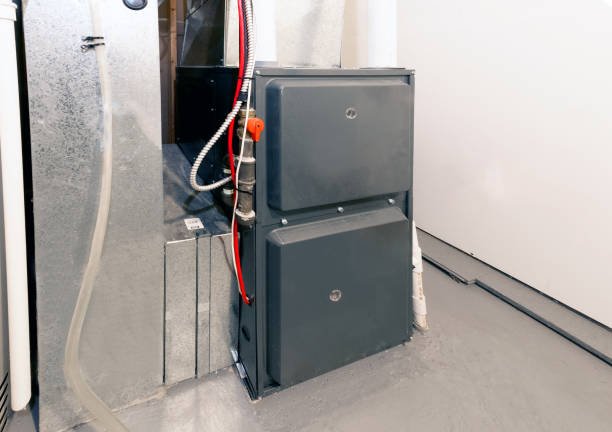
A home high energy efficient furnace in a basement
Whether you’re considering purchasing a new furnace to combat cold weather or need a replacement, choosing the right one involves carefully considering your home’s specific needs, budget constraints, and long-term goals. Homeowners must evaluate these factors and explore available options to make an informed decision that ensures comfort and efficiency throughout the colder months. Here are a few factors to consider when selecting the best furnace for your home and needs.
UNDERSTANDING YOUR HEATING NEEDS
Before diving into furnace options, it is essential to assess your specific heating needs. Think about the size of your property, the climate in your area, and any specific requirements you may have. As a general rule, larger homes or those in colder climates might benefit from a high-capacity furnace, whereas smaller homes situated in warmer climates may find a more moderate option sufficient for their needs.
TYPES OF FURNACES: GAS, ELECTRIC, OR OIL?
Homes in the USA are heated up in four primary ways: natural gas, electricity, propane, and fuel oil. In turn, there are different types of furnaces to choose from, each with its pros and cons. Gas furnaces are popular for their efficiency and cost-effectiveness, with electric and oil furnaces being viable alternatives. Electric furnaces are generally more straightforward to install, while oil furnaces may be preferred in areas where oil is readily accessible.
UPFRONT AND OPERATIONAL COSTS
Those who are careful about their budget need to consider both the upfront and operational costs when selecting their new furnace. Gas furnaces often have lower upfront costs compared to electric or oil furnaces. However, operational costs should also be factored in. While electric furnaces may have lower upfront costs, they could lead to higher monthly bills depending on where you live and your utilities provider. Consider the long-term cost implications to make an informed decision that complements your long-term financial goals.
DUCTWORK COMPATIBILITY
Before committing to a specific furnace, assess your home’s existing ductwork. If you already have a duct system in place, it might be more cost-effective to choose a furnace that is compatible with it. However, if you’re open to making changes or upgrades, ensure the furnace suits your ductwork requirements.
FUTURE MAINTENANCE AND WARRANTY
Maintenance requirements and warranty coverage for your chosen furnace are important considerations. Regular maintenance is necessary for optimum performance and longevity. Look for furnaces that come with comprehensive warranties, as they provide peace of mind and can save you money on potential repairs in the long run. If you do need professional assistance, make sure you consult a licensed technician. Those in need of a Salt Lake City furnace repair can reach out to one of the many services in the area. Any of the professional businesses will have a fully qualified team that will be able to deal with any of your furnace needs.
CONSIDER EFFICIENCY RATINGS
For eco-conscious homeowners, efficiency is a key factor to consider when choosing a furnace. Look out for the AFUE (Annual Fuel Utilization Efficiency) rating. This rating is an indicator of the percentage of fuel the furnace converts into heat. Higher AFUE ratings signify better efficiency.









 Kevin Szabo Jr Plumbing