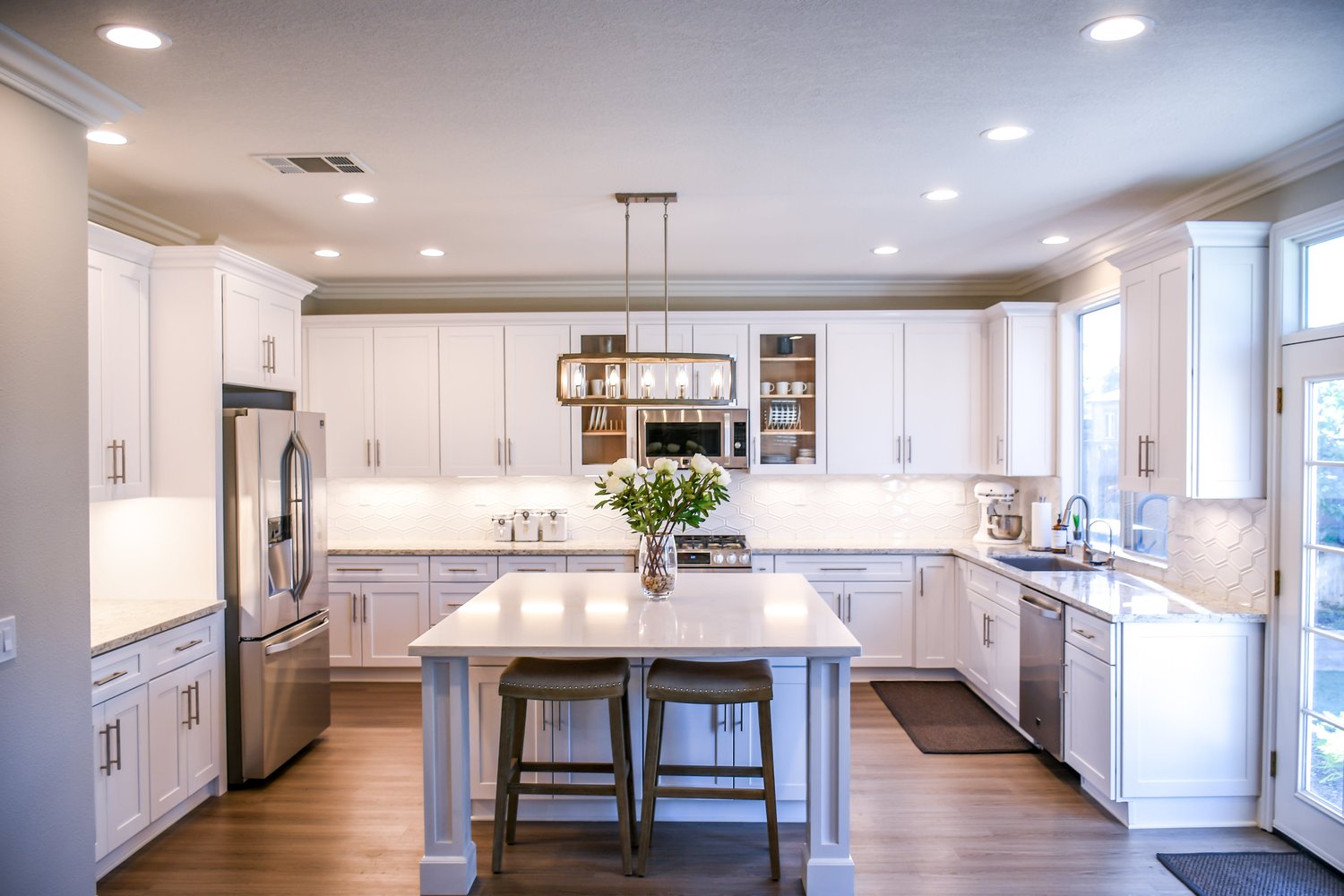
HOW TO SET YOUR KITCHEN UP FOR A CATERING EVENT

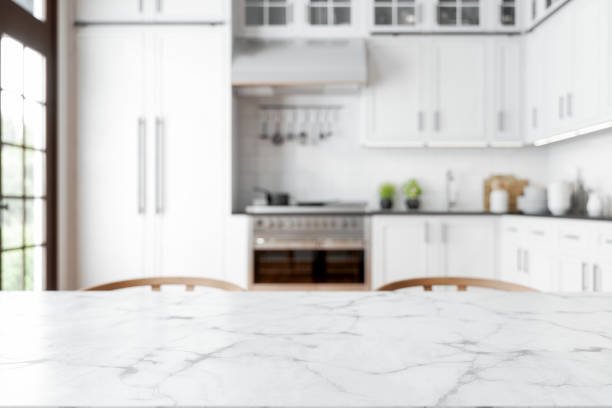
Empty Marble Dining Table With Wooden Chairs And Defocused Kitchen Background.

Catering events provide delicious food and drink for special gatherings without the hassle of cooking. If you cater from your own kitchen, advanced planning is key for success. Follow these steps so you can serve restaurant-quality dishes without a hitch when catering your next event.


What is Catering?

First, catering involves preparing cuisine for private functions held off-site from your food establishment. Common events include weddings, corporate parties, charity balls and more. As the caterer, you transport fully cooked food, beverages, serving items and decor to the event venue. This allows hosts to enjoy wining and dining their guests without kitchen prep and mess at their site. Catering allows you to showcase cooking skills for various audiences beyond everyday restaurant patrons.


Catering also requires providing exceptional service in addition to delicious fare. From initial menu planning with clients to timely delivery and artful presentation at the event, every detail matters. You must WOW guests with an elegant spread and consider dietary preferences like vegetarian, kosher, or gluten-free options. Essential logistics like reliable transportation, maintaining food temperatures in transit, attractive table decor and managing leftovers are your responsibility too. Impeccable cuisine quality simply isn’t enough. Catering means exemplary execution across the entire event scope – from the first bite through the final glass raised in celebration. Success means the hosts can actually relax and enjoy their function rather than stress over food and service. When done right, catering allows chefs to strut creative talents while forging lasting relationships with new clientele.


Set Up Your Kitchen for Safety and Organization

When using your kitchen for catering events, safety and organization should be top priorities during preparation. Clean all appliances, shelving, prep areas and tools before cooking to avoid cross contamination. Designate sections strictly for catering dishes to prevent confusing restaurant orders. Label ingredients by event as well so nothing gets mixed improperly. Store catering components together in sealed containers once cooked and cooled for simple loading at event time.


Establish structured protocols around preventing cross-contamination when handling various cuisine types. Keep produce, meat, seafood and other goods completely separated during prep, storage and cooking. Clean and sanitize surfaces, knives and hands thoroughly after working with higher-risk items like poultry before touching other ingredients. Code items with event labels as soon as they are prepped. This strict order ensures quality and guards guest health, which is paramount with off-site catering.


Organization also enables efficiently packaging components to transport. Group items requiring chilling versus ones that hold at room temp. Have serving tools and decor pieces packed separately too for easy access on site. Maintain a detailed loading checklist so nothing critical gets overlooked when departing, especially small items like garnishes, tongs or extra serving utensils. Keep extra transport bags, serving dishes, sternos, and decor on hand as well since replacement at event sites is difficult.


Strategically Streamline with Catering Stations

Strategically place catering supplies near cooking areas to assembly line the process. For example, keep service trays next to the fryer so you can easily transport rolls straight from oil to tray. Place utensils, piping bags and garnish next to platters where hot food moves after cooking. This seamless flow between prep, cooking, plating and boxing ensures high-quality presentation.

Consider setting up self-contained catering stations if you have the space. One station is purely for cold apps and sides, with designated chilling, plating and packing areas. Another for hot items complete with ranges, ovens and hot holding gear. A separate beverage bar for chilling wine, preparing coffees/teas, and arranging glassware. Dedicated stations prevent menu items from cross-contamination and allow your team to master nuanced preparation techniques. They also enable cooking specialty diets like gluten-free separately. Strategic kitchen zones streamline high-quantity output so plating remains elegant. Signage labeling stations prevent any ingredient mix-ups under catering pressures.


Invest in Reliable Transport Gear 

Dedicate transport containers solely for catering as well. Purchase durable commercial-grade pans that won’t spill or crack in transit. Metal racks hold items securely and can go straight into insulation bags. Invest in quality cold storage boxes that maintain safe temperatures if serving chilled dishes off-site. Having reliable gear guarantees your elegant creations still wow guests hours later at the venue.


Acquire Specialty Catering Instruments

Unique kitchen tools also help execute specialty catering with finesse. Culinary torches enable quick crusting and caramelization without lingering over a hot burner when pacing dozens of meals simultaneously. Piping tips create ornate shapes and decorative drizzles so hors d’oeuvres pop. Misters offer a fine, even olive oil dispersal over salads and pastas. Mandolins yield perfectly uniform vegetable cuts critical for upscale presentation. Having versatile yet precise instruments elevates catered cuisine above ordinary expectations.


Written by Taylor McKnight, Author for Arista Catering

HOME DEFENSE: 7 EXPERT STRATEGIES FOR KEEPING PESTS AT BAY PERMANENTLY

Your house may feel like a home to you. However, if you do not want it to be an oasis for pests, you need to put measures in place to help with preventative pest control. Whether you are dealing with existing pest infestation in your home or you wish to prevent infestation of pests, carrying out your research can save you money, energy, and time.

Pests are available in every shape and size-from cockroaches and ants to rodents and beyond. Interestingly, they are similar in their search for shelter and food. In order to modify the saying, “one man’s trash is another pest’s valuable”, keeping a clean home is one of the best pest prevention techniques. In this article, you will find tips that will help keep pests at bay permanently.

7 EXPERT STRATEGIES FOR KEEPING PESTS AT BAY PERMANENTLY

FREQUENTLY DISPOSE OF TRASH

Always take the additional effort to remove trash from inside your house at the end of each day, as your trash can appear to be an all-you-can-eat buffet to pests. If you have a weekly trash service, you can have the large trash can kept outside or in the garage to reduce the possibility of pests crossing the threshold into your living space.

On the other hand, if you have open trash containers inside of your house, consider upgrading to containers that have lids. Besides, if trash appears to be your greatest problem with pests, you can always wash out food containers in the sink before placing them in the garbage. 

BLOCK EXTERIOR HOLES

Pest infestations only occur when pests gain entrance into the home. Some potential pest entryways are glaring to modify, such as keeping the exterior doors shut and making use of screens in windows. In order to be proactive with control of pests, you should carry out frequent exterior and interior inspections of your home to check for holes or cracks.

In addition, pay rapt attention to the loose siding, foundation, roof and utility lines. As soon as you discover any fill or patch, you should fill them up immediately. This will not only keep pests out, but it will also prevent the openings from getting even worse.

STORE FOOD PROPERLY

If it appears like pests have superpowers to track down food sources, they actually for. For instance, ants have approximately five times as many odor receptors as the remaining insects, which enables them perceive any leftover food from quite a distance.

Therefore, you can permanently keep pests at bay by utilizing smell-blocking, securely sealed containers for your food.

Another way to keep pests at bay is by storing food in the freezer or fridge. Doing that will make it less attractive to pests and prevent them for infesting your home, as the cold temperature will prevent pests from getting to your food. Moreover, if you keep food in the pantry, make sure you observe it regularly for signs of pest infestation.

THOROUGHLY CLEAN YOUR HOME

If you wish to prevents pests, it is vital that you deeply clean your home. When you wipe, mop, or vacuum down all corners of the house, you will be more likely to eliminate every source of something that could attract pests into your home.

Apart from cleaning up crumbs, deep cleaning the house will as well give you the possibility to find out and eliminate potential breeding grounds for pests. For instance, small flies flourish and multiply in abandoned drains. Yet, you can encourage stopping this by making use of drain cleaner.

ALWAYS RE-EXAMINE YOUR LANDSCAPING

While pests are a more obvious nuisance inside the home, it is not good to have them hanging around the exterior either. Occasionally, take a walk around your yard, while keeping an eye on whatever may be inviting pests to make themselves at home.

For instance, woodpiles should be kept away from your exterior walls. Gutters should also be regularly cleaned out. Likewise, grass should be trimmed down.

Even from the outside, pests can do a considerable level of damage to your home. Hence, you will want to monitor changes to the siding, foundation, or roofing that could have a pest to blame.

SANITIZE SOFT SURFACES

During the process of cleaning inside your house, you should go beyond wiping down the floors and counters. Couches, beds, rugs, and so on, can all develop safe havens for fleas and bedbugs. Note that whatever can fit inside the washing machine should get a frequent sanitizing rinse.

Meanwhile, as for cushions and mattresses, begin by properly vacuuming them down and making use of a disinfecting spray.

MAINTAIN YOUR LAWN SPACE

Trimming your hedges and frequently mowing your lawn is another expert strategy to keep pests at bay in your home. Moreover, eliminate all dead leaves or debris that could tempt pests.

If there’s a garden in your house, endeavor you always keep it free of weeds, as it will help to create a less attractive environment for pests.

A lot of people do not know that their yards are real estate for pests. For instance, if you have a bird feeder, you could be attracting rodents and other small animals that can fast become a nuisance.

Ensure you are observant enough for signs of pest infestation around your home. Search for burrows, plant damage, or droppings on the ground. The moment you notice any sign of infestation, ensure you act instantly to get rid of them (pests) before they get the opportunity to multiply.

HIRE A PROFESSIONAL EXTERMINATOR WHEN NECESSARY

Always take the additional effort to remove trash from inside your house at the end of each day, as your trash can appear to be an all-you-can-eat buffet to pests. If you have a weekly trash service, you can have the large trash can kept outside or in the garage to reduce the possibility of pests crossing the threshold into your living space.

On the other hand, if you have open trash containers inside of your house, consider upgrading to containers that have lids. Besides, if trash appears to be your greatest problem with pests, you can always wash out food containers in the sink before placing them in the garbage. 

BLOCK EXTERIOR HOLES

Pest infestations only occur when pests gain entrance into the home. Some potential pest entryways are glaring to modify, such as keeping the exterior doors shut and making use of screens in windows. In order to be proactive with control of pests, you should carry out frequent exterior and interior inspections of your home to check for holes or cracks.

In addition, pay rapt attention to the loose siding, foundation, roof and utility lines. As soon as you discover any fill or patch, you should fill them up immediately. This will not only keep pests out, but it will also prevent the openings from getting even worse.

STORE FOOD PROPERLY

If it appears like pests have superpowers to track down food sources, they actually for. For instance, ants have approximately five times as many odor receptors as the remaining insects, which enables them perceive any leftover food from quite a distance.

Therefore, you can permanently keep pests at bay by utilizing smell-blocking, securely sealed containers for your food.

Another way to keep pests at bay is by storing food in the freezer or fridge. Doing that will make it less attractive to pests and prevent them for infesting your home, as the cold temperature will prevent pests from getting to your food. Moreover, if you keep food in the pantry, make sure you observe it regularly for signs of pest infestation.

THOROUGHLY CLEAN YOUR HOME

If you wish to prevents pests, it is vital that you deeply clean your home. When you wipe, mop, or vacuum down all corners of the house, you will be more likely to eliminate every source of something that could attract pests into your home.

Apart from cleaning up crumbs, deep cleaning the house will as well give you the possibility to find out and eliminate potential breeding grounds for pests. For instance, small flies flourish and multiply in abandoned drains. Yet, you can encourage stopping this by making use of drain cleaner.

ALWAYS RE-EXAMINE YOUR LANDSCAPING

While pests are a more obvious nuisance inside the home, it is not good to have them hanging around the exterior either. Occasionally, take a walk around your yard, while keeping an eye on whatever may be inviting pests to make themselves at home.

For instance, woodpiles should be kept away from your exterior walls. Gutters should also be regularly cleaned out. Likewise, grass should be trimmed down.

Even from the outside, pests can do a considerable level of damage to your home. Hence, you will want to monitor changes to the siding, foundation, or roofing that could have a pest to blame.

SANITIZE SOFT SURFACES

During the process of cleaning inside your house, you should go beyond wiping down the floors and counters. Couches, beds, rugs, and so on, can all develop safe havens for fleas and bedbugs. Note that whatever can fit inside the washing machine should get a frequent sanitizing rinse.

Meanwhile, as for cushions and mattresses, begin by properly vacuuming them down and making use of a disinfecting spray.

MAINTAIN YOUR LAWN SPACE

Trimming your hedges and frequently mowing your lawn is another expert strategy to keep pests at bay in your home. Moreover, eliminate all dead leaves or debris that could tempt pests.

If there’s a garden in your house, endeavor you always keep it free of weeds, as it will help to create a less attractive environment for pests.

A lot of people do not know that their yards are real estate for pests. For instance, if you have a bird feeder, you could be attracting rodents and other small animals that can fast become a nuisance.

Ensure you are observant enough for signs of pest infestation around your home. Search for burrows, plant damage, or droppings on the ground. The moment you notice any sign of infestation, ensure you act instantly to get rid of them (pests) before they get the opportunity to multiply.

HIRE A PROFESSIONAL EXTERMINATOR WHEN NECESSARY

While the phrase “pest infestation” is applicable to some circumstances, some are worse than others and there will be the need for professional attention. For example, when wildlife control is required, the services of a professional exterminator could be needed.

If you are struggling with pests in and around your home, the initial step you should take is examining the type of pests, how widespread they are, as well as their location.

PERSONALIZED SERVICE: THE ADVANTAGE OF A HOMETOWN PLUMBER

Side View Of A Plumber Fixing Water Tap In Kitchen

Having a dependable and trustworthy plumber on your side can make all the difference when it comes to plumbing services. Although there are numerous large plumbing companies available, there is a special benefit to hiring a local plumber. We’ll go through the advantages of hiring a hometown plumber in this in-depth guide, emphasizing the individualized care and local knowledge they can provide.

A Hometown Plumber: What Is It?

A hometown plumber is a licensed plumber who works either independently or as an employee of a small, locally owned plumbing company. They are also sometimes referred to as local or neighborhood plumbers. These plumbers frequently live and work in the same area that they service, and they usually work in a particular community or area. They have a close relationship with the locals they serve and their business is firmly established in the community.

The Benefits of Selecting a Local Plumber

  1. 1. Personalized Service: Getting personalized service is one of the biggest benefits of hiring a hometown plumber. These plumbers place a high value on developing trusting relationships with their clients and take the time to learn about your unique plumbing requirements and preferences. In contrast to bigger businesses that might treat you like another customer, hometown plumbers provide a more customized and careful approach.
  2. 2. Local Knowledge: Hometown plumbers are well-versed in the particular difficulties and problems related to plumbing that arise frequently in their community. They are aware of the local climate, water quality, and typical plumbing issues that locals deal with. Their proficiency in the area enables them to offer customized solutions that are ideal for the unique circumstances of your neighborhood.
  3. 3. Fast Reaction: Time is of the importance when dealing with a plumbing emergency, such as a burst pipe or a broken water heater. Local plumbers can respond to your urgent plumbing needs faster and are frequently more responsive. They can provide timely service when you need it most because of their close proximity to your location.
  4. 4. Trust and Reputation: Hometown plumbers mainly depend on their standing in the neighborhood. They are aware that positive word-of-mouth recommendations and trust are the cornerstones of their business. They are therefore driven to deliver excellent service and uphold a solid reputation, guaranteeing that you get the best plumbing care available.
  5. 5. Community Support: Selecting a hometown plumber also means that you are endorsing a nearby company that boosts the local economy. These plumbers frequently give back to the communities they serve, support neighborhood projects, and take part in local events.

The Variety of Services That Hometown Plumbers Provides

To satisfy the needs of their local clients, hometown plumbers provide a broad range of plumbing services. These offerings could consist of:

  • Emergency Plumbing Repairs: prompt resolution of pressing plumbing problems, such as burst pipes, clogs, and leaks.
  • Water Heater Installation and Repair: Installation, upkeep, and repair of water heaters, including tankless and conventional tank-style models, are included in this service.
  • Drain Cleaning: Drain cleaning is the process of unclogging drains and fixing blockages in sewer lines.
  • Fixture and Appliance Installation: Installing and maintaining fixtures, faucets, toilets, and plumbing appliances is known as fixture and appliance installation.
  • Pipe Replacement and Repair: Repiping services as well as repairs for corroded or damaged pipes are included.
  • Plumbing Renovation and Remodeling Services for Kitchens and Bathrooms: This includes plumbing fixture installations and upgrades.
  • Water Quality Solutions: To enhance the quality of the water, water softeners and filtration systems can be installed.
  • Gas Line Services: Gas line services include the installation and maintenance of gas lines for water heaters and stoves, among other appliances.
  • Sump Pump Installation and Maintenance: By installing and maintaining a sump pump, you can prevent flooding in your basement.
  • Services for Septic Systems: Pumping and inspecting septic tanks as well as maintaining and repairing septic systems.

The Experience of the Hometown Plumber

Selecting a hometown plumber gives you more than just a plumbing expert—you’re acquiring a reliable ally for the upkeep of your home’s plumbing systems. What to anticipate from your hometown plumber experience is as follows:

  • Customized Assessments: Hometown plumbers take the time to evaluate your unique plumbing requirements and offer solutions that are tailored to your priorities and concerns.
  • Transparent Communication: Throughout the plumbing process, you should anticipate clear and honest communication. Hometown plumbers provide clear explanations of the scope of work, cost, and any required repairs.
  • Timely Service: Local plumbers prioritize being on time and work hard to finish jobs quickly, whether they’re performing routine maintenance or an emergency repair.
  • Local Suggestions: In the event that your plumbing system needs to be upgraded or replaced, hometown plumbers can suggest nearby vendors and goods that are appropriate for the circumstances in your region.
  • Emergency Availability: Plumbers from Hometown are aware that plumbing issues can arise at any time. Many provide emergency services that are available around-the-clock to help with urgent needs.
  • Kind and Personable: Hometown plumbers are renowned for having a kind and personable manner. They take the time to respond to your inquiries and offer advice on upkeep and repair of plumbing systems.

Selecting the Appropriate Local Plumber

Take into account the following elements when choosing a hometown plumber for your plumbing requirements:

  1. 1. Reputation: Get referrals from neighbors, relatives, and friends who have worked with nearby plumbers. An understanding of a plumber’s reputation can also be gained from online reviews and testimonials.
  2. 2. Credentials: Make sure the plumber has the necessary insurance, certifications, and licenses to carry out plumbing work in your community. Location-specific licensing requirements exist.
  3. 3. Experience: Find out if the plumber has dealt with plumbing problems comparable to yours before. Effective solutions are more likely to be offered by a skilled plumber like True Plumbing in Vancouver WA.
  4. 4. Pricing: To compare prices and services, get quotations or estimates from several local plumbers. Extremely low costs should be avoided as they could be a sign of poor quality work or additional costs.
  5. 5. Availability: Find out if the plumber provides emergency services and how quickly they can respond to a plumbing emergency.
  6. 6. References: To evaluate the dependability and caliber of the plumber’s work, get references from previous clients.
  7. 7. Warranty: Find out if there are any guarantees or warranties available for the products the plumber installs or for their work.

In Summary

There are many benefits to hiring a hometown plumber, including individualized care, local knowledge, prompt response times, and community support. Selecting a local plumber means more than just working with a skilled plumber; it also means establishing a long-lasting relationship that puts the health of your neighborhood and your plumbing needs first. For dependable and amiable service you can rely on, contact us the next time you have a plumbing problem or require maintenance.

5 REASONS WHY REAL ESTATE PLUMBING INSPECTIONS ARE IMPORTANT!

Real estate plumbing inspections are a critical aspect of the home-buying process, offering potential buyers and homeowners an in-depth look at the property’s plumbing system. This inspection covers the condition of pipes, fixtures, water heaters, and drainage systems. 

Here are five reasons why real estate plumbing inspections are important:


1.  IDENTIFICATION OF POTENTIAL PROBLEMS

HIDDEN ISSUES

         a) Old or Corroded Pipes:

●      Age-Related Deterioration: Over time, pipes, especially those made from materials like galvanized steel, can corrode, affecting water quality and flow.

●      Risk of Breakage: Corroded pipes are more prone to breakage, which can lead to water damage within the property.


         b) Leaks:

●      Undetected Water Damage: Small leaks, often undetectable to the untrained eye, can cause significant water damage over time, impacting the structural integrity of the property.

●      Mold and Mildew Growth: Persistent dampness due to leaks creates an ideal environment for mold and mildew, which can have health implications.


         c) Blockages:

●      Sewer Line Issues: Blockages, particularly in main sewer lines, can lead to backups, which are not only unpleasant but also costly to address.

●      Efficiency Problems: Partial blockages can reduce the efficiency of the plumbing system, leading to higher water bills and reduced water pressure.

SAFETY CONCERNS

         a) Gas Leaks in Water Heaters:

●      Explosion Risk: Gas leaks can be extremely dangerous, posing a risk of explosion.

●      Carbon Monoxide Poisoning: A faulty water heater can lead to carbon monoxide leaks, which are particularly dangerous because the gas is odorless and colorless.


         b) Faulty Plumbing:

●      Water Contamination: Improperly installed or old plumbing can lead to contamination of the property’s water supply, posing serious health risks.

●      Structural Damage: Leaks from faulty plumbing can weaken structural elements of the property, leading to long-term damage and expensive repairs.


2.  COST ESTIMATION FOR REPAIRS

BUDGETING FOR REPAIRS

         a) Understanding Repair Costs:

●      Detailed Breakdown: A plumbing inspection report not only identifies issues but can often provide a detailed breakdown of the costs associated with fixing them.

●      Future Planning: This information is crucial for potential buyers to plan financially, especially if immediate repairs are needed after purchase.


         b) Prioritizing Repairs:

●      Critical vs. Optional: Inspections help in differentiating between critical repairs that need immediate attention and those that can be deferred, allowing for better financial planning.

●      Long-Term Maintenance Planning: Understanding the current state of the plumbing system aids in planning for future maintenance costs.


NEGOTIATION LEVERAGE

         a) Price Negotiations:

●      Adjusting Offer Prices: Knowledge of plumbing issues provides buyers with factual data to negotiate a lower purchase price to account for repair costs.

●      Seller Concessions: Buyers can negotiate for the seller to make repairs or offer concessions, which can be a percentage of the selling price, to cover repair costs.

         b) Informed Decision Making:

●      Walking Away from a Bad Deal: If repair costs are too high, buyers might decide that the investment is not worthwhile, saving them from a potentially bad deal.

●      Investment Protection: Ensuring the price paid reflects the property’s true value, including its plumbing condition, protects the buyer’s investment.

ADDITIONAL CONSIDERATIONS

         a) Insurance Implications:

●      Reducing Insurance Costs: Addressing plumbing issues can sometimes reduce home insurance premiums, as the risk of water damage and related claims decreases.

●      Insurance Coverage Eligibility: Some insurance companies require certain standards of plumbing to provide coverage, making the inspection findings crucial.

         b) Resale Value Impact:

●      Enhancing Property Value: Properties with well-maintained plumbing systems are often more attractive to future buyers, potentially enhancing resale value.

●      Transparency in Future Sales: A recent plumbing inspection can be a selling point in future, demonstrating due diligence and maintenance by the current owner.

3. ENSURING COMPLIANCE WITH REGULATIONS

●      Code Compliance: Plumbing inspections ensure that the property’s plumbing system adheres to local building codes and regulations.

●      Future Sale Implications: Compliance issues need to be resolved for legal occupancy and can impact future resale value.

4. LONG-TERM SAVINGS

●      Preventative Measures: Identifying and fixing issues early can prevent more severe problems, leading to significant long-term savings.

●      Efficiency: Inspections can also highlight areas where the plumbing system can be made more efficient, potentially reducing water and energy bills.

5. PEACE OF MIND

●      Confidence in Purchase: A thorough plumbing inspection provides peace of mind, knowing that the property’s plumbing is in good condition or understanding what needs to be addressed.

●      Quality of Living: Ensuring a well-functioning plumbing system is essential for comfortable living and avoiding disruptions due to plumbing failures.

FINAL WORD

In conclusion, real estate plumbing inspections are an essential step in the property purchasing process. They provide crucial information about the condition of the plumbing system, helping buyers make informed decisions and potentially saving them from future costly repairs. 

As you consider the intricacies of real estate plumbing inspections and their impact on property valuation and compliance, it’s also beneficial to seek guidance from experienced real estate professionals.


If you’re actively searching for the best real estate agents in Adelaide to assist with your property needs, I highly recommend giving this resource a look!

THE TYPE OF WATER DAMAGE IMPACTS THE COST OF CLEANING AND RESTORING

Water leaking and flooded on wood parquet floor. Room floor will damage after the water flooded.

If your home in Las Vegas undergoes water damage, you should immediately call a company that provides water damage restoration in Las Vegas. These companies operate round the clock and are ready to help you when disaster strikes. The extent of water accumulation and the type of water whether it’s clear water from a sanitary water source or dirty water from the drainage outlets of washing machines, dishwashers, baths, and showers indicates the time and cost of the services sought by homeowners. The most costly services for water damage restoration result from sewage water finding its way inside homes and the surroundings. Since the contaminants are extremely harmful and can cause diseases, they require much deeper cleaning and restoration, drying, and sanitization, which can be expensive.  

This article will discuss the different categories of water damage and the accompanying cleaning methods. This should help you understand the extent of work involved in each type of water damage. It should also give you some idea about the kind of restoration services required and the likely cost. 


Types of water

The extent of damage due to water accumulation at homes depends on the origin of water that enters the house. It consists of three types of water sources – clean water, gray water, and black water.

Clean Water – Clean water originates from some sanitary source and, except for damaging property, does not pose any health risks. The cleaning and restoring process is simpler and less expensive, but it depends on the water level and the time of standing.

Gray water – Gray water sources include water from sanitary outlets like toilets, kitchens, baths, and washing areas. The color of water indicates the presence of various contaminants, which can cause discomfort and illness on exposure. The contaminants might include bacteria, mold, or other health-harming elements.

Black water- When black water floods your home, it can be extremely alarming because of the high level of contamination. It might be sewage water laced with toxins and pathogens that cause illness. 


Types of water damage

According to the Institute of Inspection, Cleaning, and Restoration Certification (IICRC), the cleanup methods are different for different types of water based on the potential hazard. Water damage can be of three types – Category 1, Category 2, and Category 3.

Category 1: This type of water damage results from clean water sources with minimal contaminants. Besides leaking pipes that carry clean water, such damage can also happen from rainwater, melting snow, and overflowing bathtubs, sinks, and showers. Such water accumulation causes the least damage and is also easy to clean.

Category 2 – Water accumulation caused by overflowing urinals, damaged washing machines and dishwashers, leaking aquariums, and sump pumps is Category 2 water damage. After cleaning, complete disinfection is necessary.

Category 3- This type of water damage results from sewage or black water and can even happen from flood, rivers, and seawater. Deep cleaning and extensive sanitization increase the cost of cleaning and restoration. 

Acting fast to address the issue of water accumulation can help reduce damage cleaning and restoration costs.

PLANNING FOR THE SMART HOME OF THE FUTURE

What is the future of Smart Homes and how will this enhance our daily lives for the better? What should we expect from Smart Homes and how should we prepare our homes for the future? Which of these upgrades are right for your family? Let us start on the journey.


WHAT TO EXPECT FROM SMART HOMES IN THE NEAR FUTURE

            To start, let’s talk about the Internet of Things (IoT). Iot is the connecting of household devices in your home so that they will be able to communicate with each other. This technology will alow for devices like smart thermostats to control the heating and air conditioning in your home. The technology allows the home owner to control all the settings through their smartphone, whether they are home or not.

            Ambient computing is another series of innovations that have occurred within the last few years. Ambient computing is a term used to describe how computers are used in their environment. In smart homes there is an increased use of smart sensors to interconnect all of the appliances in your home. This allows for the Iot to be interconnected and for the home owner to have full control.

            One example, smart locks, keep your home safer by allowing you to lock and unlock your door remotely. In case a homeowner forgets to lock their doors security is found using the AP on their smartphone to lock them. When coupled with security cameras ad piece of mind to home owners. And with devices like smart plugs you can plug your existing appliances into them and would be able to remote control them using one device.


HOW TO PREPARE YOURSELF AND YOUR HOME FOR THESE CHANGES.

            So how do we prepare our homes for for the Internet of Things? We can begin with doing small additions to our homes and gradually building upon them. For example, you can install Automated Shades, Draperies, Blinds, and Shutters for security and comfort. You can then move on to adding intercom systems for communication and move on to Automated Door Locks and Security Systems. Some other choices for home automation include smart light switches to control your electric bill and provide just the right amount of lighting for your home. The sky’s the limit on what you want to do.


ARE THESE PARTICULAR UPGRADES RIGHT FOR YOUR FAMILY?

            With so many IoT devices to chose from how do we decide which ones are right for your family? The first step is you need to look at your family”s needs. Does your family need more security? Then smart locks and security cameras would be a great addition to your home. If your family is looking to lower energy bills, then automated lighting might be what you are looking for. With the wide range of technology out there a homeowner has endless possibilities.

            With so much technology to choose from the future of Smart Homes is going to be cemented. With all of these innovations our daily lives will be enhanced for the better for years to come. With the Internet of Things and Ambient Computing we will be able to control every aspect of our homes and increase the quality of our lives. The options for your family and home are endless.

A COMPLETE GUIDE TO HOLIDAY DECOR THEMES & STYLE

Decorating for the holidays is a tradition that adds a festive touch to the winter season. While twinkling lights and holiday trees never go out of style, you’ll find that there are a few trends that tend to change from one year to the next. Whether you’re looking to get inspired to change up last year’s look or are ready to decorate your very first home, this guide to holiday decor themes and styles will help you get started on dressing up your space for the season.


What Are the Top Holiday Decor Themes This Season?

Get ready to see some unique themes popping up this season. While some will feel reminiscent of old times, others may seem completely brand new. While the past few years have had people decorating with prints that include candy canes and lollipops, you’ll notice that a few of the newer trends are much more bold. Check out these currently trending themes to see how they’ll fit your decorating goals.


Transport Your Loved Ones to Another World

Galaxy prints might have had their heyday back in 2010, but the current decorating trend adds a fresh twist on this still-beloved theme. This year, you can expect to see shiny gift wrap and baubles with prints that include planets, stars and the moon that add a touch of whimsy to your home’s decor. Whether you’ve got a child in your house that is obsessed with outer space or just want to try something new for a change, you’ll love how you can easily blend the metallic otherworldly nature of this theme with more traditional decorating elements.


Step Back In Time With Retro Decor

If you prefer more color than you’ll get with dark blue hues, then you might want to decorate with a retro theme in mind. For this trend, you’ll want to think back to the ‘50s when shiny metallic shades reigned along with bright, contrasting colors. To create a retro theme, make sure to go big and bold with your decor selection. Gigantic bows, chunky glitter and oversized ornaments will bring this theme together.


Create a Polar Wonderland

Bringing a bit of nature into your home is always a fun way to celebrate the holidays. To create a polar wonderland, select ornaments that reflect a winter scene. You can also add faux fur fabric as a base for the mantel decorations, or toss a wintry throw over an easy chair. Decorating with natural wood and foliage lends a cozy, cottage-like charm to your home for the winter season.


What Decorating Trends Never Go Out of Style?

You’ll also find that incorporating a few traditional pieces in your plans gives the whole space a sense of familiarity that people pick up on when they attend your holiday events. You can choose to use these elements when you’re avoiding being too trendy, or you can work them in to the latest trends.

For instance, everyone loves using large, oversized bows on the outside of buildings during the holiday season. Adding a few outdoor bows along the front porch railing or fencing is an easy way to add a festive touch that improves your home’s curb appeal. 

You can also incorporate traditional jewel tones into your decor that look beautiful from year to year. Dark red, blue and green are commonly recognized as holiday colors. To dress them up, add a few metallic hues and some festive lights to show off all of your hard work.


When Should You Start Decorating for the Holidays?

Over the past several years, people have started putting out their holiday decorations earlier than ever before. In the past, most people waited until after Thanksgiving to put up the majority of their seasonal decor. Yet, those holiday lights and trees have started showing up even before the turkey takes center stage on the table. Technically, there is no hard and fast rule regarding when you can decorate for the holiday, so feel free to start as soon as you start to feel the urge.


Does the Holiday Decor You Choose Influence Your Mood?

One of the reasons why people are decorating earlier than ever before is that the decorations have an uplifting effect on your mood. During the holidays, it’s common to feel a bit more stress as you try to get everything done on your to-do list. Adding sparking lights, festive bows and ribbons makes life feel happier, even when those cold winds begin to blow.


Knowing how to decorate for the holidays requires little more than picking a few elements from your favorite theme and incorporating a few traditional pieces. As you decorate this season, consider starting early to give you and your loved ones a chance to get the maximum mood-boosting effects. Then, get ready to enjoy hosting holiday parties, snapping family photos and even sipping on hot cocoa by the fire in a setting that reflects the beauty of the season.

THE THERAPEUTIC BENEFITS OF ORGANIZATION

Organizing your home can have powerful effects on your mental health. If you live in a cluttered space, it’s probably contributing to feelings of stress and anxiety. Decluttering is a great way to practice self-care. Here are some of the key therapeutic benefits of organization:


IMPROVED FOCUS

An organized living space can greatly enhance your focus and alertness. Even if you’re not consciously aware of the clutter in your home, your mind and body take notice when your space feels messy or chaotic. When everything is in its place, you can focus on the task at hand without becoming distracted by the clutter around you.


INCREASED PRODUCTIVITY

Because it’s easier to focus in a calm and organized space, you may also notice an increase in your productivity after you organize your belongings. Additionally, you can get tasks done more quickly when you don’t have to constantly search for the items you need. You’ll find that household tasks like laundry feel much easier when every item has a specific place. If you work from home, you might even see a difference in your productivity during your work day.


CONSISTENT ROUTINE

Organized people tend to be routine-oriented. When your home is organized, you feel more motivated to keep a consistent and healthy schedule. Routine is incredibly valuable for your mental health. Following a routine for exercising, household tasks, socializing, managing your money, or completing any other activities will help you feel calm and centered.


BETTER SLEEP

Organization reduces stress, and less stress means better sleep. It’s always easier to fall asleep when you know your living space is clean and clutter-free. Good sleep is a cornerstone of a happy and healthy life, so organizing your home is one of the best things you can do for your overall well-being.


MONEY SAVINGS

Organizing your home may even result in cost savings. If your home is disorganized, you might not know what items you have and don’t have. This can result in you purchasing duplicates of items you already have in your possession. When you know exactly what you own and where it belongs, you don’t risk purchasing extra unneeded items. If you’re on a tight budget, the cost savings could alleviate a lot of stress.


HOW TO START DECLUTTERING AND ORGANIZING

Thorough decluttering is usually a lengthy process, so you shouldn’t expect to transform your home overnight. However, small steps over time can add up to major changes. To start, choose one room or one category to tackle. For example, you might decide to start by organizing the kitchen or by going through all the clothing in the house. Focus on that single task until it’s complete, and then move on to the next step.

 Making sure you have enough storage space is also essential when organizing your home. Consider installing tall shelves to utilize the vertical space in your kitchen, living room, or bathroom. You could also use ottomans, baskets, or other furniture pieces to store items.

Reducing the number of items in your home is almost always necessary during a decluttering project. Sell, donate, or give away items that you haven’t used in a long time or that don’t add value to your life. Consider renting a storage unitfor seasonal items or other belongings that you don’t need to access regularly.

Living in an organized home offers a number of therapeutic benefits. Although decluttering can feel overwhelming, the effects are worth the effort. You can take small steps today to start transforming your home into a calmer environment.

KITCHEN REMODELING IS A COMPLETE PROJECT IN ITSELF! KNOWING ABOUT A FEW ASPECTS BEFOREHAND CAN HELP

Remodeling a kitchen takes away all the energy and mind space. The cost factor is a given. But people go crazy when they realize the number of decisions they must make almost every day, even before the beginning of this project. What should be the material, size, color, finish? You constantly juggle between these questions and the looming danger of overstepping the budget. Even a minor correction or upgrade can make you think twice about its relevance. While the excitement of creating something new runs high in the veins, anxiety refuses to leave you alone. Because of the stress associated with this home upgrade, many families prefer to ignore it for as long as possible.

Do you belong to the same tribe? Revamping a kitchen is not just an aesthetic need. It enables you to fix areas that challenge the smooth flow of daily chores. Your tension about this project will decrease if you hire a professional company like Upgrade Remodeling. With their input and guidance, many of the decision-making will be easier. You can also confidently approach the work. Nevertheless, here are a few insights to give you a hint of what these projects look like or demand.

PRIOR CONSIDERATIONS

Consider all the elements of your kitchen together to build the whole look in cohesion or tasteful contrast, as desired. Look into cabinets, backsplash, flooring, countertops, lighting, walls, ceilings, appliances, sink & faucet, etc. Think about the floor plan as well. Do you find the existing layout suitable, or do you feel like amending it? The selection of materials for different surfaces will be another significant step. You want your cooking area to have the best of classic and timeless charm. When you think in this direction, options like marble and subway tile look appealing. The next question that may bother you is the overall kitchen appearance. People obsess over an all-white kitchen for its brightness and spacious illusion. But it can soon lose its magic and create a monotonous feel. You can minimize this risk by adding fun color to the island or switching white countertops with something else. 

One critical point is that plumbing work in the kitchen should be done with utter thoughtfulness. Once done, you cannot change it. You must also know why you think existing plumbing connections need improvement. 

BUDGET ESTIMATION

It’s common knowledge that minor changes cost little and big projects are expensive. These home upgrades require professional involvement. Every contractor will have its own pricing. Listen to them, check their reputation in the market and their work, etc. Experts suggest you can spend an amount equal to 15-20% of your home value on remodeling this corner. You can determine the proper percentage based on the location, old kitchen’s condition, and renovation type. Surveys show that midrange minor remodeling expenses can give you an ROI of around 86%. The work will include cabinet and appliance replacement and wall, ceiling, and floor painting. However, ROI will be less than 42% if you opt for significant changes on a midrange budget. Going for this makes sense if your kitchen urgently needs a facelift.

Does your kitchen need a fresh touch for better functionality and aesthetics? Plan the remodeling with absolute clarity about your expectations. 

Upgrade Remodeling, 532 Hampton Hwy Yorktown, VA 23693, (757) 300-0251

TOP FEATURES TO INCLUDE IN YOUR KITCHEN REMODEL

Kitchen cabinets of installation base of custom maker preparing kitchen

Getting to remodel your kitchen is an exciting experience — and an expensive one. When you’re making such a significant investment in your home, you want to make sure you love your choices. Beyond the expected elements like stone countertops and quality appliances, how can you create the dream kitchen you’ve always wanted? One key lies in knowing what features define a gourmet space. Not only can this help you create the kitchen you love, but also the one with the top resale value. With that in mind, here’s a look at the leading features you might want to include in your kitchen remodel. If you’re updating your space, keep these popular additions in mind: 

1.     An island: Modern kitchens tend to feature the central focal point of an island. Large enough to accommodate workspace and seating, the island becomes a place for entertaining, congregating, and food prep. In new kitchens, the island can be larger than a dining table, but small islands can be beneficial, too. Working with the layout you have, aim for an island that’s big enough to add functionality, yet small enough to encourage good foot traffic and flow.

2.     Extra prep space: Besides the island, look for ways to boost prep space. The kitchens of yesteryear revolved around one cook in the kitchen, but today it’s more common for multiple people to be involved in food prep. More counter space makes it possible for more people to work at once. It also ensures the kitchen is more of a crowd-gathering place.

3.     Appliance garage: One of the fastest ways to elevate the look of a kitchen is with clear countertops — exactly what an appliance garage can give you. With an appliance garage, you can tuck away your toaster, blender, espresso maker, and other small kitchen appliances, decluttering and opening your space.

4.     Walk-in pantry: New, modern households tend to feature large, walk-in pantry areas for housing dry goods, baking supplies, and other kitchen essentials. If there’s space in your remodel for creating a kitchen pantry, you’ll never go wrong with this feature. If you can’t include an entire room, consider a sliding-door pantry, a closet, or a floor-to-ceiling cabinet that has roll-out shelves.

5.     Roll-out drawers and shelving: When it comes to creating a more organized, efficient kitchen, roll-out cabinet drawers are a must. Pull-outs turn cabinets into more convenient, easier-to-access storage space. It’s far easier to lift a heavy pot or dish out of a drawer than to reach through piles in a cabinet. Drawers expand storage, too, helping you take better advantage of the space you have.

6.     Pot filler: A pot filler is one of those little luxuries that makes cooking more pleasant. Rather than having to haul a hefty pot of water from the sink to the stove, you simply pull out the spout and fill right where you need to use it.

7.     Trash cabinet: Every kitchen needs a good place for disposing of trash, and trash cabinets make it pretty. With a pull-out trash/recycling cabinet, you have a heavy-duty, durable system that mimics the look of your existing cabinetry, blending in beautifully.

8.     Big kitchen sink: With all the pots, pans, dishes, and glasses that get used each day in a modern home, having a big kitchen sink is a must. Not only will a deep sink help you tuck away dirty dishes, but also it better accommodates the actual washing work. Look for a wide and deep design that provides plenty of space.   


While designing a dream kitchen is personal, it always helps to be aware of what’s currently in demand. Trusted kitchen contractors understand modern kitchen must-haves and can steer you toward the best investments for your home. As you’re planning your perfect space, use the eight ideas above to get started!


Author Bio: Nathan Weizmann is the co-owner of Wise Builders — specializing in kitchen and bathroom remodeling in the South Bay Area, from concept to the final construction product. With a combined industry experience of 30-plus years, Weizmann and Wise Builders strive in directions to propel the company forward while using the old school approach with new school methods.


RESOURCES

https://mrsashleyfrench.com/blog-archives/15-must-haves-in-our-kitchen-remodel