
DIY RENOVATIONS THAT ADD VALUE TO YOUR HOME

One of the best reasons to renovate your home is that it can add value. If you’re thinking about selling, then it’s important to know what kind of return on investment you’ll get from any renovations. Luckily, there are plenty of ways to spruce up your home without breaking the bank. In fact, some projects can even save money in the long run! So if you’re looking for ways to make small updates that will have a big impact on how much your house is worth when it comes down to selling time—or even just looking for ways to make your space more enjoyable—these DIY renovations are perfect:
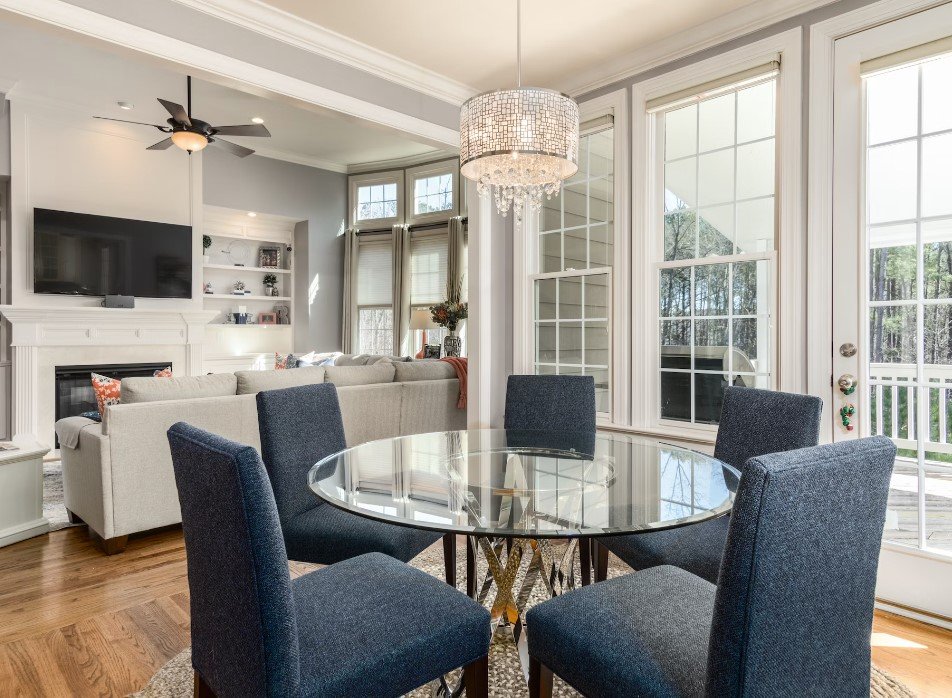
REPLACE OLD FIXTURES

Replacing old fixtures is a great way to add value to your home. It’s also an easy DIY project that can be done in just a few hours, and it will make a big difference.

If the plumbing fixtures in your bathroom are more than 20 years old or if the countertops have had their day, it’s time for an upgrade! You’ll find that newer models are made from better materials and have more features than those from decades past. If you’re looking for something with a little more character, there are plenty of options out there as well!

The same goes for kitchen appliances: if yours is older than 10 years or so (or even if it isn’t), consider replacing them before selling your house so buyers know what they’re getting into when they buy into this particular home’s history–for example: “This house has been updated with new appliances.”

REFACE CABINETS

Re-facing your kitchen cabinets is a DIY project that can be done in a weekend, and it’s cheaper than replacing them. If you’re handy with tools and have some experience with woodworking, this could be the perfect option for you. You can also hire someone to do the job if you don’t feel comfortable doing it yourself or aren’t sure how much work will be involved–but keep in mind that hiring someone may cost more than re-facing yourself!

Re-facing requires removing old cabinet fronts and installing new ones over existing cabinets (which saves time). The process involves sanding down any rough edges on the surface of each panel before painting them with an appropriate color (you’ll want to match it up with what’s already there). Once everything has dried sufficiently, apply new hardware as needed; then enjoy all those extra square feet of space!

ADD SKYLIGHTS

Skylights are a great way to add value to your home and provide natural light without the expense of installing additional windows. They can also help reduce heating and cooling costs by letting in sun during the day, while keeping out heat at night.

If you’re planning on selling your home in the future, skylights can be an attractive feature that will make buyers want to move in right away!

INSTALL NEW LIGHTING FIXTURES

One of the best ways to add value to your home is through lighting fixtures. Lights and lamps can be expensive, so changing them out for different styles and colors is an easy way to make a big difference in how your space looks.

If you’re looking for something new, consider installing chandeliers or pendants above kitchen islands or dining tables–they’ll instantly make any space feel more elegant without breaking the bank! Or if you want something more traditional but still unique, try adding sconces around windows for some extra light without taking up much space at all (and bonus: they look great!).

So go ahead–get creative with those light bulbs!

PAINT A ROOM WITH BOLD COLORS

If you’re looking to add value to your home, painting one of the rooms in a bold color is a great way to start. But what does “bold” mean? It’s not just about picking any old shade–you want to choose colors that complement each other and create an interesting contrast. For more complicated wall techniques, hire proven house painters to get perfect results.

Here are some tips for choosing complementary, high contrast, low contrast and monochromatic paint schemes:

·       Complements: Complementary colors are those which are opposite each other on a color wheel; they’re high in contrast so they’ll stand out against each other when used together (red/green).

·       High Contrast: Colors with strong hues such as orange or yellow give off high contrast when paired next to each other because they’re so different from one another (yellow/blue).

·       Low Contrast: Low-key palettes use subtle variations on similar hues like blue tones or browns; these tend toward being more muted but can still create impact if done right!

UPGRADE YOUR CARPET OR HARDWOOD FLOORS

If you’re looking to add value to your home, upgrading your carpet or hardwood floors is an easy way to do it. Carpeting is much easier and cheaper than replacing hardwood floors–and if you have hardwoods, they can often be refinished rather than replaced as well. Hardwood floors have a reputation for being more durable and easier to clean than carpeting; however, both types of flooring can be damaged by improper care or neglect over time.

We hope you found this list of DIY renovations helpful, and that it inspires you to take on some projects of your own. Whether you’re looking for ways to save money or just want some new things in your home, these ideas are sure to add value without breaking the bank!

PET POLICIES IN CALIFORNIA: WHAT YOU CAN AND CANNOT DO

For many, our pets are not just animals; they’re family. When it comes to renting in California, understanding the ins and outs of pet policies is essential to ensure a harmonious living situation for both tenants and landlords. This comprehensive guide aims to clarify what you can and cannot do when it comes to pets in rental properties across the Golden State. So, whether you’re a pet owner or a landlord, let’s break down the key aspects of pet policies in California to help make your rental experience paw-sitively smooth.

1. The Fair Housing Act and Pet Ownership

The Fair Housing Act is a federal law that prohibits discrimination based on race, color, religion, sex, national origin, disability, and familial status. While it doesn’t explicitly mention pets, it does come into play when discussing pet policies. Under this act, landlords cannot discriminate against tenants with disabilities who require service animals or emotional support animals, even in properties with no-pet policies.

2. Landlord Discretion and Pet Policies

In California, landlords generally have the discretion to establish their pet policies. They can decide whether to allow pets, set pet deposits, and create rules regarding pet ownership. However, there are certain limitations on what landlords can and cannot do. 

3. Types of Pets Allowed

Landlords can specify the types of pets allowed in their rental units. For example, they may permit only cats and dogs but not exotic animals. These restrictions should be clearly stated in the lease agreement to avoid any confusion.

4. Pet Deposits

California law allows landlords to collect a pet deposit. This is an additional amount of money that tenants with pets pay upfront. It is intended to cover potential damages caused by the pet during the tenancy. However, it’s essential to be aware of the legal limits for pet deposits in California.

5. Pet Rent

In some cases, landlords may charge pet rent in addition to the regular rent. This is a recurring monthly fee for having a pet. While it’s permissible in California, it’s essential to clearly define the terms of pet rent in the lease agreement, including the amount and payment schedule.

6. Service Animals and Emotional Support Animals 

Service animals and emotional support animals are not considered pets under the Fair Housing Act, and landlords are required to make reasonable accommodations for tenants with disabilities who need these animals. In California, a landlord cannot charge a pet deposit or pet rent for service animals or emotional support animals.

7. Tenant Responsibilities

Tenants with pets have certain responsibilities, even in pet-friendly rental properties. They are generally required to:

●      Ensure their pets do not disturb neighbors with excessive noise.

●      Keep their pets under control, especially in common areas.

●      Clean up after their pets, both inside the rental unit and in common areas.

●      Repair any damage caused by their pets, including replacing or repairing items beyond normal wear and tear. 

8. Liability Insurance

Some landlords may require tenants with pets to have liability insurance that covers any potential damage or injuries caused by the pet. This is a precautionary measure to protect both the landlord and other tenants in the building.

9. Eviction for Violating Pet Policies

Landlords have the right to evict tenants who violate the terms of the lease agreement, including pet policies. If a tenant’s pet causes significant damage or creates disturbances, the landlord may take legal action to address the issue.

10. Local Ordinances and Restrictions

In addition to state laws, tenants and landlords should also be aware of any local ordinances or restrictions related to pet ownership. Some cities or counties in California may have specific regulations regarding pet limits, breed restrictions, and leash laws. 

11. Communication and Documentation

Effective communication between landlords and tenants is crucial when it comes to pet policies. Both parties should be clear about the terms and conditions related to pets in the rental agreement. Additionally, documenting the condition of the property before and after a tenant with a pet moves in can help avoid disputes over damages.

Conclusion

Navigating pet policies in California rental properties requires a good understanding of both your rights and responsibilities. By recognizing the nuances of the Fair Housing Act, pet deposits, and service animal accommodations, you can create a balanced and respectful living environment for both pet owners and landlords. Remember that while California rental laws provide some flexibility for landlords, they also ensure protection for tenants with service animals or emotional support animals. Maintaining open communication and following the guidelines discussed in this guide will help you achieve a harmonious coexistence between pets and rental properties in compliance with California rental laws.

THE QUICKEST WAY TO SELL A HOUSE IN UTAH

Navigating a swift house sale in Utah can be intimidating. It may seem especially difficult with the changing market environment and multiple prospective buyers. 

Here are a few tips on selling your home quickly by unlocking key secrets for rapid success when selling property in this state.

QUICKEST WAYS TO SELL

In the turbulent Utah real estate market, having a strong understanding of effective strategies for quickly selling your home is critical. When considering what works best to expedite this process, two methods jump out: cash home buyers and strategic marketing. Knowing how these solutions may be beneficial or problematic when applied to one’s bank account should factor into decision-making before making any kind of choice.

  • Sell to a Cash Buyer

Companies such as cash house buyers always seek properties in Utah. 

Instead of relying on a lender to provide the funds necessary for the purchase, a cash buyer has the available financial resources to pay for the property upfront, typically using their savings, investments, or other liquid assets. These companies can close a sale quickly, often within 14 days, with the bonus of being able to sell your home “as-is.” 

However, it’s important to remember that these types of offers tend not to match up with market values and may leave little room for negotiation when it comes time for an offer. Still, cash buyers are a great option and are a guaranteed quick way to sell a home.

A cash buyer is a desirable prospect for sellers, as they don’t need to take into account whether the purchaser can come up with enough money. With no loan necessary and faster closings possible because of this fact, someone who pays in full using their own assets like investments or proceeds from another property may be more attractive than those needing financing.

  • Use Effective Marketing Strategies

To sell your Utah house quickly, marketing strategies should be effective. 

Ads on online platforms and open houses will draw in potential purchasers and cash buyers. Google Adwords can be helpful for fast results, but you must pay attention to other ads from rivals appearing on the search page by researching keywords carefully. 

Preparing Your Home for a Quick Sale

Before listing your property on the market, proper preparation is essential for a speedy sale. This involves arranging it professionally while removing any clutter and personalized items that may be present.

These measures will increase the appeal of your house to potential buyers and help them envision how life would look in such an abode. Consequently making it easier for them to acquire a mortgage loan.

  • Declutter and Depersonalize

Before marketing your home for sale, removing personal belongings and tidying up the space is important. This can start by eliminating items that are not needed, like older magazines or papers.

You may want to consider reducing furniture to make your house look roomier. Get rid of books and trinkets from surfaces and storage places such as closets. Ensure they remain organized with minimal clutter inside them, too!

  • Stage Your Home Professionally

Investing in professional home staging can be hugely beneficial when seeking to make your home more appealing to potential buyers.

Ensuring cleanliness, proper lighting, repainting walls if necessary, and fixing any damaged or outdated furnishings will add appeal when put together by experienced stagers. By doing this, you may gain a faster sale and potentially increase the purchase price, too!

UNDERSTANDING UTAH’S REAL ESTATE MARKET

To achieve a successful, speedy sale of your home at the best price point, being aware and up to date with Utah’s real estate market trends is essential. 

By monitoring housing stock levels, how long properties are listed before selling and potential buyers’ interest in them, you can make informed decisions about listing your property and any negotiations that take place.

  • Market Trends

Real estate investors should be mindful of the current state of Utah’s real estate market—particularly in Salt Lake City, where home values and sales numbers are decreasing. This can present a tougher landscape for individuals looking to sell their houses quickly, as fewer buyers could be willing to purchase when prices appear unfavorable.

  • Pricing Strategy

If you want to sell your house in Utah, an effective pricing strategy is critical for attracting prospective purchasers. 

Utilize the real estate market data by comparing similar homes and their features. This information will help determine how much to set your home at. To ensure that you get top dollar from buyers, enlisting the expertise of a local realtor who understands current trends within the industry is beneficial. They can provide helpful insight on adjusting prices as needed so that your property remains competitive while appealing to potential customers’ interest levels.

THE IMPACT OF MICROBIOLOGY DURING HOME RENOVATIONS

On their own, home renovations are complex projects regardless of their size and scope. Each project requires planning, proper tools and specific steps toward the goal. One aspect of home renovations is the impact of microbiology. Take a look at safe renovation tips and how microbes play into your project management.

1. Defining Microbiology

Microbiology is the study of microbes, such as bacteria, fungi and bacteria. While microbes are often considered outdoor inhabitants, they’re actually found within human homes, too. For example, microbes thrive on housing frames, within ventilation ducts and inside sewer systems.

Indeed, the human body contains countless numbers of microbes that help with bodily functions, too. However, it’s the interaction of bad microbes found in the household environment with human immunity systems that are detrimental to your health. When you disturb the structure with renovations, extra microbes are suddenly introduced into the indoor air. As a result, sickness is a possibility. 

2. Focusing on DIY Renovations and Microbes

Ideally, reserving basic DIY renovations for your project is safest for your health. By disturbing fewer materials in the household, you uncover fewer microbes. For example, perform projects that involve finishing, such as painting cabinets or replacing a vanity sink. These projects add value to the home while remaining simple by design.

Nevertheless, it’s impossible to not encounter microbes during a renovation. Taking simple steps, such as wearing a mask and gloves, can reduce your exposure during these projects.

 3. Considering Professional Renovations

Inevitably, some household renovations are major projects best left to the professionals. For example, your home may need a new septic tank, pipes, toilets and more. This scenario is especially true for older structures. In this case, consult with professional contractors. They can plan for excavation and installation, for example. In addition, they might work with a company that analyses potential microbial volumes in water, such as Microbial Insights. As a result, your project remains safe for your household and the regional water supply.

By taking on this large project as a DIY scenario, there’s real potential for microbial problems in your local water. Remember, professionals understand the steps and implement proper procedures for microbial control in these cases. In general, hiring contractors for major renovations is always the safest solution.

4. Creating a Safe Renovation

Before you start any step of your next renovation, stock up on safety gear. Naturally, choosing the right gear depends on the project. Primarily, purchase gloves, safety glasses and dust masks. These simple products are necessary for most projects.

Next, take a look at the project itself. You might need steel-toed boots, ventilators or other gear, for example. Preferably, the safest home renovation involves proper site preparation. Use plastic sheeting to divide off the renovation area from the rest of the home. Consider fans placed in the renovation area to move contaminated air out of the building.

Finally, know how to use the tools needed for the project. From hammer drills to cutting tools, every item has the potential to injure someone. In the end, knowing how to use them reduces injury possibilities.

5. Selecting Year-End Renovations

As December approaches, you might consider a few renovations before the holidays. Ideally, the best home renovations at this time are small, isolated projects. For example, paint and update a half bathroom. Try an accent wall in the living room, too. By selecting simple DIY projects, the renovations aren’t overwhelming before New Year’s Eve.

Alternatively, take advantage of sales offered by local contractors and home-improvement companies. Select projects that can be completed in a matter of hours or days, for instance. Preferably, you don’t want a major renovation that can be delayed for weeks.

Furthermore, stick to indoor projects near year end. The weather can be unpredictable, which leads to problems with outdoor renovations. If possible, hold off on roofing, siding and similar projects until warmer weather in the new year.

Although microbes will always be part of life on Earth, using these safe renovation tips for your next project can minimize their impact. Focus on thorough planning to keep your project on time and free from unhealthy practices. In the end, those year-end renovations can be celebrated on New Year’s Eve and beyond.

RENOVATION CONCEPTS THAT ARE CHANGING THE GAME

In today’s challenging economy, home renovations are becoming a savvy choice for their cost-savings over purchasing a new home. However, the remodels you make to your home are only as good as they meet the demands of potential buyers for the best return on your investment, which several reports show have changed from just a few years ago to now. 

Hence, if you are looking to make upgrades to your home or if you are wondering if you should use your experience to start a renovation franchise to help others achieve their dream home, you need to be aware of following the top trends for the future.

TOP HOME RENOVATION TRENDS FOR 2023-2024

PROFESSIONAL HOME OFFICE

Working from home requires a private, professional space for completing employer-assigned tasks and attending online team meetings. Hence, the spike in remote work in recent years has also caused an increased demand for home-office renovations.

USB wall outlets are among the top must-haves, as are built-in cabinetry and statement wallpaper to serve as virtual backgrounds. 

EMOTIONAL RETREAT ROOM

Inflation, the social isolation caused by the pandemic, and social media pressures have been linked to an increase in various mental health issues. Thus, it is causing many people to prioritize their well-being to maintain a sound mind.

As a result, emotional retreat rooms are becoming increasingly popular renovations among homeowners for their ability to help promote healing in private.

These personal sanctuaries range from meditation rooms to art rooms to music rooms and any other type of space that helps reduce stress for better overall health.

LUXURY/SPA MASTER SUITE BATHROOM

Many homeowners are also transforming their master suite bathroom into the perfect space for self-pampering to also help promote calm when they need it.

Their remodeling requests to help make their bathroom more peaceful and luxurious include granite vanity tops, spacious soaking tubs, and European-inspired showers.

Meanwhile, incorporating more natural features, such as real greenery, rainfall shower heads, black faucets, and wood or white finished cabinetry, add a peaceful touch for a spa-like feel.

CHEF-STYLE KITCHEN

The stay-at-home order put in place during the pandemic and wanting to prepare healthier, more budget-friendly meals at home has also prompted many homeowners to invest in chef-style kitchens.

These renovations often include upgrading to more high-end features, such as quartz countertops, simple cabinets, hidden appliances, an industrial stove complete with a range hood, and a pot filler faucet reminiscent of a 5-star chef for a more professional feel while cooking.

There is also a high demand for larger, more spacious islands that accommodate entertaining large crowds and preparing a wide assortment of dishes.

WHEN’S THE BEST TIME TO RENOVATE YOUR HOME?

Summer and spring are the best times to renovate your home due to the warm weather. However, these are also the busiest seasons for contractors. Therefore, it may also be more difficult to schedule your service.

Hence, you may consider waiting until the fall when contractors are less in demand to upgrade your home. Or, if your renovation is an indoor project, you may even wait until winter to redo your bathroom and more.

Contractors also experience a decrease in business during recessions. So, if you are looking to sell your home or you want to add to it to help make it more functional, this may also be a good time to renovate.

The best home improvements for a good ROI during a bad economy include painting, finishing the basement or attic, and kitchen and bathroom modernizations.

SHOULD YOU START A HOME RENOVATION FRANCHISE? 

Whether you should start a home renovation franchise depends on various factors.

For instance, you first need to have knowledge and skills in renovating homes to be able to help your clients meet their vision. You also need to understand the market, your chosen location’s demographics, and your competition to successfully market your target audience.

The law also requires you to have insurance coverage for both your business and your employees. And lastly, there will usually be start-up fees associated with opening your franchise.

If you have these characteristics, knowledge, and resources, then the next step is to research franchises for the best fit for you. Some organizations will also help you with training, guidance, and a market plan, so be sure to inquire about it if it is important to you.

BUILDING A SAFE SMART HOME ENVIRONMENT

Smart homes are no longer a concept relegated to science fiction movies. Today’s technology can help you create a home environment where you are able to seamlessly use your home as you see fit, whether you need to keep it at a certain temperature, change the lighting, or lock your home remotely. Arguably one of the most emphasized features is smart home safety features. But what should you consider as you seek to cultivate a safer smart home? Let’s take a look at some insightful tips that can help you work toward building a safe smart home environment. 

CONSIDER WHICH FEATURES YOU NEED TO FEEL SECURE

 Building a safe smart home environment starts by figuring out exactly which features are going to help you feel secure. While smart homes are still in their infancy, there are a ton of products out there that you can leverage to feel more secure regardless of whether you’re inside of the home or out and about. 

Some of the many smart home features and systems that you can use include smart door locks, smart security systems, smart detection systems for things like smoke and carbon monoxide, smart appliances that you can turn off remotely, and even smart windows. Think about what are some of the most important areas of your life and how you can use smart technology to feel safer in your day-to-day.

HIGHLIGHT ACCESSIBILITY AND PRIVACY

There are plenty of amazing smart home features out there, but that doesn’t mean that they’re all great or that they’re going to help you feel safer. The first thing to consider when building a smart home ecosystem is accessibility. Are you able to access everything from a single dashboard both at home and while you’re away? Can you build a full ecosystem using multiple products from a single reliable brand? Do the solutions run seamlessly and function as expected? 

It’s also important to think about cybersecurity. The tech solutions and the applications that you use should be heavily guarded and protected against malicious third parties. Make sure you do the necessary work required on your end as well, establishing strong passwords and keeping your phone safe so that others are not easily able to bypass the security features protecting your home.

INVEST IN HIGH-QUALITY WI-FI 

All smart home ecosystems require a strong connection to the internet in order to be able to function as intended. If they’re unable to stay online, you run the risk of being locked out of your home or unable to access some of the most essential smart home features you rely on. Take care to invest in high-quality Wi-Fi services offered by your internet provider as well as high-quality hardware so that your Wi-Fi signal reaches all of the solutions in your home sufficiently. Don’t be afraid to shop around to see what’s best for your needs and how you can make sure everything is strategically laid out in your home.

UTILIZE 2FA

While this falls under cybersecurity, it’s worth mentioning separately as it should be highlighted for all prospective smart home owners. Two-factor authentication, most commonly referred to as 2FA, adds an extra layer of security that requires you to insert a passcode after you’ve signed into an account and prior to being able to access an application. This code may be texted to your phone, sent to your email account, or even produced by an authenticator app that’s attached to your various devices. This makes it much harder for others to access your smart home features when they shouldn’t be. Make sure any smart home products you purchase offer 2FA so that you can rest assured your home and your tech are secured.

Creating a smart home environment can be an excellent way to establish a living space that meets your needs and add an extra layer of protection that traditional security methods might not provide. That being said, there are special considerations you will need to have if a smart home is in the cards for you. Use the tips above to build a safe smart home environment that will be conducive to better security rather than act as a security risk.